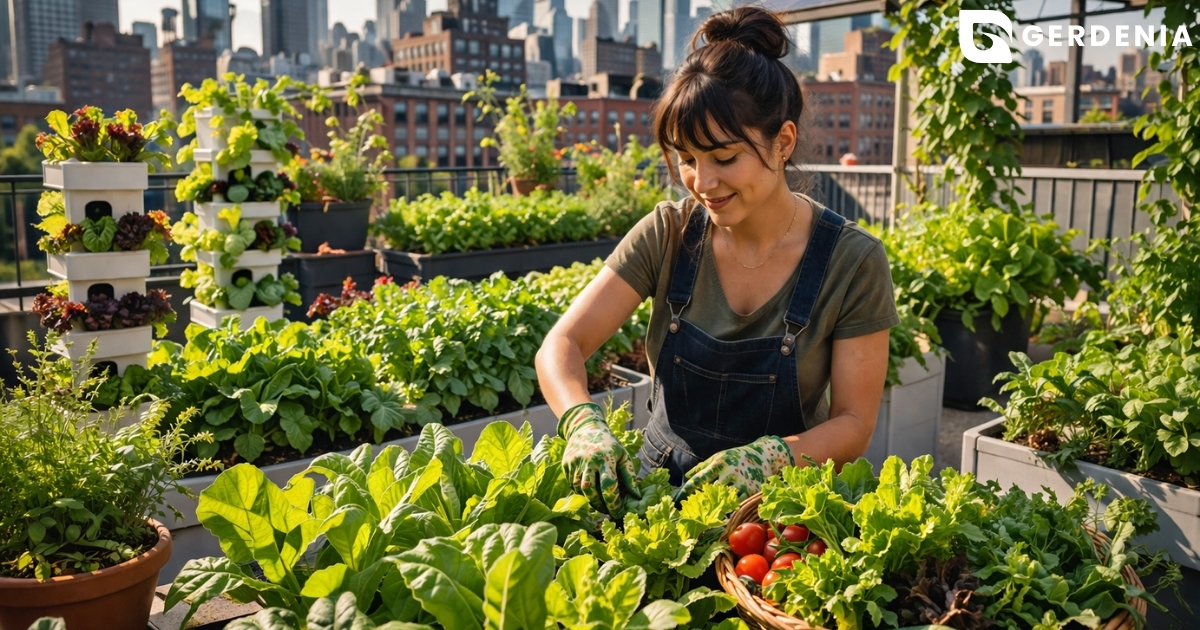
In the densely populated urban landscapes where space is a premium commodity, the concept of vertical gardening emerges not merely as a trend but as an ingenious paradigm shift in urban horticulture. By leveraging vertical spaces, urban dwellers can transcend the spatial constraints of traditional gardening, transforming mundane walls, balconies, and rooftops into verdant sanctuaries. The adoption of vertical gardening is driven by both practical necessity and a growing appreciation for sustainable living. This approach not only maximizes the use of limited space but also provides urban environments with much-needed greenery, contributing to ecological balance.
As cities continue to expand, the need for innovative solutions to integrate nature into urban settings becomes more pressing. Vertical gardening addresses this challenge by offering a versatile method to incorporate plants into the very fabric of urban architecture. This integration not only beautifies cityscapes but also introduces a myriad of environmental benefits, enhancing the overall quality of urban life. From residential balconies to commercial building facades, vertical gardens are redefining the possibilities of urban horticulture.

Vertical gardening, at its core, is the art and science of cultivating plants on vertically suspended panels or structures. This method not only optimizes space utilization but also enhances the aesthetic and environmental quality of urban settings. The increasing inclination towards vertical gardens is a testament to their multifaceted benefits, ranging from air purification and thermal insulation to biodiversity enhancement and psychological well-being. Vertical gardens serve as living green walls, providing an organic solution to urban challenges such as pollution and noise.
In addition to their environmental benefits, vertical gardens offer significant aesthetic value. They transform dull, lifeless walls into vibrant displays of color and texture, creating a striking contrast against the urban backdrop. This visual transformation can be particularly impactful in areas where green space is scarce, offering residents a glimpse of nature amidst the concrete. Furthermore, vertical gardens can be tailored to suit various design preferences, allowing for personalized expressions of creativity and style.
Aesthetic and Functional Integration
The integration of vertical gardens into urban architecture is a testament to the seamless amalgamation of form and function. These gardens serve as living tapestries, infusing organic textures into the rigid, geometric exteriors of urban edifices. The juxtaposition of vibrant flora against stark concrete not only elevates visual appeal but also mitigates the urban heat island effect, contributing to a more sustainable urban ecosystem. By reducing ambient temperatures, vertical gardens can lower energy consumption in buildings, leading to potential cost savings.
Moreover, vertical gardens can act as natural sound barriers, absorbing noise pollution and creating quieter, more serene urban environments. This functional aspect is particularly beneficial in bustling city centers where noise levels can be overwhelming. Additionally, the integration of vertical gardens into public spaces can enhance community well-being, providing opportunities for social interaction and engagement with nature. As such, vertical gardening is not just about beautifying spaces but also about creating healthier, more livable urban environments.
Innovative Vertical Garden Designs

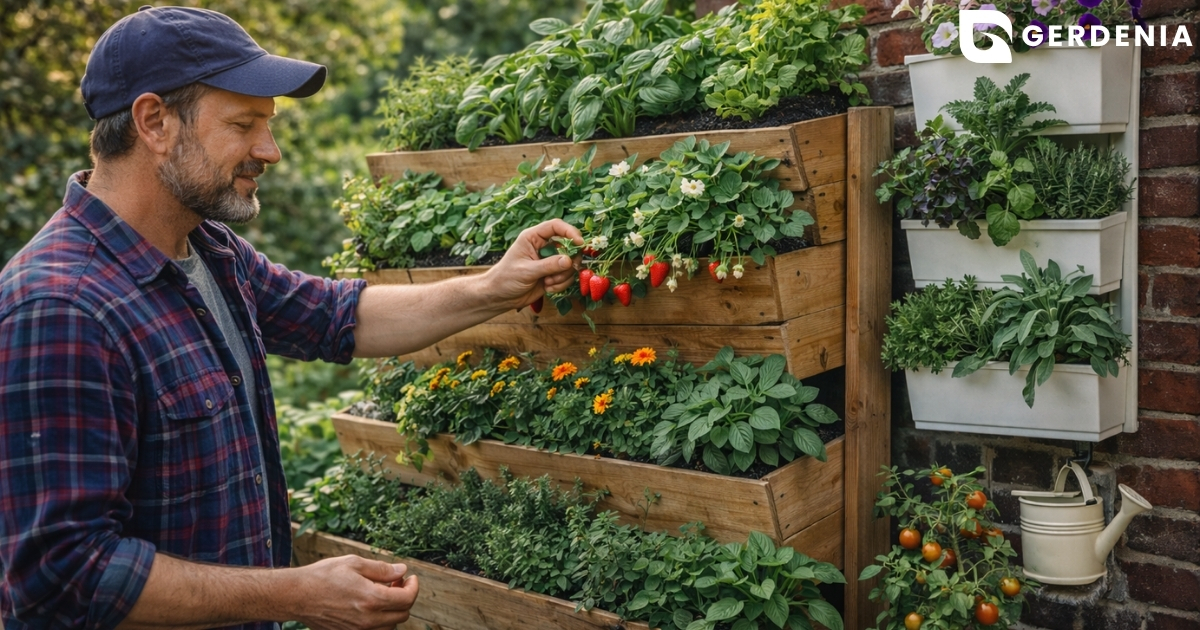
The ingenuity of vertical gardening lies in its versatility and adaptability to various spatial constraints and aesthetic preferences. Herein, we explore some avant-garde designs that epitomize the fusion of creativity and horticulture. From sleek, modern installations to more traditional, rustic designs, vertical gardens can be customized to complement any architectural style. This adaptability makes them an ideal choice for both new constructions and retrofitting existing buildings.
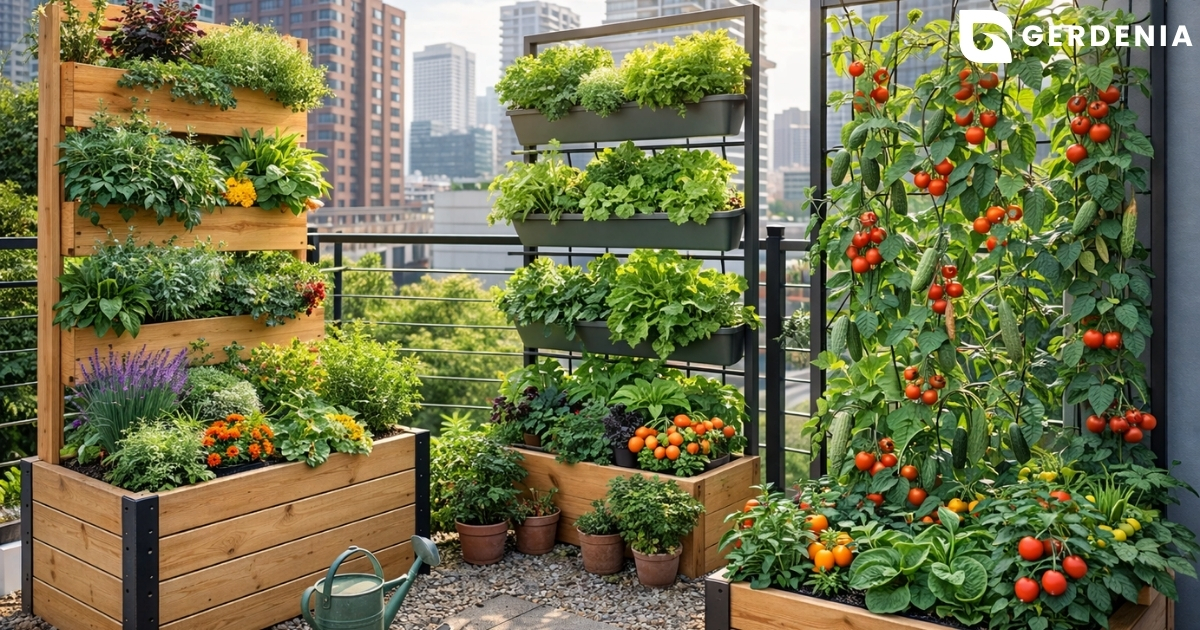
Vertical gardens can also be designed to serve specific functions, such as providing shade, improving air quality, or even growing edible plants. This multifunctionality enhances their appeal, allowing urban dwellers to enjoy the benefits of gardening without needing extensive ground space. As a result, vertical gardens are increasingly being incorporated into residential, commercial, and public projects, showcasing their potential to transform urban environments.
Modular Panel Systems
Modular panel systems are a quintessential embodiment of vertical gardening’s adaptability. These prefabricated panels, often fabricated from sustainable materials, offer a facile installation process and can be customized to accommodate a diverse range of plant species. The modular nature allows for the reconfiguration and expansion of the garden, catering to both aesthetic aspirations and ecological functions. This flexibility means that vertical gardens can evolve over time, adapting to changing needs and preferences.
Furthermore, modular systems can be easily maintained, as individual panels can be removed or replaced without disturbing the entire installation. This ease of maintenance is particularly advantageous in urban settings, where access to gardening areas may be limited. By utilizing modular systems, urban gardeners can create dynamic, evolving spaces that reflect their personal style and environmental goals.
Hydroponic Vertical Gardens
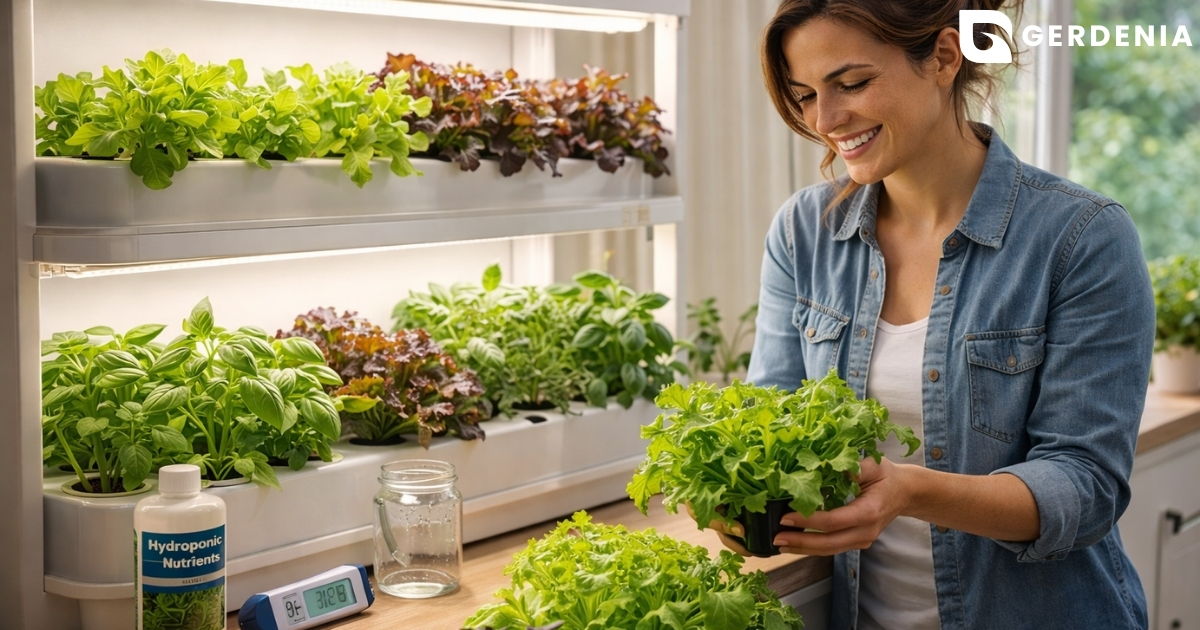
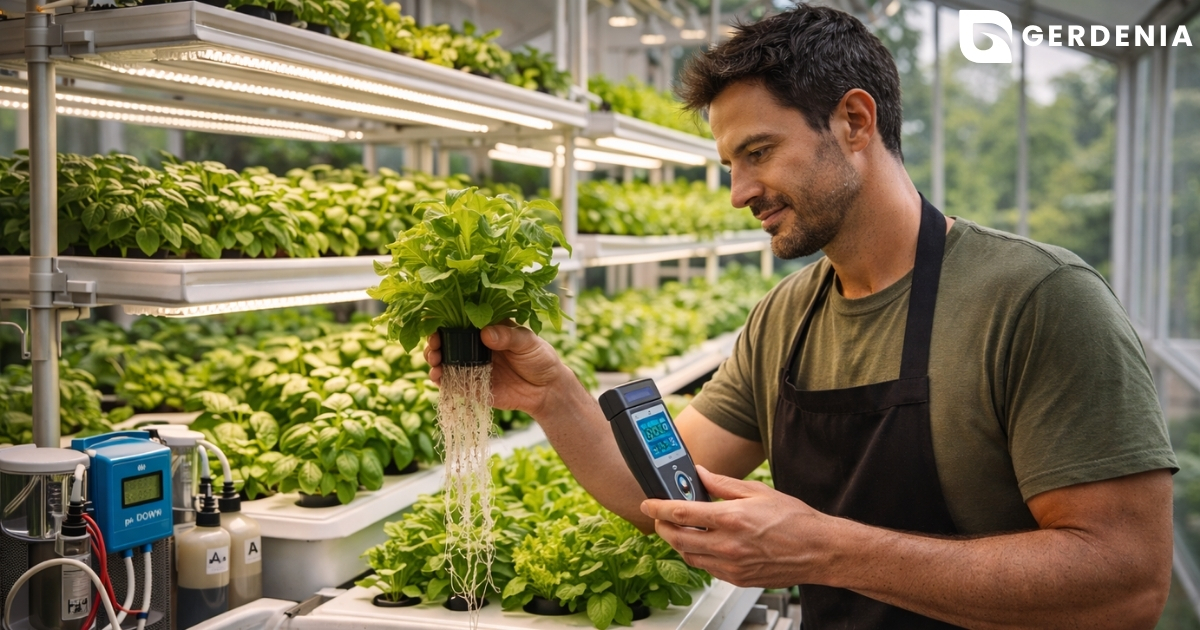
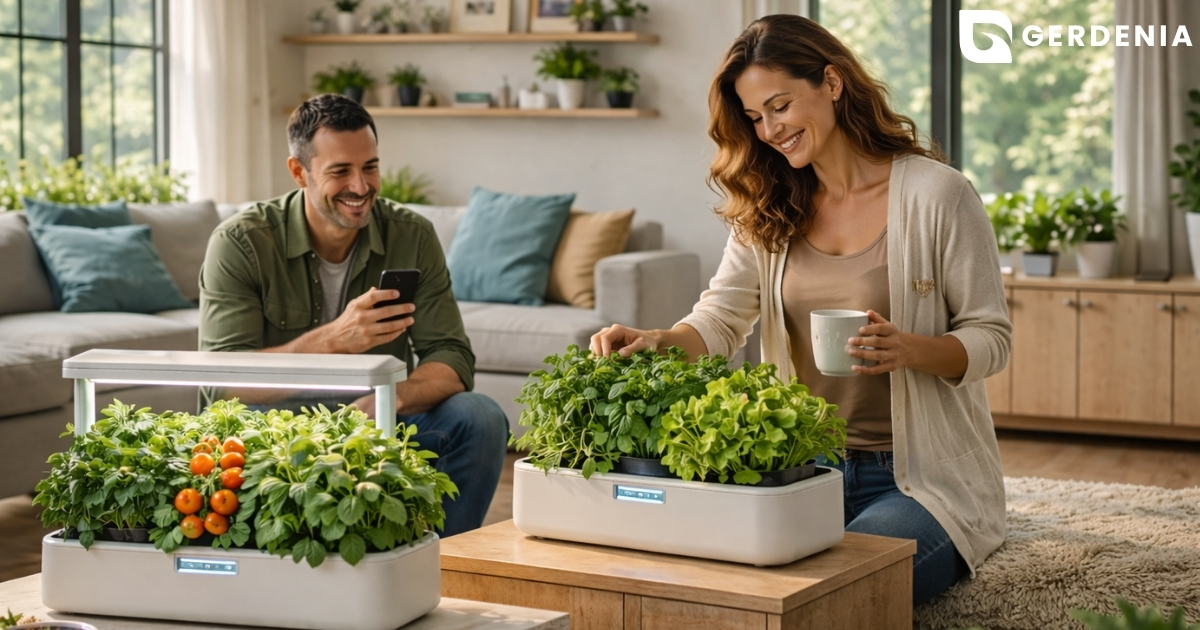
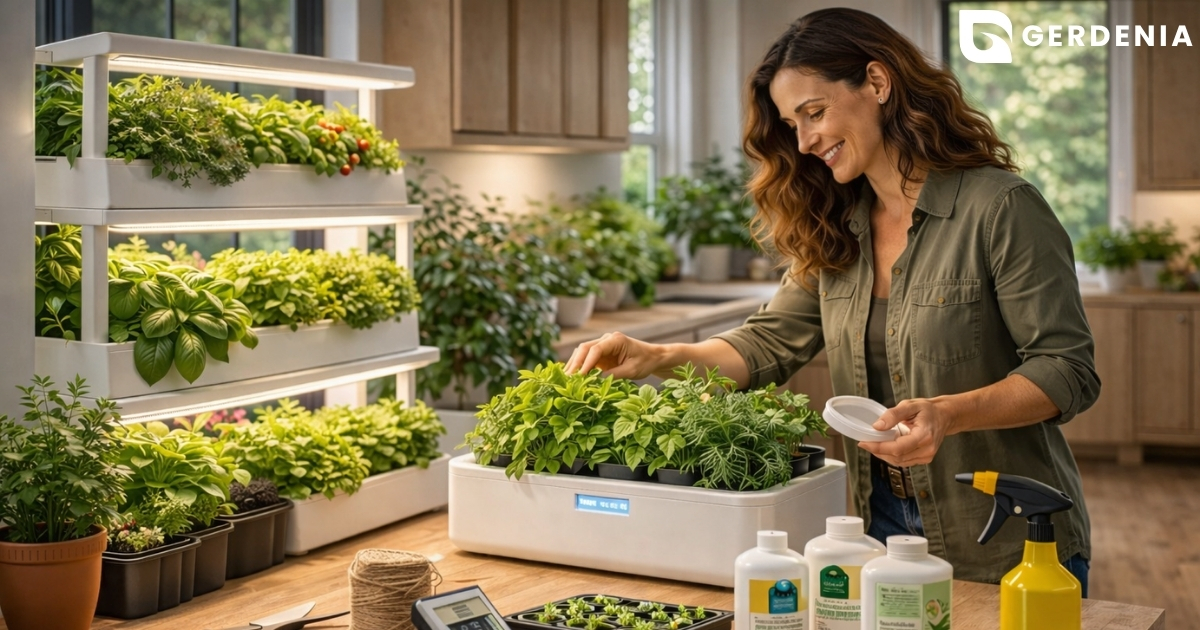
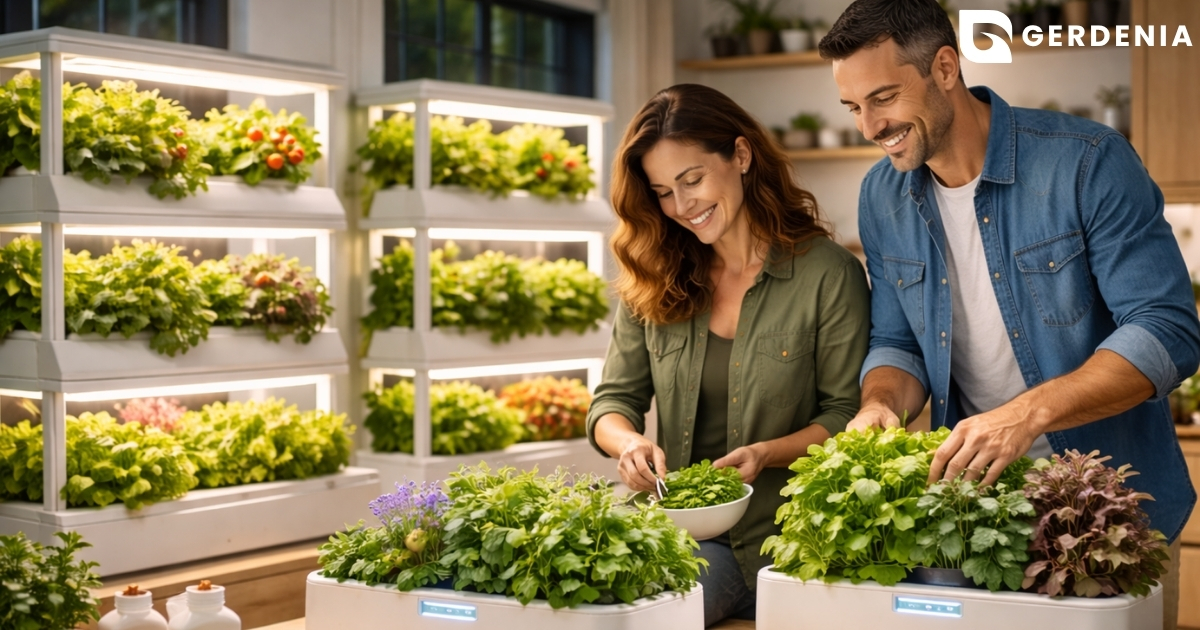
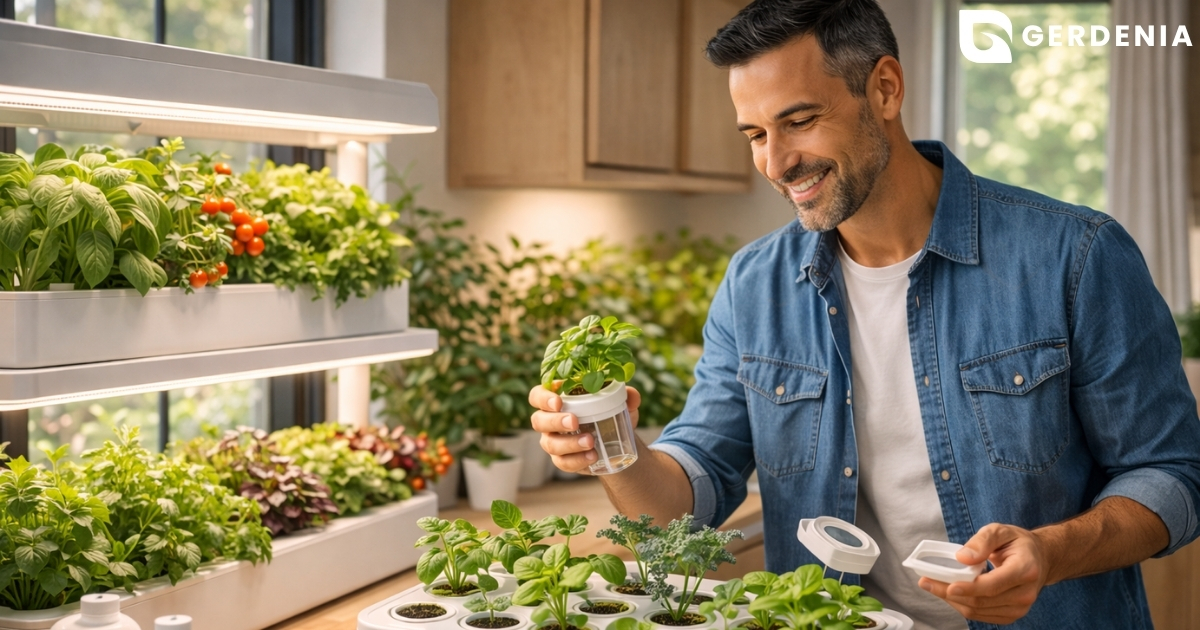
Hydroponic systems represent a paradigm shift in vertical gardening, eschewing traditional soil-based cultivation in favor of nutrient-rich water solutions. This method not only conserves water but also accelerates plant growth, making it an ideal solution for urban areas where resources are limited. Hydroponic gardens can be integrated into interior and exterior spaces, offering a sustainable solution for year-round cultivation. These systems are especially beneficial in urban areas with limited access to fertile soil, enabling residents to grow fresh produce in even the most constrained environments.
In addition to their practicality, hydroponic vertical gardens can be visually striking, with sleek, modern designs that complement contemporary architecture. The ability to control nutrient delivery and water usage precisely also ensures optimal plant health, resulting in lush, vibrant growth. As awareness of sustainable gardening practices grows, hydroponic systems are becoming increasingly popular, offering a glimpse into the future of urban agriculture.
Living Wall Art
Living wall art transcends the conventional boundaries of gardening, transforming vertical spaces into dynamic canvases of living art. By meticulously selecting plant species with varying textures, colors, and growth habits, one can create intricate patterns and designs that evolve over time. This approach not only enhances the aesthetic value of urban spaces but also fosters a deeper connection between inhabitants and their environment. Living wall art can serve as a focal point in public spaces, drawing attention and inspiring admiration from passersby.
Moreover, living wall art can be used to convey messages or themes, reflecting the cultural or historical significance of a location. This artistic expression adds an additional layer of meaning to urban landscapes, enriching the visual and cultural fabric of cities. As living wall art continues to gain popularity, it is poised to play a significant role in the evolution of urban aesthetics, blending art and nature in innovative ways.
Practical Considerations for Vertical Gardening

by Aalo Lens (https://unsplash.com/@aalolens)
While the allure of vertical gardening is undeniable, its successful implementation requires meticulous planning and execution. The following considerations are paramount for the creation of thriving vertical gardens. Proper planning ensures that the garden not only looks beautiful but also thrives in the long term, providing ongoing benefits to its environment.
Understanding the specific requirements and challenges of each site is crucial to the success of a vertical garden. Factors such as sunlight exposure, wind conditions, and access to water all play a role in determining the most suitable plant species and design. By taking these elements into account, urban gardeners can create robust, resilient gardens that enhance their surroundings.
Structural Integrity and Support
The primary consideration in vertical gardening is the structural integrity of the supporting framework. The chosen structure must withstand the cumulative weight of the plants, growth medium, and irrigation systems. It is imperative to conduct a thorough assessment of the load-bearing capacity of the existing walls or structures before installation. Additionally, the materials used for the framework should be durable and resistant to weathering, ensuring the garden’s longevity.
Consulting with structural engineers or professionals with experience in vertical gardening can provide valuable insights and prevent potential issues. Proper anchoring and reinforcement techniques are essential to ensure that the garden remains secure and stable, even in adverse weather conditions. By prioritizing structural integrity, urban gardeners can enjoy the benefits of their vertical gardens with peace of mind.
Irrigation and Water Management
Efficient water management is crucial for the sustainability of vertical gardens. Drip irrigation systems are often employed to deliver precise quantities of water directly to the plant roots, minimizing waste and ensuring uniform hydration. Additionally, incorporating a drainage system is essential to prevent waterlogging and maintain optimal soil moisture levels. Advanced irrigation systems can be automated, providing consistent care and reducing the need for manual intervention.
Water conservation is a critical consideration in urban areas, where resources may be limited. Vertical gardens that utilize efficient irrigation systems not only minimize water usage but also contribute to sustainability efforts. By implementing smart water management strategies, urban gardeners can create thriving, eco-friendly spaces that benefit both the environment and the community.
Plant Selection and Maintenance
The selection of plant species should be aligned with the environmental conditions and aesthetic goals of the vertical garden. Plants with similar water and light requirements should be grouped together to facilitate maintenance. Regular pruning, fertilization, and pest control are integral to maintaining the health and vitality of the garden. Choosing native or climate-adapted species can enhance the garden’s resilience and reduce maintenance requirements.
Furthermore, regular monitoring and adjustments are necessary to ensure the garden’s ongoing success. Urban gardeners should be prepared to adapt their care routines in response to changes in weather or plant health. By staying attentive and responsive, they can cultivate vibrant vertical gardens that thrive in the heart of the city.
The Impact of Vertical Gardening on Urban Living
Vertical gardening extends beyond mere decorative embellishments, imparting profound ecological and social benefits to urban environments. As cities become more densely populated, the role of vertical gardens in enhancing urban life becomes increasingly significant. These gardens offer a practical solution to the challenges of urban living, providing tangible benefits to residents and the environment alike.
Through their integration into urban landscapes, vertical gardens contribute to a more sustainable and harmonious coexistence between nature and city life. They provide an opportunity for individuals to engage with the natural world, even in the most built-up areas, fostering a sense of connection and stewardship for the environment.
Environmental Sustainability
Vertical gardens contribute to environmental sustainability by enhancing air quality, promoting biodiversity, and reducing energy consumption. The photosynthetic activity of the plants sequesters carbon dioxide and releases oxygen, improving air quality. Additionally, vertical gardens provide habitats for urban wildlife, fostering biodiversity within cityscapes. This increased biodiversity can support pollinators and other beneficial species, contributing to the overall health of urban ecosystems.
Moreover, the insulating properties of vertical gardens can lead to significant energy savings. By moderating temperatures and providing shade, these gardens reduce the need for heating and cooling in adjacent buildings. As such, vertical gardening not only benefits individual property owners but also contributes to broader sustainability efforts within the urban environment.
Psychological and Social Benefits
The presence of greenery in urban environments has been empirically linked to improved mental health and social cohesion. Vertical gardens offer urban dwellers a respite from the concrete jungle, promoting relaxation and reducing stress levels. Moreover, community-based gardening initiatives foster social interaction and engender a sense of collective stewardship for the environment. These spaces can become focal points for community gatherings and events, strengthening social ties and fostering a sense of belonging.
Furthermore, vertical gardens can enhance the aesthetic appeal of urban areas, creating more inviting and pleasant environments. This visual improvement can boost residents’ pride in their surroundings and contribute to a positive community identity. As vertical gardening continues to gain traction, its potential to transform urban living extends beyond environmental impact, offering meaningful social and psychological benefits as well.
Conclusion
Vertical gardening represents a transformative approach to urban horticulture, offering a sustainable and aesthetically enriching solution to the spatial limitations of city living. By integrating plants into vertical spaces, urban residents can create verdant oases that enhance environmental quality and foster a deeper connection with nature. As cities continue to evolve, the adoption of vertical gardening practices will undoubtedly play a pivotal role in shaping the future of urban landscapes. Embracing this innovative approach not only beautifies urban areas but also addresses critical environmental and social challenges.
The potential of vertical gardening to transform urban environments is immense, promising a greener, more sustainable future. As more people and communities adopt this practice, the cumulative impact on global urban landscapes could be profound. By championing vertical gardening, cities can lead the way in sustainable development, setting an example for others to follow and demonstrating the power of nature to enhance urban life.