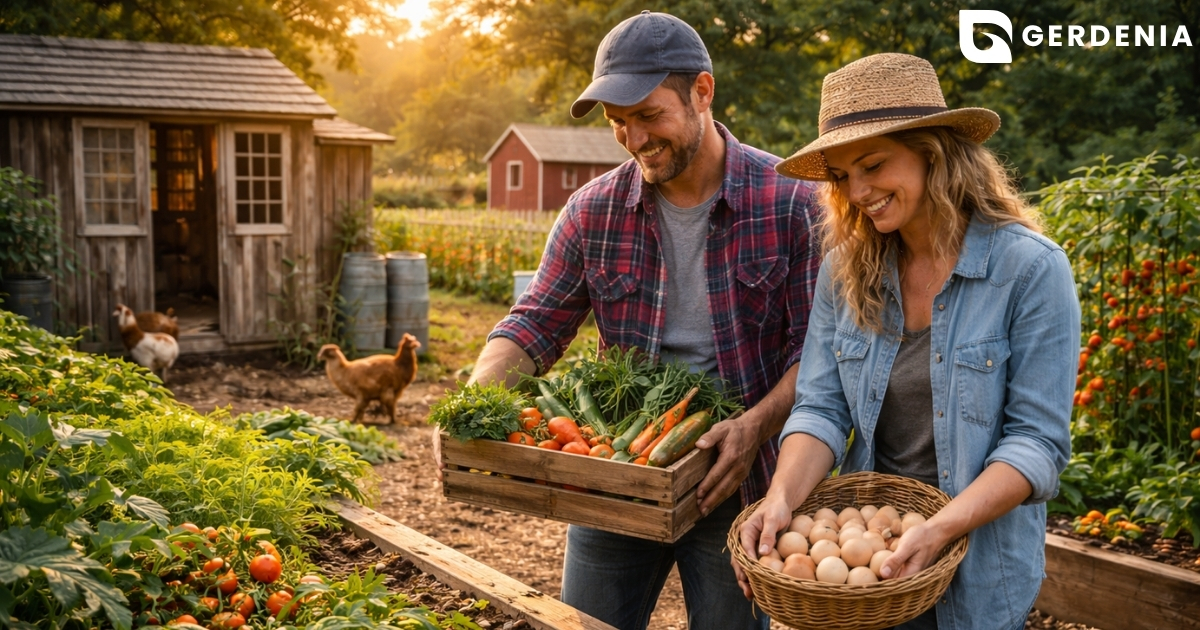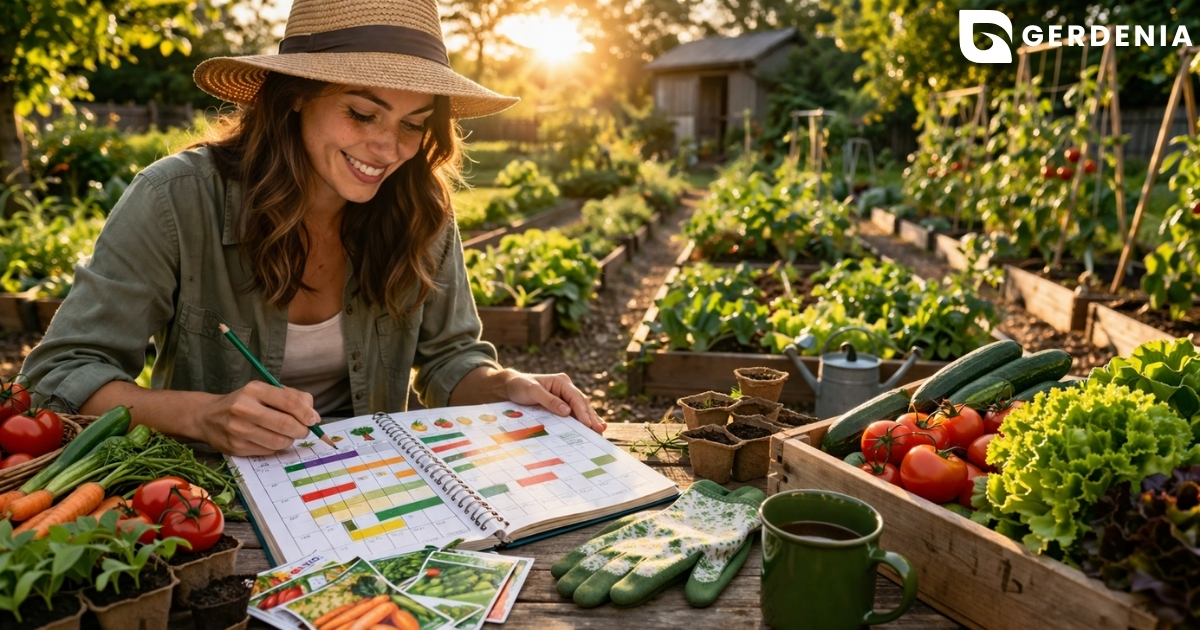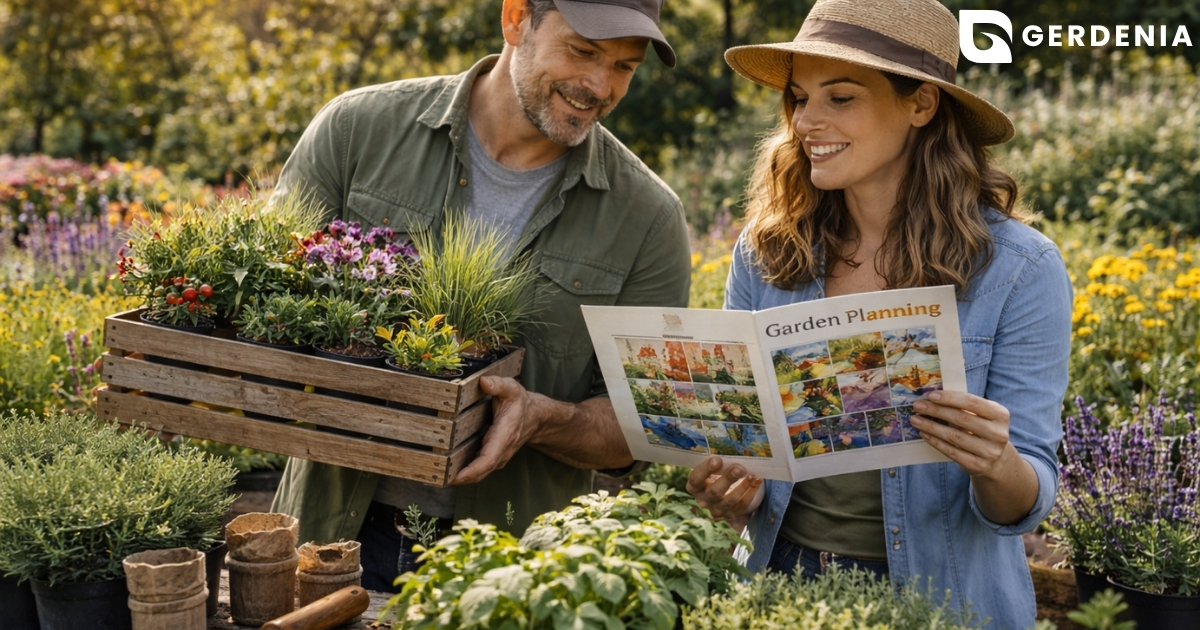
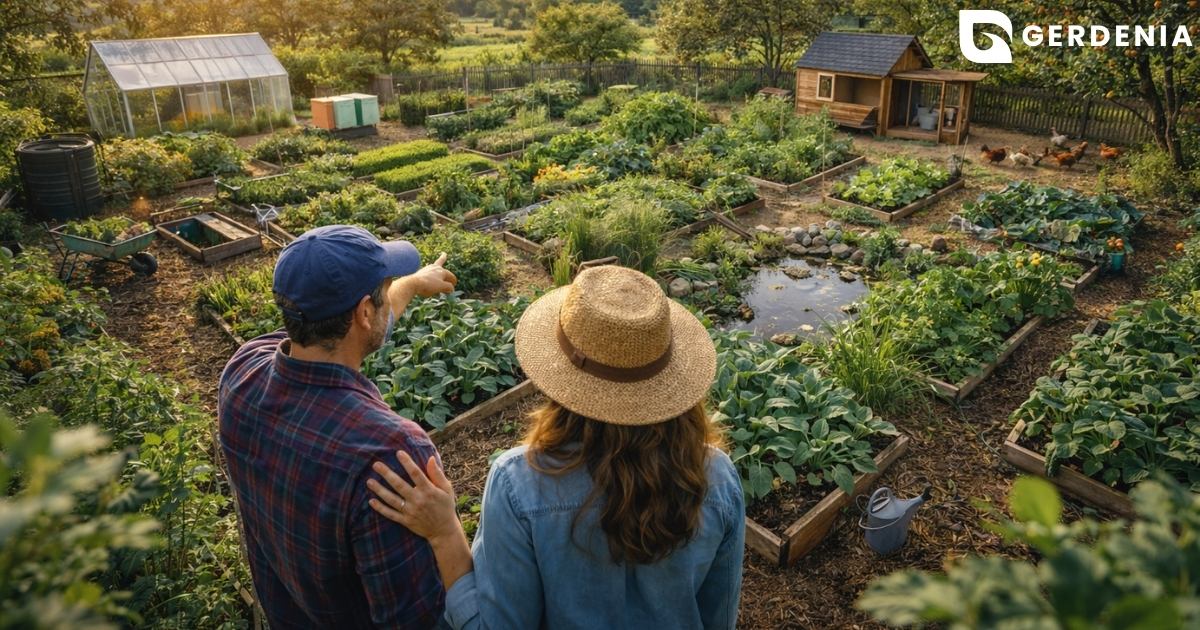
Imagine walking out your back door instead of driving to the produce aisle. Designing a functional self-sufficient garden layout—an intentional system where plants, water, and earth work together to restock your family’s food supply naturally—is a highly rewarding endeavor. According to agricultural extension studies, a carefully planned 10×10 garden plot can yield over $500 worth of fresh produce annually.
Most residential plots fall short of this financial potential because they rely on decorative arrangements rather than functional food systems. Transitioning from a pretty yard to a working grocery store means you must anchor your entire design around three non-negotiables: rich soil, easy water access, and relentless sun tracking.
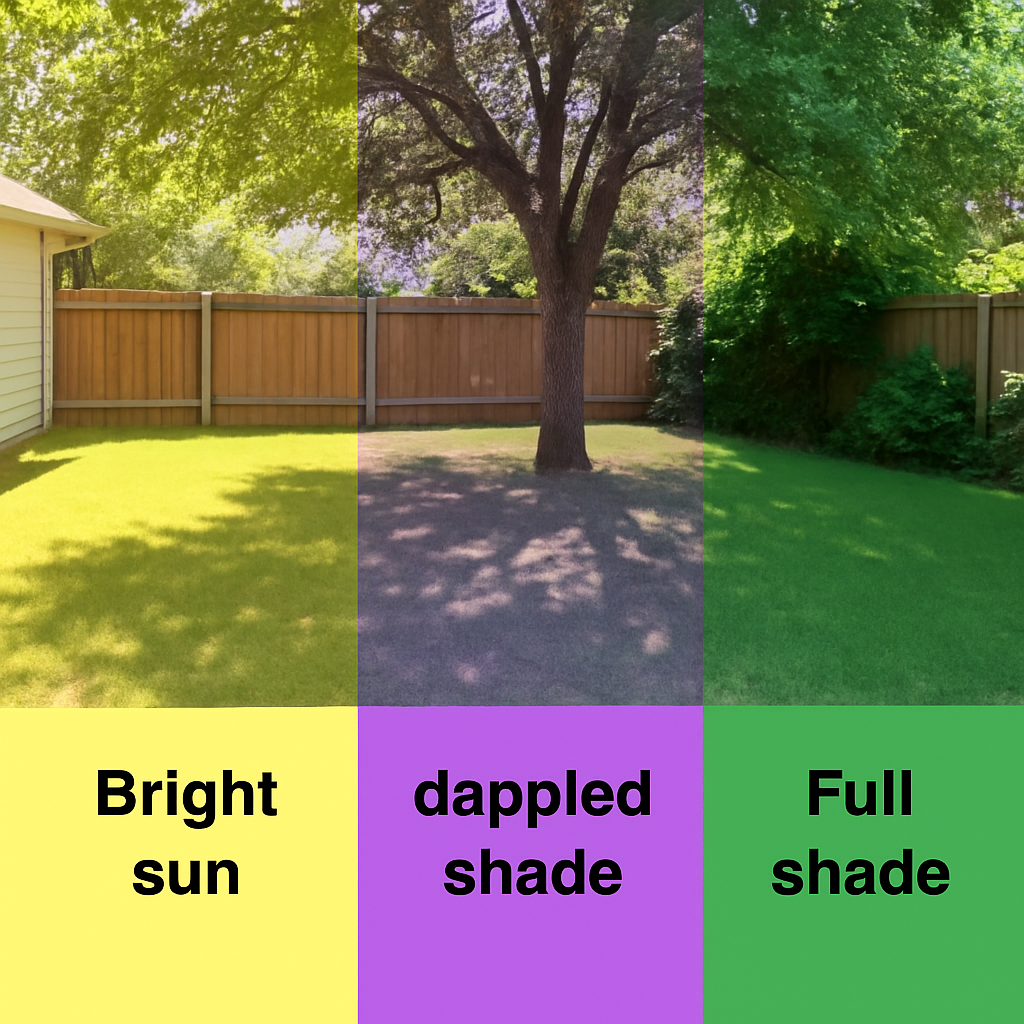
How do you accurately measure that solar energy before digging? Think of your yard as a green battery that requires six to eight hours of direct ‘charging’ from the sun to power heavy-yielding crops like tomatoes and potatoes. By mapping your property using this 6-hour battery rule, you stop guessing and start optimizing sunlight based on how plants genuinely consume daylight.
Without this baseline mapping, many beginners accidentally plant a ‘shadow garden,’ where towering corn stalks completely block the light from low-growing peppers. Evaluating these solar patterns early is the most critical strategy among functional backyard garden ideas, ensuring your new layout works alongside nature rather than fighting it.
Charging Your Garden Battery: Mapping Sunlight and Water Flow
Most gardens fail because their layout works against nature rather than with it. Since you already know where North is, optimizing sunlight becomes straightforward. South-facing solid fences create ‘solar traps’—warm microclimates that reflect heat—perfect for sun-loving crops. Conversely, low-lying shaded spots form ‘cold sinks,’ where heavy frost settles, making them ideal for hardy winter greens.
Understanding how moisture moves across these light zones is the next step toward true backyard food security. You must verify soil drainage before installing water harvesting systems. Try a simple percolation test to measure drainage speed:
- Dig a twelve-inch deep hole.
- Fill it with water to saturate the ground.
- Refill it, ensuring the water empties completely within 24 hours.
Fast-draining high points need extra irrigation, while slow-draining low points perfectly suit thirsty plants. Mapping these natural extremes guarantees your crops thrive with minimal effort. With your yard’s natural energy flow charted, the next step is calculating your actual acreage requirements.
How Much Land Do You Actually Need? Calibrating Acreage for Food Independence
Subsistence scaling—calculating the acreage requirements for food self-sufficiency—starts by rethinking your yard. Traditional lawns hold massive amounts of ‘dead space’ along sunny fences or unused side yards. By converting just a 40-by-50-foot patch of underutilized turf, you unlock 2,000 square feet. With optimized planning, that specific footprint provides the 2,000 daily calories needed to sustain one adult for an entire year.
Hitting that nutritional goal relies on calorie density mapping: prioritizing plants that offer the highest energy per foot of soil. While lettuce provides great vitamins, it will not keep you full. Instead, anchor your layout with high-calorie crops. Potatoes rank at the top of this efficiency scale, yielding massive energy in tiny spaces, followed by corn and winter squash. Dedicating half your space to these heavy hitters builds a garden that truly sustains your household.
Once you multiply your family size by that base square footage, implementing these backyard ideas feels entirely manageable. Before planting those staple crops, however, you must prepare the earth by establishing your growing beds.
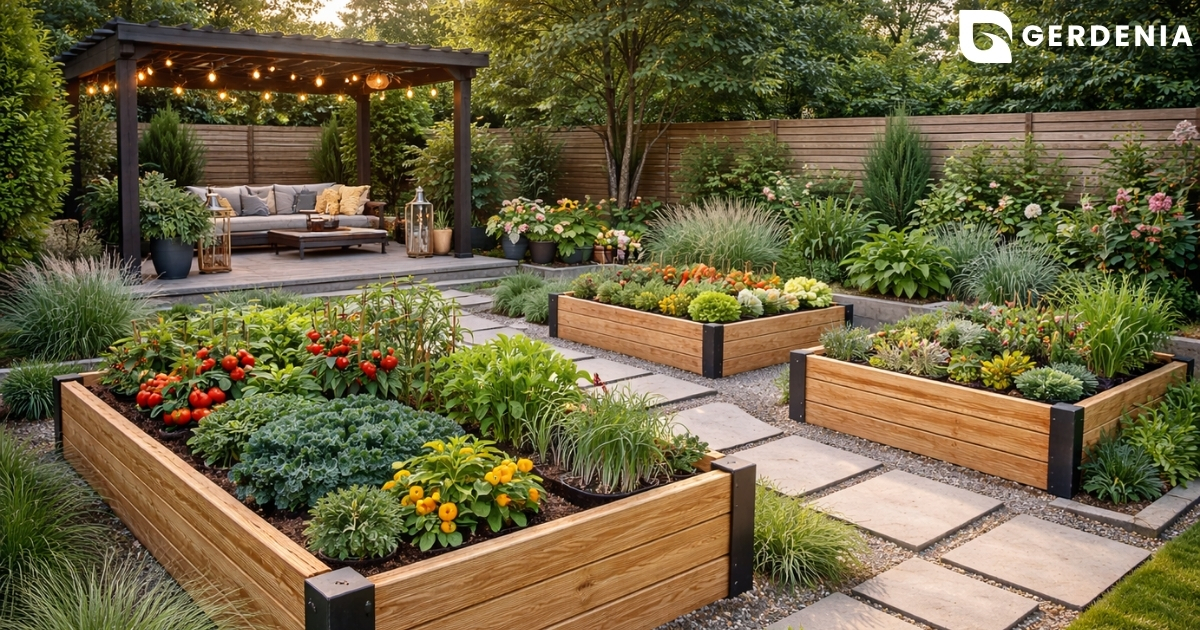
The Groundwork Debate: Raised Beds vs. In-Ground Plots
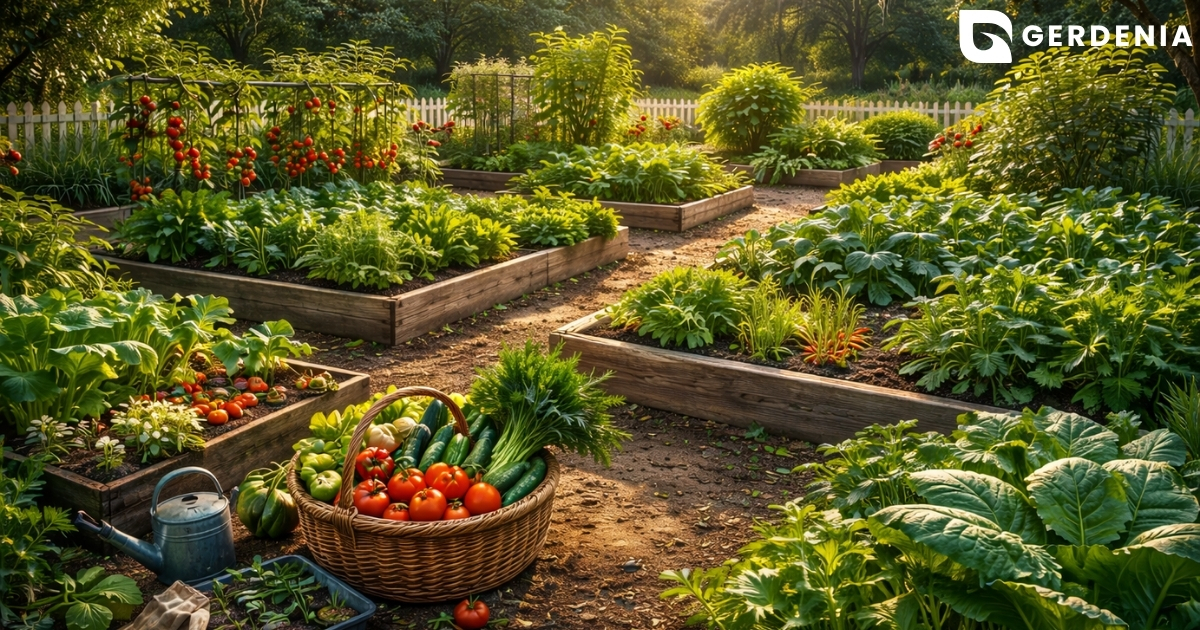
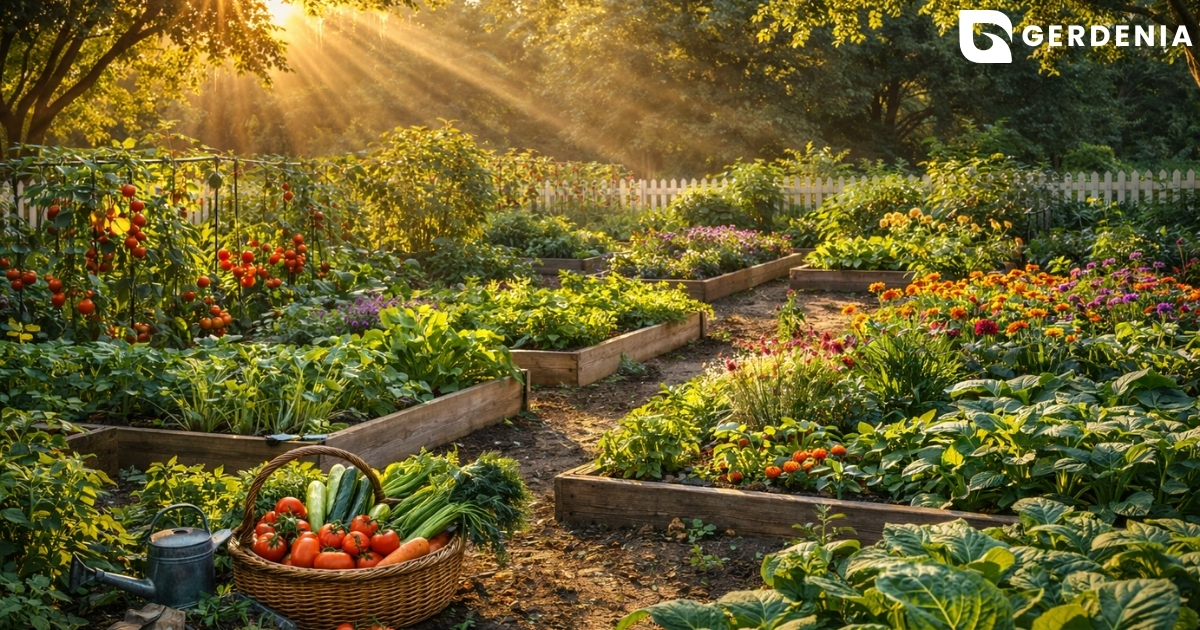
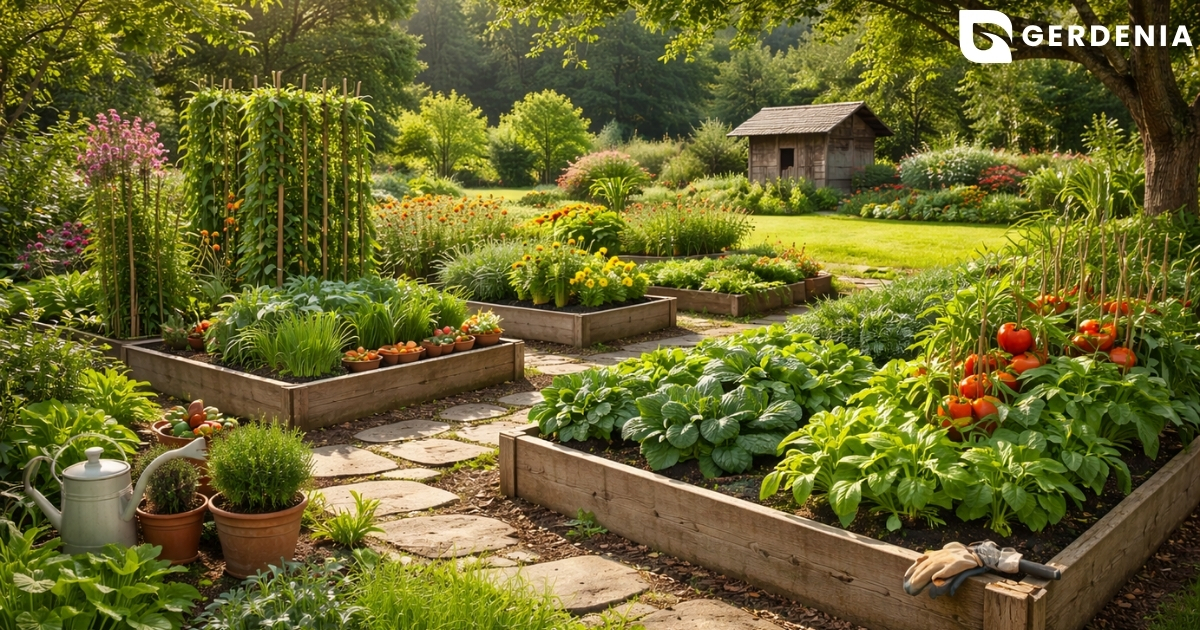
Deciding where to plant comes down to understanding the trade-offs of your infrastructure:
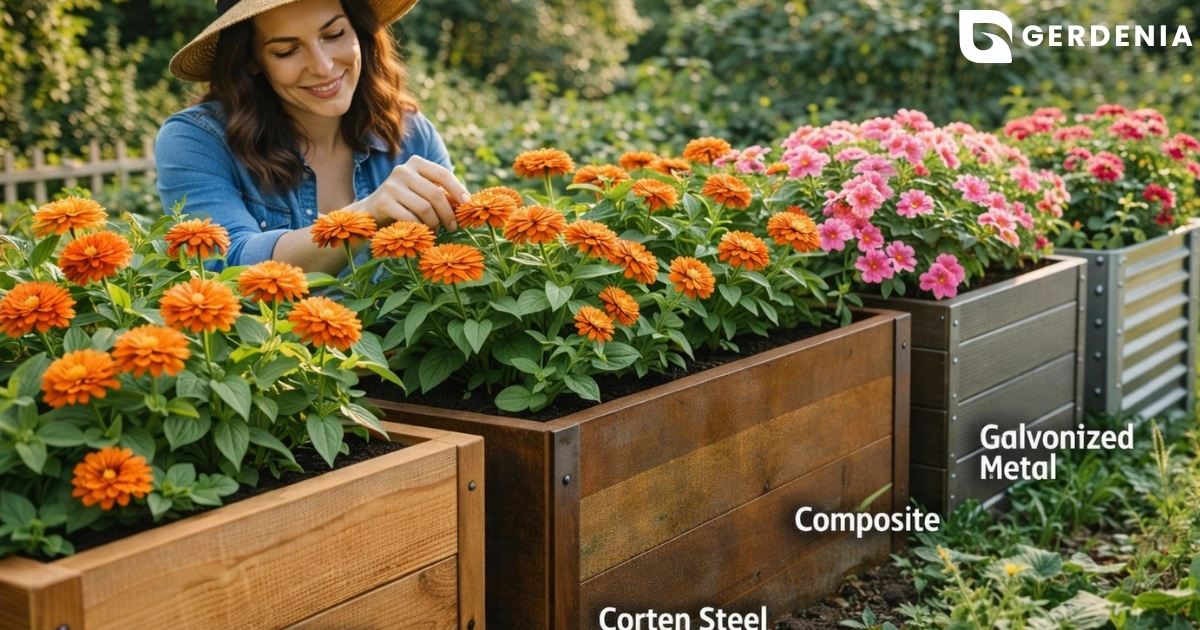
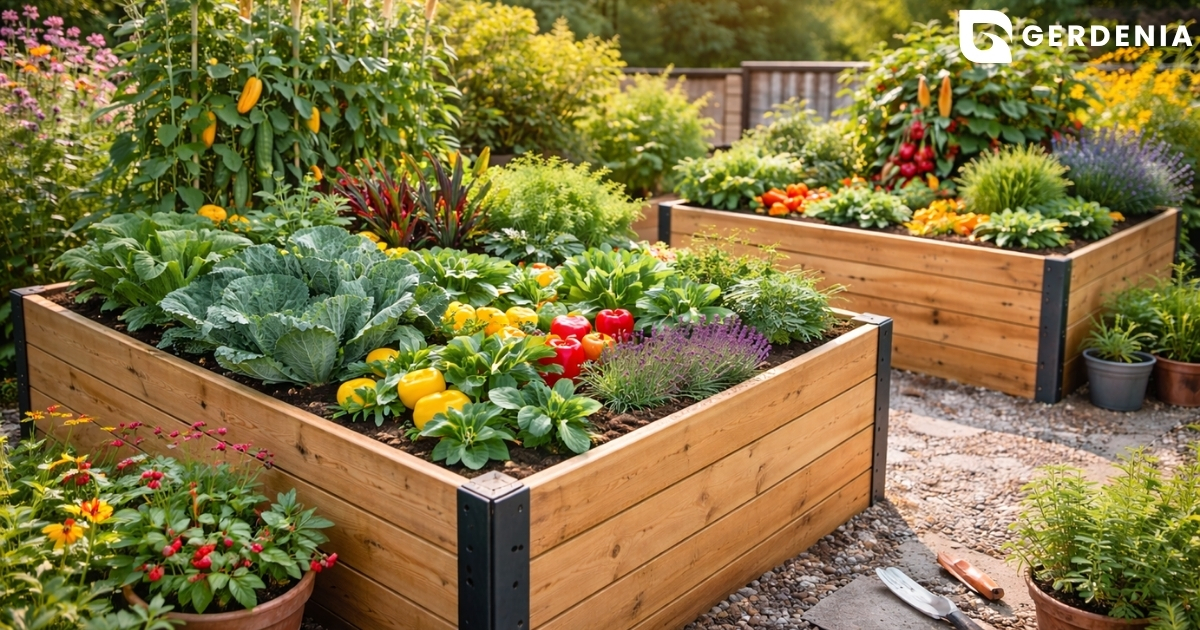
- Raised Beds: Faster spring warming and better drainage, but require higher upfront material costs.
- In-Ground Plots: Deep root space and free establishment, but often involve battling native weeds.
Regardless of your choice, leave 18-to-24-inch pathways between rows for easy wheelbarrow access.
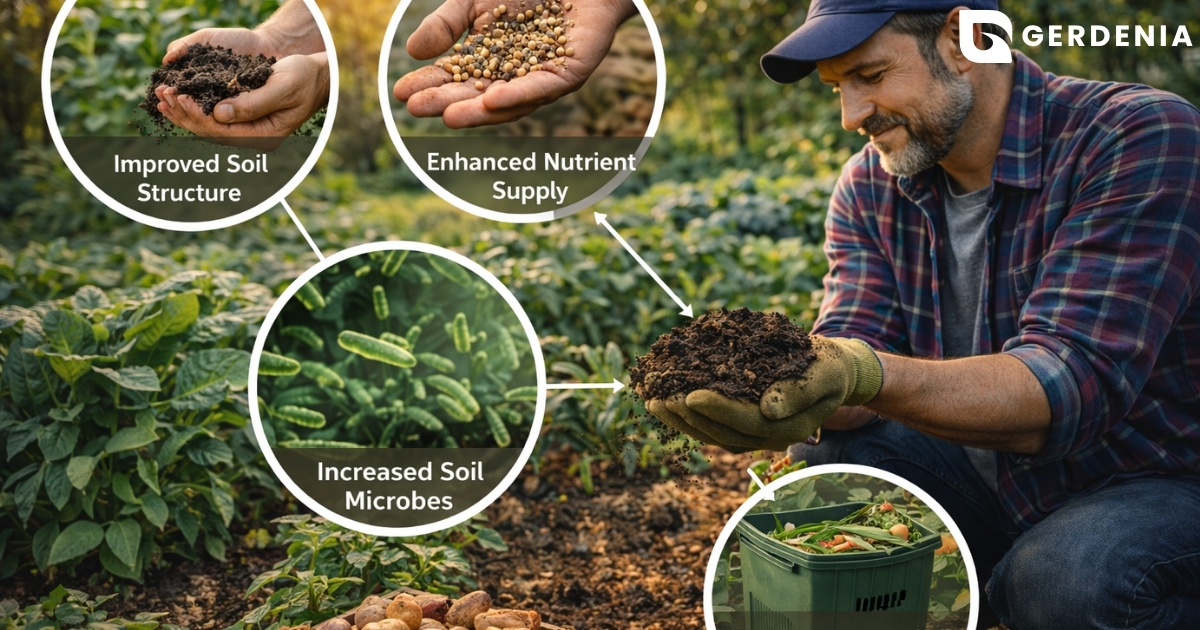
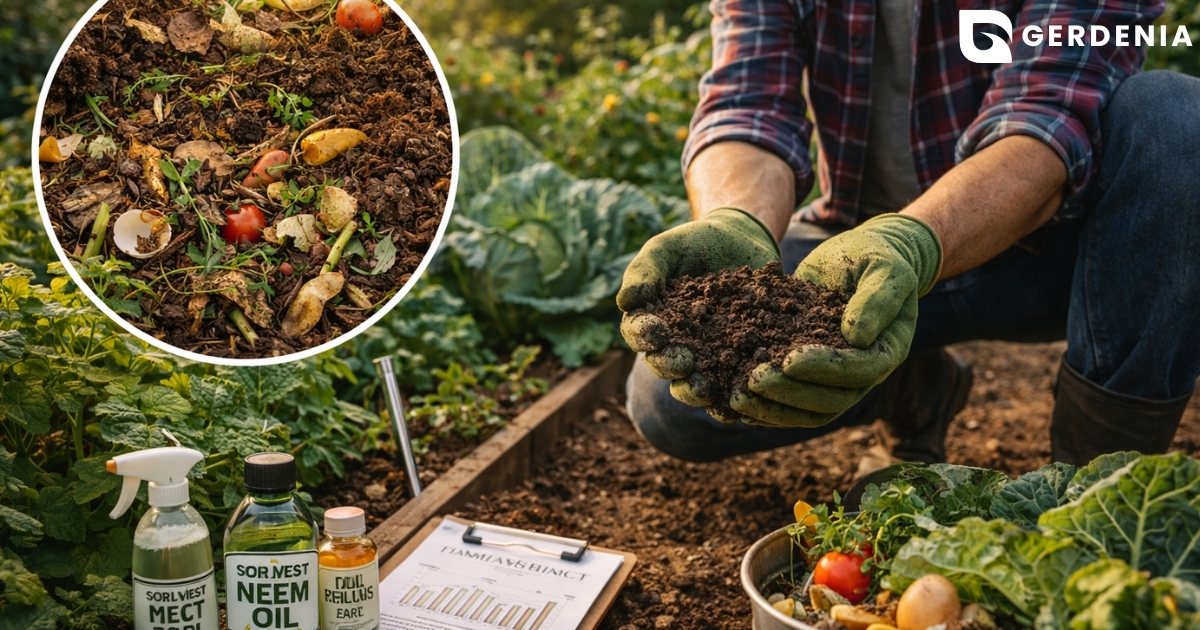
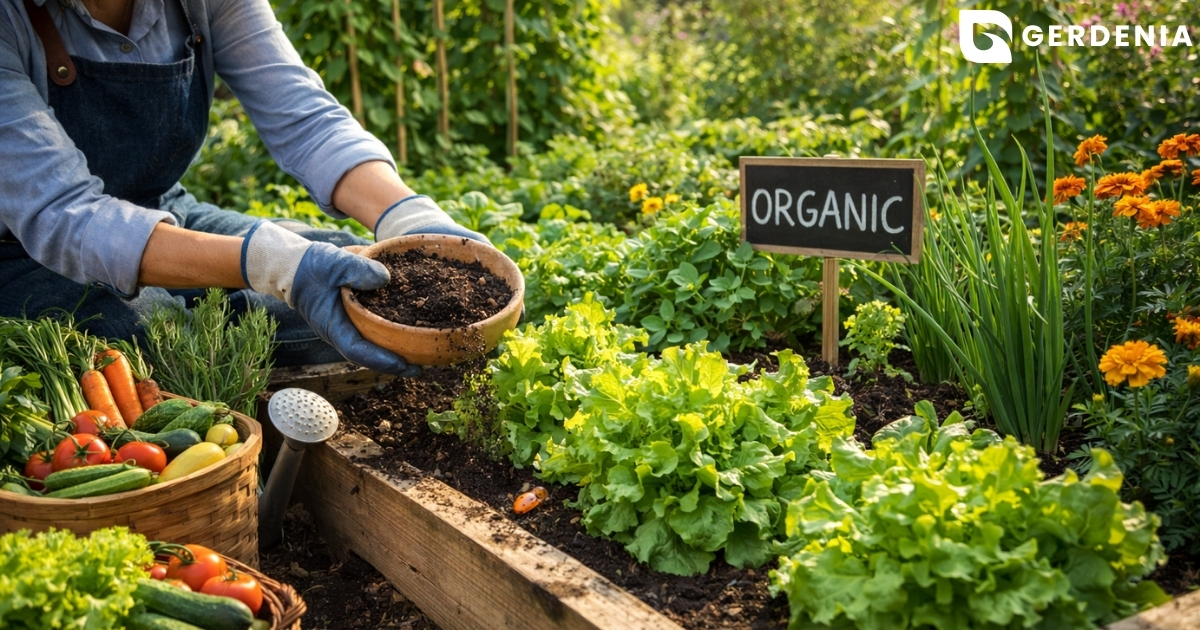
Protecting the earth beneath those beds is crucial since healthy roots require abundant air. Traditional tilling destroys natural structure, causing severe soil compaction that chokes plants. Instead, embrace the ‘No-Dig’ method. This technique smothers grass with wet cardboard, stacking alternating layers of compost and mulch directly on top. Letting earthworms do the plowing creates instant soil fertility without breaking your back.
Trading heavy machinery for a simple digging fork means your essential tools shift to quiet hand implements. With your uncompacted soil prepared, organize your newly planned crops to keep your daily harvest routine as efficient as possible.
The Kitchen Analogy: Permaculture Zones to Cut Daily Maintenance
We’ve all felt ‘garden fatigue’ by mid-summer, when walking to the back fence to snip basil feels like a chore. To prevent this burnout, a smart layout relies on proximity-based design. Think of your kitchen: you keep daily spices on the counter, not hidden in the basement. By clustering daily tasks near entryways, you eliminate unnecessary trips and ensure thirsty plants get noticed immediately.
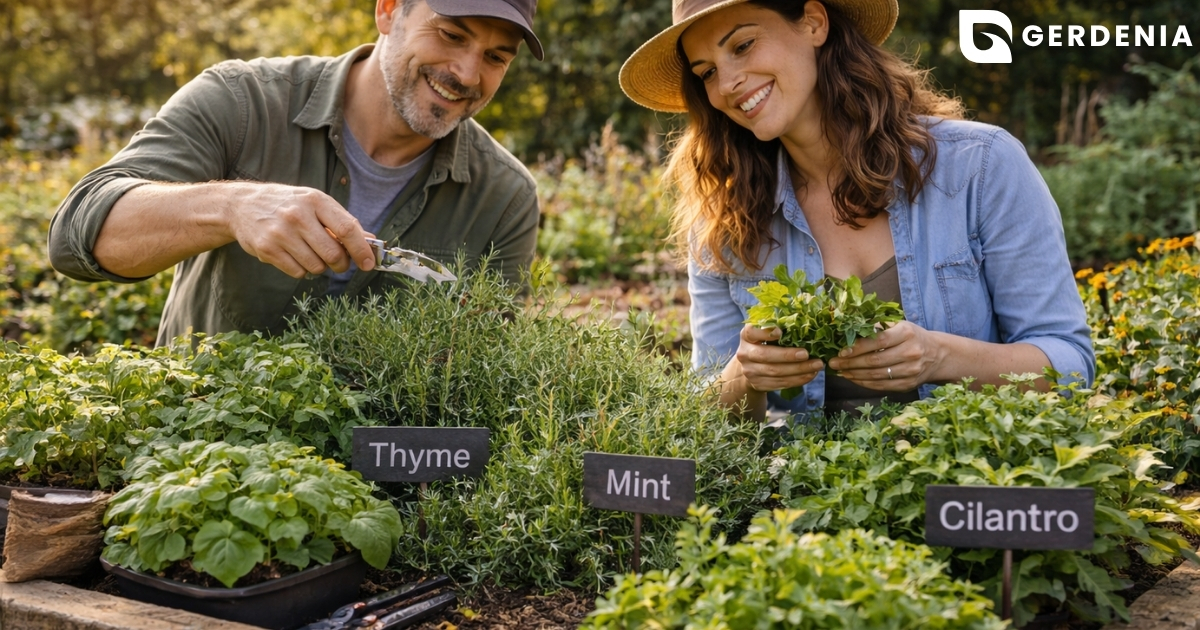
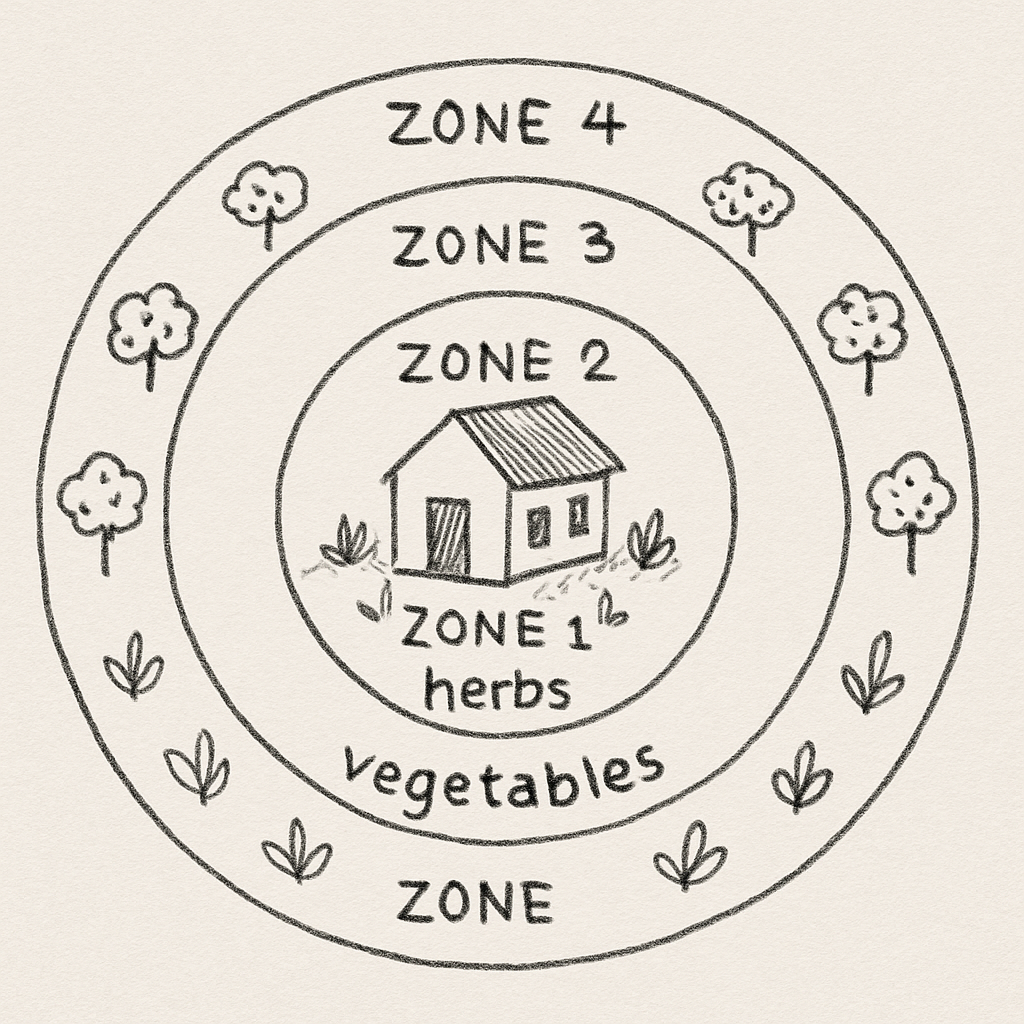
This strategy uses permaculture zone planning, a system organizing plants by how often they need attention. Start by mapping your daily walking paths to place high-maintenance crops—like salad greens and herbs—in Zone 1 right outside your door. Because you pass these beds constantly, pulling a quick weed or harvesting dinner takes seconds instead of dedicated hours.
Further out, the rules change entirely for crops that thrive on neglect. Designate Zone 4—the distant edges of your yard—for high-calorie staples like winter squash that need little care. This strategic spacing builds genuine food security without monopolizing your weekends. Once your ground-level zones are efficiently mapped, you can maximize your square footage by looking skyward.
Building Up, Not Out: Vertical Gardening and Food Forests
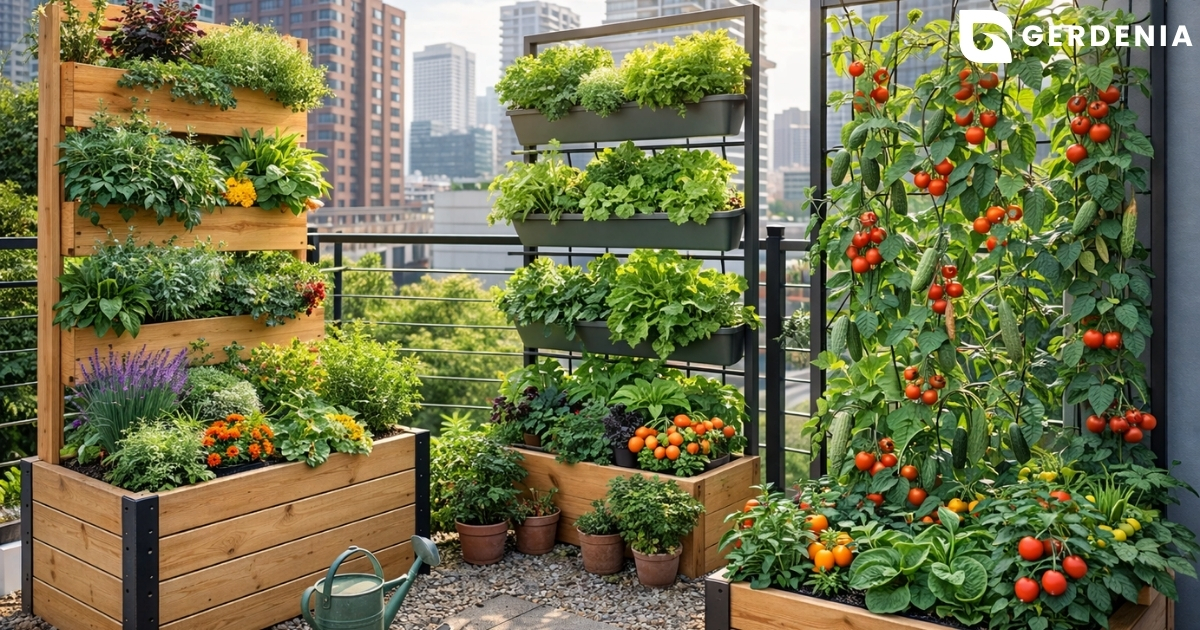
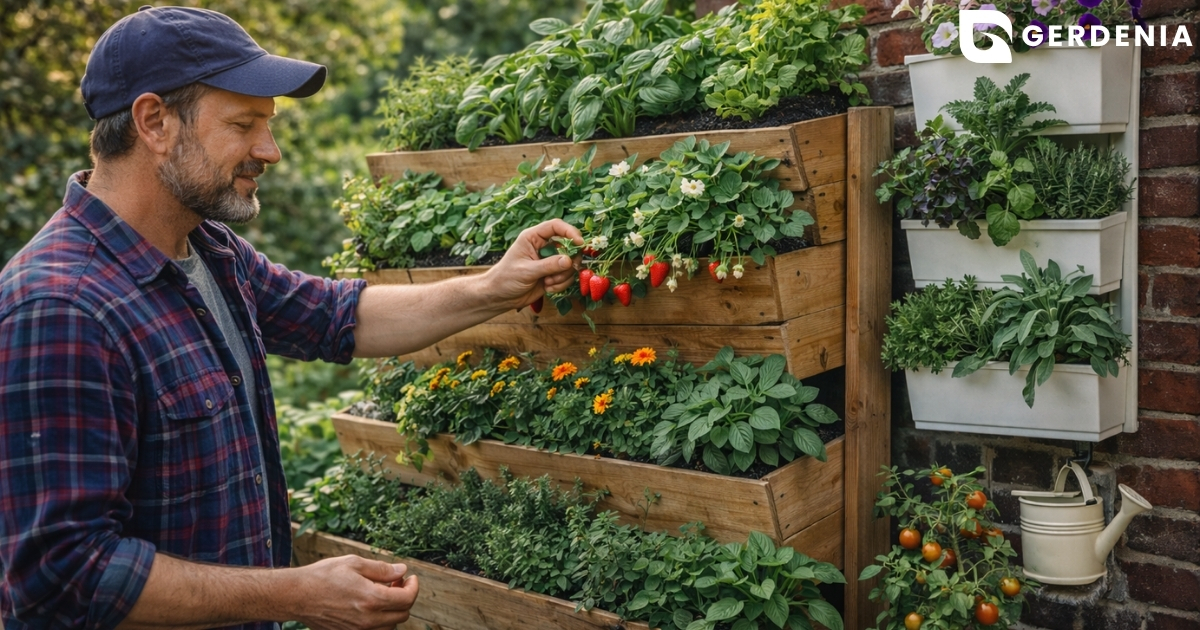
When you run out of floor space, build up. Utilizing vertical gardening techniques acts like adding a second story to your garden’s square footage. Traditional layouts waste sunlight by planting everything at a uniform height, but nature prefers three-dimensional growth.
This upward strategy drives food forest design, mimicking wild woodlands to maximize your calories per square foot. Building a self-sustaining food forest requires organizing overlapping plants into this structure:
- Canopy: Large overstory trees
- Sub-canopy: Dwarf fruit trees
- Shrub layer: Berry bushes
- Herbaceous layer: Culinary herbs
- Ground cover: Low-growing greens
- Rhizosphere: Root crops
- Vertical layer: Climbing vines
Putting this into practice means rethinking how plants share boundaries. You can easily stack your yields by planting root crops under fruit trees. While the tall overstory branches absorb the intense afternoon heat, the shaded understory below provides a sheltered microclimate. Select shade-tolerant greens like spinach or kale for the ground cover layer, and utilize sturdy trellises for heavy vining crops like melons.
Layering these ecosystems naturally blocks weeds by shielding the soil, saving you hours of manual labor. Beyond sharing space, these multi-level plant relationships can be designed to actively protect one another.
Nature’s Security System: Companion Planting for Pest-Free Yields
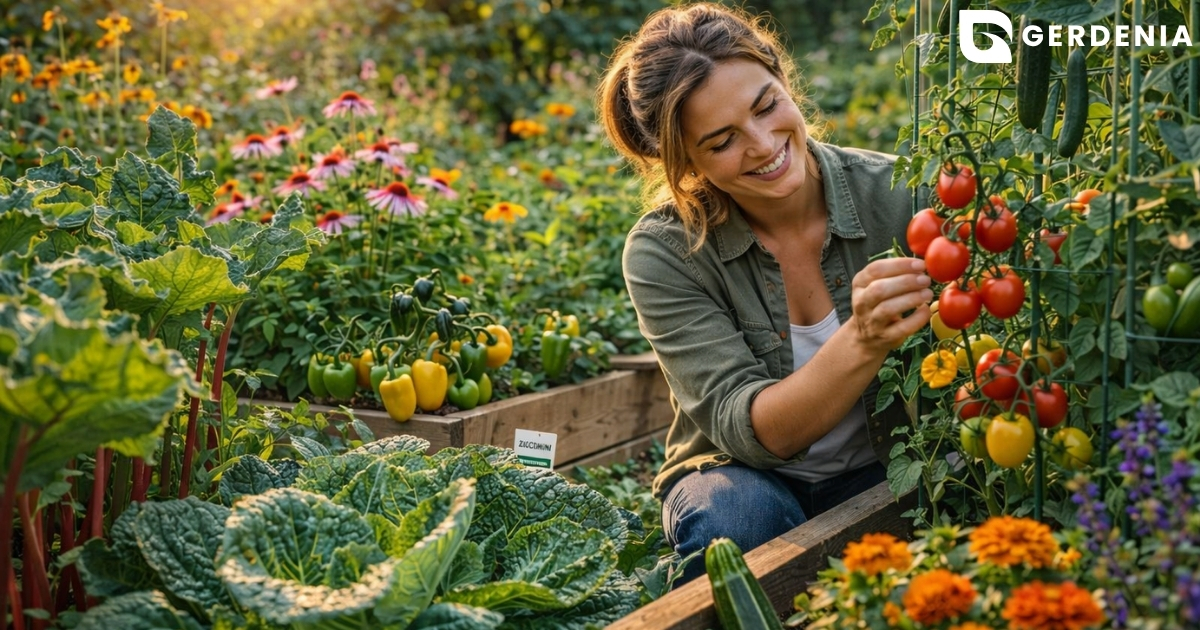
Real self-sufficiency requires pairing plants that actively help each other survive. Think of vegetables as either ‘Heavy Feeders’ that drain the earth, like tomatoes, or ‘Soil Builders’ that restore it, like beans. These legumes perform nitrogen-fixation, pulling essential nutrients from the air into the dirt for their neighbors. By pairing them together, you master natural fertility and skip store-bought fertilizers entirely.
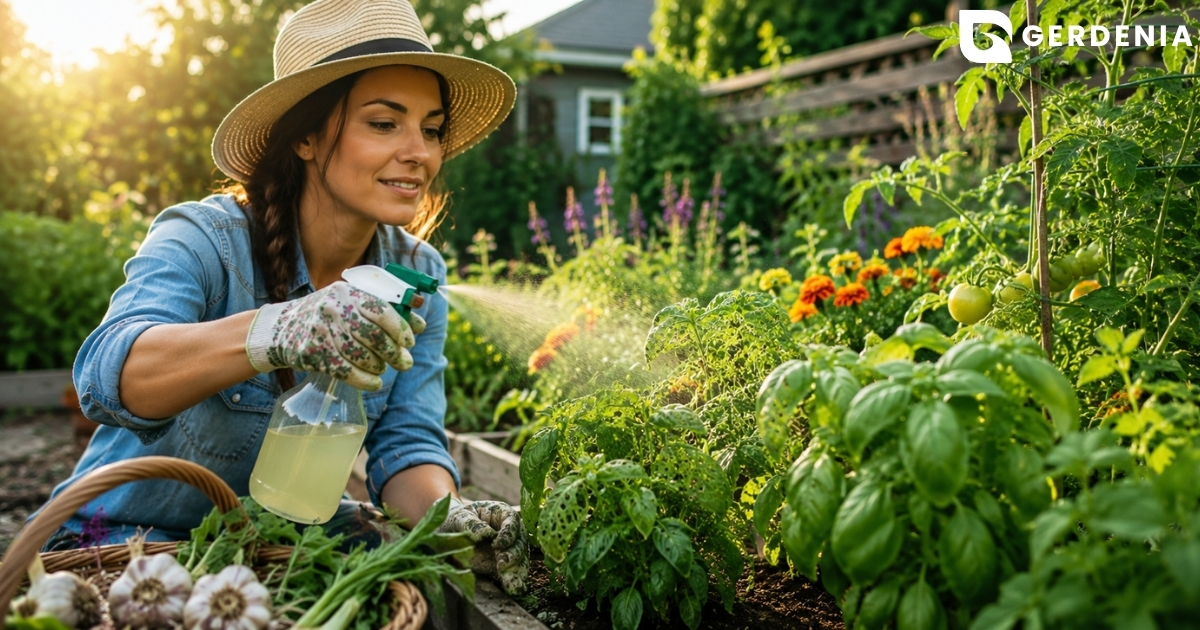
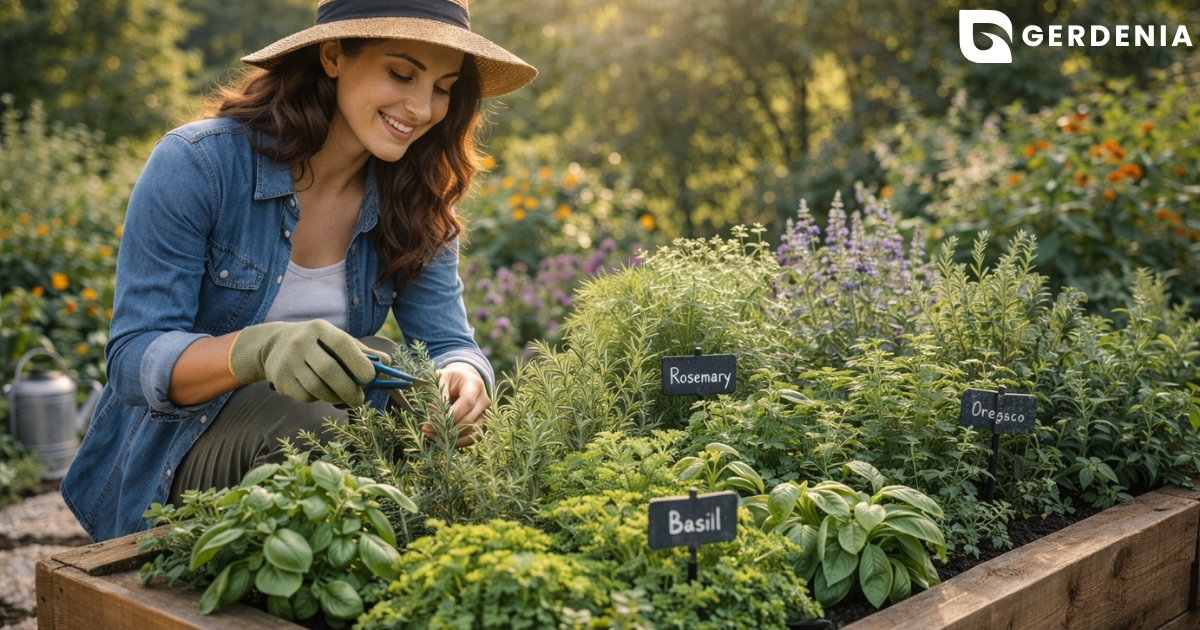
Beyond sharing nutrients, strategic placement acts as an invisible shield against hungry insects. Companion planting tricks common bugs using scent and sacrifice. Aromatic herbs like basil mask the smell of your prized vegetables, confusing passing pests. When camouflage fails, deploy ‘trap crops’—sacrificial plants like nasturtiums, radishes, and sunflowers grown specifically to lure insects away from your main harvest.
Once your crops work together to build dirt and fight bugs naturally, your biological defenses become beautifully automated. With your plants protected, secure your garden’s hydration by implementing a reliable water catchment system.
Harvesting the Sky: Integrating Water Catchment Systems
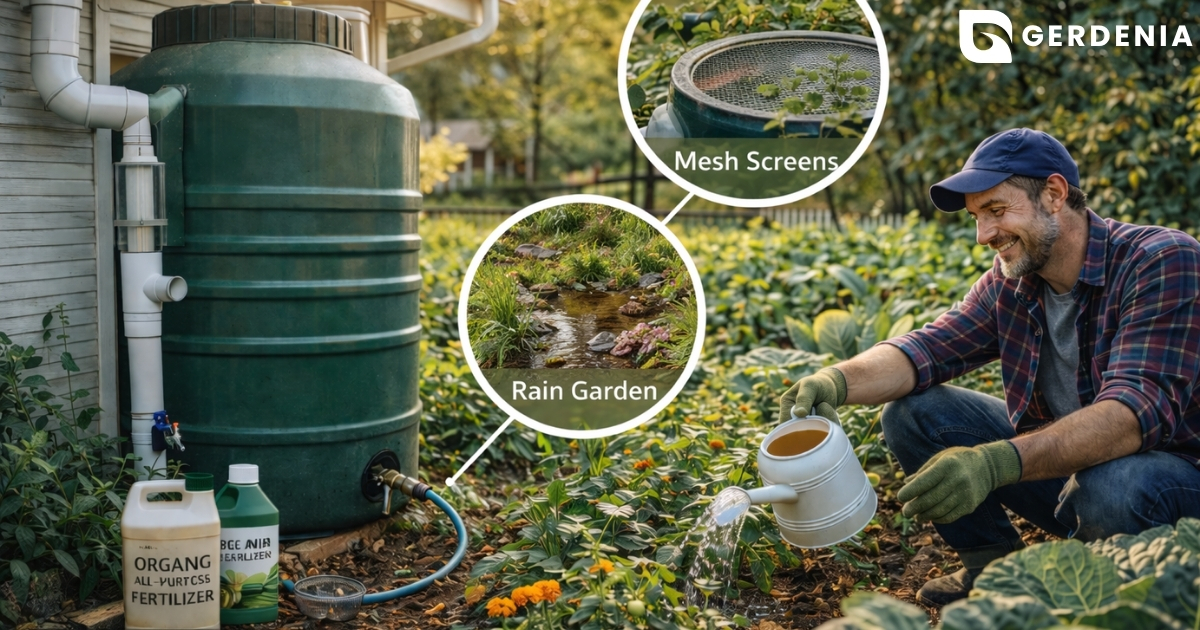
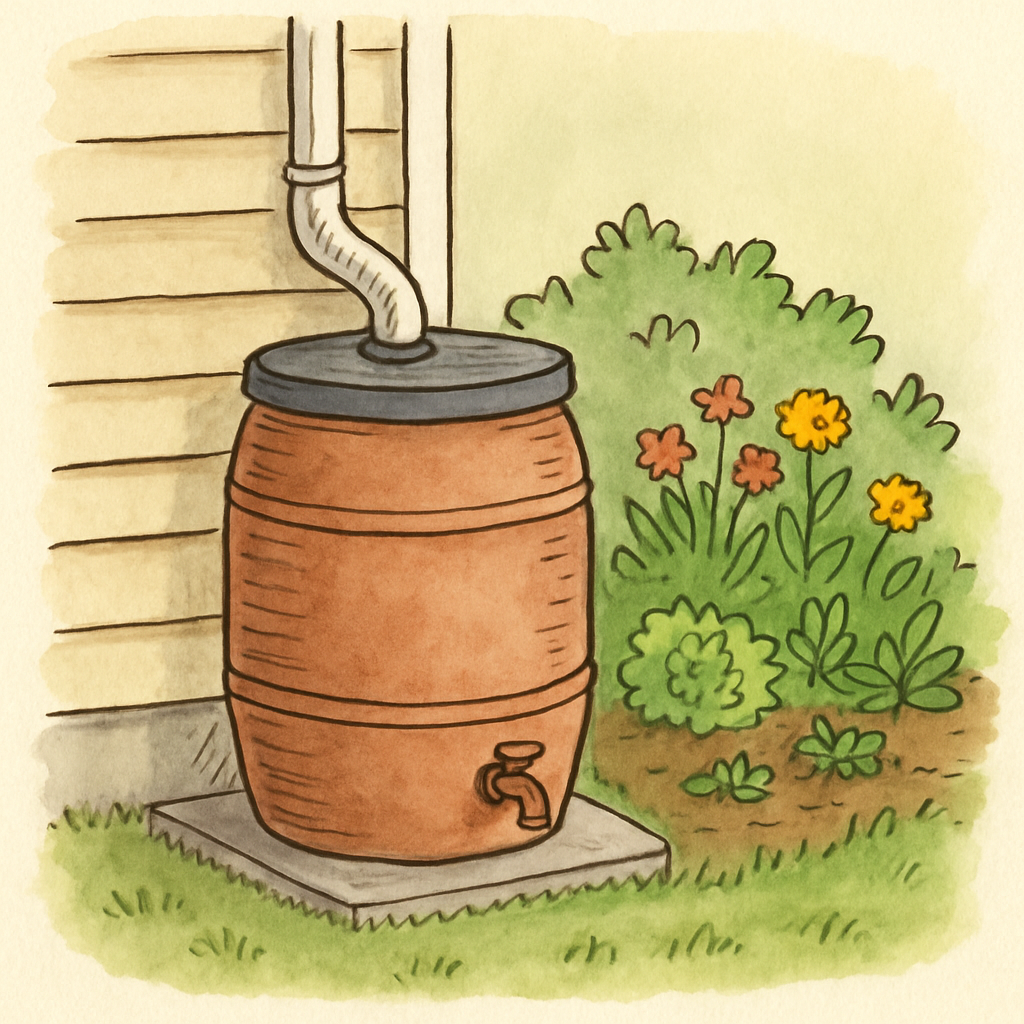
You already know where your gutters drain during a storm, but letting that runoff escape is like throwing away free resources. By capturing nature’s hydration right from your roof, you build off-grid resilience. To calculate your yard’s potential, apply this simple rainfall collection formula:
- Rainfall (inches) x Roof Area (sq ft) x 0.6 = Gallons collected
Positioning your storage tanks at the highest point of your property unlocks gravity-fed irrigation, a technique where the natural slope creates water pressure without electrical pumps. This elevation trick lets water flow effortlessly downhill directly to your vegetable beds.
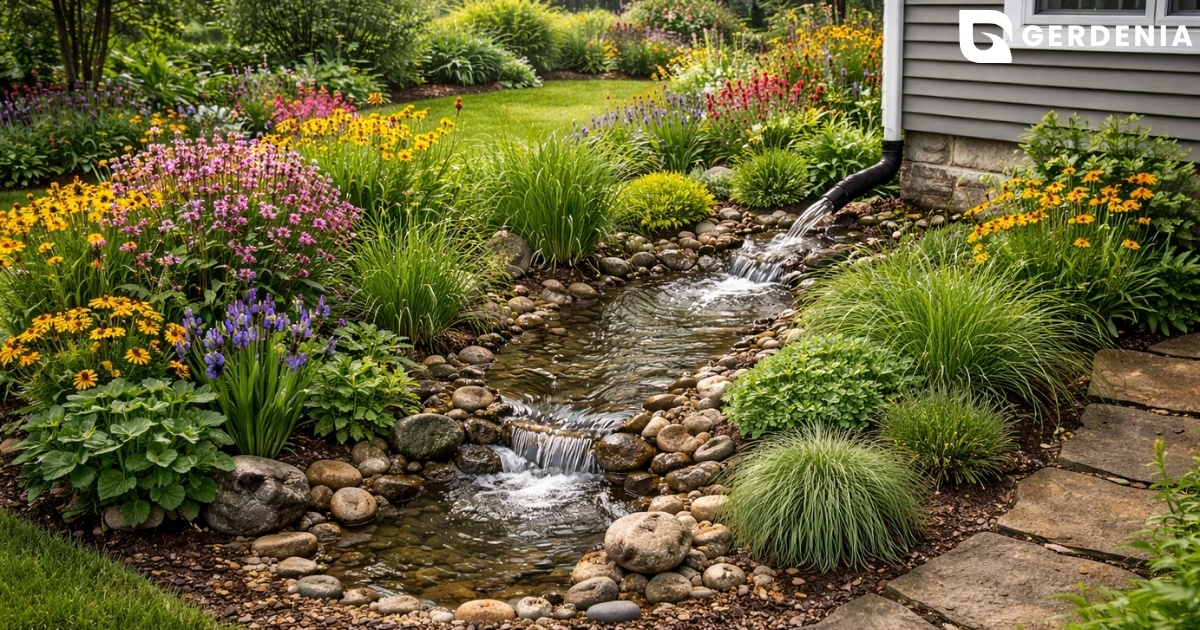
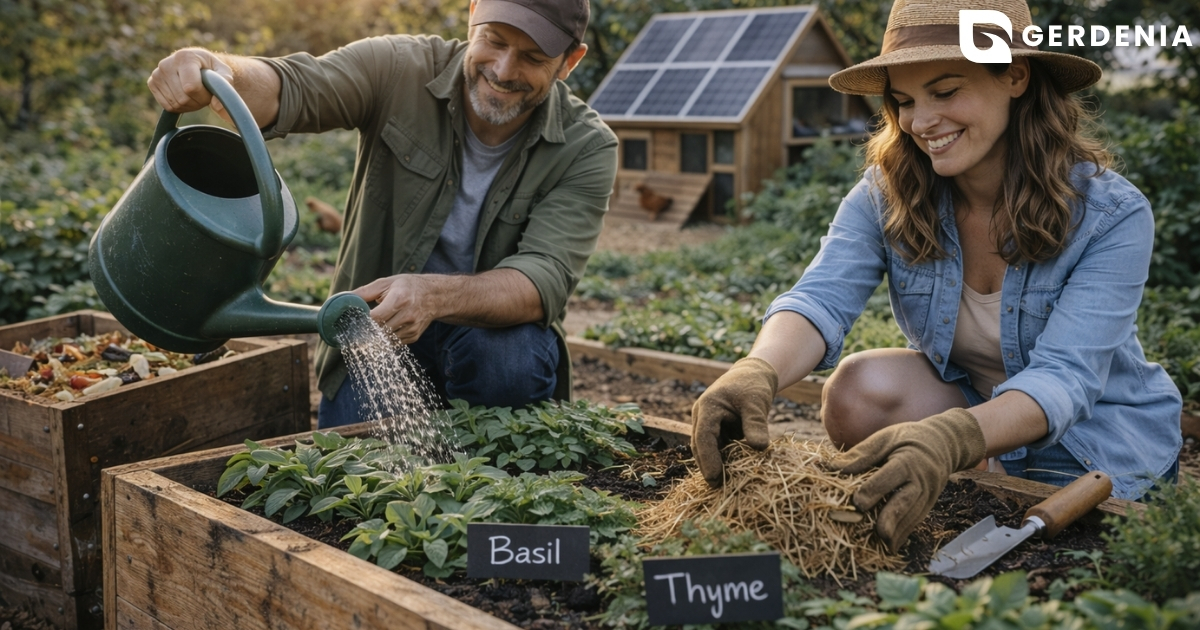
When spring downpours cause those tanks to overflow, direct the excess water into swales. These shallow, planted trenches act like dry creek beds, catching runaway moisture and sinking it slowly into the soil near thirsty fruit trees. Once your watering infrastructure is established, consider adding small livestock to create a truly closed-loop system.
The Garden-to-Coop Connection: Closed-Loop Livestock
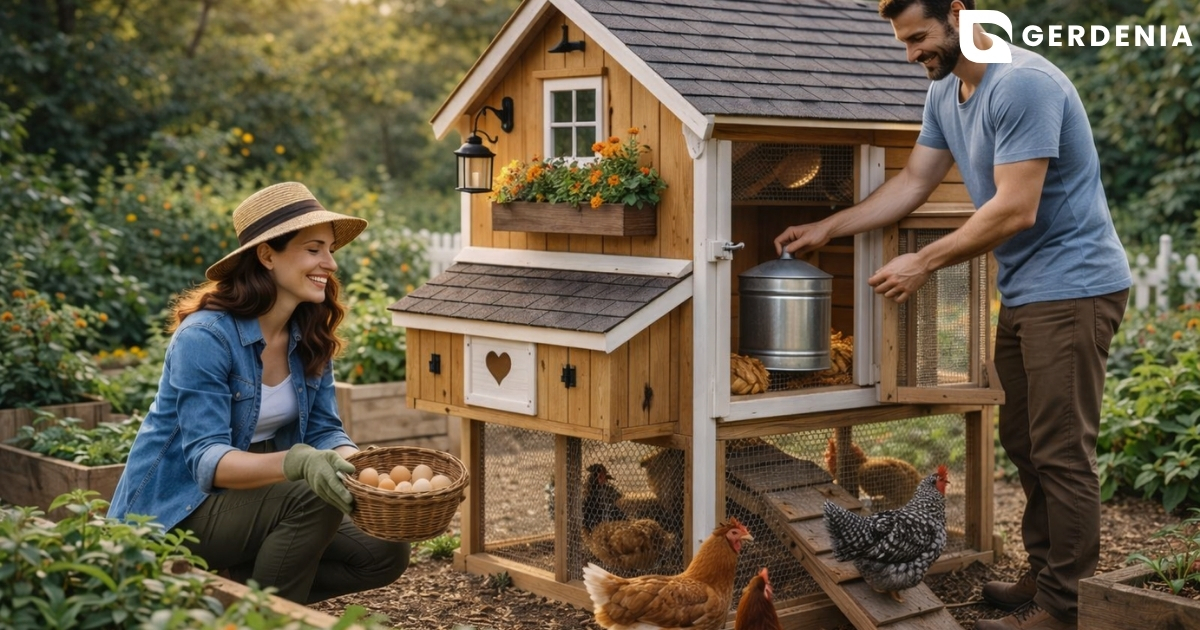
Imagine never weeding a bed by hand again. Integrating small livestock creates a setup where one element’s daily output naturally fuels another. Before spring planting, deploy a ‘chicken tractor,’ a movable, bottomless coop. This lets your flock safely clear future planting zones. As they scratch the earth, they eagerly devour pests and weeds, acting as your automated biological rototiller.
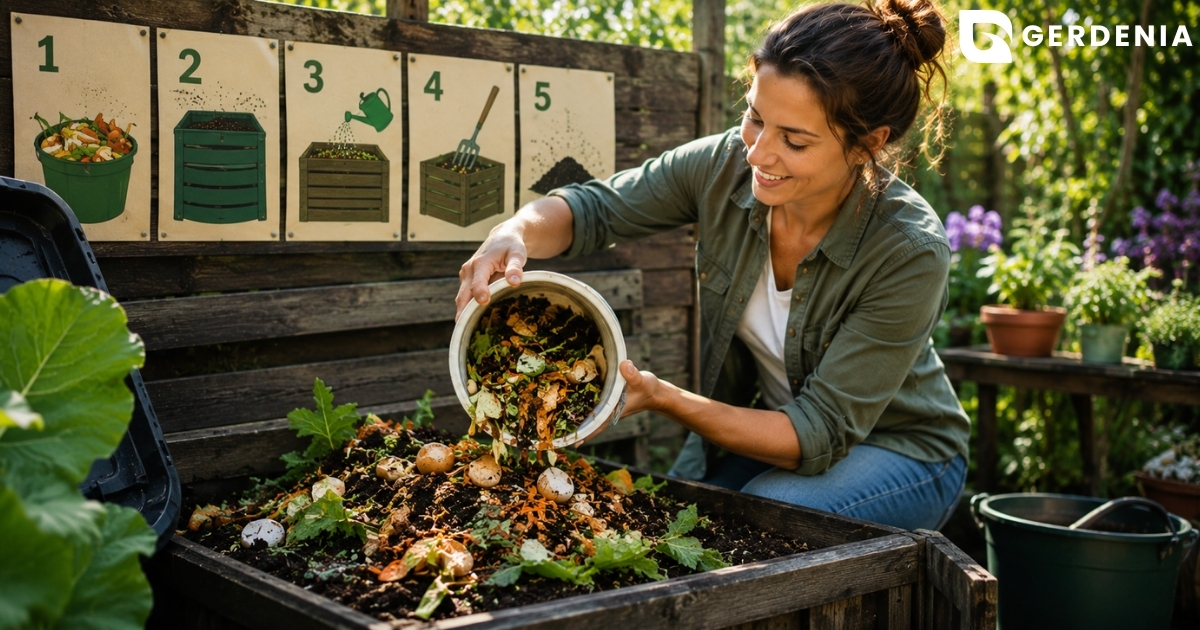
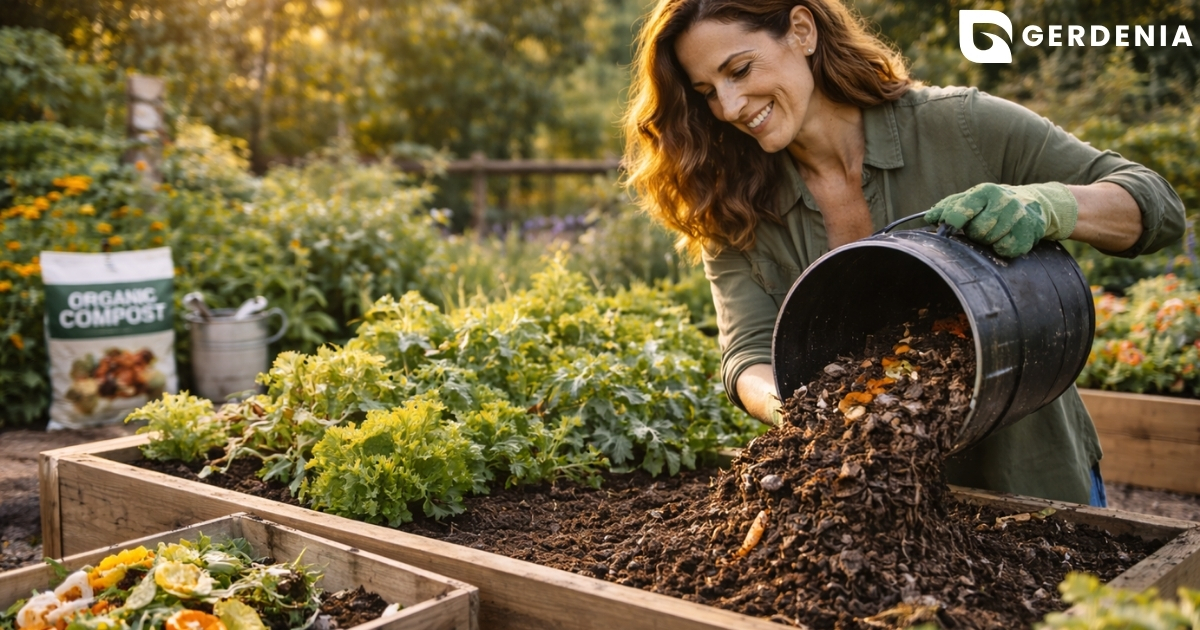
When the birds move on, their valuable nitrogen stays behind. Turning that manure into safe compost easily replaces expensive commercial fertilizers. Let the chicken droppings age in your compost pile before spreading them; this rich organic matter supercharges the dirt for heavy-feeding crops.
Above ground, bees complete your ecosystem as essential pollination vectors. Placing a hive near your fruit trees guarantees thorough pollination, drastically multiplying your harvest without extra labor. With soil naturally primed and crops heavily pollinated, maintain that momentum by planning for continuous seasonal harvests.
Never Have an Empty Plate: Mastering Succession Planting
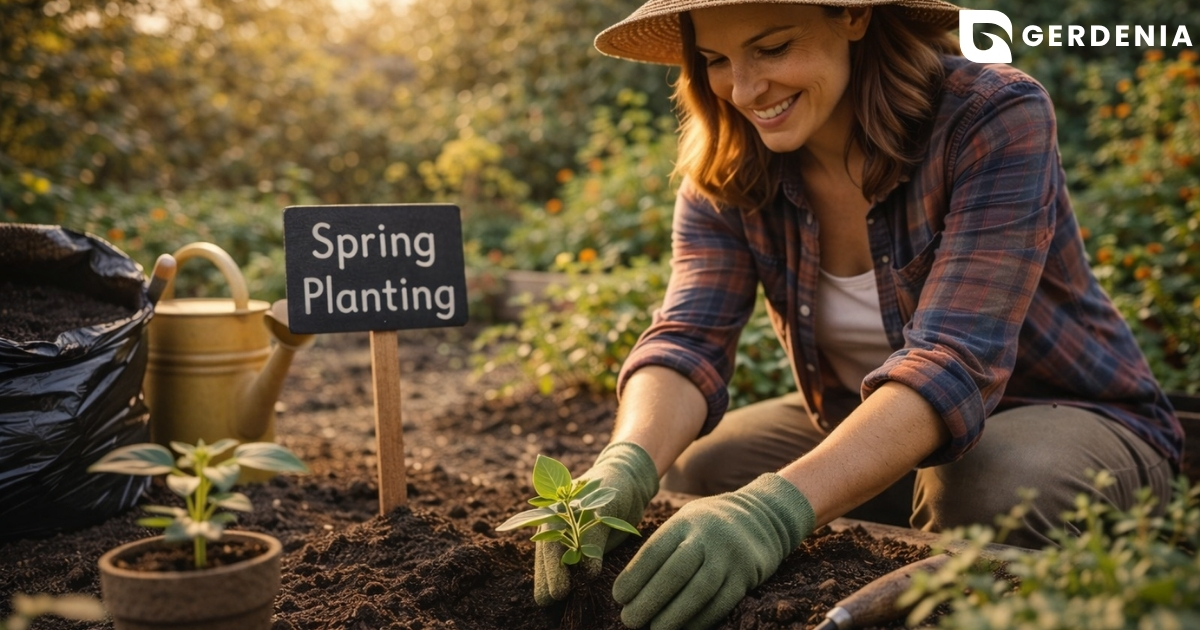
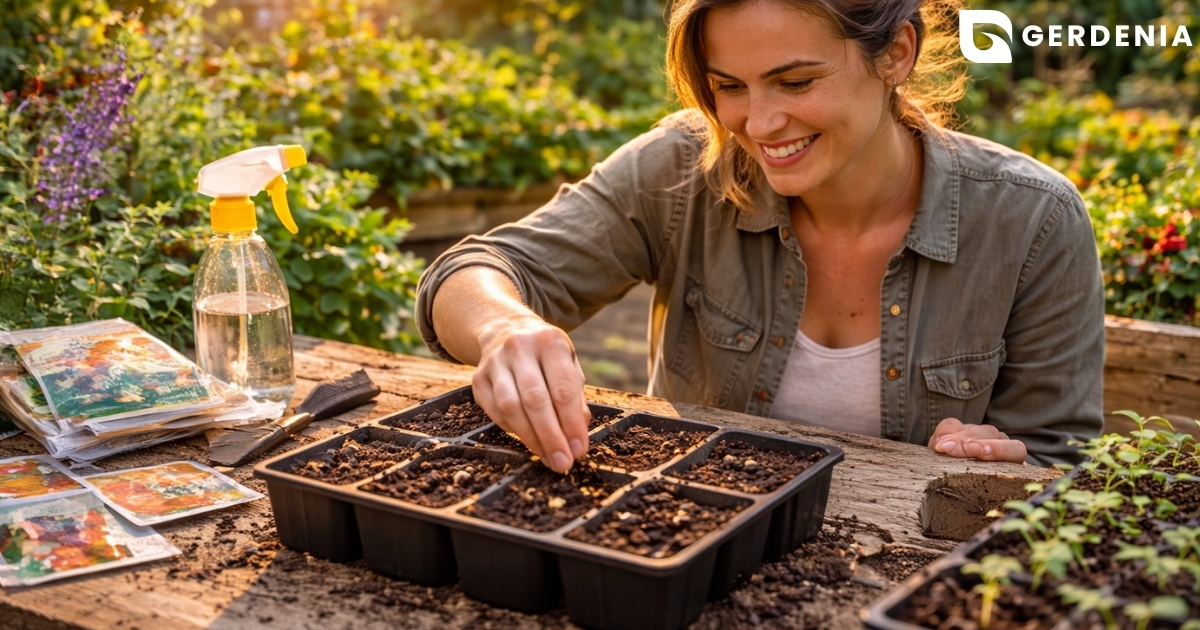
Harvesting fifty heads of lettuce simultaneously is a common mistake that creates immediate, overwhelming waste. To build a backyard grocery store that continuously restocks itself, rely on succession planting—sowing small batches of seeds at staggered intervals. Instead of planting a whole row of greens today, plant one-third of the row and wait 14 days before planting the next. This time-delay guarantees a manageable supply of fresh food hitting your counter weekly.
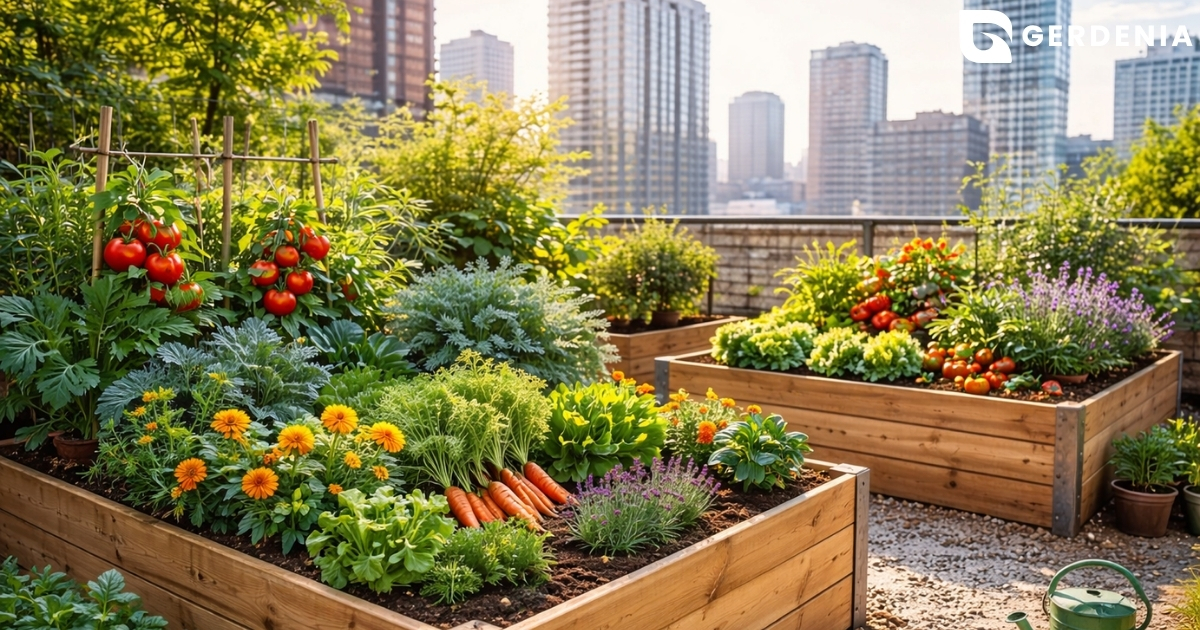
Smart gardeners treat their raised beds like prime real estate, eliminating ‘dead time’ between seasons. Effective crop rotation relies on immediate transitions. Try this seasonal ‘Swap List’ to keep your soil productive:
- Spring to Summer: Replace spent cool-weather peas with climbing cucumbers.
- Summer to Fall: Follow heavy-feeding bush beans with fast-growing spinach.
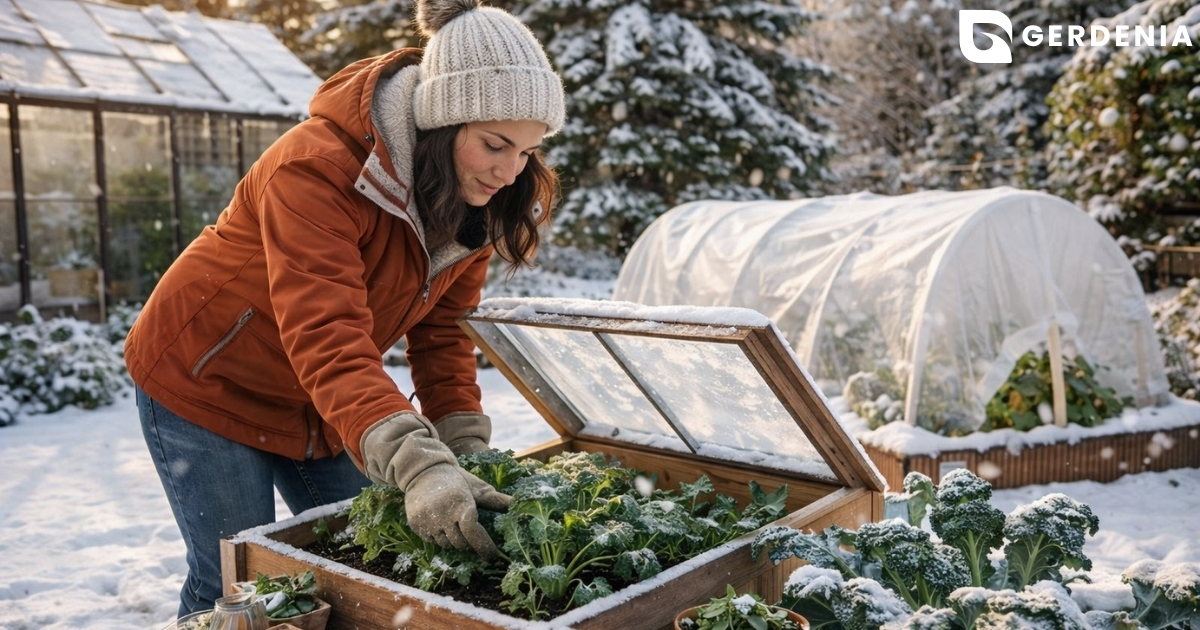
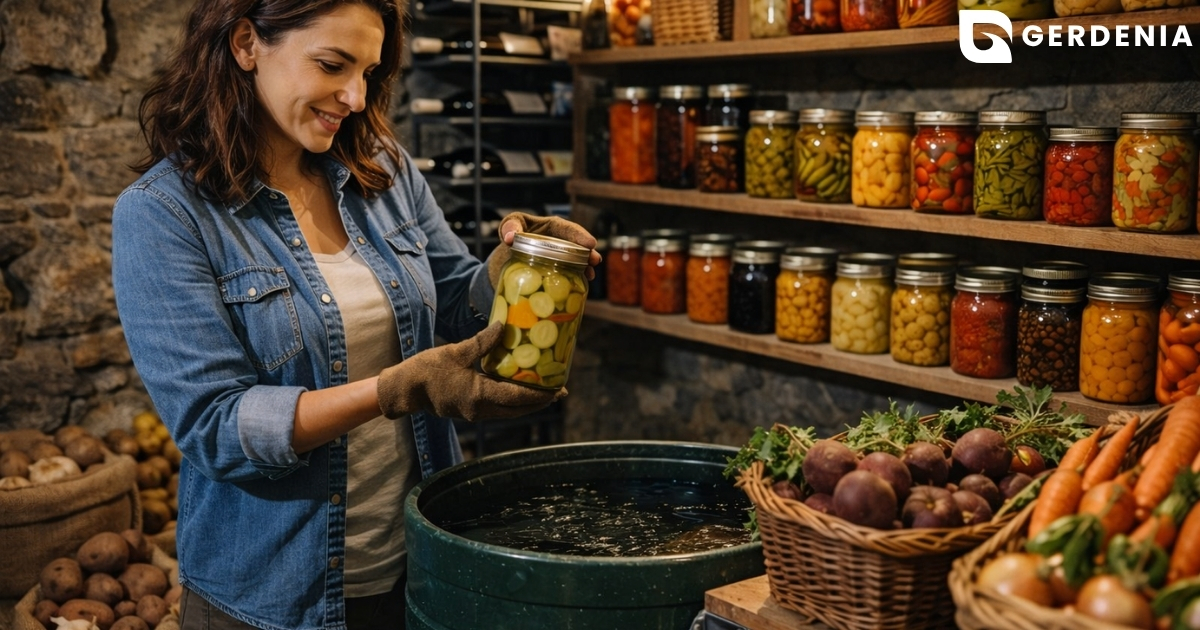
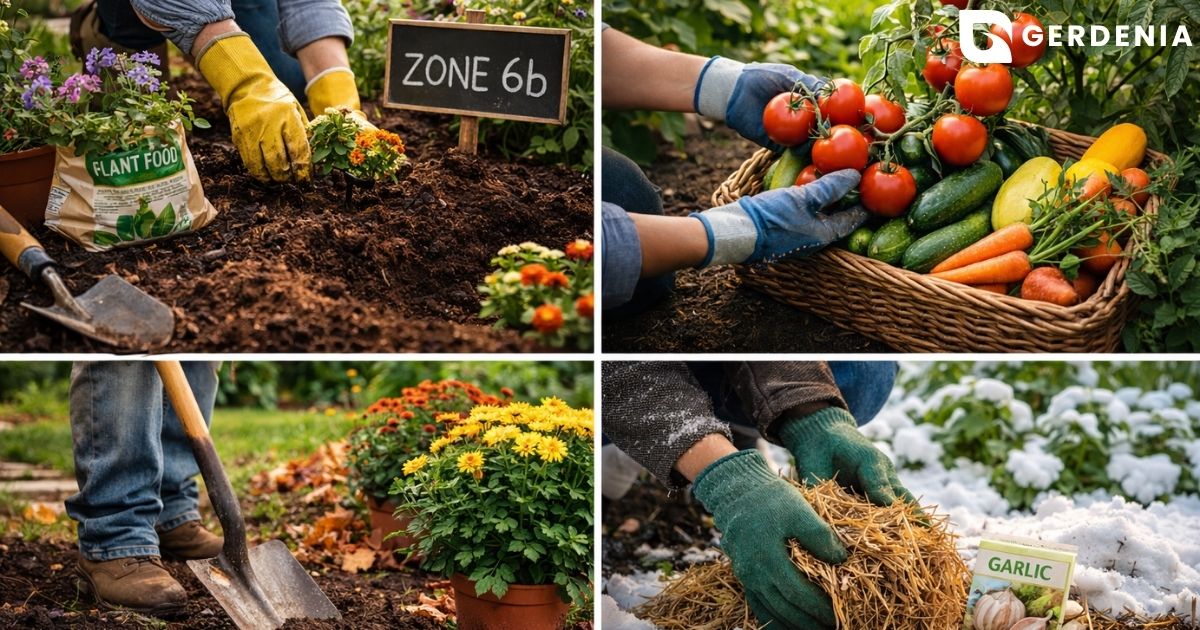
Winter survival hinges on intentional crop selection. By dedicating space to long-term storage varieties like carrots, onions, and potatoes, you create a pantry reserve that lasts well past the final frost. These calorie-dense vegetables sit comfortably in cool basements for months. With your planting timeline secured, you are ready to transition from planning to production.
Your 30-Day Transition Plan: Moving to Self-Sufficiency
Transforming your yard into a highly functional ecosystem trades endless weeding for optimized yields. This intentional design delivers a massive return on your effort, predictably maximizing your pounds of produce per square foot while simultaneously saving countless hours of maintenance.
Put this strategy into motion today by sketching a ‘Master Map’ of your five permaculture zones and ordering the essential high-calorie seeds for your first major plot. From there, commit to a quick, fifteen-minute walk-through of your Zone 1 every morning.
These small daily habits fuel your larger seasonal planning. You are no longer just planting seeds; you are architecting a living system that will reliably sustain your family year-round.