In recent years, urban farming has gained significant traction, with backyard chickens leading the charge for sustainable and self-sufficient living. As more individuals embrace the joys of raising poultry, the demand for innovative and functional chicken coop designs has surged. Whether you’re a seasoned backyard farmer or a novice embarking on your poultry journey, the following article delves into creative chicken coop ideas that blend aesthetics with functionality.

A chicken coop is more than just a shelter; it is a sanctuary that ensures the health, safety, and productivity of your flock. An effective design incorporates ventilation, predator protection, adequate space, and ease of cleaning. A well-conceived coop enhances egg production and provides a comfortable environment for your chickens.
Essential Features of a Chicken Coop
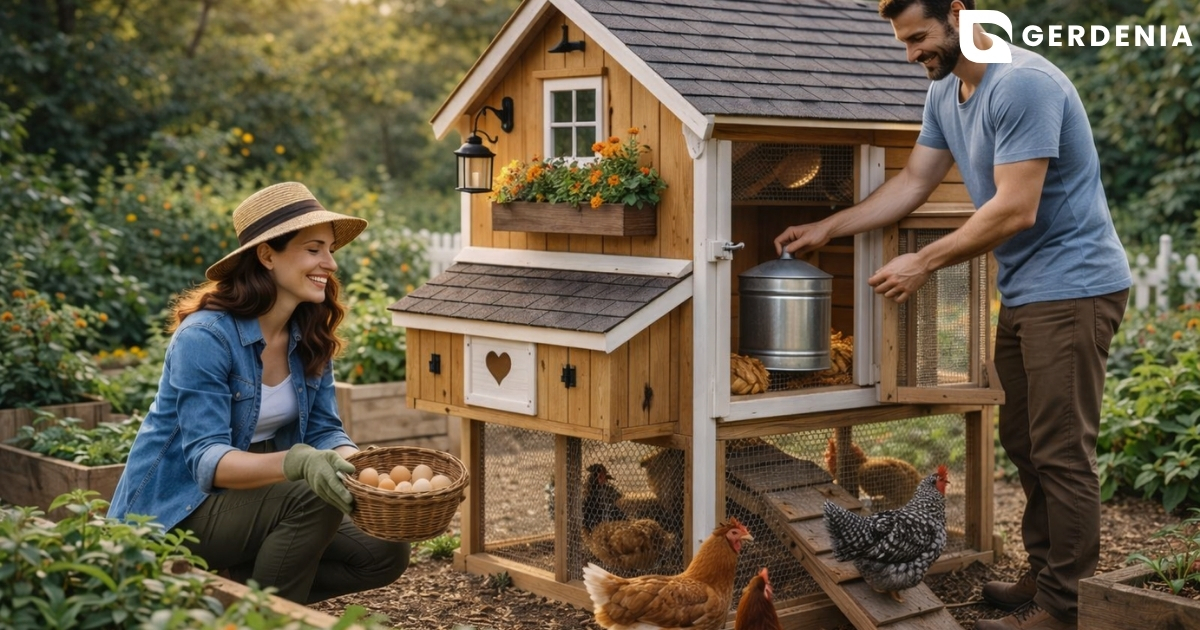
A chicken coop must be designed with specific features to cater to the needs of the chickens and the owner. Features like secure nesting boxes, perches, and easy access doors are vital. Nesting boxes provide a quiet, safe place for hens to lay eggs, while perches allow chickens to roost at night. Easy access doors are essential for cleaning and collecting eggs, ensuring that the maintenance process is as hassle-free as possible.
Environmental Considerations
Beyond the physical structure, environmental factors play a crucial role in coop design. Consider the direction of sunlight, as chickens need natural light to regulate their laying cycles. Position the coop to receive morning light, which helps to wake them naturally. Additionally, think about the coop’s location relative to your house and garden to minimize noise and integrate seamlessly into your landscape.
Health and Safety Protocols
Safety is paramount in coop design. Ensure that the structure is sturdy and free from sharp edges that could injure your chickens. Incorporate features like escape-proof latches and locks to prevent accidental escapes. Regularly inspect your coop for signs of wear and tear to maintain a secure environment for your flock.
Key Considerations for Chicken Coop Plans
Before diving into specific designs, it’s crucial to consider the fundamental aspects of chicken coop plans. These elements ensure that your structure will meet the needs of your feathered friends while aligning with your backyard aesthetics.
Size and Space
Each chicken requires a minimum of 2-4 square feet inside the coop and 8-10 square feet in the run. Consider the number of chickens and potential expansion as your flock grows. Plan for future needs by ensuring that your coop has the capacity to accommodate new additions without overcrowding. This foresight helps maintain a stress-free environment for your chickens, promoting better health and productivity.
Ventilation
Proper airflow prevents respiratory issues and minimizes odor. Incorporate windows and vents to facilitate air circulation. Additionally, consider adjustable vents that can be opened or closed depending on the season, helping to maintain a consistent temperature inside the coop. Ensure that ventilation openings are covered with hardware cloth to prevent predator entry while allowing for airflow.
Predator Proofing
Safeguard your chickens from predators such as raccoons, foxes, and hawks by reinforcing doors, windows, and the run with hardware cloth. Consider installing motion-activated lights or alarms to deter nocturnal predators. Regularly check for any vulnerabilities in the coop’s structure and repair them promptly to ensure ongoing protection for your flock.
Ease of Cleaning
Design with accessibility in mind. Removable trays and hinged roofs facilitate cleaning and maintenance. Consider using materials that are easy to sanitize, such as vinyl flooring or washable paint, to simplify the cleaning process. Incorporating a drainage system can also help manage waste and maintain a hygienic environment for your chickens.
Climate Considerations
Insulate the coop if you reside in a region with harsh winters. Conversely, ensure ample shade and ventilation in warmer climates. Consider using reflective roofing materials to deflect heat during the summer months. In colder regions, heated waterers and heated pads can help maintain the well-being of your flock during the winter months.
Innovative DIY Chicken Coop Ideas

For those inclined towards hands-on projects, crafting your own chicken coop can be a rewarding endeavor. Here are some DIY chicken coop ideas that merge creativity with practicality.
The Repurposed Wonder
Repurposing materials not only reduces waste but also infuses character into your coop design. Pallets, old barns, or even unused playhouses can be transformed into charming chicken abodes. When opting for this route, ensure the materials are non-toxic and structurally sound. Consider using a variety of finishes and paints to create an eclectic look that adds personality to your backyard.
The Mobile Coop: Chicken Tractor
A chicken tractor, or mobile coop, is a versatile solution for backyard enthusiasts with limited space. This design allows you to move the coop around your yard, providing fresh foraging grounds and fertilizing your lawn simultaneously. Lightweight materials and wheels are essential for ease of mobility. Incorporate a secure locking mechanism to prevent accidental movement during strong winds or by curious animals.
The Vertical Coop: Maximizing Space
Urban farmers with limited ground space can benefit from vertical coops. By stacking the living quarters above the run or integrating a rooftop garden, you efficiently utilize vertical space while offering your chickens a spacious and enriching environment. Consider adding multiple levels for roosting and nesting, allowing chickens to explore and engage in natural behaviors.
The Artistic Coop: Aesthetic Appeal
For those with an artistic flair, consider designing a coop that complements your garden or home architecture. Incorporate design elements such as paint, unique shapes, or decorative features to create a visually striking structure. While aesthetics are important, ensure that functionality and safety are not compromised. Incorporate practical elements like drainage systems and predator-proof locks into your artistic design.
The Eco-Friendly Coop
Design a coop that aligns with sustainable living principles by using recycled materials and incorporating eco-friendly features. Install solar panels to power lighting and ventilation systems, reducing reliance on external energy sources. A rainwater collection system can provide water for cleaning and irrigation, while a green roof can enhance insulation and support local biodiversity.
Practical Aspects of Building a Chicken Coop

by The New York Public Library (https://unsplash.com/@nypl)
While creativity is a significant aspect of chicken coop design, practical considerations ensure that your coop serves its primary purpose effectively.
Materials and Tools
Selecting the right materials is crucial for the durability and safety of your coop. Treated wood, metal, and galvanized hardware cloth are recommended for their longevity and resistance to weather and predators. Essential tools include a saw, drill, screwdriver, and measuring tape. Consider investing in high-quality tools that will last through multiple projects and allow for precise construction.
Budgeting and Planning
Establishing a budget and timeline is vital before commencing construction. Factor in costs for materials, tools, and potential labor if you require assistance. Detailed plans or blueprints can prevent costly mistakes and streamline the building process. Allocate a contingency fund for unexpected expenses, such as additional materials or last-minute design changes.
Legal and Zoning Considerations
Before building your coop, consult local zoning laws and regulations regarding backyard poultry. Some areas have restrictions on the number of chickens allowed or require permits for coop construction. Understanding these regulations beforehand can prevent legal issues and ensure that your coop is compliant with local ordinances.
Maintenance and Upkeep
Regular maintenance is essential to ensure the longevity and functionality of your chicken coop. Schedule routine inspections to check for structural integrity and clean the coop regularly to prevent disease. Replace worn-out materials promptly and keep an inventory of essential supplies, such as feed and bedding, to ensure the continuous well-being of your flock.
Inspiring Chicken Coop Designs from Around the World
The Scandinavian Minimalist
Characterized by clean lines and natural materials, the Scandinavian-inspired coop is an embodiment of minimalist elegance. Incorporating features like large windows and open spaces, this design prioritizes natural light and ventilation while maintaining a sleek aesthetic. Use light-colored paints and simple geometric shapes to enhance the minimalist appeal and create a tranquil environment for your chickens.
The Victorian Elegance
For those who appreciate architectural grandeur, the Victorian-style coop offers ornamental details, elaborate trims, and a nostalgic charm. Often featuring multiple levels and intricate woodwork, this design is both a functional habitat and a garden focal point. Choose rich, warm colors and ornate fixtures to capture the essence of the Victorian era and create a luxurious space for your flock.
The Eco-Friendly Oasis
Sustainability-focused individuals might consider an eco-friendly coop incorporating solar panels, rainwater collection systems, and green roofs. This design not only reduces environmental impact but also provides a self-sustaining ecosystem for your chickens. Incorporate native plants and pollinator-friendly flowers into the surrounding landscape to support local wildlife and enhance the ecological benefits of your coop.
The Rustic Retreat
Embrace the charm of country living with a rustic-style chicken coop featuring reclaimed wood, exposed beams, and earthy tones. This design integrates seamlessly into natural landscapes, offering a cozy, inviting space for your chickens. Add personal touches like vintage hardware and weathered finishes to create a warm, homely atmosphere that complements rural aesthetics.
The Futuristic Pod
For those drawn to modern innovation, the futuristic pod-style coop offers a sleek, contemporary alternative. Featuring curved lines, high-tech materials, and smart home integration, this design pushes the boundaries of traditional coop construction. Implement automated systems for feeding and cleaning to enhance efficiency and provide your chickens with a cutting-edge living environment.
Conclusion: Choosing the Right Coop for Your Flock
Selecting or designing the right chicken coop requires a balance of creativity, practicality, and a keen understanding of your chickens’ needs. Whether you’re drawn to the rustic charm of a repurposed structure or the sleek lines of a modern design, the perfect coop is one that ensures the well-being of your flock while enhancing your backyard’s aesthetic.
Personalizing Your Coop
Tailor your coop to reflect your personal style and the specific needs of your flock. Consider adding custom features like personalized nameplates or unique color schemes to make your coop truly one-of-a-kind. Engage in regular interactions with your chickens to observe their behaviors and preferences, allowing you to make informed decisions about modifications or enhancements to their living space.
Long-Term Benefits
By investing time and thought into your chicken coop plans, you’ll not only foster a productive and healthy environment for your chickens but also create a backyard sanctuary that reflects your personal style and commitment to sustainable living. A well-designed coop can increase your property’s value, provide educational opportunities for family members, and contribute to a more sustainable lifestyle by reducing reliance on store-bought eggs and fertilizers.
Community Engagement
Consider sharing your coop design journey with others in your community or online forums. Engaging with fellow chicken enthusiasts can provide valuable insights, inspiration, and support as you embark on your poultry-raising adventure. Participating in local agricultural events or coop tours can also help raise awareness about sustainable farming practices and inspire others to embrace backyard poultry keeping.
By thoughtfully considering these aspects, you’ll ensure that your chicken coop not only meets the practical needs of your flock but also enhances your overall living environment, creating a harmonious blend of functionality and beauty in your backyard.