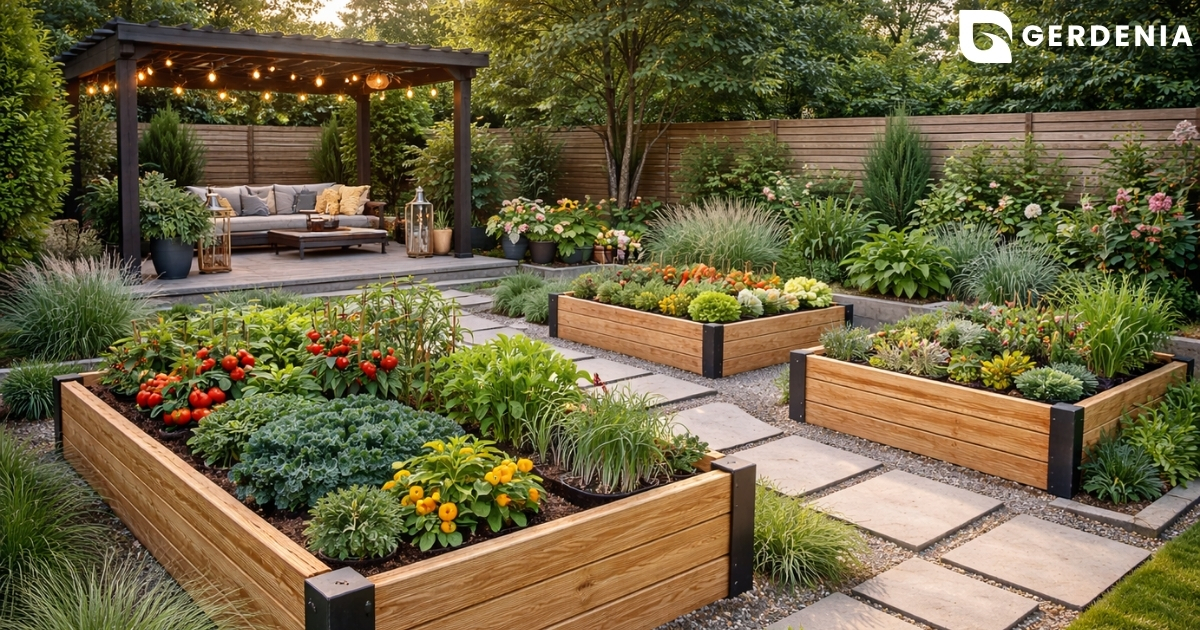
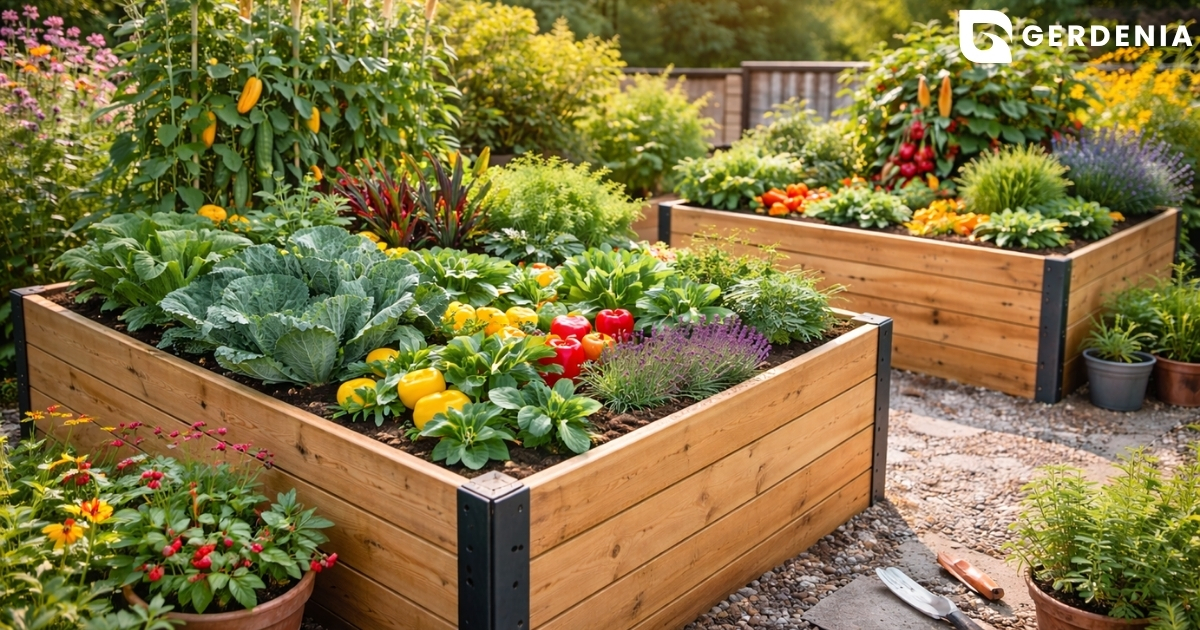
We all imagine harvesting baskets of fresh vegetables, but the difference between a lush reality and withered stems usually comes down to one early decision. Most newcomers decide where to plant a garden based on aesthetics, picking a spot simply because it looks beautiful from the patio. Your plants do not care about the view, though. In practice, veteran horticulturists emphasize that high visibility is the greatest predictor of plant survival. Hiding a bed behind a distant shed guarantees forgotten watering, creating a cycle of neglect and unnecessary beginner’s guilt.
Think of your yard’s layout like a kitchen design; if your stove and fridge are floors apart, you will never want to cook. Finding the best place to grow a garden means building on the Site-Success Pillars, which are the non-negotiable physical traits of sunlight, soil drainage, and water access. According to professional growers, prioritizing these basics early prevents constant struggles later. A plot might look stunning tucked under a large oak tree, but that canopy acts like an umbrella, stealing the direct light your seedlings desperately need to thrive.
To transform a pretty corner into a productive one, you must adopt the 10-foot rule. This practical guideline dictates that your beds should sit no further than ten feet from a convenient hose or daily walking path. Deciding where to put garden boxes is just as much about human convenience as plant biology. When your vegetables are right in your everyday line of sight, spotting a dry patch takes three seconds, keeping maintenance effortless and your visual joy high.
Why ‘Full Sun’ Means 6 Hours of Energy—And How to Count Them
Most new gardeners pick a spot because it looks bright at lunchtime, but plants need a steady energy diet to thrive. Sunlight is a plant’s kitchen; without it, they can’t cook their food. Instead of guessing brightness, use the “Clock Method” to measure duration. The rule for meeting the daily sunlight requirements for vegetable beds is straightforward: “Full Sun” means six or more hours of direct light, while “Part Sun” means three to six hours.
Not all daylight delivers the same power, however. Finding the sunniest yard spots requires knowing that gentle morning light won’t bake the earth the way high-intensity afternoon sun does. Think of morning sun as mild tea and afternoon sun as a double espresso. To accurately measure your yard’s true energy intake, step outside and perform a quick visual check at these times:
- 9:00 AM to see where morning light lands.
- 12:00 PM to check high-noon exposure.
- 3:00 PM to catch intense afternoon heat.

Tracking these moments eliminates the guesswork of mapping shadow patterns on your property, revealing exactly how fences and trees create moving patches of shade. Once you log six hours of light, you have solved the first major gardening puzzle. However, even the sunniest spot will drown a root system if the earth below holds too much water, bringing us to testing soil drainage with the “sponge vs. plate” method.
Testing Soil Drainage with the ‘Sponge vs. Plate’ Method
If you see moss growing on your lawn, that is a red flag for future vegetables. Since roots need air to breathe, earth that holds water like a flat dinner plate suffocates them, causing a fatal, mushy condition called root rot. Ideal dirt behaves instead like a wrung-out sponge, holding moisture while maintaining soil porosity—the tiny empty pockets where oxygen reaches the plant.
Testing this dynamic beforehand saves months of frustration. You can measure your soil’s percolation rate, or how fast water sinks into the ground, using a simple DIY “Perc Test.”
- Dig a hole one foot deep and one foot wide.
- Fill it completely with water and let it drain to saturate the earth.
- Fill it a second time, timing how long it takes to empty.

Ideally, the water drops about two inches per hour. When evaluating native soil quality factors, a hole that takes over eight hours to drain signals trouble. Rather than spending weekends fixing poor soil drainage issues with endless shovels of sand, this slow drainage is your cue to choose raised garden beds versus in-ground plots. Once you secure a sunny, well-draining spot, only one physical limitation remains: the distance to your nearest water source.
The 50-Foot Rule: Why Your Garden Needs to Be Near the Hose
Carrying a quaint watering can to the yard’s far edge seems idyllic, but July heat changes everything. Distance is precisely why home setups fail by mid-summer, falling victim to The Fatigue Factor. Wrestling tangled hoses across the lawn quickly turns a peaceful hobby into an exhausting chore. To prevent this burnout, evaluate the proximity to outdoor water sources before breaking ground. Keeping your beds within fifty feet of a spigot ensures that watering remains a quick daily habit rather than a massive expedition.
Beyond basic hydration, physical placement dictates how much you actually interact with your plants. The best location for kitchen gardens is right outside your back door, existing within immediate harvesting distance. If you need a handful of fresh basil while cooking dinner, you will realistically only grab it if the plant is ten steps away. Treating your vegetable beds like a natural, living extension of your kitchen guarantees your crops actually get noticed and eaten.
Practical positioning also requires planning for the unglamorous reality of yard chores. Guaranteeing smooth accessibility for frequent garden maintenance means leaving clear, wide paths around your beds for wheelbarrows and lawnmowers to pass effortlessly. Once you lock in a convenient spot near the hose, your focus should shift to protecting those plants from invisible environmental factors.
Creating Your Garden’s ‘Windbreaker’ Jacket
Step outside on a breezy afternoon, and you will notice some yard corners feel instantly warmer. This happens because of microclimates, or localized mini-weather systems created by your property’s layout. Just like you wear a heavy coat on a chilly day, utilizing windbreak strategies for sensitive plants helps them survive harsh conditions. Solid fences, thick hedges, or your garage act as physical shields, stopping aggressive gusts from snapping delicate stems or drying out your soil.
Identifying microclimates for optimal growth requires observing how your landscape naturally alters daily temperatures. As you evaluate your yard, pay attention to these three common backyard setups:
- South-facing walls: Brick or stone acts as a “heat sink,” soaking up sunlight all day and radiating warmth overnight.
- Low-lying frost pockets: Because cold air is heavy, it rolls down slopes and settles in dips, creating freezing traps that damage early spring crops.
- Wind tunnels between buildings: Narrow architectural gaps accelerate breezes into damaging drafts.
Your final decision on exactly where to place a garden becomes much easier once these specific zones are mapped. Finding a perfectly sheltered, warm spot might make you eager to grab a shovel, but verify your ideal location isn’t masking a dangerous hazard before pushing a spade into the earth.
Look Before You Dig: Locating Underground Utilities and Safety Zones
Deciding exactly where to put a garden requires looking down before you dig. Locating underground utility lines safely is your mandatory first step to prevent disaster. Always use the 811 protocol—a free national service you call beforehand to have professionals mark buried gas, water, or electrical wires. While waiting for the locators, check your property records for utility easements, which are legally protected zones where city companies have the right of access. If you build heavy raised beds over these invisible pathways, workers can legally tear your hard work apart during a pipe repair.
After man-made hazards are marked, look up to protect the natural ones. A large tree creates an umbrella of branches, and the outer edge of this canopy drops straight down to form the drip line. This circular boundary marks where the tree’s thirstiest roots live. Figuring out how to organize a garden successfully means keeping your plots completely outside this circle so your vegetables don’t have to compete with massive roots for moisture. With safe zones clearly established on flat ground, terrain slopes become the next critical factor.
Solutions for Sloped Terrain: How to Stop Your Garden from Sliding Away
Perfectly flat yards are rare; nature seldom cooperates with our landscaping visions. When gravity takes hold during a storm, a gentle hill quickly becomes a waterslide for your topsoil. You must first identify the “Runoff Route”—the exact path where heavy rain carries dirt away. If you ignore this natural flow, fixing poor soil drainage issues becomes an endless battle.
To stop dirt from washing away, you must change how water behaves. Smart gardening on sloped terrain requires slowing the water down so it sinks into the earth rather than rushing over it. When deciding how to arrange plants in a garden on a hill, use these three strategies:
- Perpendicular rows: Plant across the slope, rather than up and down, to catch water like natural speed bumps.
- Terraced beds: Build flat, step-like wooden or stone boxes into steep hillsides to create level planting areas.
- Check dams: Place small, simple barriers of rock or wood directly in the runoff route to slow the stream.
If a ball rolls quickly down the hill, the slope is too steep for simple rows and absolutely requires terracing to prevent collapse. Creating these level zones protects your soil, but establishing a secure environment is only half the battle. With the ground stabilized, your next hurdle is managing the local wildlife.
Keeping the Neighbors and Wildlife Out of Your Salad
Most new gardeners pick a sunny spot at the lawn’s edge, only to realize they just built a buffet in a “Wildlife Corridor.” These unseen animal highways follow natural cover, like tree lines where deer and rabbits feel hidden. When choosing sites protected from wildlife, look at your yard through the eyes of a skittish animal wanting a safe snack.
Instead of fighting nature near the woods, positioning a garden closer to your house acts as a “Passive Deterrent.” The commotion of slamming screen doors, patio lights, and daily activity creates an invisible shield that shy pests naturally avoid. If you must plant further out, plan your layout to ensure flat space remains easily accessible for intervention.
Even with smart placement, a hungry rabbit might get brave. Never trap your beds tightly against existing structures. Leaving a three-foot grassy perimeter gives you room to quickly add fencing later without crushing your vegetables.

Your Weekend Site-Selection Plan: From Mapping to Breaking Ground
Selecting a garden site based on aesthetics is a thing of the past. You now have the insight to read your yard’s physical layout objectively. Remember, a “Good” spot planted today beats a “Perfect” spot you never use. If you must compromise on organization, prioritize sunlight above all else—you can fix soil or buy a longer hose, but you cannot manufacture sunshine. To finalize your location, walk outside at 2:00 PM to check your house’s shadow and complete this simple checklist:
- Sun Log: Check afternoon shadows to guarantee your spot gets six hours of direct light.
- Perc Test: Add water to a small hole. Look for wrung-out sponge drainage, not a dinner plate puddle.
- Utility Call: Dial 811 before moving any dirt to keep your project completely safe.
Starting small in a supportive location removes the biggest hurdles to a thriving harvest. Your backyard is a landscape of microclimates ready to be utilized. Step out into the sun, follow the site-success pillars, and confidently break ground on a garden built to last.