
You step outside to water your favorite rosebush and notice the leaves look strangely curled, coated in a glossy, sticky syrup. This clear residue is often the first warning sign before you even spot the bugs themselves. Aphid honeydew simply resembles tiny drops of spilled sugar water gleaming in the sun.
Behind that sweet mess is an army of tiny plant vampires. Aphids survive through a process called phloem-feeding, which simply means they act like microscopic drinking straws sucking the nutrient-rich sap right out of your stems. Because these pests steal so much sap, they excrete the excess sugar constantly, creating that telltale sticky honeydew.
Panic usually sets in when gardeners flip over a leaf to find hundreds of pear-shaped invaders that seemingly appeared out of nowhere. Aphids reproduce asexually, allowing females to birth up to a dozen live clones every single day. Yellowing leaves and stunted growth are the classic signs of a heavy aphid infestation resulting from this rapid multiplication.
Fortunately, while they multiply fast, these pests are physically weak and easy to defeat without harsh chemicals. Best practices in garden management rely on an “Escalation Ladder,” meaning you start with the gentlest solutions—like a sharp blast of water—and only move to mild household soaps if the simplest methods fail. Safely eliminating aphids begins with this ladder approach.

Spotting the Invaders: Identifying Aphids vs. Spider Mites on Your Rose Leaves
You lean in to inspect a curling rose leaf and spot tiny bugs, but before panicking, you need to know exactly who you are fighting. Look closely at their backs for two tiny “tailpipes” called cornicles. Spotting these little tubes confirms you are dealing with aphids rather than innocent beetle larvae.
Sometimes, pests leave behind clues that are easily misread. As aphids grow, they shed their outer shells, leaving behind white, flaky debris called cast skins. Gardeners often mistake these empty shells for the silky webs spun by spider mites. Compare the plant’s symptoms: aphids cause new growth to emerge twisted and distorted, whereas spider mites leave foliage covered in tiny yellow dots.
To spot the difference between aphids and spider mites, use this quick comparison:
- Size: Aphids are pear-shaped and clearly visible; mites look like moving dust specks.
- Residue: Aphids leave flaky white cast skins; mites weave tight silk webbing.
- Damage: Aphids cause puckered, warped leaves; mites cause yellow stippling.
Once confirmed, a strong stream of water provides immediate relief.
The First Response: Using a Strong Stream of Water to Dislodge Pests Safely
Because these pests are soft and physically weak, using a strong stream of water knocks them down, and they rarely manage to climb back up. To make this work, master the “Under-leaf Blast” technique by cupping your hand behind the infested leaf for structural support, then spraying upward from the bottom to hit their hidden clusters.
Choosing this simple physical method offers a massive advantage for your backyard ecosystem. Unlike chemical treatments that wipe out everything they touch, plain water protects beneficial insects. This means pollinating bees and aphid-eating ladybugs remain safe from toxic residues, allowing them to stick around and help your garden thrive.
Just remember to match the water pressure to your plant’s toughness, as a heavy blast could easily snap delicate succulents. For tender indoor greenery or sensitive houseplants, a gentler insecticidal soap is necessary.
The Ultimate DIY Insecticidal Soap Recipe: 3 Ingredients to Clear Infestations
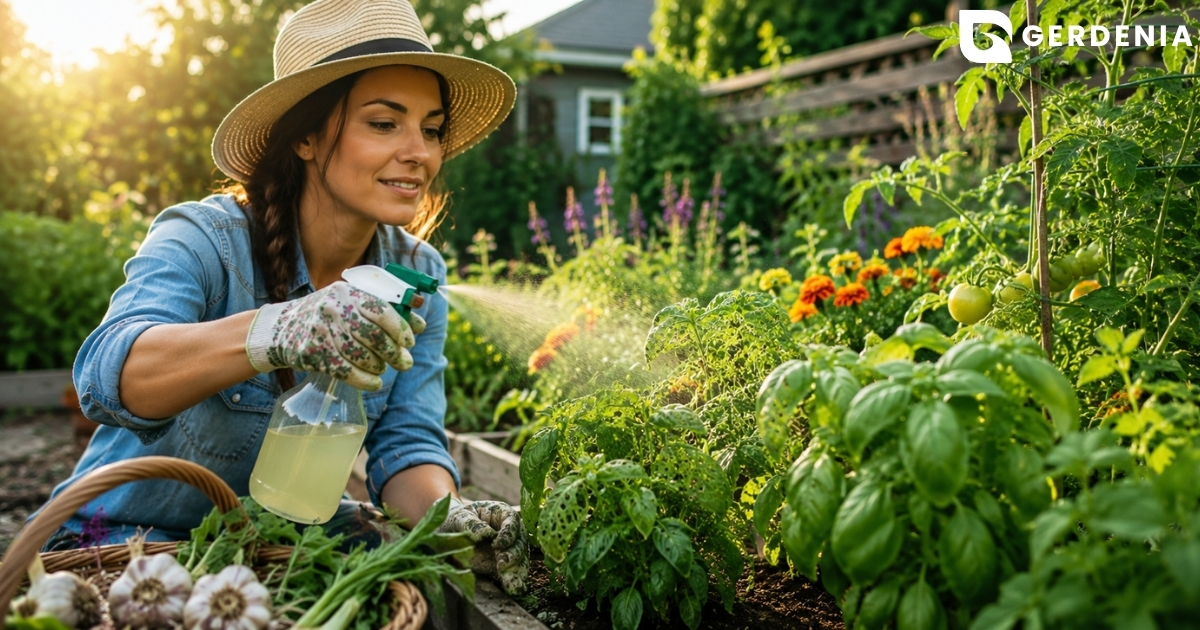
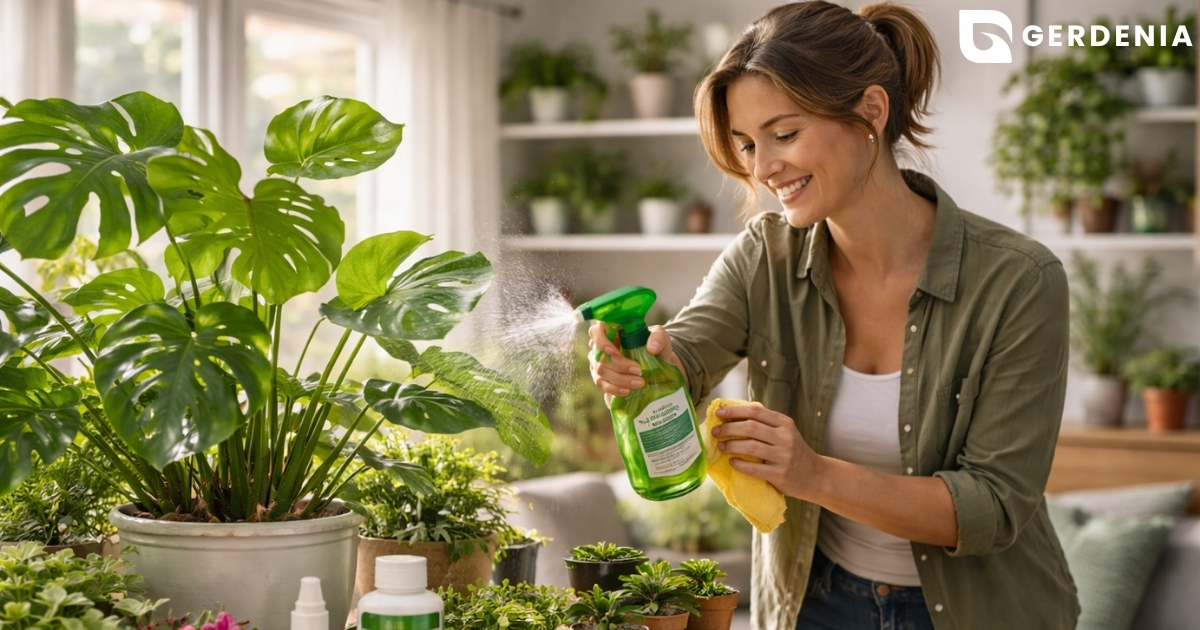
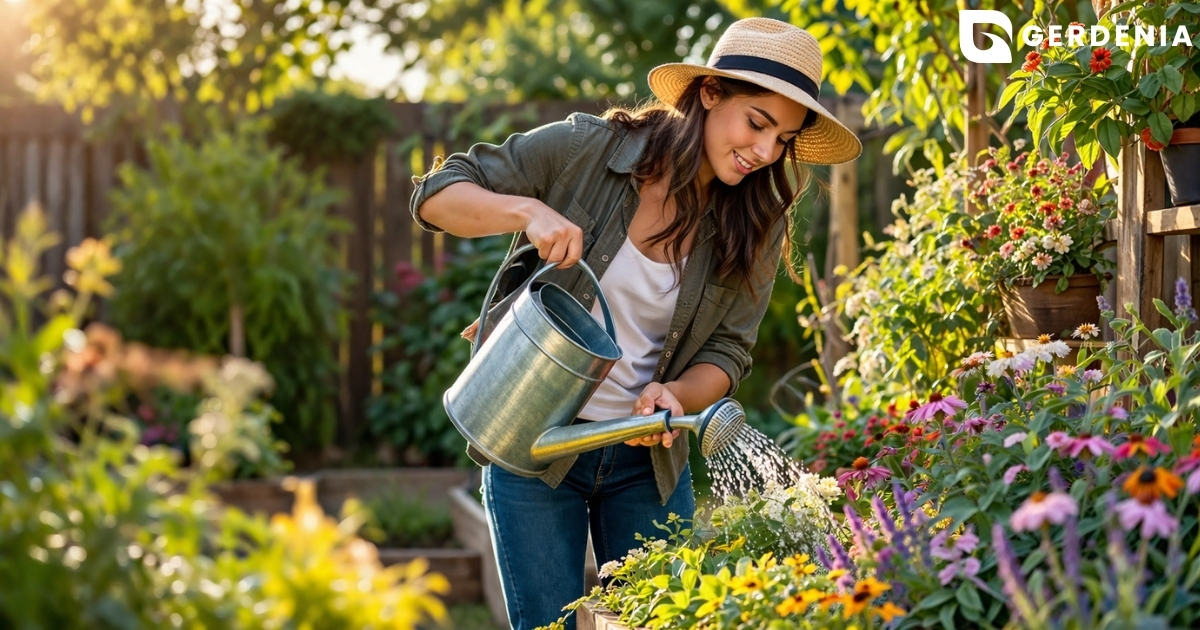
Sometimes a water blast isn’t practical, especially indoors. A homemade insecticidal soap becomes essential. The secret is using pure liquid Castile soap, not dish detergent. True soaps act as surfactants (substances that break down an aphid’s outer shell so it dehydrates). Dish detergents are harsh degreasers that strip a plant’s cuticle (its natural, waxy protective layer). Losing this shield causes phytotoxicity—a technical term for chemical leaf burn.
Hitting a precise 1% soap-to-water ratio is vital to harm bugs without hurting leaves.
- 1 Quart Warm Water: Helps the ingredients blend smoothly.
- 1 Tablespoon Liquid Castile Soap: Provides the insect-killing power.
- 1 Teaspoon Vegetable Oil: Helps the mixture stick to waxy foliage.
Always perform a 24-hour patch test before treating the whole plant. Spray a single, hidden leaf and wait a full day to ensure it doesn’t turn yellow or crispy. This precaution is crucial for both delicate indoor ferns and outdoor garden plants. For best results, never spray in direct midday sun.
Because this DIY spray only works on direct contact, it offers no ongoing protection once dry. If pests immediately return, neem or horticultural oils offer a stronger barrier.

Neem Oil vs. Horticultural Oils: Choosing the Right Weapon for Heavy Infestations
When contact sprays evaporate too quickly, it is time to upgrade. Neem oil offers a unique advantage. It acts as a growth regulator (a substance that disrupts an insect’s hormones). When aphids consume it, they forget to eat and stop reproducing, making it ideal for long-term prevention rather than just a quick knockdown.
Timing your application carefully is crucial because oils can trap heat against foliage. There is a strict “Burn Zone” for these treatments: never apply them when temperatures exceed 90°F. For stubborn yellow oleander aphids clinging to thick stalks, spraying in the cool early evening coats the bugs safely without frying the leaves.
Beyond the active growing season, another variation called dormant oil (a heavier blend used on sleeping plants) becomes your best defense. Spraying this directly onto bare stems in late winter smothers hidden eggs before spring arrives. Yet, even the most thorough oil treatment fails if you ignore the aphids’ tiny bodyguards: ants.
Breaking the ‘Security Guard’ Alliance: How to Stop Ants from Protecting Aphids
Have you ever wondered why ants march in a neat line up your plant’s stems? This “Ant Highway” signals a clear case of mutualism (a type of symbiosis where two different creatures help each other survive). Aphids excrete a sugary liquid called honeydew, which ants love to eat. In exchange for this sweet treat, ants act like tiny security guards, fiercely fighting off helpful bugs that normally eat aphids.
To successfully beat an aphid infestation, you must first fire their bodyguards. Creating a safe blockade at the base of your plant stops the ants in their tracks. Try these simple, non-toxic barriers:
- Sticky tape: Wrap a loop of double-sided tape around the lower stem to catch climbing ants.
- Cinnamon powder: Sprinkle a thick ring around the soil base; ants refuse to cross the strong scent.
- Borax baits: Place a mixture of sugar and borax near the pot to draw ants away entirely.
Isolating the pests leaves them completely vulnerable. With the ant security system dismantled, natural predators can finally swoop in and feast.

Biological Warfare: Attracting Ladybugs and Lacewings for Permanent Defense
Tempting as it is to order a box of live ladybugs online to fix your aphid problem, those store-bought bugs usually fly away within days. Instead of importing temporary mercenaries, the secret to attracting beneficial insects is creating a permanent, welcoming habitat. By cultivating a space where the good bugs naturally want to live, you establish an around-the-clock defense system for your vulnerable greens.
To keep these hungry helpers around all season, you need to grow “insectary plants.” These are specific varieties planted just to provide nectar and shelter for beneficial bugs when aphids are scarce. Try tucking these top five insectary favorites among your plants:
- Dill
- Fennel
- Marigolds
- Alyssum
- Yarrow
Patience is vital when relying on nature, as there is typically a 48-hour lag time between an aphid population spike and the arrival of the cavalry. When these natural predators finally arrive and reproduce, take care not to accidentally squish their babies during routine cleanup. Ladybug larvae look nothing like their cute, round parents; they resemble tiny, black-and-orange alligators, but they actually eat far more aphids than the adults do.
While winged allies patrol the leaves, companion planting adds another layer of clever defense.
Companion Planting: Using Scents to Camouflage Your Prize Plants
You can actively hide your vulnerable greens from pests using a technique called olfactory masking, which is essentially scent camouflage. Because aphids rely heavily on smell to locate their meals, planting pungent alliums like onions and garlic creates a natural scent barrier that confuses them. Integrating aromatic herbs like mint or basil offers excellent passive protection by completely overwhelming their tiny receptors.
When strong scents fall short, deploying a strategic decoy known as a “trap crop” serves as your next line of defense. This involves growing an attractive, expendable plant nearby to lure invaders away from prized centerpieces. Planting nasturtiums a few feet away safely draws the infestation to a decoy, beautifully demonstrating the benefits of companion planting for pest control.
Combining these clever botanical barriers with sacrificial decoys ensures your garden naturally defends itself around the clock. With your favorites safely camouflaged, preventing future outbreaks starts with proper plant care.
Prevention and Monitoring: How to Stop Future Outbreaks Before They Start
Preventing future aphid outbreaks naturally starts with how you feed your plants. Heavy fertilizers create a surge of soft, sappy stems. This fragile, nitrogen-driven growth acts like an all-you-can-eat buffet for sap-sucking insects. Scaling back your feeding schedule ensures stems grow thick and sturdy, naturally resisting their tiny mouthparts.
Giving your garden breathing room offers another powerful defense. Pruning dense interior branches improves airflow management, allowing gentle breezes to sweep through the foliage. Since these bugs are weak clingers that thrive in stagnant humidity, a steady wind makes it incredibly difficult for them to settle. Opening up the center also lets sunlight dry out damp, shadowed hiding spots.
Catching brave survivors requires a quick weekly inspection under the leaves of fresh plant growth. Spotting solitary scouts early makes control simple, often requiring just a sharp spray of water.
Your 7-Day Aphid Eradication Plan: From First Sight to a Healthy Garden
Instead of panicking at the first sign of a sticky leaf, you now have the tools to protect your plants safely. Remember, a perfectly healthy garden isn’t entirely bug-free. A few lingering pests are completely normal and actually help keep beneficial predators like ladybugs around.
Because these insects multiply rapidly, consistency is your best defense. To break their life cycle and manage newly hatched eggs, follow this simple timeline:
- Day 1: Blast the plant with water to knock off visible adults.
- Day 2: Check for and manage ants guarding the stems.
- Day 3: Apply a mild soap spray to target stubborn clusters.
- Day 7: Inspect the undersides of leaves and repeat treatments if necessary.
By committing to a quick weekly check-up, you can easily catch future invaders before they ever require major interventions. Mastering these organic aphid control methods rewards you with vibrant, thriving foliage and a safe, chemical-free home.