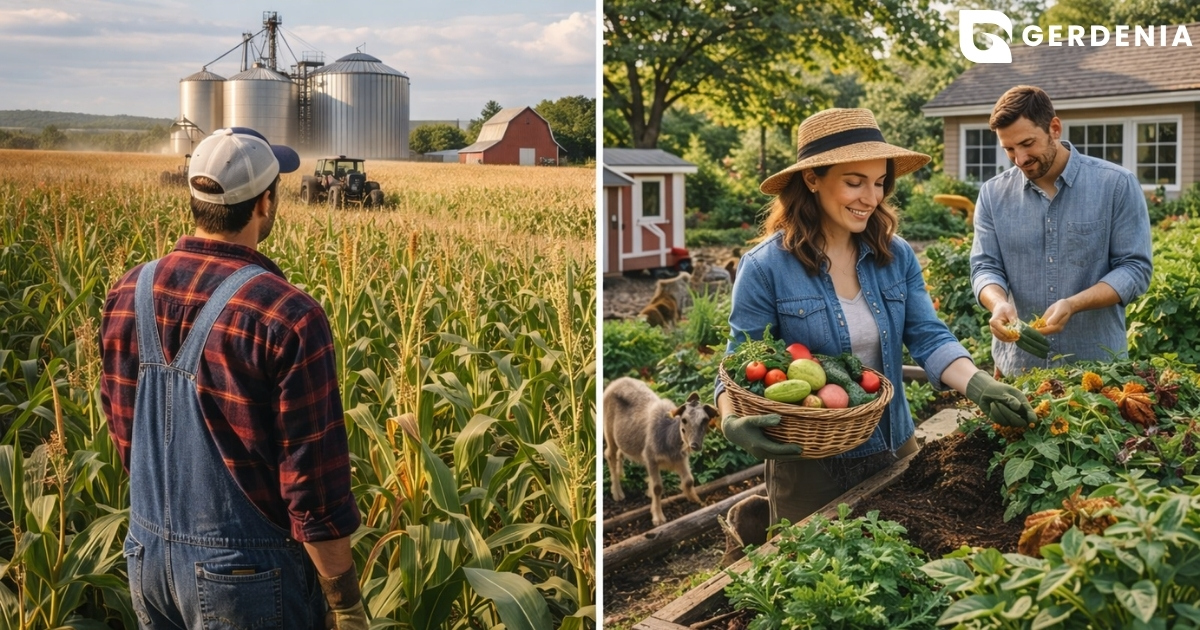
Most of the spinach sitting in your crisper drawer right now traveled an average of 2,000 miles just to get there. Have you ever bought a bunch of “fresh” basil at the supermarket, only to watch it wilt by Tuesday? That happens because our global food system relies on transporting delicate produce across continents in refrigerated trucks. But imagine a completely different reality—one where the farm growing your dinner is actually sitting on the roof of the grocery store itself.

Industry data reveals that accumulating these “food miles” takes a massive environmental toll, burning fossil fuels long before the harvest ever reaches your plate. Beyond the sheer carbon footprint, relying entirely on distant mega-farms leaves cities incredibly vulnerable to supply chain disruptions. This physical distance directly threatens urban food security, meaning millions of city dwellers lack reliable access to fresh, affordable nutrition when transport networks fail or fuel prices spike.
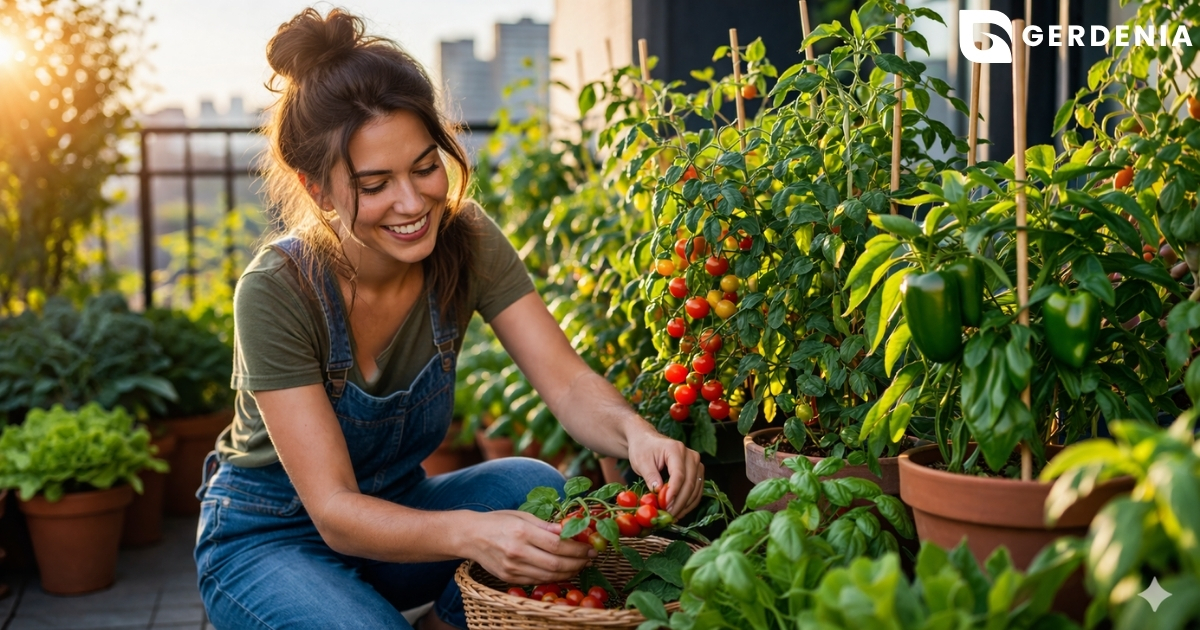
To solve this mounting problem, a vibrant movement is taking root directly inside our concrete jungles. Urban farming is not a single, rigid practice, but rather a diverse spectrum of growing methods adapted for tight, paved spaces. It encompasses everything from a simple row of cherry tomatoes on a Brooklyn apartment windowsill to massive, climate-controlled warehouses in London that harvest thousands of heads of butter lettuce under neon pink lights.
Instead of depending entirely on unpredictable weather and vast tracts of soil, this movement leans on three powerful pillars: innovative technology, strong community bonds, and relentless sustainability. Technologies like hydroponics—where plant roots take a vitamin-rich water bath instead of reaching into dirt—allow us to grow more food in a fraction of the space. Meanwhile, repurposed vacant lots and rooftop gardens are transforming abandoned concrete patches into community-run hubs for sustainable urban food security solutions.
We have the opportunity to completely reimagine what our neighborhoods look and feel like. By bridging the gap between buying local and actually growing local, cities are quietly transforming from heavy consumers of distant crops into dynamic, self-sustaining producers.
Why Your Salad Traveled 2,000 Miles and How Urban Farming Ends the Journey
Consider the exhausting journey of a typical head of lettuce before it reaches your crisper drawer:
- Harvested in a massive rural field before it is fully ripe.
- Washed and packaged in a centralized processing plant.
- Driven across the country in a refrigerated truck for days.
- Unloaded onto a city grocery store shelf, already aging.
By the time that salad reaches your bowl, it has lost half its vitamins through nutritional degradation—a natural decline that happens the longer food sits off the vine. Those transit days drain nutrients and demand massive amounts of diesel fuel. Fortunately, reducing carbon footprint with indoor farming flips this script through hyper-local logistics. This concept simply means growing food in the exact neighborhood where it is eaten, bypassing the highway entirely.
Eliminating that cross-country commute unlocks the incredible benefits of locally grown urban produce, delivering crisper, healthier greens harvested just hours before purchase. When communities embrace urban farming, abandoned warehouses transform into thriving neighborhood food hubs. But fitting a massive agricultural operation inside a crowded city block requires rethinking our physical space and discovering why growing up is better than growing out.
Vertical Farming vs Traditional Agriculture: Why Growing Up is Better Than Growing Out
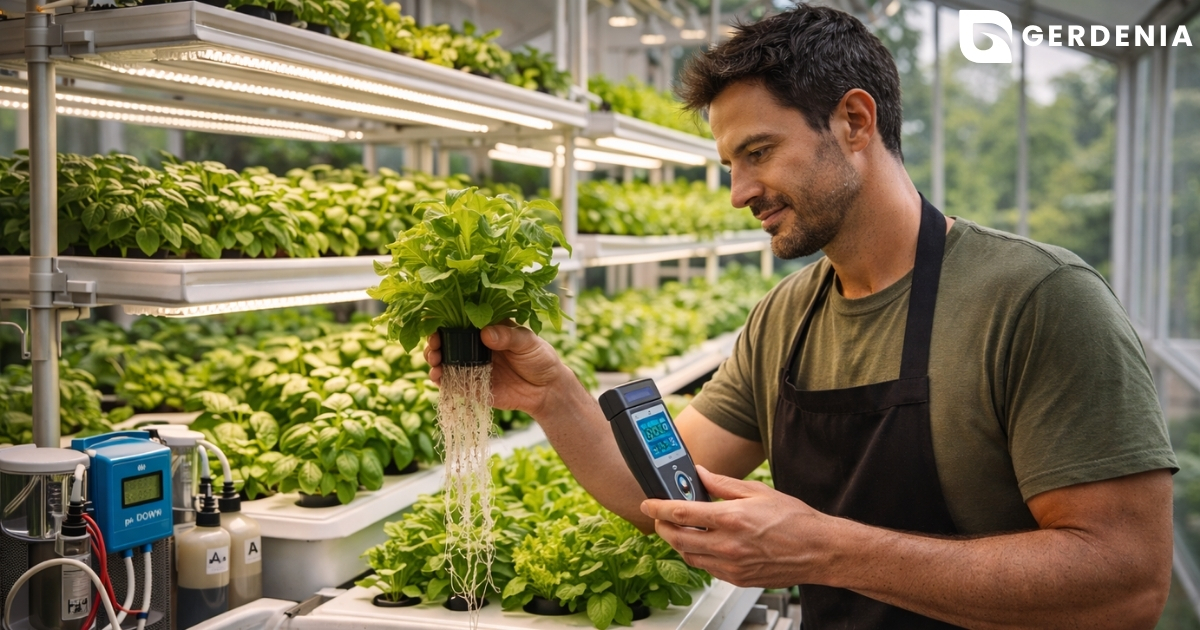
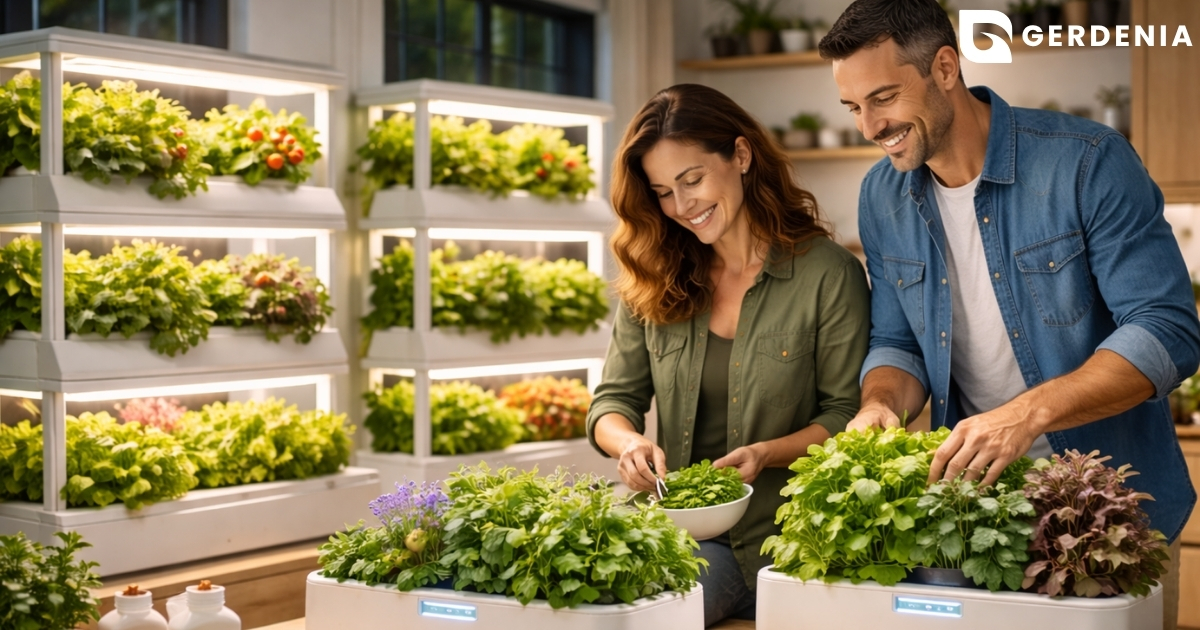
Imagine trying to lay out a million books on the floor of a single room; you would quickly run out of space. When comparing vertical farming vs traditional agriculture, the concept is exactly like building a massive library bookshelf for plants. Instead of spreading crops horizontally across endless acres of rural land, urban farmers stack them up to the ceiling inside repurposed buildings.

This simple shift in geometry creates massive neighborhood food hubs in tiny physical footprints. By stacking trays of greens ten or twenty rows high, growers can produce up to 100 times more food per square foot than a conventional outdoor field. Scaling commercial vertical farms in cities works perfectly because it maximizes expensive urban real estate while feeding thousands of nearby residents.
Weather completely disappears from the equation inside these brightly lit facilities. Because the plants grow in a controlled environment—a system completely sealed off from nature’s unpredictability—vertical farming becomes entirely seasonless. You can harvest fresh summer strawberries during a freezing winter blizzard, and because hungry bugs cannot get inside these secure rooms, there is absolutely zero need to spray toxic pesticides on your food.
Getting a warehouse to mimic perfect springtime conditions is only half the magic. To grow these massive indoor harvests without trucking tons of heavy dirt into a concrete skyscraper, growers had to rethink the ground itself. If soil is no longer the foundation, how do these sky-high crops actually eat and drink before making it to your plate?
Hydroponic Systems for City Apartments: The ‘Vitamin Bath’ for Your Kale
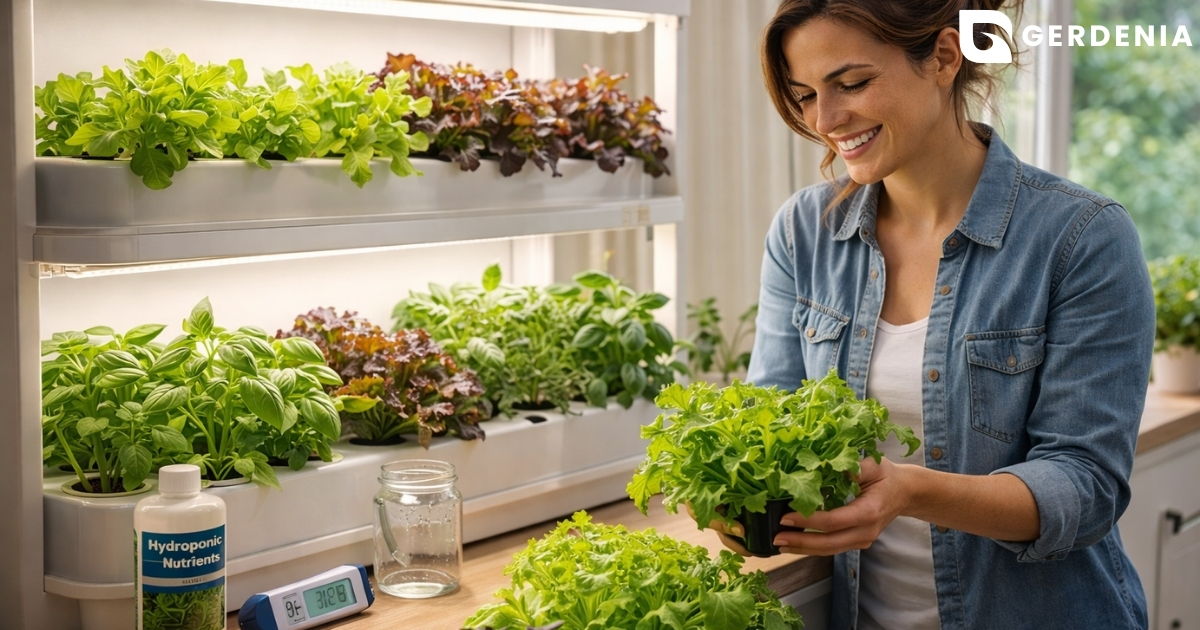
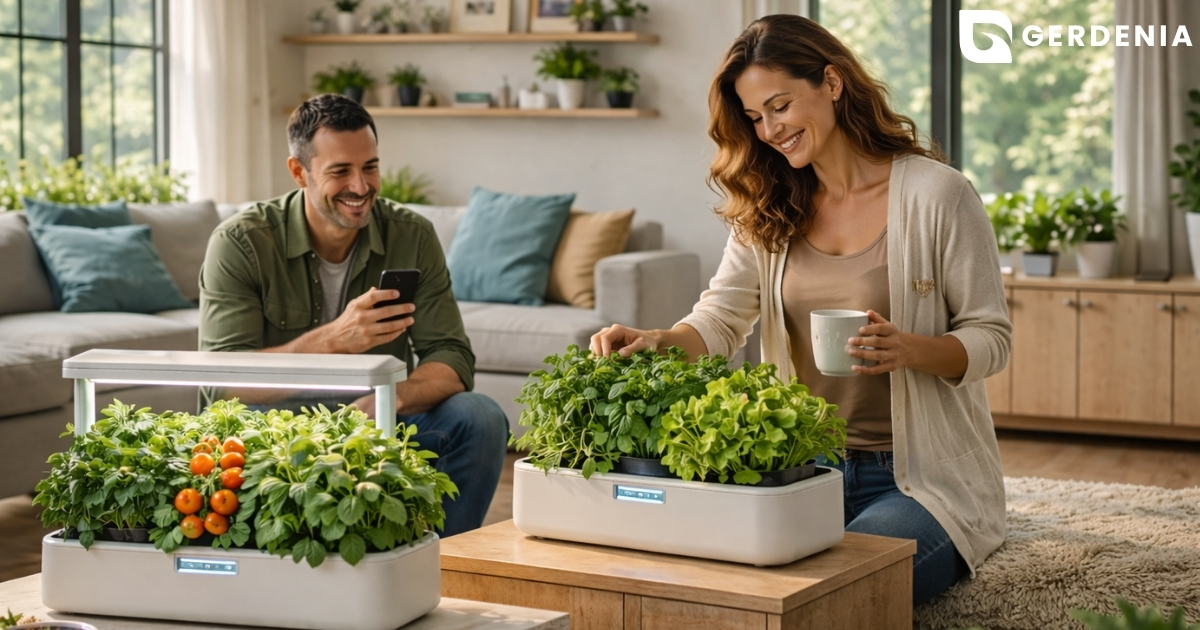
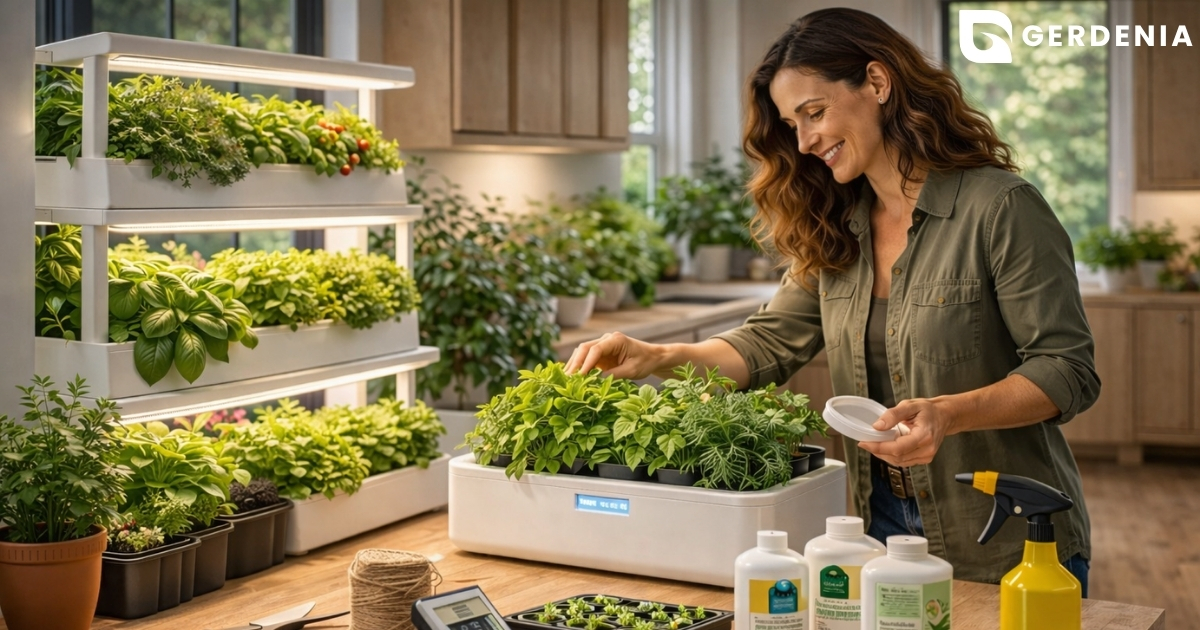
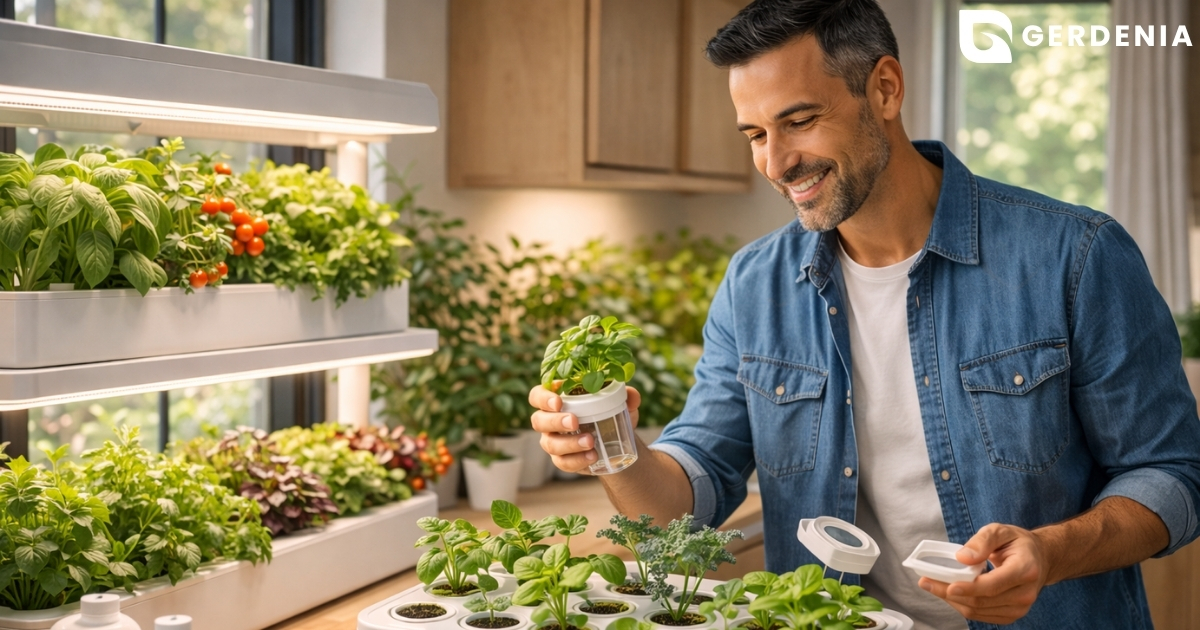
Gardening usually implies dirty fingernails, but plants do not actually need dirt; they just need the nutrients hidden inside it. Hydroponic systems for city apartments eliminate the mess entirely by skipping the soil. Instead of forcing roots to spend energy hunting through heavy dirt, they sit directly in a shallow pool of water. Think of it as a custom vitamin bath for your kale. Because roots have immediate access to perfectly balanced food, these indoor crops grow significantly faster while using 90% less water than traditional farming.
Building this soil-free oasis is incredibly straightforward. As one of the most cost-effective urban farming techniques for beginners, a basic counter-top setup only requires three essential components to thrive:
- A water reservoir: A basic plastic bin or tank to hold the liquid.
- Net pots: Small, slotted baskets filled with clay pebbles to keep the plant standing upright.
- Nutrient solution: A liquid mineral blend you add directly into the water.
This compact approach quickly turns an ordinary windowsill into a hyper-local salad bar. But skipping bottled minerals and letting nature manufacture the plant food automatically leads directly into the fascinating world of aquaponics, where fish and plants work together to build a tiny, self-sustaining ecosystem right in your living room.
Aquaponics: How Fish and Plants Work Together in a Tiny Ecosystem
Imagine never buying liquid fertilizer again. By adding fish to your water reservoir, you create aquaponics—a closed-loop system where aquatic life and plants help each other survive. You aren’t just gardening; you are managing a miniature ecosystem. Perfect for apartments, aquaponics systems for small urban spaces combine soil-free hydroponics with the biological cycles of a wild pond.
The magic behind this partnership is an organic recycling process called the nitrogen cycle. When fish produce waste, the water fills with ammonia. Instead of pouring this dirty water down the drain, beneficial bacteria step in as a microscopic bio-filtration crew. They transform that toxic ammonia into rich nitrates, which is the exact food your leafy greens crave. As the plants drink up this natural fertilizer, they purify the water and send it back to the fish perfectly clean. This beautiful synergy showcases how urban farming mimics nature’s zero-waste efficiency.
Because this continuous loop constantly reuses its water, you only ever need to replace the tiny amount lost to evaporation. While fish easily provide a brilliant substitute for soil nutrients, this thriving indoor ecosystem still requires massive amounts of energy to flourish. Since a living room ceiling cannot replicate a bright summer day, indoor setups need a clever way to bring the sunshine indoors.
The Smart LED Revolution: Replacing the Sun with Precision Light
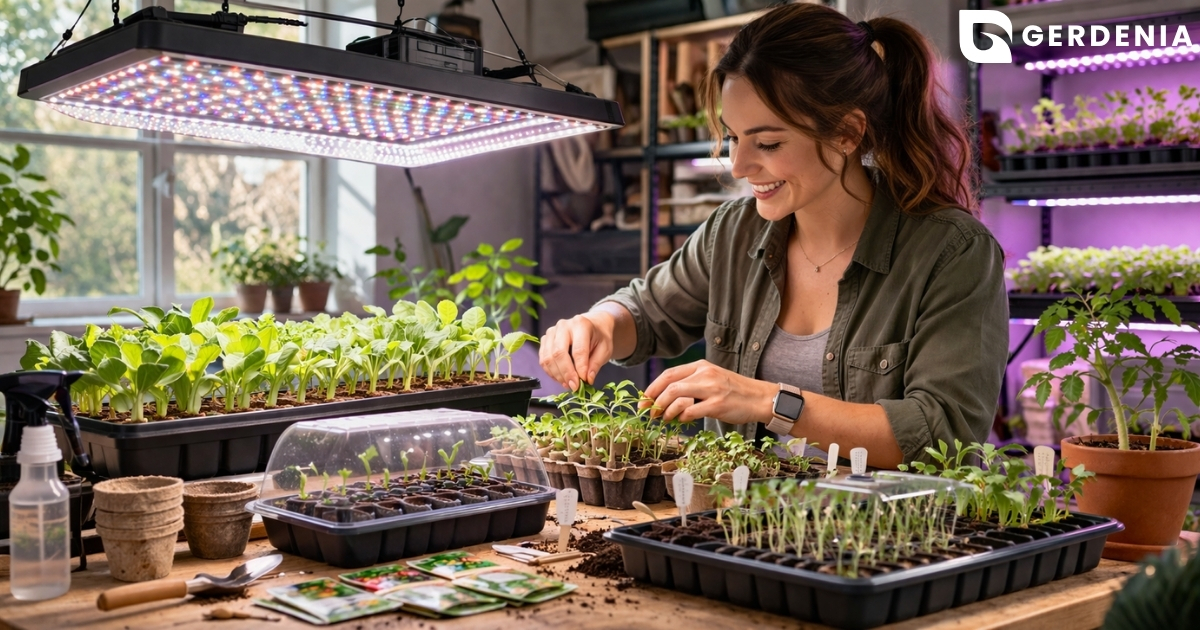
The otherworldly pink hue radiating from many indoor farms is one of the most vital technological innovations in controlled environment agriculture. Unlike traditional bulbs that waste energy creating useless heat, modern smart LEDs give plants exactly what they need for photosynthesis. They replace the sun’s broad rays with targeted beams, making indoor vertical farming highly energy-efficient.
By adjusting these specific light spectrums, urban farmers can essentially “hack” a plant’s biology. Because plants respond to different colors and daylight hours—a biological trait called photoperiodism—growers use smart LEDs as a remote control for their crops. This precision tuning improves agriculture in three distinct ways:
- Accelerating harvests: Providing uninterrupted 24/7 “summer days” dramatically speeds up natural growth cycles.
- Boosting flavor: Dialing up blue light alters plant chemistry, creating spicier arugula and sweeter basil.
- Saving electricity: Emitting only the exact wavelengths leafy greens absorb prevents wasted power.
While these glowing marvels allow us to grow fresh food inside windowless warehouses, this movement isn’t just about high-tech isolation. Stepping out of the neon light and into a vacant neighborhood lot reveals how growing food locally can also rebuild community ties.
How Community Gardens Rebuild Social Equity and Neighborhood Ties
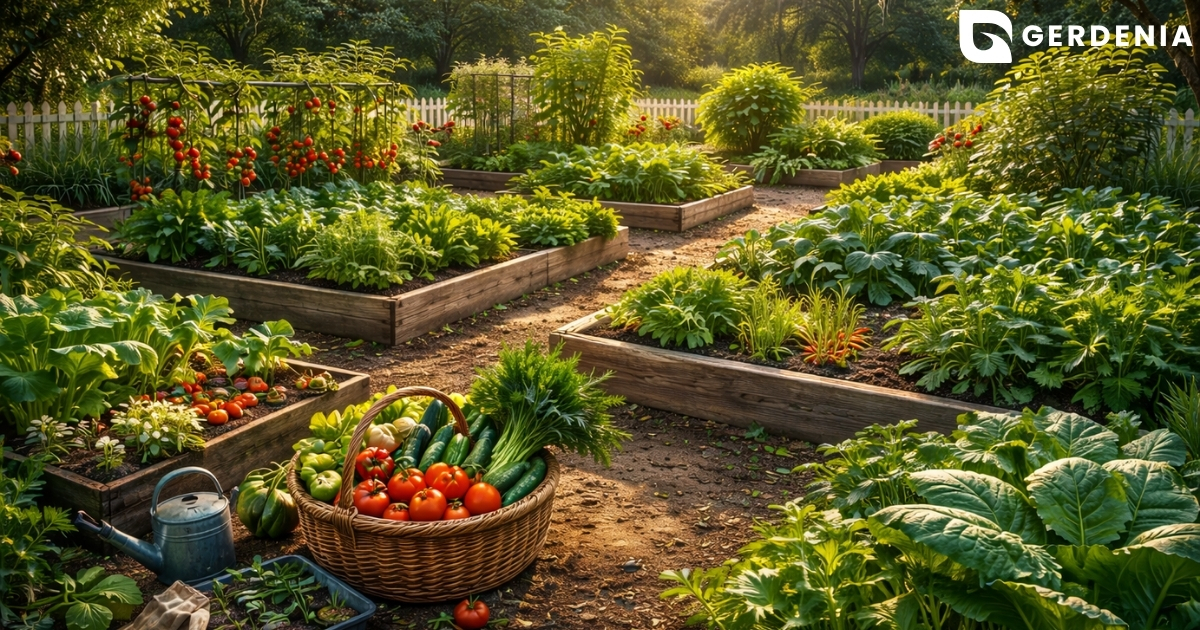
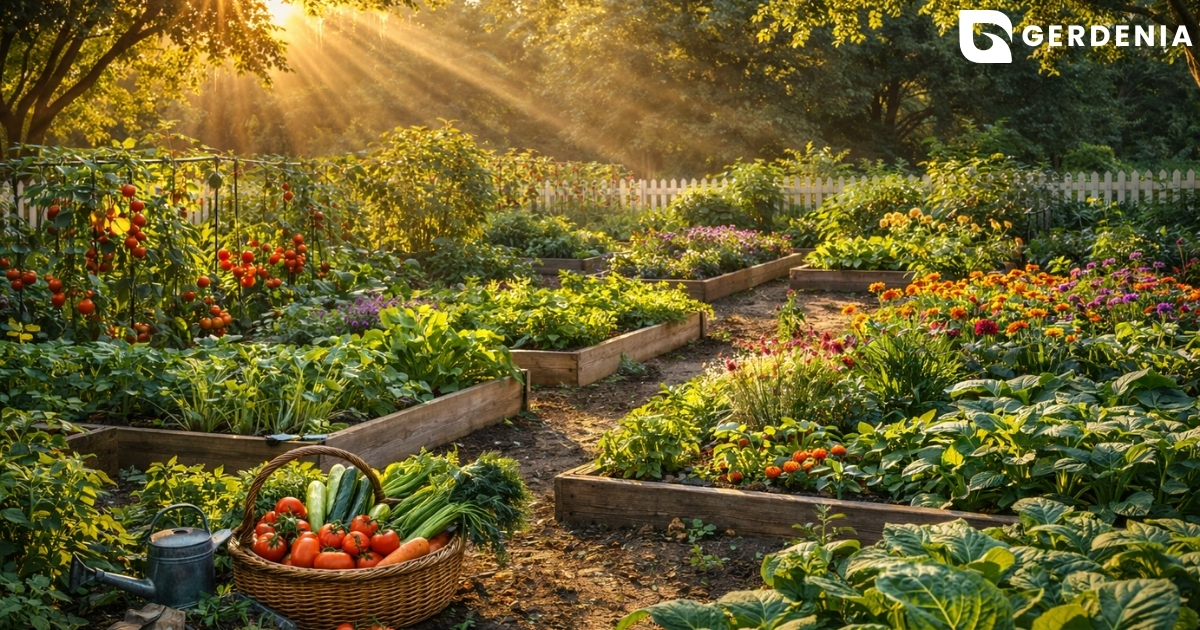
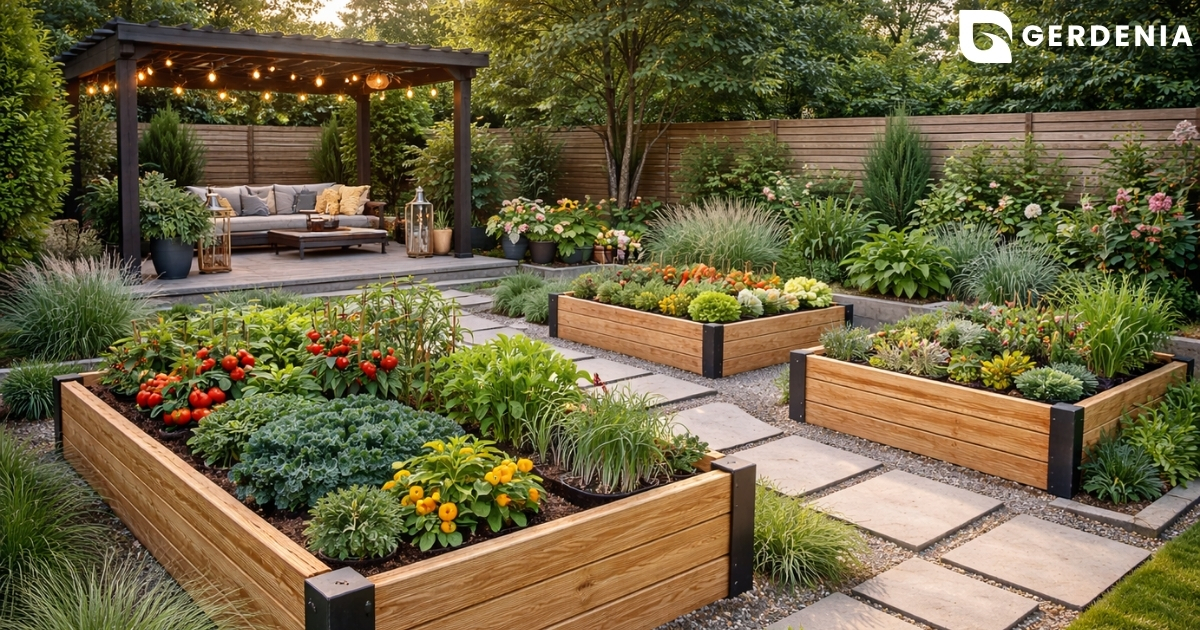
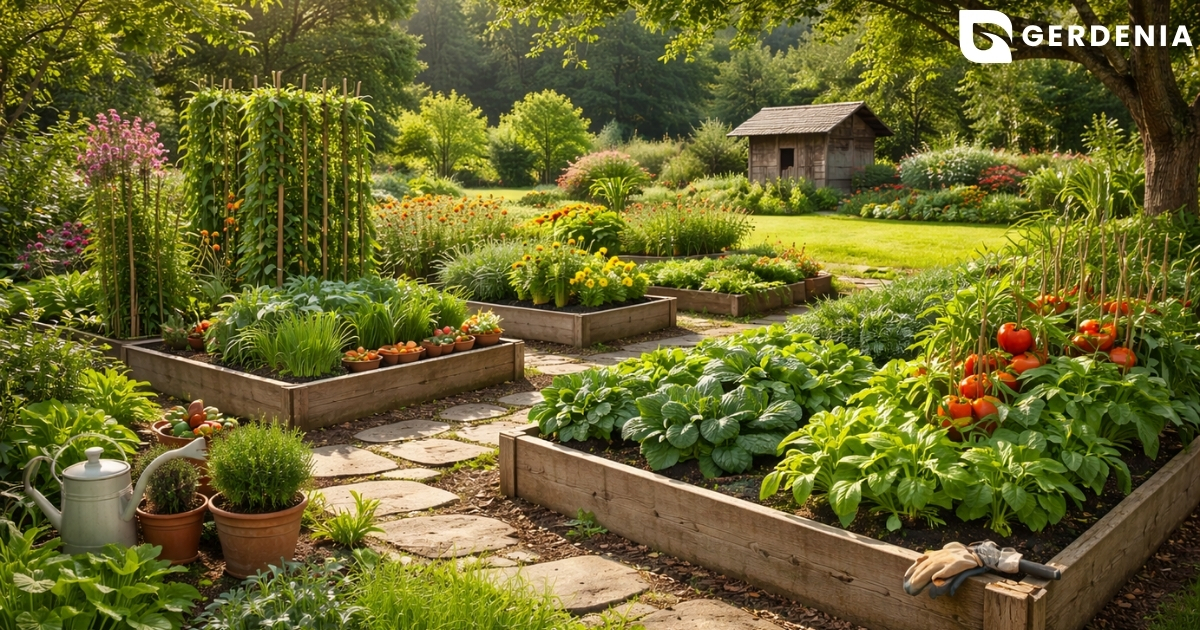
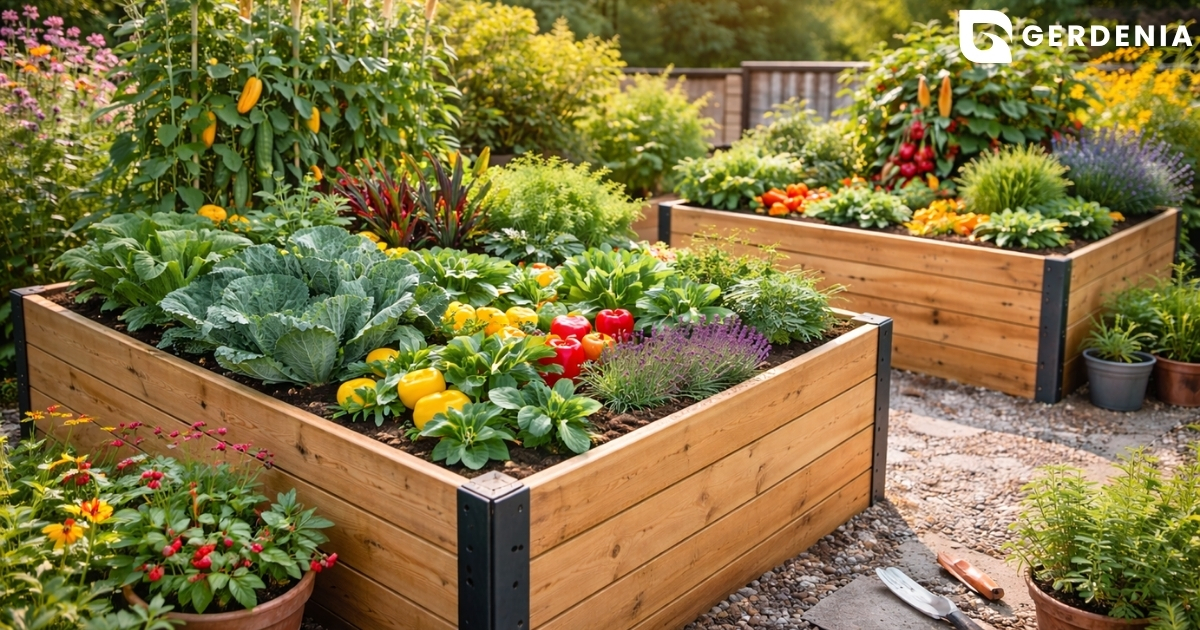
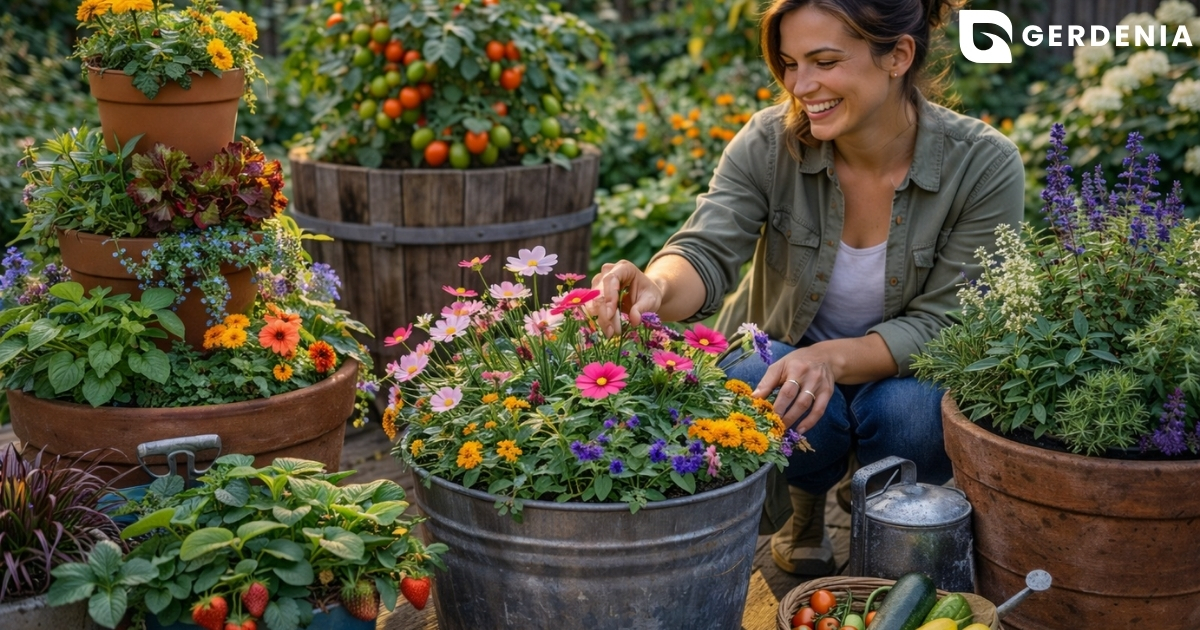
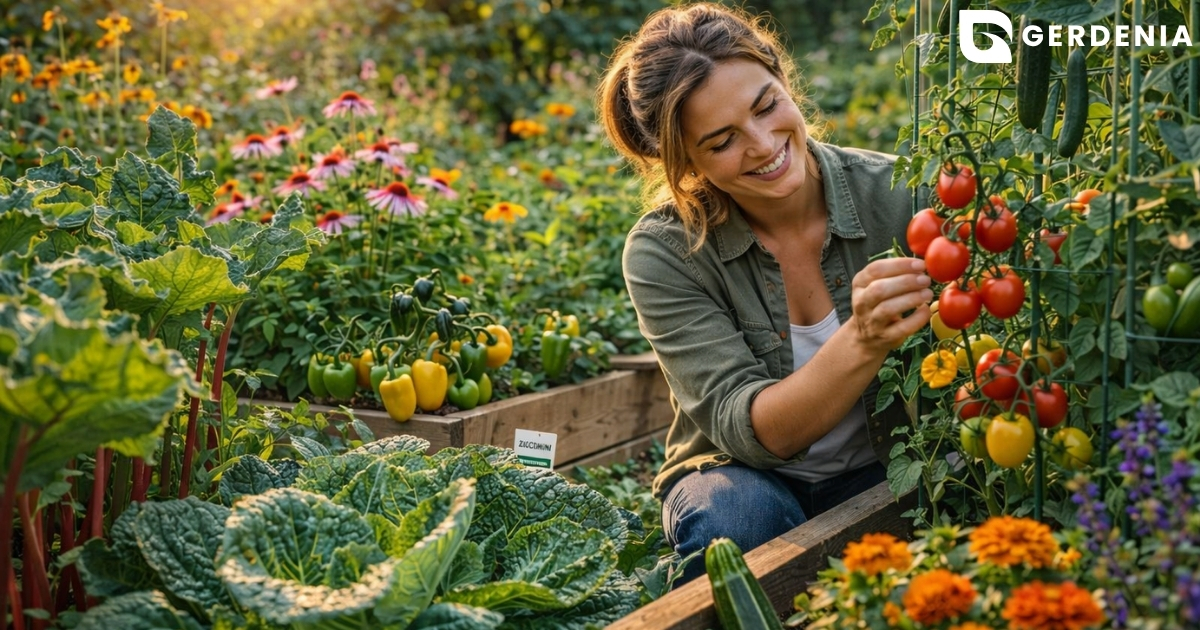
Stepping outside the neon glow of indoor facilities, the most powerful tool in urban farming often looks like a simple raised bed of dirt. In neighborhoods historically bypassed by grocery chains, residents aren’t waiting for corporate solutions. Instead, they are transforming vacant lots into bustling community gardens that yield far more than just tomatoes.
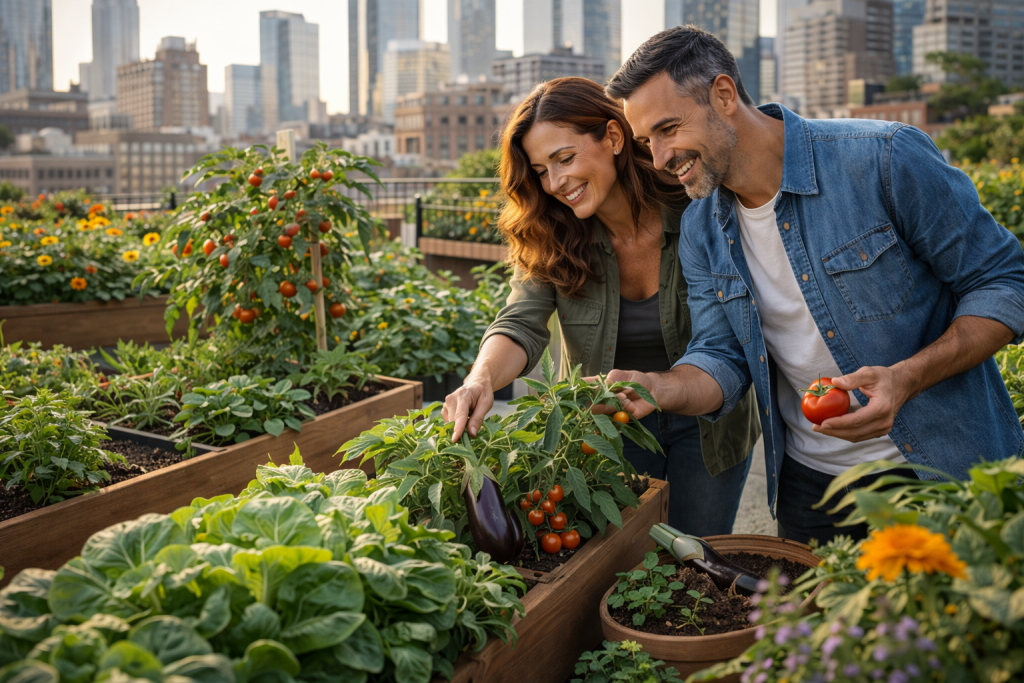
This grassroots movement directly tackles a hidden health crisis in modern cities. Many areas function as “food deserts” with no fresh produce nearby, or “food swamps” where fast-food chains completely outnumber healthy options. The impact of city farming on food deserts changes this dynamic overnight, replacing packaged snacks with affordable, neighborhood-grown spinach.
Beyond filling dinner plates, pulling weeds alongside neighbors builds crucial social resilience. These shared spaces become living community centers where elders exchange planting tips with teenagers, naturally bridging deep generational divides. Digging your hands into the soil also offers measurable mental health benefits, providing a peaceful escape from the relentless pace of a concrete environment.
Healing these street-level neighborhoods proves that agriculture belongs everywhere, but the innovation continues to climb. As cities search for creative ways to combat rising summer temperatures and utilize wasted space, growers are looking upward, preparing to transform barren architecture into thriving, sun-soaked sanctuaries.
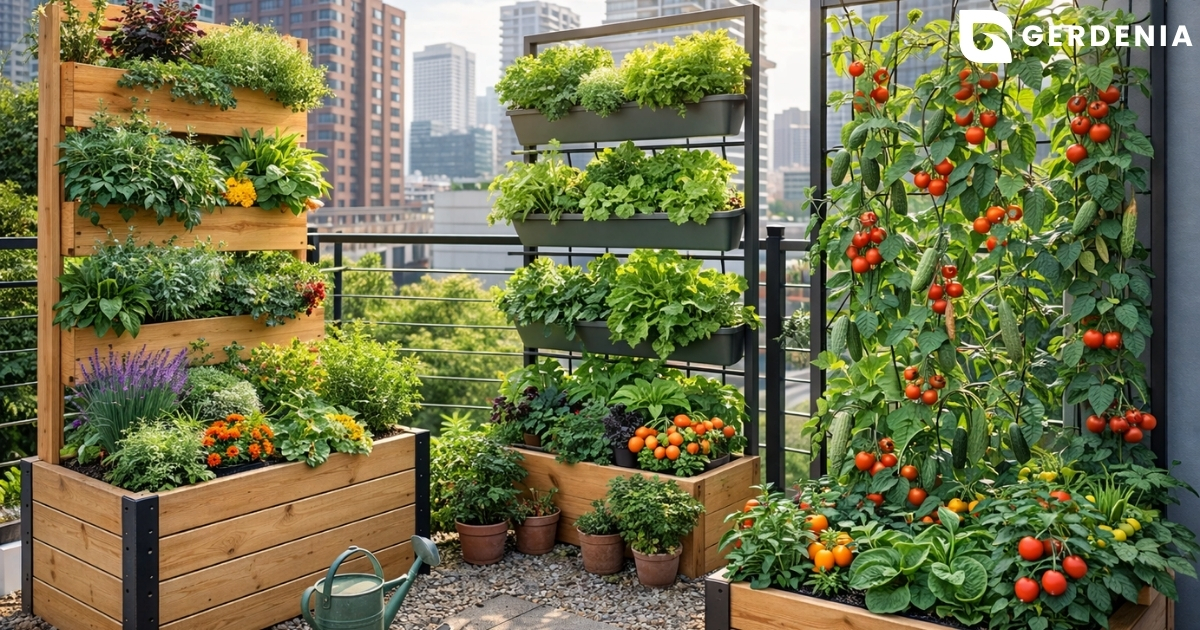
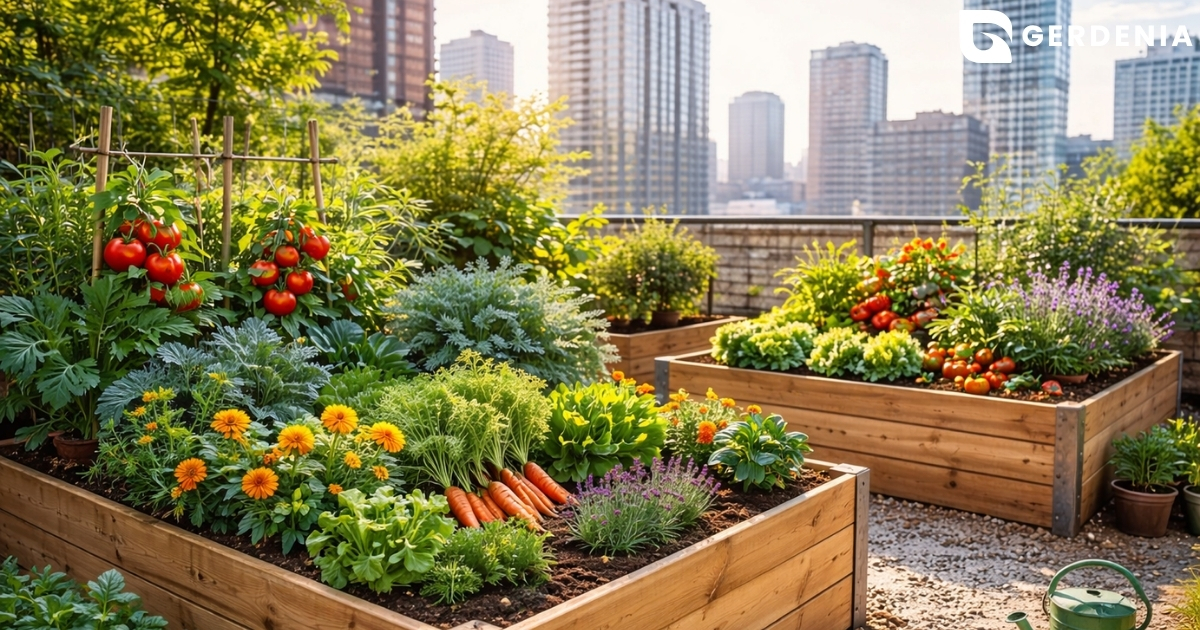
Rooftop Gardens and Green Infrastructure: Cooling the Concrete Jungle
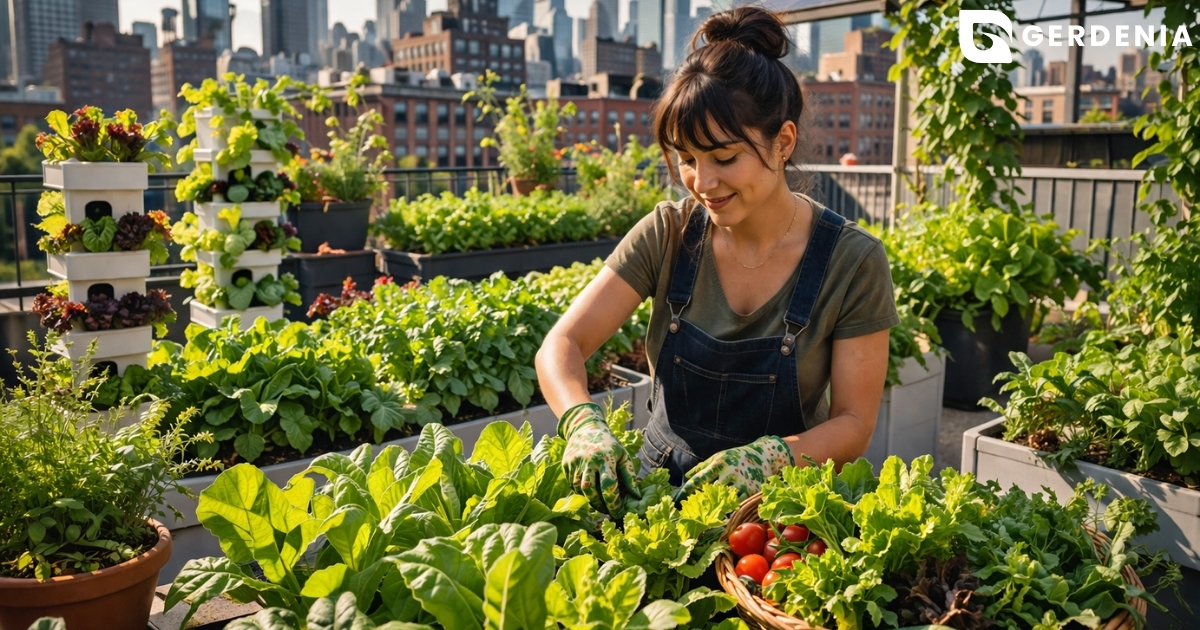
Looking up from the street, millions of square feet of barren, black tar rooftops silently absorb the summer sun. This creates the “Urban Heat Island” effect—a phenomenon where concrete traps heat, making cities significantly hotter than surrounding rural areas. However, by integrating green infrastructure into urban planning, those scorching rooftops transform into natural air conditioners. Plants cool the surrounding air simply by releasing water vapor, acting like a collective neighborhood breeze.
When residents ask, “is urban agriculture environmentally sustainable?”, the answer lies in what these elevated farms achieve before a single vegetable is harvested. Beyond food production, rooftop gardens provide four crucial environmental defenses:
- Natural Insulation: Deep beds of earth act as a thermal blanket, drastically reducing a building’s air conditioning costs.
- Stormwater Sponges: Instead of heavy rain flooding city sewers, rooftop soil absorbs downpours right where they land.
- Air Filtration: Leafy greens physically trap airborne dust and smog, purifying the neighborhood’s atmosphere.
- Biodiversity Hubs: High-altitude blooms create vital rest stops for bees navigating the concrete maze.
None of these water-catching or cooling benefits function without a healthy, porous foundation of earth holding it together. Maintaining these sky-high sponges requires a constant supply of rich organic matter, which cleverly points to a solution already sitting in our daily kitchen waste.
Regenerative Practices in the City: Building Soil from Urban Waste
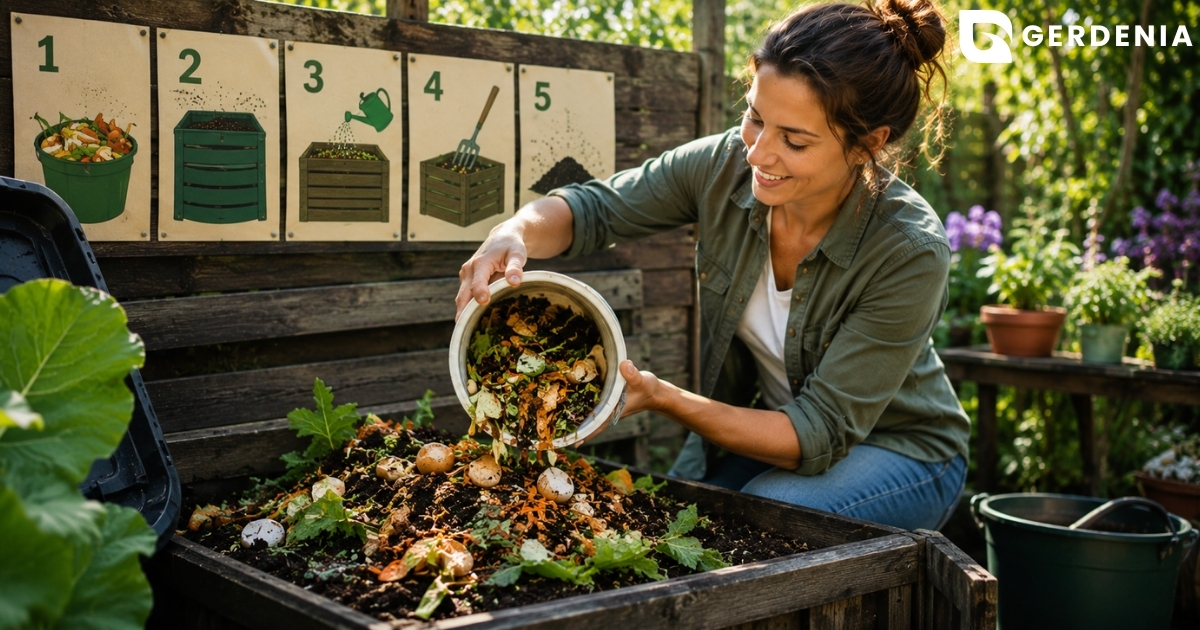
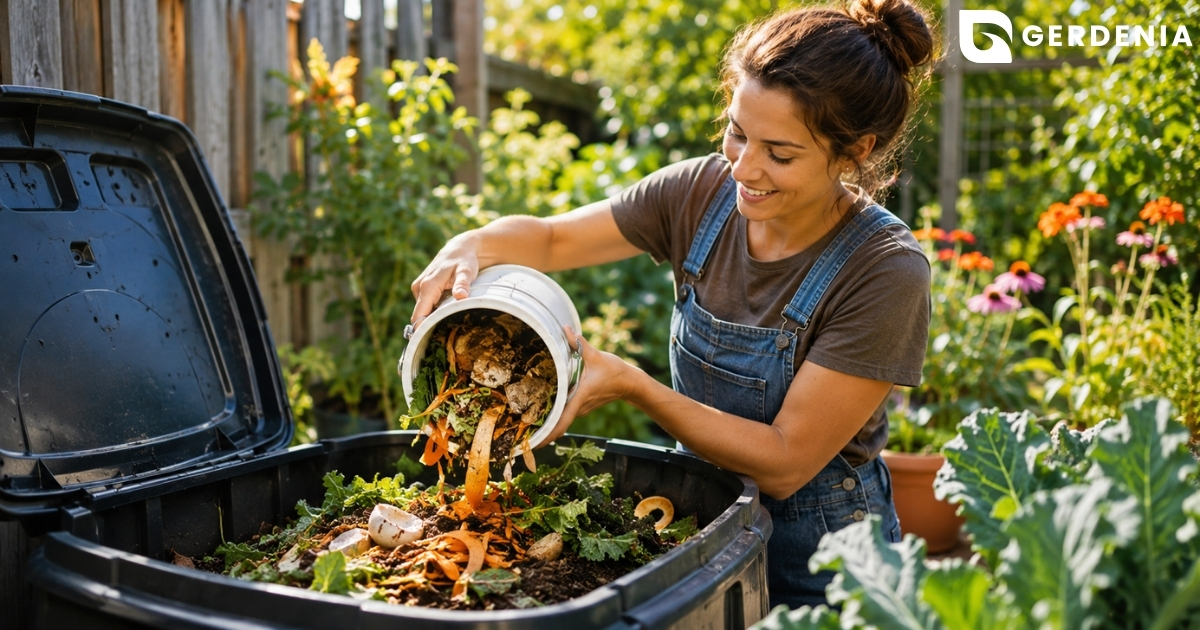
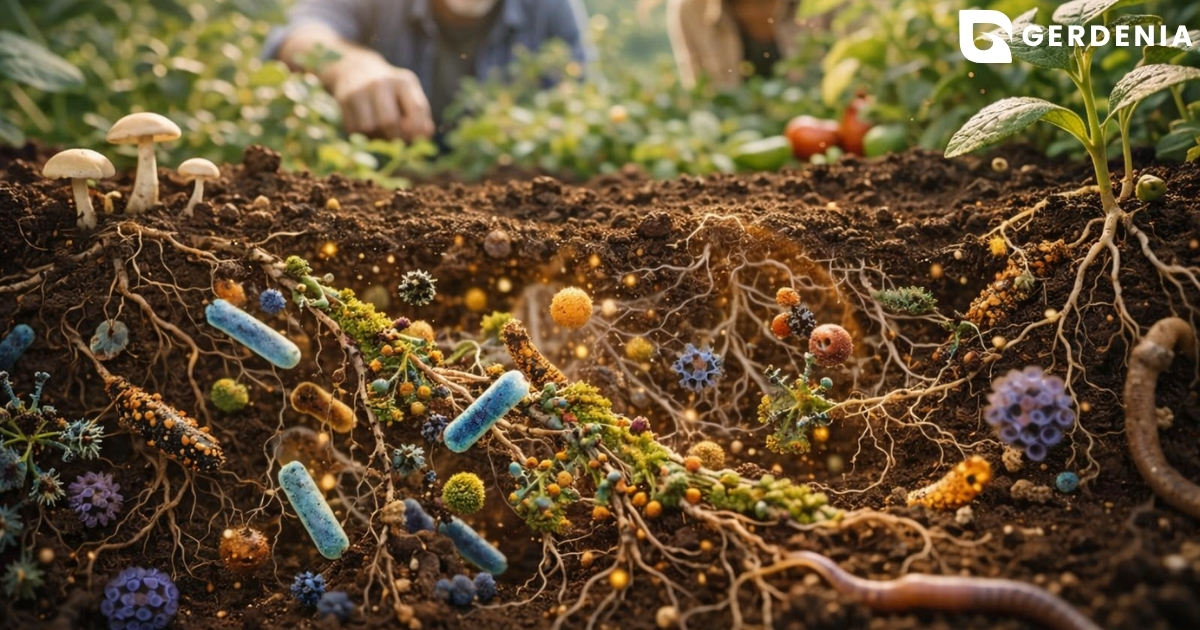
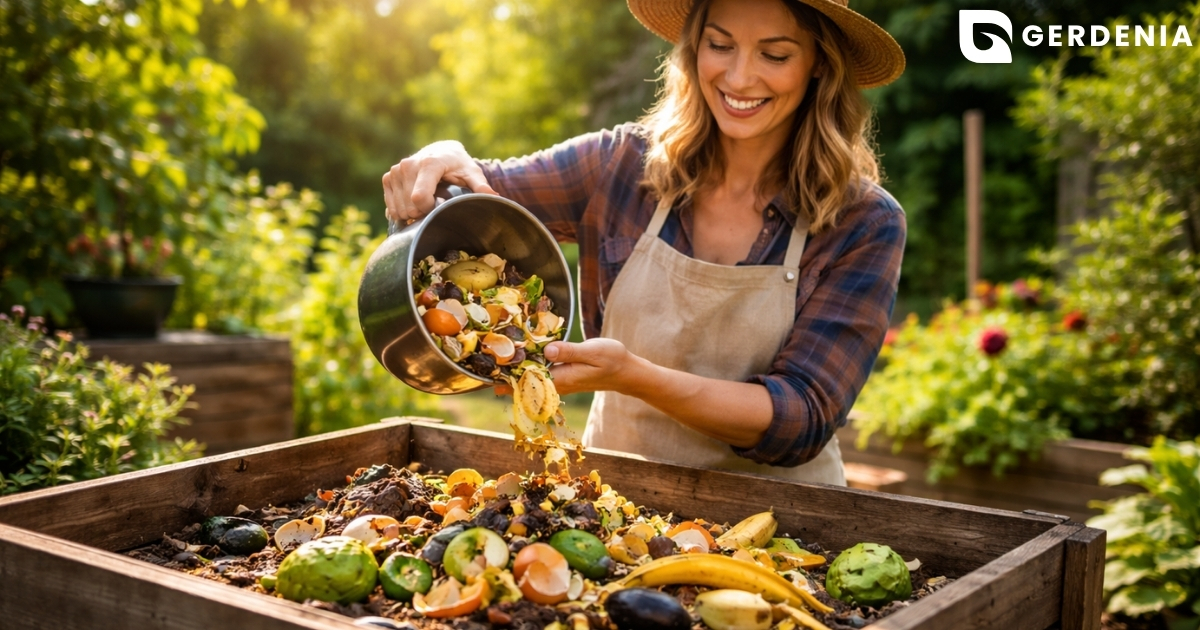
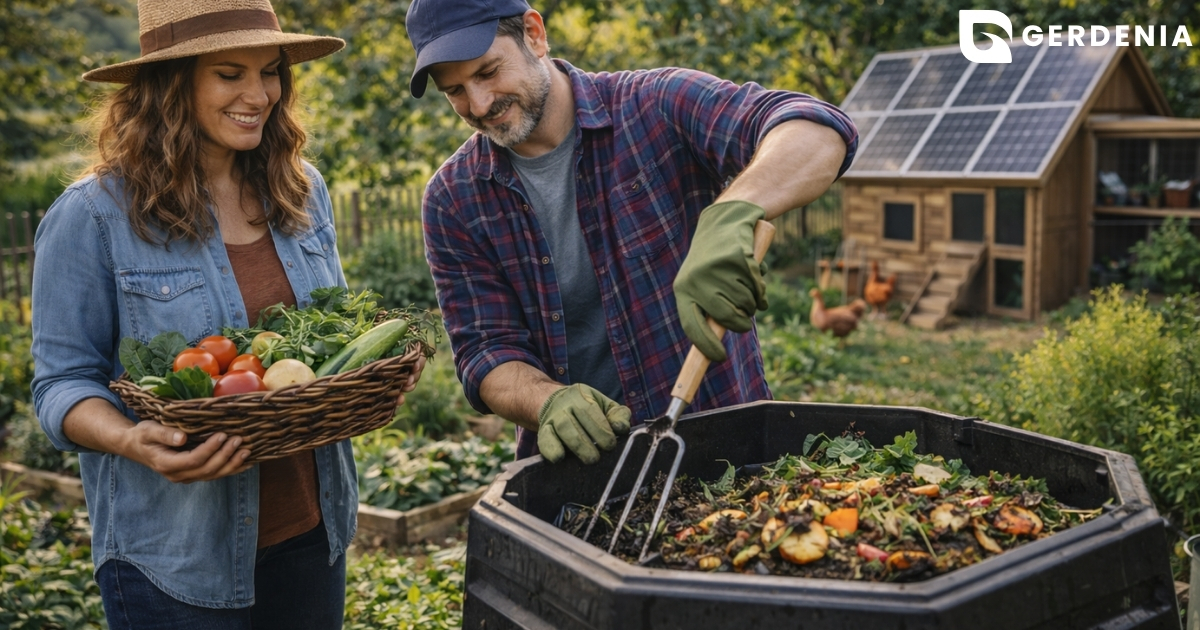
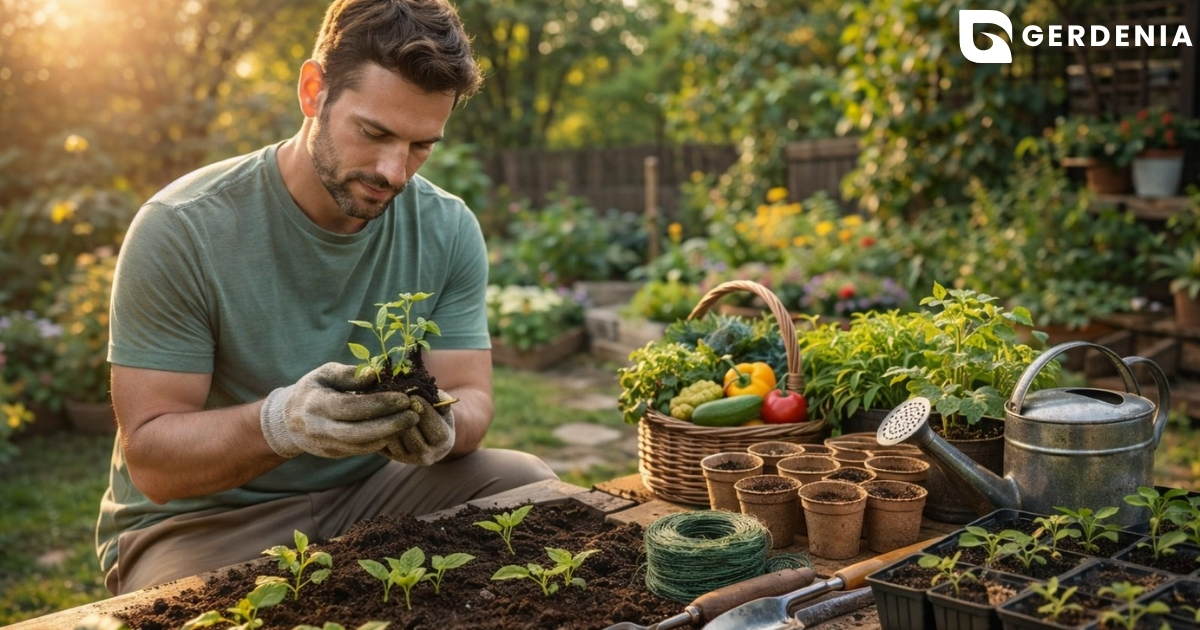
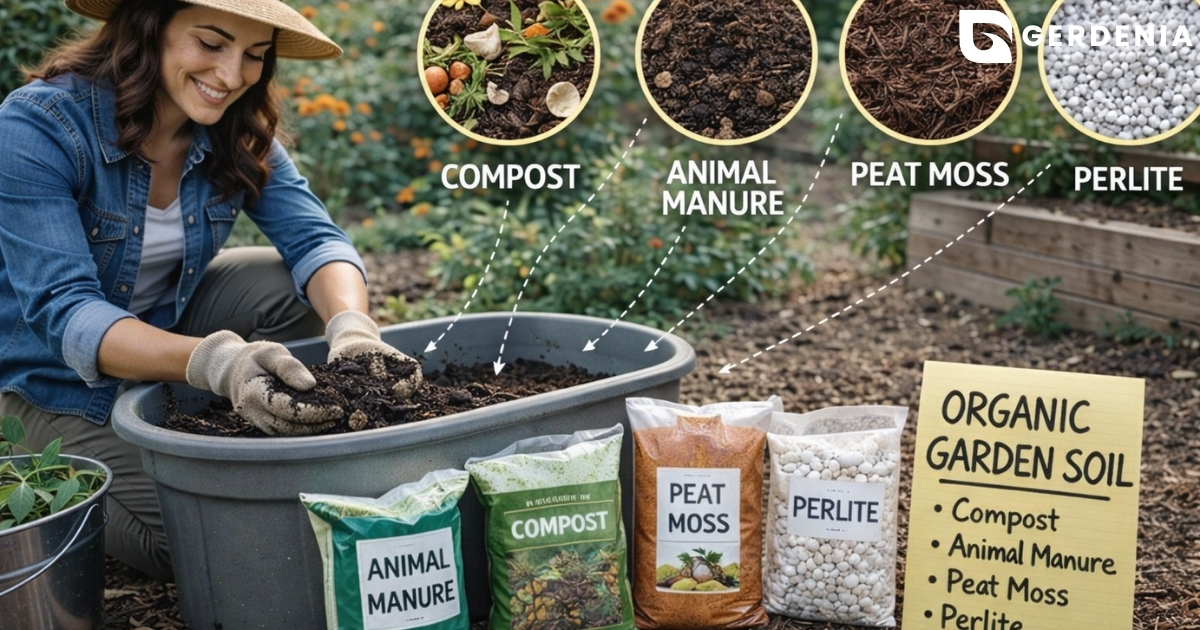
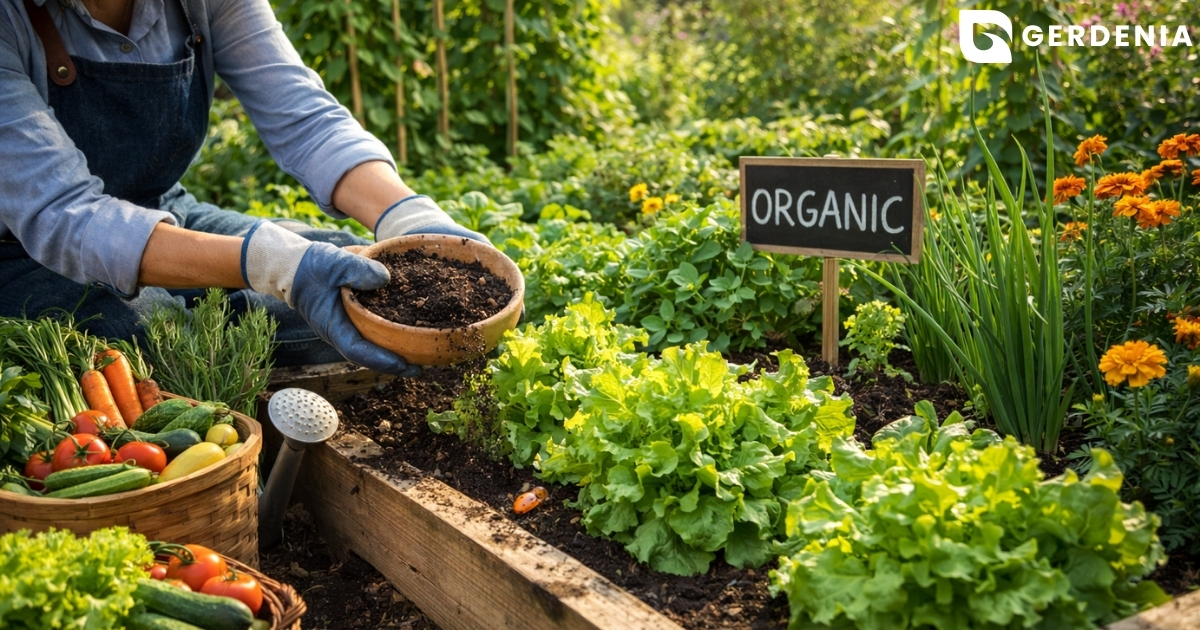
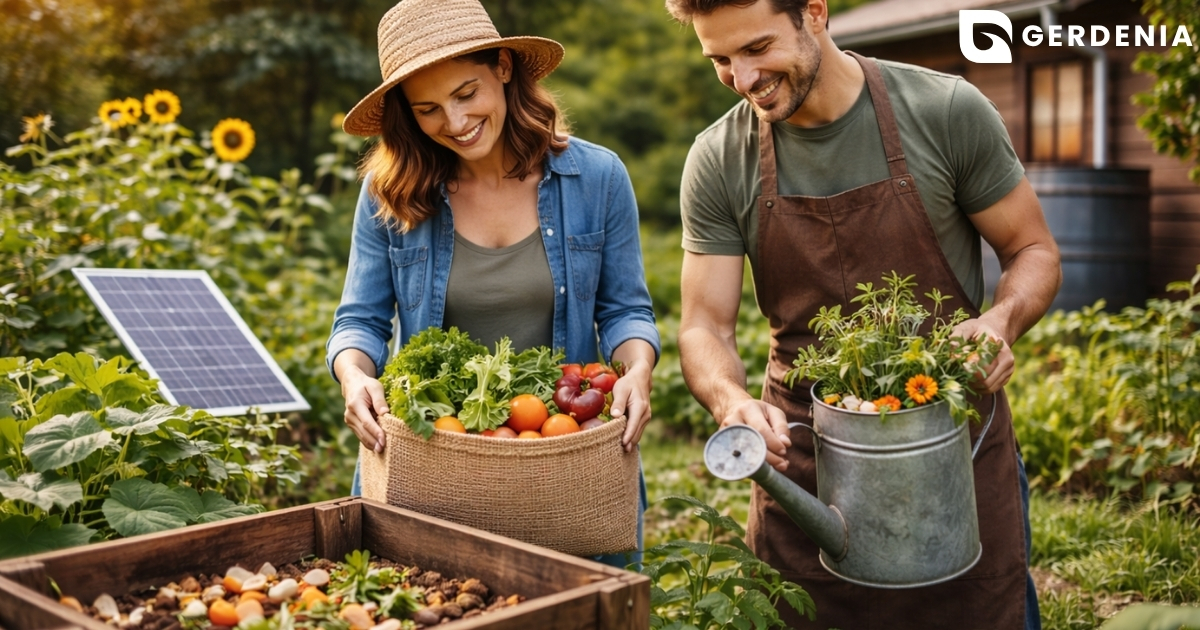
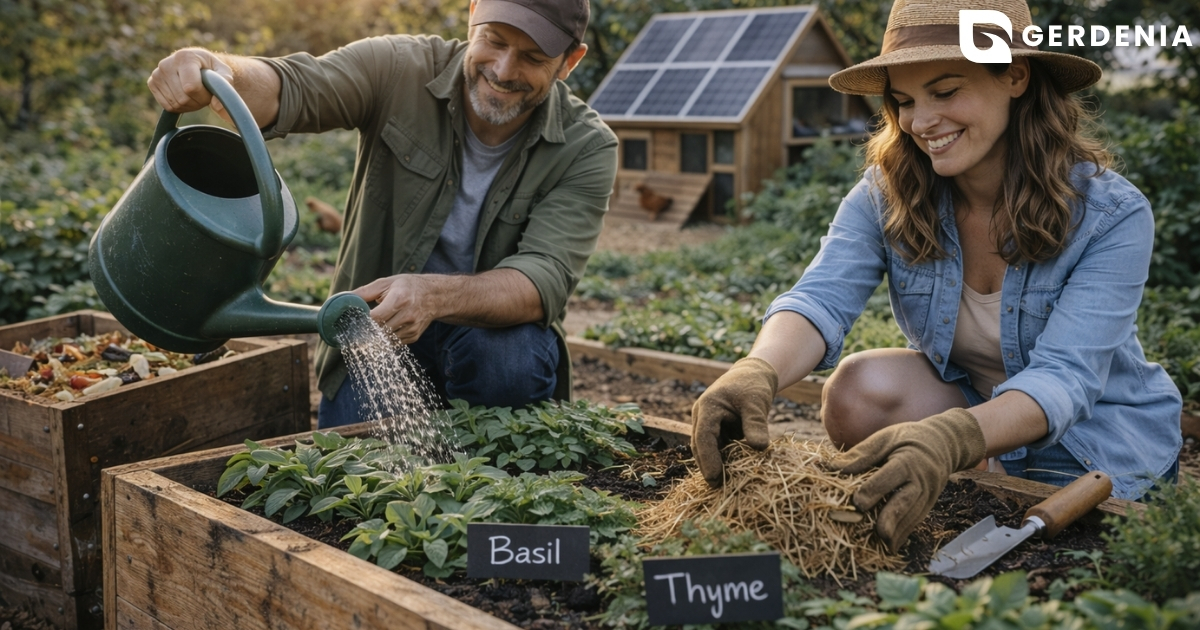
That kitchen waste is the essential ingredient for regenerative agriculture. While traditional farming often depletes the earth, regenerative practices in metropolitan gardening actively heal it. Building on basic composting knowledge, the urban farming loop simply scales up the creation of nutrient-dense “black gold.” Rather than importing chemical fertilizers, we transform daily food scraps into the living foundation that feeds our next harvest.
Rich, compost-fed soil does more than grow plump tomatoes; it acts as a magnet for nature. When neighboring balconies and rooftops prioritize healthy earth, they link together to form an urban biodiversity corridor. Think of these corridors as green stepping stones across a river of concrete. Pollinators safely travel across the city, creating the robust ecosystem necessary for sustainable urban food security solutions.
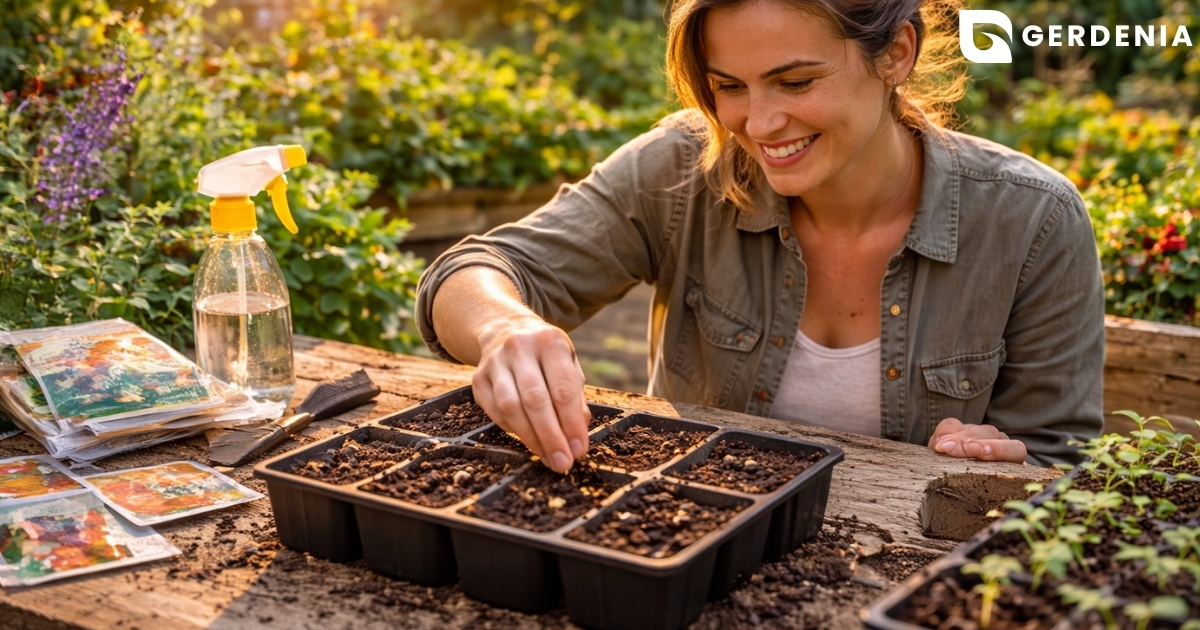
Participating in this cycle doesn’t require a sprawling backyard. A simple worm bin under a sink or a shared neighborhood compost tumbler easily turns household scraps into vital ecosystem fuel. These small actions support a massive, city-wide living network, naturally leading to larger neighborhood projects like community rooftop gardens.
The Beginner’s Roadmap: How to Start a Community Rooftop Garden
Looking up at an empty roof reveals endless potential, but this blank slate requires a reality check. Starting a community rooftop garden begins with three logistical hurdles: structural assessment, urban agricultural zoning, and accessibility. First, an engineer must confirm the roof can hold the immense weight of wet soil. Next, verify local zoning laws actually permit rooftop agriculture in your district. Finally, establish reliable water access—because nobody wants to drag a heavy hose up three flights of fire escape stairs.
With legalities cleared, success relies on selecting plants that thrive despite shadows cast by towering skyscrapers. Choosing the best crops for low-light urban environments ensures early harvests that keep neighbors motivated. Start with this foolproof checklist of five starter plants:
- Radishes: Fast-growing in shallow planters.
- Kale: Exceptionally resilient and shade-tolerant.
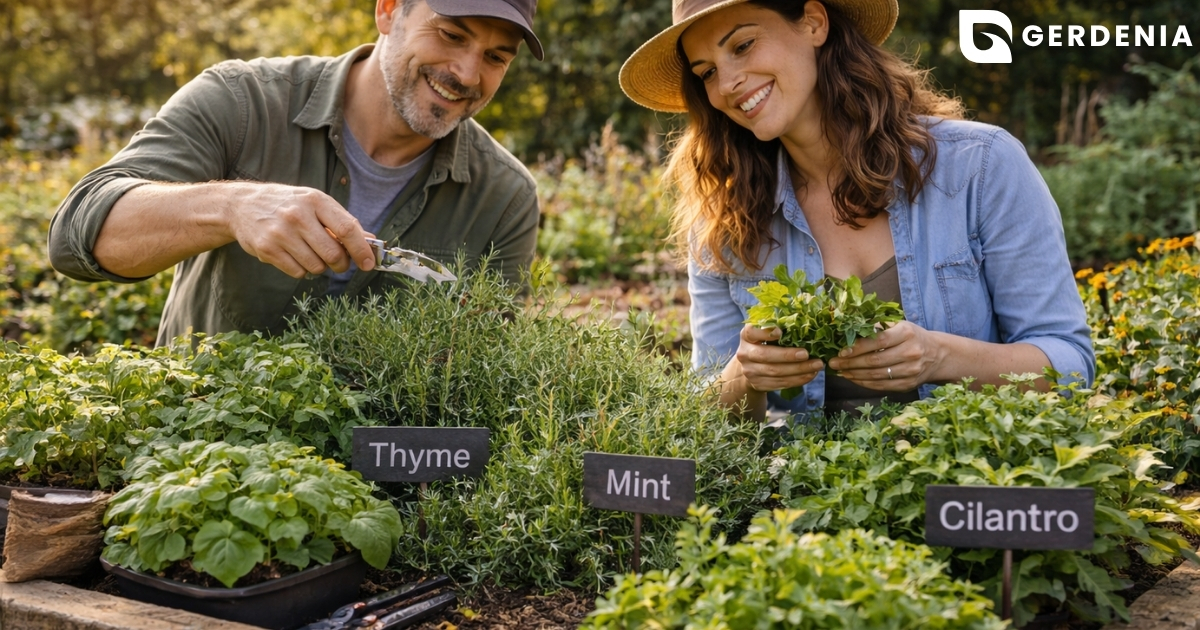
- Chives: A hardy herb that bounces back after trimming.
- Bush beans: Compact, sturdy, and high-yield.
- Mint: Grows aggressively almost anywhere.
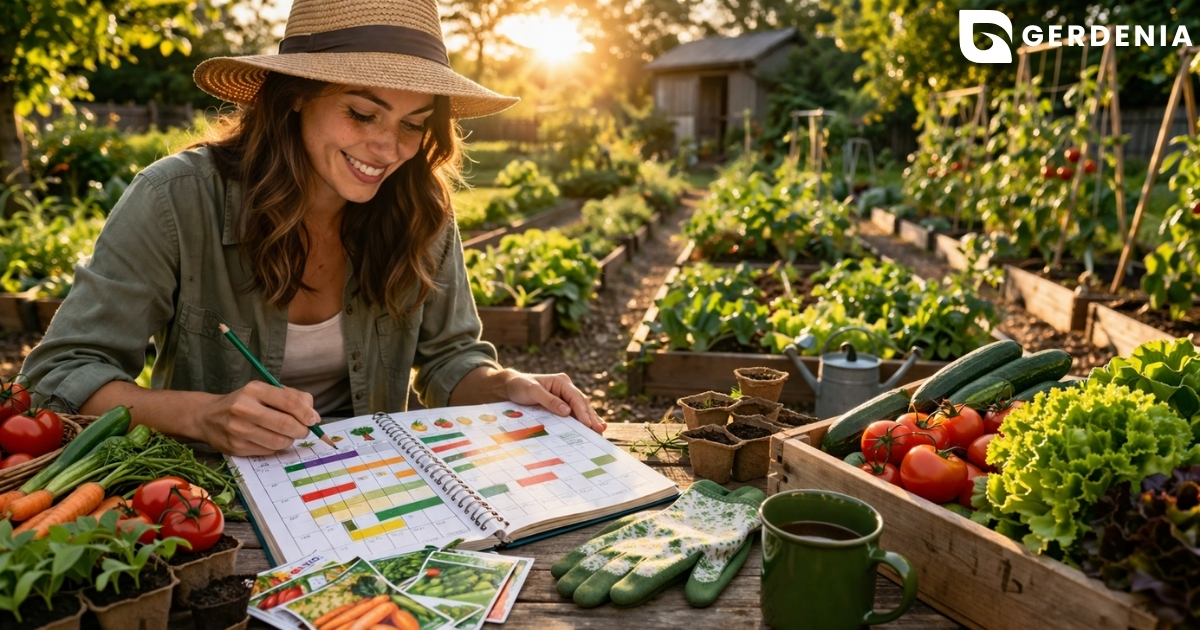
Growing food is often easier than managing people, making a shared responsibility system essential. Instead of a chaotic free-for-all, divide tasks using a weekly chore wheel that pairs experienced gardeners with beginners. This simple mentorship model prevents volunteer burnout and ensures everyone enjoys the harvest without feeling overwhelmed by daily watering routines.
Transforming a barren roof through urban farming does more than lower grocery bills; it completely redefines neighborhood collaboration. As these isolated projects connect, they pave the way for systemic change, leading us toward a broader vision where green infrastructure is standard on every city block.
A Vision for 2034: Integrating Green Infrastructure Into Every City Block
Brick warehouses and empty asphalt lots no longer represent urban decay; they are the thriving roots of a green revolution. The distance between the farm and the fridge is shrinking from thousands of miles across highways to just a few blocks down the street. That shift transforms not just how our produce is grown, but how our neighborhoods thrive.
Fast forward ten years, and picture what a daily commute might look like. High-tech vertical farms in repurposed buildings share the landscape with vibrant neighborhood soil plots, effectively turning the entire city into a breathing, living organism. By integrating green infrastructure into urban planning, cities are moving beyond simple beautification to actually growing their own lifelines. This blend of community passion and soil-free technology forms the backbone of sustainable urban food security solutions, ensuring fresh food is always within reach.
Transforming the local food system starts with simple actions that yield immediate results. Placing a small pot of basil on a sunny windowsill or picking up a basic hydroponic starter kit instantly connects residents with the process of growing food. Supporting local indoor farms at neighborhood markets also drives this shift. Sprawling backyards are not required to actively participate in bringing nature back to the concrete.
As community gardens and rooftop farms expand, these concepts scale up. Each time a neighborhood farm is supported or a rooftop garden is planted, it builds environmental resilience. The concrete jungle is finally blooming, driven by local participation and sustainable innovation.