Before delving into specific design ideas, it’s essential to understand your patio and backyard space. Each backyard is unique, and recognizing the specific characteristics of your area will ensure that your designs are both beautiful and functional.
Start by measuring your outdoor space to understand its dimensions and boundaries. Knowing the size of your patio and the overall layout will help in planning the placement of different elements such as seating, plants, and pathways. This step is crucial for avoiding overcrowding and ensuring that each area is proportionate and accessible.
Take note of the natural features present in your backyard. This includes existing trees, water bodies, or rock formations that can be integrated into your design. Utilizing these elements can add a natural charm and reduce the need for artificial additions, creating a more organic look.
The climate, sun exposure, and soil type in your area are pivotal in determining the types of plants and materials you should use. For instance, a sunny and dry climate may require drought-resistant plants, while a shaded area might be ideal for moisture-loving species. Understanding these factors will guide your choices and ensure longevity and vibrancy in your landscaping.
Creating a detailed map or blueprint of your backyard space can be incredibly beneficial. This map should include existing features such as trees, pathways, and any permanent structures. Having a clear overview will help you conceptualize your design ideas and see how different elements can be integrated cohesively.
Using graph paper or digital design tools, sketch your patio layout, including all existing structures and planned additions. This visual representation helps in planning the flow and functionality of your space. Consider the positioning of furniture, plant beds, and pathways to ensure a harmonious and efficient layout.
When mapping out your patio, don’t forget to plan for utility access. Ensure there is enough space for maintenance tasks and access to water, electricity, and drainage systems. Integrating these practical elements into your design can prevent future inconveniences and maintain the functionality of your outdoor space.
For a more tangible representation, consider creating a scale model of your patio design. This can be done using simple materials like cardboard and paper. A scale model provides a 3D perspective, allowing you to visualize spatial relationships and make adjustments before actual construction begins.
The heart of any backyard transformation lies in the creativity of its design. Here are some inspiring patio and landscaping ideas to consider:
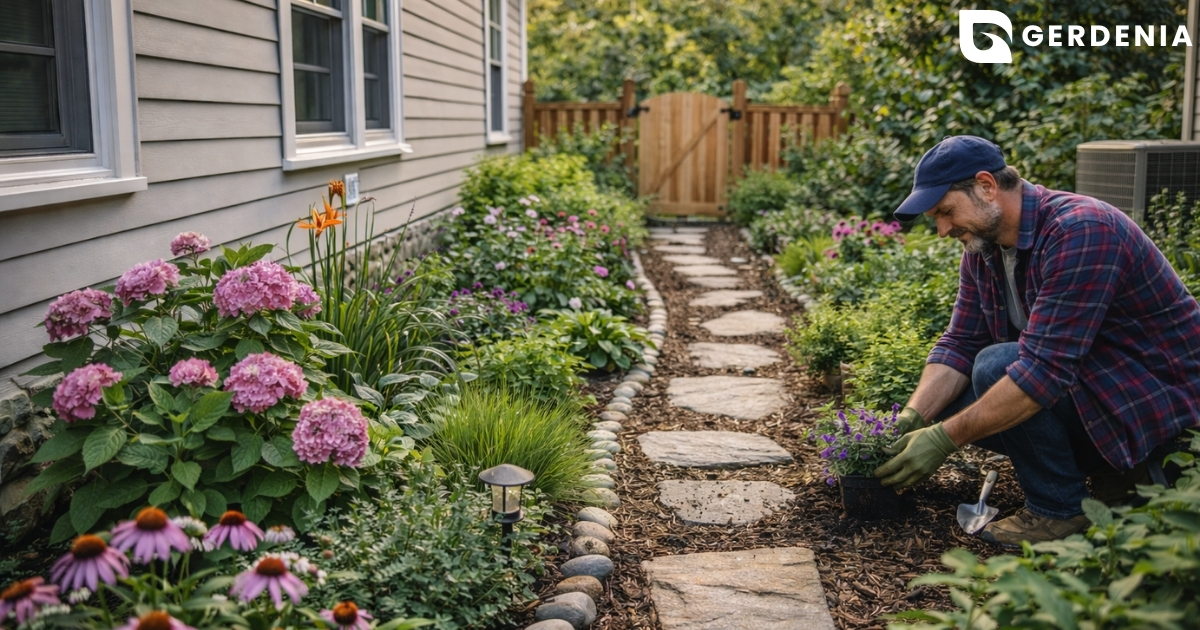
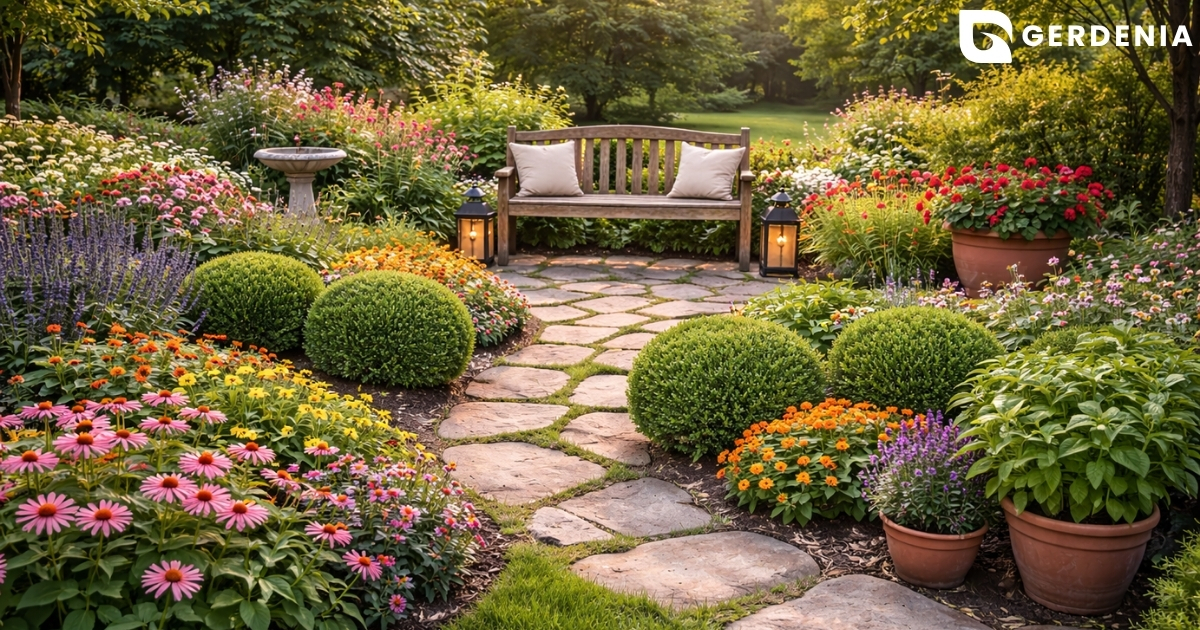
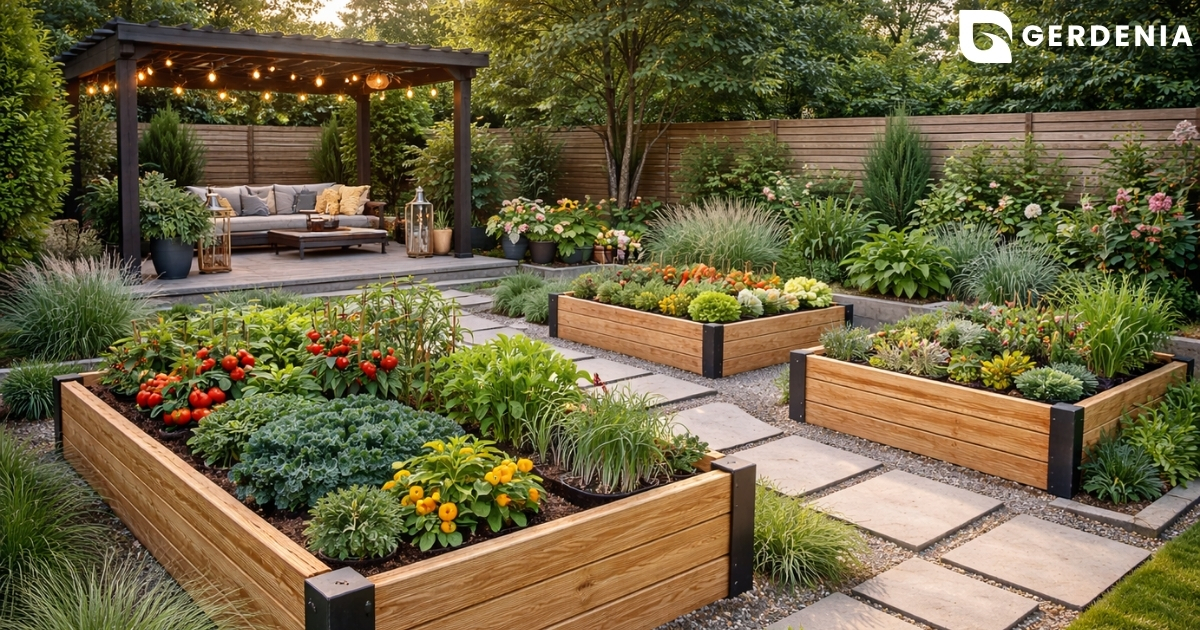
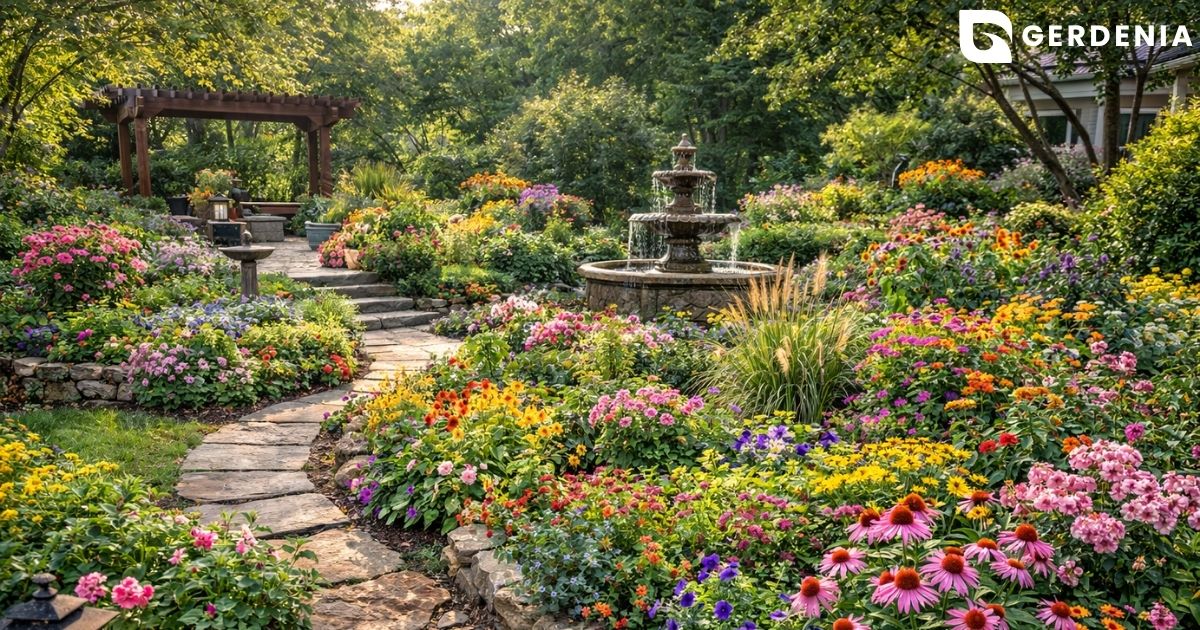
One of the most impactful ways to design your patio is by integrating natural elements with hardscapes. Stone pathways, wooden decks, and gravel borders can create a seamless transition between your patio and the surrounding landscape. Utilize a mix of textures and materials to add depth and interest to the space.
Experiment with different materials such as stone, wood, and metal to create a visually interesting landscape. For instance, combining a wooden deck with stone steps can offer a rustic yet modern feel. Mixed materials not only enhance visual appeal but also provide durability and functionality.
Select a cohesive color palette that blends with your home’s exterior and the natural surroundings. Earthy tones, soft greens, and neutral shades often work well in outdoor settings, creating a harmonious and inviting atmosphere. Consistent use of colors can make the space feel more unified and expansive.
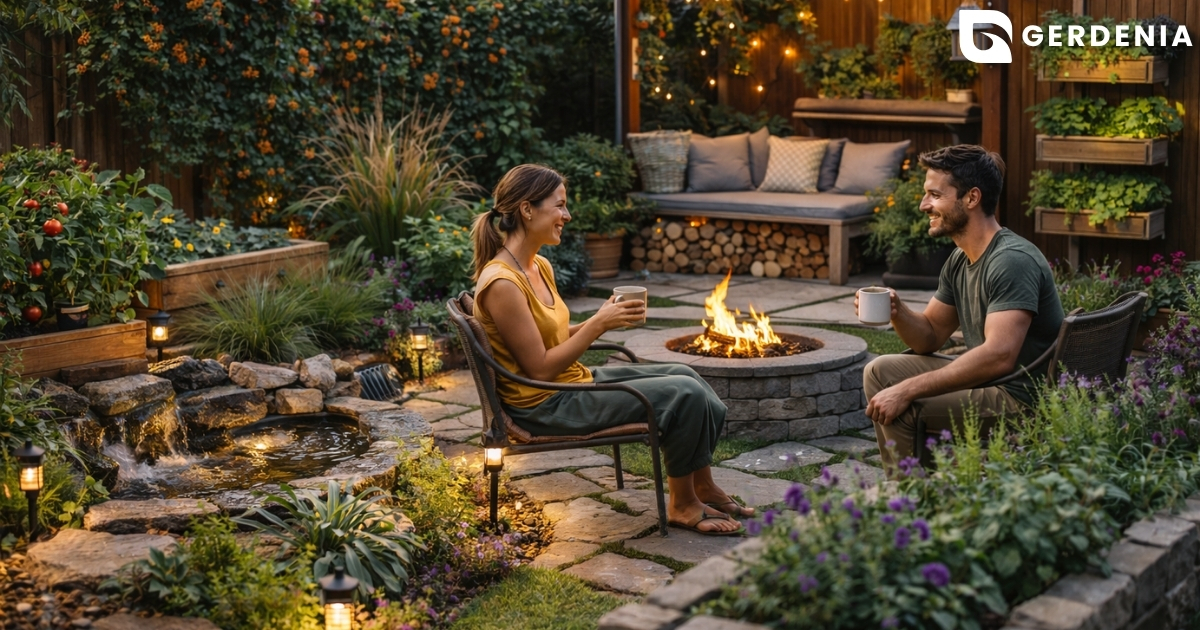
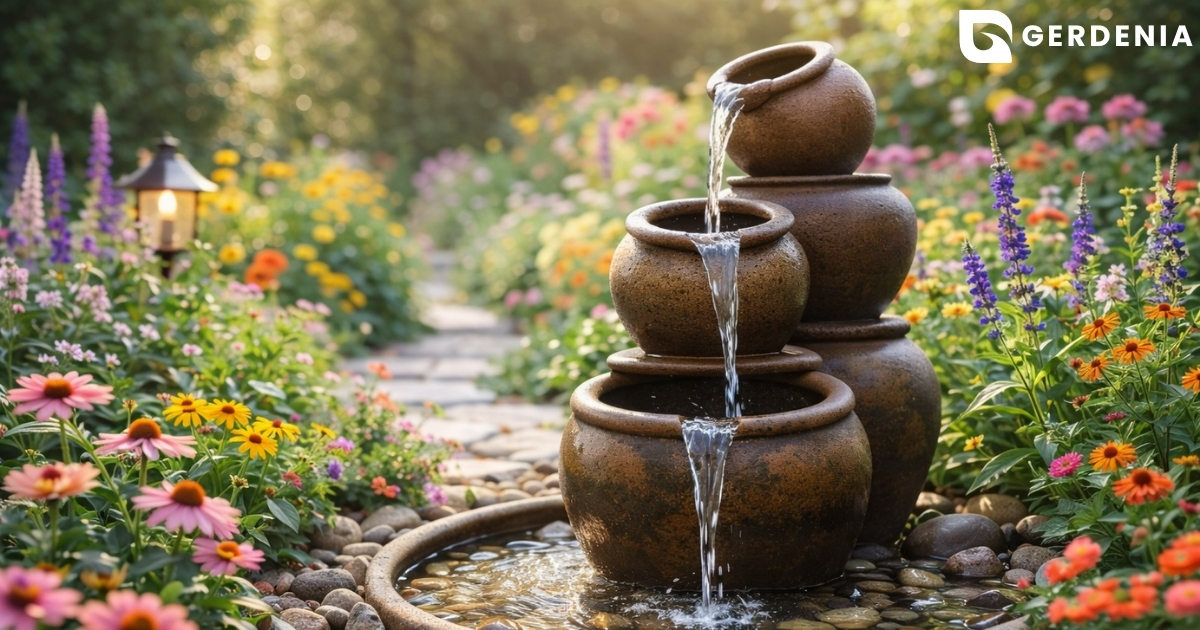
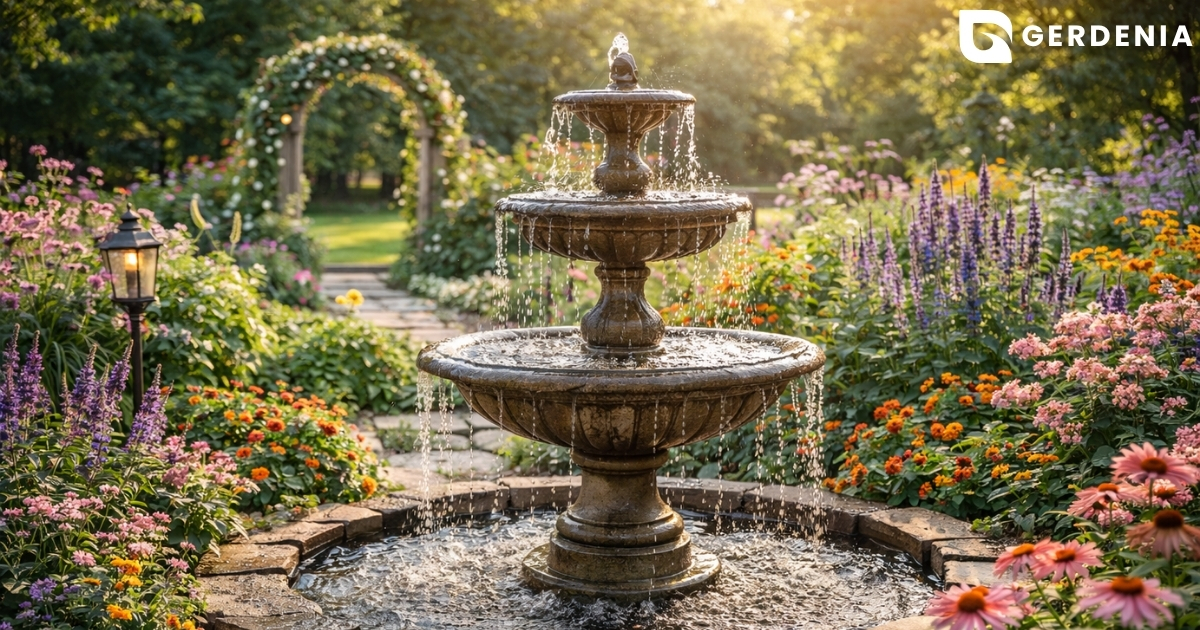
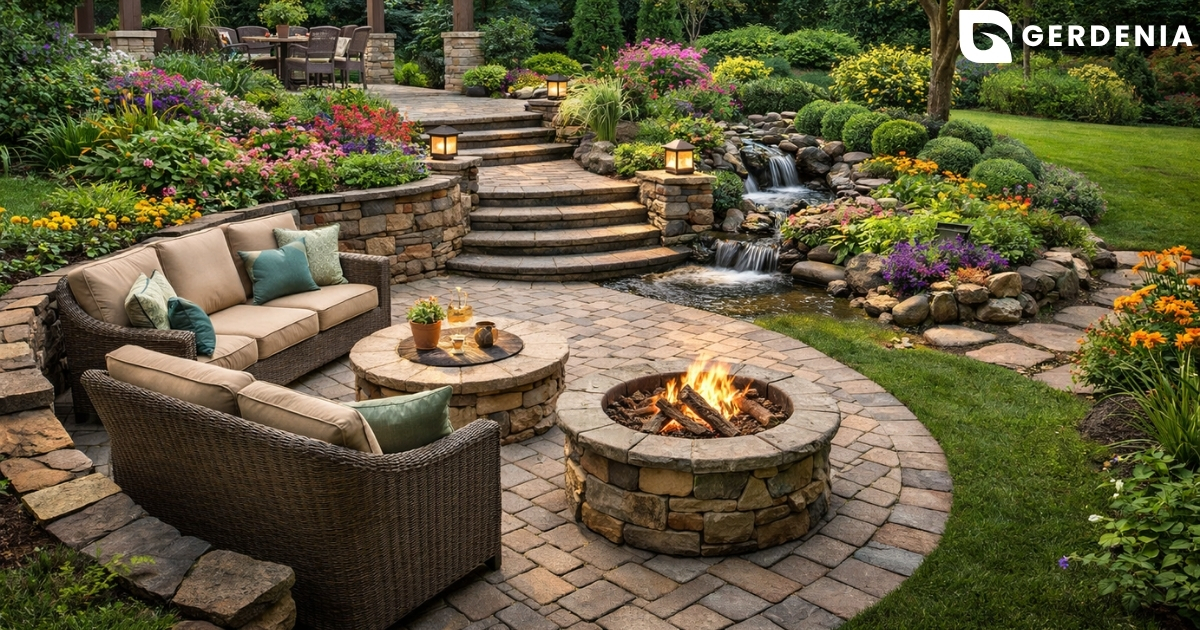
Water features like small ponds or fountains can add tranquility and a focal point to your patio. The sound of flowing water creates a soothing ambiance, while the visual element enhances the overall aesthetic. Consider the scale and style of water features to complement your design seamlessly.
Consider dividing your patio into different zones, each serving a distinct purpose. For instance, designate areas for dining, lounging, and a possible fire pit. This zoning can enhance functionality while providing clear pathways and improving the flow of movement.
A dedicated dining area with a sturdy table and comfortable chairs can transform your patio into an alfresco dining space. Consider positioning this area near your home’s kitchen for ease of access. Use outdoor rugs or potted plants to define the space and add a touch of elegance.
Create a cozy corner with loungers, hammocks, or cushioned seating for relaxation and unwinding. Adding a pergola or canopy can provide shade and enhance comfort. This zone should be placed where you can enjoy views of the garden or sunset, enhancing the overall outdoor experience.
Incorporate a fire pit or outdoor fireplace to serve as a gathering spot for socializing. Arrange seating around the fire feature to encourage conversation and warmth. This area can be a hub of activity during cool evenings, making your patio a year-round destination.
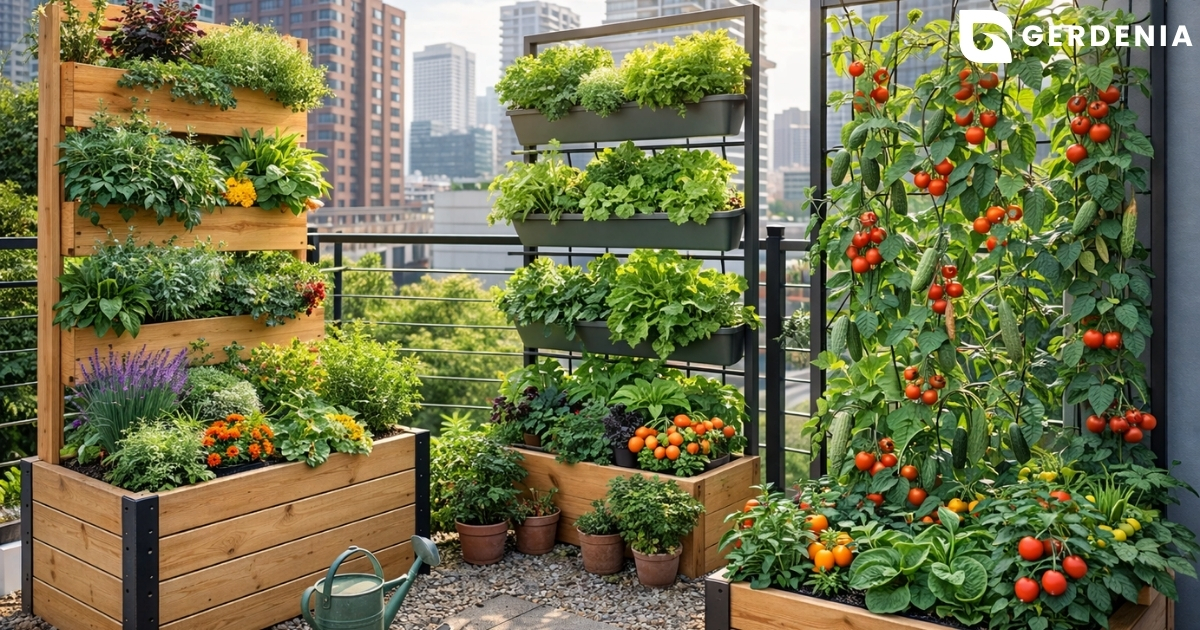
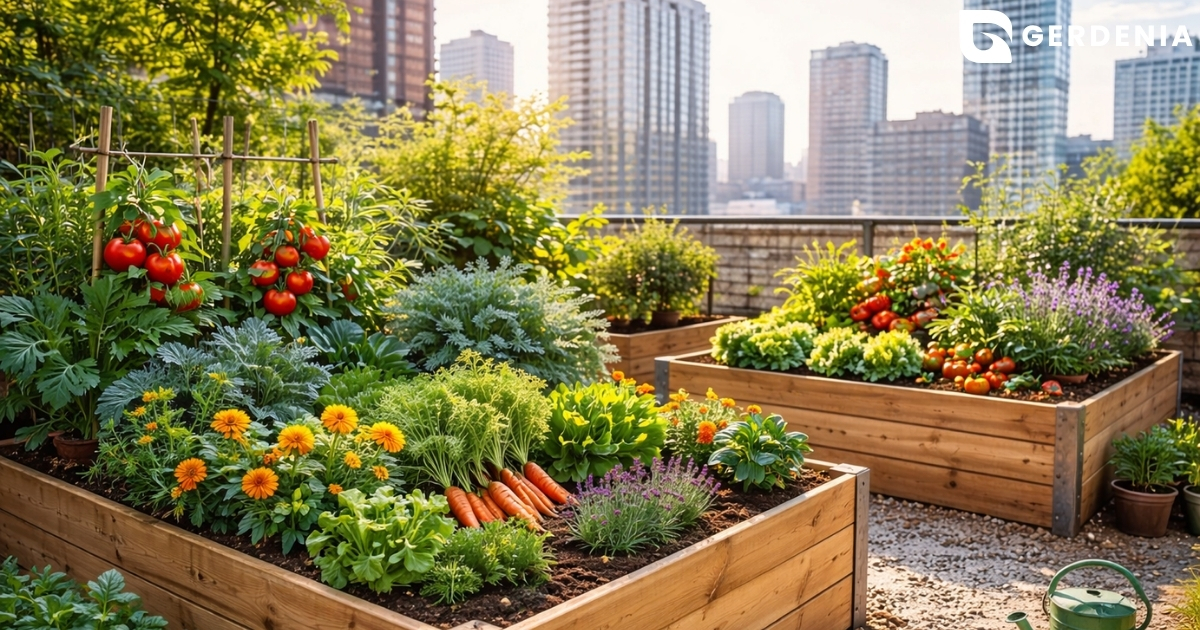
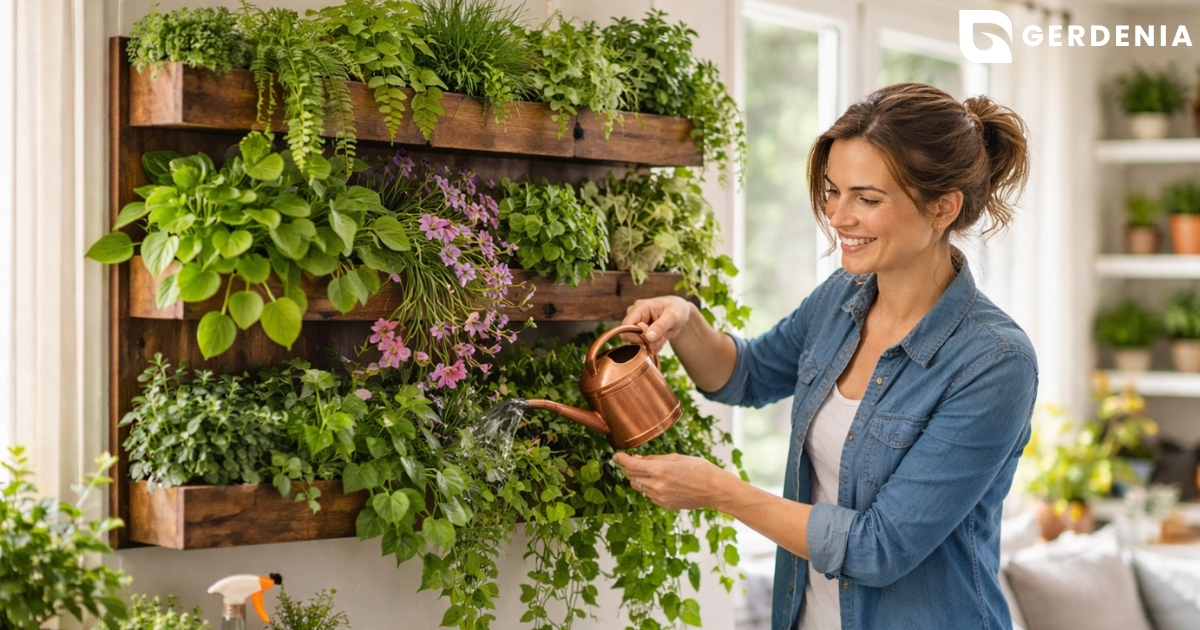
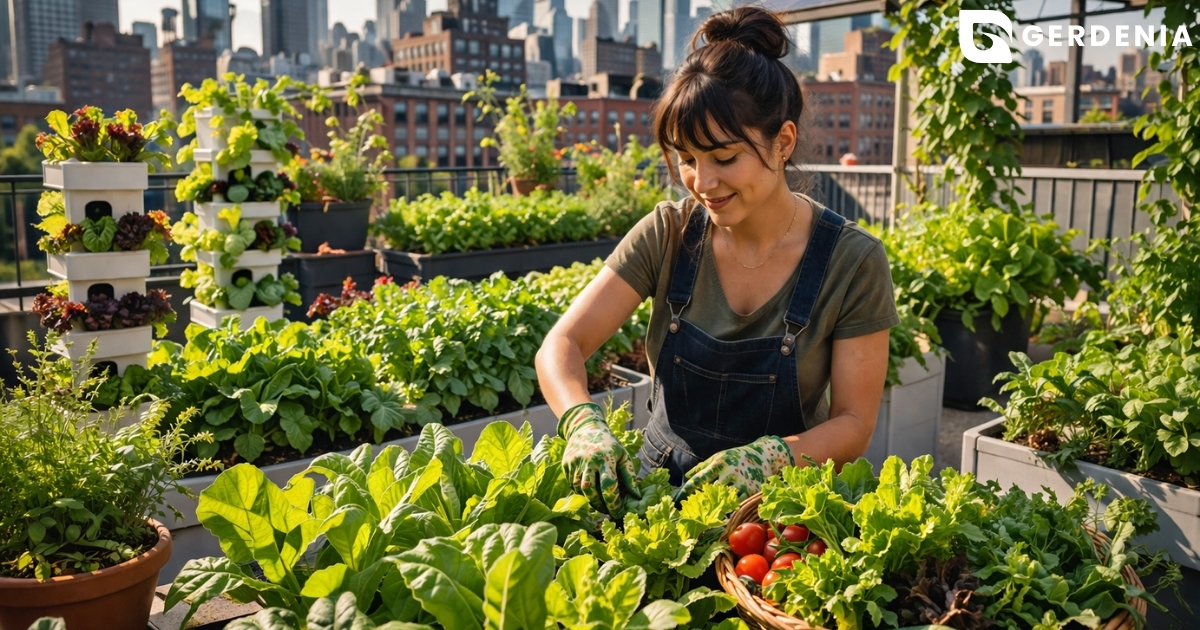
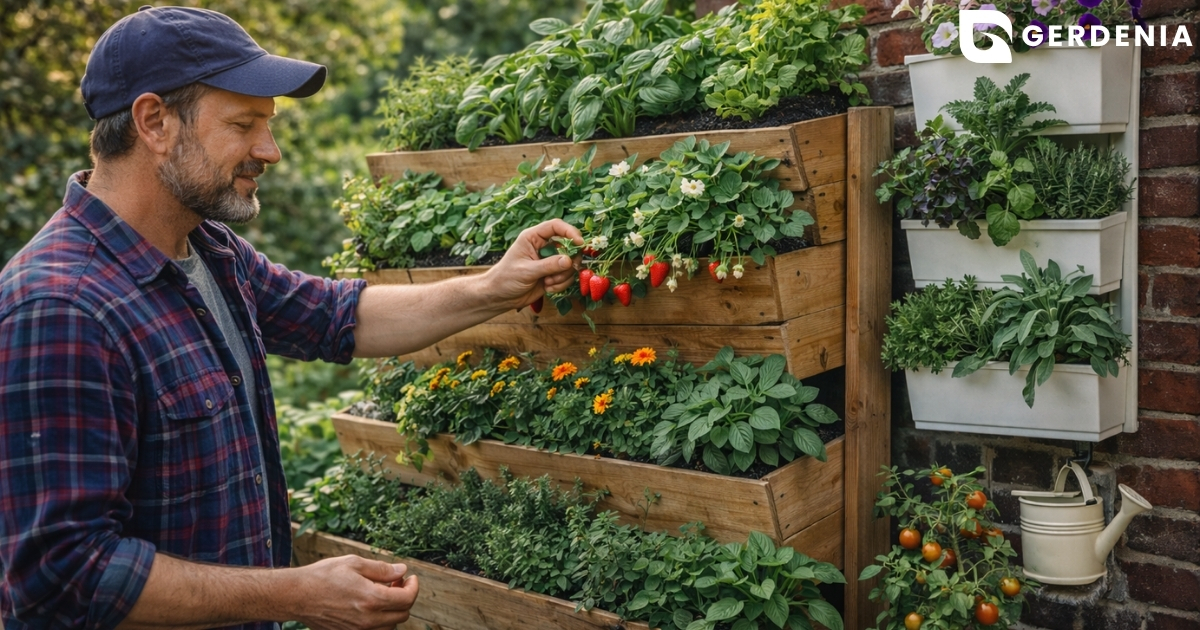
If space is limited, vertical gardening is an excellent way to add greenery without sacrificing square footage. Green walls or vertical planters can soften the hard edges of a patio and introduce a lush, vibrant element to your outdoor design.
Choose plants that thrive in vertical settings, such as ferns, succulents, and creeping vines. These plants can cover large areas with minimal soil, making them ideal for vertical gardens. Ensure adequate support and irrigation to maintain healthy plant growth.
Green walls can serve both aesthetic and practical purposes. Use them as privacy screens, noise barriers, or to improve air quality. A well-designed green wall can transform a plain wall into a vibrant living artwork, adding texture and color to your patio.
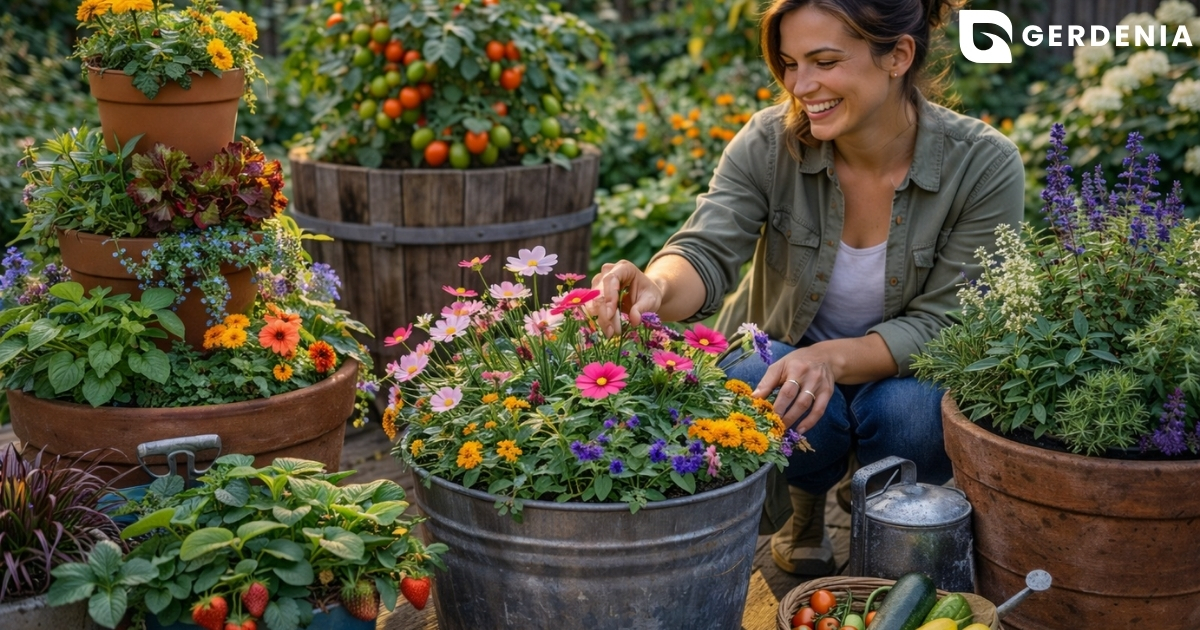
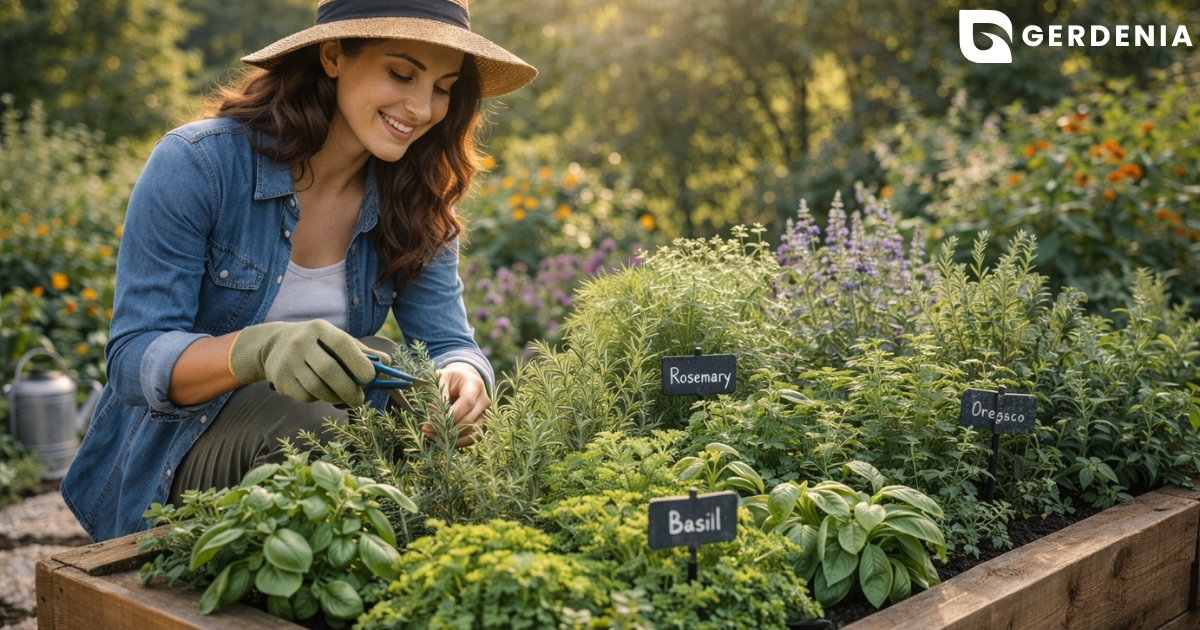
Vertical planters come in various designs, from hanging pockets to tiered structures. They can be placed against walls or used as standalone features. Vertical planters are perfect for herbs and small flowers, allowing you to enjoy fresh produce and blooms without a large garden space.
The choice of plants plays a crucial role in patio landscaping. When selecting plants, consider their growth patterns, maintenance needs, and compatibility with your local climate.
Incorporating native plants into your landscaping not only supports local biodiversity but also ensures that your garden thrives with minimal care. Additionally, drought-resistant plants can help conserve water and reduce your garden’s environmental footprint.
Native plants are adapted to the local climate and soil conditions, making them resilient and low-maintenance. They provide essential habitats for local wildlife and contribute to the ecological balance. Choosing native plants can enhance your garden’s sustainability and beauty.
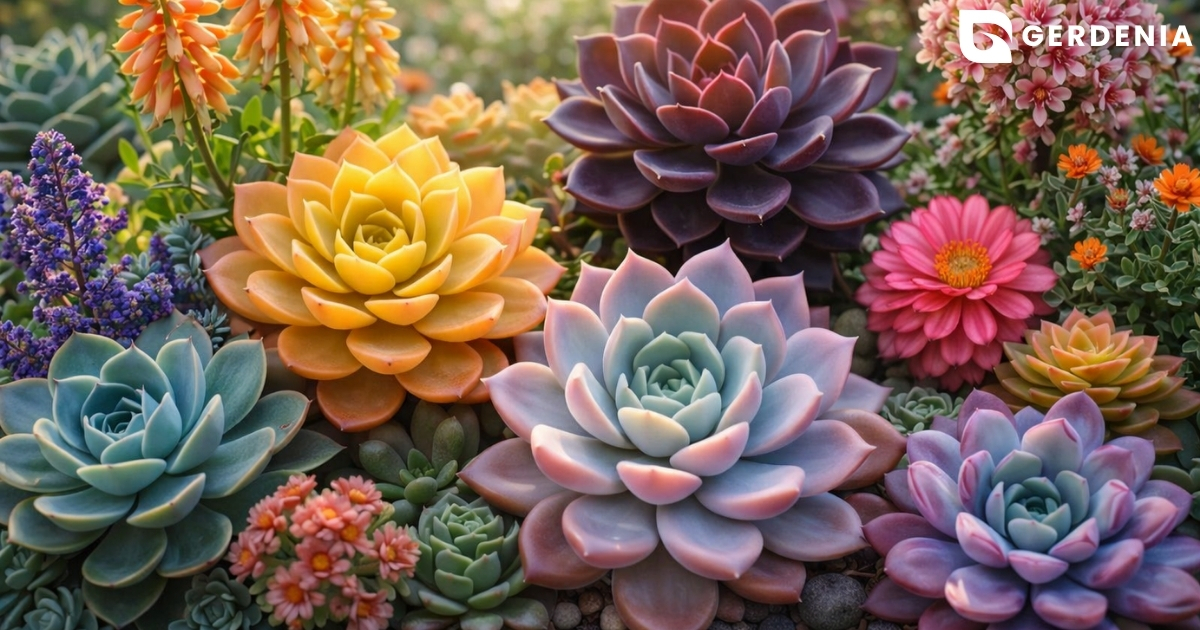
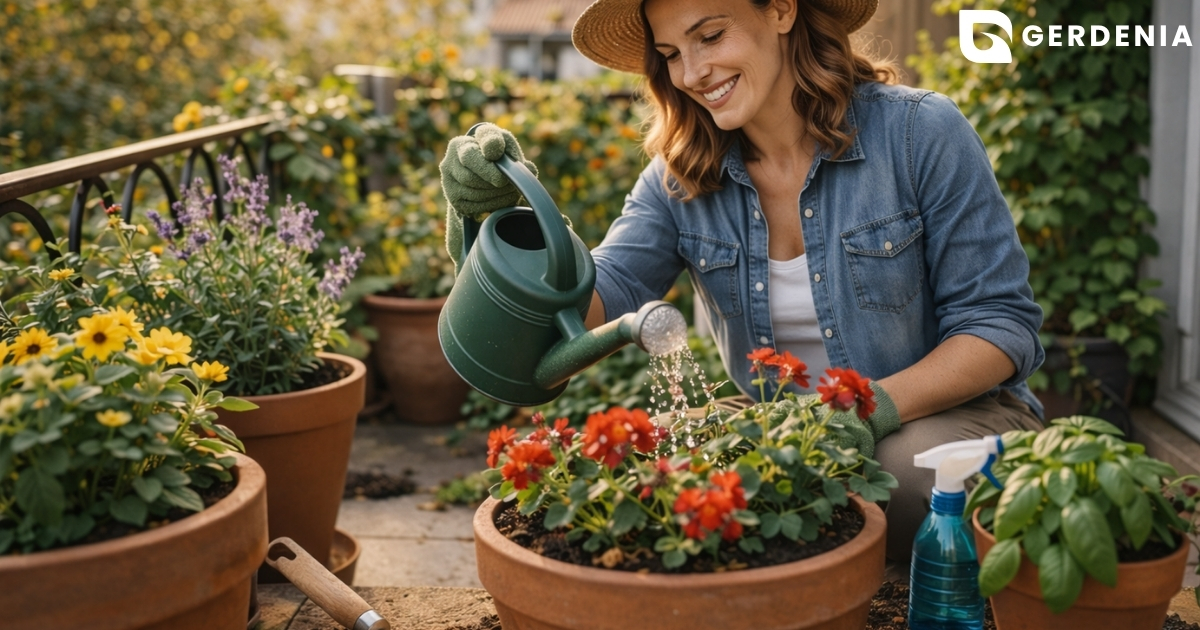
Drought-resistant plants like lavender, succulents, and ornamental grasses require less water, making them ideal for dry climates. These plants can withstand harsh conditions and still offer vibrant colors and textures. Incorporating them into your landscape can reduce water usage and maintenance efforts.
Plan your plant selection around seasonal changes to ensure year-round interest. Choose a variety of plants that bloom at different times, providing continuous color and foliage throughout the year. This approach keeps your garden dynamic and visually appealing in every season.
To keep your patio landscape vibrant throughout the year, choose plants that offer seasonal colors and interesting foliage. Perennials, annuals, and ornamental grasses can provide a dynamic range of textures and colors.
Perennials return year after year, making them a cost-effective option for lasting beauty. Select perennials that bloom in different seasons to ensure a continuous display of colors. Their diverse shapes and sizes can add layers and depth to your landscaping.
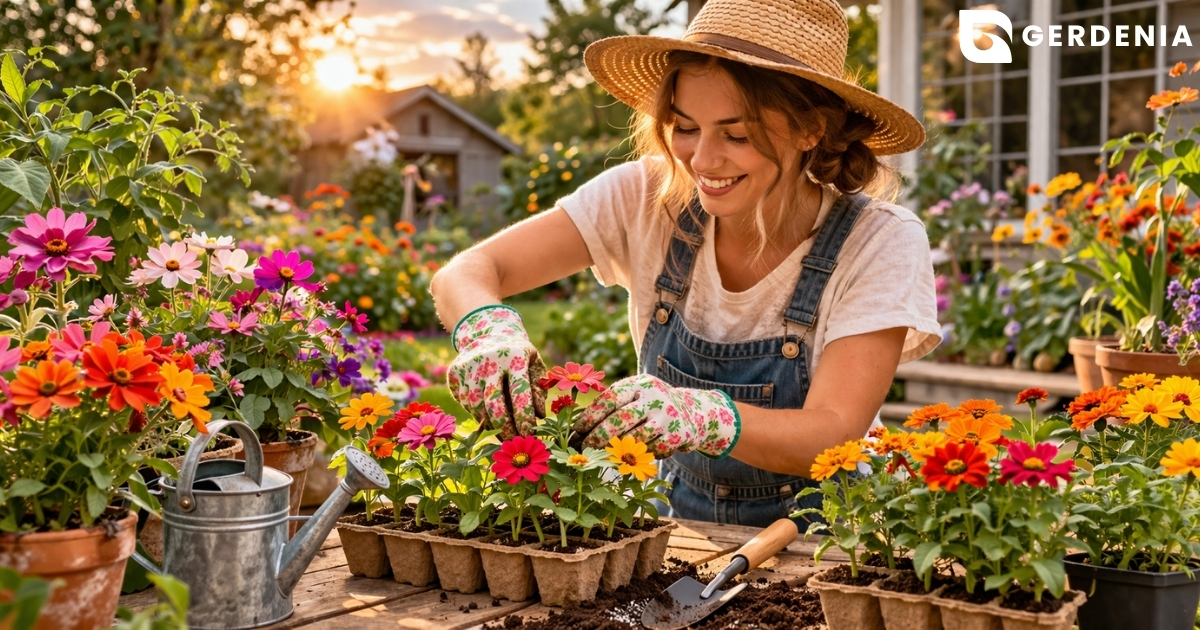
Annuals offer an opportunity to experiment with colors and designs each year. They provide vibrant blooms and can fill gaps in your garden, adding instant impact. Consider using annuals in containers or borders for easy updates and changes.
Ornamental grasses add movement and texture to your landscape. Their feathery plumes and swaying blades create a sense of dynamism and elegance. Use them as backdrops or fillers to complement flowering plants and enhance the overall design.
Strategic lighting can dramatically transform the mood and functionality of your patio space. Consider incorporating various lighting techniques to highlight features and create ambiance.
Illuminate pathways with low-voltage lights or solar-powered options to ensure safety and guide guests through your garden. Additionally, consider accent lighting for key features such as water fountains, statues, or trees to create focal points.
Opt for energy-efficient LED lights for pathways to reduce energy consumption and enhance visibility. Solar-powered lights are a sustainable choice, charging during the day and illuminating at night. Properly lit paths add safety and a welcoming glow to your outdoor area.
Use spotlights to highlight architectural features or artistic elements like sculptures and arches. This technique draws attention to focal points and adds drama to your landscape. Well-placed lighting can transform ordinary features into stunning visual highlights.
Experiment with lighting angles to create shadows and depth in your garden. Shadows add an element of mystery and intrigue, enhancing the overall ambiance. Use uplighting or downlighting techniques to achieve the desired effect and enrich your patio’s visual appeal.
For dining and seating areas, ambient lighting such as string lights or lanterns can provide a warm and inviting atmosphere. Task lighting, like adjustable lamps, can be used in outdoor kitchens or grilling areas to aid functionality.
String lights, lanterns, and fairy lights are perfect for creating a cozy and romantic atmosphere. Hang them overhead or weave them through trees and pergolas for a magical effect. Ambient lighting softens the overall look, making your patio more inviting and relaxing.
Install task lighting in functional areas like outdoor kitchens, bars, or grill stations. Adjustable lamps or under-counter lights provide focused illumination for cooking and preparation. Task lighting ensures safety and efficiency during outdoor activities.
Incorporate dimmer controls for your lighting setup to adjust brightness according to the occasion. Whether you’re hosting a lively party or enjoying a quiet evening, dimmable lights offer flexibility and control over the ambiance. This feature adds versatility to your patio lighting design.
When conceptualizing your patio landscape, drawing inspiration from pictures of patio landscaping ideas can be immensely helpful. These images can provide a visual reference, sparking creativity and offering solutions you might not have considered.
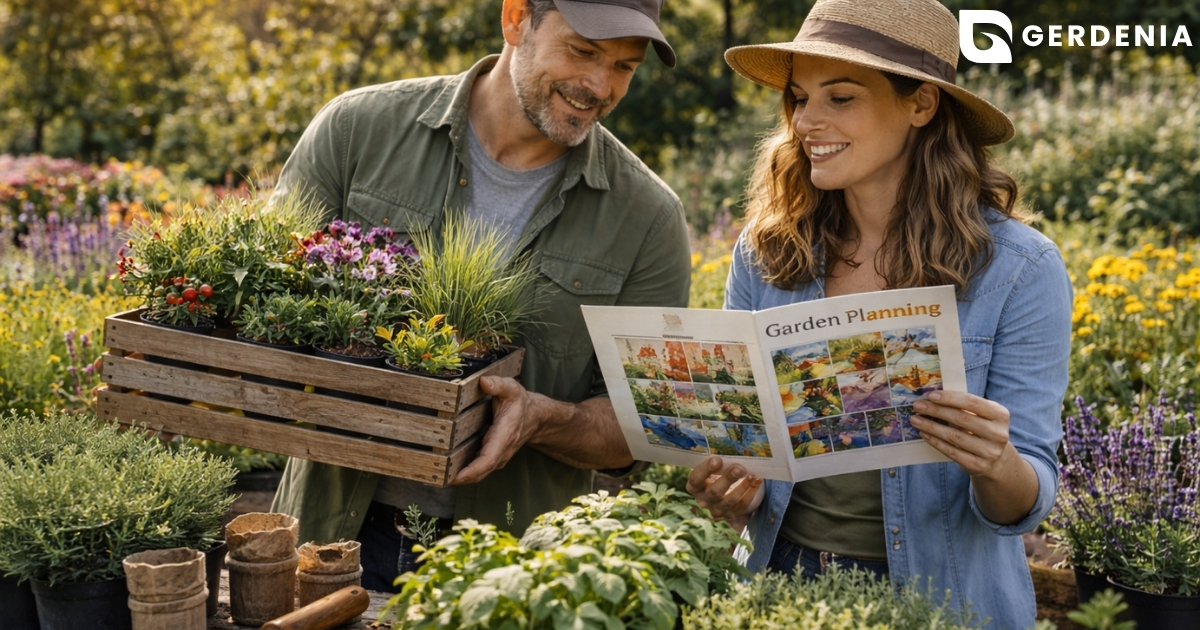
Compile pictures of patio landscaping ideas that resonate with your style and preferences. Creating a vision board can help you visualize the end result and ensure that all elements of your design are cohesive.
Explore magazines, online platforms, and social media for diverse landscaping ideas. Collect images that showcase elements you admire, such as plant combinations, furniture arrangements, or lighting designs. This variety of inspiration will fuel your creativity and broaden your design perspective.
Organize your collected images into categories such as plantings, structures, and decor. Grouping similar ideas together provides clarity and helps identify common themes or styles. This organized approach makes it easier to identify the elements you want to incorporate into your design.
Consider using digital tools or apps to create your vision board electronically. These tools allow you to easily edit, arrange, and modify your board, offering a dynamic way to visualize your ideas. Digital vision boards can be shared with designers or contractors for collaborative input.
Sustainability should be a key consideration in your patio and landscape design. Implementing eco-friendly practices not only benefits the environment but can also reduce maintenance and operational costs.
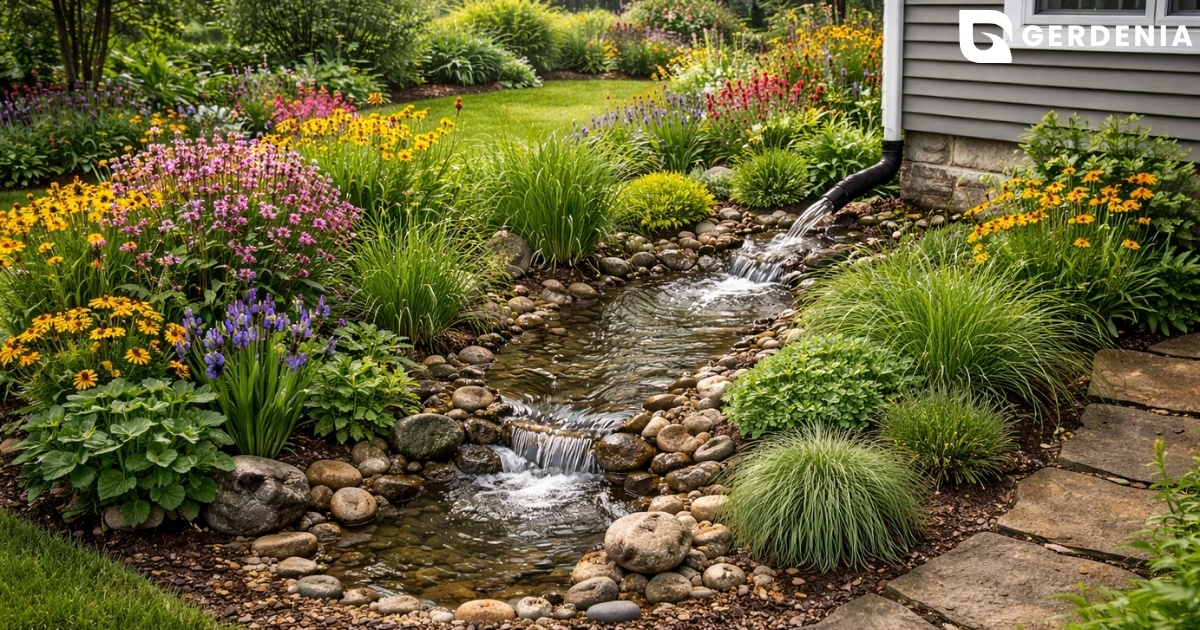
Efficient water management is crucial in maintaining a healthy landscape. Install drip irrigation systems or rainwater harvesting solutions to optimize water usage. Consider grading your patio to direct water runoff toward garden beds.
Drip irrigation systems deliver water directly to plant roots, minimizing evaporation and waste. These systems are efficient and customizable, allowing you to tailor watering schedules to different plant needs. Drip irrigation can significantly reduce water usage and maintain plant health.
Install rain barrels or cisterns to collect rainwater for garden use. This sustainable practice reduces reliance on municipal water and provides a natural source for irrigation. Rainwater harvesting is an eco-friendly approach that conserves resources and supports plant growth.
Design your patio with proper grading to manage water runoff efficiently. Direct runoff toward garden beds or permeable surfaces to prevent erosion and promote absorption. Effective water management protects your landscape and enhances its sustainability.
Utilizing recycled or locally sourced materials in your patio construction can significantly reduce your environmental impact. Reclaimed wood, repurposed stone, and recycled metal are excellent choices for eco-conscious design.
Reclaimed wood offers a rustic charm and is an environmentally friendly option for decking or furniture. Using reclaimed materials reduces the demand for new resources and adds character to your patio. Ensure the wood is treated and suitable for outdoor use to ensure longevity.
Repurposed stone can be used for pathways, walls, or decorative features, adding a natural and timeless look. These materials are often sourced from demolition sites or local quarries, reducing transportation emissions. Repurposed stone provides durability and complements various design styles.
Recycled metal is versatile and can be used for pergolas, fencing, or decorative accents. This material is durable and sustainable, offering a modern industrial aesthetic. Choosing recycled metal supports sustainability and adds a contemporary touch to your landscape.
A successful patio and landscaping project harmonizes aesthetics with functionality, creating a space that reflects your personal style while serving practical needs. By considering the tips outlined in this article, you can craft a beautiful and sustainable outdoor environment that enhances your home and lifestyle.
Ensure your design balances aesthetic appeal with functionality, creating a space that is both beautiful and usable. Prioritize features that enhance your lifestyle, whether it’s a dining area for entertaining or a garden for relaxation. A well-balanced design caters to your needs and enhances your outdoor experience.
Consider collaborating with landscape architects or designers to bring your vision to life. Professionals offer expertise and guidance, ensuring your project is executed flawlessly. Their experience can help you avoid pitfalls and achieve a cohesive and polished result.
Landscaping is an evolving process, and your patio design can grow and change over time. Embrace the opportunity for continuous improvement, experimenting with new plants, decor, or features. This approach keeps your outdoor space dynamic and ensures it continues to meet your needs and preferences.
Remember, the key to a successful patio and landscaping design lies in careful planning and thoughtful execution. By integrating natural elements, selecting the right plants, and utilizing creative lighting, you can transform your backyard into a stunning oasis that you’ll enjoy for years to come.