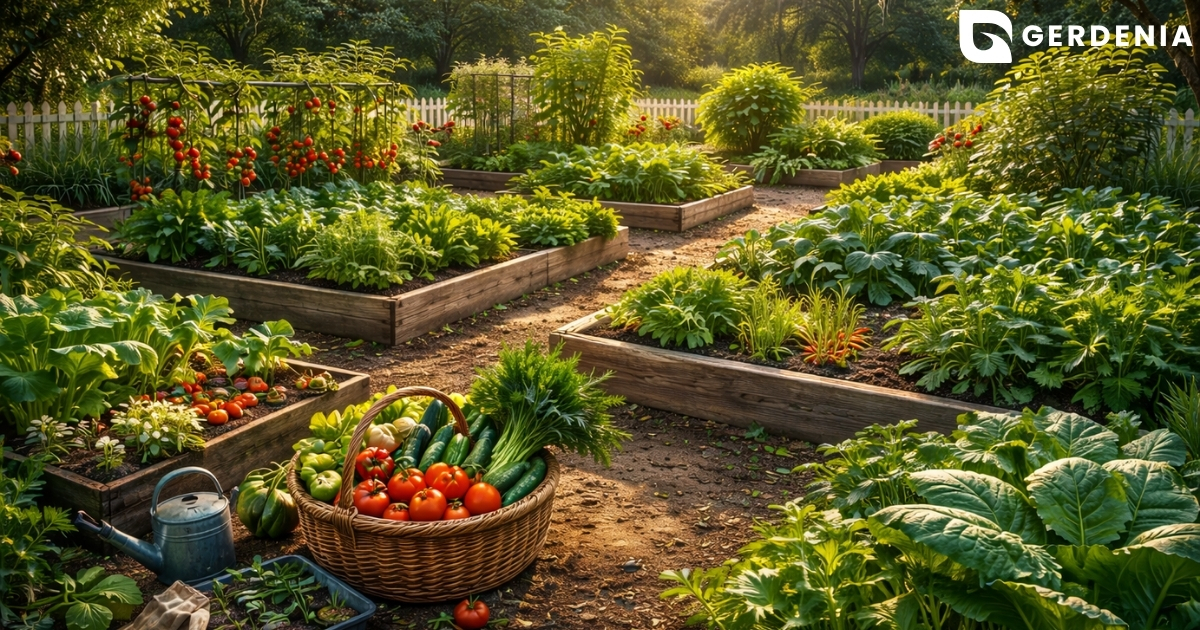
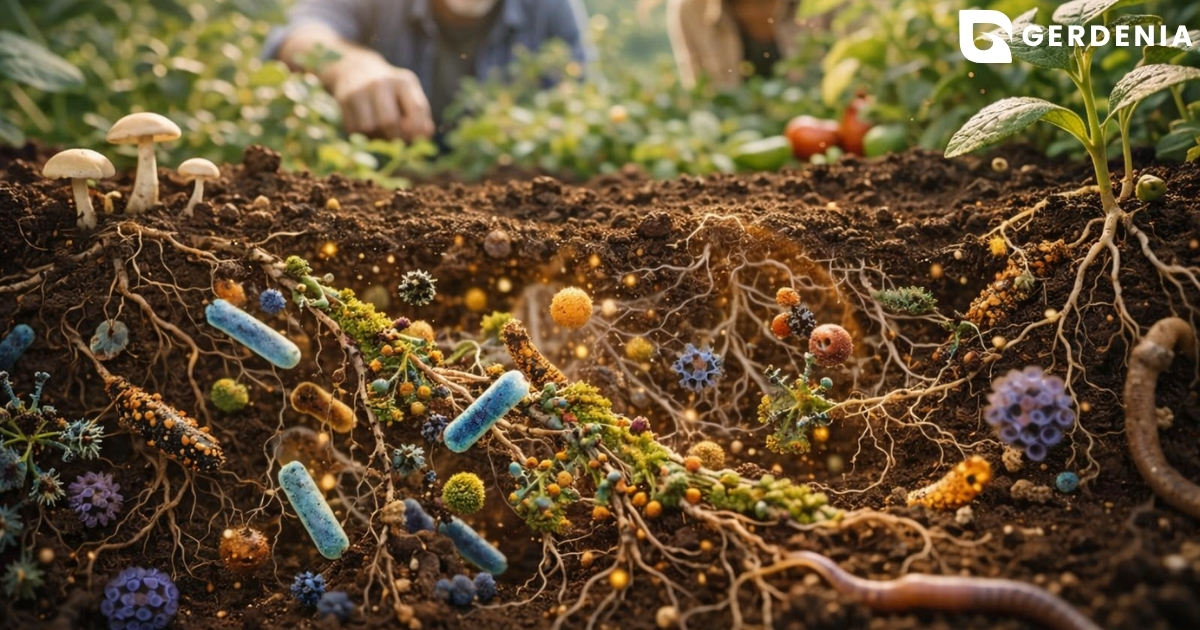
You provide perfect water and light, yet your plants still struggle. How do wild forests thrive without chemical fertilizers? According to biologists, the secret is a bustling underground city called the soil food web. While sterile dirt is merely an empty house, good organic soil teems with microscopic workers feeding your roots. Cultivating this crumbly, earthy natural soil ensures that living organic soil does the heavy lifting for you.
Meet the Underground Chefs: How Beneficial Microbes Feed Your Plants
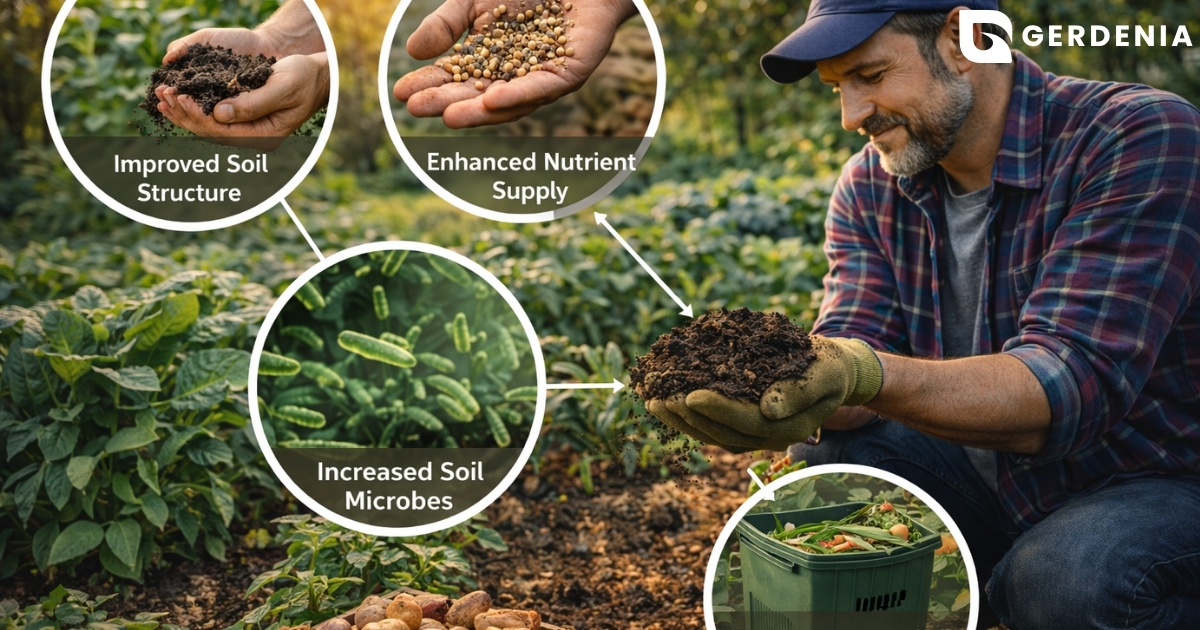
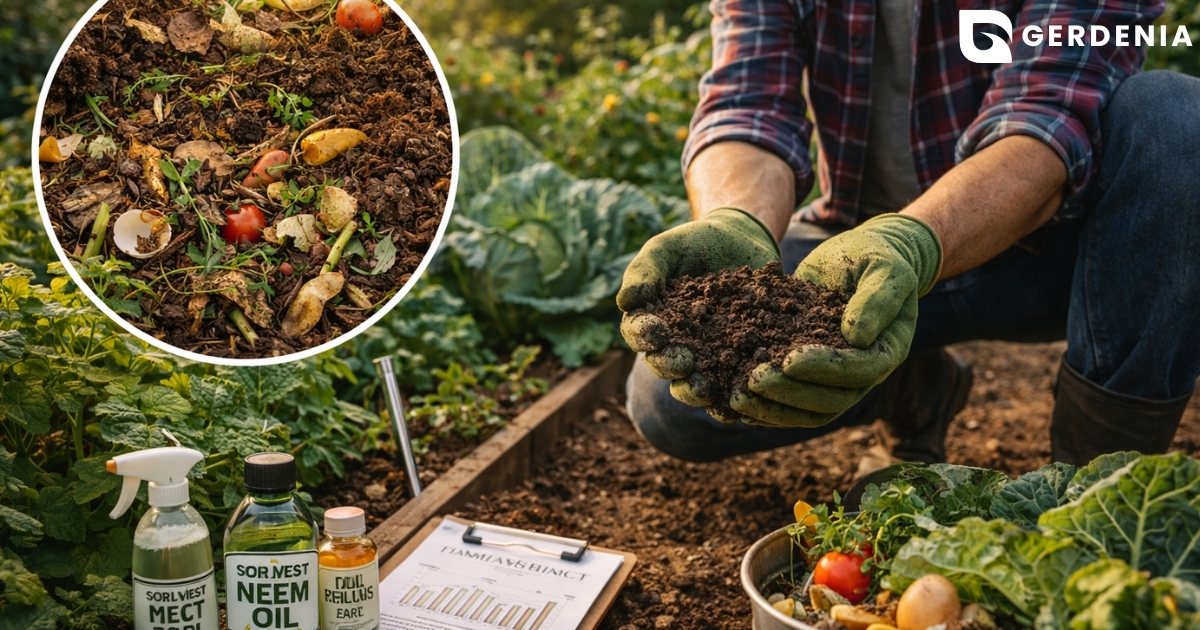
In a wild forest, no one ever shows up with a bag of plant food. The secret is beneficial soil microorganisms running an underground recycling center. That rich, earthy scent and dark, crumbly texture in healthy ground means these tiny workers are successfully unlocking minerals to feed your garden.
Think of this hidden ecosystem as a bustling city with three main specialists:
- Bacteria (the chefs): Cooking raw organic matter into slow-release natural fertilizers your plants can easily absorb.
- Fungi (the internet): Microscopic threads connecting roots to share water and nutrients across vast distances.
- Earthworms (the engineers): Tunneling through the dirt to create essential breathing room.
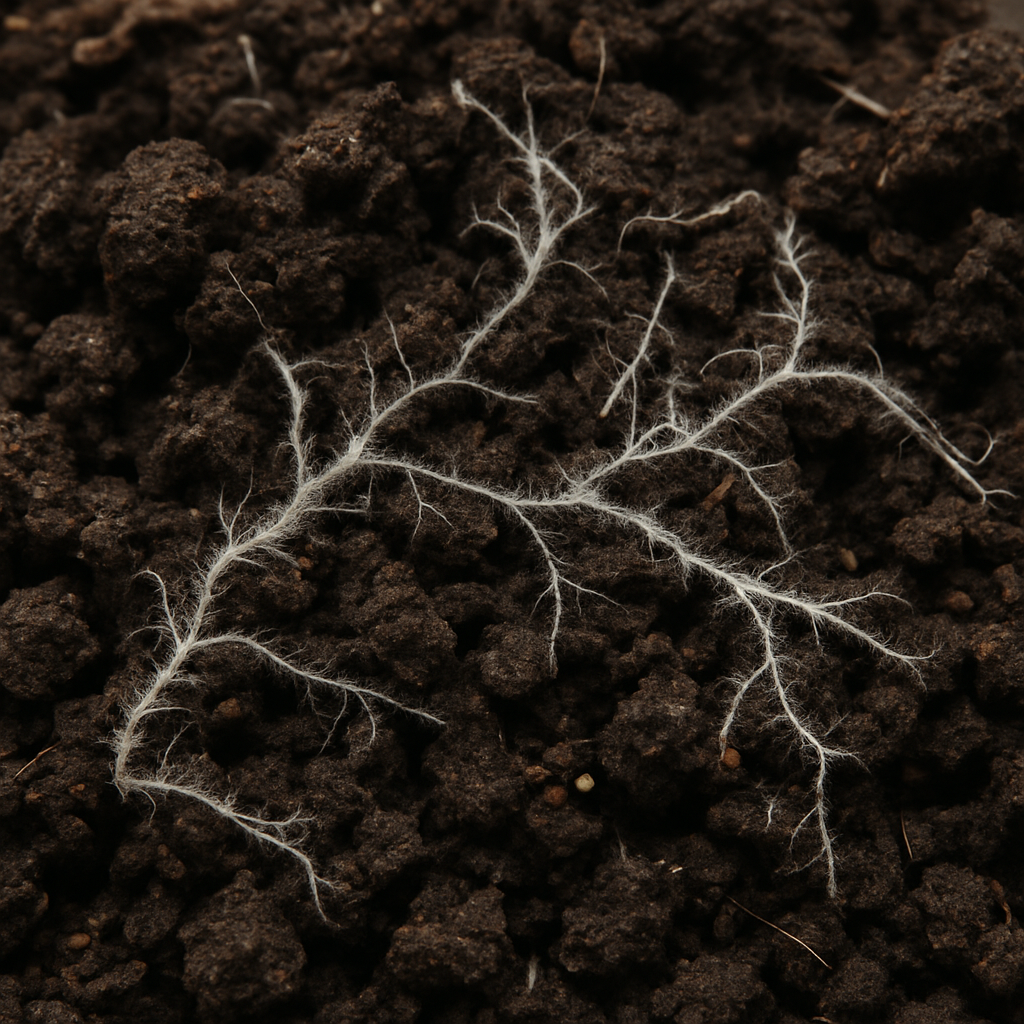
A simple mycorrhizal fungi application when planting acts like a living extension cord, increasing a plant’s root surface area by up to ten times! With this network established, your garden requires far less watering and practically cares for itself. Keeping these microscopic helpers thriving requires the right balance of physical structure and nutrition.
Mixing a Nutrient-Dense Menu: The Secret to Potting Mixes and Compost
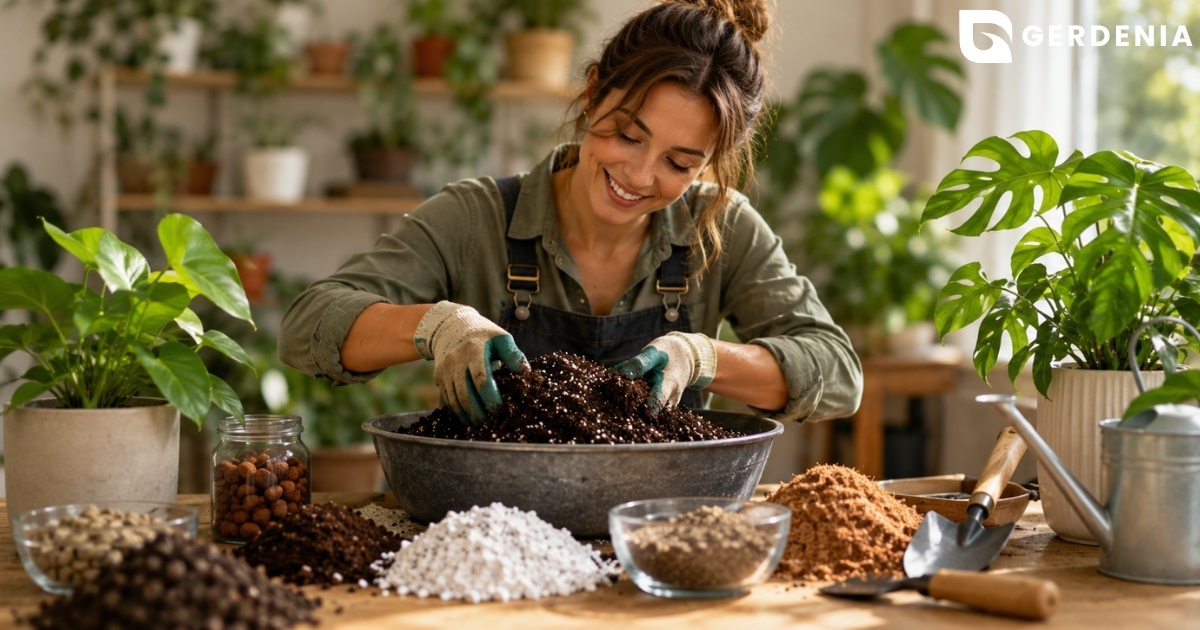
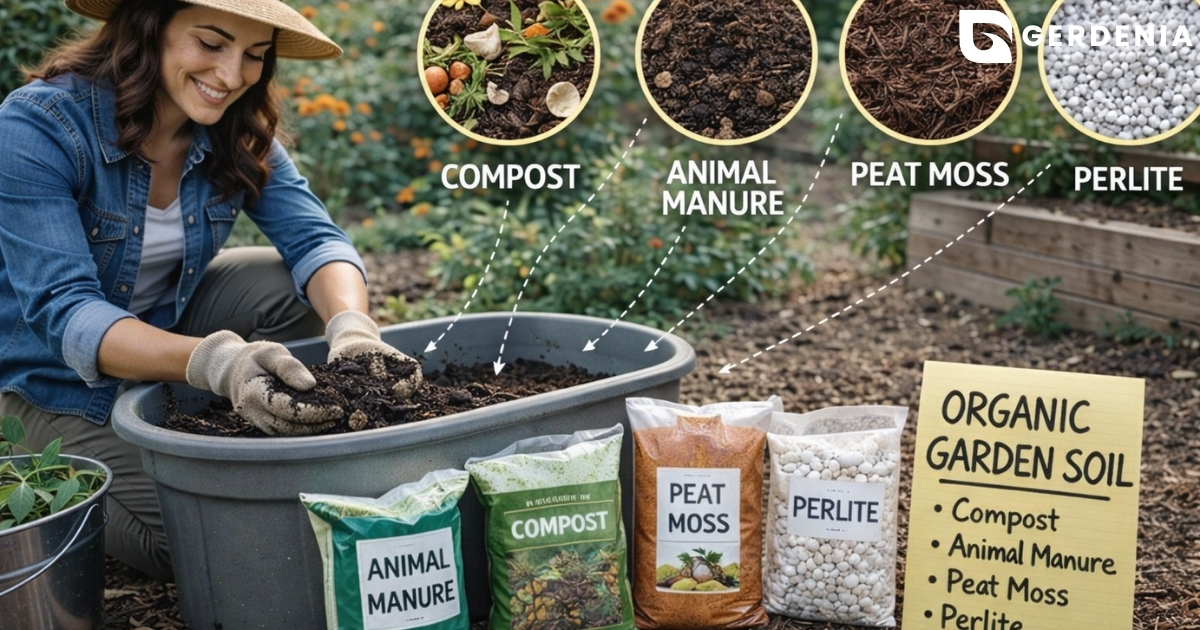
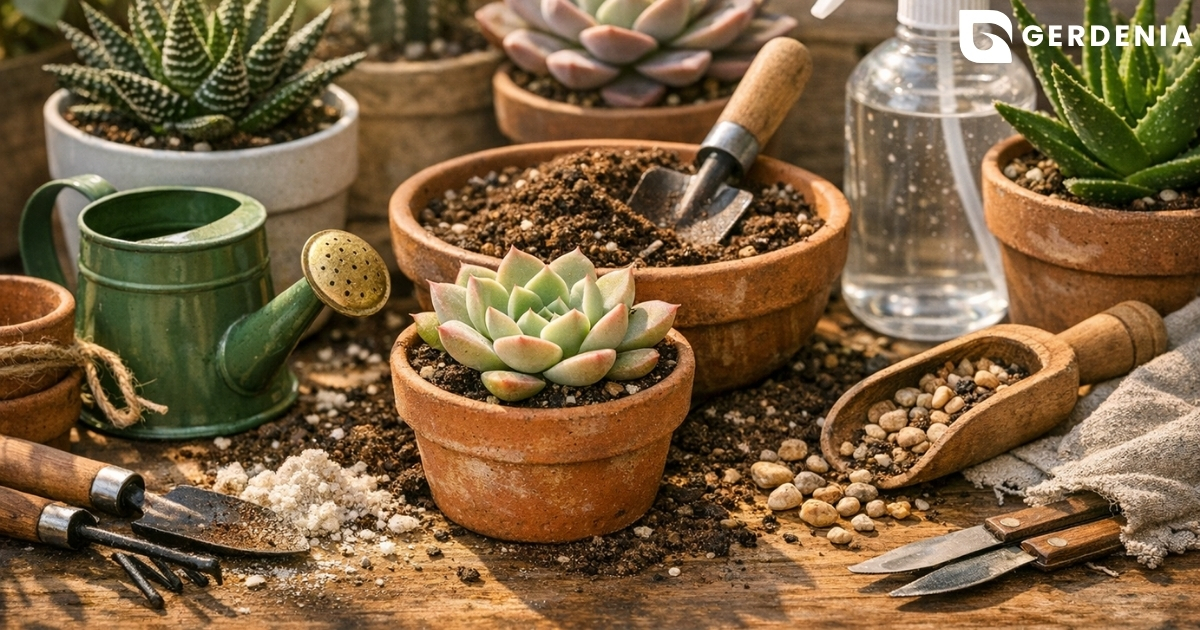
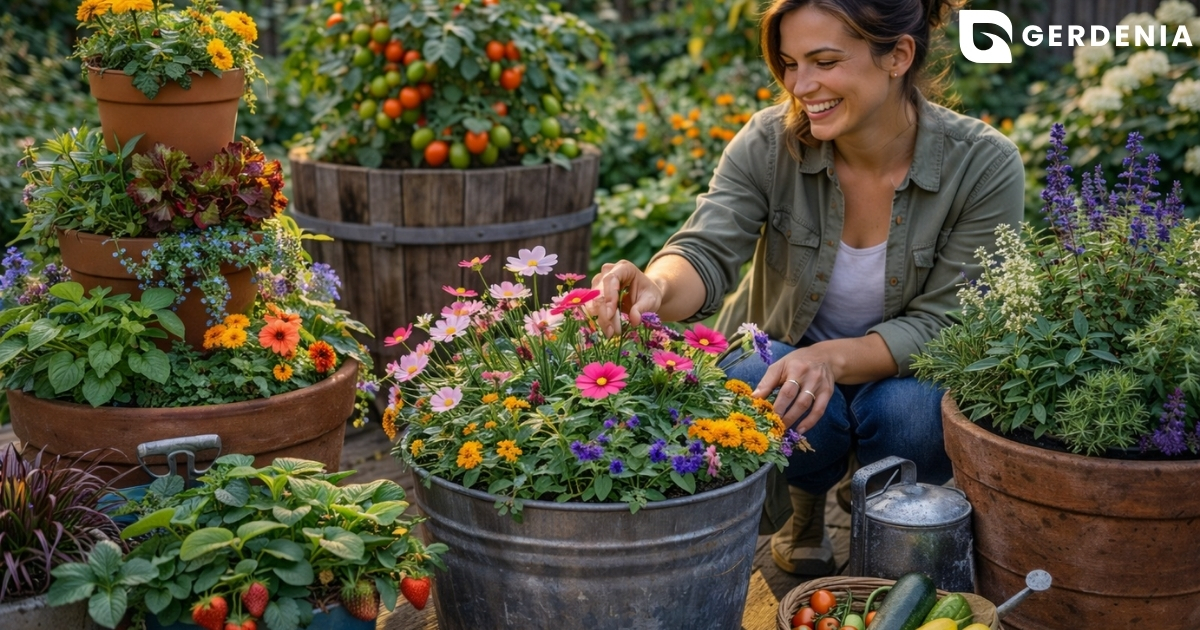
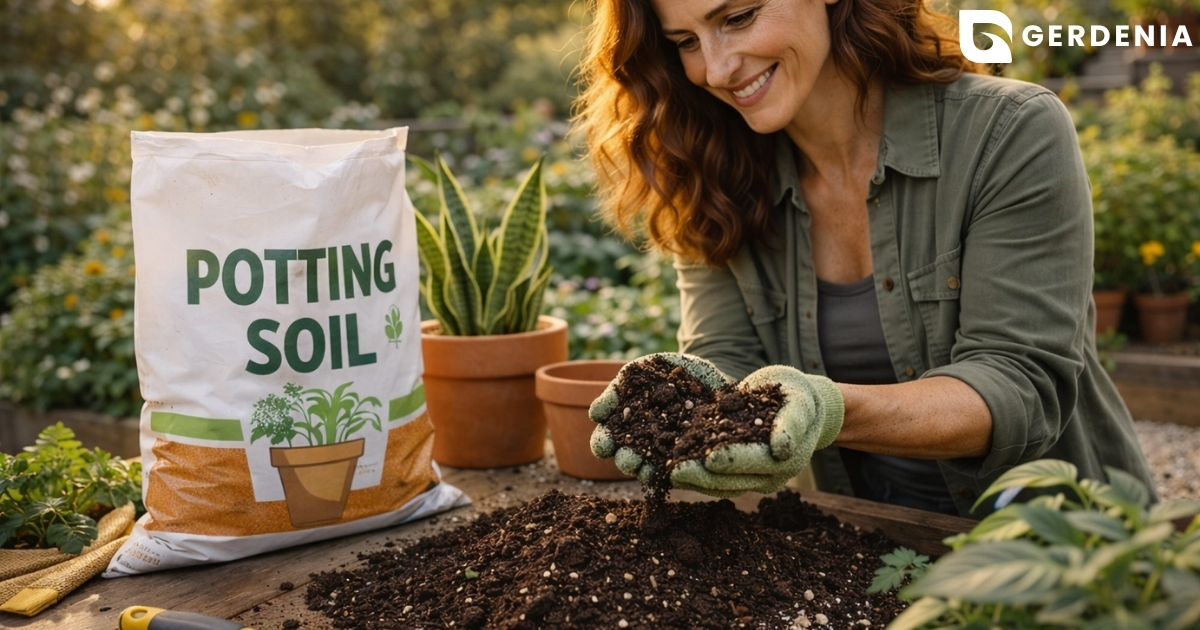
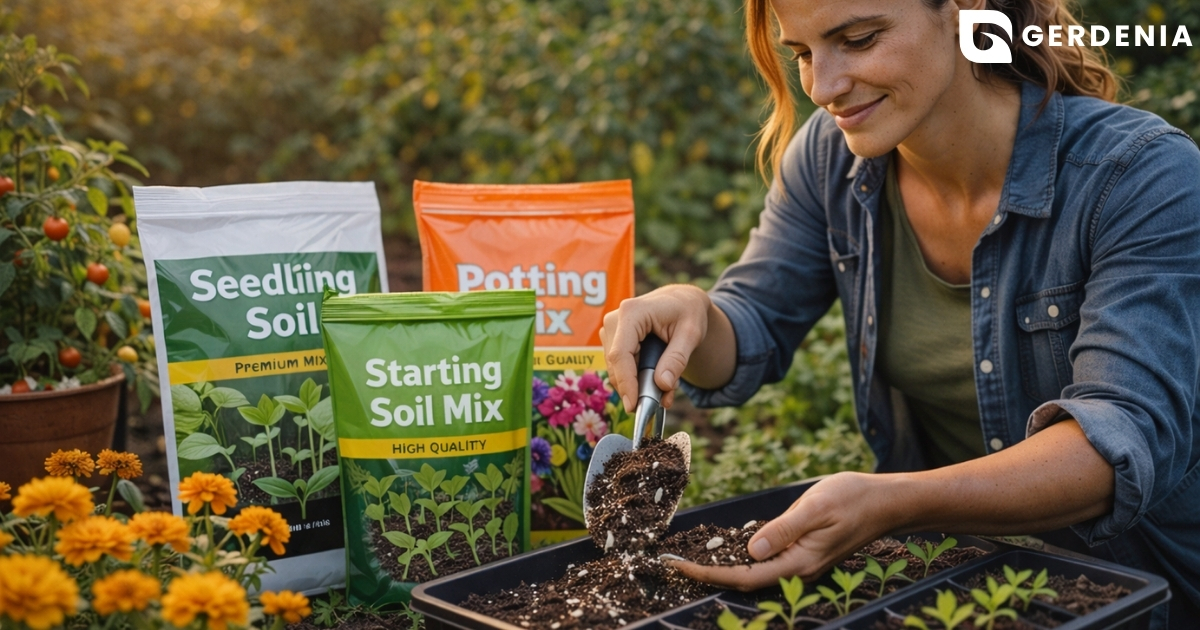
If potted porch plants look miserable despite your best efforts, you might be confusing soil structure with nutrients. Regular garden dirt is heavy and quickly compacts in containers, suffocating roots. Instead, pots require a light, airy organic soil mixture to provide essential breathing room while retaining moisture. Building this foundation is like following nutrient dense compost recipes; you need the perfect balance of a spongy physical structure and rich biological food.
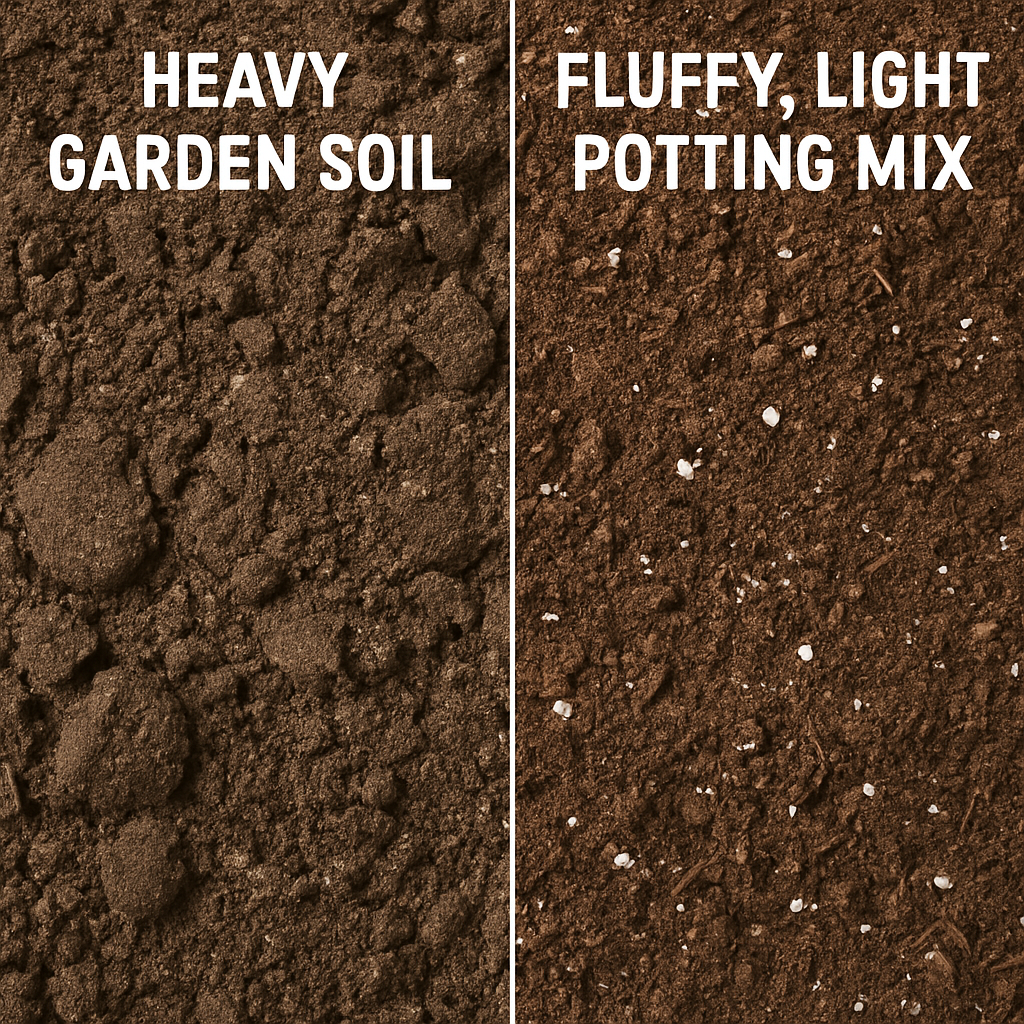
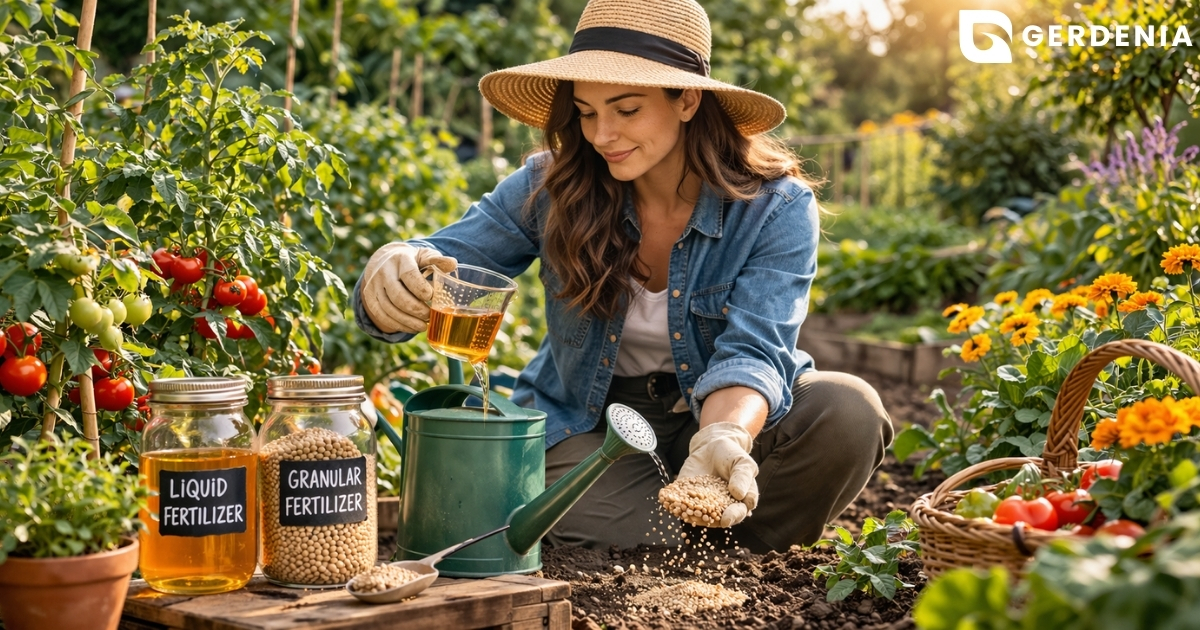
With that fluffy structure established, you can safely feed your underground ecosystem. Adding earthworm castings for houseplants provides gentle, slow-release nutrition that will never chemically burn fragile roots. To guarantee your plants actually absorb these meals, look for amendments containing humic acid. Think of it as a microscopic spoon—it scoops up locked-away minerals and hands them directly to the plant. Humic acid ensures your plants absorb these essential nutrients and reach their full growth potential.
Starting Your Soil Restoration: A Simple 3-Step Action Plan
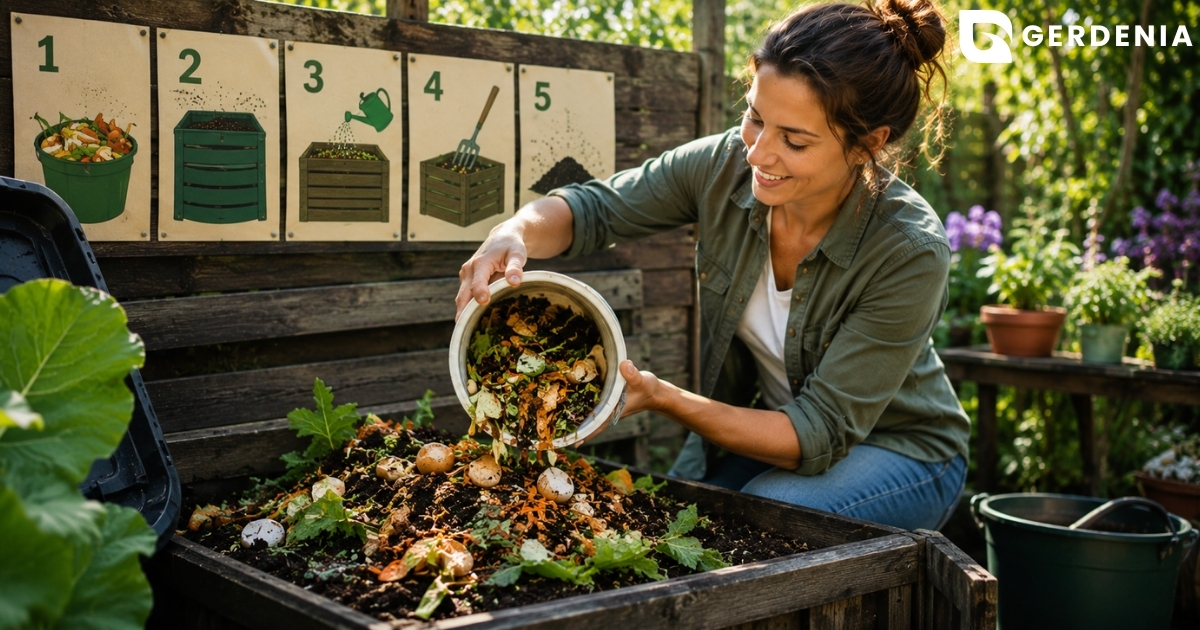
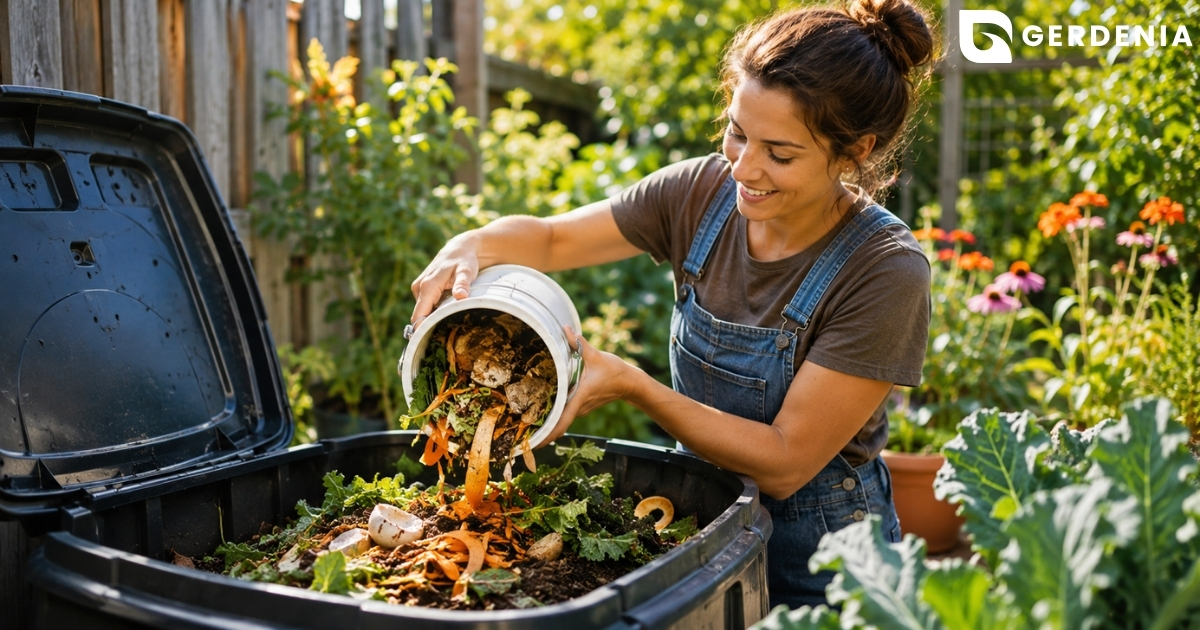
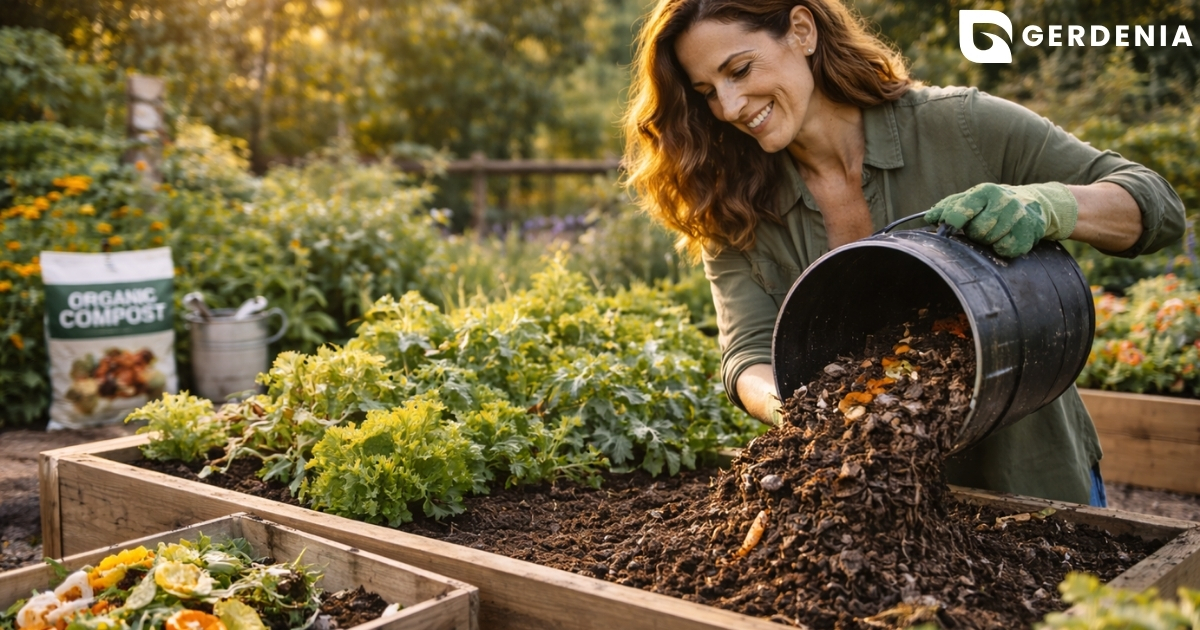
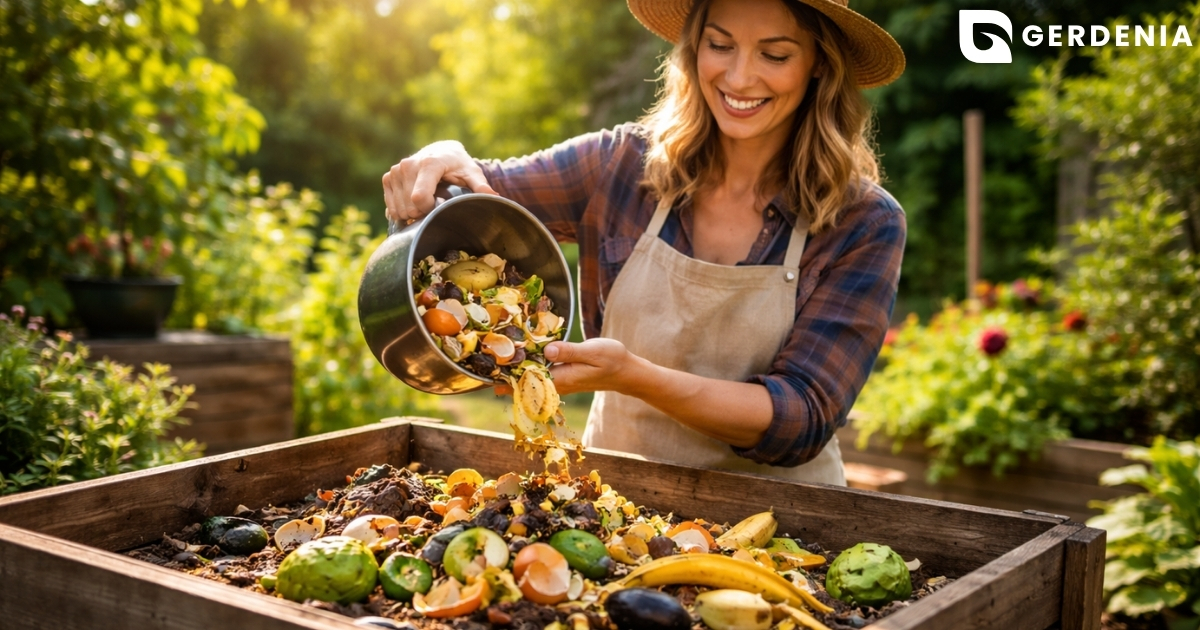
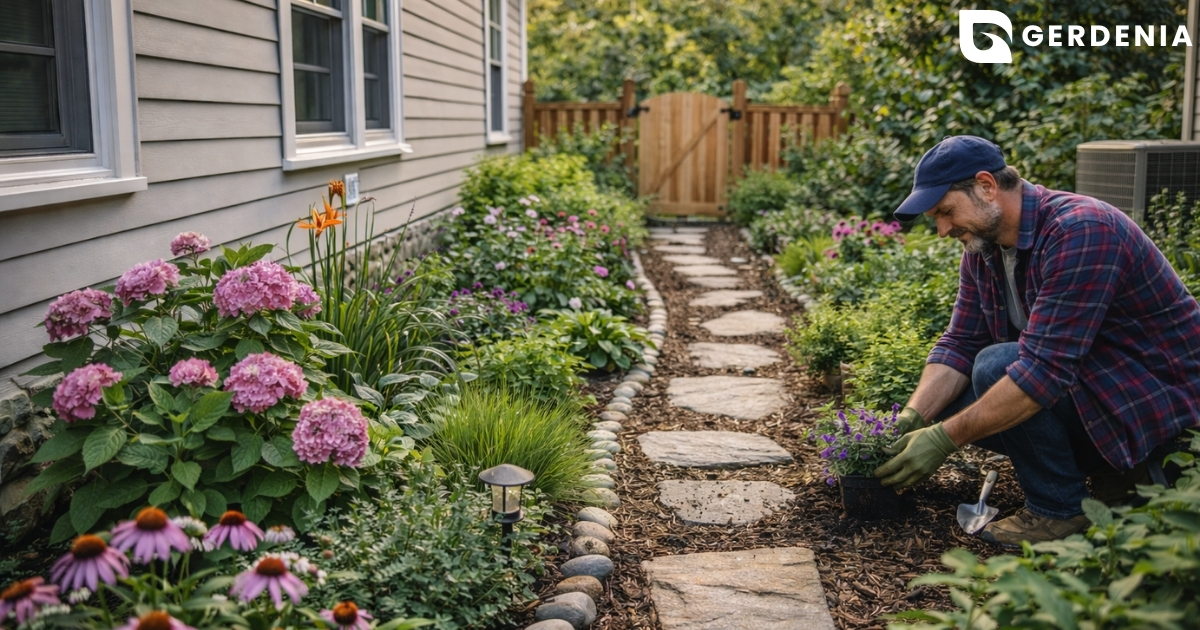
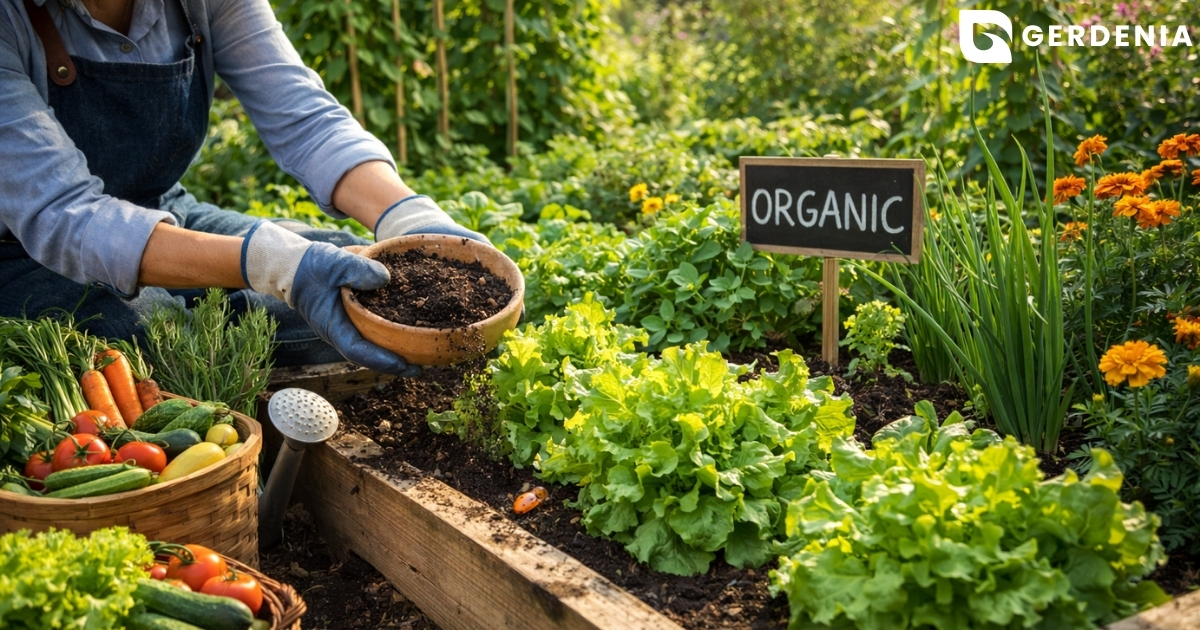
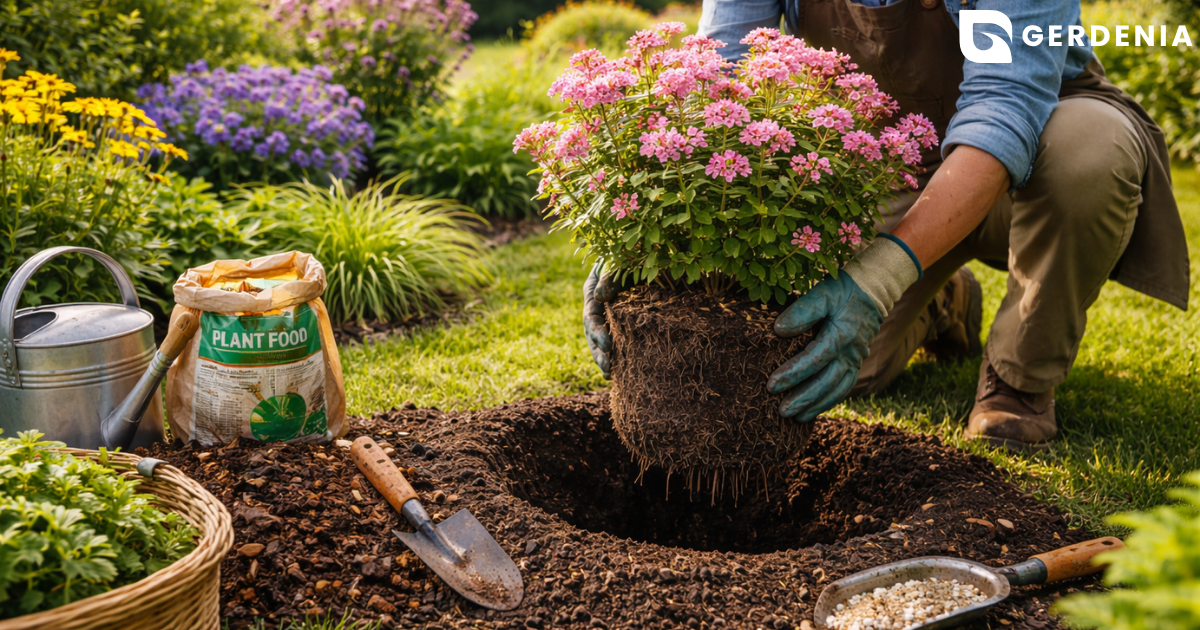
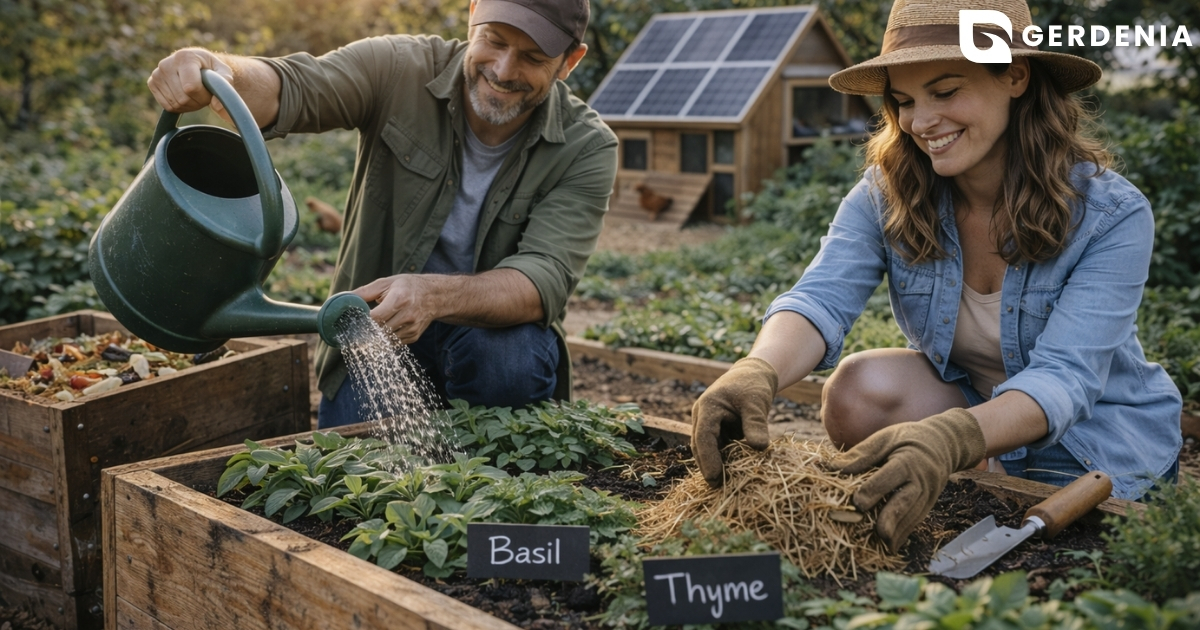
Start restoring depleted garden beds by adding compost on top. With no-till gardening techniques, you are leaving the underground construction workers alone to build healthy structure rather than digging up their home.
Finish by mulching for weed suppression. This protective blanket acts as a way to retain 30% more moisture. With your soil’s living engine finally doing the heavy lifting, your garden will thrive naturally.