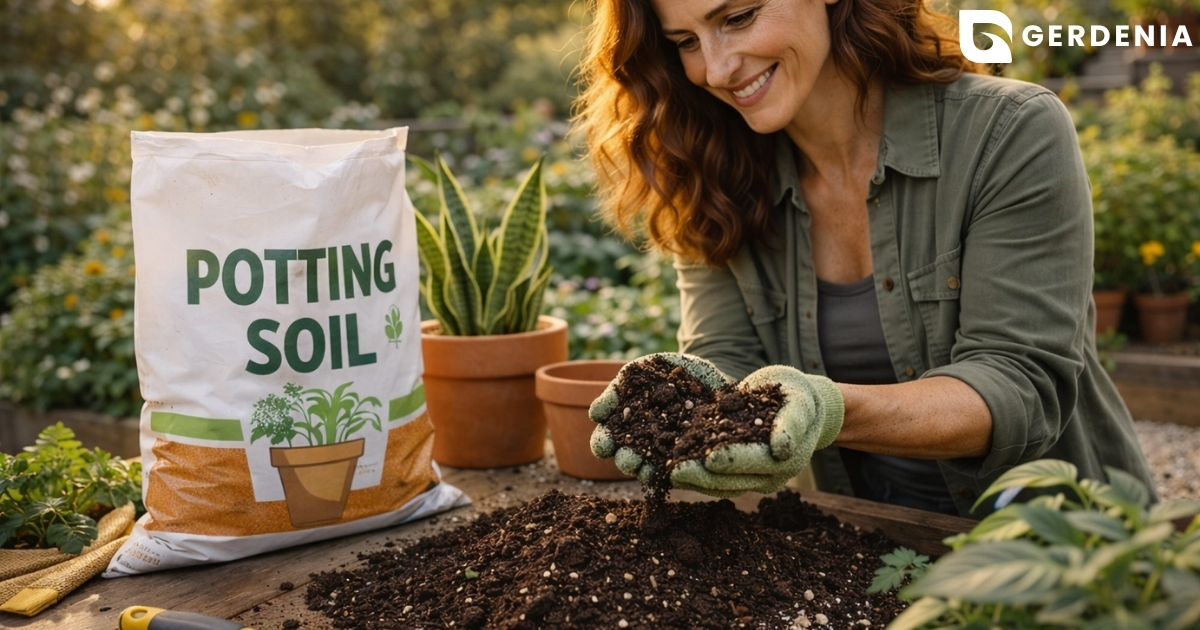
Comparing outdoor plant fertilizer options feels overwhelming when staring at cryptic numbers like 10-10-10 on garden center shelves. While we assume yards just need water, blooming plants are actually like athletes requiring specialized fuel.
According to horticultural experts, heavy rain and constant seasonal growth consume natural minerals, causing inevitable soil depletion. Replenishing those lost nutrients requires reliable outdoor plant food. Those mysterious label numbers represent the NPK ratio—Nitrogen, Phosphorus, and Potassium—acting as a simple “Up, Down, All Around” nutritional foundation for your garden.
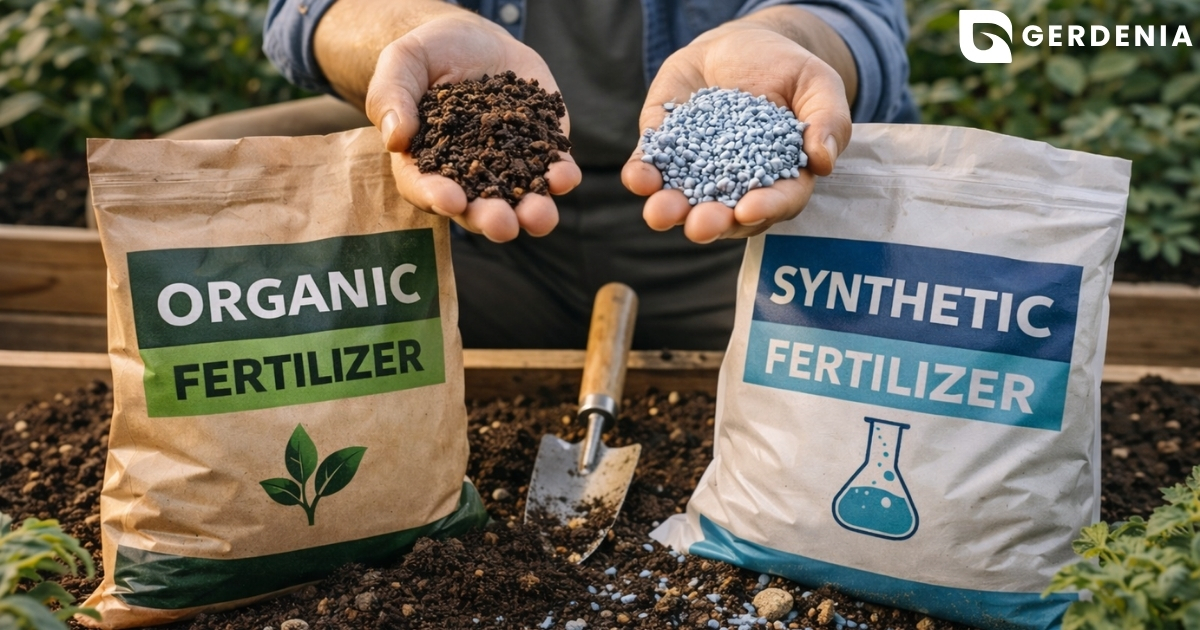
Your next hurdle is choosing between organic and synthetic formulas. This classic dilemma essentially asks whether you want a quick “fast food” hit to feed the plant directly, or a slow-burning whole foods meal to build the soil.
Decoding the 10-10-10 Code: How the ‘Up, Down, All Around’ Rule Simplifies Plant Growth
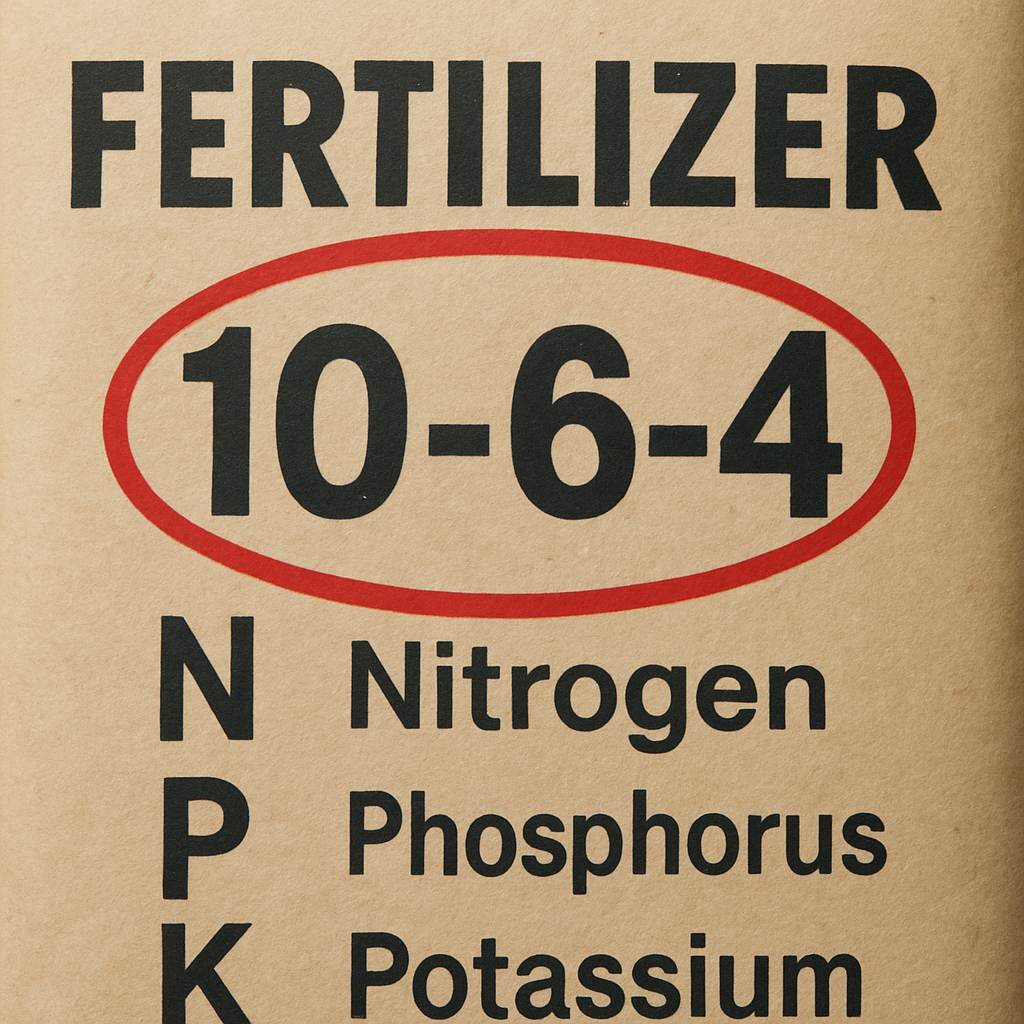
Staring at cryptic numbers like 10-10-10 on a fertilizer bag shouldn’t feel like a chemistry exam. These digits represent the “big three” macronutrients: Nitrogen, Phosphorus, and Potassium.
To decode any label instantly, rely on the “Up, Down, All Around” rule:
- Up (Nitrogen): Fuels lush, green foliar growth.
- Down (Phosphorus): Drives strong root development and abundant blooms.
- All Around (Potassium): Acts like a daily multivitamin for overall plant health.
Matching this code to your gardening goals is crucial. While a balanced NPK ratio for vegetable gardens ensures sturdy stems alongside juicy tomatoes, pale lower leaves are classic signs of nitrogen deficiency in plants begging for intervention. Once you understand what nutrients your garden craves, you can determine how quickly to deliver them for an immediate growth boost.
Synthetic Fertilizers: Why ‘Fast Food’ Nutrients Give Your Garden a Quick Boost
Think of synthetic fertilizers as a quick energy drink for your garden. Made from concentrated chemical salts, they deliver nutrients the second they reach the roots. This makes them perfect for waking up cold spring soil or fueling high-intensity patio pots. When comparing water-soluble vs granular plant food, water-soluble options provide the absolute fastest “snack” for hungry plants.
But pouring too much into your watering can is dangerous. Because these nutrients are heavy salts, over-application literally pulls moisture out of the plant. You will spot this mistake quickly if you notice brown, crispy leaf edges—a classic symptom known as fertilizer burn.
Fortunately, flooding the root zone with fresh water is the best method for fixing fertilizer burn in garden soil. While these rapid boosts are helpful for immediate fixes, gardens cannot thrive on fast food alone. Building long-term soil health requires slower-burning, natural alternatives.

Organic Nutrients: Why ‘Whole Foods’ for Soil Build Long-Term Garden Health
When debating organic vs synthetic garden nutrients, think of natural options as a wholesome, slow-burning meal for your entire backyard ecosystem.
Rather than just feeding the plant directly, these materials feed the tiny, invisible soil microbes. Those busy helpers digest the ingredients and convert them into slow-release nutrients, gently nourishing your roots while improving soil structure over multiple seasons.
A perfect example is using bone meal for flowering plants. Tossing a handful of this phosphorus-rich organic outdoor plant fertilizer beneath bulbs is the secret weapon for massive tulip and daffodil blooms, and organic choices are generally safer from a chemical standpoint to apply around households with pets.
However, even the richest organic feast is useless if your garden cannot actually process the food you provide. Nutrient absorption requires the right baseline environment to succeed.
Unlocking the Nutrient Door: Why Your Soil pH Might Be Starving Your Plants
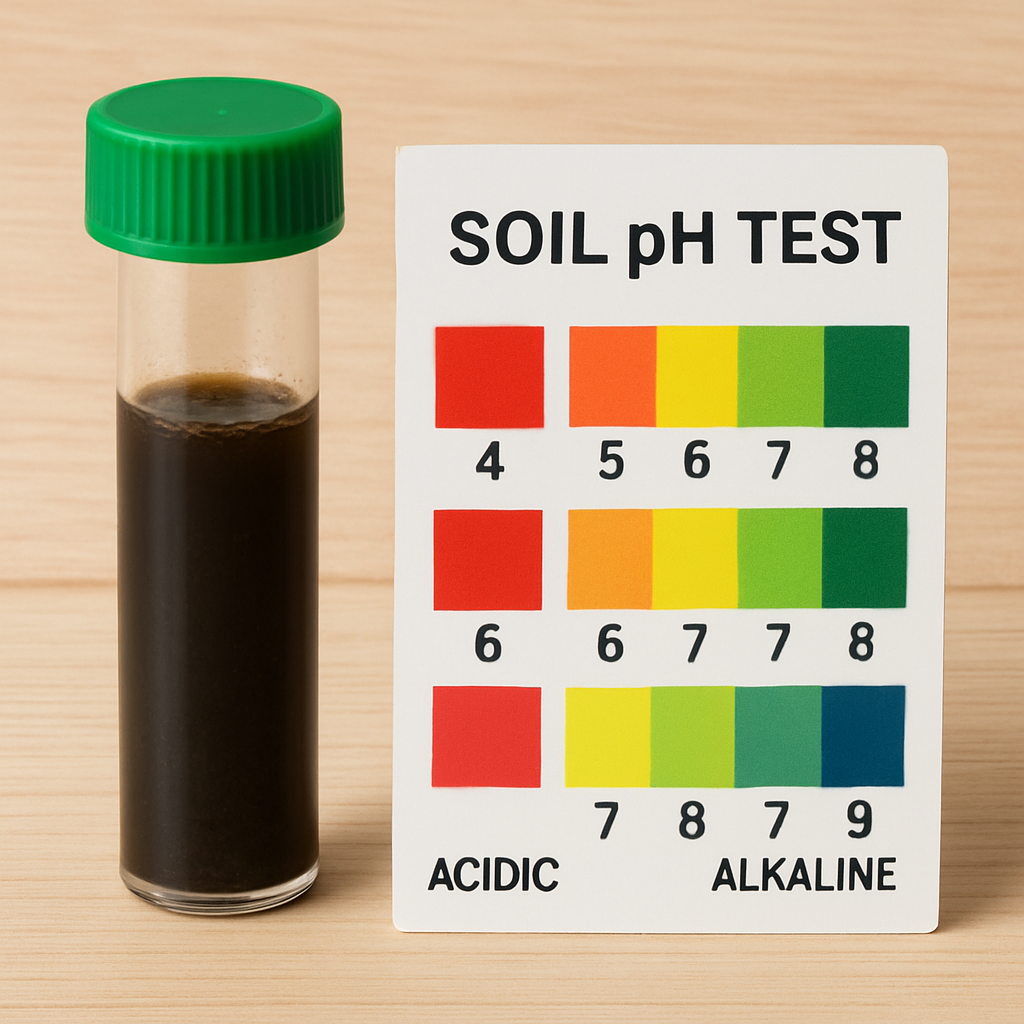
Yellowing leaves despite regular feeding might not mean a lack of outdoor plant food, but rather a “locked door.” Soil pH measures whether dirt is acidic or alkaline. When this balance gets too extreme, it locks nutrients away, preventing roots from absorbing the meal right in front of them.
Certain backyard favorites, like hydrangeas, are famously sensitive to this lock. Fortunately, learning how to test soil pH at home takes just minutes. Grab a basic ten-dollar kit at the garden center, mix a scoop of dirt with water, and match the color to the chart.
Once you discover your number, simple amendments easily unlock that door. With your roots finally prepared to absorb nutrients, timing your feeding correctly becomes the next essential step to maximize growth without damage.
Avoid the ‘Burn’: How to Time Your Feeding for Maximum Growth Without Damage
You wouldn’t eat a heavy meal during a mid-day heatwave, and neither should your plants. The best time of day to fertilize gardens is early morning’s “Golden Hour.” Watering nutrients in before the sun gets harsh prevents evaporative loss, ensuring food reaches the roots instead of baking onto the leaves and causing chemical burn.
Knowing how often to feed outdoor perennials requires following a simple seasonal calendar:
- Spring: Serve a balanced meal when green shoots first appear.
- Mid-Summer: Provide a light snack to sustain blooming energy.
- Late Summer: Stop feeding completely so plants can prepare for winter dormancy.
Pushing new leafy growth in autumn only creates weak stems that frost easily destroys. By skipping late-season garden winterizing nutrients, your plants transition into winter safely. Once standard feeding schedules are perfected, specialized natural supplements can provide an extra layer of resilience.
Beyond the Basics: Using Seaweed and Fungi to Supercharge Root Strength
Intense summer heat leaves even well-fed plants struggling. Think of bio-stimulants as a soothing multi-vitamin. By spraying leaves directly—called foliar feeding—you unlock the benefits of liquid seaweed extract. It acts as an anti-stress tonic, giving thirsty tomatoes a quick energy boost during harsh droughts.
Below ground, friendly microbes offer massive advantages. Adding mycorrhizal fungi for root development works like attaching a microscopic extension cord to your plant. They reach far into the earth, gathering hidden water that regular roots simply cannot access alone.
To revive tired greenery, try a simple compost tea application for shrubs. This liquid probiotic quickly restores exhausted soil around struggling hydrangeas, establishing a deeply resilient foundation for your landscape.
Your 3-Step Garden Feeding Plan: From Soil Test to Harvest Success
You no longer have to stare blankly at garden center shelves. By taking a “test-first” approach with your soil to save money, you can confidently buy exactly the outdoor plant fertilizer your yard needs. You now understand the strategic choice between the rapid delivery of synthetics and the long-term structural benefits of organics.
Use these fundamental principles to create a custom fertilization schedule tailored to your yard’s natural rhythm. As you apply the right nutrients at the optimal time, you will consistently reward your efforts with deeper green foliage, stronger roots, and more resilient seasonal blooms.