You’ve planted your petunias, faithfully watered them, and waited patiently, but the blooms simply aren’t as vibrant as the ones at the local nursery. Finding the best flower fertilizer is often the missing link between a garden that merely survives and one that truly thrives.
According to botanical science, sunlight actually provides your garden’s primary “meal” through photosynthesis. Think of typical plant food for flowering plants not as a replacement for this daily bread, but rather as a crucial multivitamin. While the sun supplies raw energy, producing massive, beautiful blossoms requires specific, concentrated minerals.
Choosing a flower fertilizer at the local garden center can feel completely overwhelming. Fortunately, every bag holds a simple roadmap to success right on its front label. Those three bold numbers—the NPK ratio—tell you exactly which nutrients your roses will receive to boost their seasonal color.

The ‘Up, Down, All Around’ Rule: Decoding NPK for Every Gardener
Those three bold numbers on every bottle of blooming plant food can feel like a secret code. You might already know they represent the ingredients, but understanding the exact NPK ratio for blooming plants is what transforms an average garden into a vibrant showcase.
Fortunately, cracking this code does not require a chemistry degree. Just memorize the simple “Up, Down, and All Around” rule to know exactly what each nutrient does for your garden:
- Nitrogen (Up): Fuels lush, green leafy growth above the soil.
- Phosphorus (Down): Pushes energy down into strong roots and beautiful flower buds.
- Potassium (All Around): Acts like a multivitamin, strengthening overall plant health and disease resistance.
Grabbing a package with matching numbers, like 10-10-10, provides a balanced fertilizer for flowers that maintains steady, everyday growth. However, if your petunias or hydrangeas have plenty of leaves but no actual blossoms, your plants are asking for a specialized diet instead of an equal mix.
Shifting your plant’s energy from growing foliage to producing petals requires a closer look at that middle number. Tweaking this specific ingredient is the ultimate secret to unlocking those show-stopping displays.
The Bloom Booster: Why Phosphorus is the Key to Explosive Flower Growth
While a balanced diet keeps your garden green, focusing on the middle number on the label is the true secret to a spectacular floral display. Phosphorus acts as the engine for a plant’s reproductive cycle, shifting its energy away from simply growing taller and toward creating colorful petals. Providing a blooming flower fertilizer with a higher middle number—such as a 10-30-10 ratio—clearly signals to your plant that it is time to blossom.
Eager gardeners often accidentally sabotage their flowerbeds by applying high-nitrogen blends that only encourage leafy foliage. If you feed a rosebush too much nitrogen, you will end up with a massive green shrub completely lacking blossoms. To support the crucial role of phosphorus in bud development, you must ensure the first number on your label is significantly lower than the second.
Securing a good bloom fertilizer ultimately means checking the package for that dominant middle digit right before the spring season peaks. Once you find the perfect phosphorus-rich blend for your garden, the next step is deciding exactly how to deliver it to the roots. The choice between pouring a quick liquid mix or adding natural compost often feels like deciding between fast food and whole foods: choosing between synthetic and organic nutrients.
Fast Food vs. Whole Foods: Choosing Between Synthetic and Organic Nutrients
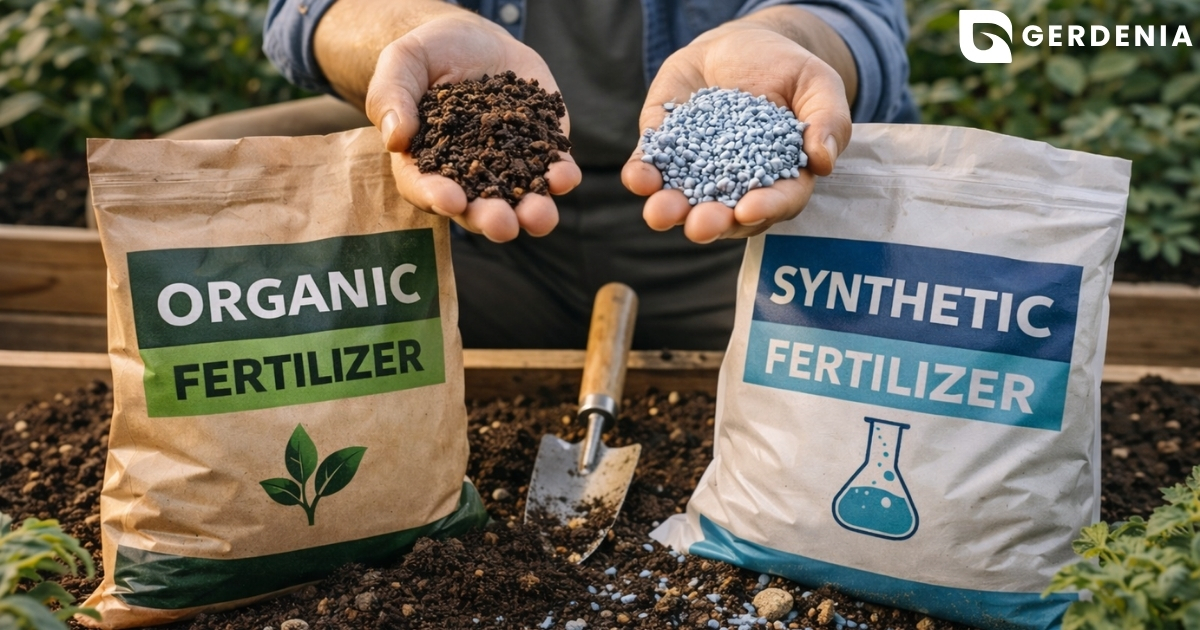
The debate between organic vs synthetic plant food often comes down to how quickly you want results. Synthetic options act like an energy drink, delivering manufactured nutrients directly to the roots for immediate absorption. Conversely, using an organic fertilizer for flowers relies on microscopic soil bugs to break down natural ingredients. You are actually feeding the soil first, which then slowly digests those nutrients and feeds them to your blooms.
Reaching for a chemical-based formula makes perfect sense when your petunias need an emergency rescue. If blooming suddenly stalls or leaves turn pale mid-season, synthetic nutrients provide an instant hit of phosphorus to correct the deficiency almost overnight. It is a fast-acting fix that forces a rapid, immediate burst of floral growth.
Building permanently healthy flowerbeds, however, requires a longer-term strategy. The best organic fertilizer for flowers—like bone meal or rich compost—gradually improves soil texture and encourages those beneficial microbes to thrive, sustaining your plants all season. Once you decide between a quick synthetic fix or a slow-release organic soil builder, the next step is figuring out the physical delivery method: should your plants be sipping a liquid or snacking on granules?
Sipping vs. Snacking: How to Choose Between Liquid and Granular Fertilizer
Deciding between these options is like choosing whether your roots need to sip a quick drink or digest a hearty meal. This introduces the concept of water solubility, which simply means how fast the plant food dissolves.
Mixing a flower liquid fertilizer into your watering can provides an immediate, easily digestible boost. Because these dissolved nutrients are absorbed by the roots instantly, they are perfect for hungry hanging baskets or patio pots. However, since regular watering washes them out of the soil quickly, you must reapply these liquid meals every two weeks to maintain vibrant blooms.
Busy homeowners often prefer the “set it and forget it” convenience of granules for their larger garden beds. When weighing granular vs liquid plant supplements, remember that granules utilize slow-release technology to break down gradually. You only need to scatter these nutrient beads every three months, letting the natural rainfall slowly wash the food into the soil over time.
Choosing between slow release vs water soluble nutrients depends purely on your container type and maintenance schedule. Once you master feeding these main courses, you are ready to explore beyond NPK to see how trace minerals make your petal colors pop.

Beyond NPK: How Trace Minerals Make Your Petal Colors Pop
Have you ever wondered, “why are my flower leaves turning yellow” despite regular watering and NPK feeding? While those big macronutrient numbers provide the hearty main course for your plants, they also desperately need smaller “vitamins” known as micronutrients. Upgrading to a “complete” fertilizer that includes these tiny elements is the easiest method for fixing nutrient deficiencies before they stall your garden’s growth.
Checking your fertilizer label for a complete micronutrient profile is a simple habit that yields massive rewards. Look for these three trace minerals for vibrant petal color and overall resilience:
- Iron: Cures chlorosis, a stressful condition that causes leaves to turn pale yellow while their veins remain stubbornly dark green.
- Magnesium: Fuels the photosynthesis engine, giving your plant the raw energy required to open large, heavy blossoms.
- Boron: Enhances bloom quality and stops delicate flower buds from dropping off the stem prematurely.
Supplying these hidden elements guarantees your roses and petunias have everything required for a show-stopping yard. Now that you understand the exact ingredients that make up a healthy plant diet, mastering the clock is your next critical step for maximizing bud production.
Feeding Schedules for Success: When to Fertilize for Maximum Bud Production
Timing matters just as much as choosing the right ingredients. The best time to feed outdoor blooms is early morning when roots eagerly absorb moisture. Delivering nutrients before the midday sun hits prevents rapid evaporation, keeping delicate foliage from scorching while avoiding the lingering nighttime dampness that invites disease.
Figuring out how often to feed garden flowers depends heavily on their seasonal growth cycle. When applying plant food to perennials, start your routine as soon as you spot the first green spring buds. This provides a crucial energy surge exactly when your garden wakes up hungry and ready to grow.
By late summer, you must stop feeding altogether. Your garden needs to enter dormancy—a natural winter resting period—and forcing vulnerable new leaf growth right before a frost is dangerous. Of course, even with perfect schedules, dosage mistakes happen. Recognizing the signs of over-fertilization early can save your plants from permanent damage.
Stop the Burn: How to Spot Over-Fertilization Before Your Plants Die
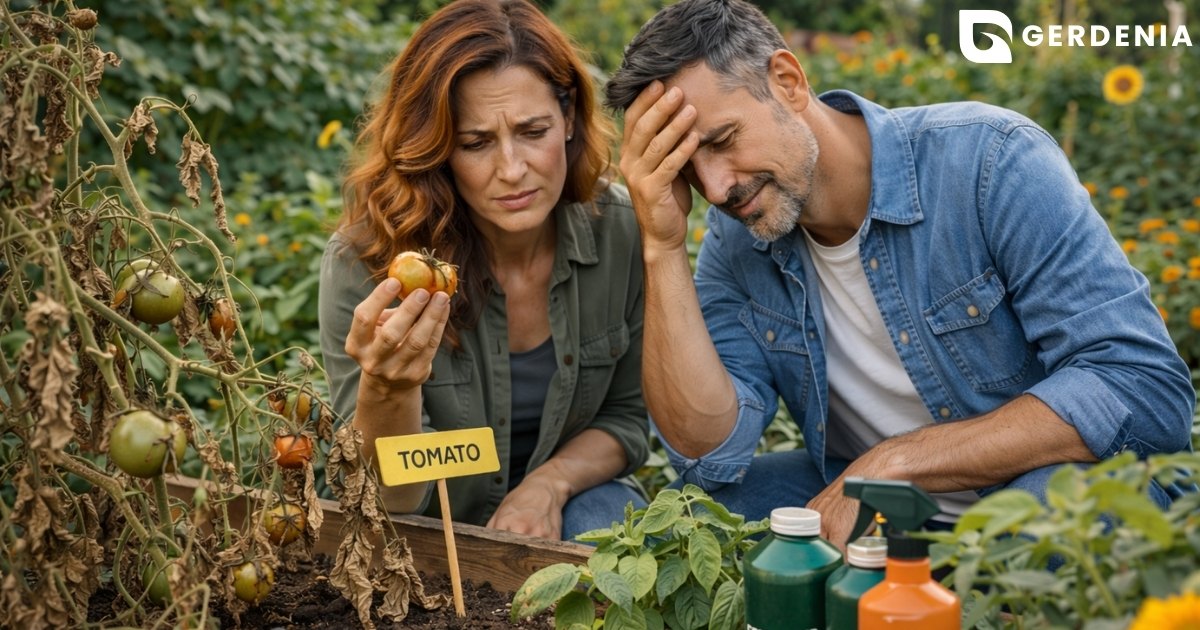
Giving plants too much of a good thing is dangerous. Excess nutrients create a chemical salt buildup that actually pulls moisture out of the roots, showing up as crispy, brown leaf edges. Recognizing this leaf scorch early is your first line of defense in preventing fertilizer burn.
If you accidentally overfeed, you can save your stressed plant using the flush method. Simply take the plant to a sink and run a heavy volume of fresh water through the soil for several minutes to wash away the trapped salts. Afterward, allow the pot to drain completely so the roots do not sit in standing water.
Moving forward, adopt a less-is-more philosophy for long-term garden health. Even when using the best flower plant fertilizer available, applying half the recommended dose is often safer. You will quickly learn that the best fertilizer for blooms works its magic through steady, gentle consistency rather than sheer volume.
You now understand plant nutrition well enough to skip the guesswork. Try lightly feeding your favorite flowers this weekend and notice how they respond. Armed with this knowledge, you are equipped to step outside and grow a more vibrant, resilient garden.