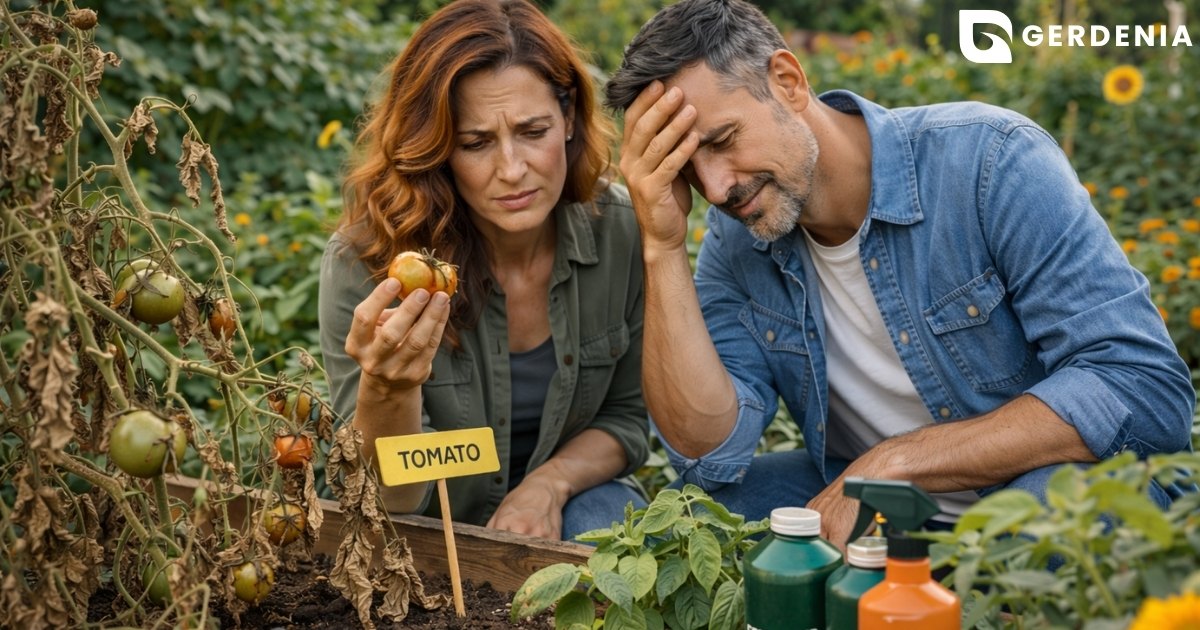
We’ve all experienced that unexpectedly warm March afternoon that makes us want to rush out and buy every seedling in sight. Unfortunately, giving into this temptation often leads eager beginners into the “False Spring Trap.” This deceptive weather pattern tricks us into planting too soon, only for a sudden late freeze to wipe out our efforts. Avoiding this predictable heartbreak is the crucial first step to knowing when to start growing a garden.
Achieving a harvest that actually overflows your kitchen counter relies on a “Success-First” approach to timing. According to common farming wisdom, soil temperature matters far more than a balmy afternoon breeze. Think of your delicate plants in terms of human comfort: if you still need a thick sweater outside, your tomatoes are definitely too cold. Pinpointing when is the best time to start a garden means waiting for the ground to reliably hold its heat.
Rather than treating the season as a single starting pistol, try visualizing your backyard through a “Three-Wave Planting Rhythm.” This natural timeline divides your growing season into three distinct windows of opportunity. Tough vegetables like spinach thrive in an early spring garden, easily shrugging off chilly overnight temperatures. Conversely, tender summer crops will simply perish unless you hold them back for the final wave.
Mastering these invisible calendar markers transforms a confusing gamble into a straightforward roadmap. Reading nature’s seasonal cues removes the stressful guesswork from your weekend outdoor projects. Very soon, you will confidently know exactly which seeds are ready to hit the dirt.
Finding Your ‘Safety Line’: How to Locate and Use Your Last Frost Date
Sunny spring weather can easily mask a lingering chill in the soil. Your true safety line is the last spring frost date—an invisible calendar mark based on historical weather. Before this date, the air might feel warm, but the ground still holds winter’s bite.
Knowing this timeline protects you from different levels of cold. A “light frost” (29°F to 32°F) might just singe sensitive leaves, but a “hard freeze” (28°F or below) completely destroys tender plants by freezing the water inside their stems. Deciding when can i plant outside safely means waiting until these garden-destroying temperatures are truly finished.
Experts rely on the “90% Safety Rule,” waiting for the day when there is a 90% probability that freezing weather is gone for good. You don’t need a meteorology degree to figure out how to calculate planting dates; you just need local data:
- Find a reputable “frost date calculator” online.
- Enter your zip code to reveal local historical weather averages.
- Identify the date showing only a 10% risk of 32°F temperatures.
With this magic date circled, you finally have a reliable roadmap. While your frost date dictates outdoor safety, moving beyond the USDA Map and using Hardiness Zones will help you pick your exact starting window.
Beyond the USDA Map: Using Hardiness Zones to Pick Your Starting Window
Many beginners look at the USDA plant hardiness zones map and assume it acts as a spring starting gun. In reality, this colorful guide doesn’t dictate when to plant seeds; it measures how cold your backyard gets in the dead of winter. It functions as a survival boundary, ensuring the specific plant varieties you choose can endure your region’s chilliest months.
Selecting the right seeds requires recognizing that a zone isn’t a universal climate guarantee. A gardener in coastal Washington and another in central Texas might share Zone 8, but their spring soils warm up at completely different speeds. Using your specific zip code provides the precision needed to understand your true growing window, explaining why two gardens with the same zone number have entirely different start dates.
Turning this geographic data into action transforms a confusing weather map into a personalized garden planning calendar by region. Once you understand your climate’s specific boundaries, you can confidently organize your seed packets into a reliable, layered schedule. With your plant varieties chosen, you are ready to tackle early spring direct sowing.
The Frost-Proof Checklist: When to Direct Sow Your Early Spring ‘Cool-Season’ Crops
Eager to dig in? You don’t actually have to wait for the final threat of winter to pass. While summer favorites require warm weather, your first wave of planting happens four to six weeks before your last frost date. This is the main difference between cool season vs warm season crops: early birds like peas and kale actually thrive in a light chill.
Dropping seeds into frozen dirt, however, guarantees they won’t grow. Before crossing off your early spring garden cleanup checklist, you need to understand the Soil Germination Threshold. This is the minimum temperature required to wake a dormant seed up. For early vegetables, the magic number is 40°F. If the ground feels like the inside of your refrigerator, it is finally warm enough to begin.
Temperature alone isn’t enough; moisture matters just as much. One of the most reliable signs soil is ready for planting is passing the simple “Mud Test.” Grab a handful of dirt and squeeze it; if water drips out or it stays in a solid, sticky clump when dropped, it will rot your seeds. Wait for the dirt to crumble easily, then confidently sow these top five cool-season vegetables based on their minimum soil temperatures:
- Peas (40°F)
- Spinach (40°F)
- Radishes (40°F)
- Kale (40°F)
- Carrots (45°F)
Establishing this first wave of resilient greens provides a satisfying head start on the year’s harvest. Once those early sprouts show their true leaves, your soil will naturally continue warming, setting the perfect stage for the sun lovers. As the soil continues to warm, you can prepare for the next shift: establishing heat-loving plants like tomatoes and peppers.
The 50°F Rule: Why Patience Pays Off for Tomatoes and Peppers
Surviving the last frost is just the first hurdle for summer favorites like tomatoes and peppers. These “sun lovers” operate by the Living Room Rule: if you need a sweater to sit outside, it is too cold for them. Determining the best time to start a vegetable garden for warm-weather crops means looking past daytime highs.
Nighttime temperatures reveal spring’s true arrival, making a consistent 50°F overnight low your ultimate green light. Rushing tender plants into cold dirt causes a shock known as stunting. This simply means the plant stops growing entirely, freezing in time while its leaves turn yellow. A stunted tomato planted in early May is almost always outpaced by a healthy one planted weeks later.
Deciding when is it safe to plant vegetables outside ultimately depends on the hidden conditions beneath the surface. Even on a sunny afternoon, the root-zone temperature—the climate directly surrounding the plant’s underground roots—heats up slowly. Achieving the correct soil temperature for vegetable germination requires the earth to retain its warmth long after the sun goes down.
Practicing patience guarantees these heat-loving crops will thrive once they finally hit the dirt. If waiting feels agonizing, you can actually cheat the seasons by giving seeds an artificial summer indoors to get a head start.

The Seed Starting Countdown: How to Calculate Your Indoor Head Start
Waiting for overnight temperatures to stabilize doesn’t mean your hands must stay clean until May. An indoor head start lets you cheat the seasons by sprouting plants inside while winter lingers outside. Figuring out exactly when to start growing a garden indoors comes down to matching fast-growers (like cucumbers) with slow-growers (like tomatoes).
Temptation might push you to plant seeds in January, but starting too early creates “leggy” growth. When seedlings sit inside too long, they stretch desperately toward the light, developing pale, weak stems that snap in a mild breeze. To avoid these fragile stems, always read seed packets to build a proper indoor seed starting schedule.
Creating your custom 8-week countdown calendar requires a simple backward-counting formula:
- Find the anchor: Mark your local Last Frost Date on a calendar.
- Read the packet: Locate the specific “Weeks Before Last Frost” instruction.
- Count backward: Hop backward week by week from your anchor date.
- Mark the start: Circle that specific day to sow your seeds.
Math provides a fantastic baseline, but paper calendars cannot perfectly predict shifting weather patterns. Before moving those carefully timed seedlings into the dirt, look to the trees in your own yard for final environmental confirmation.
Nature’s Natural Signals: Using Local Blooms to Predict Your Perfect Planting Day
Even the most sophisticated weather app cannot feel the sun warming your specific backyard. While screens offer decent estimates, plants operate on an ancient schedule called phenology. This simply means tracking when local trees naturally bloom in response to their actual environment.
Relying strictly on a garden planning calendar by region often causes frustration during unpredictable spring weather. Instead, you can use bio-indicators—hardy local plants acting as living thermometers—to reveal exactly what the soil is doing underground. Nature never falls for a “False Spring.”
Watch your neighborhood for three distinct environmental green lights. When bright yellow forsythia bushes bloom, it is safe to sow cold-loving peas. As local lilacs show their first flowers, you have reached the best time to plant perennials. Finally, when daylilies blossom, the ground is warm enough for tender summer favorites like tomatoes.
Trusting these natural cues guarantees your yard is truly ready to support new life. However, your indoor-grown seedlings are still too fragile for sudden outdoor sun and wind. They need a brief 7-day training period known as ‘hardening off’ to safely transition from the windowsill to the garden.
From Windowsill to Garden: Mastering the 7-Day ‘Hardening Off’ Boot Camp
You wouldn’t run a marathon without training, and your indoor plants shouldn’t face the harsh outdoors unprepared. Seedlings raised on a cozy windowsill have never felt a stiff breeze or direct, unfiltered ultraviolet light. Moving them straight into the dirt usually triggers transplant shock—a severe stalling of growth or outright wilting caused by sudden environmental stress.
Protecting your hard work requires a gradual introduction to nature known as the hardening off seedlings process. Think of this as a week-long outdoor boot camp. Without this slow adjustment, tender greens are highly vulnerable to leaf scald, showing up as bleached, papery patches on the leaves from sudden plant sunburn.
To safely build their strength, follow this simple transition schedule:
- Days 1-2: Place plants outside in full shade, sheltered from the wind, for two to three hours.
- Days 3-4: Increase outdoor time to a half-day, introducing gentle morning sunlight.
- Days 5-6: Leave them out all day in stronger afternoon sun, but bring them indoors overnight.
- Day 7: Leave them outside for a full 24 hours.
Once they successfully handle their first overnight stay, you have found the optimal window for transplanting them into the garden. With your hardened plants ready to thrive in the elements, you can successfully map out the rest of your growing season.
Your First Harvest Roadmap: Building a Custom Planting Calendar in 3 Steps
You no longer have to guess when to start growing a garden based on a random sunny Saturday. Instead of falling for a false spring, you now know how to orchestrate your backyard into three distinct waves: the early-bird cool crops, the frost-sensitive sun lovers, and the deep summer harvest.
Put this timing strategy into action this weekend. First, look up your local frost date to confidently buy the right seeds for your climate. Next, head outside to check your dirt’s readiness; applying simple overwintering soil preparation tips now ensures the ground isn’t too waterlogged to dig. Finally, sketch out a basic planting schedule. Staggering these seed drops is the easiest way to try succession planting for beginners, keeping fresh vegetables on your kitchen counter for months.
Timing is no longer an invisible obstacle; it is your ultimate tool for a bountiful harvest. By respecting your local safety line, you stop fighting the weather and start gardening alongside nature’s natural rhythm. Grab your trowel, trust your new calendar, and step confidently into the growing season.