You want a barefoot-friendly yard where kids can run freely, but broadleaf weeds are staging a hostile takeover. While chemical sprays promise overnight fixes, trading those stubborn weeds for toxic warning labels is a heavy price. Today’s homeowners increasingly demand safe lawn treatments for children and animals that actually eliminate invasive plants without the worry.
Enter the “kitchen-to-curb” strategy, an approach that turns everyday pantry staples into an effective natural weed killer for lawns. According to basic horticultural practice, household items like white vinegar and coarse salt destroy unwanted plants through a simple process called desiccation. Rather than poisoning the surrounding earth, this method forcefully draws moisture out of the weed’s leaves until the plant completely shrivels and dies.
Achieving a pristine yard with these household heroes does require adjusting your expectations. In practice, natural solutions demand more frequent applications than commercial jugs, especially after heavy rainstorms wash the ingredients away. Yet, the ultimate reward is genuine pet safe weed control for lawn safety, letting everyone run across the grass the very moment your homemade spray dries.

The ‘Selective vs. Non-Selective’ Rule: How to Kill Weeds Without Executing Your Grass
Certain strong liquids will turn any green patch into a brown wasteland. That happens because most simple pantry solutions are non-selective killers, meaning they will destroy whatever leaves they touch. To save your yard, you must understand the difference between those heavy hitters and selective organic herbicides for broadleaf weeds. Selective formulas are designed to ignore your turf and only attack the invaders, making them inherently safer organic weed control methods for grass.
Sadly, most homemade kitchen mixtures cannot magically tell the difference between a pesky dandelion and your prized fescue. When you spray a non-selective natural herbicide, it creates a risky “death zone” radius. Even a gentle backyard breeze can carry fine, acidic droplets several inches outward, rapidly dehydrating innocent grass blades right alongside your intended target.
Preventing this collateral damage is easily solved with the “cardboard shield” technique. Just fold an empty cereal box around the weed before spraying, which traps the drifting mist exactly where it belongs. With the surrounding grass safely protected from friendly fire, targeted acidic treatments become highly effective.
The 24-Hour Vinegar Recipe: Turning Acetic Acid into a Weed Desiccant
Household vinegar packs a sour punch, but its actual superpower is rapidly drawing moisture out of plant leaves. This intense drying process is called desiccation. For young sprouts, a standard 5% kitchen bottle makes an excellent diy weed killer. However, established weeds with deep roots require a stronger acetic acid concentration for weed desiccation. When evaluating horticultural vinegar vs chemical herbicides, a 20% horticultural formula offers a barefoot-friendly alternative that achieves the exact same rapid burn-down effect without the scary warning labels.
Spraying plain acid directly onto waxy leaves usually results in the liquid rolling harmlessly off into your soil. To prevent this, you need a surfactant—a sticky “glue” that forces the liquid to cling. By mixing a homemade weed killer recipe with dish soap, you trap the acid against the leaf surface. For under $5, you can combine:
- 1 gallon of White Vinegar
- 1 tablespoon of Liquid Dish Soap (acting as your “glue”)
- Optional Essential Oils (like clove or citrus) to mask the sour smell
Timing is everything when deploying this mixture. Drench the target weeds at midday when the hot sun can actively accelerate the drying effect. After eliminating visible invaders, focus on stopping future seeds from sprouting.

Using Corn Gluten Meal as a ‘No-Entry’ Sign for Crabgrass
Killing existing weeds is only half the battle; the secret to a barefoot-friendly yard is stopping seeds hiding in your soil. Rather than constantly reacting to sprouts, you can use a “pre-emergent” herbicide—a simple treatment that stops seeds from germinating. For families wanting safe play spaces, finding a reliable, non-toxic crabgrass preventer for backyards is the holy grail of spring lawn care.
Timing your defense is the trick to making this method work. The golden rule for applying a corn gluten meal pre-emergent herbicide is hitting a brief two-week window in early spring, right as daffodils start blooming. When hidden weed seeds try to push out roots, the corn gluten absorbs their moisture, dehydrating fragile sprouts before they break the surface.
Beyond blocking weeds, this pantry byproduct serves a double purpose by giving your grass a gentle nitrogen boost. As this eco-friendly weed control breaks down, it safely feeds existing turf, helping it grow thick enough to crowd out future invaders without synthetic fertilizers. While corn gluten beautifully protects soil, concrete cracks require harsher tactics.
Why Boiling Water and Salt Are Your Best Friends—But Only on the Driveway
Carrying a boiling kettle to the curb offers a completely free way to clear driveway cracks. Scalding tap water literally cooks the weed, instantly traveling down to destroy the root system. While scalding water absolutely destroys the existing plant, water leaves no residue behind, meaning new seeds can eventually blow into that same crack.
To ensure nothing ever grows in that pavement gap again, table salt provides a permanent chemical fix. When comparing salt vs vinegar for weed management, vinegar only burns the top leaves, while salt alters the soil salinity to dehydrate roots forever. Because salt permanently ruins the soil’s environment, you must never apply it in these three locations:
- Flower beds meant for future planting
- Lawn edges prone to rain runoff
- Over the hidden root zones of yard trees
While this heavy-handed method clears concrete beautifully, it will devastate a living yard. Eco-friendly elimination in turf requires a smarter tool that actually spares your grass.
Iron-Based Solutions: The ‘Selective’ Weapon for Dandelions and Clover
Kitchen vinegar leaves bald patches because it kills everything it touches. To learn how to kill dandelions without harming grass, you need a “selective” killer that targets specific invaders. The secret natural weapon is liquid iron, specifically a formula called iron chelate (HEDTA). Think of your yard like a buffet where wide, flat plants—called “broadleaf” weeds—absorb this spray rapidly, while narrow turf grass ignores it.
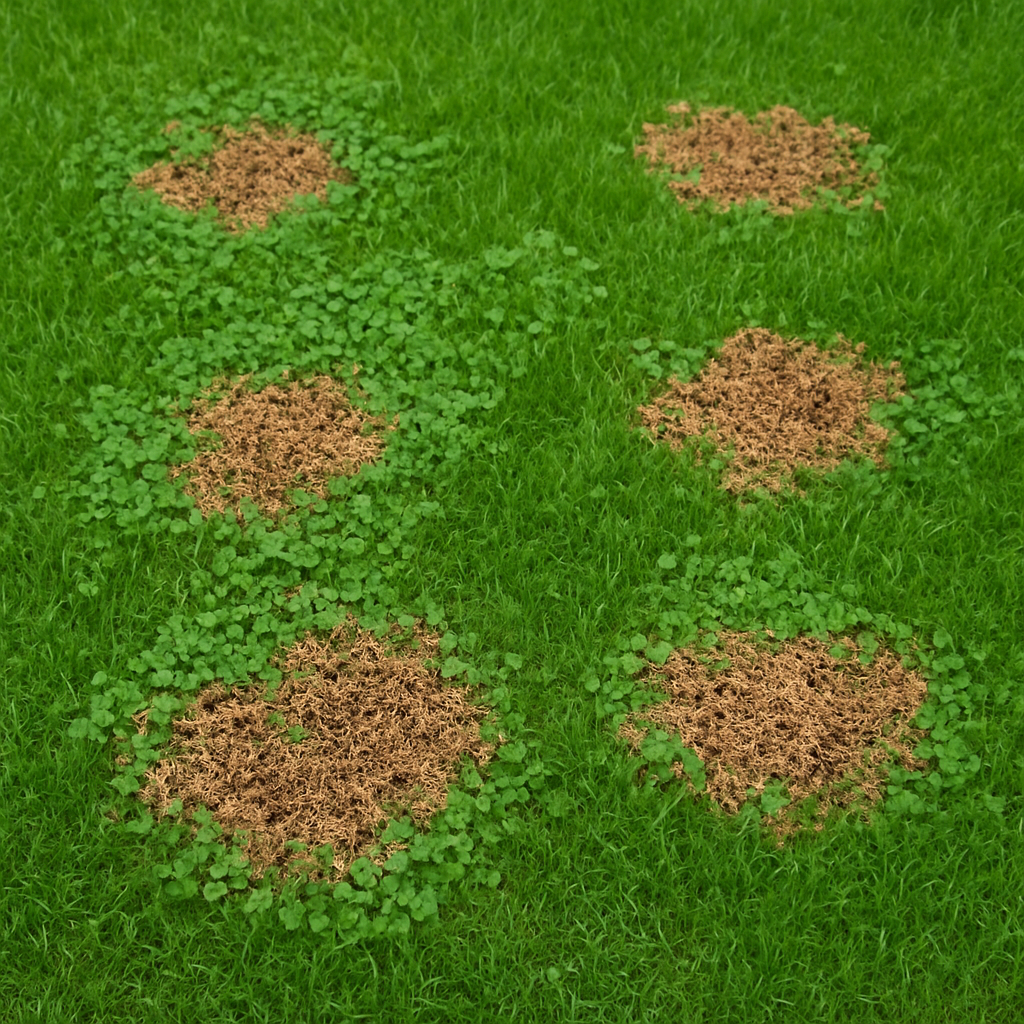
This biological quirk makes iron perfect for suppressing clover in grass naturally. The iron chelate acts as a massive mineral overdose for the weed, turning its leaves crispy and black within hours. Meanwhile, your regular grass loves the extra nutrients, darkening into a rich, vibrant green instead of dying alongside the intruders.
Using selective organic herbicides for broadleaf weeds removes the anxiety from weekend yard chores. You won’t create accidental dead zones, and treated areas are completely safe for paws once dry. To ensure these targeted sprays permanently destroy the root, optimal weather is required.
The ‘Sunny Day’ Rule: Timing Your Application for a 100% Kill Rate
Mixing the perfect recipe is only half the battle. Before applying organic weed spray for best results, always check your local 48-hour rain forecast. Because these liquid solutions must sit undisturbed on the leaves to work, an unexpected afternoon shower will literally wash your hard work away. You need a completely dry weather window to avoid wasting product.
High noon provides the secret ingredient for any natural treatment: intense solar heat. Sunlight acts as a catalyst—think of it like turning up the burner on your stove to speed up cooking. When the liquid coats the weed, direct sunshine accelerates the drying effect, turning stubborn dandelions crispy by dinnertime.
A still, windless morning is the final requirement when using spot treatments, preventing the spray from drifting onto your prized petunias. Once you master this sunny-day timing, you will clear the yard quickly. Keeping those intruders from returning, however, requires a defensive shift in lawn care habits.
The Best Defense: Creating a ‘Crowded Room’ Strategy for Your Soil
Think of your yard like a popular concert venue—if the floor is packed with thick turf, unwanted guests simply cannot squeeze in. This “crowded room” approach relies on everyday lawn care habits to naturally choke out invaders. Because a healthy lawn leaves no bare dirt for seeds to land on, it is the absolute cheapest defense and forms the foundation of child- and pet-safe lawn care.
Transform your soil into a fortress by following a simple checklist for a ‘weed-proof’ lawn:
- Mow high (3+ inches): Raising your mower blade leaves taller grass to shade the dirt, automatically reducing weed growth by 50% and naturally choking out clover.
- Deep watering: Heavy, infrequent soaking forces grass to build deep roots, while shallow weeds dry out in the topsoil.
- Over-seeding: Scatter new grass seed over thin patches every fall to proactively fill empty gaps before dormant weeds find them.
When you combine these organic methods with natural spot-treatments, you create an environment that stops pests permanently.
A Sustainable Plan for a Chemical-Free Lawn
Building a customized weed-fighting schedule based on the season allows for a seamless transition from chemical-dependent to nature-aligned lawn care. While organic solutions require slightly more attention than harsh sprays, they deliver ultimate peace of mind.
By prioritizing non-toxic yard treatments, you actively cultivate a healthier backyard ecosystem. The true reward isn’t merely a pristine yard—it is the joy of knowing the grass is completely ready for bare feet, backyard games, and puppy paws.