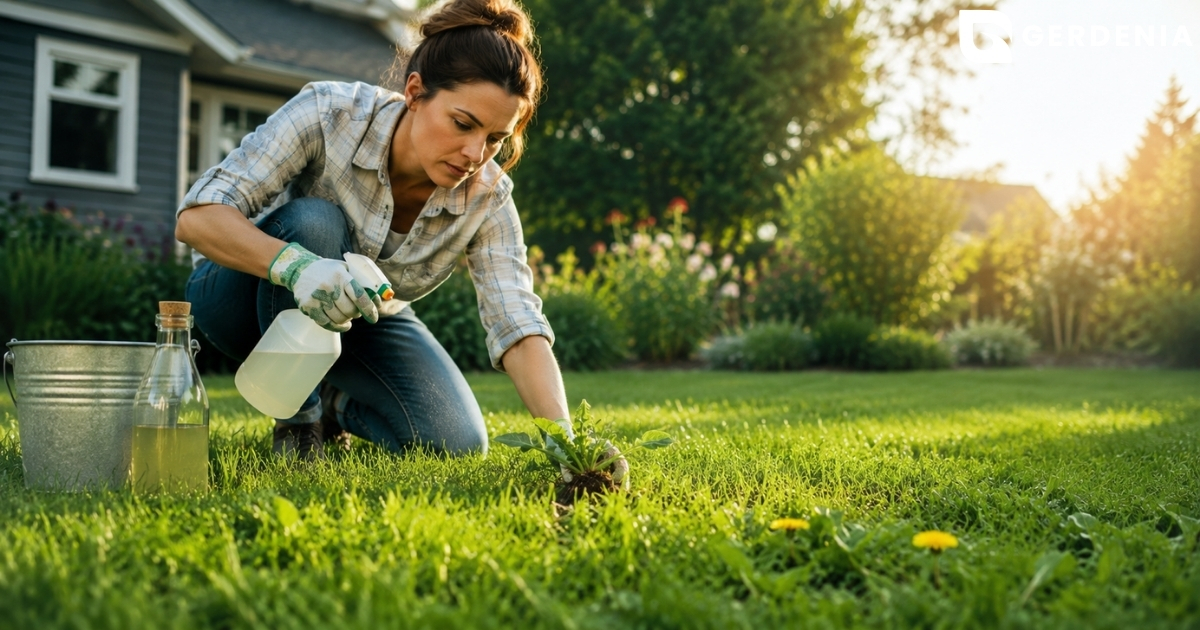
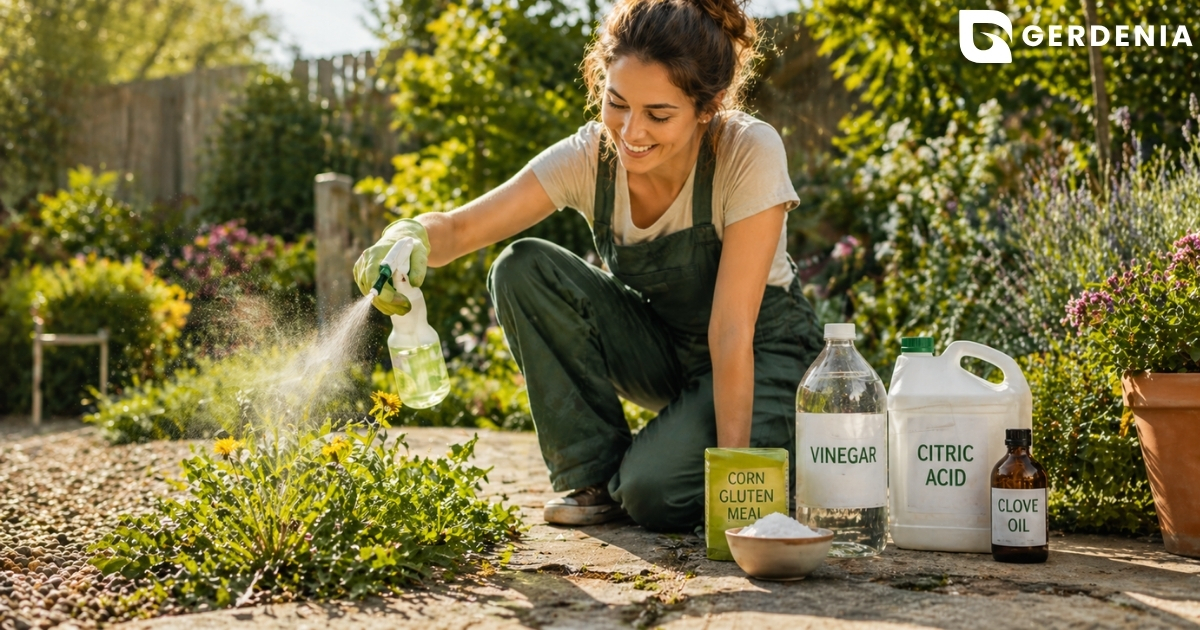
We’ve all been there: staring at a stubborn driveway weed, paralyzed by the biohazard-style warning labels on a standard chemical spray bottle. If you worry about your dog walking across the lawn after you spray, you are definitely not alone. The search for genuine pet-safe herbicide alternatives begins when we realize traditional formulas leave behind invisible dangers exactly where our families play.
Beyond our backyards, those harsh treatments create a wider problem through chemical runoff. Think of your neighborhood streets like a giant funnel. According to water conservation experts, heavy rain quickly washes unabsorbed yard chemicals down storm drains and directly into local streams. This toxic wash devastates the vulnerable local pollinators that keep our gardens blooming and contaminates sensitive groundwater.
Fortunately, you can easily ditch the headache-inducing chemical smell for much safer solutions. Today’s environmentally friendly weed killers rely on a process called biodegradability, meaning they naturally break down into harmless elements after destroying the plant. Here is a look at the most effective non toxic weed killers that protect both your yard and the planet.
How Natural Weed Killers Fight Back: The Science of ‘Plant Sunburn’
You already know that every plant needs water and sunshine to thrive, but getting rid of unwanted sprouts usually involves more than just blocking the light. Traditional formulas often rely on systemic chemicals, meaning the ingredients travel like medicine through the plant’s veins deep down to the roots to destroy it from the inside out.
Taking a greener approach means using an environment friendly weed killer that relies on contact action instead. These natural liquids act like a severe plant sunburn, stripping away the protective waxy skin on the leaf and triggering desiccation, which is simply a rapid dehydration process that completely dries out the foliage.
Because these solutions drain the plant’s stored moisture, they absolutely require bright, hot sunlight to finish the job. It is also crucial to remember that a natural, non toxic herbicide is usually non-selective, meaning this intense drying effect will harm your prized roses just as quickly as it burns away a stubborn dandelion.
This surface-level drying effect clarifies how household ingredients tackle stubborn cracks in the pavement. High-strength vinegar stands out as one of the most effective pantry staples available.

High-Strength Vinegar: The 24-Hour Solution for Driveway Weeds
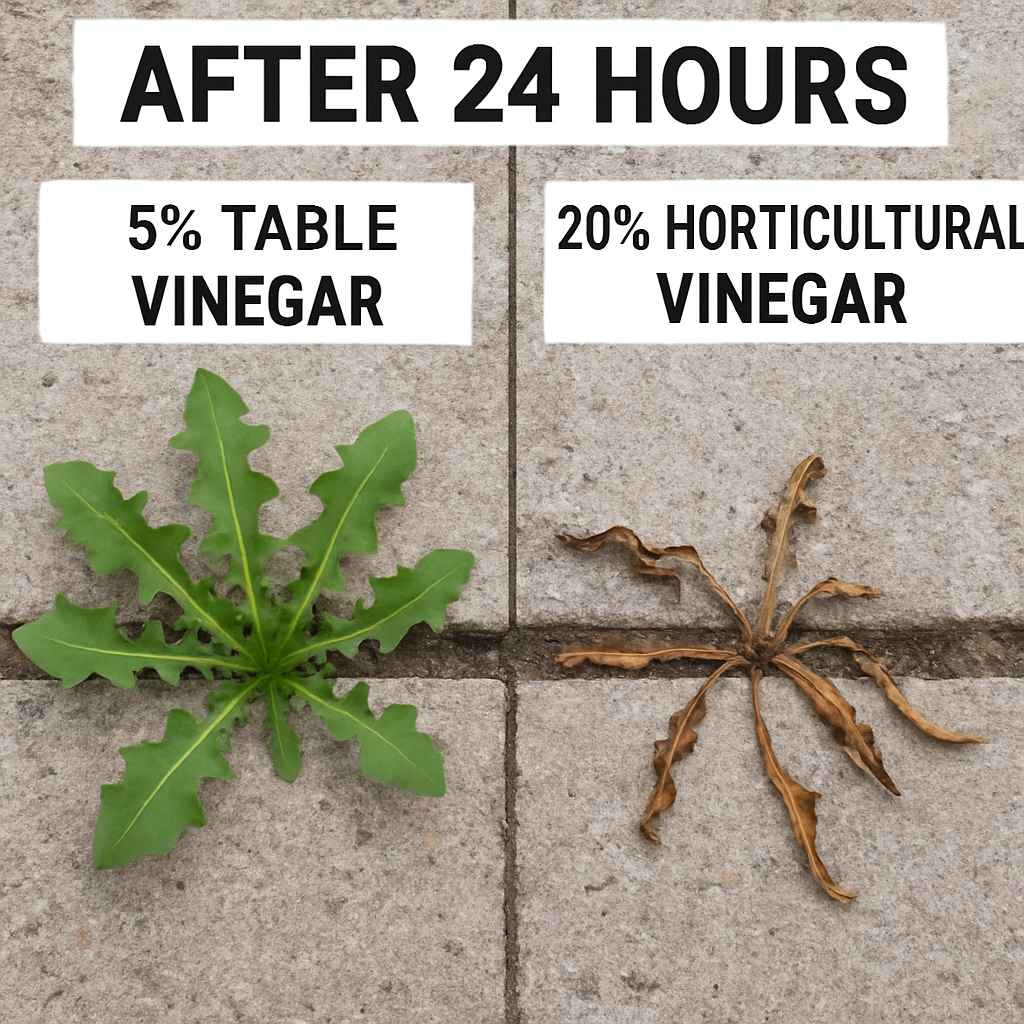
You might think pantry vinegar is ready for the driveway, but standard kitchen vinegar only contains 5% acetic acid. An effective organic grass weed killer requires something stronger. Horticultural vinegar packs a 20% acidity level, delivering that intense “sunburn” effect to dry out weeds within a single sunny afternoon.
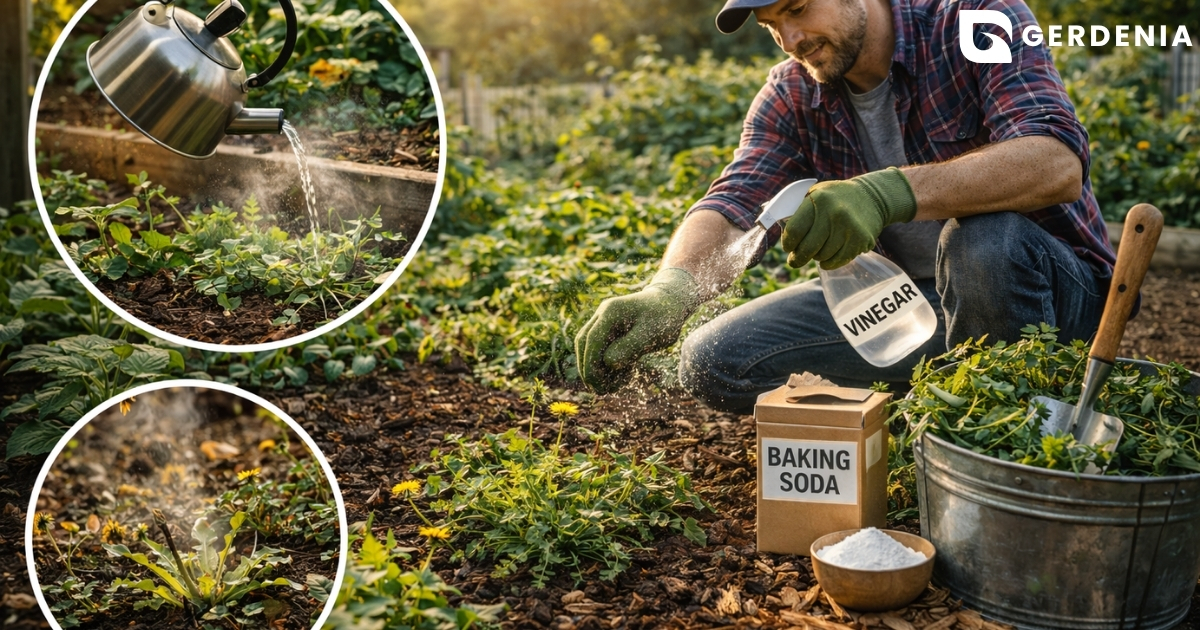
To maximize this drying power, mix a potent homemade vinegar weed killer recipe. The secret weapon is liquid dish soap, which breaks the liquid’s surface tension so the acid actually sticks to the waxy leaf instead of rolling off into the dirt. Follow these salt and dish soap spray directions:
- Pour 1 gallon of 20% horticultural vinegar into a basic garden sprayer.
- Stir in 1 cup of regular table salt to help dehydrate deep-rooted weeds.
- Add 1 tablespoon of liquid dish soap, mixing gently to avoid excess foam.
Before spraying everywhere, remember that salt ruins soil health permanently. Because of this, reserve this harsh solution exclusively for pavement cracks or gravel paths where you never want future plants to grow. Safer options for garden beds require entirely different household ingredients.
Essential Oils and Soap: The Team That Dissolves Weed Armor
If the salt and vinegar mix is too harsh for your flower beds, your next best option is an organic weed killer spray powered by essential oils. While vinegar primarily burns the plant, citrus and clove oils work differently to target small, localized weed patches without permanently ruining your soil health.
Think of every weed as wearing a waterproof wax jacket called a cuticle. The secret ingredient in citrus oil, known as d-Limonene, acts as a natural solvent that literally melts this protective layer away. Once that leafy armor is dissolved, the sun quickly evaporates the plant’s internal moisture, causing it to shrivel up and die in a matter of hours.
Because this eco friendly weed and grass killer relies on stripping away the leaf surface, it works wonders on young broadleaf intruders like dandelions, chickweed, and clover. However, since it is a contact killer that doesn’t travel deep into the root system, established perennial weeds might need a few repeat treatments before they finally surrender.
Reaching for these oil-based treatments is arguably the best non toxic herbicide strategy for safely spot-treating near your prized roses or vegetable patches. The only strategy better than melting away existing weeds is preventing them from sprouting entirely.
Corn Gluten Meal: The Secret to Stopping Weeds Before They Start
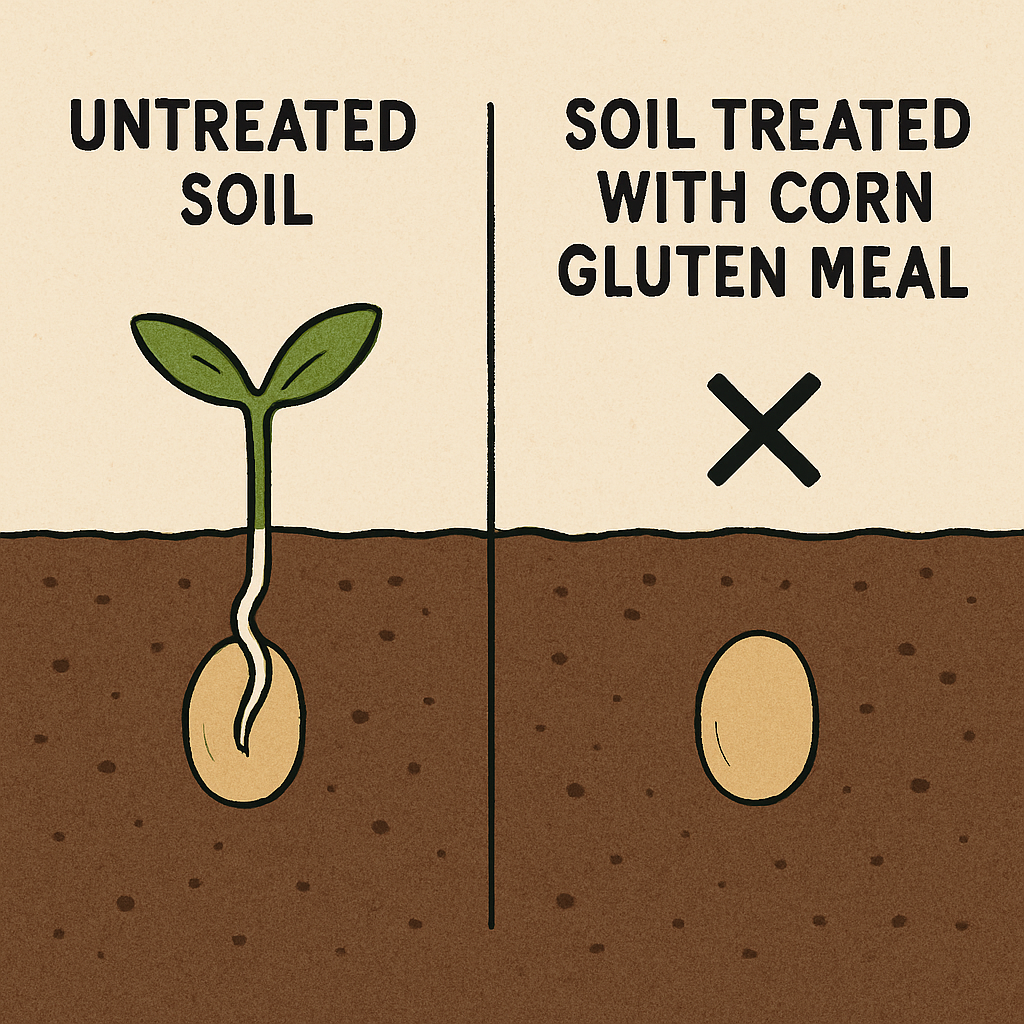
Waiting for weeds to sprout is an endless battle. Enter corn gluten meal. This powdery byproduct is arguably the best organic weed killer for lawns because it acts as a “pre-emergent”—stopping seeds like crabgrass before they ever break the surface. It works by stunting root development. When a seed tries to sprout, the powder prevents it from forming roots, meaning the tiny weed can’t drink water and dries up underground. As a bonus, it is packed with nitrogen, giving your existing grass a natural fertilizer boost.
Timing is everything with organic pre-emergent herbicides. For successful corn gluten meal applications, you must hit a specific environmental window before green leaves actually appear:
- Temperature Timing: Spread the powder in early spring just as the soil reaches 55°F.
- Initial Moisture: Water the area lightly immediately after spreading to activate the proteins.
- Follow-up Dry Spell: Ensure 2-3 rain-free days follow so the stunted seed sprouts successfully dehydrate.
While perfect for turf, this nitrogen-rich barrier isn’t meant for driveway cracks or stone patios. When invaders stubbornly push through concrete, skip the powders entirely and rely on targeted thermal treatments.
Fire and Water: Using Heat to Tackle Stubborn Pavement Growth
When weeds stubbornly push through driveway cracks, liquid sprays often run off before working. That is where boiling water weed control effectiveness shines. Pouring a kettle of boiling water directly onto pavement invaders delivers an immediate thermal shock. This sudden blast cooks the plant down to the root, making it a highly effective, zero-cost solution for tight concrete spaces where traditional pulling is impossible.
Taking extreme heat a step further introduces flame weeding for home gardens. Using a long-handled propane wand, you briefly sweep a flame over the leaves. The goal isn’t to set the plant on fire; rather, the intense heat makes the water inside the plant’s leaves boil and burst. This cellular rupturing destroys the weed’s internal structure instantly, safely turning it into a shriveled husk without leaving chemical residues behind.
While this non-toxic weed removal for patios is highly satisfying, heat treatments must remain far from dry brush, mulch, and wooden fences. Once those stubborn hardscape areas are clear, soil protection is the necessary next step.
The ‘Blanket’ Method: Why Mulch Is Your Best Long-Term Defense
After clearing your pavement, you must stop new weeds from waking up in your garden beds. Since plants require sunshine to thrive, cutting off their light supply is excellent sustainable landscaping for weed prevention. Think of standard mulch as a heavy blanket that keeps buried seeds in the dark so they never germinate.
Tossing a thin layer of wood chips isn’t enough, however. For a true chemical free weed killer approach, you need three inches of depth. Better yet, try “sheet mulching” by laying plain cardboard directly over the soil before adding your mulch.
This “no-dig” combination creates a total blackout zone, utilizing biodegradable weed suppression techniques that eventually compost to enrich your soil. By blocking the sun, you starve weeds naturally. When rogue seeds do sprout near prized blooms, careful application prevents accidental damage to surrounding plants.
Avoiding the ‘Friendly Fire’ Mistake: How to Spray Without Killing Your Roses
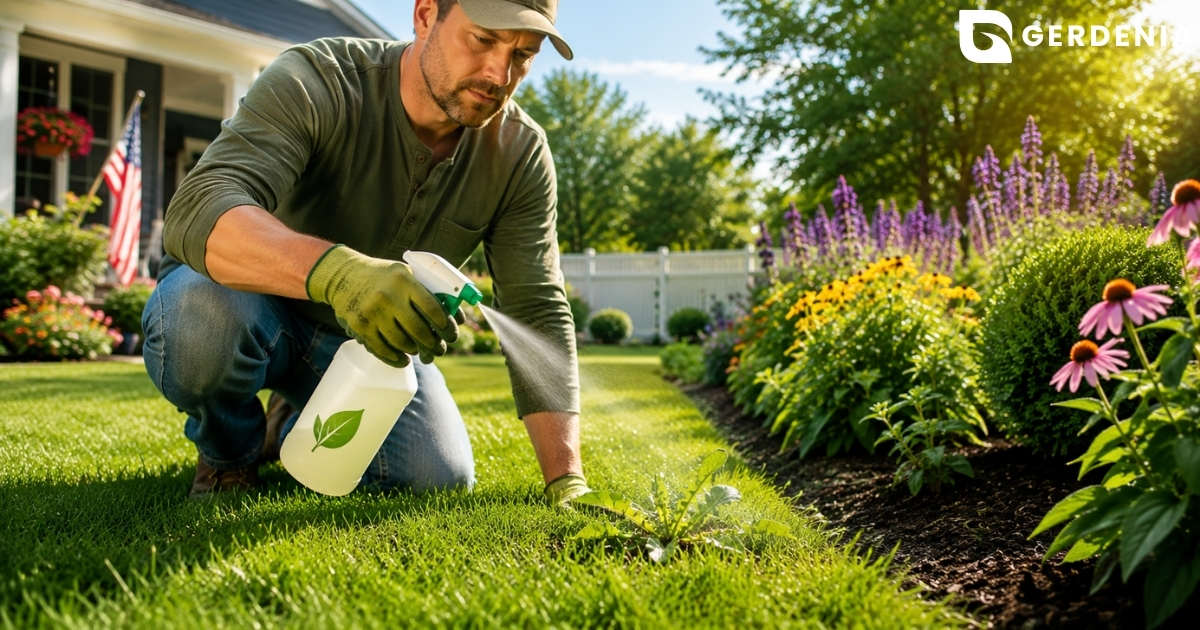
Finding a non toxic weed and grass killer is a great first step, but natural sprays are usually “non-selective”—meaning they will burn your prized roses just as easily as a dandelion. Because tiny liquid droplets travel easily on the breeze (a process known as “spray drift”), careless spraying often causes accidental friendly fire.
To guarantee herbicide safety for local pollinators and desirable plants, always follow this straightforward application checklist:
- Check the wind: Spray only on perfectly still days.
- Use a shield: Hold a piece of cardboard behind the target weed to catch rogue droplets.
- Time it right: Apply in the late evening when bees are inactive.
- Clean equipment: Rinse bottles immediately to prevent cross-contamination.
Finally, consider how long environmentally safe herbicides linger in the dirt (soil persistence). Vinegar breaks down rapidly, creating a safe “re-entry interval” that lets you replant within days. With the garden protected, a consistent seasonal plan ensures a greener, weed-free landscape.
Your 3-Step Plan for a Greener, Weed-Free Landscape
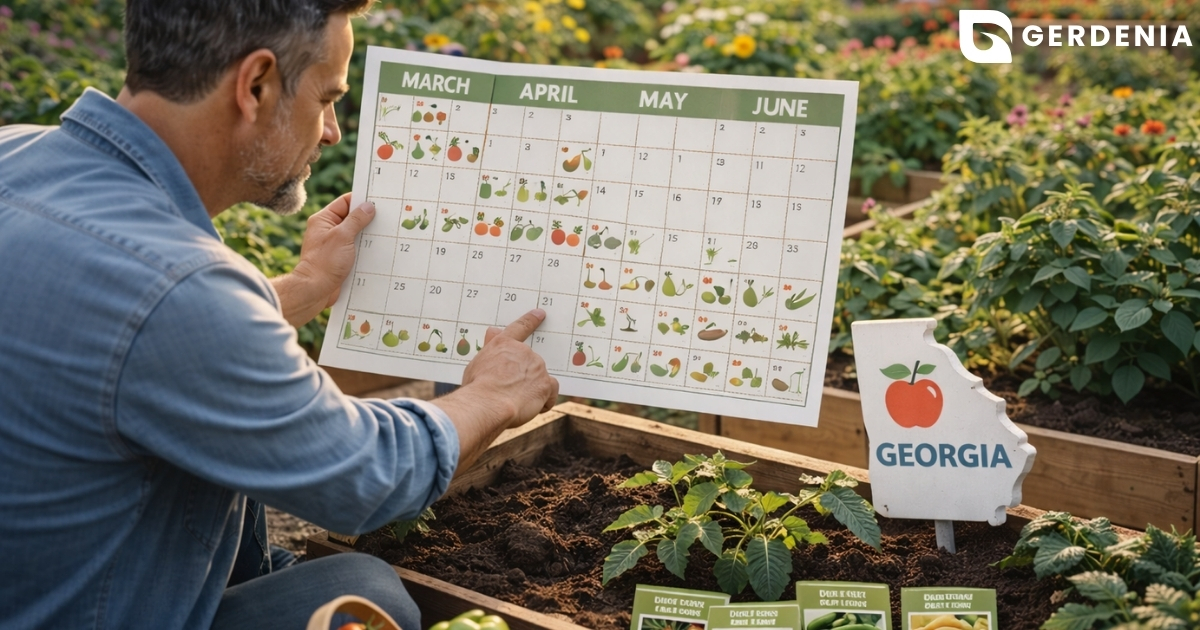
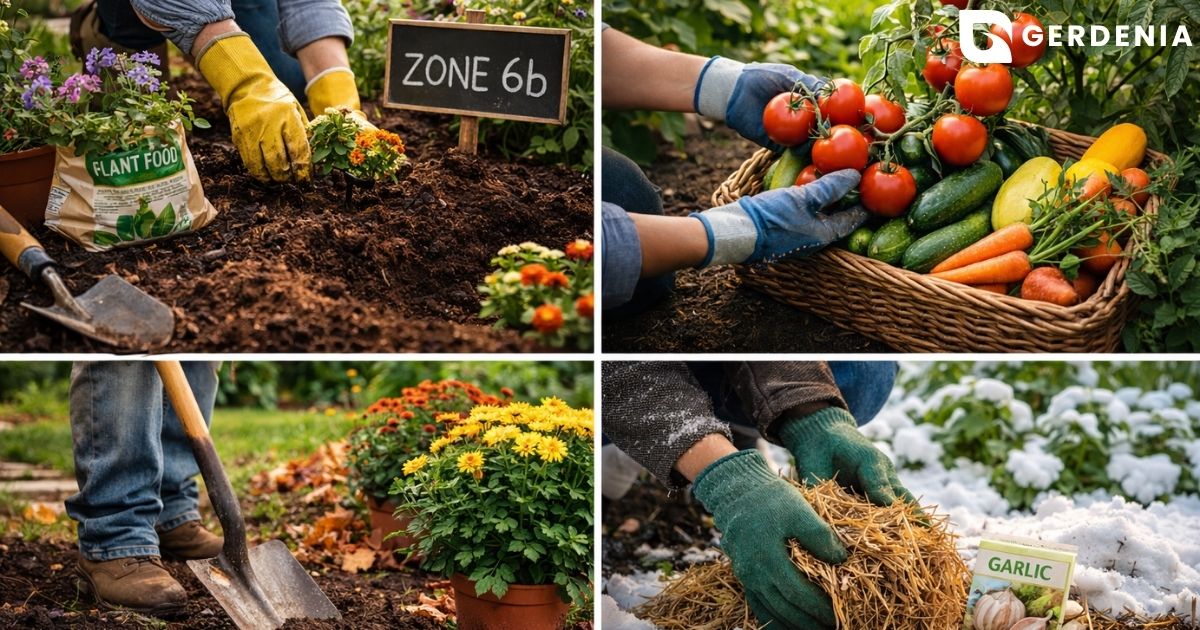
You no longer have to choose between a pristine driveway and a safe yard. By understanding how the best eco friendly weed killer works, you are equipped to tackle growth naturally. To build your routine, try this Seasonal Weed Strategy:
- Spring: Apply pre-emergents to stop seeds before they sprout.
- Summer: Spot-spray with a healthy weed killer during peak afternoon heat.
- Fall: Spread heavy mulch to smother late bloomers and protect your soil.
Mastering environmentally friendly weed control means shifting from toxic eradication to safe management. Consistency outpaces toxicity, making natural weed management a rewarding approach for a thriving, safe yard.