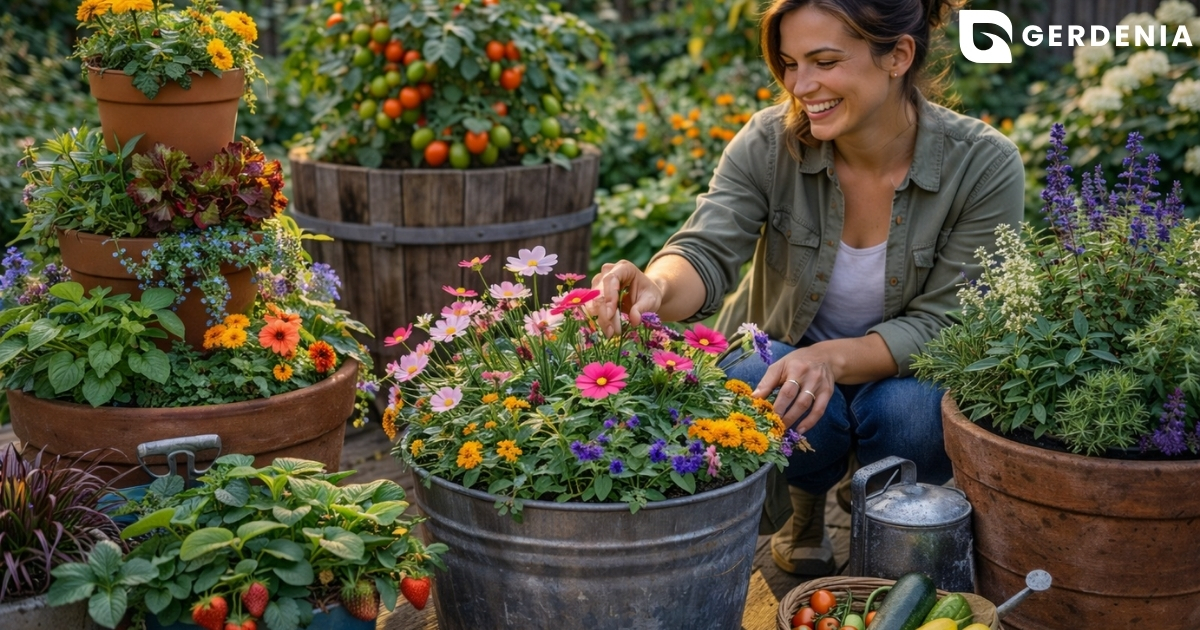
You don’t need a sprawling backyard to cultivate a lush oasis; you simply need a sunny windowsill and a shift in perspective. According to modern urban designers, growing plants is a spatial skill rather than a land-owning requirement. If you have a spare square foot of sunlight, a vibrant patio container garden can completely transform your living space.
Have you ever watched a plant wither and blamed your so-called “black thumb”? In practice, the issue is rarely your gardening ability, but rather the physics of a container-limited ecosystem. Think of a plant in a pot like a person in a tiny studio apartment—it relies entirely on you to provide its “furniture” (nutrients) and essential “ventilation” (drainage). Because roots cannot stretch into the earth to find their own resources, a beginner’s garden in pots setup requires building a perfectly balanced miniature world.
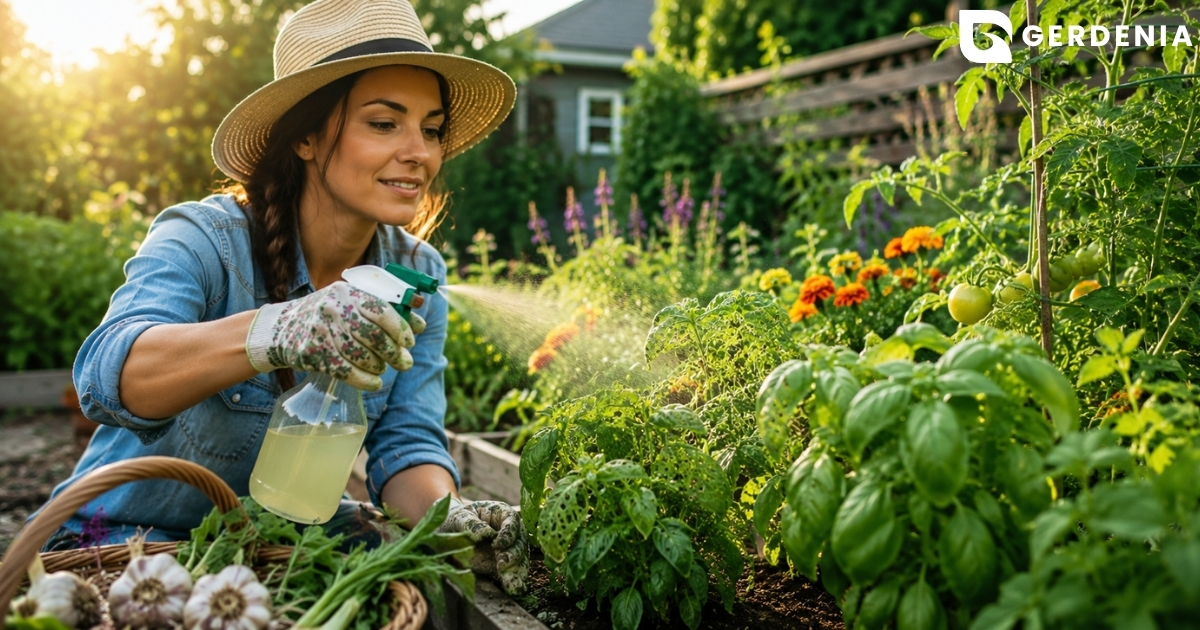
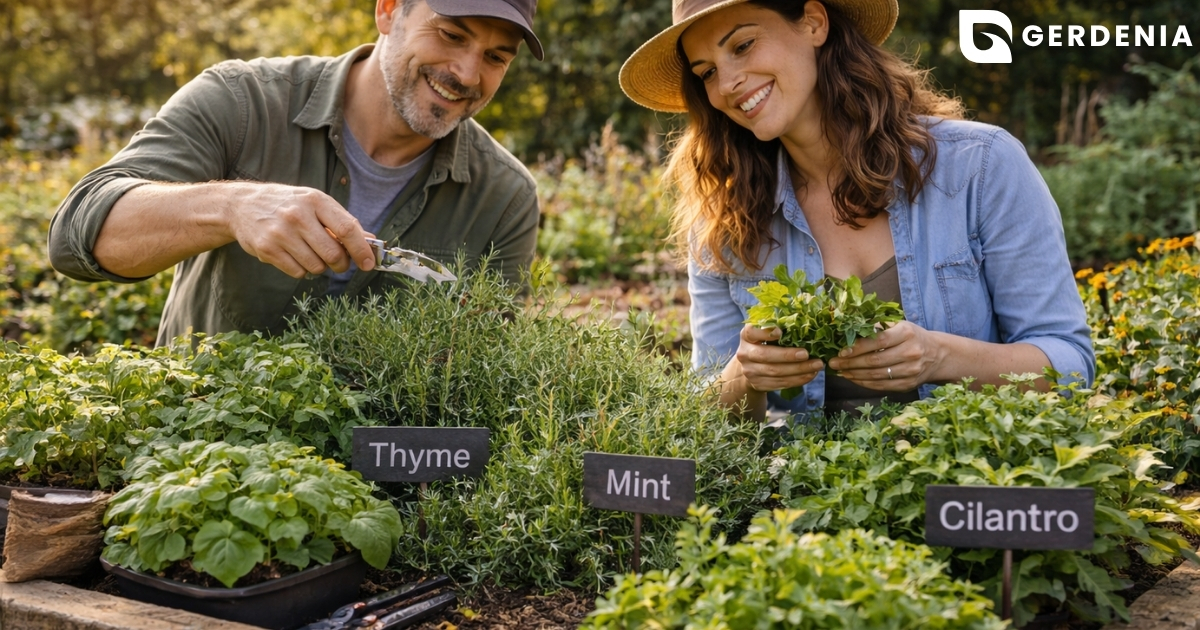
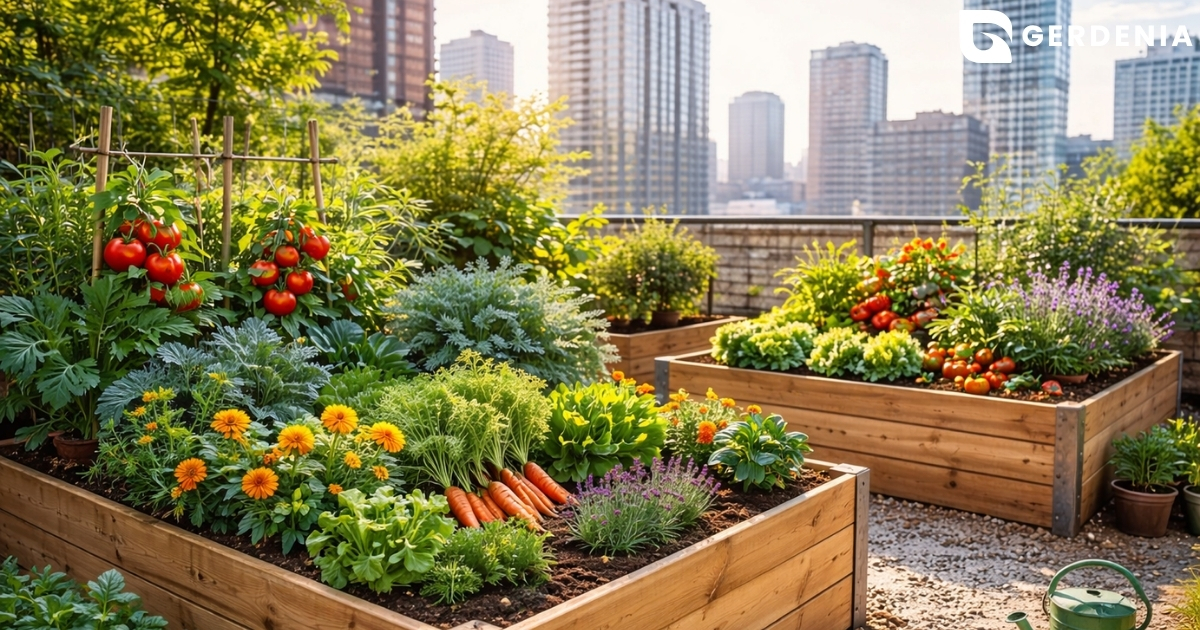
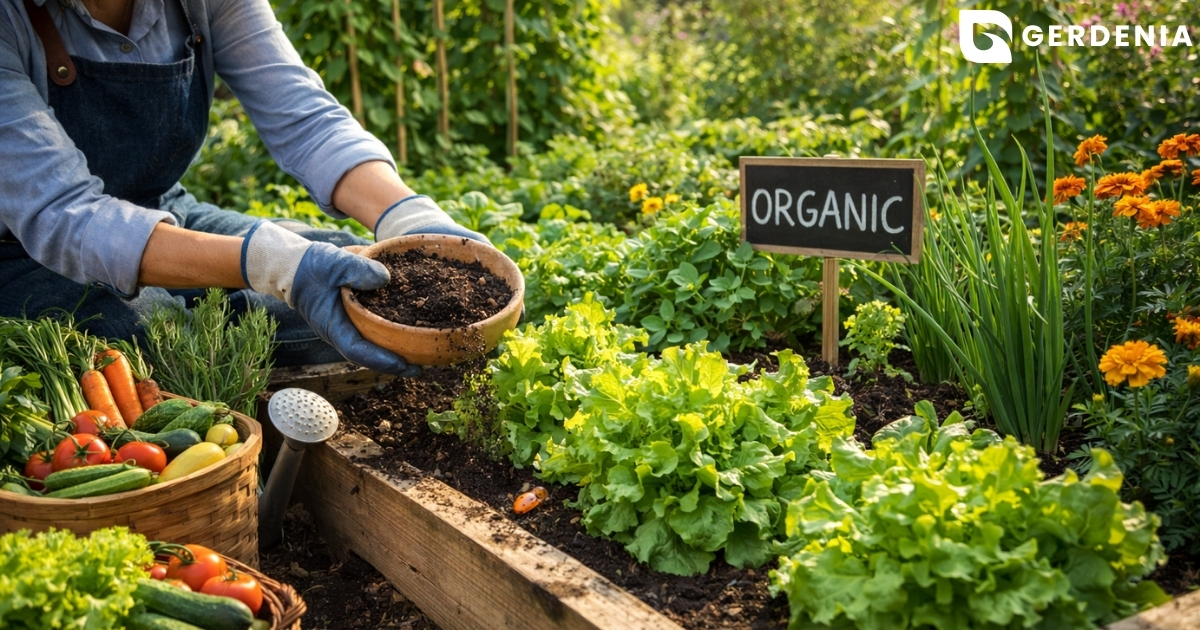
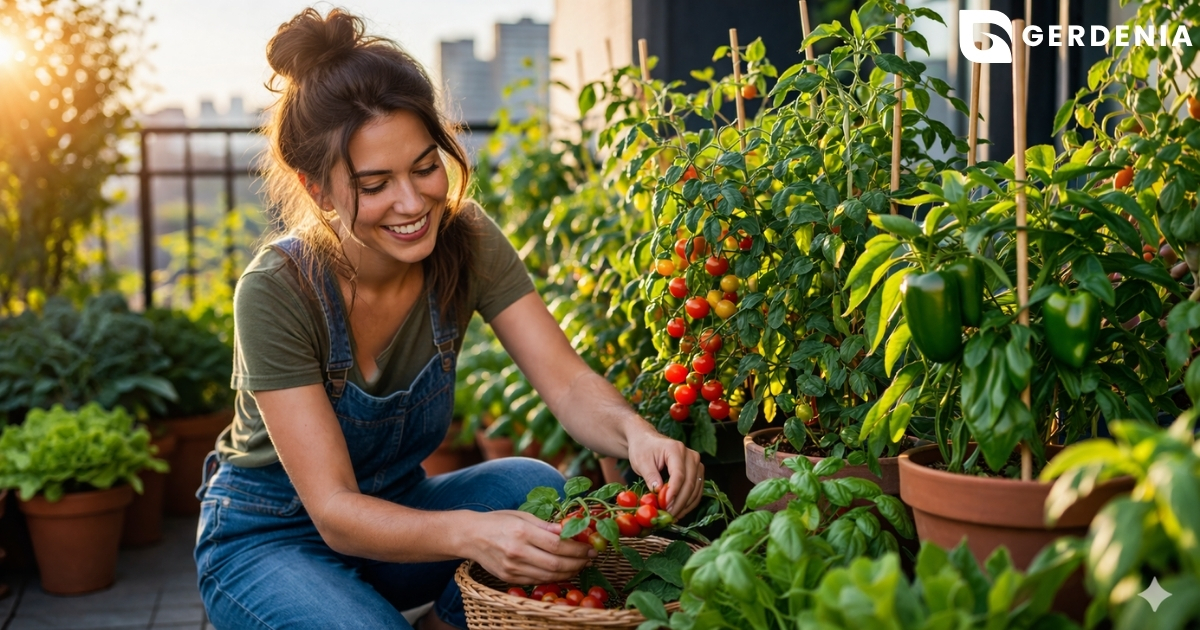
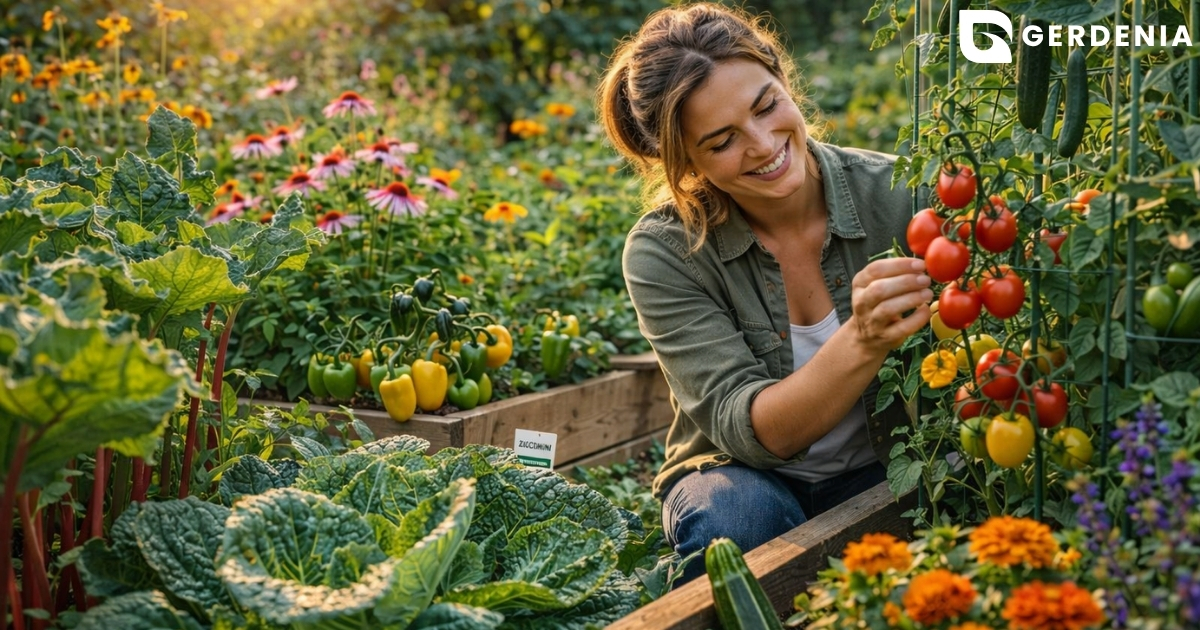
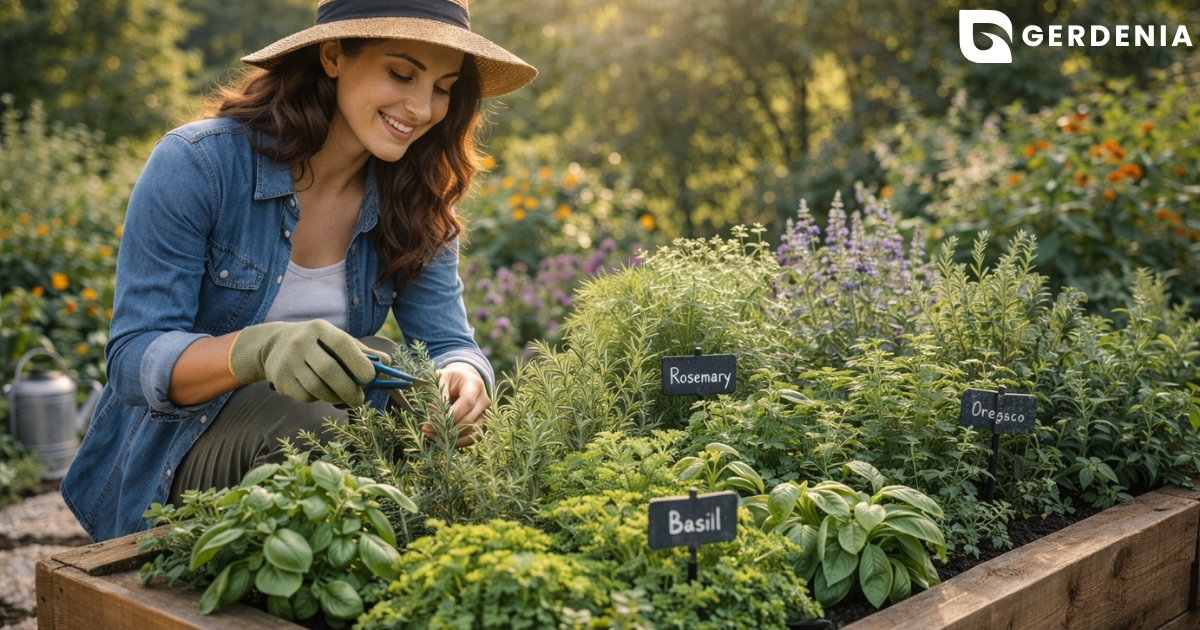
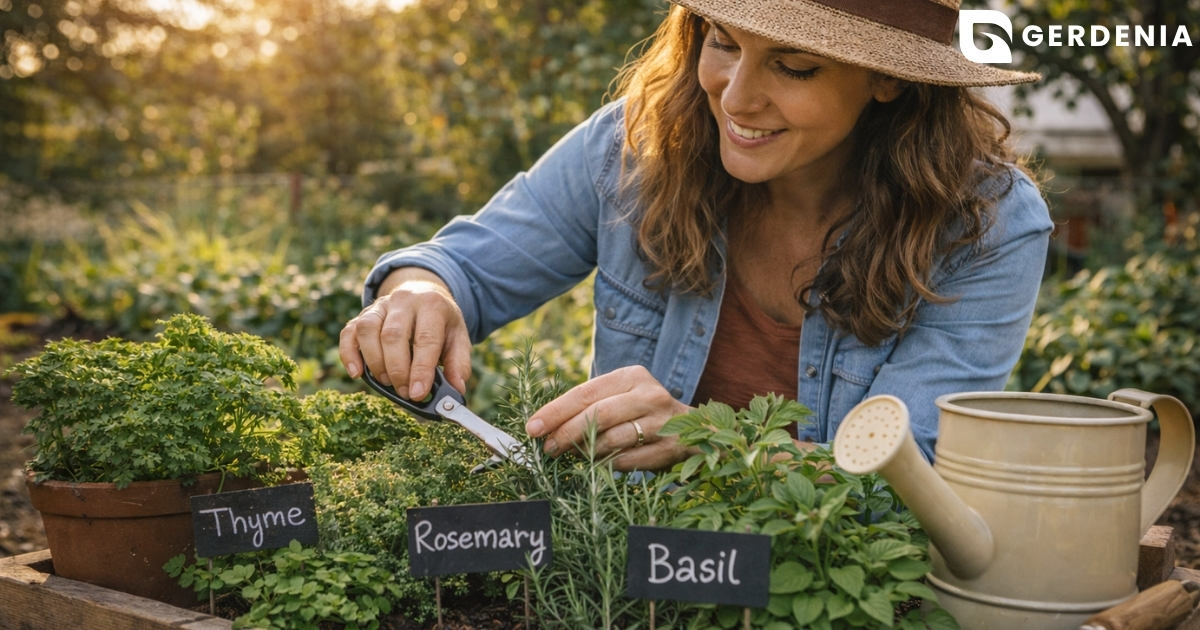
Starting small removes the exhausting barriers of traditional yard work. When diving into everyday container gardening, the most rewarding starting points are forgiving herbs like basil, crisp salad greens, and cherry tomatoes.

Terra Cotta vs. Plastic: Why Your Choice of Pot Dictates Your Watering Schedule
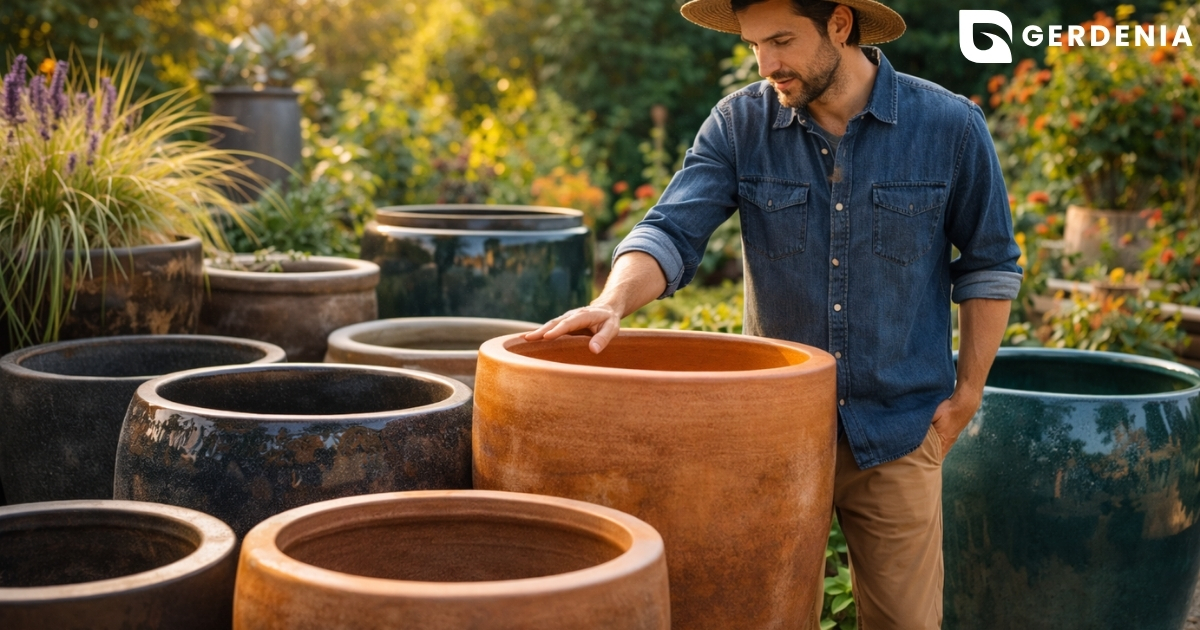
Water sitting on soil for too long is a common frustration. The secret to preventing this is the pot itself. When comparing terra cotta vs plastic planters, the biggest difference is porosity—the ability to let air and moisture pass through its walls. Think of this as the container’s natural breathability.
Matching habits to materials transforms your container garden pots. Unsealed clay acts like a sponge, wicking moisture away, making it perfect if you habitually over-water. Conversely, plastic acts like a raincoat locking moisture inside, keeping cherry tomatoes hydrated if you occasionally forget a watering cycle.
Selecting the correct volume prevents plants from becoming root-bound, a stressful condition where trapped roots circle tightly until they choke. A safe visual rule for a standard patio plant is choosing a pot roughly the size of a one-gallon milk jug, giving roots enough room to stretch.
Regardless of your specific container planting ideas, nothing survives without a drainage hole at the bottom. Yet, even a perfectly sized, well-draining pot will fail if filled with the wrong dirt. Because of this, natural ground soil fails in containers, requiring a specialized mix to thrive.
Why ‘Real’ Soil Fails in Pots and the 3 Ingredients of a Perfect Mix
Scooping dirt from your backyard into a planter seems like a clever shortcut, but it guarantees failure. Outside, natural ecosystems keep the earth loose. Inside a pot, understanding potting mix vs garden soil is vital. Ground dirt undergoes soil compaction, settling into a dense, heavy brick every time you water, which suffocates delicate plant roots.
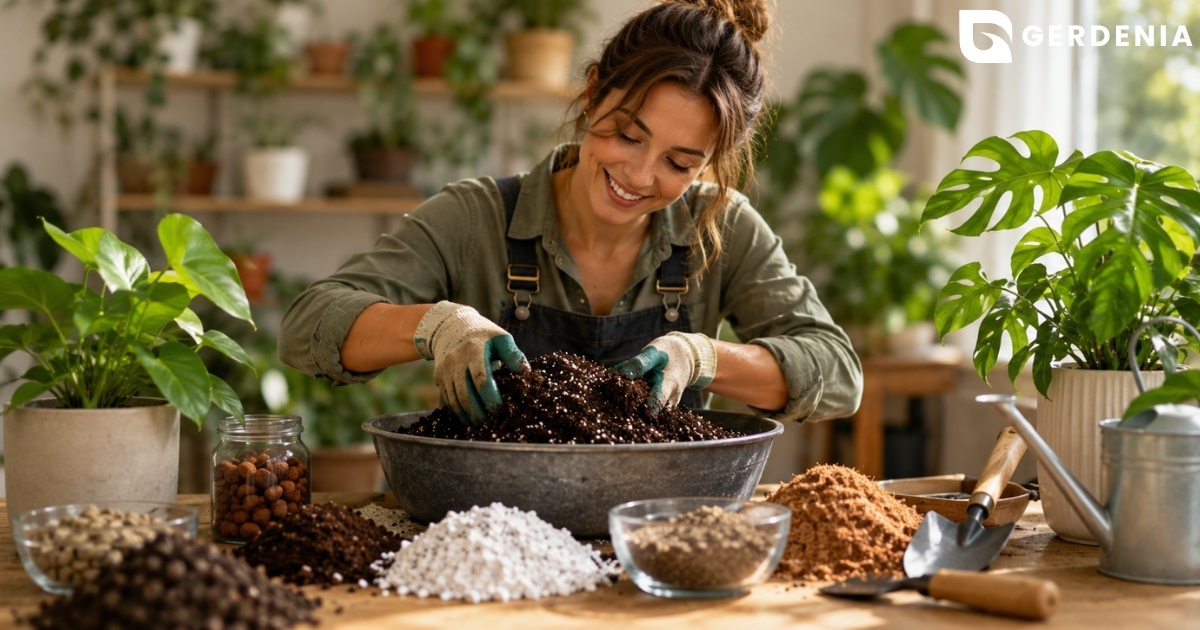
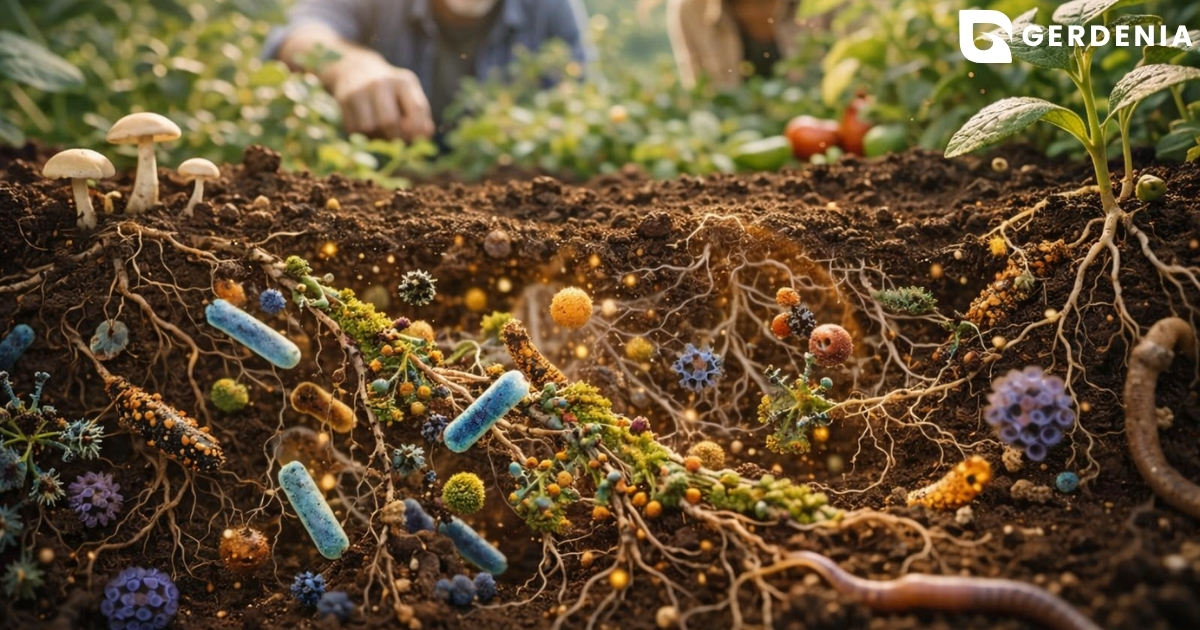
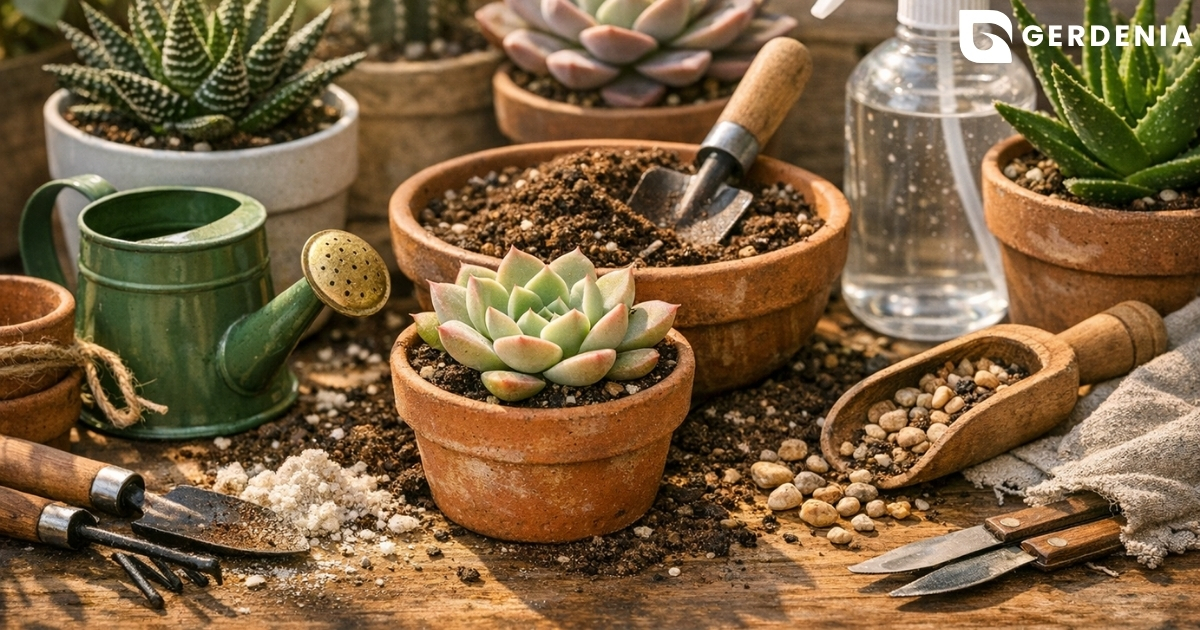
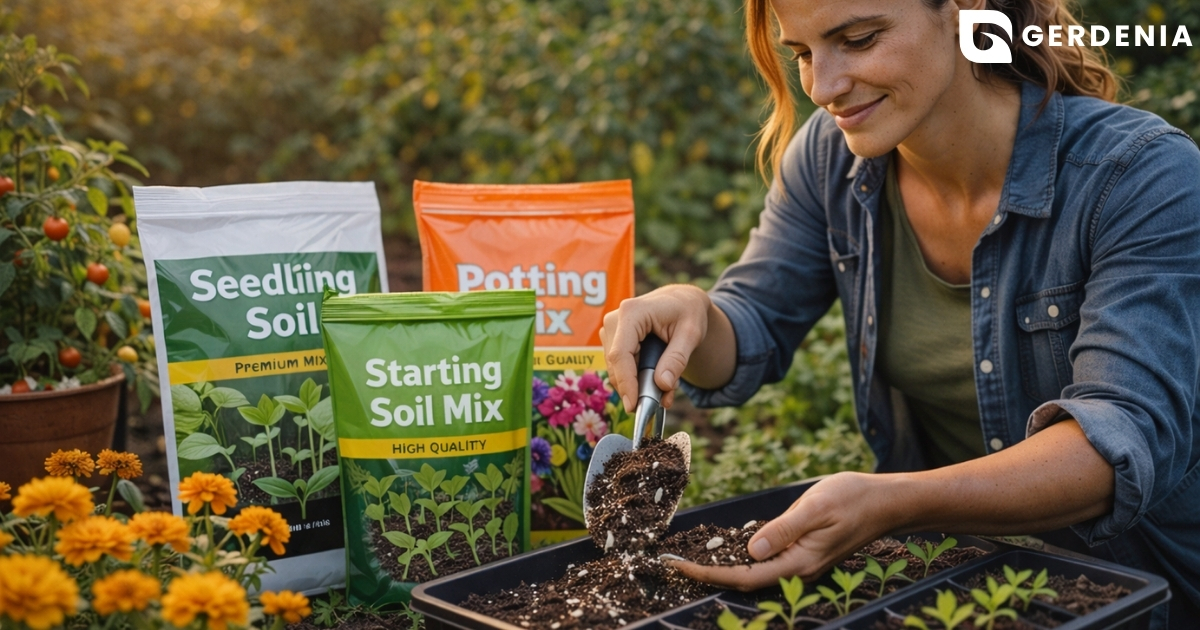
Think of a thriving container environment like a fluffy winter puffer jacket—it needs to hold moisture while trapping plenty of air. This essential breathability is called aeration. When choosing the right potting mix, you are actually buying a lightweight, completely soilless blend engineered to prevent root suffocation.
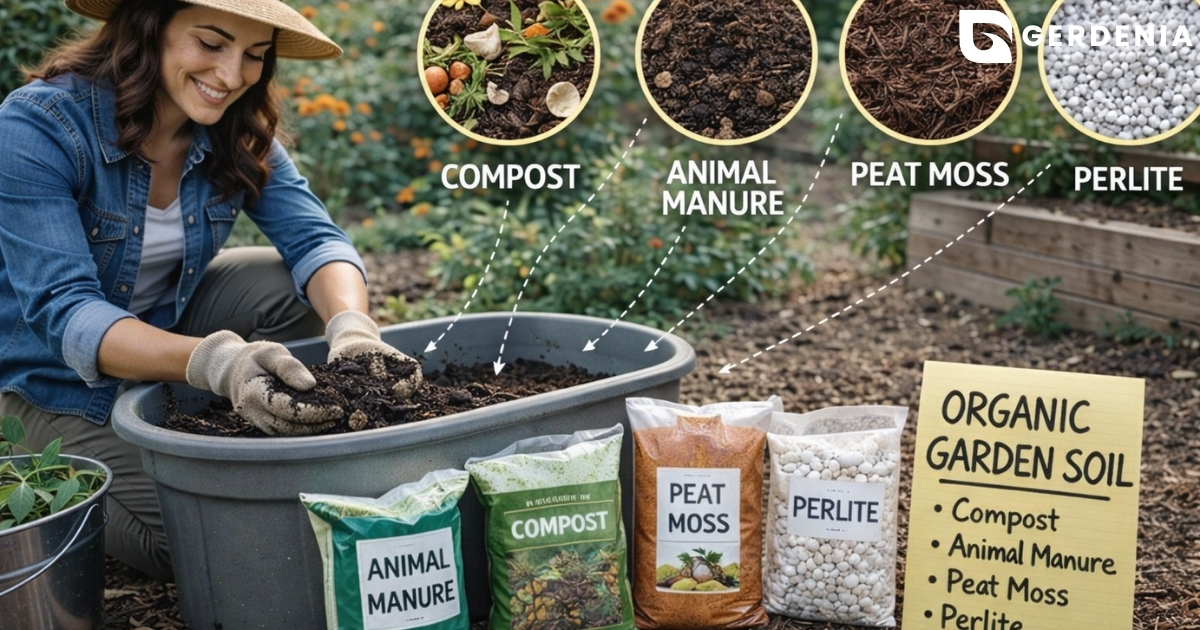
To create this high-performance environment, commercial blends rely on three core components:
- Peat or Coco Coir: The spongey base that anchors the plant and retains moisture.
- Perlite: Those white, Styrofoam-looking bits. They act as tiny pillars, creating permanent “air pockets” so roots never drown.
- Vermiculite: Golden flakes that grab onto water for a slower release.
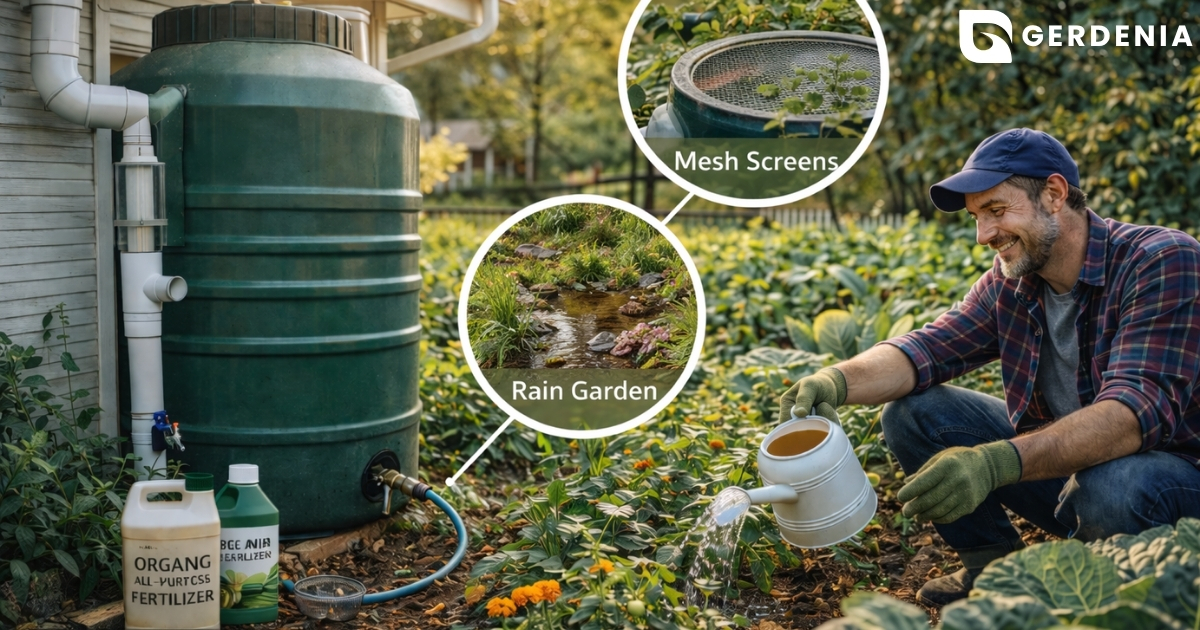
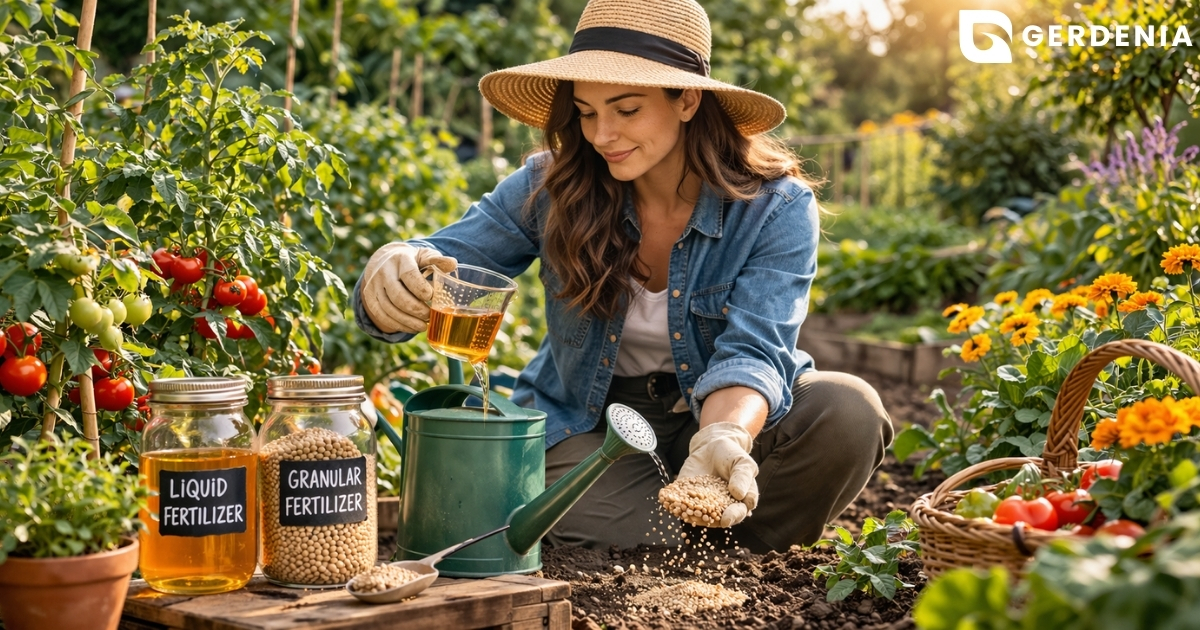
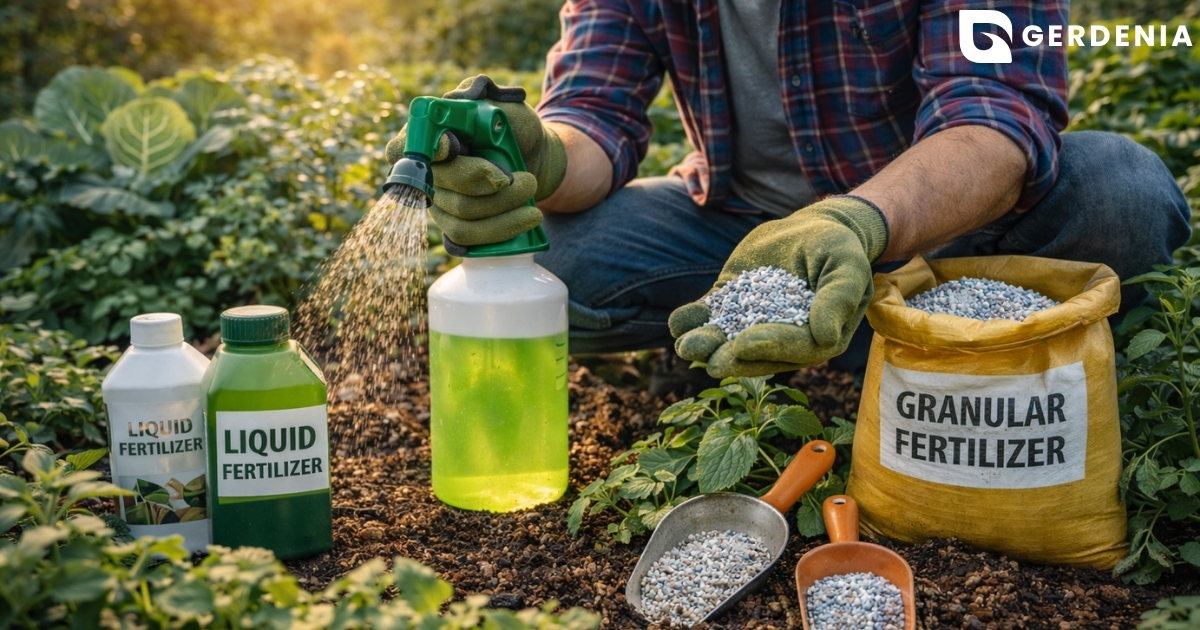
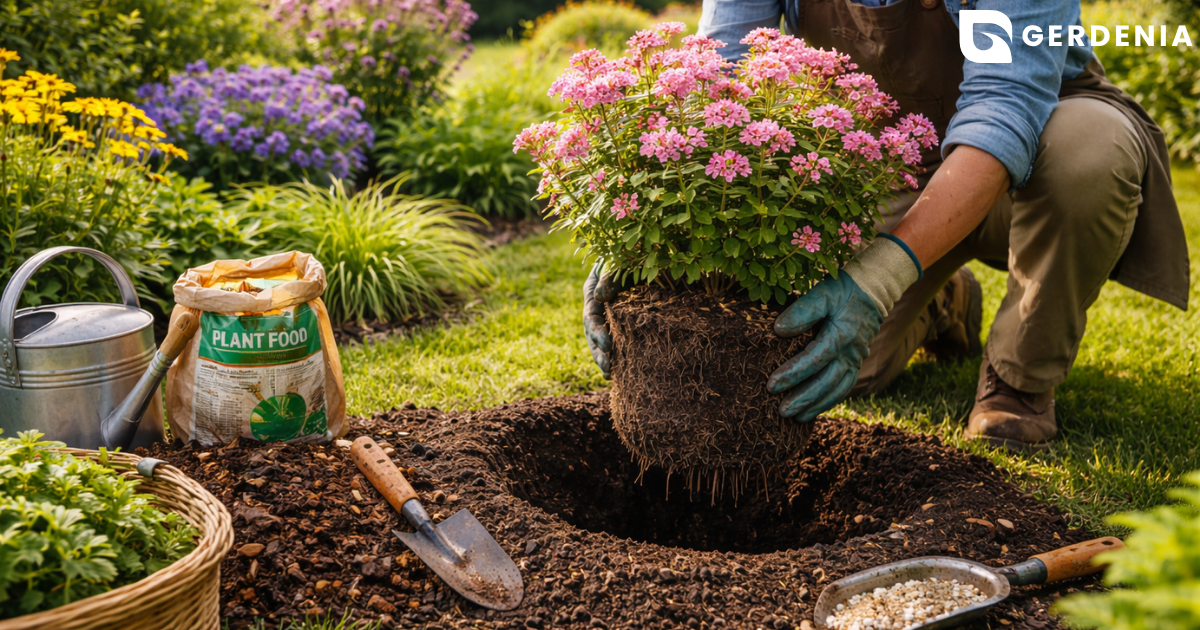
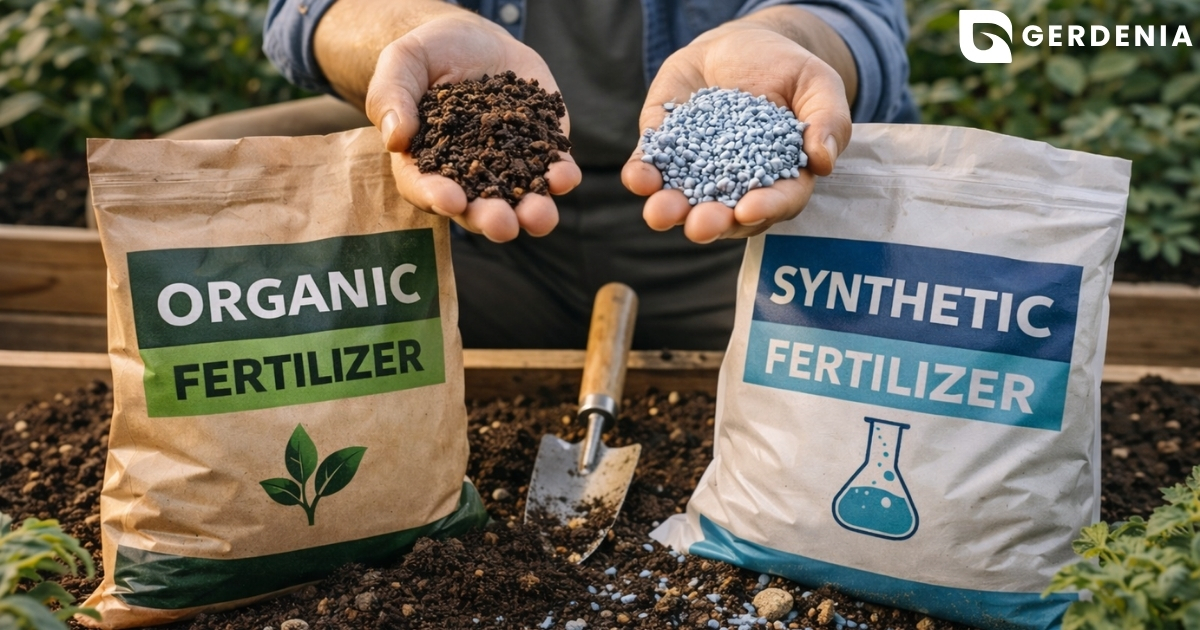
Because this airy ecosystem drains so efficiently, nutrients wash away quickly. You can easily restock the plant’s “pantry” by mixing in a slow-release organic fertilizer for container plants. With a breathable, nutrient-rich foundation finally laid, you are ready to build an eye-catching display using the “Thriller, Filler, and Spiller” formula for professional flower designs.

The ‘Thriller, Filler, and Spiller’ Formula for Professional Flower Designs
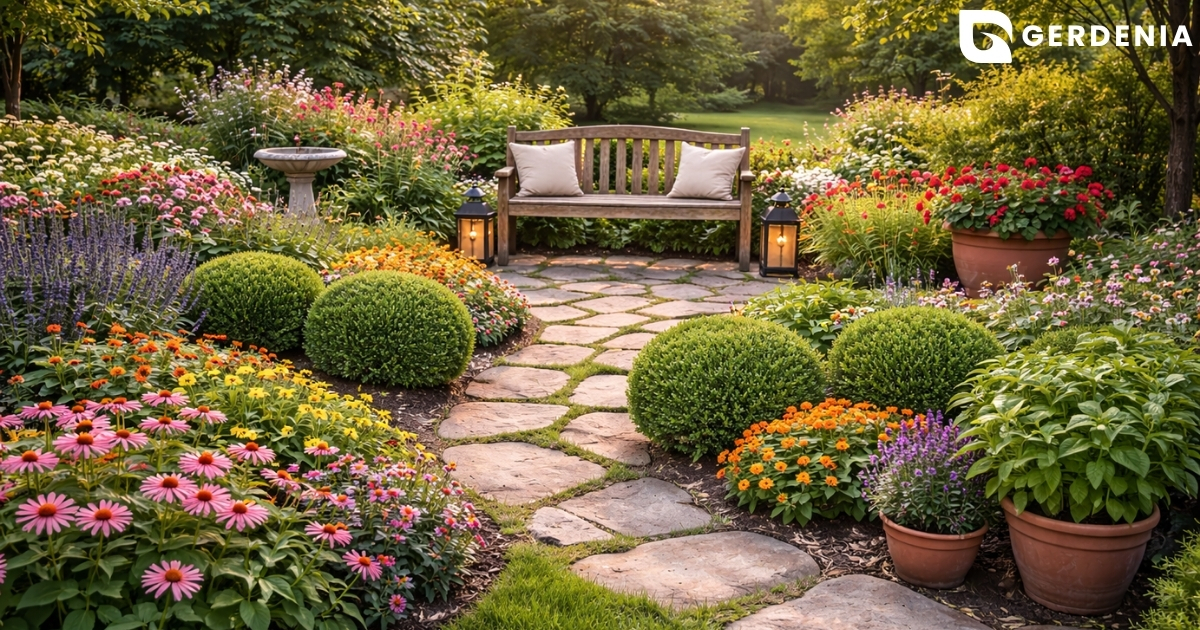
Beautiful flowers planted in a pot can quickly look chaotic weeks later. The secret to professional-looking patio displays is a simple framework known as the “Thriller, Filler, and Spiller” method. This technique removes the guesswork from your container flower garden ideas by assigning every plant a specific job based on its height.
The design starts with the “Thriller,” a tall, dramatic plant placed squarely in the center. Think of an elegant ornamental grass that draws the eye upward and establishes vertical interest. Positioning your tallest element first ensures it anchors the display while allowing lower plants to still receive plenty of sunlight.
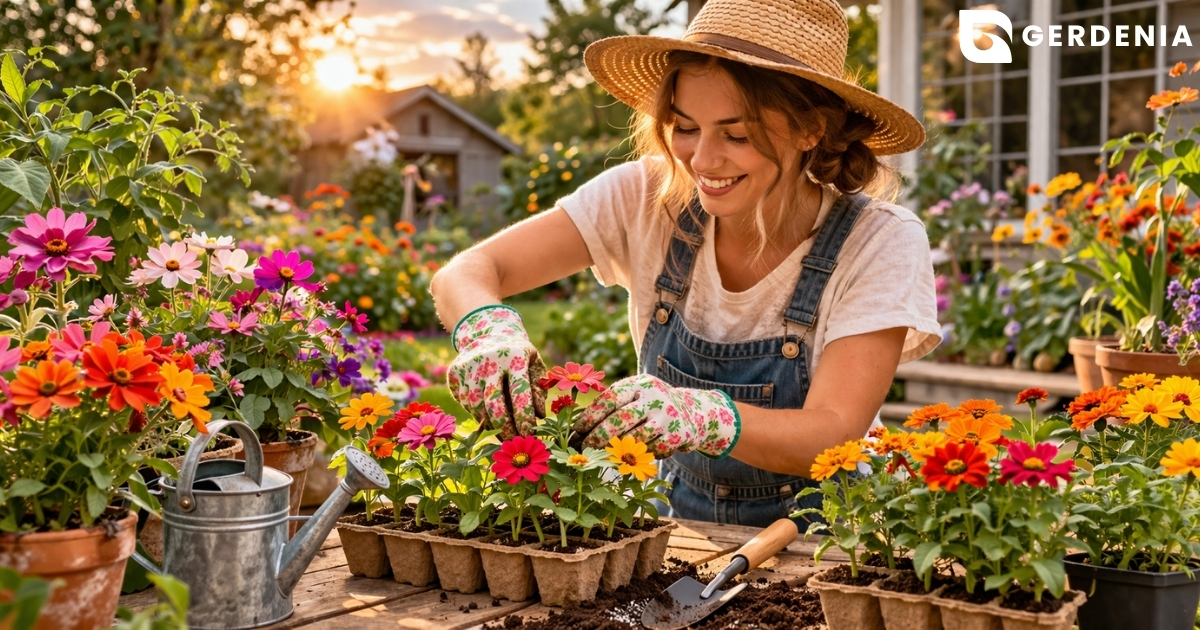
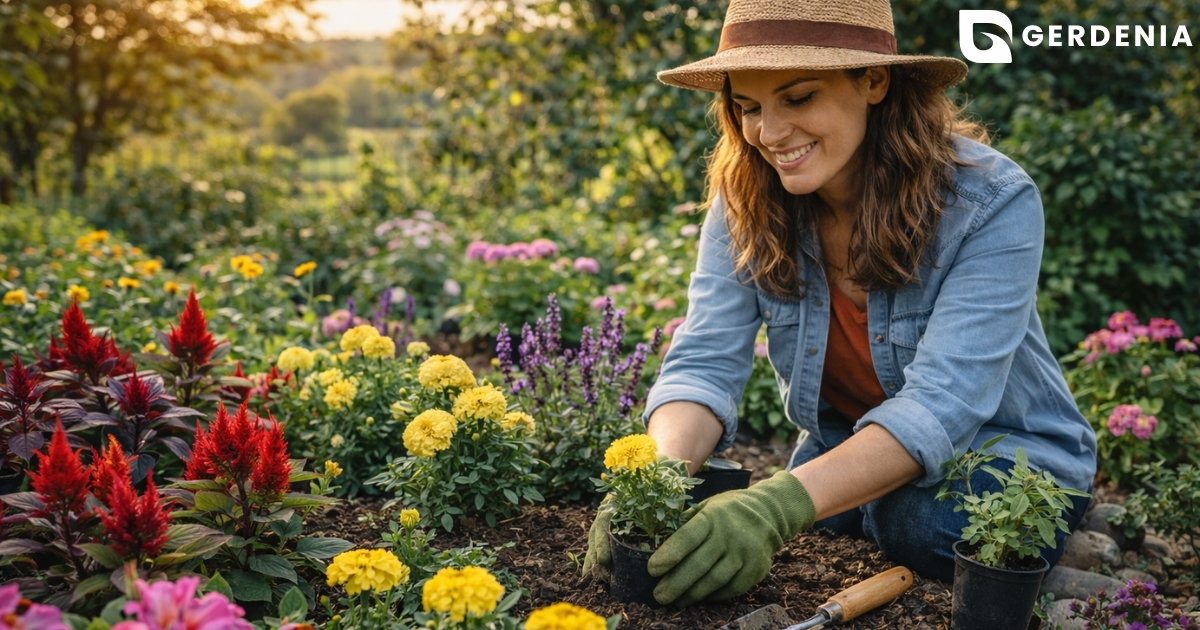
Next, surround that centerpiece with your “Fillers,” which are mid-sized, mounding plants like colorful petunias. These hide bare stems and add rich texture to your flower planter ideas. Finally, add the “Spiller,” such as trailing ivy, tucking it near the edges so the leaves cascade elegantly over the rim.
Combining these three layers creates a balanced miniature landscape that utilizes every inch of your container. As you explore more garden planter ideas, you will realize that thinking dynamically about vertical space is the secret to balcony success. Layering within a single pot creates a strong foundation; expanding that concept upward transforms the entire patio.

Upward Growth: Using Vertical Planters to Double Your Growing Space
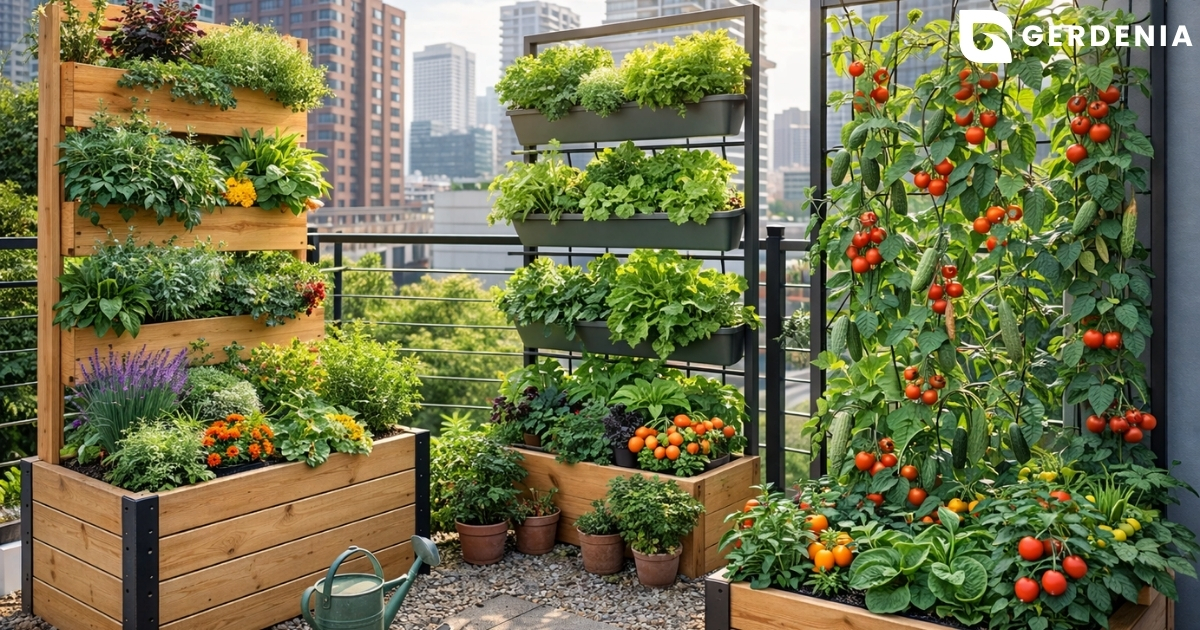
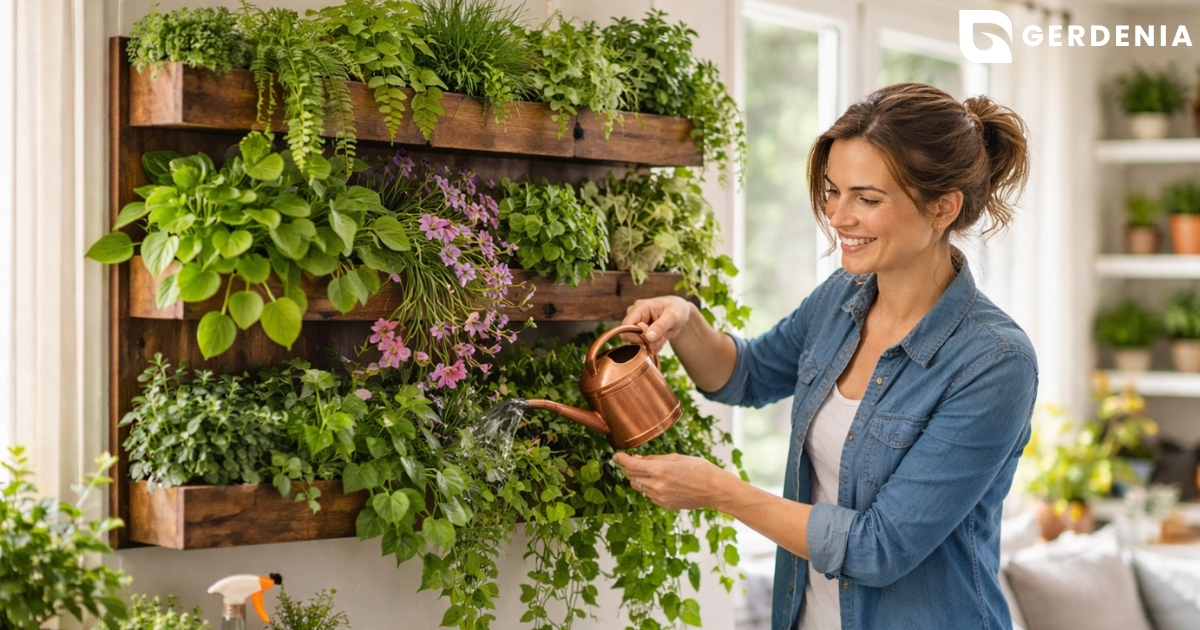
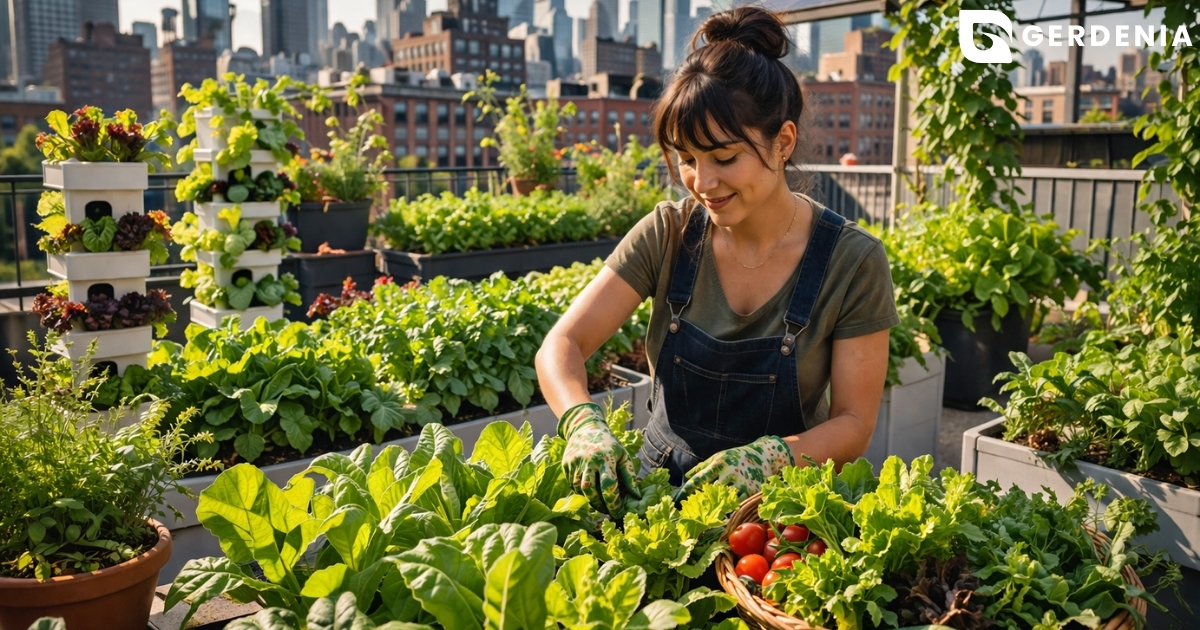
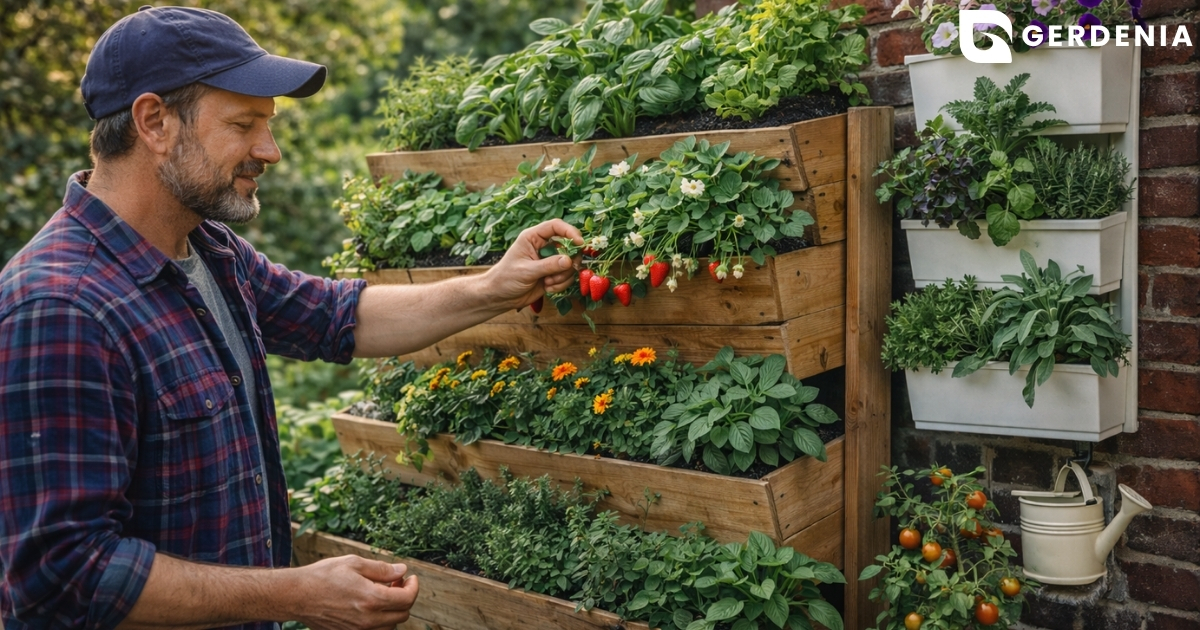
Running out of floor space doesn’t mean your planting journey has to stop. By looking at bare walls or bare railings, you can easily double your growing area. Embracing verticality—the practice of growing plants upward rather than outward—transforms unused vertical real estate into a lush, productive green zone. It is the ultimate trick for mastering vertical gardening for small spaces, allowing you to stack your leafy greens without cluttering your walking path.
To get your plants off the ground, you do not need to drill permanent holes or anger your landlord. The right hardware makes elevating your patio container garden ideas completely renter-friendly. Consider these four essential tools for going vertical:
- Railing brackets: Perfect for securely hanging rectangular planters over balcony edges.
- Wall hooks: Simple solutions for suspending lightweight hanging baskets.
- Tiered stands: Freestanding shelving units that stack pots like a staircase.
- Pocket felt: Breathable fabric organizers that hang over doors to hold small herbs.
Beyond just saving room, elevating your containers actually makes your plants healthier. Lifting pots away from the hot patio floor improves air circulation, which acts like a gentle fan drying out damp leaves and preventing fungal diseases. This breezy, tiered approach is the foundation of a smart balcony vegetable garden layout. Once your structural setup is complete, you can focus on filling those elevated pots with delicious, space-saving combinations, like pairing cherry tomatoes and basil for flavor and style.
Edible Aesthetics: Pairing Cherry Tomatoes and Basil for Flavor and Style
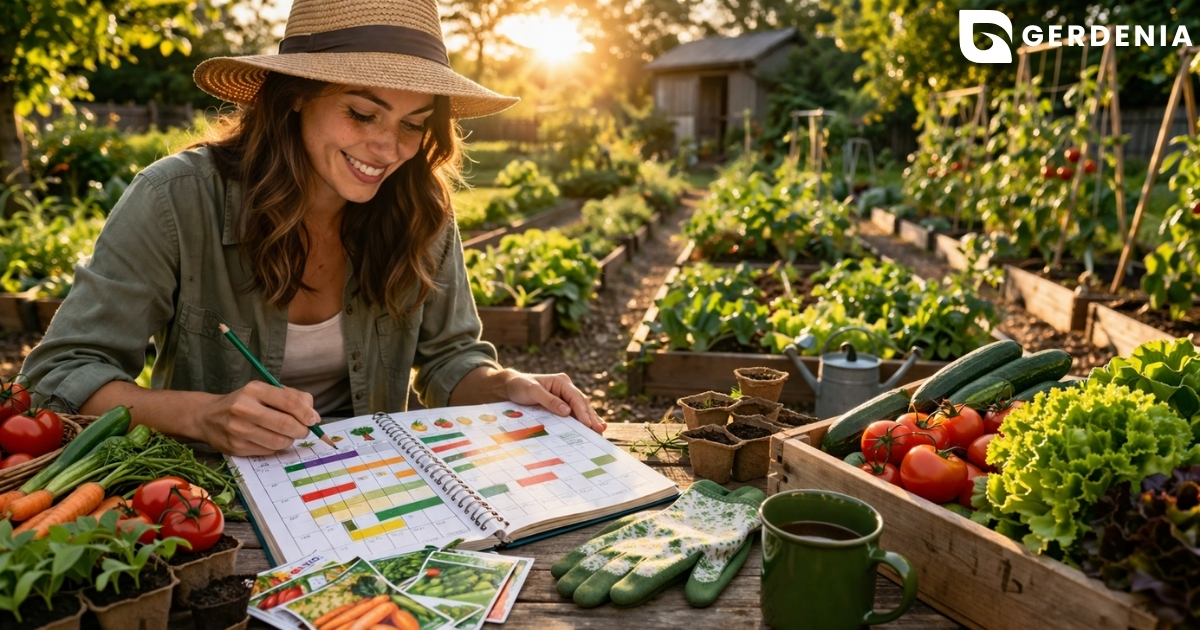
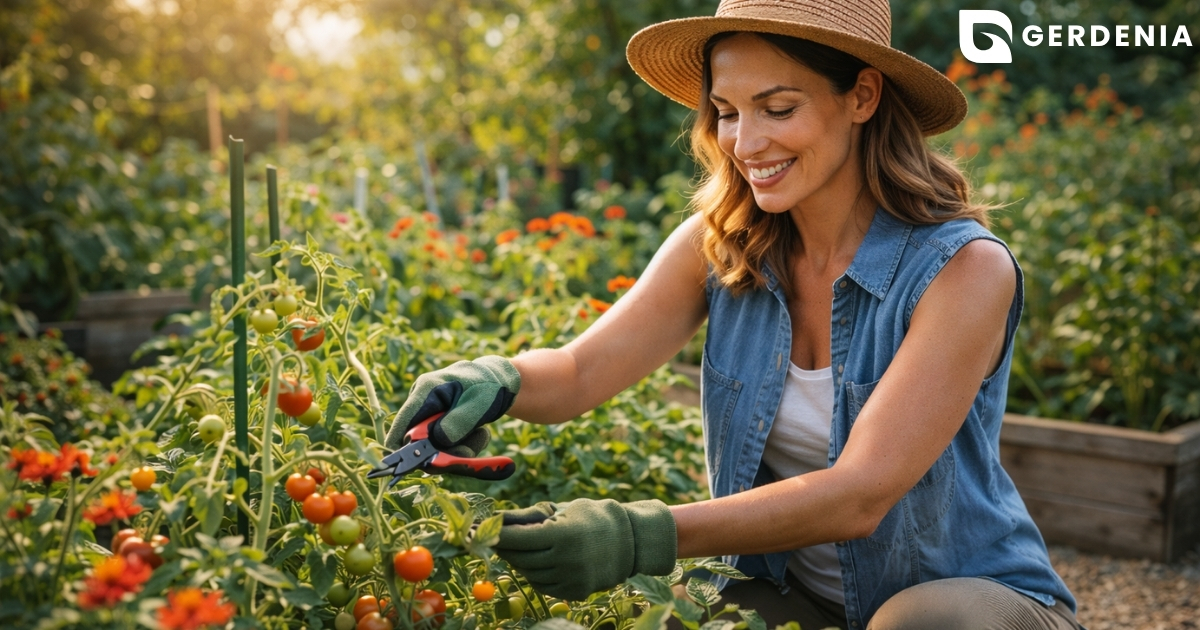
Growing your own pasta sauce ingredients in a single pot is a rewarding balcony project. Pairing cherry tomatoes with basil highlights the best of container gardening plants, as the low-growing leafy herb naturally shades the soil while simultaneously enhancing the tomato’s flavor.
Space-saving success relies on selecting the right cultivars—plant varieties specially bred to stay compact rather than sprawling wildly. Seeking out “bush” or “patio” tomato varieties guarantees you are choosing the best vegetables for pots and containers because they deliver high yields without demanding extra real estate.
Even the healthiest plants will eventually eat through their limited dirt pantry, causing rapid nutrient depletion. To keep them producing, you must replace vital plant food types, which are represented by the N-P-K ratio on plant food labels: Nitrogen for leafy growth, Phosphorus for healthy fruits, and Potassium for overall vigor.
The easiest way to “restock the shelves” without chemically burning fragile roots is by mixing a slow release fertilizer for pots directly into your soil. Once your miniature crops are happily fed, you must master moisture control to prevent root rot and soil exhaustion.
The 3-Step Survival Plan: Preventing Root Rot and Soil Exhaustion
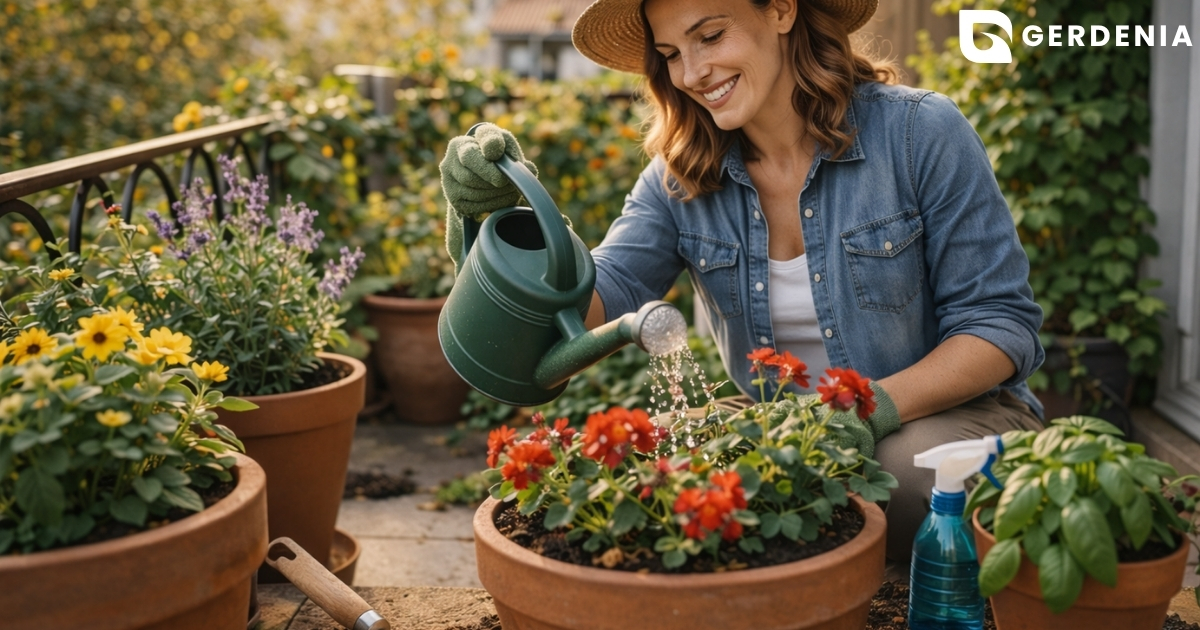
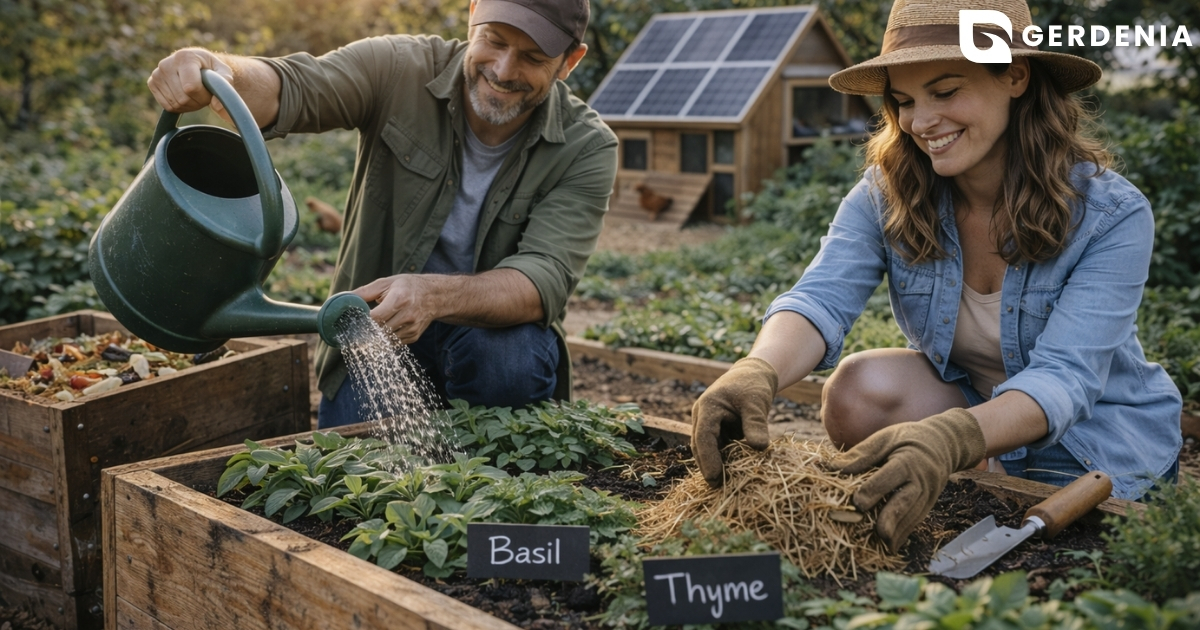
Wondering exactly how often to water potted plants? The secret isn’t a strict schedule; it’s the “Finger Test.” Because gravity pulls water downward, the surface might look bone-dry while the roots are actually drowning. Push your index finger into the potting mix up to your second knuckle. If it feels like a damp sponge, wait. If it’s dry, water deeply until liquid escapes the bottom holes, proving you are successfully fixing drainage issues in garden pots by actively flushing out stagnant air.
Ignoring trapped moisture quickly leads to suffocated, decaying roots. Preventing root rot in containers requires vigilance, so stop watering immediately and elevate your pot to increase bottom airflow if you spot these three warning signs:
- Yellowing leaves
- Mushy stems
- A sour soil smell
Keeping your soil’s “pantry” stocked is the final requirement for all-season blooming. Since every heavy watering inevitably flushes a tiny amount of food out the bottom, balancing moisture control with regular fertilizer top-offs prevents soil exhaustion. Mastering these maintenance basics prepares you for the final step: moving from pot selection to the first bloom.
Your 48-Hour Container Garden Roadmap: From Pot Selection to First Bloom
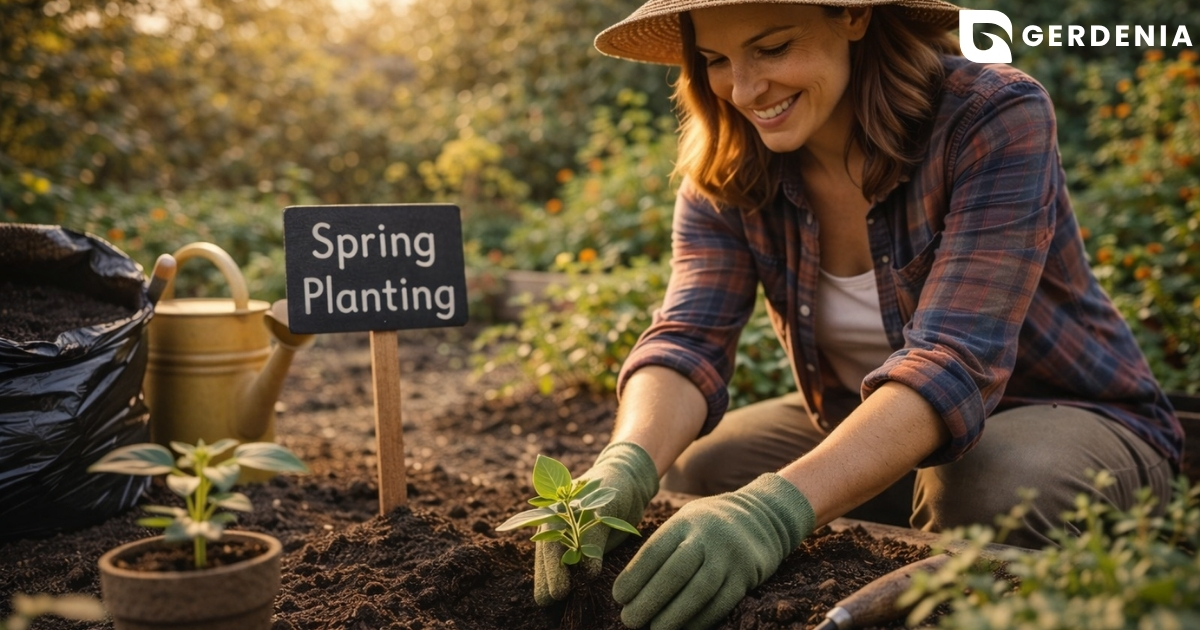
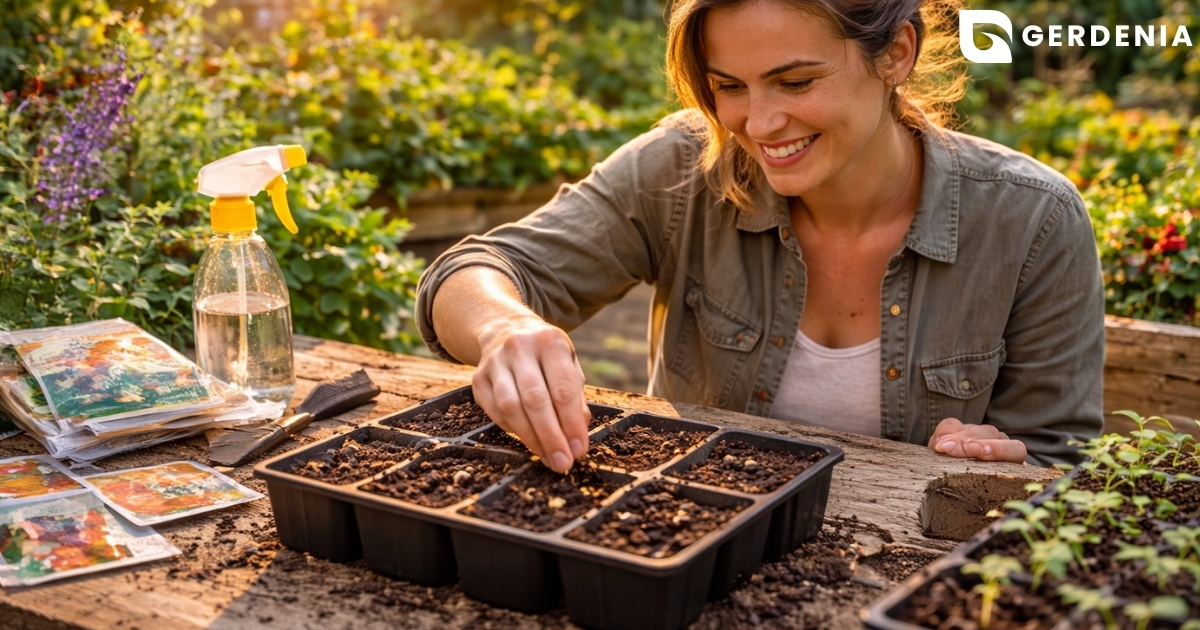
Mastering how to start a container garden is the perfect weekend project. Grab a pot with a drainage hole, fill it with fluffy potting mix, and plant your favorite herbs. This approach to container gardening for beginners instantly turns any sunny windowsill into a space-saving sanctuary.
Watching your plants deliver their first bloom is a rewarding milestone. When temperatures drop, protect your investment by winterizing outdoor potted plants with simple insulating wraps. With consistent care and the right foundation, even the smallest spaces yield beautiful, thriving gardens.