
Imagine the power goes out for three days in your neighborhood. Not a massive disaster, just an annoying disruption to your routine. Do you have the pantry staples, the flashlights, and the mindset to stay comfortable without immediately calling for help? This scenario highlights the growing gap between everyday dependency and genuine resilience. Modern conveniences are wonderful, yet relying on them entirely often creates an underlying hum of anxiety.
A minor snowstorm can suddenly clear out the dairy aisle at your local grocery store. You aren’t just missing a gallon of milk; you are experiencing the fragility of global supply chains firsthand. According to psychological studies on human agency, this feeling of total reliance on external systems is a major driver of modern stress. People feel fundamentally better when they maintain some control over their basic daily needs.
We often picture a lone homesteader in a remote cabin when imagining a self-sufficient life. Reality looks much more approachable. True personal autonomy doesn’t require buying a hundred acres or cutting up your credit cards. Instead, it is about learning practical life skills that reduce your immediate reliance on supermarkets, repairmen, and unstable corporate systems.
Total independence is an isolated island, but healthy resilience is a sturdy bridge. You want to maintain your own bridge so you can choose exactly when to cross it. Viewing your life through this spectrum of being self-sufficient means recognizing that competence builds step by step. Baking a loaf of bread or fixing a leaky faucet are small acts that push you further along an empowering path.
Building this capable lifestyle relies on mastering four core pillars: physical, financial, mental, and social preparedness. Nobody needs to tackle them all at once to see the immediate benefits in their daily routine. By exploring these essential areas, you can slowly replace modern anxiety with a sense of quiet confidence. The journey begins with a few foundational habits that make a balanced, resilient life entirely possible.
Sovereignty vs. Resilience: Why Total Independence is a Myth
Picture the ultimate self-sufficient lifestyle, and you might imagine a lone wolf entirely detached from modern society. Chasing that extreme is exhausting. The goal isn’t isolation. Usually, the drive for personal autonomy stems from the simple peace of mind knowing you can handle a blown fuse or a delayed grocery delivery without immediate panic.
Rather than isolating yourself, consider Strategic Dependency—intentionally relying on outside systems only when it makes sense. Growing windowsill herbs while buying store-bought flour acknowledges the diminishing returns of trying to do absolutely everything completely by yourself.
Embracing this balance reveals the Interdependence Paradox: becoming more individually capable actually lets you connect with your community in healthier ways. If you aren’t helpless during a minor power outage, you become an asset to your neighbors rather than a burden. You can trade practical skills, swapping your homemade goods for a friend’s plumbing expertise.
True resilience comes from this blend of personal capability and shared connection. Once you accept that you don’t need to be a solitary survivalist, your focus shifts to everyday areas where taking control makes an immediate impact. The best place to start isn’t a backyard farm; it is building a financial safety net.
The Financial Safety Net: How Frugal Living Creates Real Autonomy
True autonomy begins long before you plant a single seed; it starts by taking control of your cash flow. Building a self-sufficient lifestyle requires climbing a clear, step-by-step framework known as the Financial Resilience Ladder:
- Emergency Fund: Building a basic cash buffer for unexpected repairs.
- Debt Elimination: Reclaiming your future income from interest payments.
- Cash-Flow Diversification: Creating multiple, small income streams.
- Asset Sovereignty: Owning your essential tools and resources outright.
Climbing this ladder requires plugging “Dependency Leaks”—recurring expenses that quietly drain resources, like unused gym memberships, forgotten streaming services, or automated meal kits. Eliminating just three of these invisible subscriptions frees up cash for the debt-snowball method, where you pay off small balances first to build mental clarity and immediate momentum. Applying these frugal habits permanently lowers your required monthly baseline.
Lowering that financial baseline directly extends your “Financial Runway,” which is simply the number of months you can survive without a paycheck. If your essential living expenses drop because you owe less and consume less, a three-month emergency fund naturally stretches into a six-month safety net. This practical buffer grants you the breathing room to make confident life choices without operating from a place of panic.
Once your bank account is insulated from immediate economic shocks, you gain the mental bandwidth to start producing instead of just consuming. Translating this newfound financial control into physical capability is incredibly empowering. To put these practical skills to work, the journey naturally moves from windowsills to garden beds: starting your first vegetable plot.
From Windowsills to Garden Beds: Starting Your First Vegetable Plot
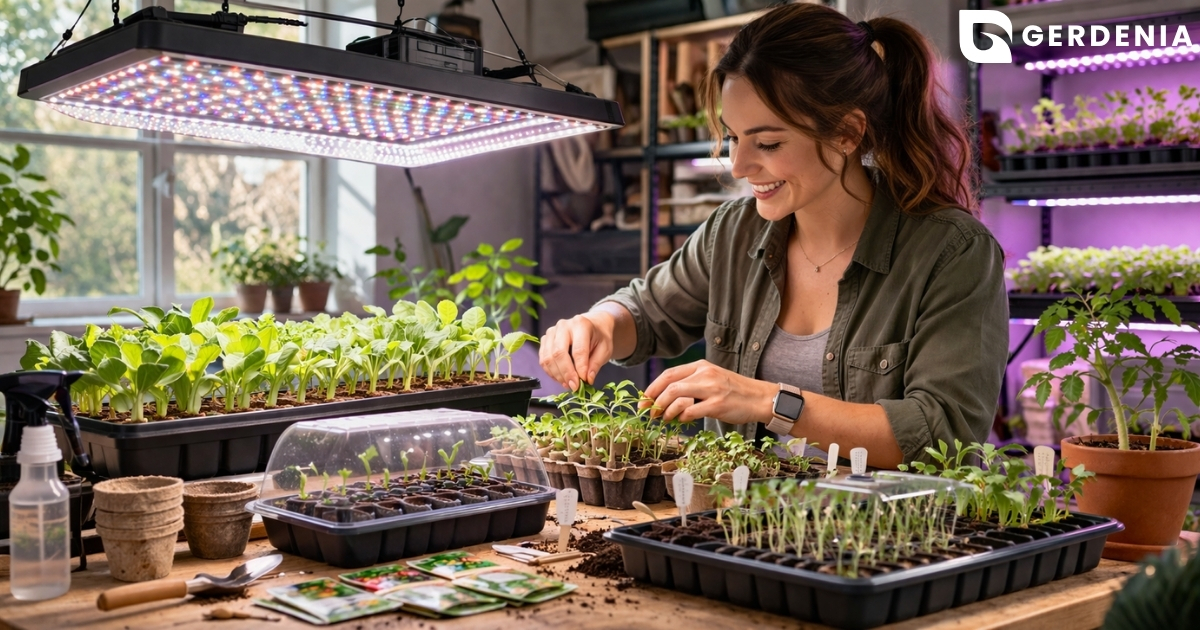
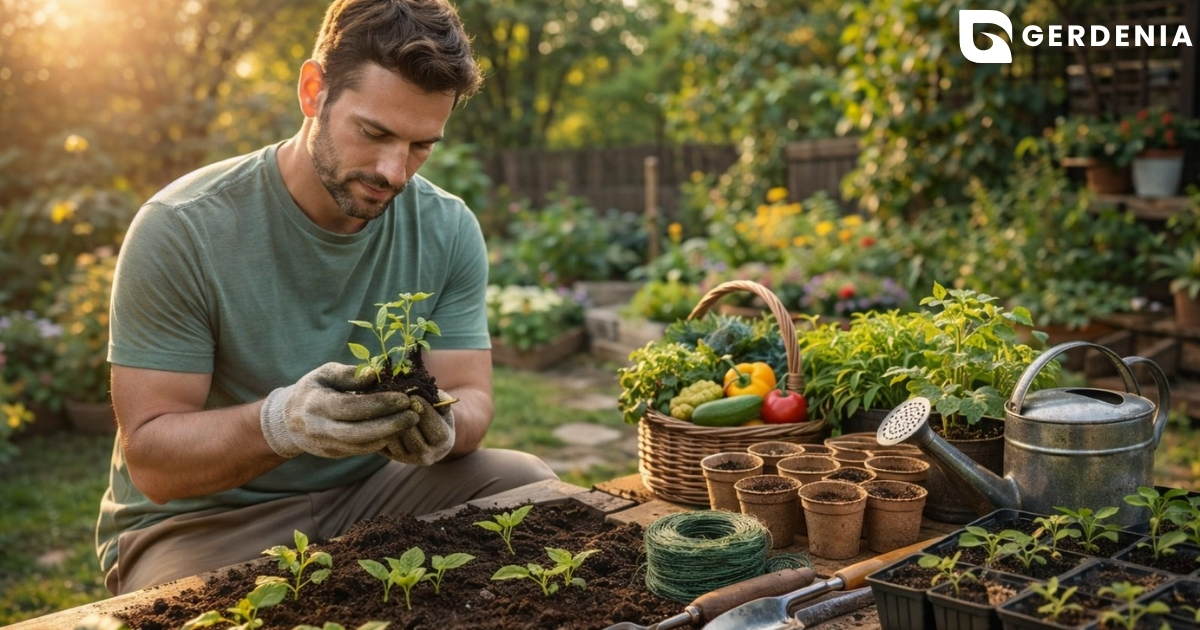
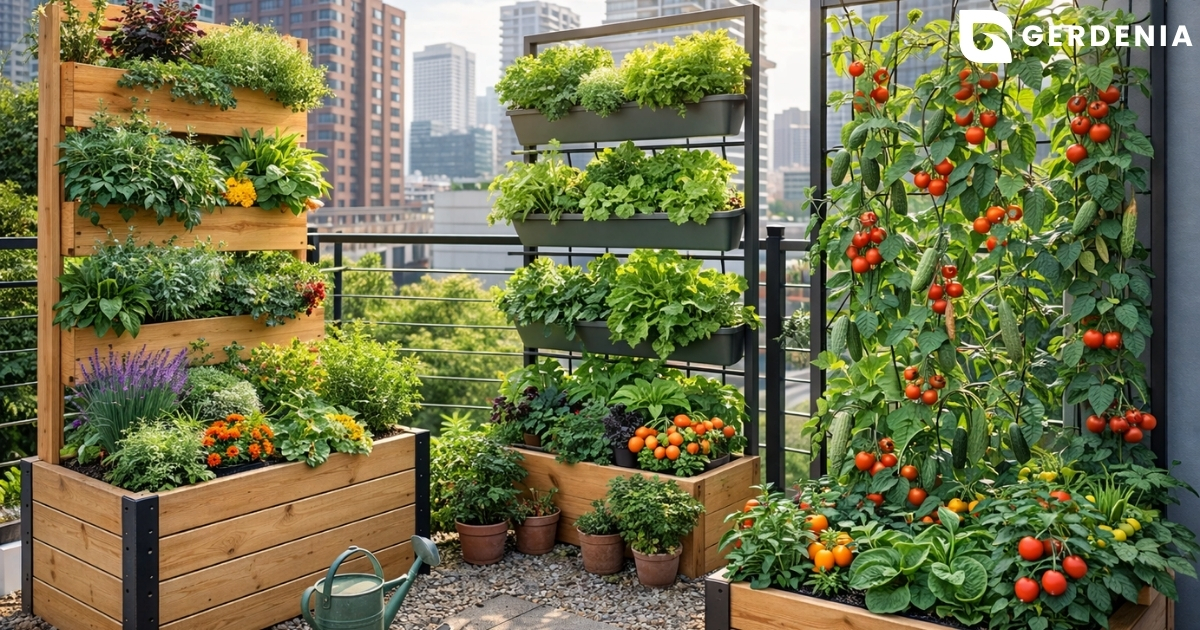
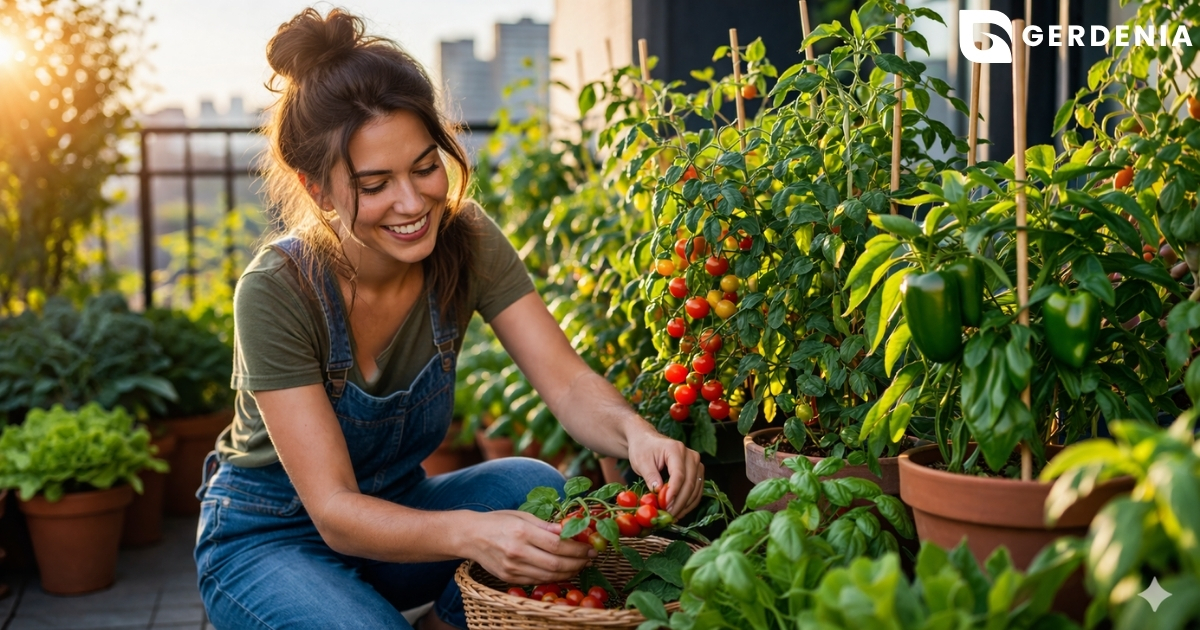
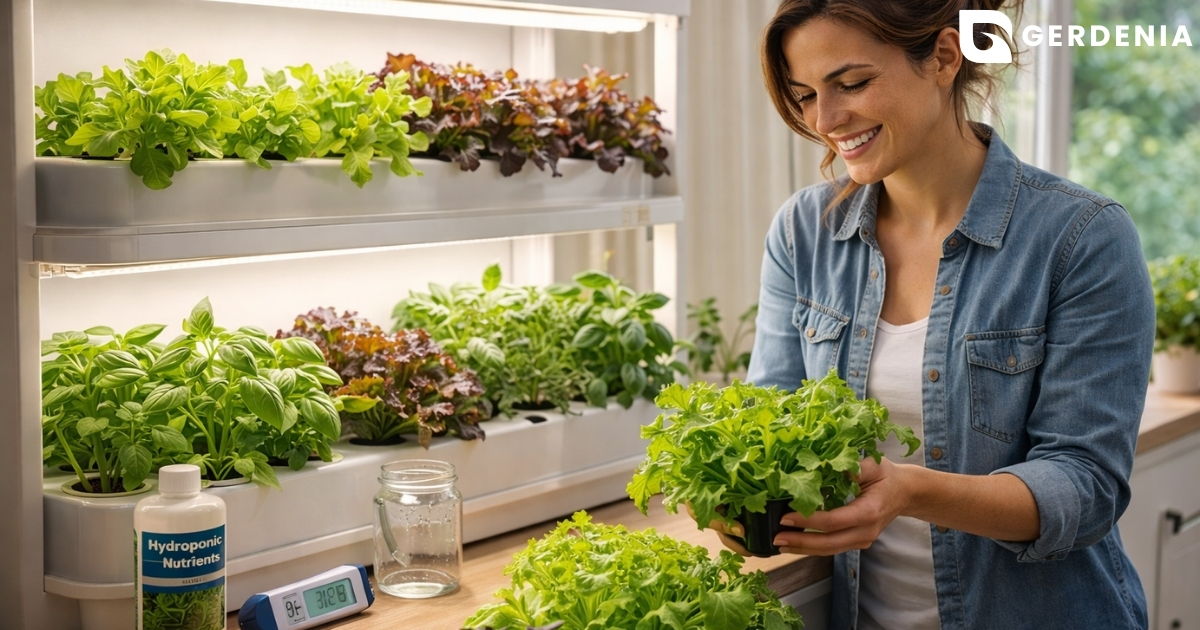
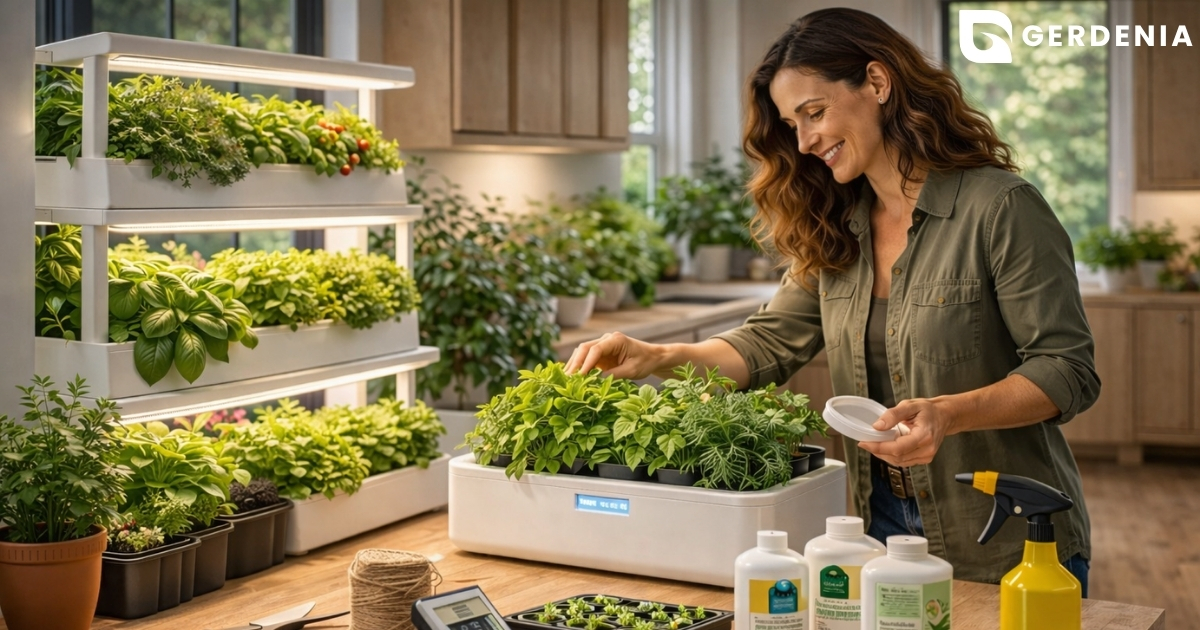
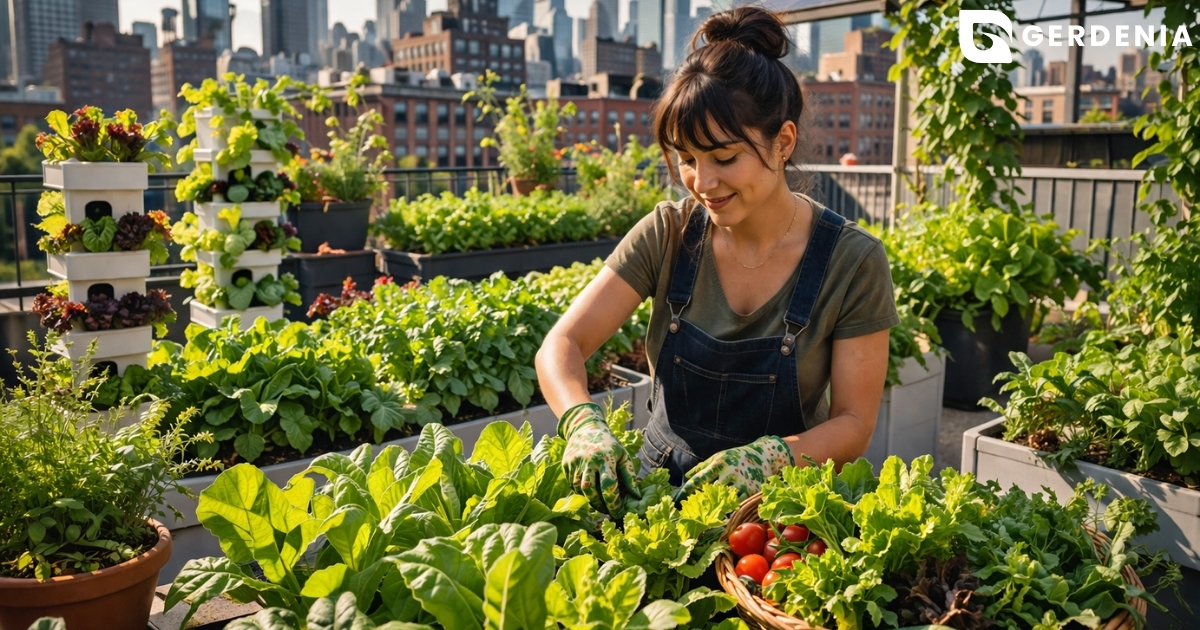
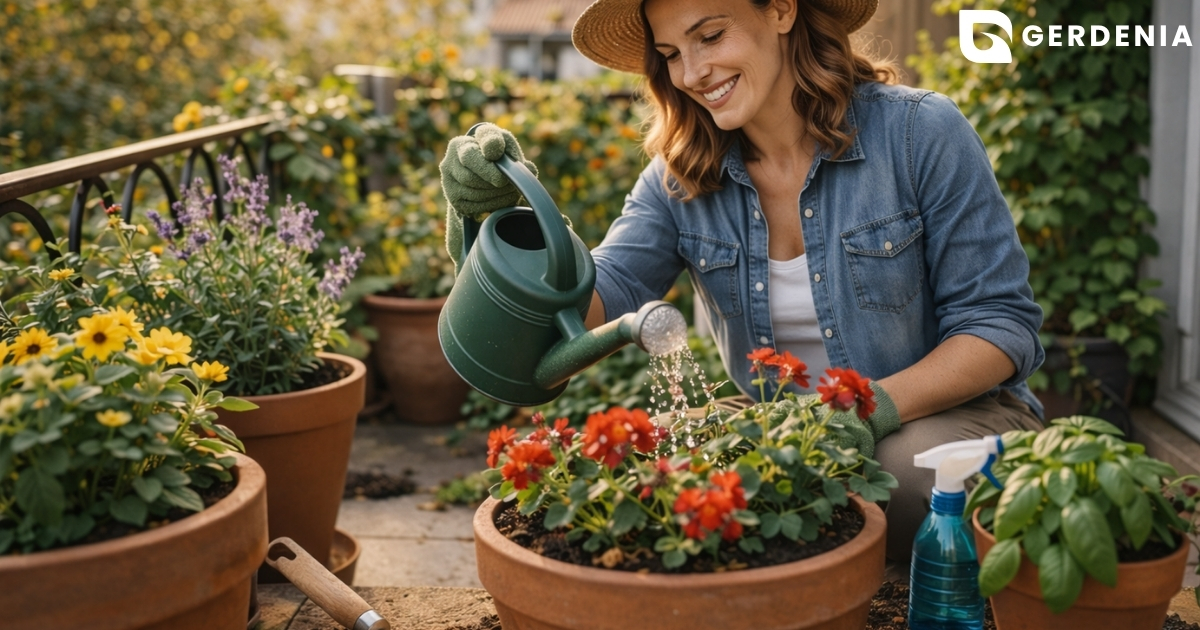
Learning how to start a vegetable garden doesn’t require owning acres of land. Container gardening builds immediate confidence if you follow three basic rules. You must provide adequate drainage holes, use light potting mix instead of heavy yard dirt, and select pots large enough for roots to expand.
Before planting, observe your home’s “micro-climates”—small areas where temperature and sunlight differ from the general surroundings. Think of how one room in your house always feels colder than the rest. A concrete balcony might bake in the afternoon sun, while a covered fire escape stays shaded, dictating what thrives there.
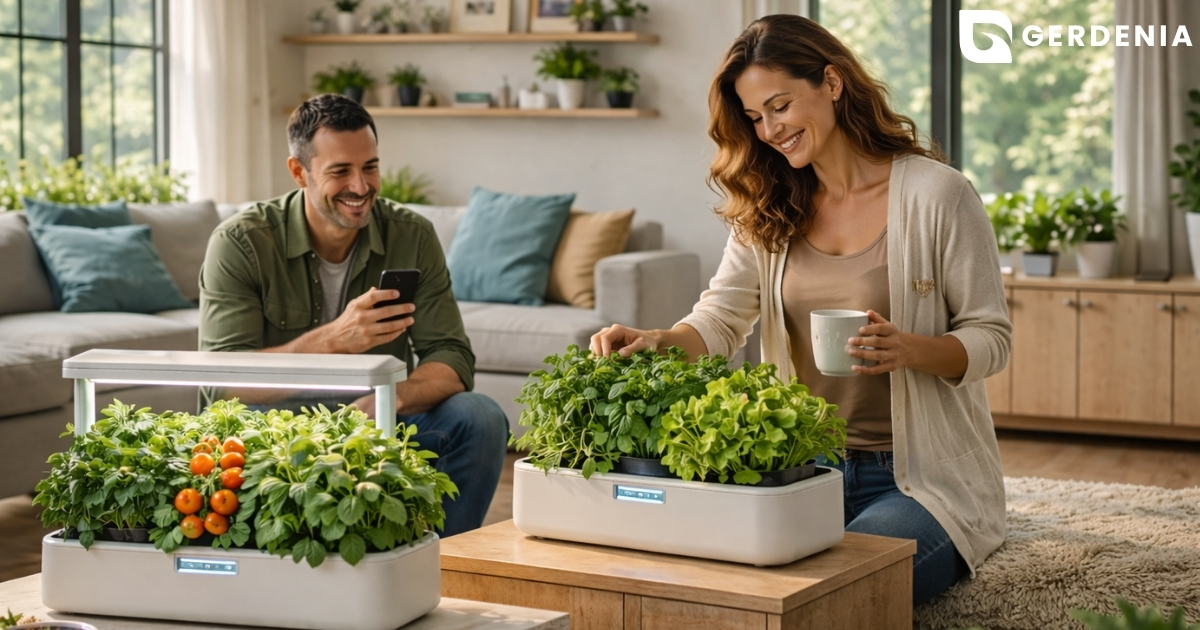
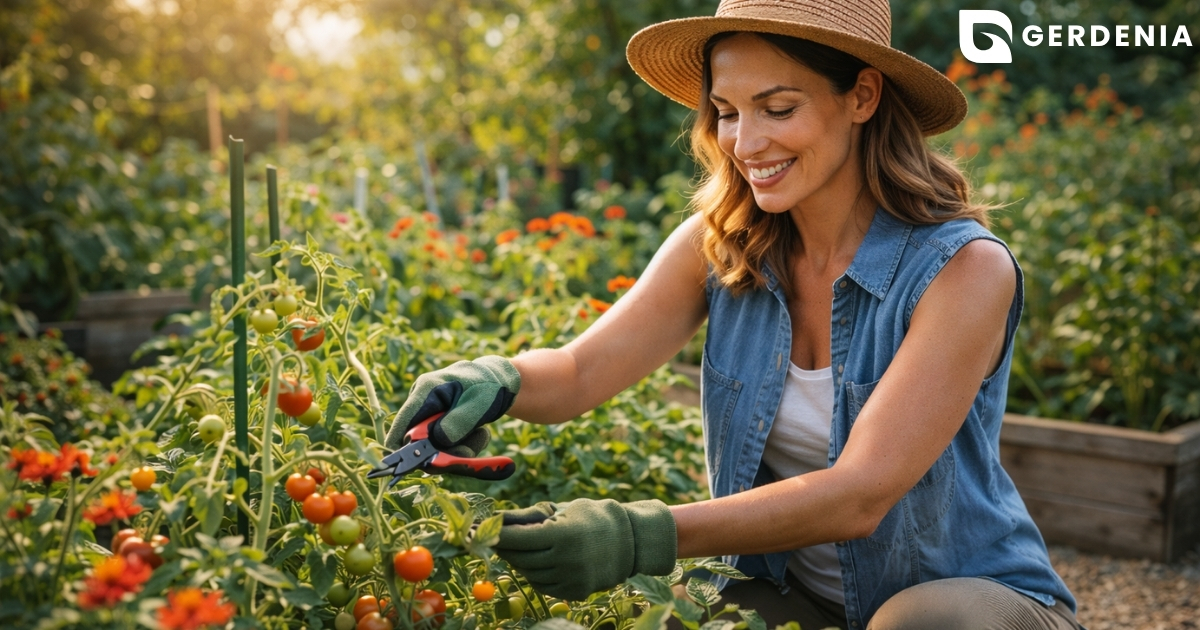
Maximizing these unique spaces means choosing “High-ROI Crops,” which offer a high return on your time and space. Focus on five forgiving choices: cherry tomatoes, radishes, loose-leaf lettuce, basil, and green beans. These quick-growing plants tolerate minor mistakes, making them perfect for building foundational food security with tangible results.
Harvesting that first tomato provides a profound psychological boost, proving you can produce rather than merely consume. Soon, your small harvests will overlap, leaving you with more fresh food than you can eat immediately. Reaching that exciting tipping point naturally shifts your focus toward the next step: preserving food for long-term security.

The Pantry as a Battery: Preserving Food for Long-Term Security
Watching your countertop overflow with fresh produce is thrilling, but preserving food through canning and dehydrating is how you truly store that energy for the winter. A simple countertop food dehydrator is a beginner’s best friend because it requires minimal technical skill. Slicing excess herbs or tomatoes and safely removing their moisture halts spoilage, offering an immediate win without hovering over a hot stove.
Moving into canning requires understanding ingredient acidity to maintain basic kitchen safety. High-acid foods, like berries or pickles, only need a boiling water-bath to kill bacteria and securely seal the jar. However, low-acid foods like unpickled green beans or meats require a specialized pressure canner to reach higher, pathogen-killing temperatures. Knowing this crucial distinction ensures your homemade preserves are always perfectly safe to consume.
Stocking those beautiful jars is rewarding, but managing them effectively guarantees nothing goes to waste. Implementing a “First-In, First-Out” (FIFO) rotation—placing newly sealed jars at the back of the shelf and pulling older ones forward—keeps your inventory fresh. Treating your shelves like a miniature grocery store is a highly effective way to manage your food supply.
Establishing this pantry rhythm provides a profound sense of independence during grocery price fluctuations or minor weather emergencies. Once you master the resources inside your kitchen, you naturally start evaluating the physical space around it.

Mastering Your Domain: 5 Maintenance Skills Every Adult Needs
Waiting hours for an overpriced emergency plumber is a frustrating rite of passage, but it shouldn’t be your default response. Taking ownership of your space requires building “mechanical agency”—the confidence to handle basic household repairs yourself. This mindset shifts you toward practicing preventive maintenance, which means spotting small wear-and-tear issues before they become expensive disasters. Cultivating this capability is a cornerstone of a truly self-reliant lifestyle.
The most critical step in protecting your home takes under five minutes: locating your main water and gas shut-off valves. Knowing exactly how to cut these supply lines turns a burst pipe from a flooded living room into a minor hiccup. From there, you can tackle classic money-drainers like a continuously running toilet. Diagnosing this usually reveals a degraded rubber flapper inside the tank—a three-dollar part that takes ten minutes to swap, completely bypassing a costly service call.
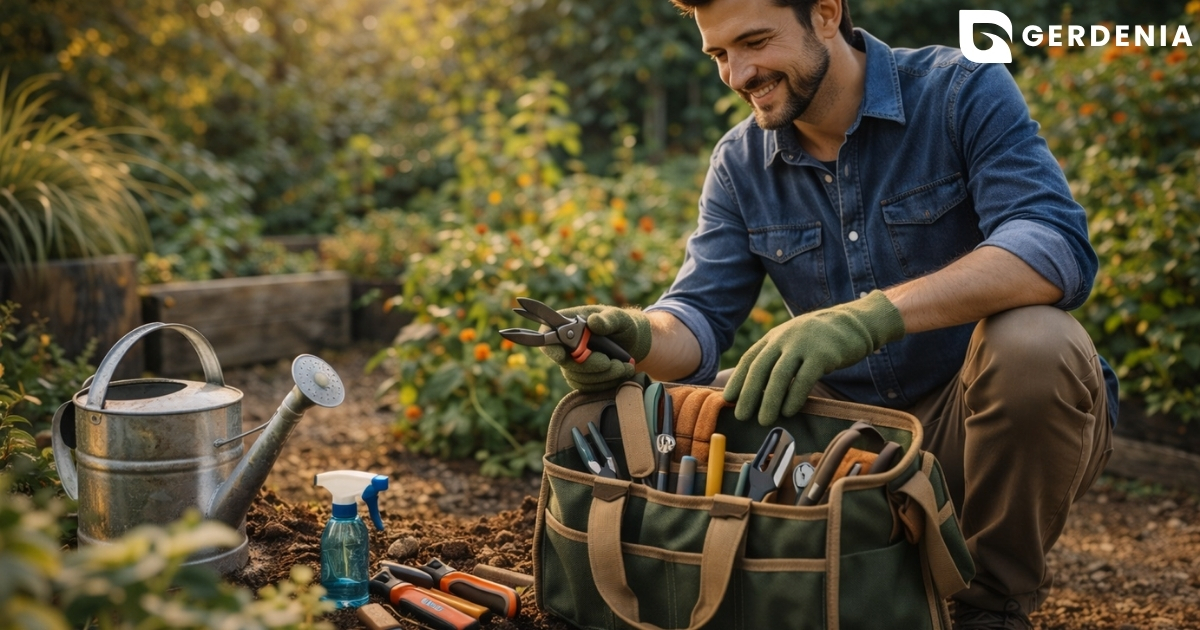
Accomplishing these tasks doesn’t demand a garage overflowing with expensive hardware. You can execute these essential maintenance tasks with a carefully curated setup. The Essential Hand-Tool Kit requires just a few items:
- Adjustable wrench
- Multi-bit screwdriver
- Hammer
- Pliers
- Level
Mastering your physical environment replaces homeowner anxiety with a profound sense of capability. Once your shelter’s basic hardware and plumbing are secured, the next logical step is analyzing how your home consumes electricity.
Powering Down the Bill: Low-Cost Renewable Energy Strategies
Opening that monthly utility envelope often feels like paying a mandatory subscription fee for simply existing. Before financing massive rooftop panels, the best strategy for reducing reliance on the power grid begins with “demand reduction”—shrinking your usage before trying to produce your own power. Apply the 80/20 rule here by tackling the few small household habits that will successfully cut the most waste.
The quickest win involves hunting down “vampire loads,” which are devices that drain electricity just by staying plugged in while turned off. Idle gaming consoles, microwave clocks, and dormant phone chargers silently inflate your bill around the clock. Routing these electronics through a simple power strip with a master switch immediately stops this invisible drain, keeping your hard-earned money in your pocket.
After optimizing your consumption, you can safely explore low-cost ways to generate renewable energy without hiring a contractor.
A foldable solar panel paired with a portable power station easily handles personal devices like laptops and tablets. This accessible setup creates a reliable, stress-free buffer during minor weather outages while steadily chipping away at your daily grid consumption.
Taking charge of your electricity does more than just lower your monthly expenses; it fundamentally shifts how you view your resources. This transition from passive consumer to active manager naturally builds the mental foundation for a producer mindset.

The Mindset of a Producer: Why Personal Autonomy Is Your Best Asset
We live in a society designed to solve our problems for a fee. This convenience often creates “learned helplessness,” a cycle where we assume we cannot fix things ourselves simply because we always pay others to do it. Shifting to a “producer mindset”—becoming a creator of solutions rather than just a passive consumer—breaks this cycle. The core value of personal autonomy lies in this daily transformation from feeling helpless to feeling capable.
Building this internal strength relies on “self-efficacy,” which simply means trusting yourself to figure things out. The benefits of emotional self-reliance go far beyond saving money; psychology shows that self-trust dramatically lowers anxiety during unexpected crises. Fixing a leaky pipe or sewing a dropped button actively rewires your brain to face much bigger challenges with confidence rather than fear.
A practical three-step troubleshooting framework makes tackling these moments highly approachable. Next time something breaks, pause to observe the exact failure without panicking, research one basic diagnostic step, and attempt the cheapest, easiest fix first. This straightforward approach prevents the knee-jerk reaction of immediately hiring help. The simple act of trying turns a frustrating obstacle into a manageable puzzle.
Small, incremental tasks like these routinely build a profound sense of independence. As your problem-solving skills grow, your reliance on external solutions shrinks, revealing how few resources you actually need to thrive.
The ‘Less is More’ Method: Minimalism as a Path to Freedom
Buying a cheap gadget seems like a bargain until you realize the hidden price tag. Every object we own carries a “Maintenance Burden,” which is the ongoing drain of time, money, and space required to keep it functional. Calculating an item’s true cost—its initial price plus upkeep and storage—reveals why embracing minimalism as a path to independence frees up your valuable resources.
To stop this cycle, you must pass new purchases through a strict needs-based consumption filter. Before buying anything, ask if the item solves a genuine daily problem or simply creates a future chore. This quick mental pause shifts your focus from accumulating possessions to curating a highly manageable life.
Where should you begin with your current habits? Conduct a simple waste audit by checking your trash to spot single-use items you constantly rebuy. Swapping paper napkins for washable cloths introduces a “Zero-Waste Lifecycle”—a system where products are reused rather than discarded—which builds the foundation for creating a highly efficient household.
A streamlined home functions like a well-organized basecamp rather than a cluttered storage unit. Stripping away the excess noise of constant consumerism drastically lowers your daily dependency on vulnerable supply chains.
Everyday Survival: Why Basic Preparedness Is not Just for Emergencies
Stripping away clutter reveals what keeps us going when routines temporarily break down. You don’t need an underground bunker to learn fundamental preparedness skills. Start with “The Rule of Threes”—a practical guideline stating humans survive roughly three minutes without oxygen, three hours without harsh-weather shelter, three days without water, and three weeks without food. This mental framework provides a calm, logical roadmap for handling anything from a blown transformer to a sudden roadside delay.
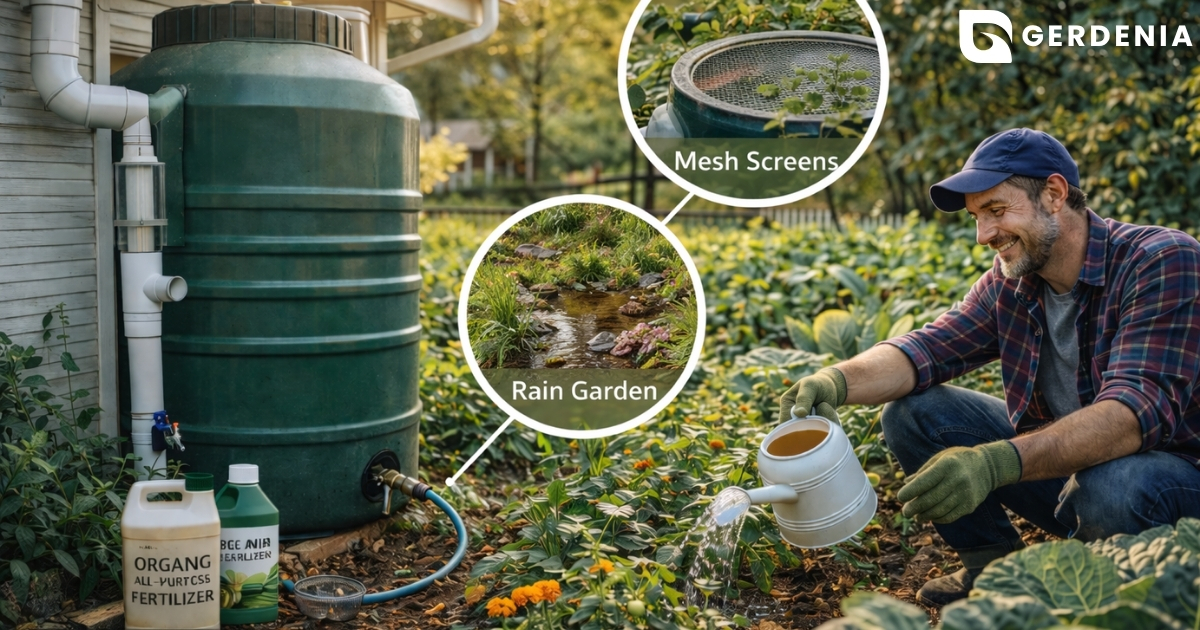
Securing safe hydration is your first practical hurdle when the tap stops flowing. Meeting basic “Potable Water Standards”—meaning the water is pathogen-free and completely safe to drink—requires knowing three accessible purification methods. You can boil water for a rolling minute, drop in chemical purification tablets, or squeeze it through a micro-membrane filter. These simple techniques can transform an emergency rain barrel into a safe lifeline.
Beyond hydration, stabilizing injuries and navigating without cell service are foundational off-grid living requirements for families. Basic trauma first aid focuses on stopping bleeding and stabilizing injuries until professional help arrives, while reading a physical map and compass ensures you always find your way home. Keep these specific tools ready by packing The 72-Hour Go-Bag Essentials:
- Water filter
- Emergency blanket
- High-calorie food
- Fire starter
- Basic multi-tool
- First aid kit
True resilience doesn’t isolate you; it makes you a capable, confident neighbor. When you can comfortably secure your own needs, you become an asset during disruptions rather than a liability.
The Strength of the Web: Why Interdependence Is the Secret to Success
Self-sufficiency often brings to mind an isolated off-grid cabin. In reality, individuals who manage their basic needs become the backbone of strong, interdependent neighborhoods. Healthy self-reliance forms the foundation of a robust community. When you aren’t scrambling during a crisis, you have the bandwidth to help others.
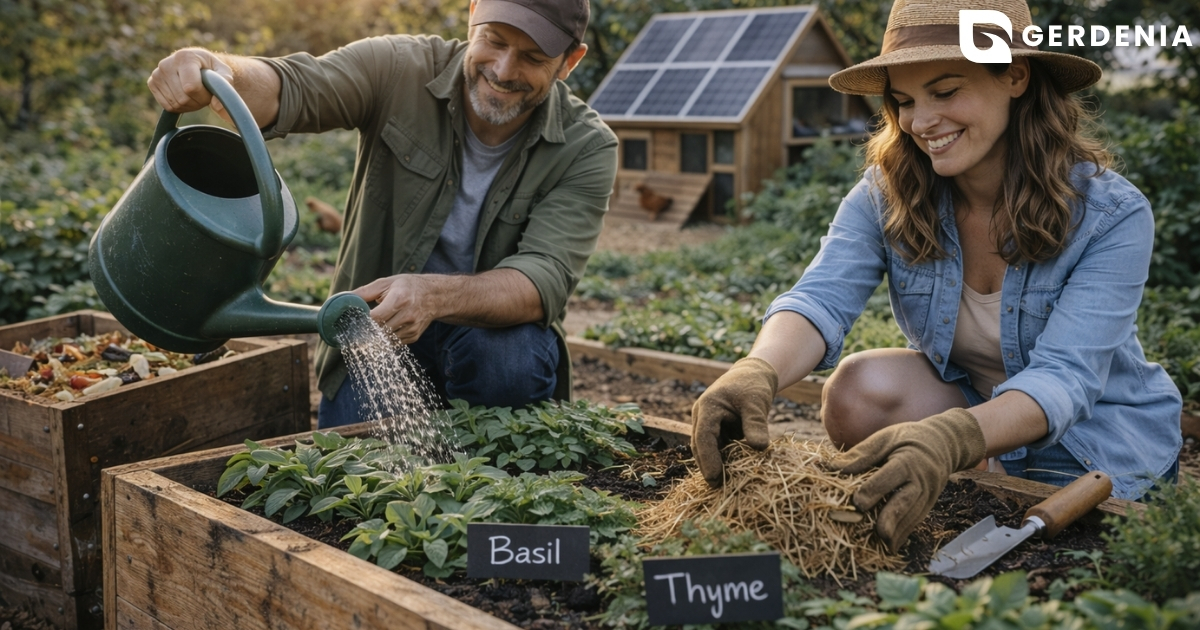
This shared capability builds “Community Capital”—the collective resources, skills, and trust a neighborhood draws upon during disruptions. You don’t need to own every tool to contribute. Joining or creating a local “Tool Library,” where neighbors share occasional-use items like power drills, instantly multiplies everyone’s capabilities while saving money and physical space.
Building a self-reliant lifestyle also involves participating in “The Barter Economy,” which means trading goods or services without traditional money. Take inventory of your own ‘Barterable Skills’ today. Even if you cannot rebuild a car engine, simply knowing how to hem torn jeans or maintain a garden means you hold highly valuable currency.
Ultimately, community resilience is just a natural extension of personal preparedness. By mastering practical habits, you actively elevate the stability of everyone around you.
Your 30-Day Resilience Roadmap: Building a Life You Control
You no longer have to view independence as a drastic retreat into the wilderness. Instead, you possess the tools to navigate the modern world with quiet confidence. Understanding this balance allows you to focus on personal resilience today, rather than striving for off-grid perfection. You have moved from relying entirely on fragile systems to seeing exactly where you can reclaim control in your own home.
The most practical approach to autonomy is committing to getting one percent better each day. Small, consistent actions compound quickly, turning overwhelming changes into manageable habits. Keep your momentum going with a 30-Day Success Checklist:
- Week 1: Conduct a Dependency Audit
- Week 2: Practice a New Maintenance Skill
- Week 3: Prep Essential Resources
- Week 4: Connect with Your Local Community
Start right now: conduct a 15-minute audit today. Walk through your living space and note the everyday conveniences you rely on completely. Next, select your “Weekend Warrior” skill for this month—like baking a simple loaf of bread, patching a jacket, or fixing a running toilet. Each time you learn a new capability, you replace a fraction of vulnerability with tangible confidence.
Reclaiming these foundational habits isn’t about bracing for a catastrophe; it is about enjoying life with less anxiety. By building and maintaining your own foundation of capability, you are fully empowered to step forward on your own terms.