We’ve all felt the irresistible pull of a sunny, 75-degree afternoon in late February. That sudden blast of warmth feels like an open invitation to dig into the red clay, but don’t let this deceptive “false spring” fool you into planting too early.
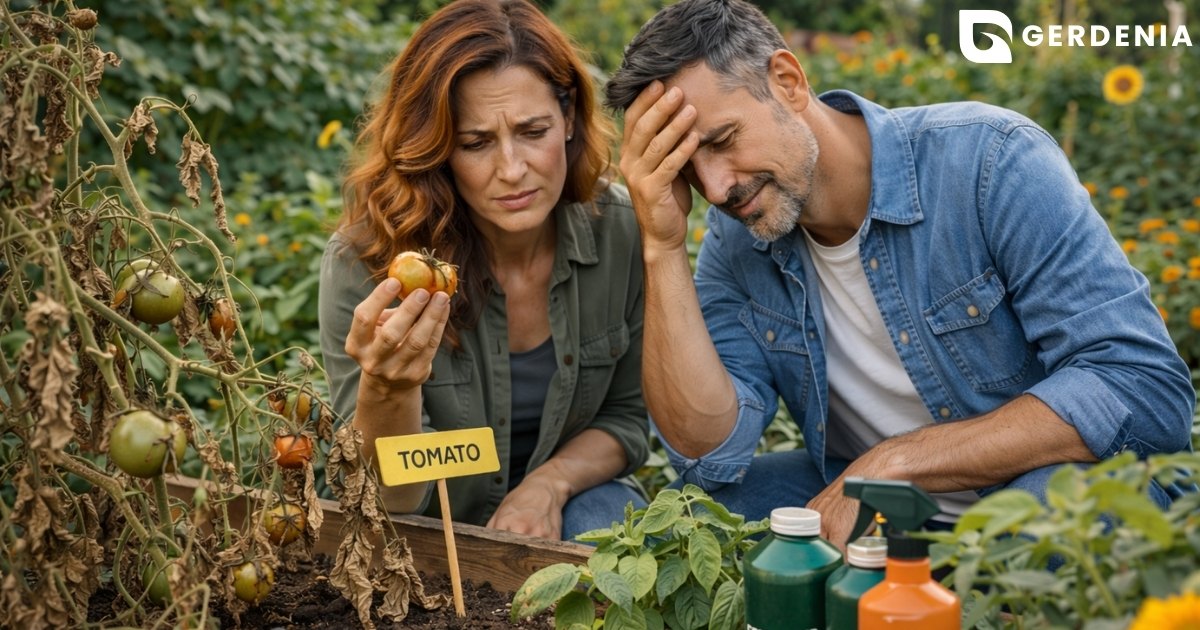
Rushing tender crops outside often leads to expensive heartbreak. According to experts at the UGA Extension, air temperature isn’t the only metric that matters; putting a beautiful $10 tomato transplant into the ground before the soil warms up practically guarantees a total loss when a late March freeze inevitably strikes.
Success in a southern garden requires knowing your exact climate neighborhood. Because the state stretches from the chilly Blue Ridge Mountains down to the humid Atlantic coast, your specific Georgia gardening zone creates unique “growing windows” across three distinct geographic regions.
Timing is everything if you want to eat fresh vegetables rather than tending to dead vines. Establishing a reliable calendar and preparing proper frost protection is the foundation of a thriving harvest.

Finding Your ‘Climate Neighborhood’: Why Savannah and Blue Ridge Don’t Share a Calendar
Avoiding surprise freeze heartbreak means knowing your average last frost date, which signals when the worst winter weather has likely passed. Since this date is merely a historical average, smart gardeners wait a couple of extra weeks to move delicate plants outside during a true “safety window.”
Your specific timing depends entirely on your climate neighborhood. The USDA hardiness zones for Georgia gardeners range widely from 7a in the chilly north to 9a in the balmy south. Figuring out your exact Georgia gardening zone explains why Savannah residents can safely plant summer crops weeks before those living up in Blue Ridge.
To establish a reliable baseline, check these average last frost dates by Georgia city:
- Blairsville (Zone 7a): May 1
- Atlanta (Zone 8a): April 2
- Macon (Zone 8b): March 20
- Savannah (Zone 9a): March 1
Locating your zone helps you calculate a personalized schedule so your warm-season crops actually survive. However, waiting for spring to fully arrive isn’t necessary to start digging.
Waking Up the Garden in February: Starting Cool-Season Staples
Don’t let February’s lingering chill keep you indoors; this month opens the spring planting window for cool-season crops. Before grabbing a trowel, test if your soil is workable rather than frozen or waterlogged. Squeeze a handful of dirt. If it forms a muddy brick of red clay, it is too wet and will suffocate your seeds. If it crumbles easily like a moist piece of chocolate cake, you are officially ready to plant.
Understanding direct sowing versus transplanting in Georgia gardens saves you time and ensures your vegetables actually thrive. Some seeds prefer going straight into the chilly earth, while others need a warm indoor nursery first. Based on University of Georgia Extension planting dates, here is how to handle five cool-season superstars:
- Direct Sow Outside: Carrots, radishes, and spinach love the cold dirt and should be planted directly into your garden beds now.
- Start Indoors: Broccoli and cabbage seeds need a safe indoor head start under lights.
Nurturing those indoor seedlings today sets you up perfectly to hit the mid-March transplant window.
The April Rush: Timing Your Tomatoes to Avoid the Last Frost
Temptation strikes when stores display lush tomato plants in March, but patience is your secret weapon. The best time to plant tomatoes in Georgia isn’t dictated by a sunny afternoon; it depends entirely on the dirt. Instead of trusting the calendar, use a thermometer. When the earth reaches a consistent 65°F, your garden is finally ready.
Meeting these soil temperature requirements for Georgia summer crops guarantees your plants thrive rather than stunt. Once the ground warms, safely transplant these heat-loving vegetables:
- Tomatoes: Pick heat-tolerant vegetable varieties for Southern climates like ‘Celebrity’ to beat the thick summer humidity.
- Peppers: Both bell and jalapeño varieties love the warming red clay.
- Squash: Plant in small mounds and give them plenty of room to sprawl.
Moving delicate seedlings directly from your kitchen into the blazing spring sun causes transplant shock—a sudden stress that permanently halts growth. Prevent this by implementing a seven-day hardening off period. Think of it like getting a base tan before a beach vacation. Gradually expose your indoor plants to outdoor wind and sunlight for a few hours daily, slowly increasing their outside time before permanent planting.
Establishing strong roots during this mild April window gives your crops the armor needed for summer.

Surviving the Georgia Sizzle: What to Plant in July to Outrun the Heat
By July, the relentless Southern sun triggers heat stagnation, a defense mechanism where plants completely stop growing to survive. To keep your harvest moving, swap struggling spring veggies for three true heat champions: okra, sweet potatoes, and black-eyed peas. Relying on these resilient varieties guarantees fresh food even when the thermometer hits 95 degrees.
Even tough vegetables need relief, making a shade cloth an absolute necessity. Stringing this breathable mesh over your beds lowers the soil temperature enough to safely start seeds for the upcoming season without roasting them alive. This cooling technique is the cornerstone of proper summer garden maintenance. Because overheated crops attract common Georgia garden pests, and organic solutions like neem oil work best on unstressed plants, shade is your top defense.
Consistent moisture beneath that canopy is your final shield against mid-summer droughts. Fluctuating between bone-dry dirt and flooded beds causes blossom end rot, an ugly condition that turns the bottoms of your vegetables black and mushy. Deep, regular watering prevents this calcium deficiency and keeps roots strong.

Your ‘Second Spring’: Planting for a November Harvest
While August feels like an oven, it’s the perfect time to prepare for autumn. Figuring out how to start a fall garden in Georgia relies on succession planting—staggering your seed starting every few weeks so crops don’t all ripen at once. Starting seeds now guarantees a steady 90-day harvest when the air finally turns crisp.
To keep beds productive, follow this quick Georgia vegetable planting calendar:
- August: Start broccoli and collard seeds safely in shaded trays.
- September: Direct-sow carrots and fast-growing leafy greens into the soil.
- October: Plant garlic cloves for the following year.
Moving tender plants outside while it is still warm invites trouble from lingering bugs. Keeping your garden protected with lightweight row covers prevents early-season pests from destroying vulnerable fall seedlings before they can establish strong roots.
The true magic of winter vegetable gardening in the Southeast happens when temperatures finally drop. Crops like carrots and kale experience sweetening by frost, a reaction where cold weather forces plants to convert starches into sugars as a natural antifreeze, making them incredibly delicious. However, these cool-season superstars won’t thrive if their roots cannot breathe.
Taming the Red Clay: How Soil Prep Ensures Planting Success
Anyone who has dug a hole in Georgia knows our famous red dirt can feel more like pottery than a welcoming home for plant roots. Successfully amending Georgia red clay soil for vegetables comes down to one magic ingredient: organic matter. Simply layering three solid inches of compost over your garden beds and gently working it in transforms heavy, suffocating clay into a crumbly, breathable texture known as soil tilth.
Rushing to dig into that newly amended bed can ruin all your hard work, especially after heavy spring showers. Working wet clay destroys its structure, instantly turning it into concrete bricks the moment the sun comes out. Before grabbing a shovel or checking soil temperatures for your summer crops, always perform the squeeze test. Grab a handful of dirt from your garden bed and squeeze it tightly. If water drips out or it molds into a slick, shiny ball, walk away and let it dry out for a few days.
When the soil finally crumbles easily out of your open palm, you have achieved the perfect foundation for a thriving harvest.
From Seed to Table: Your 12-Month Plan for Georgia Garden Success
You no longer have to guess when to put seeds in the dirt. Growing food locally is a year-round marathon, not a spring sprint. By respecting your local frost dates and checking actual soil temperatures, you are fully equipped to beat the unpredictable weather.
No matter what month it is right now, take these three immediate steps to guarantee success:
- Create your planting calendar: Look up your specific zip code’s frost dates to map out your exact safety window.
- Build your gear kit: Grab a simple soil thermometer and a frost blanket so you can confidently protect your vulnerable seedlings.
- Commit to the “Second Spring”: Plan for your autumn crops now, using succession planting for year-round harvests to effectively double your food production.
Following Georgia’s natural planting rhythms means you stop fighting the summer heat and start working alongside the seasons. Go get your hands in that red clay—your first homegrown meal is just around the corner.