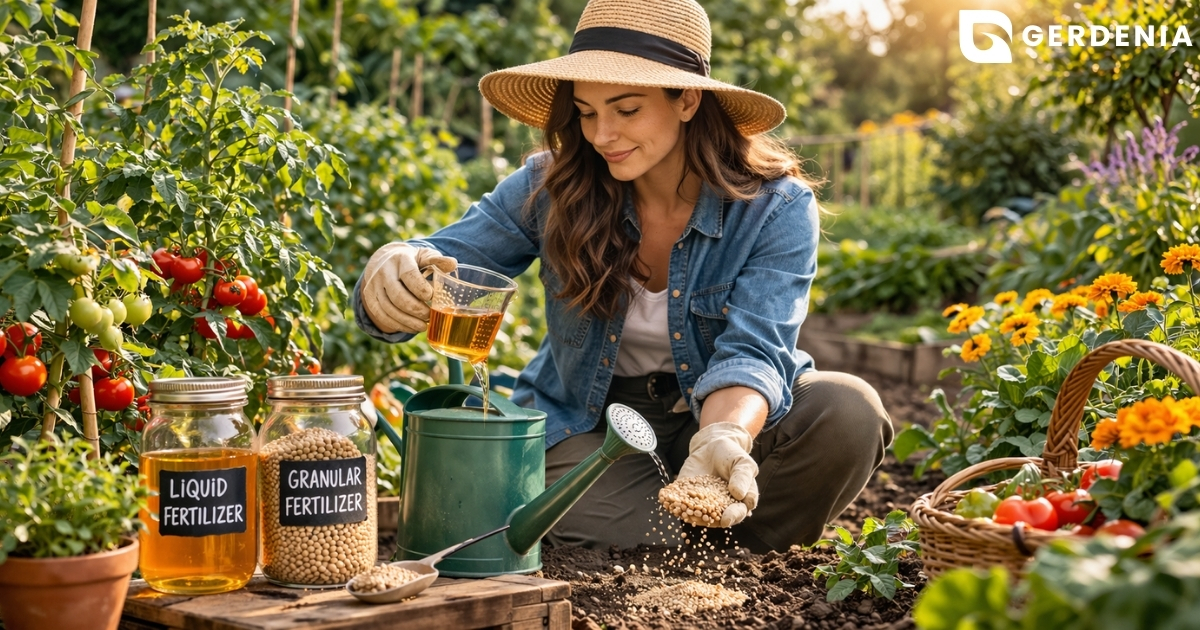
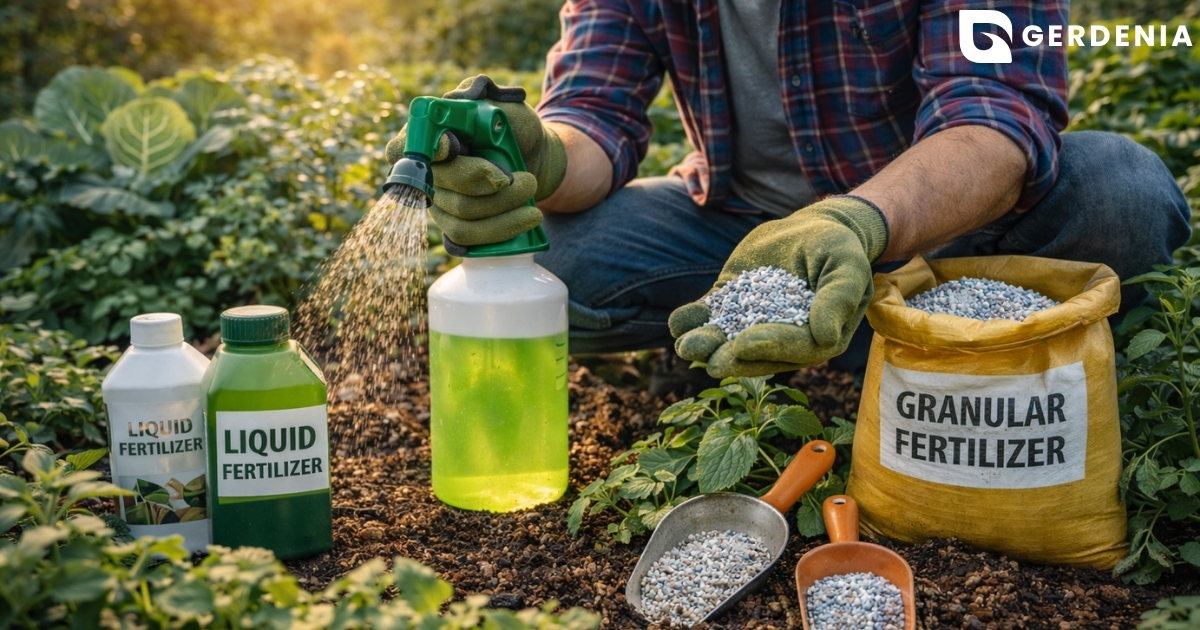
You are standing in the garden center aisle, completely overwhelmed. To your left sits a heavy bag of pellets, while a bright bottle of concentrate catches your eye on the right. Both promise miraculous growth, but choosing between liquid vs granular fertilizer often feels like you need a chemistry degree just to feed your plants.
According to common gardening wisdom, those three numbers on the label—the N-P-K—act as a basic nutritional supplement to fill gaps left by sun and water. However, plants absorb these meals in entirely different ways. Think of the liquid fertilizer vs granular fertilizer debate through the lens of human nutrition. One acts like an espresso shot for an immediate visual green-up, while the other functions like a hearty bowl of slow-cooked oatmeal.
Grabbing the wrong formulation means wasting money and potentially missing your gardening goals. By identifying whether your drooping petunias need a quick energy boost or your garden requires long-term soil building, you can confidently pick the perfect menu for your backyard.

Pellets or Pours? Comparing Application Methods to Save You Time
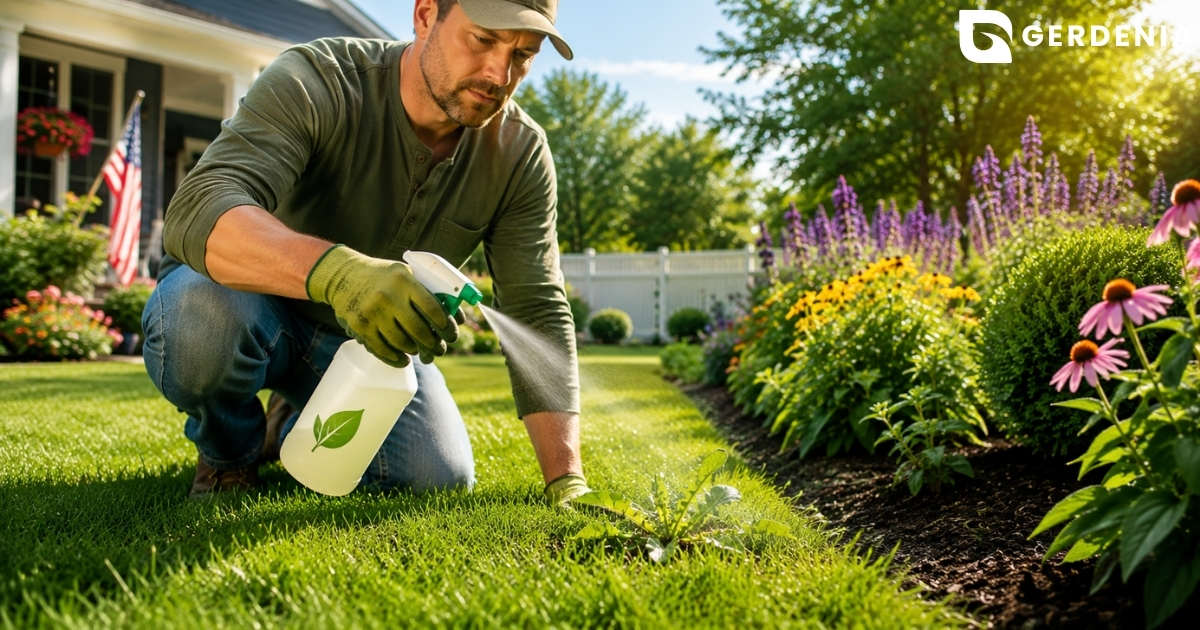
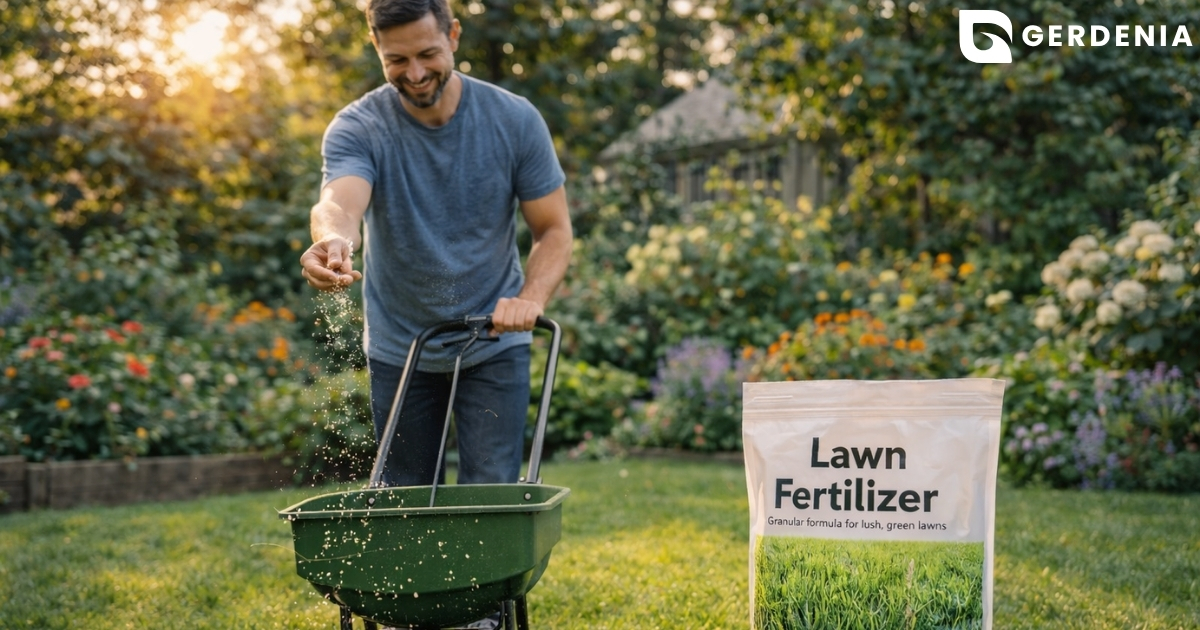
Getting fertilizer across your yard efficiently means choosing a tool that won’t break your back. Deciding between a broadcast spreader vs hose-end sprayer depends entirely on your property size and physical comfort. A sloppy application with either tool ruins the uniformity of nutrient distribution in yard treatments. That mistake creates dreaded “tiger-stripes”—alternating lines of bright green and pale, underfed grass.
To dodge those stripes and save 30 minutes of labor, compare these approaches by prep time and physical effort:
- The “Sprinkler Method” (Liquid): Attaching a bottle to your hose requires almost zero prep and very light physical effort.
- The “Salt and Pepper Method” (Granular): Pushing a wheeled spreader requires lifting heavy bags and more walking, but provides exact coverage for large areas.
- The Clean-up: Sprayers rinse out instantly, whereas spreaders require careful sweeping before dry storage.
Preventing a patchy lawn requires just a little basic prep. Calibrating a liquid spray applicator for lawns or adjusting your spreader’s dial ensures you aren’t dumping all your plant’s food in one spot. Once your equipment is properly set and you’ve finished the application, you’ll probably stare at the grass waiting for a change. The speed of nutrient breakdown explains why liquid fertilizer offers an immediate “green-up.”
The Speed of Growth: Why Liquid Fertilizer Offers an Immediate ‘Green-Up’
Wondering why your patio plants look better just two days after a liquid treatment? It comes down to “bioavailability.” Think of liquid fertilizer as cash in your pocket—it’s energy your plants can spend immediately. Because the NPK ratio availability in different formulations is already completely dissolved in liquids, they provide fast-acting nutrients for immediate plant uptake. Instead of waiting weeks for solid pellets to break down in the dirt, your plants can drink this nutritional “protein shake” and often show a visible green-up within a 48-hour window.
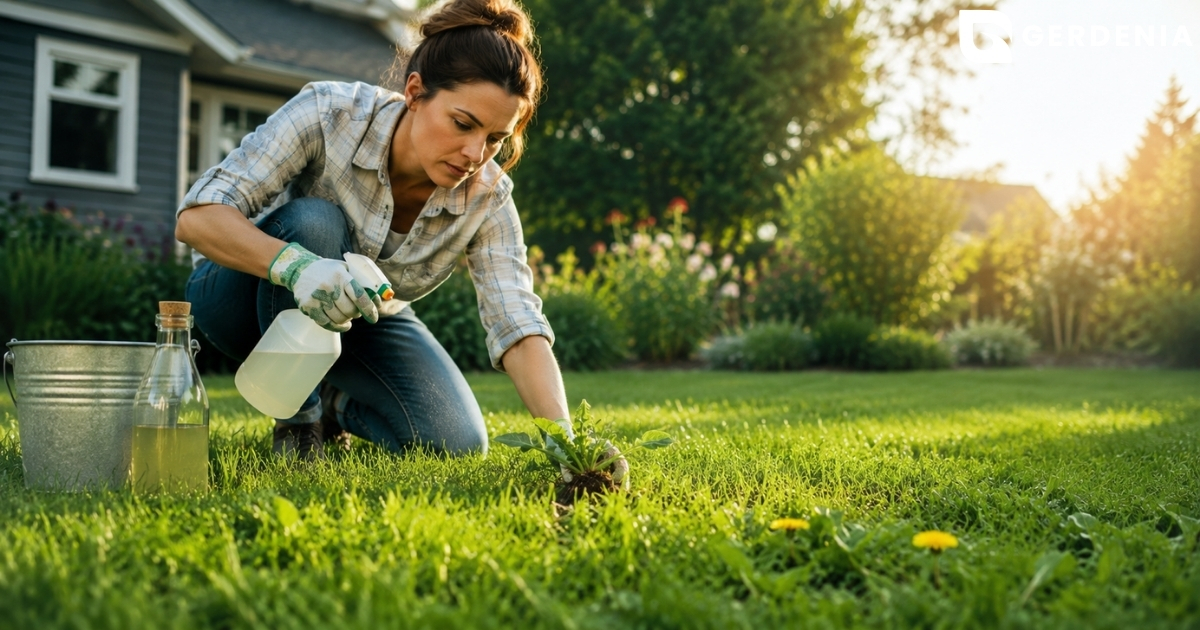
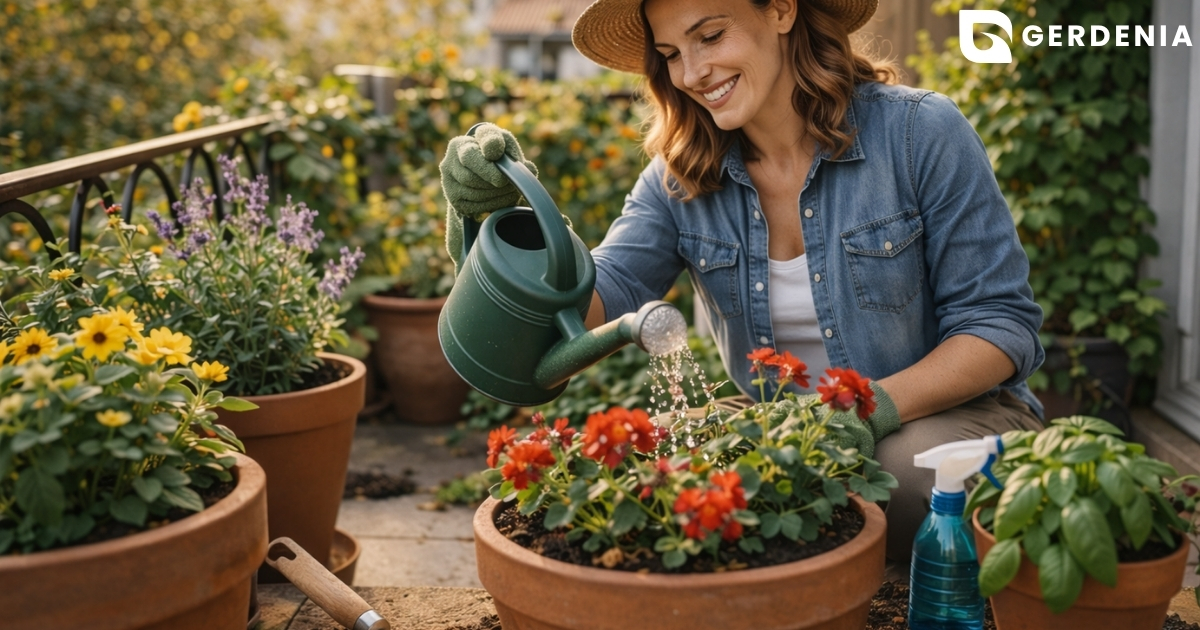
Delivering this fast meal happens through foliar feeding vs soil drenching methods. Soil drenching simply means pouring the mixture directly over the dirt so the roots can absorb it. But the real secret for a rapid recovery is foliar feeding. Because plants have tiny pores on their leaves, spraying a mild liquid directly onto the foliage bypasses the soil entirely for instant absorption. It is the perfect strategy for quick, precise spot treatments in container gardens.
Knowing when to deploy this high-speed tactic can save a struggling yard before it’s too late. Keep liquid fertilizer handy for these common emergency rescue scenarios:
- Reviving yellowing petunias that have lost their soil nutrients to heavy, daily watering.
- Rescuing heat-stressed roses that need a quick, easily digestible energy boost.
- Correcting pale, stunted tomato plants requiring a fast dose of nitrogen to jumpstart growth.
While liquid provides a satisfying instant fix, your garden can’t survive on espresso shots alone. Next, we explore building long-term health with granular fertilizer’s slow-release nitrogen.

Building Long-Term Health with Granular Fertilizer’s Slow-Release Nitrogen
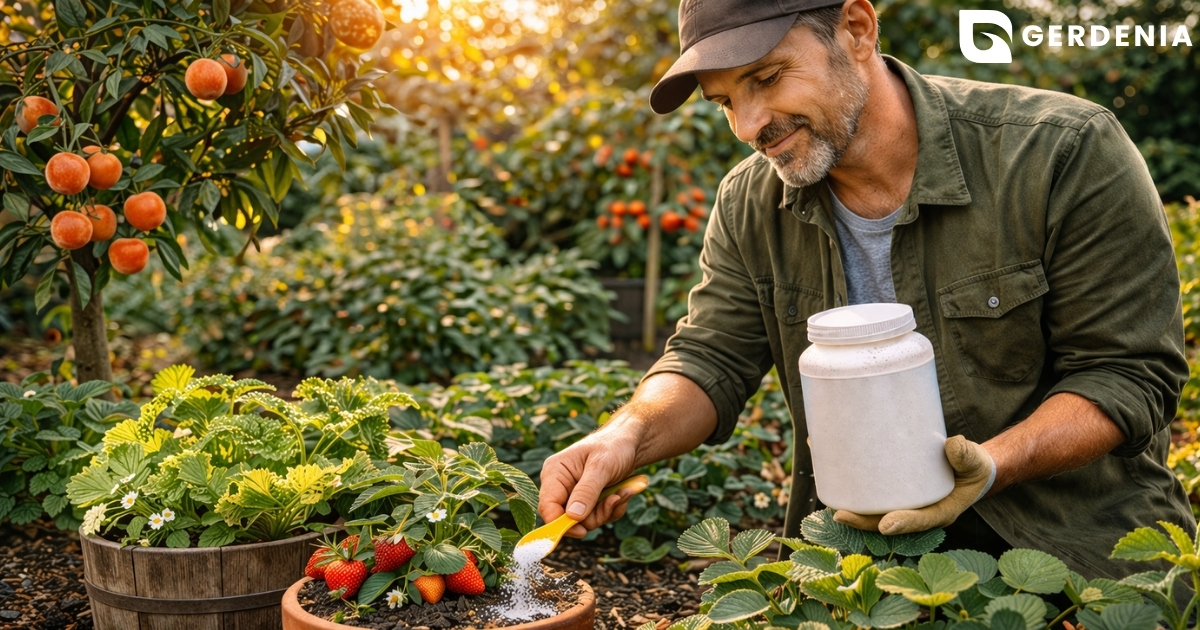
If liquid fertilizer is cash in your pocket, granular options act like a high-yield savings account for your yard. These dry pellets break down gradually over time, providing a steady, reliable drip of nutrition to roots rather than an overwhelming flood. By building this nutrient reserve, you are setting up a system that feeds your plants continuously for 8 to 12 weeks. Instead of dragging out the watering can every two weeks for a liquid boost, you can achieve a thriving, low-maintenance garden by scheduling just three or four granular applications a year.
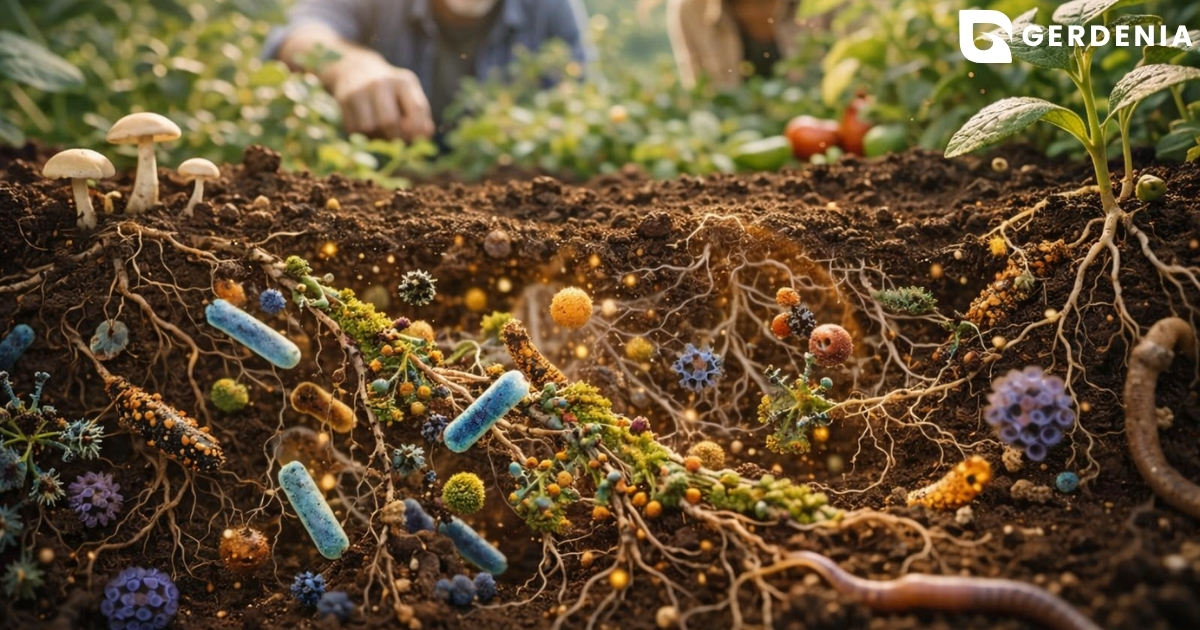
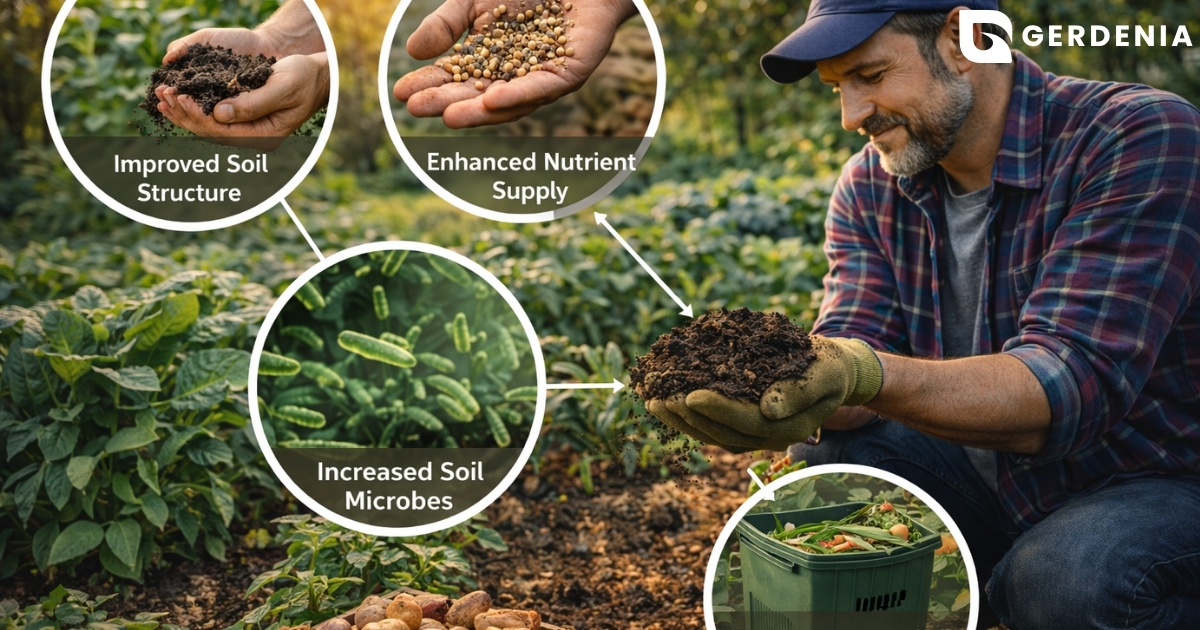
Beyond simply saving you time on a Saturday morning, the primary slow-release nitrogen benefits center around protecting your local environment. When heavy rain hits, fast-acting liquids can easily wash away—a process called leaching—especially if you have loose, sandy soil rather than heavy, water-retaining clay. Granular pellets resist this washout, staying anchored in the dirt where soil microbes slowly digest them. This gradual breakdown supports a thriving underground ecosystem, minimizing the negative, long-term soil health impacts of synthetic plant food that often stem from dumping too many harsh nutrients at once.
Nailing the seasonal timing for slow-release vs quick-release applications ensures your yard gets exactly what it needs without wasted effort. Spring and early fall are the perfect times to lay down that granular foundation, setting the stage for months of steady growth. However, even with the forgiving nature of a slow-drip meal, applying too much of a good thing can still backfire. To keep your backyard oasis thriving, careful application is crucial to prevent fertilizer burn and manage nutrient leaching.
Safety First: Preventing Fertilizer Burn and Managing Nutrient Leaching
Have you ever noticed brown, scorched stripes across a neighbor’s otherwise green yard? That crispy grass is a classic visual of the risk of fertilizer burn on turfgrass. Because plant food is essentially composed of concentrated mineral salts, applying too much at once—or spreading it onto bone-dry soil—forces those salts to pull moisture directly out of the plant’s roots. Instead of giving your grass a hearty meal, you accidentally dehydrate it. To prevent this backyard disaster, always water your garden lightly before and after feeding.
Beyond protecting your own grass, you must also safeguard local streams from excess chemicals. The way your yard holds moisture dictates your feeding strategy:
- Sandy Soil (High Leaching): Because water drains rapidly, you face severe nutrient leaching in sandy vs clay soil. Slow-release granulars are best here, as liquids wash right past the roots.
- Clay Soil (High Runoff): Because water pools on the surface, heavy rain exposes the environmental runoff differences in delivery systems. Liquids easily wash away horizontally into storm drains.
Matching your product to your soil type keeps nutrients working in your garden instead of polluting the neighborhood. Once you know how to safely feed your lawn without scorching it, the next step is protecting your wallet. Evaluating these options requires looking at the practical math: comparing cost per square foot and shelf life.

The Practical Math: Comparing Cost per Square Foot and Shelf Life
It is tempting to just grab the cheapest product in the garden center aisle. But comparing the sticker price of a concentrated bottle to a heavy bag is like comparing a daily café habit to brewing coffee at home. To find the true value of liquid vs granular fertilizer, you must calculate the cost per square foot for lawn treatments. A twenty-dollar bag of granular food might feed a large backyard for months, while a fifteen-dollar liquid bottle might only cover your patio for a few weeks.
Buying bulk only saves money if the product actually survives a humid summer in your garage. Moisture is the natural enemy of cardboard packaging, slowly absorbing into the product and turning perfectly good pellets into a solid, unusable brick. You can maximize the shelf life and storage of dry fertilizer bags by transferring leftovers into airtight plastic bins immediately. If you lack storage space, liquids are immune to clumping, though they are vulnerable to winter freezing. With your budget and storage sorted, a 4-season game plan dictates exactly when to reach for liquid versus granular treatments.
Your 4-Season Game Plan: When to Reach for Liquid vs. Granular
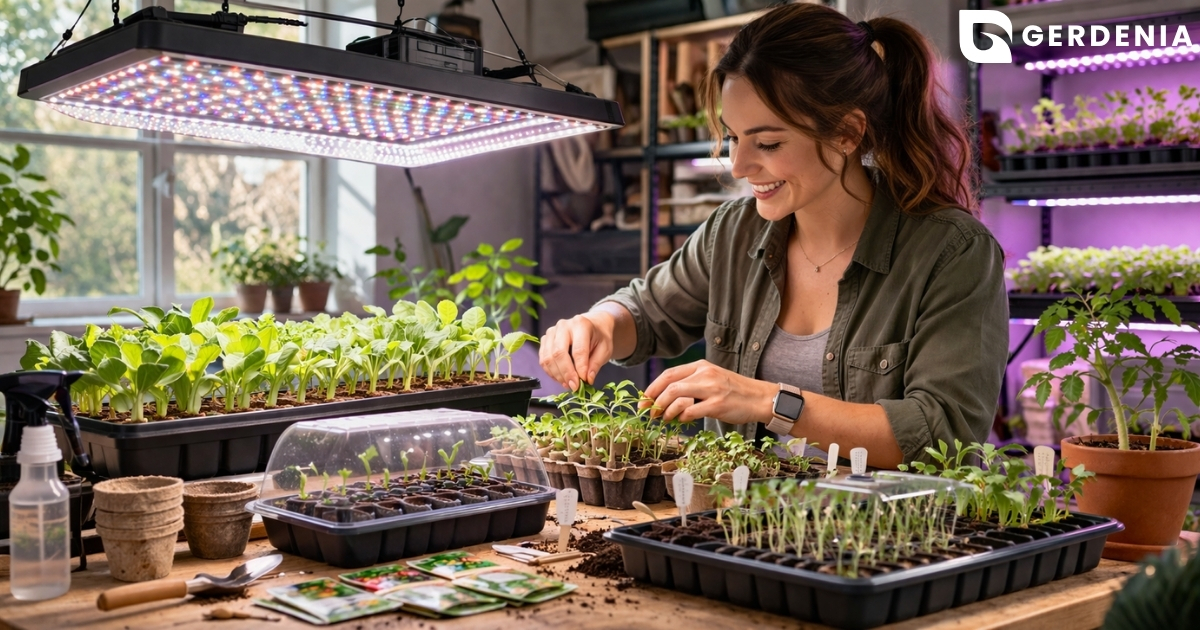
You no longer have to freeze in the garden center aisle. Instead of guessing between liquid fertilizer vs granular fertilizer, you can confidently grab exactly what your yard needs. For example, if you are wondering which fertilizer is better for new grass seed, a gentle liquid spray gives those fragile new roots an immediate, safe meal without burning them.
To master the seasonal timing for slow-release vs quick-release nutrients, keep this Quick-Decision Cheat Sheet handy:
- Use Liquid For: New seedlings, potted patio plants, and fast mid-summer boosts.
- Use Granular For: Spring lawn wake-ups, large vegetable beds, and long-term soil health.
- The Hybrid Strategy: Apply granular in spring as a steady baseline, then use liquid touch-ups for summer yellowing emergencies.
Start with a simple granular application this weekend to see steady, stress-free results. Feeding plants isn’t about complex chemistry; it is simply deciding between a quick espresso shot or a slow, hearty bowl of oatmeal. You are fully equipped to walk into any store and cultivate a vibrant, professional-looking yard.