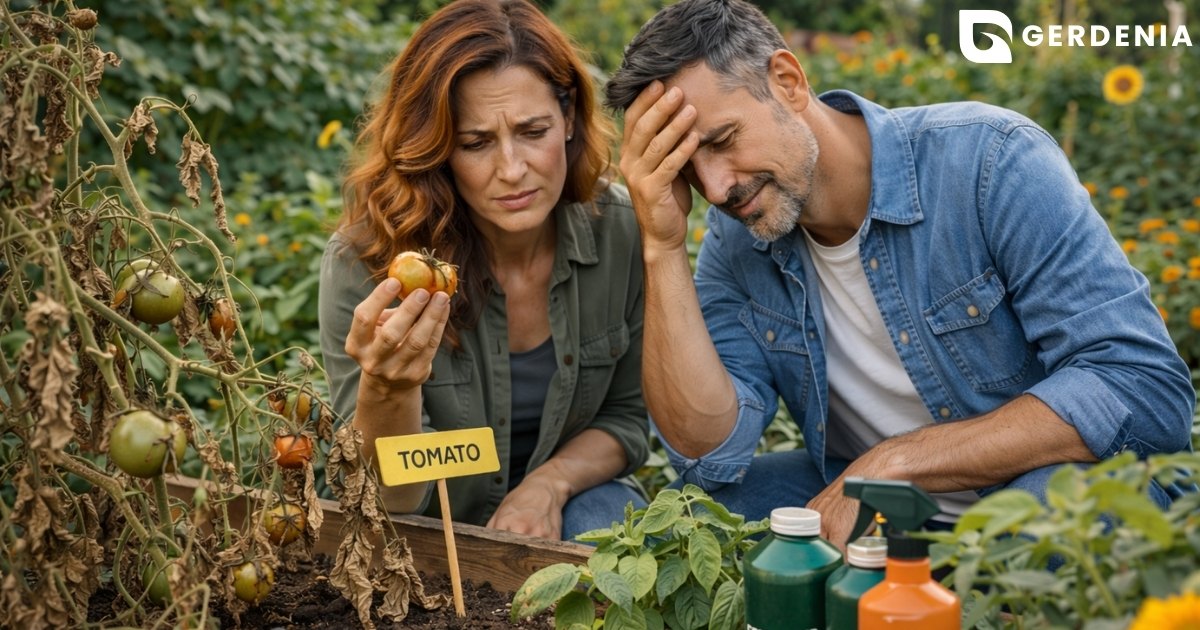
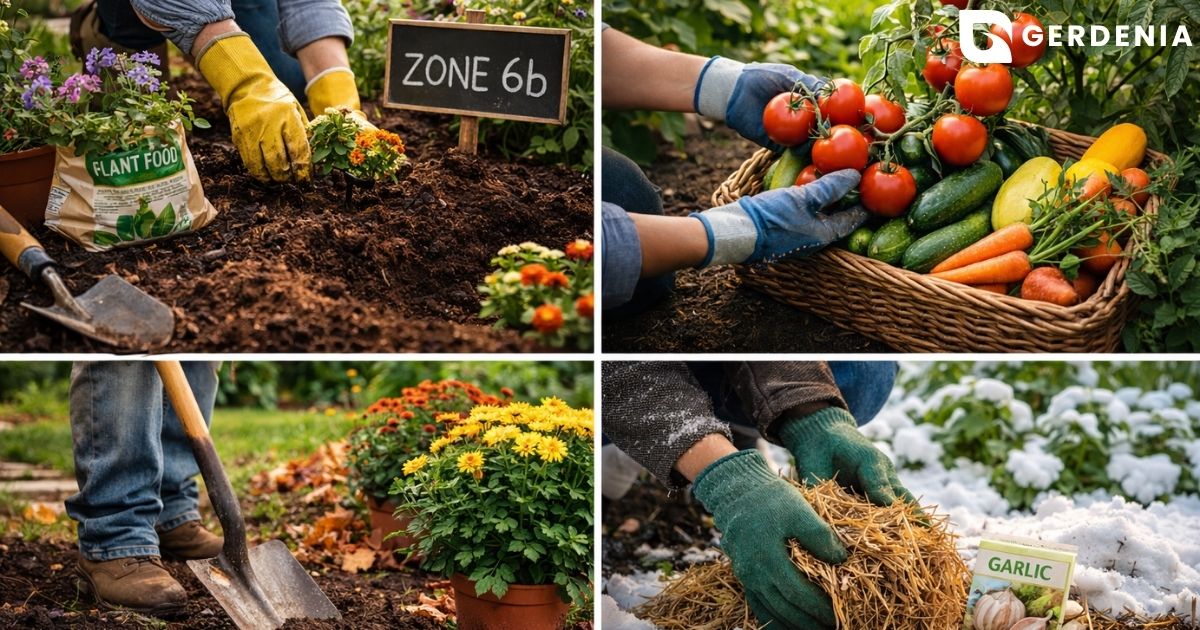
In our region, April is a notoriously beautiful liar. One afternoon you are enjoying sunny warmth, and the very next morning, your ambitious seedlings are shivering in a surprise frost. This unpredictable weather, often called the ‘fickle spring’, easily catches hopeful beginners off guard. According to local agricultural extension data, rushing this volatile season is the most common mistake new growers make.
Understanding your yard begins with decoding the USDA hardiness zone map requirements for our area. Think of Zone 6b as a plant’s winter thermostat setting, indicating a baseline ‘comfort zone’ where temperatures historically drop to between -5°F and 0°F. By choosing shrubs and perennials that survive this specific deep freeze, you naturally build a landscape that bounces back effortlessly after the snow melts.
Even within those broad regional boundaries, your backyard contains hidden pockets of varying temperatures called microclimates. A south-facing brick wall absorbs sunlight all afternoon and radiates it back at night, utilizing natural thermal mass to keep the nearby soil surprisingly warm. In practice, situating tender basil near this heat sink allows it to survive crisp evenings that would severely damage plants left out in the open wind.
Mastering these subtle temperature shifts unlocks a true four-season garden, letting you harvest crisp winter kale alongside your summer tomatoes. A comprehensive zone 6b planting guide translates this seasonal rhythm into an easy, month-by-month routine. Trusting a reliable planting guide removes the guesswork, helping you time your chores perfectly for a thriving year-round harvest.
Navigating the ‘Fickle Spring’: Why May 15th is Your Most Critical Date
To avoid springtime heartbreak, you must first ask: When is the last frost date for Zone 6b? For most of us, the magic target is May 15th, which represents the statistical point when the danger of freezing temperatures finally passes for the season.
Rushing out to dig the moment the snow melts can actually ruin your garden beds by causing soil compaction, which happens when wet dirt is pressed so tightly together that delicate roots cannot breathe or grow. Before you even pick up a trowel, you need to verify that the earth has properly dried out from the winter snowmelt.
To determine if your beds are genuinely prepared, rely on a simple three-step check:
- The Squeeze Test: Grab a handful of dirt and squeeze it firmly. If it drips water or stays in a solid, muddy clod when poked, wait; if it crumbles easily like chocolate cake, start planting.
- The Temperature Probe: Wait until the soil—not just the air—reaches 60°F for warm-weather favorites like tomatoes.
- The Weed Indicator: Once pesky early weeds start sprouting on their own, the ground is officially waking up.
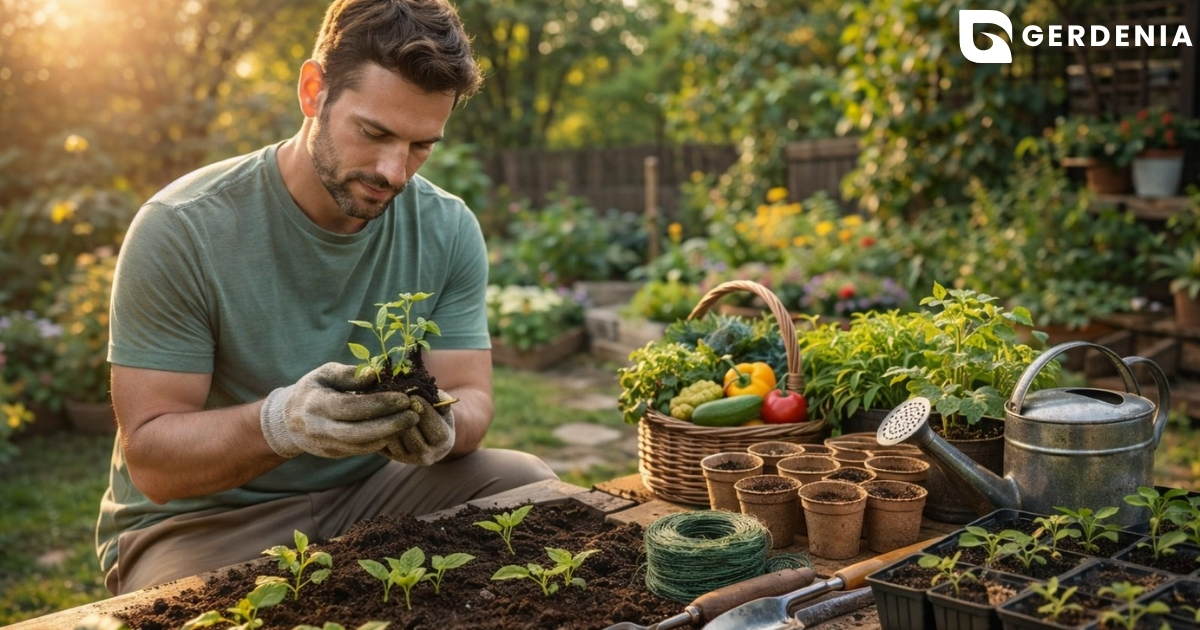
Even with perfect dirt, your indoor-grown plants will go into shock if moved outside instantly. Successfully protecting plants from late spring frost and harsh winds requires hardening off, a seven-day process of slowly introducing them to the outdoors. Think of it like letting a child adjust to the pool temperature by dipping their toes in first; start your plants with just one hour of dappled sunlight, gradually increasing their exposure each day.
Generations of successful gardeners rely on nature’s cues, waiting until the oak leaves are the size of a squirrel’s ear to finally plant corn outside. While you wait for that perfect mid-May window, there is still plenty of safe gardening to do right now.

Early Wins: Planting Frost-Tolerant Crops for a March Start
Waiting until mid-May for tomatoes does not mean your garden beds must sit empty all April. By understanding the difference between warm-season and cool-season crops, which actively thrive in chilly 35–50°F weather, you can safely kick off your zone 6b vegetable planting calendar a full four weeks before the last frost.
Cold weather actually performs a fascinating magic trick on these early vegetables through a process called starch-to-sugar conversion. When temperatures drop near freezing, these plants break down their stored starches into natural sugars, which act as a biological antifreeze to stop their cells from bursting. This clever survival mechanism is exactly why a leafy green harvested after a frosty morning tastes noticeably sweeter than anything from the grocery store.
Beyond just surviving a chill, some zone 6b plants absolutely require a period of cold to develop properly, a biological trigger known as vernalization. Think of it as a mandatory winter nap; without experiencing this chilling phase, certain hardy seeds will stubbornly refuse to sprout, and crops like garlic will fail to divide into full bulbs.
To secure your first delicious harvest of the year, focus your efforts on reliable frost-tolerant crops for early spring. These five champions can survive a light freeze and will happily sprout in cool, damp dirt:
- Kale: Its leaves become incredibly crisp and sweet after a frost.
- Spinach: Grows rapidly in the cool, gentle April rains.
- Peas: A classic early vine that loves cold roots.
- Radishes: Fast growers that are ready to harvest in just 30 days.
- Swiss Chard: Provides bright, resilient stems that bounce back from frosty mornings.
As the spring sun eventually warms the earth, these cold-loving vegetables will finish growing right when your summer seedlings are finally ready to move outdoors. This natural handover sets the stage perfectly for continuous harvesting.
The Summer Transition: Using Succession Planting to Maximize Every Square Foot
By late June, your spring radish and lettuce patches might look a bit ragged, leaving you with dreaded “empty garden” syndrome. Instead of letting that valuable dirt sit idle, you can use a technique called succession planting—the practice of immediately replacing a harvested crop with a new seed or seedling. This strategy keeps your soil active through July and doubles your food production without requiring a single extra inch of yard space.
Mastering a good succession planting strategy for short seasons means pairing early spring sprinters with summer heat-lovers. As soon as you pull the last of your cool-weather crops, pop these reliable warm-weather replacements right into the same spot:
- Peas followed by Beans: After spring peas fade, plant bush beans for a fast, abundant second harvest before the autumn frost.
- Spinach followed by Peppers: Swap out your bolting (going to seed) spinach for heat-loving pepper transplants.
- Garlic followed by Kale: Harvest summer garlic bulbs and immediately sow kale seeds for a late autumn treat.
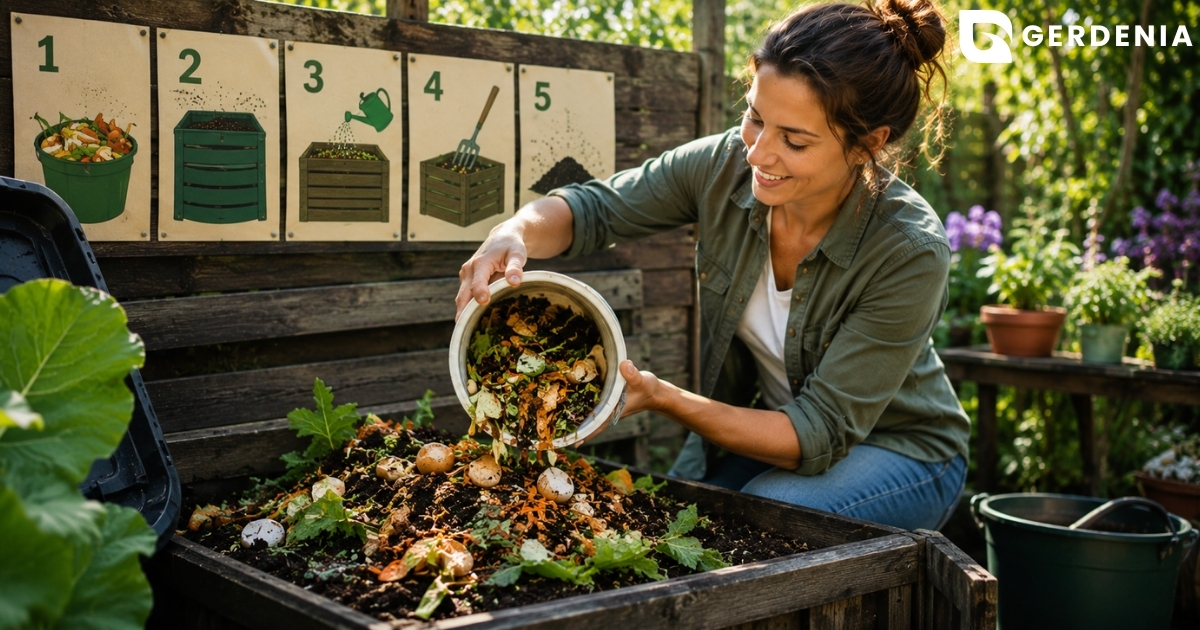
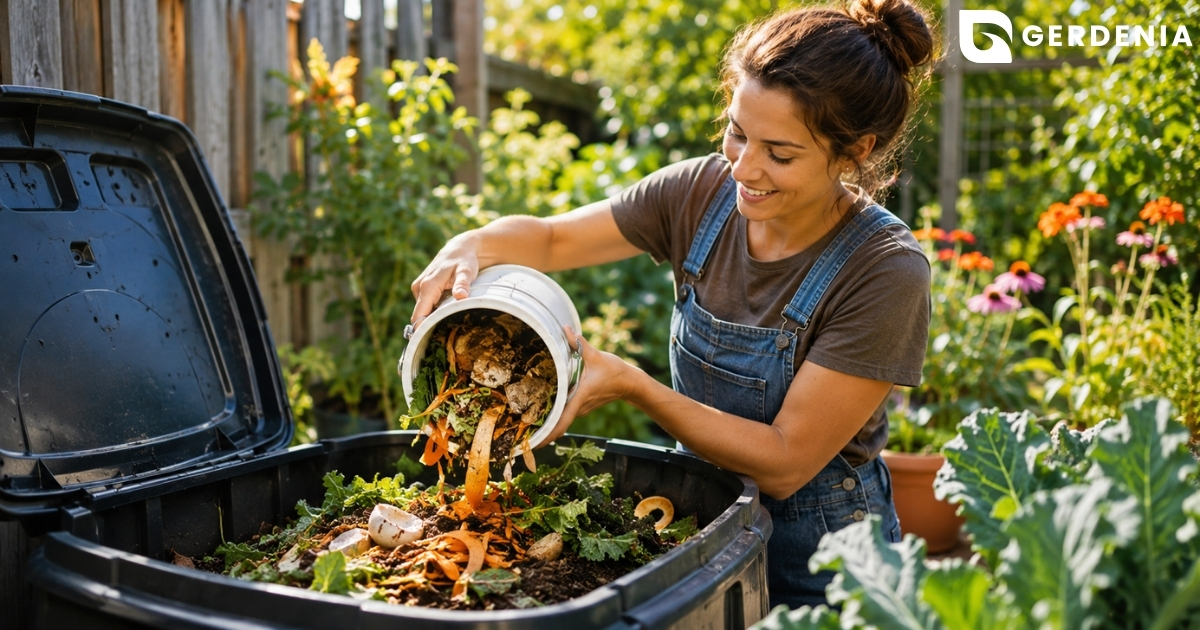
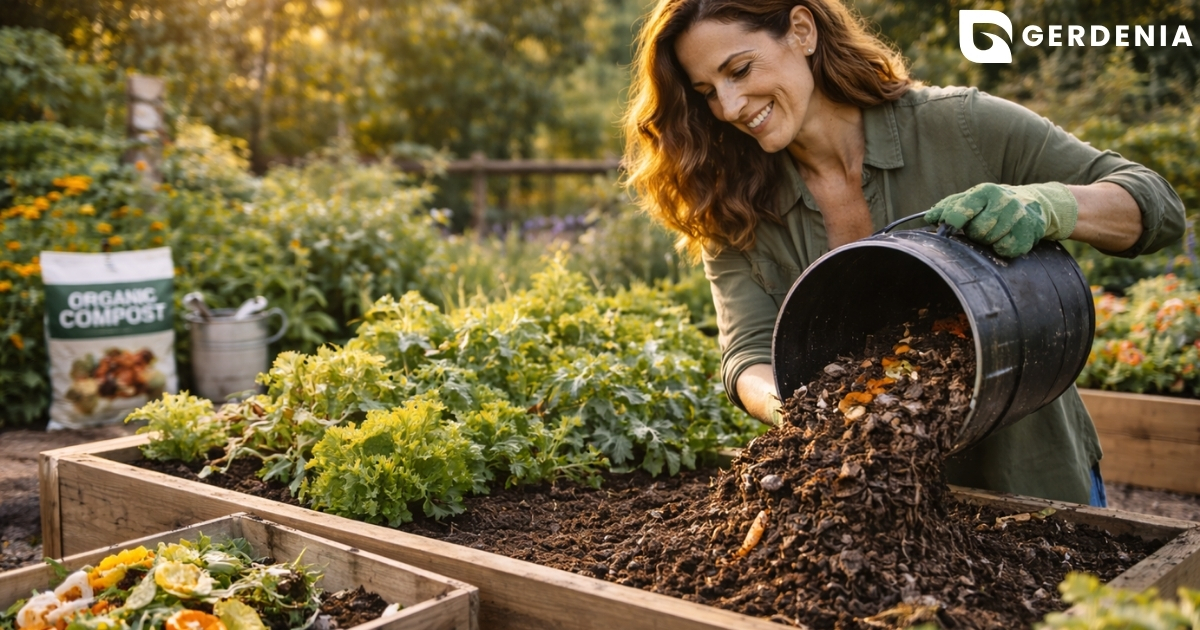
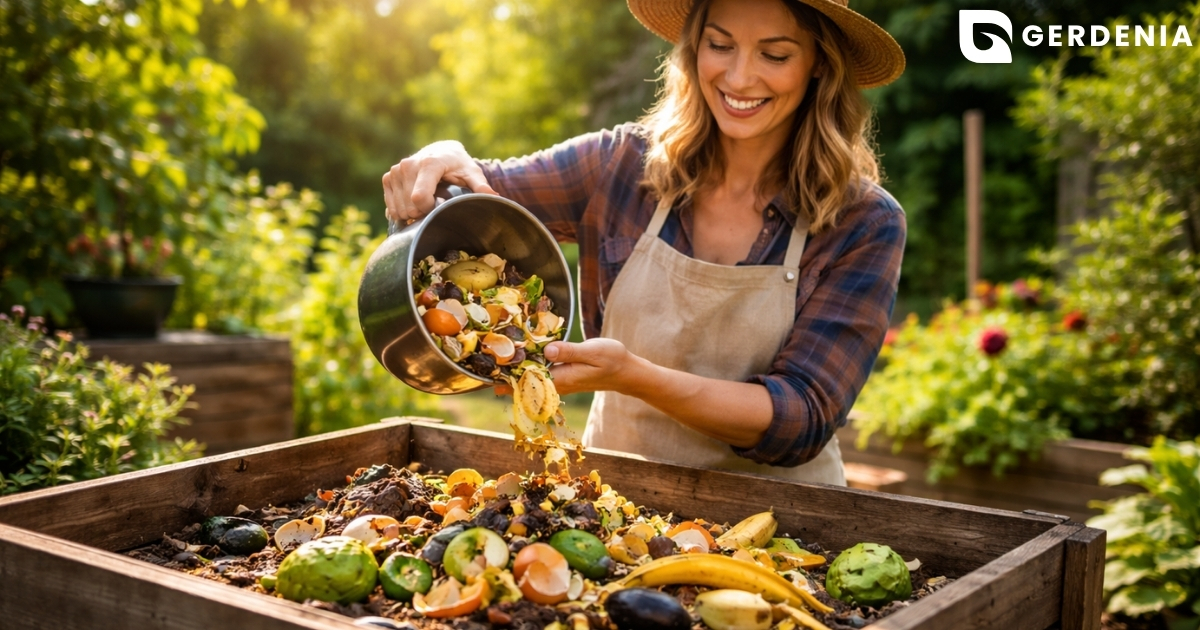
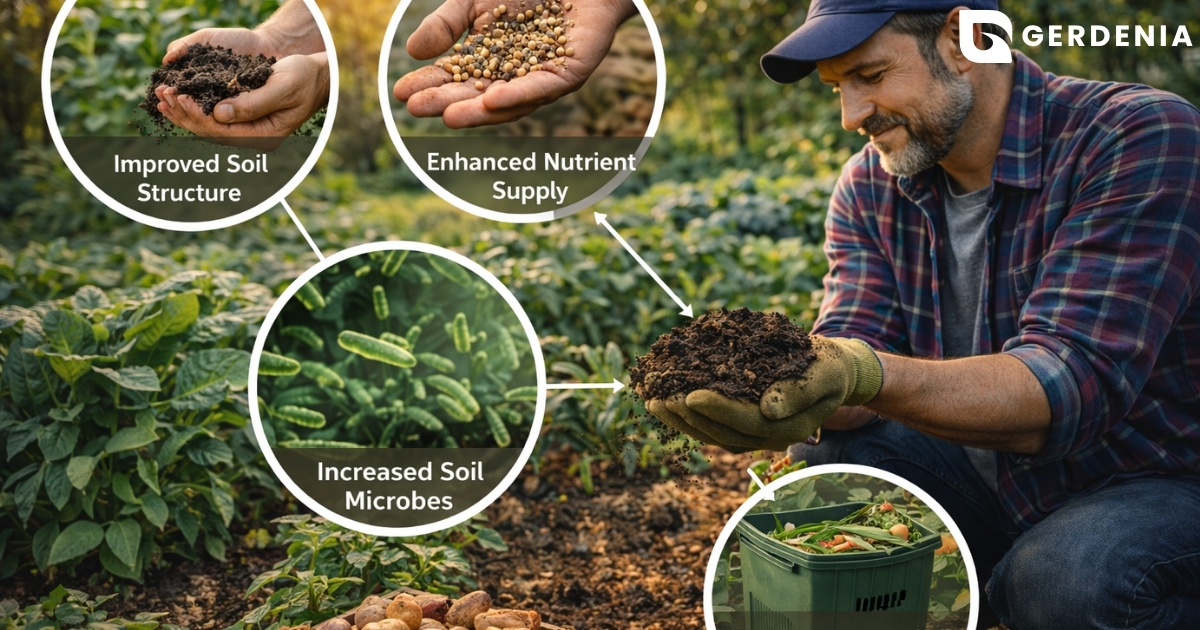
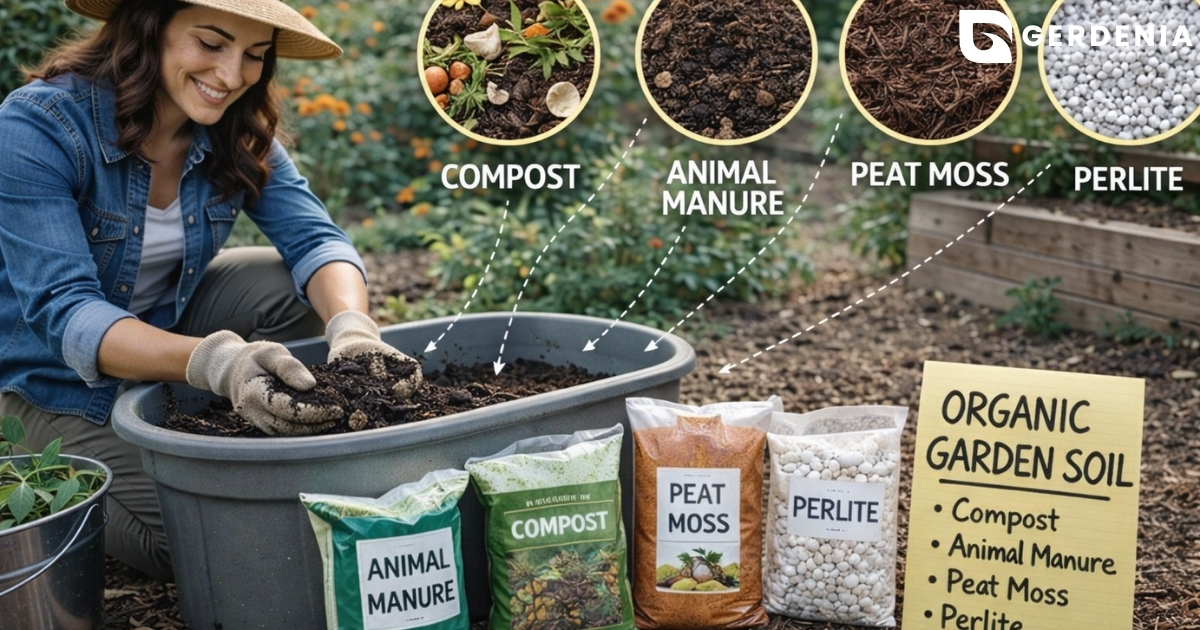
Swapping plants back-to-back is incredibly efficient, but it can quickly lead to nutrient depletion, which happens when the first crop eats all the available food in the dirt. Think of your garden bed like a pantry; before the second round of guests arrives, you need to restock the shelves. Mixing a quick shovel full of rich compost into the empty hole before planting your summer veggies gives the new roots exactly the fuel they need to thrive.
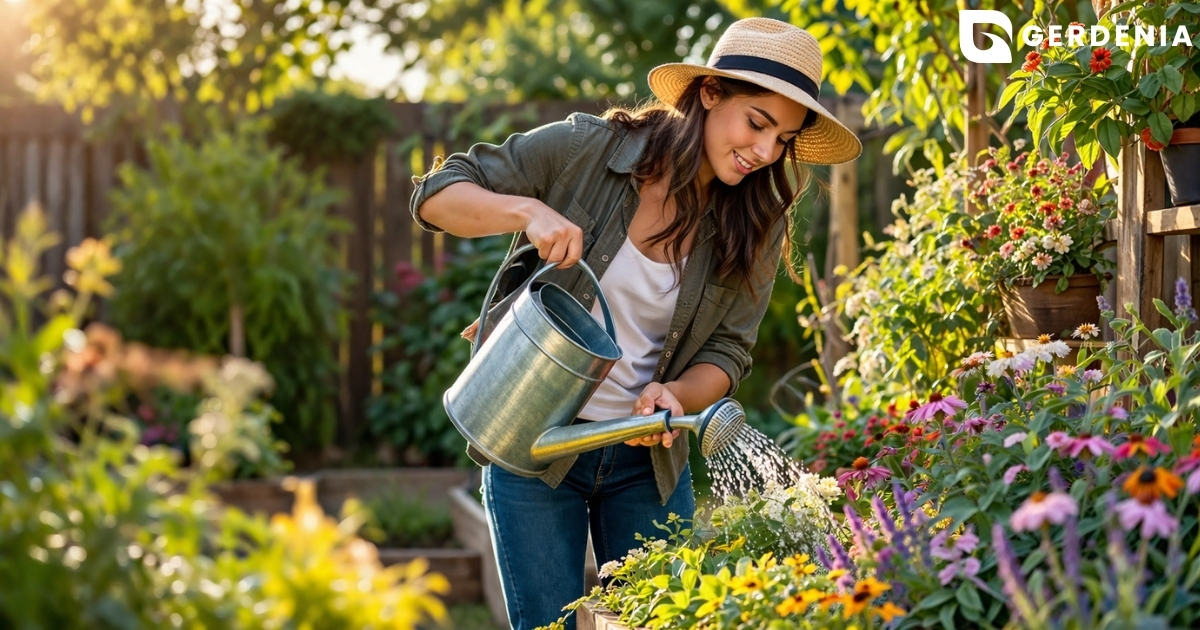
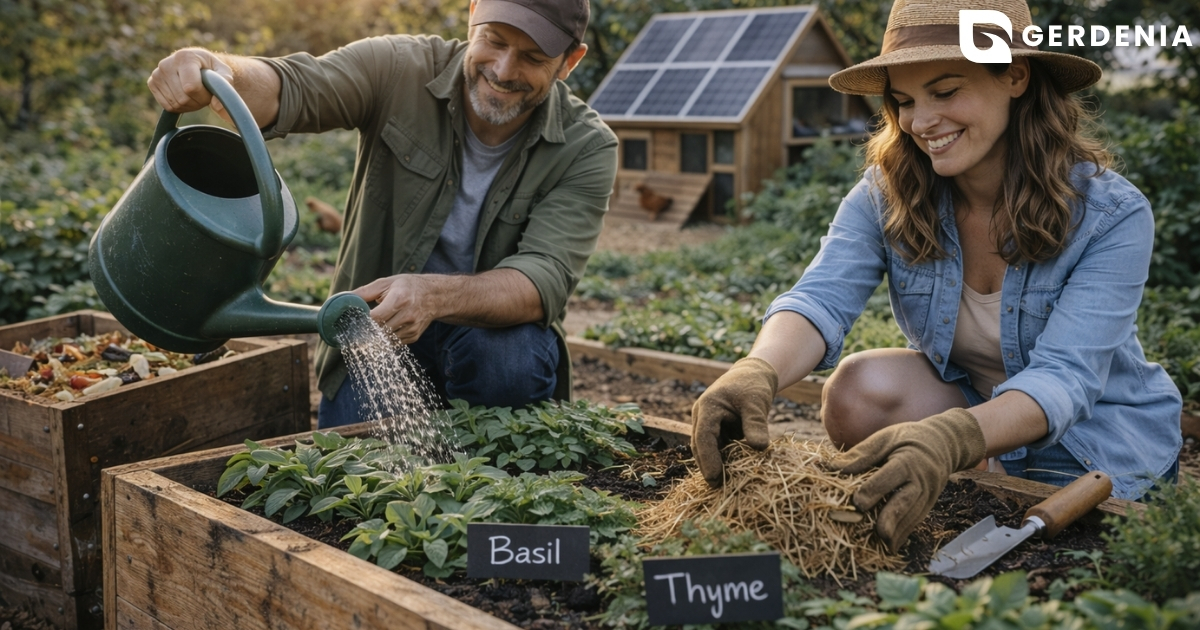
Summer heat brings a new challenge to those freshly planted roots, making moisture management absolutely critical for your 6b garden. Applying a two-inch layer of organic mulch—such as straw or shredded leaves acting as a protective blanket over the dirt—can drastically cool the roots and reduce your watering needs by up to 50 percent. Besides keeping the soil damp, this natural barrier breaks down over time, quietly improving garden soil drainage and preventing hard, cracked earth during August droughts.
Keeping your beds full and heavily mulched is the cornerstone of a successful year-round garden maintenance schedule, but summer inevitably yields to cooler winds. While your beans and peppers are still producing, it pays to look ahead to the next seasonal shift.

Fall Prep and Perennial Care: Protecting Your Long-Term Investment
When the crisp October air chases away the summer heat, it is tempting to abandon the garden entirely. Fall, however, is the critical time to prepare your yard’s long-term residents for dormancy, a plant’s natural winter sleep cycle where it stops growing to conserve energy. Properly managing this shift ensures your expensive plants survive freezing weather and bounce back beautifully next spring.
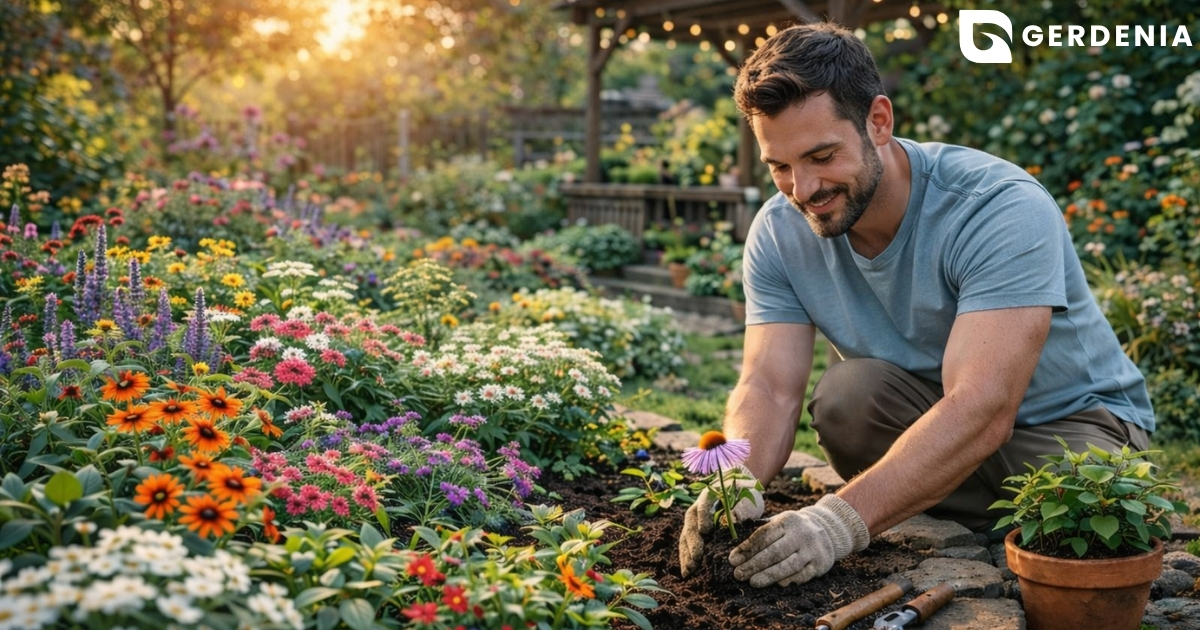
Navigating the “cut-back” rule is your first step in autumn care. While your summer annuals will completely die off, your perennials are simply retreating underground, so resist the urge to chop everything down to the dirt. The best perennials for hardiness zone 6—like purple coneflowers and black-eyed Susans—actually benefit if you leave their dried flower heads standing, providing crucial seeds for winter birds while naturally protecting the plant’s crown from heavy snow.
Winter soil introduces a hidden threat to those sleeping roots through frost heave, a damaging process where the region’s freeze-and-thaw cycles create expanding ice that pushes plants right out of the ground. To prevent this, you need to provide root insulation by spreading a thick layer of shredded leaves over the dirt after the ground freezes hard. This extra blanket regulates the underground temperature, solving the mystery of how to overwinter tender perennials without losing them to dreaded winter root rot.
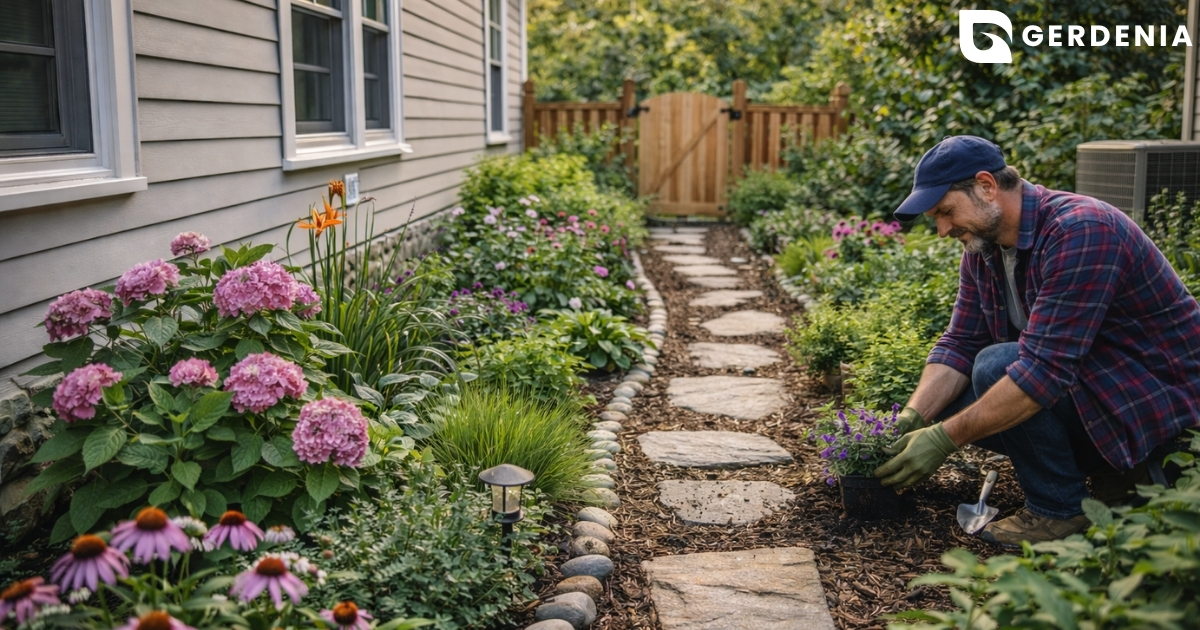
Above ground, icy winds can easily dry out the exposed branches of your favorite bushes. Building a simple wind-buffer out of burlap wrapped around wooden stakes provides a physical shield for vulnerable shrubs like hydrangeas, blocking harsh gusts without trapping moisture. This extra step highlights key zone 6a vs 6b gardening differences, as our milder mid-winter thaws can trick unsheltered plants into waking up far too early.
Just before you pack up your trowels for the year, remember that autumn dirt is perfect for setting up next year’s flavor. Successfully planting garlic in the fall allows the cloves to establish strong root systems before the ground freezes, resulting in a massive harvest by the middle of next summer.
Once your bulbs are safely tucked away under a layer of straw, you can focus on keeping fresh greens growing through the coldest months.

Winter Resilience: The Milk-Jug Greenhouse and Cold Frame Secrets
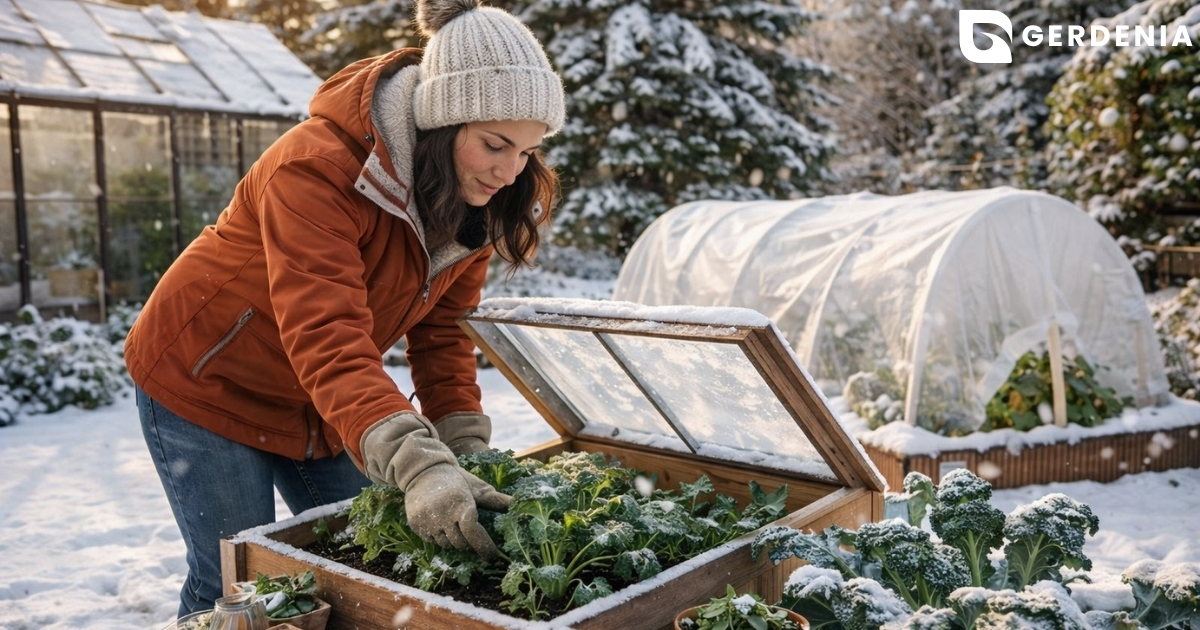
Staring out at a frosty January yard makes many gardeners feel their hobby is paused, but a simple wooden box changes everything. By mastering basic cold frame gardening tips, you can harvest fresh spinach well into December. A cold frame is simply a bottomless box topped with a clear lid placed directly over your garden bed. This setup relies on the greenhouse effect—capturing sunlight to trap heat, keeping the soil significantly warmer than the freezing Zone 6b air outside.
Beyond extending your autumn harvest, you can use freezing weather to jumpstart next year’s flower beds for pennies using recycled materials. The milk-jug greenhouse is a brilliant winter seed sowing technique that saves serious time and effort. Simply slice a plastic gallon jug in half, fill the base with potting soil, plant your seeds, and tape it shut before setting it in the snow. The jug acts as a miniature dome, protecting seeds from birds while letting precipitation naturally water the dirt through the open spout.
Leaving seeds in the ice sounds risky, but many native plants demand this exact treatment. This requirement is called cold stratification, a natural biological process where seeds need prolonged exposure to freezing, wet conditions to break their tough outer dormancy shells so they can finally sprout. Top 4 seeds for this “set and forget” method:
- Milkweed
- Echinacea
- Poppies
- Larkspur
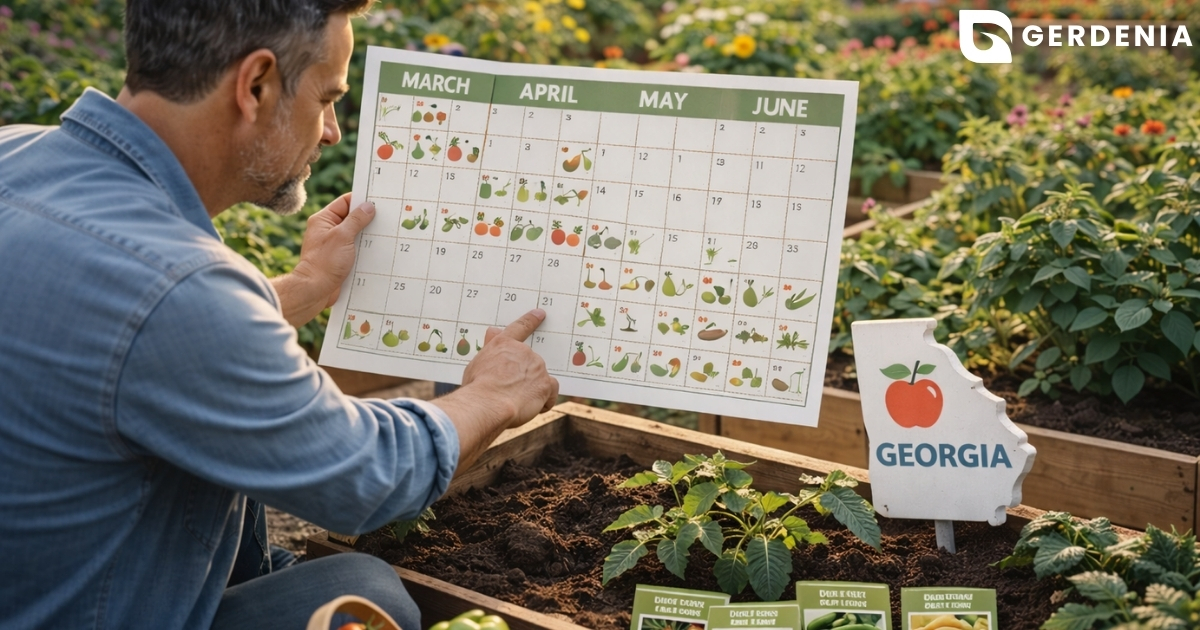
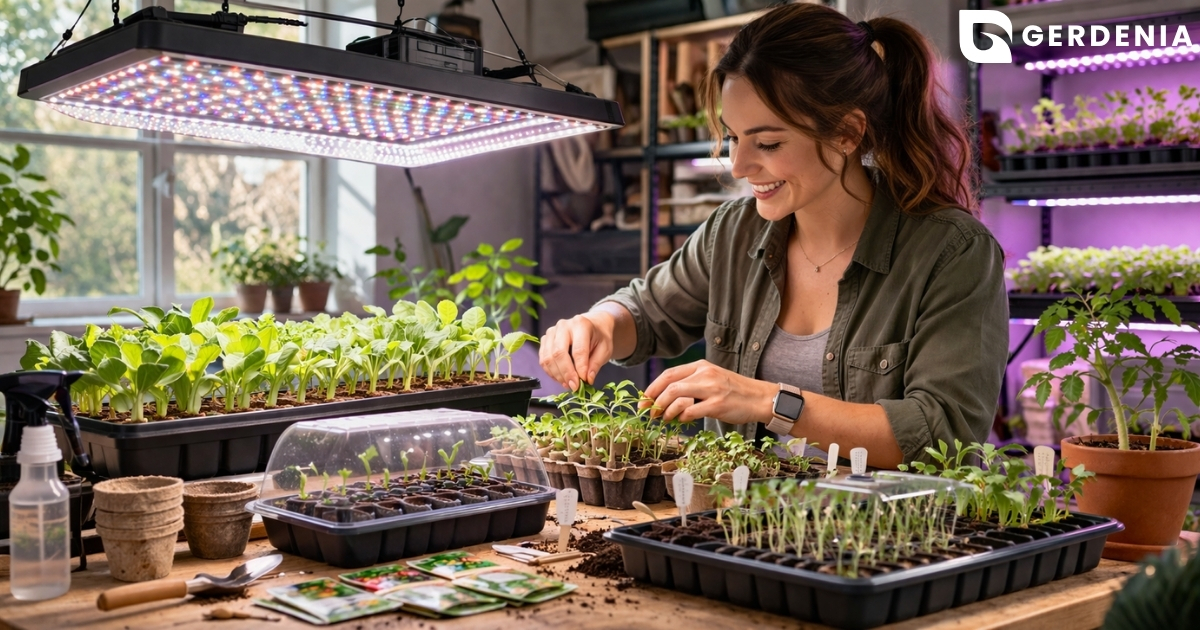
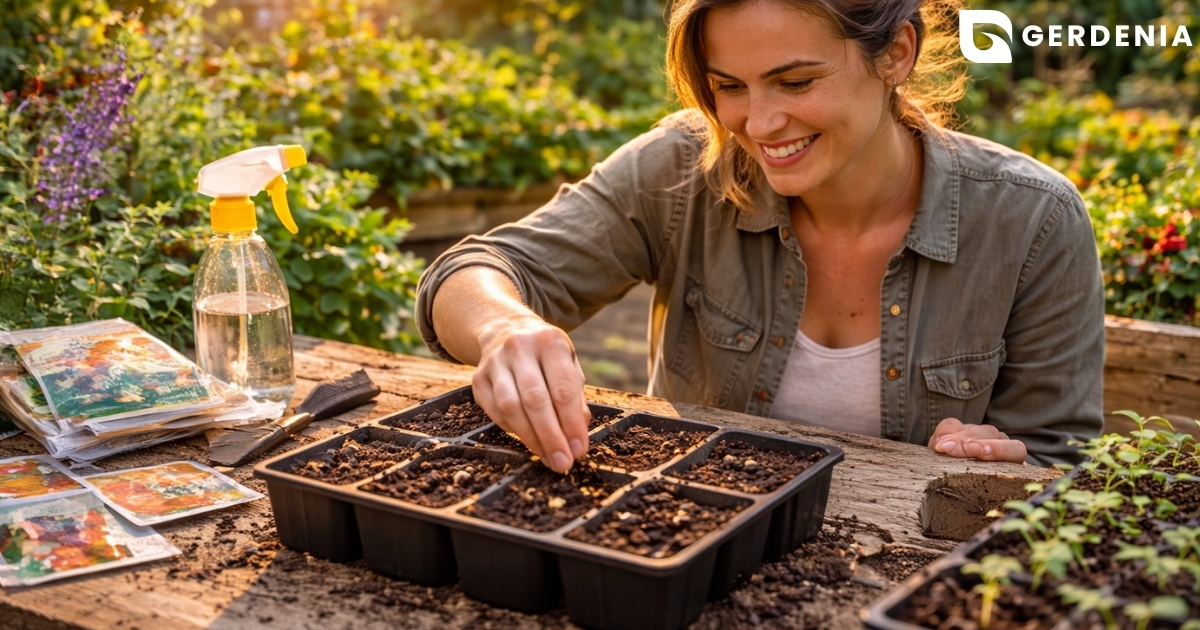
While tender vegetables still follow a traditional indoor seed starting timeline under warm lights in March, these winter-sown jugs safely manage themselves outdoors. They naturally sprout when the spring temperature is perfect, completely skipping the stressful transition from house to garden. Sorting out what goes in the snow versus the house is easy when following a structured monthly action plan.
Your 6b Success Roadmap: A Month-by-Month Action Plan
Zone 6b offers a beautiful gift of four distinct seasons, each with its own rhythm and opportunities. By understanding these temperature shifts, you can confidently navigate the entire year.
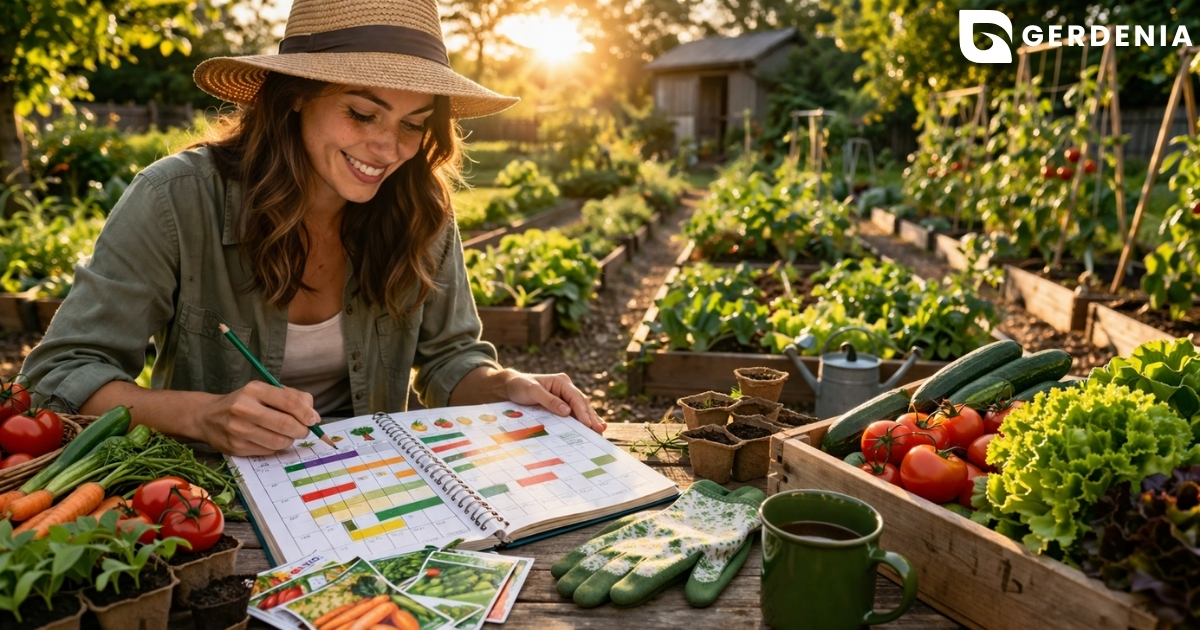
To prevent burnout, simplify your year-round garden maintenance schedule with this monthly high-value task list:
- Jan: Plan
- Feb: Settle Soil
- Mar: Sow Peas
- Apr: Harden Off
- May: Plant Annuals
- Jun: Mulch
- Jul: Deep Water
- Aug: Fall Sowing
- Sep: Harvest
- Oct: Plant Garlic
- Nov: Amend Beds
- Dec: Rest
Establish this steady routine to guarantee consistent harvests without the overwhelm. As you apply this linear framework, set a simple goal for next season’s soil improvements, like adding a fresh layer of compost. Step outside, trust your local timing, and watch your garden thrive.