
Think about the first ten minutes of your morning—from grabbing your toothbrush to tossing a coffee pod and starting your commute. Most people believe sustainable living requires zero-waste perfection, but according to environmental data, upgrading just these three daily routines significantly shrinks your household waste.
Treat your personal carbon footprint like a daily bank account: every time you use energy, you “spend” carbon, while greener choices balance the books. Shifting these habits introduces the “inconvenience gap”—that slight friction between old routines and new eco-friendly actions. Bridging this gap isn’t about overnight perfection; it simply means choosing easy, everyday tweaks that ultimately save you money and reduce clutter.

Cutting Kitchen Plastic by 50%: The Real Difference Between Reusable Wraps and Circular Habits
We know tossing flimsy cling wrap into the recycling bin rarely works. Instead, try applying circular economy principles—a system of keeping materials in continuous use rather than taking a one-way trip to the landfill. Reducing household plastic waste simply means swapping disposable habits for permanent rotation.
Choosing the right alternative depends on your leftovers. When comparing reusable silicone vs beeswax wraps, consider how they function and what happens when they finally wear out:
- Beeswax Wraps: Perfect for hard cheeses or covering salad bowls. They last about a year and dislike heat, but are compostable (safely breaking down into soil) when exhausted.
- Silicone Covers: Great for hot liquids and microwaves. They offer extreme heat resistance and last for years, though they are only recyclable through specialized drop-off programs at the end of their life.
Matching these simple tools to the right job naturally cuts your plastic film usage by half in a single week. After mastering your fridge storage, you can use that same efficiency to slash your utility bills.
Slash Your Utility Bills by $200: Low-Cost Energy Wins and the Solar vs. Wind Debate
Opening a winter utility bill often brings unpleasant surprises, but you can fight back with a DIY energy audit—hunting down the invisible leaks where your money drains away. The three most cost-effective ways to improve home energy efficiency include sealing drafty windows, using smart power strips, and upgrading your lighting. Simply swapping five frequently used bulbs for LEDs saves the average household about $75 annually, meaning the bulbs pay for themselves in months.
Generating personal power is the next logical step after plugging those indoor leaks. When weighing solar panels vs wind energy for homes, success depends entirely on your location. Residential wind feasibility—checking if your yard gets enough uninterrupted breeze to spin a turbine—is surprisingly low in typical suburbs because fences and trees block airflow. Therefore, roof-mounted solar remains the most practical way to harvest renewable resources without neighborhood zoning headaches.
Trimming excess utility waste proves that small household adjustments create measurable financial ripples. Applying this exact efficiency mindset to your kitchen leftovers turns scraps into gold.

Turning Scraps into Gold: A 3-Step Guide to Backyard Composting and Smarter Meal Planning
Most of us know food rots, but when it breaks down trapped in landfills, it releases methane—a potent greenhouse gas. You can stop this cycle by practicing “reverse meal planning.” Instead of picking recipes and buying new groceries, build dinners around ingredients already sitting in your fridge. Minimizing food waste through meal planning saves money, while embracing the environmental benefits of a plant-based diet heavily reduces your carbon footprint.
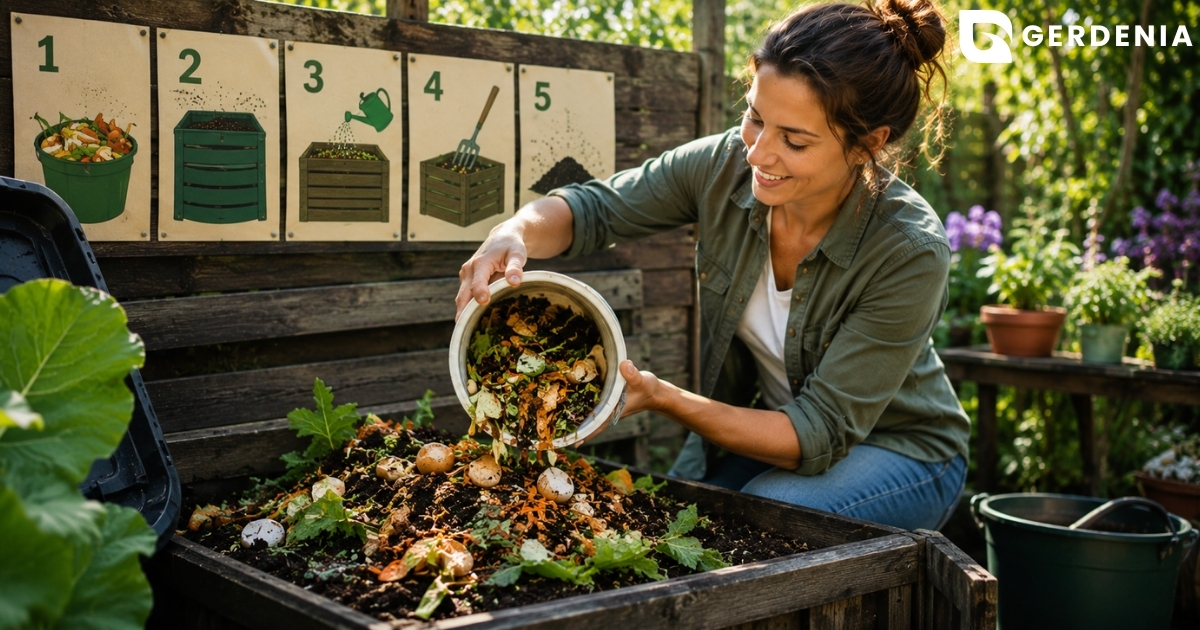
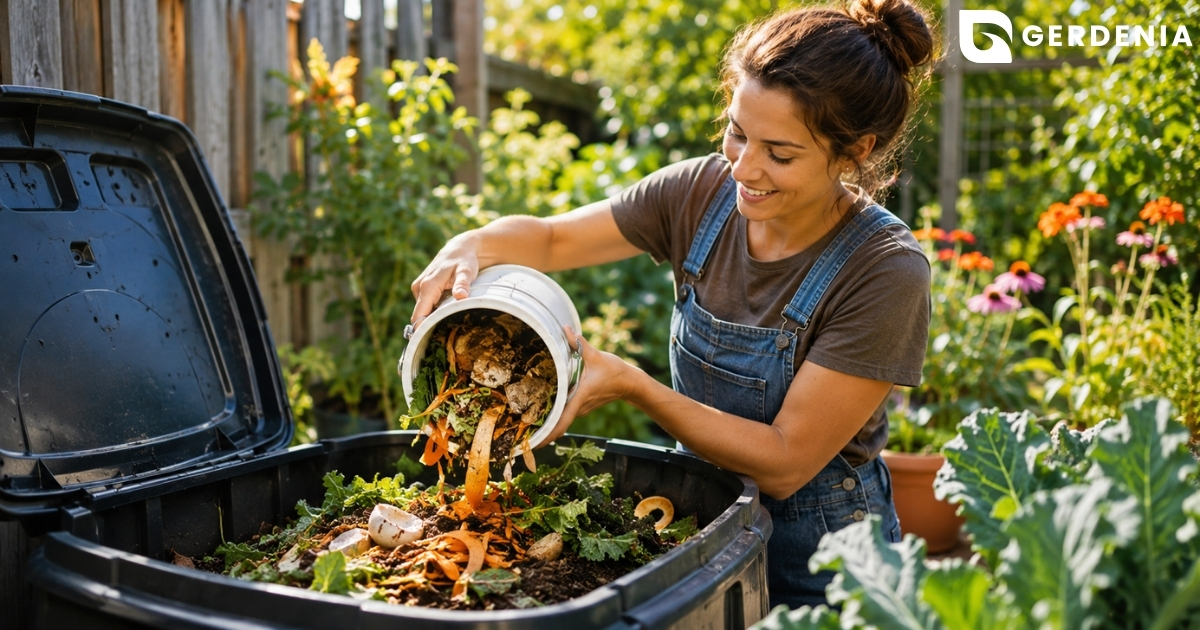
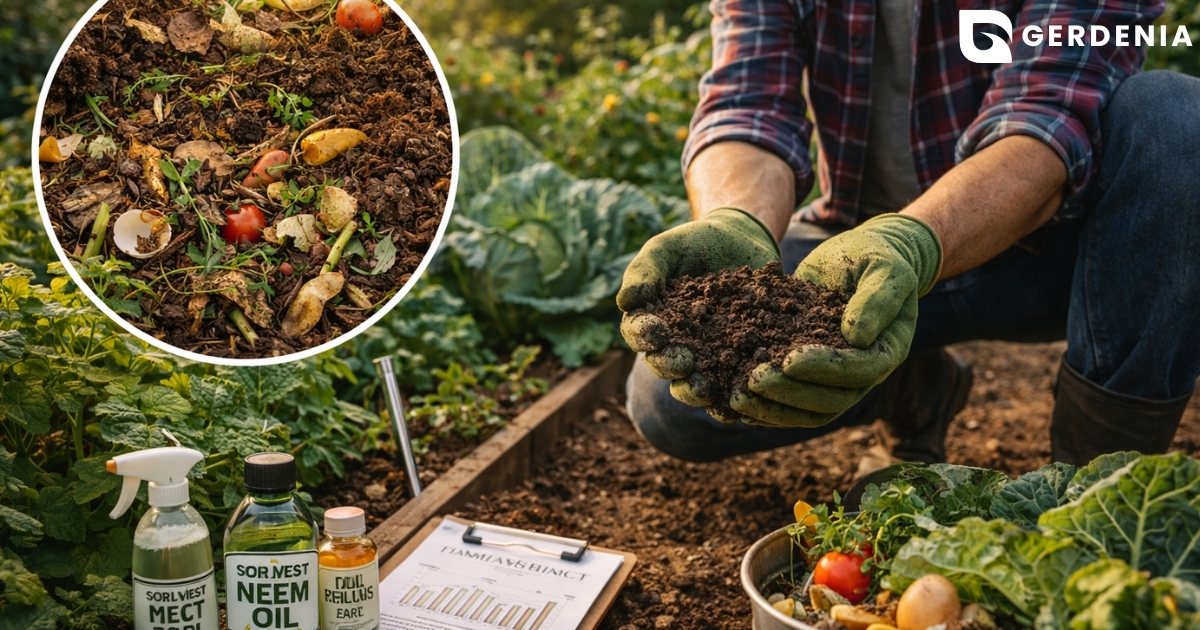
Inevitably, you will still have apple cores and vegetable peels. Think of composting as a natural recycling factory requiring two specific fuels to create rich soil without foul odors. To maintain a healthy backyard bin, combine:
- Greens: Wet, nitrogen-rich fruit scraps and coffee grounds.
- Browns: Dry, carbon-rich dead leaves, shredded paper, and cardboard.
Transforming kitchen garbage into free garden fertilizer proves that sustainable home habits genuinely pay off. Next, we apply this waste-reducing logic to your clothing by breaking the fast fashion cycle.
Breaking the Fast Fashion Cycle: How Your Wardrobe and Bank Account Protect Global Biodiversity
Have you bought a cheap shirt only to see it unravel instantly? Breaking the fast fashion cycle starts with the “Cost-per-Wear” model.
A $50 garment worn fifty times costs just $1 per wear, saving you cash while heavily reducing landfill waste.
Spotting sustainable clothing means dodging “greenwashing”—deceptive marketing that makes products seem eco-friendly without proof. Ignore vague buzzwords like “eco-conscious” or “green” that lack official certifications. Cheap textiles rely on heavy pesticides that destroy local habitats; buying fewer, higher-quality garments directly protects these vital ecosystems.
Beyond your closet, exploring ethical investing and green banking ensures your everyday deposits fund renewable energy instead of fossil fuels. Once your finances and wardrobe protect the earth, taking these habits on the road brings us to the future of getting around.

The Future of Getting Around: Comparing Electric Vehicles, Hybrids, and Low-Impact Travel
Evaluating the environmental impact of electric vehicles versus hybrid cars requires looking past the tailpipe at the “Lifecycle Carbon Impact”—the total emissions from manufacturing a vehicle to its junkyard retirement. While hybrids burn less gas than standard vehicles, fully electric cars ultimately win out over their lifespan by completely eliminating daily driving emissions.
You can easily apply this resource-saving mindset to your household plumbing. “Greywater” is simply gently used water from your sinks or showers that can be repurposed rather than drained. While elaborate greywater recycling systems for residential use exist, a zero-cost hack is catching the cold shower water in a bucket while it warms up to hydrate your garden.
When it comes to vacations, efficiency requires prioritizing the transport hierarchy. Follow these low-impact travel tips for beginners to reduce your holiday footprint:
- Pack light to minimize vehicle weight and fuel consumption.
- Choose trains or direct flights over multi-leg journeys.
- Walk or rely on local public transit upon arrival.
Mastering these choices naturally prepares you to turn everyday habits into measurable environmental impact.
Your 30-Day Sustainability Roadmap: Turning Small Switches Into Meaningful Wins
You no longer have to view sustainable living as an all-or-nothing burden. Instead of feeling overwhelmed, you can confidently make everyday choices that shrink both your environmental footprint and your expenses. Measure your immediate success by watching your household waste drop and keeping extra dollars in your pocket.
Remember, you do not have to be perfect. When thousands of households adopt these sustainable practices, it creates powerful social proof that forces massive corporations to make systemic changes. Join this growing community by creating your 30-day action plan today: pick just two simple changes from this list and implement them for the next month.