You want a dandelion-free lawn, but you also want your kids and dogs playing outside the very same afternoon. For decades, achieving that perfect green meant planting tiny yellow warning flags, forcing a harsh choice between backyard beauty and family safety.
Fortunately, an organic selective weed killer completely changes these rules. Unlike non-selective sprays that destroy every green plant they touch—ruining your precious grass—selective options specifically target unwanted broadleaf weeds using smart biology rather than synthetic chemicals.
Genuine pet safe lawn weed control is finally a reality. According to professional landscapers, modern organic herbicides act like a specific key, perfectly fitting the biology of a nuisance thistle while leaving your grass completely unharmed.
The ‘Lock and Key’ Secret: How Selective Sprays Spare Your Grass
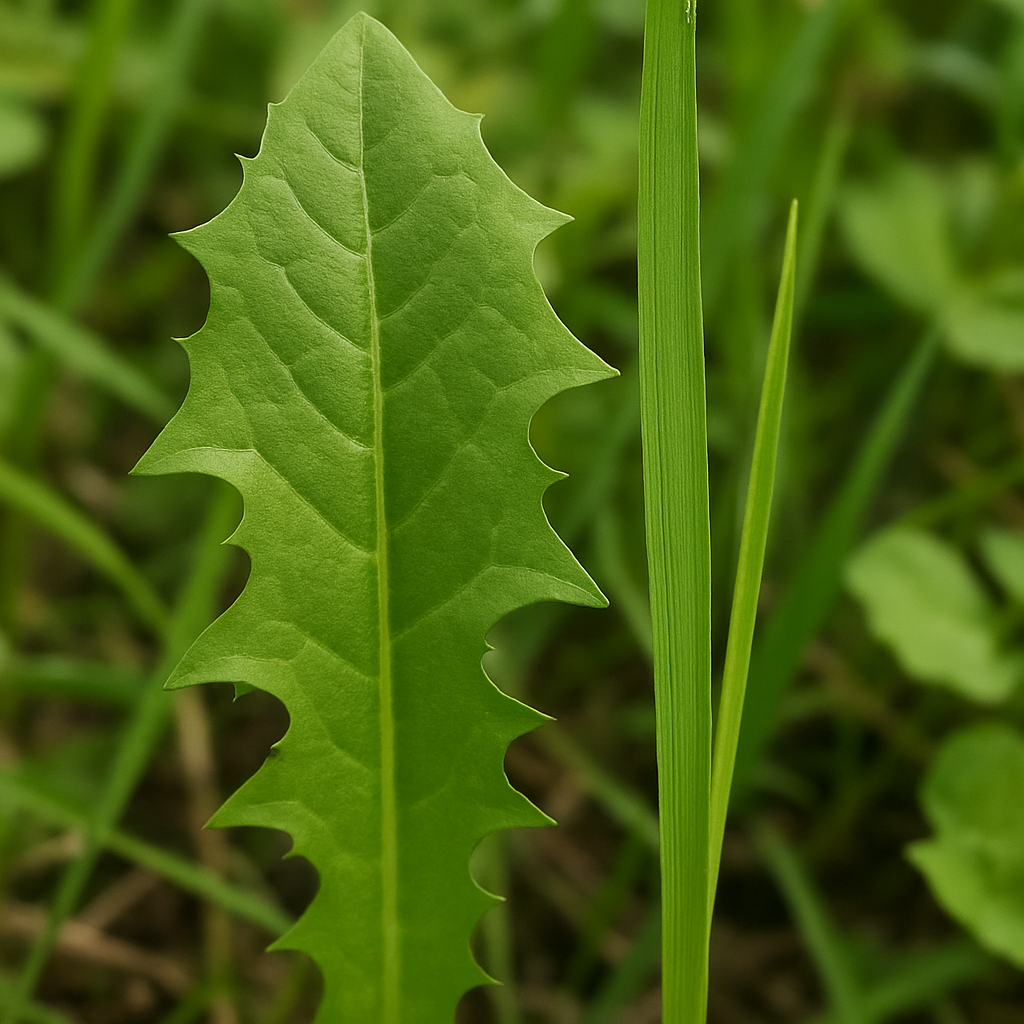
Looking out at your lawn, you might wonder how a single spray knows the difference between a pesky intruder and your precious turf. The secret is simple biology. Plants generally fall into two main categories: wide, flat “broadleaf” plants and narrow, upright grasses. Because their leaf shapes differ so drastically, they catch and absorb liquids at completely different rates.
Think of a natural broadleaf weed killer as a highly specific key. When applied, it only fits into the biological “lock” of wide-leaved weeds, leaving the “lock” of your grass perfectly untouched. This is the crucial difference in selective versus non-selective botanical treatments. While a non-selective spray wipes out everything green, a selective organic broadleaf herbicide acts like a smart-targeting system for your yard.
An organic broadleaf weed killer actively hunts down unwanted visitors while safely ignoring your lawn’s foundation:
- Targets (The “Locks”): Dandelions, Clover, and Thistle.
- Protected (The “Ignored”): Kentucky Bluegrass and Fescue.
Once the spray attaches to those wide target leaves, an incredible internal reaction begins. These formulas use a simple mineral to essentially “rust” weeds from the inside out.
Nutrient Overload: How Iron-Based Formulas ‘Rust’ Weeds from Within

Surprisingly, one of the best ways to clear a yard relies on a common mineral rather than synthetic laboratory chemicals. When choosing an organic post emergent herbicide—meaning a spray used after the weed has already sprouted—the active ingredient is usually Iron HEDTA. This specialized form of iron exploits the exact biological lock-and-key difference we just explored.
Instead of poisoning the plant, it works by delivering a fatal overdose of a good thing. Because broadleaf weeds have massive surface areas, they absorb the iron rapidly and suffer from severe nutrient toxicity. The weed essentially “rusts” from the inside out, causing a rapid breakdown of its tissue down to the roots.
Applying chelated iron correctly ensures you get fast results from your organic weed killer concentrate. When you spray this iron-based herbicide for lawns directly onto a dandelion, the visual transformation is incredibly striking. Within just a few hours, the leaves begin to shrivel, eventually turning completely black as the plant collapses.
Meanwhile, your narrow grass blades process the mineral much more slowly, using the residual iron as a healthy, dark green nutritional boost. Because these treatments specifically target weeds while literally feeding your turf, these natural formulas keep your yard perfectly safe for local pollinators and playful pups.
Safe for Bees and Paws: The Ecological Edge of Organic Herbicides
We’ve all seen those yellow warning flags on treated lawns, signaling a long “re-entry interval”—the mandatory waiting period before it’s safe to touch the grass. Fortunately, using true pet safe lawn weed control eliminates this waiting game. Because natural formulas act on contact without lingering surface poisons, kids and paws can safely resume playing as soon as the liquid dries. Many homeowners also ask: are natural herbicides safe for bees? Yes, because these treatments lack systemic toxins, wandering pollinators remain completely unharmed.
When shopping, choosing OMRI listed lawn care ensures the product is verified by the Organic Materials Review Institute. This trustworthy label guarantees the ecological benefits of plant-based herbicides and mineral sprays:
- Zero Toxic Residues: Ingredients quickly break down into harmless, natural elements.
- Pollinator Protection: No hidden poisons are passed into local blooms or nectar.
- Soil Microbiome Health: Natural formulas protect microscopic ground helpers instead of sterilizing the dirt.
Protecting that invisible, living underground ecosystem is the secret to lasting turf success. While synthetics often wipe out beneficial bacteria, organic options preserve them, helping your grass naturally crowd out future weeds. With safety assured, your next move is mastering the application: when and how to spray for maximum kill.
Mastering the Application: When and How to Spray for Maximum Kill
When applying chelated iron, choose between spot-treating and broadcast spraying. Spot-treating uses a hand sprayer aimed at specific targets to eliminate dandelions in established turf. Conversely, broadcast spraying coats the entire yard using a hose attachment. For everyday maintenance, spot-treating saves product.
Weather dictates your success just as much as your chosen technique. Proper seasonal timing for natural weed management means spraying during mild, dry days, while always checking the rain-fastness—the drying time required before a storm washes your effort away.
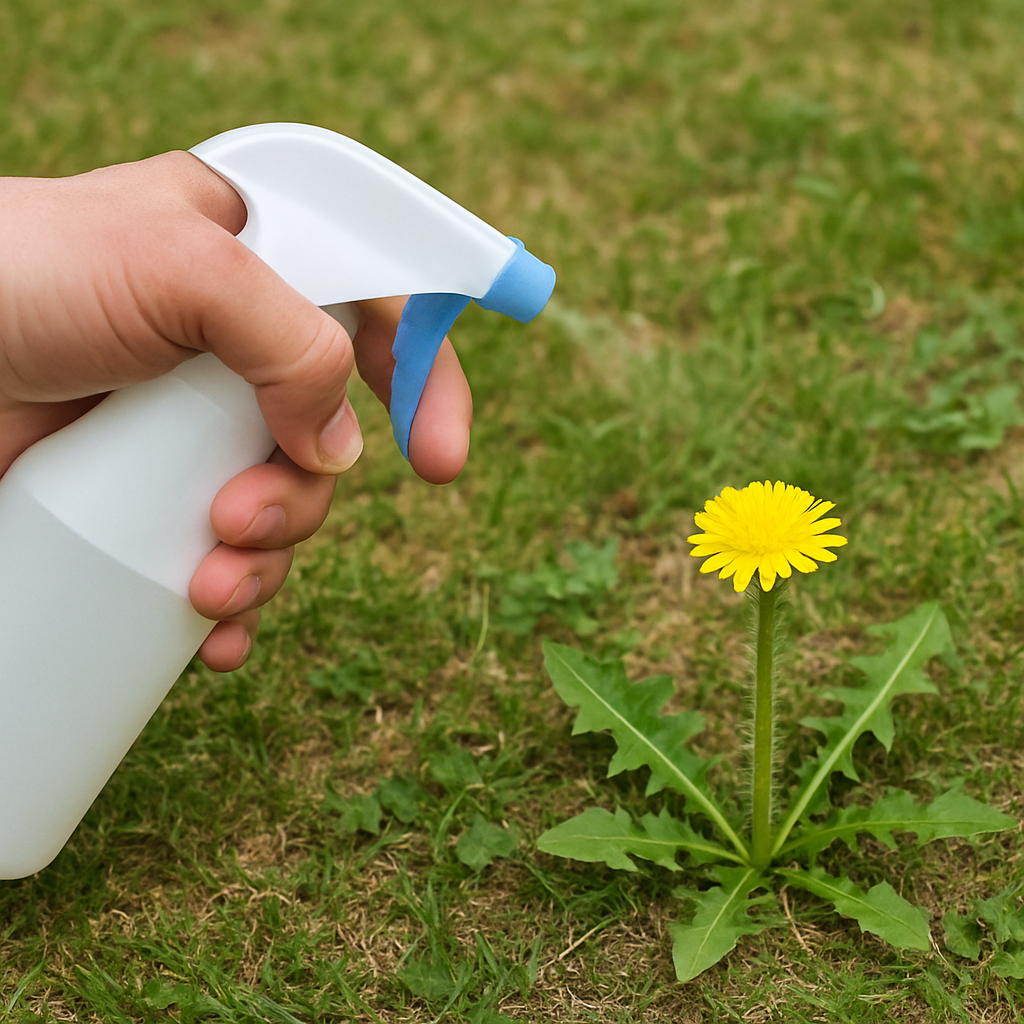
Before starting targeted clover control for grass, run through this quick-start checklist:
- Temperature check: Apply between 50°F and 85°F.
- Wind check: Spray on calm days to prevent drift.
- Saturation level: Coat leaves fully without making puddles.
Within hours of a correct application, those treated weeds will begin shriveling and turning black. With these essential techniques mastered, you are perfectly positioned to begin Your Organic Lawn Action Plan: Switching to a Safer Yard.
Your Organic Lawn Action Plan: Switching to a Safer Yard
You no longer have to choose between a lush lawn and a safe yard. Transitioning to natural care is simple:
- Identify your specific broadleaf weeds.
- Select an appropriate organic selective weed killer.
- Apply these post-emergent bio-herbicide solutions during active spring or fall growth.
Instead of relying on harsh synthetics, you can now confidently use organic herbicides for weeds. By working with plant biology rather than against it, you can eliminate eyesores while keeping your grass perfectly healthy.