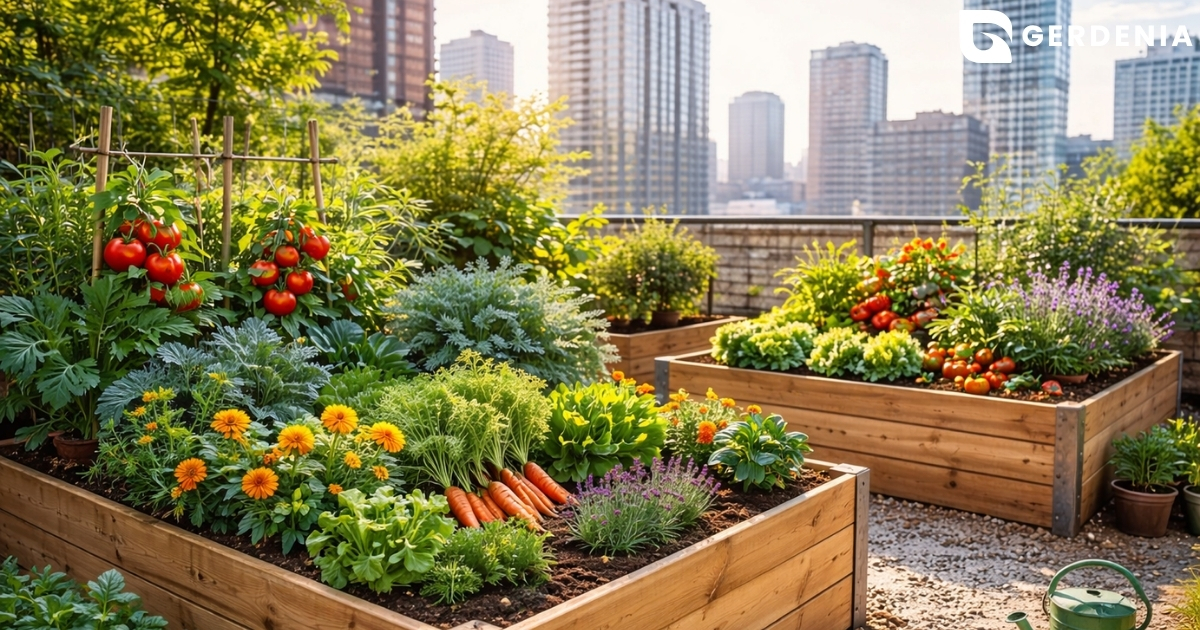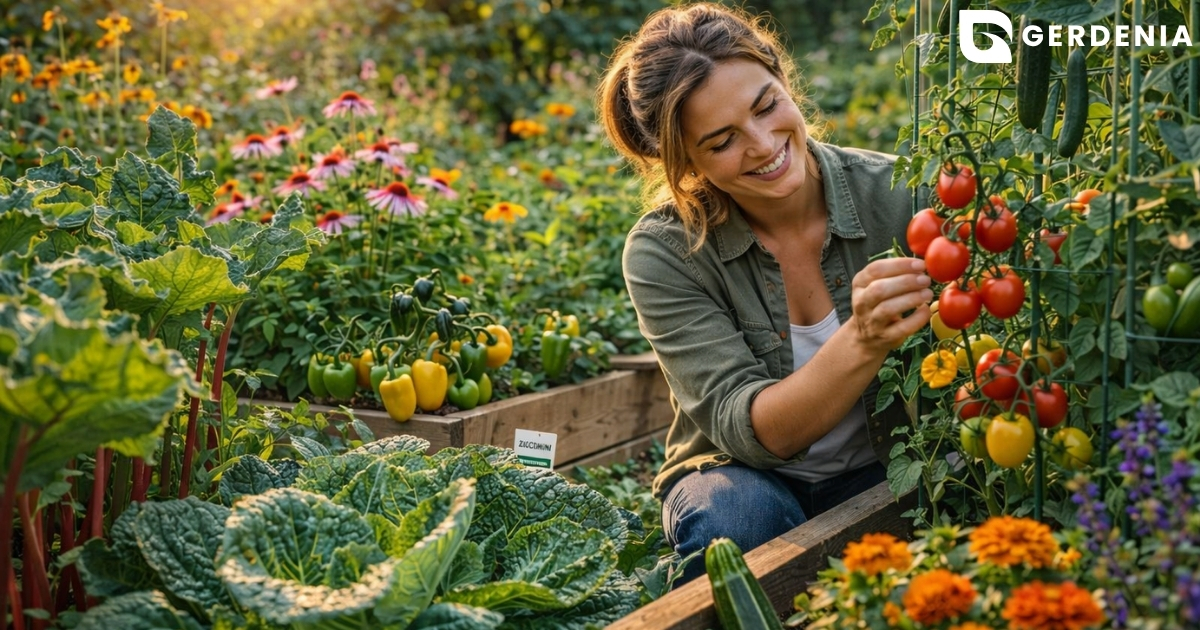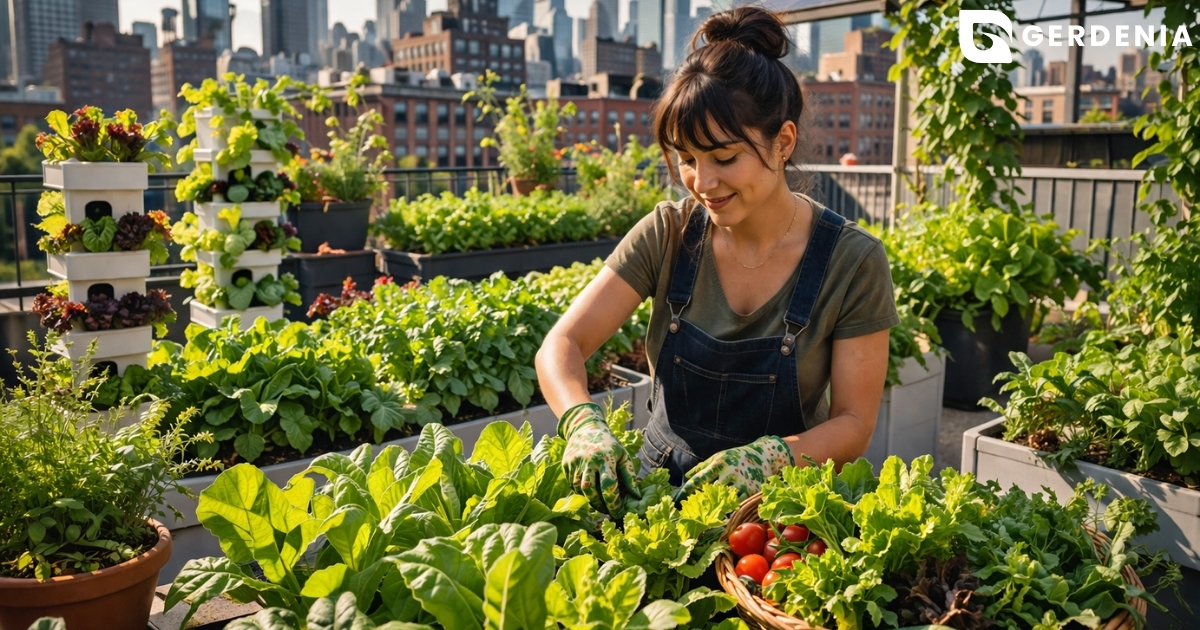
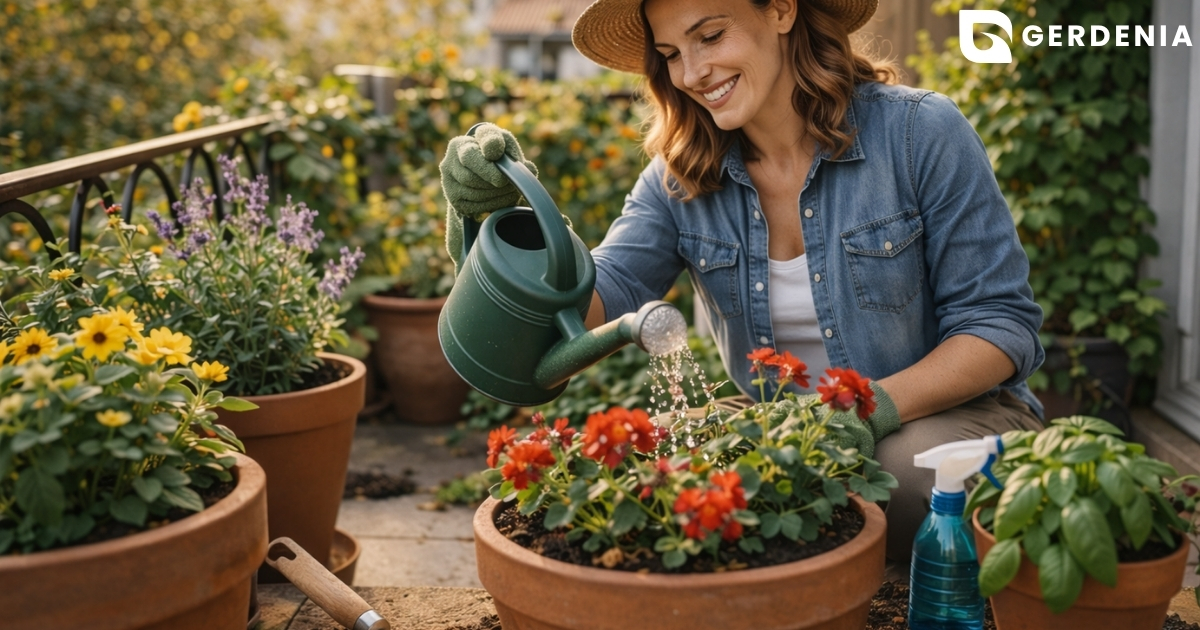
You don’t need a backyard to have a garden. Whether staring out at a tiny fire escape or a sprawling concrete terrace, that gray slab is just a few pots away from becoming a private sanctuary filled with vibrant outdoor balcony plants.
Have you ever bought a beautiful fern only to watch it turn into a crisp brown stick within a week? That frustrating loss probably wasn’t your fault, but rather the reality of balcony container gardening within a unique “microclimate”—a miniature weather zone specific to your exact floor.
Urban high-rises are unexpectedly harsh environments compared to traditional ground-level yards. According to landscaping experts, wind acts as the silent killer for plants in the balcony, stripping away moisture just like a brisk breeze dries out our skin on a mountain peak. Surrounding walls and glass also create light-reflection heat, essentially acting like a magnifying glass that can bake tender greenery in the afternoon.
Mastering this environment requires recognizing these hidden natural forces. By learning easy techniques like the “Shadow Test” to measure your actual sunlight, you can adapt your seasonal care routine and confidently turn bare concrete into a thriving green escape.

Does Your Balcony Have a Fever or a Chill? Identifying Your Space’s Microclimate
If a healthy fern has ever crisped up on you, your building might be to blame. While everyone knows plants need sun, concrete walls and glass doors bounce those bright rays around. This heat reflection turns mild patios into afternoon ovens, making urban garden microclimate management essential for keeping greenery alive.
Determining your true light exposure doesn’t require expensive gadgets. You can easily discover if you have scorching heat or the gentle shade needed for the best low light apartment terrace plants by simply observing the ground.
To map your sunlight, perform this free “Shadow Test” on a clear day:
- 10:00 AM: Check your shadow. Sharp, dark edges mean direct, full sun.
- 12:00 PM: Blurry, faint shadows indicate partial shade, dictating which plants for small balcony layouts will actually thrive.
- 4:00 PM: Feel the concrete floor to find which corners stay dangerously hot for delicate herbs.
Up high, wind acts like a hair dryer, stealing moisture from leaves and knocking over top-heavy pots. Because this breezy, reflective environment dries roots out quickly, building a proper foundation is crucial. Your soil choice directly impacts both your building’s safety and your plants’ survival.
Why Your Soil Choice Determines Your Building’s Safety and Your Plants’ Survival
Hauling bags of dirt upstairs is exhausting, but using dense garden soil on a terrace can actually be dangerous. Concrete slabs have strict structural capacities, making a lightweight potting mix for balcony weight limits a crucial safety choice. Wet garden earth weighs nearly twice as much as a fluffy container mix, easily overloading your small space.

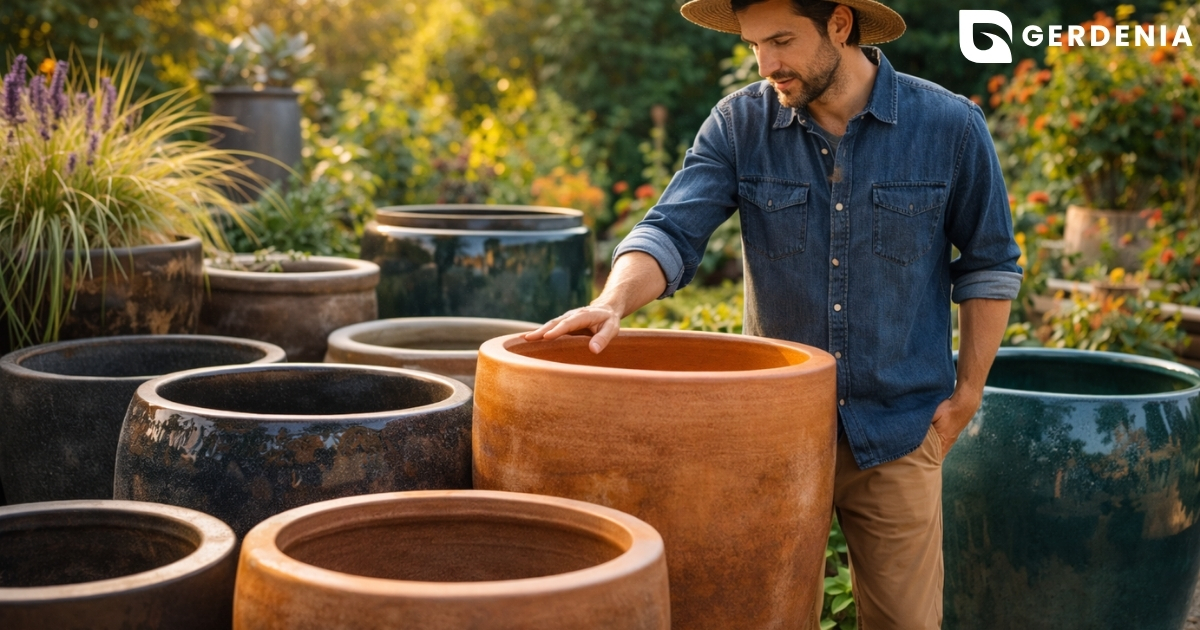
Selecting the right container further impacts this structural load. When deciding between ceramic vs plastic pots for outdoors, remember that thick ceramic adds massive unnecessary weight and often lacks built-in drainage holes. A plastic pot with a bottom hole acts like an open bathtub drain, letting trapped water escape rather than suffocating the plant.
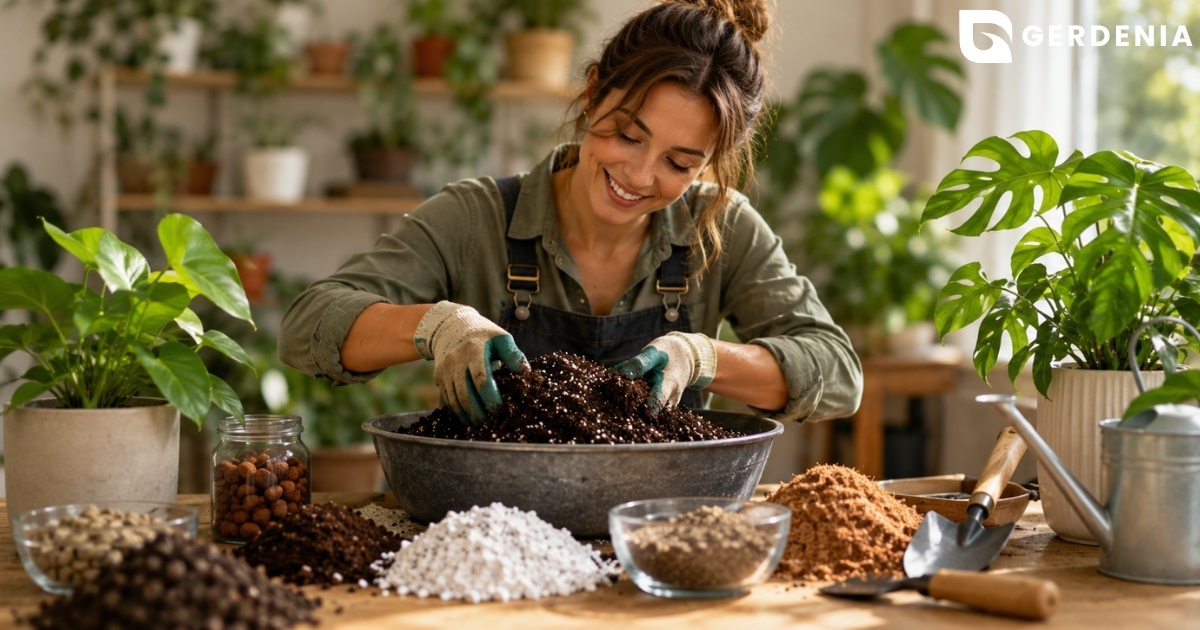
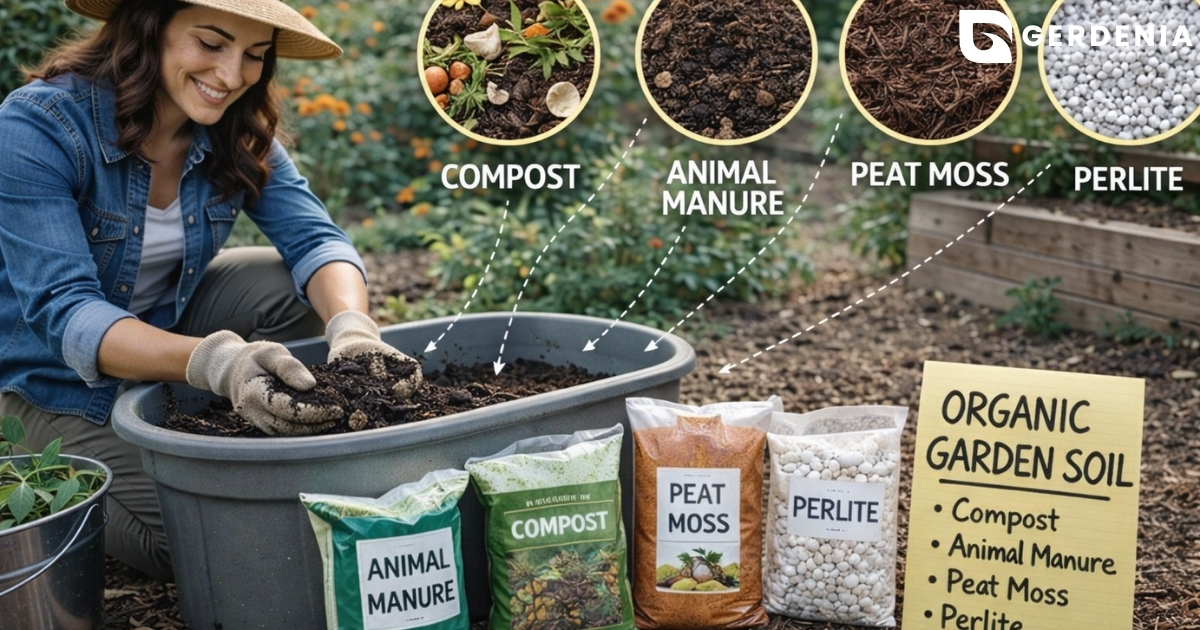
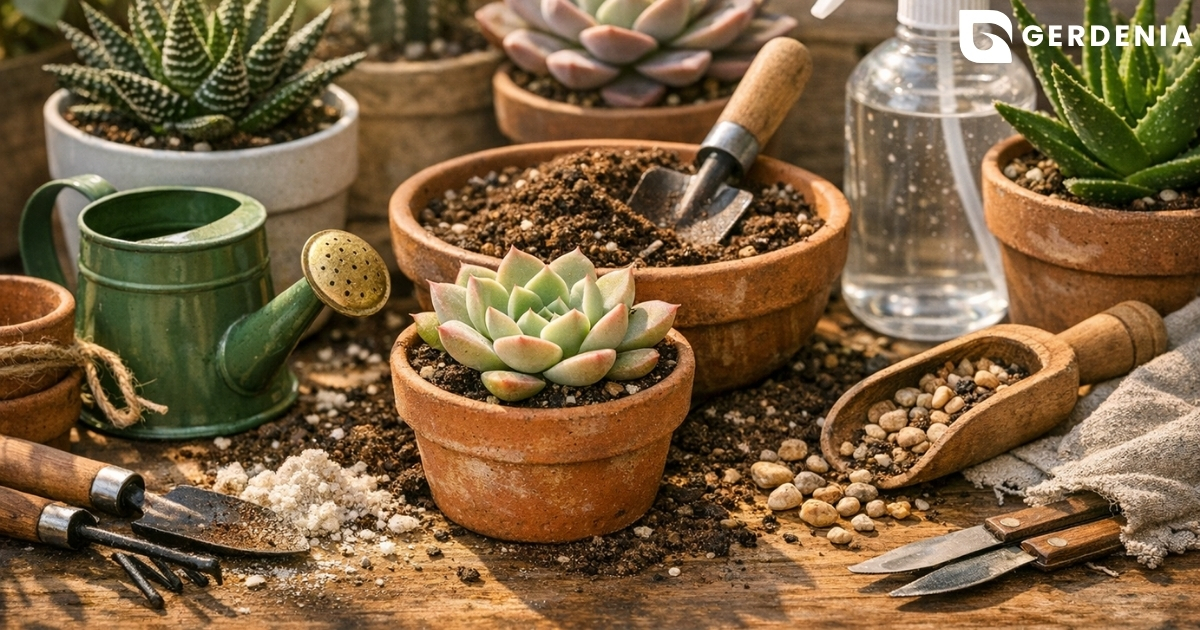
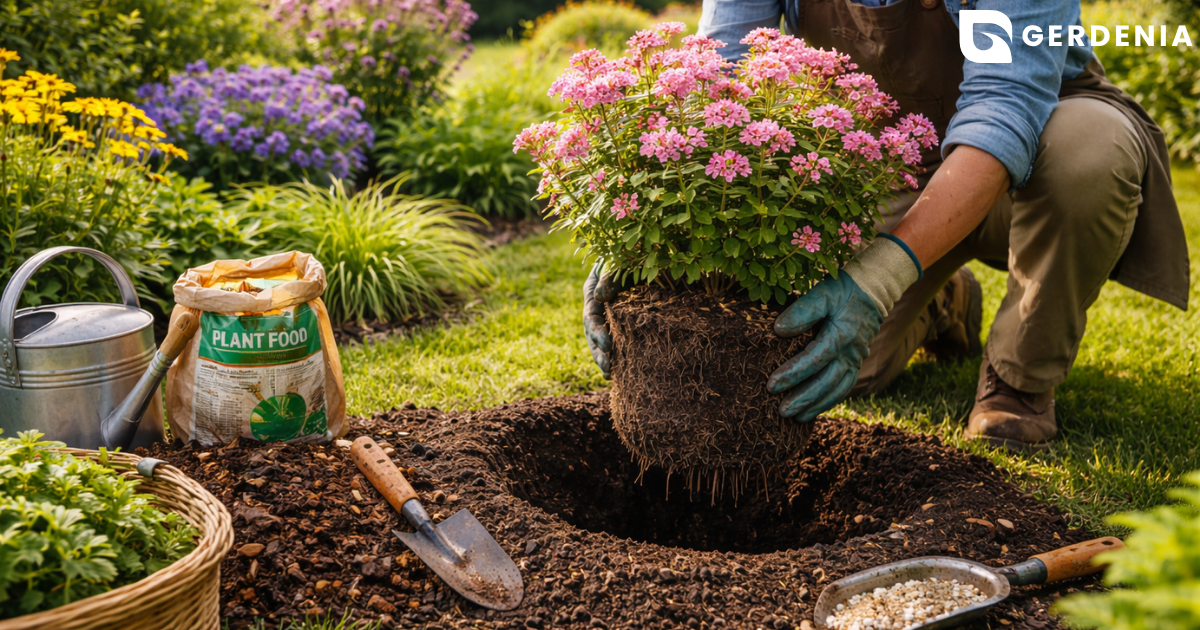
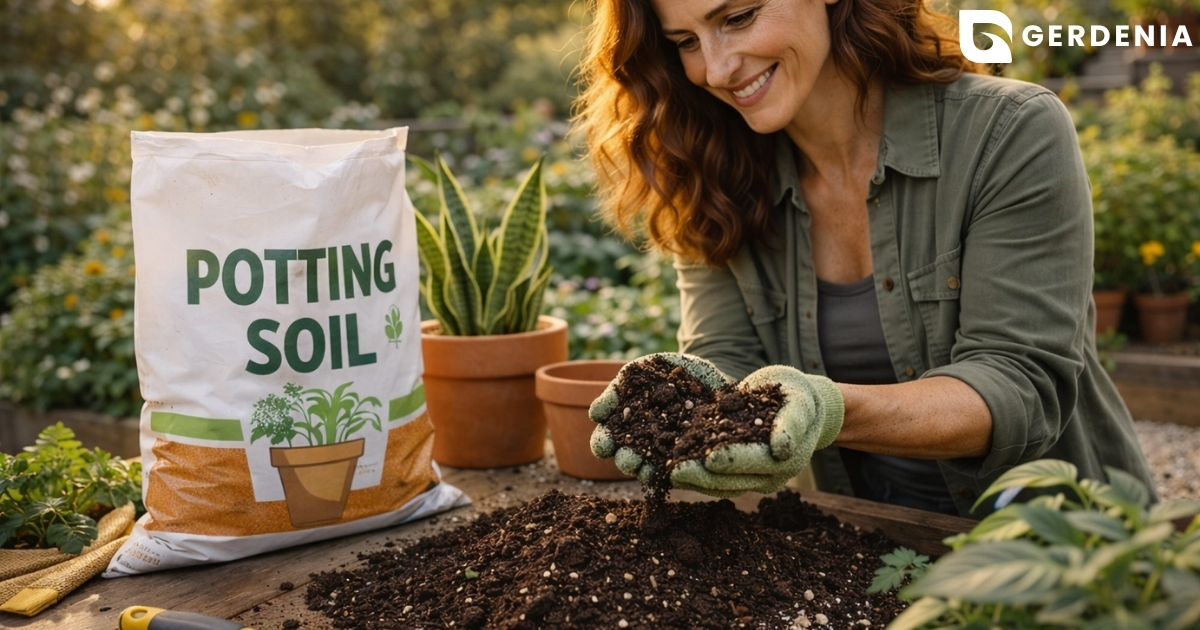
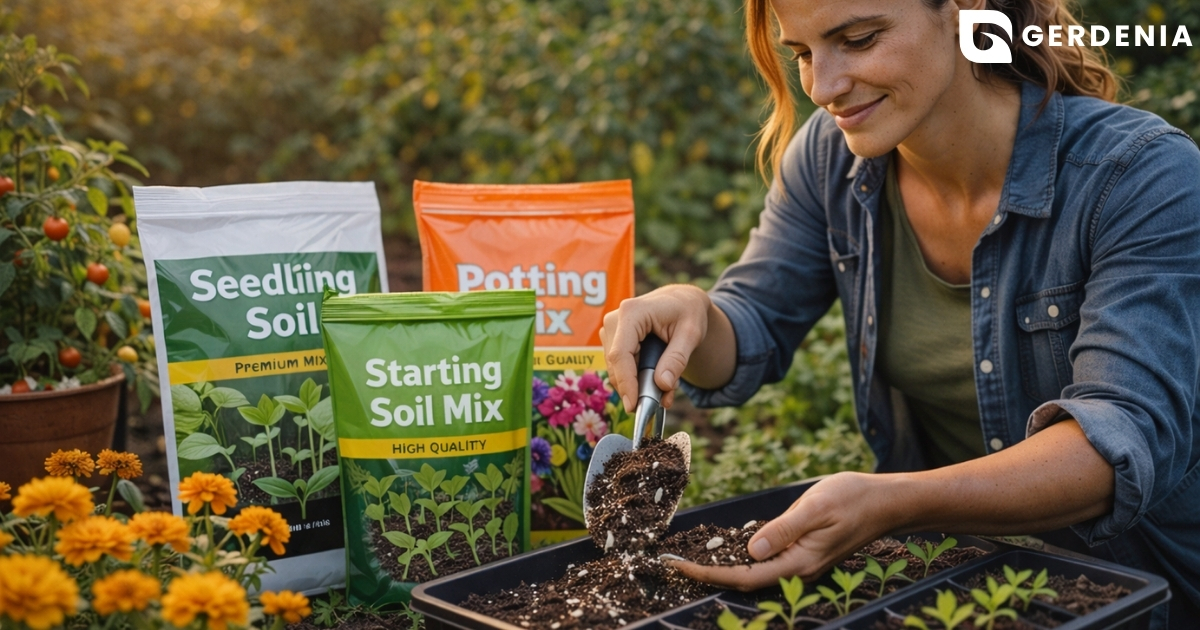
Inside that container, a high-quality mix must deliver three things: air, moisture, and root support. You can spot a great blend by the little white rocks called perlite, which prevent the dirt from compacting. This airy texture allows roots to breathe while holding just enough water to keep things hydrated.
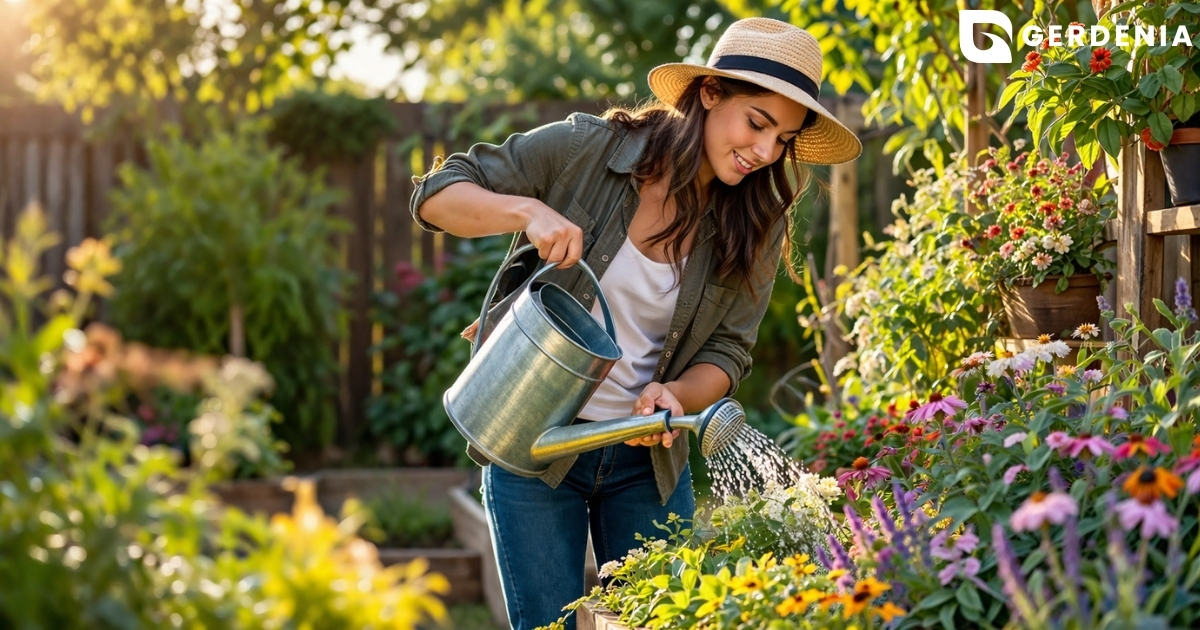
Mastering how to prevent root rot in outdoor containers ultimately requires the “Finger Test.” Poke your finger an inch into the soil; if it feels like a damp sponge, hold off, but if it is completely dry, grab your watering can. This simple physical check establishes a baseline for a reliable seasonal hydration strategy.
Stop Drowning Your Plants: Seasonal Hydration Strategies
Balconies often act like high-rise deserts. While we obsess over sunlight, the biggest thief of soil moisture is actually the breeze. Think of it like a hair dryer: constant air movement sucks water straight out of the leaves and dirt. Figuring out how often to water pots in windy conditions means checking your containers daily, even if the ambient temperature feels cool to the touch.
To combat this rapid drying, urban gardeners frequently weigh self-watering planters vs traditional pots. Self-watering systems feature a hidden bottom reservoir, letting roots safely sip moisture as needed—perfect for weekend getaways. Traditional pots are much cheaper but demand daily vigilance from the top down. Whichever container you choose, always dump standing water out of the saucer beneath it; leaving your plant sitting in a puddle guarantees root rot.
Matching hydration routines to your specific greenery simplifies drought tolerant container gardening. Different plants drink at entirely different paces:
- Succulents: Thirsty once a month.
- Leafy Greens: Need a drink every two to three days.
- Vegetables: Heavy drinkers requiring daily watering.
Recognizing these basic natural rhythms prepares your garden for the explosive growth of the hottest months ahead.
Spring and Summer: The High-Growth Survival Guide
Moving fresh nursery purchases directly into the glaring sun of an apartment balcony vegetable garden guarantees scorched leaves. You must practice “hardening off,” which means slowly acclimating indoor-raised greenery to harsh outdoor winds and UV rays. Place new plants outside in a sheltered, shaded spot for two hours on the first day, gradually increasing their exposure over a seven-day schedule until they comfortably tolerate full daylight.
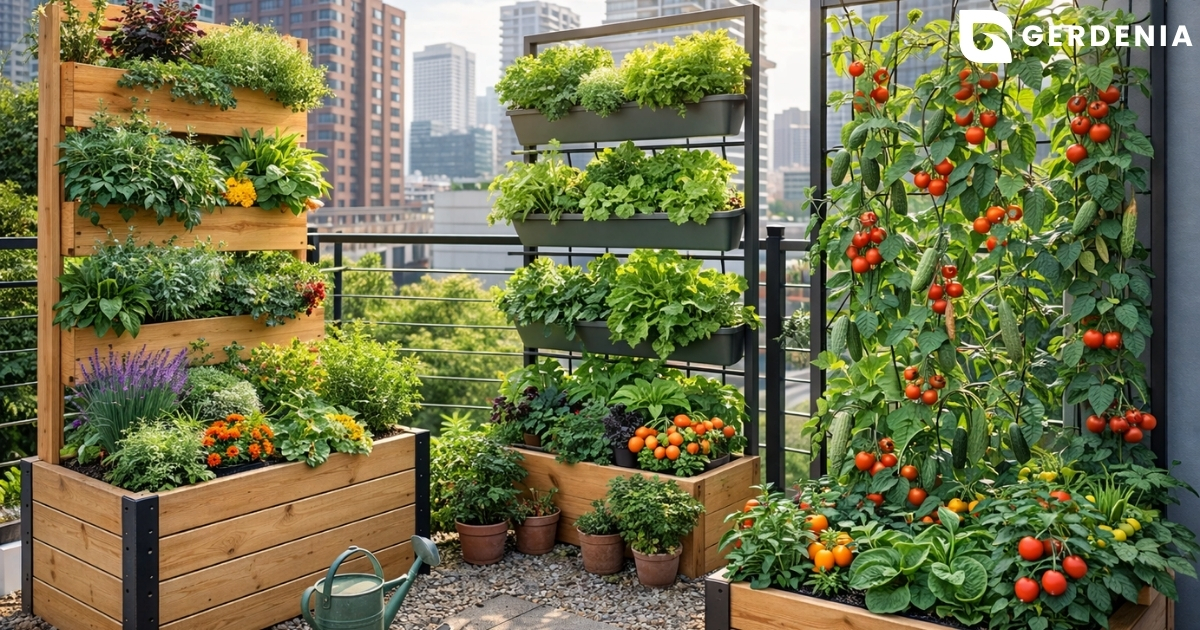
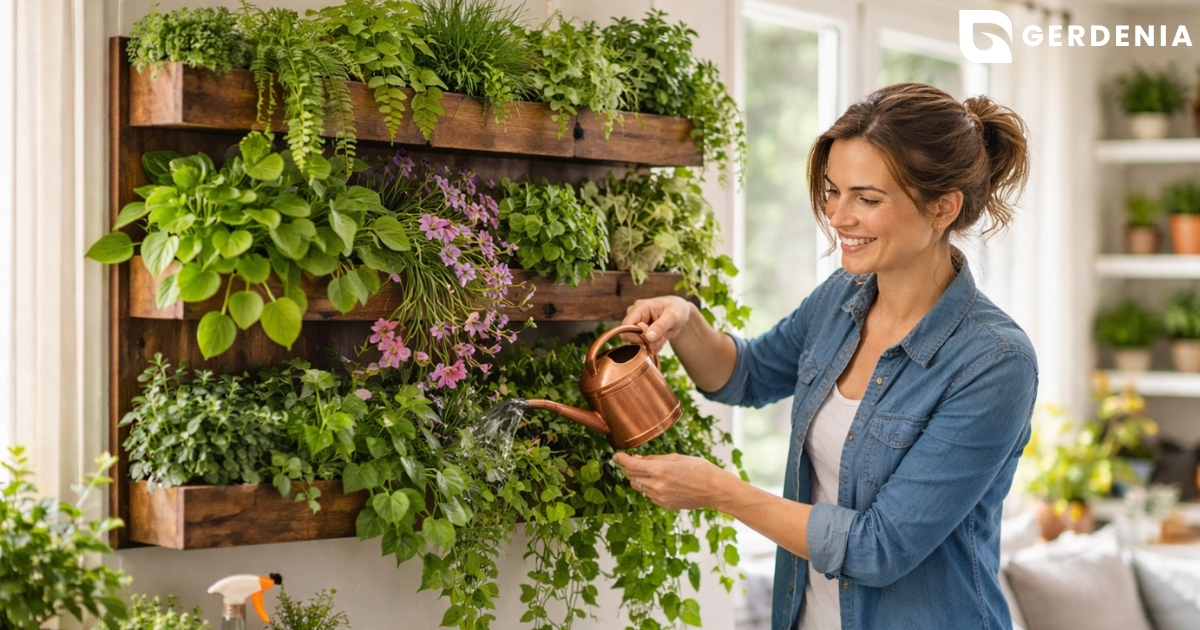
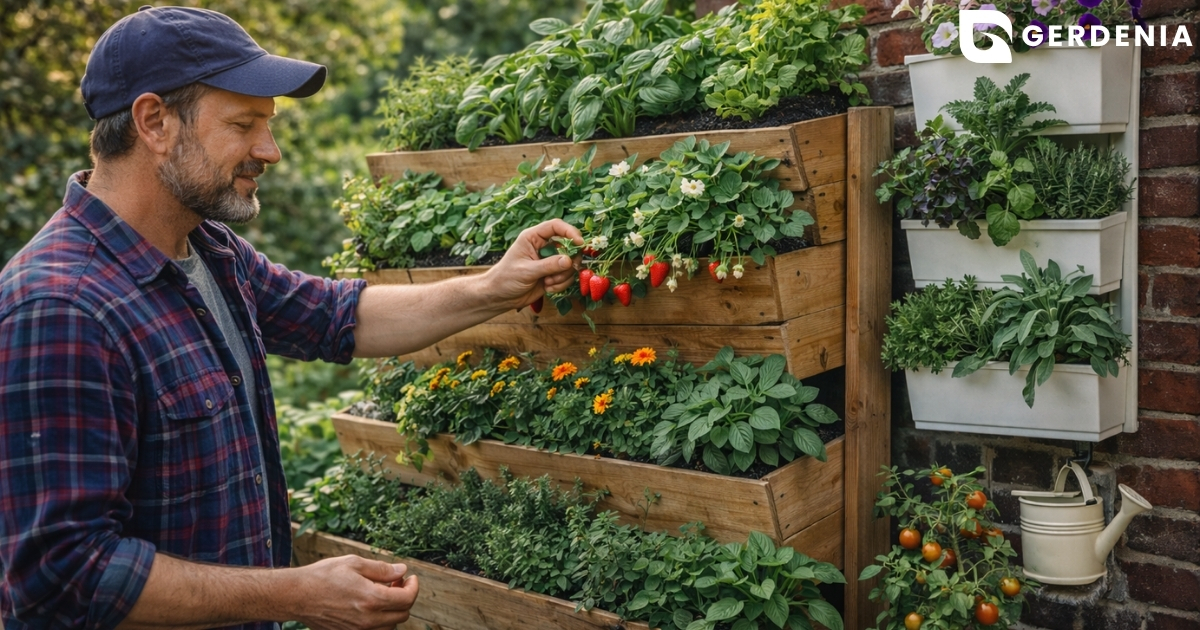
When floor space vanishes, space-saving vertical garden ideas become essential for ambitious urban growers. Securing a simple wooden lattice against a bare wall instantly multiplies your available real estate. As climbing vines fill this upward grid, they provide vital vertical cooling by acting like a living umbrella, casting protective shade over the delicate, heat-sensitive pots sitting directly beneath them.

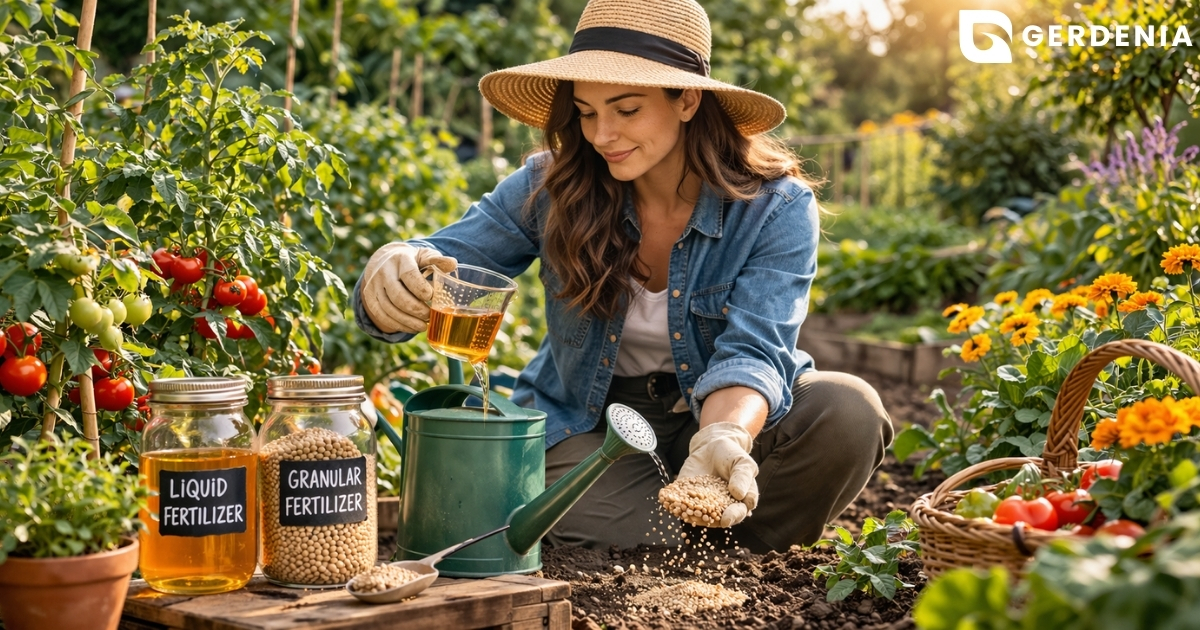
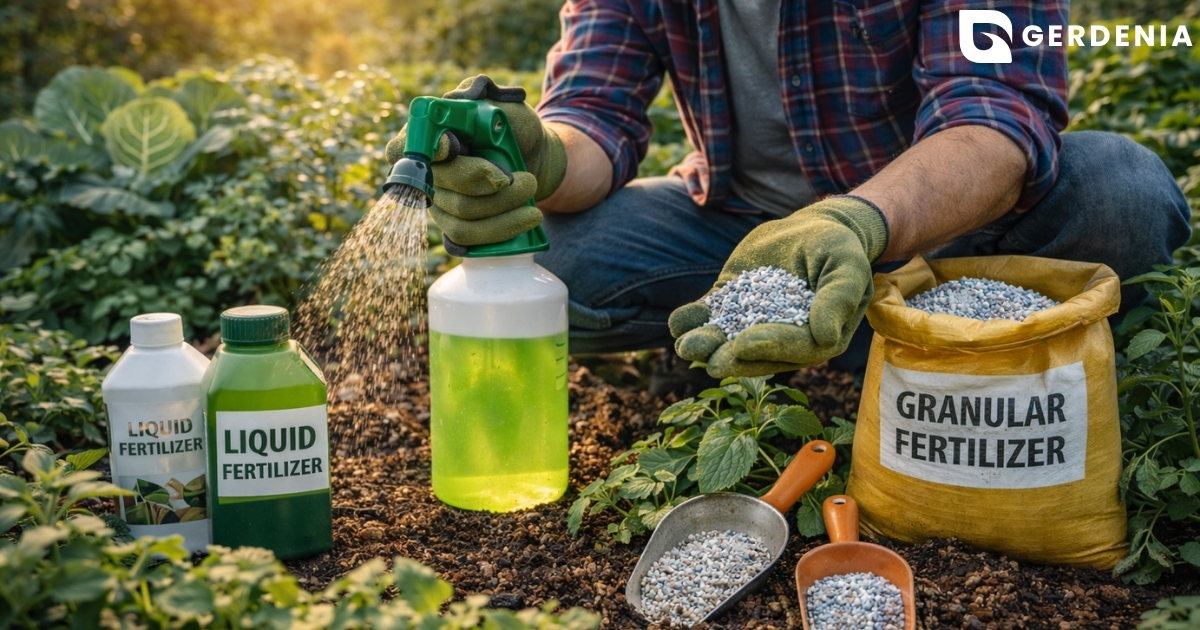
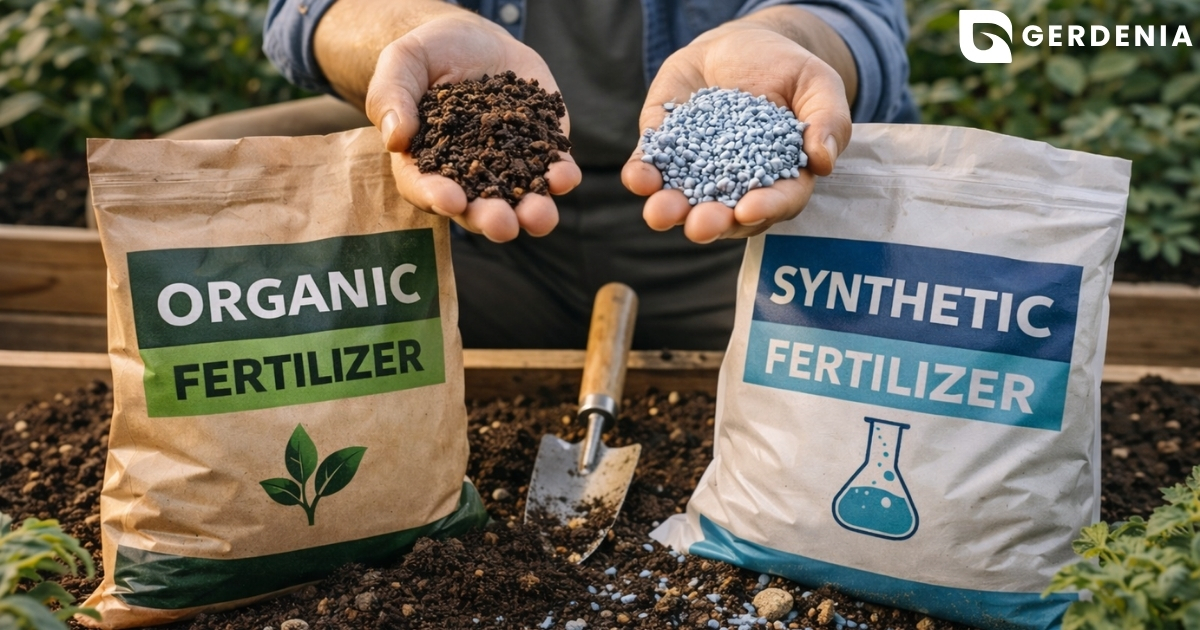
Explosive summer growth quickly depletes soil energy, making the nutrient requirements for potted vegetables a top priority. Because container roots cannot search deep into the earth for food, regular liquid fertilization is required to keep them thriving. Feed your leafy greens high-nitrogen mixes to boost their foliage, but switch to high-phosphorus formulas to encourage heavy fruiting in cherry tomatoes and peppers.
A thriving, well-fed summer garden is naturally much more resilient when autumn weather eventually arrives. Once those final hot days fade, you can begin transitioning your outdoor sanctuary with proper winter protection.
Winter-Proofing Your High-Rise: Protection and Evergreen Selection
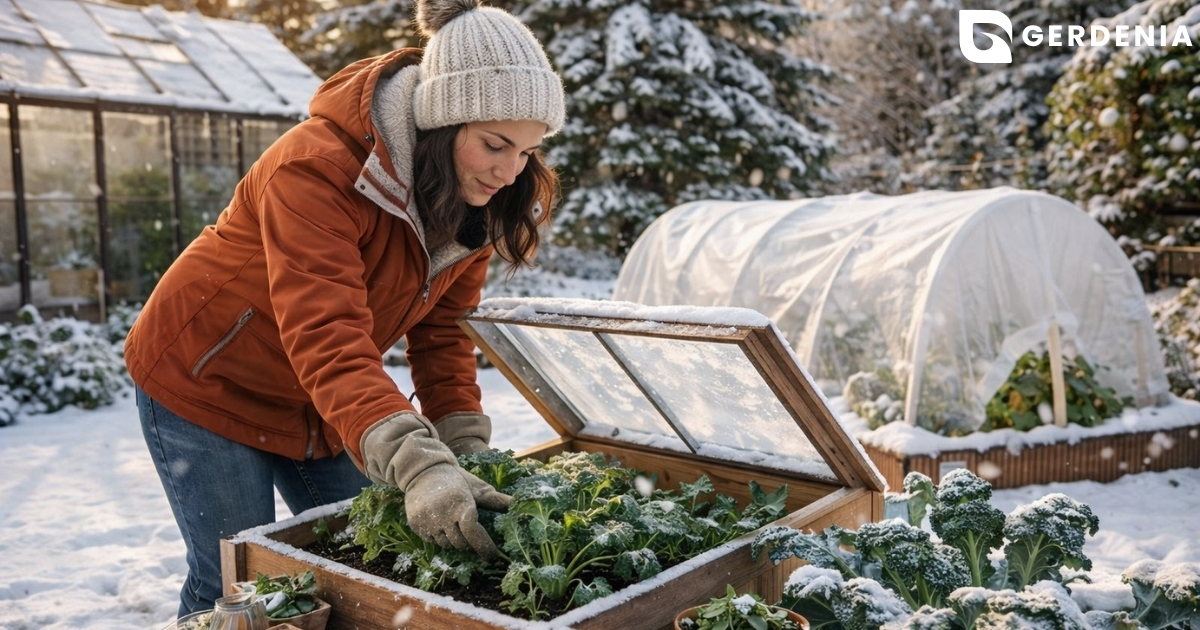
Facing your first freezing night can be nerve-wracking, but winter survival comes down to root protection. Unlike deep garden soil that naturally traps warmth, exposed containers freeze quickly from all sides. Wrap your pots in standard bubble wrap to provide crucial pot insulation while your greenery enters dormancy—a natural, energy-saving winter sleep.
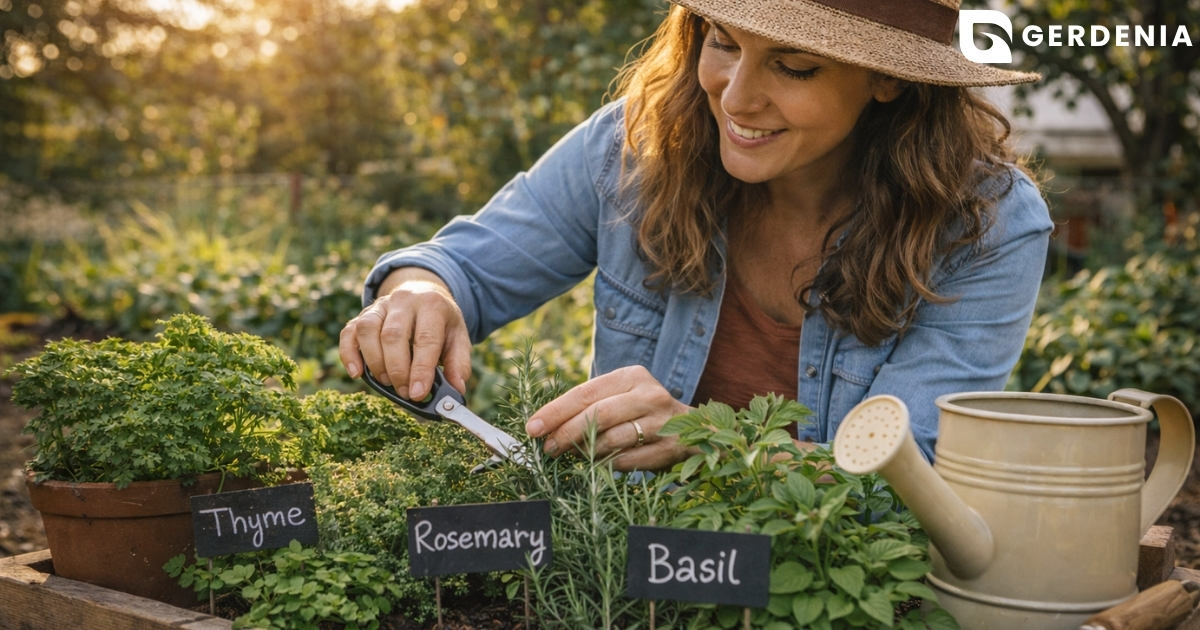
Creating a “shelter corner” against the wall closest to your heated apartment gives delicate greenery a microclimate that blocks icy gusts. Before the first frost arrives, move tender plants indoors, especially medicinal herbs for small outdoor spaces like basil or chamomile, which happily thrive on sunny kitchen windowsills over the winter.
You won’t have to stare at a barren concrete slab until spring if you select plants with high frost-hardiness, meaning they easily survive freezing temperatures. To establish evergreen perennials for year-round privacy, choose these wind resistant balcony screening plants:
- Boxwood: A sturdy, classic shrub that ignores the cold.
- English Ivy: Drapes beautifully over chilly railings.
- Wintercreeper: Features tough foliage that resists harsh gusts.
- Lavender: A fragrant survivor if kept in well-draining soil.
Once your protective barriers are up, seasonal maintenance for small outdoor spaces becomes incredibly easy since resting roots require very little water. Keep these simple habits organized throughout the changing seasons with a straightforward weekly checklist.
The Balcony Garden Roadmap: Your 10-Minute Weekly Checklist
That bare concrete slab is no longer just empty space—it is the foundation for your new private sanctuary. By understanding your unique microclimate of wind and sunlight, you are now ready to confidently select the best plants for balcony living.
To keep your oasis thriving in under 15 minutes a week, rely on this Saturday Morning 10-Minute Checklist:
- Watering: Poke the soil and water only if the top inch feels like a dry cracker.
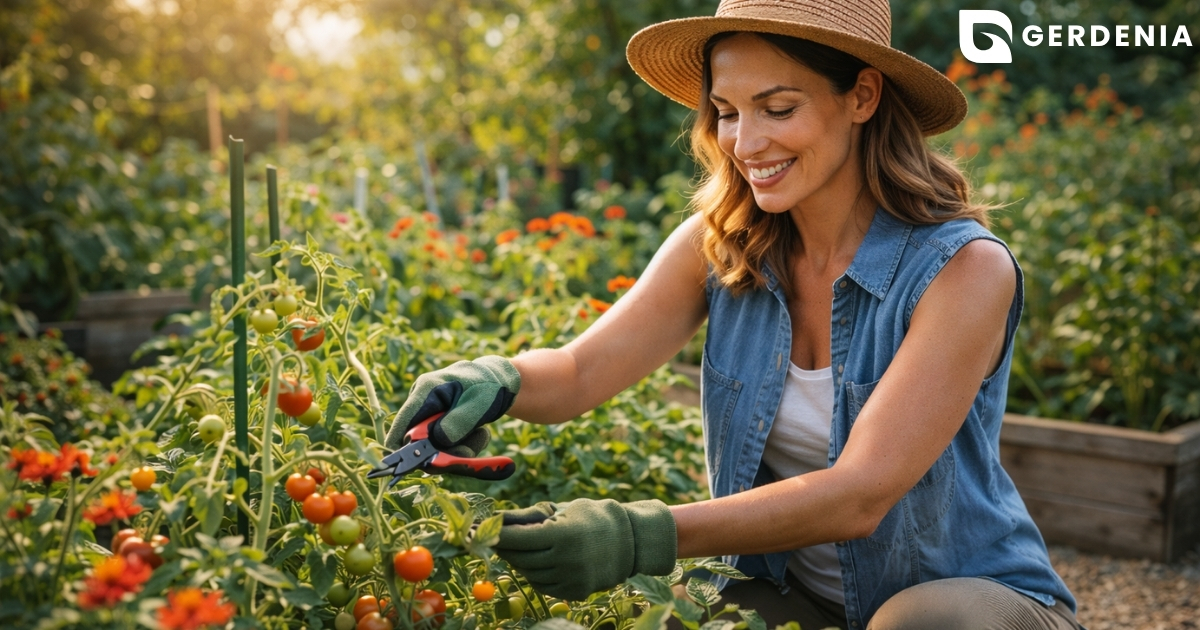
- Deadheading: Pinch off fading flowers to trick your plants into blooming longer.
- Pest Checking: Peek under leaves for bugs and empty any standing saucer water.
That simple snipping technique keeps your garden vibrant, while consistently emptying those saucers prevents root rot. These tiny weekly actions keep your soil draining properly without monopolizing your weekend.
For the next 30 days, focus on simply enjoying your first few plants for balcony planters rather than rushing to fill the entire space. Expand your garden one pot at a time as your new watering and checking routine becomes completely effortless.
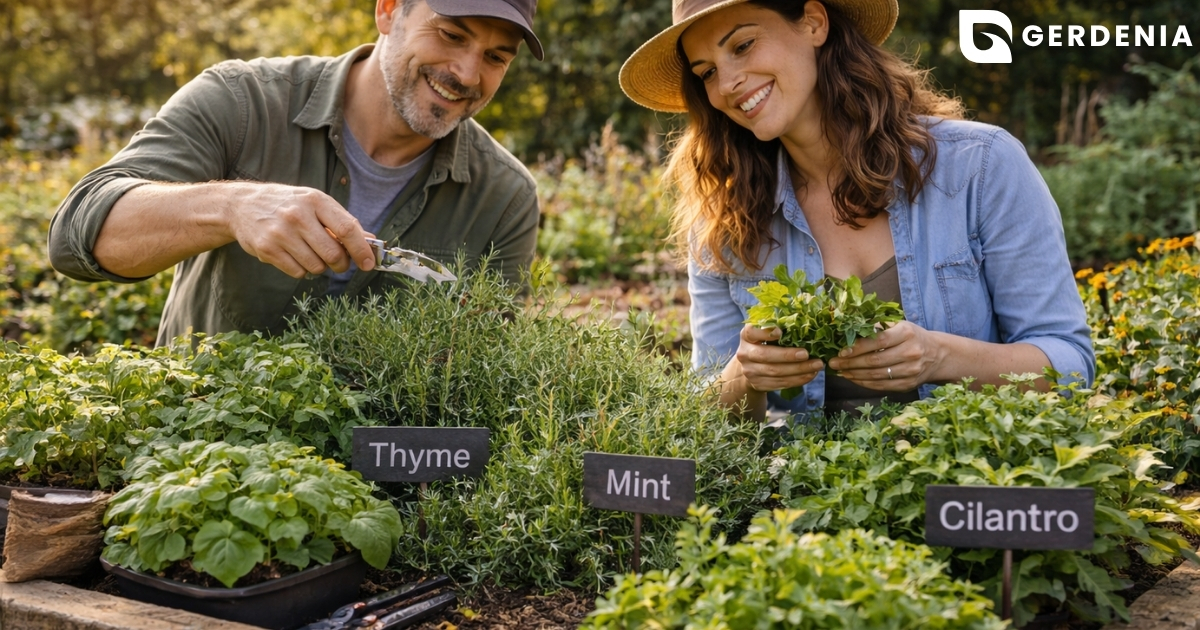
Remember, if a plant unexpectedly dies, it is never a failure—it is just a valuable learning experience about your environment’s limits. Start small, trust your new skills, and look forward to the ultimate reward: picking your own mint for a mojito right outside your door.