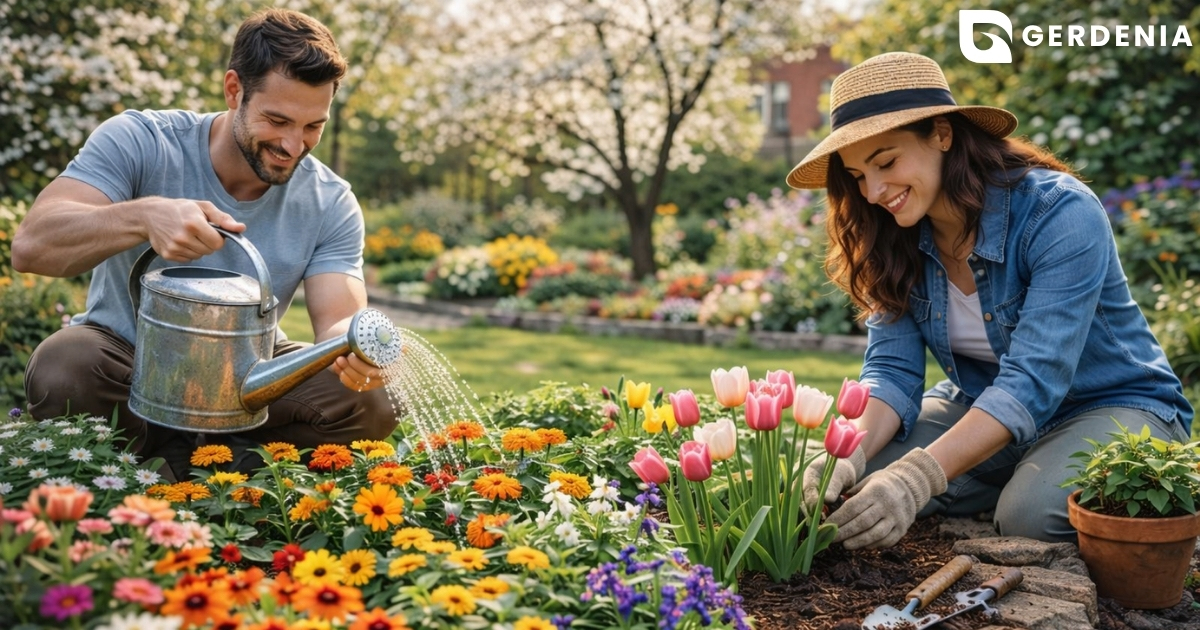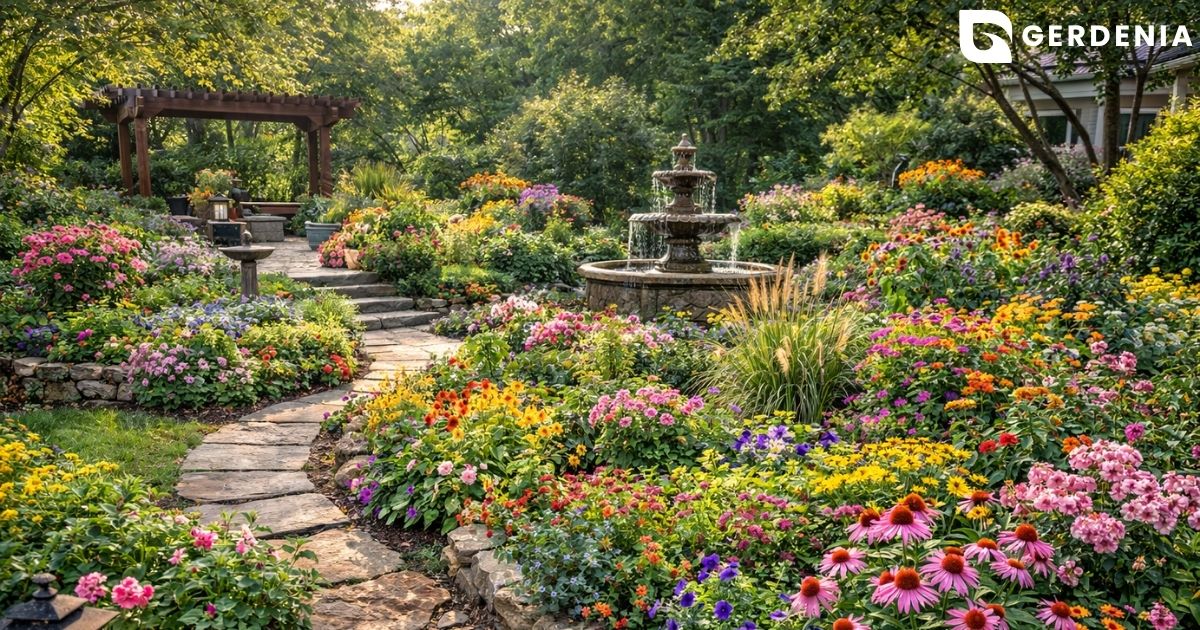

We have all been there: carrying a beautiful, blooming potted plant home from the hardware store on Saturday, only to watch it turn into a dried crisp by the following Friday. A beautiful yard often feels like a second job, demanding endless hours of watering, weeding, and worrying. Many people assume they simply lack a natural talent for growing things when their flowerbeds inevitably start looking overgrown and tired. However, gardening is not about possessing a magical touch; it is simply about building the right system.
What if the secret to a stunning outdoor space is actually doing less? The most resilient yards are not the ones constantly pampered, but rather those designed to pass the “Vacation Test.” This simple diagnostic asks one crucial question: can your plants survive a week of total neglect while you are away? By choosing low-maintenance plants for effortless gardens, you shift your mindset from viewing yardwork as a weekly chore to managing it as a reliable system. A good yard should wait for you, not punish you for taking a well-deserved break.
According to horticultural industry data, replacing delicate, short-lived flowers every single season is one of the biggest drains on a homeowner’s budget. Investing in tough plants that naturally come back every year—commonly known as perennials—saves both precious time and money. When you focus on self-sustaining landscaping for busy homeowners, you stop throwing cash at fragile blooms that wilt at the first sign of summer heat. These resilient species act like sturdy outdoor furniture, building a green foundation that looks completely intentional with almost zero fuss.
Keep in mind that “low maintenance” does not mean “no maintenance,” but rather relies on smart upfront planning. The true goal is to maximize your visual reward for the fewest hours spent digging in the dirt. Whether you want to boost your front curb appeal or are simply searching for practical low-maintenance backyard ideas, reclaiming your weekends starts at the garden center. Selecting a few stubbornly independent plants can completely transform your home.
Your Garden’s ‘Climate Wardrobe’: Mastering USDA Zones Without the Science Degree
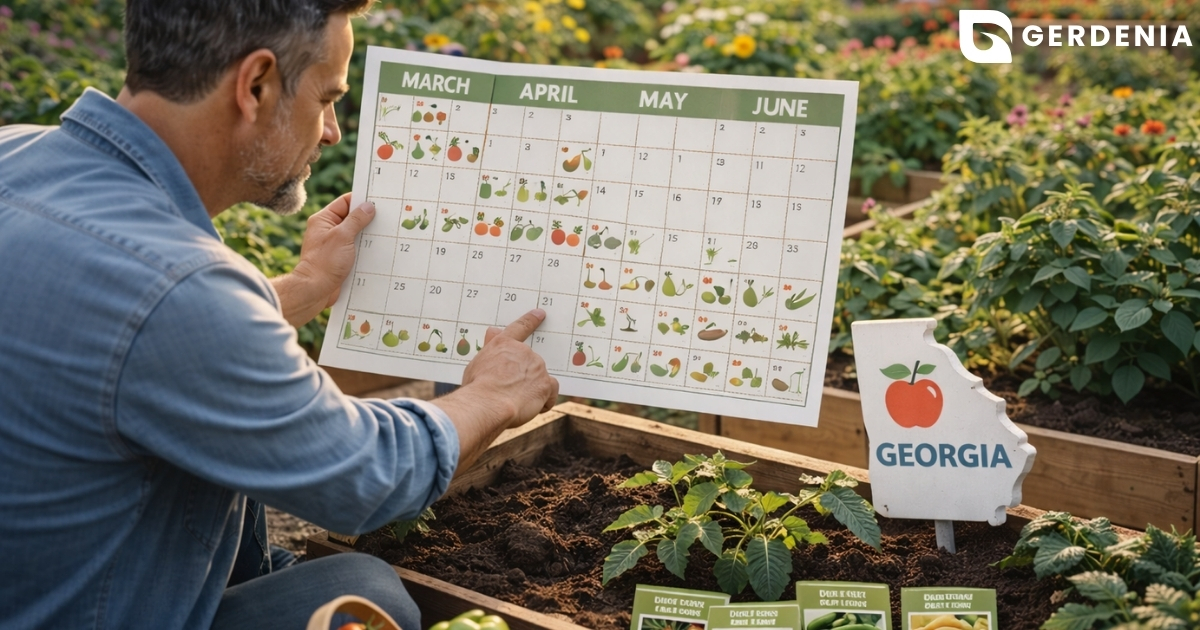
Just like you wouldn’t wear a heavy parka in Florida or flip-flops during an Ohio winter, your plants have specific temperature limits. This is your garden’s climate wardrobe, officially known as your USDA Hardiness Zone. Finding your specific number takes just thirty seconds online by typing your zip code into the USDA’s zone map. Knowing this simple number is the absolute easiest way to stop wasting money on plants that are destined to freeze or fry in your backyard.
Once you have your zone number, you can confidently shop for plants built to survive your local weather. The ultimate “set and forget” options are native plants, which naturally evolved in your area and are already adapted to your local rainfall and soil. However, you aren’t limited strictly to natives. Many non-native hardy species, like a tough Sedum or a resilient Hosta, can thrive effortlessly as long as they meet your specific USDA hardiness zone planting requirements.
Navigating the garden center becomes much less intimidating when you know exactly what to look for on those little plastic plant stakes. Keep these three tips in mind to quickly decode the hardiness information on any nursery tag:
- Check the zone range: Look for a span of numbers like “Zones 4-8” to ensure your specific zone is safely included.
- Spot the minimum temperature: If a zone isn’t listed, look for a minimum survival temperature that matches your coldest winter nights.
- Look for the word “Perennial”: This confirms the plant will survive your winter and return next year, saving you from replanting.
Armed with this knowledge, you can create a beautiful space anywhere—even if you are working with a tiny patio instead of a sprawling lawn.
No Grass, No Problem: Budget Solutions for Small Townhouse Backyards
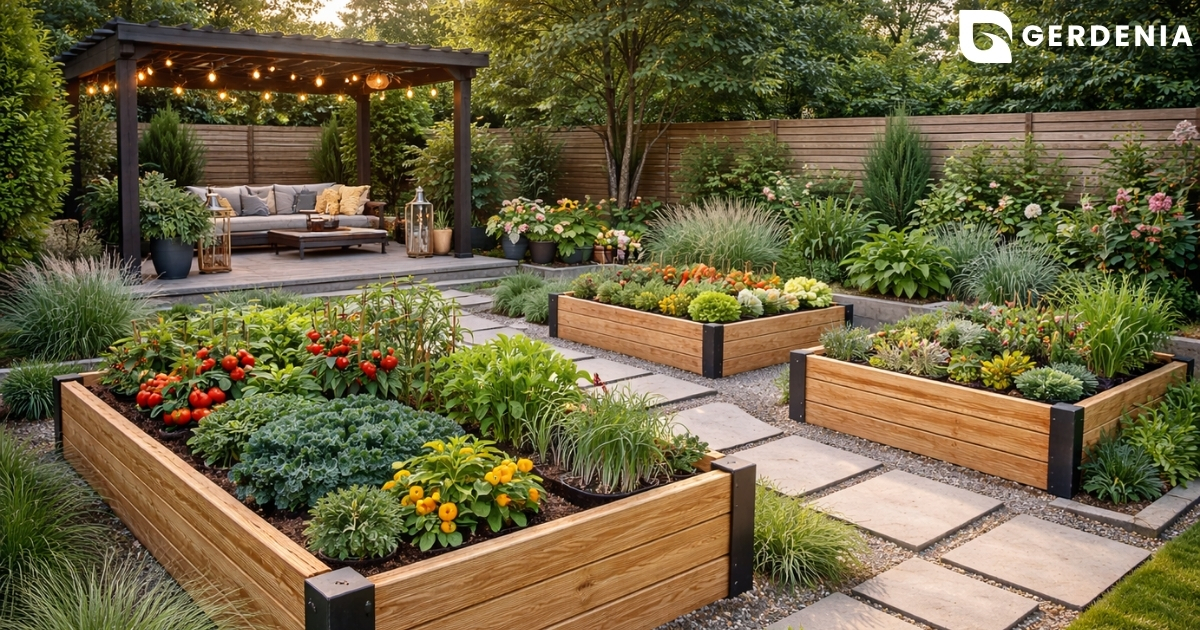
Dragging a heavy lawnmower through a narrow side gate just to trim a patch of turf the size of a postage stamp is the ultimate weekend time-waster. If you are looking for smart, grass-free townhouse backyard ideas, the secret is swapping that needy lawn for a “living rug.” Creeping groundcovers—like creeping thyme or sweet alyssum—spread outward to blanket the soil in lush greenery. Unlike traditional grass that demands endless watering, fertilizing, and mowing, these tough little plants max out at a few inches tall and thrive on neglect, making them vastly cheaper and easier to maintain.
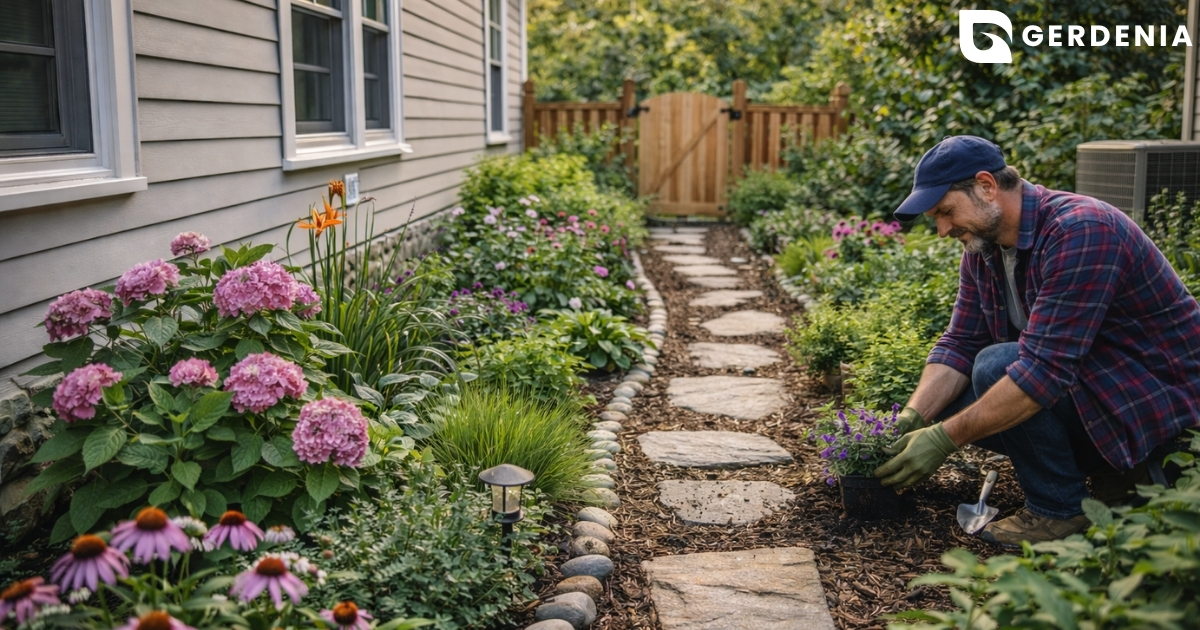
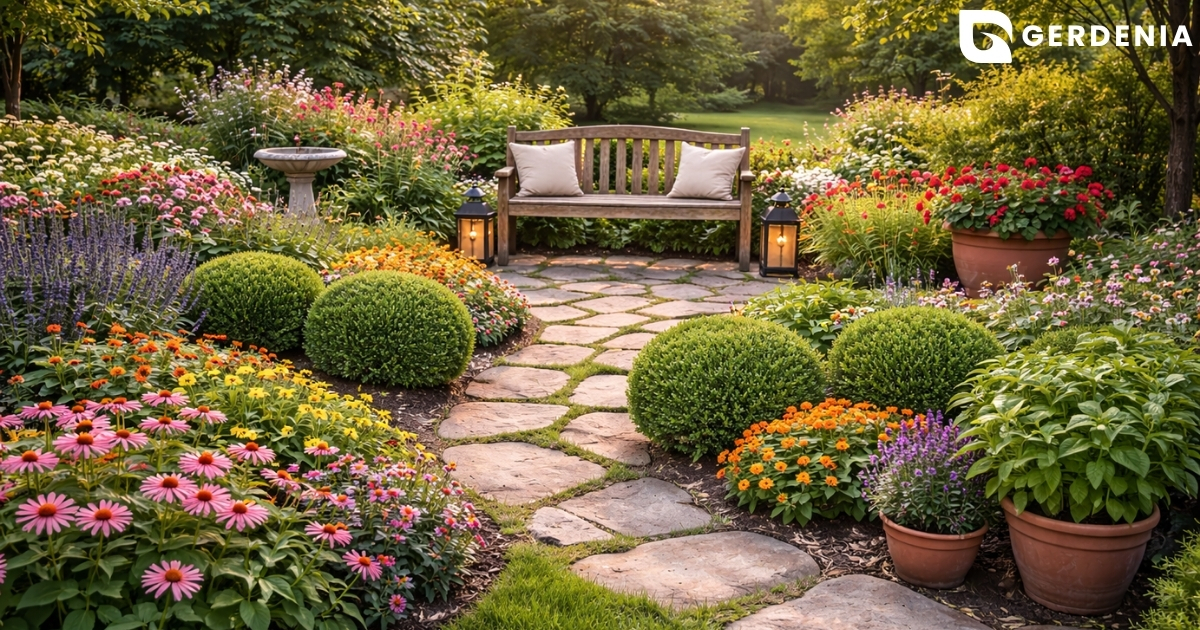
Protecting these low-lying plants from heavy foot traffic is crucial, but it doesn’t require an expensive poured concrete patio. You can easily achieve stunning, low-maintenance small backyard designs by strategically placing stepping stones where you naturally walk. Think of these stones as the functional “hallways” of your outdoor space. They absorb the crushing weight of footsteps, protecting delicate plant roots from stress while giving your tiny yard a beautifully structured, intentional look.
Building the foundation of your grass-free oasis doesn’t have to drain your wallet. When exploring cheap, grass-free backyard ideas, you can mix and match these four budget-friendly materials to cover bare dirt quickly and affordably:
- Pea Gravel: Provides excellent drainage and a satisfying crunch underfoot.
- Wood Mulch: Suppresses weeds naturally and breaks down to feed the soil.
- Concrete Pavers: Creates instant, flat walkways or small patio seating areas.
- Groundcover Plants: Acts as a living, spreading filler between stones and borders.
Styling these materials gives you endless options for beautiful backyard layouts without touching a mower. You can create a modern grid by placing large square pavers surrounded by gravel, design a woodland retreat using curved paths of wood mulch, or build a rustic checkerboard using stepping stones framed by your living rug of creeping groundcover. Once your ground layer is beautifully established without a single blade of needy turf, it’s time to build upward with a “set and forget” foundation.

The ‘Set and Forget’ Foundation: Easiest Shrubs for Privacy and Shade
Now that your “living rug” is down, it’s time to add the “furniture” to your outdoor room. Shrubs planted around the borders or base of your home—known as foundation plants—provide essential structure and privacy. However, picking the wrong ones means endless weekends on a ladder with shears. The secret to smart, low-maintenance backyard landscaping is buying “dwarf” varieties. A dwarf plant is bred to max out at a specific, smaller size, meaning it naturally stops growing before it blocks your windows. When planting them, use the “Three-Year Spacing Rule.” Even if the small pots look a bit lonely in the dirt on day one, space them based on the mature width listed on their tags so they don’t awkwardly overcrowd each other by season three.
Finding resilient options that survive on minimal effort is simple once you know what to grab at the local garden center. If you are standing in the nursery aisle wondering what the easiest shrubs for shade are, or you need a privacy screen for a sweltering sunny fence line, stick to these reliable “set and forget” favorites:
- For Deep Shade: Yew (a soft-needled classic that tolerates dark corners) or Oakleaf Hydrangeas (tough, leafy shrubs requiring zero pruning).
- For Full Sun: Dwarf Boxwoods (creates a neat, rounded hedge naturally) or Ninebark (a rugged, sun-loving bush with beautiful peeling bark).
Anchoring your yard with slow-growing evergreen foundation plants—varieties that hold onto their foliage year-round—ensures your property won’t look totally barren when winter arrives. Mixing a few of these steady evergreens with a deciduous shrub (one that drops its leaves in autumn) gives you a robust privacy screen that asks for nothing but an annual scoop of mulch. With your structural “walls” firmly in place, you are ready to add decorative accents featuring summer-long color.
Summer-Long Color: Flowers That Bloom Without Constant Deadheading
We’ve all bought a gorgeous blooming plant, only to watch it turn into a mess of crispy brown petals days later. Traditional gardening fixes this fading with “deadheading”—the tedious chore of pinching off dead blooms by hand to force the plant to make new ones. An effortless garden skips this task entirely. The secret is selecting “self-cleaning” plants, which naturally drop their spent petals and push out fresh color without any help from your pruning shears.
This hands-off approach changes how you spend your weekends. By focusing on a drought-tolerant perennial garden design, you choose resilient plants that return yearly and thrive on natural rainfall rather than constant hose watering. This smart strategy slashes your summer utility bill while creating a healthy backyard ecosystem. Tough, nectar-rich blooms effortlessly attract butterflies and bees, proving you do not need to micromanage nature to support local wildlife.
Your local garden center is packed with reliable options that require zero fuss. To skip the daily maintenance, look for these top five ‘lazy’ flowers for non-stop summer color:
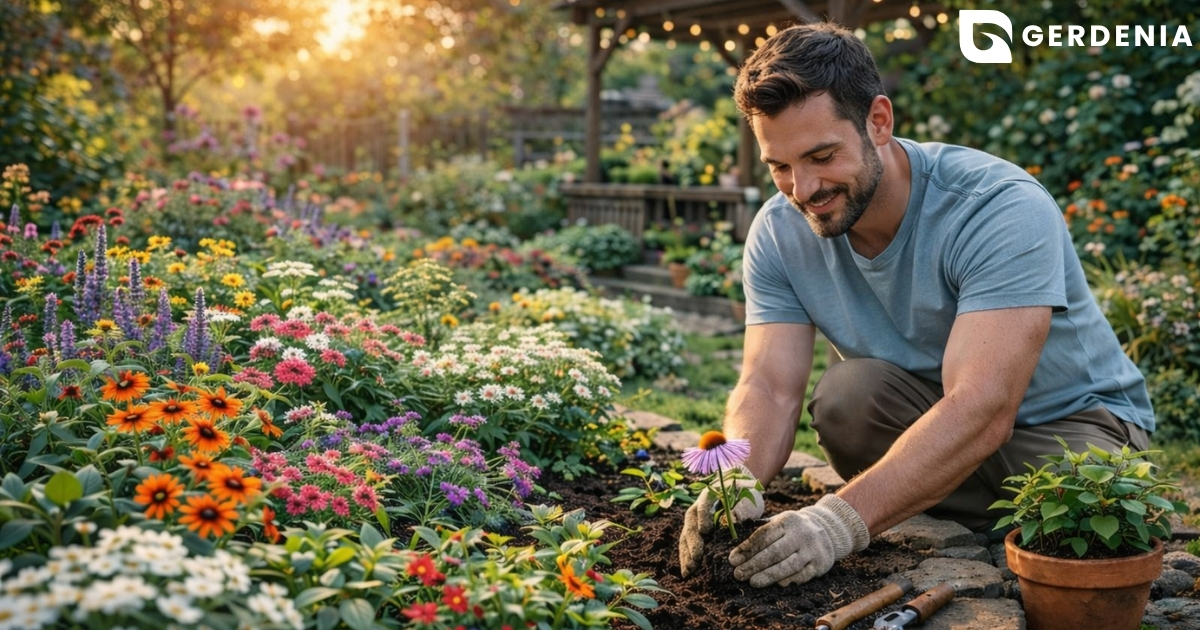
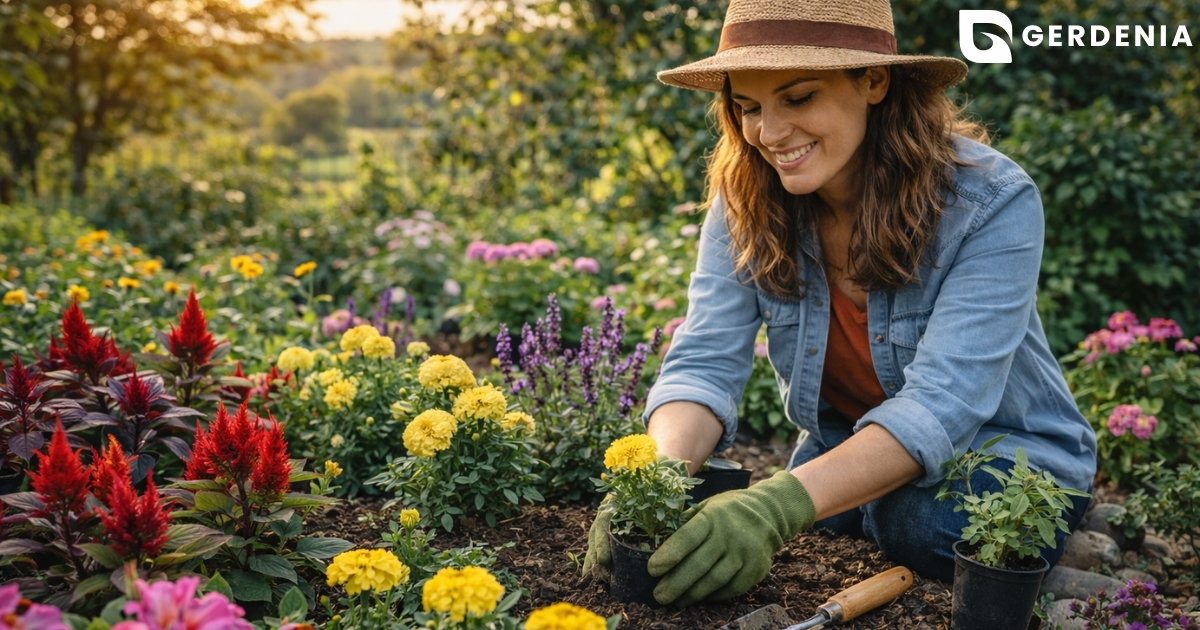
- Purple Coneflower: Rugged, daisy-like perennials that ignore the heat and feed birds in the fall.
- Creeping Thyme: One of the best pollinator-friendly groundcovers for sun, forming a dense, weed-blocking mat.
- Sedum (Autumn Joy): Fleshy plants that store their own water and bloom late into the season.
- Black-Eyed Susans: Cheerful, drought-resistant flowers that bloom all summer without deadheading.
- Coreopsis: Practically indestructible yellow blossoms that absolutely thrive on neglect.
A single afternoon of planting these perennials guarantees a vibrant, buzzing yard for years to come. Once your colorful foundation is established, you can eliminate watering duties almost completely by applying the xeriscaping blueprint.
The Xeriscaping Blueprint: Saving Water and Time with Succulents and Stone
What if the secret to a high-end yard isn’t more plants, but more stone? This is the magic of “xeriscaping”—a landscaping method designed to survive on almost zero extra watering. By blending tough plants with hardscaping materials, you can easily create stunning, modern, grass-free backyard designs. In fact, using decorative stone as your foundation instantly replaces 50% of your planting needs, saving you significant cash at the nursery and hours of weekend labor.
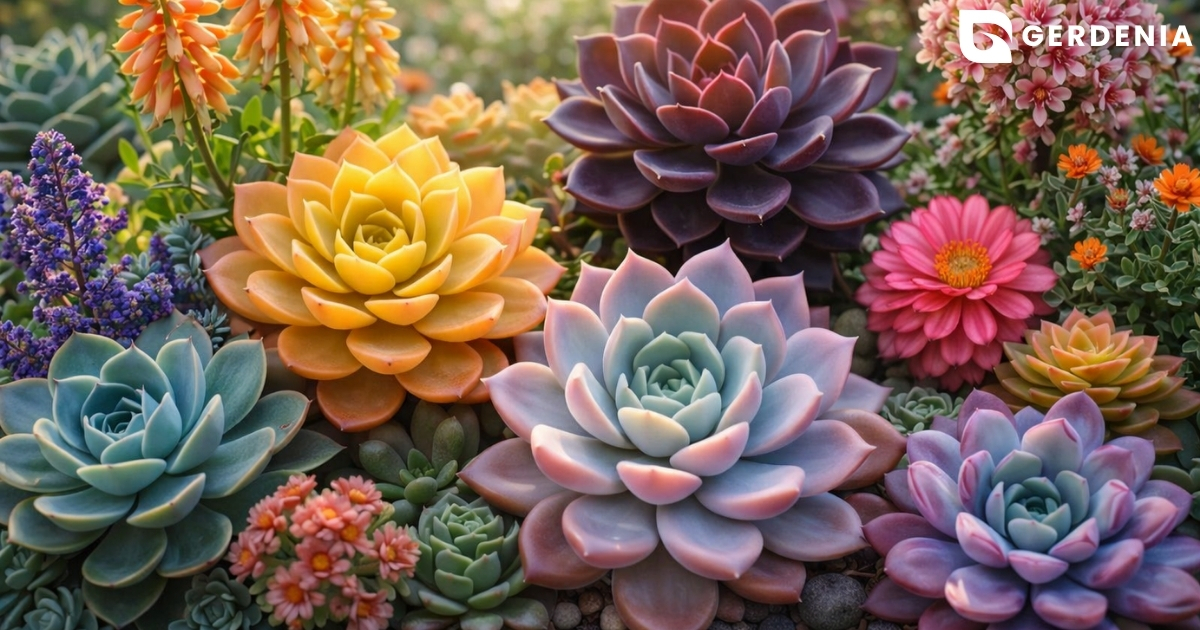
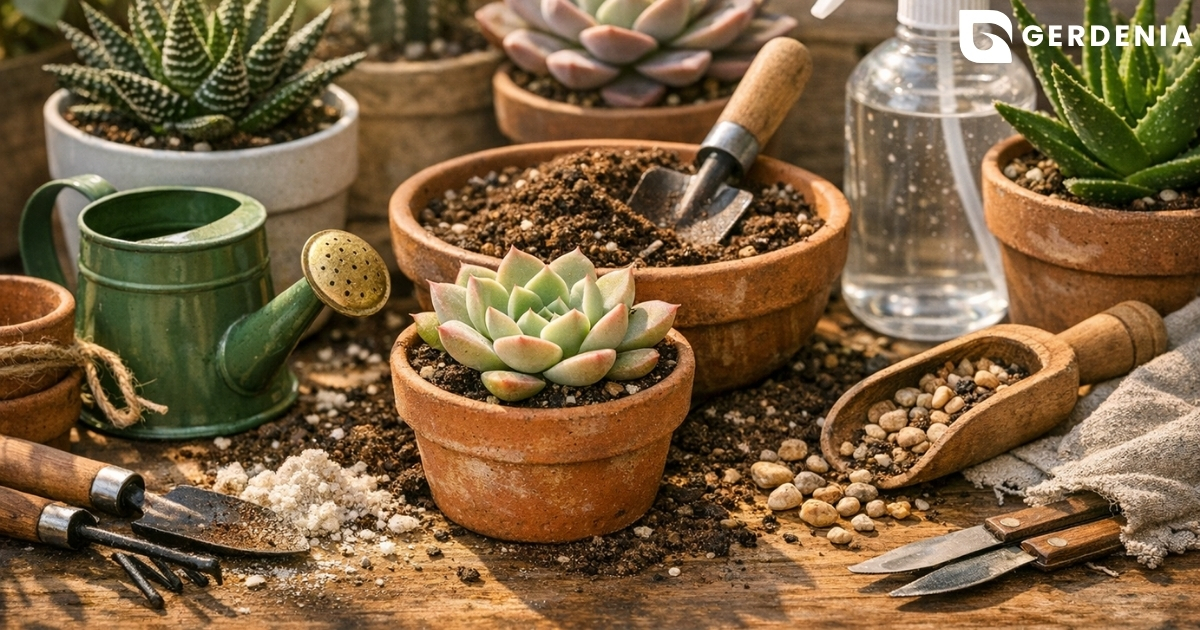
Before adding trendy, water-storing plants to your new stone setup, you must master the “Sponge vs. Plate” analogy for soil drainage. Standard garden dirt acts like a wrung-out sponge, holding gentle moisture, but succulents will quickly rot if water sits beneath them like a puddle on a flat dinner plate. Once you mix some gravel into your soil to ensure water escapes rapidly, you can confidently consult a guide to selecting drought-resistant succulents. You don’t need to live in a desert, either; cold-hardy varieties like Hens-and-Chicks, creeping Sedums, and vibrant Ice Plants will survive freezing winters and scorching summers with zero fuss.
Pulling this look together takes just one afternoon if you stick to basic xeriscaping principles for beginners. When browsing low-maintenance rock garden layout ideas, use this simple three-step installation plan:
- Set the Anchor: Place one or two large boulders first to create an immediate, eye-catching focal point.
- Tuck in the Greens: Plant your hardy succulents directly against the base of these boulders so they look natural.
- Fill the Gaps: Spread a thick layer of contrasting gravel around the plants to lock the design together.
While stone handles your driest sunny spots beautifully, your traditional flower beds will need a slightly different weed-blocking approach, utilizing a “soil blanket” strategy.

The ‘Soil Blanket’ Strategy: Using Mulch to Smother Weeds for Good
We’ve all spent a frustrating weekend on our hands and knees pulling endless dandelions, only to see them return days later. Instead of fighting nature, you can easily implement the best no-maintenance backyard strategies by laying down a protective “soil blanket.” Learning how to mulch for weed suppression is just like placing a thick, heavy area rug over a bare floor. By strictly following the “3-inch Rule”—spreading exactly three inches of mulch over your dirt—you block the sunlight that weed seeds desperately need to sprout. This physical barrier instantly stops 90% of unwanted growth before it ever breaks the surface, turning a weekly weeding chore into a quick annual touch-up.
Beyond stopping aggressive weeds, this protective layer acts as a built-in hydration system that directly saves you money. Summer heat quickly bakes exposed dirt, causing expensive irrigation water to evaporate into thin air before roots can drink it. A proper mulch layer locks that moisture underground, acting like a lid on a simmering pot. Because the soil retains water longer, you can water your beds half as often, lowering your utility bill while ensuring your plants stay vibrant and healthy without constant monitoring.
Walking down the garden center aisle can feel overwhelming with so many bags to choose from, but selecting organic mulch types for soil health comes down to three reliable options for the home landscape:
- Cedar: Pros: Natural oils act as a fantastic bug repellent, and the wood takes years to break down. Cons: Slightly more expensive upfront.
- Pine Bark: Pros: Incredibly affordable and breaks down gently to feed your soil’s ecosystem. Cons: The lightweight nuggets can float away in heavy rain if your yard slopes.
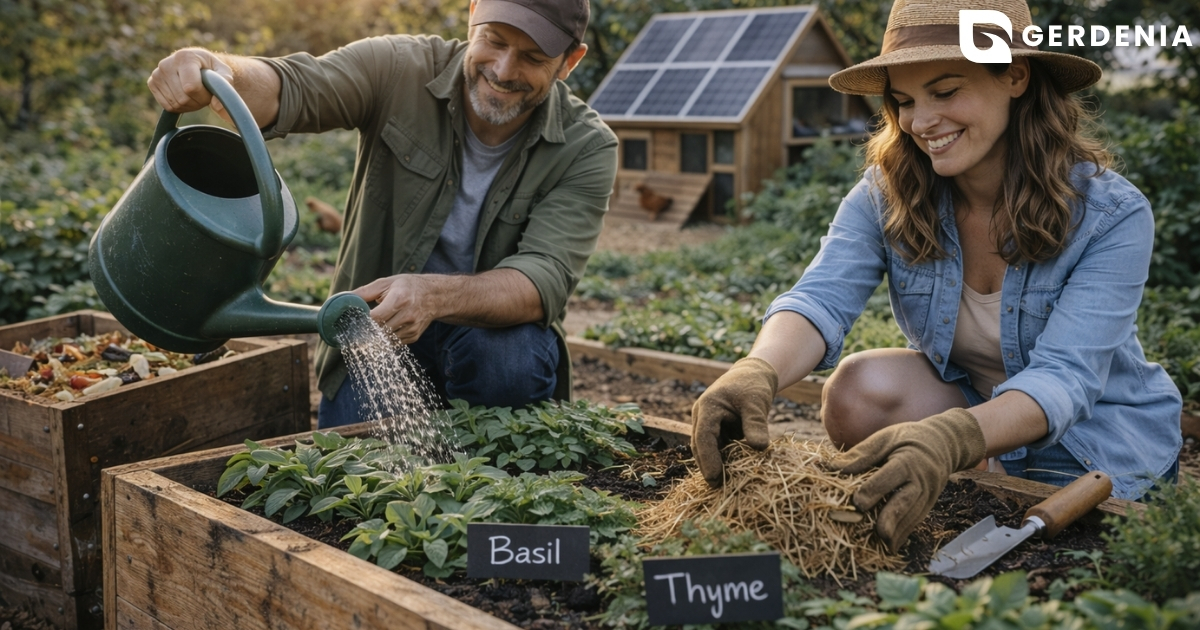
- Straw: Pros: Excellent for backyard vegetable gardens and extremely budget-friendly. Cons: Looks a bit messy for front-yard curb appeal.
A premium cedar mulch keeps crawling bugs at bay, but larger neighborhood visitors require a different strategy.

Critter-Proofing Your Sanctuary: Deer-Resistant and Pest-Resistant Plants
Waking up to find new hostas chewed to the stems is incredibly disheartening. Instead of wasting money on smelly chemical sprays, you can build a natural defense system simply by picking the right greenery. Animals navigate by smell and texture, seeking tender, easy-to-chew salads. If a leaf is fuzzy like a wool sweater or carries a strong herbal scent, hungry visitors will typically walk right past it to find an easier meal.
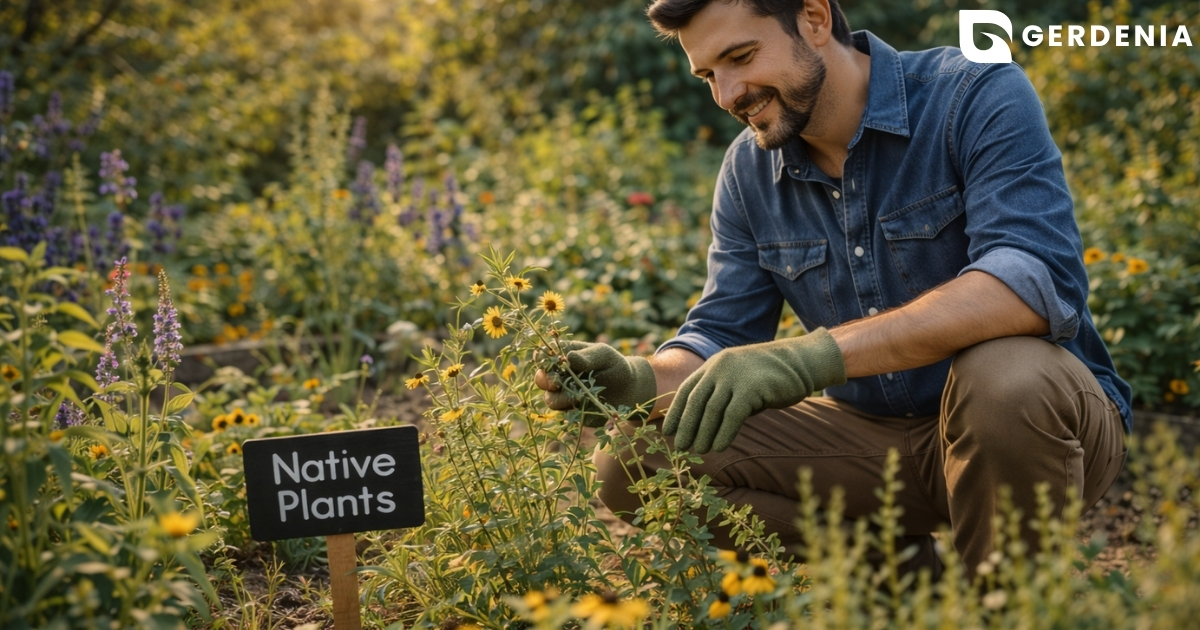
The most resilient gardens rely heavily on native species—plants that naturally grew in your region before houses were even built. Over centuries, these tough survivors developed natural armor against local wildlife. When shopping for deer-resistant plants for woodland areas, look for species with these unappetizing traits:
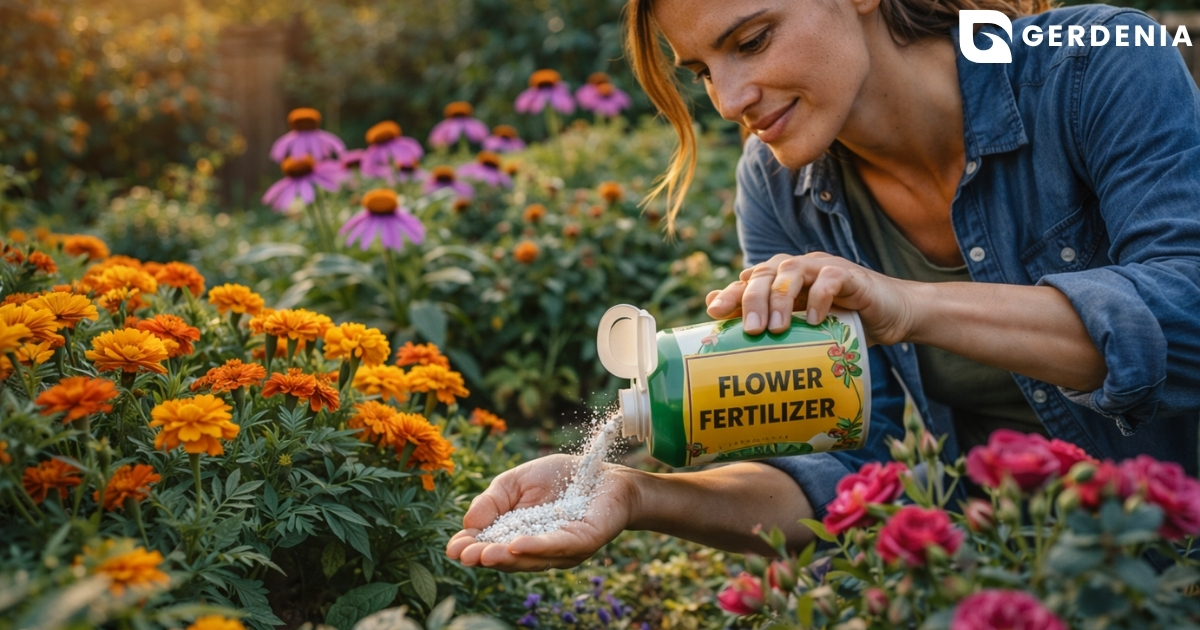
- Purple Coneflower: Features rough, bristly centers that deer hate.
- Lavender: Strong herbal oils smell wonderful to humans but easily overwhelm an animal’s sensitive nose.
- Lamb’s Ear: Incredibly fuzzy leaves create a physical texture that rabbits refuse to eat.
If you want a natural screen between you and the neighbors, you don’t have to wait a decade for a traditional hedge to mature. Fast-growing, pest-resistant ornamental grasses for privacy are the ultimate effortless solution. Tall varieties like Maiden Grass shoot up quickly in the spring, creating a graceful barrier that deer avoid because the blades are simply too sharp to digest. Utilizing these swaying plants is one of the smartest grass-free backyard landscape ideas, providing dramatic height and winter interest without ever needing a lawnmower.
By combining aromatic native blooms with sturdy grasses, your yard naturally becomes a beautiful sanctuary that repels hungry critters on its own. With these low-effort pieces finally in place, transitioning to an effortless garden requires only a simple weekly action plan.
Your 30-Minute-a-Week Action Plan: Transitioning to an Effortless Garden
You used to look at your yard and see an exhausting weekend of chores, but now you hold the blueprint for a space that practically takes care of itself. The secret to low-maintenance plants for effortless gardens isn’t about working harder; it’s about choosing resilient varieties that thrive on neglect. You now have the ultimate success metric: high visual reward for almost zero hours spent. Always remember the effortless garden mantra: it is far better to have three thriving plants than thirty dying ones.
To start transforming your yard, prioritize changes based on your “hassle zones”—those annoying patches where the lawn mower gets stuck or the hose barely reaches. You can fix these spots using a simple 1-2-3 sequence for converting a high-maintenance bed. First, smother the struggling turf; second, lay down a thick layer of mulch like a protective outdoor rug; and third, drop in a few tough-as-nails perennials. This approach naturally creates brilliant budget-friendly setups without needing traditional grass, saving you both water and weekend stress.
The Lazy Gardener’s Weekend Shopping List:
- Purple Coneflowers: Sun-loving survivors that brighten the yard.
- Hostas: The perfect leafy filler for shady, ignored spots.
- Sedum (Stonecrop): A tough plant that practically thrives on drought.
- Shredded Mulch: Your best defense against weeds and dry soil.
Try choosing just one corner of the yard to swap out this weekend. By starting with a single, manageable space, you will see immediate results without the overwhelming pressure of a full property makeover. Each time you swap a needy flower for a tough survivor, you will build your confidence and reclaim more of your valuable free time.
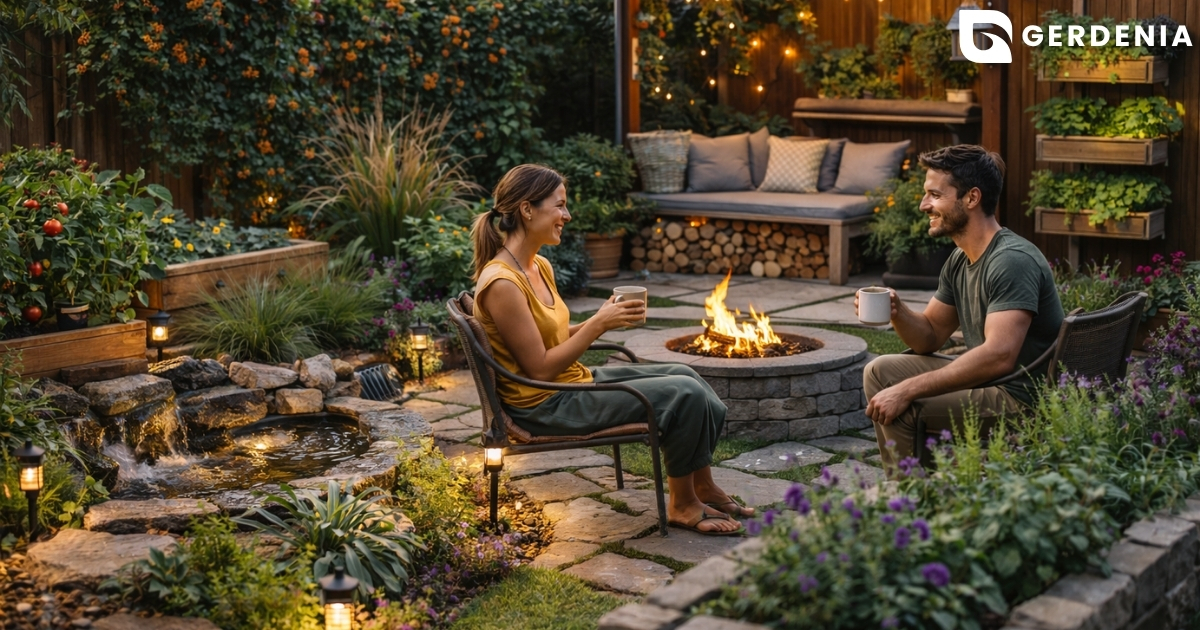
Ultimately, a beautiful outdoor space should be your relaxing sanctuary, not a demanding second job. As you step out to the garden center today, you are intentionally designing a landscape built to last. Plant those first few resilient varieties in the ground and put your yard to the “Vacation Test” this summer.