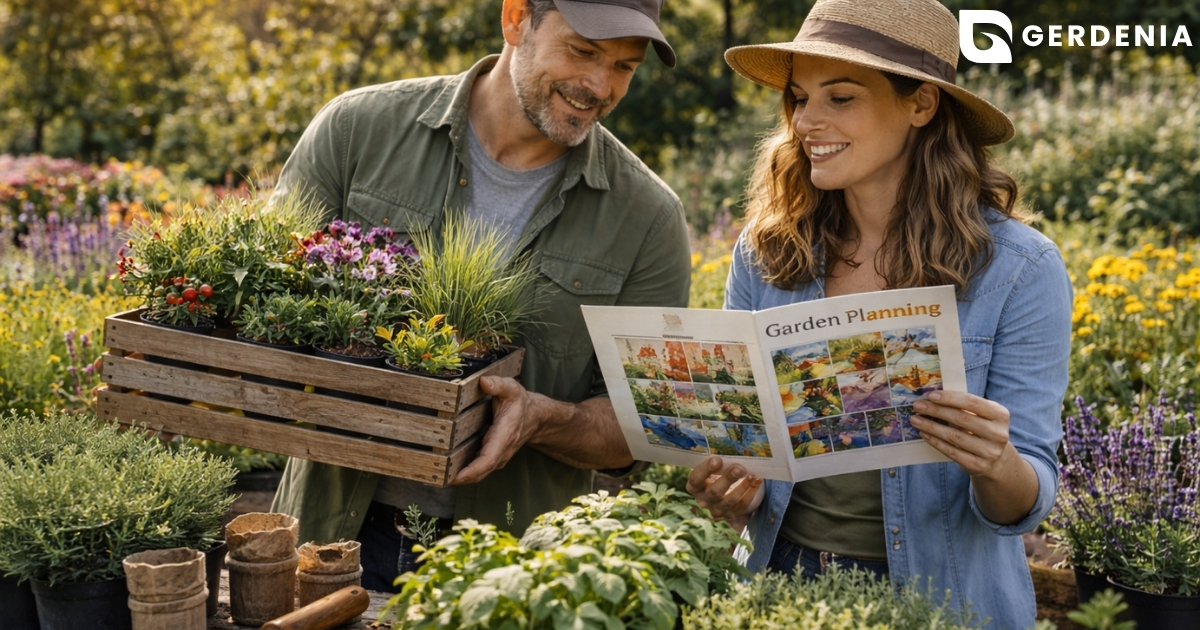
Imagine pinching off a fragrant, vibrant leaf of fresh basil for tonight’s pasta, completely bypassing those sad, overpriced plastic clamshells at the supermarket. Experienced home chefs know living basil runs circles around dried flakes, but the financial difference is just as satisfying. According to common grocery budgets, spending four dollars on a few wilting sprigs makes little sense when that same amount buys a thriving plant producing ingredients for months.
Perhaps you have tried this before, only to watch a grocery store mint plant wither on your windowsill within three days. Gardeners often remind beginners that the problem wasn’t a “black thumb,” but rather a sudden change in environment. Those delicate pots are raised in perfect, humid greenhouses, making their abrupt transition to a dry kitchen incredibly difficult to survive.
This realization sparks a powerful mindset shift, transforming plant care from a frustrating chore into a simple, money-saving utility. You finally begin viewing your greenery as an accessible, living pantry rather than a finicky houseplant. Exploring the culinary uses for common garden herbs—like tossing crisp chives onto roasted potatoes or muddling fresh mint—turns routine cooking into a deeply rewarding experience.
Selecting the right herbs for planting herb garden containers is your first step toward this lifestyle upgrade. Whether you are starting a kitchen herb garden from seeds or picking up sturdy nursery plants, success simply relies on matching them with proper sunlight. Soon, you will have high-quality ingredients right at your fingertips, proving that gardening isn’t a complex science project, but a delightful daily habit.
Finding Your Herbs’ “Happy Place”
Plants inherently crave light, but determining exactly how much sunlight indoor herbs need daily to stay bushy and green is crucial. The secret to success is the “clock rule”—find a spot where direct sun physically touches the leaves for at least six hours, roughly from breakfast until a late lunch.
Finding that perfect bright spot is simple when considering these prime locations for your pots:
- The Kitchen Windowsill: Ideal for quick, mid-cooking harvesting, as long as it faces south or west.
- The Patio Table: Great for catching gentle morning rays while avoiding the scorching afternoon heat.
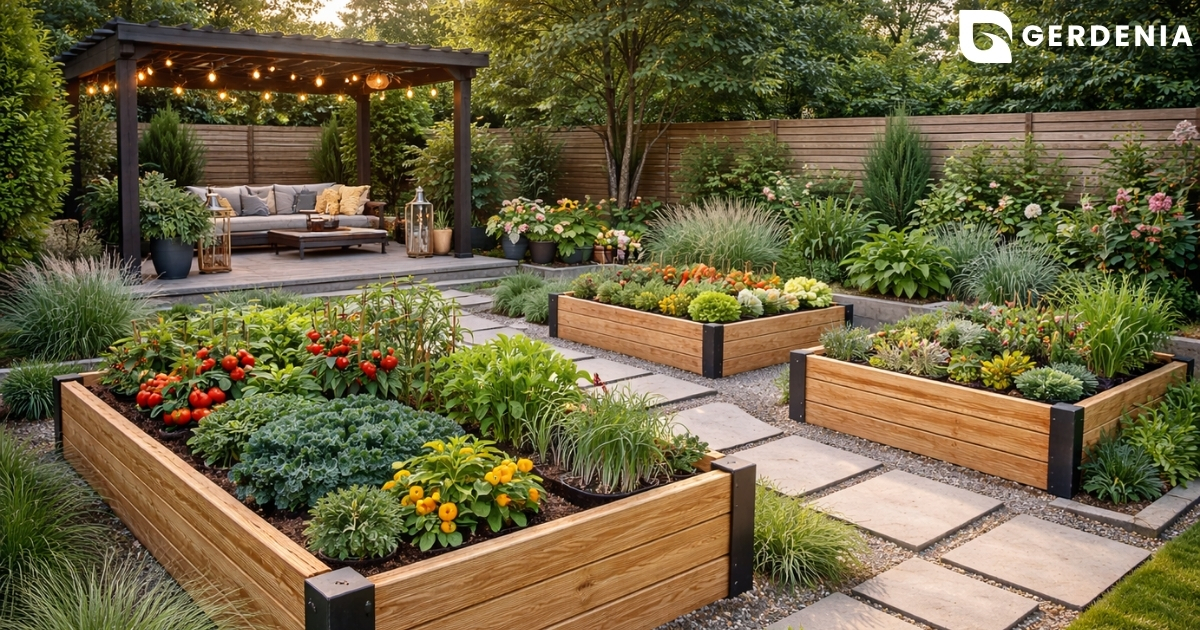
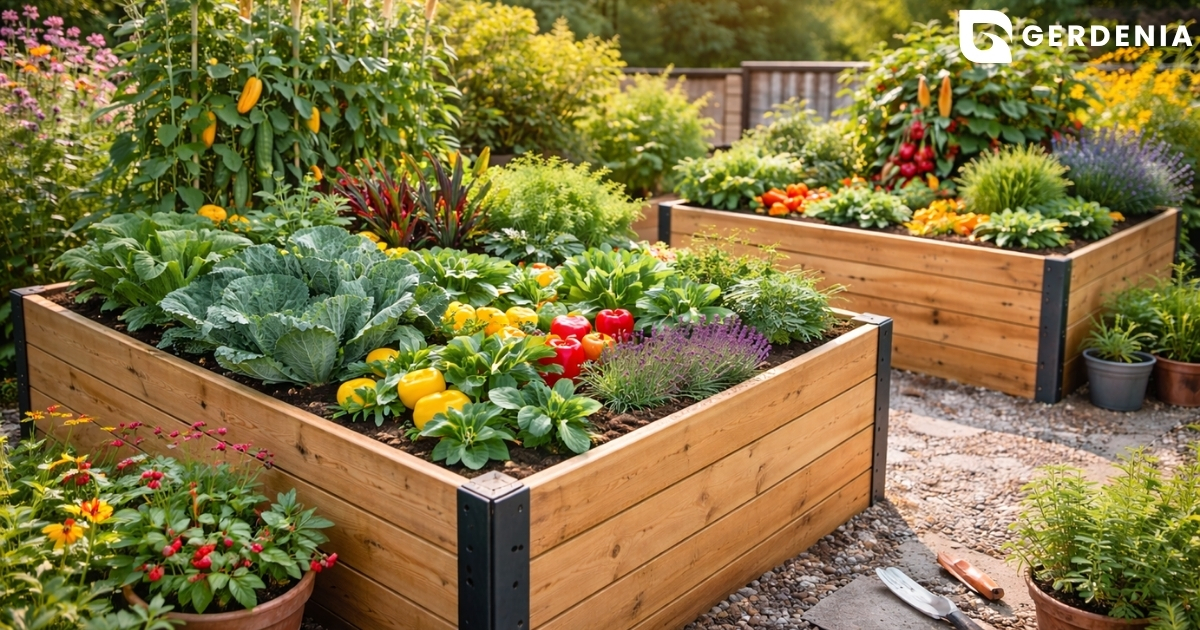
- The Raised Garden Bed: Perfect for outdoor spaces that receive wide-open, all-day sunshine.
Once your lighting is set, choosing the right dirt is your next crucial step. When comparing potting mix versus garden soil for containers, experienced gardeners always pick the potting mix. Regular yard soil is incredibly heavy and dense, which suffocates delicate potted roots. Potting mix stays wonderfully light and airy, giving those roots the room they need to stretch out and breathe.
This airy dirt is also essential for improving soil drainage for potted herbs, a concept easily explained by a sponge. Roots left in standing water are like a sponge trapped at the bottom of a sink—eventually, they rot. Always ensure your pot has a drainage hole, and use the “finger test” by poking the dirt an inch deep before watering; if it feels completely dry, give it a drink. Nailing these basic comforts perfectly prepares you to tell the forever herbs vs. the one-season wonders apart.

The Forever Herbs vs. The One-Season Wonders
Have you ever felt defeated when a thriving basil plant suddenly flowered and died as autumn approached? Don’t blame your gardening skills, because some plants are simply biologically programmed for a short, spectacular life. While beginners usually wonder when they can plant herbs, the real secret to a stress-free experience is understanding how long they are actually meant to stay.
These temporary visitors are called “annuals,” meaning they complete their entire lifecycle in just one season. Favorites like cilantro grow quickly, but extreme weather makes them panic and start “going to seed” by pushing up tall flowers before fading. Grasping the difference of annual versus perennial herbs for home gardens saves you from trying to rescue a plant that is naturally expiring.
On the flip side, you have reliable long-term investments known as “perennials.” These rugged survivors might lose their leaves over the winter, but their roots stay alive underground, pushing up fresh green growth every spring. If you want a low-maintenance setup that returns yearly, the best perennial herbs for beginner gardeners include woody, resilient varieties like rosemary, chives, and mint.
Blending a few loyal, returning plants with your quick-growing summer favorites creates the perfect recipe for a bountiful kitchen. You get the thrill of immediate seasonal harvests along with the comfort of familiar friends returning to your windowsill each year. With lifecycles established, selecting the right pots alongside the “Sensational Six” beginner herbs is the perfect next step.
Meet the “Sensational Six” Beginner Herbs
Garden center aisles can feel overwhelming when dozens of unfamiliar green leaves stare back at you. Instead of guessing which ones will survive, build your confidence by starting with a core group of forgiving, familiar favorites. These “Sensational Six” are the ultimate easy wins because they provide quick harvests and usually bounce back if you accidentally miss a watering day.
To make shopping effortless, think of these six reliable choices as having distinct personalities for your new herbal plants garden:
- Basil: The Thirsty Sun-Worshipper (Annual)
- Parsley: The Patient Provider (Annual/Biennial)
- Rosemary: The Rugged Survivor (Perennial)
- Thyme: The Creeping Carpet (Perennial)
- Mint: The Aggressive Space-Hog (Perennial)
- Chives: The Steady Grassy Garnish (Perennial)
How a plant naturally stretches its stems determines where it belongs on your windowsill. Some, like basil and rosemary, share an “upright” growth habit, meaning they stretch straight toward the sun and get taller as they mature. Others, like creeping thyme, prefer to hug the dirt and spread outward like a thick green mat. Recognizing these habits is incredibly helpful when choosing low maintenance herbs for small spaces, as you can easily predict whether a plant will spill gracefully over the edge of its pot or shoot straight up into the air.
Surprisingly, the amount of water these plants want divides our beginner favorites into two totally distinct camps. Rosemary and thyme originate from rocky, sun-baked hillsides, meaning they actually prefer “dry feet”—a simple way of saying their soil should dry out almost completely between waterings. If you keep them constantly wet like a soggy kitchen sponge, their roots will struggle to breathe air and eventually rot. Conversely, basil and parsley are much thirstier and will let their soft leaves droop dramatically to complain if they get too dry.
Wondering why some vigorous growers seem to swallow their neighbors whole? The most important rule of the bunch applies strictly to the easiest plant of all: mint. Because it spreads outward rapidly using sneaky underground runners, mint acts like a garden bully that will quickly choke out any neighboring roots. You must always give mint its very own dedicated pot, safely trapping it so it cannot take over your entire collection.
Recognizing these individual quirks sets you up for a season full of fresh flavors rather than frustration. A thirsty, upright basil plant requires completely different care than a dry, creeping thyme plant. With these specific needs established, designing a “social” herb container becomes a seamless process.

Designing a “Social” Herb Container
If you’re gardening on a tight balcony, cramming six separate pots into one sunny corner can feel like playing a frustrating game of Tetris. Instead of juggling individual containers, you can combine your plants into shared planters to save precious space. This strategy, often called companion planting for aromatic culinary herbs, simply means grouping plants together that enjoy the exact same everyday living conditions.
Matching thirst levels is the ultimate secret to a thriving shared pot. Imagine putting a thirsty basil plant right beside rosemary; if you add enough water to keep the basil happy, the rosemary’s roots will quickly rot in the soggy soil. You must always pair moisture-loving plants together, keeping your drought tolerant Mediterranean herb varieties—like rosemary and thyme—in a completely separate, well-draining pot where they can comfortably dry out.
When wondering which herbs grow best together in containers, use this simple matching guide to assign the perfect roommates:
- Best Friends (Moisture Lovers): Basil and parsley thrive side-by-side because they both crave consistent watering and softer soil.
- Best Friends (The Dry Crew): Rosemary and thyme make perfect pot-mates since they both prefer their dirt to dry out completely between drinks.
- Lonely Hearts (Solo Acts): Mint requires an isolated pot so its aggressive roots won’t strangle its neighbors, while chives generally prefer personal space to form neat grassy clumps.
Once your plants are comfortably settled with compatible roommates, they will eagerly start putting on impressive green growth. Watching those fresh leaves reach toward the sun is exciting, but eventually, you must start clipping them for your dinner recipes to keep the stems from getting spindly. Knowing exactly where to snip keeps your shared containers looking beautifully lush, leading us perfectly to the “haircut rule” for massive harvests.
The “Haircut Rule” for Massive Harvests
Many beginners hesitate to cut their plants, afraid that taking too many leaves will ruin their new garden. In reality, regular snipping is exactly what these plants crave to produce an even bigger bounty. Think of it like a simple salon trim; clipping the top off actually forces the plant to send its energy outward instead of upward.
Without regular trims, your plants will suffer from “leggy” growth, stretching into tall, fragile stems with sparse leaves. To master harvesting techniques to encourage bushier growth, simply trace the top stem down to where two tiny new leaves are forming, and snip right above them. The plant will quickly split into two new branches at that exact spot, turning a spindly stem into a dense, productive bush.
While you are up close checking for the perfect place to snip, take a moment to peek under the leaves for any unwelcome guests. Catching bugs early is the easiest secret to preventing common pests in organic herb gardens. If you spot tiny webs or little green aphids hiding in the shade, you do not need harsh chemicals; simply wiping the leaves with a damp cloth or mild soapy water will quickly send them packing.
Your robust, carefully cultivated branches are going to be your biggest advantage when the summer heat finally fades. A thick, healthy plant naturally survives temperature drops much better than a weak, thin one. With this sturdy foundation of greenery built, you are perfectly prepared for keeping the magic alive through winter indoors.

Keeping the Magic Alive Through Winter
Before, you might have watched supermarket mint wilt on your windowsill. Now, you have the skills to snip fresh, fragrant leaves directly from your own thriving pots. Celebrating the success of harvesting that first handful of basil is undeniable proof of your growing gardening abilities.
As seasons shift, these techniques will keep your garden producing. Knowing when to transplant indoor herb seedlings outside is simple: master the “hardening off” process by letting them visit the outdoors for a few hours daily before their permanent move. Later, you’ll easily prepare for winterizing herb plants for cold climates.
To smoothly transition your garden, follow this 3-step ‘Winter Ready’ checklist:
- Bring sensitive pots indoors before the first fall frost.
- Protect the outdoor perennials you leave behind with a cozy blanket of mulch.
- Allow perennial herbs their natural winter “nap”—they will bounce back in spring!
These herbs are now equipped to thrive from their first sunny day to their winter rest. Pick just one herb today, grab a pot with good drainage, and start planting. Every time you pinch off a fresh leaf, you’ll build your culinary confidence and enjoy the literal fruits of your labor.