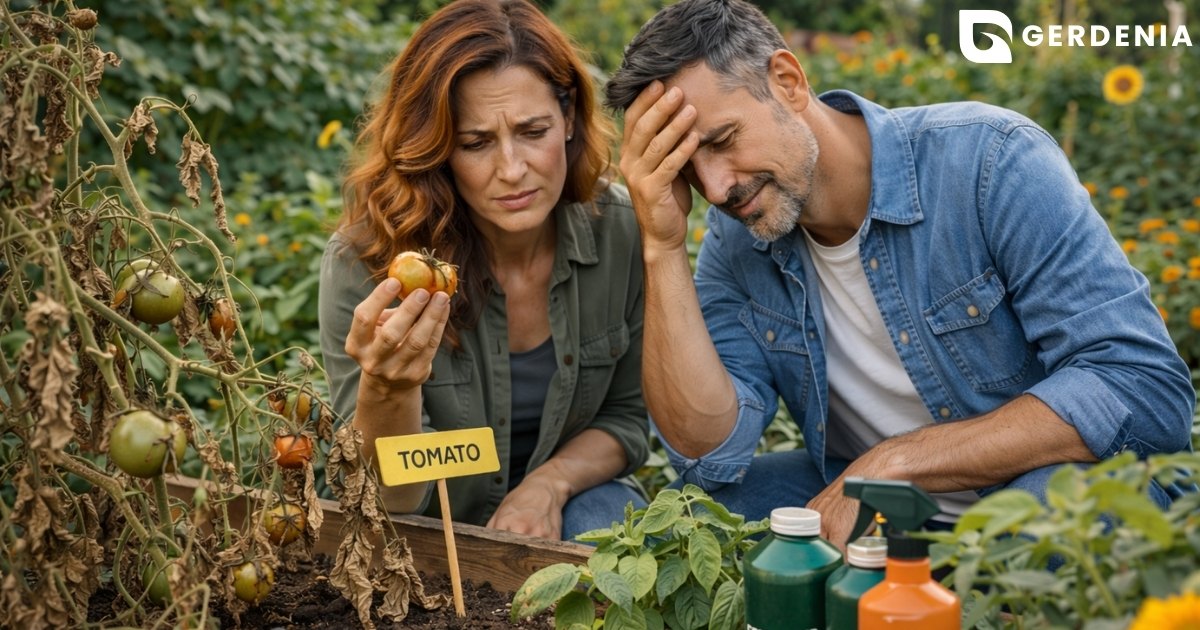
Imagine plucking a warm tomato right off the vine and eating it instantly—no washing required and no chemical aftertaste. That delicious reality is the true promise of organic planting. Yet, beginners often feel unnecessarily overwhelmed by complicated rules.
You do not need a degree in botany to succeed; you just need to think like an ecosystem manager rather than a pest eradicator. Observational proof in healthy landscapes shows that nature’s default gardening approach naturally relies on a living, balanced system instead of quick-fix synthetic sprays.
Anyone learning how to start a vegetable garden without chemicals must first adopt the golden rule of sustainable farming: feed the soil, not the plant. Avoiding a few common mistakes will quickly turn your dirt into a thriving biological pantry.
Stop Treating Your Soil Like Dirt: The ‘Bank Account’ Secret for Thriving Plants
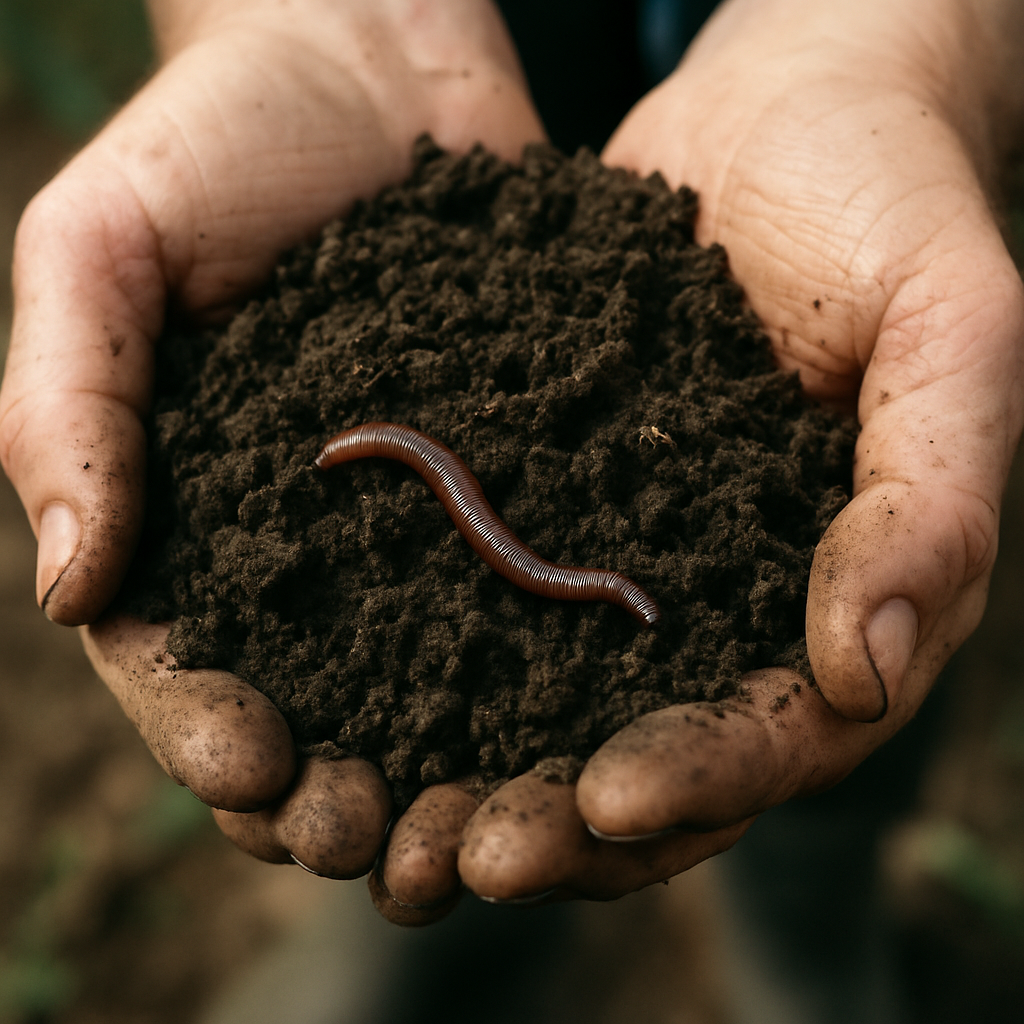
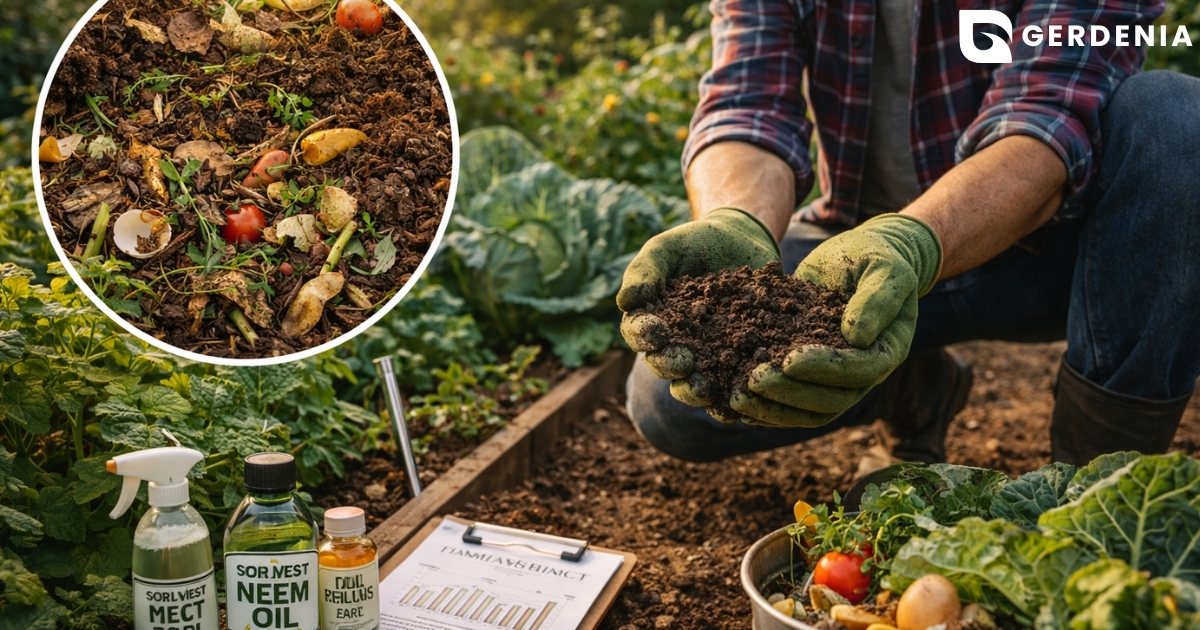
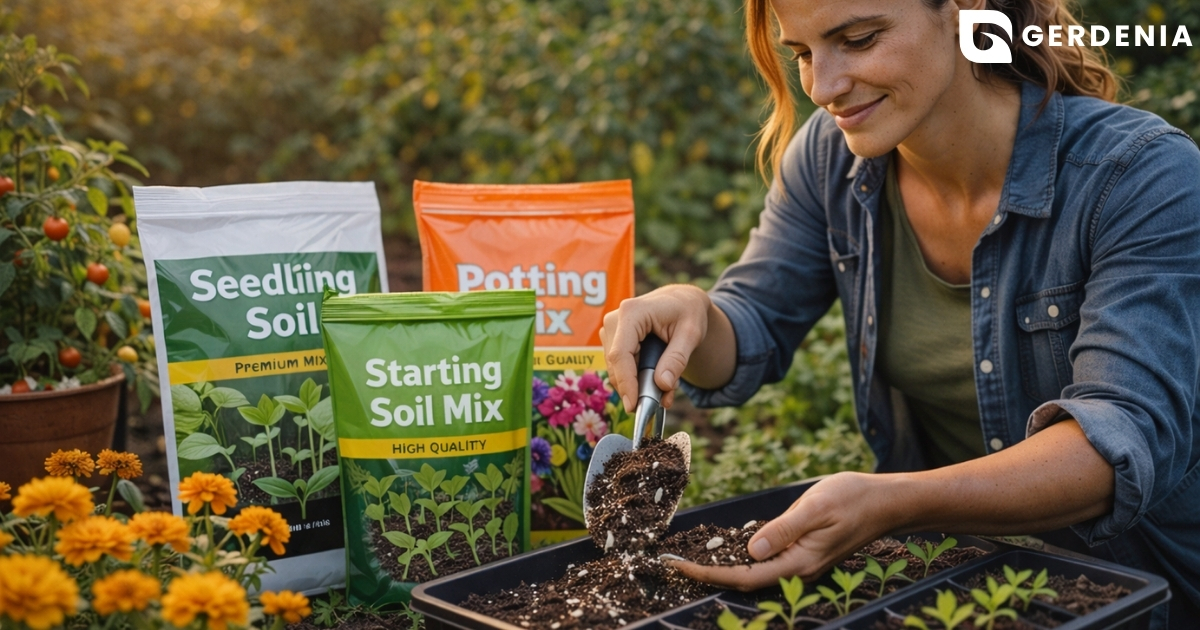
Think of your garden like a bank account where growing plants make constant withdrawals. To avoid overdrawing, you must make continuous deposits by building healthy garden soil naturally. You cannot change soil texture (the permanent mix of sand, silt, or clay), but you can easily improve its structure—how those tiny particles clump together to let roots breathe and water flow.
Before depositing new nutrients, discover what you are already working with by learning how to test soil pH at home:
- Scoop some dirt into two separate cups.
- Add a splash of vinegar to the first; fizzing means your soil is alkaline.
- Stir baking soda and water into the second; bubbling indicates acidic soil.
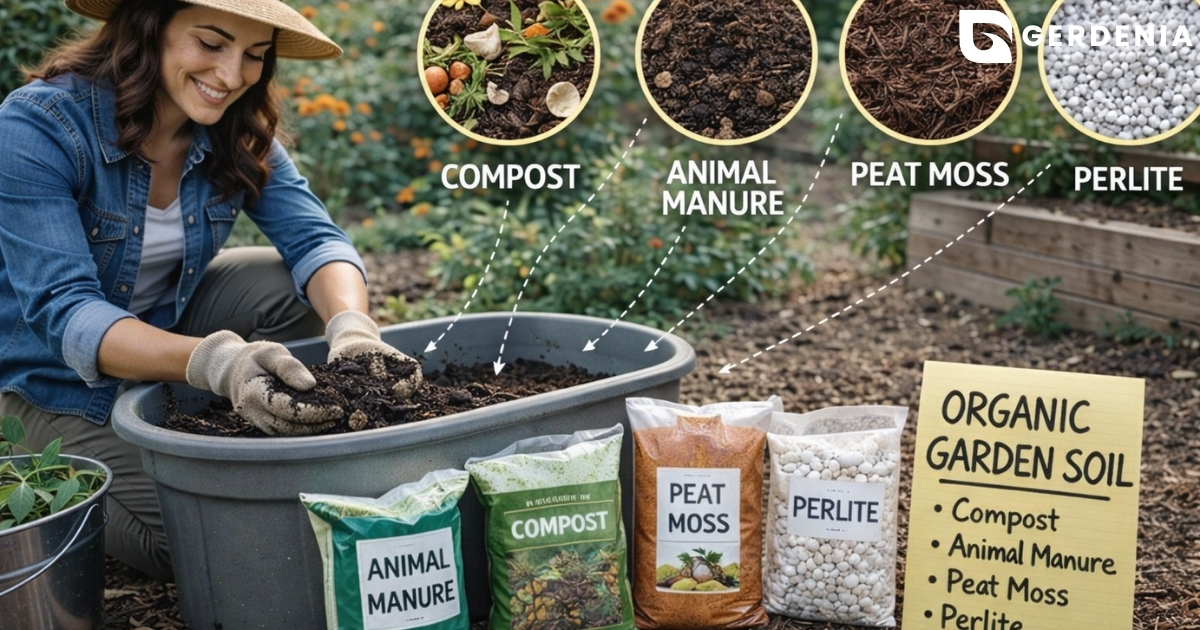
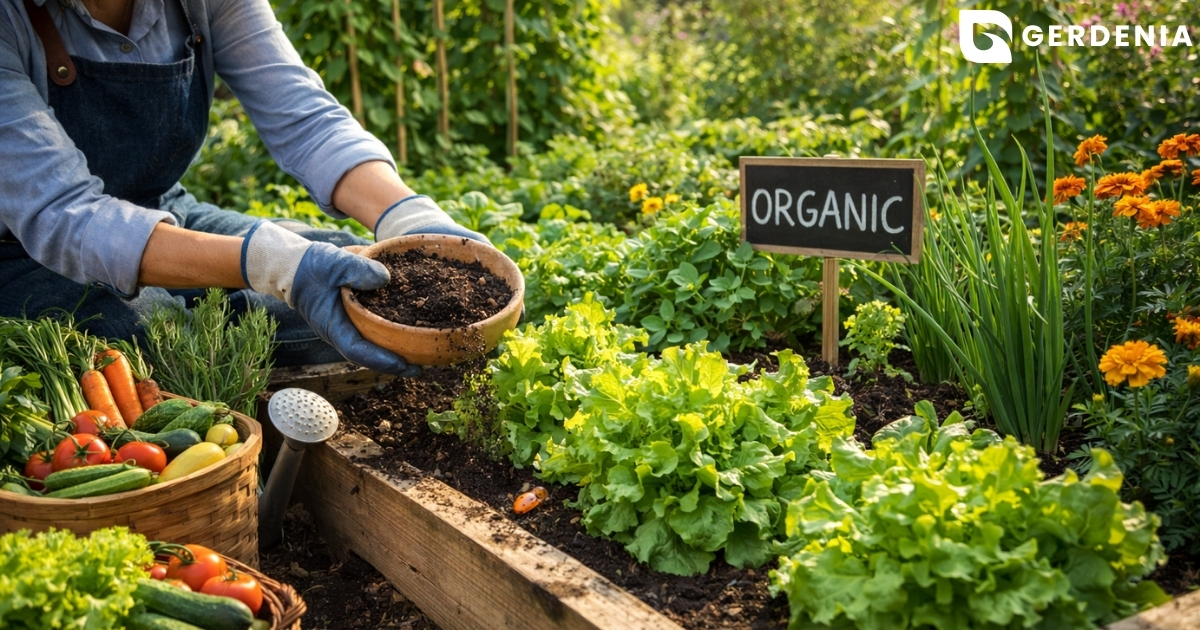
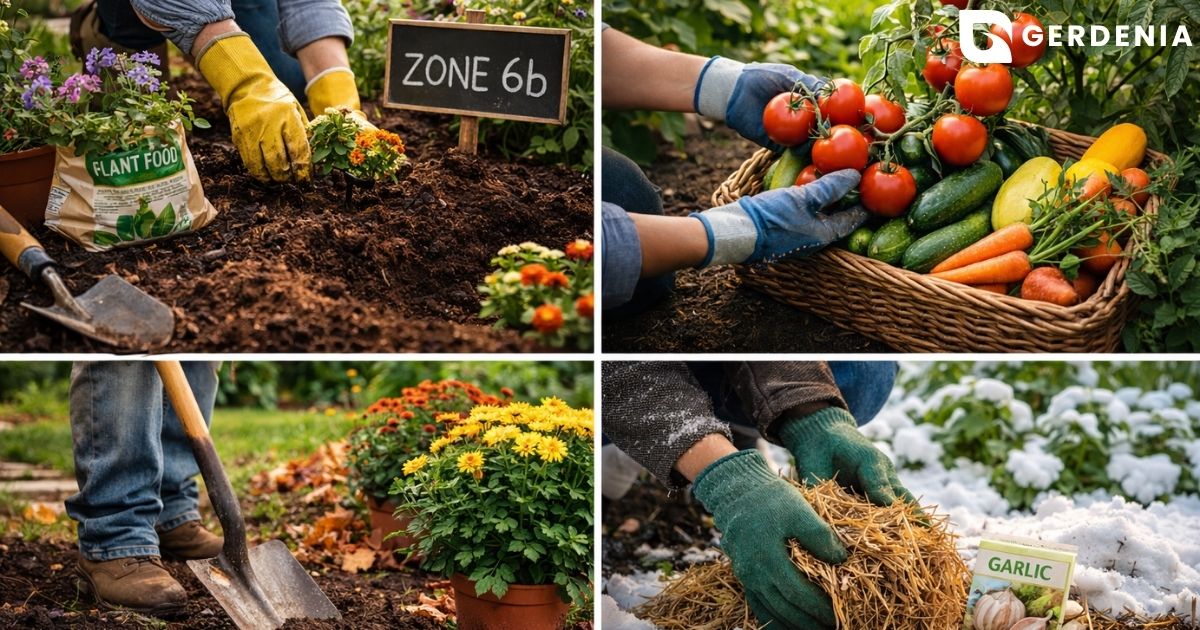
When improving clay soil for organic gardening, avoid the urge to aggressively dig. Rototilling heavy dirt destroys the living infrastructure of helpful microbes beneath the surface. Instead, embrace “No-Dig” methods by layering two things right on top: aged compost and a blanket of crushed leaves, letting earthworms naturally pull that wealth underground for you.
Adding organic matter builds lasting resilience for your backyard ecosystem. However, taking shortcuts can quickly bankrupt this delicate biological system, bringing us to the quick-fix trap: why synthetic fertilizers starve your soil long-term.
The Quick-Fix Trap: Why Synthetic Fertilizers Starve Your Soil Long-Term
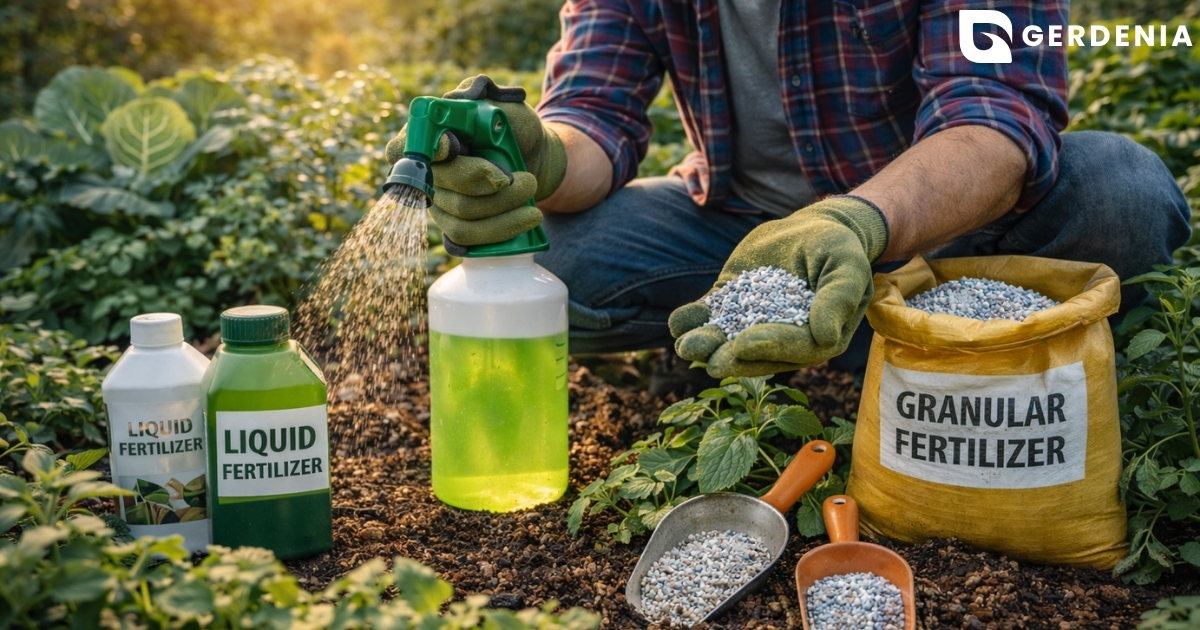
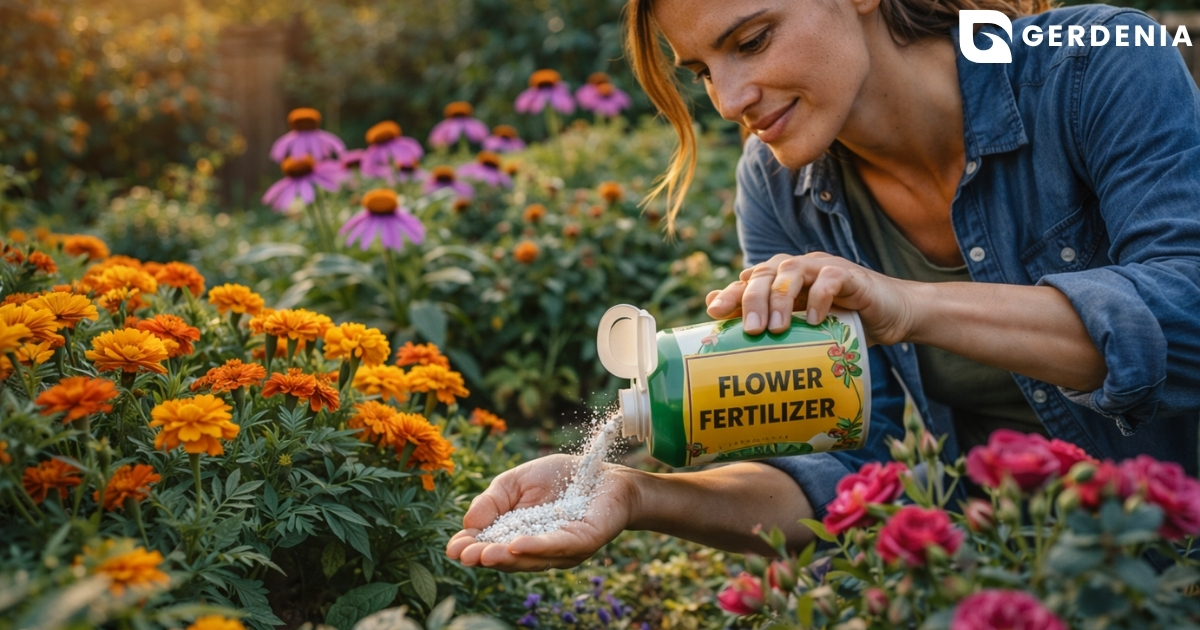
Imagine chugging a sugary energy drink instead of eating a balanced meal. That is exactly what happens when you use chemical options rather than organic slow-release nutrition. Synthetics deliver an instant boost to the plant but leave behind harmful salts that kill helpful soil microbes.
Here is a quick breakdown of organic vs synthetic fertilizer pros and cons:
- Synthetics: Trigger fast, unnatural growth (pro), but build up toxic salts and starve soil life over time (con).
- Organics: Feed the dirt to build lasting fertility (pro), though they require patience as microbes process them (con).
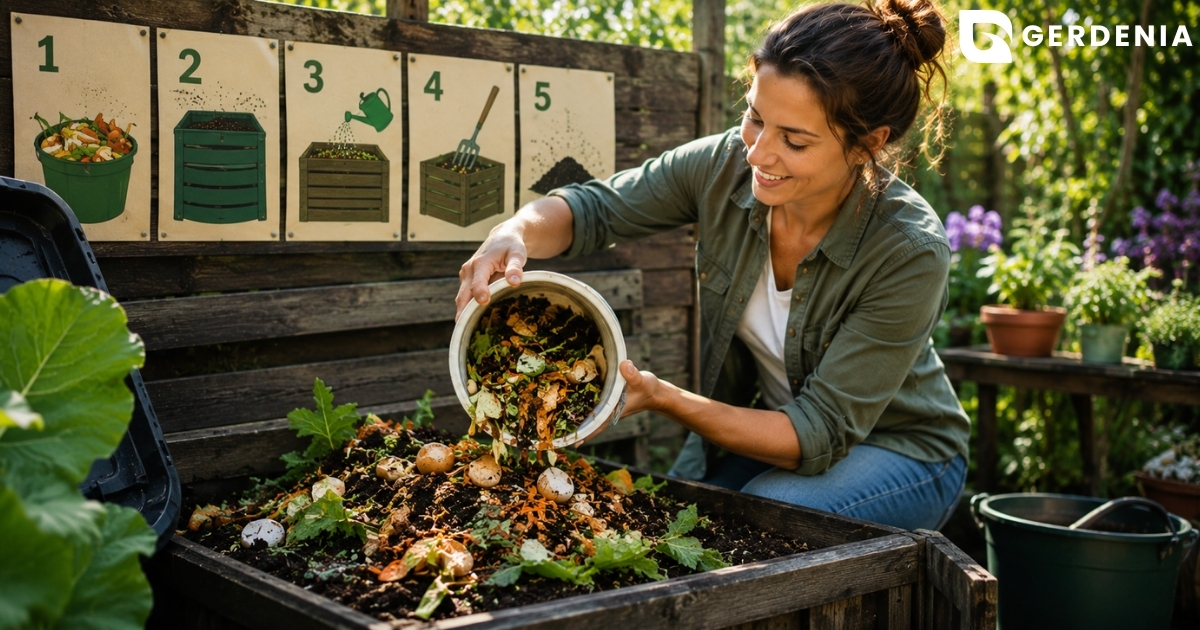
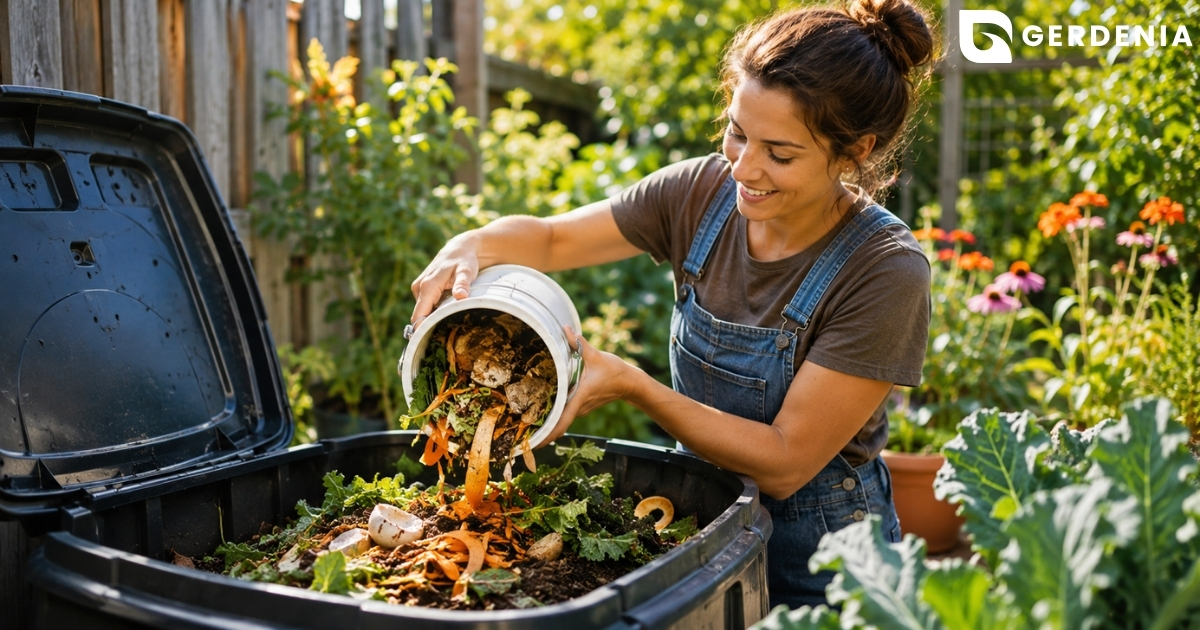
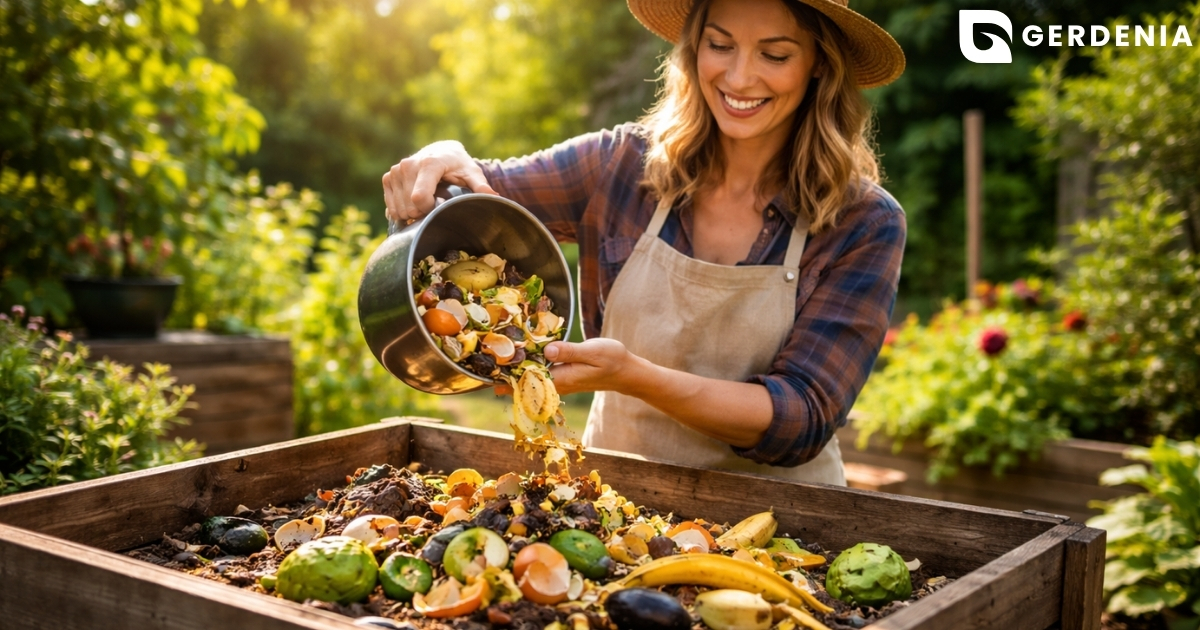
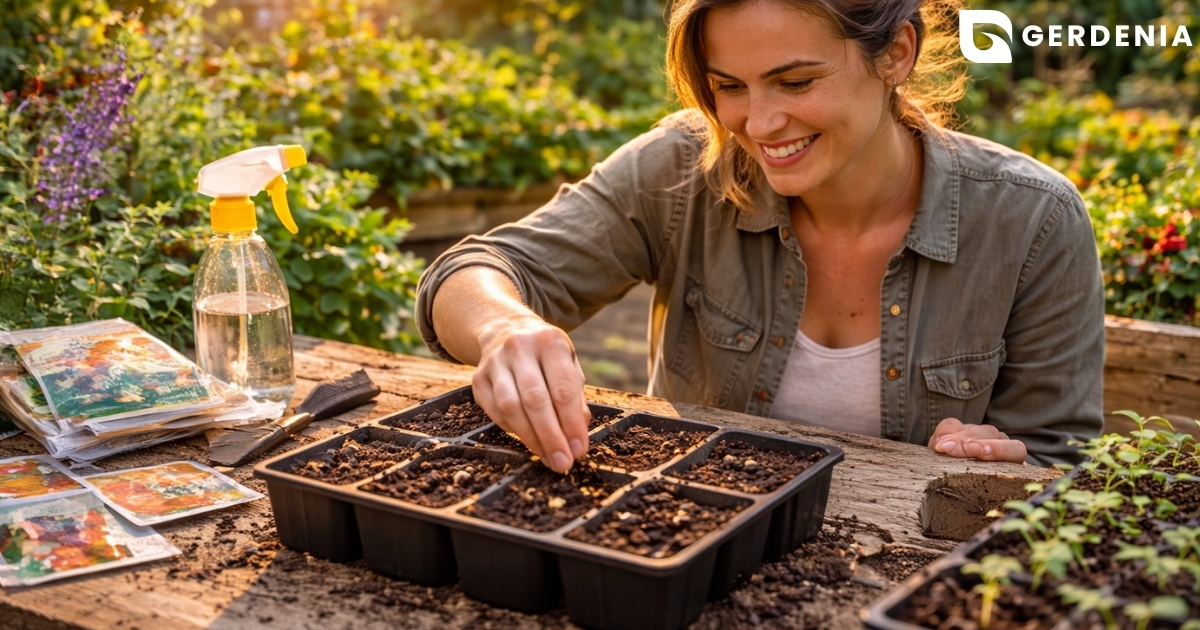
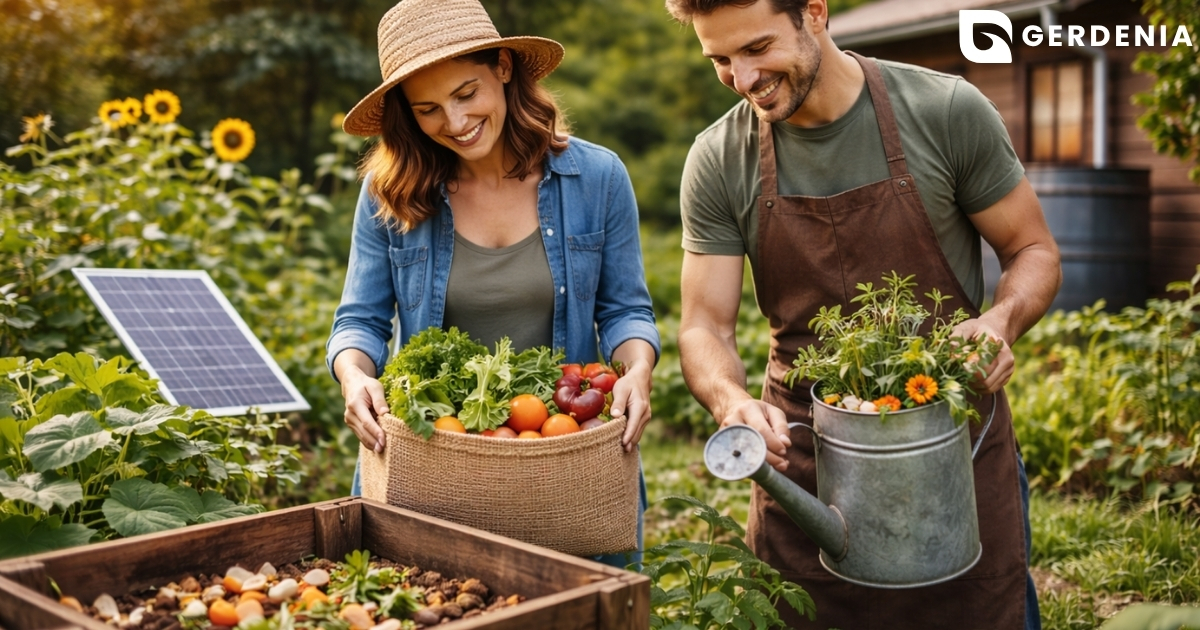
You can easily provide this lasting nutrition using items you already own. One of the greatest benefits of composting for beginners is turning daily kitchen waste into garden gold. Tossing crushed eggshells into your planting holes slowly releases calcium to protect tomatoes, while scattered coffee grounds add gentle nitrogen.
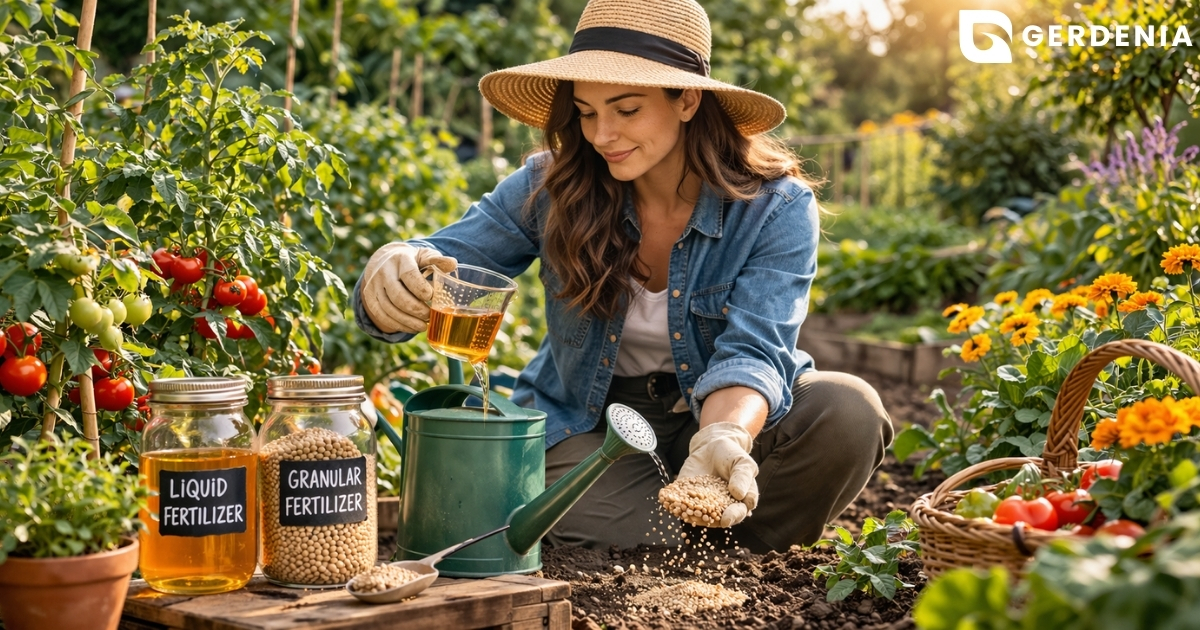
When your plants need an immediate, natural boost, liquid soil supplements are the perfect rescue remedy. The liquid seaweed fertilizer benefits are incredible for heat-stressed seedlings, acting like a soothing sports drink that revives leaves without burning delicate roots. Creating this chemical-free foundation invites nature back, leading directly to why a few bugs are actually good news for your backyard.
Why a Few Bugs Are Actually Good News for Your Backyard
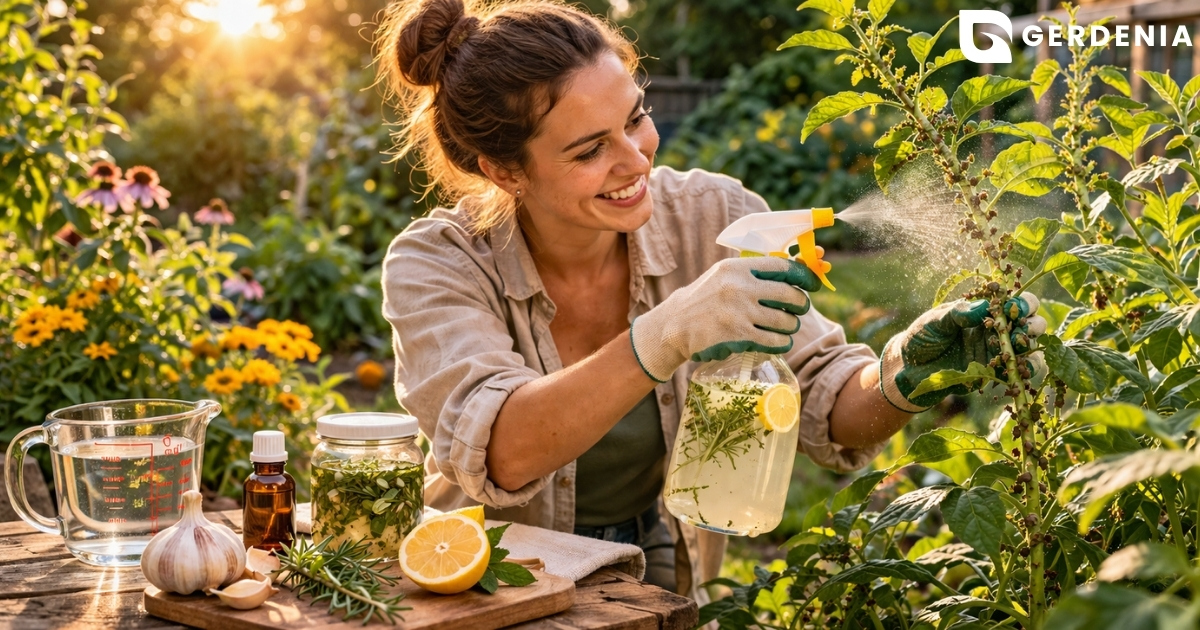
Spotting a bug on your tomato plant often triggers panic, but creating a sterile, bug-free zone actually weakens your defenses. The secret to natural ways to control garden pests is letting nature do the heavy lifting for you. You can easily trick bugs using a “trap crop”—a sacrificial plant like nasturtiums grown specifically to lure hungry aphids away from your main harvest.
Once you put away the chemical sprays, you invite your garden’s tiny security team to move in. Attracting beneficial insects to your backyard simply means planting specific flowers to feed these natural predators:
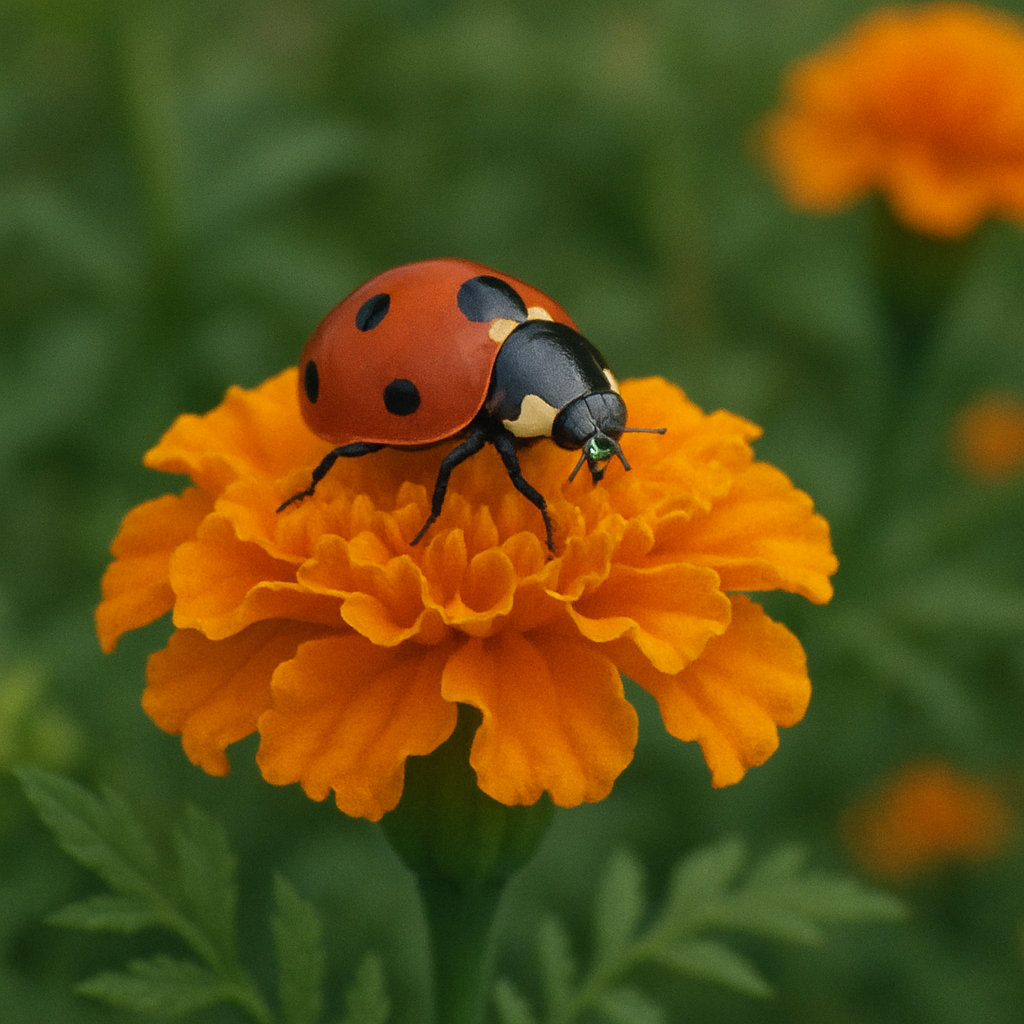
- Ladybugs: Drawn to marigolds, these familiar beetles happily eat thousands of destructive aphids.
- Hoverflies: Attracted to sweet alyssum, their tiny larvae aggressively devour soft-bodied plant pests.
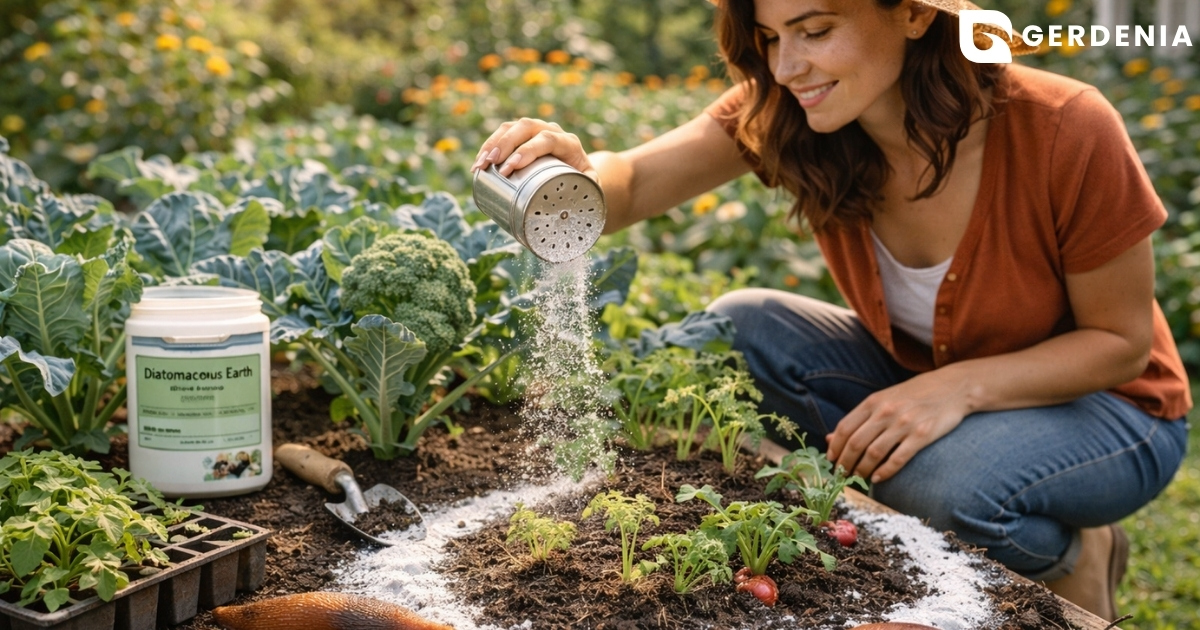
- Ground Beetles: Give them a shady groundcover to hide under, and they will hunt down troublesome slugs overnight.
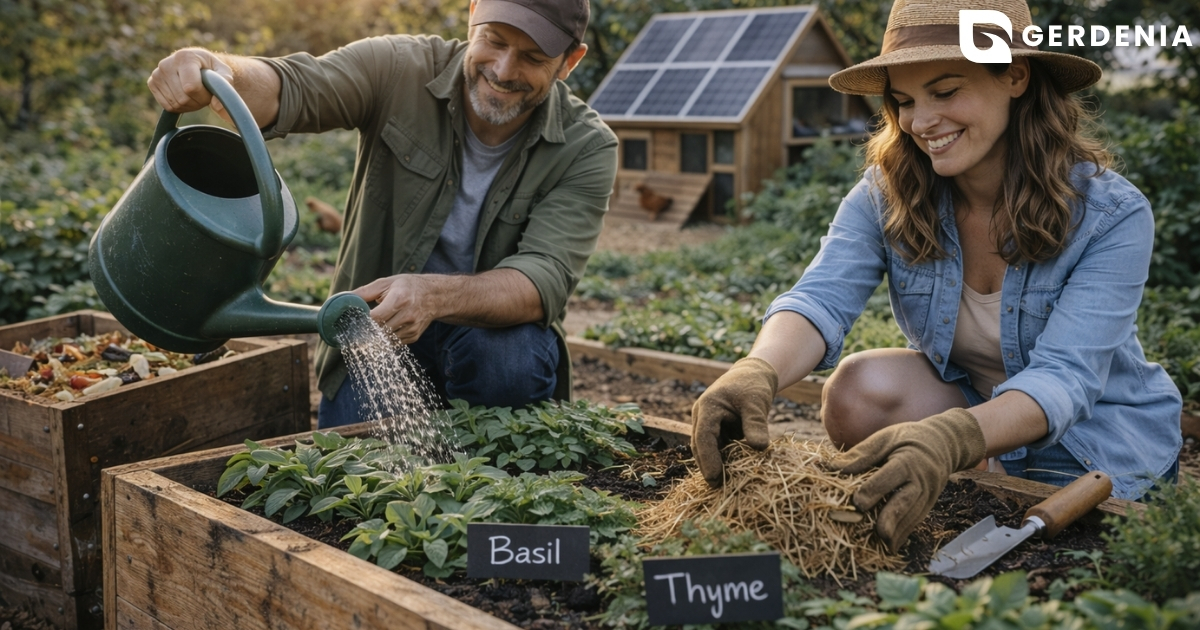
Protecting your food also requires a strong foundation below the soil surface. If you are wondering what is the best organic mulch for vegetables, clean straw is a perfect, inexpensive choice. Spreading a thick straw blanket acts as a physical shield, stopping soil-borne diseases from splashing onto lower leaves when it rains. With these natural defenses established, we can explore choosing the right “roommates”: how companion planting and crop rotation prevent garden burnout.
Choosing the Right ‘Roommates’: How Companion Planting and Crop Rotation Prevent Garden Burnout
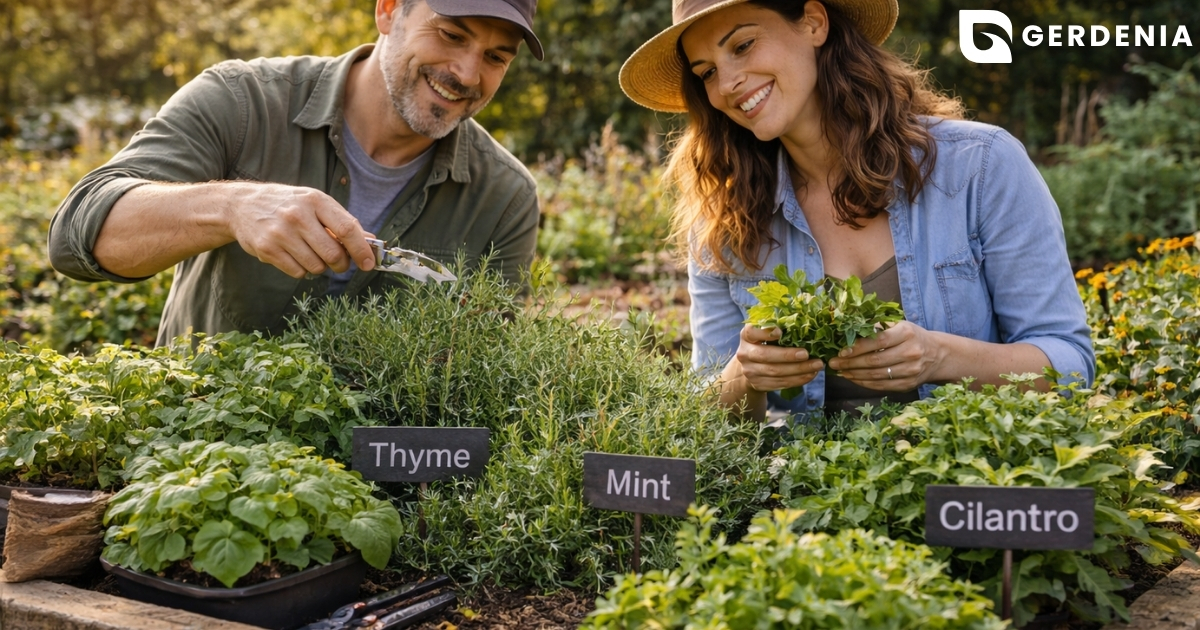
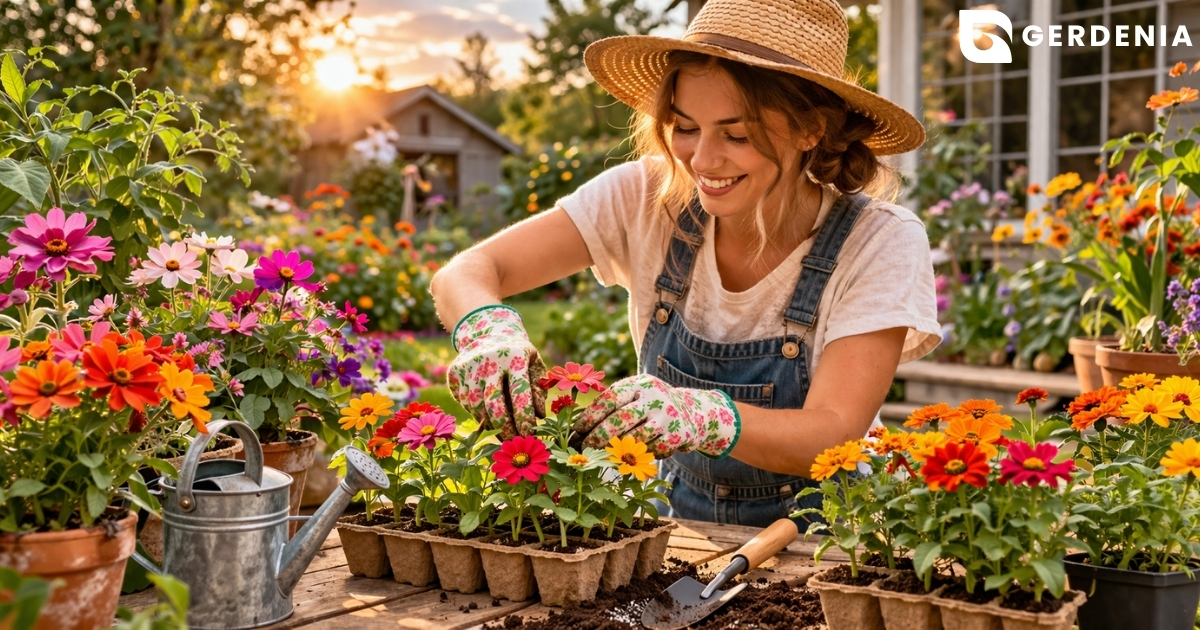
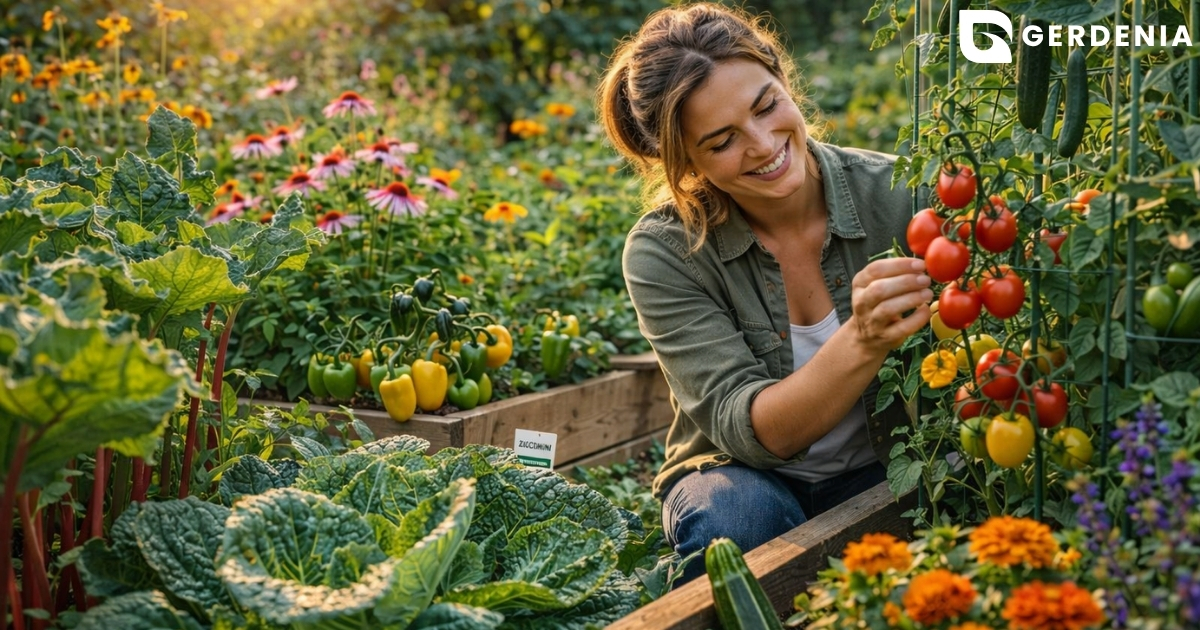
Just like people, plants need good roommates to thrive. Pairing a hungry tomato alongside a “soil builder” like green beans is one of the best companion planting combinations. Beans actively pull nitrogen—an essential plant food—from the air and push it into the earth, organically feeding your heavy feeders for free.
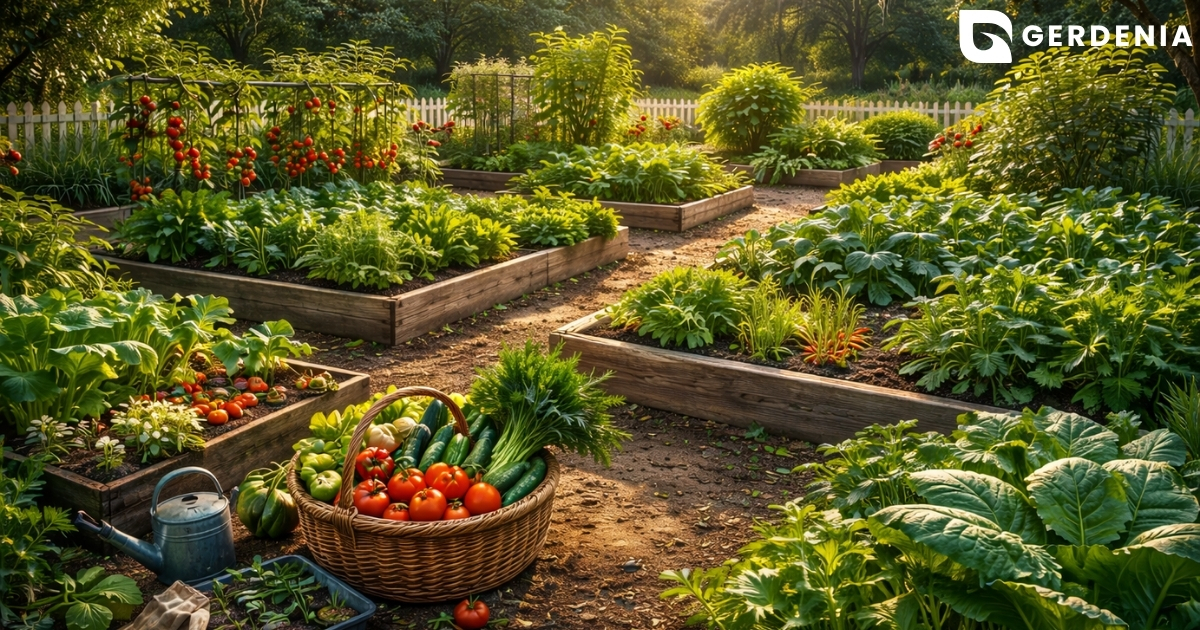
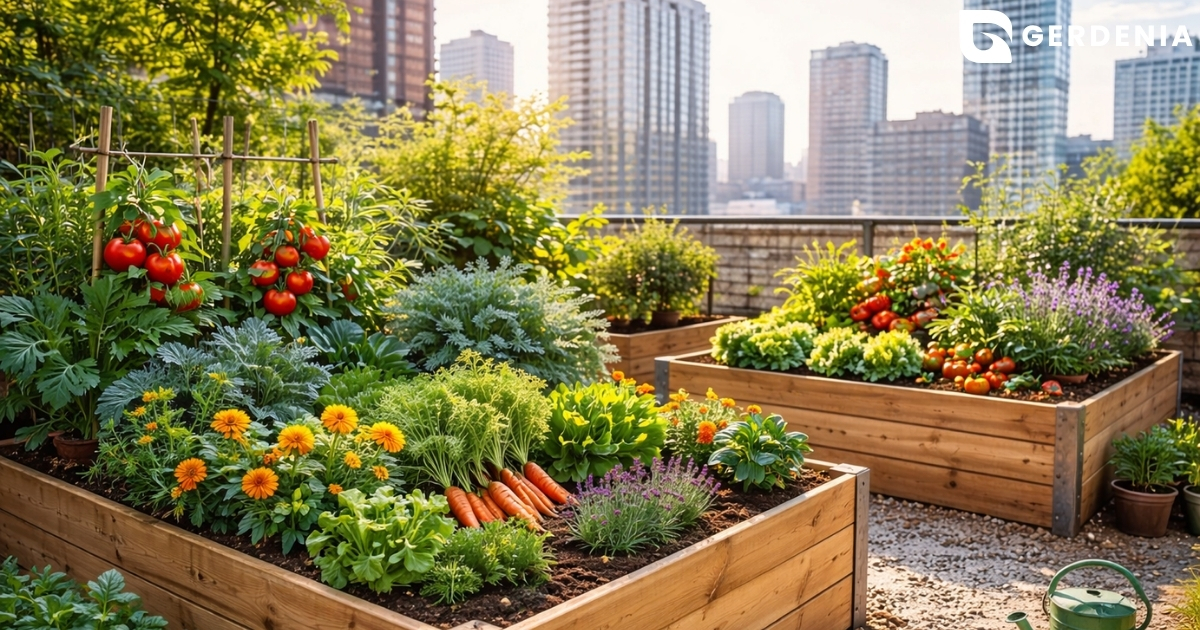
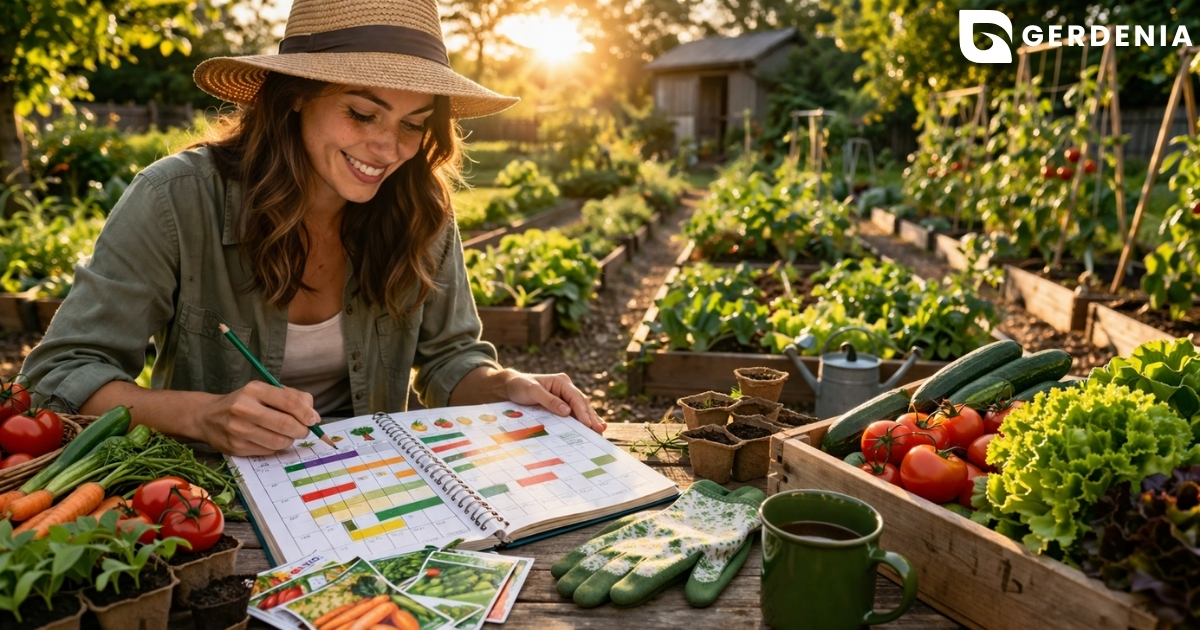
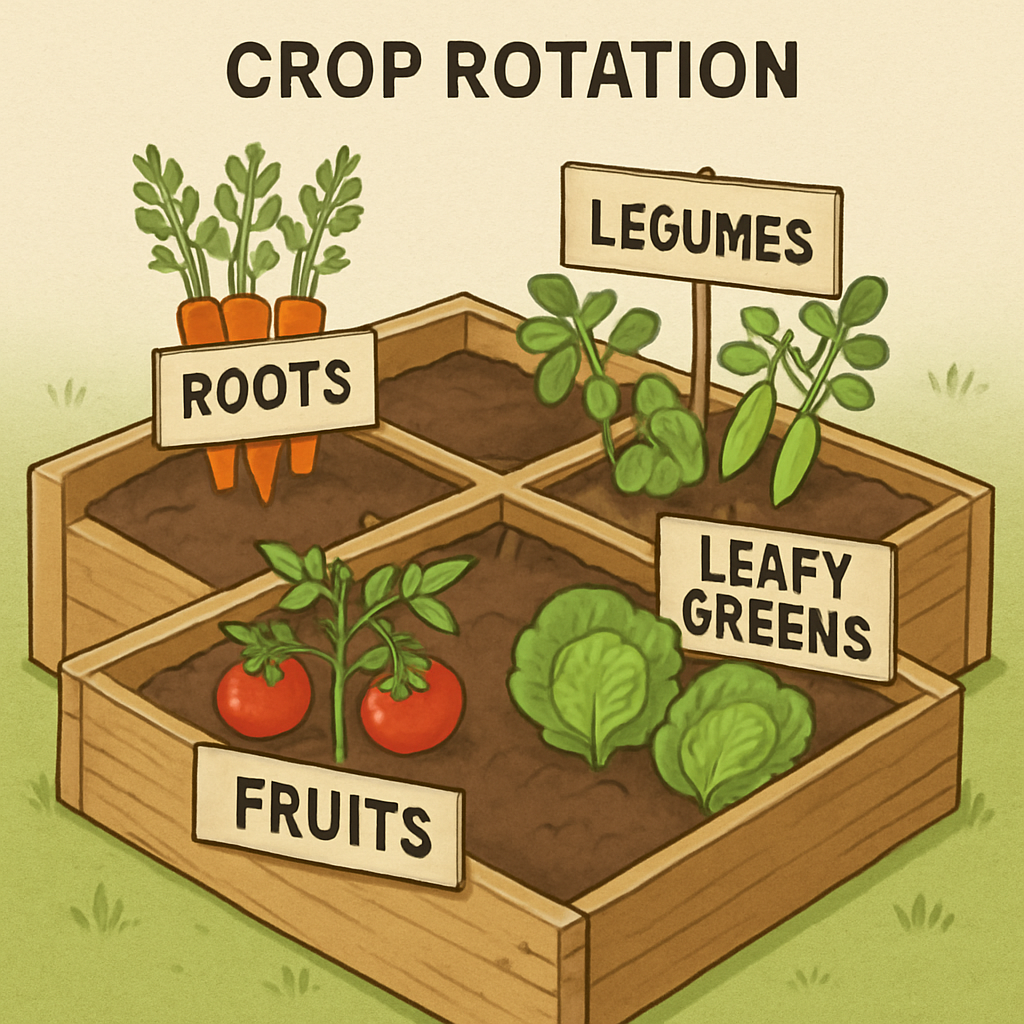
Growing those exact same crops in the identical spot next year, however, will completely empty your soil’s pantry. You can easily master the principles of crop rotation for small gardens by dividing a single raised bed into four sections. Shifting your plant groups one square clockwise each spring creates a basic 4-year rotation that gives dirt time to recover and naturally starves out hiding pests.
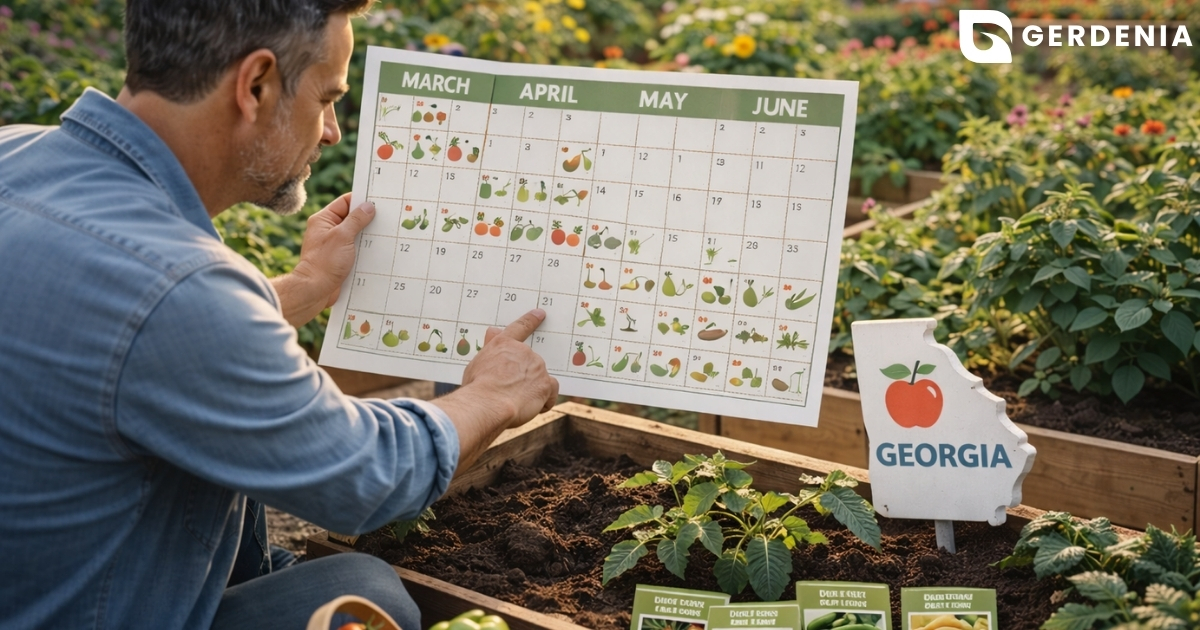
For the most reliable harvest in those rotating squares, selecting non-GMO heirloom seeds offers a massive advantage. These traditional varieties naturally adapt to local climates, growing strong without chemical intervention. With these resilient choices planted, you are ready for your 3-step plan to a self-sustaining garden that grows itself.
Your 3-Step Plan to a Self-Sustaining Garden That Grows Itself
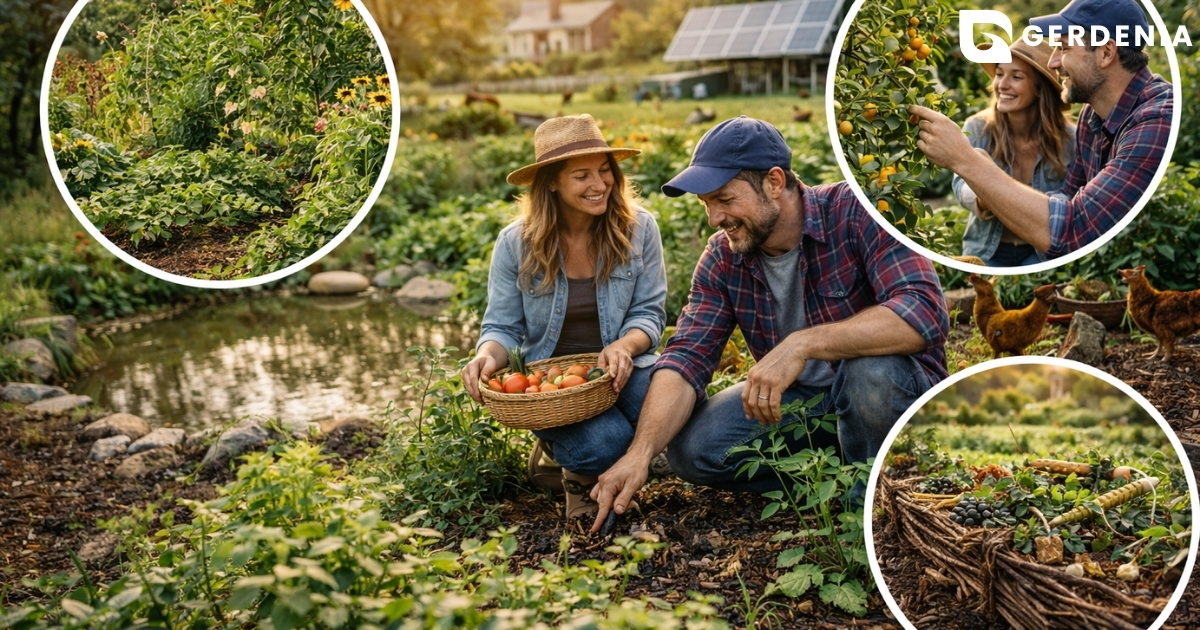
You now realize a thriving backyard doesn’t require a biology degree. By embracing organic gardening, your garden’s living ecosystem will do the heavy lifting, becoming naturally easier every single year.
Start your first season simply with this 30-day success checklist:
- Mulch around plant bases to practice sustainable water management for home gardens.
- Toss seeds for green manure crops for soil fertility into empty dirt patches.
- Look for returning earthworms and spiders—these are your true signs of success!
Remember, a yellow leaf isn’t a failure; it’s just a lesson from your soil. Step outside, get your hands dirty, and confidently let nature take the lead.