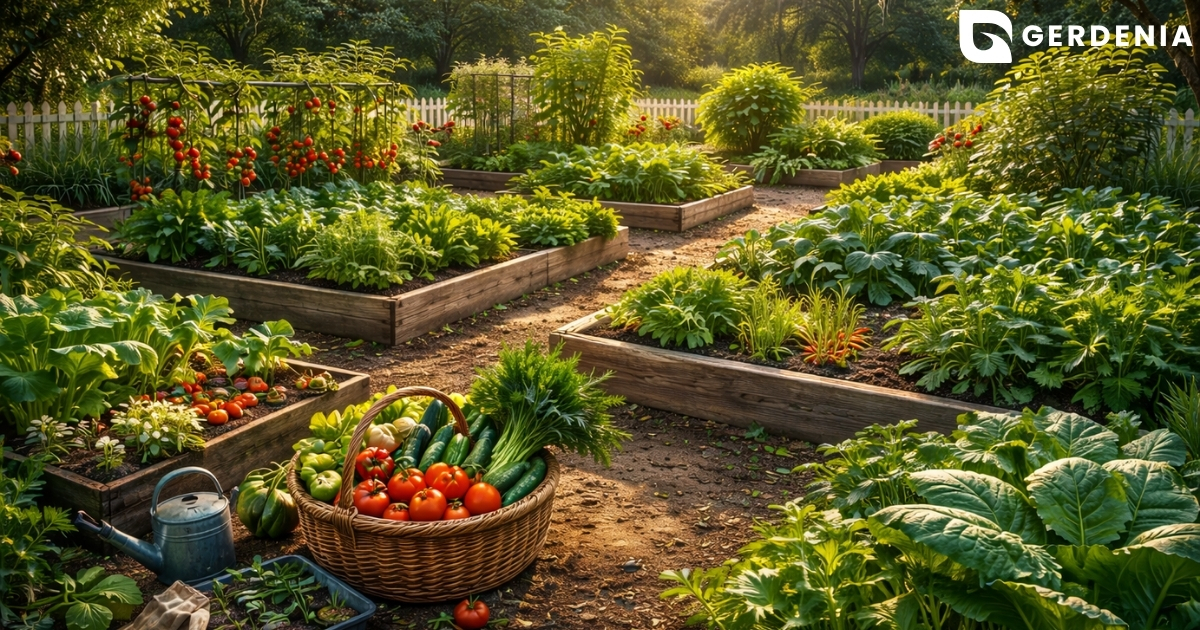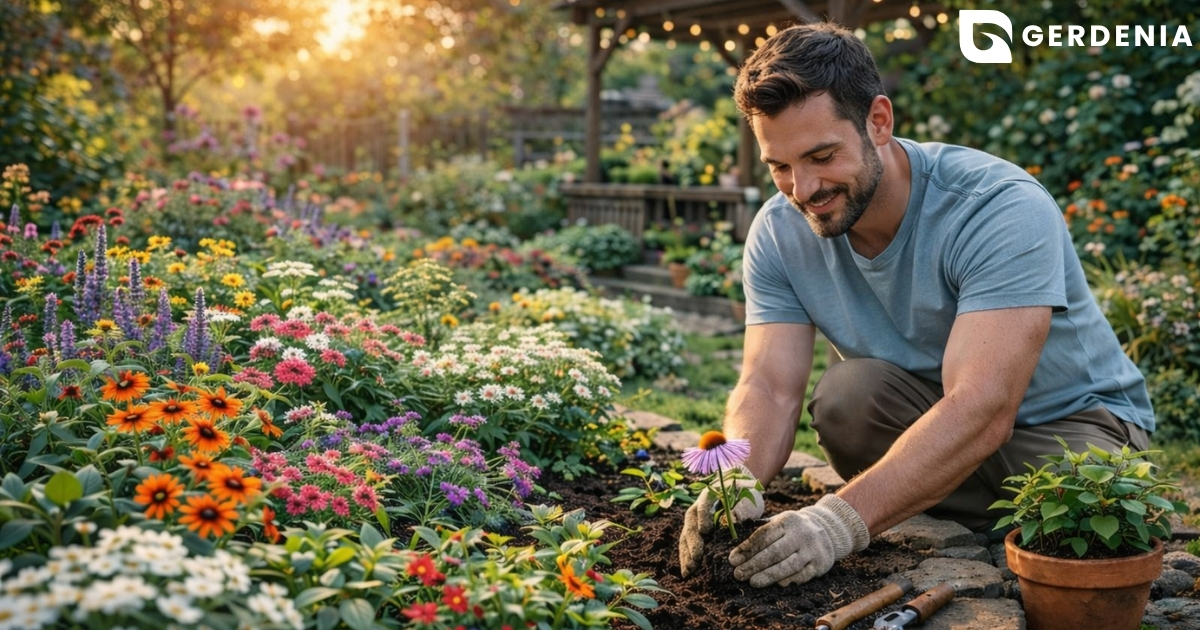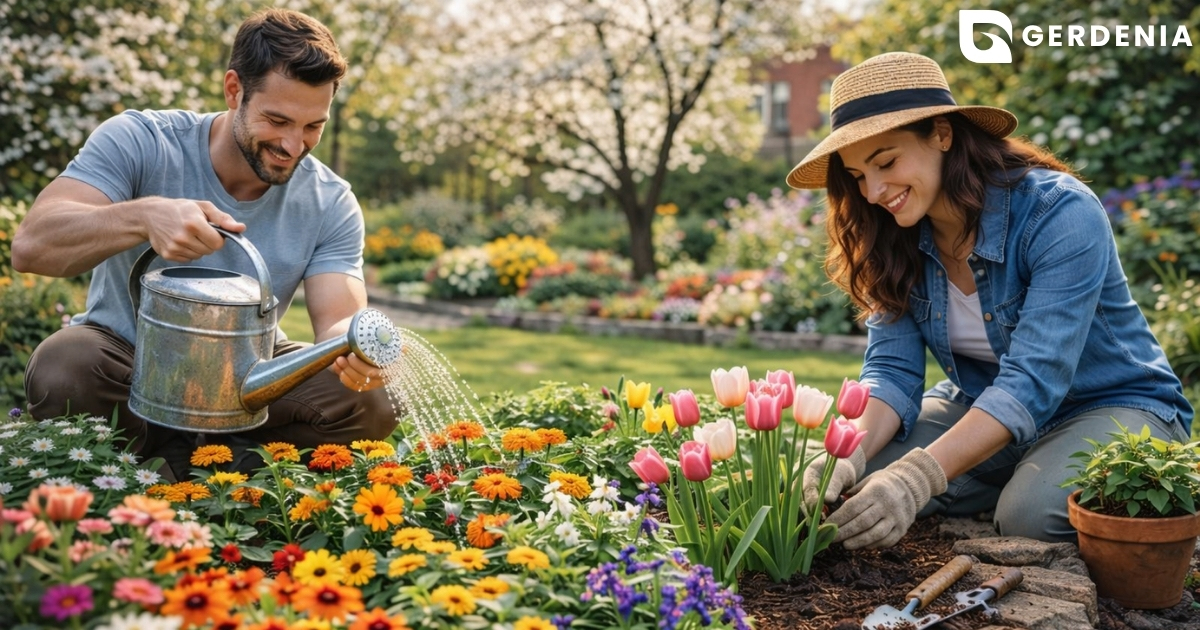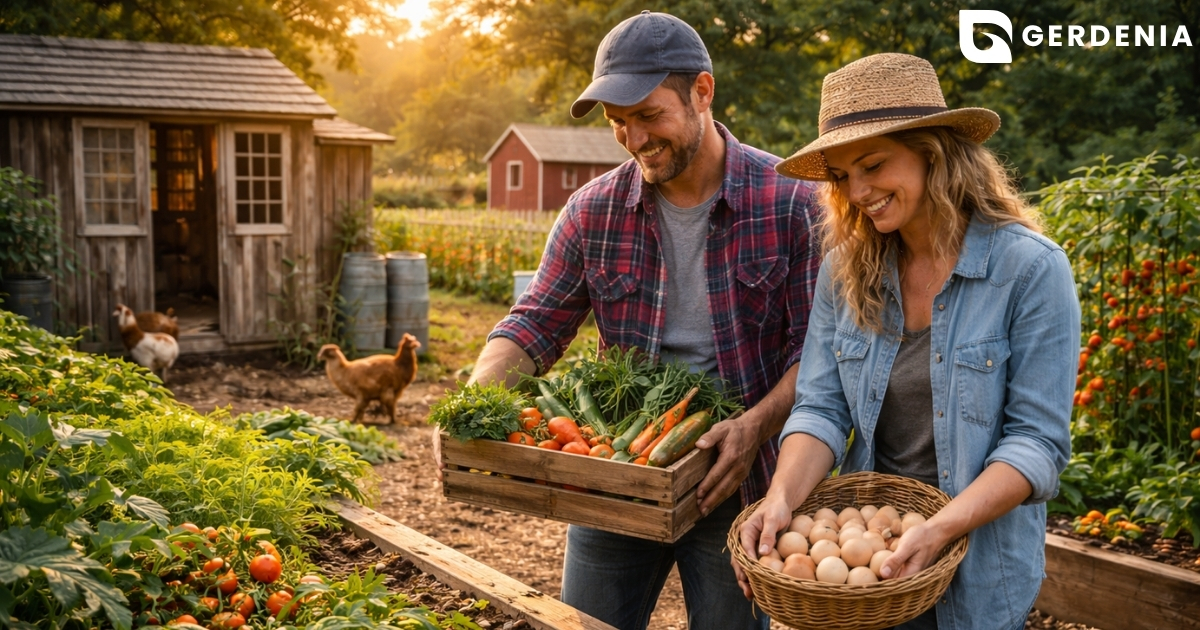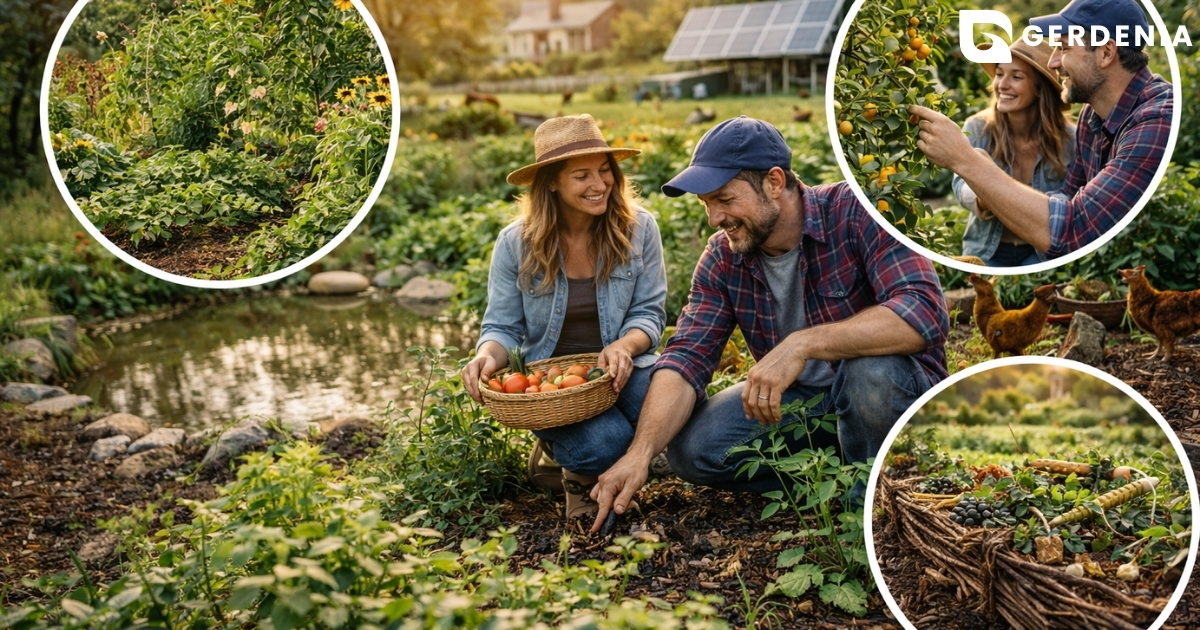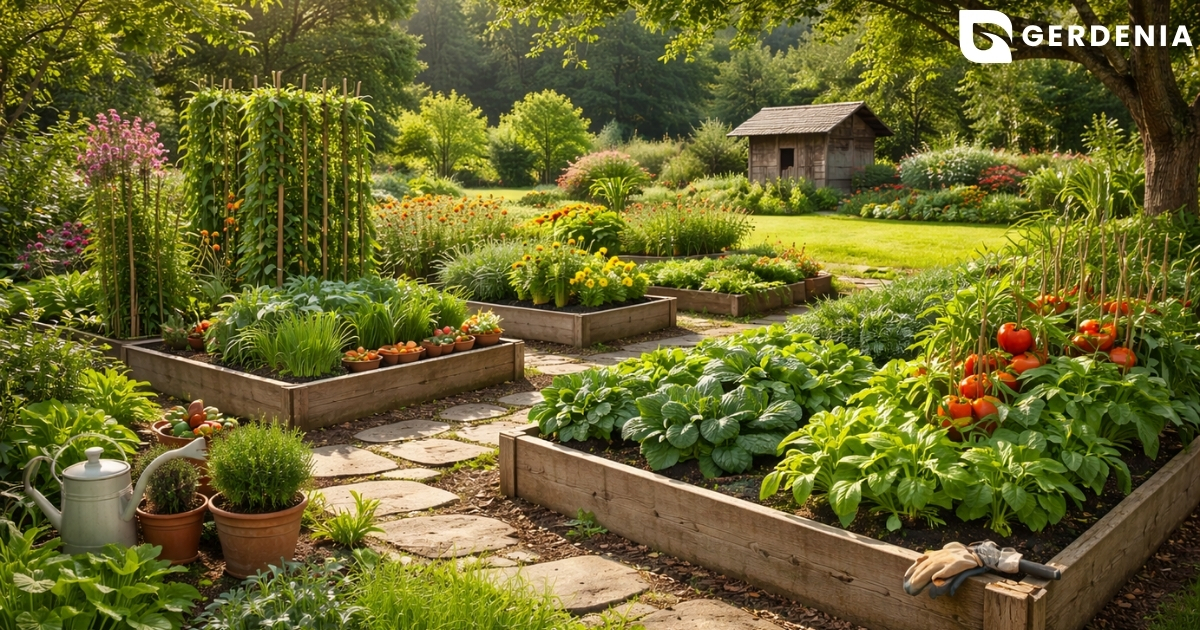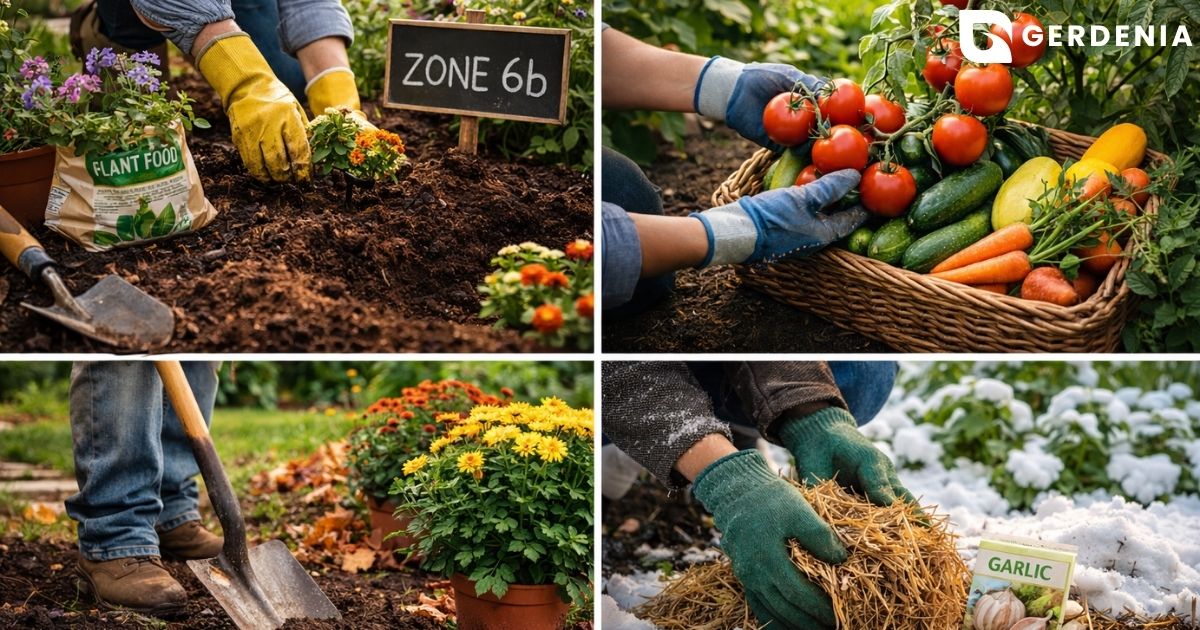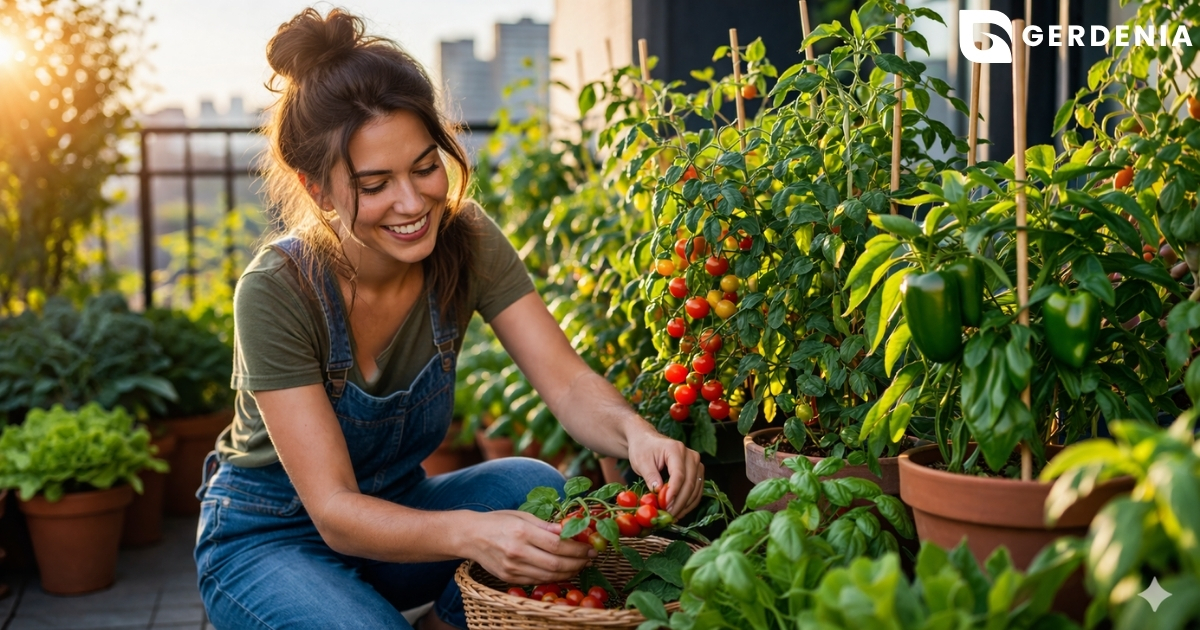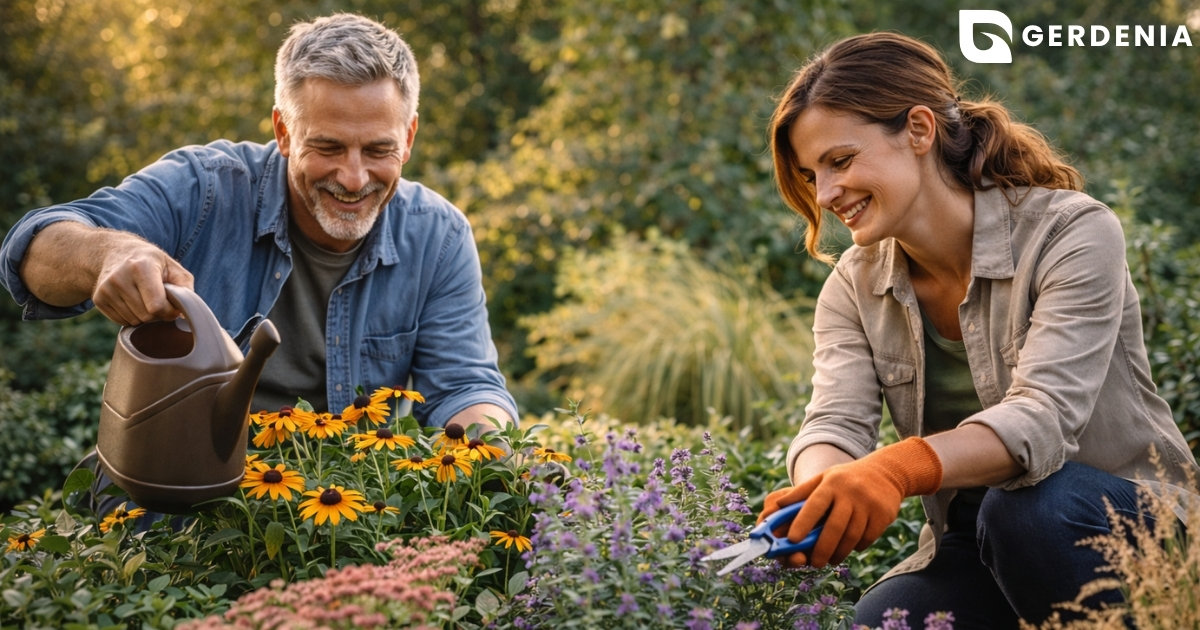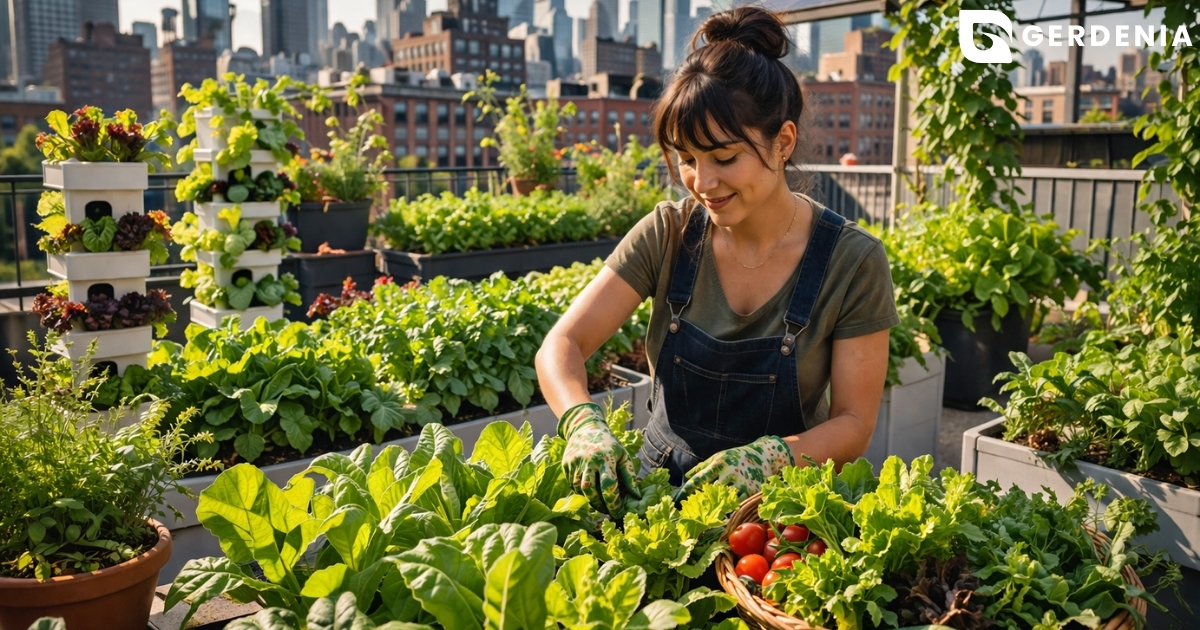
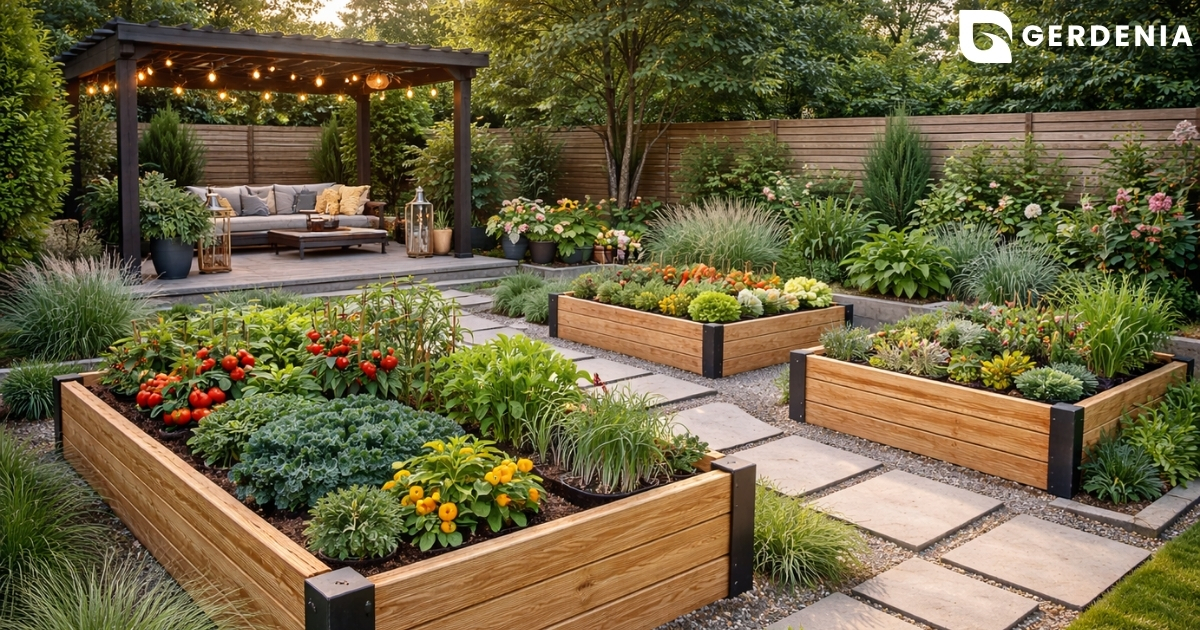
You don’t need a magical green thumb to grow your own food. Imagine stepping outside to pick a sun-warmed tomato that actually tastes sweet. According to seasoned growers, learning how to start a backyard garden requires a simple shift to the “grocery aisle” mindset. This means treating your sunny yard like a fresh produce section, planting only the staple vegetables you already love eating.
Feeling paralyzed by endless seed packets is completely normal. Building a backyard garden doesn’t require a science degree, just a willingness to get dirty. Creating a garden from scratch turns an empty dirt patch into a manageable hobby. A straightforward roadmap removes the overwhelming guesswork so you can confidently begin planting this weekend.
Finding the Sweet Spot: Why 6 Hours of Sun is Non-Negotiable
Picking a location is the crucial first step in building a garden. Think of sunlight as a battery charger for your vegetables. To figure out how much direct sunlight for a vegetable garden your yard actually gets, try “sun mapping.” Simply check your yard at 9 AM, noon, and 3 PM to see which spots stay consistently bright.
Vegetables stuck in dark corners grow long and stringy, “reaching for the light” in a reaction called phototropism. This exhausting stretch leaves them too weak to support heavy veggies. When step planting your new sprouts outdoors, always match them to their specific sun needs:
- Tomatoes: Require the brightest spot with 6 to 8 hours of direct sun.
- Peppers: Love the heat and need at least 6 hours of daily sunshine.
- Lettuce: Thrives in partial shade with just 3 to 4 hours of morning light.
Finding this bright sweet spot guarantees your crops have the daily energy required to produce food. However, even perfect sunshine cannot fix a terrible foundation.
Building Better Soil: Why Your Garden Needs ‘Crumbled Cake’ Dirt
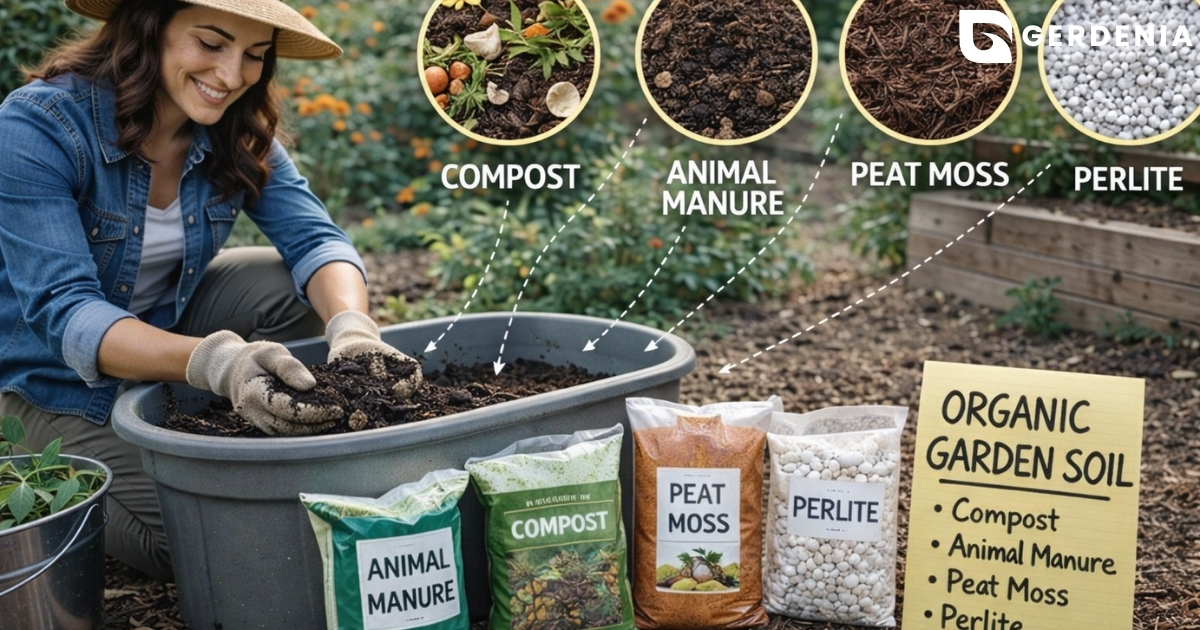
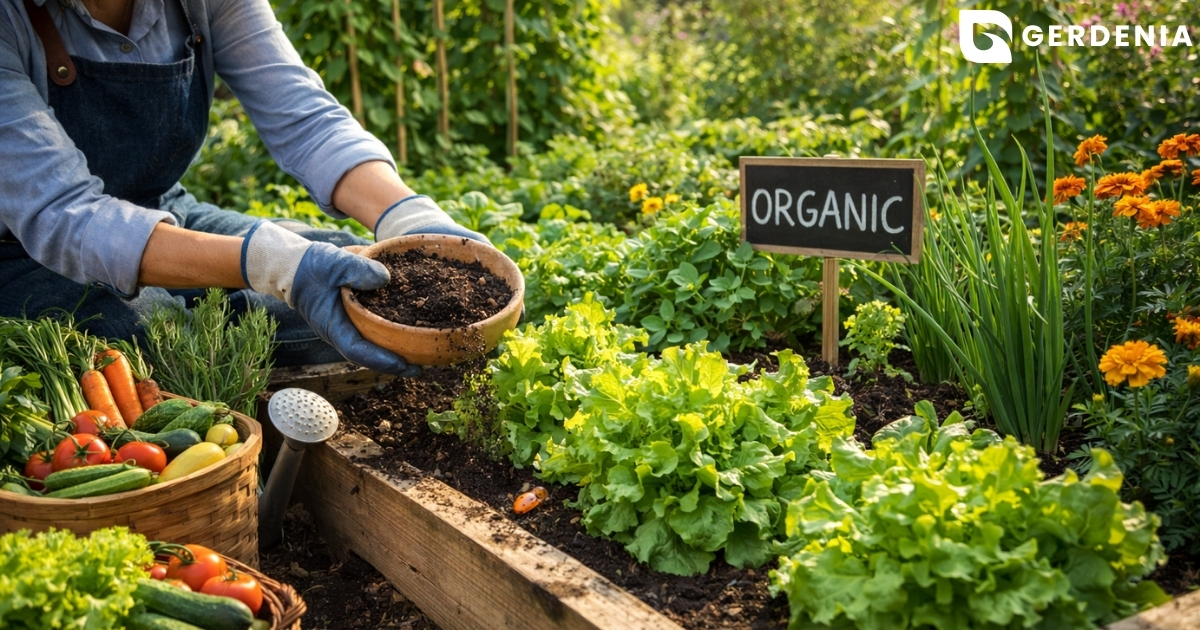
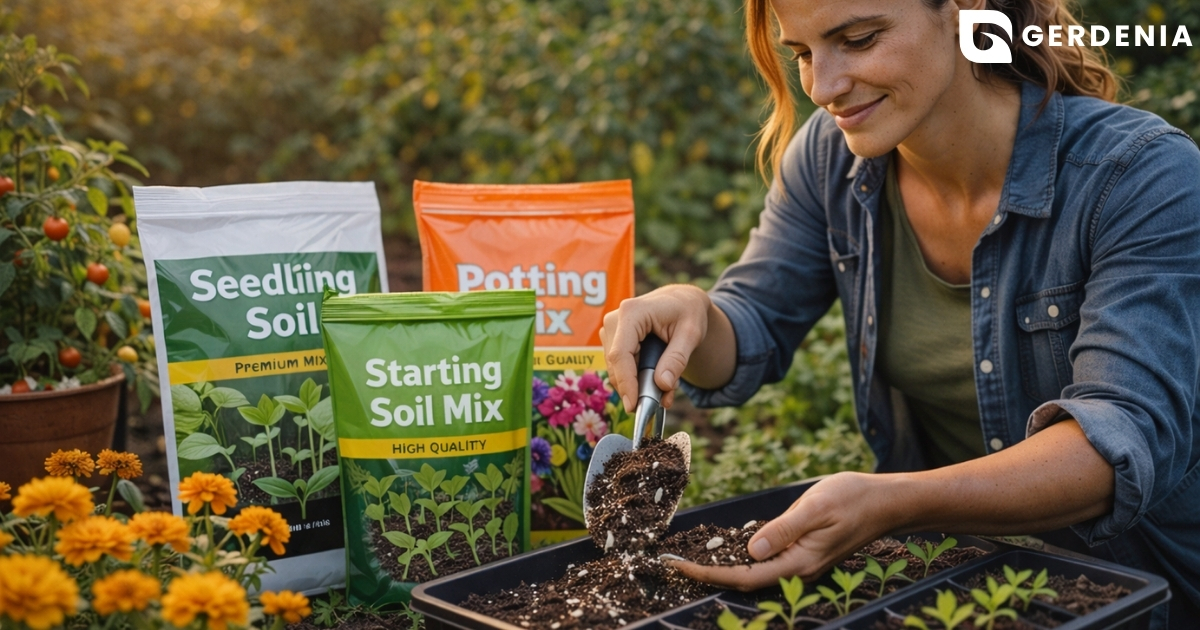
Perfect sunlight won’t help if your dirt feels like a brick. You want soil resembling crumbled chocolate cake—loose, dark, and full of organic matter (compost that acts like a multivitamin for your plants). Squeeze a handful of damp earth; if it forms a hard clay ball, it is too tight. Next, learn how to test soil drainage: dig a foot-deep hole and pour in a gallon of water. If the puddle hasn’t emptied after an hour, your future plant roots will drown.
Failing these quick tests simply helps you weigh raised bed vs in ground gardening pros and cons before buying supplies:
- In-ground: Free to start, but you might spend more time battling hard earth and native weeds.
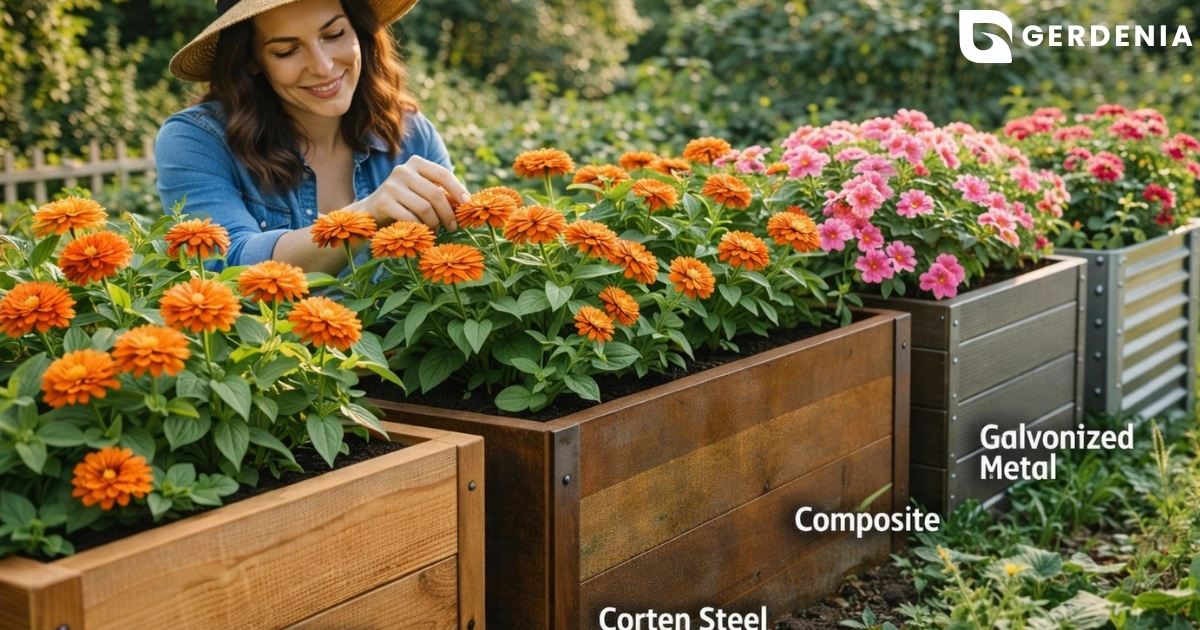
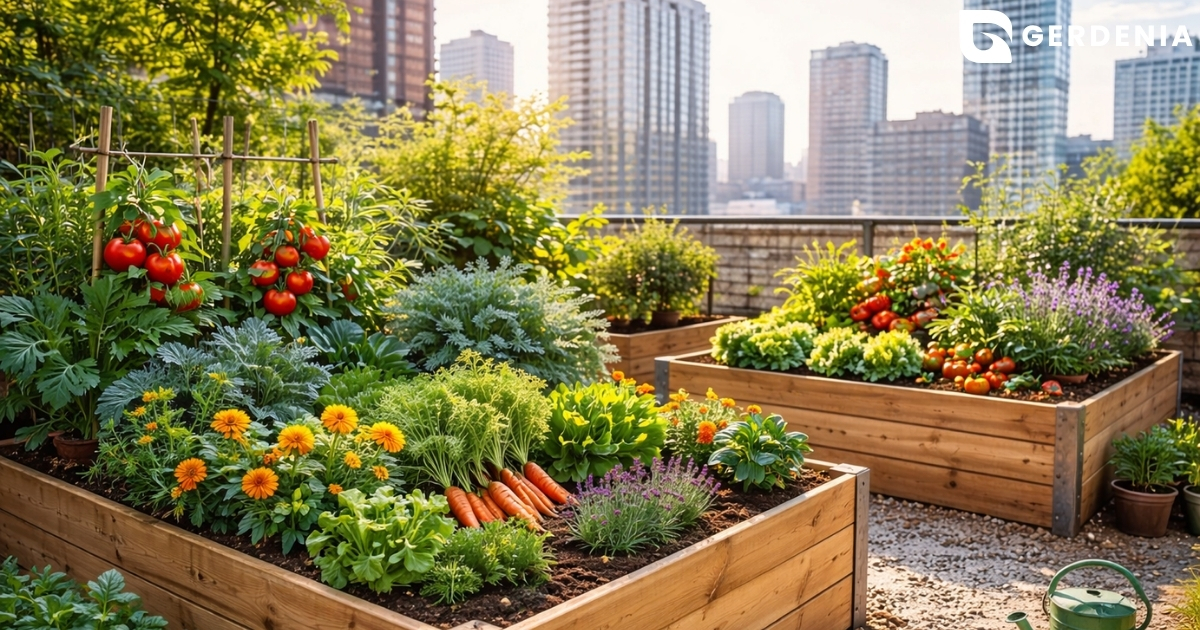
- Raised beds: Costs money upfront for wooden frames and bagged dirt, but provides an instant, perfect soil foundation.
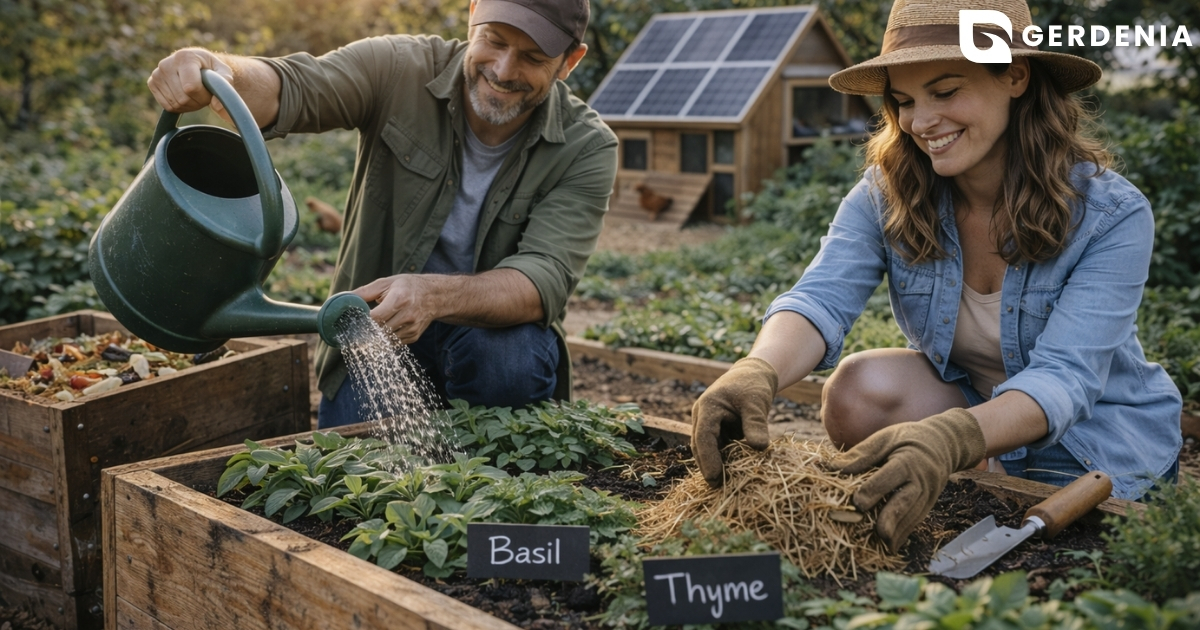
Protecting this fresh dirt is your final setup chore. Comparing organic vs inorganic mulch types is straightforward: organic options like straw break down over time to feed your soil, while inorganic layers like black plastic strictly block weeds.
Pick Your Winners: Which Vegetables Practically Grow Themselves?
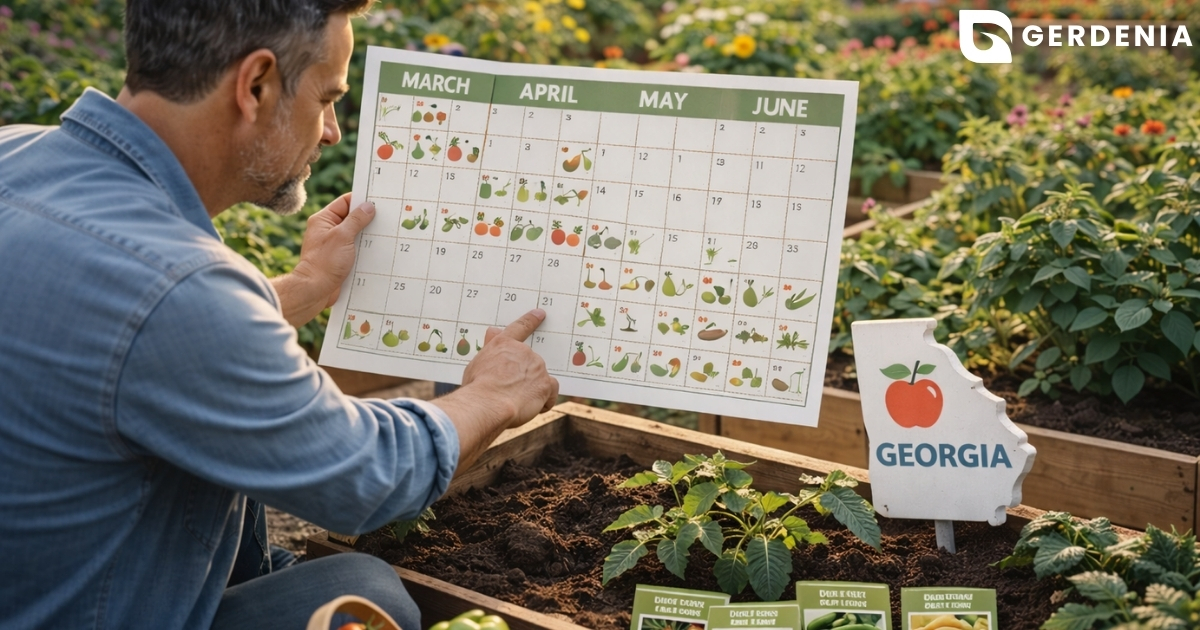
Staring at a seed rack feels overwhelming, but picking plants that fit your weather guarantees a better start. Since plants react differently to cold, checking the USDA plant hardiness zone map online using your zip code is crucial. This number reveals your frost dates—nature’s deadlines for keeping plants safely outdoors.
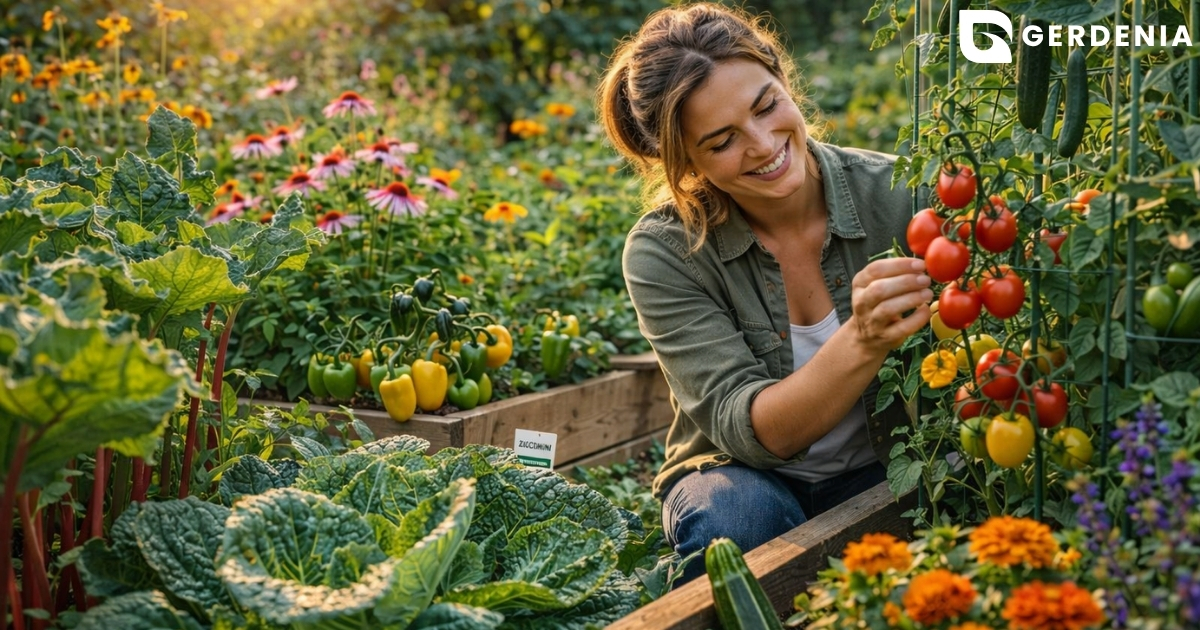
Knowing your climate rules, you might wonder what are the easiest vegetables to grow at home. Check the seed packet’s “days to harvest” for quick results. Here are five reliable staples for beginners:
- Radishes: Harvest-ready in just 30 days.
- Lettuce: Fast-growing and handles partial shade.
- Green Beans: Quick climbers that produce heavily.
- Zucchini: Famous for massive, reliable yields.
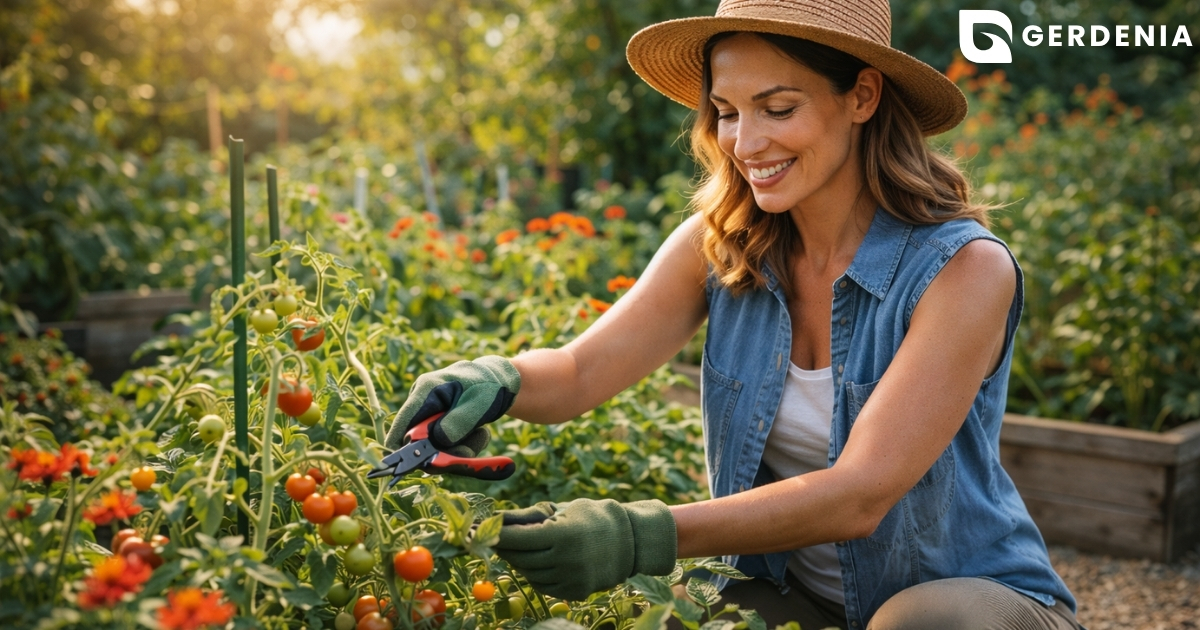
- Tomatoes: A backyard classic that thrives with basic support.
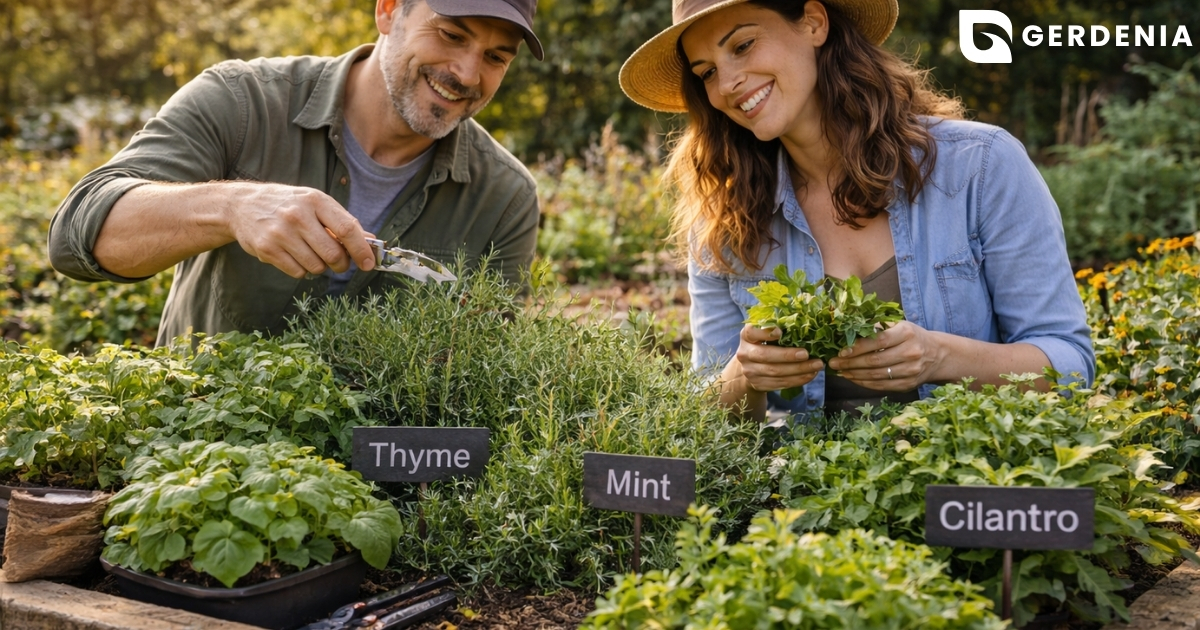
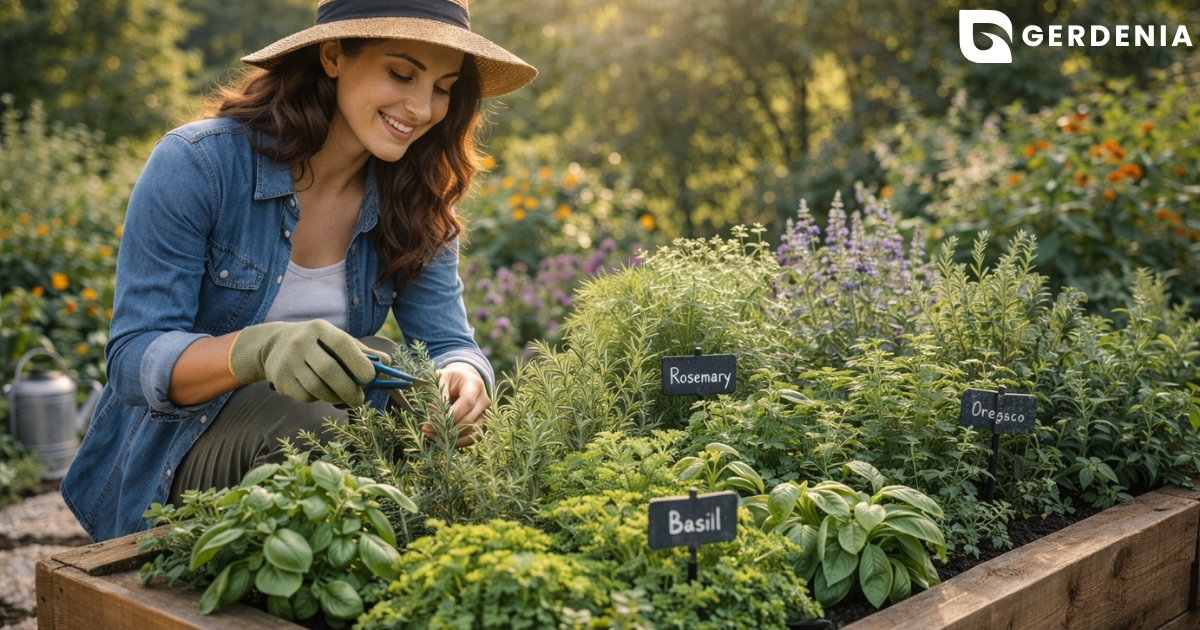
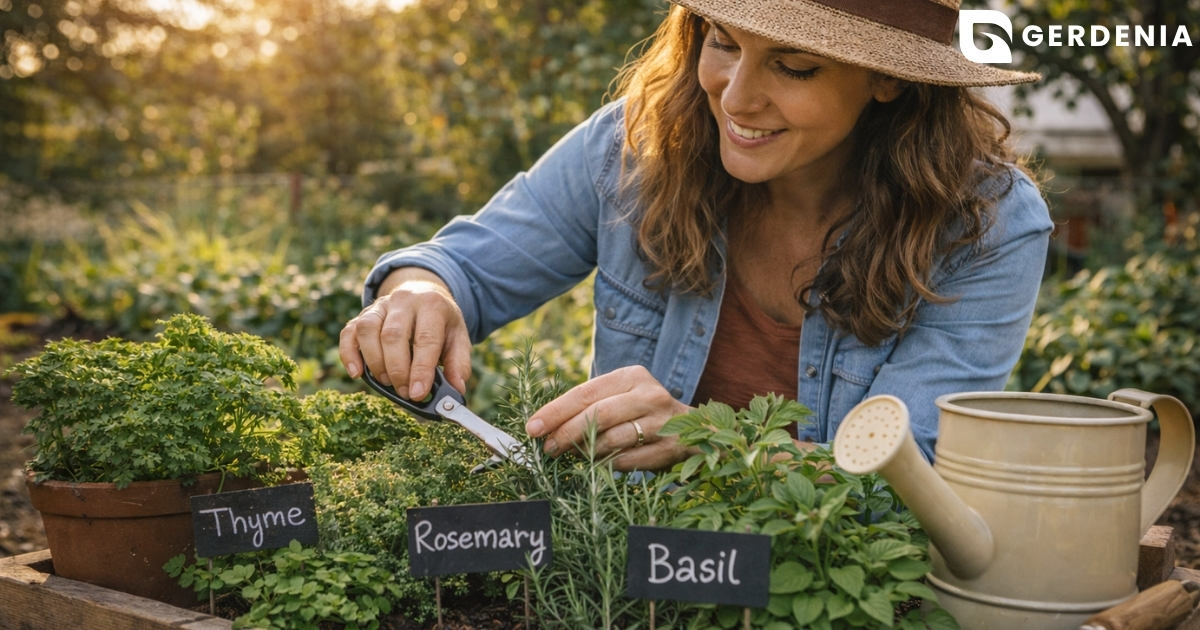
To protect these new crops naturally, plant them near “friends” that share nutrients or deter pests. Using a basic companion planting chart for beginners shows you exactly who gets along, like planting bug-repelling basil alongside your tomatoes.
The Planting Ritual: A Step-by-Step Guide to Putting Roots in the Ground
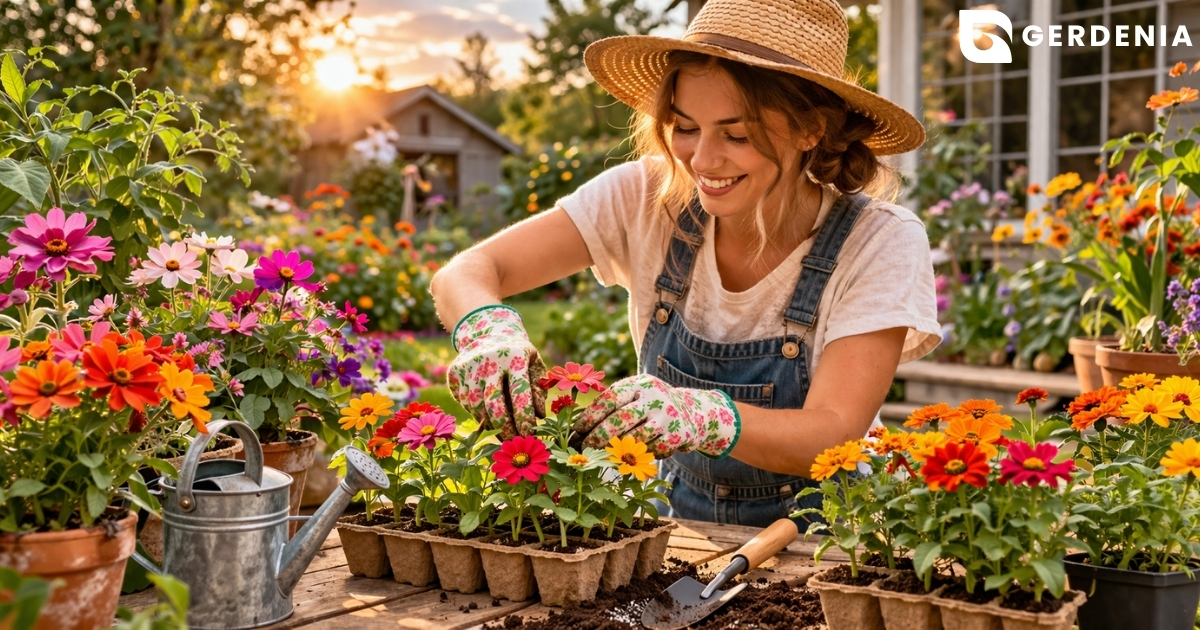
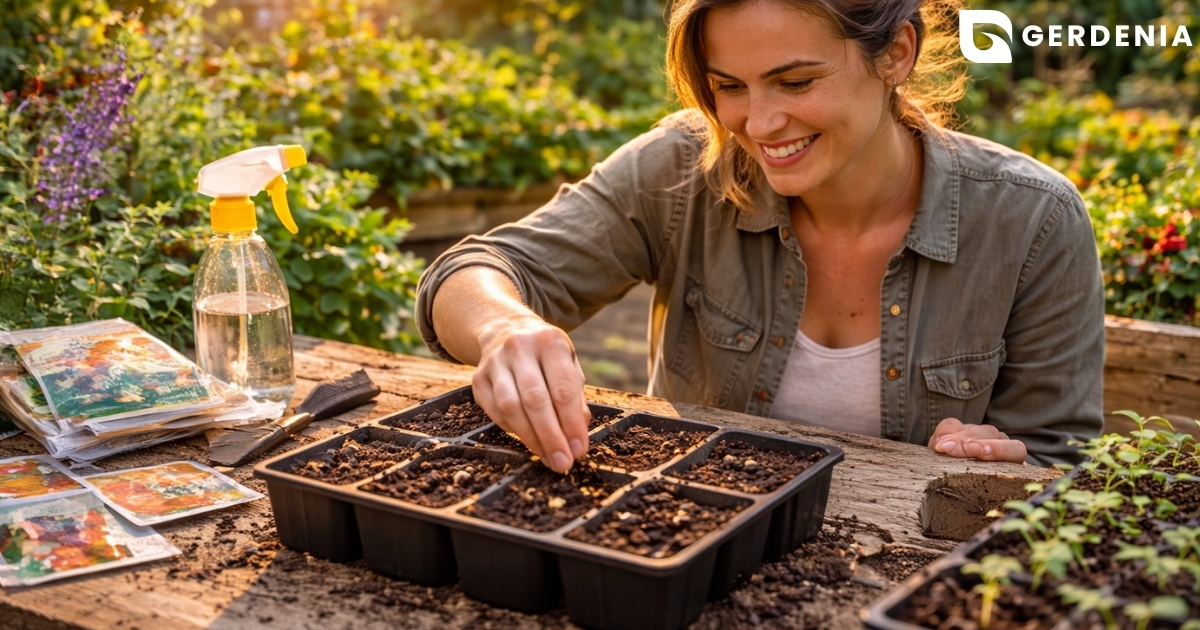
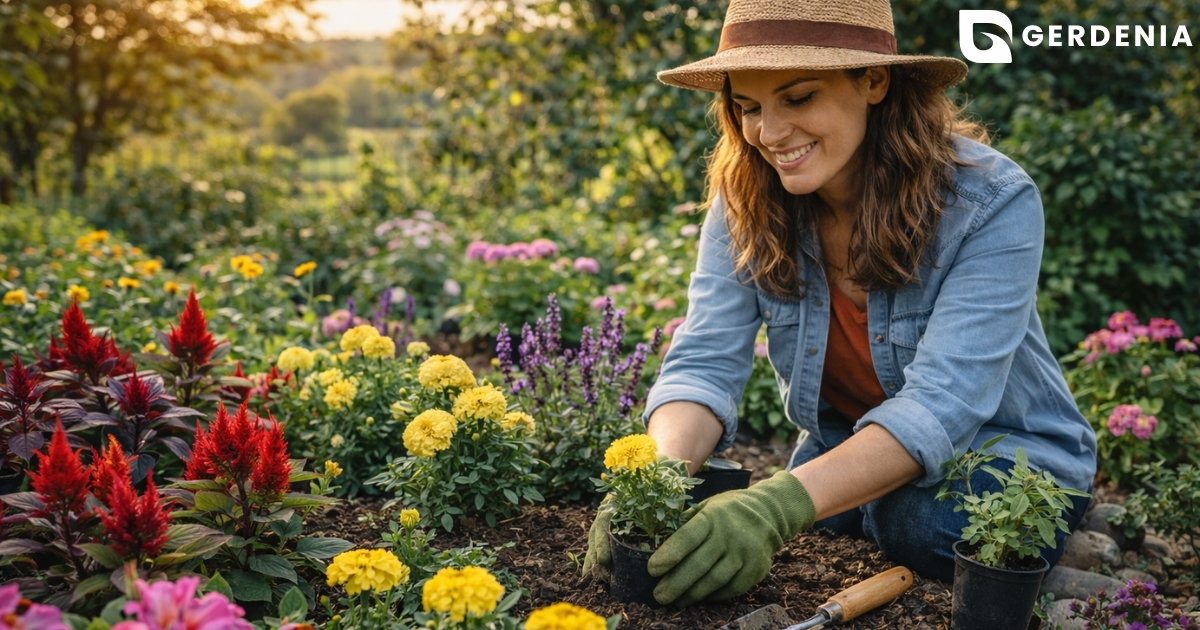
Figuring out how do I make a garden begins with proper placement. For seeds, the rule is simple: plant them twice as deep as they are wide. If you bought leafy starts from a nursery instead, you will follow a different step by step planting process.
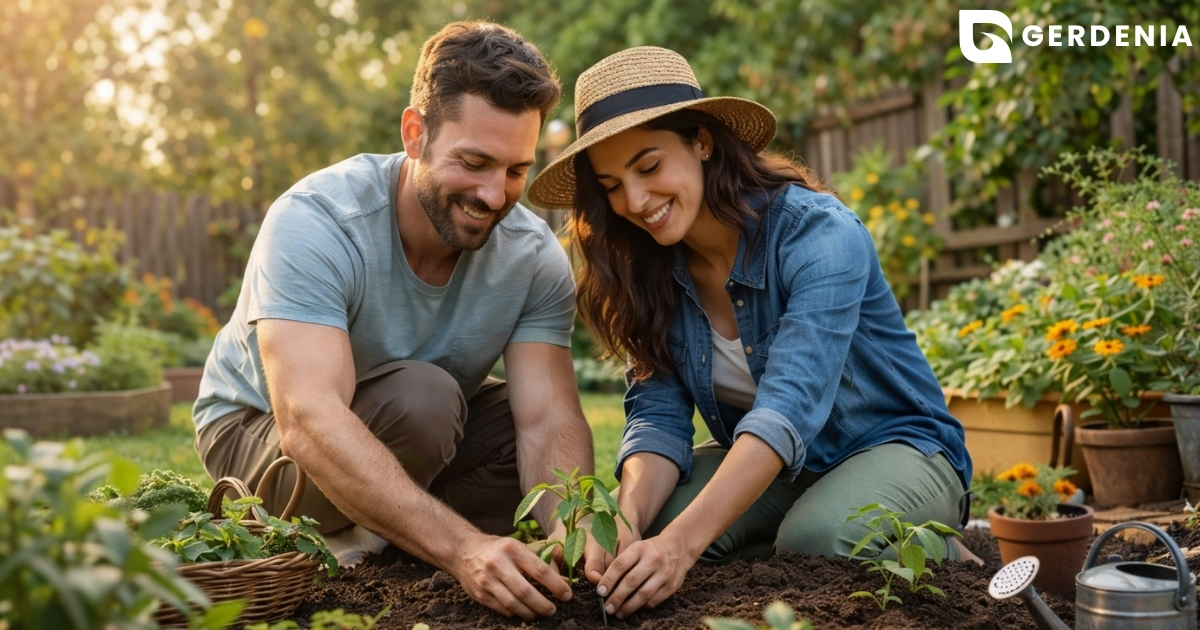
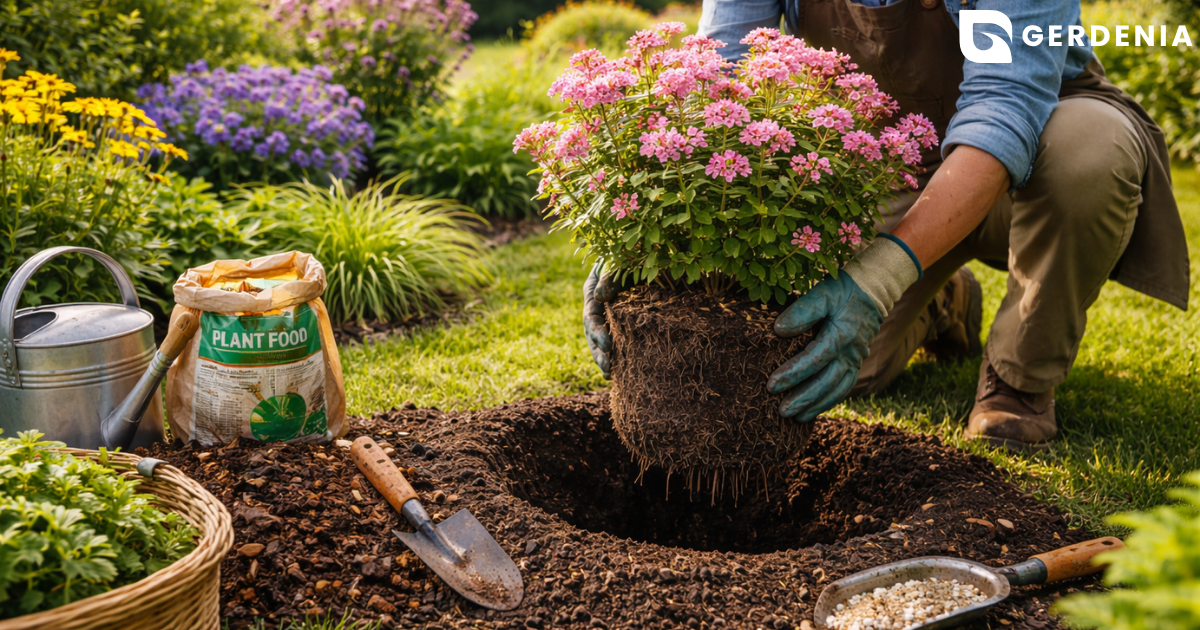
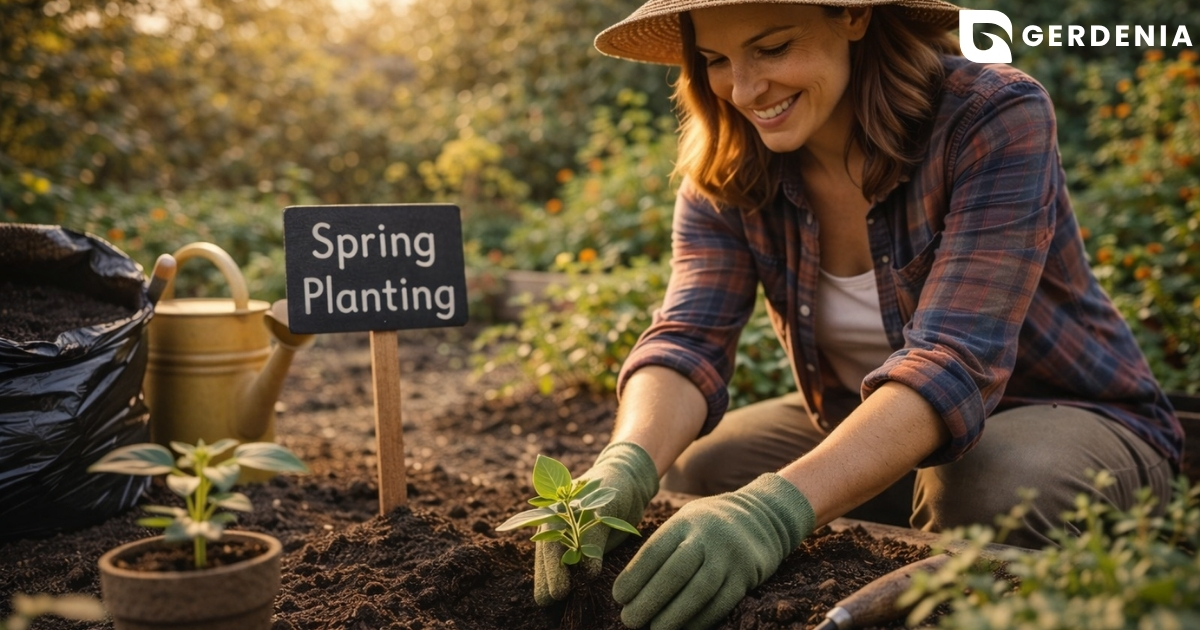
Moving plants into the earth can cause “transplant shock,” a stress that stalls growth. Follow these steps to grow a garden without harming your new plants:
- Squeeze the nursery pot gently to loosen the dirt.
- Slide the plant out, protecting the “root ball”—the bottom mass of roots.
- Dig a hole just the width of those roots.
- Pack soil softly around the base until snug.
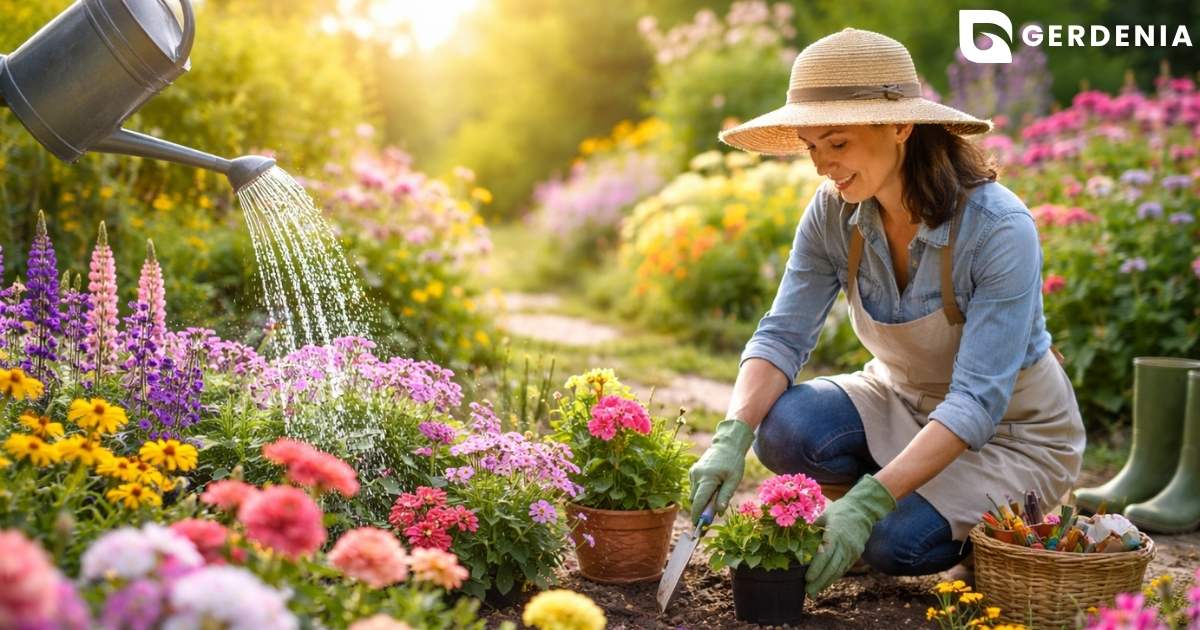
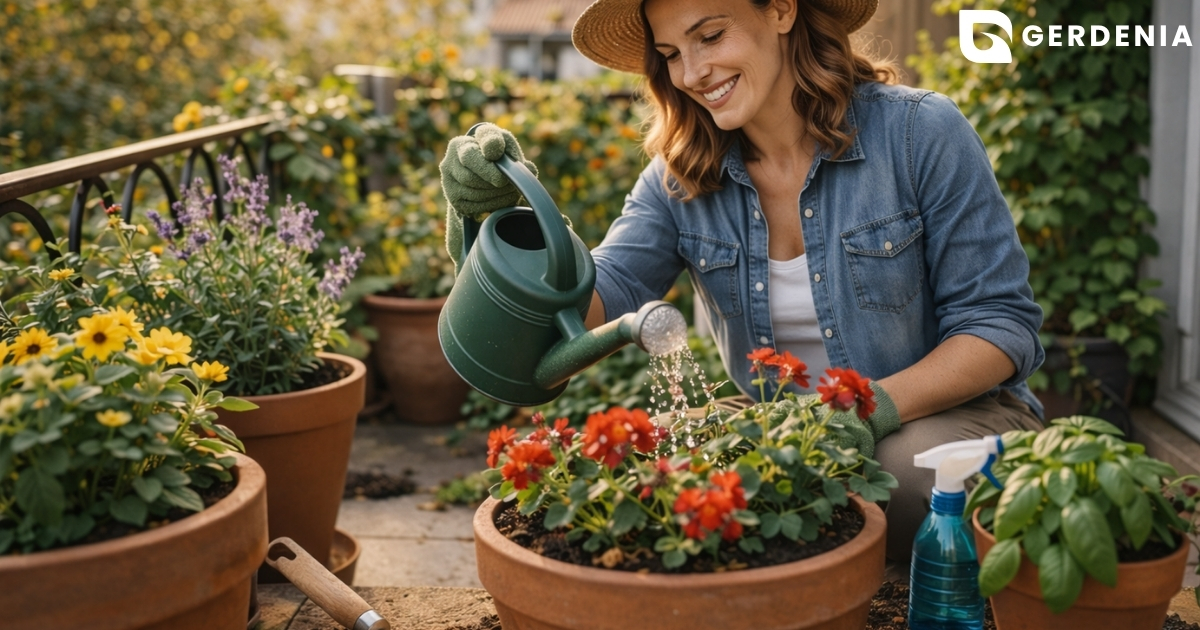
Water acts as the settling glue for this transition. Stop guessing when to water by using the “Finger Test.” Simply push your finger into the dirt to your second knuckle; if it feels dry, give the plant a drink.
Keeping the Dream Alive: Your 10-Minute Weekly Maintenance Plan
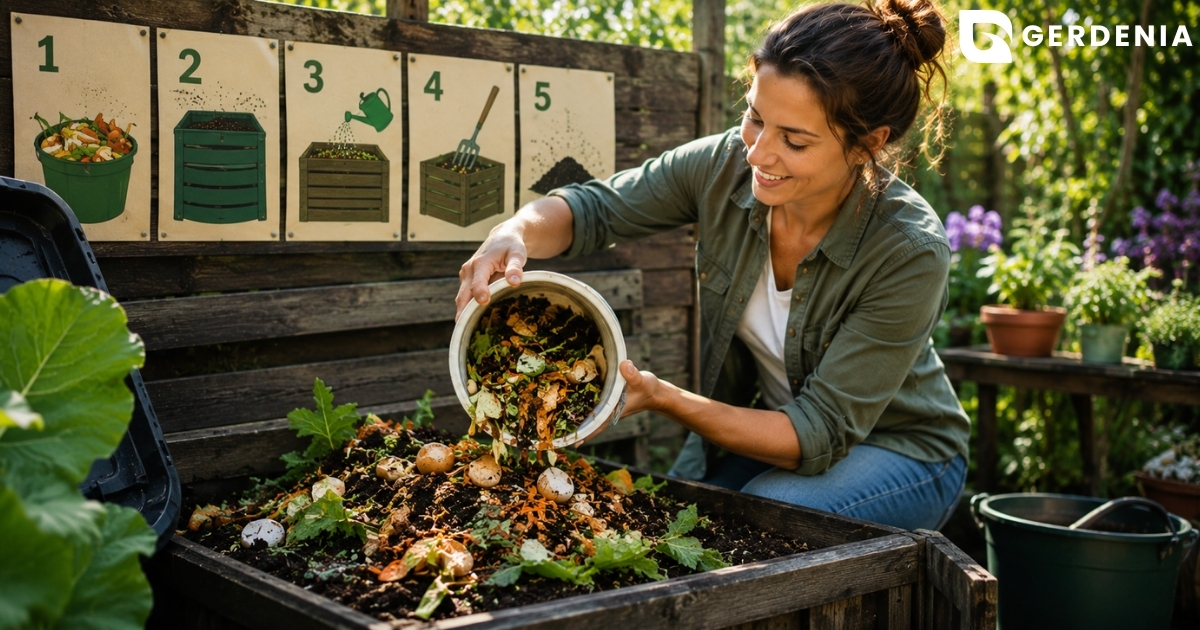
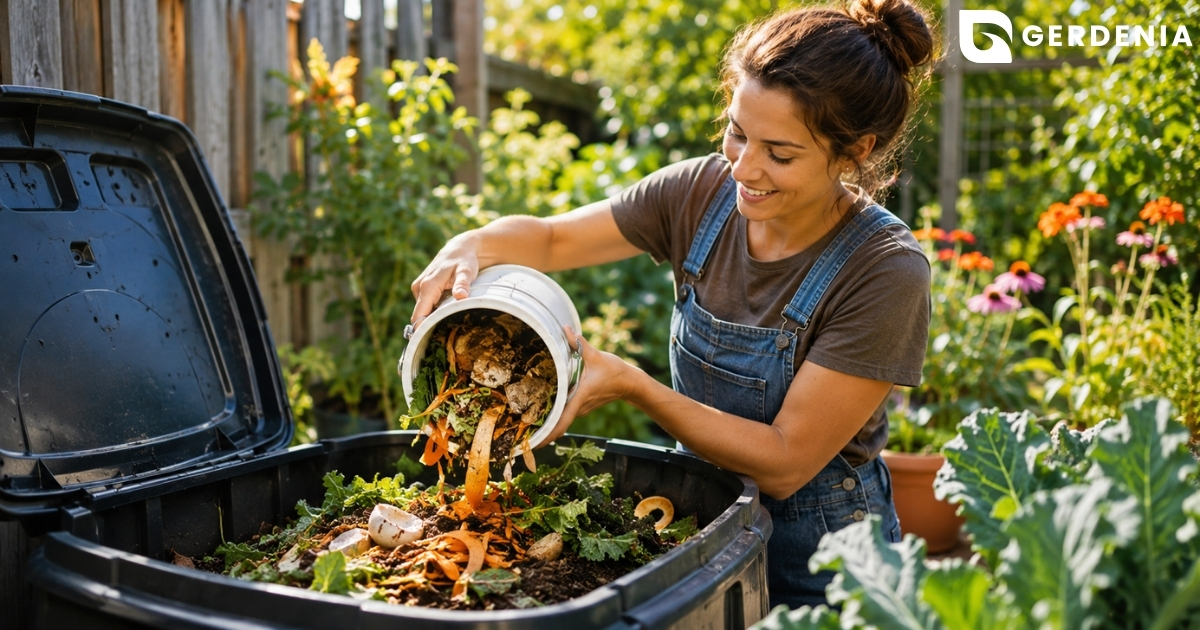
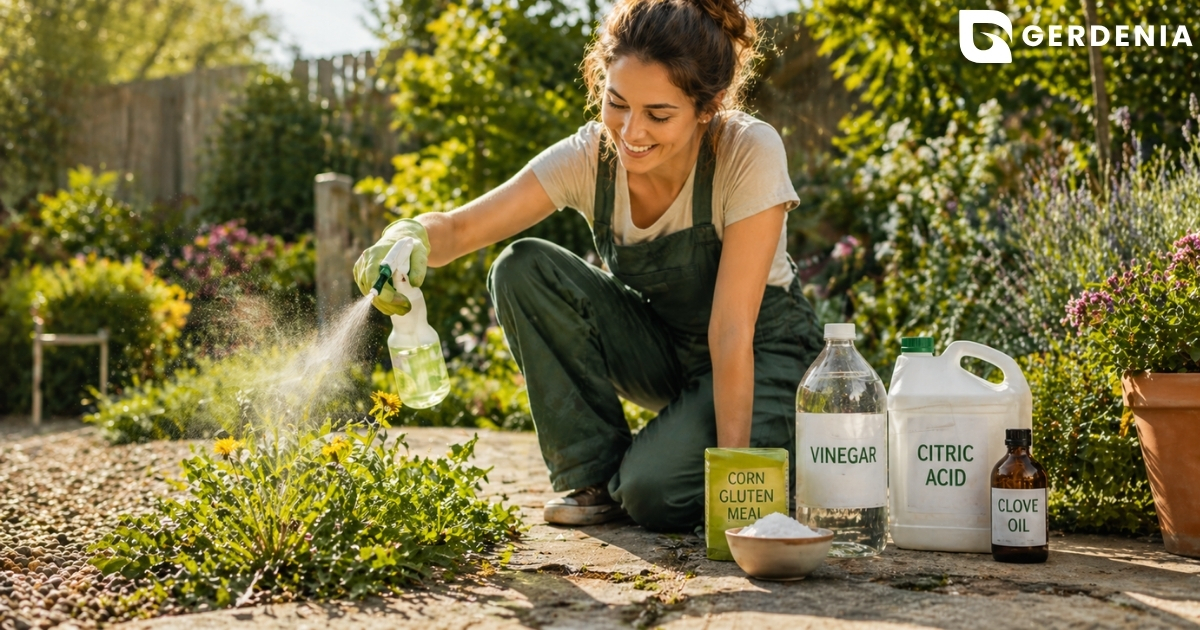
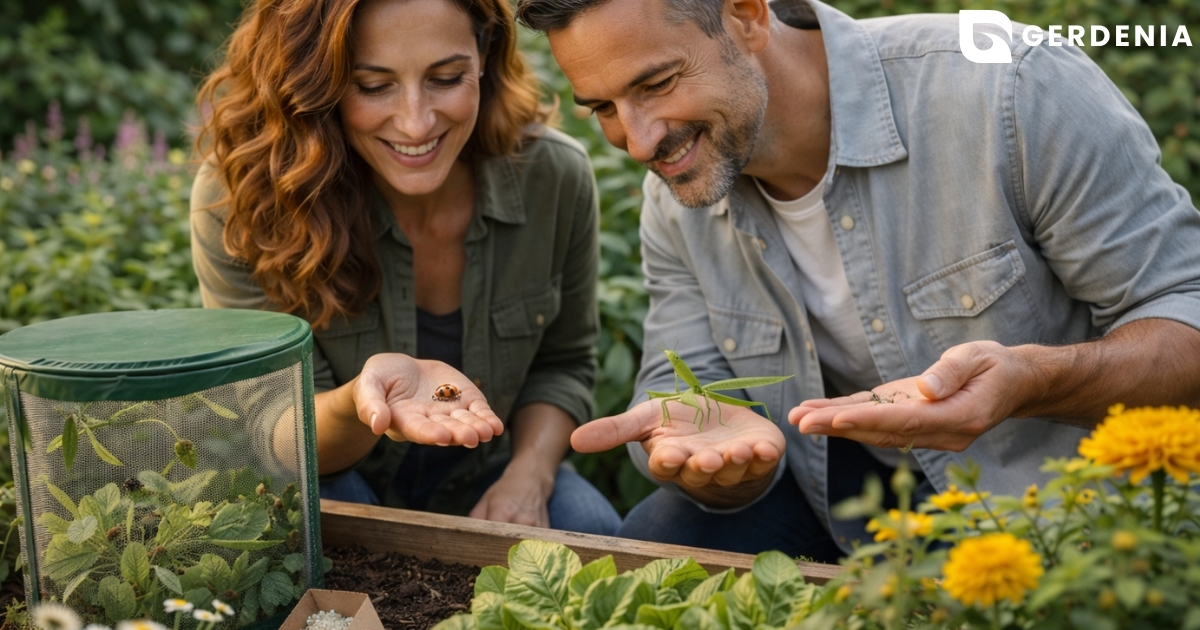
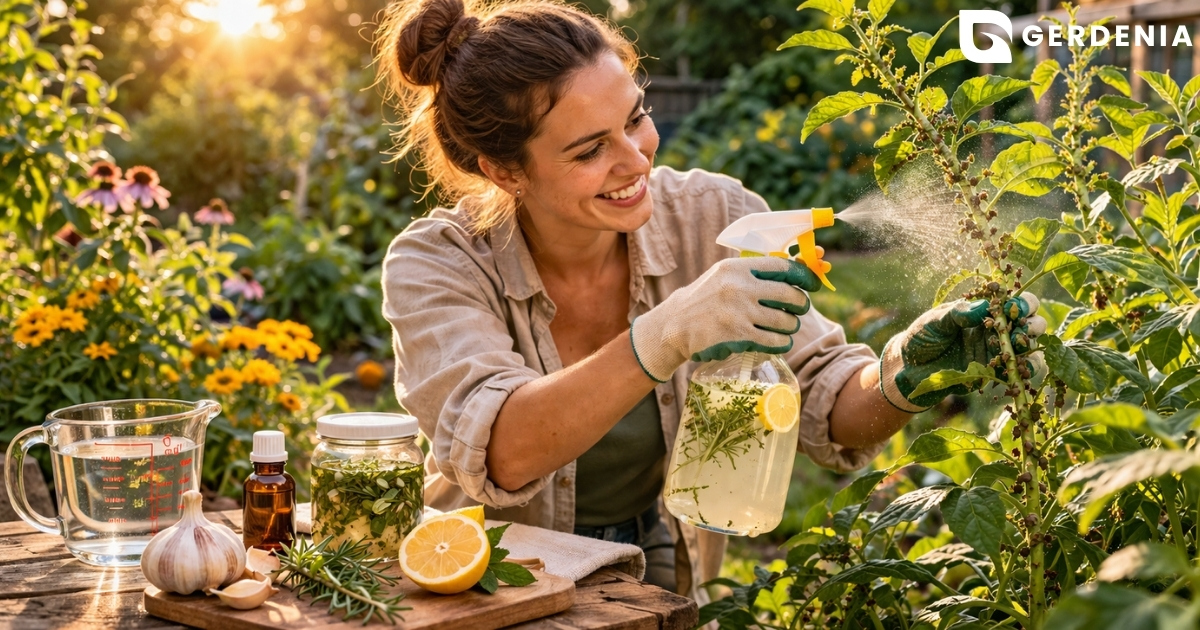
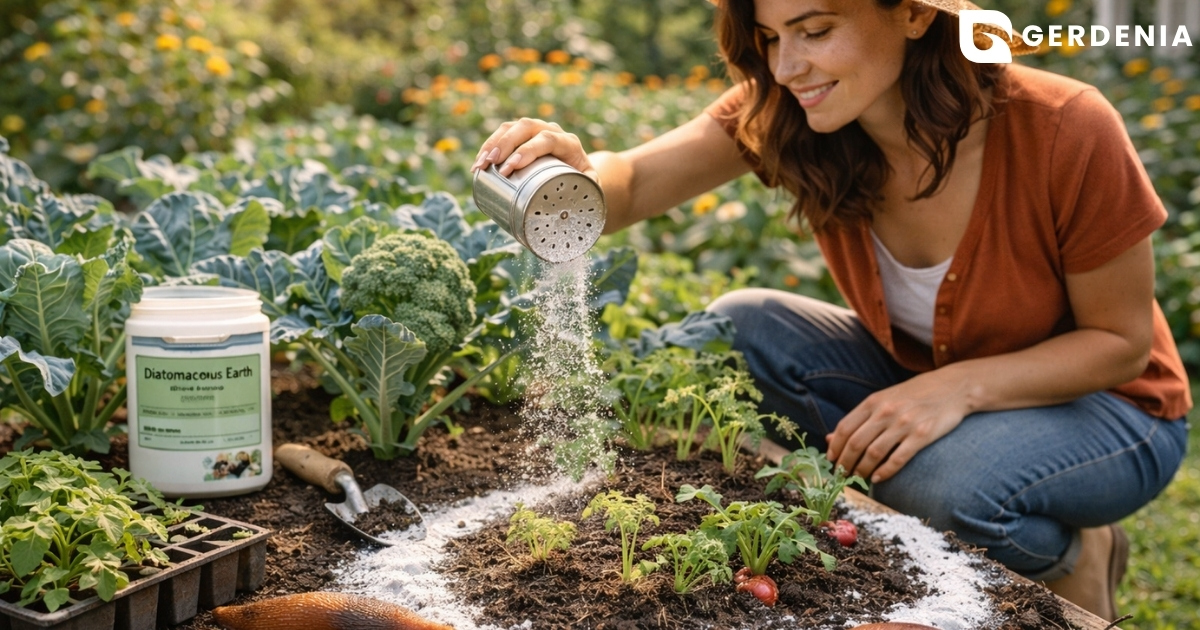
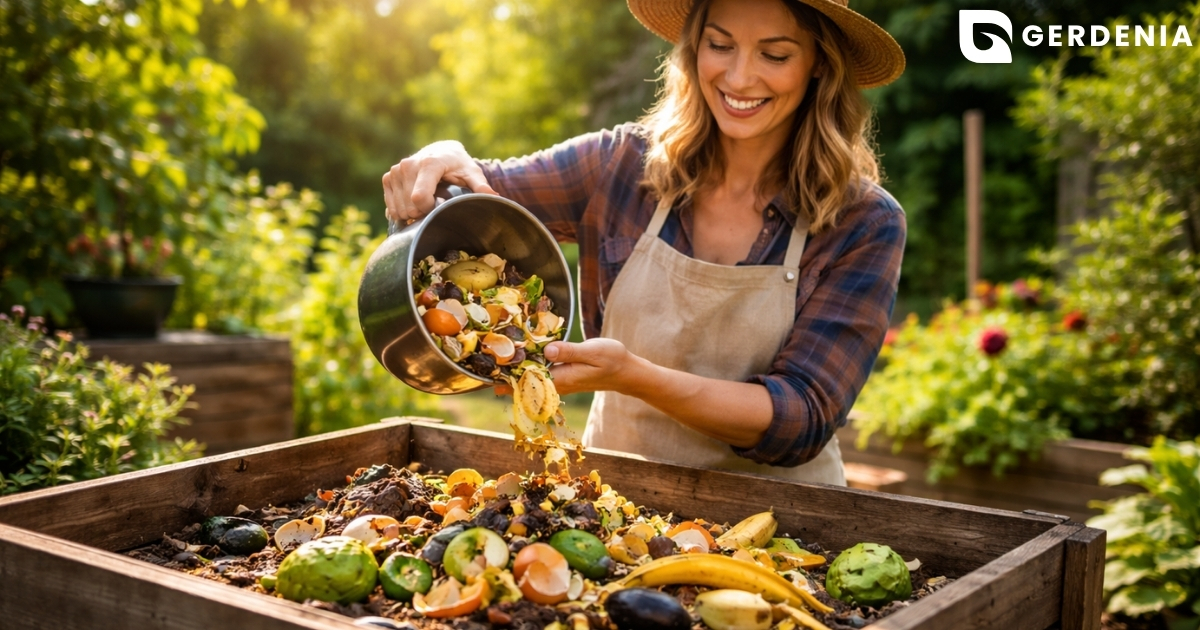
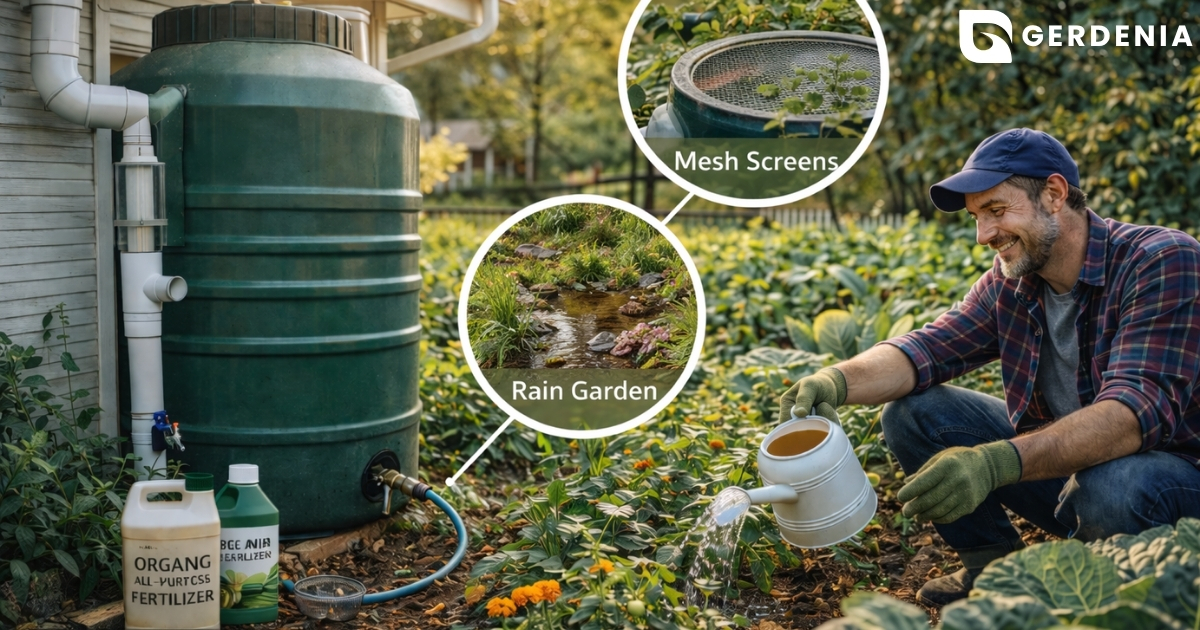
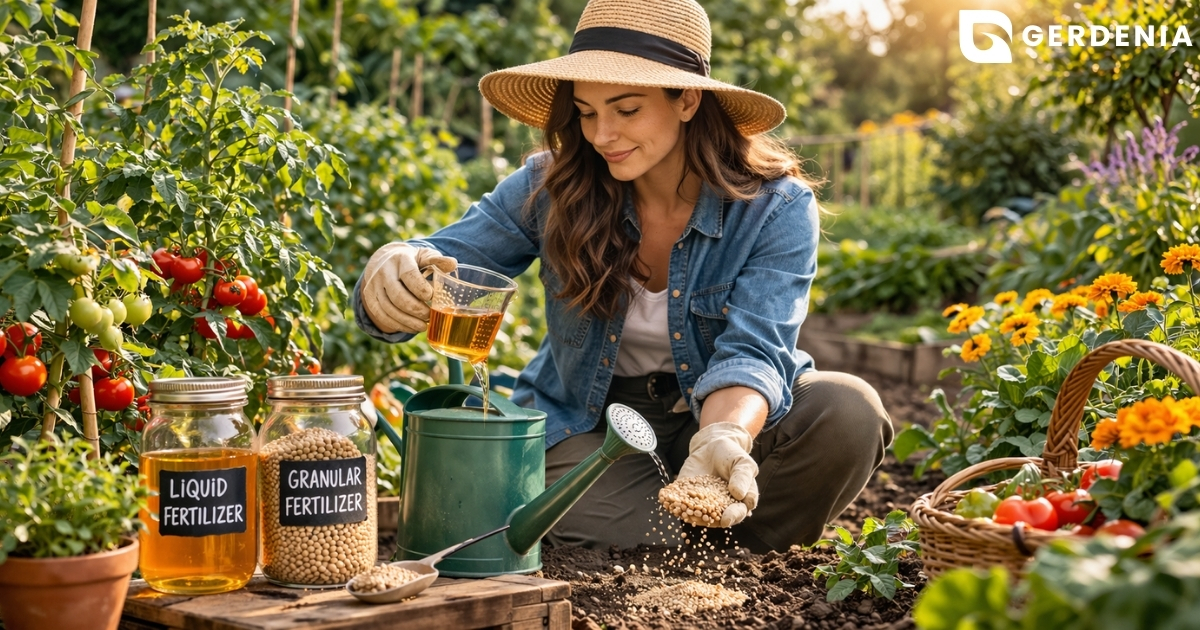
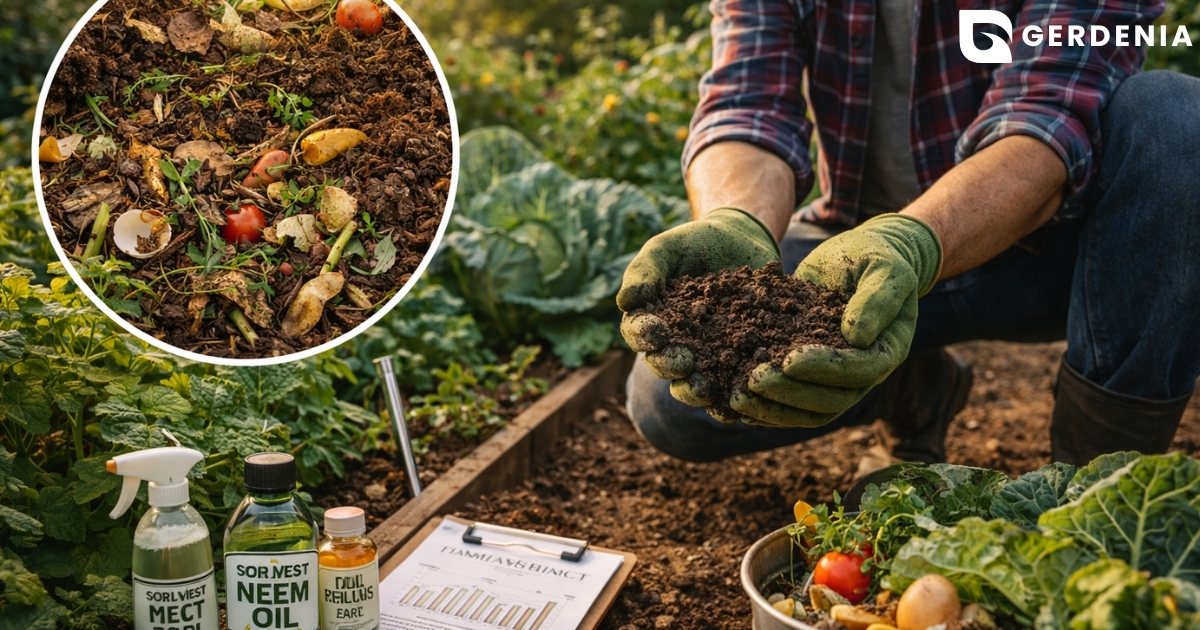
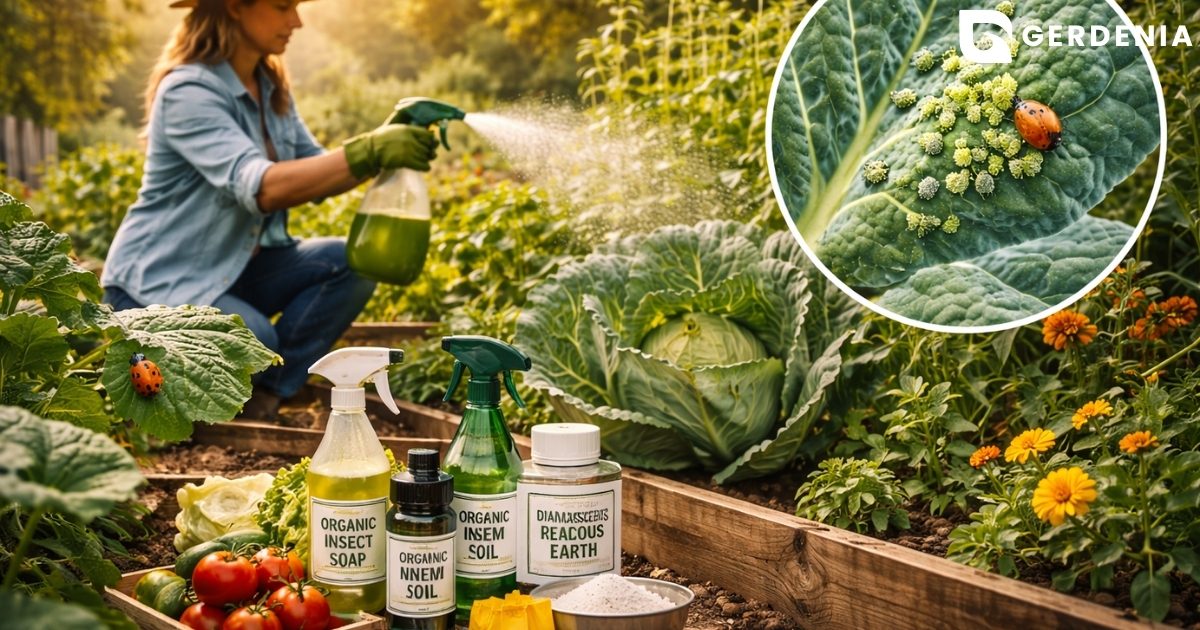
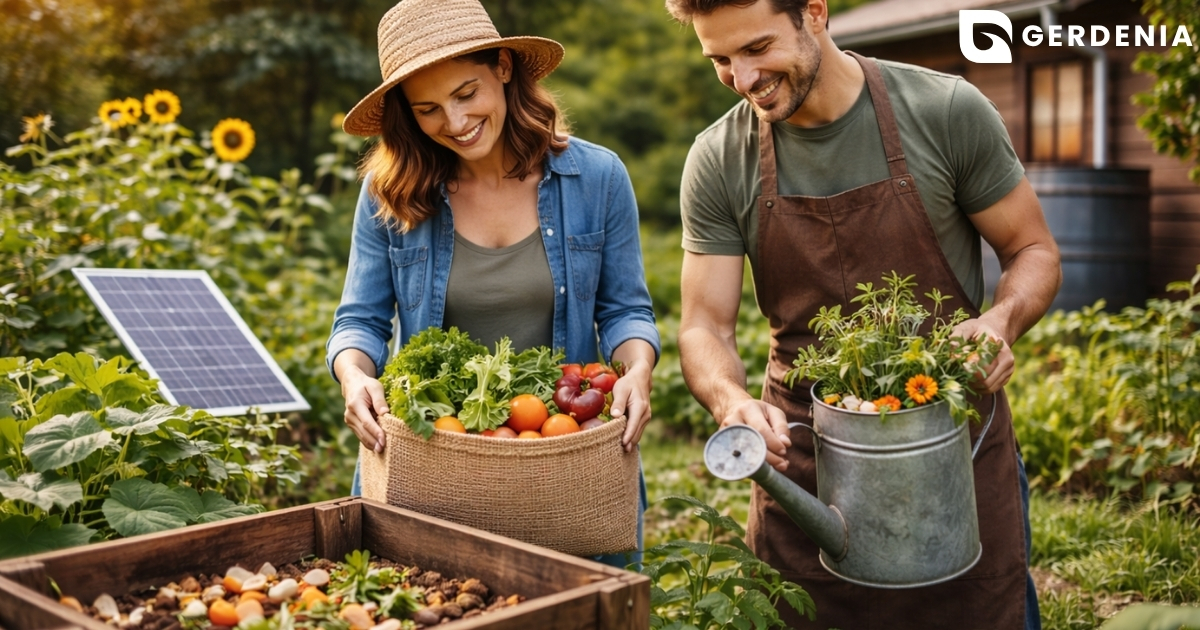
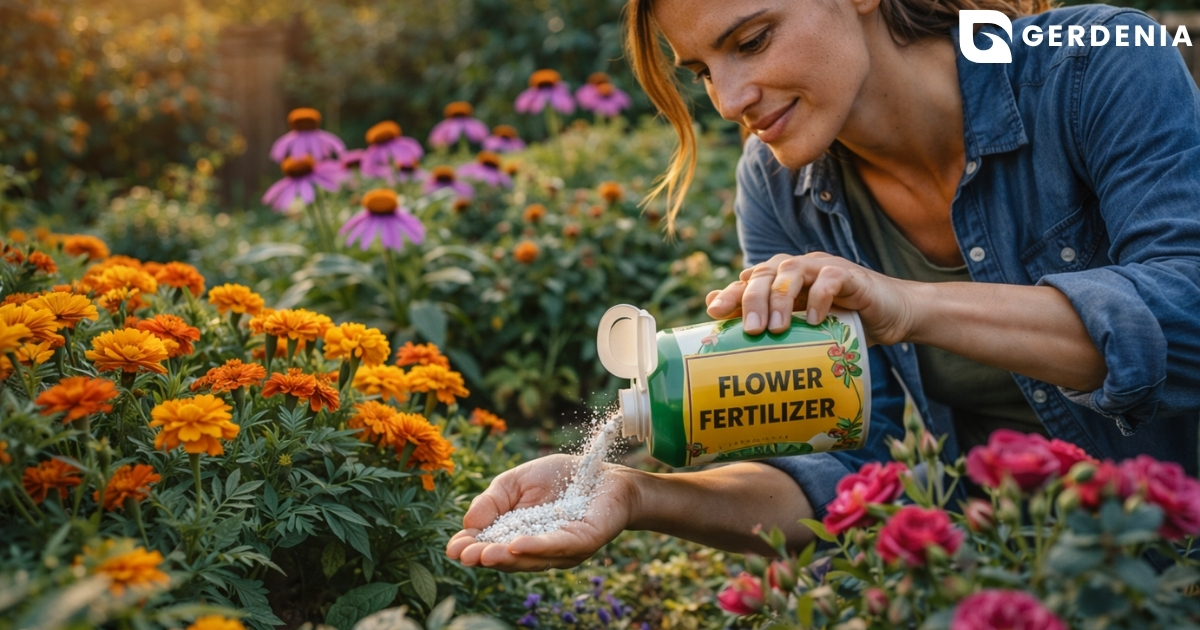
You no longer have to look at an empty yard and wonder where to begin. A ten-minute weekly garden walk makes organic pest control for vegetable gardens a quick routine rather than a stressful chore. You can even start building a compost bin for beginners, creating a personal backyard recycling center that turns leftover kitchen scraps into free fertilizer for your plants.
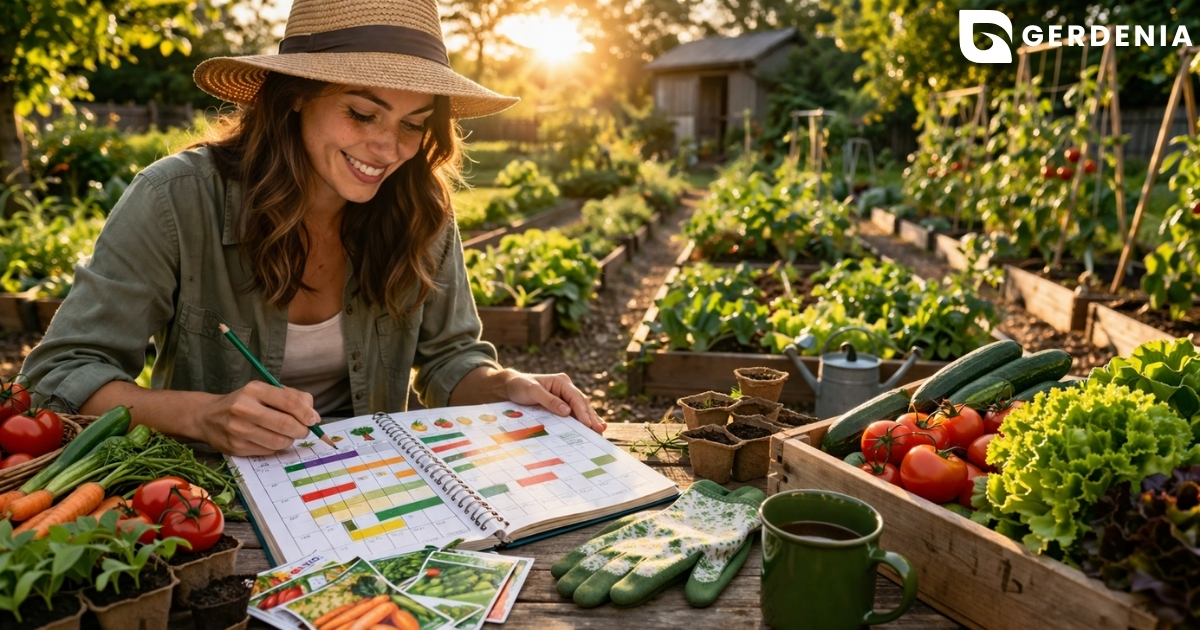
This step by step gardening approach turns overwhelming tasks into simple, rewarding habits. For your seven-day action plan, prepare your soil this weekend, plant those seeds, and watch for that incredible first green sprout—your first major win. Soon, you will recognize the exact moment to harvest, tasting the delicious reward of your very own backyard grocery aisle.