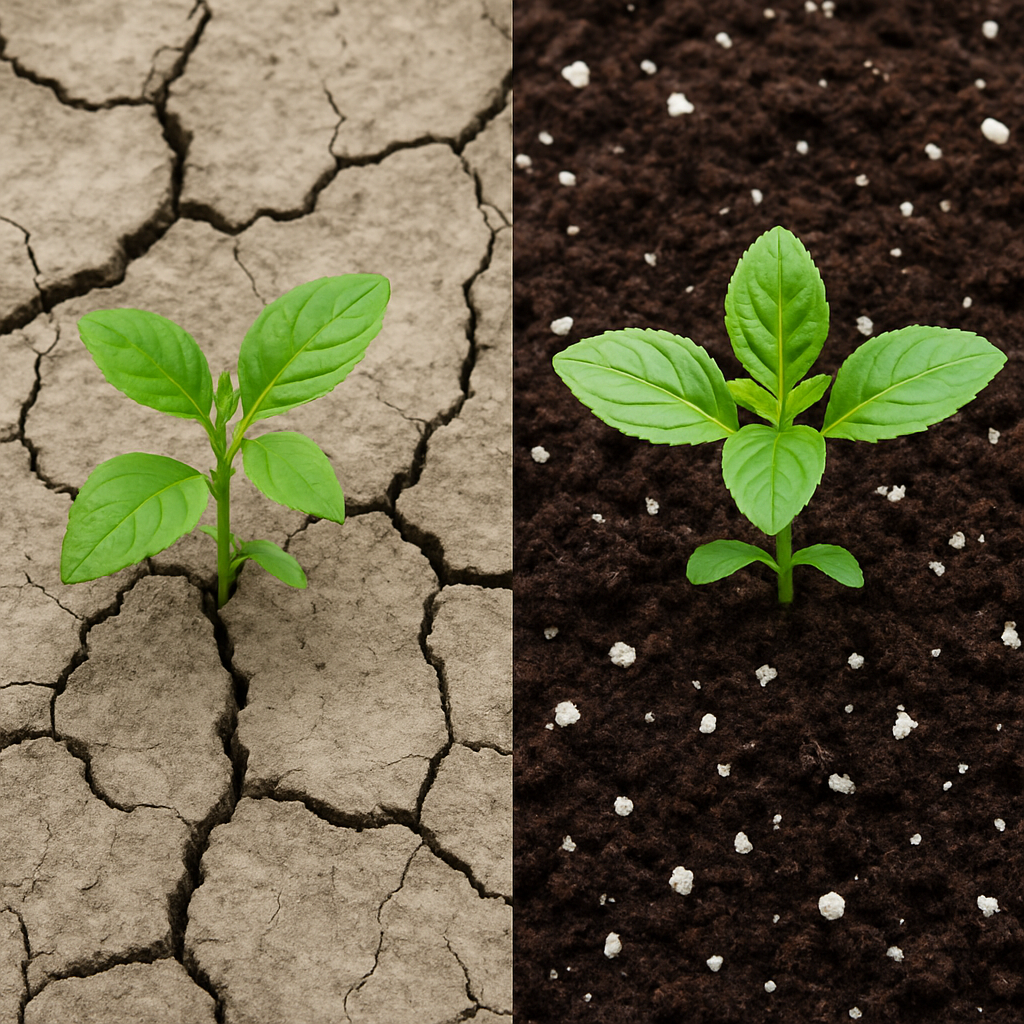
You might think backyard dirt is perfect for repotting a new indoor fern. In reality, scooping ground earth into a pot is the fastest way to accidentally kill your plant. Regular yard dirt suffers from severe compaction, eventually drying into a dense brick that quickly suffocates fragile roots.
Why does this happen indoors? Potted plants live in a “closed system,” meaning trapped roots cannot stretch outward to find better conditions. Think of outdoor earth like a heavy, dense bread dough, whereas healthy container mix acts like a light, airy muffin.
According to gardening experts, the secret to avoiding root rot lies in understanding soilless substrate vs garden soil. Rather than actual dirt, these fluffy indoor blends hold water like a wrung-out sponge while letting extra moisture drain, keeping confined roots breathing easily.
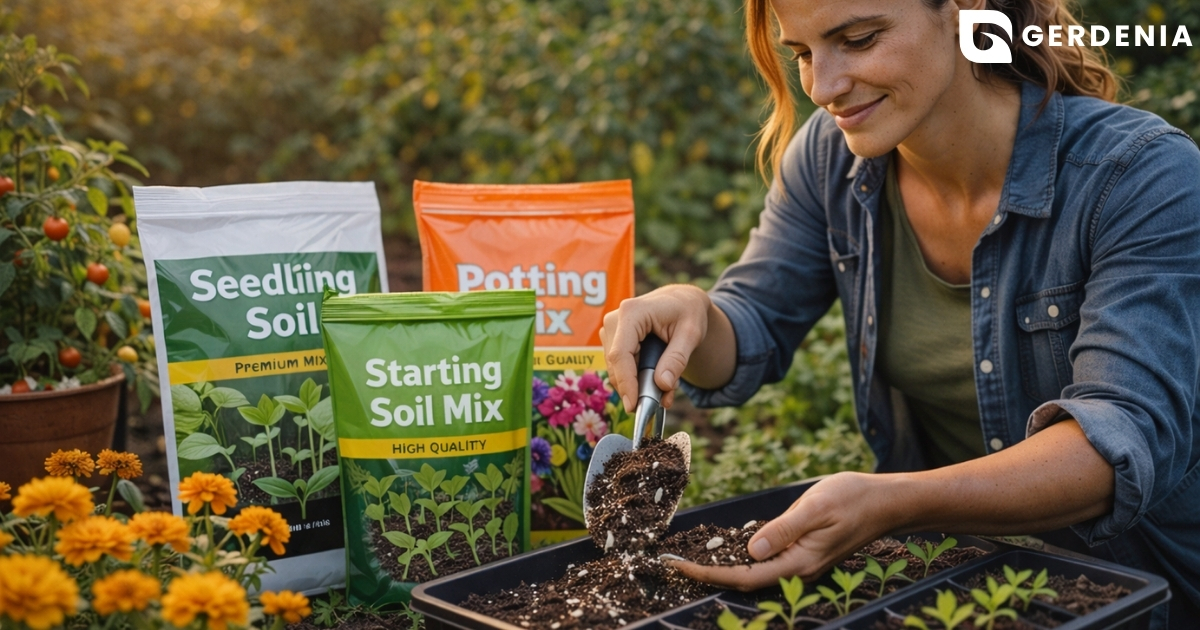
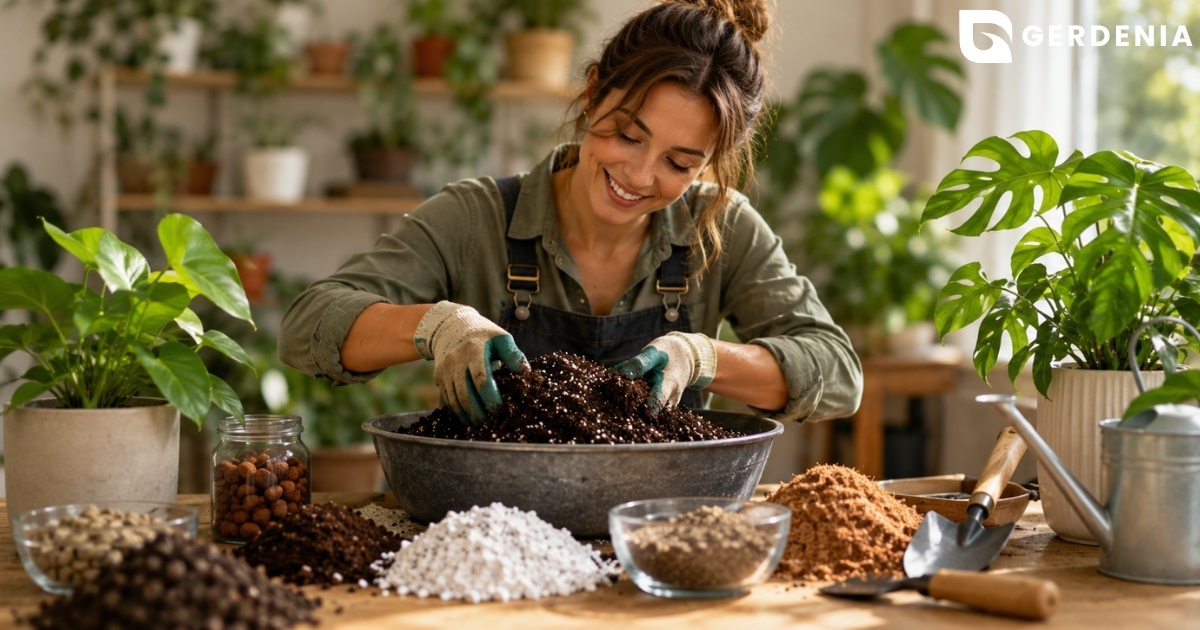
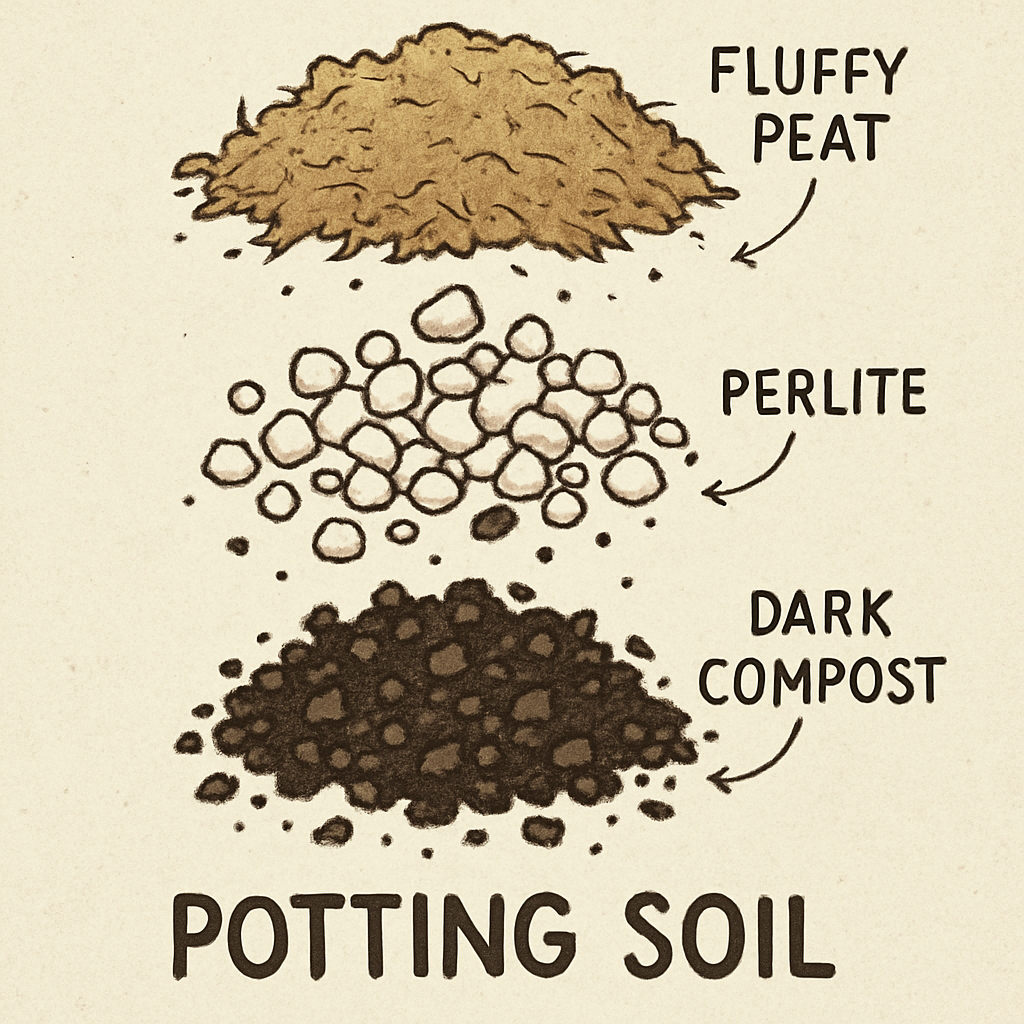
Selecting the best soil for container planting boils down to a very simple recipe. Every high-quality bag of potter soil relies on a three-part formula delivering structure, moisture retention, and air space. Building a comfortable home ensures your plants will flourish.
Why Your Backyard Dirt Is a Death Trap for Potted Plants
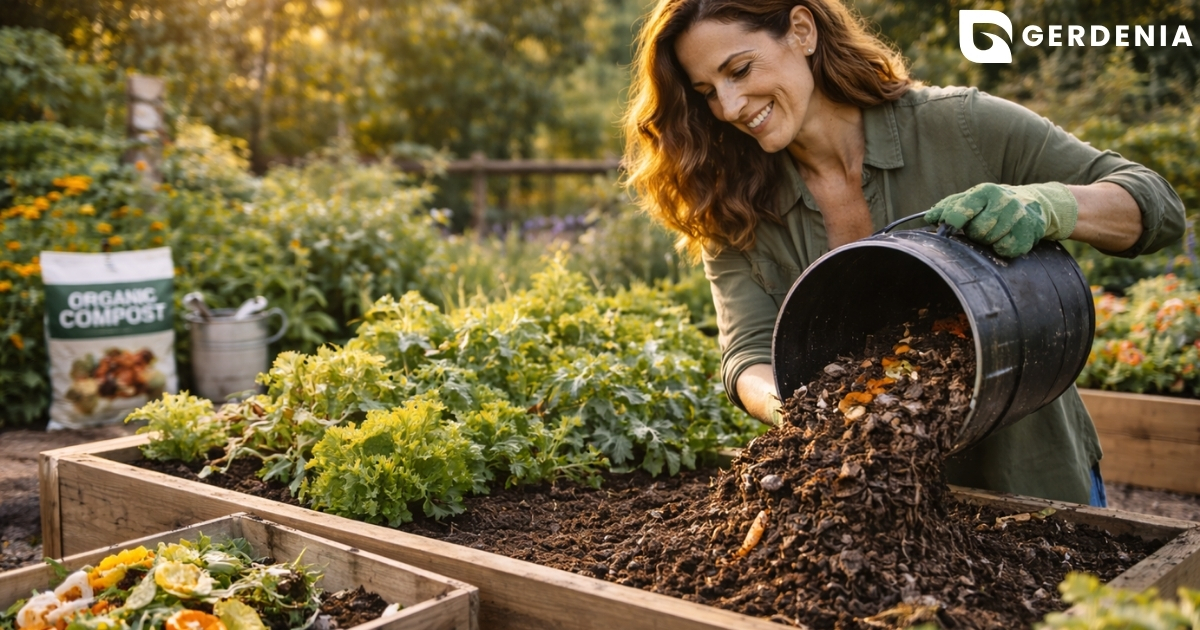
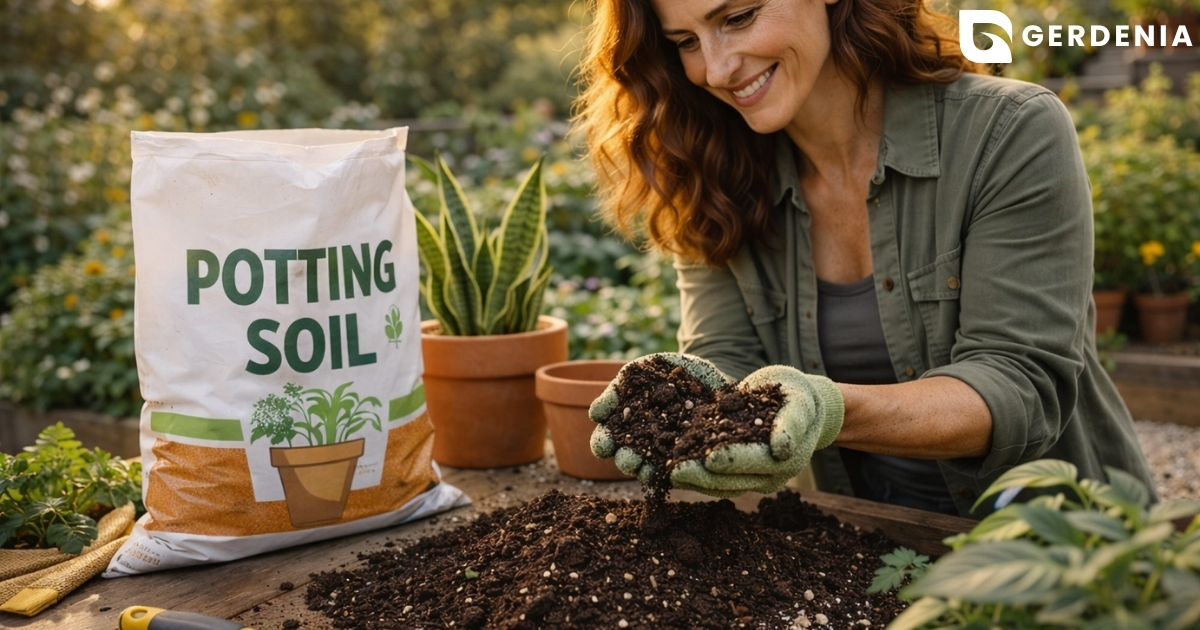
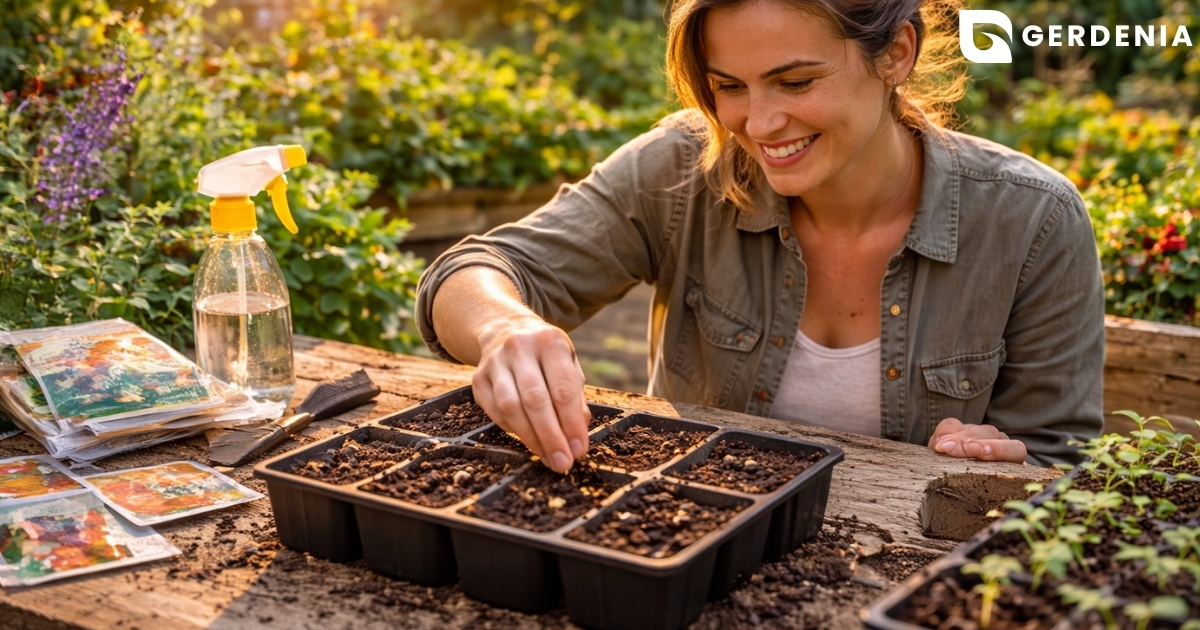
Scooping garden dirt seems like an easy fix for a new planter, but it is usually a disaster. Unlike the open ground where moisture escapes freely, heavy backyard dirt inside a closed pot quickly packs down into a solid mud brick. Using specialized potting soil for pots provides a fluffy, lightweight home, preventing delicate plants from fighting through dense mud.
Improving container drainage starts with a simple fact: roots need to breathe. They rely on “aeration”—tiny pockets of air trapped within the mix. Without built-in drainage-pathways for extra water to flow out, ordinary earth fails containers in three distinct ways:
- Compaction: It squeezes together tightly, destroying crucial air pockets.
- Poor drainage: Trapped moisture causes roots to drown and rot.
- Weight: The dense dirt becomes too heavy for tender roots to penetrate.
Furthermore, unsterilized yard dirt carries hidden bugs and fungal diseases directly to your vulnerable plants. Even the best outdoor potting soil is specially treated to remain clean and perfectly breathable. Since backyard dirt fails indoors, successful container gardening relies on a specific three-part recipe.
The Three-Part Recipe: What Really Goes Into High-Quality Sphagnum Peat and Mixes
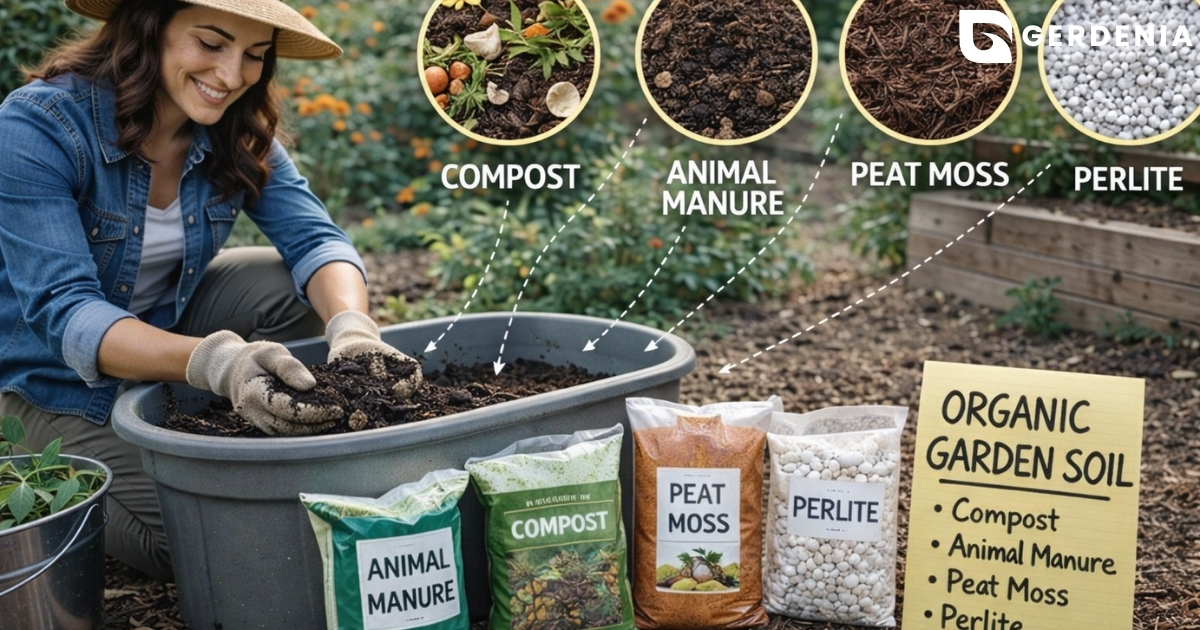
Fresh bagged soil feels incredibly light for a reason. Ditching backyard mud means upgrading to a recipe designed specifically for enclosed spaces, making the best potting mix for container gardening more like a fluffy cake batter than actual earth. Manufacturers rely on the ‘Big Three’ ingredients to create this perfect environment:
- Base (Peat/Coir): The sponge holding necessary moisture.
- Drainage (Perlite/Pumice): The tiny rocks creating air pockets.
- Food (Compost/Fertilizer): The pantry fueling future growth.
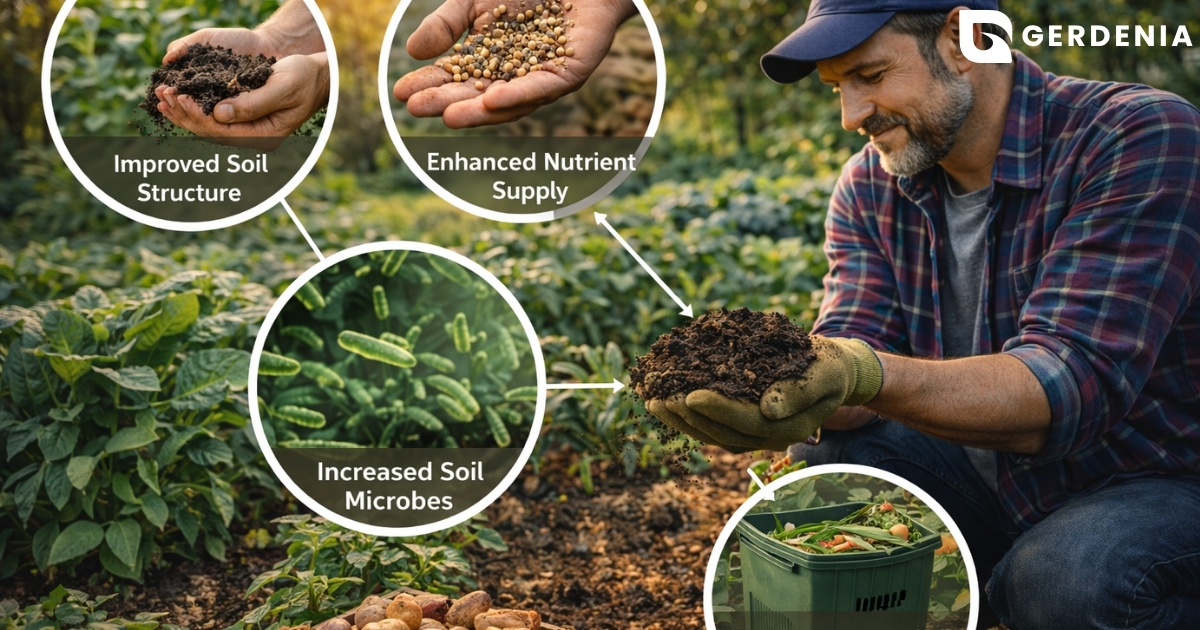
The mix’s foundation heavily relies on high-quality sphagnum peat characteristics to act as a giant, wrung-out sponge. This fibrous brown material grabs onto water before it escapes out the bottom of the pot, keeping delicate roots perfectly damp without ever drowning them.
Those little white specks resembling crushed Styrofoam are actually expanded volcanic rock, and the benefits of adding perlite cannot be overstated. These airy chunks prop the soil open like millions of microscopic pillars, ensuring roots can breathe properly and excess moisture drains away instantly.
Finally, checking your bag’s label for sterilized organic compost additives guarantees your plant moves into a clean home equipped with a stocked nutritional pantry. While peat is the traditional sponge used by growers, modern alternatives exist, making the choice between peat moss and coconut coir a critical first step in building a sustainable foundation.
Peat Moss or Coconut Coir? Choosing a Sustainable Foundation for Your Planter Boxes
Watering a dry plant only to watch the moisture pool on top is a frustrating quirk of dried peat moss. Instead, many gardeners prefer coconut coir as a sustainable alternative. It acts like a premium sponge that re-wets instantly, making it a reliable, eco-friendly foundation for your potting mix for planter boxes.
Compare these key features to pick the best base for your container:
- Water Retention: Both hold moisture well, but coir re-wets much easier after drying out.
- pH Level (Acidic vs. Neutral): Peat is naturally acidic, while coir is completely neutral.
- Sustainability Rating: Coir is a highly renewable recycled coconut husk, whereas peat bogs regenerate incredibly slowly.
Starting with the correct foundation makes adjusting pH levels for root health practically effortless. Acid-loving blueberries will naturally thrive in a peat-heavy mix, while neutral coir provides a perfectly balanced home for standard houseplants. However, even the perfect sponge needs proper breathing room to prevent roots from drowning, making the choice between perlite and vermiculite crucial.
The Secret to Airy Roots: When to Choose Perlite vs. Vermiculite
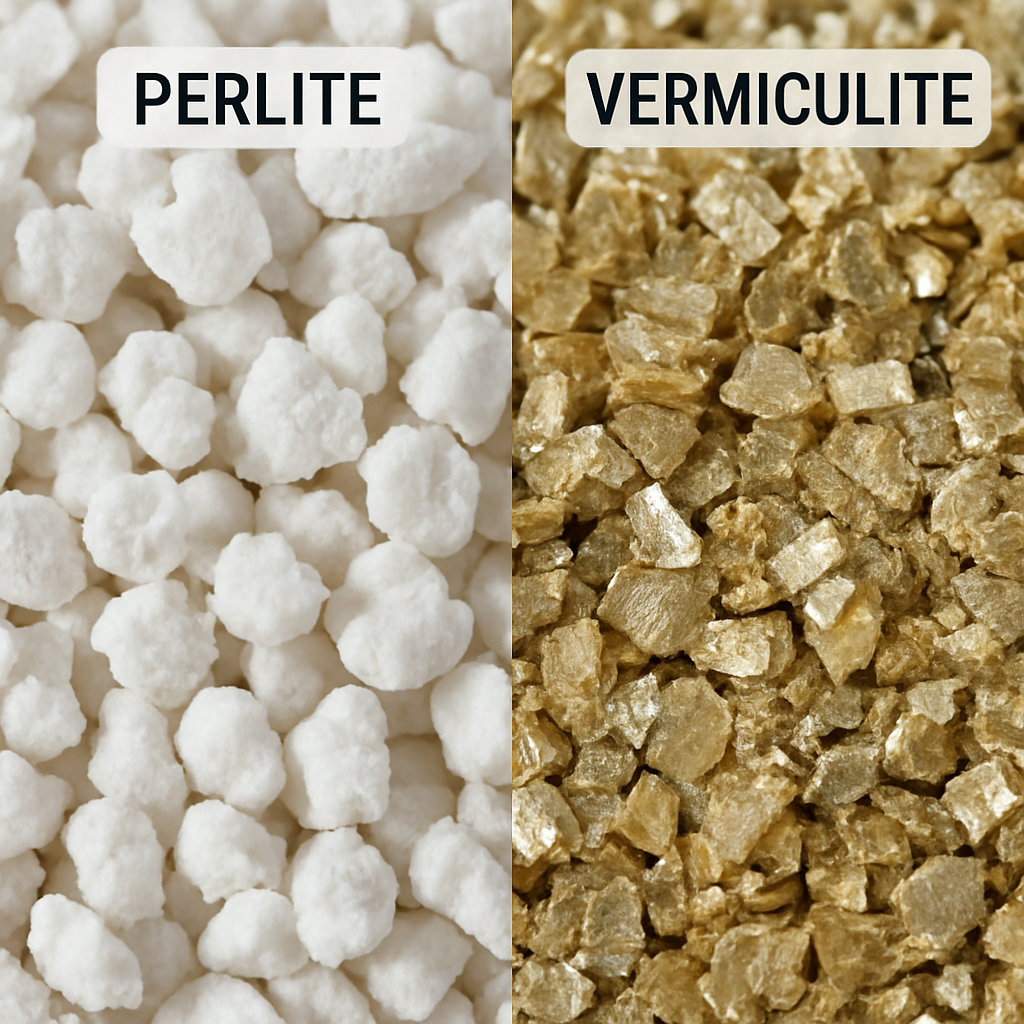
Picture your plant’s roots sitting in a soaking wet sponge. Without oxygen, they quickly suffocate. To stop this, gardeners add perlite—those white rocks resembling crushed popcorn. Perlite creates escape routes for heavy water, ensuring the mix drains fast so delicate roots can breathe easily.
Thirsty plants require a completely different approach. When potting a moisture-loving fern, you should use vermiculite for better aeration and hydration. These shiny flakes soak up water like tiny water towers. For outdoor containers facing intense summer heat, adding moisture-retaining crystals for planters keeps the earth perfectly damp without turning it into heavy mud.
Getting this moisture balance right is the ultimate secret to preventing fungus gnats in houseplants. Those annoying bugs breed in permanently soggy soil, so matching faster-draining additives to your plant keeps the soil surface safely dry. A breathable, bug-free home is only part of the equation; plants also need a fully stocked nutritional pantry to thrive.
Is Your Soil’s Pantry Full? Decoding Slow-Release Fertilizers and Nutrient Needs
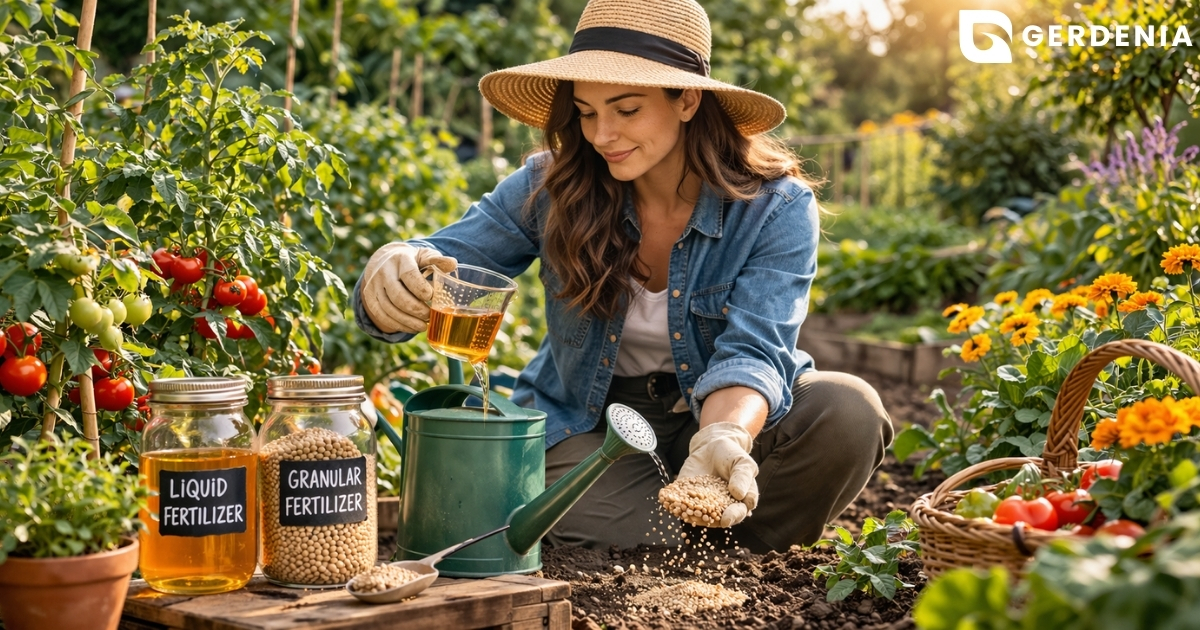
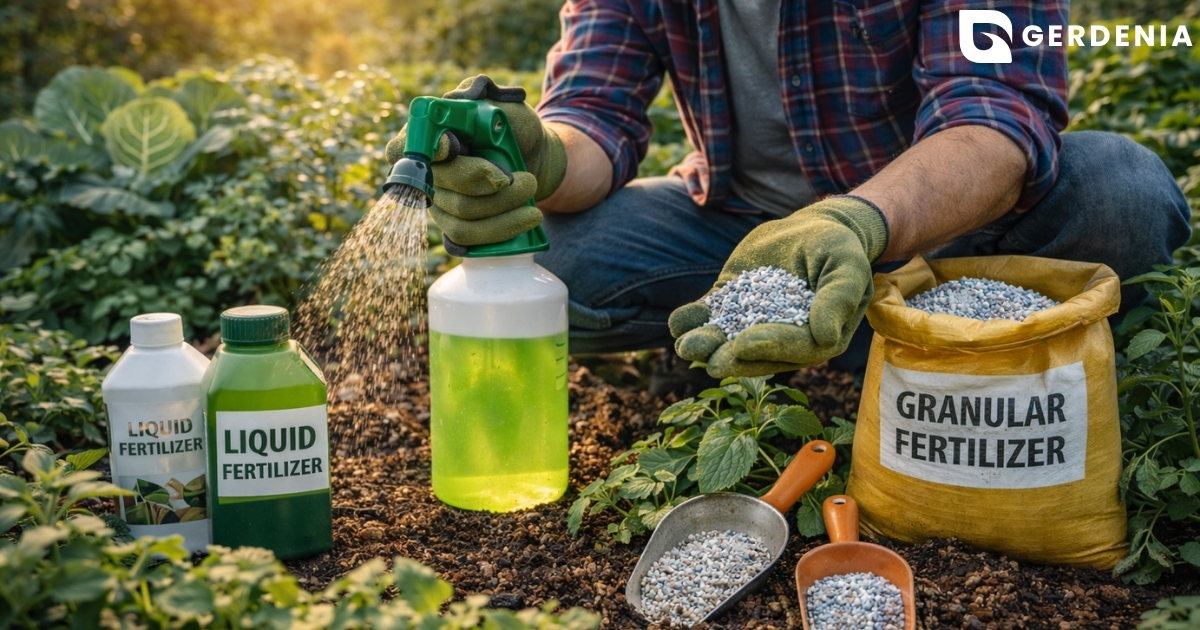
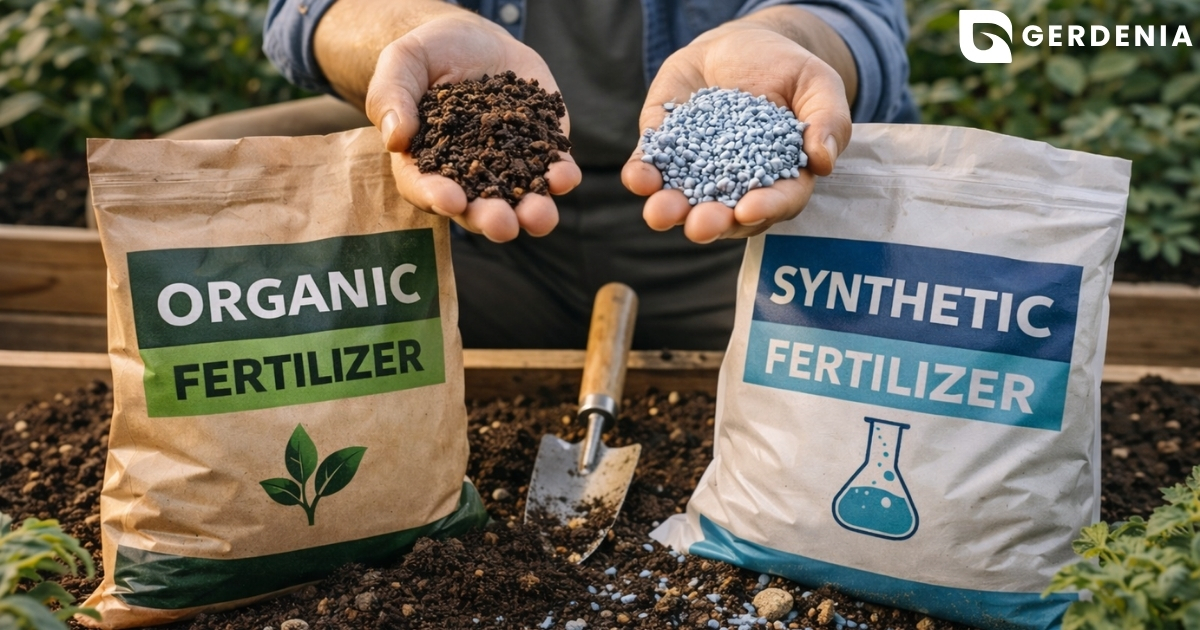
Think of your fresh potting mix as a new house. Some bags come with a stocked pantry, clearly labeled with slow-release fertilizer for container gardening. These tiny coated beads act like a built-in buffet, steadily feeding roots every time you water. However, this food supply isn’t endless. Even premium container vegetable soil depletes its pre-mixed nutrients after three to six months.
Once that built-in food runs out, your plant relies entirely on you. Catching the signs of nutrient deficiency in potted plants early saves them from starvation. Watch for these three cries for help:
- Yellowing older leaves (a sign of low nitrogen).
- Stunted growth with unusually small new foliage.
- Overall pale, washed-out color instead of vibrant green.
Replenishing those missing nutrients is as easy as adding liquid plant food to your watering can. While leafy houseplants are heavy eaters, desert natives prefer a much leaner diet in a specialized home. For desert natives that prefer a leaner diet, mixing a drought-friendly blend takes only minutes.
The 5-Minute DIY Succulent Substrate Recipe for Healthier Cacti
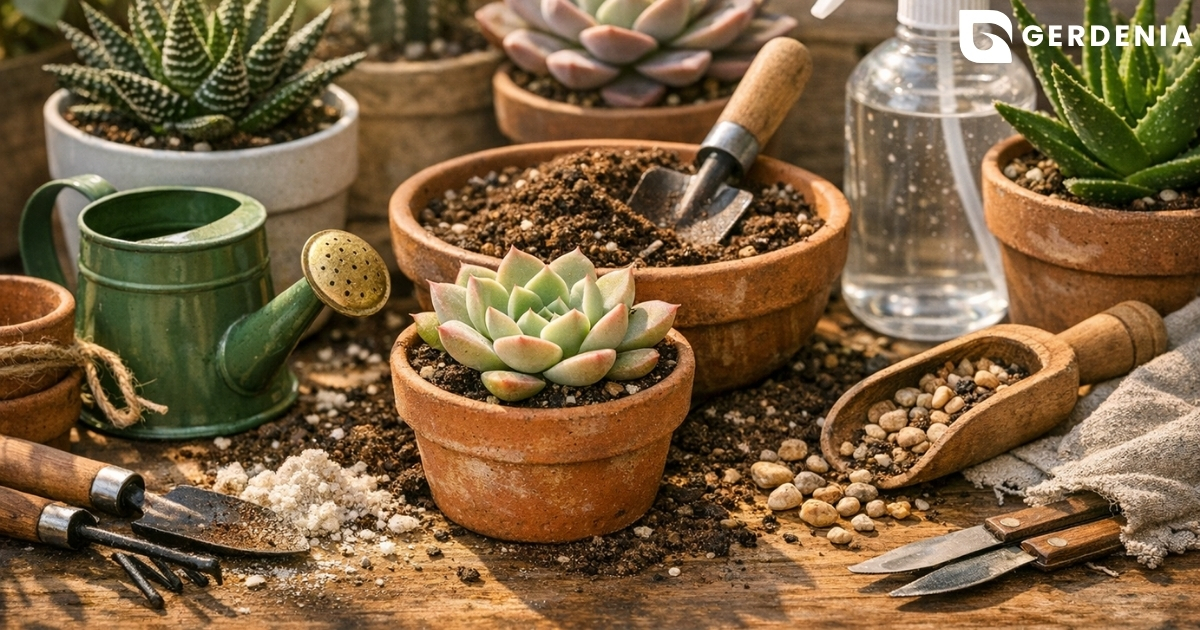
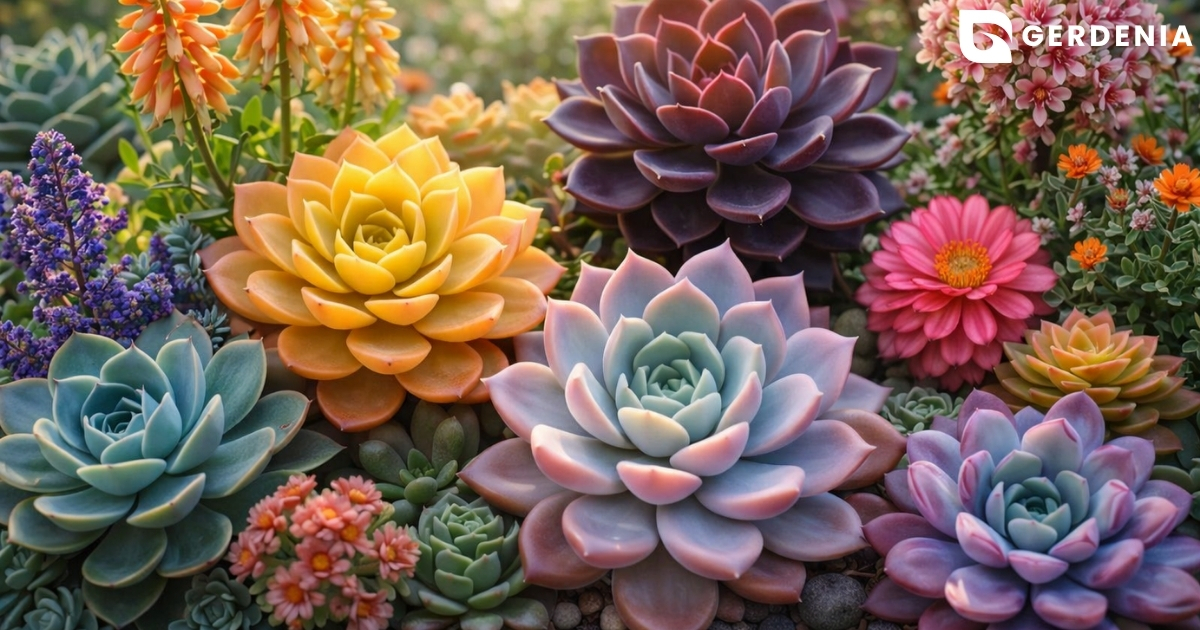
Succulents and cacti despise wet feet, making standard potter soil a fast track to mushy roots. Desert plants require a specialized home—often called a substrate—that drains instantly. While you could buy expensive specialty bags, the best potting mix for indoor plants like these is one you modify yourself. By adding “grit”—chunky materials that create massive air pockets—you ensure water flushes past without suffocating the roots.
Transforming your everyday soil saves money and only takes minutes. Just follow this simple 1-2-3 diy succulent substrate recipe:
- 1 part regular potting mix
- 1 part perlite
- 1 part coarse sand or poultry grit
Blend everything until it feels rocky rather than spongy. Once this gritty mix eventually gets old, you do not need to throw it in the trash. Safely sanitizing and reusing old growing media saves money and reduces waste.
Stop Tossing Your Money: How to Safely Sanitize and Reuse Old Growing Media
Before reusing old growing media safely, inspect it for structural breakdown. If your old potter soil has turned into a dense, dusty paste, it will suffocate roots and belongs in the yard. Often, neglected dirt simply becomes “hydrophobic”—meaning it stubbornly repels water, leaving puddles sitting directly on the surface. Fix this by soaking the hardened chunk in a bucket of warm water until it acts like a damp sponge again.
After rehydrating, use this simple 3-step refresh to kill off lingering plant diseases and restore the nutritional pantry:
- Sift out roots: Remove dead stems and old root clumps by hand.
- Sanitize: Bake the damp soil in a sealed black trash bag under the hot sun—a natural pest-killing method called solarization.
- Re-amend with fresh compost: Stir in new nutrients and chunky perlite, which is exactly how to improve container drainage.
Breathing life back into tired pots saves serious cash. When your supplies finally run completely empty and you must buy new dirt, choosing the perfect bag guarantees a healthy foundation.
Your Success Roadmap: Choosing the Perfect Bag Every Time
You now know potter soil is far more than just dirt. When hunting for the best soil for container planting at the garden center, confidently skip the heavy backyard dirt. Instead, give the bag a lift to check its weight, read the label for included fertilizers, and look for those fluffy white specks of perlite.
Your next success begins the moment you repot. Whether choosing the best potting mix for indoor plants or patio containers, you know exactly when to mix in extra perlite for drainage or add fertilizer to feed hungry roots.
A true green thumb simply grows from a healthy foundation. By focusing on building a comfortable, airy home for your roots rather than just filling a pot, you guarantee a thriving environment for your plants. Grab your gloves and confidently get your hands dirty.