
For centuries, long before synthetic fertilizers, gardeners looked to the sky to sow their seeds. Have you ever wondered why your tomatoes sprout overnight some years, while other times they languish in the dirt? This timing wasn’t magic, but rather a practical method of tracking moisture using moon signs for planting.
According to the Old Farmer’s Almanac, this historical practice relies on a natural rhythm acting like the Earth’s breath. Just as ocean tides rise, lunar gravity exerts a subtle pull on groundwater throughout the planting moon cycle. Imagine the soil as a giant sponge; as the Earth “exhales,” water is drawn directly to the surface to hydrate thirsty seeds.
Looking past nighttime illumination reveals gravity’s hidden tug on plant sap, the true driver of lunar plant growth. While bright moonlight gives leaves extra energy, it is the gravitational pull that actively draws moisture upward through the stems. Recognizing this physical connection explains why nature’s rhythm acts as the ultimate biological timer for a successful harvest.

How the Waxing Moon Boosts Your Leafy Greens and Flowers
Right after the dark of the sky passes, a garden enters its most dynamic period of growth. Building on the foundation of new moon planting, the following two weeks form the “waxing” phase, where the moon grows visibly larger and brighter each night. Think of this cycle as a simple natural formula: more light equals more leaves, giving seeds the steady energy they need to push up through the soil.
Moisture plays a hidden but vital role during this expanding window. Just as ocean tides swell, the increasing lunar gravity pulls water upward into the topsoil. This subtle rise in moisture creates the ideal McDonald Almanac planting days above ground, ensuring tiny seeds germinate quickly and delicate seedling transplants settle into their new beds with maximum vigor.
Choosing the right plants for this two-week stretch guarantees a better harvest. You want to focus exclusively on crops that produce their edible parts in the air rather than under the dirt, specifically targeting leafy greens and waxing moon cycle favorites:
- Lettuce
- Spinach
- Broccoli
- Kale
- Cabbage
Watching these leafy vegetables thrive on that upward surge of water proves that traditional timing still matters in a modern backyard. Once the sky reaches its brightest peak at the Full Moon, that upward momentum shifts back down into the earth.
The Waning Moon Secret for Robust Root Crops and Bulbs
After this brilliant peak, the garden breathes out. Planting by the full moon marks a turning point where visible light begins to shrink—a period called the waning phase. As lunar gravity decreases, water previously pulled into the topsoil settles back deep into the earth. This downward flow pulls plant energy away from the leaves and channels it directly into the root system.
Because moisture focuses below the surface during these two weeks, moving established plants into new beds becomes much easier. The downward draw of water significantly reduces transplant shock while helping new roots anchor securely. Naturally, this underground environment makes planting root crops during waning moon cycles incredibly effective for robust bulb development. Focus your efforts on these subterranean favorites:
- Carrots
- Beets
- Potatoes
- Onions
Toward the end of this darkening cycle, sap flow drops to its absolute lowest point. This drier internal state dictates exactly when to harvest seeds for maximum viability, allowing them to cure perfectly without excess water causing rot. While lunar light controls this vertical moisture rhythm, the specific zodiac constellation the moon passes through adds another vital layer of influence.
Sorting Fertile Earth Signs from Barren Fire Signs for Maximum Growth
While lunar gravity pulls moisture vertically through your soil, the constellation the moon visits acts like a climate filter. Think of it as a subtle temperament shift happening every few days. Distinguishing water signs from fire signs for gardening reveals this natural, invisible cycle of wet and dry environments.
Traditional almanacs divide the zodiac into four natural elements, grouping them into “fertile” and “barren” categories based on how they influence this moisture. These damp, fertile windows naturally create the best zodiac signs for transplanting seedlings without triggering transplant shock. You can easily plan your garden tasks around this basic elemental breakdown:
- Water and Earth (Fertile): Mimicking a cool, damp sponge, these signs are highly productive. Utilize these fertile earth signs for seed starting and establishing thirsty root crops.
- Air and Fire (Barren): Acting like a hot, dry breeze, these periods lack the necessary surface moisture to support new life, often causing newly sown seeds to languish.
Ignoring these elemental shifts often explains mysterious garden failures where high-quality seeds simply refuse to sprout. Because barren periods temporarily reduce available moisture in the topsoil, they deprive delicate new roots of the gentle hydration they desperately need to anchor securely.
Fortunately, these dry windows are certainly not wasted time for a proactive grower. Since unwanted growth struggles to survive these exact same harsh conditions, barren periods offer a clever seasonal strategy for garden maintenance.

Why You Should Weed and Prune During ‘Barren’ Moon Signs
Every frustrating garden chore becomes significantly easier when you use natural growth suppression to your advantage. In the practice of moon gardening, dry periods aren’t a setback—they are a strategic tool. When the moon passes through Air or Fire constellations, reduced moisture makes it incredibly difficult for vegetation to recover from damage, meaning whatever you cut back stays gone much longer.
To maximize this seasonal advantage, you can shift your focus away from planting and tackle your maintenance checklist instead. Channel your energy into these three specific tasks during dry lunar phases:
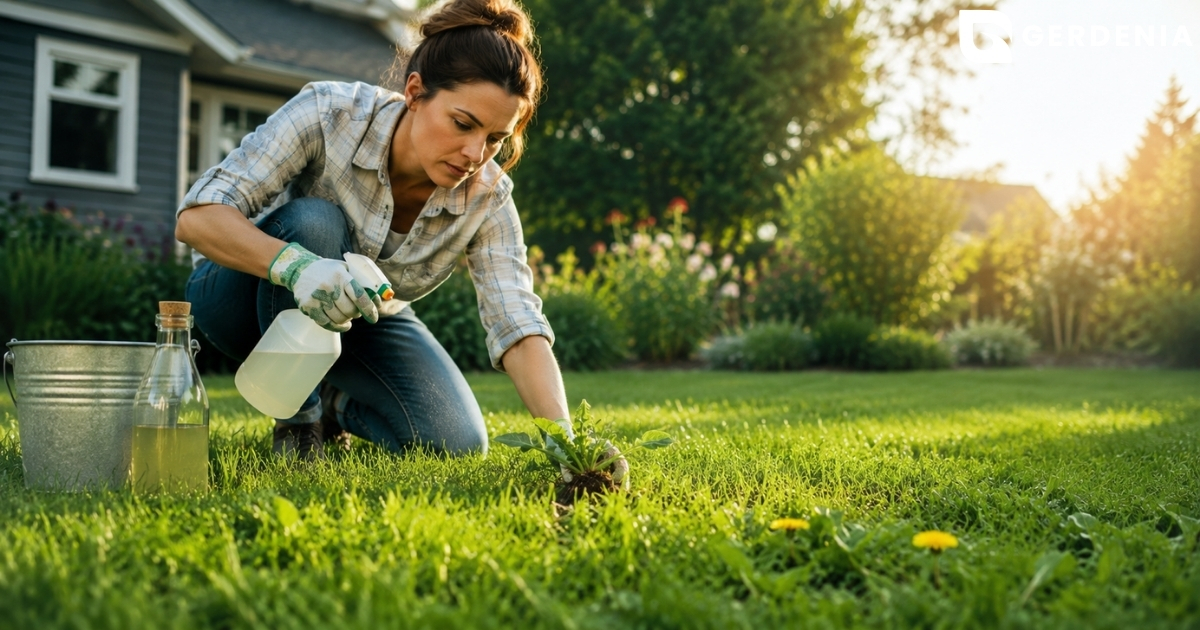
- Weeding: Uprooting invasive plants near the New Moon ensures their exposed roots dry out quickly in the sun instead of easily re-rooting in damp soil.
- Pest Control: Utilizing barren signs for weeding and pest control works beautifully because insects find less hydration in the foliage, making natural sprays and treatments more highly concentrated and effective.
- Wood Cutting: With internal sap flow at its lowest point, this is the optimal time to prune fruit trees if your goal is to control their size rather than encourage new, messy shoots.
Saving time and backache is the ultimate reward of timing your destruction just as carefully as your planting. Of course, keeping a mental record of these invisible celestial shifts isn’t practical; utilizing the McDonald Almanac or a modern lunar calendar simplifies the process.
Navigating the McDonald Almanac and Modern Lunar Calendars
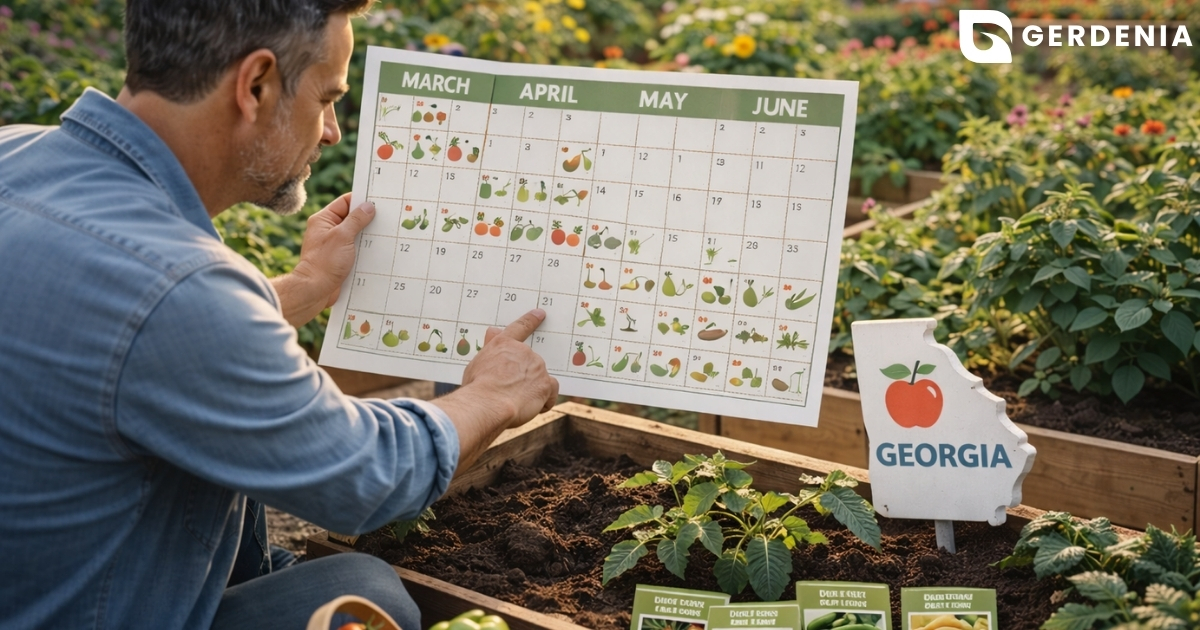
Making a lunar gardening calendar for beginners work for your backyard feels like cracking a code until you spot the two moving parts: light and constellation. The light phase reveals whether the earth’s internal moisture is rising or falling like a tide. Simultaneously, the zodiac sign dictates the underlying element of that specific day.
Decoding these daily recommendations does not require an astrophysics degree. Traditional guides use simple visual shorthand, so when reading Old Farmer’s Almanac gardening tips, you will easily spot tiny zodiac icons printed right beside the waning or waxing crescents.
Translating those celestial markers into four practical categories—Root, Leaf, Flower, and Fruit days—tells you exactly what to plant. Water signs naturally govern “Leaf days,” making them perfect for thirsty spinach, while Fire signs act as dry “Fruit days” for tomatoes. Although purists might argue over comparing sidereal and tropical lunar calendars—two different methods for mapping the sky—everyday growers see immediate benefits just trusting the basic icons.
Your only real job is matching seed packets to the correct daily symbol. Once you pair the visible light with that hidden elemental pull, a confusing grid quickly transforms into a stress-free planting schedule, perfectly preparing you for turning celestial cycles into tangible harvests.

Turning Celestial Cycles into Tangible Harvests
You no longer need to guess why some seeds thrive overnight while others inexplicably stall in the soil. By tracking how “Nature’s Breath” influences gravitational pull and sap flow, you can time your sowing to natural moisture rhythms. This simple shift helps you trade frustrating guesswork for predictable growth, naturally reducing your dependency on synthetic boosters.
To integrate these biodynamic farming practices into your home garden without feeling overwhelmed, follow this simple 4-Step Lunar Garden Starter Plan:
- Check the phase: Is the moon waxing (growing) or waning (shrinking)?
- Verify the sign: Is it in a fertile water/earth sign or a barren fire/air sign?
- Match your crop: Pair leafy greens with waxing light, or root vegetables with waning light.
- Record your results: Note your planting dates in a basic garden journal.
Test this approach with just one crop this season, like your favorite tomatoes, and observe how they respond to being synced with these natural water cycles. As you begin to garden by the moon, you will start seeing the night sky differently—not just as a distant backdrop, but as a steady companion guiding your hands in the dirt.