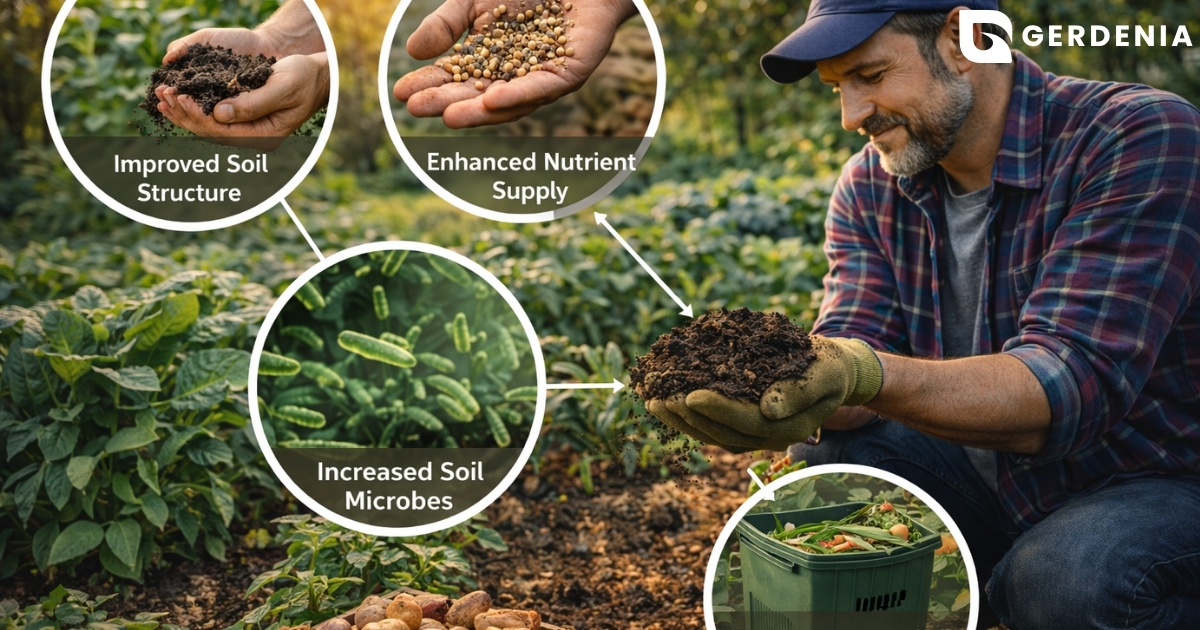
You bought the expensive seeds, planted them in the sun, and watered faithfully, but your garden still looks tired. It is incredibly frustrating when you provide the basics, yet your tomatoes refuse to thrive. The secret to a flourishing backyard isn’t found in a magic seed packet or a strict watering schedule. Instead, the real magic happens deep down in the “skeleton” of your garden: the soil.
Most people assume the quickest way to fix sad plants is by pouring on a liquid fertilizer. Think of your dirt as a kitchen pantry. Fertilizer acts like a quick energy drink for the plant, but soil amendments for gardens are the actual groceries we use to restock the shelves. If your pantry is completely empty, a vitamin pill won’t help you cook a great meal.
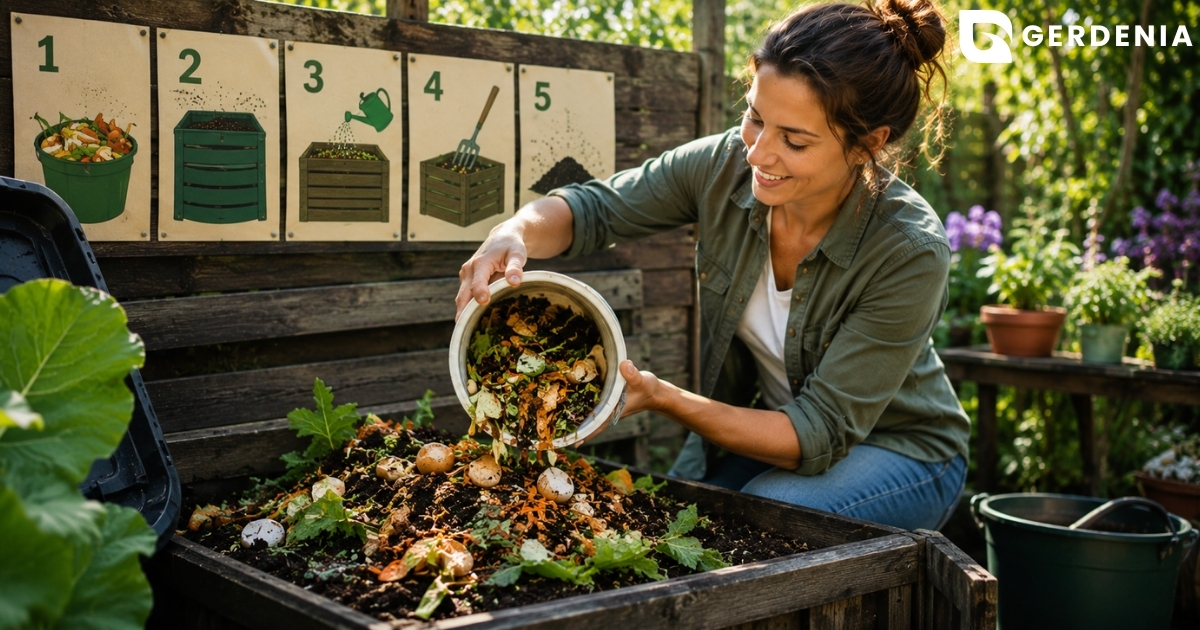
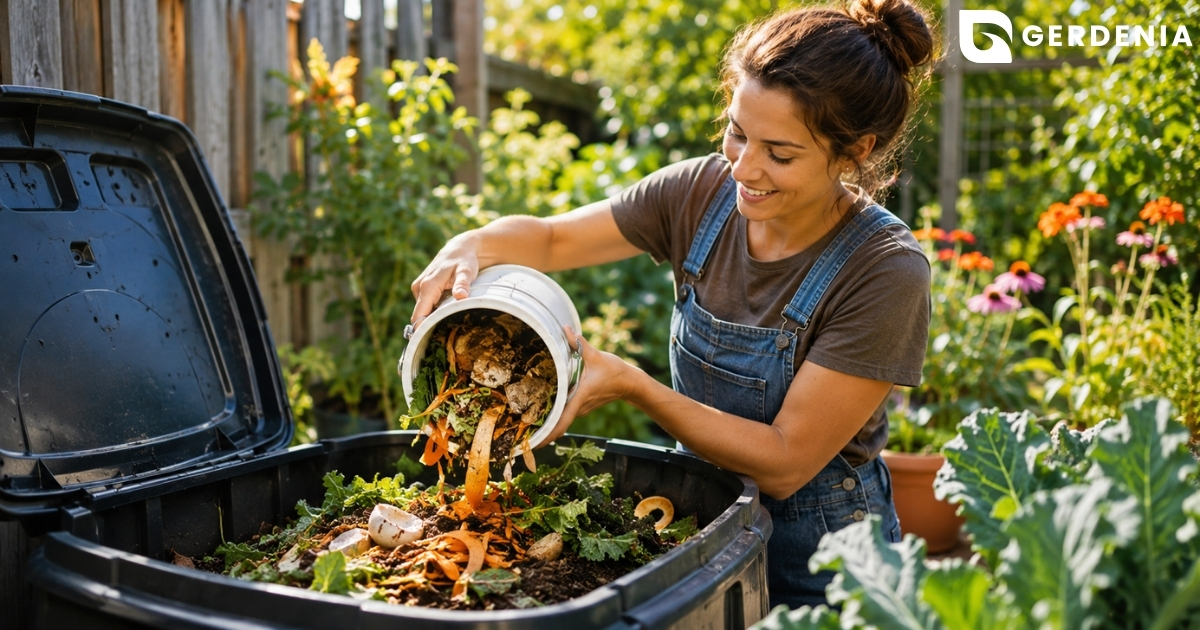
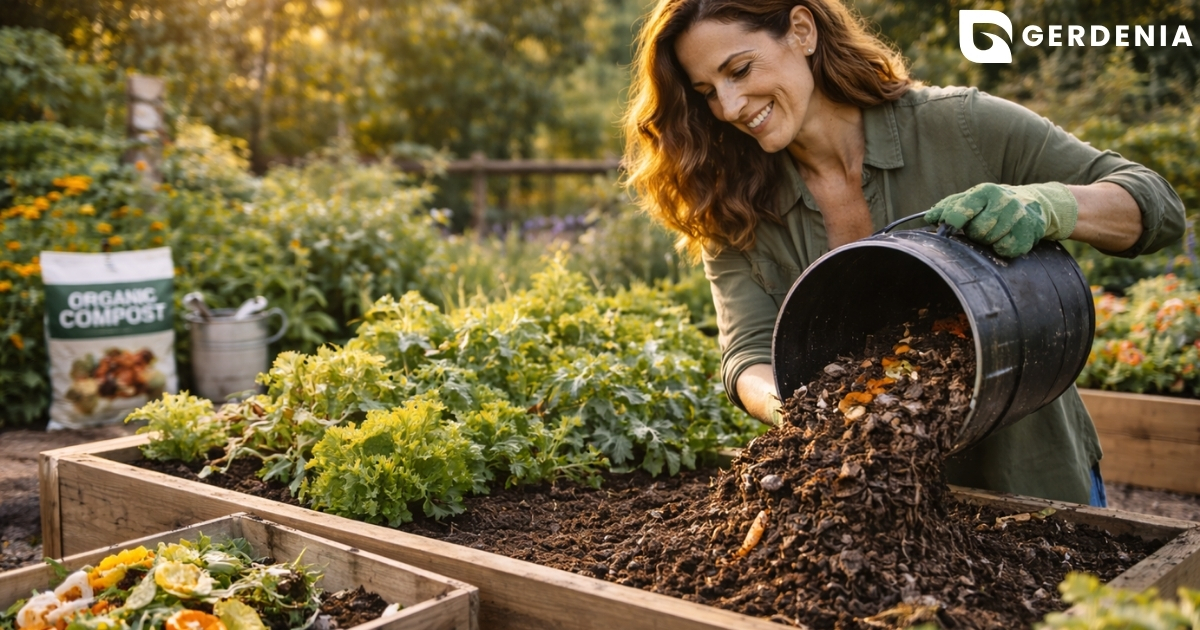
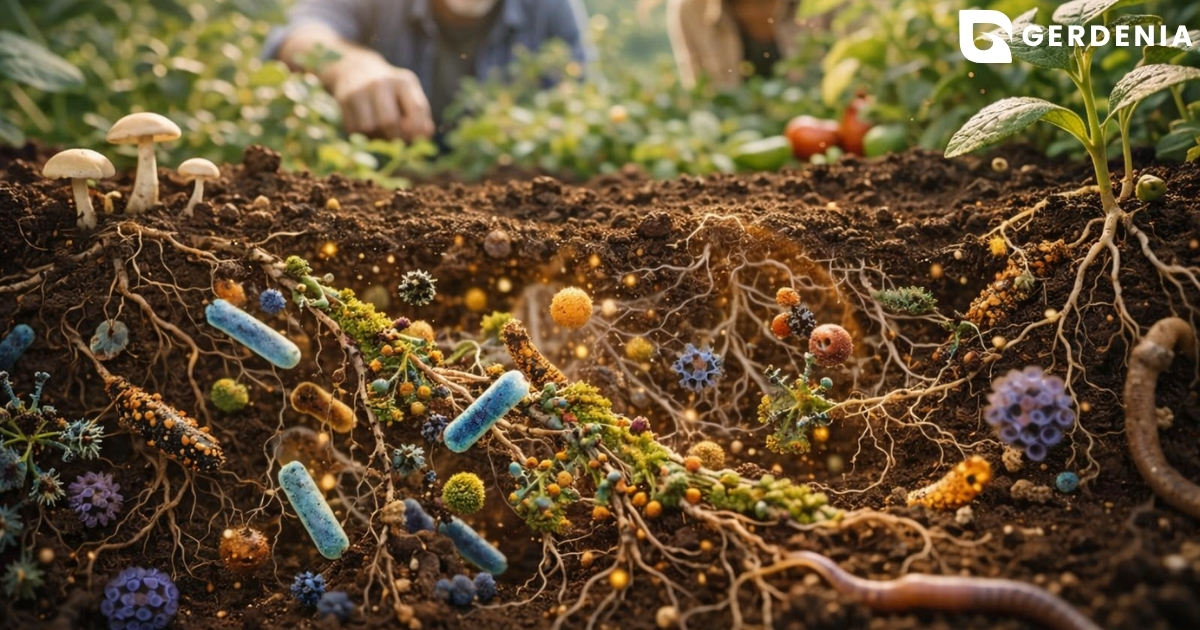
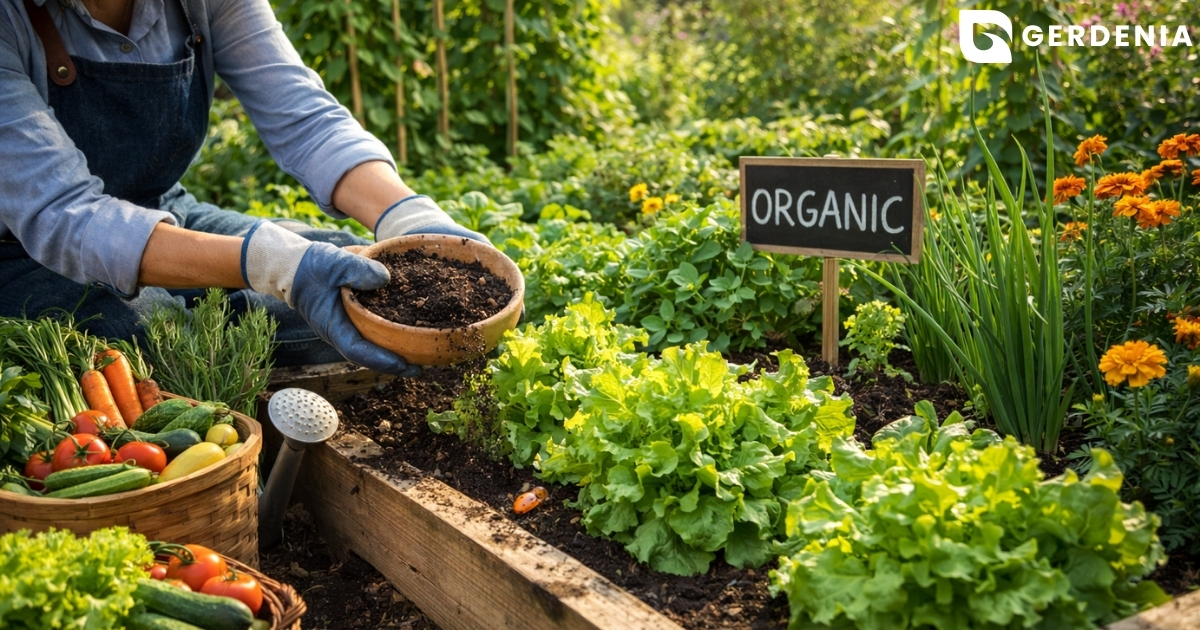
According to experienced nursery growers, pouring fertilizer into hard, compacted dirt is like pouring water onto a brick. Healthy dirt is actually a bustling, living ecosystem filled with earthworms and helpful microbes. When you mix garden amendments—like rich compost—into the earth, you give that ecosystem room to breathe. They build long-term infrastructure, acting like a sponge that holds onto moisture so roots can drink deeply between rainstorms.
Transforming a struggling flower bed requires a shift from quick chemical fixes to building a lasting foundation. By choosing the right soil enrichment products, you are permanently changing the physical health of your yard. While it takes a little elbow grease upfront, this approach guarantees fluffier earth, vibrant green leaves, and far less watering year after year.
The 5-Second Squeeze Test: Identifying Your Garden’s “Personality”

Water pooling on top of flower beds or tomatoes wilting just hours after watering are common garden frustrations. Knowing when to water is only half the battle; the real secret lies in the physical makeup, or texture, of your dirt. Before buying heavy bags of compost, you need a quick garden soil assessment to see what you are actually working with.
The easiest way to check this is the “squeeze test.” Grab a handful of damp dirt and squeeze it tightly. If it forms a sticky ball that refuses to break apart, you have clay, meaning your focus will be improving drainage in clay soil so plant roots can breathe. If the dirt immediately slips right through your fingers, you have sand. Fixing sandy soil simply involves adding organic materials to help it hold moisture like a sponge.
What every gardener hopes for is “loam,” a perfect middle ground that holds its shape when squeezed but crumbles with a light poke. Once you know your soil’s personality, you can choose the right groceries to restock its pantry.
Amendments vs. Fertilizers: Is Your Soil a Meal or a Vitamin?
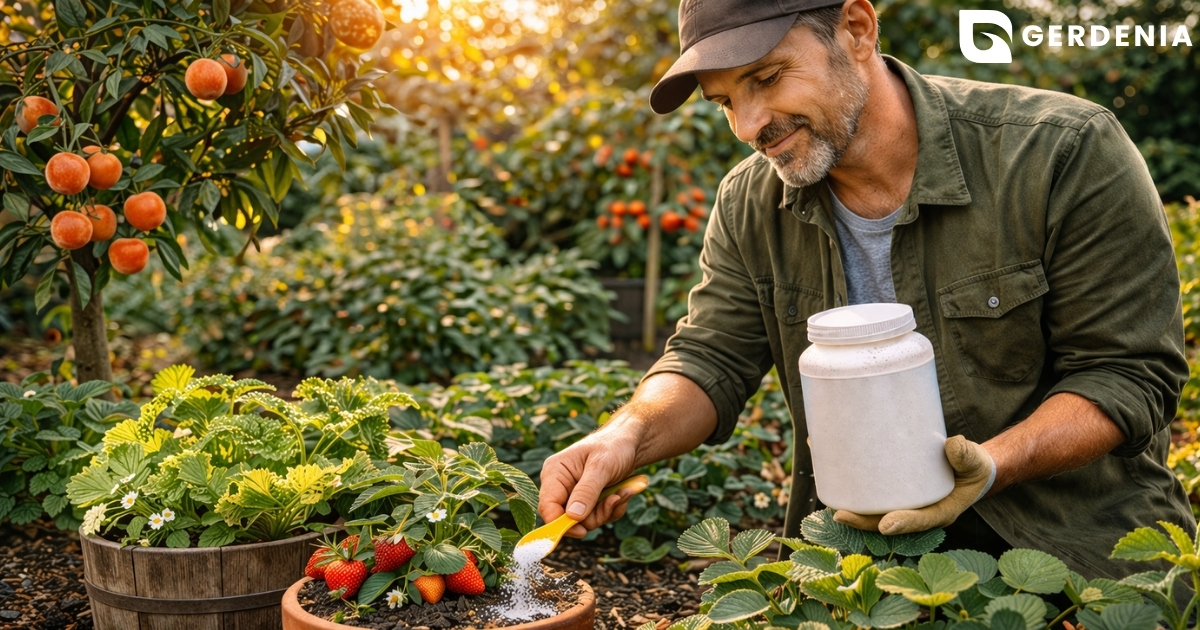
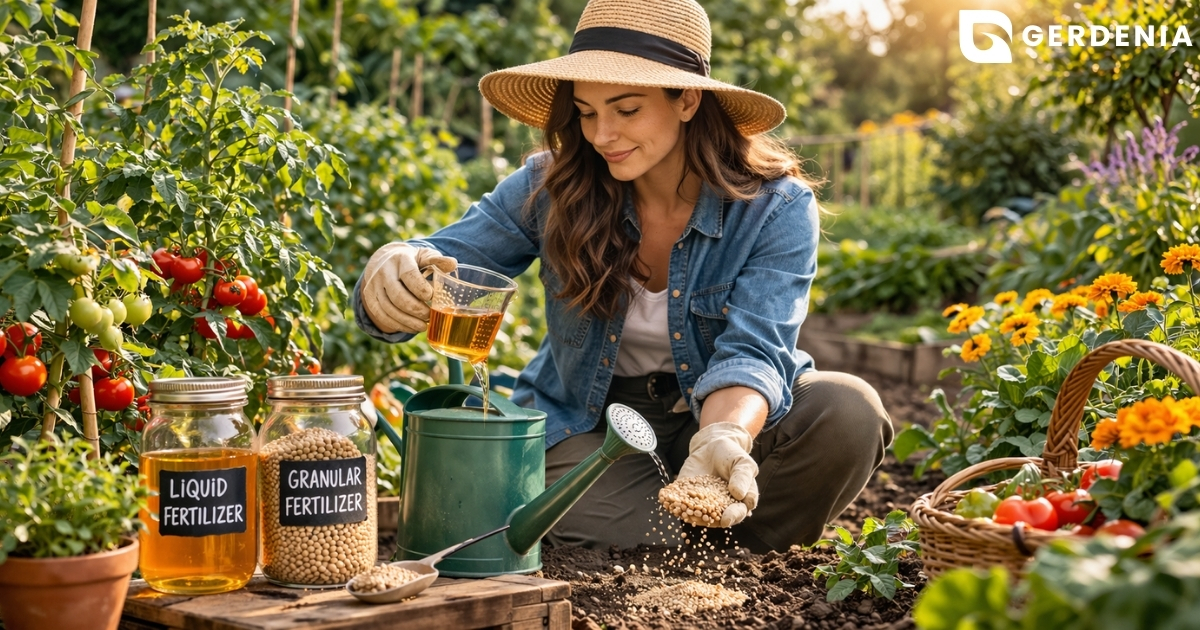
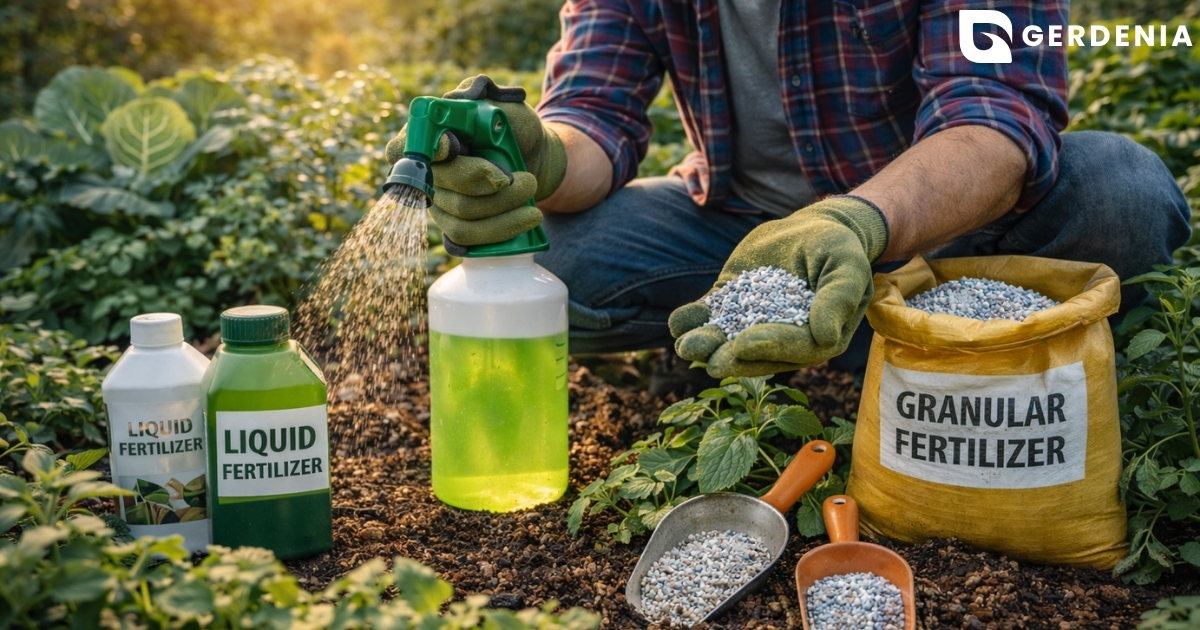
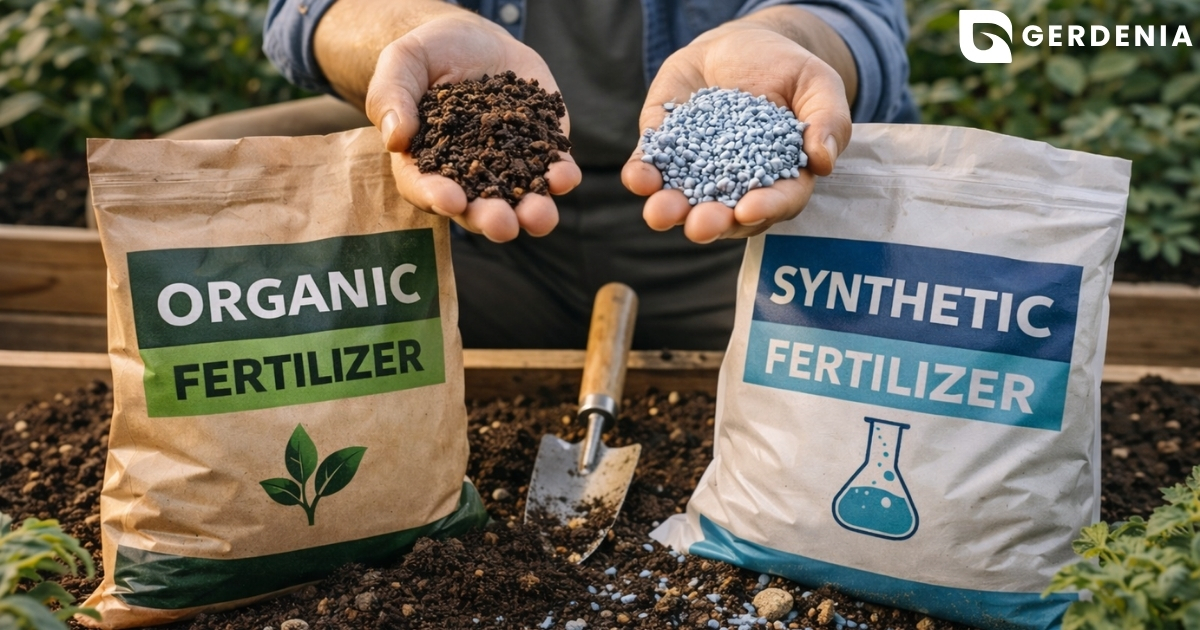
Wandering the garden center aisles, you might wonder whether to buy a fertilizer or an amendment. Fertilizers act like a daily vitamin pill, offering a fast burst of nutrients directly to the plant. Conversely, soil additives like compost act as the actual pantry, rebuilding the dirt so it feeds your plants naturally.
Investing in this pantry saves money thanks to Cation Exchange Capacity—think of it simply as your garden’s nutrient-holding power. When you use soil supplements to improve this holding power, your beds grab onto rain and nutrients instead of letting them wash away. Whether evaluating synthetic vs organic soil conditioners, building this physical structure means you will buy significantly less fertilizer in the future.
To summarize the difference, keep this quick comparison in mind:
- Speed: Fertilizers act fast; amendments work slowly.
- Purpose: Fertilizers feed the plant; amendments improve the soil.
- Impact: Fertilizers are a short-term fix; amendments create permanent change.
Once the pantry is ready, you must choose the right staples for your beds.
Compost or Manure? Choosing the Right “Groceries” for Your Beds
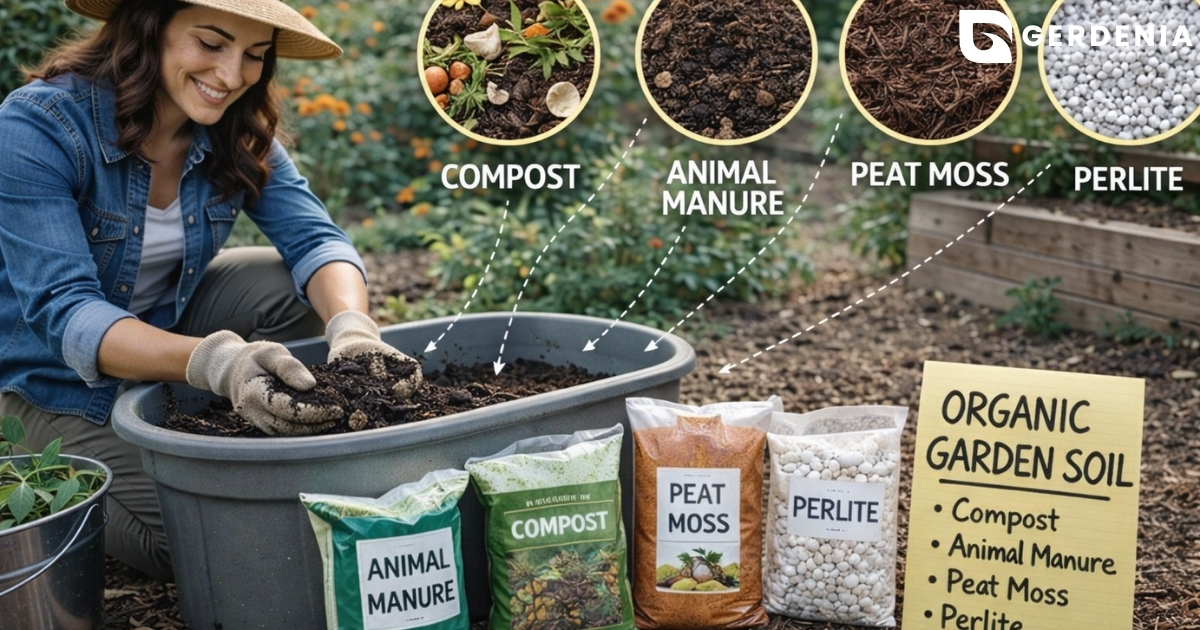
Standing in front of stacked bags at the garden center, the choice between compost and manure often feels overwhelming. Both are fantastic natural soil amendments that act as the staple “groceries” your soil needs to thrive. While they look similar, they behave differently underground.
To pick the right ingredient, consider these pros and cons of compost vs manure for gardens:
- Compost: Extremely safe and weed-free, this dark mix provides a steady nutrient supply and beautifully improves moisture retention.
- Manure: Delivers high nitrogen for fast green growth, but un-aged versions carry potential weed seeds and pathogens.
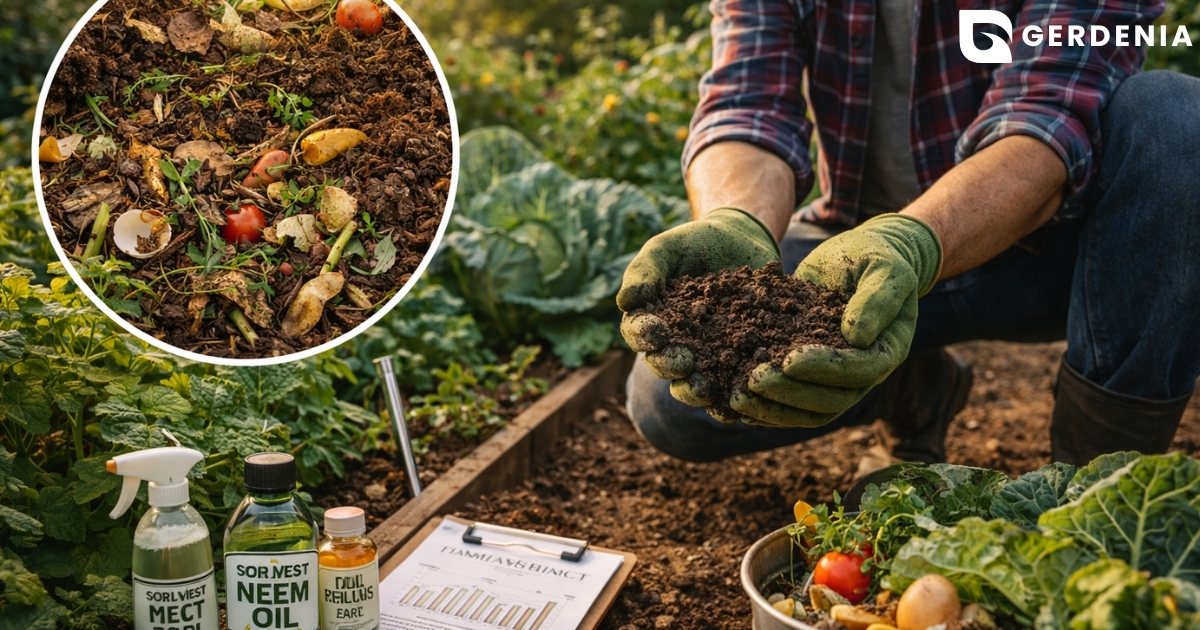
Tomato leaves crisping right after feeding is a classic sign of “nutrient burn,” caused by applying raw, “hot” manure directly to delicate roots. When adding organic matter for vegetable beds, only use aged or composted manure to protect your plants and eliminate harmful bacteria. Likewise, ensure your yard compost is “finished.” It should smell sweetly of a fresh forest floor—never sour—and original ingredients like banana peels shouldn’t be recognizable.
Stocking your garden pantry with these rich ingredients ensures a healthier harvest. However, even the best groceries won’t help if your bed is too dense for roots to spread. Dense, hard-packed earth requires physical intervention.
Turning “Brick” into “Cake”: Loosening Heavy Clay Soil

Watching puddles sit on your garden bed for hours after rain is a classic sign of heavy clay. This dense dirt acts like concrete, but plant roots actually need tiny air pockets to breathe. By focusing on aeration—giving the soil room to breathe—you create these essential gaps. Otherwise, roots simply suffocate, making improving drainage in clay soil your top priority.
To fix this dense “brick,” you need specific ingredients like gypsum and bulky organic soil additives. Gypsum is a handy mineral that gently pulls tightly bound clay particles apart, while aged compost props those newly created spaces open like tiny sponges. However, never step on or dig into wet clay while mixing these in. Working wet dirt causes severe soil compaction, instantly squeezing all the precious air back out of your garden.
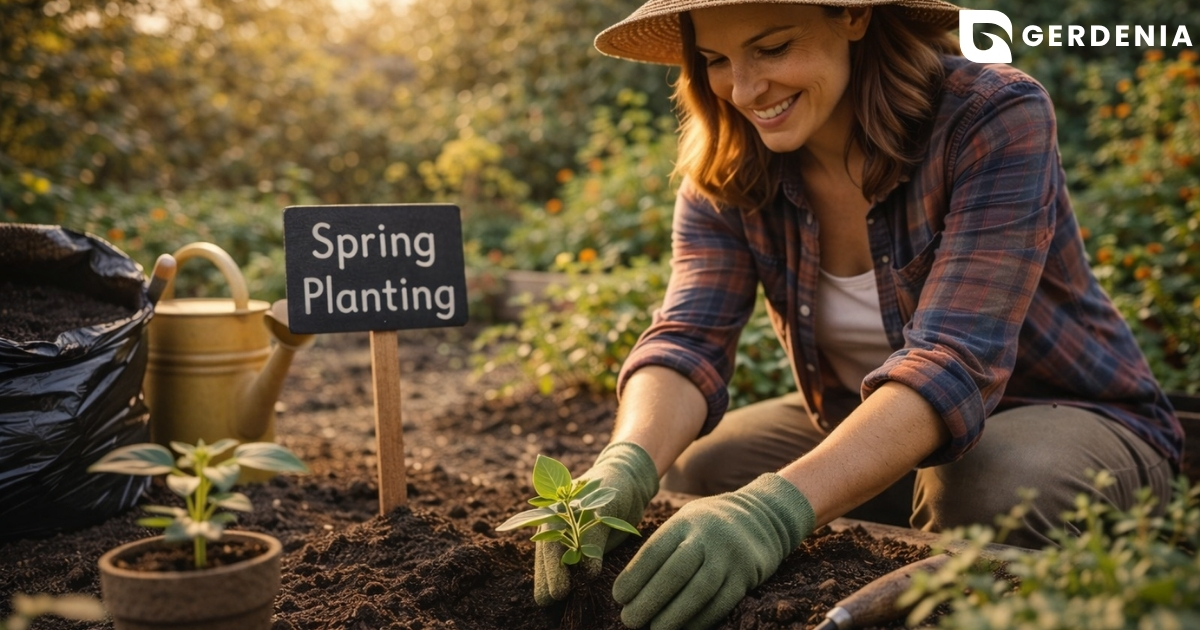
Instead, wait until the ground is barely moist, then gently fold these soil amendments for vegetables into the top few inches with a garden fork. This gentle “fluffing” technique protects your new air pockets so roots can finally stretch. A breathable bed prepares plants to feast, but sometimes their food remains locked away due to chemical imbalances.
Unlocking the Nutrient Gate: Balancing Your Soil’s pH with Lime
Faithfully fertilizing tomatoes only to watch them stay stunted points to a locked pantry door. Soil pH acts as the ultimate gatekeeper for your garden. If this chemical balance is off, roots simply cannot absorb the meal you just served them.
Checking this invisible lock requires a basic test kit from any local nursery. The scale runs from zero to fourteen, with most vegetables thriving near a neutral 6.5. When numbers dip much lower, the ground becomes too acidic, physically trapping vital minerals. Suddenly, you find yourself treating nutrient deficient earth, despite having plenty of fertilizer sitting uselessly right there in the dirt.
To open these stubborn gates, experienced gardeners rely on a natural crushed rock called lime. This common amendment gently “sweetens” sour dirt, raising the number on the scale so roots can finally eat. Correcting soil pH levels with lime essentially rescues that trapped food and hands it directly back to your struggling plants.
Because this rock takes months to completely dissolve, knowing when to add lime to garden beds guarantees your timing is right. Spreading it during fall or winter perfectly prepares the ground for a lush spring planting. An unlocked pantry door allows plants to eat, provided they have an active workforce to process those meals.
The “Internet” of the Garden: Boosting Microbial Activity and Using Biochar
You might think of dirt as just a quiet place to anchor roots, but healthy ground actually functions like a bustling microscopic city. The star workers are beneficial fungi called mycorrhizae, which act like an underground internet. These tiny threads attach to your plants, reaching far beyond normal root zones to deliver water and trapped food.
Encouraging this living network means you spend significantly less time hauling the watering can or applying quick chemical fixes. High microbial activity in garden soil creates a natural immune system for your flower beds, fighting off diseases without your constant intervention. To keep these microscopic helpers thriving, they simply need a permanent, safe place to live.
Enter one of the best soil amendments available today: biochar. Think of this specially baked charcoal as a permanent, microscopic apartment building for your garden’s workforce. Beyond providing a porous home that protects beneficial bugs, biochar benefits for plants include permanently locking carbon into the earth, effectively turning your backyard into a tiny environmental superhero.
Because this unique charcoal sponge resists breaking down, a single application improves your garden’s structure and drought resistance for decades. While a biological workforce handles long-term nutrient delivery, heavy dirt occasionally needs immediate physical breathing room.
Fluffing the Pillow: Why Perlite and Vermiculite Aren’t Just for Potting Soil
When surface water refuses to drain, changing the physical structure of the earth is required. While compost is fantastic, sometimes you need a permanent soil additive that won’t break down over time. This is where lightweight rock minerals step in to fluff your garden’s “pillow.”
Choosing between perlite and vermiculite depends on one simple question: do your plants need a sponge or a drain?
- Perlite (The Drain): These white, foam-like beads push heavy dirt apart to increase drainage and prevent root rot.
- Vermiculite (The Sponge): These golden flakes soak up water, providing excellent moisture retention for raised beds drying out too fast.
Fixing your beds with either mineral is surprisingly simple. Just mix a two-inch layer into the top of your garden to achieve roughly a one-to-three ratio with your dirt. Whether adding drainage for tomatoes or locking in moisture for thirsty ferns, setting up this permanent structure makes seasonal maintenance a breeze and prepares your garden for year-round success.
Your 4-Season Soil Restoration Roadmap

Instead of just looking at a patch of struggling dirt, you now have the practical tools to feed the living ecosystem beneath your feet. Applying the right soil amendments eliminates the guesswork and frees you from relying entirely on quick-fix liquid fertilizers. You finally have the power to turn hard clay or dry, sandy patches into a welcoming home for deep, healthy roots.
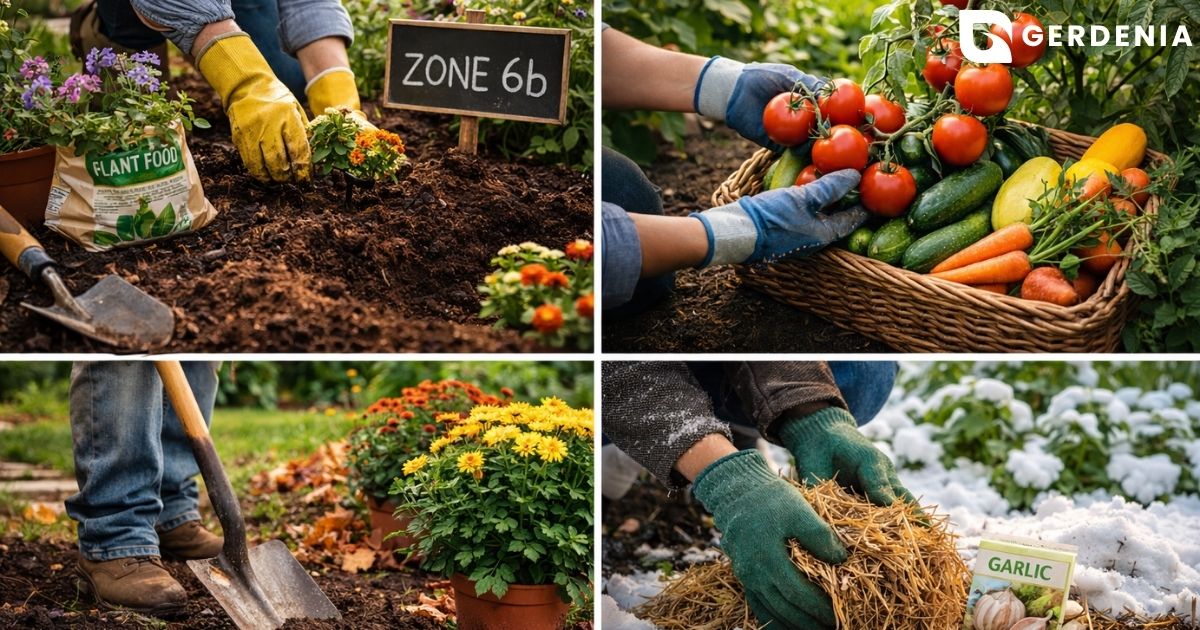
Follow this simple soil restoration checklist when preparing garden beds for spring or putting them to rest in the fall:
- Test: Do the simple squeeze test to check your soil’s texture before buying anything.
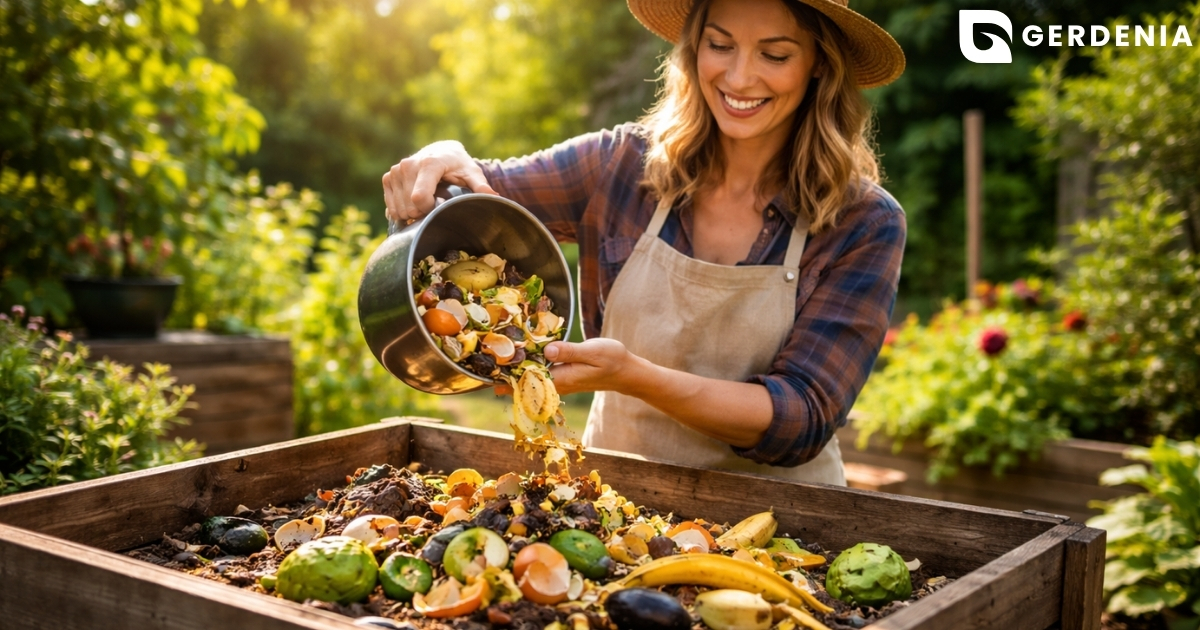
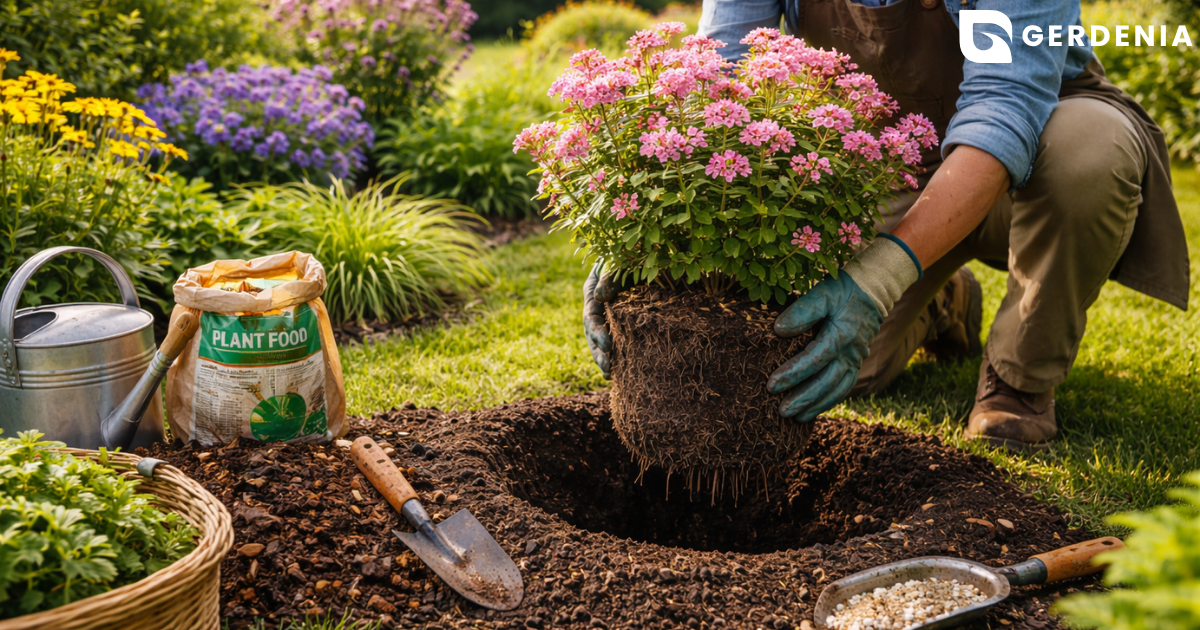
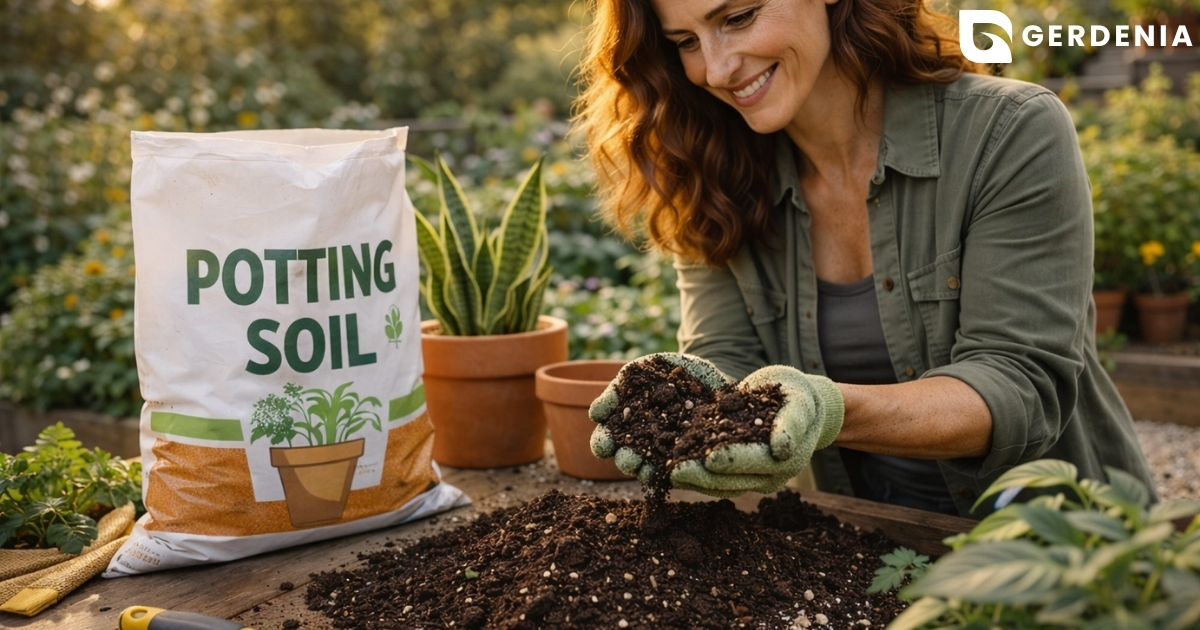
- Amend: Mix in your chosen organic matter, like compost, to build a spongy foundation.
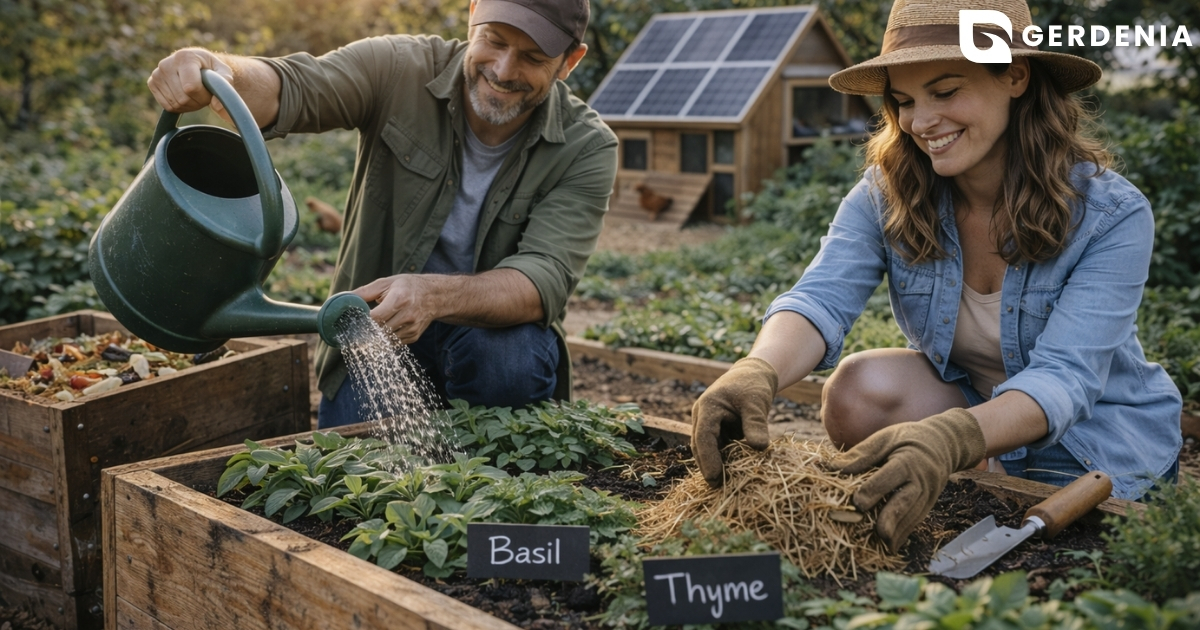
- Mulch: Spread a cozy blanket of leaves or straw over the top to lock in moisture.
- Observe: Watch for success metrics like loose earth and busy earthworm activity.
Start small by focusing on just one struggling flower bed or vegetable patch this season to see immediate results. As you improve the ground, nature will quickly show you it is working. You will begin to notice water soaking in instantly rather than pooling on top, soil that feels fluffy to the touch, and vibrant green leaves pushing upward with much less effort on your part.
Every handful of organic matter you add is a long-term investment in your backyard. By shifting your focus from simply feeding the plant to actively nurturing the dirt it lives in, you are building a resilient foundation that will reward you with bigger harvests and much less watering for years to come.