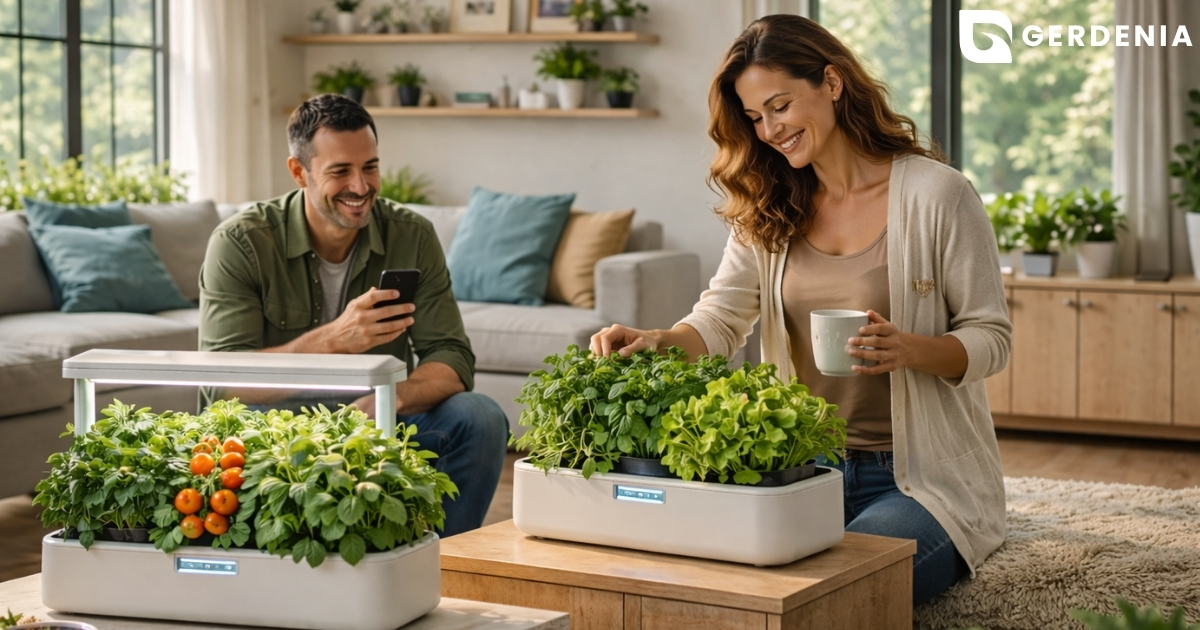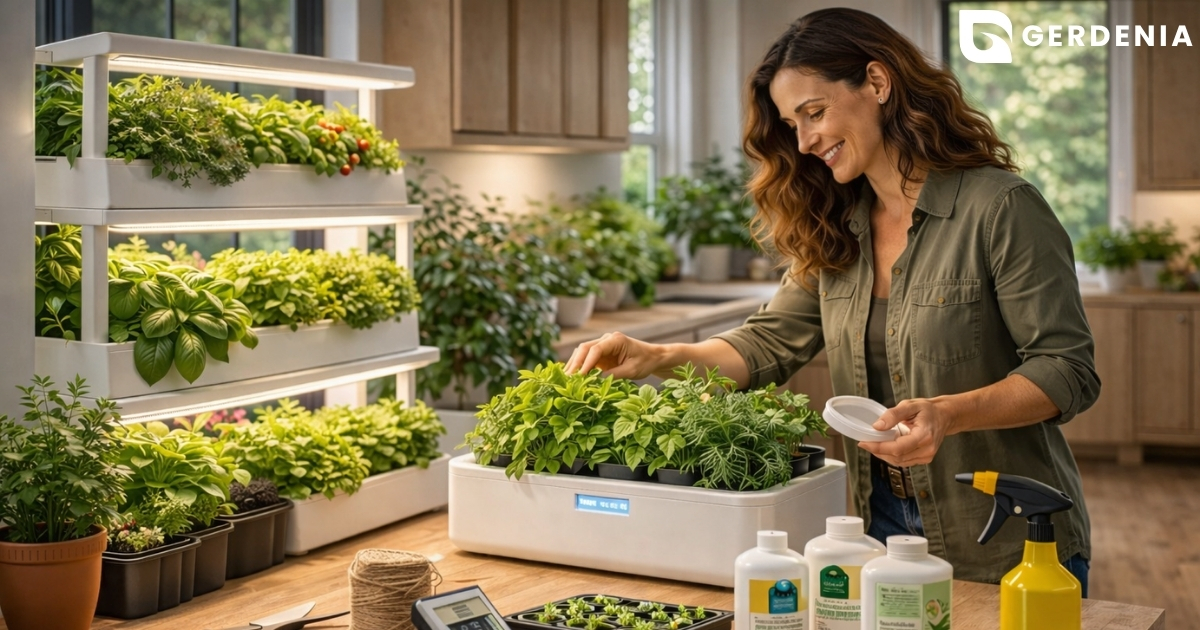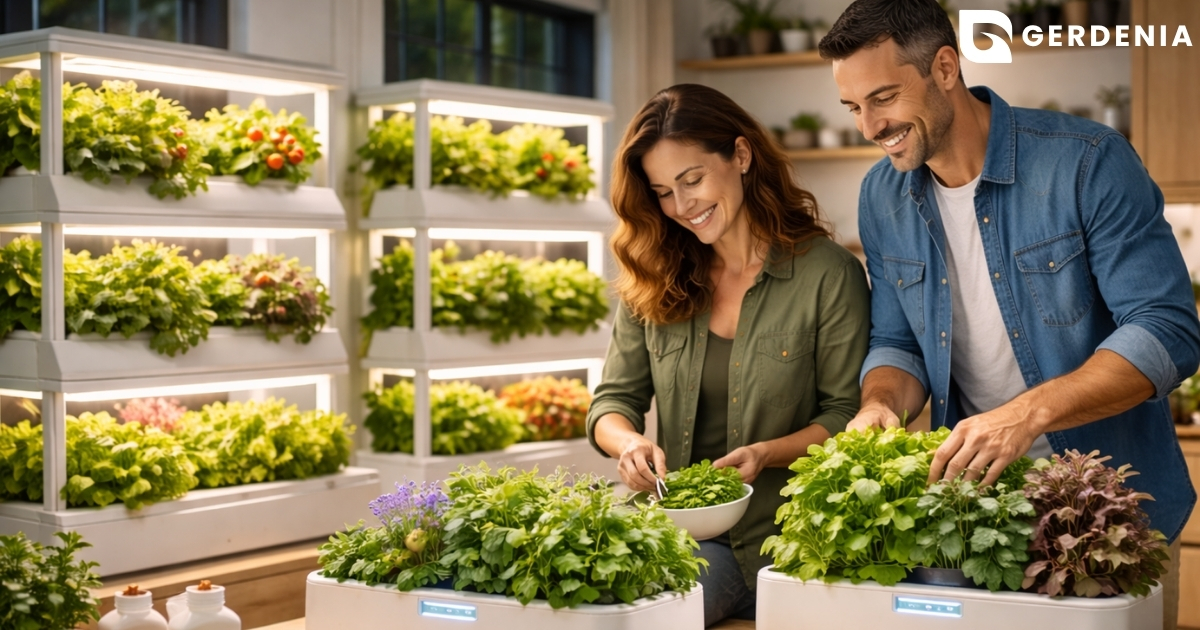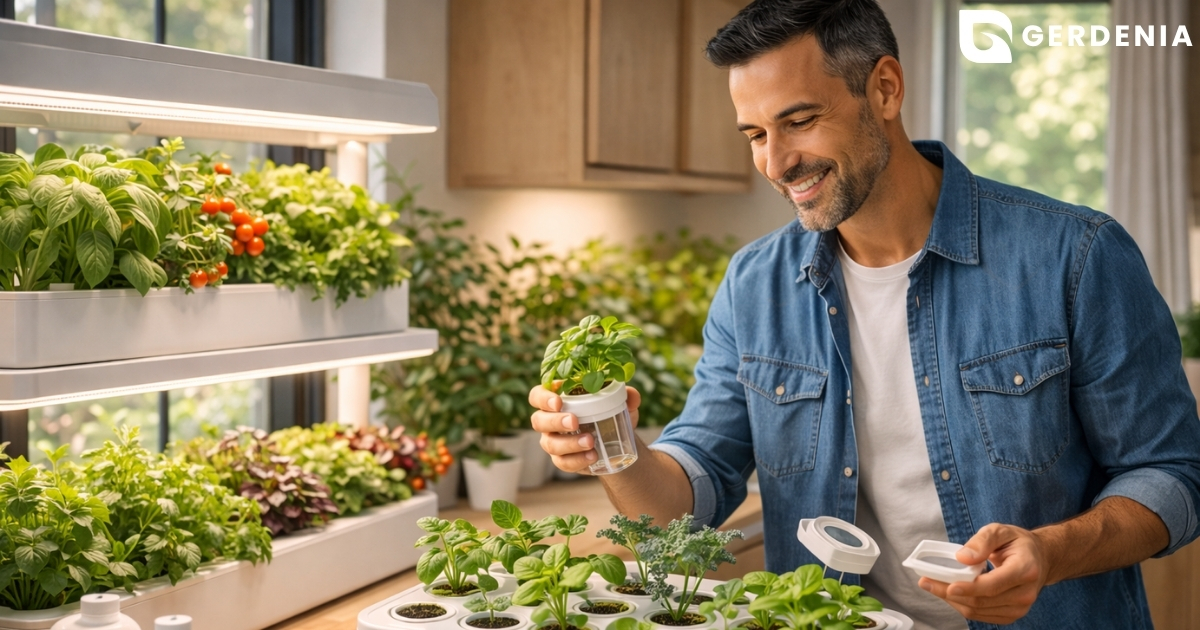
The realm of hydroponic gardening presents an innovative approach to cultivating plants without soil. This method not only challenges traditional gardening paradigms but also offers a sustainable and efficient alternative to conventional cultivation. For those intrigued by the art and science of growing plants in nutrient-rich water, this guide serves as an essential primer.

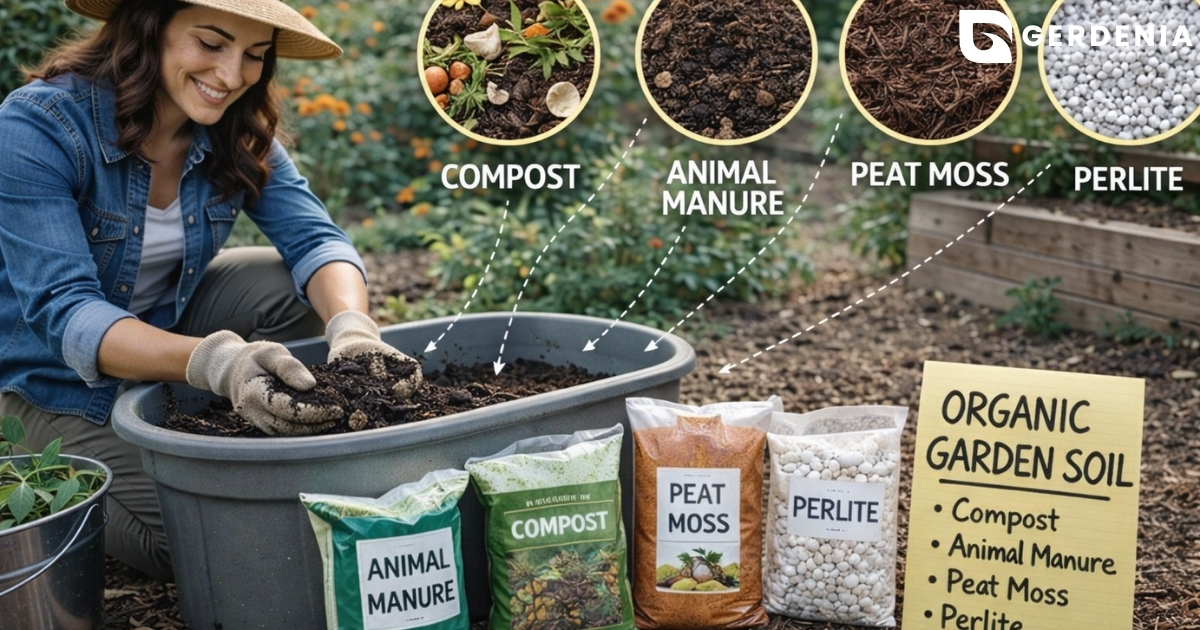
Hydroponics, at its essence, is a method of growing plants using nutrient solutions in water, without soil. The root system is supported using an inert medium such as perlite, rock wool, clay pellets, peat moss, or vermiculite. This environment allows the plant to focus on growing upwards and producing fruits or flowers, as nutrients are readily available.
The technique of hydroponics isn’t novel; it dates back to the ancient Hanging Gardens of Babylon and the floating gardens of the Aztecs. These early forms of hydroponics demonstrated the potential for soil-less cultivation in supporting plant life. In more recent history, the term “hydroponics” was coined in the 1930s by Dr. William F. Gericke of the University of California, who pioneered its use for commercial crop production. His work laid the foundation for modern hydroponics, highlighting its viability for large-scale agricultural use.
Hydroponics leverages the principle of direct nutrient uptake, bypassing the soil to deliver essential minerals directly to the plant roots. This system allows for precise control over nutrient levels, ensuring that plants receive the optimal mix for growth. By eliminating soil, hydroponics reduces the risk of soil-borne diseases and pests, creating a cleaner growing environment. This method also facilitates a deeper understanding of plant physiology and the specific requirements for growth, enabling more targeted cultivation practices.
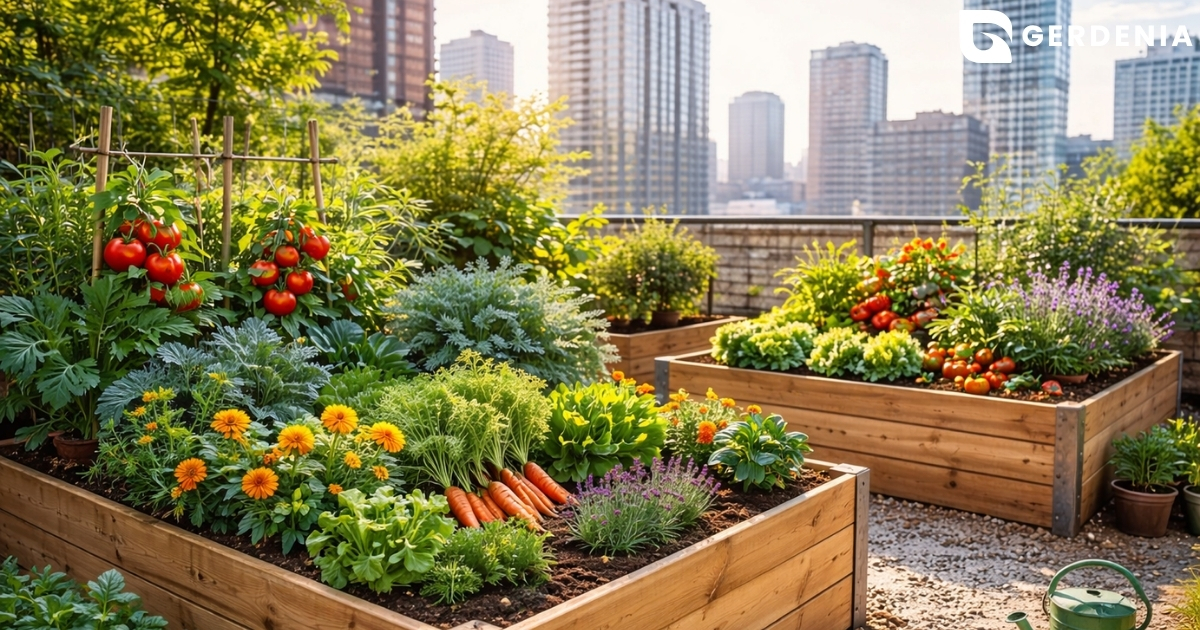
Hydroponic gardening offers numerous benefits over conventional soil-based methods. It allows for more efficient use of space, particularly in urban environments where outdoor land is scarce. The water conservation aspect is significant, as hydroponics uses up to 90% less water, making it an eco-friendly choice. Additionally, the controlled environment of hydroponic systems leads to faster growth rates and higher yields, as plants are not subjected to the variables of outdoor weather conditions.
Why choose hydroponics over traditional methods? Here are some compelling reasons:
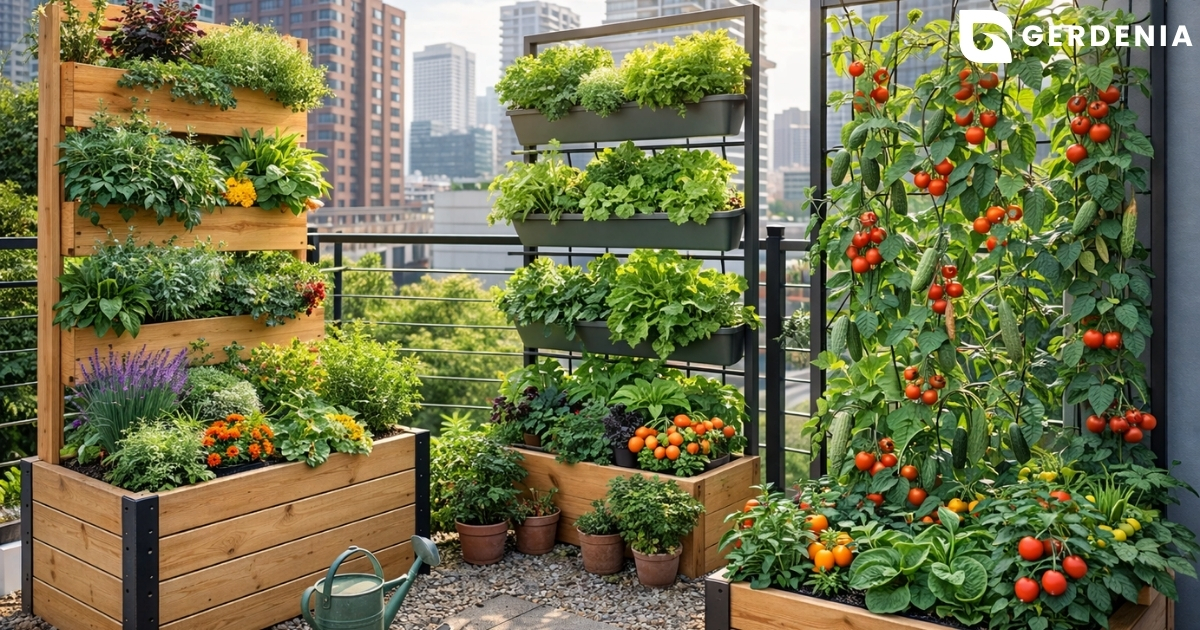
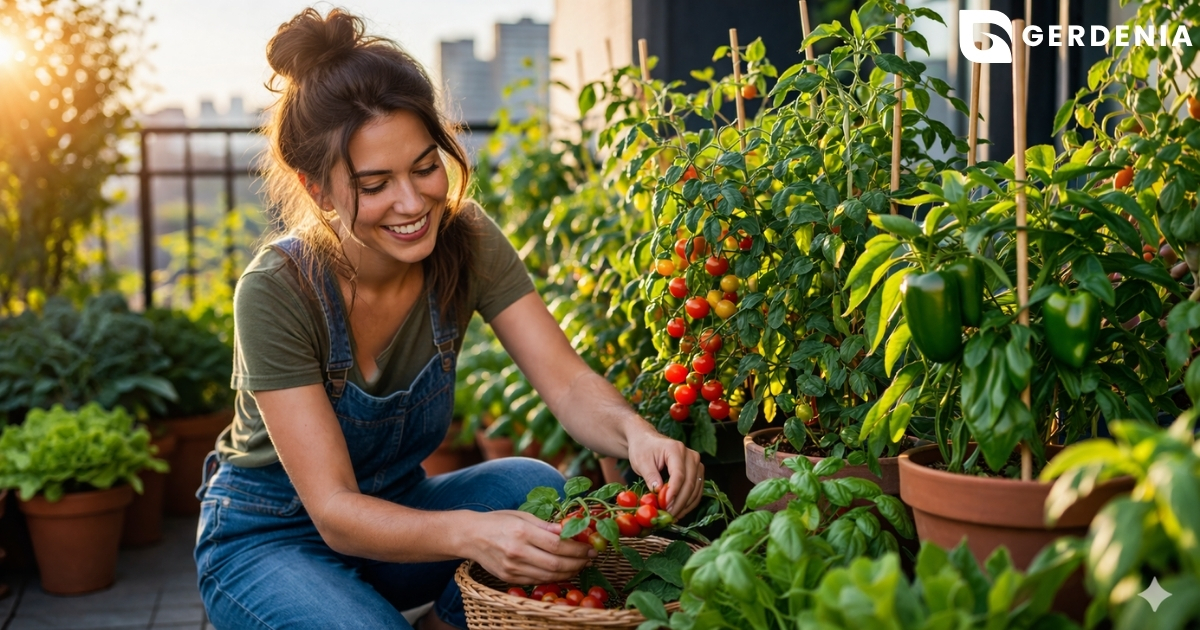
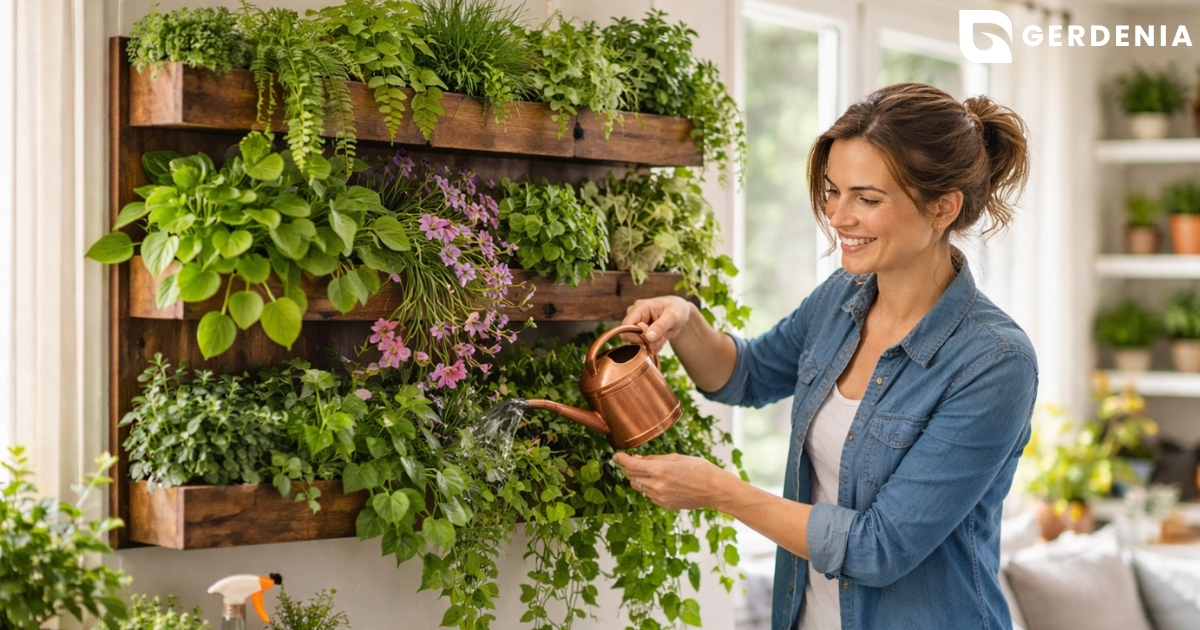
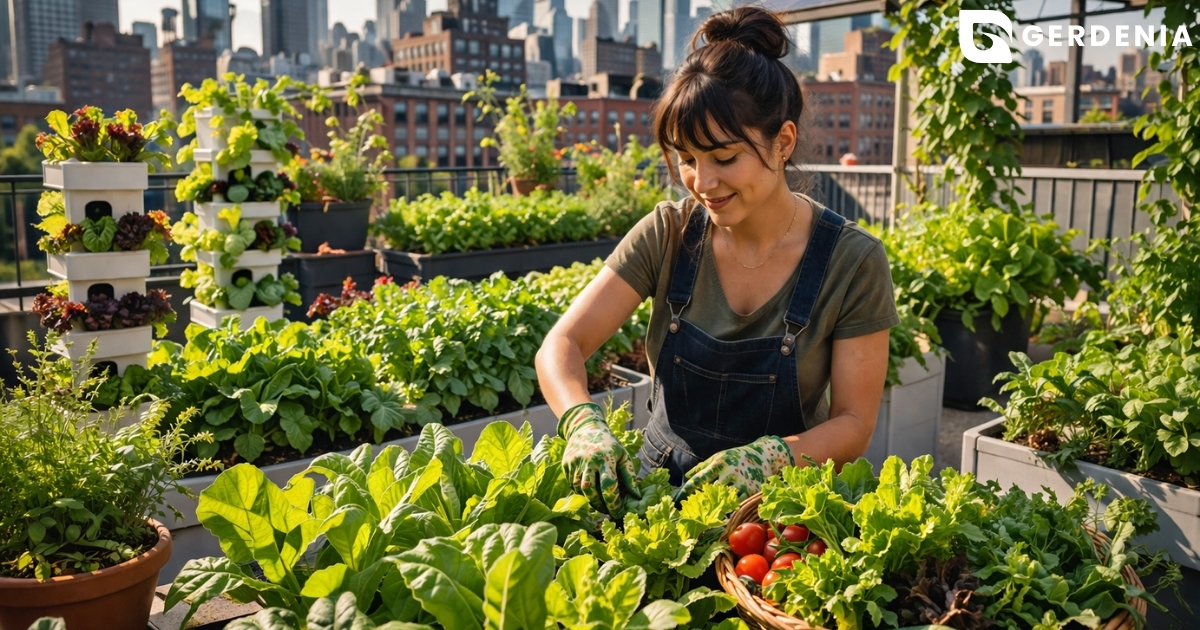
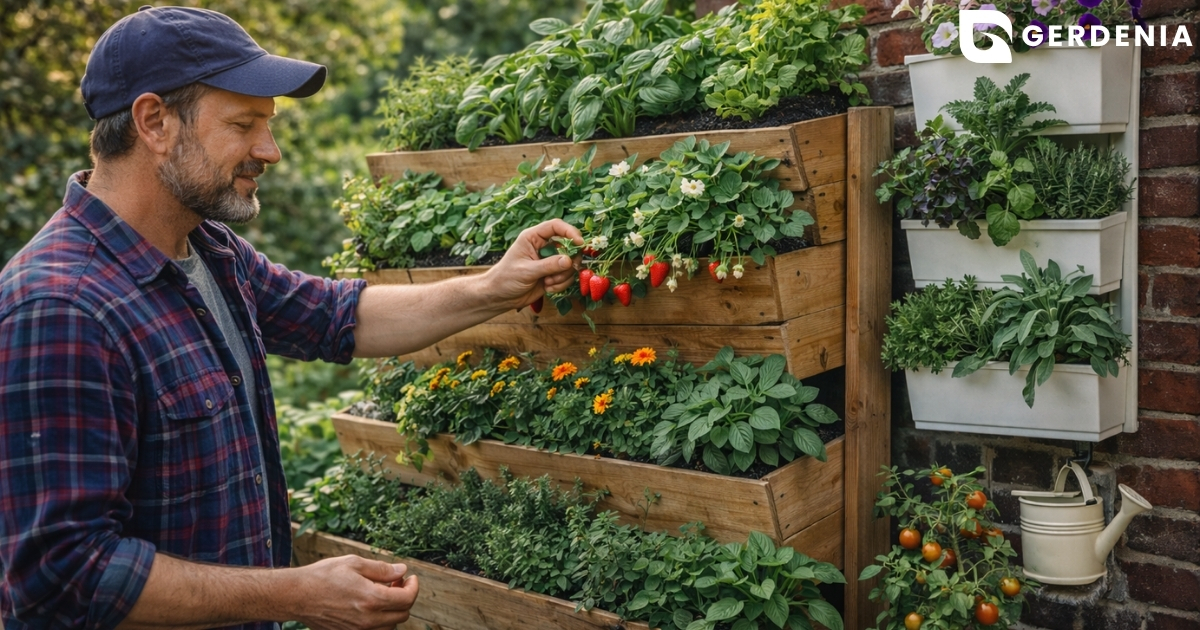
Hydroponics allows for vertical gardening, which maximizes the use of space. This makes it ideal for urban environments with limited space. Vertical hydroponic systems can transform small balconies or rooftops into lush gardens, significantly increasing plant density. Additionally, the modular nature of hydroponic setups means they can be easily scaled up or down, accommodating any space constraints. This flexibility is perfect for urban gardeners looking to optimize their available area without compromising on plant variety.
Hydroponic systems use up to 90% less water than traditional soil gardening. The water in these systems can be recirculated, minimizing waste and making it an environmentally friendly option. This closed-loop system reduces the need for constant watering, as the same water is continuously cycled through the system. This not only conserves water but also reduces the need for frequent fertilizer application, as nutrients are retained within the system. For regions facing water scarcity, hydroponics presents a sustainable solution for food production.
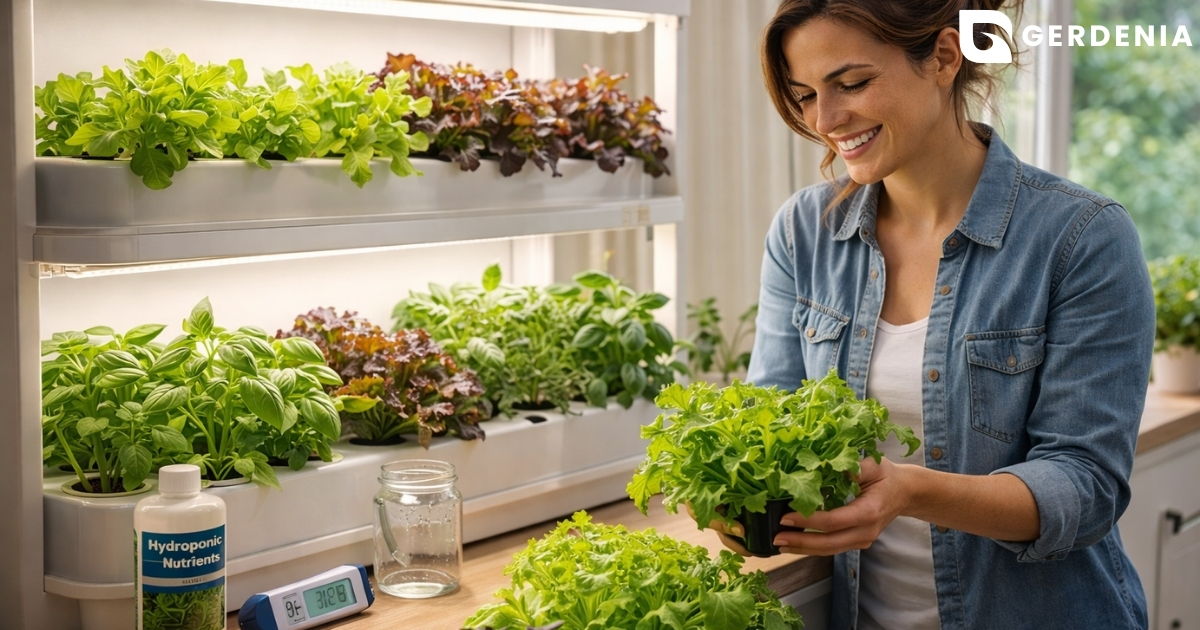
Indoor hydroponic systems provide an opportunity to control variables such as light, temperature, and humidity. This control can lead to faster growth rates and higher yields. By maintaining optimal conditions, gardeners can grow plants year-round, regardless of external weather patterns. This predictability is beneficial for planning and harvesting crops, ensuring a steady supply of fresh produce. The ability to adjust environmental parameters also allows for the cultivation of a wider range of plant species, including those that may not be native to the local climate.
Hydroponic systems offer a more sterile growing environment, reducing the likelihood of pest infestations and diseases. Without soil, many common garden pests are eliminated, and the risk of soil-borne diseases is minimized. This aspect of hydroponics can lead to healthier plants with less need for chemical interventions. In addition, the ability to closely monitor plant health and conditions means that any issues can be quickly identified and addressed, preventing widespread problems.
A successful hydroponic system requires several key components:
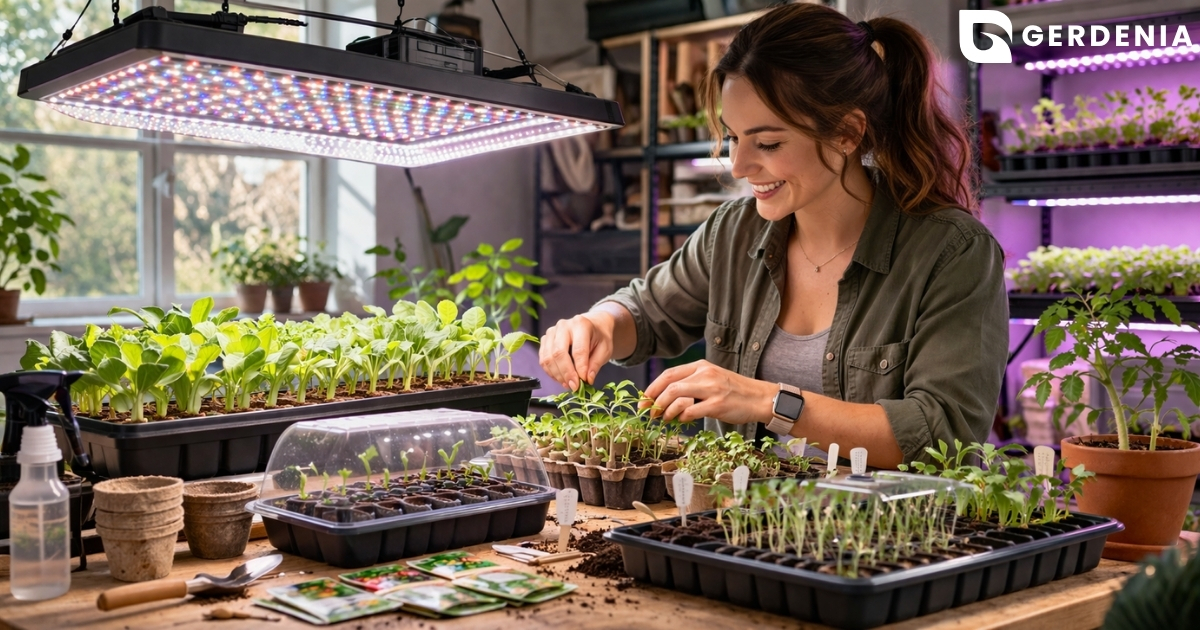
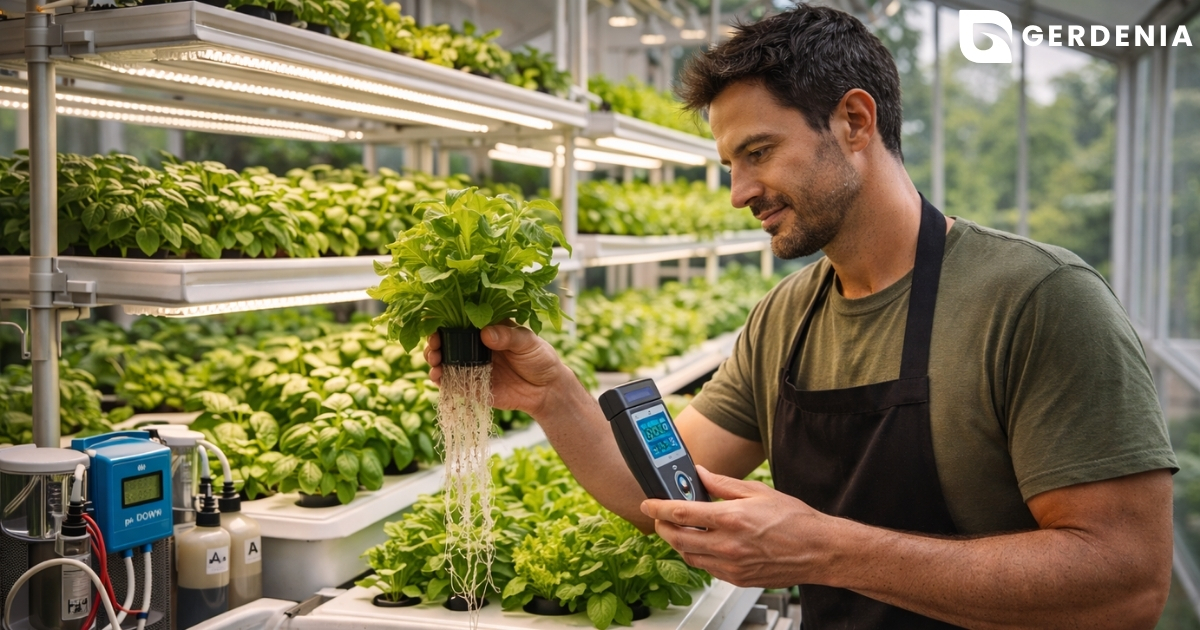
In hydroponic gardening, especially when conducted indoors, grow lights are indispensable. They replicate the sun’s spectrum, providing the energy plants need to photosynthesize. LED grow lights are popular due to their efficiency and spectrum control. These lights can be adjusted to mimic different times of the day or year, optimizing growth conditions for various plant species. The energy efficiency of LEDs also translates to cost savings over time, making them a smart investment for indoor gardeners.

The lifeline of a hydroponic system, nutrient solutions supply the essential minerals and nutrients plants need to thrive. These solutions are carefully balanced to ensure optimal plant health. Different plant species have varying nutritional requirements, and hydroponic gardeners can tailor their nutrient mixes accordingly. Regular monitoring and adjustment of the solution’s pH and nutrient levels are crucial to avoid deficiencies or toxicities, ensuring plants receive the right balance for robust growth.
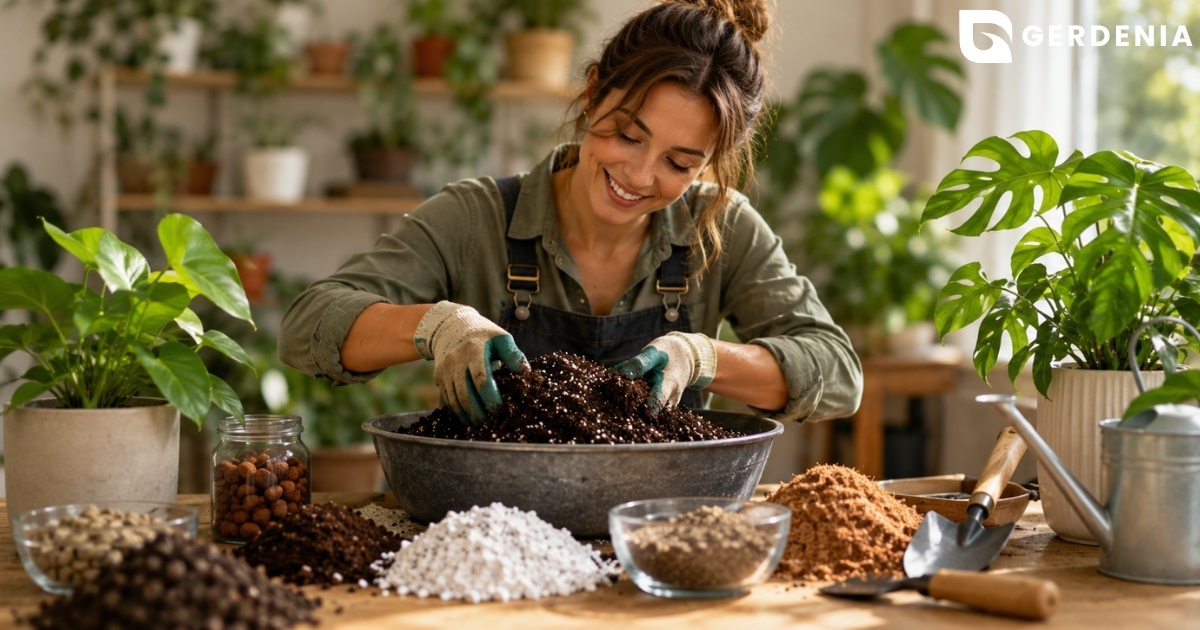
While soil is absent, a growing medium supports the plant’s root structure. Each medium has unique properties that affect moisture retention, aeration, and pH levels. The choice of medium often depends on the type of plant being cultivated. For instance, clay pellets provide excellent aeration and drainage, ideal for plants that require well-oxygenated roots. In contrast, rock wool retains moisture effectively, making it suitable for plants that prefer a more consistent water supply. Understanding these properties helps gardeners select the best medium for their specific needs.
Air pumps play a critical role in maintaining oxygen levels in the nutrient solution, especially in systems like Deep Water Culture (DWC). Proper aeration prevents root rot and ensures that plants have access to the oxygen necessary for respiration. This component is particularly important in systems where roots are submerged in water for extended periods. Regular maintenance of air pumps and diffusers is essential to keep the system functioning efficiently and to promote healthy root development.

There are several variations of hydroponic systems, each with its own advantages and complexities:
The simplest hydroponic system, the wick system, uses a wick to transport nutrient solution from a reservoir to the plant roots. It is passive and requires no electricity, making it ideal for beginners. This low-maintenance system is perfect for small-scale indoor gardens, where simplicity and reliability are key. However, it may not be suitable for larger plants with high nutrient demands, as the wick system can be slower in delivering nutrients compared to more active systems.
In DWC systems, plants are suspended in nutrient-rich water. An air pump provides oxygen to the roots, promoting vigorous growth. This system is particularly effective for fast-growing, water-loving plants. The constant availability of nutrients and oxygen leads to rapid plant development, making DWC a popular choice for hobbyists and commercial growers alike. Regular monitoring of water levels and nutrient concentration is crucial to prevent issues like nutrient lockout or oxygen depletion.
NFT systems utilize a continuous flow of nutrient solution over the roots, which are supported by a sloped channel. This constant flow ensures the roots are supplied with oxygen and nutrients, making it popular for leafy greens and herbs. The thin film of nutrient solution minimizes water usage and allows for efficient nutrient delivery. However, NFT systems require precise monitoring to prevent clogs and ensure that the nutrient solution flows smoothly, as any disruption can quickly affect plant health.
Aeroponics involves misting plant roots with a nutrient solution. This method maximizes oxygen exposure and can accelerate growth rates. While effective, aeroponics requires more technical precision and maintenance. The fine mist provides ample oxygen to the roots, leading to robust growth and high yields. However, maintaining the misting system and ensuring consistent nutrient delivery can be challenging, making aeroponics best suited for experienced gardeners willing to invest time in system upkeep.
Ebb and Flow systems work by periodically flooding the plant roots with nutrient solution and then allowing it to drain away. This cycle mimics natural wet and dry periods, promoting strong root development. The intermittent exposure to nutrients and oxygen encourages resilience in plants, making them more robust. This system requires a timer to automate the flood and drain cycles, ensuring consistent growth conditions without constant manual intervention.
Embarking on your hydroponic journey begins with careful planning and setup. Here’s a step-by-step guide:
Consider your available space, budget, and the types of plants you wish to grow. For beginners, a simple wick or DWC system can provide a good starting point. Assess your long-term goals and potential expansion needs to choose a system that can grow with you. Research the specific requirements of your chosen plants to ensure your system can accommodate their growth habits and nutritional needs.
Select a location with access to electrical outlets for grow lights and pumps. Ensure the area can accommodate the system’s size and is protected from extreme temperatures and pests. Adequate ventilation is crucial to prevent heat buildup from lights and to maintain air circulation. Consider accessibility for maintenance tasks such as water changes, nutrient adjustments, and plant care, ensuring the location is convenient for regular upkeep.
Gather your components: grow lights, nutrient solutions, growing medium, and a chosen hydroponic system. Follow manufacturer instructions for setup and installation. Take the time to familiarize yourself with each component and its function within the system. Proper assembly and calibration are essential to avoid issues like leaks, electrical malfunctions, or nutrient imbalances. Double-check connections and settings to ensure everything is operating as intended before introducing plants.
Regularly monitor pH levels, nutrient concentration, and water temperature. Adjust as necessary to maintain an optimal environment for your plants. Create a maintenance schedule to track system checks, water changes, and nutrient replenishments. Consistent monitoring helps catch potential problems early, allowing for swift corrective action. Keeping detailed records of your system’s performance can also aid in identifying trends and optimizing growth conditions over time.
Even with careful planning, challenges may arise in your hydroponic system. Be prepared to troubleshoot issues such as equipment malfunctions, nutrient imbalances, or unexpected plant health problems. Developing problem-solving skills and seeking advice from experienced hydroponic gardeners can help you overcome these hurdles. Remember that patience and perseverance are key, and that each challenge presents an opportunity to learn and improve your gardening skills.
Hydroponic gardening, while rewarding, can pose several challenges:
Over time, nutrient solutions can become unbalanced. Regularly testing and adjusting the solution can prevent deficiencies or toxicities. Use a reliable nutrient meter to monitor concentration levels and ensure they remain within the optimal range for your plants. Adjust nutrient ratios based on plant growth stages and environmental conditions to support healthy development. In cases of severe imbalances, a complete system flush and nutrient replacement may be necessary to restore equilibrium.
Exposure to light can lead to algae growth in the nutrient solution. Use opaque containers and cover any exposed solution to minimize this risk. Algae can compete with plants for nutrients and oxygen, potentially hindering growth. Regularly inspect your system for signs of algae and address any outbreaks promptly. Implementing preventative measures, such as reducing light exposure and maintaining clean equipment, can help keep algae at bay.
Excess moisture and poor aeration can cause root rot. Ensure that your system is well-aerated and that the roots have access to oxygen. Monitor water levels and avoid over-saturating the growing medium, which can lead to stagnant conditions and promote rot. If root rot is detected, remove affected plants and improve aeration to prevent further spread. Regularly inspect roots for signs of health, such as white coloration and firmness, to catch potential issues early.
Hydroponic systems rely on various components working harmoniously, and failures can disrupt plant growth. Regular maintenance and inspections can help prevent mechanical issues with pumps, timers, or lighting. Keep spare parts on hand to address any malfunctions quickly, minimizing downtime. Developing a routine for checking system performance and making necessary repairs ensures a stable environment for your plants to thrive.
Hydroponic gardening offers a compelling alternative to traditional soil-based methods. With its myriad benefits, from space efficiency to water conservation, it is an attractive option for urban dwellers and those with limited outdoor space. By understanding the components and systems involved, even beginners can cultivate a thriving hydroponic garden.
As you embark on this horticultural journey, remember that patience and attention to detail are key. With the right knowledge and tools, your hydroponic venture can flourish, providing you with fresh produce and the satisfaction of a successful indoor garden. Embrace the learning process, and don’t be afraid to experiment with different techniques and plants. The world of hydroponics is vast and full of opportunities for growth, both for your plants and your gardening expertise.