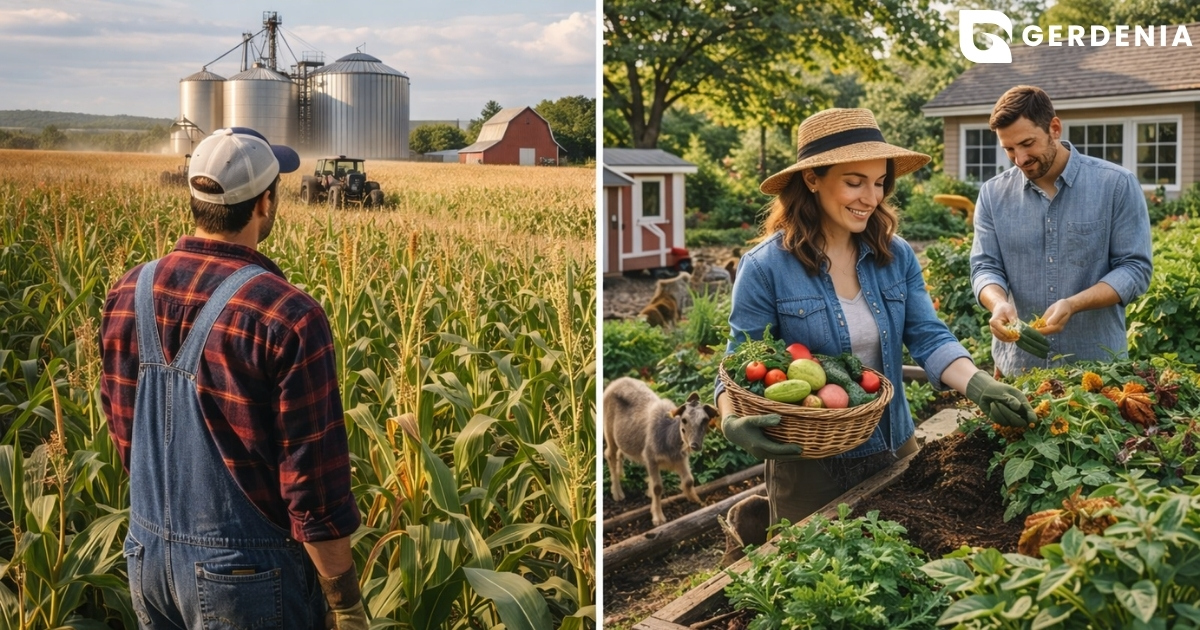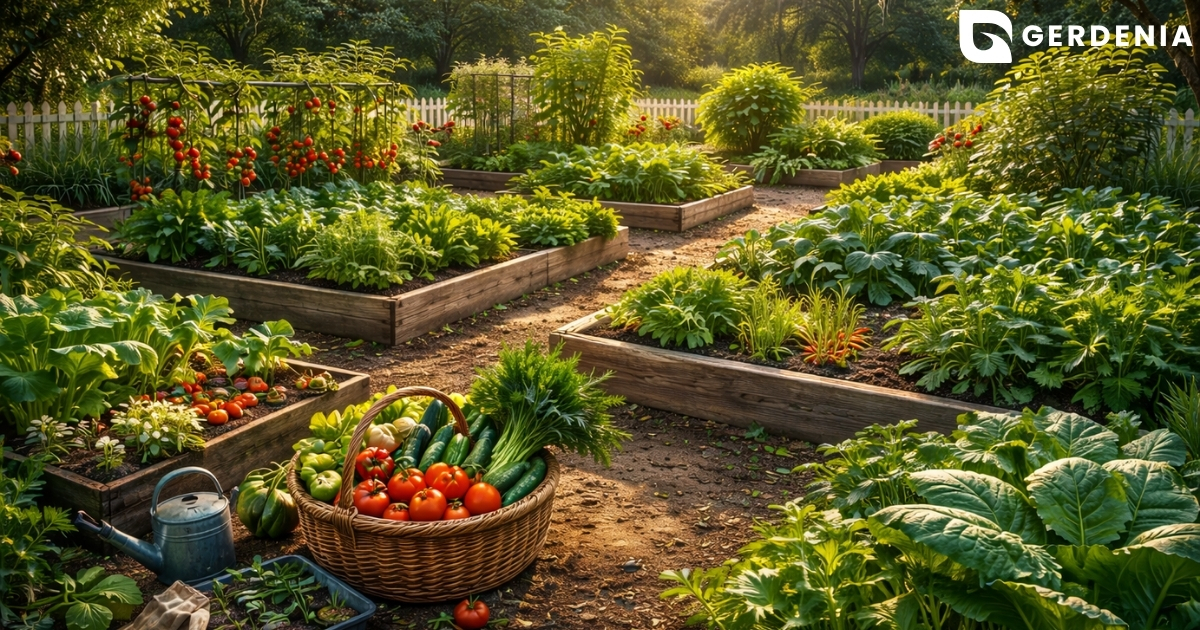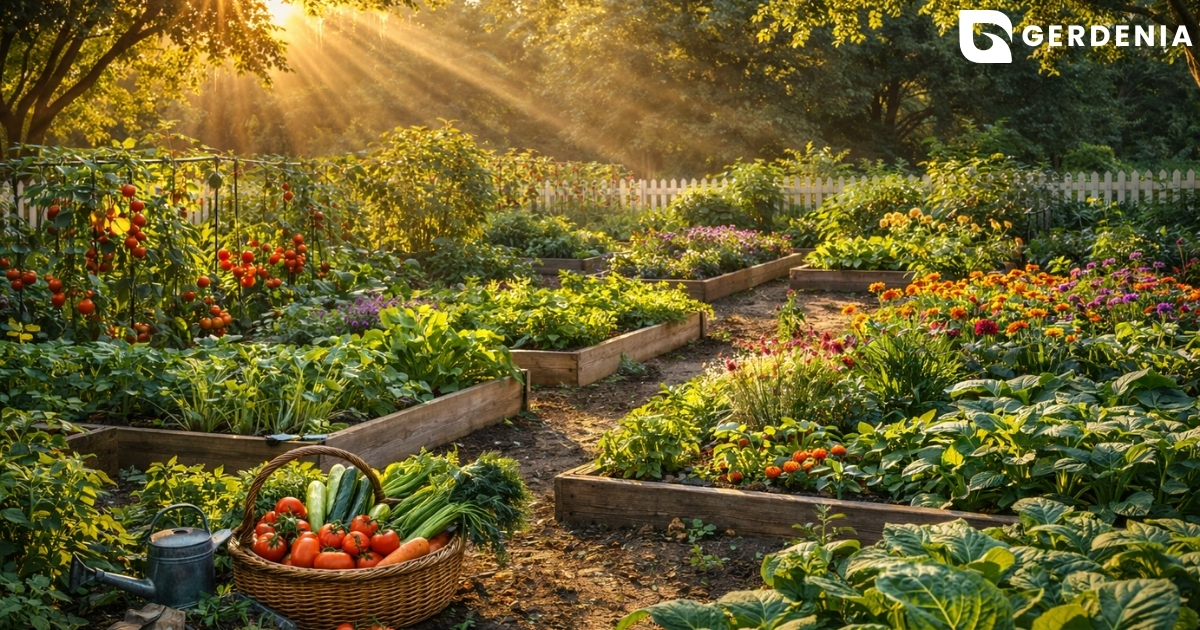

In the evolving landscape of agriculture, regenerative farming stands as a beacon of sustainability and resilience. This discourse endeavors to dissect the intricacies of regenerative farming, elucidating its methodologies, and delineating its contribution to sustainable agricultural paradigms. Through innovative techniques and practices, regenerative farming promises to transform the agricultural sector, ensuring food security while nurturing the environment.

To adequately define regenerative agriculture, one must delve into its multifaceted approach, which seeks to restore and enhance the ecosystem’s health. Regenerative farming, often interchangeably termed regenerative agriculture, encompasses a series of practices aimed at rehabilitating soil health, increasing biodiversity, and improving watershed quality. At its core, regenerative farming aspires to create a symbiotic relationship between agriculture and nature, fostering resilience against climate perturbations.
Regenerative Agriculture: A Definition
Regenerative agriculture is an approach that transcends conventional farming by integrating principles that promote ecological balance and biodiversity. It entails a paradigm shift from extractive practices to those that regenerate and rejuvenate the land. The regenerative farming definition encapsulates a holistic system that nurtures the interdependencies within the ecosystem. This system not only focuses on the ecological aspects but also considers the economic and social dimensions, creating a sustainable agricultural model that benefits both the environment and the farming community.
Principles Guiding Regenerative Agriculture
Key principles guide regenerative agriculture, including the enhancement of biodiversity, the improvement of water cycles, and the promotion of soil health. These principles are interconnected, ensuring that each aspect of the ecosystem supports the others. Additionally, regenerative agriculture emphasizes the reduction of synthetic inputs, advocating for natural alternatives that support soil and plant health. The integration of livestock within cropping systems is another principle, promoting natural nutrient cycling and pest control.
The Philosophical Underpinnings
Regenerative farming is grounded in a philosophical commitment to stewardship of the earth. This philosophy emphasizes the responsibility of farmers to maintain and enhance the land for future generations. It requires a deep understanding of ecological processes and a commitment to continuous learning and adaptation. The philosophical underpinnings of regenerative agriculture also include a focus on community and collaboration, recognizing that sustainable farming practices benefit not only individual farmers but also the wider community.
Key Regenerative Farming Techniques

Exploring regenerative farming techniques necessitates a comprehensive understanding of its foundational practices. These methodologies are instrumental in realizing the regenerative farming meaning, which is essentially about fostering symbiotic ecological relationships.
Soil Health and Carbon Sequestration
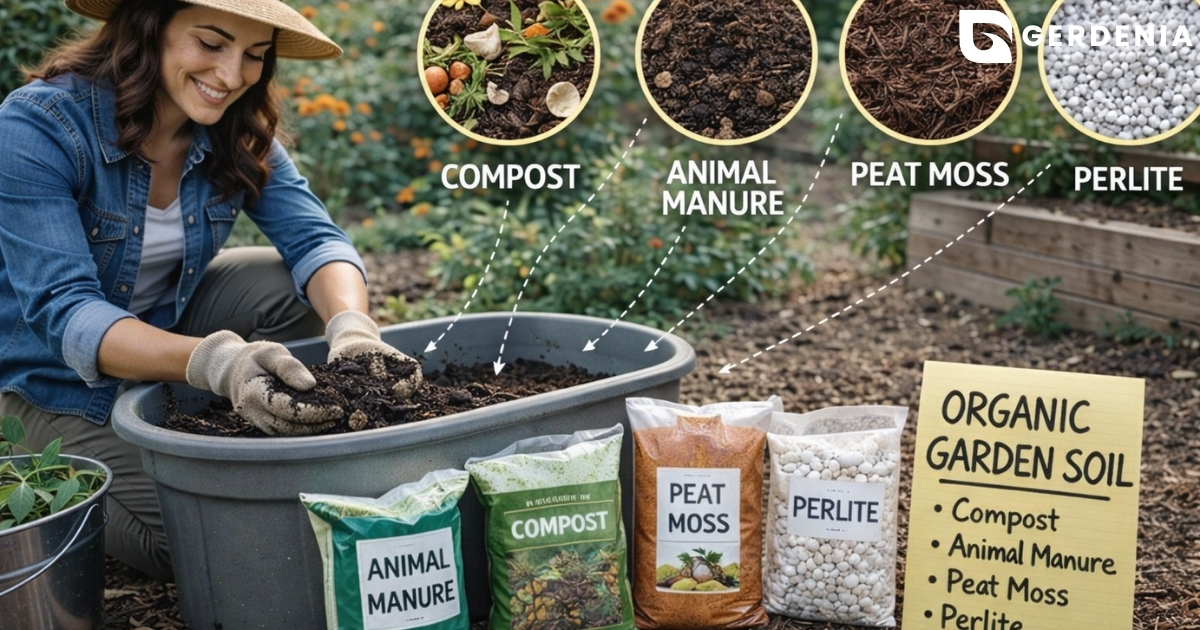
The bedrock of regenerative agriculture practices is soil health. Techniques such as cover cropping, reduced tillage, and compost application are paramount in enhancing soil organic matter. These practices promote carbon sequestration—a process that captures atmospheric carbon dioxide and stores it in the soil, thereby mitigating climate change impacts. Cover crops, for instance, are planted to cover the soil rather than for the purpose of being harvested. They improve soil structure, enhance biodiversity, and increase water retention. Reduced tillage minimizes soil disturbance, preserving soil structure and enhancing its ability to store carbon. Compost application enriches the soil with organic matter, further enhancing its fertility and carbon storage capacity.
Biodiversity Enhancement
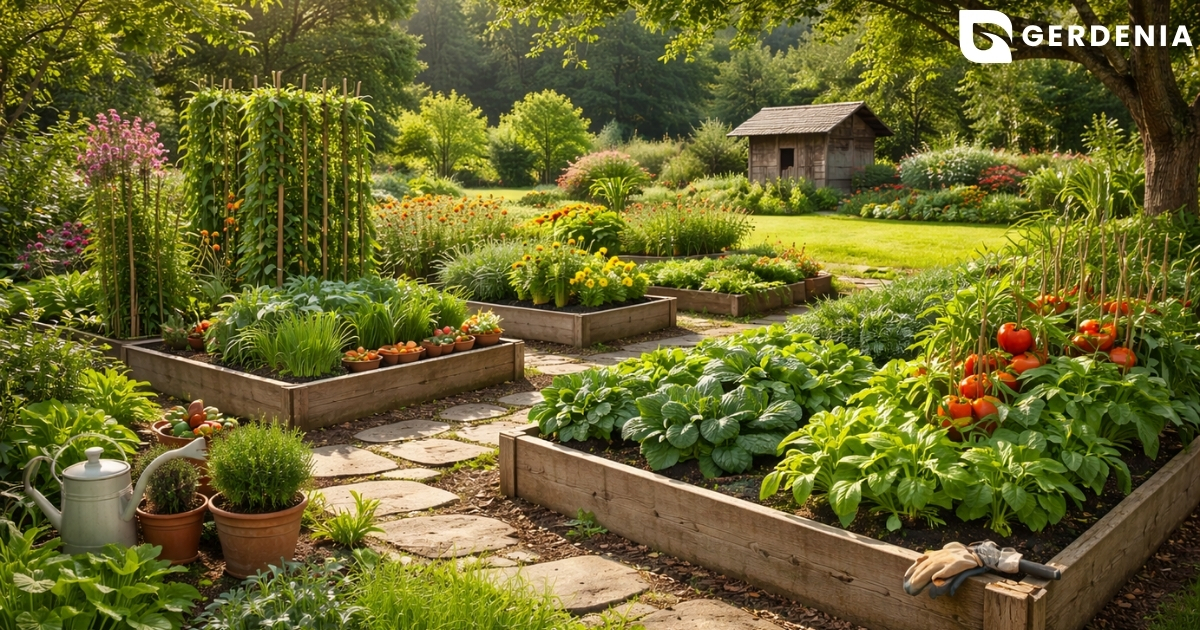
Regenerative farming methods prioritize biodiversity, recognizing its pivotal role in ecosystem stability. Practices like polyculture, agroforestry, and rotational grazing foster diverse habitats, thereby enhancing species variety and ecological resilience. The incorporation of multiple crop species and integration of livestock within farming systems exemplify this approach, which not only augments biodiversity but also optimizes nutrient cycles. Polyculture involves growing multiple crops in the same space, promoting a more resilient and productive system. Agroforestry integrates trees and shrubs into agricultural landscapes, providing additional habitat and resources for wildlife. Rotational grazing involves moving livestock between pastures to allow vegetation to recover, enhancing soil health and biodiversity.
Water Management
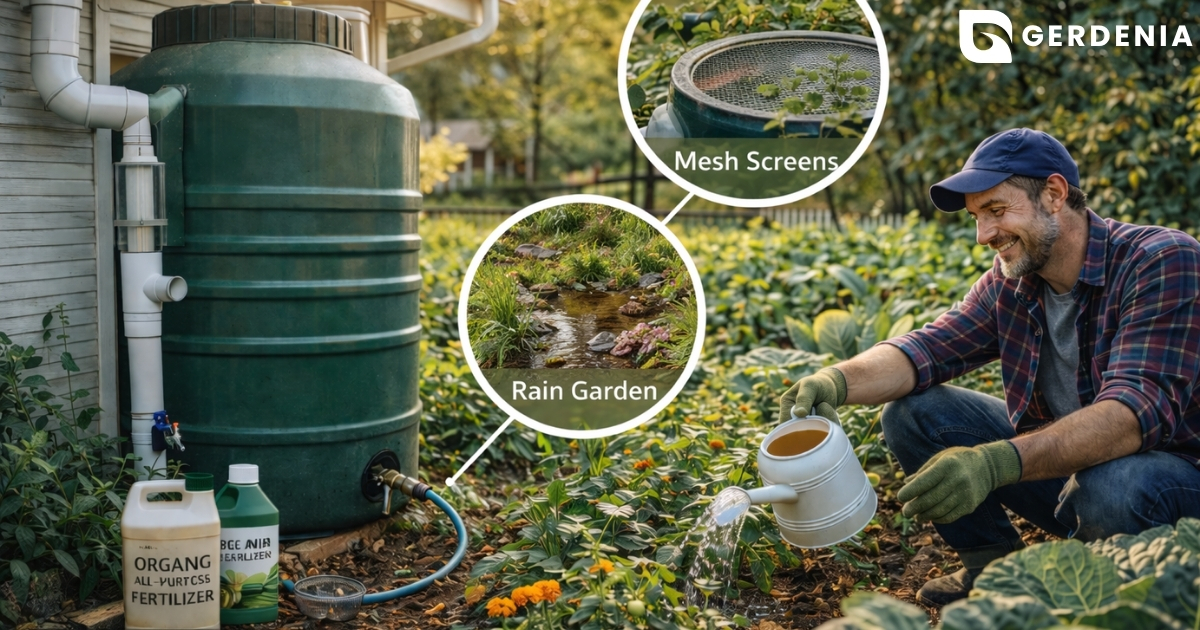
Water conservation is integral to regenerative agriculture techniques. Practices such as rainwater harvesting, contour plowing, and the establishment of riparian buffers are employed to enhance water retention and quality. These strategies are designed to optimize the hydrological cycle, reducing erosion and preventing water runoff, thus sustaining agricultural productivity. Rainwater harvesting involves capturing and storing rainwater for use during dry periods, reducing the need for irrigation. Contour plowing involves plowing along the contours of the land, reducing soil erosion and water runoff. Riparian buffers, strips of vegetation along waterways, help filter pollutants, stabilize banks, and provide habitat for wildlife.
Integrating Livestock and Crop Systems
The integration of livestock into crop systems is a hallmark of regenerative farming. This practice creates a mutually beneficial relationship between animals and plants. Livestock contribute to soil fertility through manure, while diverse crop rotations support animal health and reduce pest pressures. This integration reduces the need for synthetic fertilizers and pesticides, promoting a more sustainable agricultural system. Additionally, integrating livestock and crops can enhance farm profitability by diversifying income streams and reducing input costs.
How Does Regenerative Agriculture Work?
Regenerative agriculture operates on principles that seek to harmonize agricultural practices with natural processes. This involves a systems-thinking approach, where each component of the agricultural ecosystem is interlinked. By fostering soil health, enhancing biodiversity, and improving water management, regenerative agriculture creates resilient systems capable of withstanding environmental stressors.
Regenerative Practices in Action

by Irina Iriser (https://unsplash.com/@iriser)
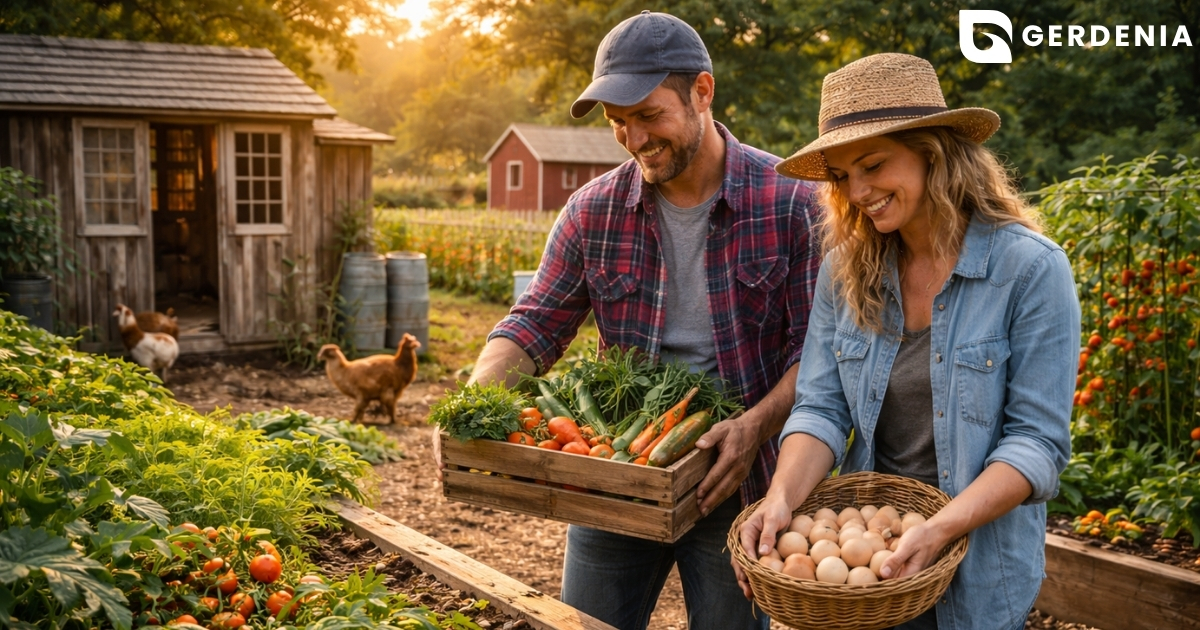
In practice, regenerative farming is manifested through innovative techniques such as crop-livestock integration. This method exemplifies the regenerative agriculture definition by creating a closed-loop system where livestock manure enriches soil fertility, while diverse crop rotations prevent pest infestations and promote soil health. This integration not only enhances ecological resilience but also increases economic viability by reducing input costs and improving yields. Crop-livestock integration also helps in breaking pest and disease cycles, reducing the reliance on chemical inputs.
The Role of Technology
Technology plays a crucial role in enhancing the effectiveness of regenerative agriculture. Precision farming technologies, such as drones and satellite imagery, enable farmers to monitor crop health and soil conditions with greater accuracy. This information allows for more targeted interventions, optimizing resource use and minimizing environmental impact. Additionally, advancements in soil testing and analysis provide insights into soil health, guiding regenerative practices. Technology also facilitates knowledge sharing and collaboration, allowing farmers to learn from each other’s experiences and successes.
Community and Collaboration
Community involvement and collaboration are essential components of regenerative agriculture. Farmers, researchers, and policymakers must work together to share knowledge, develop best practices, and support each other’s efforts. Collaborative networks and learning communities provide a platform for exchanging ideas and experiences, fostering innovation and continuous improvement. Community-supported agriculture (CSA) models also connect consumers with local farmers, promoting transparency and trust in the food system. By working together, communities can overcome challenges and create a more sustainable and resilient agricultural system.
Regenerative Agriculture Examples
The efficacy of regenerative farming techniques is evidenced through various case studies and examples globally. In the United States, Gabe Brown’s farm in North Dakota epitomizes the potential of regenerative practices. By implementing cover cropping, no-till farming, and livestock integration, Brown has enhanced soil health and increased biodiversity, resulting in improved yields and economic viability.
Gabe Brown’s Farm: A Case Study
Gabe Brown’s farm in North Dakota serves as a model for regenerative agriculture. Through a combination of cover cropping, no-till farming, and livestock integration, Brown has successfully restored soil health and increased biodiversity. His approach has led to improved soil fertility, higher yields, and greater resilience against climate extremes. Brown’s farm demonstrates the potential for regenerative practices to enhance ecological and economic outcomes, providing a blueprint for other farmers to follow.
The Mulloon Institute: Restoring Landscapes
Similarly, in Australia, the Mulloon Institute has demonstrated the benefits of regenerative agriculture through landscape rehydration and holistic management. These practices have revitalized degraded landscapes, enhanced water retention, and restored ecological balance. The Mulloon Institute’s work highlights the importance of a holistic approach to land management, where water, soil, and biodiversity are managed in harmony. Their success has inspired other landholders to adopt similar practices, contributing to a broader movement towards regenerative agriculture.
Global Examples and Lessons
Around the world, regenerative agriculture practices are gaining traction as farmers and communities seek sustainable solutions to agricultural challenges. In Africa, smallholder farmers are using agroforestry to improve soil health and increase food security. In South America, farmers are adopting rotational grazing to enhance pasture productivity and resilience. These examples highlight the adaptability and scalability of regenerative practices, demonstrating their potential to transform agriculture globally. By sharing knowledge and experiences, farmers can learn from each other’s successes and challenges, accelerating the adoption of regenerative practices.
Challenges and Future Directions
While regenerative farming offers numerous ecological and economic benefits, it is not without challenges. Transitioning from conventional to regenerative practices requires a paradigm shift, necessitating education and financial investment. Moreover, the lack of standardized metrics for measuring regenerative outcomes poses a challenge to widespread adoption.
Overcoming Barriers to Adoption
One of the primary challenges in adopting regenerative agriculture is the initial cost and effort required for transition. Farmers need access to education, training, and financial resources to successfully implement regenerative practices. Overcoming these barriers requires supportive policies, incentives, and investment in research and development. Additionally, building awareness and understanding of regenerative agriculture among consumers can drive demand for sustainably produced food, encouraging more farmers to adopt these practices.
The Need for Standardized Metrics
The lack of standardized metrics for evaluating regenerative agriculture outcomes is another challenge. Developing robust metrics and indicators is essential for assessing the effectiveness of regenerative practices and guiding decision-making. These metrics should encompass ecological, economic, and social dimensions, providing a comprehensive framework for evaluating sustainability. Collaborative efforts among researchers, policymakers, and industry stakeholders are needed to develop and implement standardized metrics that can guide the transition to regenerative agriculture.
The Road Ahead
The future of regenerative agriculture hinges on research, innovation, and policy support. Advancements in technology and an increased understanding of ecological processes will be pivotal in refining regenerative techniques. Furthermore, supportive policies and incentives can accelerate the transition towards regenerative practices, fostering a sustainable agricultural future. Continued collaboration and knowledge sharing among farmers, researchers, and policymakers will be essential for overcoming challenges and driving the widespread adoption of regenerative agriculture. By investing in regenerative practices, we can create a resilient and sustainable food system that benefits both people and the planet.
Conclusion
Regenerative farming is a transformative approach that redefines agricultural paradigms. By emphasizing ecological balance and sustainability, regenerative agriculture holds the promise of a resilient food system. As we continue to explore and refine these techniques, regenerative farming will undoubtedly play a crucial role in shaping the future of agriculture. By embracing regenerative practices, farmers can enhance soil health, increase biodiversity, and improve water management, creating a more resilient and sustainable agricultural system. As awareness and understanding of regenerative agriculture grow, we can look forward to a future where agriculture works in harmony with nature, supporting both human and environmental well-being.