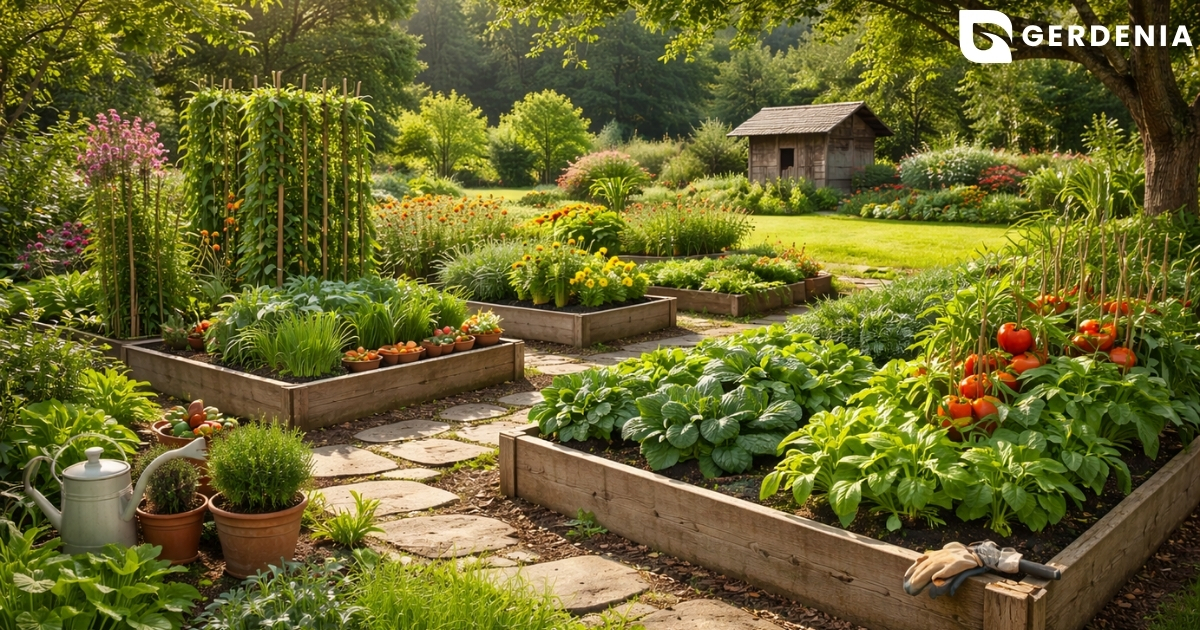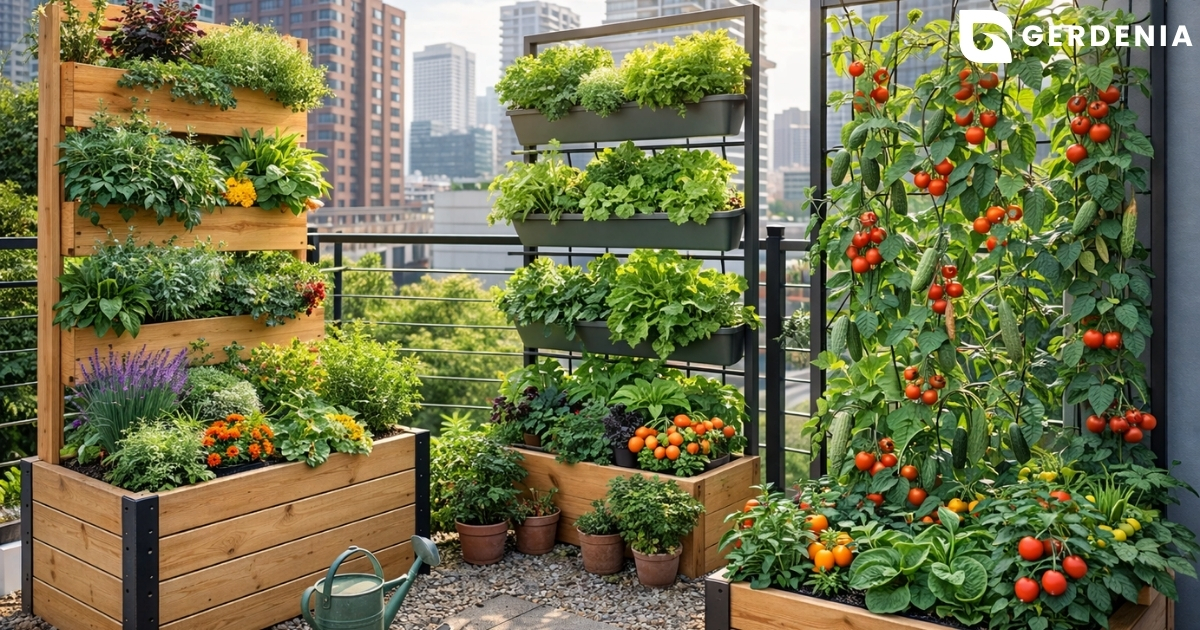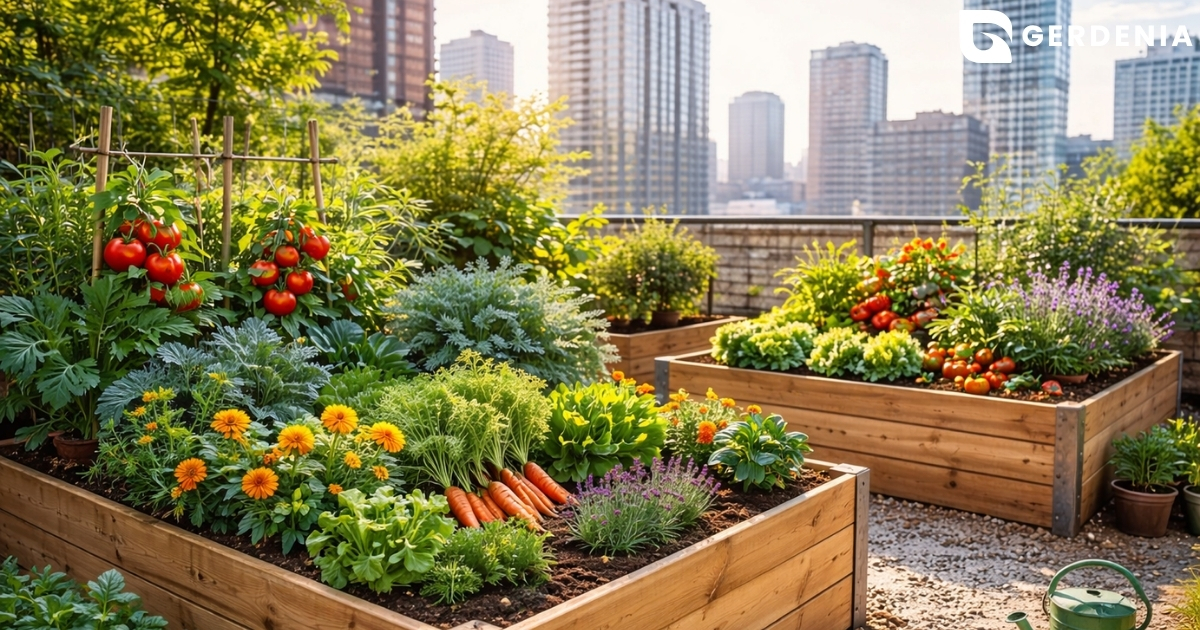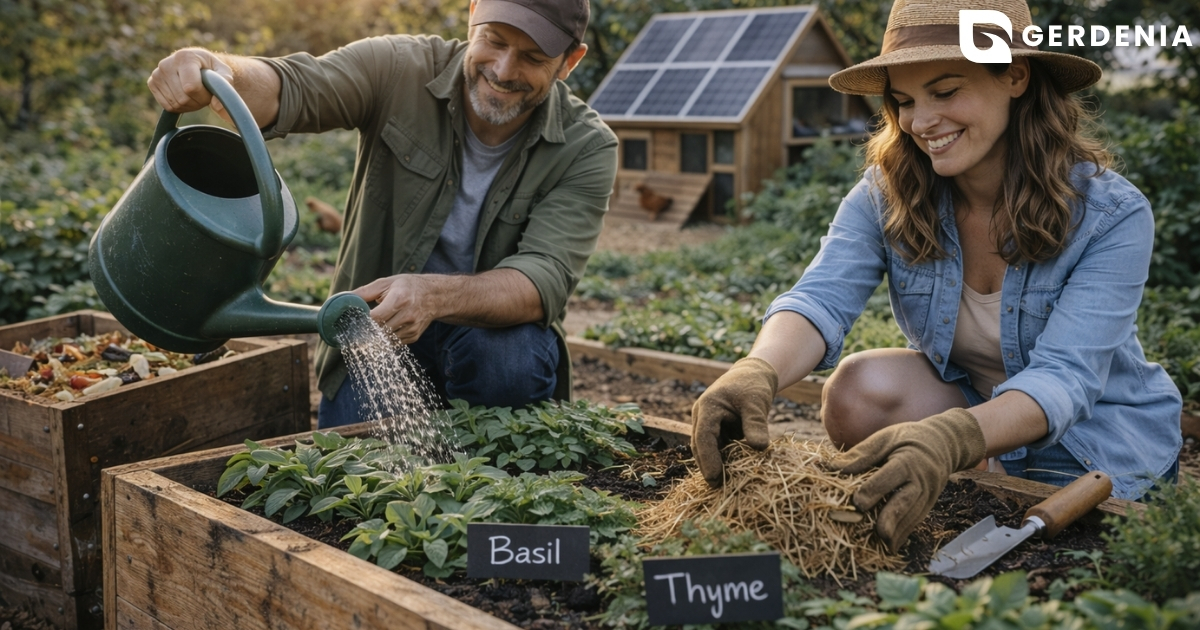
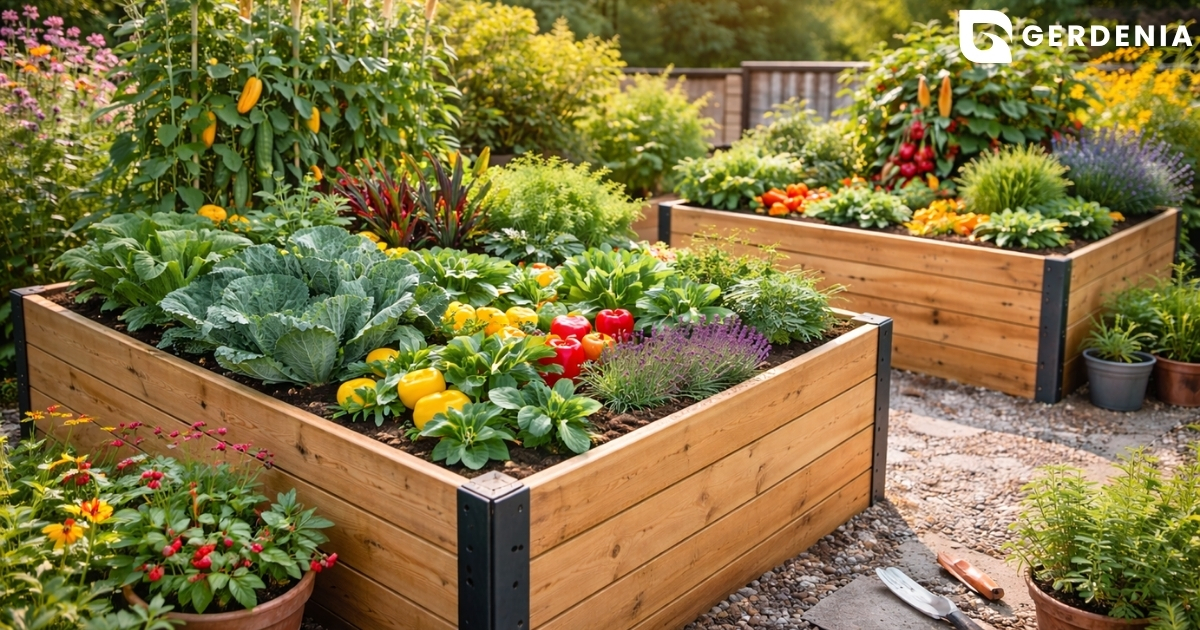
If you love home-grown tomatoes but dread the back-straining labor, you are gardening the hard way. According to ergonomic experts, raising your workspace to waist level dramatically reduces joint strain. Building a tall raised bed garden brings the harvest directly to you, making planting and harvesting remarkably comfortable.
Many hobbyists spend years struggling against rocky backyard dirt. Elevated garden beds let you bypass bad ground completely and start fresh. Think of a garden box as a giant container where you dictate exactly what your vegetables eat. You might worry about the cost of filling such deep spaces, but in practice, strategically layering simple yard debris creates a thriving environment on a tight budget.
Why Waist-High Gardening is the Cure for Backyard Back Pain

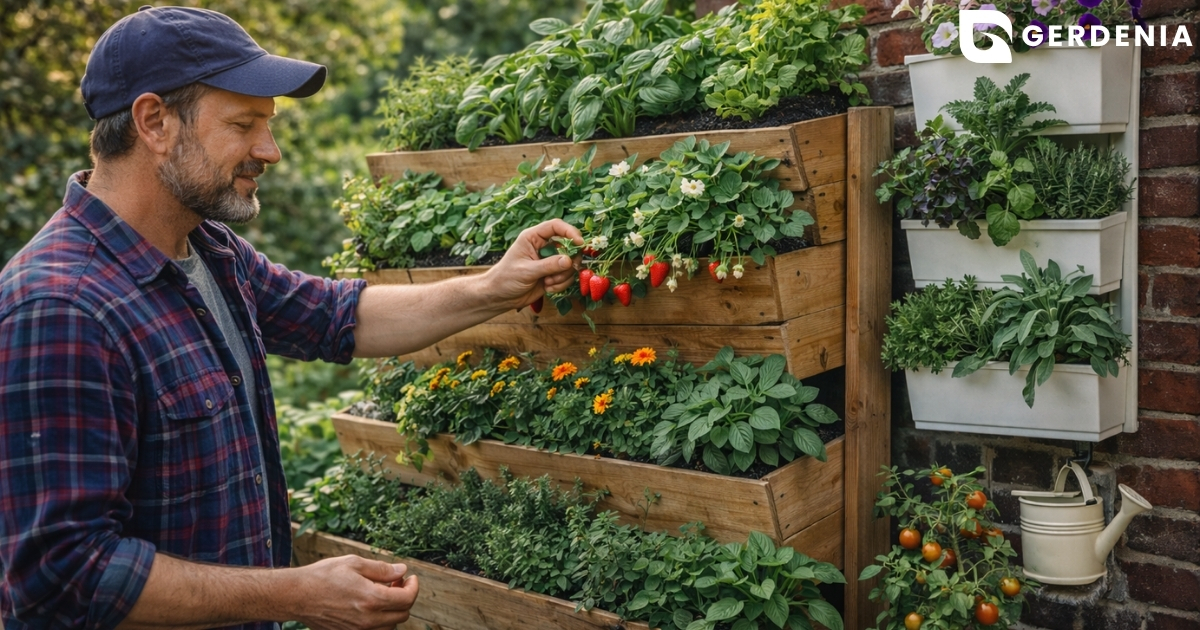
If you have ever spent a weekend hunched over a row of carrots, you already know the physical toll of traditional planting. Bending and kneeling on the ground quickly turn a peaceful hobby into an exhausting chore. Designing vegetable beds raised to around thirty inches completely removes this strain, offering instant back pain relief for backyard gardeners. At this elevation, your garden works exactly like your kitchen counter.
Reaching for weeds becomes effortless when the soil is brought directly up to you. This waist-high setup is especially transformative for older adults, making ergonomic gardening for seniors a comfortable, everyday reality. Because you remain standing or seated upright, your knees stay fully protected from the harsh pressure of hard earth. For those using a wheelchair or a rolling garden stool, simply widening the pathways between these elevated boxes creates a beautifully accessible layout.
Protecting your joints is only the first advantage of lifting your garden up off the earth. Once you establish a comfortable workspace, you also gain complete control over the environment inside the planter, eliminating the struggle against compacted native soil.
How to Stop Fighting ‘Concrete’ Soil with Metal Garden Boxes
Battling backyard dirt that turns to brick after a hard rain is a frustration you can easily avoid. Planting in metal garden containers completely eliminates the foot traffic that crushes the earth. This is the key to preventing soil compaction in high planters. Because the soil stays incredibly fluffy, gravity naturally pulls excess water down, acting as automatic drainage solutions for deep planting boxes so delicate roots never rot. This loose, airy environment allows heavy-feeding vegetables like tomatoes to effortlessly reach their optimal root depth of eighteen to twenty-four inches.
Beyond excellent moisture control, corrugated iron raised beds act as gentle heaters for your yard. Sunlight strikes the tall metal walls, warming the elevated soil much faster than the cold, frozen ground below. This natural thermal mass extends your growing season, allowing for earlier spring planting and later fall harvests. Since healthy roots crave this early warmth, your plants establish themselves beautifully. Creating this thriving environment, however, requires choosing a structural frame built to last.
Galvanized Steel vs. Cedar: Selecting Materials That Last
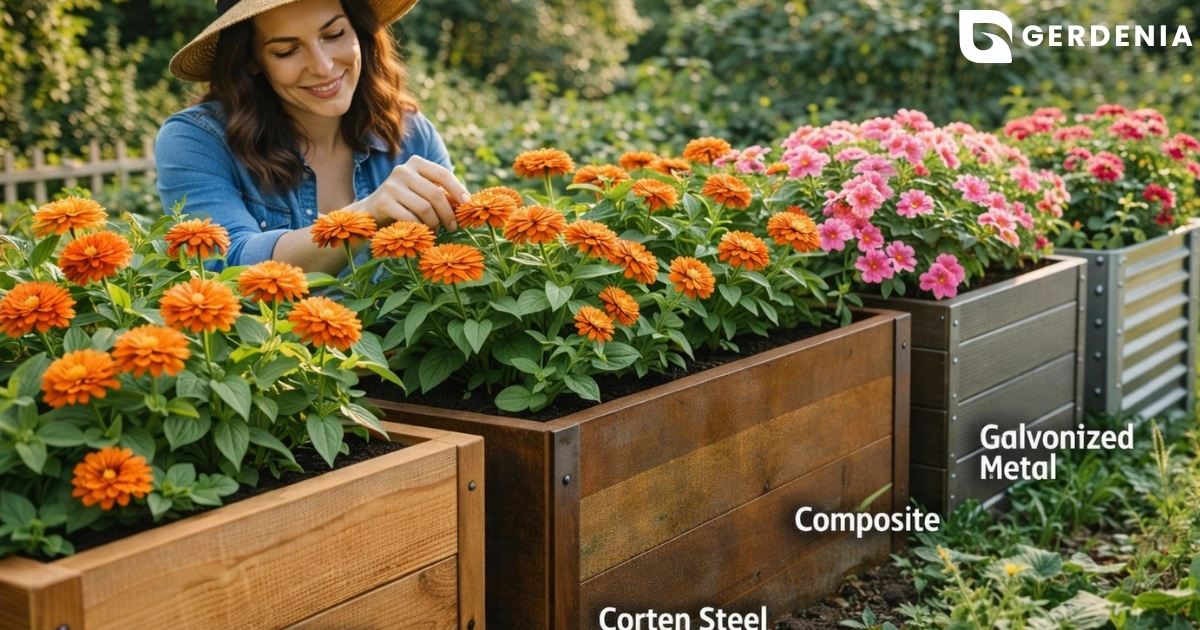
Watching a wooden project rot away after just a few seasons is incredibly frustrating. When building extra deep planters that hold massive weight, material longevity is critical. Traditional rot-resistant cedar looks beautiful, naturally fighting decay for up to a decade. However, a steel raised garden outlasts wood significantly. A sturdy metal planter box won’t warp under the immense bulging pressure of thirty inches of wet dirt. Because they handle this internal pressure effortlessly, corrugated garden beds are the ultimate choice for tall setups.
Building your structure is easier than ever with modular assembly. Rather than sawing heavy lumber, modular corrugated metal garden kits bolt together like simple flat-pack furniture. When selecting materials, consider how these common options stack up:
- Cedar: Moderate cost and beautiful, but requires basic carpentry and eventually decays.
- Galvanized Steel: Maximum durability and easiest assembly, though initial upfront costs can be higher.
- Plastic: Extremely low cost, but easily bows under heavy soil and cracks in winter weather.
Once your frame is standing, an empty container presents a new challenge: filling it without spending a fortune on premium dirt.
The $200 Dirt Problem: How to Fill Deep Beds Using Hugelkultur

Staring into a newly built grow bed, the expensive reality of filling it quickly sets in. Buying enough premium dirt for thirty inches of depth costs a fortune. Instead, use the Hügelkultur technique—simply known as the Layering Method. This approach shows you how to fill deep planter boxes affordably using yard waste.
Stacking organic debris inside garden bins creates a sponge-like environment, solving the drainage issue common in deep planters. As the bottom wood rots, it releases moisture upward, creating a self-fertilizing system that feeds plants for years. To execute the hugelkultur method for high garden beds, assemble the 4 layers of a high-yield tall bed:
- Logs/Branches: The bulky bottom base.
- Sticks/Leaves: Fills the gaps.
- Compost: Adds immediate nutrients.
- Topsoil: The top eight inches for roots.
Using this natural decomposition cycle saves up to 60% on soil costs. With a foundation packed full of rich organic matter, your garden is finally ready for its first seeds.
Launching Your Tall Bed: Your Roadmap to a Pain-Free Harvest
You no longer have to view growing food as a back-breaking chore. A tall raised bed garden transforms heavy yard work into a comfortable, waist-high hobby. To get started, simply choose a sunny, level spot in your yard to ensure healthy plant growth and structural stability. If you rent or simply want seasonal flexibility, moveable garden beds offer these same ergonomic benefits anywhere you need them.
Getting your garden ready requires only a few practical steps. Measure your sunny space, select a sturdy raised garden bed kit that fits your layout, and begin collecting cardboard and dry yard debris to build your cost-saving bottom layer. These simple actions set the foundation for a flourishing, accessible backyard harvest.