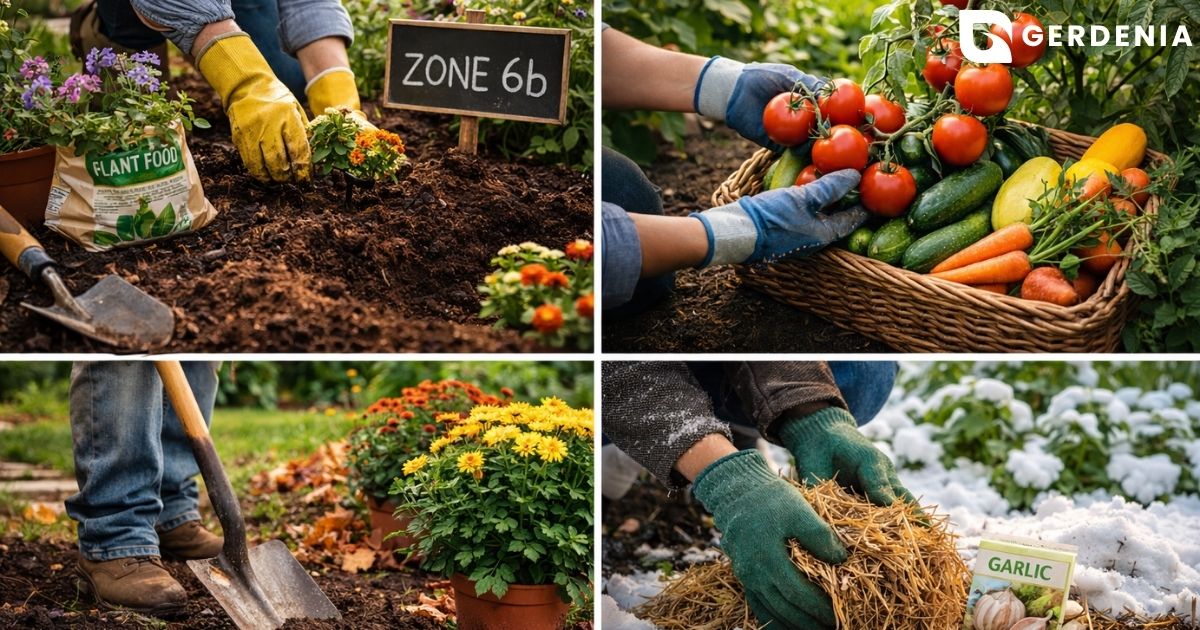
You’ve likely experienced the heartbreak of buying a gorgeous, blooming hydrangea at the garden center in May, only to watch it perish completely by January. According to common landscaping surveys, this frustrating cycle of wasting money on plants that fail over winter is exactly why northern gardening requires a highly targeted approach. Buying beautiful foliage is the easy part, but keeping it alive through freezing winds means learning how to read the invisible climatic boundaries drawn across your backyard.
To stop losing your nursery finds to the cold, you must understand the science behind USDA hardiness zone map temperatures. This national system divides the country into specific geographical bands based on a Minimum Temperature Threshold, which is simply the absolute coldest weather a plant can endure before its root system dies. Rather than guessing which flowers will return year after year, you can use these zones as a reliable checklist to ensure your outdoor investments actually survive the frost.
Living in Zone 5 means your yard will inevitably face harsh winter conditions, with extreme lows plummeting anywhere between -20°F and -10°F. Plant survival here demands making a clear distinction between winter hardiness—a plant’s ability to sleep through those bitter lows—and your actual growing season, which is the relatively short window of frost-free days you have to enjoy the blooms. Think of thick mulch and deep soil as a heavy winter coat for your plant’s roots; even with that protective layer, a species must be genetically equipped to handle the deep freeze.
Gardening in this environment ultimately transforms into a strategic game against the cold. While a delicate southern flower will surrender at the first sign of autumn ice, choosing cold hardy perennials for zone 5 guarantees you have resilient greenery that automatically wakes back up every spring. Industry data reveals that homeowners who align their plant purchases with their specific climate zone spend significantly less money replacing dead foliage and far more time actually enjoying their landscaping.
Navigating this chilly reality does not mean you have to settle for a barren, uninteresting yard for half the year. This zone 5 planting guide serves as your seasonal roadmap, detailing exactly when to put shovels in the dirt and which survivor plants will create a reliable oasis. By respecting your backyard’s temperature limits today, you establish the foundation for a thriving, budget-friendly garden that will reward your efforts for seasons to come.

The Five-Degree Difference: Why Knowing Your 5a vs 5b Status Saves Your Garden Budget
You already know that living in Zone 5 means preparing for serious winter chills, but have you ever planted a shrub labeled “Zone 5” only to watch it perish by spring? The culprit is often a hidden layer of the USDA map: the sub-zones. When garden centers stock their shelves based on a general zone 5 planting guide, they frequently lump the entire region together on their tags. However, nature is much more precise, and treating the whole zone as one climate can quickly drain your landscaping budget.
To solve this winter survival mystery, agricultural scientists divided each hardiness zone into “a” and “b” sections to represent a crucial minimum temperature threshold. Think of these sub-zones as the difference between needing a heavy winter coat versus a full arctic parka. Here is how the zone 5a vs 5b differences break down:
- Zone 5a: Experiences extreme winter lows of -20°F to -15°F (Common in places like Des Moines, IA or Concord, NH).
- Zone 5b: Only drops to a range of -15°F to -10°F (Typical for cities like Chicago, IL or Omaha, NE).
Five degrees might not sound like a huge leap when you are sipping hot cocoa indoors, but it dictates which cold hardy perennials actually survive severe cold. If a beautiful Japanese Maple is rated specifically for Zone 5b, placing it in a colder 5a yard is a massive gamble. The plant’s roots might survive a mild winter, but a true -20°F night will likely kill it. Checking whether your specific neighborhood falls into the “a” or “b” category turns you from a hopeful guesser into a strategic buyer.
Armed with this precise temperature data, you can finally read generic plant tags with a critical eye. Yet, surviving the January extremes is only half the battle for your backyard landscape. You also need to know exactly when to put those tough plants into the soil without them getting zapped by spring ice, making a thorough understanding of the local frost calendar essential.
Navigating the “Safety Window”: Master the Zone 5 Frost Calendar
Surviving winter is a victory, but the most common gardening mistake actually happens in May. Just as the snow melts and the sun feels genuinely warm, Zone 5 experiences “Fool’s Spring”—a deceptive week of gorgeous weather inevitably followed by a devastating late freeze. This emotional rollercoaster is why you cannot rely on a patio thermometer to dictate planting time. Instead, your ultimate defense against losing delicate seedlings or expensive perennials is understanding your local frost dates.
The secret to avoiding the freeze trap lies in identifying the average last frost date zone 5 locations experience, typically landing between May 1st and May 15th. This date acts as the opening bell for your backyard, marking when the historical threat of overnight ice drops significantly. Conversely, the first fall frost usually arrives around mid-October. The span of time between these two calendar markers creates your “Safety Window,” dictating exactly how long your plants have to grow, bloom, and produce fruit.
This specific countdown reveals a relatively short growing season of roughly 150 days. Knowing your exact timeline completely changes how you evaluate the planting dates zone 5 seed packets recommend. If a variety of heirloom tomatoes requires “120 days to maturity,” directly sowing those seeds outdoors in late May means your first ripe tomato might arrive exactly when the October frost kills the vine. You must align the plant’s required growing days with your frost-free calendar to ensure your backyard efforts yield real results.
Even after the calendar gives you the green light, true planting success requires one final physical check: the ‘Soil Warmth’ test. Before placing any tender roots into the ground, plunge your bare finger two inches into the dirt. If it feels numbingly cold, the earth has not caught up to the air temperature and will shock your newly purchased plants. Waiting for warm soil is crucial, but you do not have to sit idle while the clock ticks down. To outsmart a short season and maximize your harvest, establish an indoor head start to properly pace your planting schedule.
Indoor Head Starts: When to Start Seeds for a 5b Planting Schedule
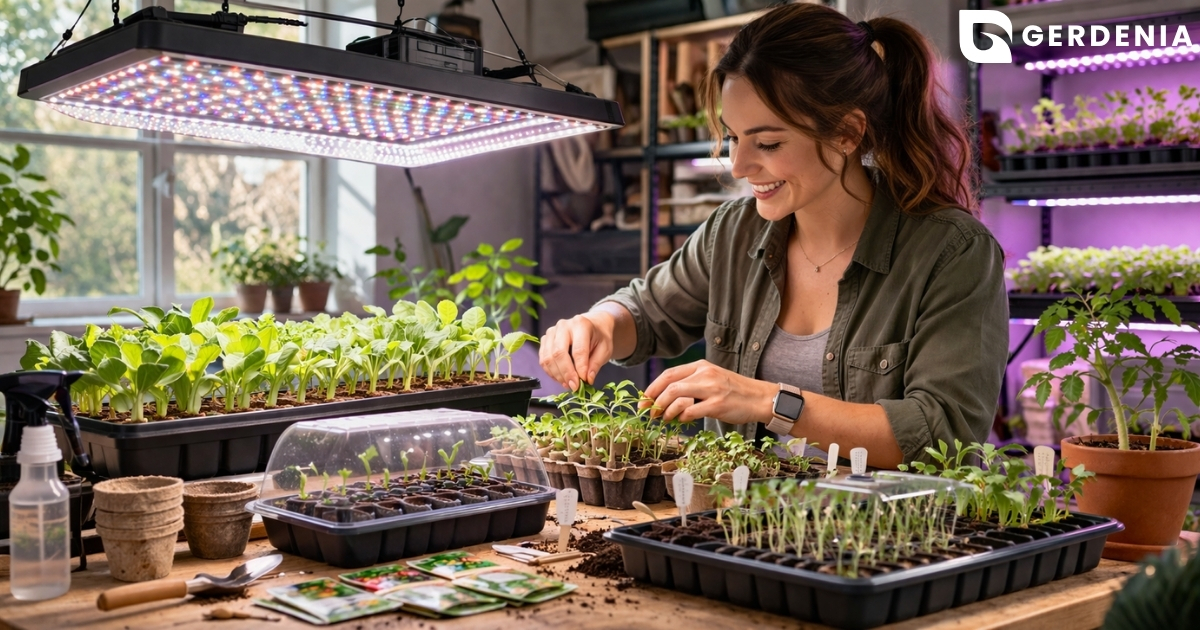
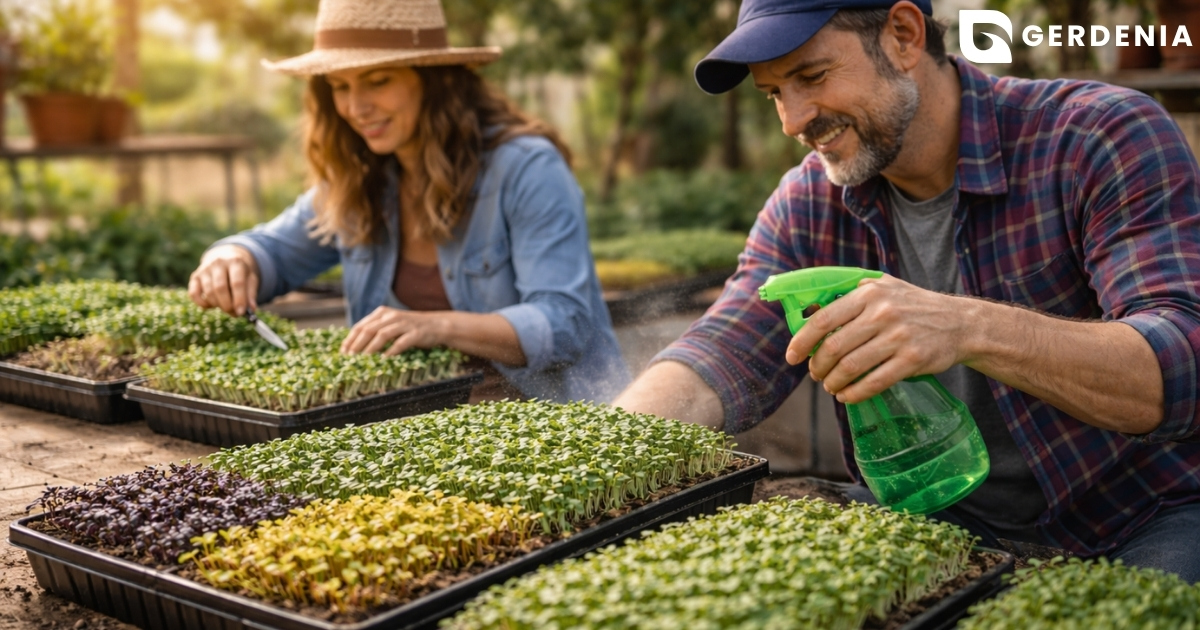
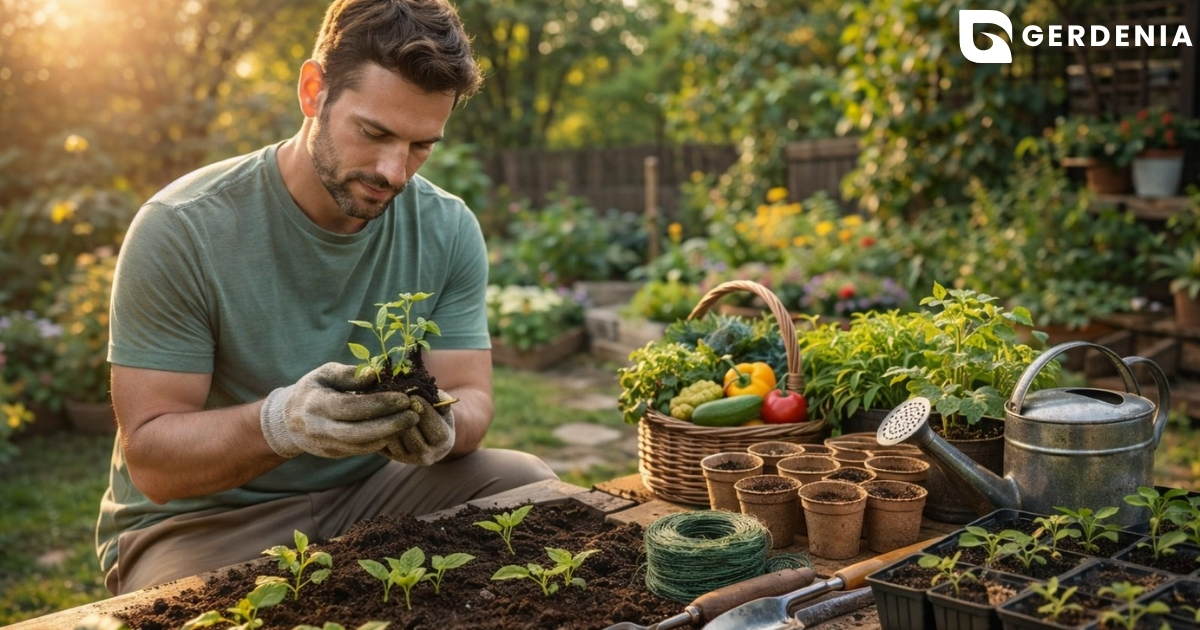
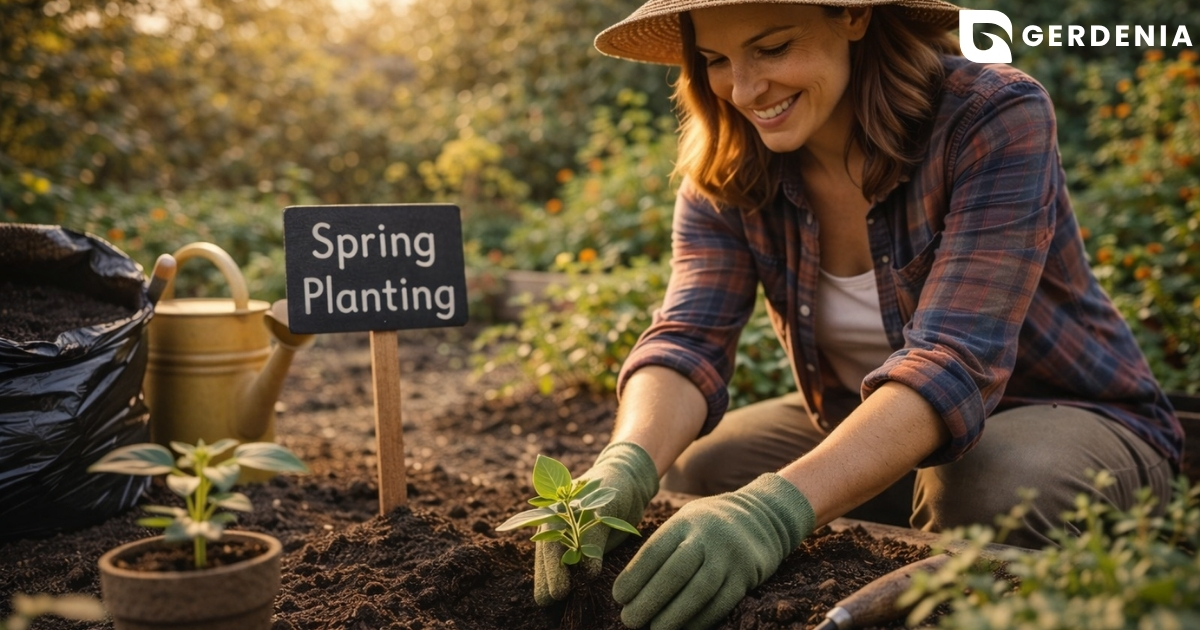
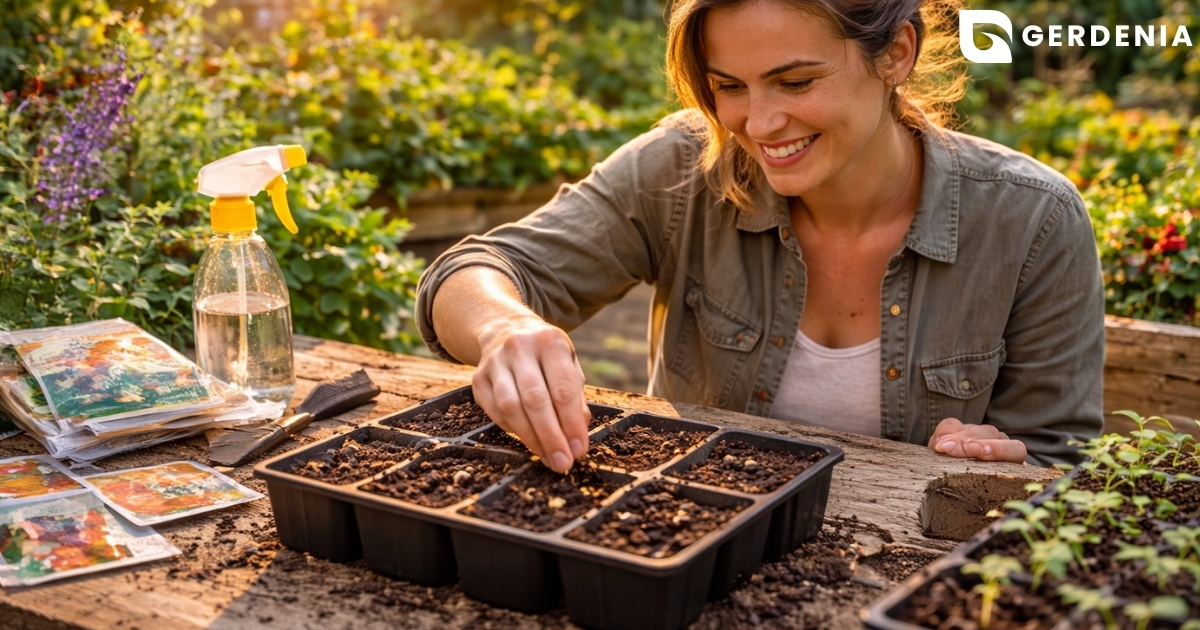
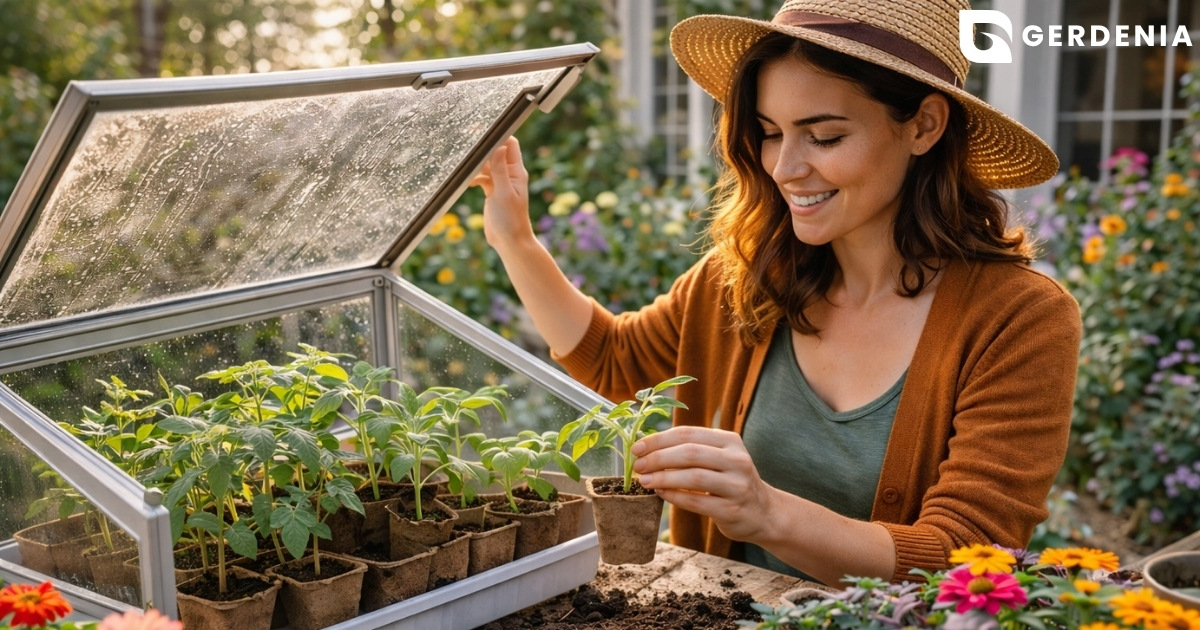
Outsmarting a short 150-day growing season means recognizing that not all garden plants should be treated equally. While fast-growing crops like radishes and beans thrive through “direct sowing”—planting seeds right into the backyard dirt—slower crops absolutely require a crucial head start. This indoor nursery strategy becomes your secret weapon for determining exactly when to plant in zone 5b. By germinating seeds inside your home, you artificially extend your season, transforming tiny seeds into robust transplants that are ready to hit the ground running the moment your soil warms up.
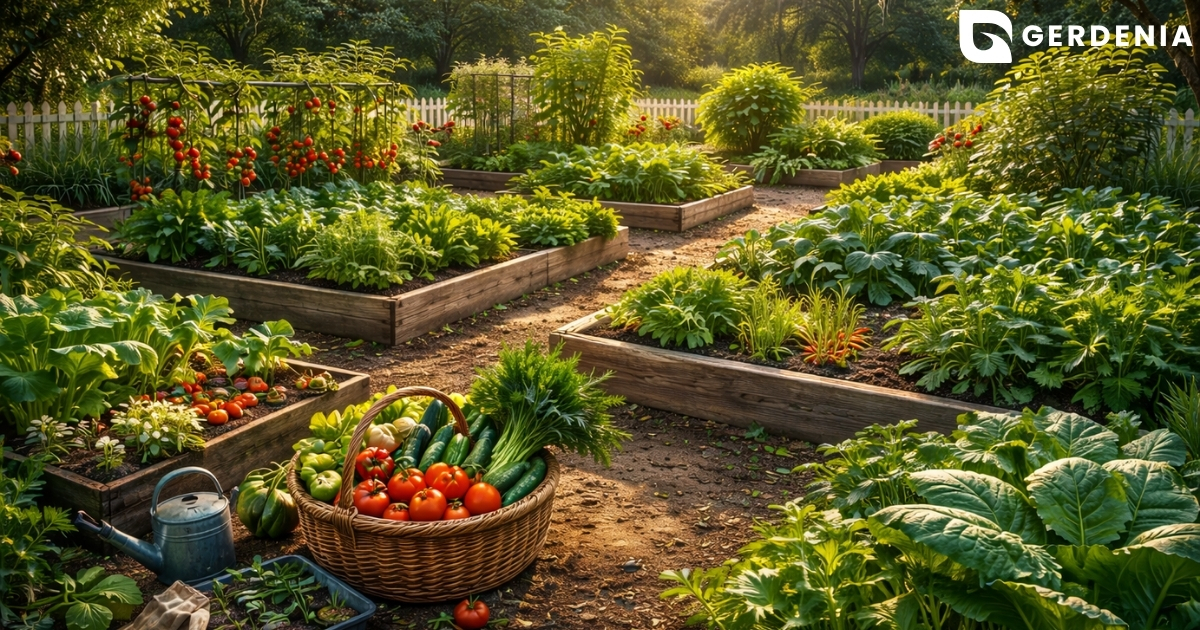
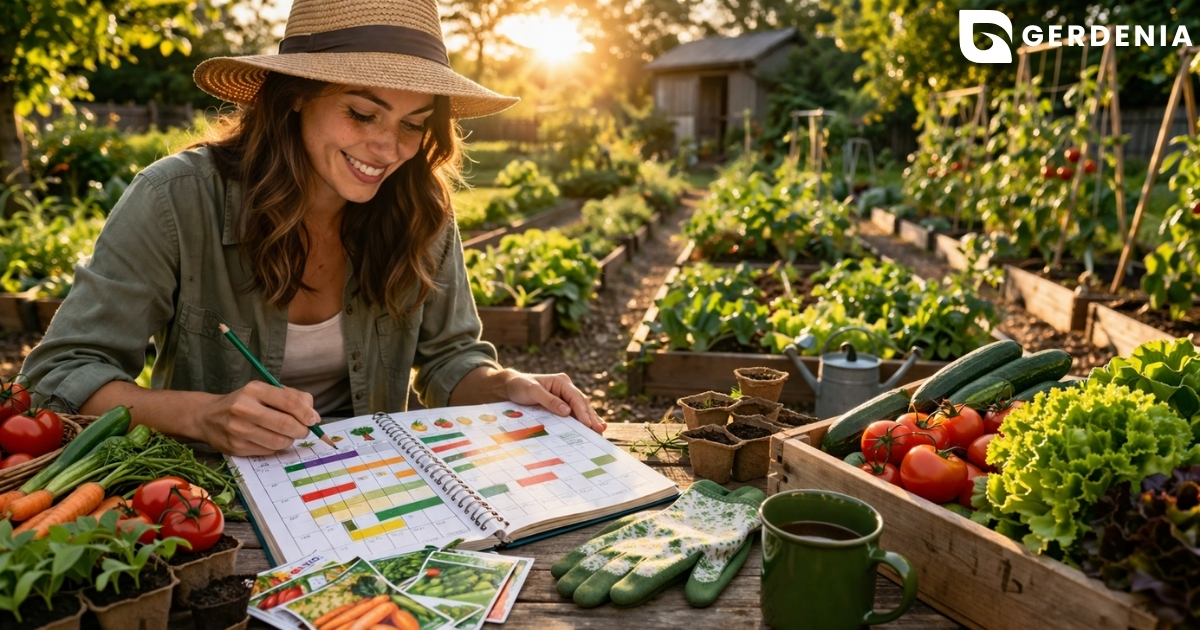
Creating a reliable vegetable planting schedule for zone 5 requires counting backward from your mid-May last frost date. You will typically begin this indoor process in mid-to-late March, tailoring the timeline to what each specific crop needs. Knowing exactly when to start seeds indoors zone 5 ensures your delicate seedlings do not outgrow their pots before the weather cooperates:
- 8 to 10 Weeks Out (Mid-March): Start your slow-growing heat lovers, such as peppers, eggplants, and tomatoes.
- 6 to 8 Weeks Out (Late March): Sow cool-weather brassicas, including broccoli, cabbage, and cauliflower.
- 3 to 4 Weeks Out (Mid-April): Plant fast-vining crops like cucumbers and squash, or simply direct sow them outdoors in May.
Before moving these pampered indoor babies straight into the harsh outdoor elements, they need a mandatory transition period known as “hardening off.” Think of this step as giving your plants a light jacket before sending them out into the cold. If you instantly move a delicate seedling from a cozy, still 70-degree room into glaring sun and spring wind, it will suffer from fatal shock. Instead, use a 7-day routine: place your seedling trays outside in a sheltered, shady spot for two hours on the first day, gradually increasing their sun exposure and outdoor time each day until they are fully acclimated.
Once your perfectly timed vegetables are safely transitioned and thriving in the soil, you might realize your yard still needs a permanent splash of early color. Fortunately, vegetables are not the only way to build an impressive landscape. While annual vegetable seeds require careful indoor coddling every single spring, your yard can also rely on resilient foundation perennials that return vigorously year after year.

“Sure-Bet” Perennials: Reliable Flowers That Laugh at the Snow
While your vegetable garden requires a fresh start every spring, your flower beds can rely on permanent residents that do the hard work for you. Perennials are the ultimate “plant it and forget it” investment because they possess a hidden superpower beneath the soil: root energy storage. Instead of pouring all their energy into making seeds before they die, these plants spend late summer packing nutrients into their thick root systems. Think of their roots as underground batteries, charging up all season to ensure they have enough power to burst back through the soil next year.
When those bitter January nights drop the temperature to -20°F, these charged-up roots enter a state called dormancy. Dormancy is essentially plant hibernation. The above-ground stems and leaves turn brown and die back to the ground, which looks alarming to a new homeowner, but it is actually a brilliant survival mechanism. By sacrificing their fragile green tops, the plant protects its vital core from freezing air, sleeping safely under the insulating blanket of snow until the spring ground thaws.
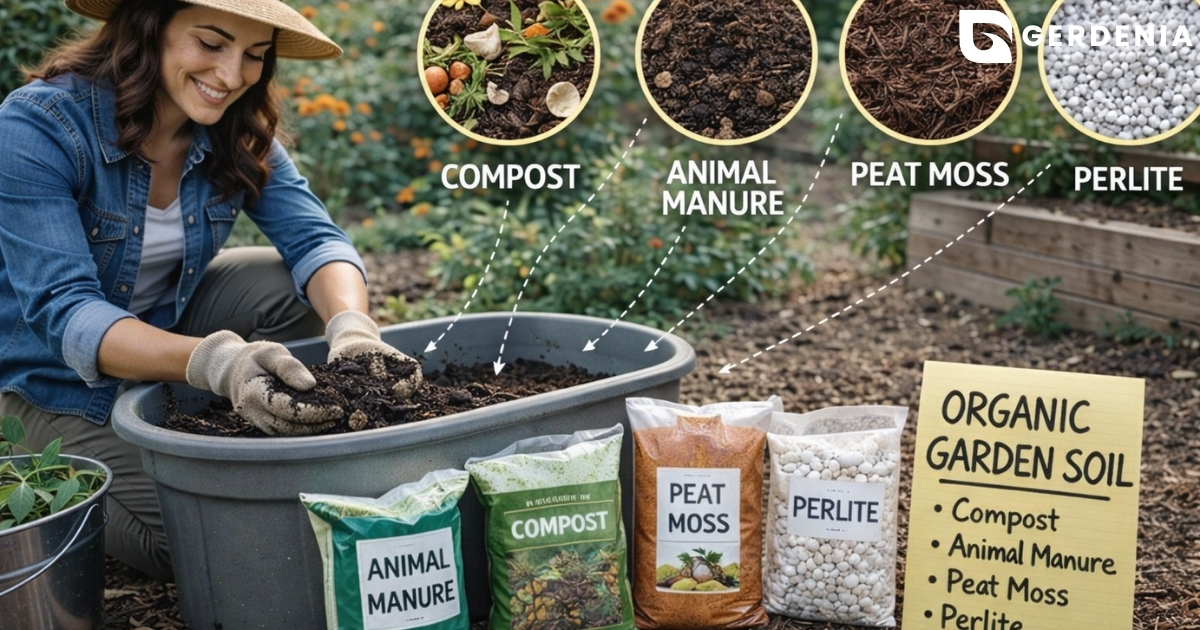
Surviving this sub-zero rest, however, depends heavily on the dirt they sleep in. You must match your soil type to your perennial’s needs, because the cold is rarely what actually kills a dormant plant—trapped winter moisture is the true culprit. Heavy clay soil holds freezing water tightly around the roots, essentially suffocating them in an icy bathtub. Amending your garden beds with rich compost ensures proper drainage, giving these resilient plants the perfect dry environment to rest without rotting.
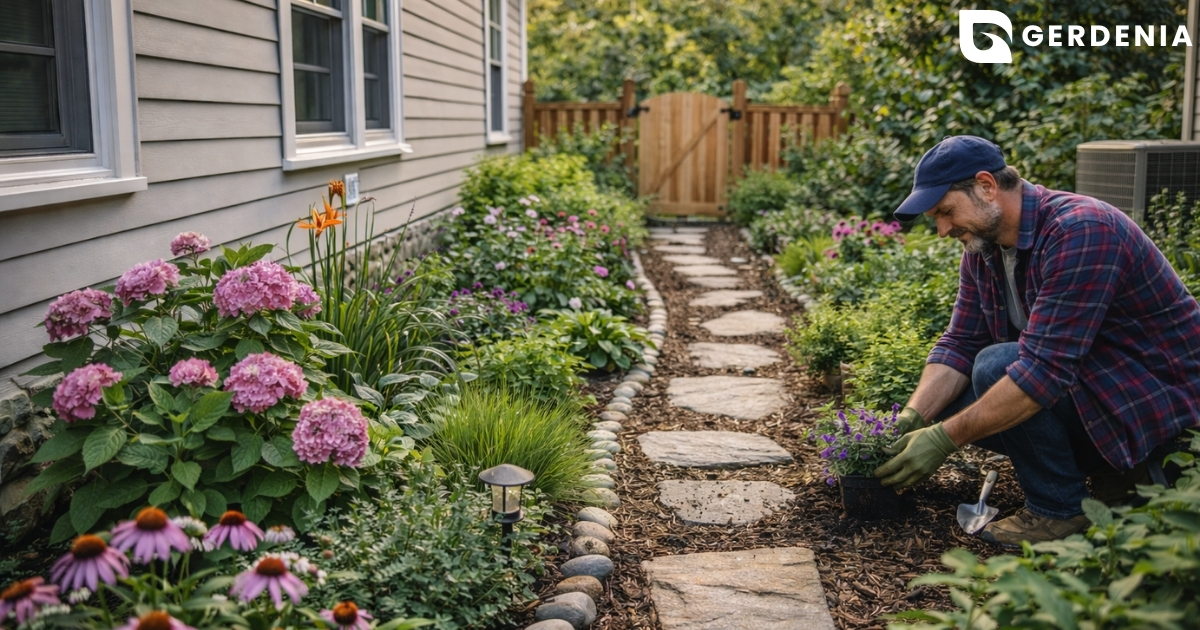
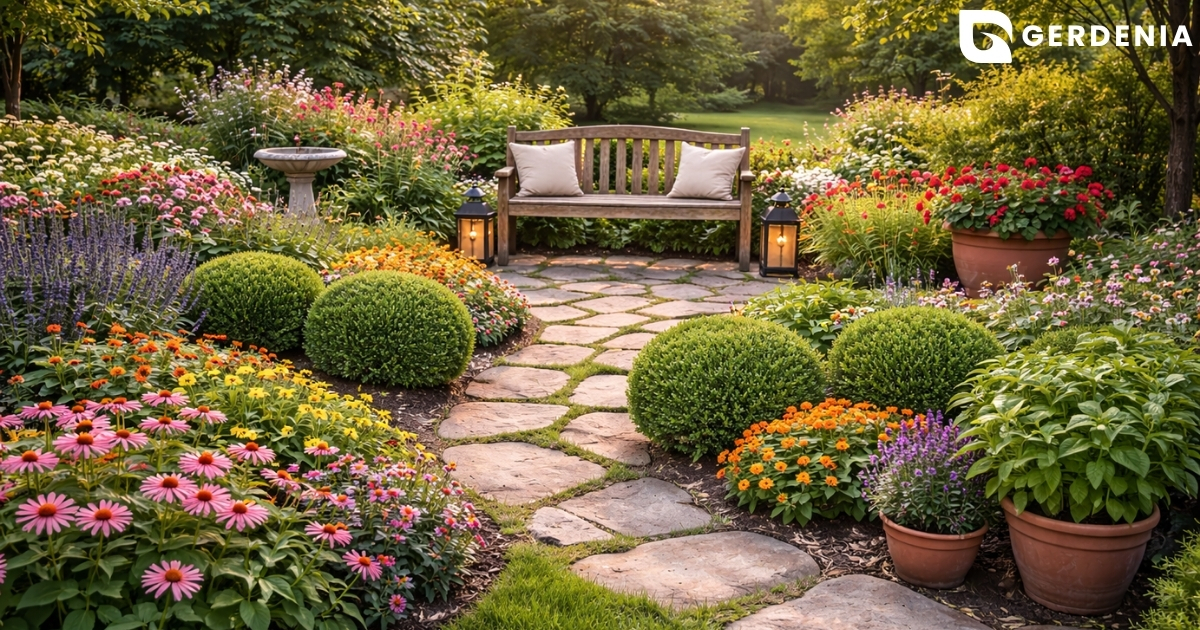
To build a reliable zone 5 flower planting schedule, you want to select species that naturally thrive in our specific freezing and thawing cycles. Prioritizing native flowers for northern gardens is always a smart strategy, alongside a few famously tough cultivated favorites. Here are five foolproof, cold hardy perennials for zone 5 that promise spectacular color:
- Peonies (Late Spring): Famous for massive, fragrant blooms and extreme winter hardiness, often outliving the gardeners who plant them.
- Hostas (Early Summer): The undisputed kings of the shade, reliably pushing up lush, leafy mounds year after year.
- Coneflowers (Mid-Summer): A drought-tolerant prairie native with cheerful, daisy-like blooms that easily attract butterflies.
- Black-Eyed Susans (Late Summer): Brilliant yellow workhorses that happily ignore poor soil and bloom relentlessly.
- Sedum ‘Autumn Joy’ (Early Fall): A thick-leaved succulent that produces dusty pink flower heads just as the rest of the garden fades.
Building a foundation of these returning flowers transforms your yard into an effortlessly beautiful space. Once your ornamental borders are established and thriving independently, larger edible plants can be integrated to add height and productivity to your cold-weather landscape.
Fruit Trees for Cold Climates: Picking Varieties That Won’t Freeze Out
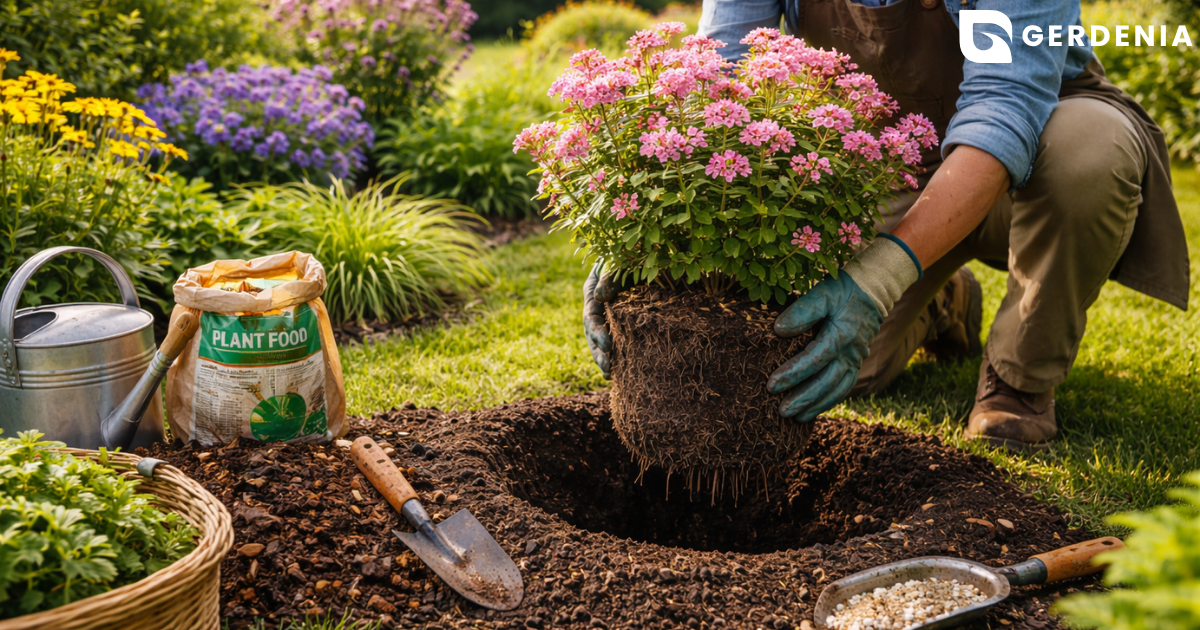
Growing your own apples feels like the ultimate gardening achievement, but a brutal Zone 5 winter can quickly turn an expensive sapling into firewood. To find the best fruit trees for cold climates, you need varieties explicitly rated to survive -20°F. The secret to this survival often lies in grafted rootstock. Think of grafting like attaching a delicious fruit-producing top to the rugged, cold-hardy root system of a wild tree. By combining these plants, you get sweet backyard apples on roots tough enough to sleep through a blizzard.
Surprisingly, your trees actually depend on those freezing temperatures to produce a successful summer harvest. This requirement is measured in “chill hours,” which is essentially the tree’s internal winter alarm clock tracking how long temperatures hover between 32°F and 45°F. If a tree needs 800 chill hours but experiences a bizarrely short winter, it will not wake up to bloom properly, meaning no fruit. When consulting a zone 5 planting guide, always verify your chosen variety requires high chill hours, ensuring its biological clock perfectly matches our long, icy winters.
Success also depends heavily on timing, with early spring offering the safest window for delicate new saplings. Getting that young tree into the ground just after the soil thaws gives its root system the entire summer to anchor deeply before the next freeze. Once established, robust roots make fruit trees excellent focal points for drought tolerant zone 5 landscaping, requiring surprisingly little supplemental watering. Deep soaking once a week during their first summer effectively trains those roots to dive down and seek natural ground moisture.
A thriving backyard orchard proves that northern gardening is more about smart planning than fighting the weather. While spring is fantastic for anchoring vulnerable saplings, late summer brings an entirely different strategy for the rest of your yard. As the blistering heat fades and the soil remains perfectly warm, a hidden window of opportunity opens to set up resilient spring color.
The Fall Planting Shift: Why October is the Most Important Month for Spring Color
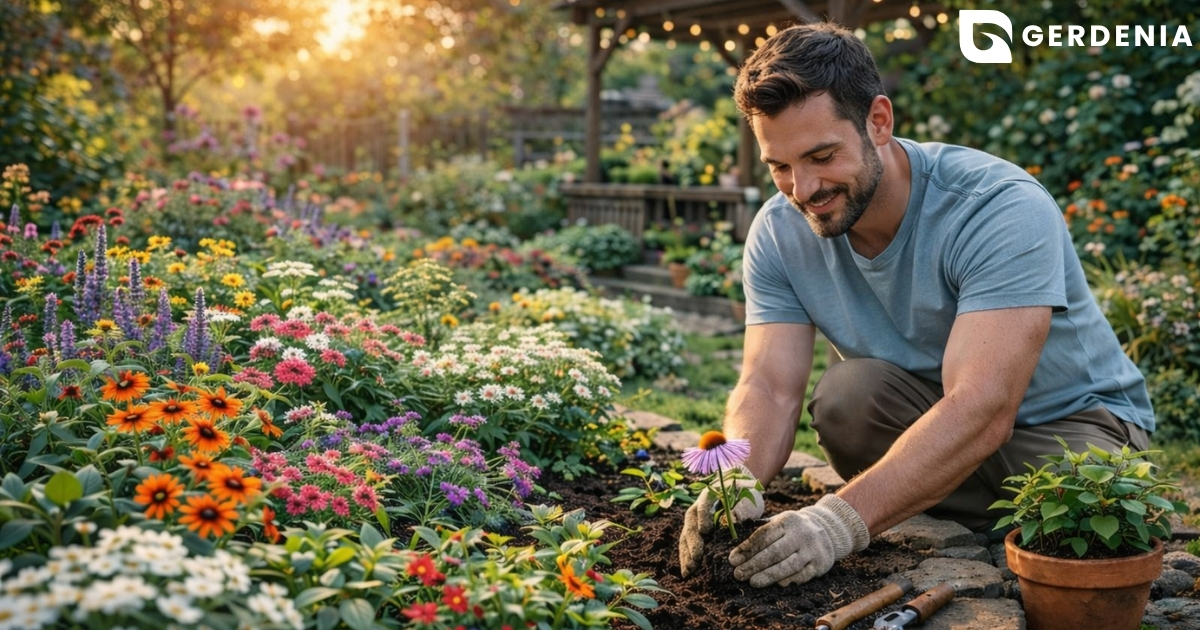
Packing away your gardening gloves in September means missing out on the best-kept secret of a robust fall planting guide zone 5. While the autumn air requires a sweater, the soil below holds onto summer’s heat like a thermal blanket. Planting in October allows perennials to settle in without the stress of scorching July sun. Even when snow inevitably covers your yard, the earth beneath the frost line stays warm enough for new underground root systems to actively stretch and establish themselves all winter long.
This icy hibernation isn’t just tolerable for certain plants—it’s absolutely mandatory. The biological necessity for a cold period is called vernalization, meaning the plant requires a prolonged winter freeze to trigger its internal spring alarm clock. Without meeting these strict bulb chilling requirements, your garden will produce green leaves but zero flowers. To guarantee a successful season, prioritize planting fall bulbs for spring bloom using this reliable checklist:
- Tulips and Daffodils: Plant these classic showstoppers 6 to 8 inches deep before the ground freezes solid.
- Garlic: Separate the cloves and plant them pointy-side up for a massive mid-summer culinary harvest.
- Hardy Shrubs: Plant new lilacs or move established perennials while they are completely dormant to drastically reduce transplant shock.
Your local frost calendar is the ultimate tool for executing a precise zone 5 fall planting schedule. The sweet spot usually lands between your first light autumn frost and the day the topsoil permanently freezes rock solid—typically mid-to-late October. During this golden window, getting your bulbs tucked into the dirt sets the stage for a spectacular, effortless spring awakening. Protecting these newly planted investments is the final crucial step to ensure they survive January’s bitter winds.
Giving Your Garden a “Winter Coat”: Essential Protection Techniques
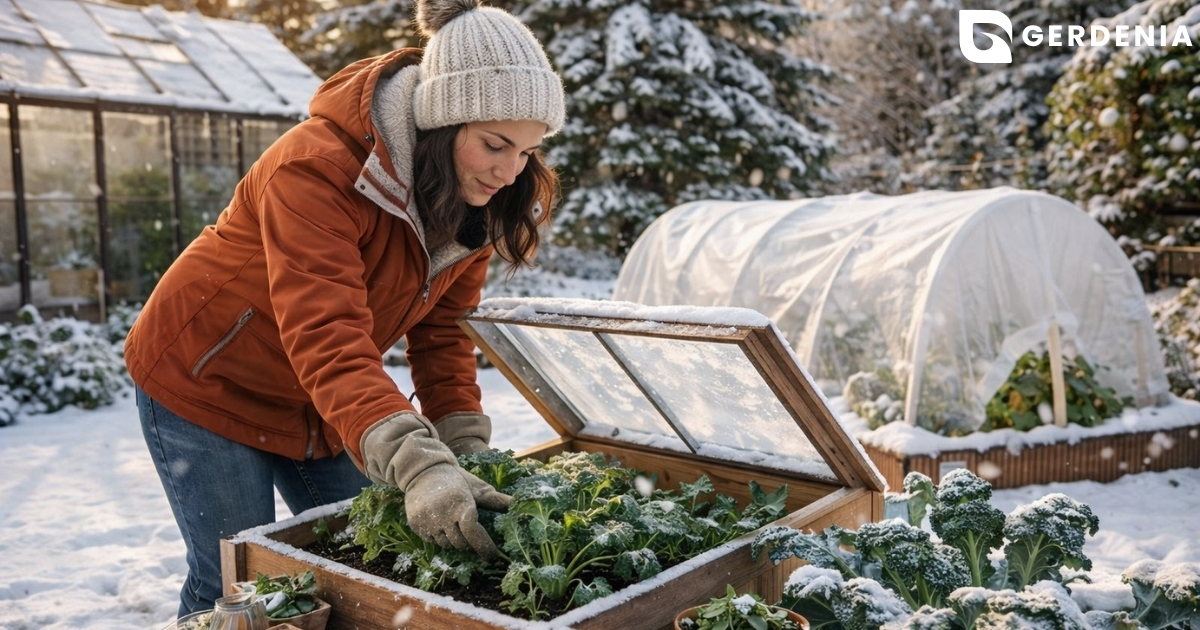
You might think a frozen garden doesn’t need water, but dry soil is a disaster. January winds pull moisture directly out of evergreen needles in a process called desiccation, commonly known as winter burn. Since the ground is solidly frozen, roots cannot pull up replacement water. The vital first step in winterizing perennial gardens in zone 5 is scheduling a final “Deep Soak” in late November, which saturates the earth and gives your plants a built-in underground reservoir to draw from all season.
Once the ground is completely cold, apply a thick winter coat of mulch to keep soil temperatures consistent. This insulation prevents frost heaving, a destructive cycle where the soil repeatedly freezes and thaws, physically pushing plant roots out of the dirt to freeze. Master the “Mulch Donut” technique by spreading three inches of wood chips in a wide circle, leaving bare dirt directly against the stem. Piling mulch high—the dreaded “mulch volcano”—traps unwanted moisture and invites rot.
Guarding against wind above ground is equally critical. Even low maintenance shrubs for zone 5 benefit greatly from a burlap screen wrapped around stakes to block harsh gusts. When protecting deer resistant plants for zone 5, remember their bitter taste does not stop the weather; wrapping them or spraying an anti-desiccant coating locks in essential moisture before the winds arrive.
These practical protection techniques ensure your autumn investments survive the severe cold. A well-watered, properly mulched garden sleeps peacefully beneath the snow until April. To further expand your planting options, you can analyze your property’s layout to locate warmer pockets that bend the standard climate rules.

Cheating the Zone: How to Find and Use Microclimates in Your Yard
You don’t have to accept defeat when a favorite plant demands a slightly warmer climate. By identifying microclimates—small garden pockets where temperatures stay warmer than the rest of your yard—you can successfully bend the rules of any standard zone 5 planting guide. These hidden sanctuaries often bridge the subtle zone 5a vs 5b differences, saving tender plants from winter death. Walk your property to find three natural hotspots: the south-facing side of a brick house, the ground immediately hugging an asphalt driveway, or a sun-drenched corner protected by existing shrubs.
Harnessing these warmer pockets relies on thermal mass, meaning heavy materials naturally absorb the sun’s heat. A stone retaining wall or a wooden privacy fence acts like a giant battery, soaking up warmth all afternoon and gently radiating it back to nearby plants throughout the freezing night. Strategically placing fragile perennials against these hardscaping features is a reliable trick for extending the growing season. The stored heat keeps the surrounding soil just warm enough to delay the impact of the first autumn frost.
Defending against brutal weather is just as vital as trapping heat. The lethal North wind drastically drops local temperatures and strips essential moisture from delicate stems. You can build an effective windbreak by planting a staggered row of rugged evergreens or installing a solid panel fence, forcing freezing gusts up and over your sensitive garden beds. Mastering these sheltering techniques prepares you to implement a full-year strategy for lasting landscape resilience.
Your Year-Round Zone 5 Success Plan: From Thaw to Slumber
You used to look at a nursery catalog and wonder if those beautiful blooms would survive a bitter January freeze. Now, armed with a reliable zone 5 planting guide, you can walk into any garden center knowing exactly which plants will thrive in your backyard. By respecting your specific frost safety window, you have replaced springtime guesswork with a confident, actionable strategy.
Instead of wasting money on delicate varieties, you can build a landscape around winter-hardy survivors. Rely on sure-bet perennials like vibrant coneflowers, shade-loving hostas, and legacy peonies that guarantee returning color year after year. Following your zone five planting schedule ensures these investments establish strong, healthy roots long before the snow flies.
Turn your structural planning into action with this 4-Step Quick Start checklist:
- Mark the calendar: Highlight your exact last spring frost and first fall frost dates.
- Map the seeds: Draft your vegetable planting schedule for zone 5, counting backward to know exactly when to start delicate plants indoors.
- Plant the basics: Choose your three guaranteed hardy perennials to secure an early gardening win.
- Prepare the protection: Plan your fall mulching routine to insulate your new roots like a heavy winter coat.
Winter is a natural resting phase that requires straightforward preparation, not worry. You now understand the rhythm of your climate well enough to plan effectively. Utilize your local frost calendar, plot your seed-starting dates, and prepare your resilient garden to spring to life when the ground thaws.