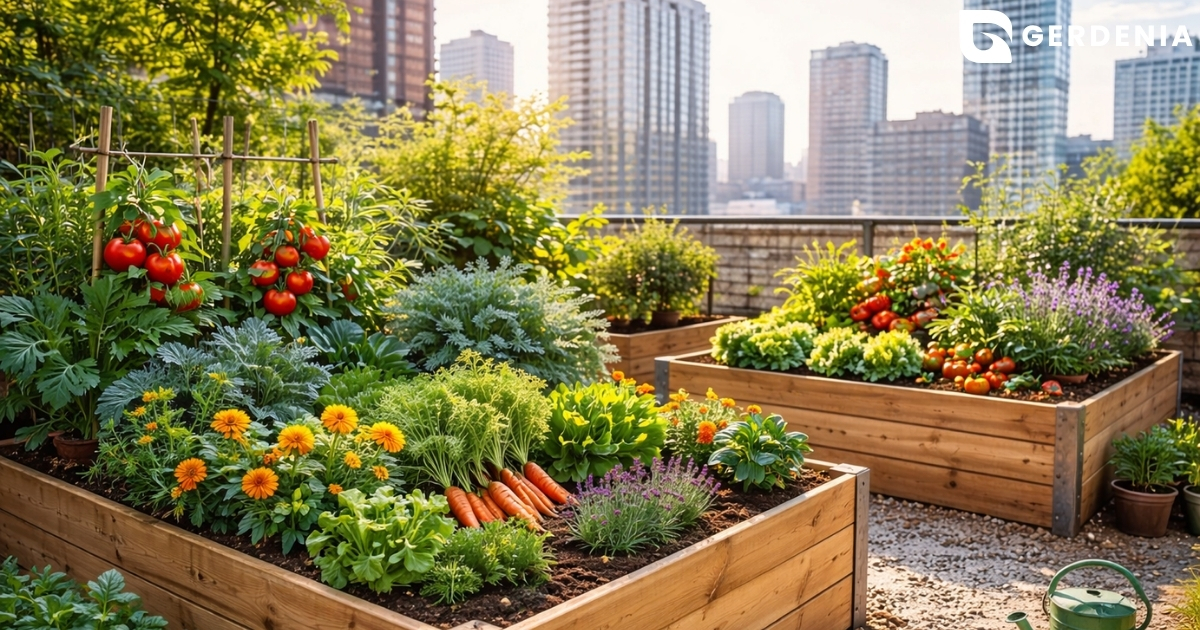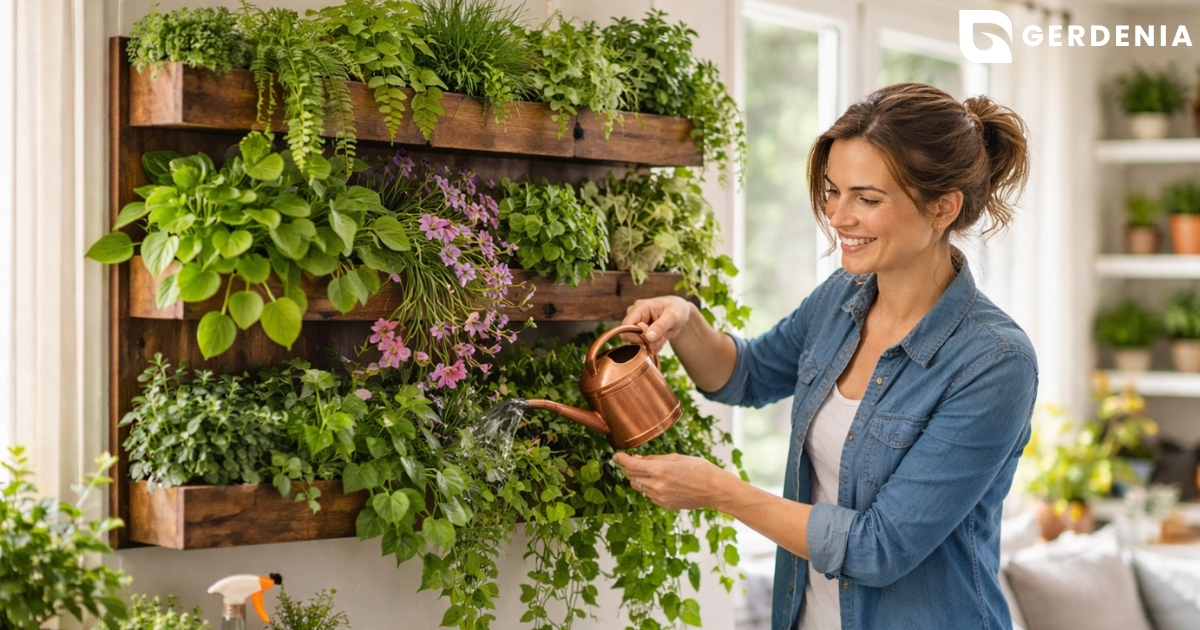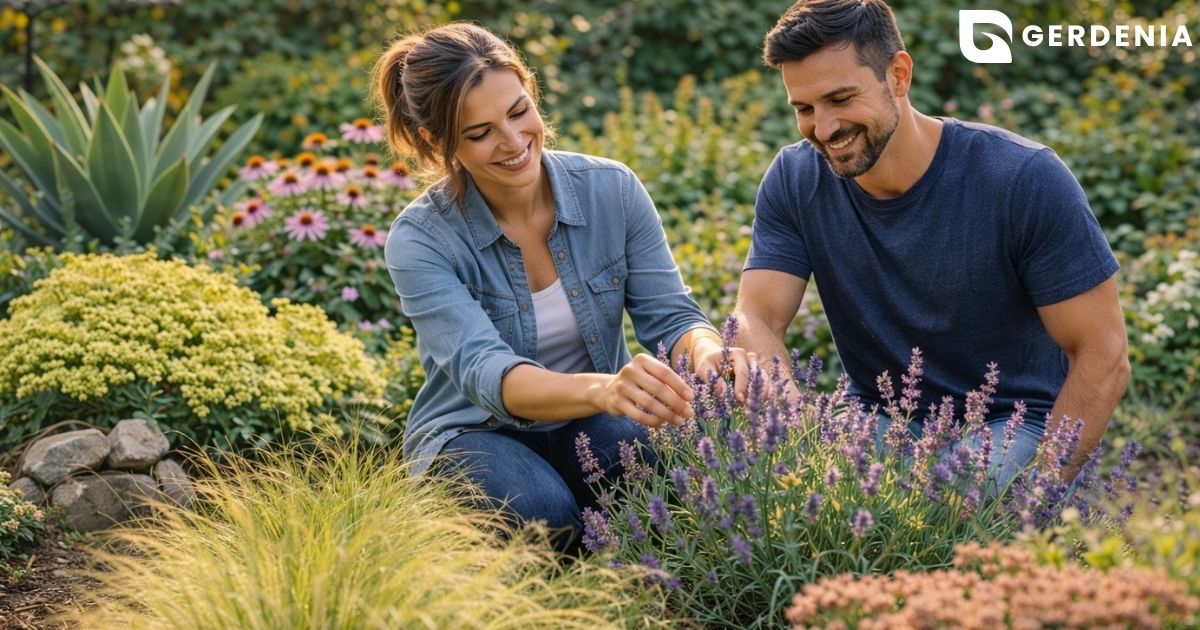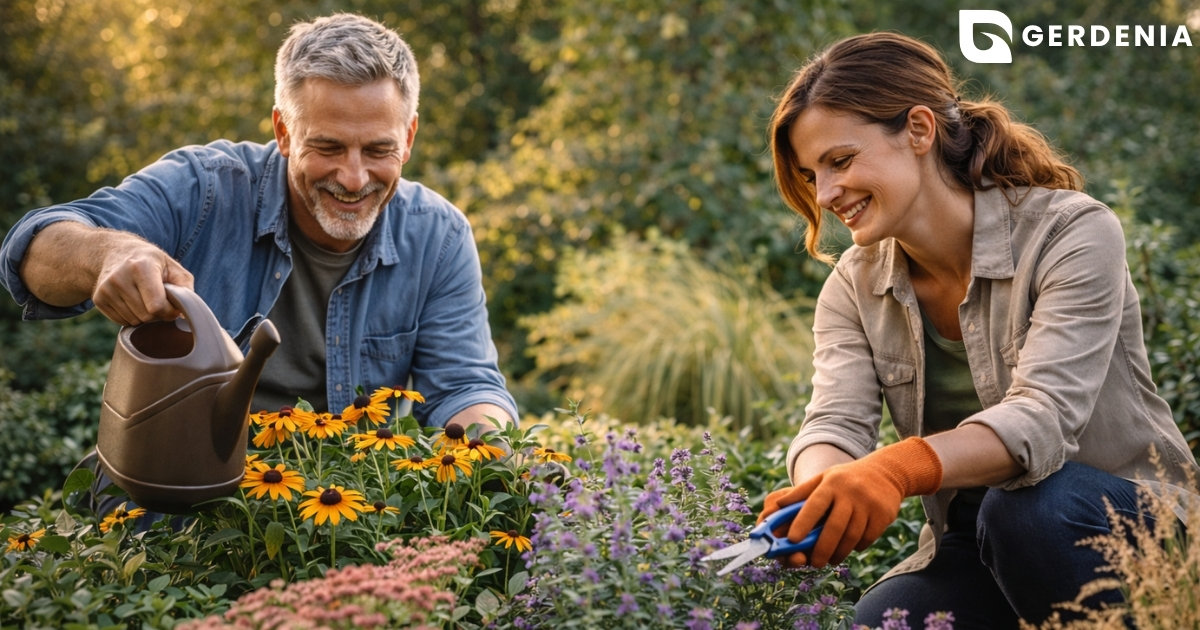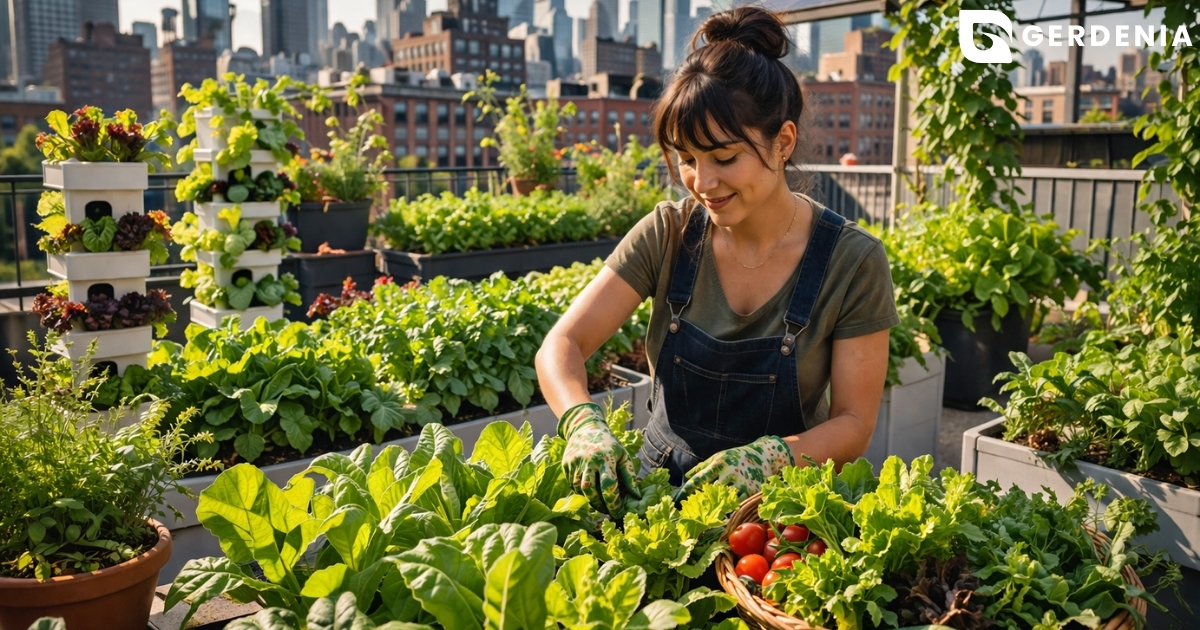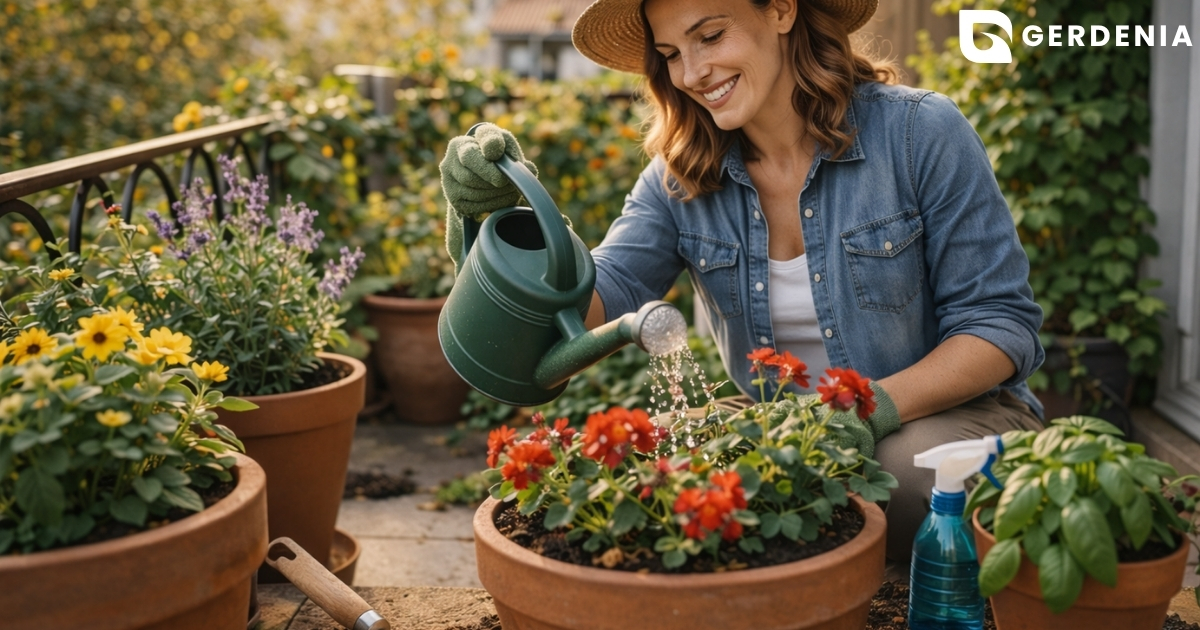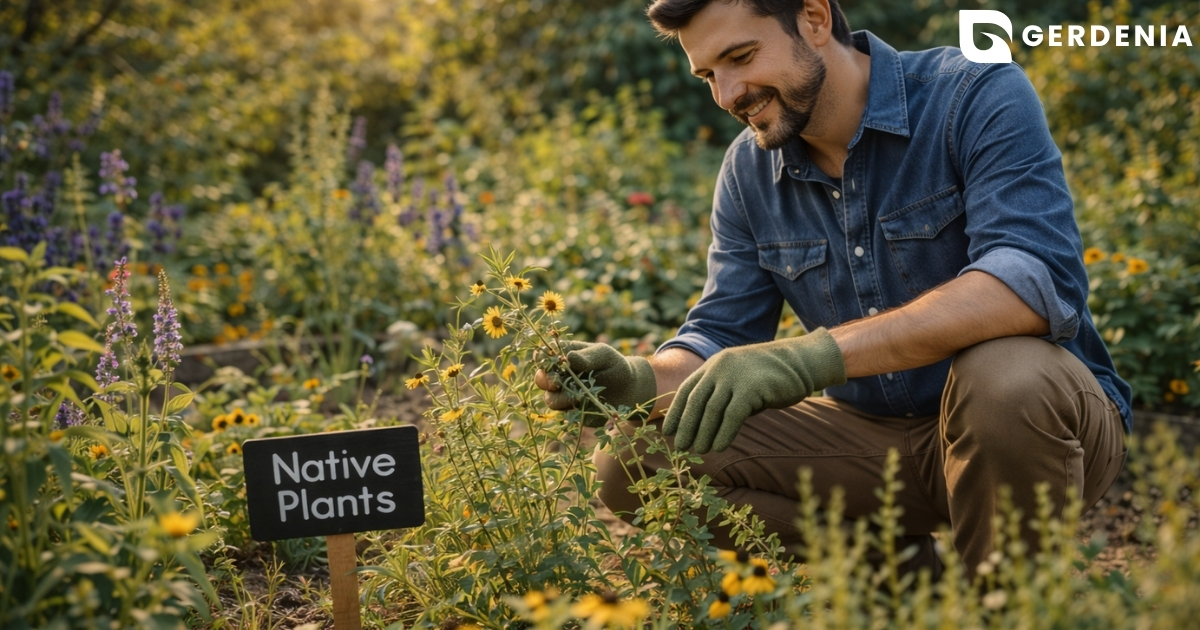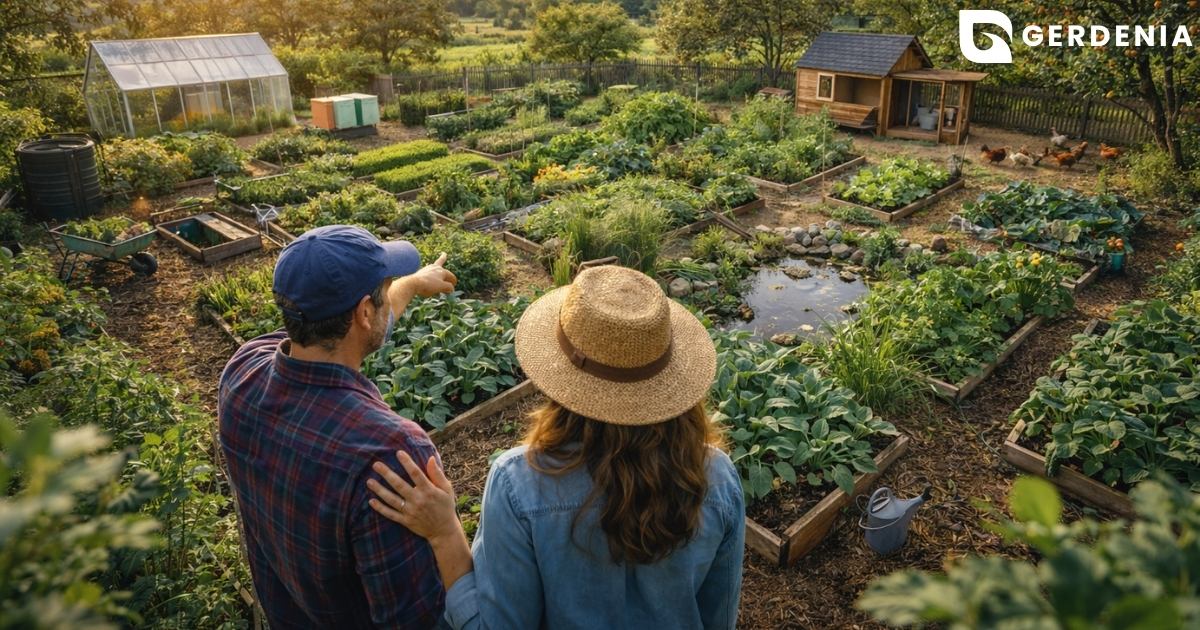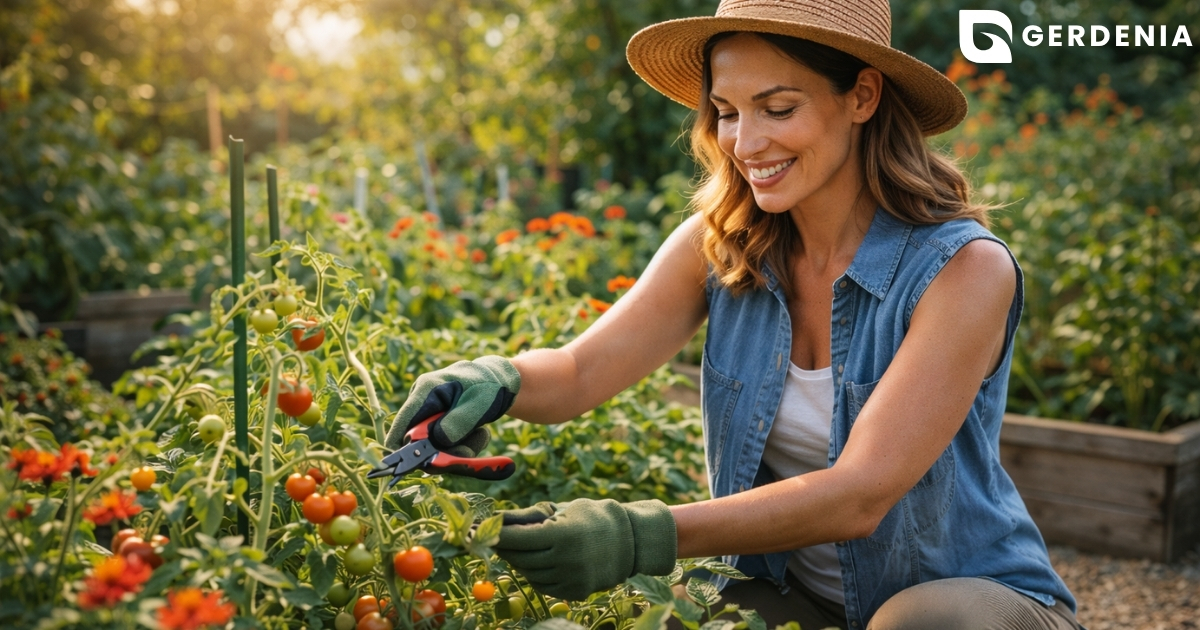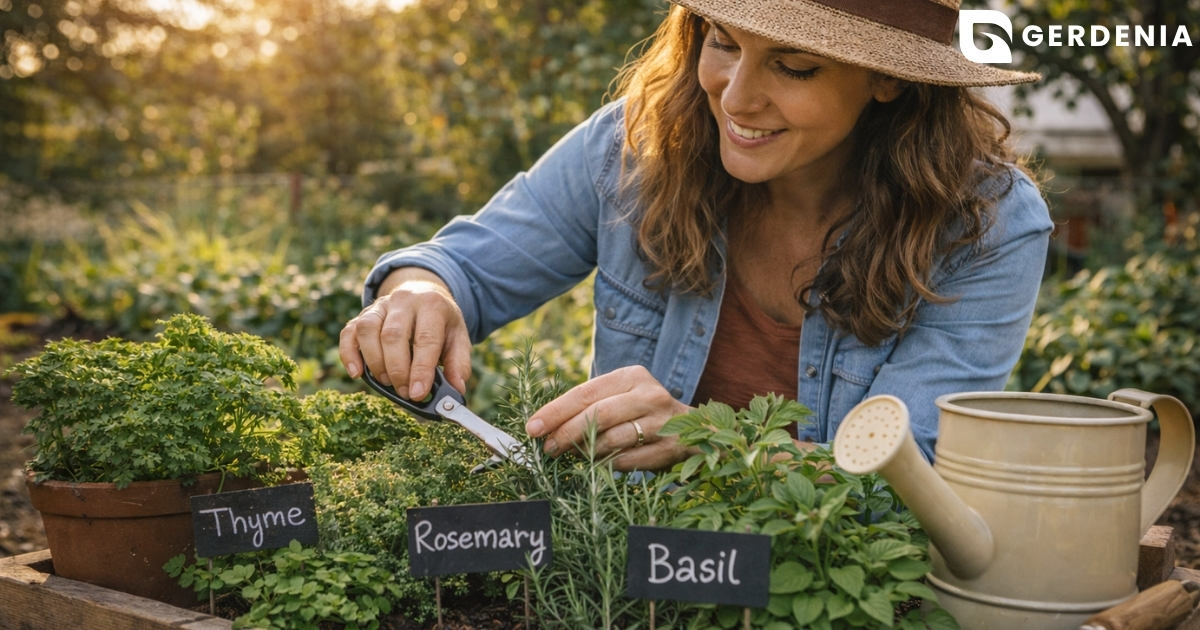
Biting into a sun-warmed tomato you grew yourself delivers pure magic, yet the fear of plant failure stops many beginners from trying. According to botanical educators, the mythical “black thumb” does not exist. Instead, backyard gardening is simply about following a reliable recipe rather than relying on innate talent.
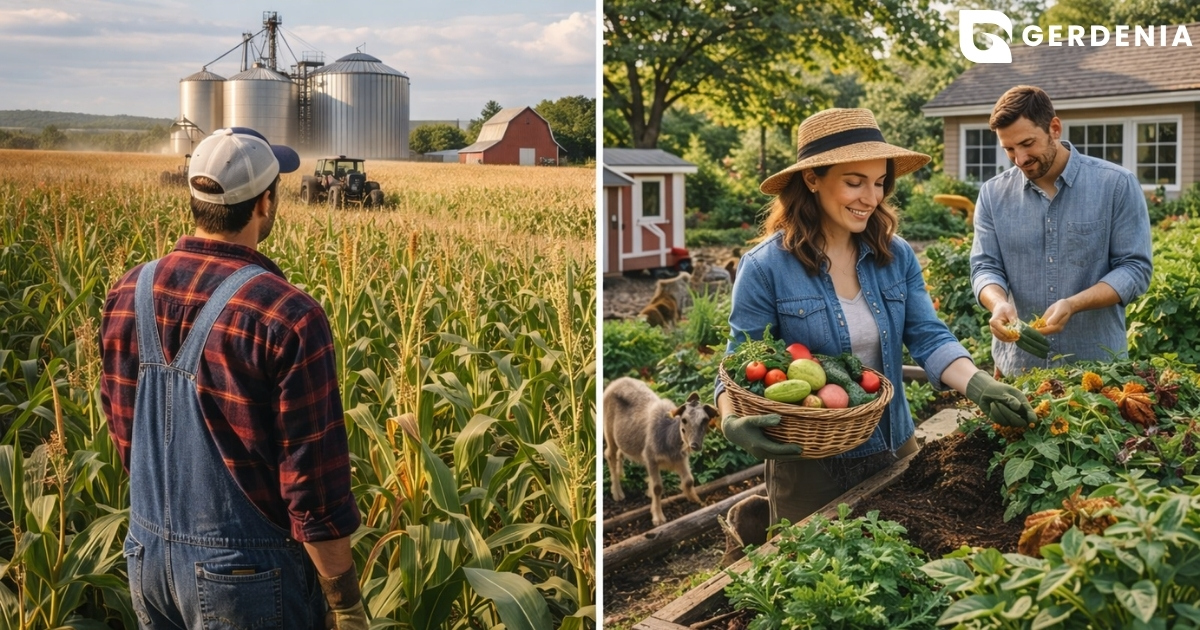
Most early struggles occur due to a simple mismatch between a seedling and its environment. Overcoming this hurdle is exactly why this garden guide emphasizes the “Right Plant, Right Place” philosophy. By matching available sunlight to what a vegetable naturally prefers, you remove the guesswork entirely. Ultimately, planting a garden leads straight to a successful first harvest when you select crops that already want to thrive in your space.
Match Your Backyard to the Map: How USDA Hardiness Zones Prevent Costly Planting Mistakes
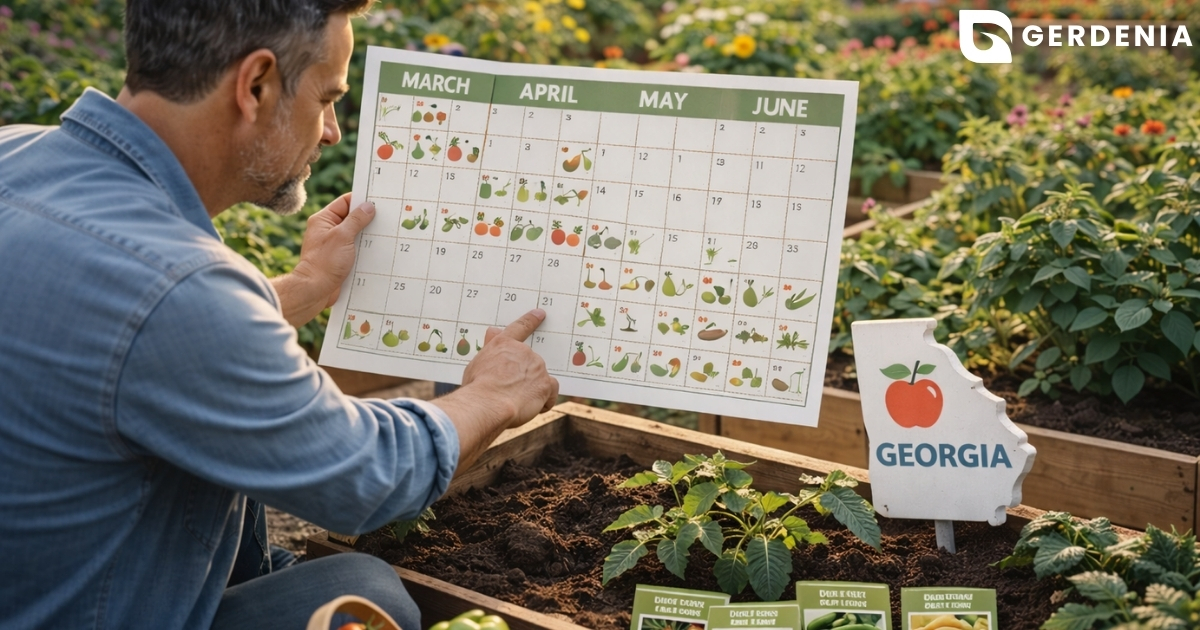
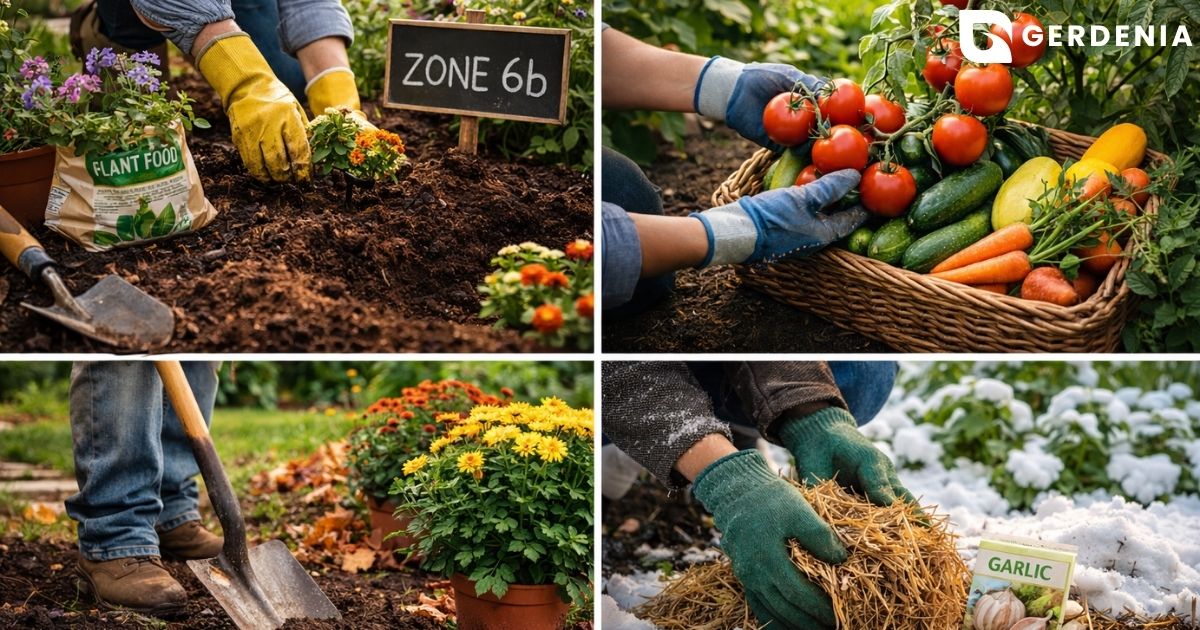
Winter cold determines if your garden survives until spring. To avoid wasting money planting plants that freeze, you must check the USDA hardiness zones map. Think of this map as your local garden guidelines, dividing regions by their average coldest temperatures. Knowing your zone ensures you buy perennials tough enough for your specific winter. Equally vital is your “last frost date,” nature’s green light indicating the safest time to move tender vegetables outdoors without risking frost damage.

Before heading to the nursery, follow these steps to safeguard your investment:
- Enter your zip code into an online zone map to find your specific number.
- Check the plant tag to ensure your zone falls within its printed survival range.
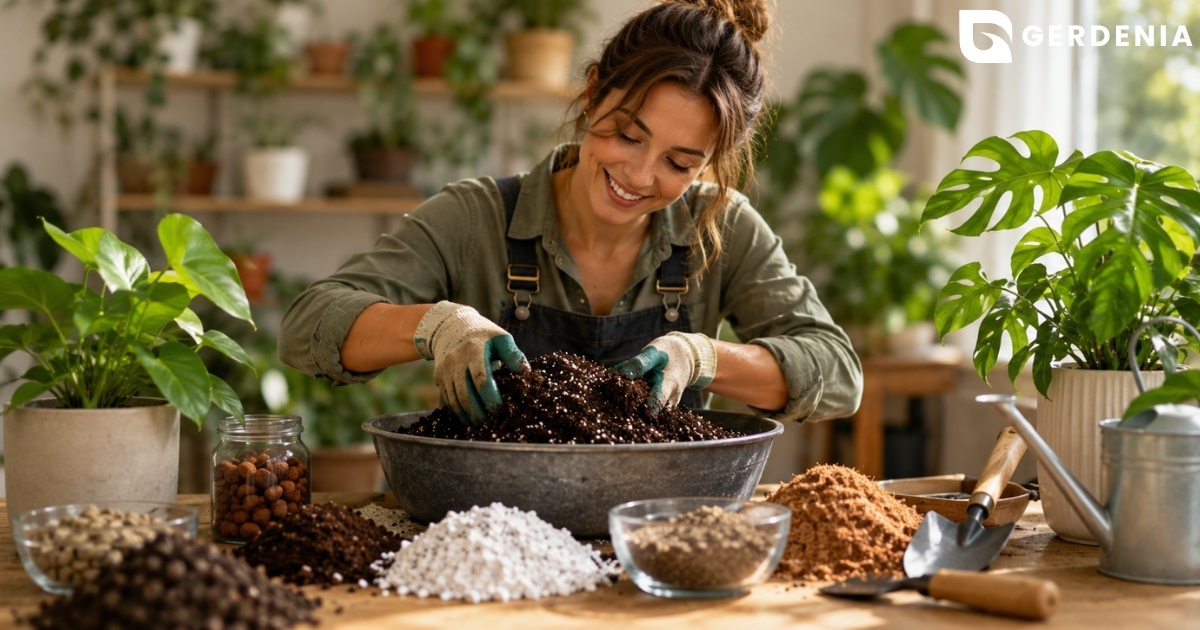
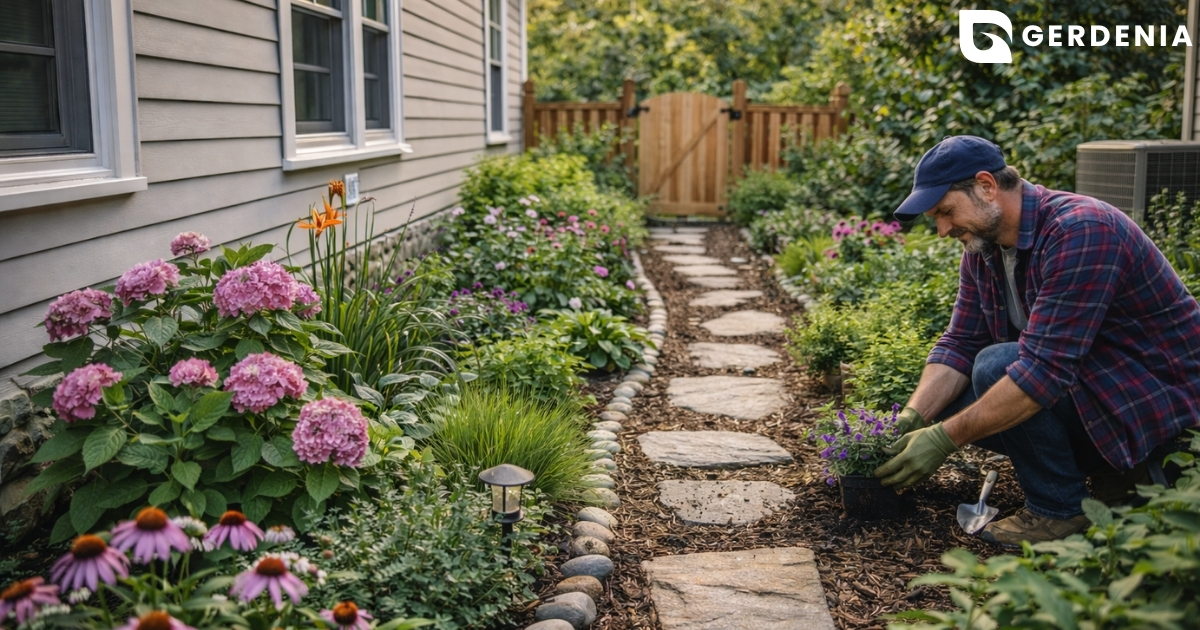
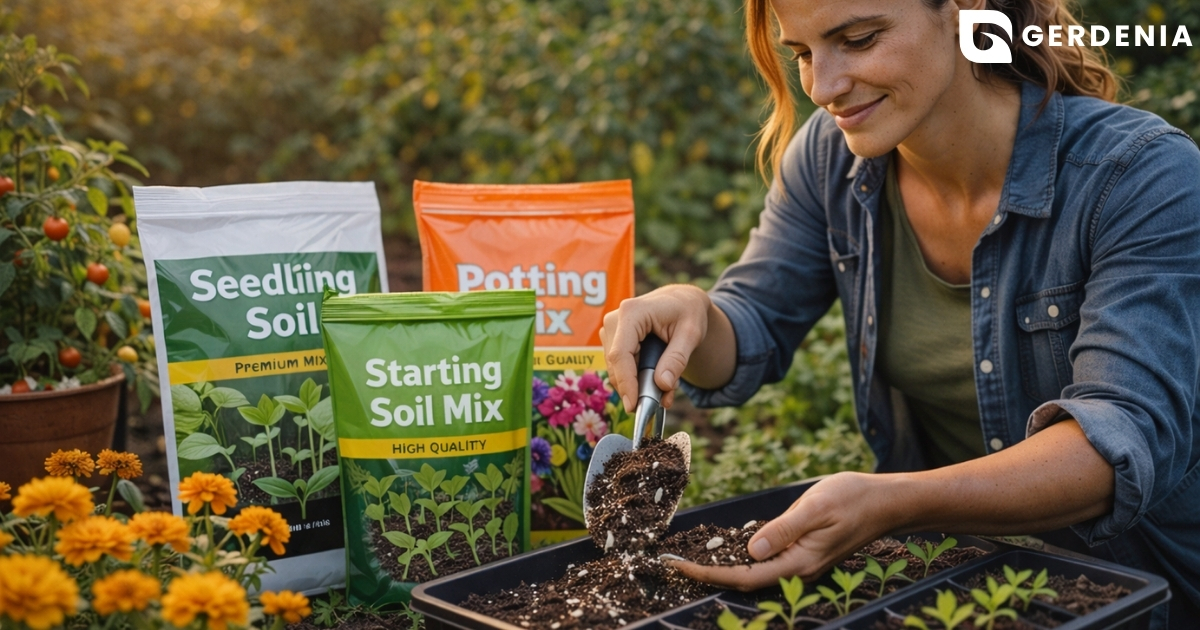
Now that your climate matches your plants, you can prepare the dirt by testing its pH and observing your yard’s sunlight.
The ‘Pantry’ and the ‘Battery’: Testing Your Soil pH and Sunlight for Peak Plant Energy
Think of sunlight as your plant’s battery charger. Before using any garden layout planner for small spaces, you should conduct a basic sunlight audit simply by watching your yard’s shadows throughout the day. The best vegetables for full sun require at least six uninterrupted hours of direct light to successfully charge their energy reserves and fuel their growth.
Once your light is mapped, check your dirt’s drainage by tightly squeezing a damp handful of earth.

If the squeezed clump holds its shape but crumbles easily when poked, plant roots will breathe perfectly. A sticky, unbreakable lump means you have heavy clay, while dirt that instantly falls apart is too sandy to hold water effectively.
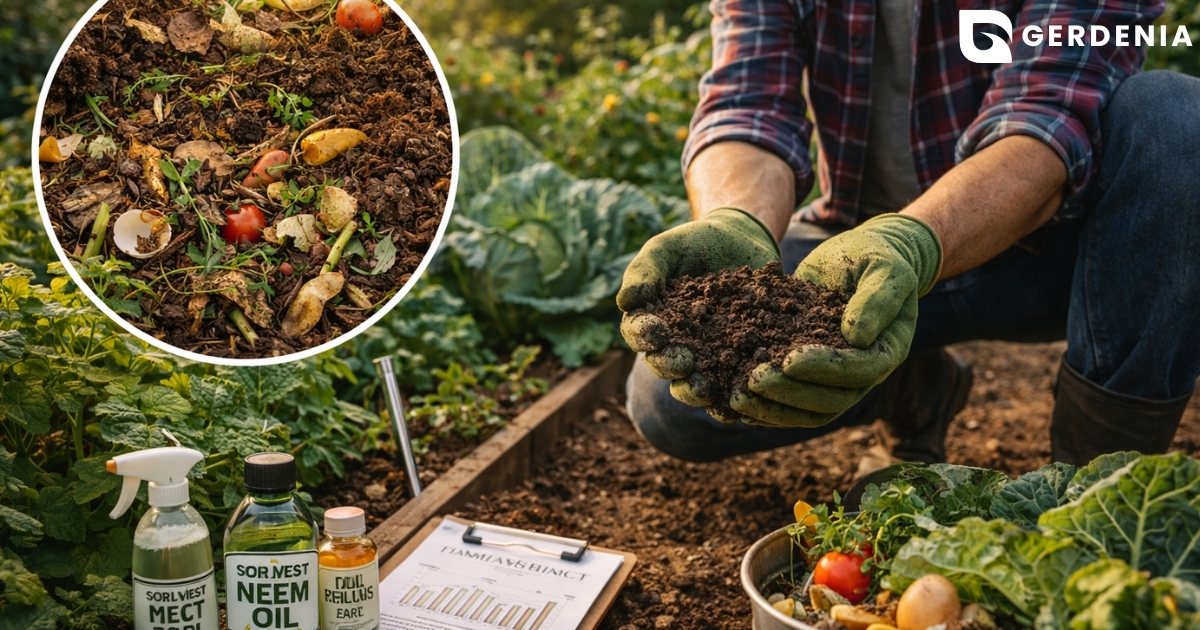
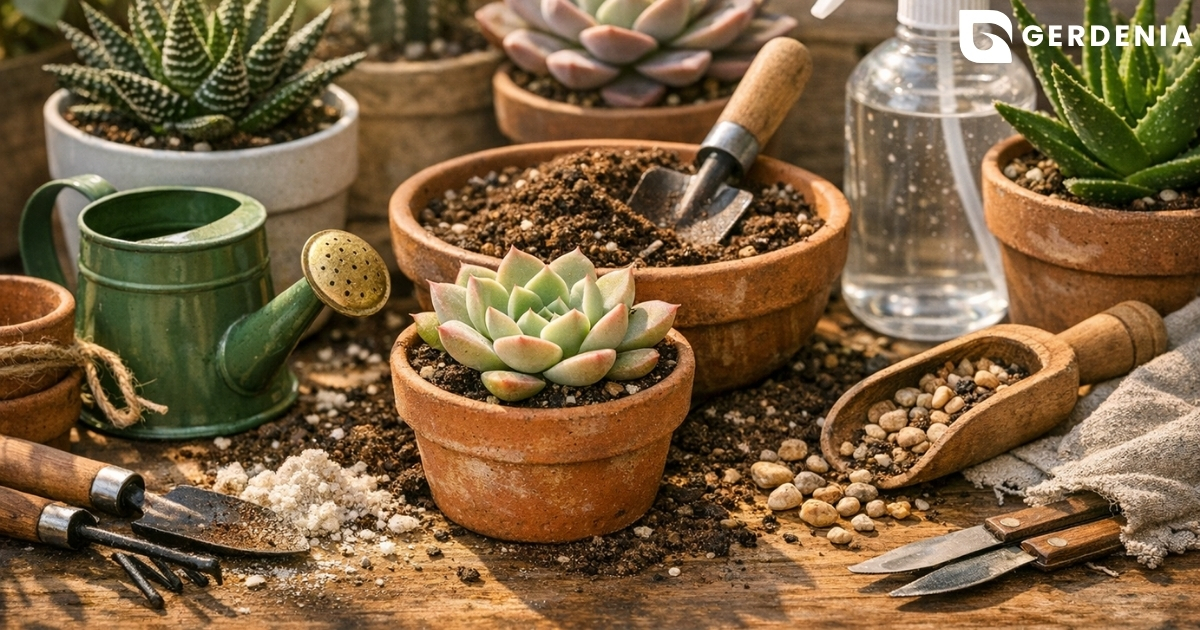
Beyond texture, soil acts as a nutritional pantry. Its acidity, known as pH, determines if roots can actually absorb their food. Learning how to test soil pH at home takes just basic kitchen staples: a splash of vinegar bubbles on alkaline dirt, while wet baking soda reacts to acidic earth. With this soil foundation ready, you can safely choose between different plant lifespans for your garden.
Annuals vs. Perennials: Choosing the Right Lifespan for Your Gardening Goals
Walking down the nursery aisle, the biggest choice in backyard gardening isn’t just color—it’s commitment. Think of annuals as short-term renters; they complete their lifecycle in one season, delivering rapid blooms or fast vegetables like tomatoes. Perennials are long-term homeowners that sleep through winter but return from their roots every spring. You might also spot biennials, which take a two-year lease, growing leaves their first year and blooming the next.
- Annuals: Fast harvest and instant color (weeks/months); higher maintenance (requires frequent watering and feeding).
- Perennials: Slower maturity (often taking years to peak); lower maintenance once roots are established.
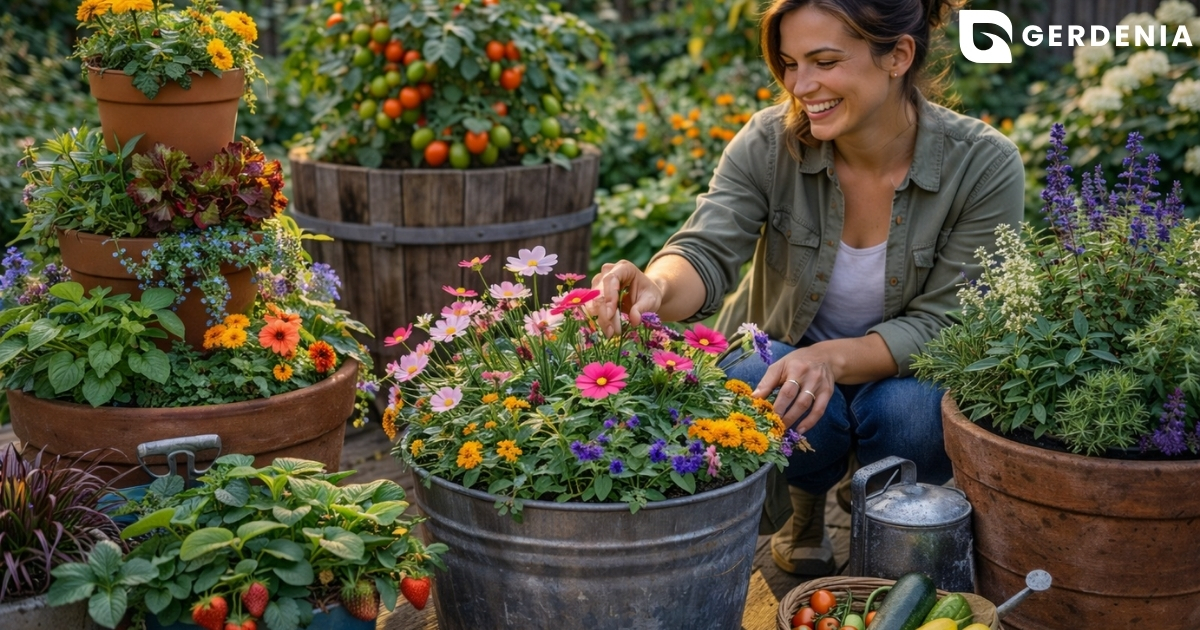
When deciding between perennial vs annual plants for landscaping, match the plant to your daily schedule. Learning how to grow garden plants successfully usually means mixing both types: use annuals for quick rewards and perennials for a permanent foundation. Once your plant lifespans are chosen, decide whether to sow seeds directly into the earth or start them indoors.
From Seed Packets to Seedlings: Deciding Between Direct Sowing or Starting Indoors
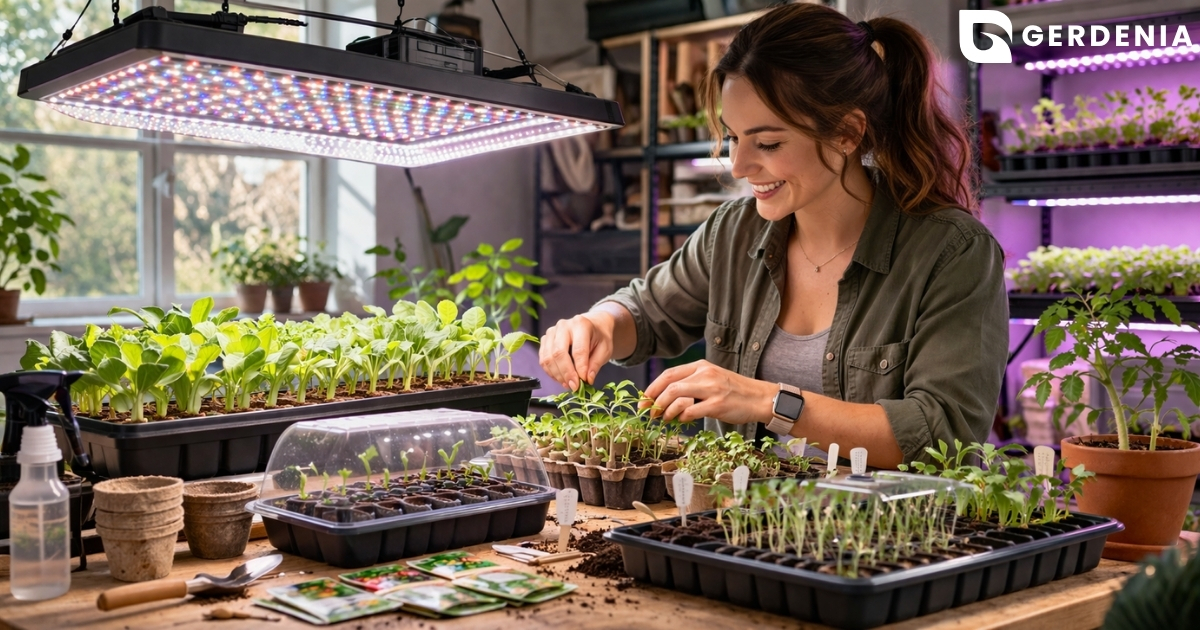
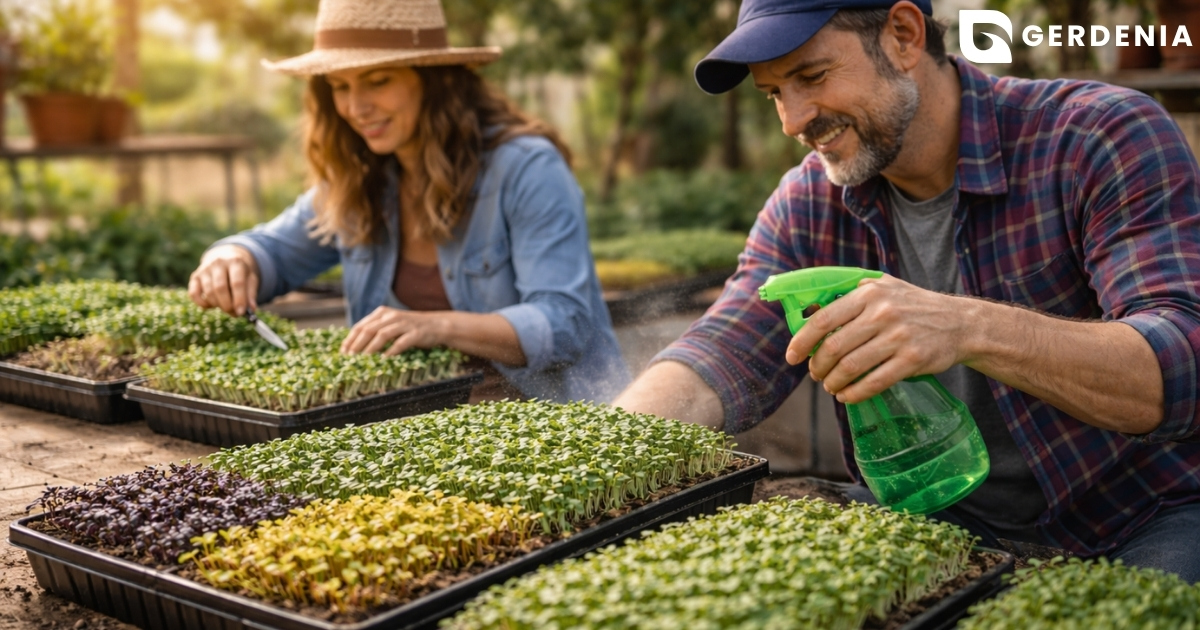
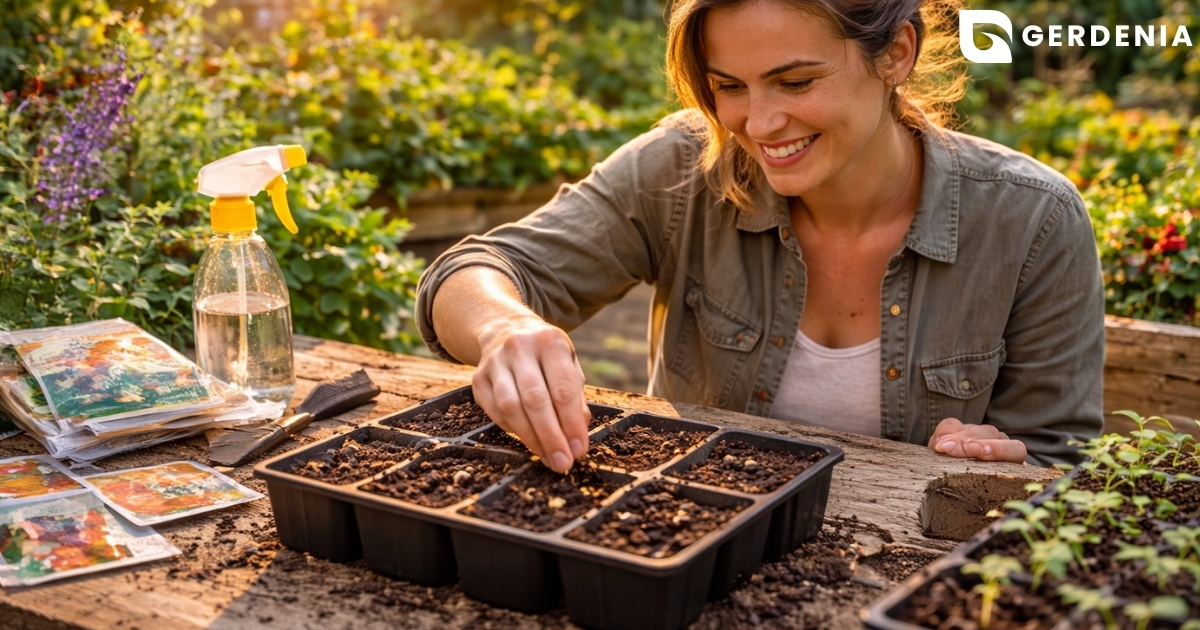
Staring at a seed packet, you might wonder whether to grow inside or outside. The choice between starting seeds indoors vs direct sowing usually comes down to root sensitivity. Vegetables like carrots and beans despise being moved, thriving when placed directly into garden soil. Simply check the packet for the optimal planting depth for seeds—usually twice the seed’s width—and cover them.

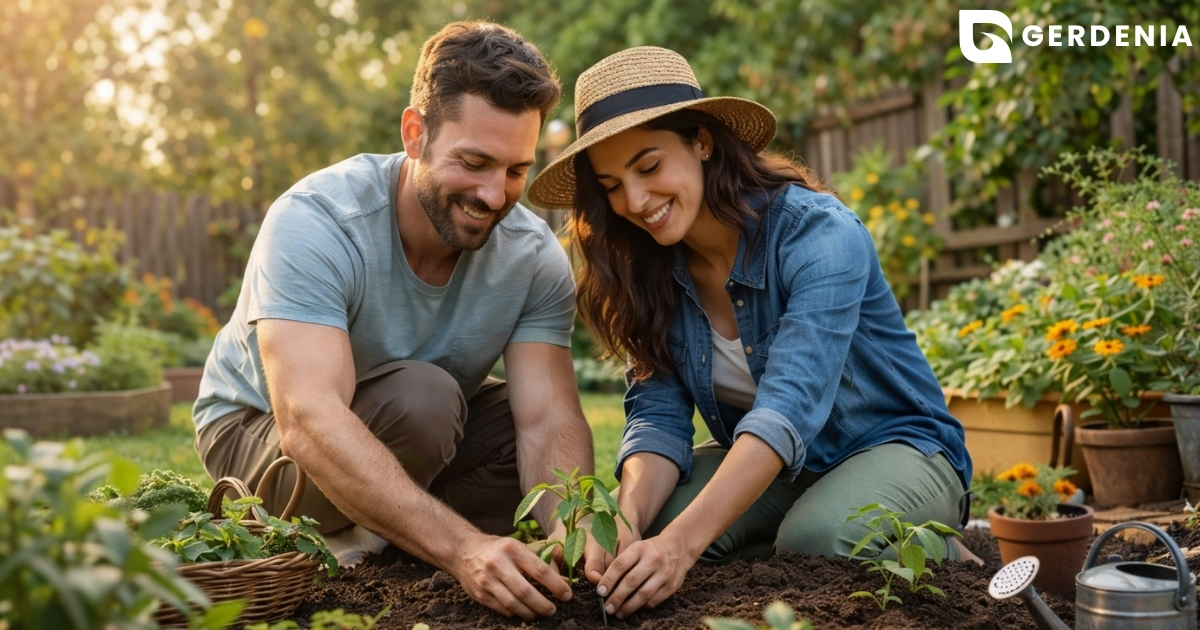
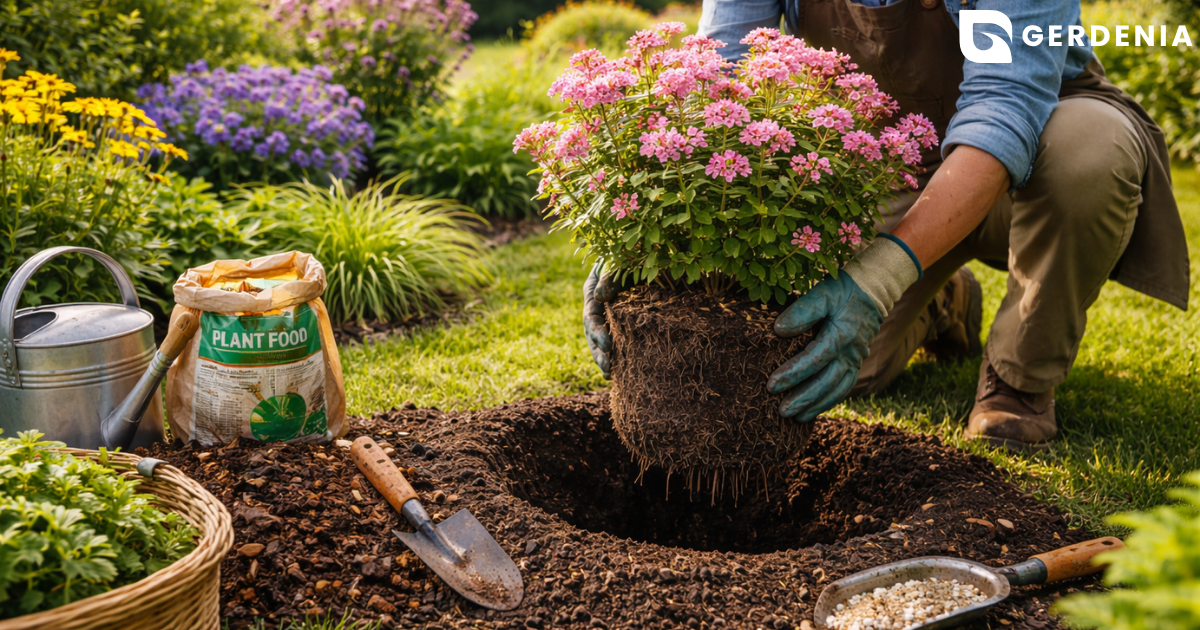
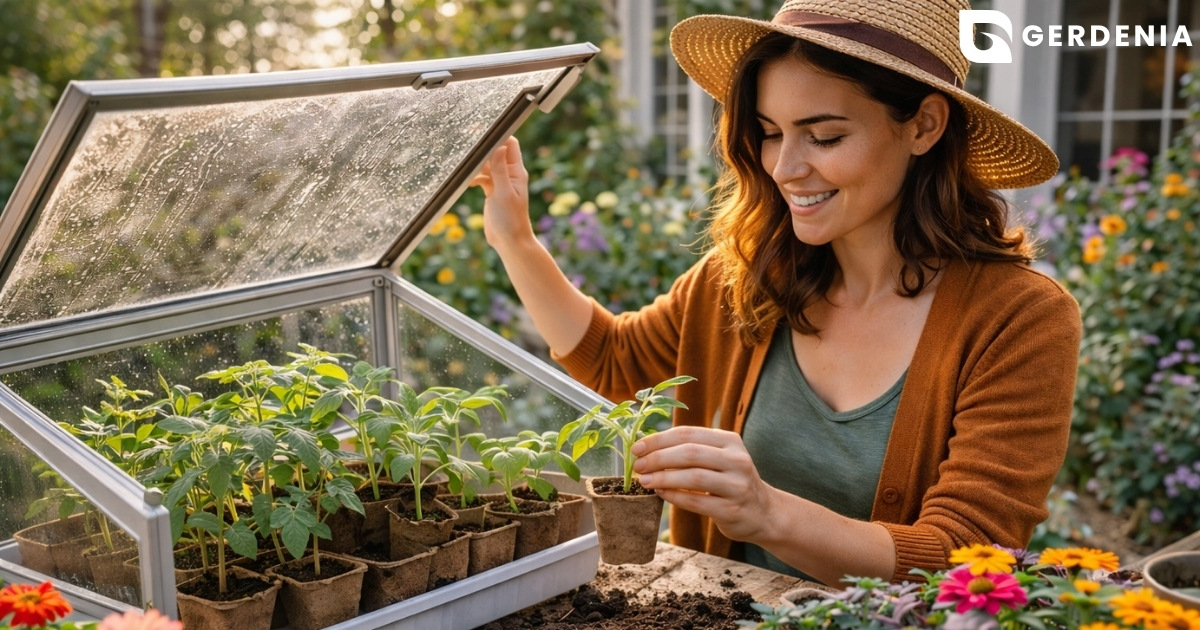
Moving nursery plants like tomatoes outside requires care, as sudden sun causes transplant shock, a temporary wilt. Prevent this by hardening off, taking indoor plants on short daily field trips outside to gradually adjust. Handle the base gently to ensure transplanting seedlings without shock. With your plants safely anchored in the ground, proactive protection becomes essential.
Natural Neighbors: Using Companion Planting and Organic Methods to Evict Pests
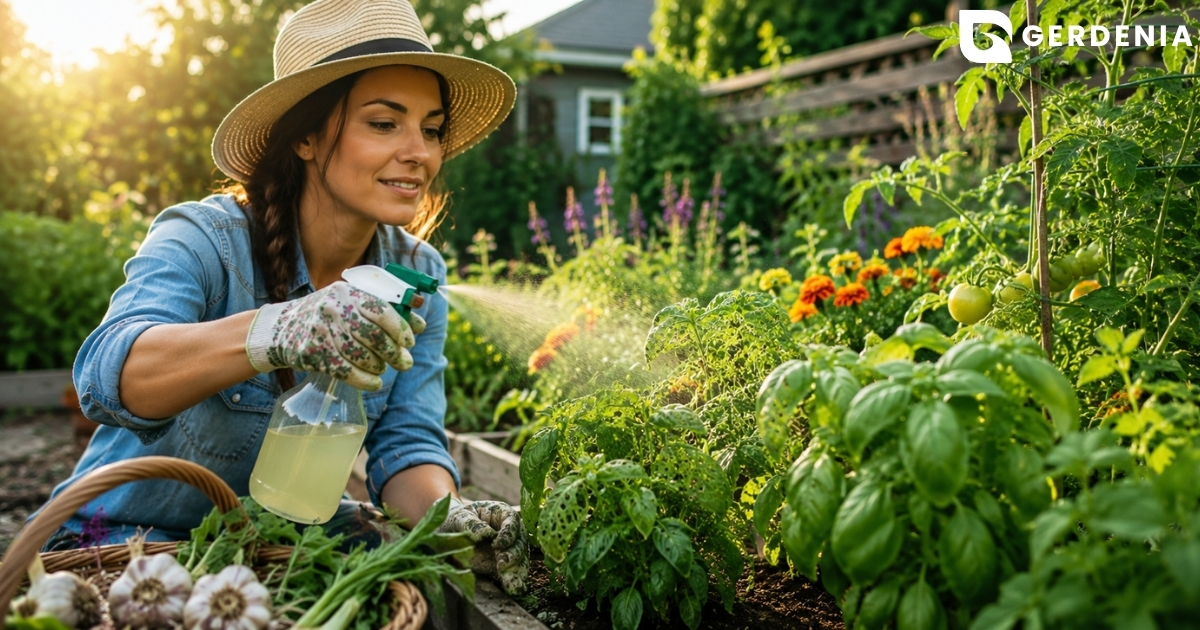
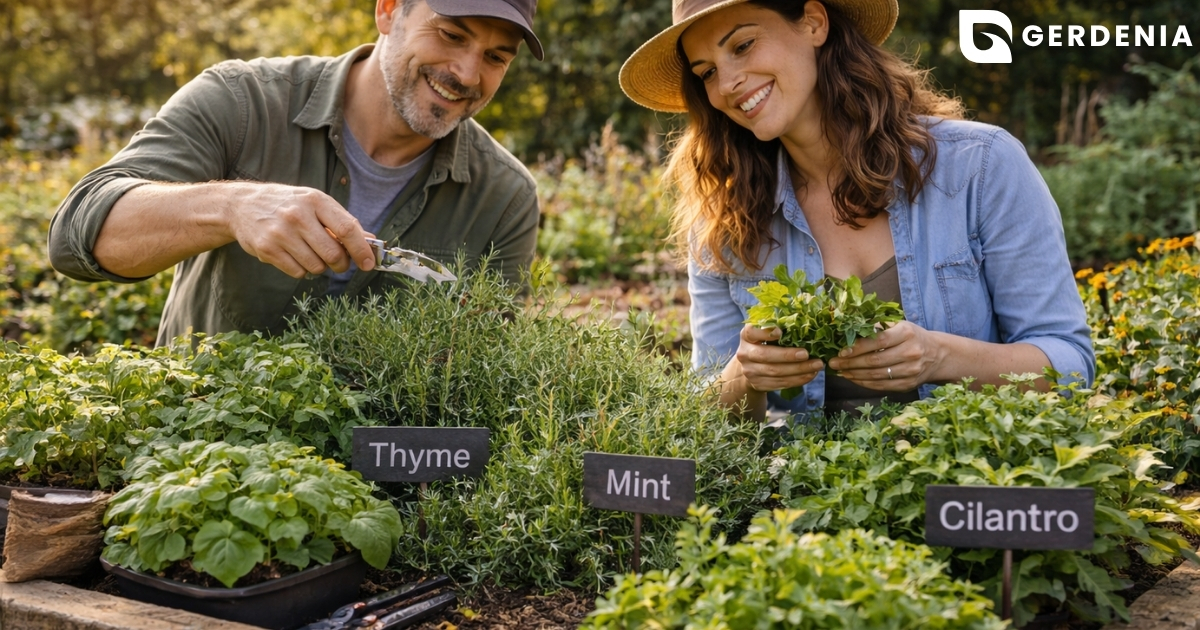
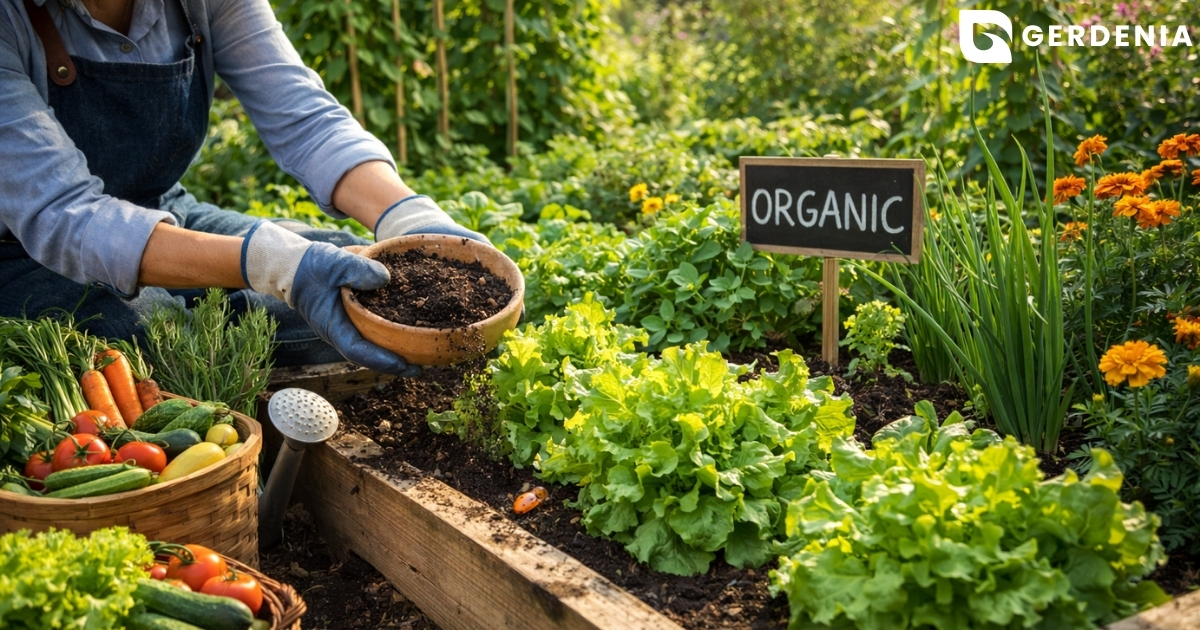
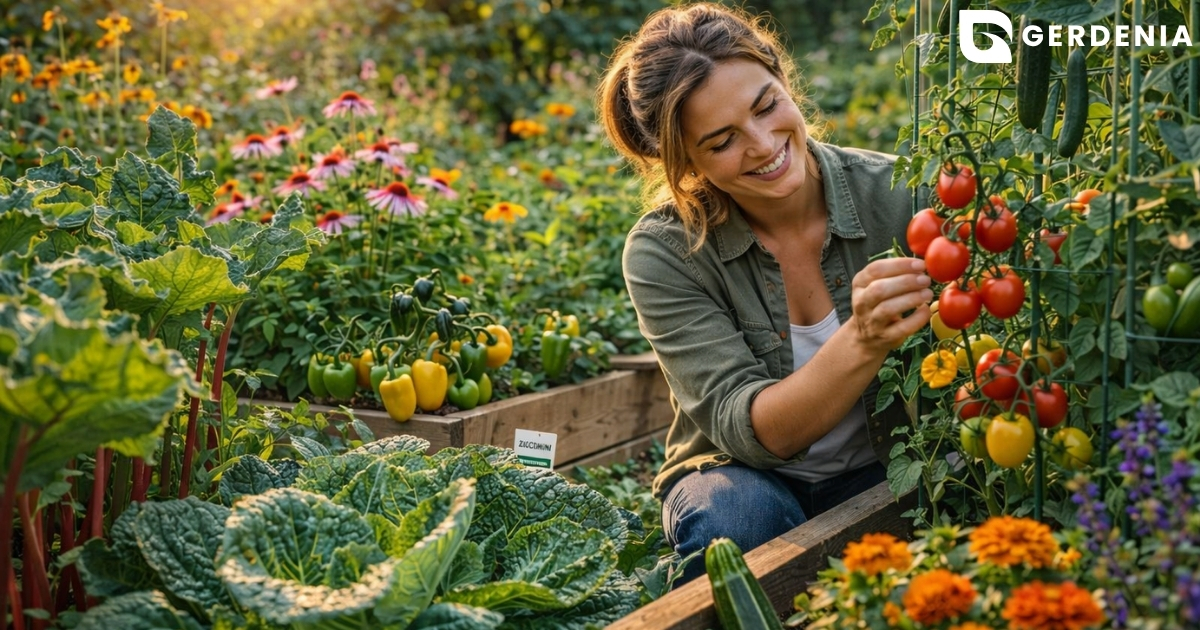
Keeping pests away doesn’t require harsh chemicals. Instead, try companion planting—think of it as assigning plant roommates that bring out the best in each other. By pairing specific species, you maximize small spaces and naturally repel hungry bugs. Any companion planting chart for beginners highlights these classic defensive pairs:
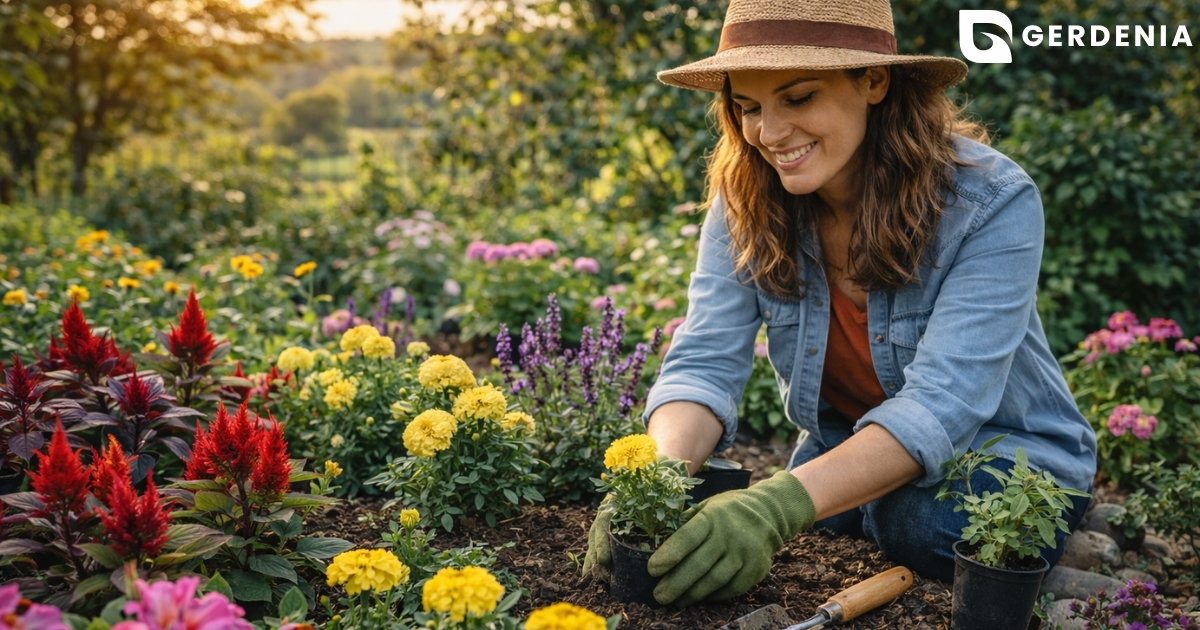
- Marigolds and Tomatoes: These bright flowers act as a decoy, distracting pests from tomato roots.
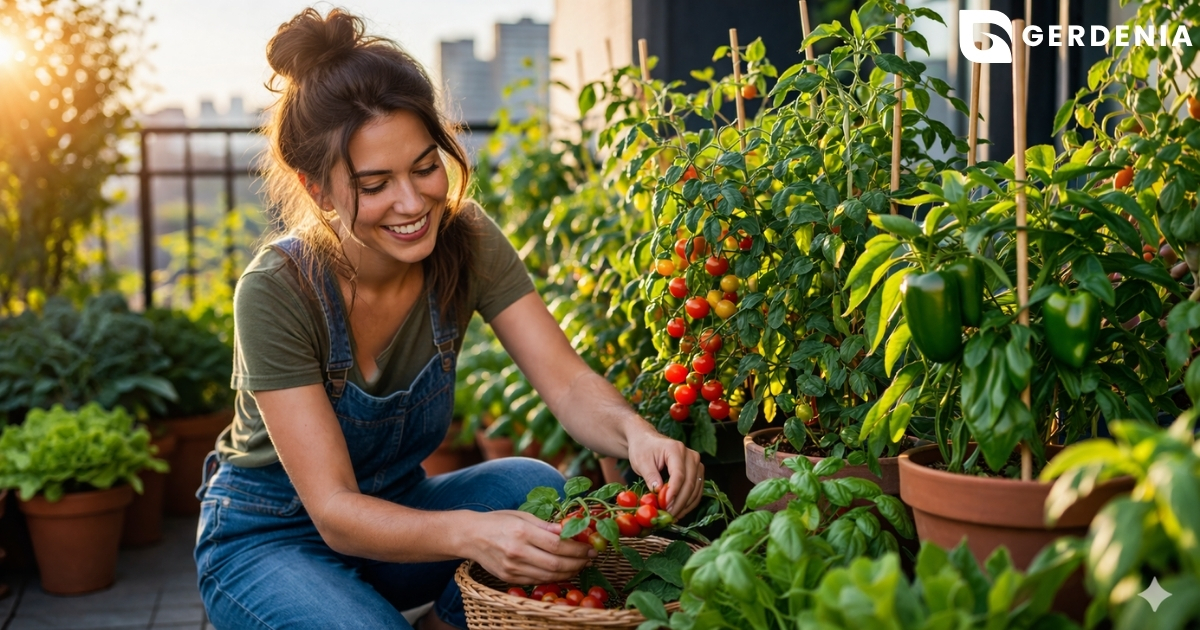
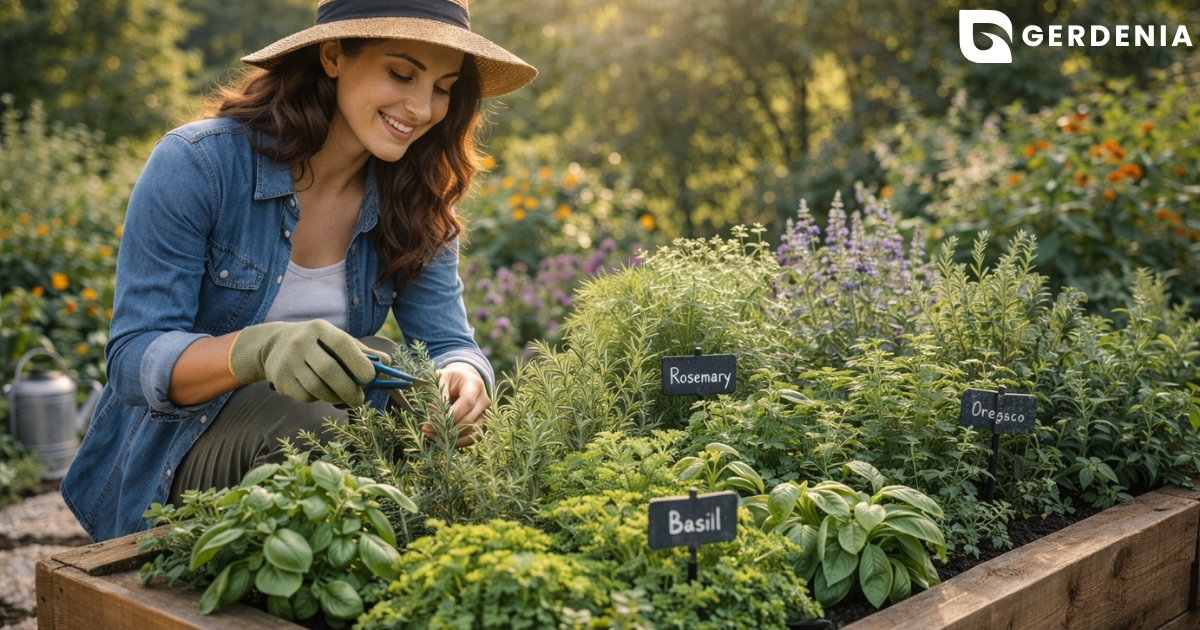
- Basil and Peppers: Strong-smelling basil masks the scent of peppers, easily hiding them from aphids.
- Nasturtiums and Cucumbers: These vines attract beneficial insects that eat the bad bugs for you.
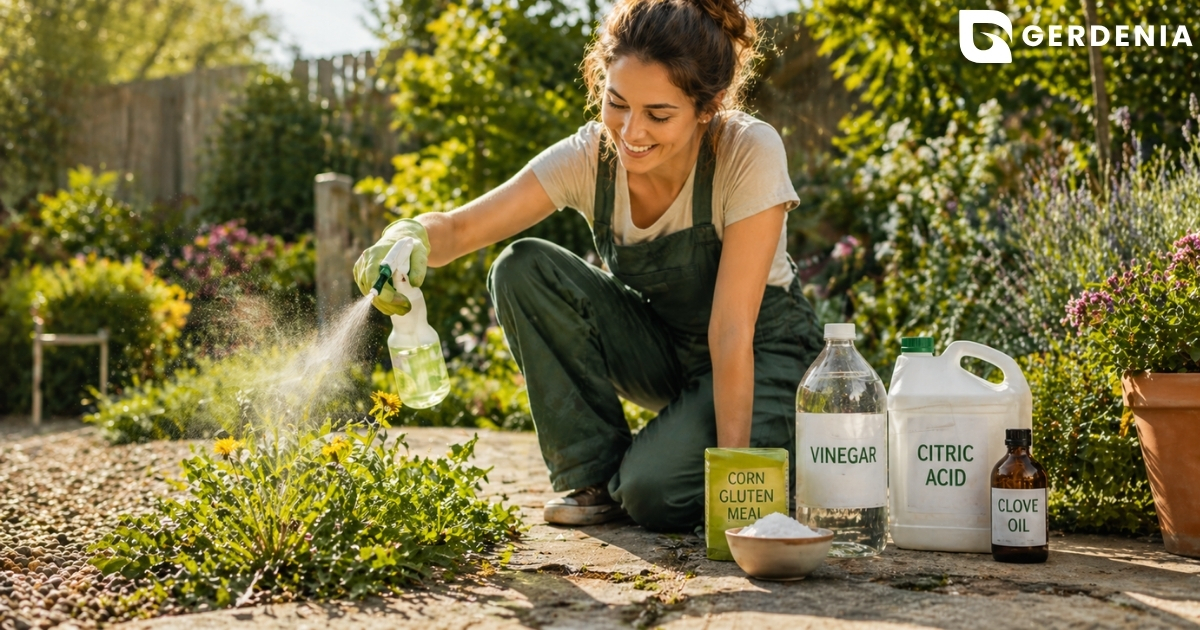
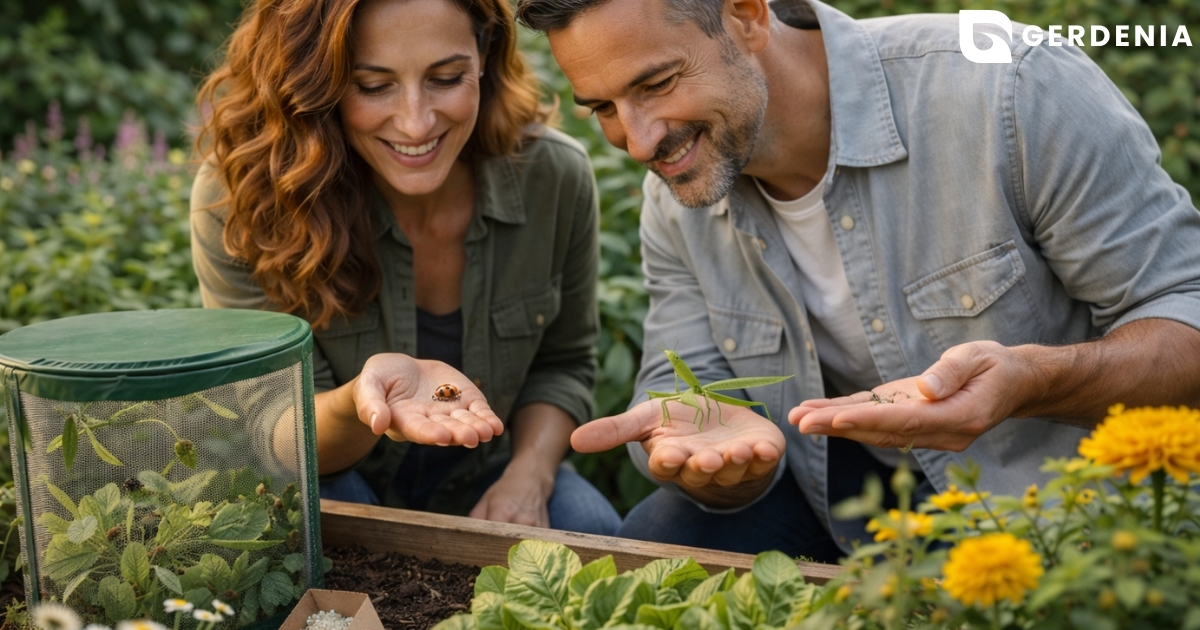
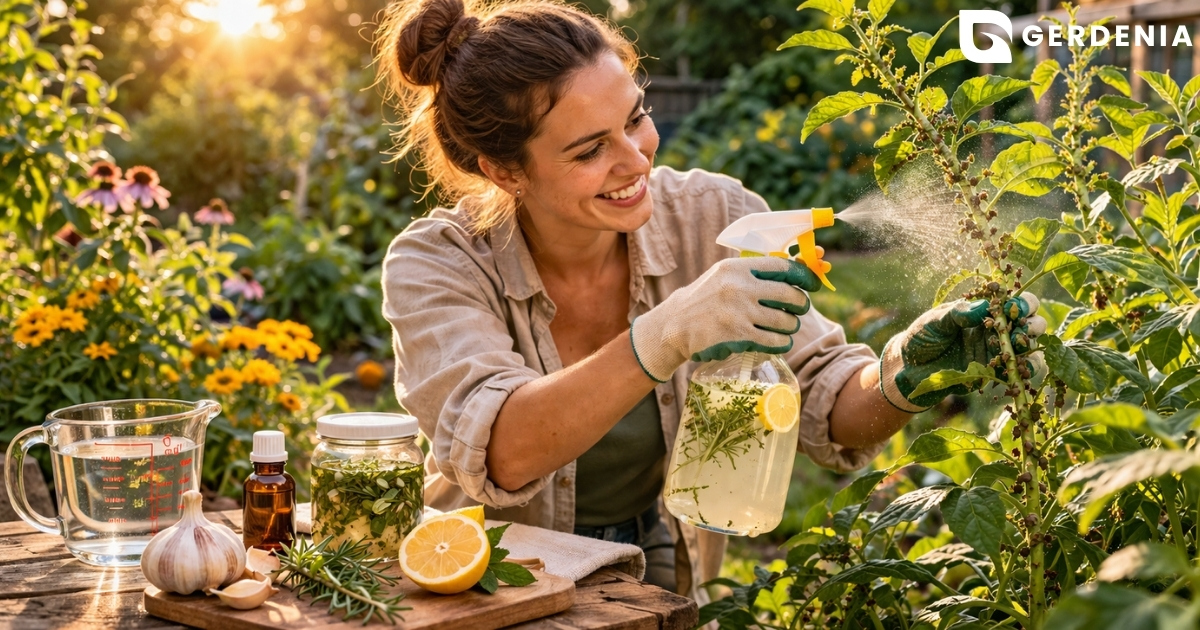
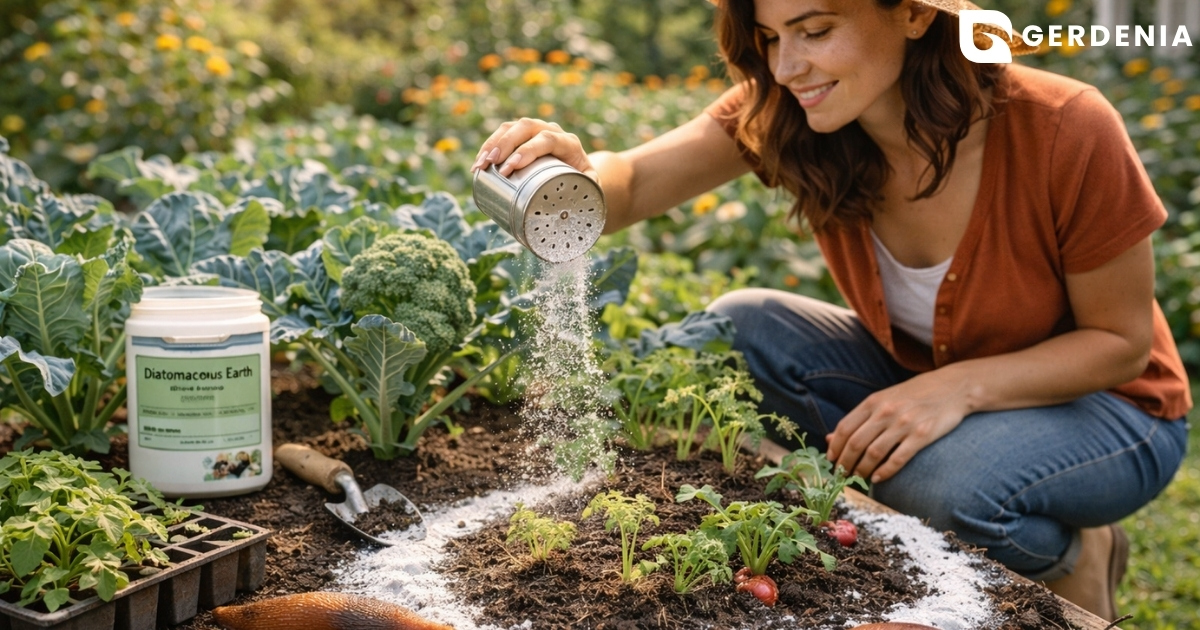
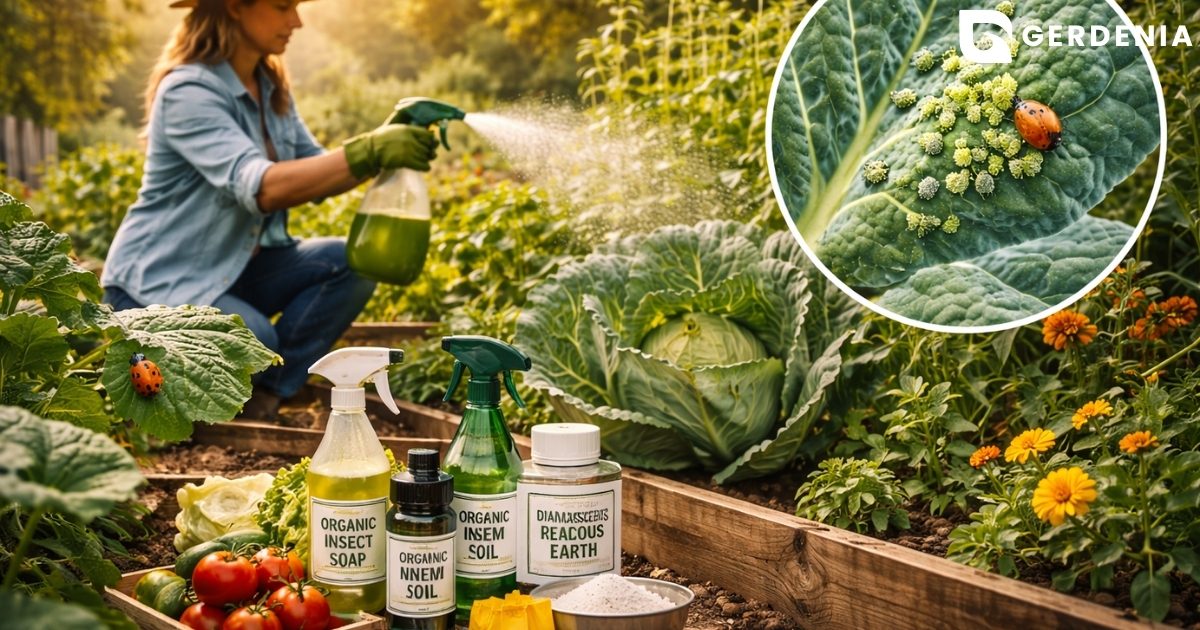
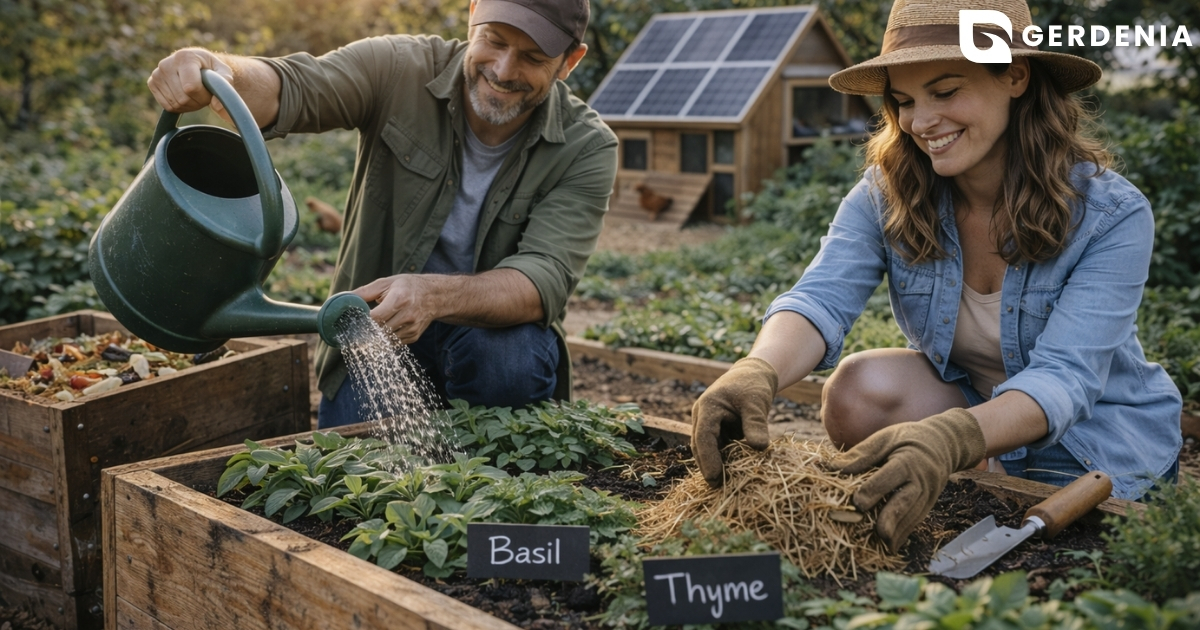
Inviting good bugs like ladybugs into your yard is one of the easiest organic pest control methods available. If pests still appear, standard vegetable garden advice is to wash them away with a simple spray of soapy water. A well-defended garden sets the stage for a structured planting schedule.
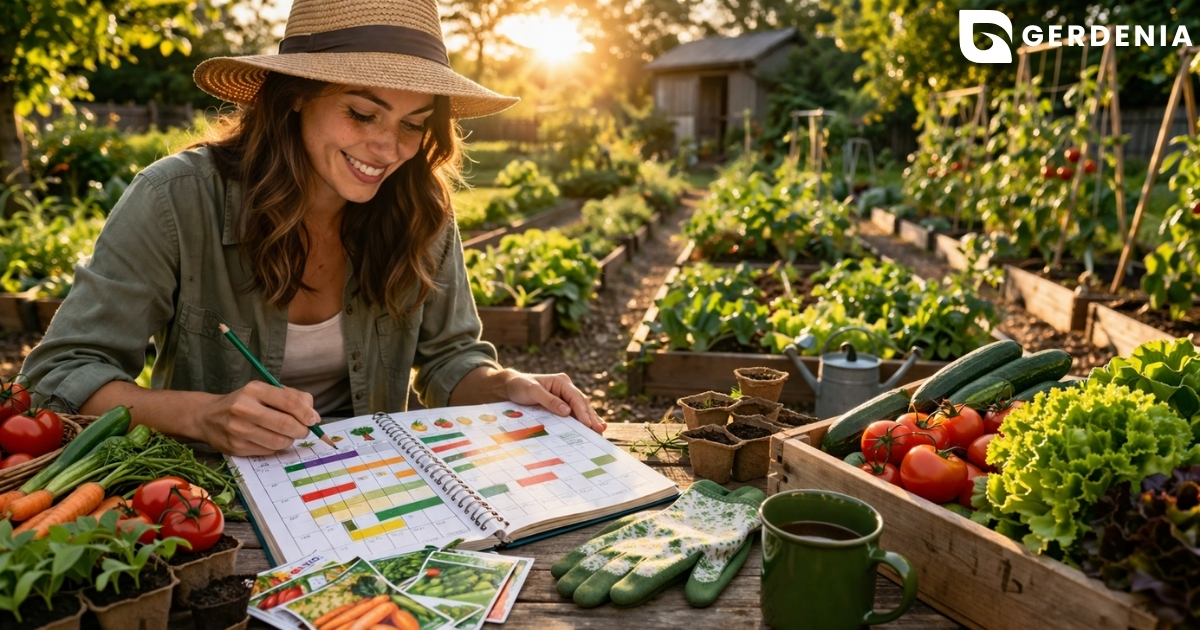
Your 30-Day Garden Action Plan: From the First Dig to the First Green Shoots
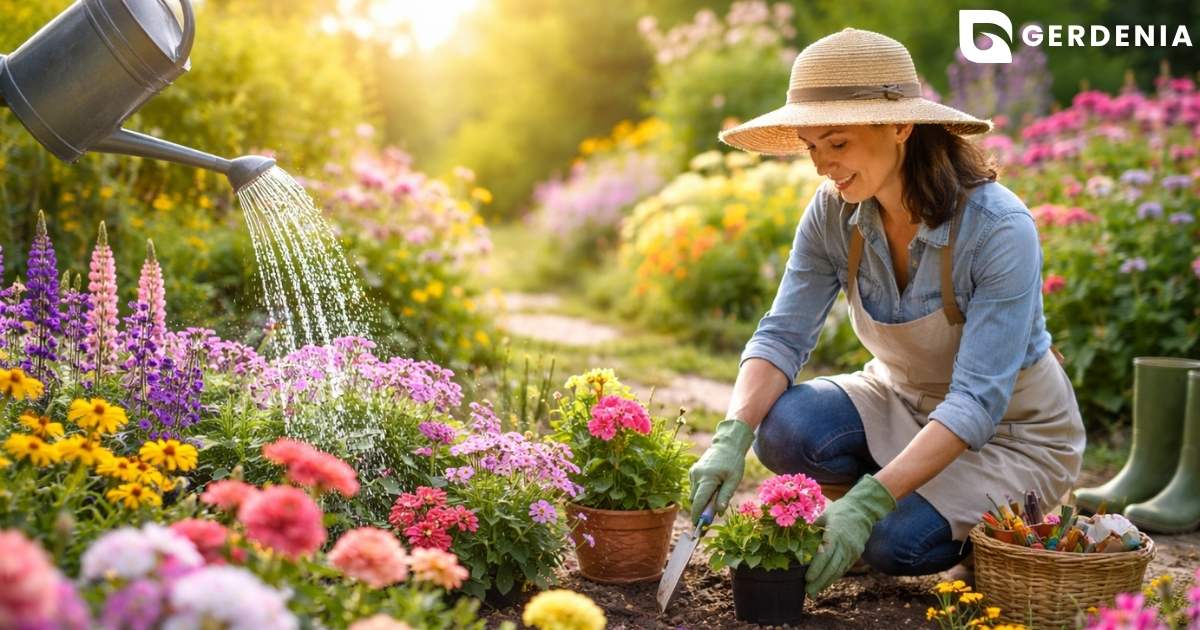
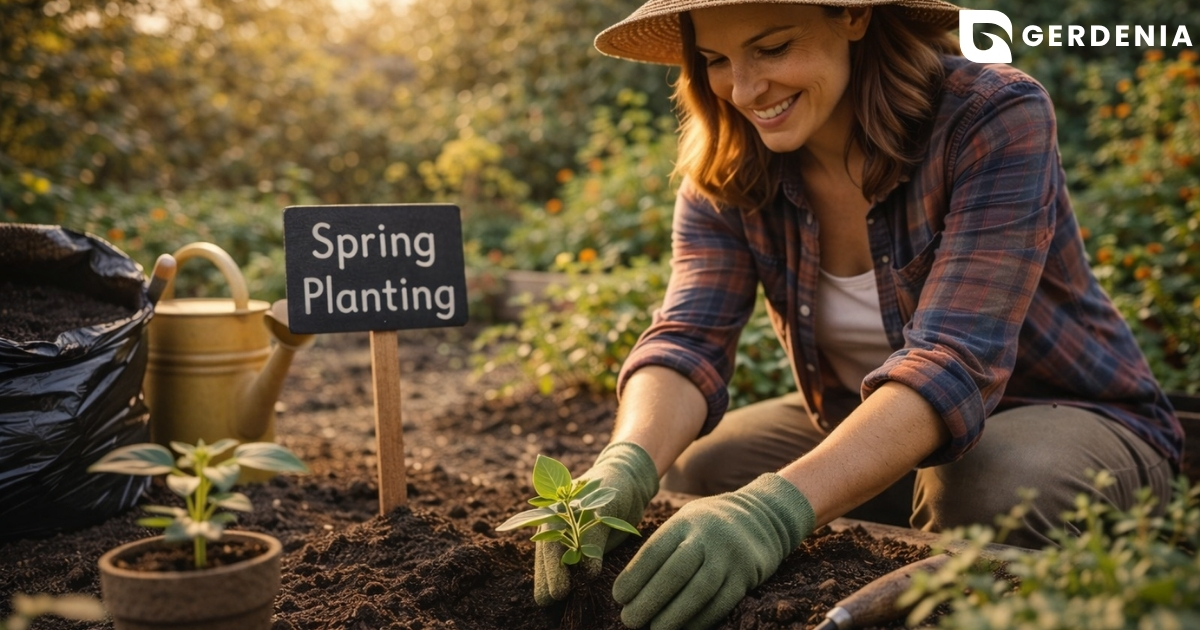
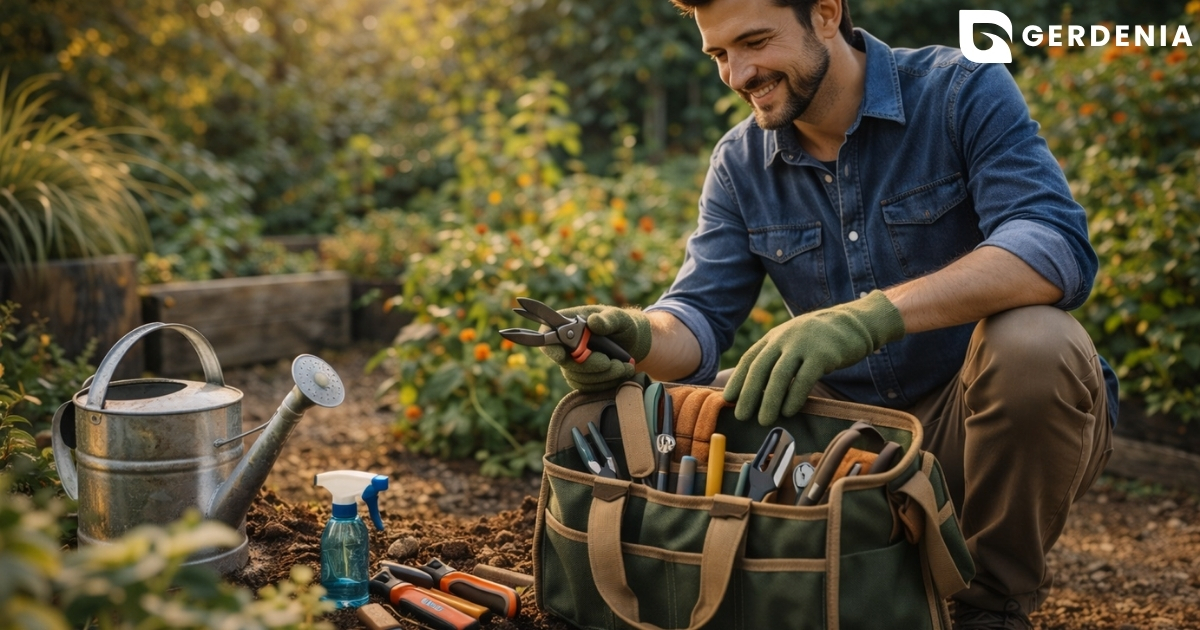
You are now ready to start planting. Over your first month, let this garden guide pace your progress. Spend weekend one prepping soil and gathering your essential gardening tools for beginners. Dedicate weekend two to planting, and by weekend three, practice how often to water a new garden.
By weekend four, check daily for your first green sprout. That single sign of germination is your true success metric, not a massive harvest. Let the joy of this process blossom into a lifelong hobby. Your journey starts today: go outside and stick your finger in the dirt.