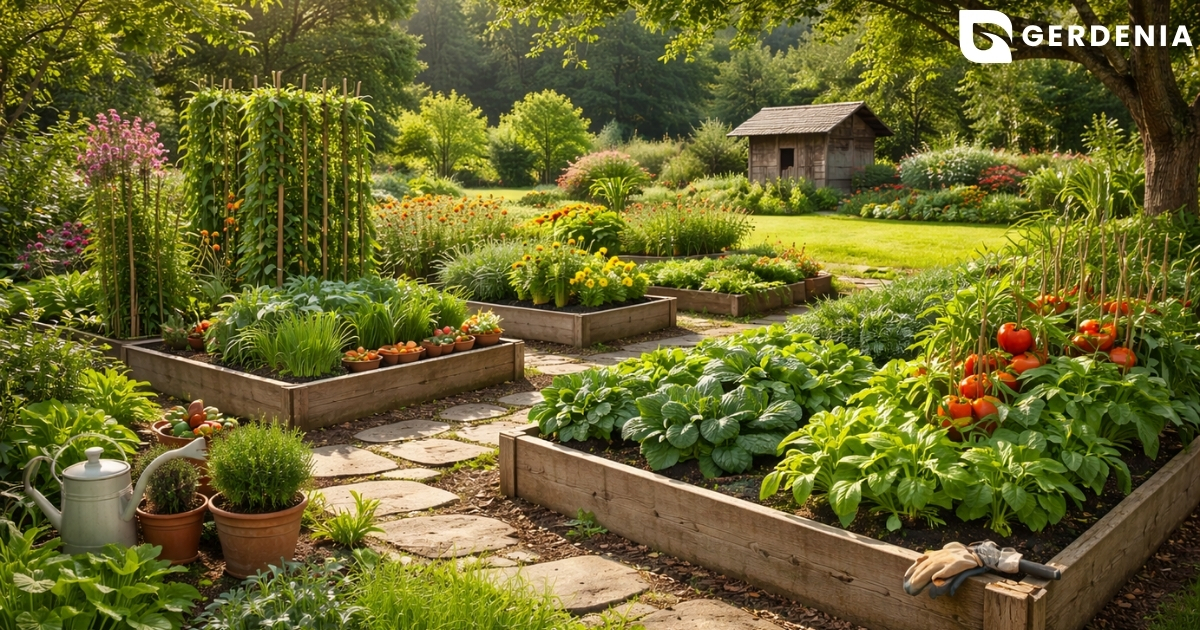
Have you ever wondered why that expensive rose bush struggles no matter how much you coddle it, while the random weed in your sidewalk crack looks perfectly happy? Countless homeowners spend their weekends battling traditional lawns and finicky exotics, draining their wallets on fertilizer and sky-high water bills in the process. This endless cycle of maintenance is the hidden financial and emotional cost of fighting nature instead of working with it.
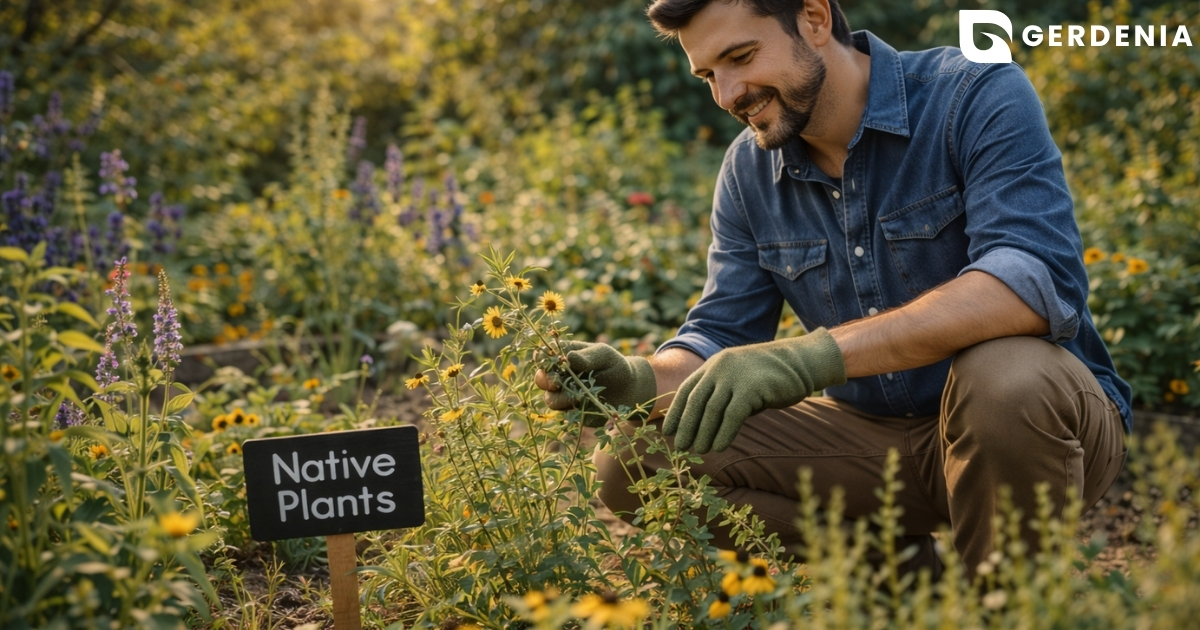
Nature offers a surprisingly simple solution: landscaping with “The Locals.” In the gardening world, native greenery refers to the species that grew up right in your zip code. These natural plants know your specific weather, recognize the soil, and have spent centuries learning to thrive exactly where they are. Unlike invasive “imposters” that aggressively take over yards and choke out neighborhood ecosystems, true local plants belong there and work in harmony with your environment.
According to the Environmental Protection Agency, yards featuring native species can require up to 80% less supplemental water than traditional grass lawns. Because they evolved to survive your area’s unique droughts and storms, they practically take care of themselves. Exploring the benefits of local flora in landscaping means trading your weekend chores for a beautiful, resilient yard.
Cut Your Weekend Chores: How Deep Roots and Local Adaptation Save You Money

When lawns turn brown in August despite constant watering, the secret usually lies underground in the root depth-to-resilience ratio. Standard turf grass has roots barely two inches deep, panicking the moment the topsoil dries out. Conversely, native plants build massive underground networks—sometimes plunging ten feet down—that act as built-in water tanks to keep them green through dry spells.
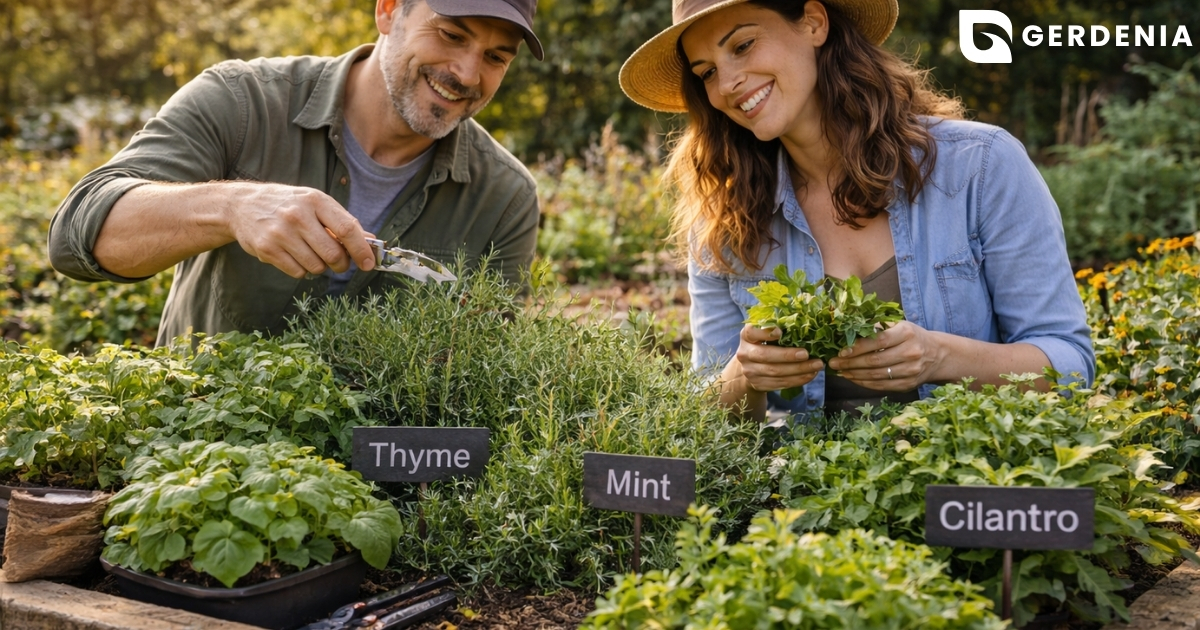
Swapping this thirsty turf for eco-friendly lawn alternatives instantly cuts down your weekend chores. By planting low-growing, resilient options like Buffalo grass or creeping thyme, you are effectively reducing water usage with endemic vegetation. Because these plants grew up in your local climate, they already know the weather and thrive with almost zero babysitting.
The financial perk of choosing the best drought-tolerant species for your region becomes obvious when checking your seasonal hardware store receipts. Comparing a traditional yard to a native garden bed reveals three specific cost-saving differences:
- Lower Water Bills: Deep-rooted native beds rarely need the sprinkler once established, saving hundreds of gallons a month.
- Zero Fertilizer Costs: Local plants already love your native dirt, completely eliminating the need for expensive chemical treatments.
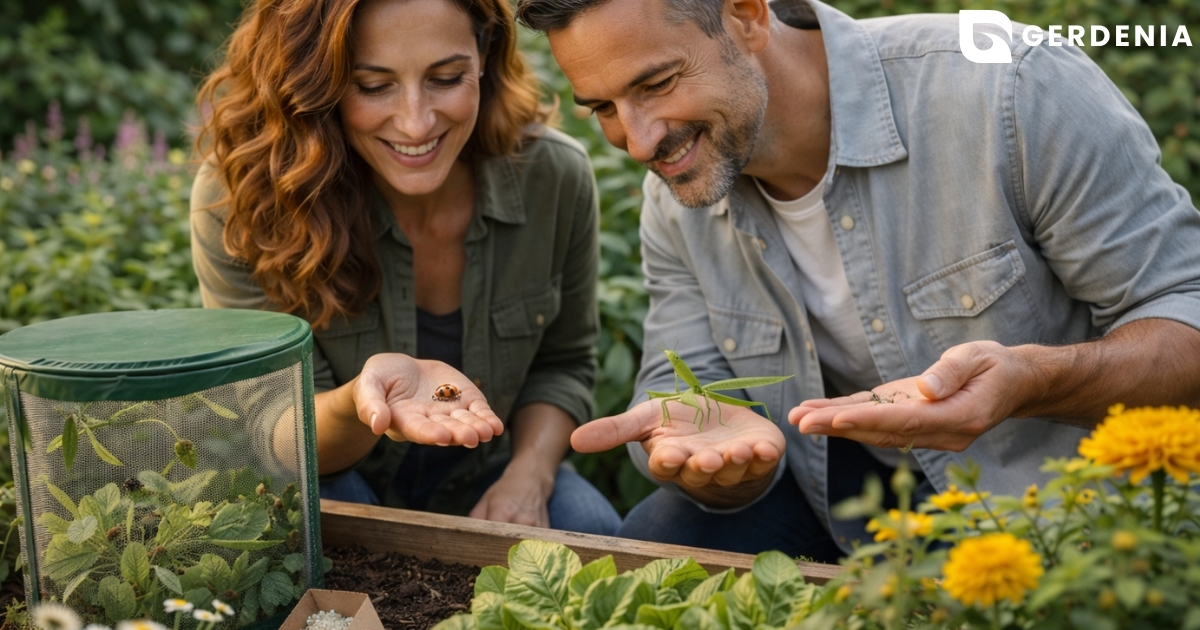
- Free Pest Management: Natives attract helpful insects that eat harmful bugs, creating natural pest control cycles so you never have to buy toxic sprays.
Beyond rescuing your Saturday mornings from exhausting yard work, this smart landscaping approach brings your property to life. Since your outdoor space now functions like a self-sustaining neighborhood, you are perfectly set up for turning your backyard into a lively habitat.
Turning Your Backyard Into a Butterfly Buffet with Keystone Species

Picture a garden practically humming with life. If your yard feels a little quiet lately, the missing ingredient is usually the right food. Think of nature like a neighborhood restaurant. While adult butterflies might sip nectar from various blooms, their caterpillars require a highly specific menu to survive—plants known as “host plants.” Monarch caterpillars, for example, will only eat Milkweed leaves. Without these crucial native flowering plants, the local food chain breaks down before it even begins, leaving your yard empty of fluttering wings.
Bringing back those vibrant visitors requires planting what ecologists call “keystone species.” Imagine a classic stone archway: the keystone is the single block at the very top that holds everything else together. In your yard, a keystone plant supports hundreds of different insect and bird species, anchoring your property’s entire biodiversity. By focusing on these ecological heavy lifters rather than just random greenery, you easily build a thriving habitat. Researching native pollinator plants by zip code guarantees you are providing the exact resources your local wildlife relies on.
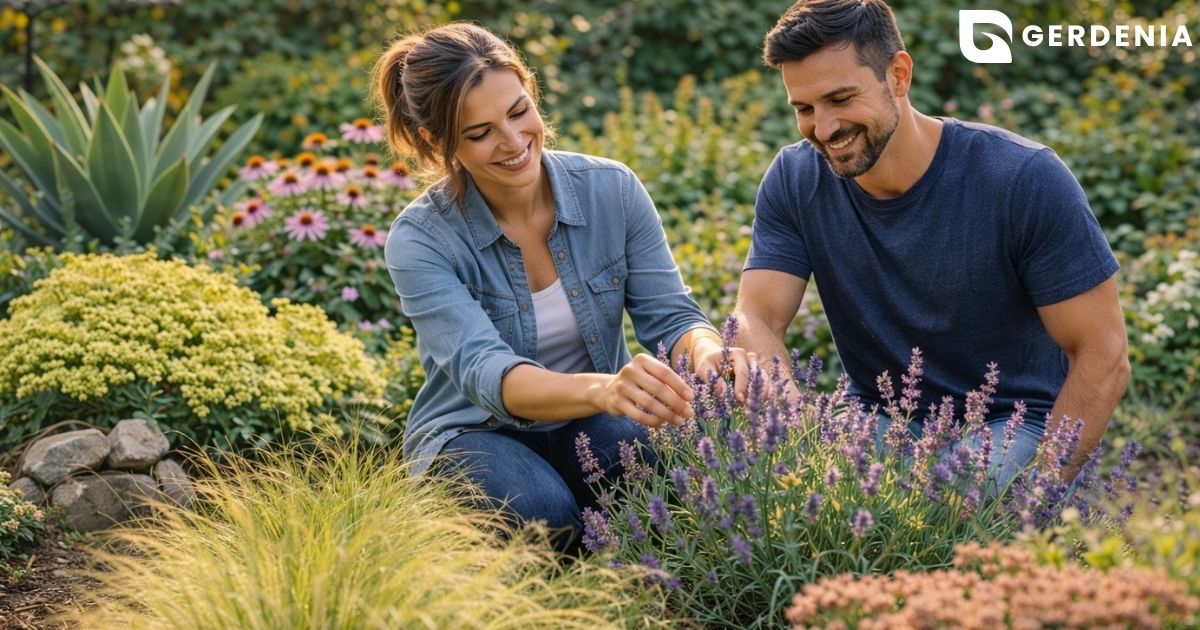
You can start attracting pollinators with local wildflowers by adding just one of these powerhouse North American flowers to your landscape:
- Milkweed: The exclusive nursery and food source for Monarch caterpillars.
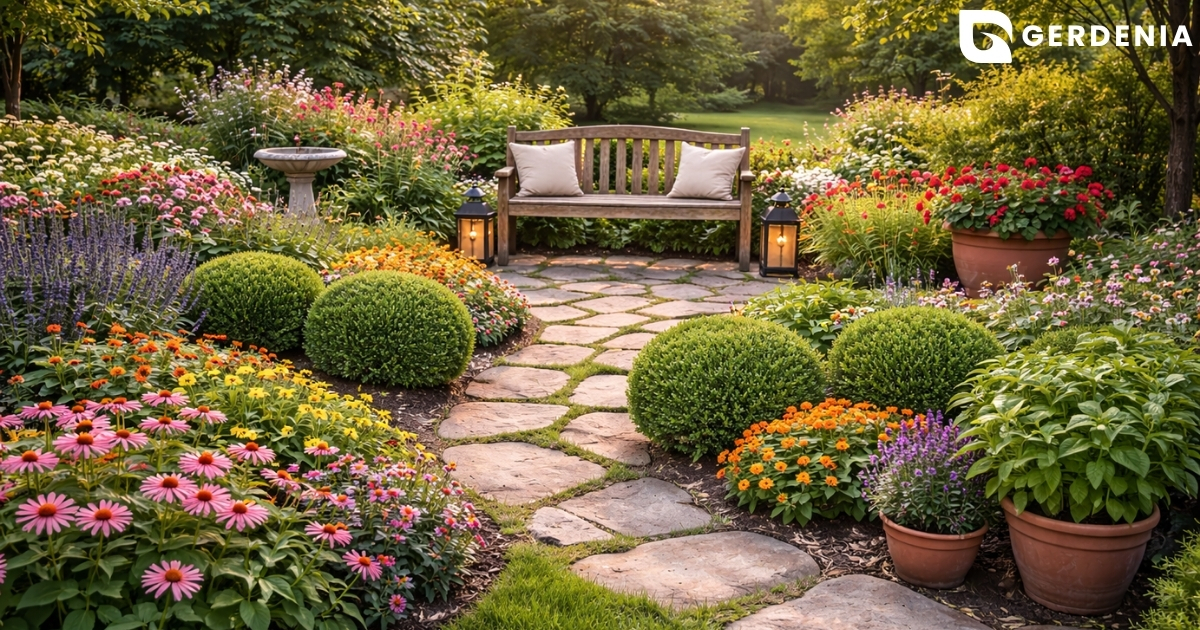
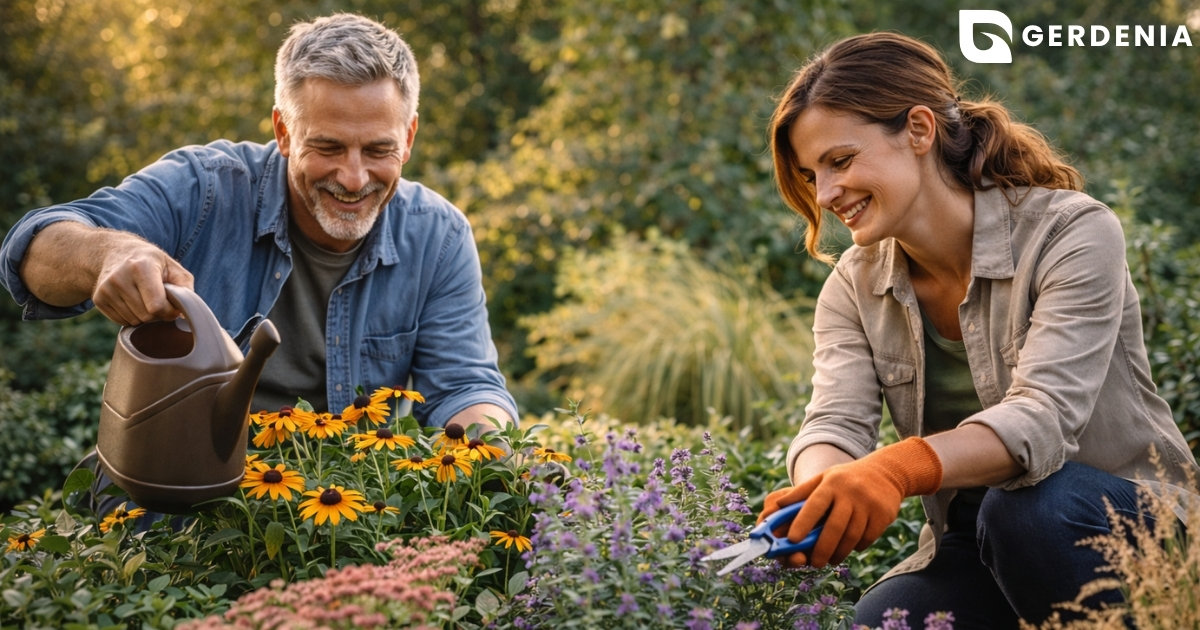
- Purple Coneflower: Offers summer nectar for bees and autumn seeds for Goldfinches.
- Black-Eyed Susan: A favorite landing pad for hungry Silvery Checkerspot butterflies.
- Wild Columbine: Features red, tube-like blooms perfectly shaped for Hummingbirds.
- Joe-Pye Weed: Acts as a vital late-summer buffet for Swallowtail butterflies.
Providing the right host plants ensures your yard becomes a permanent, thriving haven for these vibrant seasonal visitors.
Finding Your Flora: How to Map Plants to Your Specific Hardiness Zone

Watching a beautiful nursery plant struggle through its first local winter is a common frustration for many gardeners. Answering the question of which wildflowers are native to your area starts with the USDA Hardiness Zone map. Think of this tool as a national thermometer dividing the country into distinct bands based on average coldest winter temperatures. Knowing your zone is the secret to picking greenery that naturally survives your neighborhood’s specific weather year after year.
Translating that climate band into a successful shopping list is incredibly easy. By plugging your zip code into an online plant database, you instantly discover the best native flowers for your area. If you live in the mid-South or mid-Atlantic, for instance, searching for zone 7 native plants provides a customized menu of flora perfectly adapted to those specific seasonal conditions. Because these local champions grew up in your exact climate, they require far less watering and maintenance.
A crucial step in this process, however, is watching out for ecological imposters. Many generic “wildflower seed mixes” actually contain aggressive bullies like English Ivy or Japanese Honeysuckle, which quickly escape gardens to crowd out authentic local flora. Mastering the skill of identifying invasive species in your yard prevents these fast-growing pests from displacing the native plants your local birds and bees rely on. Removing these invaders does more than just save the neighborhood food web; it allows the underlying ecosystem to truly recover and thrive.
The Invisible Benefits: Soil Health and Carbon Sequestration Under Your Feet
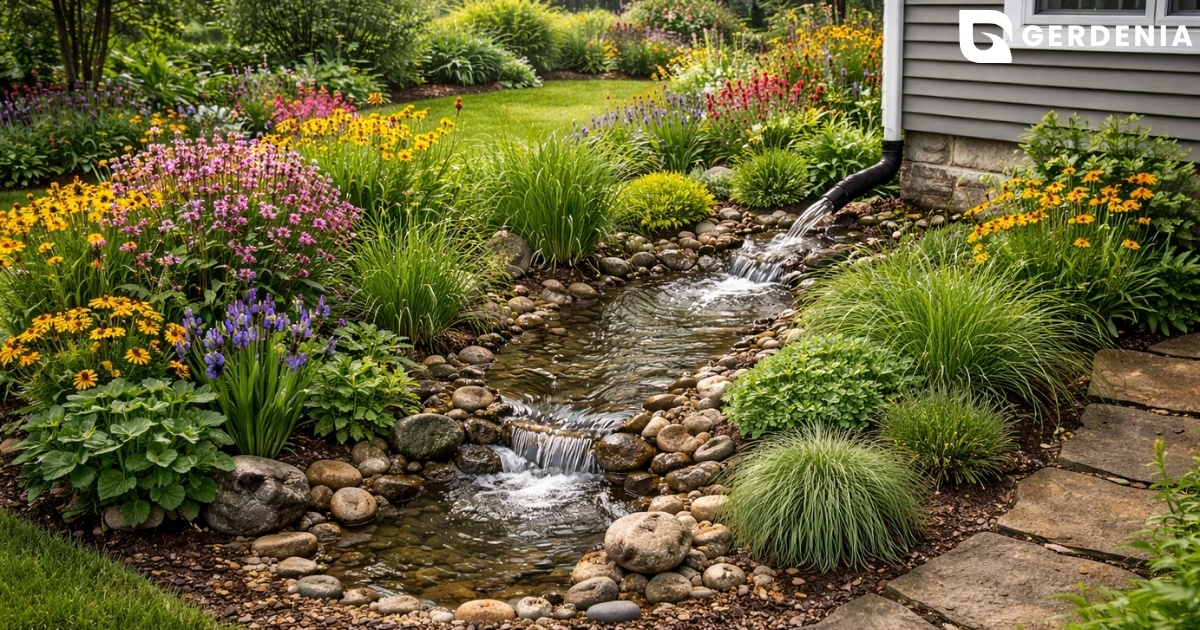
Think about the last time heavy rain turned your street into a temporary river. While we know plant roots hold soil in place, native greenery features deep root systems that act like giant underground sponges. Instead of letting stormwater rush toward your foundation, these networks pull water deep into the earth, naturally preventing basement flooding through superior soil absorption.
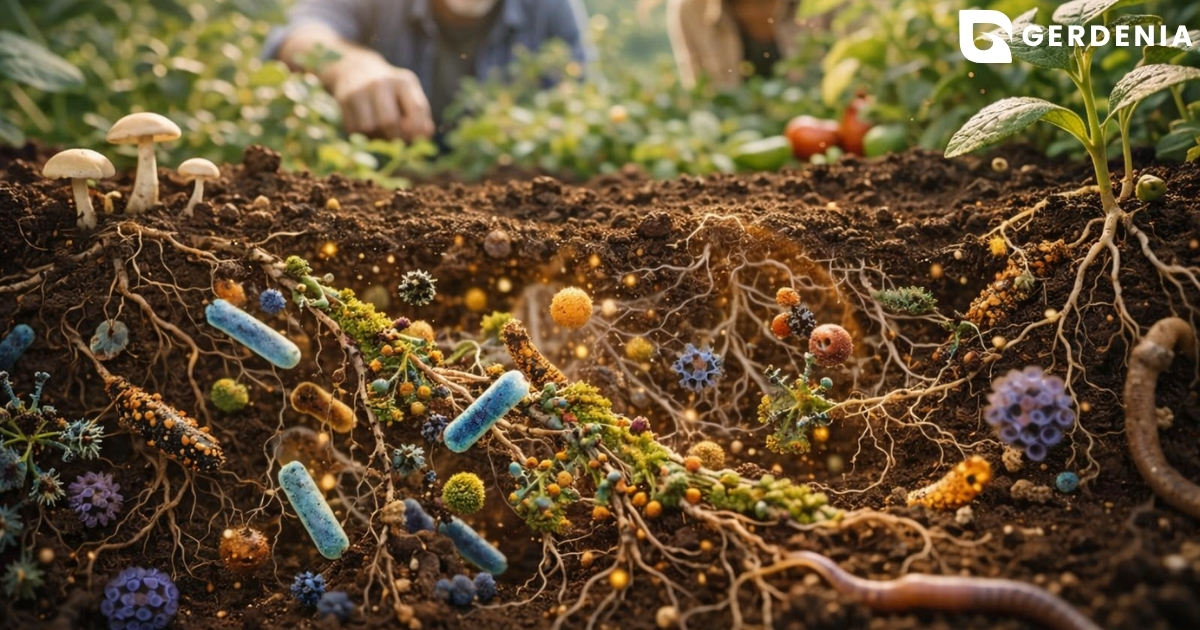
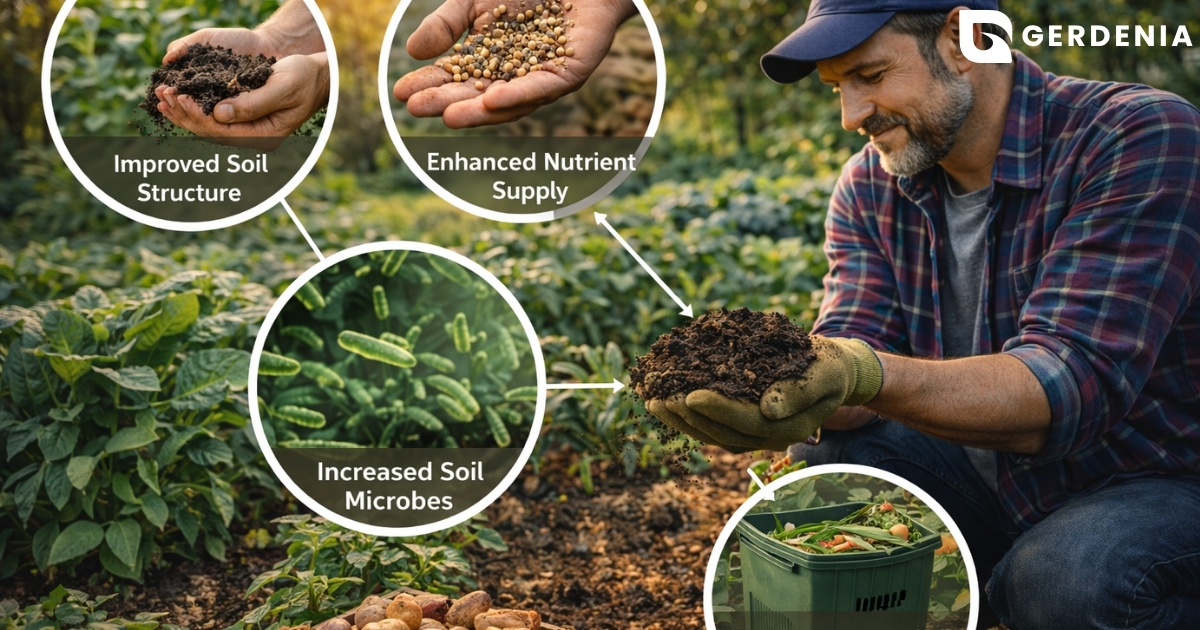
Beyond managing water, this underground architecture constantly enriches your yard. As native roots grow and naturally shed over the seasons, they leave behind organic matter that feeds beneficial microbes. You can achieve dramatic soil health improvement using regional species because they evolved to build their own fertilizer, completely eliminating your need for expensive, synthetic chemical treatments.
That same growth process also cleans the air we breathe. A neighborhood oak or maple is actually a living air purifier, absorbing atmospheric carbon dioxide and locking it safely within its wood. To maximize the carbon sequestration benefits of local trees, consider layering them underneath by supporting local biodiversity with native shrubs. This combination creates a natural filtration system that cools your property and traps urban pollution.
Transforming your yard into a hardworking ecosystem does not require a massive landscaping budget or a degree in botany. Nature builds its infrastructure one leaf at a time, and you can take the exact same approach. Simply choosing the right initial addition unlocks these hidden environmental benefits and dramatically improves your property’s ecological footprint.
Your One-Plant Weekend: How to Begin Your Native Garden Today
You now have the tools to look at your yard not just as a chore, but as a living neighborhood. Instead of guessing which thirsty flowers might survive the summer heat, you are ready to begin sustainable backyard habitat restoration with resilient locals that thrive without constant care.
Establishing a backyard ecosystem doesn’t mean ripping up your entire lawn tomorrow. True transformation happens when you start small—just one patio pot or a single five-by-five patch—using this simple four-week plan to plant native plants confidently.
- Week 1: Pick a spot in your yard and observe its daily sunlight and soil moisture.
- Week 2: Find a local list of native plants tailored specifically to your zip code.
- Week 3: Visit the nursery and ask: “Is this native here?”, “Is it pesticide-free?”, and “What wildlife does it support?”
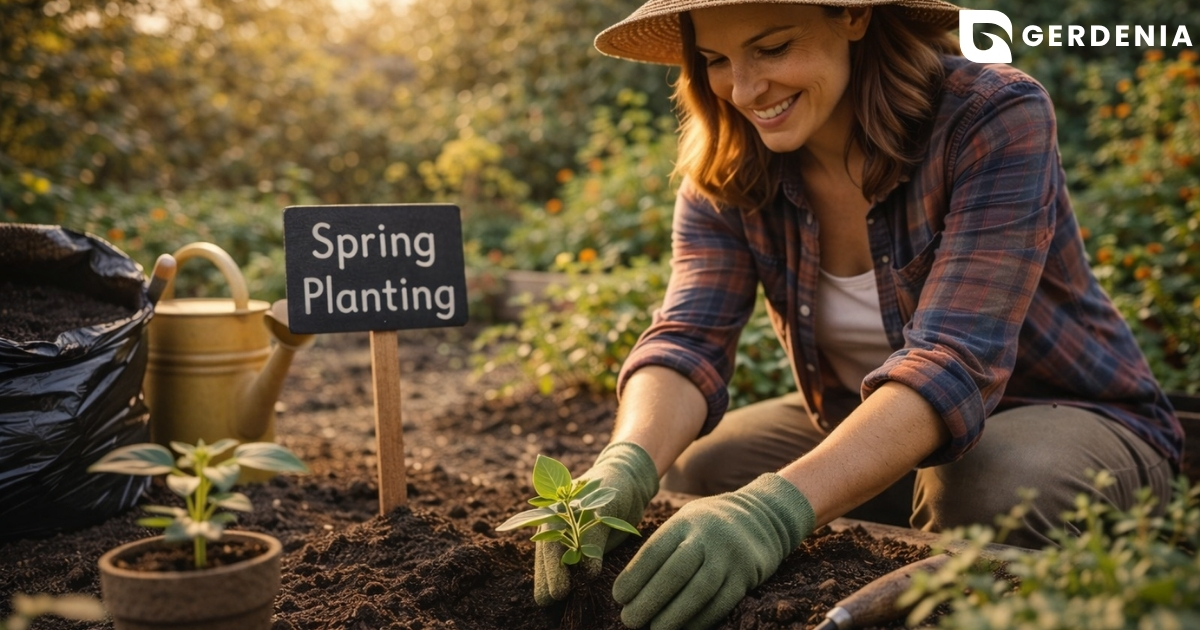
- Week 4: Plant your new greenery, water deeply to establish the roots, and watch who comes to visit.
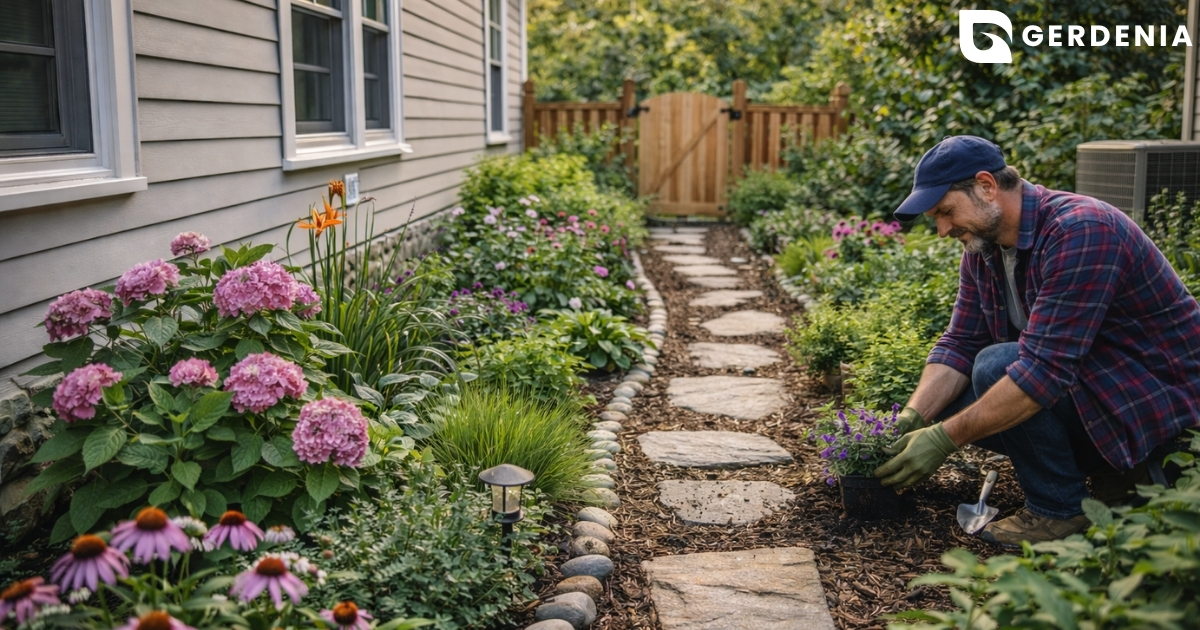
Taking these straightforward steps unlocks a landscape that works for you rather than against you. You will spend less money on water bills, fewer weekends wrestling with chemical fertilizers, and more quiet mornings enjoying the colorful birds and butterflies that suddenly call your yard home.
Every flower you choose is an invitation to local wildlife and a step toward a self-sustaining environment. When you look out your window a few years from now, what kind of living, thriving legacy do you want your landscape to leave behind?