You’re standing in the garden center, staring at a massive wall of colorful bags, wondering which product won’t accidentally turn your yard brown. Overcoming this choice paralysis requires a simple shift in mindset: grass actually creates its own food using sunlight. According to basic plant science, the best granular fertilizer acts as essential fuel, delivering the raw minerals your turf needs to build a resilient structure.
Providing these specific nutrients properly balances rapid surface growth with long-term root health. By matching the right nutrient blend to your lawn’s seasonal waking cycle, maintaining an emerald-green yard becomes a straightforward process.
Mastering the ‘Up, Down, All-Around’ Rule: Decoding the Three Numbers on Your Fertilizer Bag
Those three bold numbers stamped on the front of fertilizer bags reveal the percentage of primary nutrients packed inside. Understanding the N-P-K ratio meaning for turf is simple.
To decode these labels in seconds, use the classic “Up, Down, All-Around” rule. Each letter represents a mineral that fuels a specific part of your yard:
- N (Nitrogen) is for UP: Drives bright, green growth above ground, making it the star ingredient for established lawns.
- P (Phosphorus) is for DOWN: Builds strong, deep root systems below ground, which is crucial for starting new grass.
- K (Potassium) is for ALL-AROUND: Boosts the plant’s overall immune system to fight off drought, foot traffic, and disease.
Knowing your ratio is powerful, though a basic soil testing for nutrient deficiency confirms exactly what you lack, including vital micronutrients for residential turf grass. Finding the perfect balance is only the first step; you must also dictate how fast those minerals absorb into the dirt.

Slow-Release vs. Quick-Fix Pellets: Why Your Lawn Prefers a Steady Diet Over a Sugar Rush
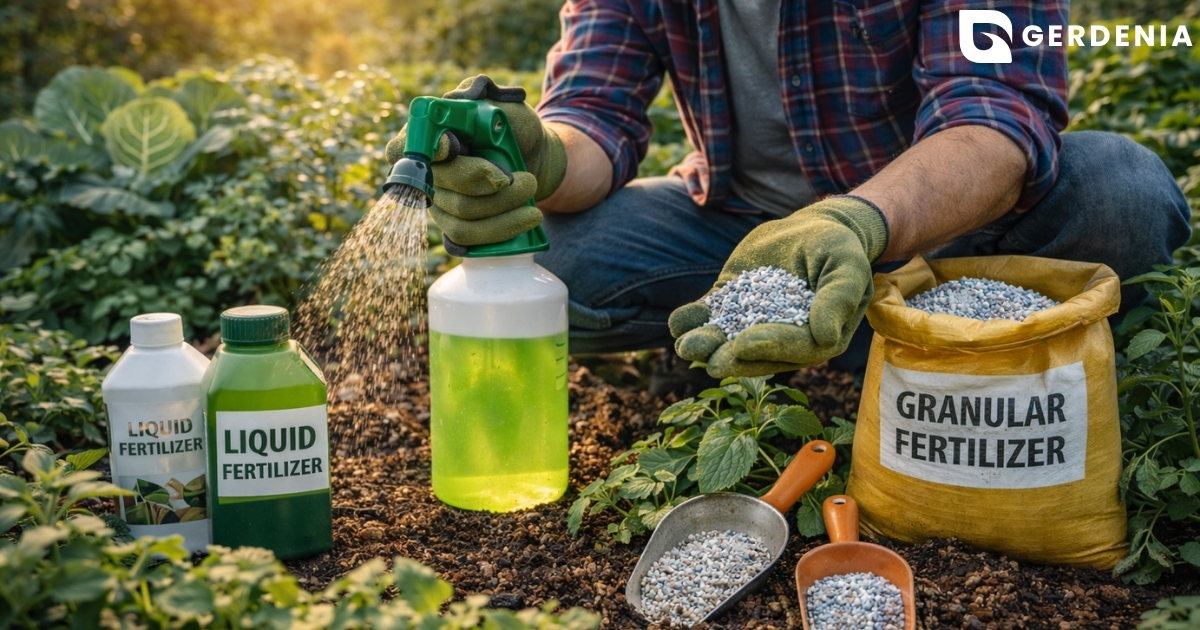
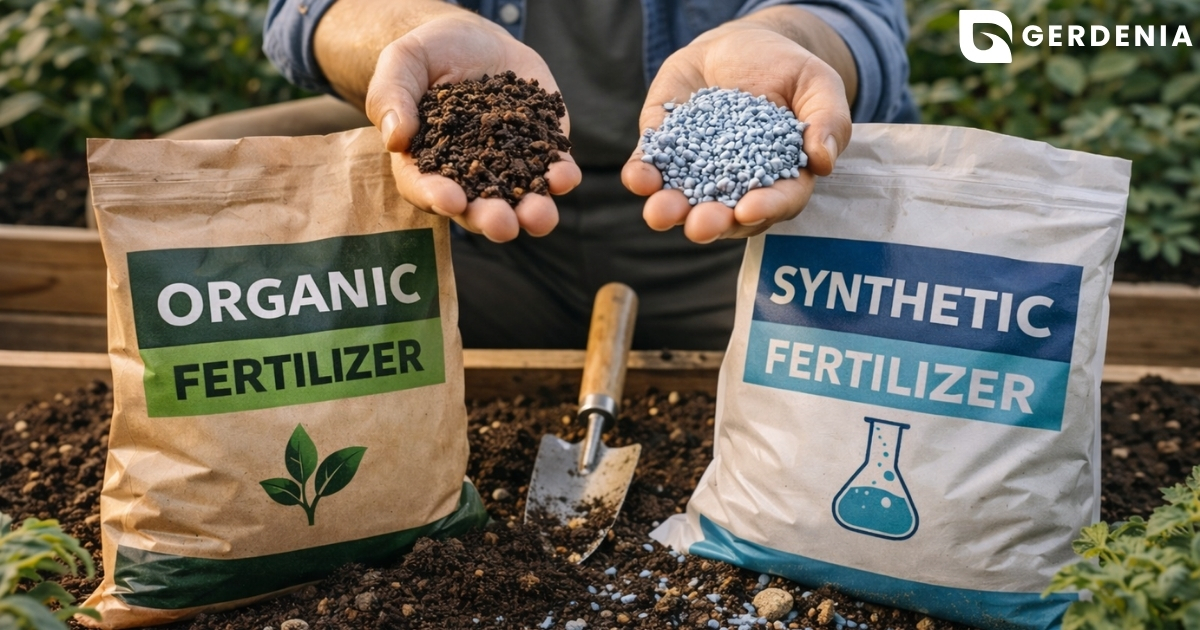
Chugging an energy drink provides a massive jolt followed by a crash. Your grass reacts identically to quick-release nutrients. When weighing granular vs liquid fertilizer pros and cons, remember liquids absorb instantly but fade fast. Granular products offer a steadier alternative, but you must still choose wisely between fast-acting synthetic vs natural lawn food. Dumping uncoated, high-nitrogen pellets over your grass triggers intense “surge growth,” rapidly turning a manageable yard into an exhausting mowing nightmare.
Fixing this cycle is simple: check the bag’s ingredient list for “coated” granules. These tiny time-release capsules melt gradually into the soil, unlocking the true slow-release nitrogen benefits your turf craves. Because the grass cannot overeat, this steady diet prevents chemical burn and extends the time between your applications by 50 percent. You achieve consistently rich color without doubling your yard work.
Hitting the Growth Window: The Best Time to Apply Lawn Pellets for Maximum Greenery
Timing your feeding matters just as much as the bag you buy. The best time to apply lawn pellets relies on your yard’s natural waking cycle, specifically the “First Mow” trigger. Once your grass grows tall enough to need cutting, its roots have officially woken up and are actively seeking nutrients.
To build a consistently resilient yard, follow this simple lawn care maintenance schedule by season:
- Early Spring: Feed after your first mow to kickstart greening.
- Late Spring: Apply before peak heat to build heat tolerance.
- Fall: Feed to recover from intense summer stress.
- Late Fall: Provide a final meal to prepare roots for winter.
Notice that mid-summer is intentionally skipped to protect your grass from dormancy stress. Pushing growth during extreme heat is dangerous, and because soil moisture dictates how long for fertilizer granules to dissolve, summer applications often just sit on the surface and burn dry turf. Autumn actually remains your most crucial feeding window, allowing grass to store food like a bear preparing for hibernation.
Avoiding the ‘Striped Lawn’ Look: Setting Your Broadcast Spreader for Even Coverage

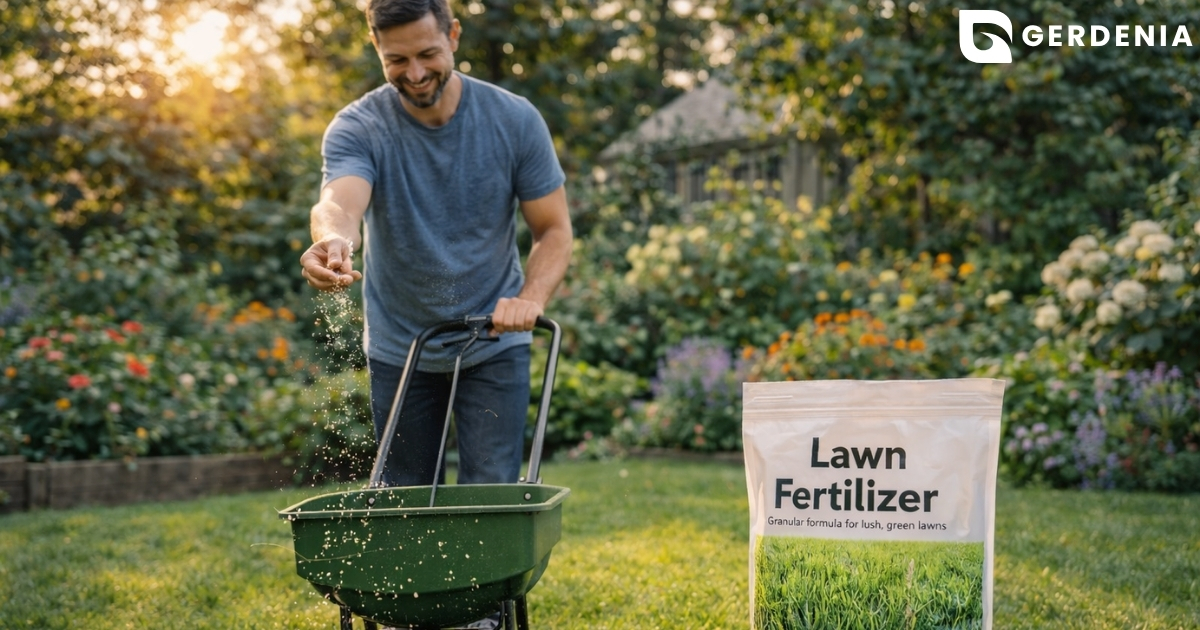
Nobody wants a yard that looks like a green-and-yellow football field. Achieving a uniform emerald color comes down to understanding the tool you are pushing, specifically the difference between drop spreader vs rotary spreader settings. While drop spreaders release pellets straight down for tight spaces, a rotary (or broadcast) spreader throws them in a wide arc.
To eliminate dreaded zebra stripes and master exactly how to use a broadcast spreader, follow this three-step routine:
- Calculate: Skip complex math when calculating fertilizer coverage for square footage; simply pace off your yard (one large stride equals roughly three feet) to estimate the area.
- Set: Adjust your dial to match the exact number listed on your product’s bag.
- Perimeter: Walk two “header” rows around your lawn’s outside edges first.
Making these initial border passes creates a safe turnaround zone for your middle rows and keeps errant pellets off your driveway, protecting local waterways from runoff.
Prevention is Cheaper than Repair: How to Water and Apply Without Burning Your Turf
Spreading granules carefully is only half the battle, because applying them to wet grass is a recipe for disaster. Moisture makes the pellets stick directly to the blades instead of falling to the earth, concentrating the nitrogen and causing yellow, scorched patches. Preventing lawn fertilizer burn requires one simple rule: always push your equipment over completely dry turf.
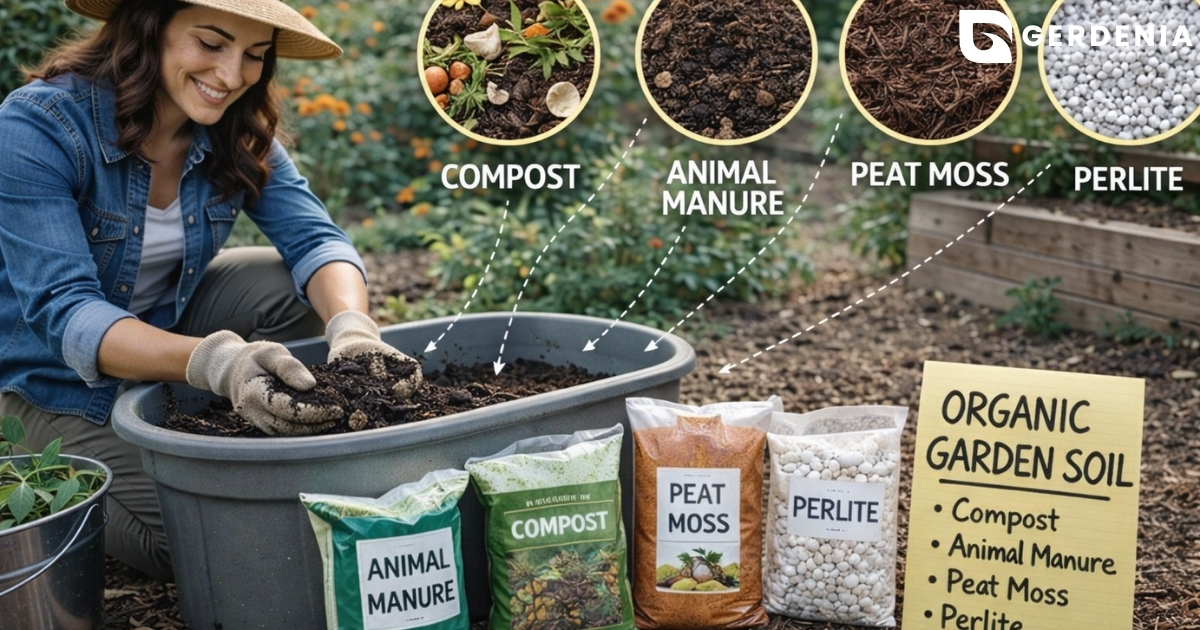
Once those pellets are safely resting on the soil bed, they need a drink to wake up. Watering the lawn after dry fertilization melts the coating, pushing nutrients to the roots where they work alongside organic soil amendments for healthy grass. Save money by checking your 24-hour weather forecast first; a light rain is perfect, but a heavy storm will wash your investment into the gutter.

To get this moisture level right, master the “tuna can” trick by placing an empty tin in your sprinkler zone. When it collects a quarter-inch of water, you have perfectly activated the feed without flooding it.
Your Seasonal Success Plan: Turning Pellets into a Professional Lawn
Choosing the right granular fertilizer means providing a slow-release multivitamin that safely builds long-term soil health without polluting local waterways. To establish a reliable routine this coming weekend, follow this essential checklist:
- Check the NPK ratio for the “Up, Down, All-Around” rule
- Choose a slow-release formula to prevent surge growth
- Verify the weather forecast before applying
Proper feeding prepares your grass to handle environmental stress naturally. By supplying the exact nutrients your turf needs at the correct time, you can easily maintain a resilient, deep-green yard throughout the growing season.