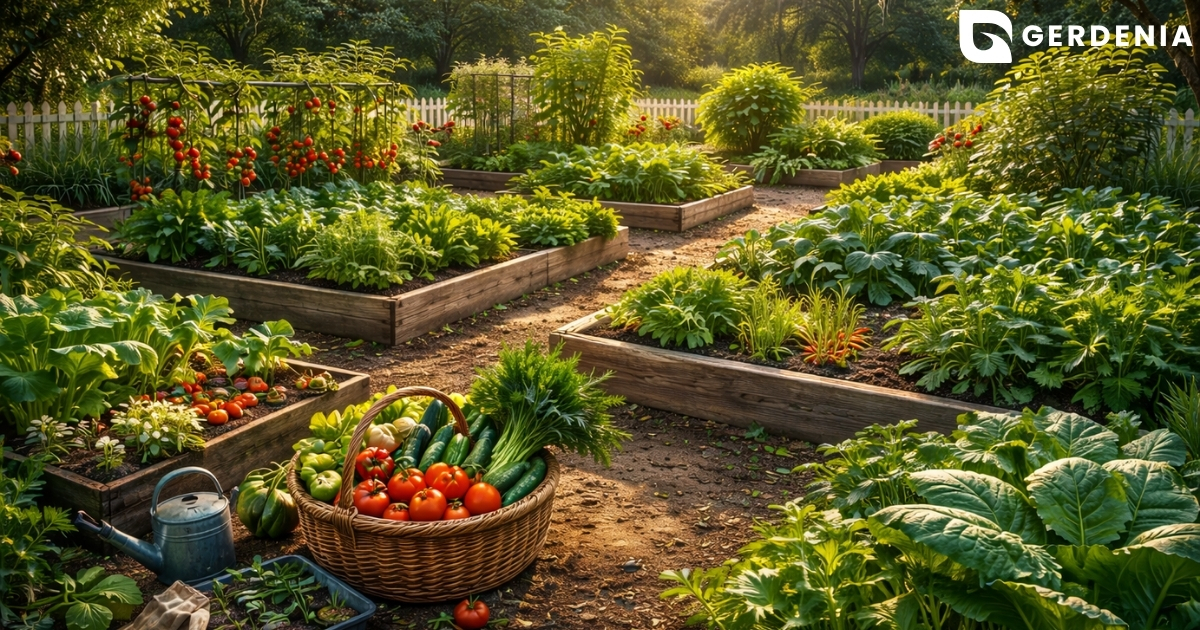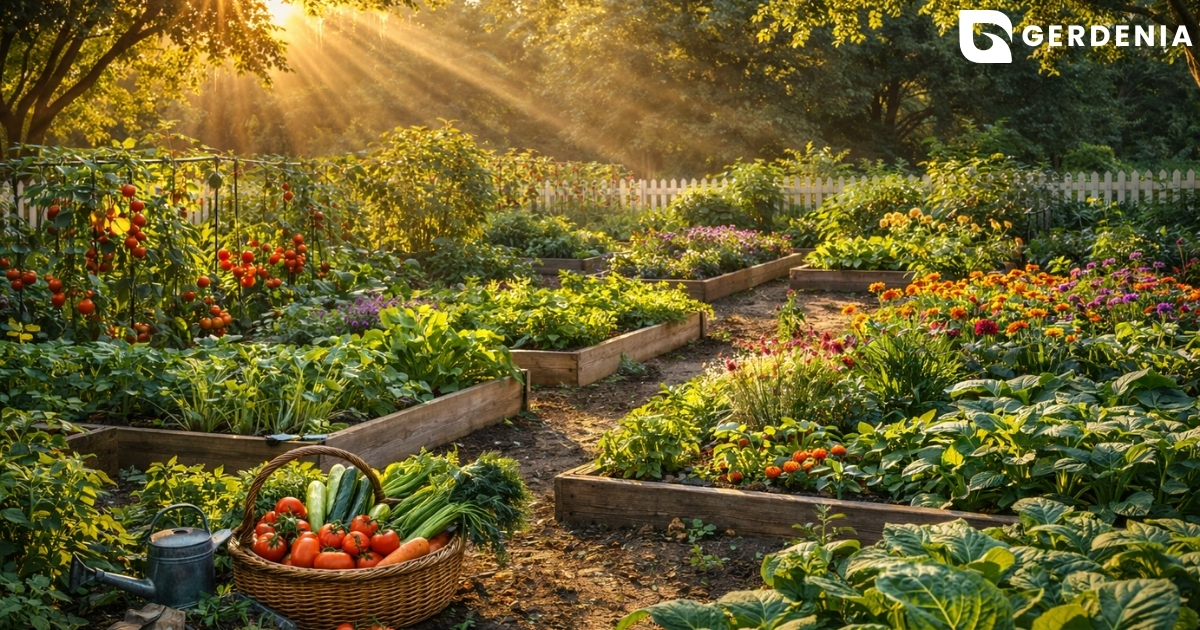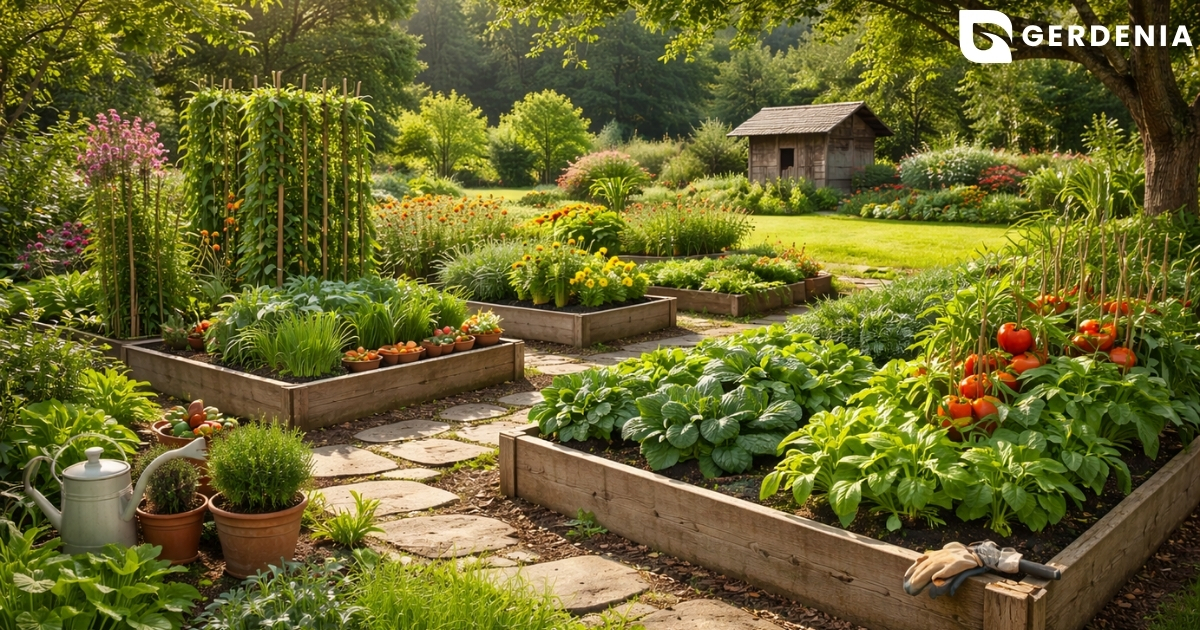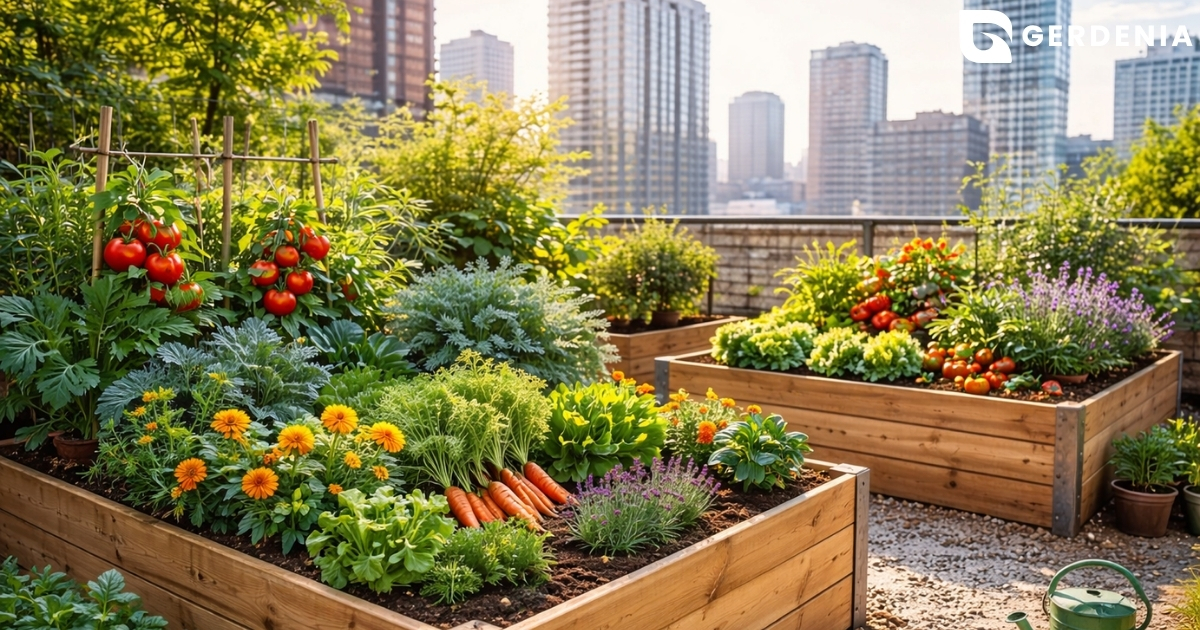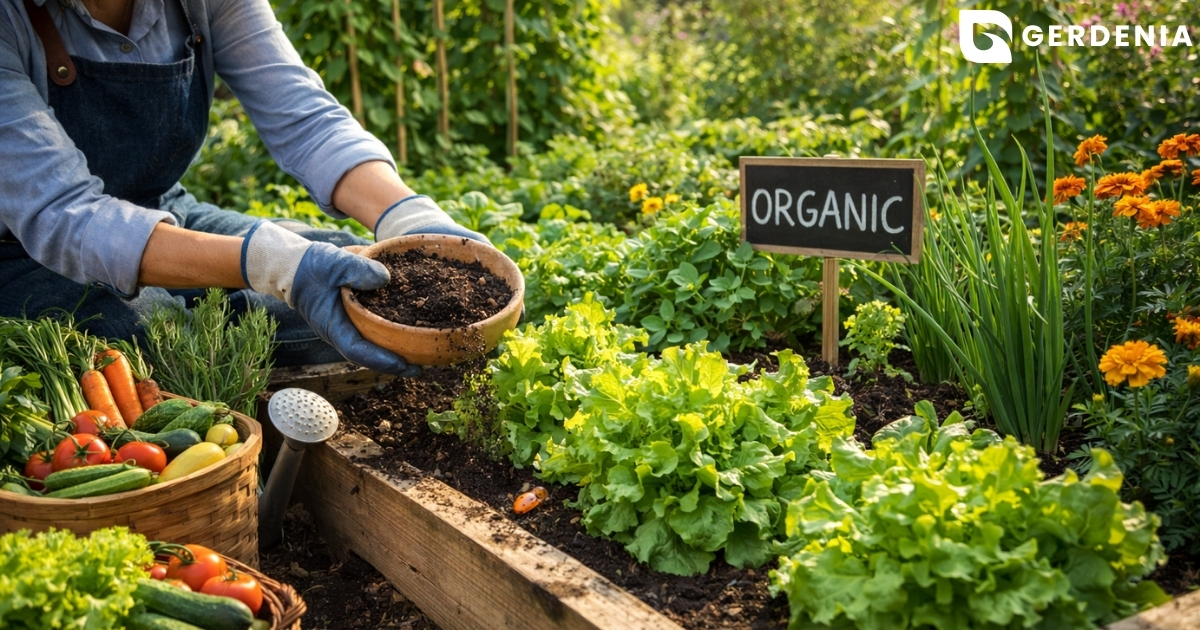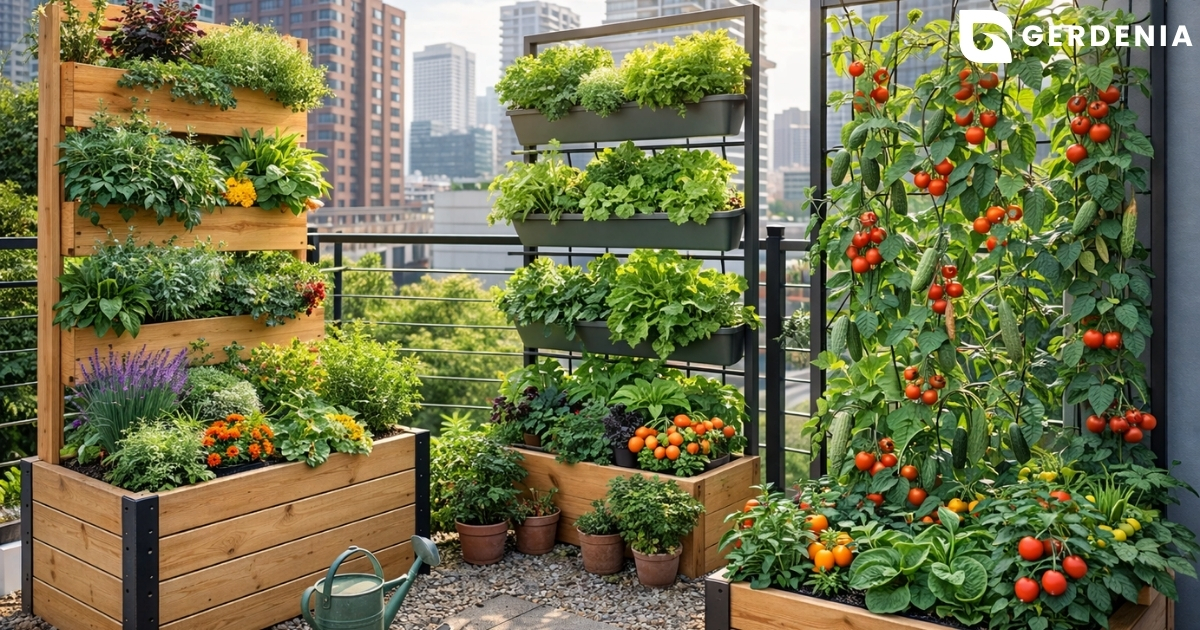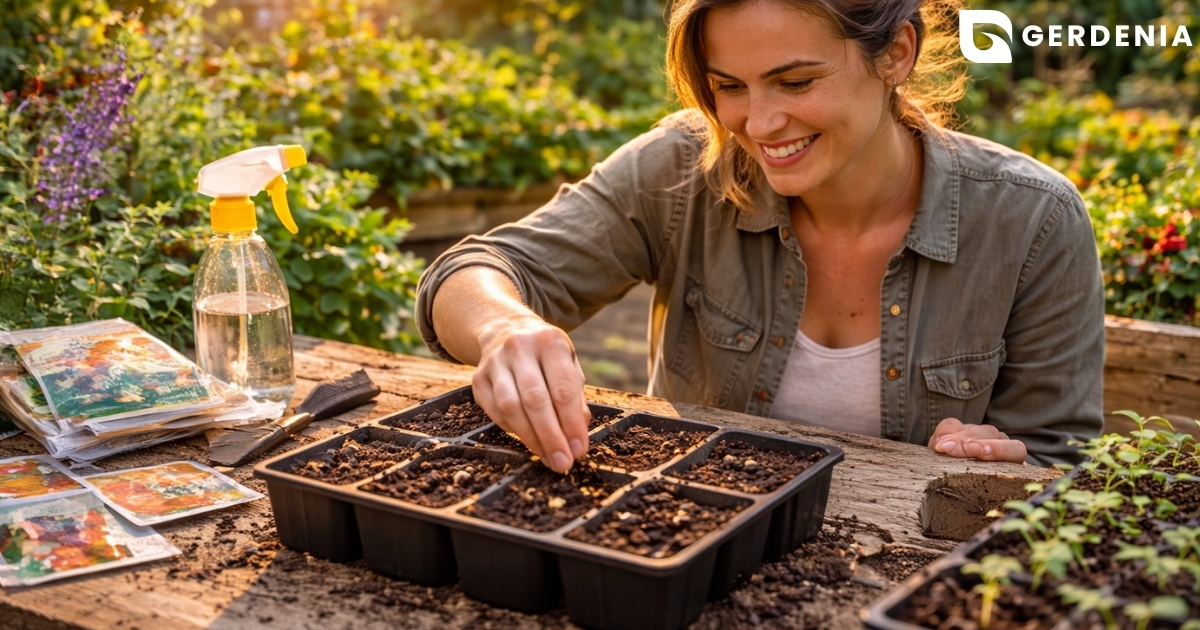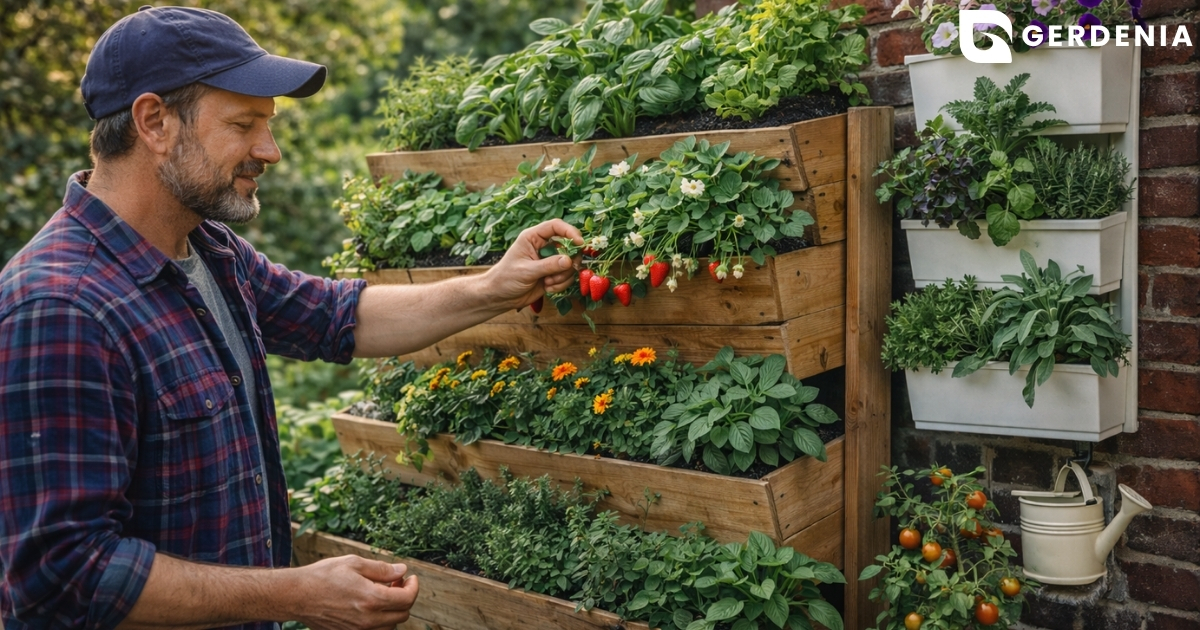
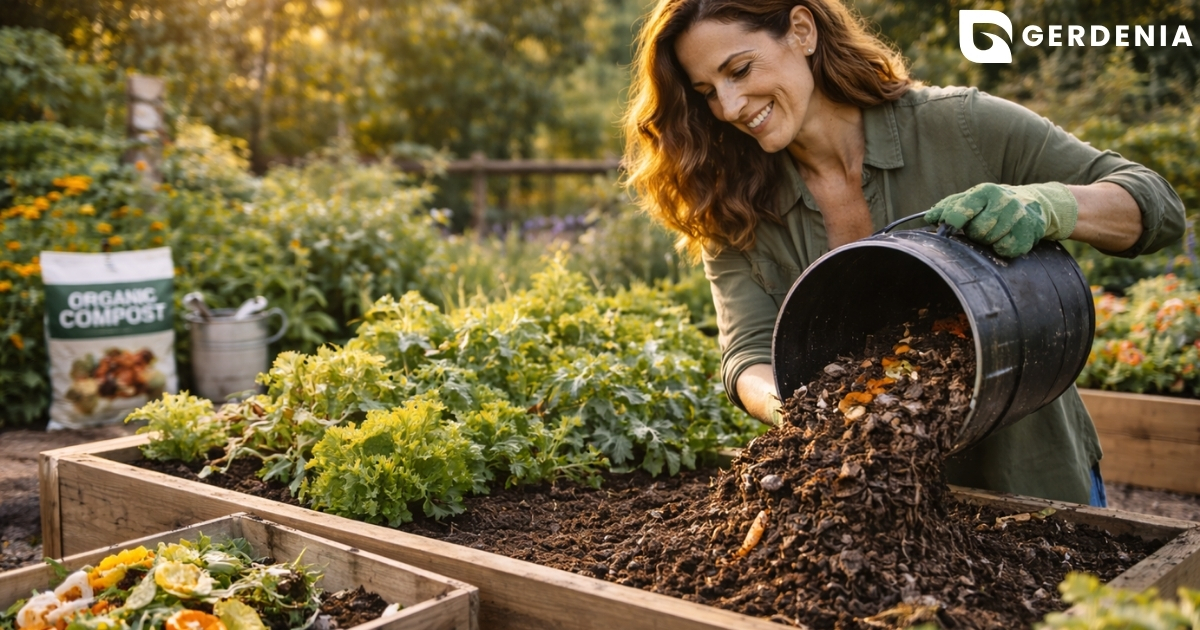
Have you ever wondered why some raised beds explode with tomatoes while others struggle to grow a single weed? The secret isn’t a magic seed, but rather how you use compost for raised bed garden setups. Think of a raised bed like a flower pot on steroids. Because it sits above ground, gravity pulls moisture down rapidly. In practice, this excellent drainage prevents roots from rotting, but it creates a frustrating paradox where watering constantly washes away vital nutrients. That is why dialing in raised bed soil matters.
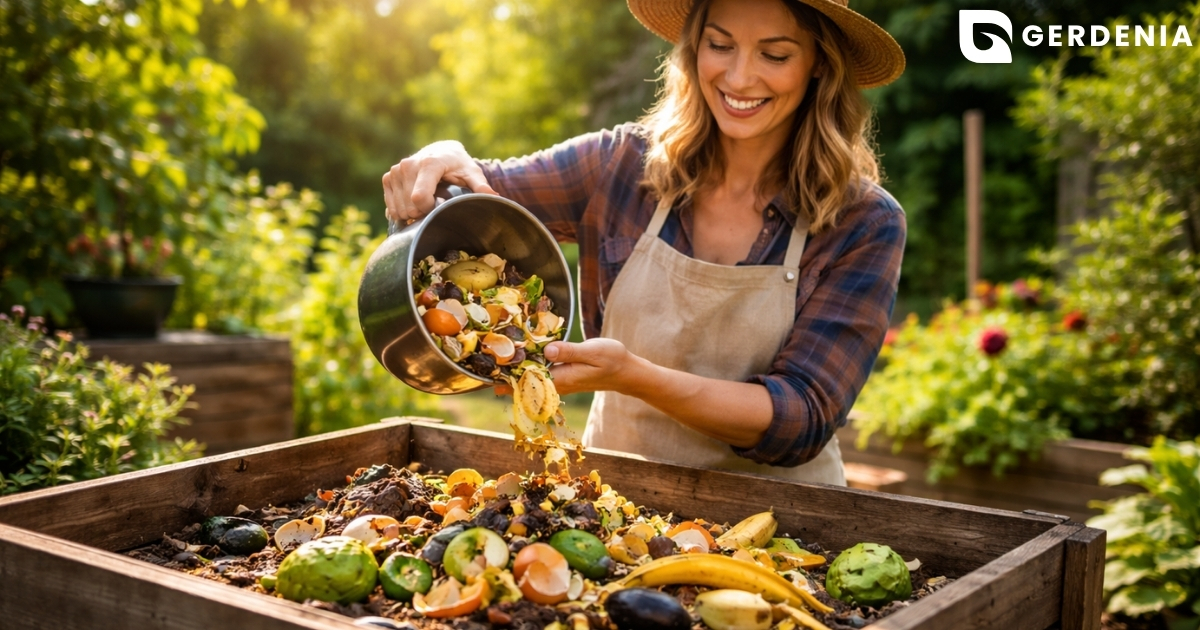
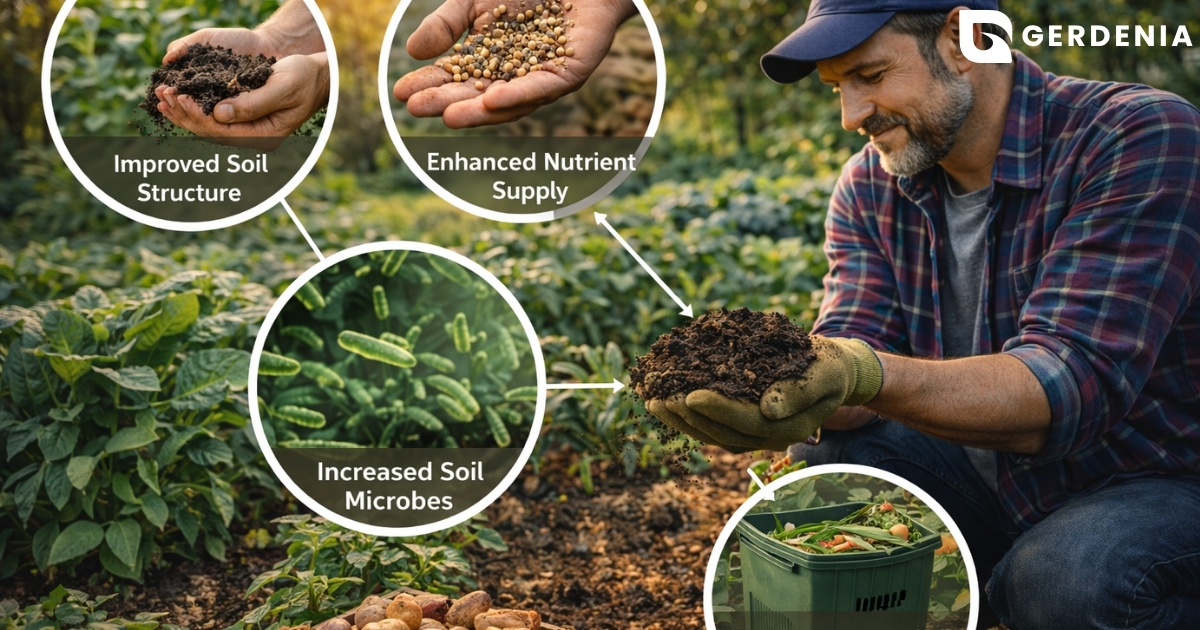
Solving this rapid nutrient loss requires looking at dirt differently. Industry data reveals that while plain soil provides a sturdy house for roots to sit in, it does not supply their actual food. Compost steps in as a daily multivitamin for your vegetables. As you mix soil for raised bed projects, blending in this rich material builds an underground sponge that grabs onto passing moisture and locks those fleeing nutrients right next to the roots.
High-quality organic matter completely breaks down into a fluffy, dark material that feels just like crumbled chocolate cake. Blending this legendary “Black Gold” into your garden bed soil provides the exact high-density energy required to grow vegetables that finally taste like real food.
Summary
Compost is the cornerstone of healthy raised beds, countering rapid drainage and nutrient loss by improving soil structure, aeration, and water-holding capacity while fueling plants through active soil biology. Use balanced mixes like the 60-30-10 ratio (topsoil–compost–aeration) to prevent compaction, stabilize moisture, and deliver steady nutrients. Pair amendments wisely (e.g., mushroom compost with peat moss), fill deep beds affordably with hugelkultur or layering, and ensure compost is fully finished before use. Maintain fertility and structure with annual no-dig top-dressing so beds stay productive season after season.
Why “Real Dirt” Turns to Bricks: The Raised Bed Compaction Problem
Shoveling regular yard dirt into a wooden frame seems like a budget-friendly idea, but it quickly becomes a dense nightmare. Ground soil naturally relies on deep earthworms and constant shifting to stay loose. When trapped in a box, it compacts and settles into a heavy brick. Because roots desperately need physical space to stretch and grow, using pure yard dirt as soil for elevated beds essentially suffocates your plants.
Preventing your garden from turning into concrete requires aeration—breathing room for your roots. The absolute easiest way to create this space is by mixing in compost. Think of compost as a fluffy sponge that physically breaks up dense mud. It props open tiny air pockets, letting water drain easily instead of pooling on the surface. Blending in this dark, crumbly organic matter prevents the dirt from ever locking together in the first place.
You can check this fluffiness yourself using a simple backyard squeeze test. Grab a handful of your dirt and squeeze it into a ball; it should gently hold its shape but crumble apart easily when you poke it. Once you achieve this airy texture, your roots finally have room to thrive. Can I use garden soil in raised beds, or can I use in ground soil for raised beds? You can blend a small amount with compost, but relying on it alone risks serious compaction over time.
The Underground Kitchen: How Microbes Cook Up Nutrients for Your Veggies
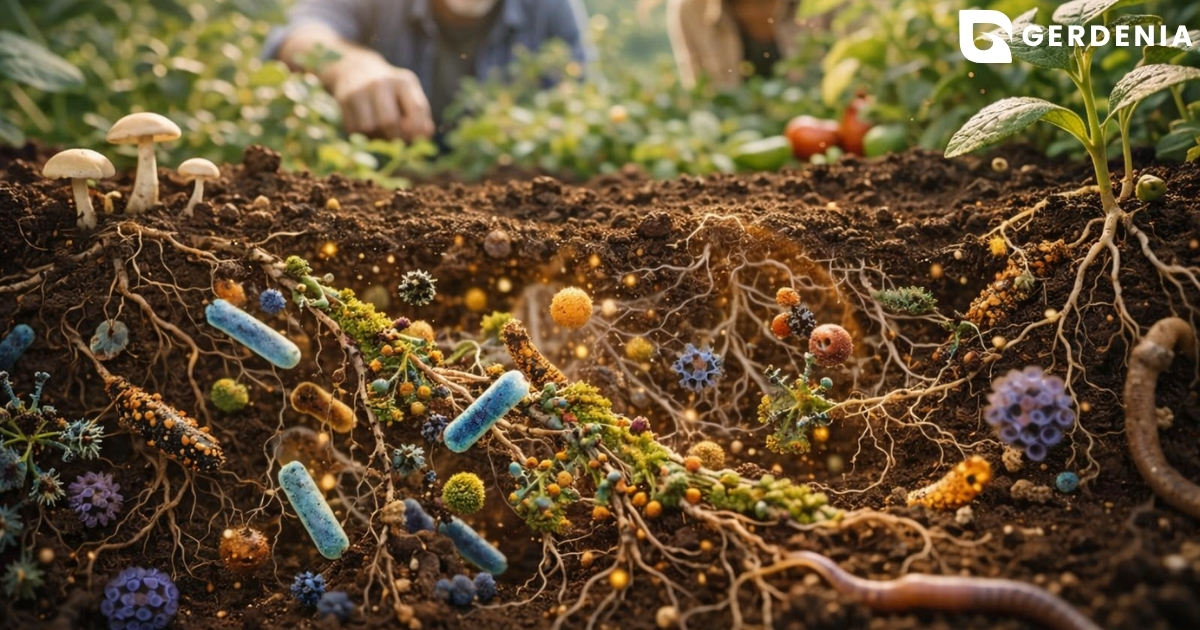
While fluffy dirt gives roots room to stretch, the microscopic life inside that dirt actually feeds your plants. Millions of beneficial microbes act like tiny chefs in an underground ecosystem. They chew up raw materials, like old leaves or kitchen scraps, and transform them into bite-sized nutrients that roots can easily absorb. Without this bustling living ecosystem breaking things down, even the softest garden dirt is essentially a sterile, empty pantry for your vegetables.
To keep these microbes active, prioritize organic soil amendments like compost over chemical quick-fixes:
- Liquid Chemical Fertilizers: These deliver an instant, artificial rush of food. It greens up plants quickly, but washes away after a heavy rain, leaving your garden dependent on constant reapplications.
- Compost: This acts like a slow-cooked meal. It creates steady, long-lasting nitrogen levels that microbes slowly release over the entire summer.
When you dig into a healthy raised bed, you might spot thin white threads of friendly fungi or find earthy-smelling clumps that look like dark coffee grounds. These are visual proof that your dirt is alive and constantly generating fresh, natural plant food. This living biology is what turns ingredients into good soil for garden beds and resilient raised bed soil.
The Sponge Effect: How Compost Cuts Your Watering Bill in Half
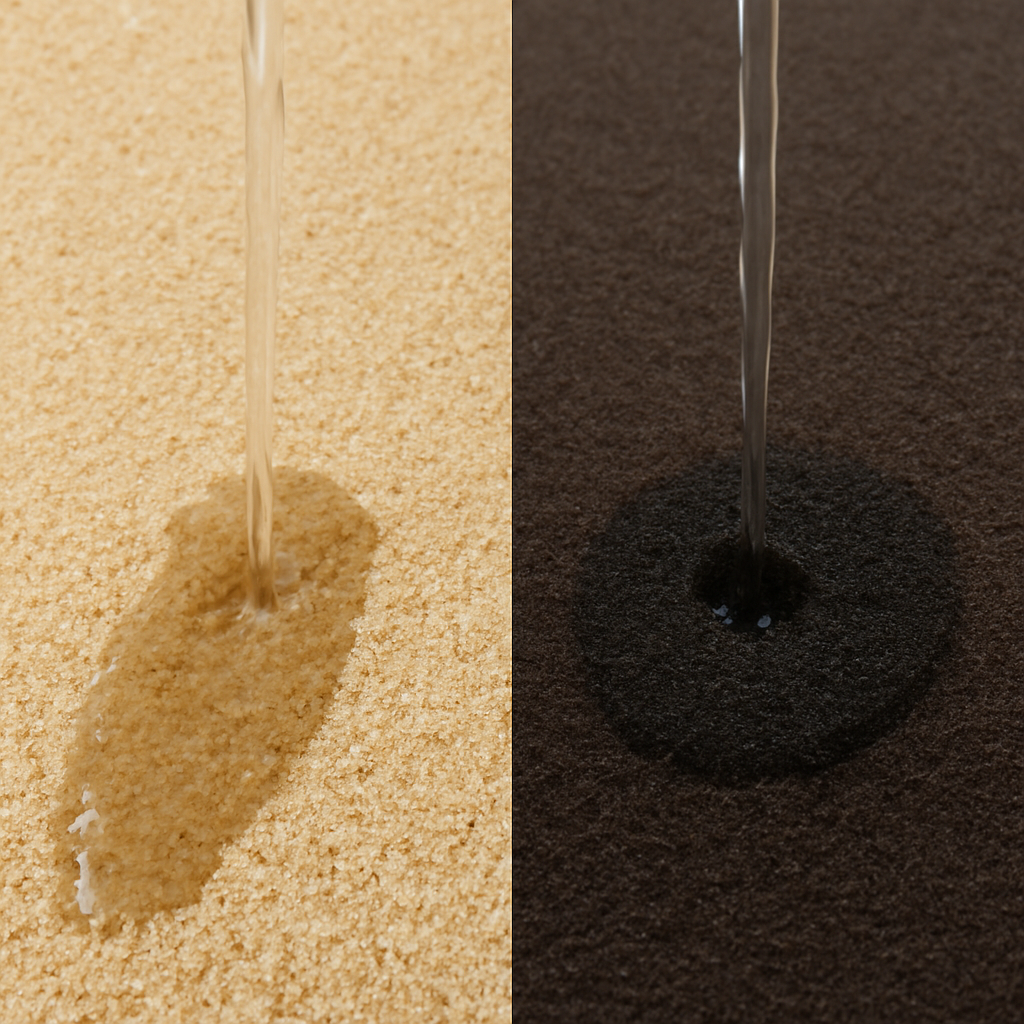
If your garden looks like a dried-out parking lot by August, you are likely experiencing “cracked soil syndrome.” This warning sign means your dirt lacks a vital organic matter reservoir to hold onto moisture. Beginners often ask, can you use top soil in raised beds? You can, but cheap topsoil alone bakes into a hard brick. By adding a healthy dose of compost, you build a dark, natural sponge that traps water at the root level, dramatically cutting down the frequency of your manual watering chores.
Instead of water flushing straight through the bottom and washing your nutrients away, compost grabs the moisture and holds it tight. Thirsty tomatoes rely on this steady, even drink to keep their delicate skins from splitting during hot summer afternoons. Similarly, root crops like carrots and radishes absolutely require this consistent moisture to grow crisp and sweet rather than tough and woody. For thirsty summer crops, what soil to use for vegetables comes down to a loose, well-aerated blend that holds moisture without staying soggy.
Surprisingly, this exact same sponge material also stops your plants from drowning after a heavy downpour. Because compost is naturally fluffy, it is the absolute best tool for improving drainage in deep wooden planters by creating tiny air pockets that let excess water escape.
Mushroom Compost vs. Peat Moss: Choosing Your Soil Amendments
Walking down the garden center aisle reveals endless bags promising perfect vegetables. Is peat moss good for raised beds? Peat moss acts primarily as a fluffing agent to keep dirt light and airy, but it contains virtually zero plant food—so pair it with compost. If you plant a tomato in pure peat moss, it will simply starve.
To give your garden actual energy, combine that fluffy structure with nutrient-dense food. Mushroom compost and peat moss actually work perfectly as a team. Mushroom compost is a recycled, rich material that acts like a hearty meal for your dirt. While the peat moss provides a roomy underground house for roots to stretch out, the mushroom compost fills the pantry with the fuel your growing vegetables crave. For a raised vegetable bed, what soil to use in raised vegetable bed plantings depends on your crop mix, but this duo is a reliable foundation.
Tailoring this blend to your crops guarantees a better harvest. Leafy greens like lettuce thrive on heavy doses of mushroom compost to fuel their rapid, above-ground growth. Conversely, root vegetables like carrots prefer a mix heavier in peat moss so they can push easily through the soft, loose earth without hitting hard clods. In short, what is good soil for vegetable garden success? A living blend of quality topsoil, compost, and aeration that matches your crop needs.
Filling Deep Beds for Cheap: The Hugelkultur and Layering Method
Tall planters save your back from bending, but buying enough bagged dirt to fill them costs a fortune. Instead of paying for pure soil all the way down, use a clever trick called hugelkultur. This old-school method uses rotting wood as a base layer, acting like a giant underground sponge. It solves the expensive problem of filling raised garden projects by letting you use free yard waste for the bottom half and helps stretch your raised garden bed dirt budget.
As this buried wood slowly breaks down, it creates a natural “carbon sink” that holds onto rainwater and releases a steady drip of nutrients. Use clean, untreated hardwoods like oak or apple. Avoid toxic black walnut, which stunts plant growth, or treated construction lumber that leaches chemicals. By stacking safe logs below, your garden builds a hidden water reservoir that lasts for years.
When filling raised beds using the hugelkultur method, stack materials from largest to smallest. For a 24-inch planter, use this bottom-to-top recipe:
- 10 inches: Untreated logs and thick branches.
- 4 inches: Twigs and dried leaves.
- 2 inches: Grass clippings to fill gaps.
- 8 inches: Quality topsoil.
The “Lasagna” Mix: How to Build Your Perfect Raised Bed Soil from Scratch
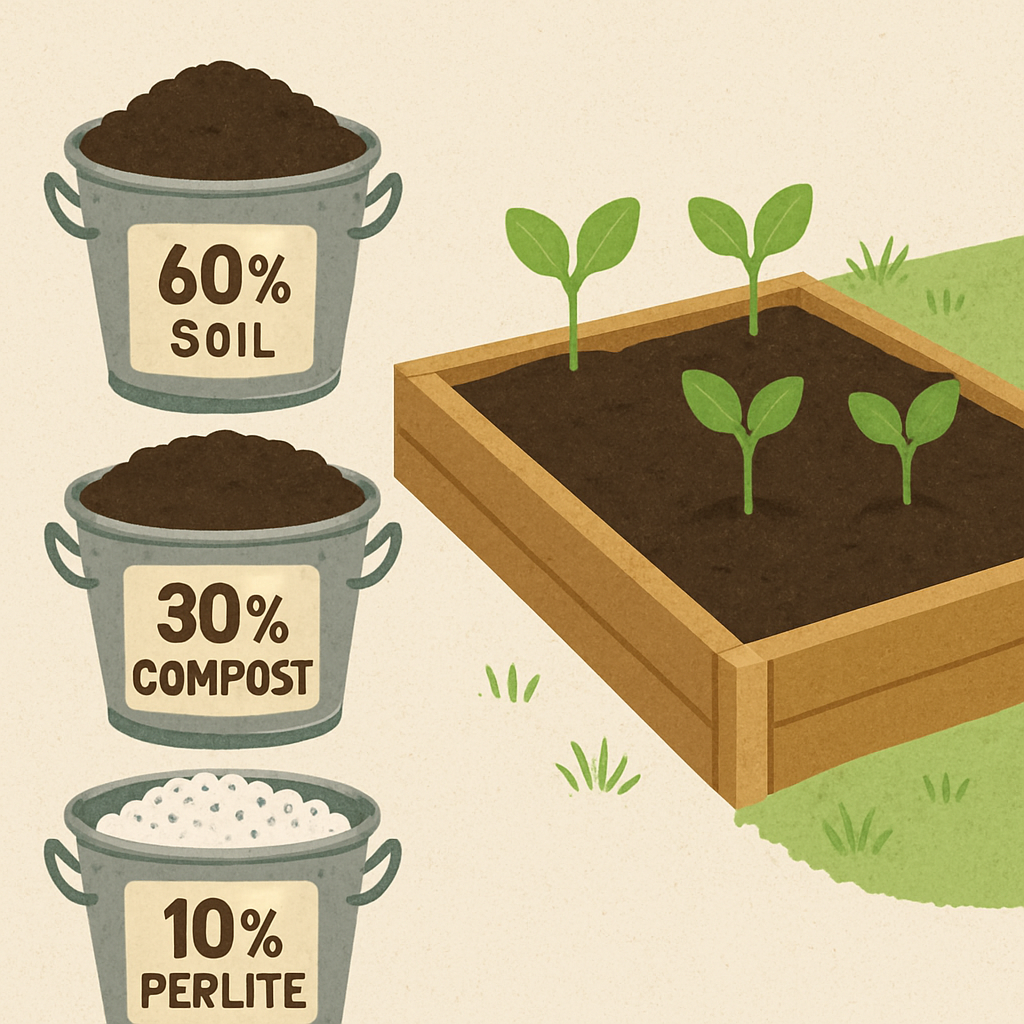
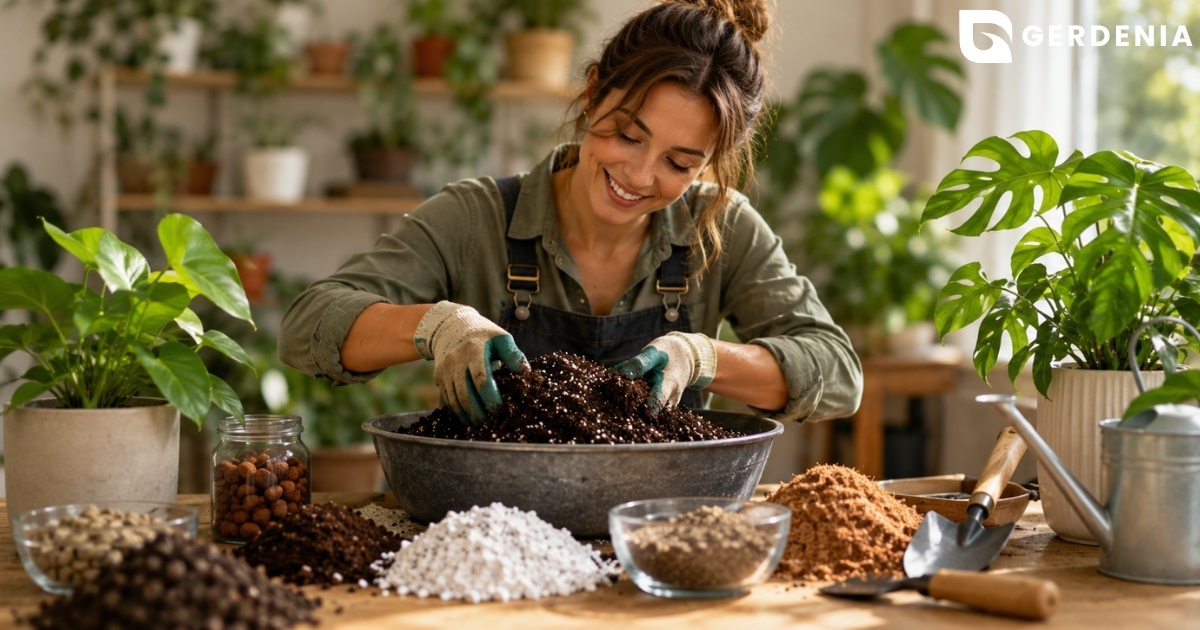
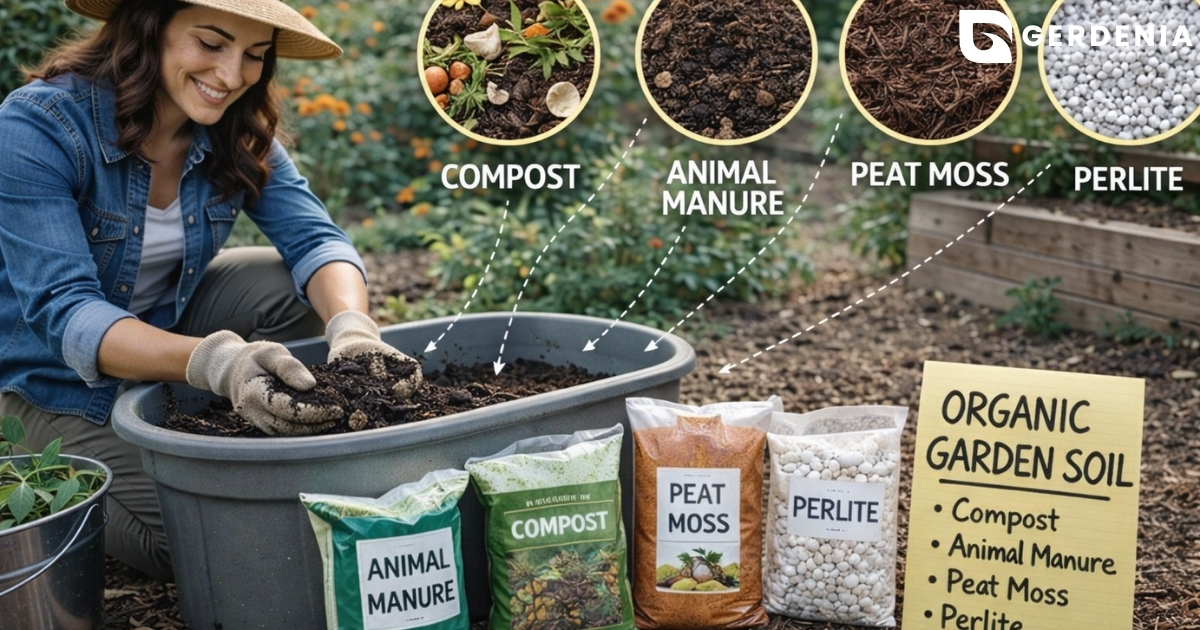
If you’re wondering how to make soil for raised garden beds, use the straightforward 60-30-10 method below to mix soil for raised bed projects. Pouring plain bagged “garden soil” into your planter usually creates a solid brick of compacted dirt by August. Standard dirt simply lacks the fluffiness needed to drain well above ground. Instead, use the 60-30-10 ratio. Your raised bed garden dirt mixture should be 60 percent quality topsoil for a sturdy base, 30 percent rich compost for food, and 10 percent aeration materials. Many gardeners consider this close to the best soil for vegetable garden success in containers and planters, often called the best soil for raised veg beds in compact spaces.
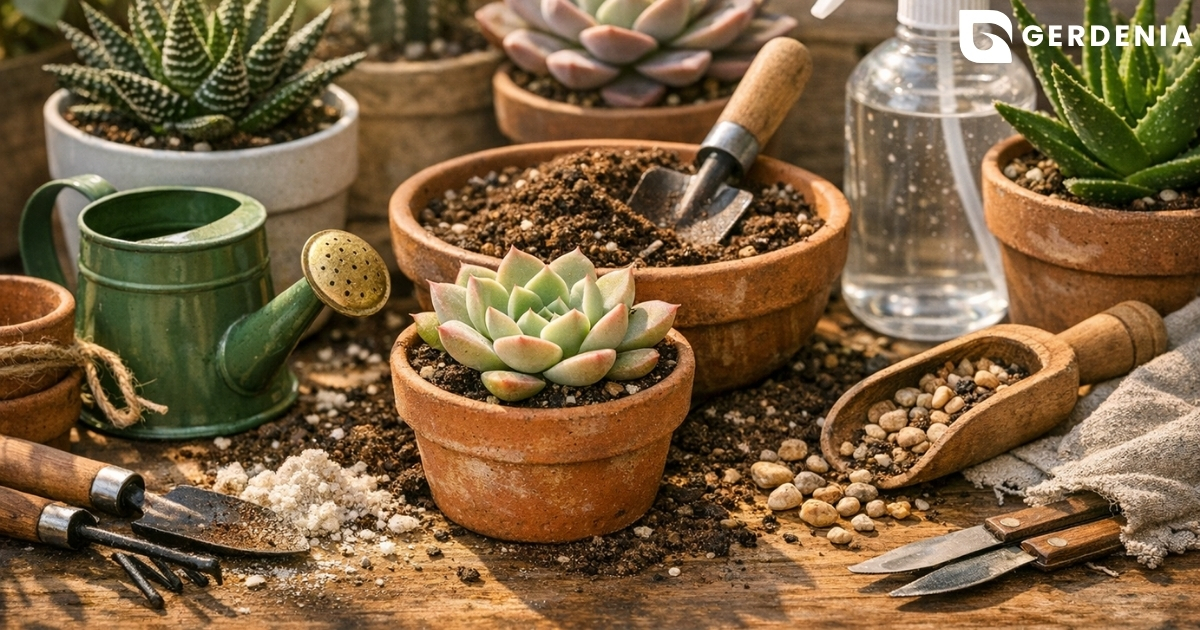
To keep that dirt from sinking and suffocating roots, you must include that crucial ten percent of aeration minerals. By mixing bulk compost with vermiculite or perlite, you create permanent underground air pockets. Think of these lightweight, popcorn-like rocks as tiny breathing tubes for your plants. They stop the bed from settling too heavily over time, ensuring water drains through easily like a sponge rather than puddling on the surface. Wondering what is the best dirt for a vegetable garden? Start with this 60-30-10 blend, then tweak the compost level to match leafy greens versus root crops. If you’re asking what soil to put in raised beds or what soil to use in raised beds, stick with quality topsoil plus compost and aeration. In other words, this dirt mix for raised beds helps you create the perfect soil for raised beds and reliable garden raised bed soil.
Finding the nutrient-heavy middle layer of this mix is where many gardeners accidentally overspend. Rather than buying dozens of pricey plastic bags, call local landscape yards for bulk compost by the scoop to save significant money. If you’re unsure where to get dirt for raised garden builds, those same suppliers often carry screened topsoil and blended raised bed soil to round out your recipe.
Is Your Compost “Finished”? 3 Quick Checks to Save Your Plants
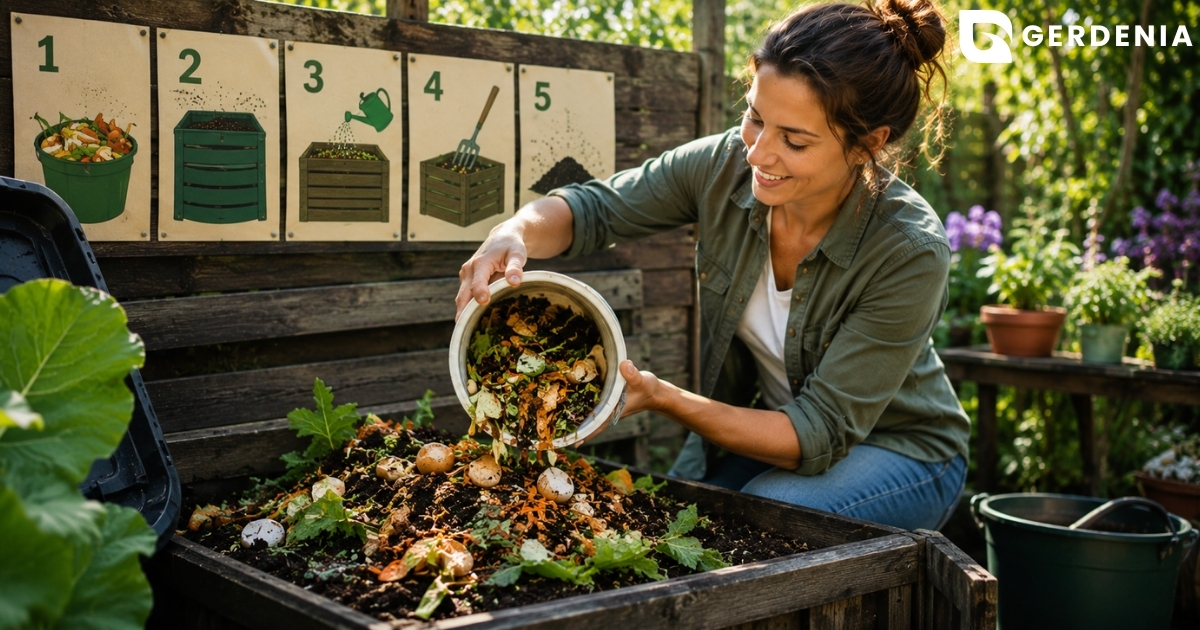
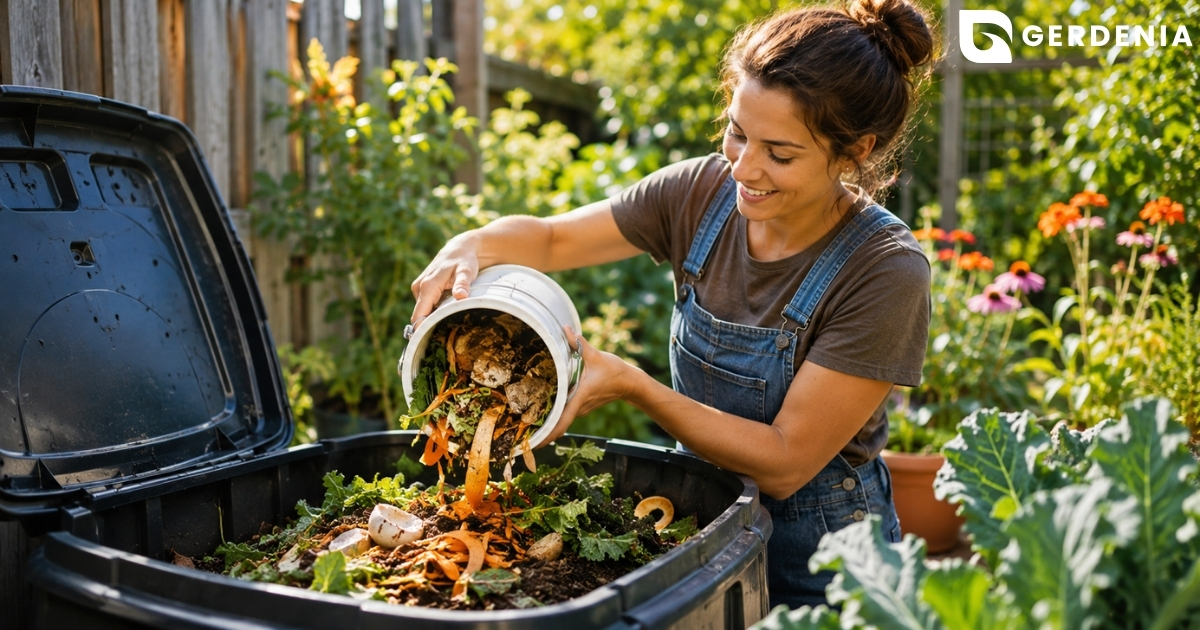
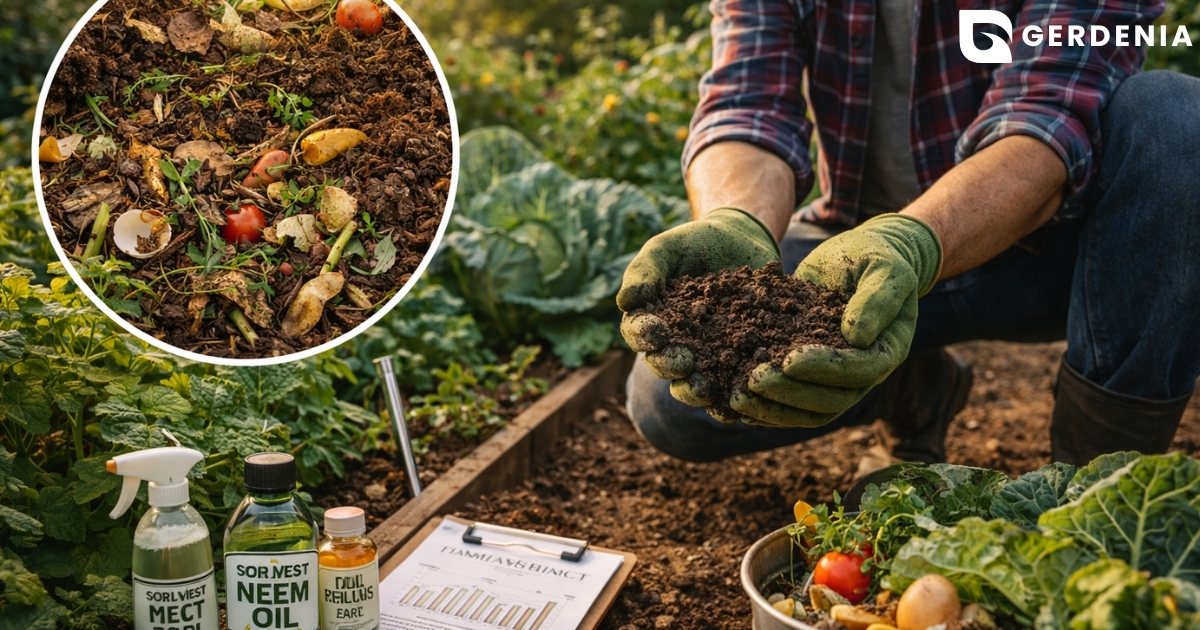
Dumping fresh yard waste straight into planters might accidentally cook your tomatoes. “Unfinished” compost is still actively breaking down, generating high heat that literally burns tender roots. Always use the simple “sniff test.” Whether evaluating leaf mold or buying premium organic compost, the material must smell like a fresh forest floor, never like sour trash.
Recognizable chunks like fresh wood chips pose a second hidden threat by temporarily stealing plant food. As tiny soil microbes work to break down raw wood, they consume surrounding nutrients, causing “nitrogen tie-up.” This theft drastically lowers nitrogen levels, leaving vegetables starving. Secure fully aged compost to ensure your foundation is stable.
Your 10-Minute Spring Refresh: Top-Dressing Your Way to Success
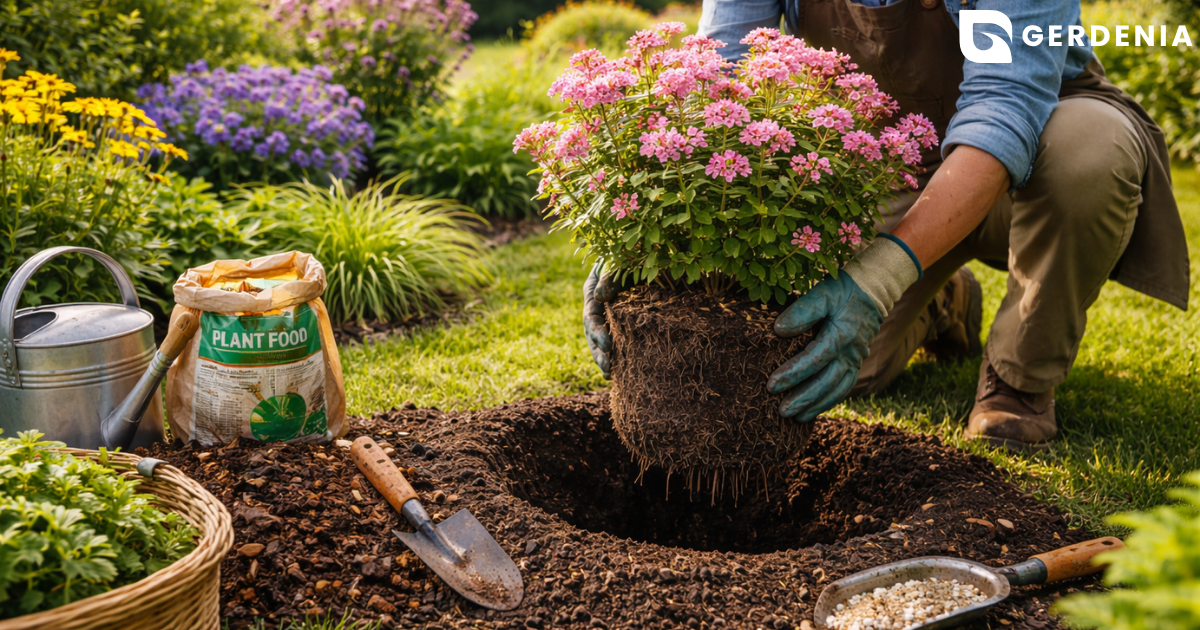
Over the growing season, your soil literally “shrinks” as plants eat the nutrients. You can fix this easily with the “No-Dig” method. By top-dressing raised beds in spring with fresh compost, you let nature do the heavy lifting. As it rains, water filters through this top layer, carrying nutrients down to the roots exactly like tea steeping from a tea bag.
Keep your dirt fluffy and full of life with this annual maintenance checklist:
- Measure: Add about 30% compost by volume to a new garden bed, or apply a fresh 2-inch layer on older beds.
- Layer: Spread the compost directly over the existing soil without tilling.
- Boost: Add a handful of worm castings around your plants for an “espresso shot” of instant energy.
Starting with a simple 2-inch layer yields immediate results. Repeat this cycle every year to maintain healthy, vibrant soil that consistently supports robust vegetable harvests. As a simple guide to what soil to use for vegetable garden upkeep, this gentle top-dress keeps soil for veg garden beds alive, loose, and nutrient-rich.
Q&A
Question: Why shouldn’t I fill a raised bed with plain yard dirt or cheap topsoil? Short answer: In a confined box, “real dirt” compacts into a heavy brick because it no longer benefits from deep earthworm activity and natural ground movement. Compaction squeezes out the air space roots need and leads to poor drainage. Compost prevents this by acting like a fluffy sponge that keeps tiny air pockets open. Do a squeeze test: soil should hold its shape lightly and crumble when poked. You can blend a small amount of garden soil with compost, but relying on soil alone risks serious compaction over time.
Question: How does compost reduce how often I need to water without making the bed soggy? Short answer: Compost creates a “sponge effect.” It holds water near the roots so moisture doesn’t just flush straight through, which dramatically cuts watering frequency and keeps nutrients from washing away. At the same time, compost’s fluffiness forms air pockets that let excess water drain, preventing waterlogging after heavy rain. This steady, even moisture helps tomatoes avoid splitting and keeps root crops like carrots and radishes crisp rather than tough.
Question: What’s the recommended raised bed mix, and what provides “aeration”? Short answer: Use the 60-30-10 blend: 60% quality topsoil (structure), 30% rich compost (food and biology), and 10% aeration materials (perlite or vermiculite). That last 10% creates permanent air pockets so the bed doesn’t settle into a dense mass, ensuring good drainage and steady root oxygen. Start with this ratio, then adjust compost levels to suit crops (e.g., more for leafy greens vs. less for root crops). To save money, source bulk compost and screened topsoil from local landscape suppliers.
Question: Is peat moss a substitute for compost? How should I pair peat moss and mushroom compost? Short answer: No—peat moss is mainly a fluffing agent and contains virtually no plant food. Pair it with compost to add nutrients. Mushroom compost plus peat moss makes a strong team: peat moss keeps the mix light and airy, while mushroom compost feeds the soil. Tailor the balance to crops—leafy greens like lettuce benefit from heavier mushroom compost, while root vegetables prefer more peat moss for an easy-to-penetrate, clod-free texture.
Question: How do I know compost is “finished,” and what simple annual step keeps beds productive? Short answer: Finished compost smells like a fresh forest floor and doesn’t contain recognizable raw pieces; sour odors or fresh wood chips signal it’s still breaking down. Unfinished material can heat up and “burn” roots or tie up nitrogen as microbes digest raw wood. Each spring, maintain fertility the no-dig way: top-dress with about 30% compost in new beds or a 2-inch layer on established beds, and consider a small ring of worm castings around plants for a quick nutrient boost. This keeps soil loose, alive, and nutrient-rich season after season.