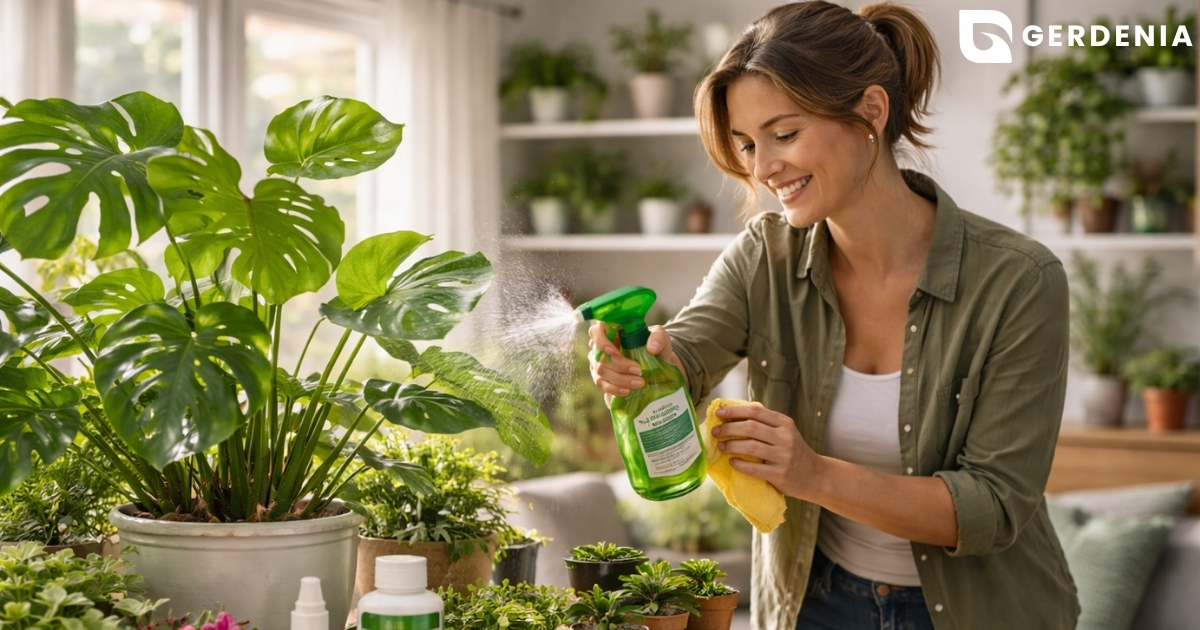
You check your Monstera and notice a flour-like dusting on its leaves. According to botanists, this isn’t household dirt—you’re looking at living fungal spores. Since these organisms float naturally through every home, an outbreak isn’t your fault. Like a common skin rash, fungus simply flares up when high humidity and poor airflow act as environmental triggers.
Fortunately, catching this early before the stem turns mushy means your greenery is completely salvageable. Choosing an effective antifungal for plants works exactly like medicine to stop these microscopic invaders. Whether you deploy a targeted houseplant fungicide spray or a broad plant antifungal treatment, you can quickly clear up those dark spots and encourage vibrant new growth.
Identify Your Plant’s Problem: White Mildew vs. Black Leaf Spot vs. Root Rot
You know what a healthy leaf looks like, so when mysterious blemishes appear, it’s like seeing a sudden skin rash. Before treating the problem, you must figure out which invisible thief is attacking. Fungi take many disguises, from fuzzy surface coatings to silent underground destruction.
Check this diagnostic list to identify your specific issue:
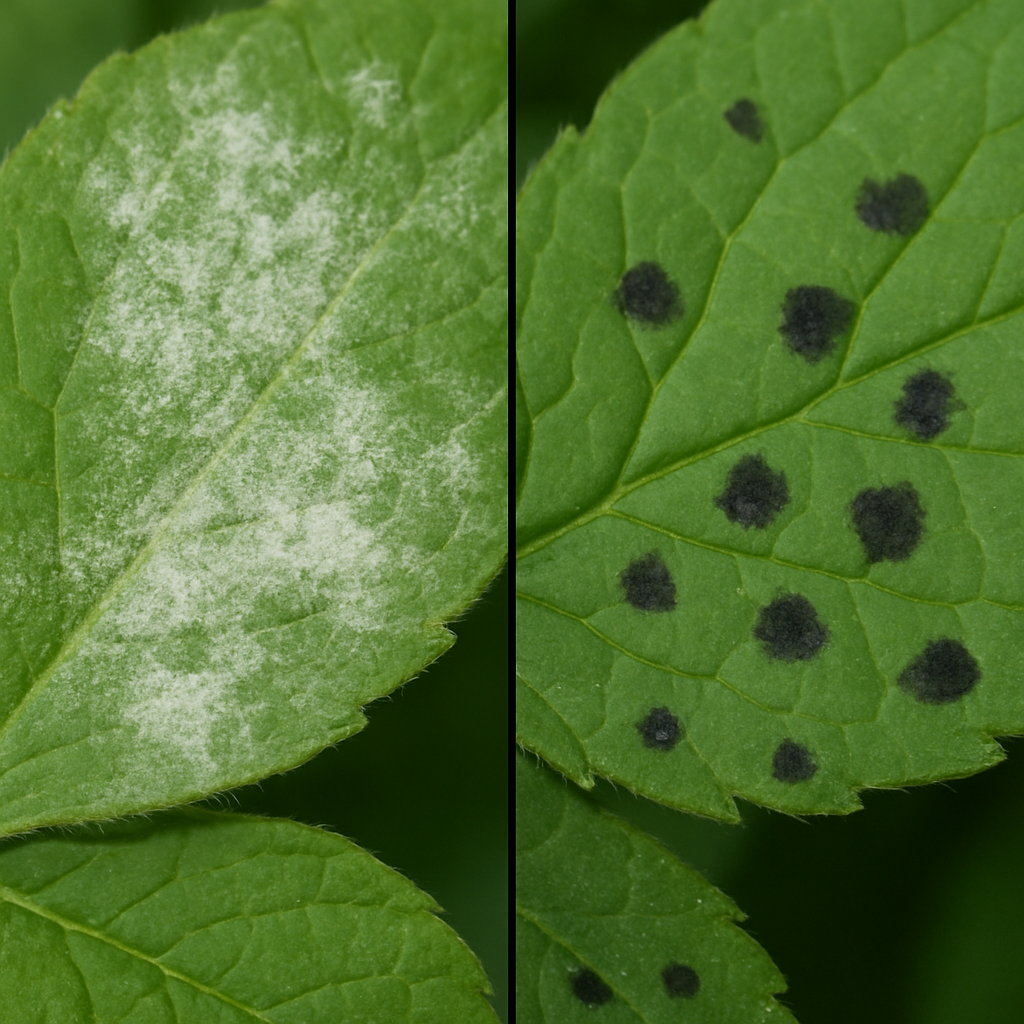
- Powdery Mildew: It looks exactly like spilled flour. If you do the “rub test” and the dust smears but leaves damaged tissue behind, it’s an active fungus, not just household dirt.
- Leaf Spot: The classic signature of leaf spot disease on houseplants is dark black or brown circles surrounded by a distinct “yellow halo.”
- Root Rot: Early symptoms of root rot in indoor plants include a swampy soil odor and mushy, brown roots instead of firm, crisp white ones.
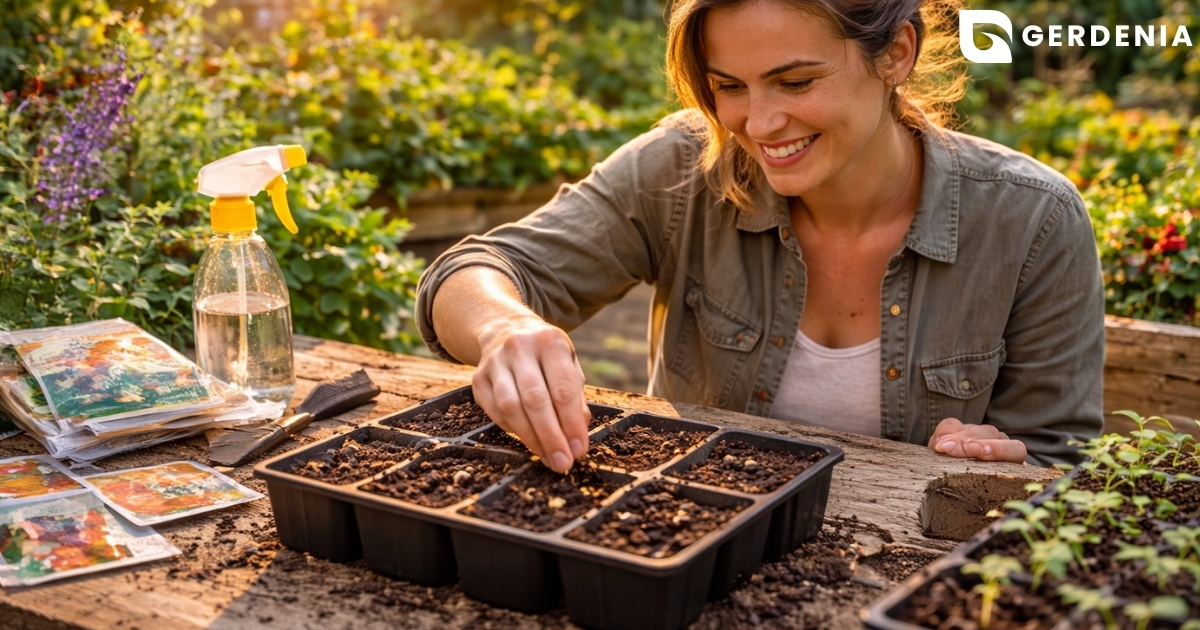
- Damping Off: If your brand-new seedlings suddenly pinch at the soil line and topple over, this fast-acting fungus is responsible.
Spotting these symptoms early gives you a massive advantage in saving your plants. Once you know whether the infection is superficial or hiding underground, you can choose the right approach: topical treatments or systemic root drenches.
Raincoats vs. Vitamins: When to Use Contact Sprays or Systemic Root Drenches
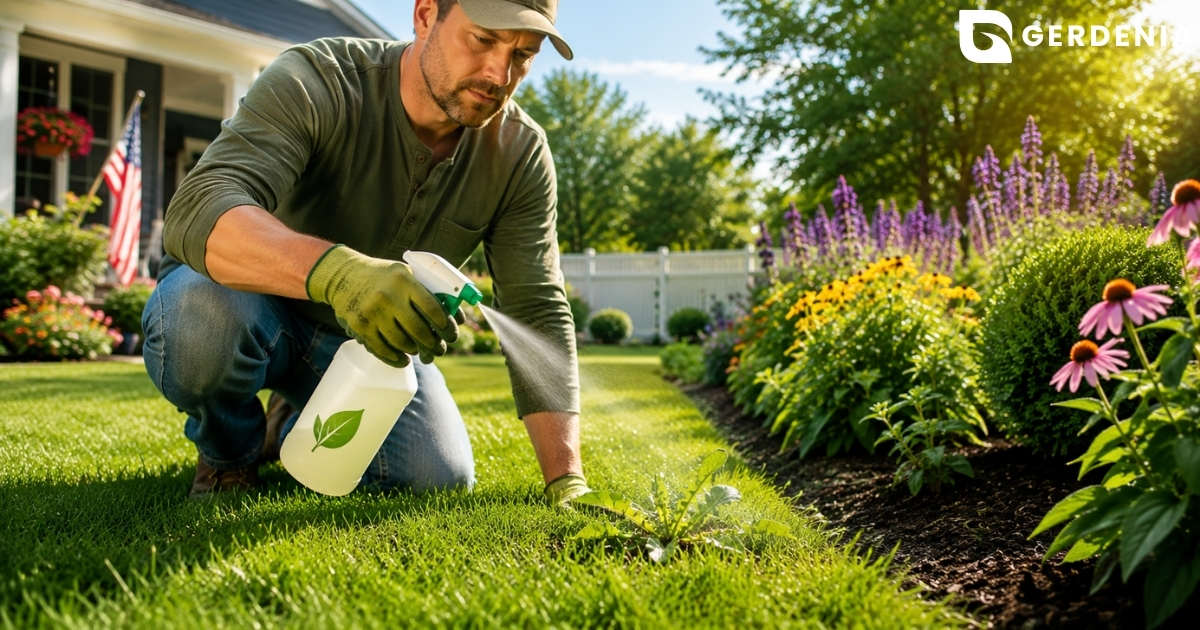
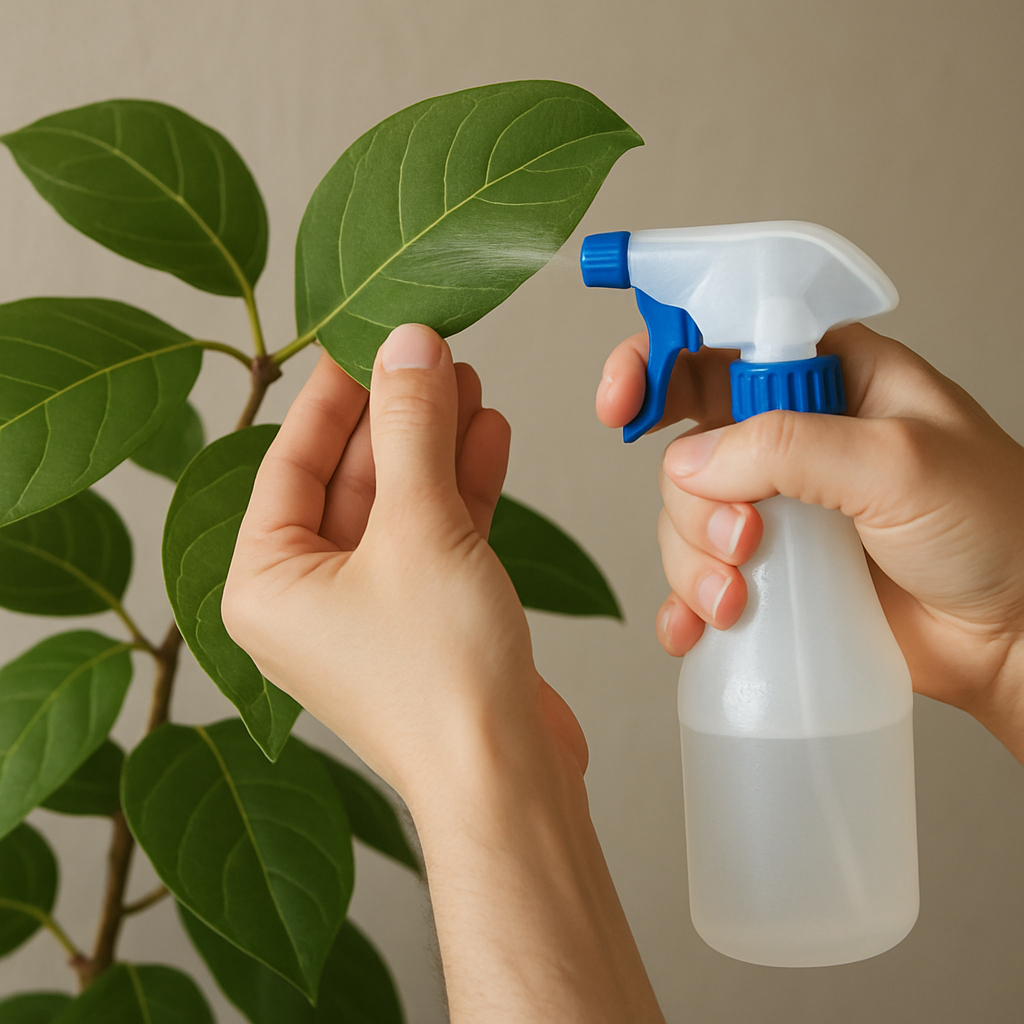
Imagine putting on a raincoat to stay dry. Contact fungicides work exactly like that, sitting firmly on the leaf’s surface to kill spores right on touch. When searching for the best fungicide for plants with immediate surface issues like powdery mildew, these topical sprays are your fastest defense to stop the spread instantly.
For a deeper defense, you need a treatment that acts like a daily vitamin. Systemic fungicides are absorbed directly through the roots, protecting your plant from the inside out. When comparing systemic vs contact fungicides for roses or large shrubs where you cannot reach every leaf with a spray bottle, systemics clearly win. They take longer to activate, but they offer incredibly long-lasting internal protection.
Broad-spectrum options act as a general shield, wiping out multiple common fungal types at once. Knowing how these medicines travel helps you pick the perfect defense. Fortunately, you don’t always need synthetic chemicals to build these protective barriers.
Safe and Natural Fixes: How Neem Oil and Baking Soda Stop Fungal Growth
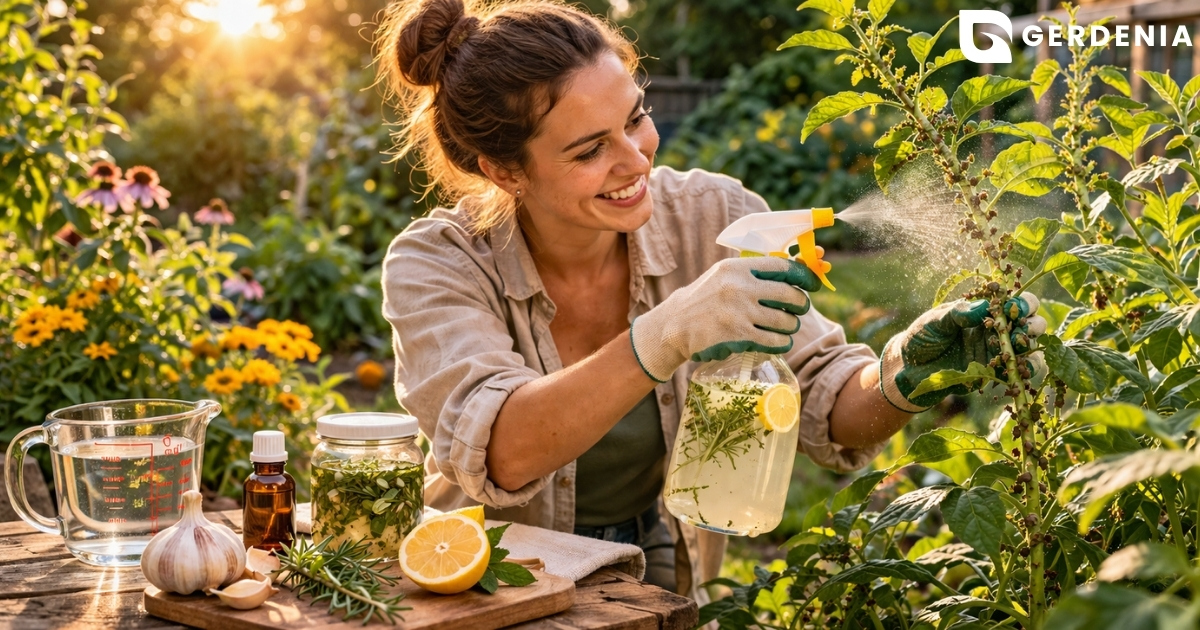
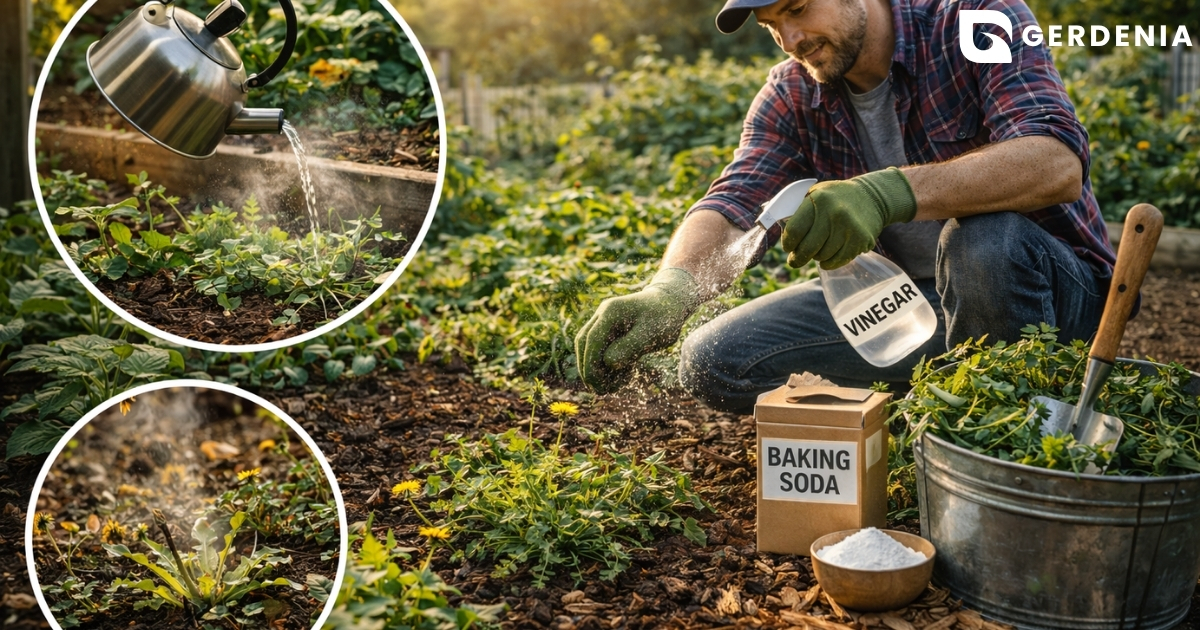
Before reaching for harsh chemicals, you can easily mix an effective diy fungicide for plants using basic pantry staples. Baking soda provides simple pH-based fungal control—it makes the plant’s leaves too alkaline for powdery spores to survive. Try this homemade baking soda spray for black spot:
- 1 quart of water
- 1 teaspoon of baking soda
- A few drops of non-detergent liquid soap
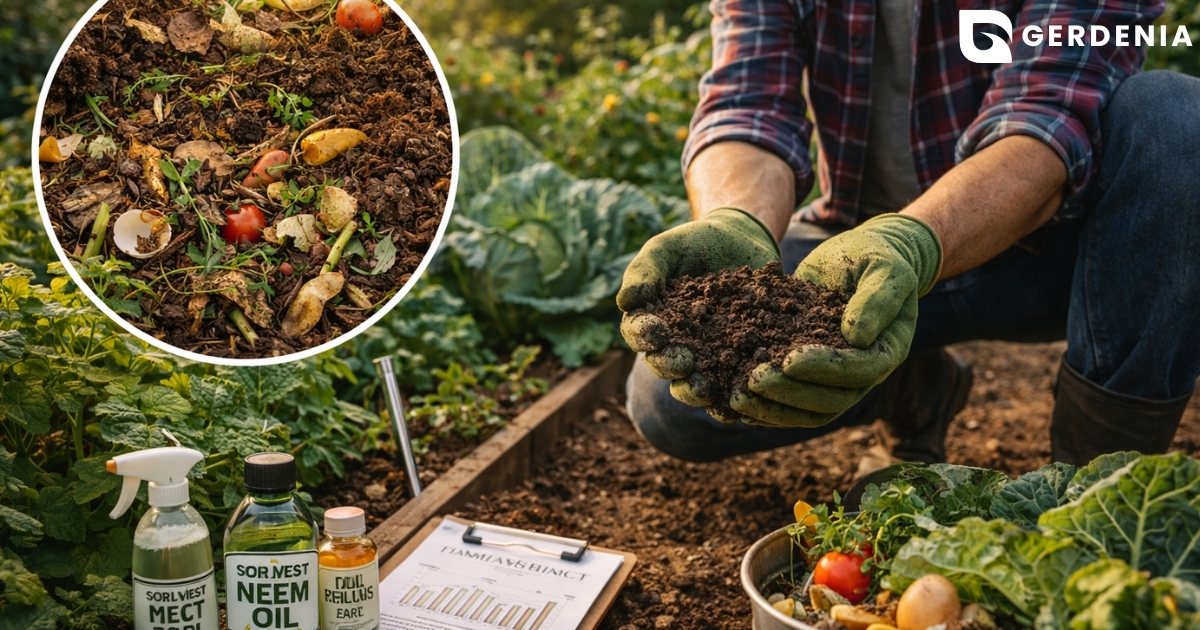
Another excellent natural fungicide for indoor plants is neem oil, a biological control that safely disrupts the fungus’s lifecycle. Always apply neem oil in the evening to prevent the hot sun from burning damp leaves and to protect sleeping beneficial insects. Neem oil works beautifully to prevent the spread of issues like tomato blight, but severe, existing infections often require heavier reinforcements.
Recognizing when to upgrade your treatment saves both time and your favorite foliage. If gentle sprays aren’t clearing up those spots, skip the DIY and use a copper-based organic fungicide for stubborn cases. While clearing the leaves is vital, the true illness often starts below ground in the potting soil.
Stop the Rot: How to Kill Fungus Hiding in Your Potting Soil
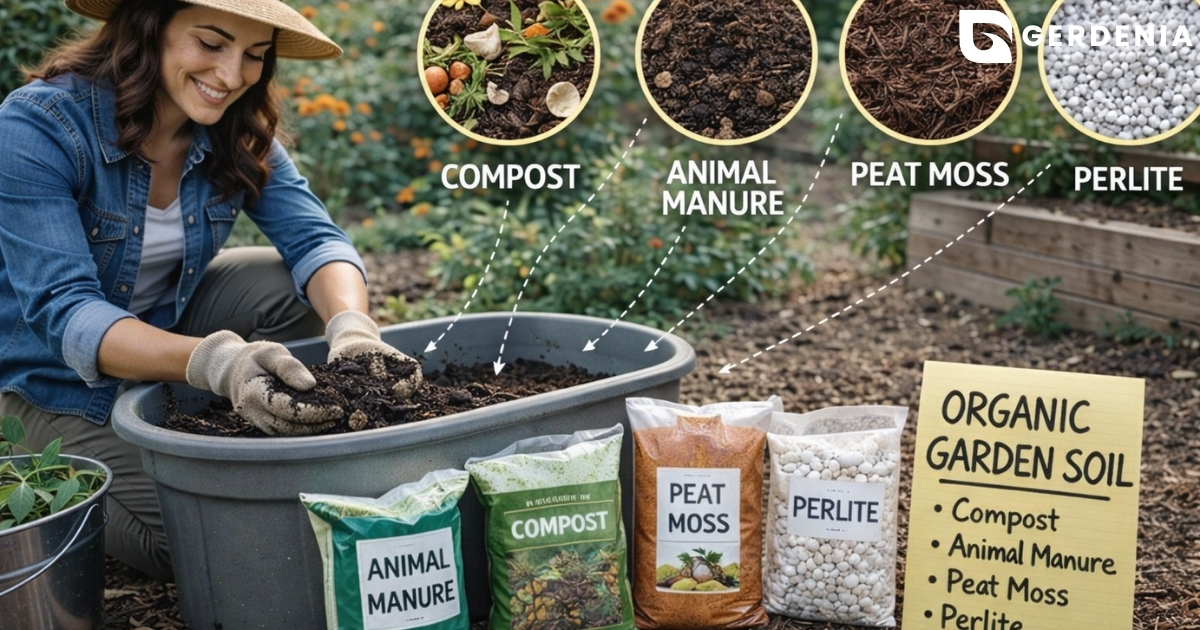
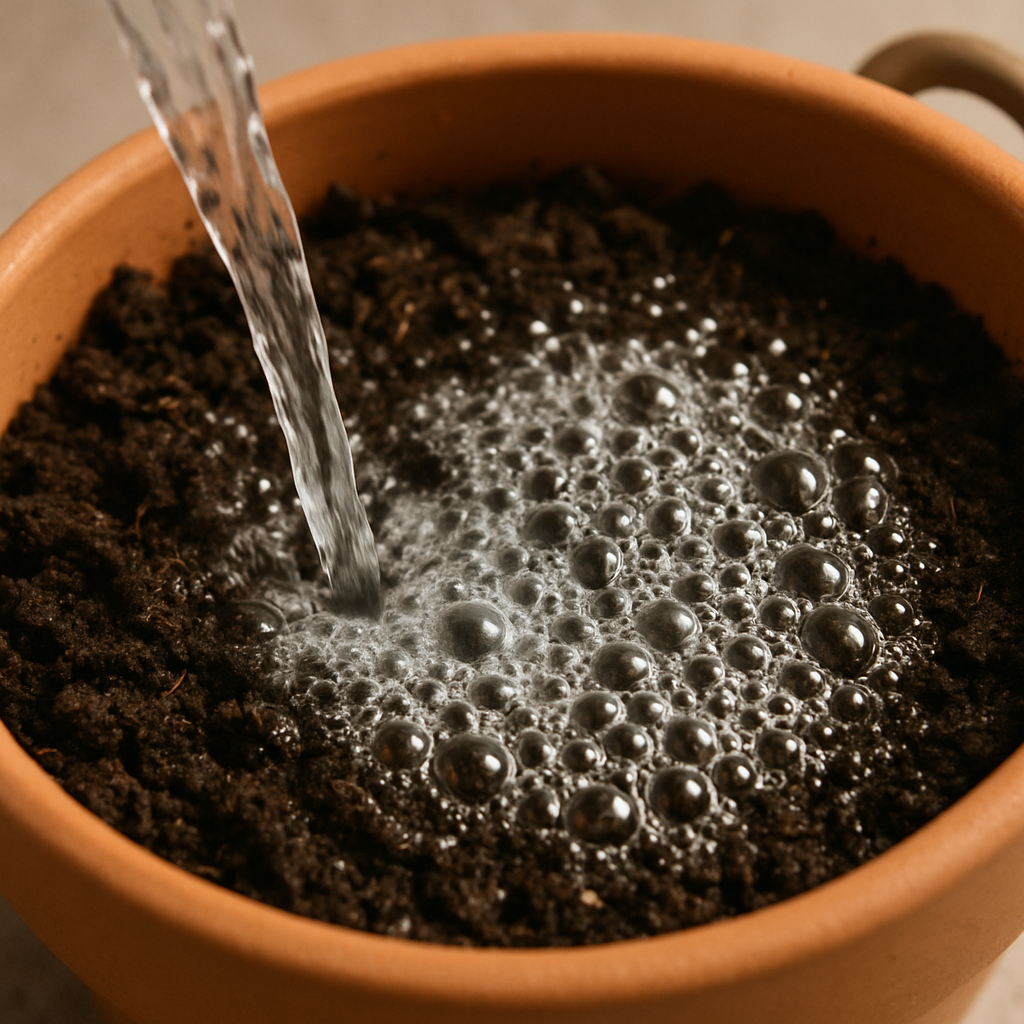
While treating leaves helps, persistent problems often require a fungicide for plants soil. Wet, heavy dirt breeds root-eating mold that slowly starves your plant. If you need to know how to get rid of fungus in soil quickly, perform a hydrogen peroxide flush. Mix one part standard 3% household peroxide with four parts water and pour it evenly over the dirt. The satisfying fizz you hear is pure oxygen destroying spores while giving suffocating roots a literal breath of fresh air.
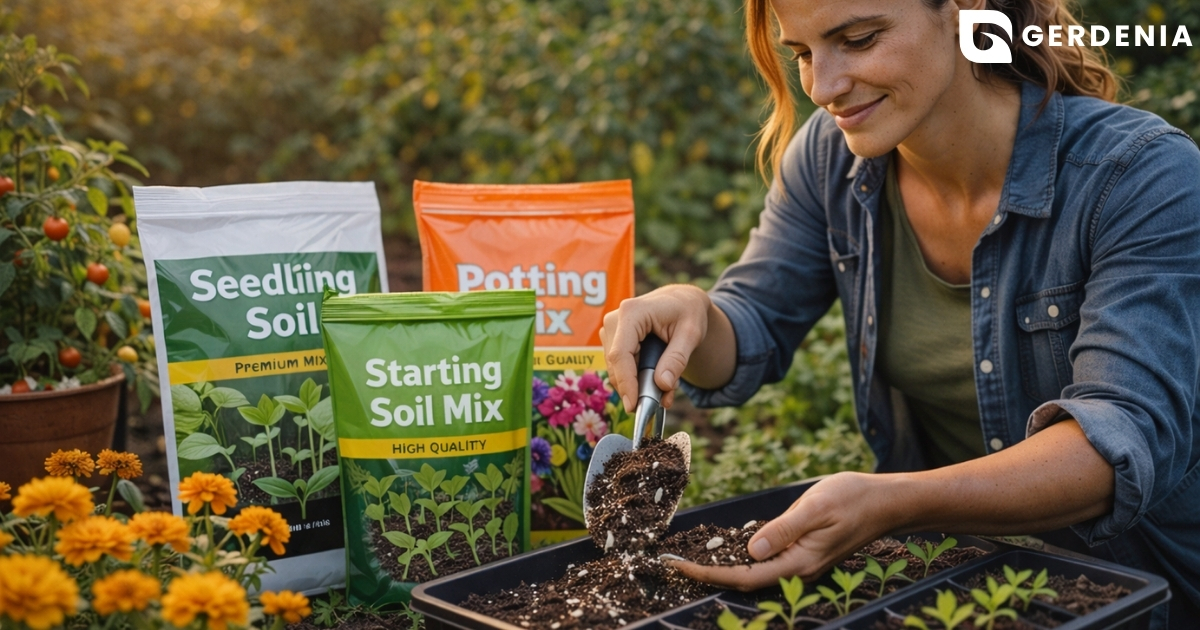
Sometimes, an infection is too advanced for simple flushes. If tiny seedlings suddenly collapse at the base—a fatal condition called “damping off”—always use fresh, sterile, soil-less mixes next time. A gentle fungicide for potting soil works for minor issues, but severely rotting roots mean you must toss the infected dirt entirely and sanitize the container. After finishing your soil fungus treatment, it is time to build up your environmental defenses to prevent future outbreaks.
Keep Them Clean: A 3-Step Routine to Prevent Fungus from Coming Back
You no longer have to panic at fuzzy leaves. With the right plant antifungal treatment, you can stop infections fast. But the best garden fungicide is a proactive defense. Because fungi love still, damp air, preventing fungal growth in greenhouse environments and homes means following this 3-Step Prevention Checklist:
- Improve airflow: Space plants out or use a small fan to prevent spores from landing.
- Switch to bottom-watering: Keep foliage completely dry and inhospitable to fungi.
- Quarantine: Isolate new plants for 14 days to catch any hitchhiking spores.
Plants are incredibly resilient. Try applying this routine on your next watering day, and notice how shifting from reactive panic to proactive care gives your collection the healthy foundation it needs to thrive.