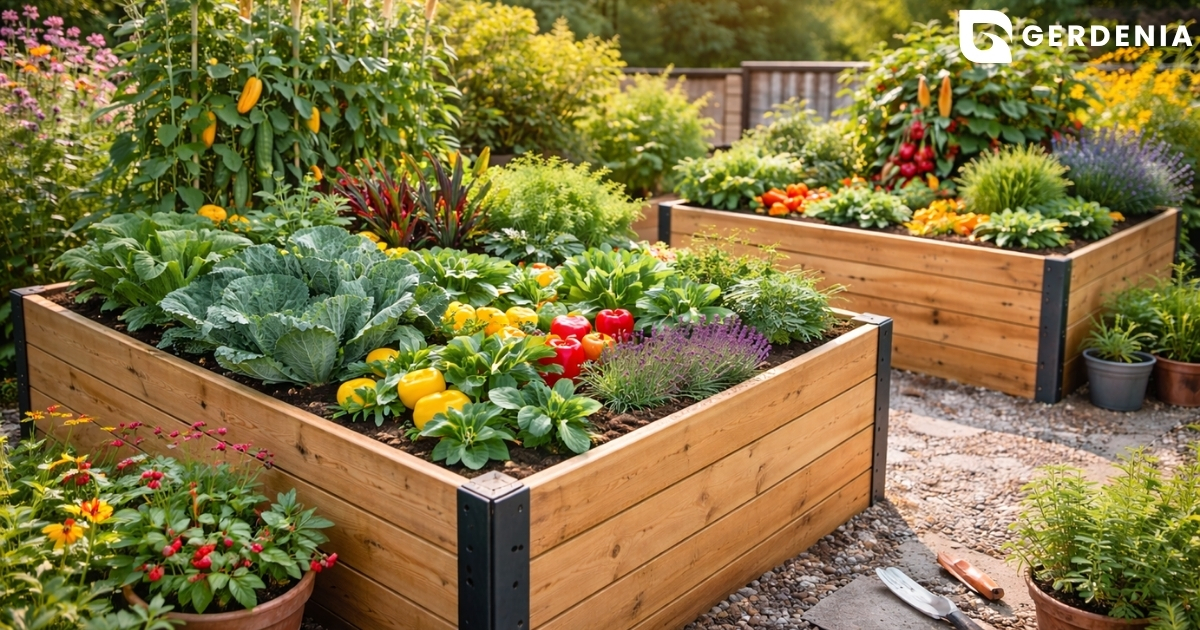
You don’t need an acre of land to eat a homegrown salad. Have you ever bought a grocery store tomato that tasted like watery cardboard? According to food scientists, supermarket produce is typically picked green for transport, sacrificing the rich taste of vine-ripened food. Fortunately, you can grow a juicy, sun-warmed replacement in a bucket-sized space.
Think of a pot like a studio apartment for your plant—you control exactly what the living conditions are. Shifting to container gardening instantly bypasses the frustration of digging through rocky, unusable backyard dirt. Elevating your plants also creates a physical barrier, which everyday garden experience shows makes managing hungry pests much easier.

Grouping these vessels on a sunny porch creates a tiny, warm environment—often called a micro-climate—where food thrives faster than it would in a chilly yard. To get started, you just need to select the right residents for your setup, beginning with these highly rewarding vegetables to grow in pots.
Why Your Pots Need ‘Fluff’ Not Dirt
If you’ve ever scooped dirt from the backyard into a bucket and wondered why your plant struggled, you aren’t alone. The biggest mistake new container gardeners make is misunderstanding the battle of potting mix vs garden soil for containers; backyard earth is simply too heavy and turns into a suffocating brick when confined to a pot.
Roots actually need air just as much as water, a concept called aeration. Think of a pot like a small room—without open windows, the environment gets stuffy fast. To create essential breathing room (porosity), we use “soil-less media.” These mixes contain no actual dirt, utilizing instead fluffy ingredients designed to let oxygen flow.
Fixing drainage issues in garden containers starts with buying the right bag. A great mix contains three main ingredients:
- Peat moss or Coco coir: Holds moisture like a sponge.
- Perlite: White, foam-like rocks that create air pockets.
- Vermiculite: Golden flakes that help grip plant food.
Always ensure your pot has bottom holes, then use the “finger test”—poke the soil to your first knuckle, watering only if it feels dry. This simple habit is the ultimate trick for preventing root rot in potted plants. With your fluffy foundation ready, it’s time to select the right residents for your containers.
The Secret to Potted Tomatoes: Choosing ‘Determinate’ Varieties
Everyone wants to grow a juicy tomato, but grabbing random seeds often creates an overgrown jungle. Tomatoes generally fall into two categories: indeterminate and determinate. Indeterminate plants are sprawling vines that grow endlessly, quickly overwhelming a patio. Instead, you need determinate tomato varieties for small spaces. These “bush” types naturally stop growing at a manageable height, perfectly designed for your porch.
Giving these compact plants enough room ensures a heavy harvest. The best container sizes for tomato plants are 5-gallon buckets or pots roughly the size of a large office trash can. Just push a simple wooden stake into your fluffy soil to prevent heavy fruit from snapping the branches. Consider these top 3 tomato varieties for small pots:
- Tiny Tim: Thrives easily in window boxes.
- Patio Princess: Yields classic slicing tomatoes on sturdy bushes.
- Tumbling Tom: Perfect for hanging baskets where vines gently spill over the edge.
Watching those green spheres blush red in the summer sun is incredibly rewarding. While waiting for your tomatoes to ripen, you can easily cultivate the rest of your salad bowl with fast-growing greens.
Growing ‘Cut-and-Come-Again’ Greens for Endless Salads
You don’t need deep buckets to grow a fresh salad. Shallow window boxes are perfect for greens, provided you manage the sunlight requirements for balcony vegetable gardens. If your leaves look crispy or scorched on the edges, they are getting too much intense afternoon sun and need a shady break.
Seed selection makes all the difference. When looking for compact vegetable varieties for balconies, these shallow-rooted champions thrive beautifully:
- Loose-leaf lettuce: Fast-growing and tender.
- Spinach: Prefers cooler, shady spots.
- Swiss Chard: Brings bright, colorful stems to your patio.
Harvesting is where the real magic happens using the “cut-and-come-again” method. Instead of pulling up the whole plant, simply snip the outer leaves with scissors. The center stays intact, constantly growing new leaves for next week’s meal. For a heartier harvest, consider sun-loving crops like peppers and eggplants.
Peppers and Eggplants: The Sun-Loving Centerpieces
While lettuce begs for shade, peppers and eggplants crave the heat. Containers warm up much faster than backyard dirt, acting like a warm hug for roots. This increased soil temperature is a massive advantage for these vegetables to grow in pots, stimulating faster growth and earlier blooming.

Managing this extra warmth requires the right vessel. When weighing clay vs plastic pots for vegetables, remember that dark plastic absorbs intense heat, while breathable clay keeps roots slightly cooler on scorching days. Pair your container with compact “patio” varieties of potted plants to avoid wrestling with heavy stakes on your balcony.
The ultimate reward comes from picking your harvest in the late afternoon when the skins are sun-warmed for maximum flavor. Branching plants aren’t your only option; root vegetables also thrive perfectly in deep containers.
Root Vegetables in Deep Pots: Carrots and Radishes
Growing root crops in containers offers a hidden advantage: perfectly fluffy soil. When starting a container garden from seeds, heavy yard dirt creates crooked, stunted veggies. Loose potting mix, however, lets them push downward effortlessly. To guarantee success, skip the foot-long varieties and choose compact, short-root types:
- Little Finger carrots
- French Breakfast radishes
- Tonda di Parigi
Once those green shoots emerge, you must practice “thinning.” Think of a pot like a crowded elevator—if everyone stands in the exact same spot, nobody is comfortable. Snip away the extra, weaker seedlings with scissors so the remaining roots have room to swell and grow straight. Done right, your radishes will be table-ready in under a month!
When your patio floor feels crowded, the best strategy is to look up. Incorporating space-saving vertical gardening structures helps you maximize your footprint for climbing crops like beans and peas.
Vertical Success with Beans and Peas
When your patio floor feels crowded, the sky is the limit. Beans and peas are incredible container residents because you can choose compact “bush” varieties or eager climbing types. Installing simple space-saving vertical gardening structures easily trains those wandering vines upward rather than outward.
Creating this upward path requires nothing more than tying three bamboo stakes into a mini teepee inside your pot. These crops also act as natural fertilizers by pulling nitrogen directly from the air to enrich the soil. This built-in plant food makes them perfect for companion planting in small containers alongside hungry leafy greens.
Even with these helpful soil builders, a bustling container eventually exhausts its base nutrients. Potted vegetables cannot stretch their roots into the deep earth to forage, so you must provide a steady diet of nutrients.
Feeding Your Potted Factory: The Liquid Fertilizer Rule

Understanding how often to water potted vegetables is crucial, but every time moisture drains out the bottom, it takes plant food with it. This process, known as nutrient leaching, turns your container into a leaky bank account. Since potted roots are trapped in their space and cannot hunt for deep-earth minerals, you must regularly restock their pantry.
To keep the container buffet full, use liquid organic fertilizers for edible plants. Labels feature three N-P-K numbers: Nitrogen for green leaves, Phosphorus for blooms, and Potassium for general health. Mixing a mild dose into your watering can every two weeks provides a steady, gentle diet without overwhelming the plant.
Your vegetables will quickly communicate if their soil is empty. Watch for these signs your potted plant is hungry:
- Yellowing leaves
- Stunted growth
- Lack of flowers
If balancing this feeding and watering routine feels tricky, self-watering systems can simplify the process.
Automating Your Garden: Self-Watering Planters and Schedules
Summer heat quickly turns standard containers into ovens, baking soil before you even get home from work. Using self-watering planters for beginner gardeners is the perfect defense against this rapid moisture loss. These clever containers feature a hidden water reservoir beneath the soil, acting like an emergency hydration station for your vegetables.
Think of this setup like a sponge resting in a shallow dish. Through a process called wicking action—sometimes referred to as sub-irrigation—the potting mix naturally draws moisture upward exactly as roots need it. This automatic delivery system completely changes how often to water potted vegetables, letting you skip the daily watering chore and comfortably leave for weekend trips without returning to shriveled tomatoes.
Surviving an aggressive heat wave still requires smart timing, even with upgraded gear. Always top off those reservoirs early in the morning, giving plants time to drink before the midday sun hits. With your irrigation strategy dialed in, you are ready to launch your 30-day action plan.
From Seed to Salad: Your 30-Day Action Plan
You no longer need to look at an empty balcony and wish for a backyard. You now have the exact blueprint to grow your own food, whether you are starting a container garden from seeds or picking up young plants. Over the next 30 days, you will watch bare soil transform as green shoots vigorously reach for the sun.
Take one small step today by checking a seasonal planting calendar for container gardening to ensure your timing is right. Then, head to the hardware store with this simple ‘First-Timer’ shopping list:
- A 5-gallon bucket (with drainage holes added)
- Fluffy potting mix
- A ‘Patio’ tomato transplant
- Liquid fertilizer
Give your new resident plenty of sunshine and water until it runs out the bottom. Before long, you will step outside, reach past fragrant leaves, and pluck a juicy, sun-warmed tomato for tonight’s dinner.