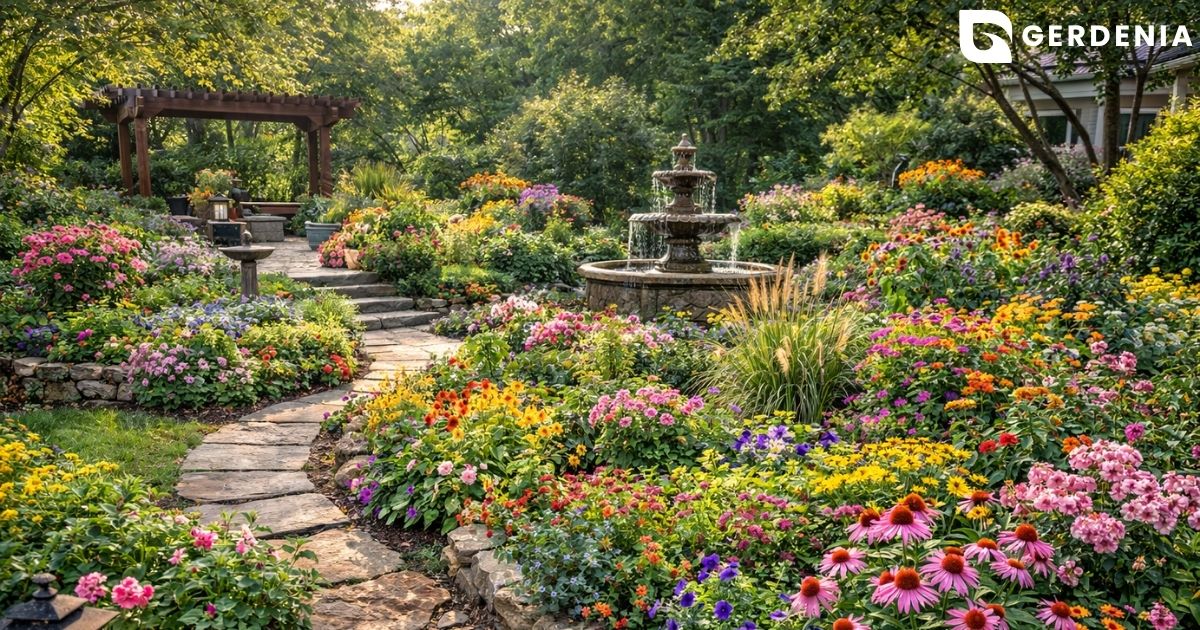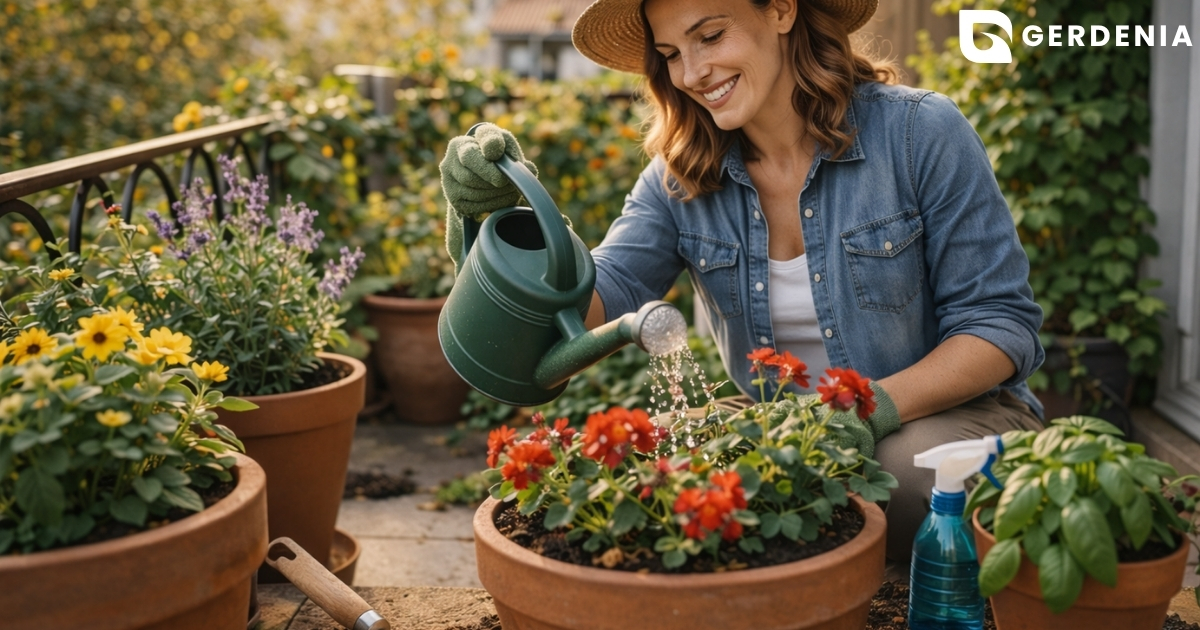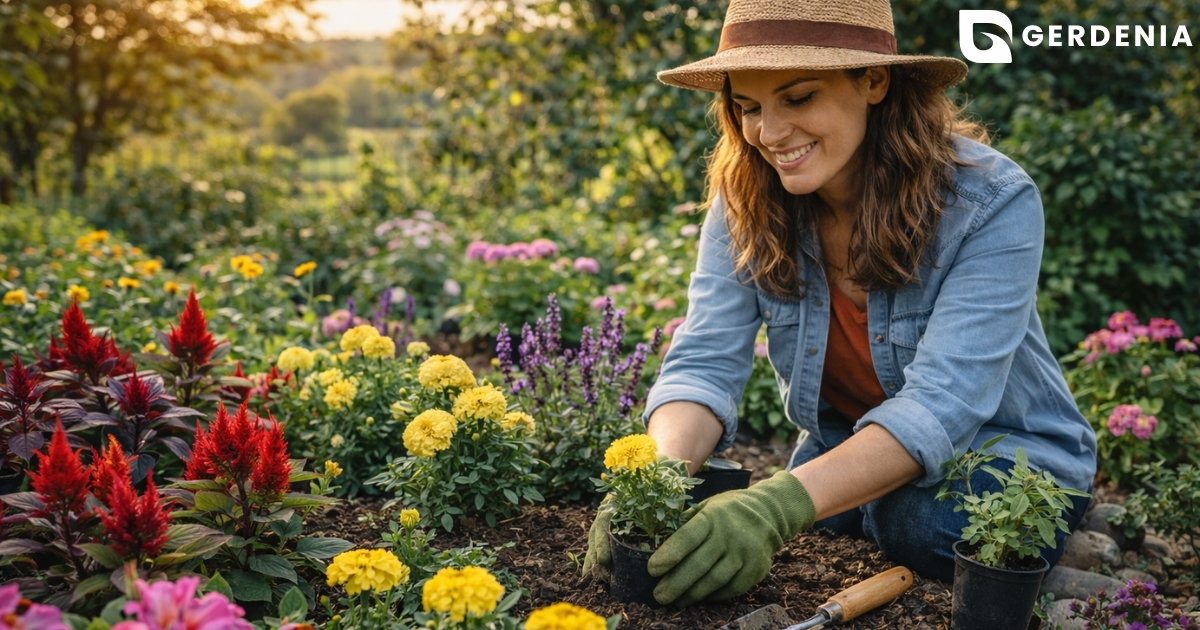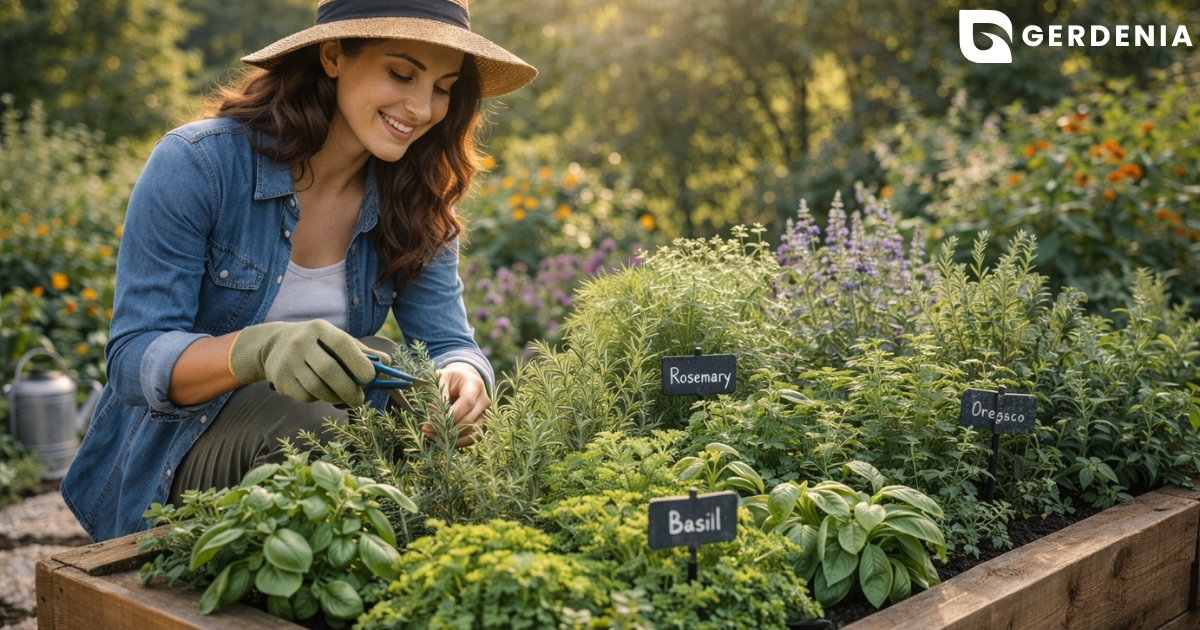
You want a beautiful outdoor space, but fighting a heavy lawnmower in an area the size of a postage stamp is exhausting. Waking up on a day off should mean drinking coffee outside, not dragging out the weed-whacker. By ditching traditional grass, you can reclaim four hours of weekend time. Finding the best low-maintenance small backyard landscaping solutions starts with changing your perspective.
Industry data reveals homeowners spend over 70 hours annually cutting grass. Creating “Zero-Mow Zones”—areas covered by stone or patios instead of turf—eliminates that headache. Limited square footage actually becomes an advantage here, because your budget stretches further to afford high-quality materials that never need watering.
Treat these low maintenance backyard ideas like building a “capsule wardrobe” for your property. Instead of cramming high-effort plants into the yard, choose a few versatile elements that look great together naturally without constant fussing. This approach is called “Lifestyle Landscaping,” meaning you design the area strictly around relaxation rather than maintenance.
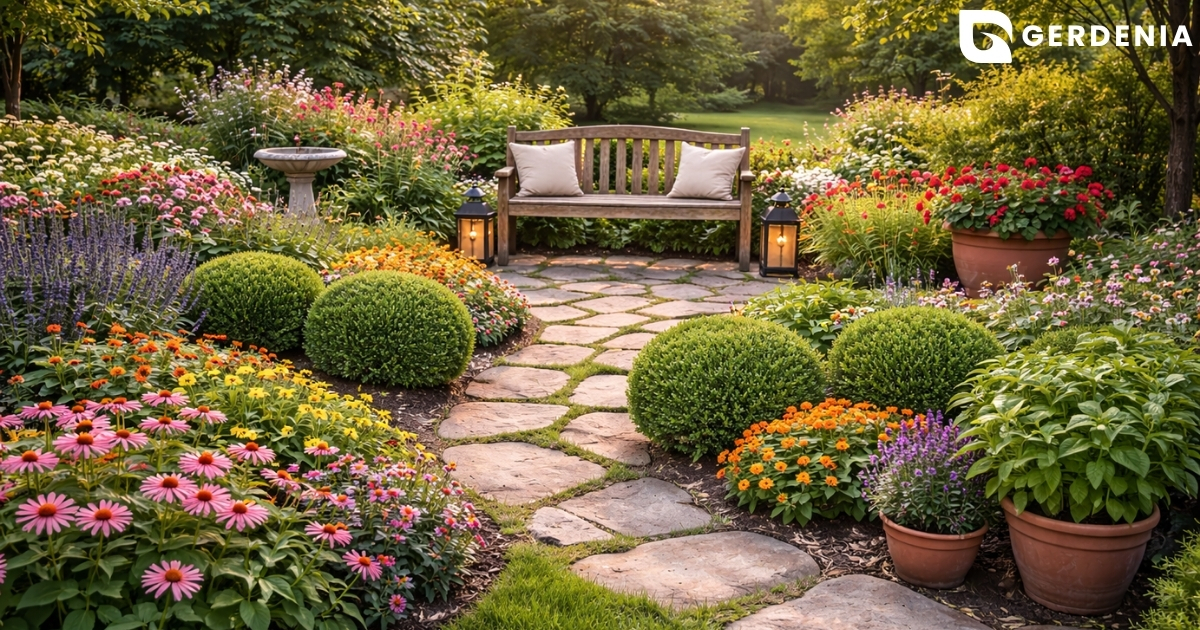
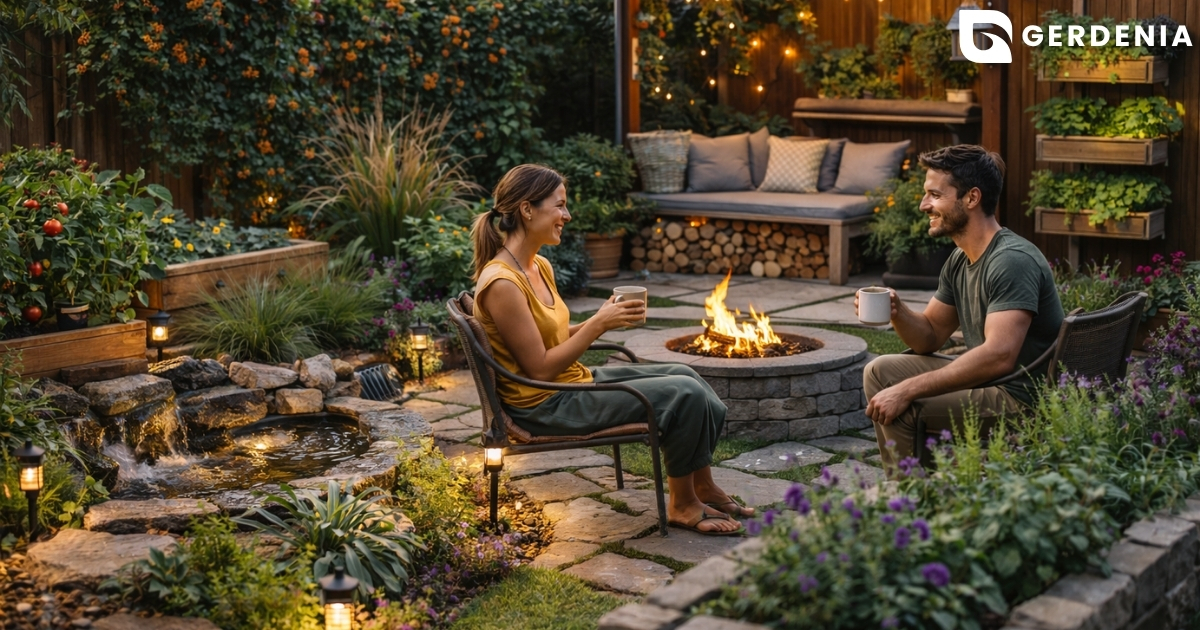
Suddenly, that cramped exterior acts more like a functional outdoor room than a miniature public park. Figuring out how to beautify your backyard requires zero horticulture degrees or heavy machinery. Shifting focus from frustrating garden chores to actual outdoor living makes an effortless sanctuary completely achievable.

Design Your ‘Zone of Use’ to Save Floor Space
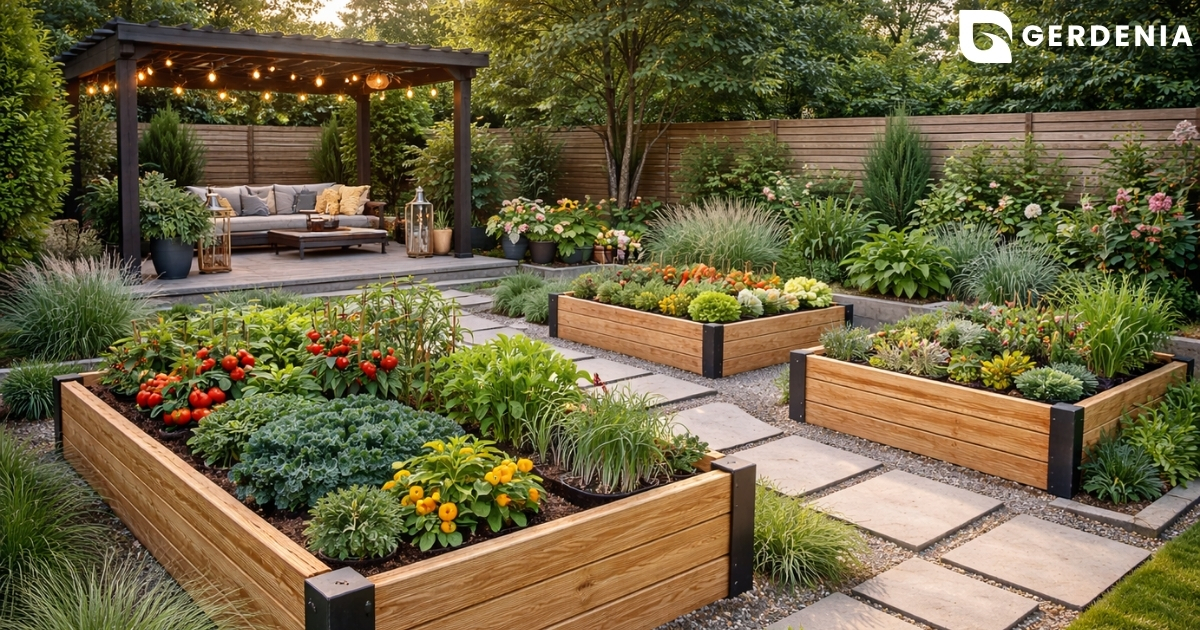
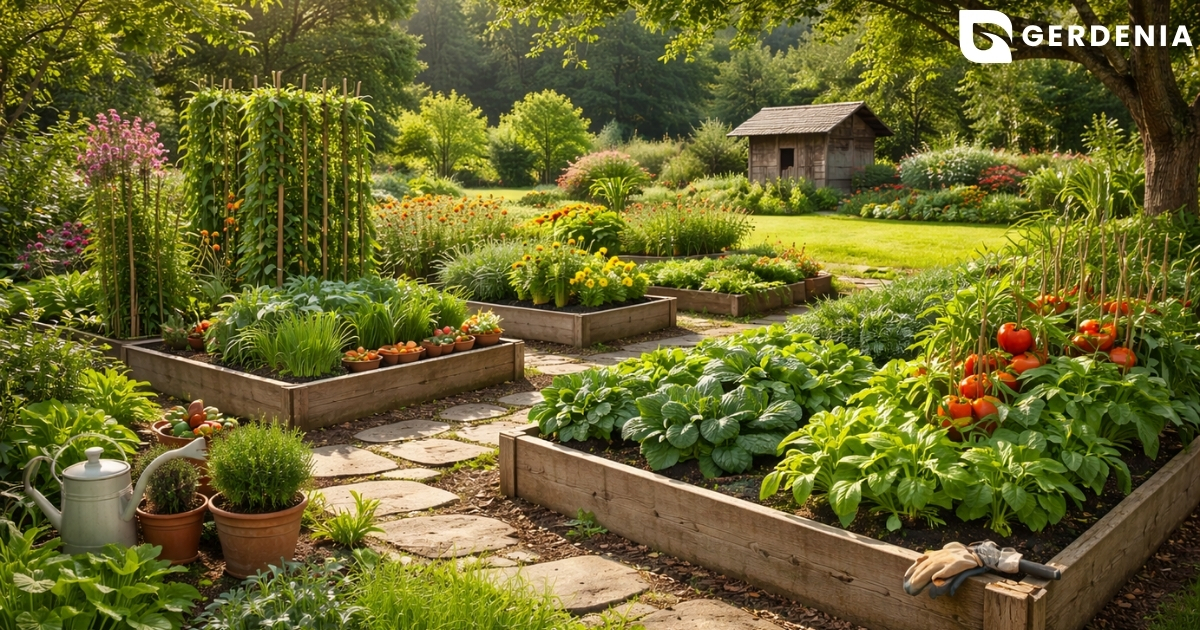
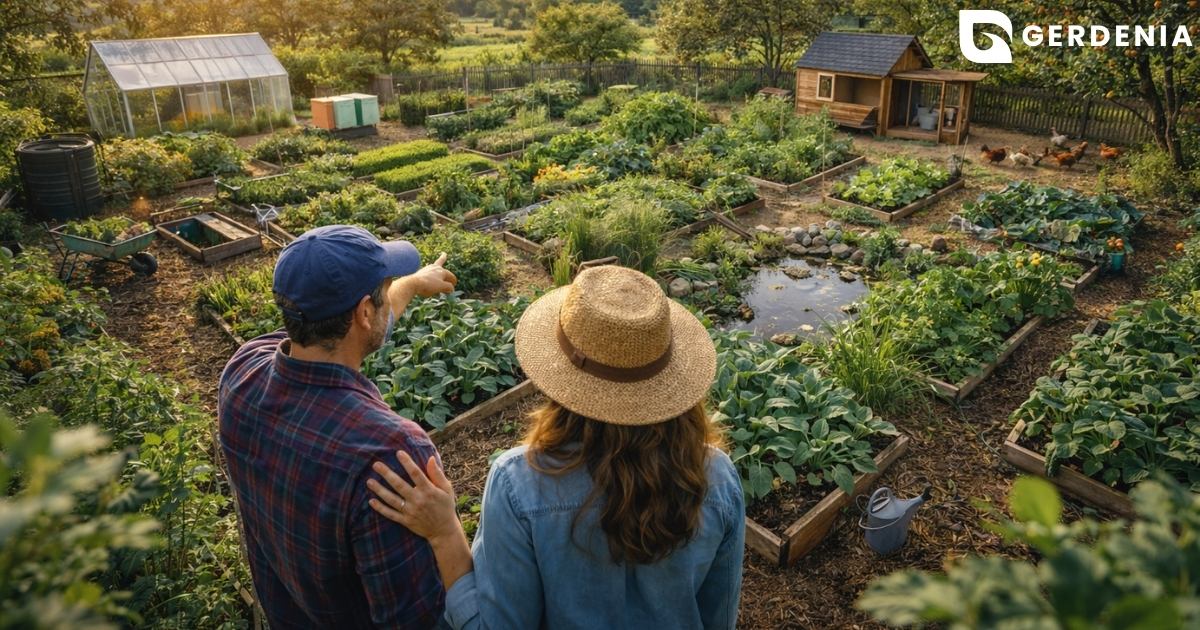
Small yards often feel like a chaotic junk drawer when everything is pushed against the fence. Instead of treating your space as one big patch of grass, approach it like an open-concept house. Establishing a clear “Zone of Use” creates the illusion of more room. Restricting your planting beds to specific corners also means much less area to weed.
Before finalizing small backyard plans, figure out your daily needs. Run through this quick checklist:
- Seating for how many people?
- Do you need a grill space?
- Is there a pet area required?
Connect these spots using simple traffic flow planning. Walking paths act as the hallways of your outdoor space. A clear, unobstructed route from the back door to the grill stops grass trampling and makes multi-functional zone planning for tiny yards incredibly effective.
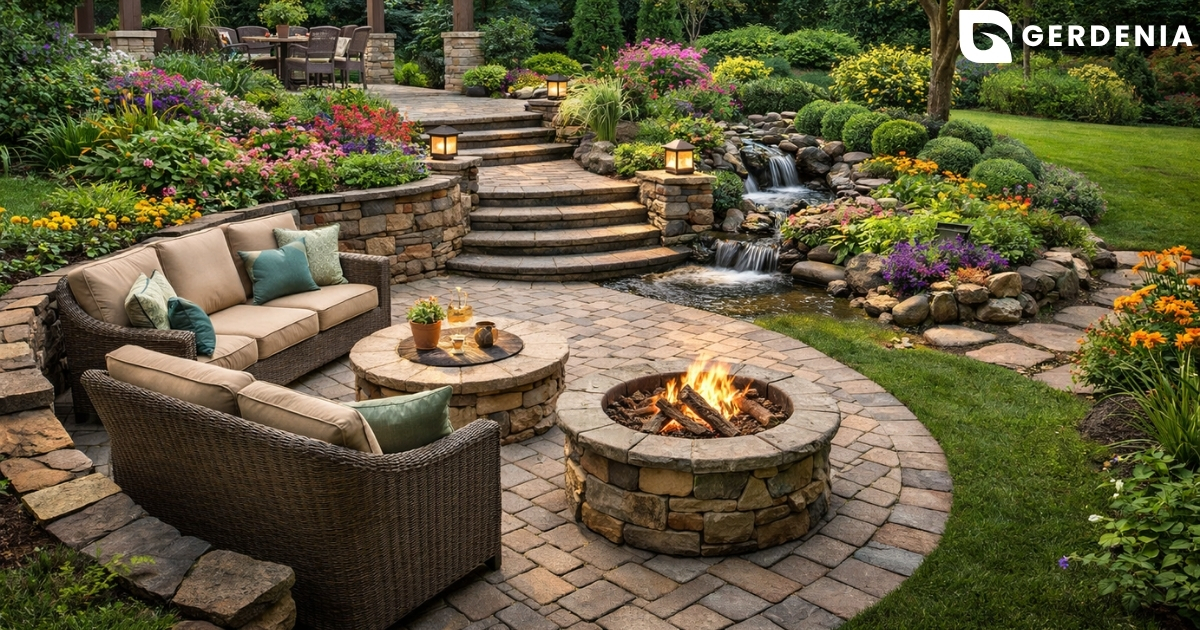
Defining these functional areas is your first step toward weekend freedom. Replacing turf in your new seating zone with hard materials permanently eliminates mowing in that spot. To build this low-effort foundation, install a permeable paver patio for a mud-free life.
Install a Permeable Paver Patio for a Mud-Free Life
Swapping grass for hardscaping—the landscaping term for non-living elements like stone—is the ultimate shortcut to a chore-free weekend. Creating a dedicated seating area with these materials gives your patio furniture a solid, wobble-free foundation. Best of all, rocks never need watering or mowing.
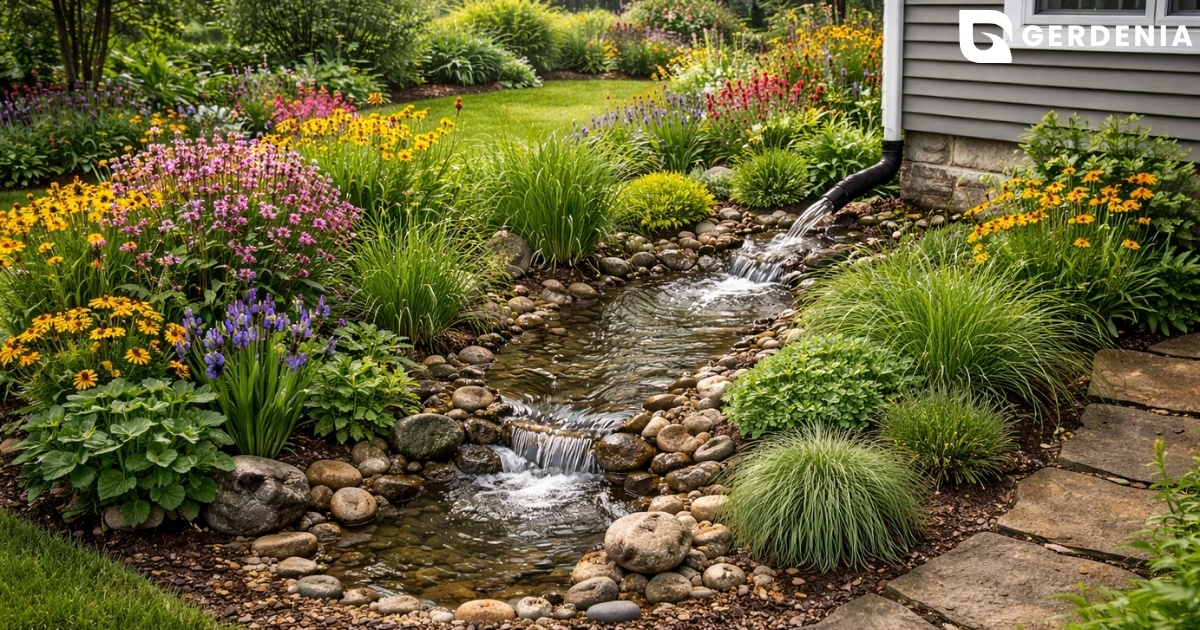
Unlike solid concrete that pools water like a shallow bowl, smart designs use permeability. This simply means choosing materials that let rainwater soak directly through them into the earth. Since you already know water must safely drain away from your home’s foundation, a DIY permeable paver patio installation handles this naturally without creating puddles. Plus, you easily skip the massive cost of hiring a professional pouring crew.
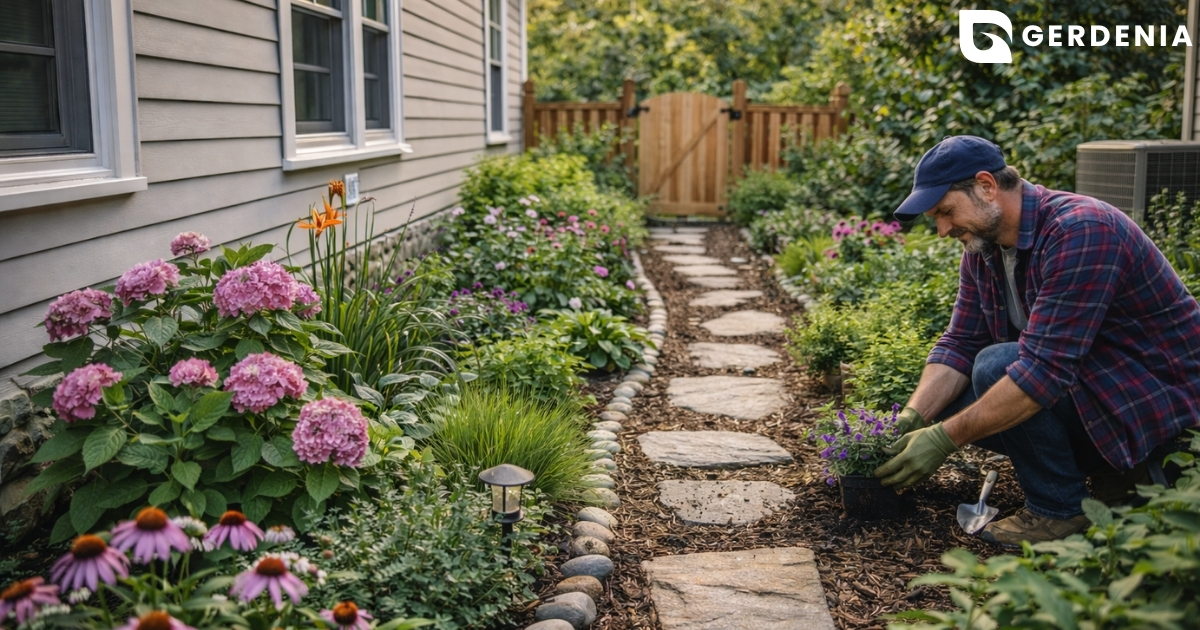
Pairing wide stones with a cost-effective pea gravel walkway builds a brilliant, mud-free system that protects your indoor floors from dirty footprints. This accessible paver-and-gravel method beautifully anchors a truly low maintenance backyard. With your heavy-duty seating zone finished, you can confidently tackle the rest of the dirt and replace high-thirst grass with low-mow clover and thyme.

Replace High-Thirst Grass with Low-Mow Clover and Thyme
You want a beautiful backyard, but spending every Saturday fighting a lawnmower gets old fast. Instead of dealing with thirsty grass, consider swapping it for ground covers—plants that spread outward like a living carpet instead of growing tall. By reducing lawn mowing frequency with these low-profile alternatives, you can easily cut your yard’s water usage by up to 50%.
When weighing artificial turf vs clover lawn options, the right choice depends on your budget and tolerance for upkeep:
- Artificial Turf: Zero watering required, but it is expensive to install and gets uncomfortably hot for bare feet during summer months.
- Clover: Very cheap to seed and acts as a “nitrogen-fixing” plant. It essentially cooks its own food from the air, meaning you can stop buying chemical fertilizers entirely.
- Creeping Thyme: A fantastic option if you need compact shade-loving ground covers. It smells wonderful, handles light foot traffic effortlessly, and almost never needs a trim.
Replacing traditional turf gives you a yard that feels soft underfoot without those mandatory weekend haircuts. Once your ground-level greenery is practically taking care of itself, you might notice your small space feels a bit flat. To add visual interest without eating up precious square footage, you can use vertical garden structures to grow up, not out.
Use Vertical Garden Structures to Grow Up, Not Out
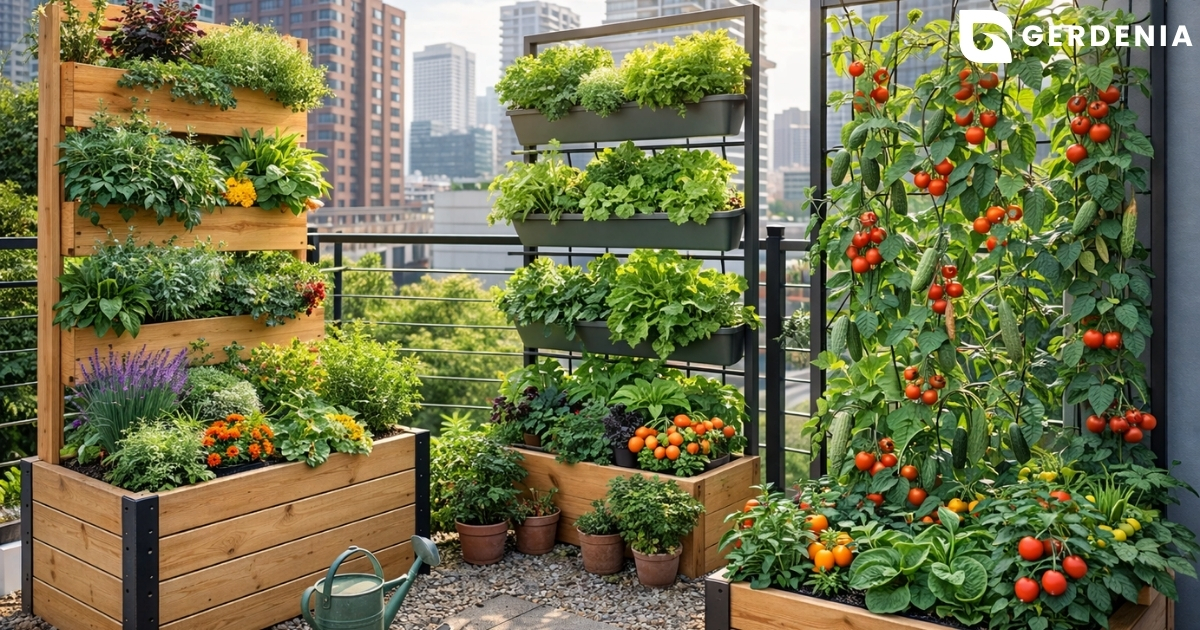
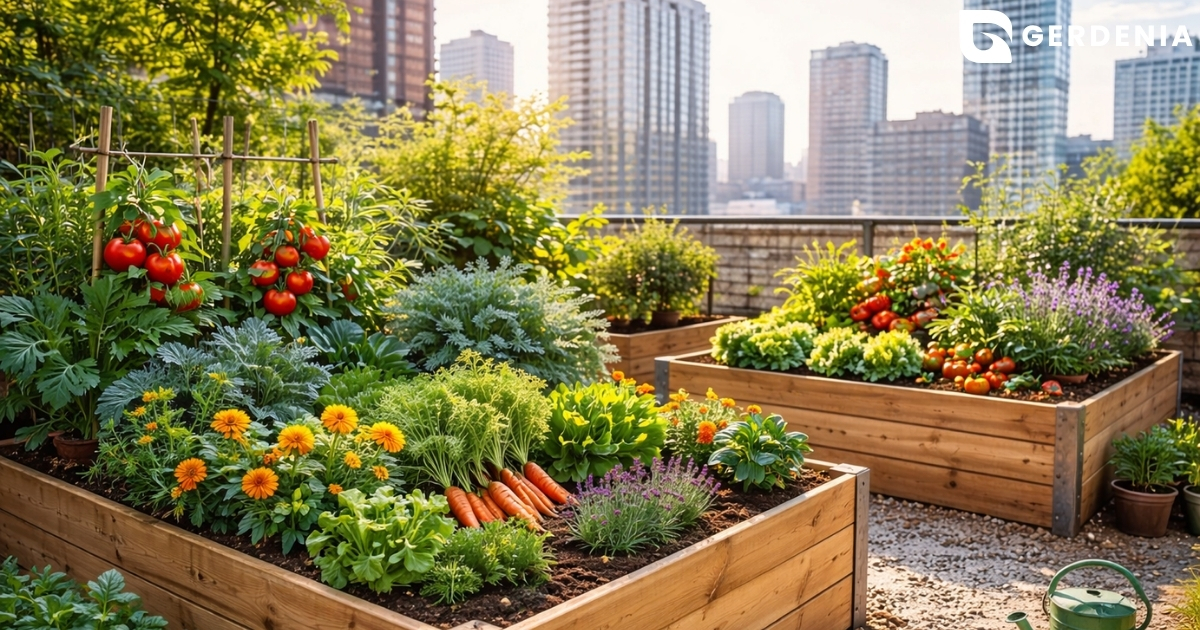
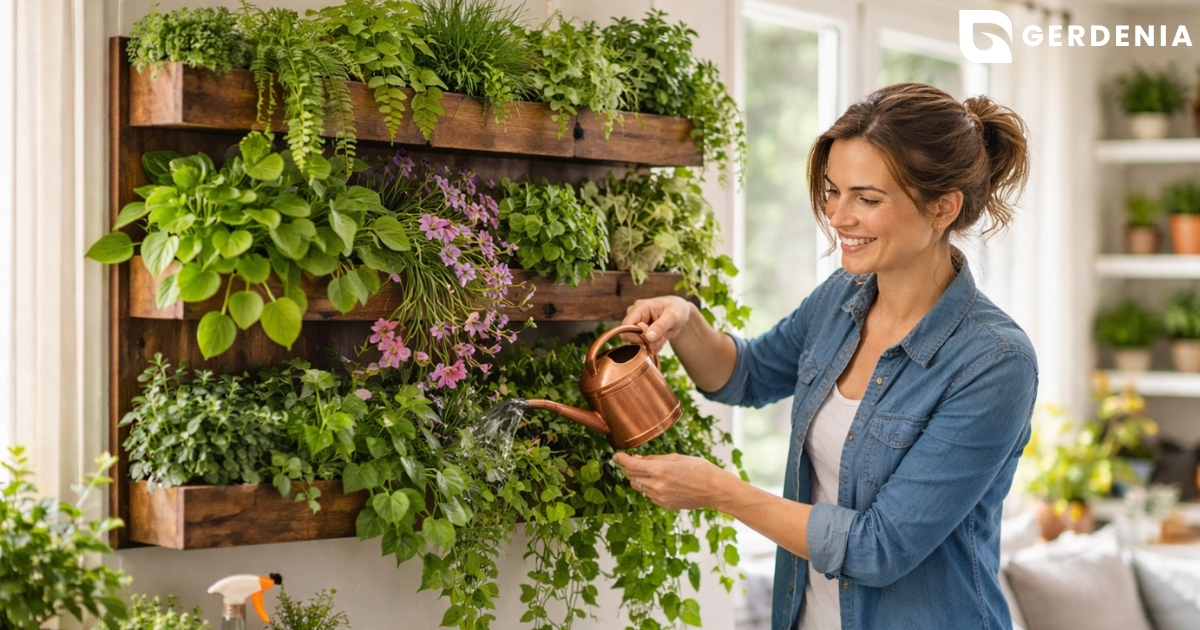
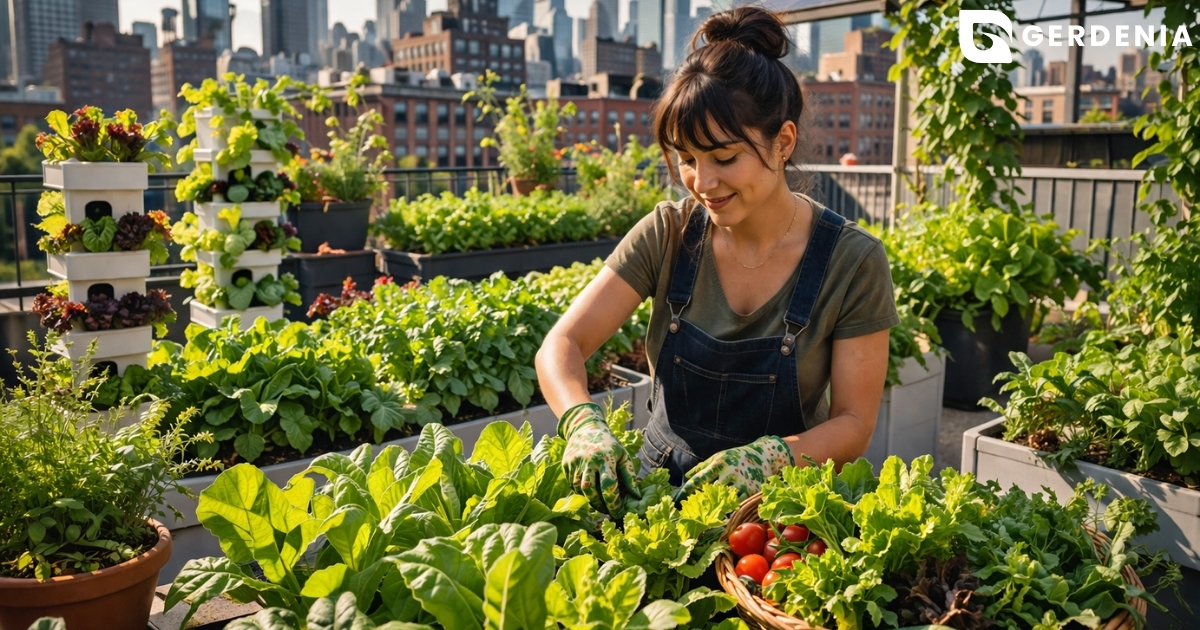
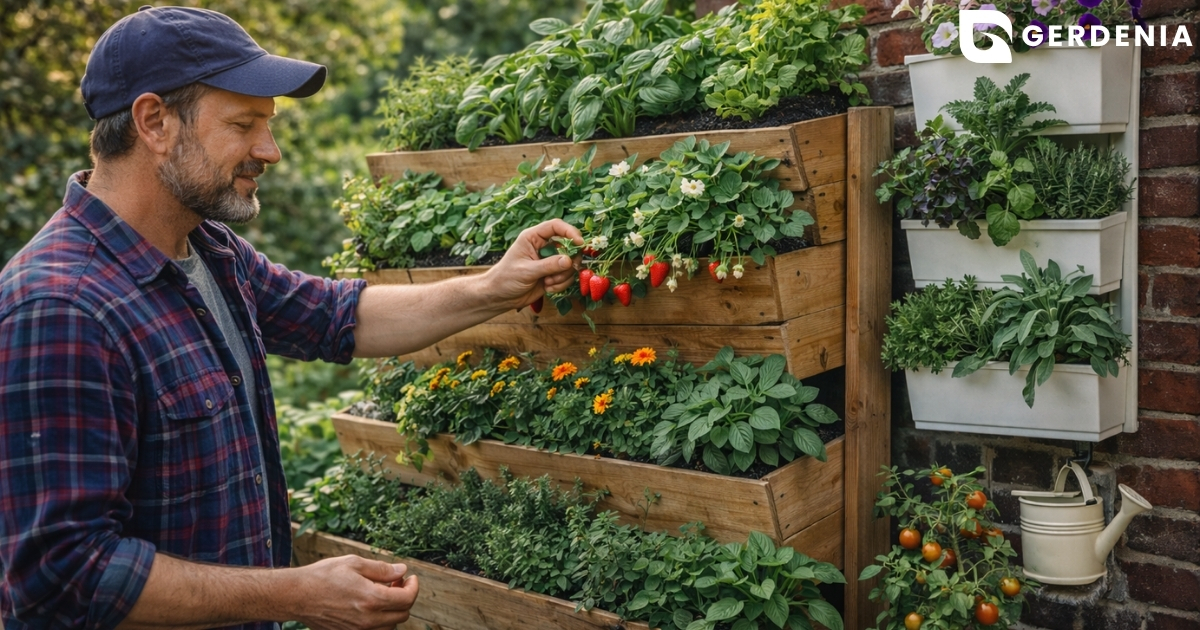
Small yards often feel like a limitation, but treating your bare fences like blank canvases instantly changes the game. By incorporating space-saving vertical garden structures, you move your greenery off the ground and onto the walls. This simple shift frees up your precious patio space for actual living—like adding a grill or a cozy chair—while still surrounding you with lush, vibrant foliage.
Growing upward opens the space, much like a window in a stuffy room. When you train vines or hang planters along a sunny wall, the improved airflow naturally prevents moisture buildup, meaning fewer plant diseases to fight. Plus, these small landscaping projects are incredibly approachable for beginners looking for an easy weekend win without renting heavy equipment.
Imagine watering your favorite flowers while standing comfortably with your morning coffee, completely skipping the back-breaking kneeling and bending. Elevating your plants puts maintenance right at eye level, saving you both time and physical strain. To make this upright setup even more effortless, fill those elevated planters with greenery that acts like an automatic subscription—it is time to choose “set it and forget it” native perennials.

Choose ‘Set It and Forget It’ Native Perennials
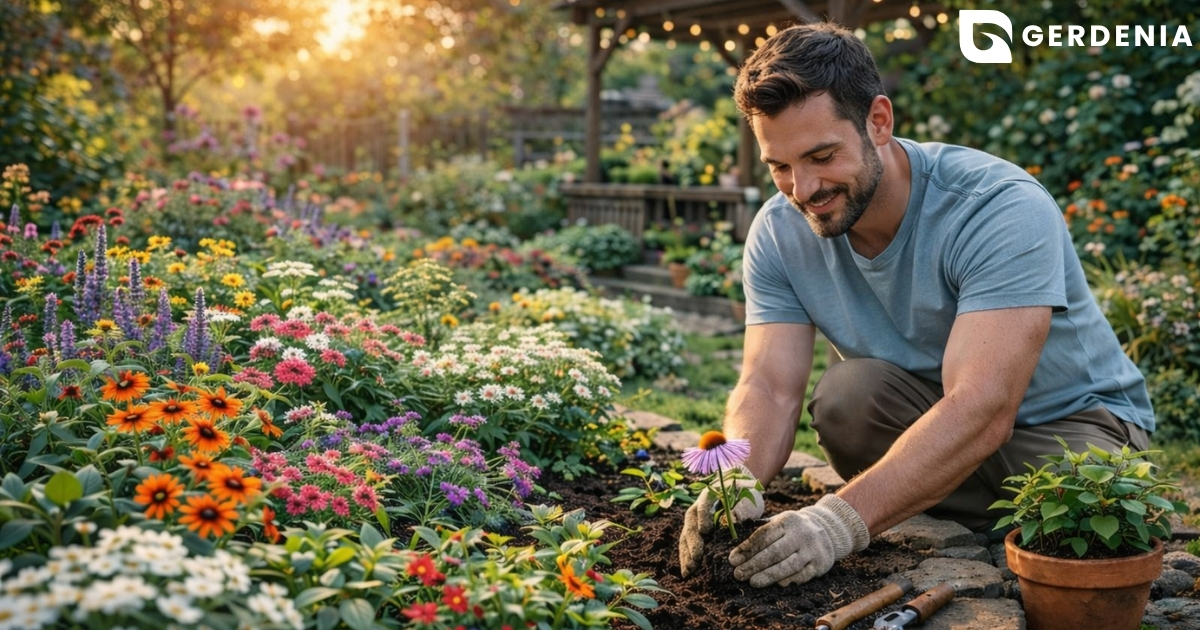
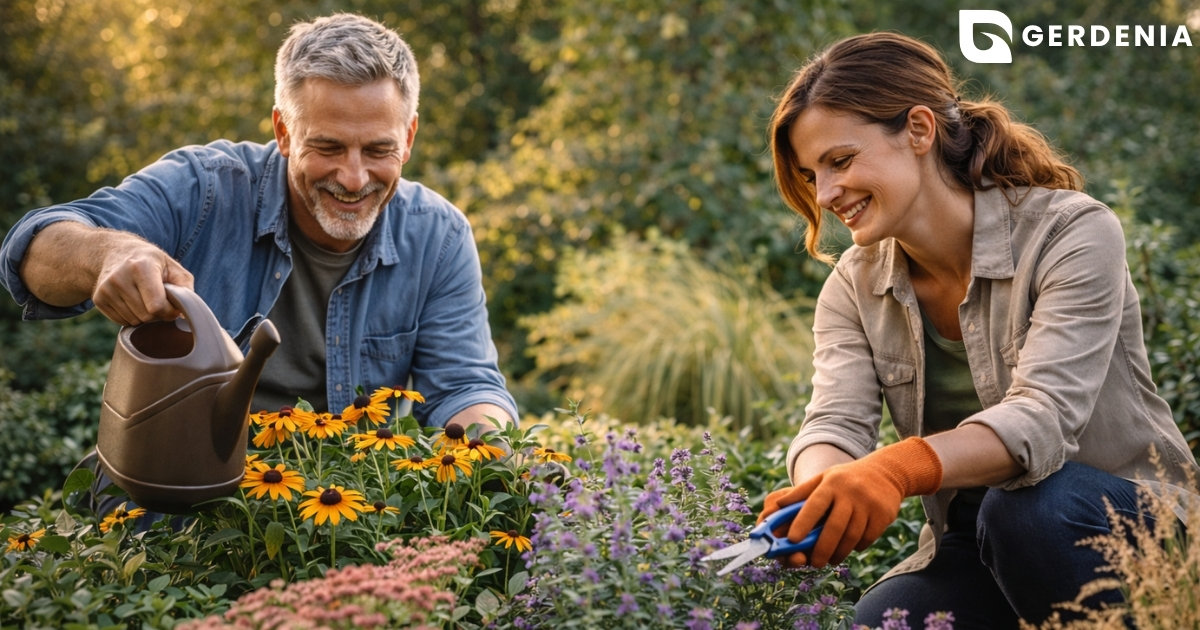
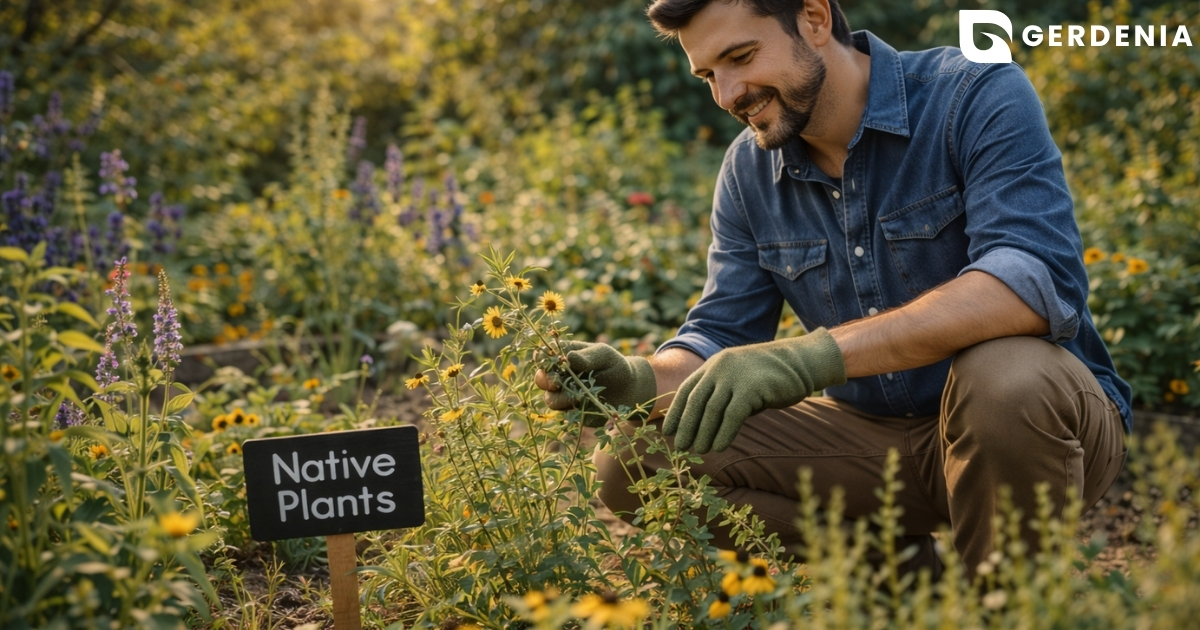
Buying new flowers every spring is expensive and exhausting. Instead, choose drought-tolerant native perennials. These robust plants function like a recurring subscription—you put them in the dirt once, and they renew automatically every year. Choosing “native” species means picking greenery naturally adapted to your local weather and bugs. They thrive on neglect, slashing your water bill and saving you replacement costs.
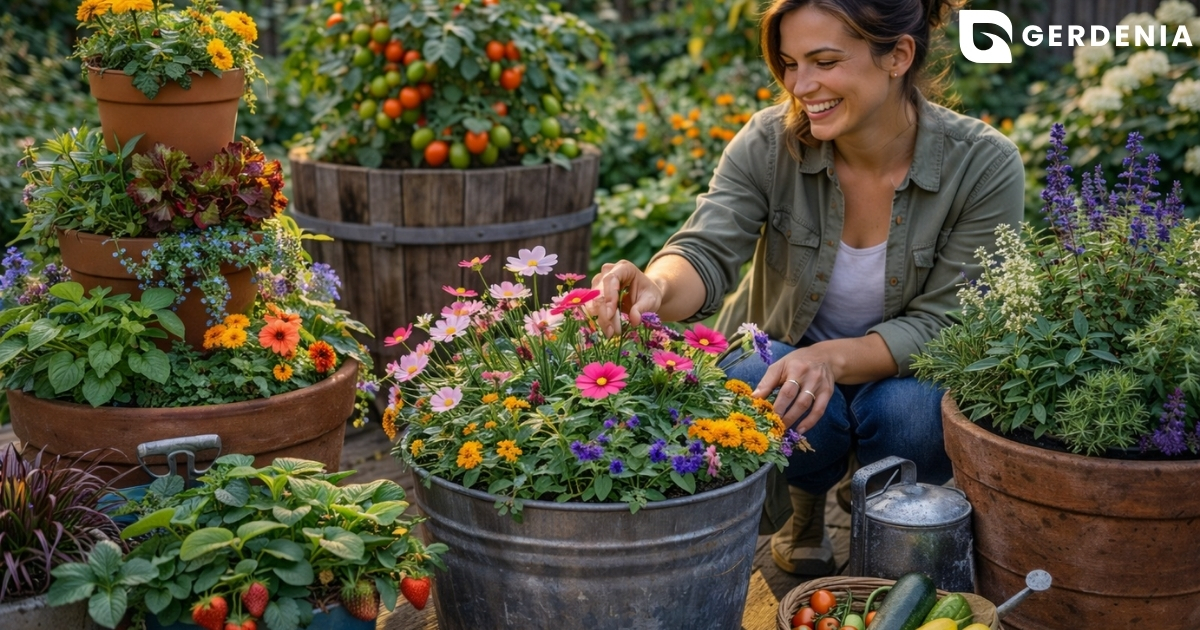
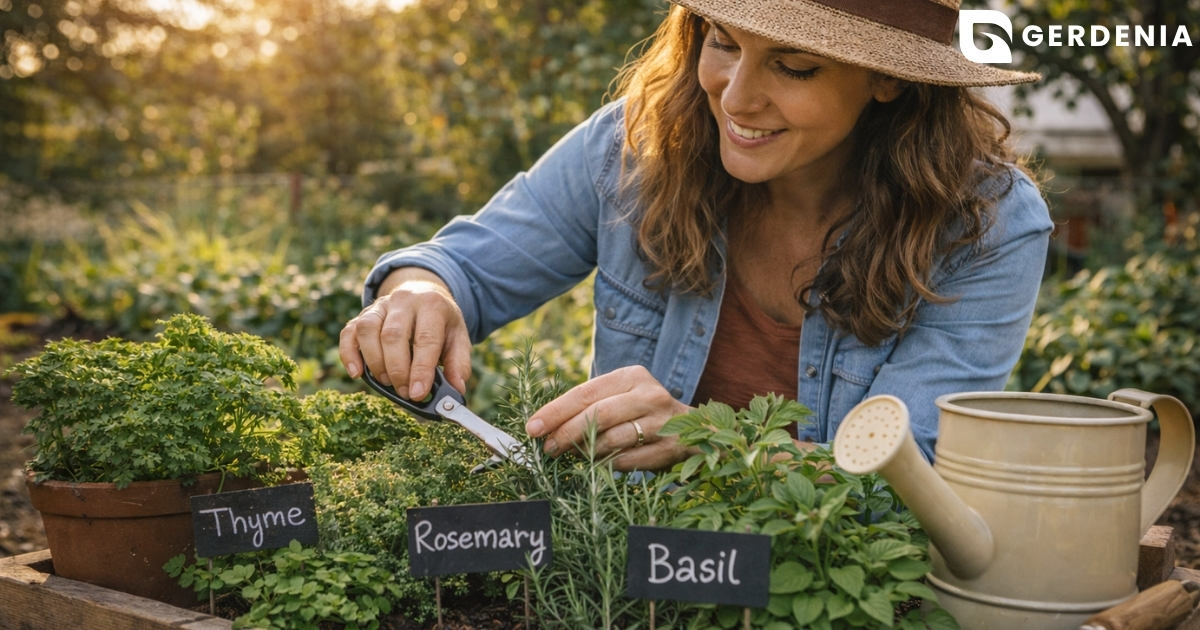
Match these tough survivors to the sunny or shady spots you already identified in your yard. Whether planted directly in the ground or styled in potted container garden arrangements, these three options are virtually indestructible:
- Coneflowers: Need full sun and easily survive long, hot dry spells.
- Sedum: A sun-loving plant that stores its own water in its thick leaves.
- Hosta: The perfect leafy filler that thrives in completely shady corners.
Weed your yard less often by spacing these selections close together, creating a natural barrier known as the “Tight Planting” method. When their leaves touch, they completely block the sunlight that pesky weeds need to sprout. Mix in a few evergreen plants for year-round interest so the space looks alive all winter. Once your ground-level flowers are managing themselves, you can easily upgrade your borders and plant compact privacy screens that don’t require pruning.
Plant Compact Privacy Screens That Don’t Require Pruning
Enjoying morning coffee without making eye contact with neighbors shouldn’t require planting a massive tree that swallows your tiny backyard. Traditional hedges grow wide incredibly fast, trapping you in a never-ending cycle of weekend pruning. Instead, you can block out unsightly views and protect your personal space using compact privacy screens that respect your property lines.
The easiest trick for this is picking plants with a “columnar” growth habit. These act as botanical skyscrapers—they grow straight up but stay wonderfully skinny at the base. Once you finish measuring the width of your planting strip, you can select the best shrubs for small privacy screens that fit perfectly. They naturally stop growing outward, completely eliminating the exhausting chore of trimming branches.
Because these narrow giants keep their foliage, selecting evergreen plants for year-round interest guarantees your living fence won’t expose your patio to winter winds. With your boundary shielded and virtually zero maintenance required, you can focus on maximizing your usable footprint.
Build Built-In Benches to Clear Furniture Clutter
Squeezing a standard dining set into a small yard often feels like a frustrating game of Tetris. Instead of letting bulky chairs consume your footprint, push gathering spots to the edges. Installing built-in perimeter bench seating along your fence line instantly reclaims the center of your patio. This leaves the middle completely open, making a tiny yard feel surprisingly spacious.
After verifying your basic measurements, you can upgrade these boundary fixtures to work harder. The secret to multi-functional zone planning for tiny yards is making every element solve two problems at once. Look to incorporate these space-saving dual-purpose items:
- Benches featuring hinged tops for hidden cushion and tool storage
- Sturdy planters that act as table bases
- Folding wall desks for instant drop-down dining
Creating a permanent gathering spot means never dragging heavy chairs across the patio before friends arrive. Your outdoor room is simply always ready for weekend relaxing without the tedious setup. Now that your seating requires zero effort, you can easily put plant care on autopilot.
Automate Your Watering with a Simple Hose-End Timer
Standing outside with a hose every evening quickly turns from a relaxing hobby into a resentful chore. Fortunately, a simple battery-operated hose timer instantly turns your outdoor faucet into a reliable robotic gardener. For under $50 in parts, this clever gadget screws directly onto your standard hose to put daily watering completely on autopilot.
Connecting this timer to a snaking tube creates an automated drip irrigation system setup, delivering moisture directly to the soil. This functions as an IV drip for your flowers, keeping them perfectly hydrated without wasting a single drop. You can easily schedule the water to run during the coolest part of the day, guaranteeing your patio greenery survives even when you go on a long summer vacation.
Just like popping stakes into the dirt for solar-powered outdoor landscape lighting, this easy plumbing hack requires absolutely zero specialized tools. Now that your seating is built and your plants drink automatically, you can finally reclaim your weekend.
Your 3-Step Plan for a Stress-Free Small Yard
You no longer have to look at your tiny yard and see a weekend of endless chores. By focusing on low maintenance backyard landscaping, you have the blueprint to trade your lawnmower for a lounge chair. You now know how to design a space that practically takes care of itself, reclaiming those precious Sunday mornings.
To move forward and avoid wasting money on the wrong greenery, follow this 3-step action plan:
- Clean and Measure: Clear the clutter and define exactly where you want to sit.
- Choose Your Hardscape: Lay down gravel or pavers for an instant, zero-water foundation.
- Add ‘Set-It’ Plants: Pick reliable perennials that renew automatically every year.
You do not need to tackle everything at once. Small landscaping projects are all about starting with a single garden bed or clearing one quiet corner. Just a few hours of setup this weekend will give you immediate results and the confidence to keep growing.
Your limited space is actually your biggest advantage. Try measuring your new seating area today, and notice how quickly your backyard transforms from a stressful to-do list into a personal sanctuary.