
Upgrade Lighting Solutions
One of the most effective methods to foster sustainability is through energy efficiency. Begin by replacing traditional incandescent bulbs with LED alternatives, which consume significantly less electricity and boast a longer lifespan. LED lights are available in various brightness levels and colors, offering versatility for different environments. This simple change alone can lead to a noticeable reduction in energy consumption and lower electricity bills.
Invest in Smart Technology
Consider investing in smart home systems that automate lighting and thermostat settings to optimize energy use. Smart thermostats learn your schedule and adjust the temperature accordingly, reducing energy waste when you’re not home. Likewise, smart lighting systems can be programmed to turn off automatically when not in use, further conserving energy. Over time, these technologies can significantly reduce your home’s carbon footprint.
Practice Conscious Usage
Beyond upgrades and technology, practicing conscious energy usage is vital. Make it a habit to unplug devices when not in use, as they can draw power even when turned off, known as phantom load. Encourage your household to be mindful of turning off lights and appliances when leaving a room. These small actions, collectively, make a substantial impact on reducing energy consumption.
2. Opt for Reusable Products
Reduce Single-Use Plastics
The detrimental effects of single-use plastics on ecosystems are well-documented. Transitioning to reusable products is a pivotal step in sustainable living. Invest in durable water bottles, cloth bags, and metal straws. By choosing these alternatives, you can drastically cut down on waste production, reducing the pollution caused by plastic in oceans and landfills.
Embrace Reusable Home Goods
Beyond bags and bottles, there are numerous reusable alternatives for common household items. Swap paper towels for washable cloths, and replace disposable razors with safety razors. These simple changes can significantly diminish the volume of waste generated in a household. By making these swaps, you’re contributing to a culture of reusability and sustainability.
Encourage Reusable Practices in the Community
Encouraging others to adopt reusable products can amplify your impact. Share tips and suggestions with friends and family, and support local businesses that prioritize sustainable practices. Hosting or attending community workshops can also be an effective way to spread awareness and share resources, making the collective shift towards reusability more accessible.
3. Cultivate a Minimalist Wardrobe
Prioritize Quality Over Quantity
Fashion is a major contributor to environmental degradation due to its resource-intensive nature. Adopt a minimalist approach by choosing quality over quantity. Invest in clothing that is made to last, focusing on durable fabrics and timeless designs. This reduces the frequency of replacements, minimizing waste and the environmental impact of clothing production.
Support Ethical and Sustainable Brands
Curate a wardrobe with versatile pieces that transcend seasonal trends, and prioritize sustainable brands committed to ethical production. Brands that use organic materials and fair labor practices contribute to a more sustainable fashion industry. By supporting these brands, consumers can drive demand for environmentally responsible clothing options.
Practice Thoughtful Consumption
Conscious consumerism extends beyond purchases; it involves thoughtful consideration of your existing wardrobe. Regularly assess your clothing needs and donate or recycle items you no longer use. Mending and tailoring clothes can also extend their life, promoting sustainability by reducing the need for new purchases.
4. Implement a Plant-Based Diet

Understand the Environmental Impact
Dietary choices have profound implications for sustainability. Transitioning to a plant-based diet can substantially reduce one’s carbon footprint. Livestock farming is a leading cause of deforestation, methane emissions, and water pollution. By understanding these impacts, individuals can make informed decisions about their dietary habits.
Incorporate More Plant-Based Meals
By incorporating more plant-based meals, individuals can contribute to a reduction in these adverse environmental impacts. Start with simple swaps, such as using plant-based milk or incorporating meatless meals a few times a week. This gradual approach makes the transition more manageable and sustainable in the long term.
Explore Diverse Plant-Based Options
Exploring diverse plant-based options can make the dietary shift exciting and fulfilling. Experiment with new recipes and cuisines that highlight fruits, vegetables, grains, and legumes. This not only supports sustainability but also enhances nutritional intake and promotes a varied, balanced diet.
5. Practice Water Conservation
Install Efficient Fixtures
Water is a finite resource, yet it is often squandered. Simple measures can significantly curtail water usage. Install low-flow fixtures, such as showerheads and faucets, to reduce water flow without sacrificing performance. These installations can drastically cut water usage in homes and lower water bills.
Address Leaks Promptly
Fix leaks promptly, as even a small drip can waste gallons of water over time. Regularly inspect faucets, toilets, and pipes for leaks and repair them immediately. Maintaining a vigilant approach to leaks can prevent unnecessary water waste and promote efficient water use.
Cultivate Mindful Water Habits
Practice mindful consumption habits such as turning off the tap while brushing teeth or taking shorter showers. These actions underscore the importance of how to go green at home and conserve this vital resource. Educating household members about water conservation can reinforce these habits and foster a collective effort to save water.
6. Support Local and Sustainable Agriculture
Minimize Food Transportation
The transportation of food across long distances contributes to greenhouse gas emissions. Supporting local agriculture minimizes these emissions and bolsters community economies. By choosing local produce, you reduce the carbon footprint associated with food transportation and support local farmers.
Engage with Community Agriculture
Frequent farmers’ markets or subscribe to a community-supported agriculture (CSA) program. These platforms provide fresh, seasonal produce directly from local farmers, reducing reliance on industrial agriculture. Engaging with community agriculture strengthens local food systems and promotes sustainable practices.
Choose Organic and Sustainable Products
Additionally, choose organic products to avoid supporting harmful agricultural practices. Organic farming methods often use fewer pesticides and fertilizers, reducing environmental impact. By prioritizing organic and sustainably produced goods, consumers can encourage more environmentally friendly agricultural practices.
7. Adopt Sustainable Transportation

by Jahanzeb Ahsan (https://unsplash.com/@jahan_photobox)
Opt for Eco-Friendly Travel
Transportation is a significant source of pollution. Opt for sustainable modes such as biking, walking, or public transport whenever possible. These modes of travel drastically reduce carbon emissions and foster healthier lifestyles. Embracing these options contributes to cleaner air and reduced environmental impact.
Explore Carpooling and Ride-Sharing
For longer commutes, consider carpooling or using hybrid or electric vehicles. Carpooling with colleagues or friends reduces the number of vehicles on the road, diminishing traffic congestion and emissions. Ride-sharing services and electric vehicle options further offer sustainable alternatives to traditional car travel.
Integrate Transportation Technologies
Integrating technology can also enhance sustainable transportation practices. Utilize apps and platforms that offer real-time public transit updates, bike-sharing services, and electric vehicle charging station locations. These tools make sustainable transportation more accessible and convenient for daily commutes.
8. Engage in Conscious Consumption
Evaluate Necessity Before Purchasing
Sustainable living demands mindfulness about consumption. Evaluate necessity before purchasing and prioritize durability over disposability. This mindset reduces impulse buying and encourages thoughtful consideration of long-term value and environmental impact.
Support Sustainable Businesses
Support companies with transparent, sustainable practices and opt for products with minimal packaging. By choosing businesses committed to sustainability, consumers can drive positive change in the market. These choices influence companies to adopt more environmentally friendly practices and products.
Advocate for Responsible Consumerism
Through these actions, individuals can embody sustainable habits and influence market trends towards environmental stewardship. Share insights and experiences with others to promote responsible consumerism within your community. Advocacy and education can encourage broader adoption of sustainable consumption practices.
9. Enhance Home Sustainability
Improve Energy Efficiency at Home
Homes are central to sustainable living practices. Improve insulation to reduce heating and cooling needs, which can significantly lower energy consumption. Proper insulation maintains comfortable temperatures and reduces reliance on HVAC systems, saving energy and costs.
Utilize Renewable Energy Sources
Utilize renewable energy sources like solar panels to power your home sustainably. Solar energy reduces dependency on fossil fuels and lowers electricity bills over time. Investing in renewable energy solutions contributes to long-term environmental and financial benefits.
Implement Waste Management Practices
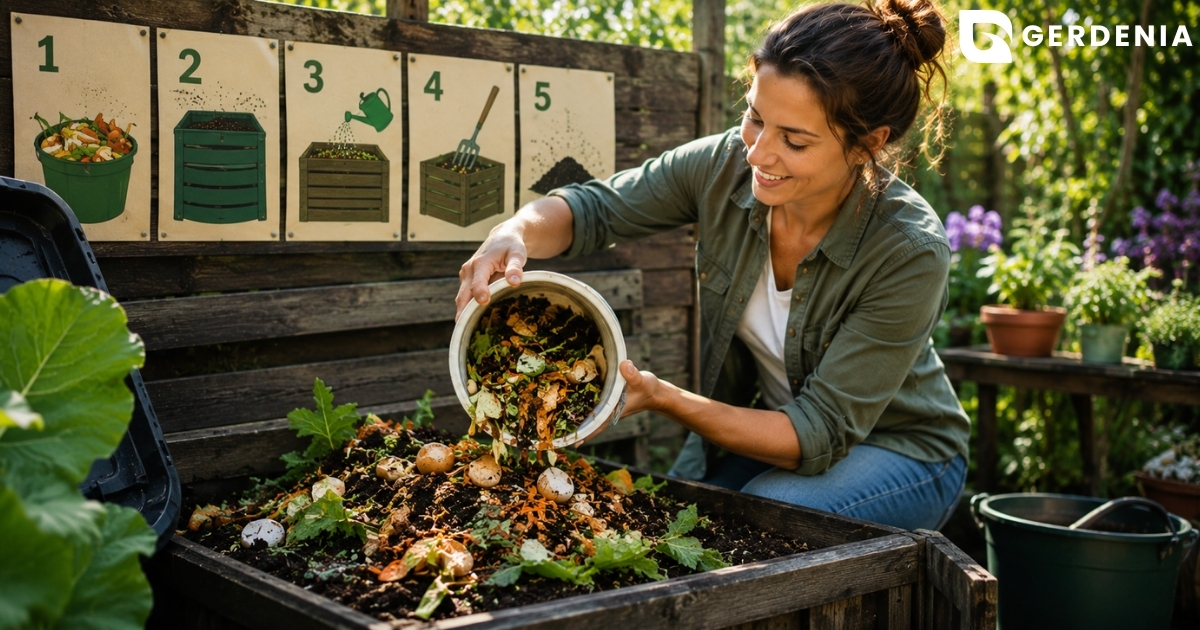
Practice waste segregation for recycling and composting to minimize landfill contributions. Proper waste management reduces environmental pollution and promotes resource recovery. By adopting these practices, households can significantly decrease their carbon footprint and support a circular economy.
10. Educate and Advocate for Sustainability
Foster Environmental Awareness
Awareness and advocacy are powerful tools for sustainability. Educate oneself and others about environmental issues and sustainable practices. Staying informed empowers individuals to make responsible choices and influence others to adopt sustainable habits.
Participate in Community Initiatives
Participate in community initiatives, support policies favoring sustainability, and engage in conversations about the importance of how can we live sustainably. Community involvement amplifies individual efforts and fosters a collective approach to environmental challenges.
Drive Collective Change Through Advocacy
By fostering a culture of environmental consciousness, individuals can drive collective change. Advocate for sustainability in personal and professional spheres, inspiring others to consider the environmental impact of their actions. Together, these efforts contribute to a more sustainable future.
Conclusion
Incorporating these sustainability tips into daily routines may seem like small gestures, yet they culminate in substantial environmental benefits. As stewards of the planet, it’s incumbent upon everyone to integrate sustainable living practices into their lives. Through conscious decisions and a commitment to environmental friendliness, we can collectively forge a path towards a more sustainable future.
Embrace these sustainable lifestyle tips not merely as recommendations but as imperatives for ensuring the longevity and health of our planet for generations to come. Together, we have the power to make a significant impact on the environment, starting with the simple choices we make every day.