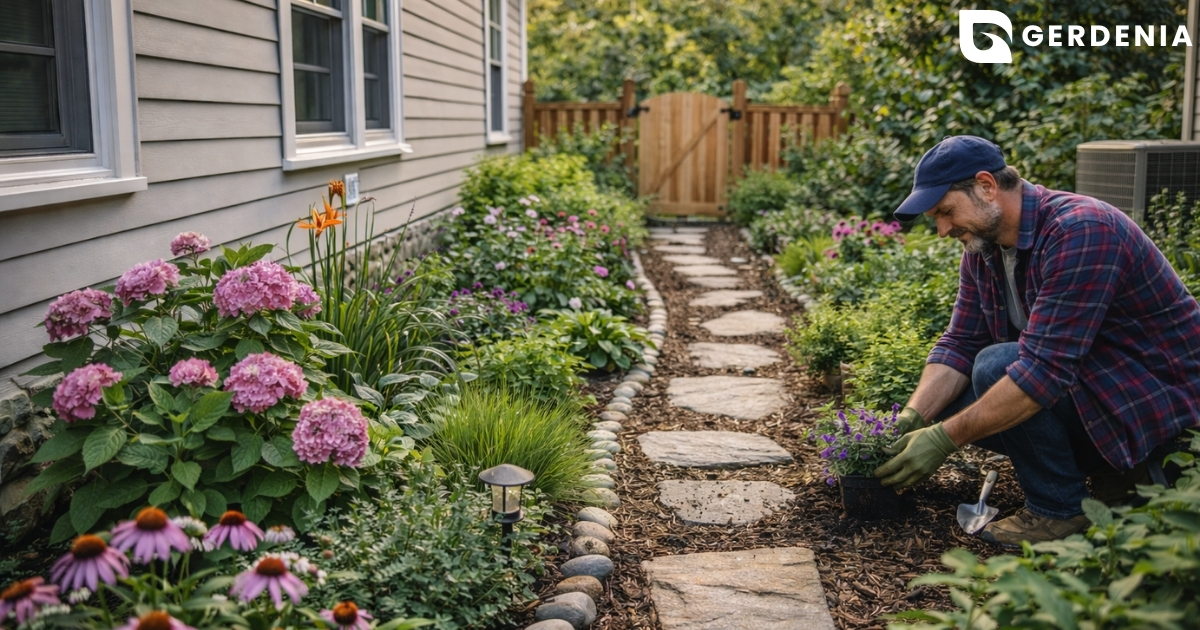
For many of us, the narrow strip of property along the fence line is an outdoor junk drawer—a forgotten corridor of mystery mud and visible trash cans. We rarely think about this space until we must drag a heavy lawnmower through it. Yet, abandoning this real estate means leaving valuable property untapped.
Think of this area instead as your home’s “hidden hallway” rather than a useless dead zone. Just like indoor hallways act as a transition zone between public and private rooms, your exterior works the same way. According to real estate experts, reclaiming these neglected pathways physically connects your yard while making your property feel significantly larger. Recognizing this connectivity unlocks the true potential of your side yard.
Achieving this transformation requires balancing three fundamental goals: access, utility, and aesthetics. Imagine walking to your backyard patio through a clean path instead of dodging an HVAC unit or stepping over patchy grass. When you execute simple side of house landscaping, you immediately solve the “muddy dog” problem while discreetly masking unattractive household equipment.
Practical landscape ideas for side of house paths do much more than please the eye; they actively protect your foundation by directing moisture away from the walls. By simply rethinking how foot traffic moves through this narrow gap, you can turn a frustrating eyesore into a highly functional outdoor corridor.

Why “Grading” is the First Rule of Side Yard Success
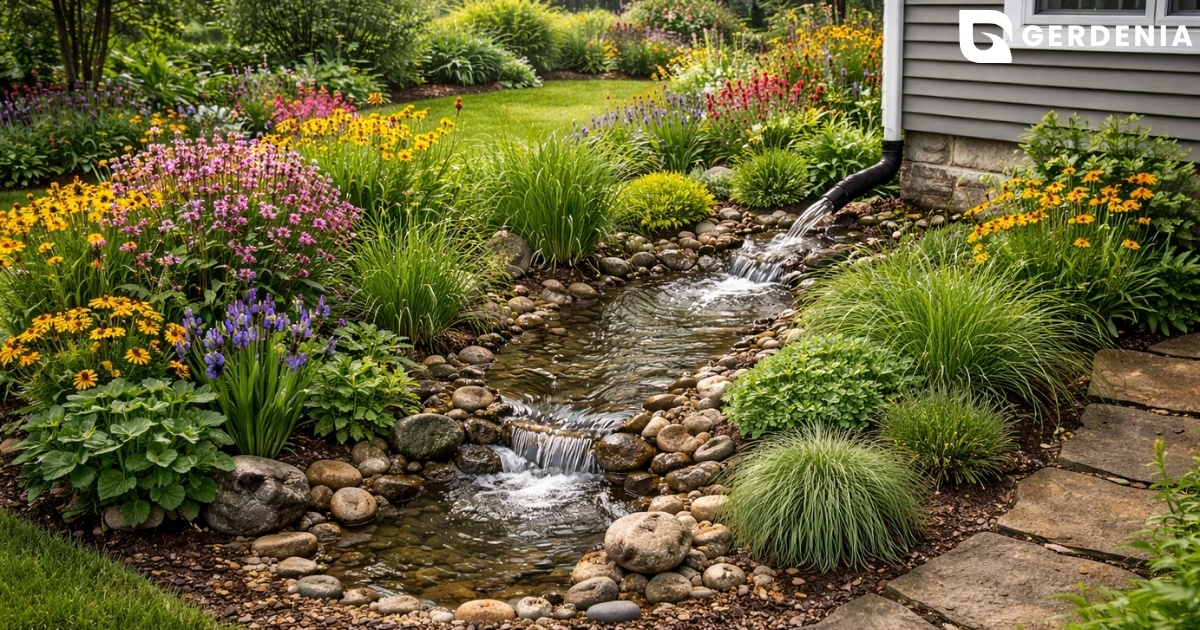
We all know water flows downhill, but in a narrow side yard, that gravity must actively work for you. Before buying stones or plants for landscaping along side of house, you must master “grading”—shaping the earth to direct moisture. Your primary goal is creating a “foundation safety zone” that slopes downward from your home so rain never pools against the structure.
This protective slope should drop one inch in height for every foot it extends away from the wall. If you spot damp concrete or stubborn green moss, you urgently need side yard drainage solutions. Sometimes adding soil isn’t enough, requiring a “swale” (a shallow, grassy ditch acting like a ground-level gutter to catch runoff). You can easily audit your current setup during the next heavy rainstorm:
- Watch exactly where your roof runoff naturally lands and flows.
- Mark any puddles that linger for an hour after the rain stops.
- Inspect the soil touching your foundation for persistent, unwanted sogginess.
Fixing this foundation safety zone first ensures your future walkways won’t wash away and your home stays perfectly dry. With the ground prepped, the next crucial step is determining exactly what will thrive in this unique environment.
Decoding Your Side Yard Microclimate: Is it a “Sun Trap” or a “Deep Shade” Tunnel?
With drainage under control, treat this narrow corridor as its own “microclimate”—a unique mini weather zone entirely separate from your open front lawn. The biggest factor here is simple compass direction, which dictates daily light duration and intensity. Figuring out what to plant in a north facing side yard, for example, requires understanding that your home’s architecture blocks the sun all day, naturally creating a cool, persistently damp hallway.
Narrow spaces actively amplify the elements, trapping either shadows or sunshine between your exterior walls and the property line fence. A southern or western exposure often turns into a baking “sun trap” where sunlight bounces right off your siding, generating intense reflected heat that rapidly bakes the soil. Conversely, tight corridors nestled between tall houses often demand the best plants for deep shade side yard conditions, preventing you from wasting money on sun-loving shrubs that will quickly wither in the dark.
Matching your greenery to these specific hot spots or cool shadows is the real secret to successful side of house planting ideas. By mapping exactly where the sun lingers, you guarantee your new garden thrives naturally with zero fuss. A living landscape also requires a reliable pathway for daily navigation.
Stepping Stones vs. Solid Concrete: Which Walkway Material Saves Your Back (and Wallet)?
Every functional side yard needs a reliable highway for foot traffic and heavy garbage bins. Before choosing among narrow side yard path materials, you must establish the proper footprint. A comfortable path requires a 36-inch minimum width—anything less guarantees scraped knuckles against the fence when hauling recycling to the curb.
Deciding on a stepping stones vs solid concrete path usually comes down to budget and DIY comfort. Concrete offers a permanent, smooth surface, but requires professional mixing and a tamped “sub-base” (a foundational layer of crushed rock) to prevent cracking. Alternatively, a low maintenance gravel side walkway combined with pavers skips the heavy machinery. You still need basic “compaction”—pressing the dirt flat so stones don’t sink—but it remains a highly forgiving weekend project.
Weigh these three popular options against your daily habits:
- Poured Concrete: Provides the smoothest ride for rolling bins, but it is expensive and forces rainwater to run off the edges.
- Stepping Stones: Budget-friendly and visually breaks up long spaces, though you must carefully measure the gaps to match your natural stride.
- Gravel: The ultimate DIY choice offering excellent “permeability”—meaning rainwater easily filters right through the stones into the earth rather than pooling against your house.
A smart path surface keeps your shoes clean while guiding water away from your home safely. A smooth, navigable corridor also provides the perfect foundation to address remaining visual clutter.

How to Hide Your AC Unit and Trash Cans Without Killing Airflow or Your Back
The illusion of a side-yard oasis shatters quickly if your beautiful new path leads straight to a bulky HVAC system. When tackling these necessary eyesores, the biggest mistake homeowners make is suffocating their equipment. Air conditioners must “breathe” to run efficiently, requiring a strict three-foot perimeter of empty space to pull in fresh air. Crowding the unit with dense shrubs or solid walls blocks this circulation, causing the compressor to overheat and fail prematurely.
To screen machinery while maintaining that crucial airflow, choose highly ventilated materials for your barriers. Horizontal wood slats offer a sleek, modern look that lets breezes pass right through, while classic lattice provides an inexpensive, breathable alternative. Vinyl panels with built-in gaps are excellent for creating a trash can enclosure because they never rot or require repainting. These ventilated screens blur harsh metal edges, blending them seamlessly into your broader side of house garden ideas.
Figuring out how to design a functional service area also means eliminating the muddy mess around your garbage bins. Heavy bins dragged across bare dirt quickly carve a soggy, pest-friendly rut. Laying heavy pavers or pouring a small concrete pad for a dedicated landing spot keeps the space sanitary and saves your back. Properly screened floor-level utilities clear the stage for impactful vertical improvements.
Vertical Magic: How Espalier Trees and Trellises Solve the “Narrow Space” Problem
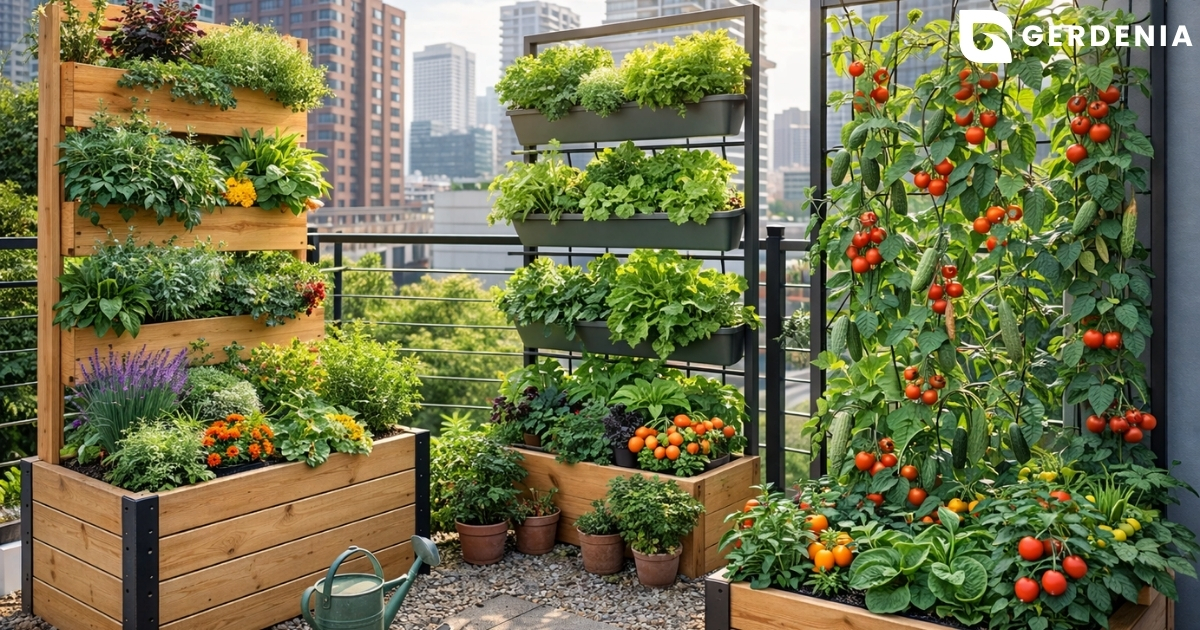
When a side yard is only four feet wide, planting a traditional bushy shrub or wide-canopy tree simply isn’t an option. Instead of giving up on greenery, you can borrow a centuries-old horticultural trick called espalier—the art of training a tree to grow completely flat against a wall or fence. This method is the ultimate among vertical garden ideas for tight spaces, allowing you to grow apples, lemons, or ornamental blossoms in a footprint just 12 inches deep.
Privacy from a neighbor’s second-story window doesn’t require a massive, yard-swallowing hedge either. Space-saving trellises act as excellent side yard privacy fence options when paired with the right greenery. However, never attach a trellis flush against your home’s siding, as trapped moisture quickly invites mold and wood rot. Always use wall-mounting hardware with “standoffs” or spacers to keep the trellis a few inches away from the house, ensuring safe airflow. To bring these structures to life, consider these reliable climbers:
- Star Jasmine: Offers evergreen coverage and intensely fragrant white flowers.
- Clematis: Provides large, colorful blooms that thrive when their roots are shaded.
- Camellia: Delivers glossy leaves and stunning winter roses when espaliered against a wall.
Growing espalier trees for small side spaces or directing vines up a secure trellis instantly transforms a cramped outdoor hallway into a lush, private courtyard.

The Side-Yard Plant Palette: Best Varieties for Deep Shade and Tight Borders
Most side yards act like environmental wind tunnels, trapping damp air and blocking direct sunlight. When planning a side of house garden, you need plants built for these unique microclimates rather than standard nursery flats. Instead of fighting the shadows, embrace them by selecting shade-tolerant greenery that actually prefers this cool, sheltered outdoor hallway.
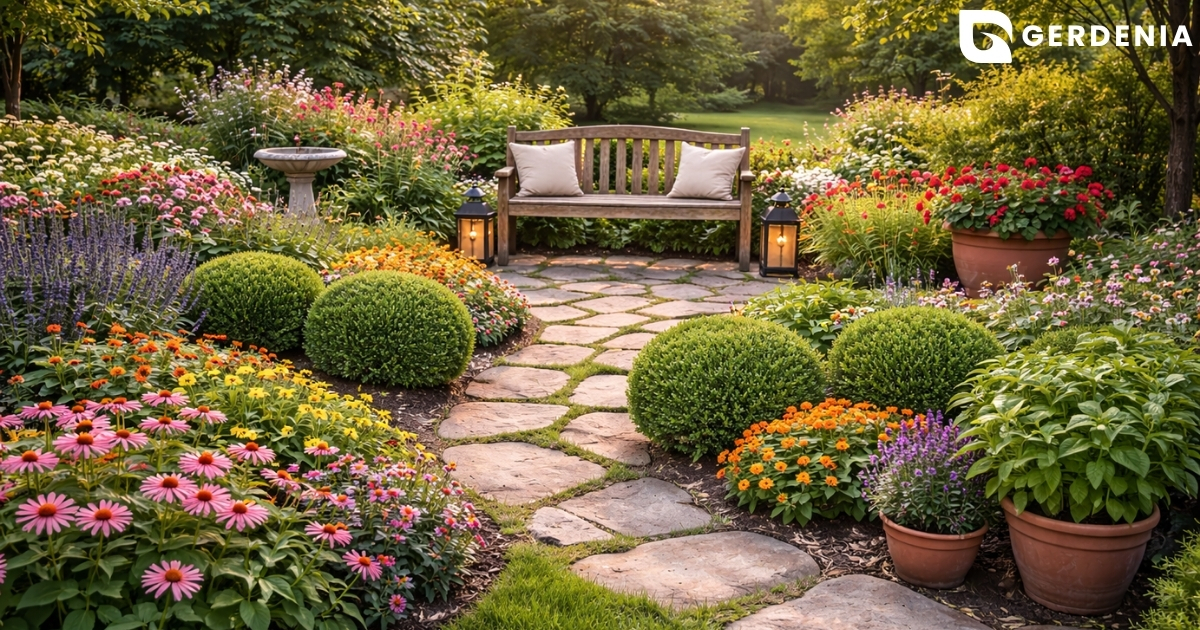
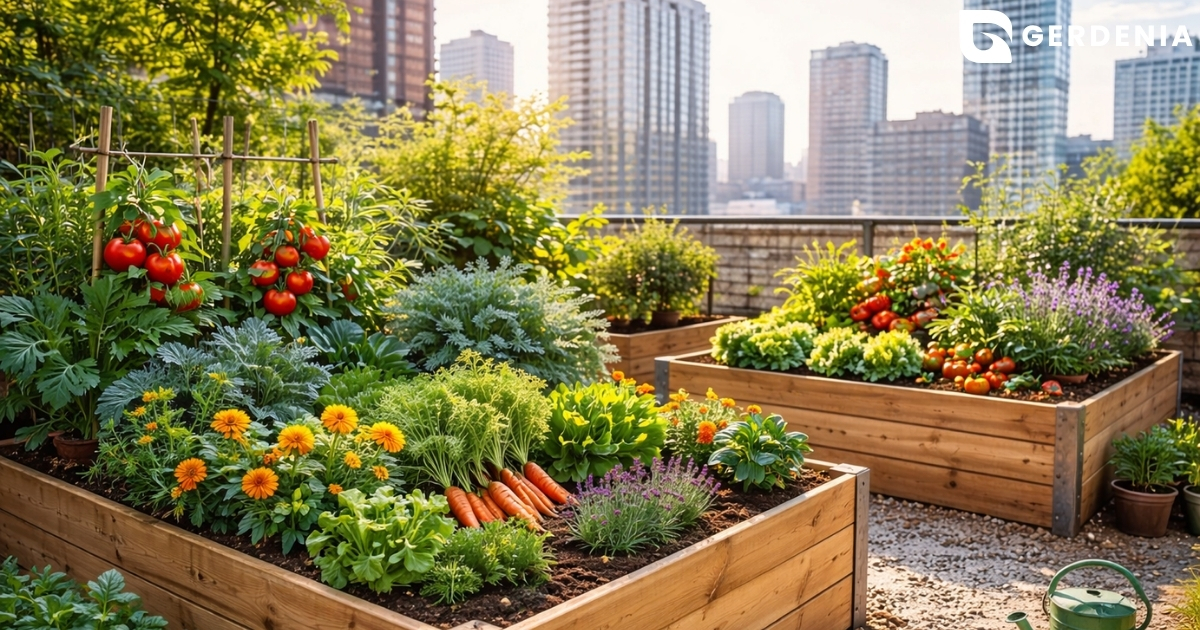
To make a confined space feel lush instead of cluttered, apply the “3-Layer Rule.” Think of your plants like stadium seating: place tall privacy shrubs in the back against the fence, medium filler plants in the middle, and low creeping groundcover along the walkway. This height hierarchy creates a stunning perennial border for narrow garden beds, turning a flat dirt strip into a vibrant, three-dimensional landscape. Exploring side of house flower bed ideas with this layered approach ensures proper airflow while maximizing limited square footage.
Choosing perennials—plants that return year after year—is the secret to reducing ongoing yard work. For tricky shaded zones, rely on these low-maintenance heroes:
- Hostas: Their wide, overlapping leaves naturally excel at crowding out weeds.
- Ferns: Hardy woodland survivors that provide feathery texture in damp soil.
- Heuchera (Coral Bells): Adds unexpected pops of purple and bronze foliage to dark corners.
Low-Maintenance Gravel and Xeriscaping for the “Set It and Forget It” Homeowner
For homeowners exhausted by the constant battle against weeds and dragging hoses, side of house landscaping doesn’t have to mean keeping fussy plants alive. Enter xeriscaping—a design method relying on drought-tolerant elements to eliminate the need for constant watering. Implementing modern xeriscaping for side yards turns a frustrating maintenance zone into a clean, structural space, dramatically lowering your monthly water bill while giving you your weekends back.
The secret to keeping this arid approach looking intentional rather than abandoned lies beneath the surface. Before laying down any stone, install a high-quality landscape fabric directly over leveled dirt. This breathable barrier lets rainwater properly drain away from your foundation, but it completely blocks the sunlight that dormant weed seeds need to sprout, ensuring your low maintenance gravel side walkway remains pristine for years.
Choosing the right stone is the final touch for your layout. “Pea gravel” offers a soft, rounded texture but shifts slightly underfoot, while heavier “river rock” is perfect for bordering the foundation to prevent mud splashes. If you want a firm, packed surface, “decomposed granite” is your best option.
Your 5-Step Weekend Blueprint for a Reclaimed Side Yard
That neglected space doesn’t have to remain a muddy, forgotten runway. You now know how to view this transition zone structurally, recognizing that a shovel and a solid plan are all you need to reclaim your property’s wasted square footage.
Execute this transformation over a single weekend using a prioritized five-step plan:
- Audit: Track sunlight and moisture levels to understand your environment.
- Clear: Remove existing weeds, tripping hazards, and debris.
- Grade: Always slope soil away from your foundation to guarantee proper drainage.
- Path: Build your foundation with simple side of house landscaping, like a crushed gravel walkway.
- Plant: Install durable borders for a dog friendly side yard landscape, finishing the space by adding outdoor lighting to narrow walkways for safe nighttime access.
Your ultimate success is measured by dramatically improved access and reduced maintenance stress. By prioritizing proper drainage and solid pathways over decorative elements, you eliminate future headaches while turning a frustrating bottleneck into a highly functional outdoor corridor.