Understanding the Basics of Composting
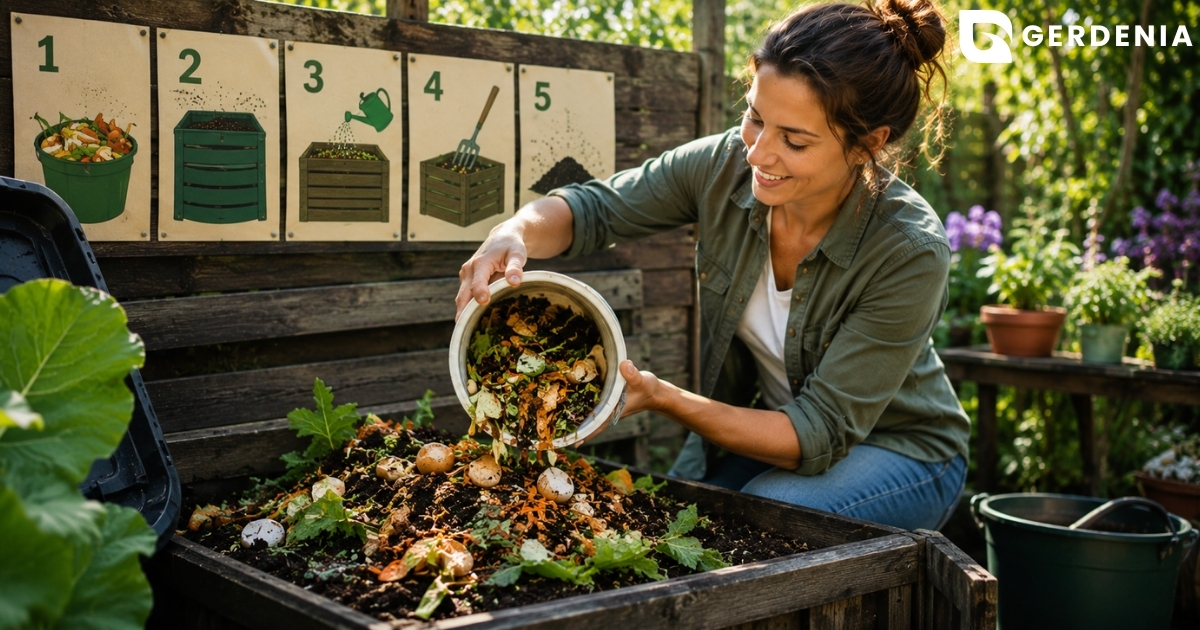
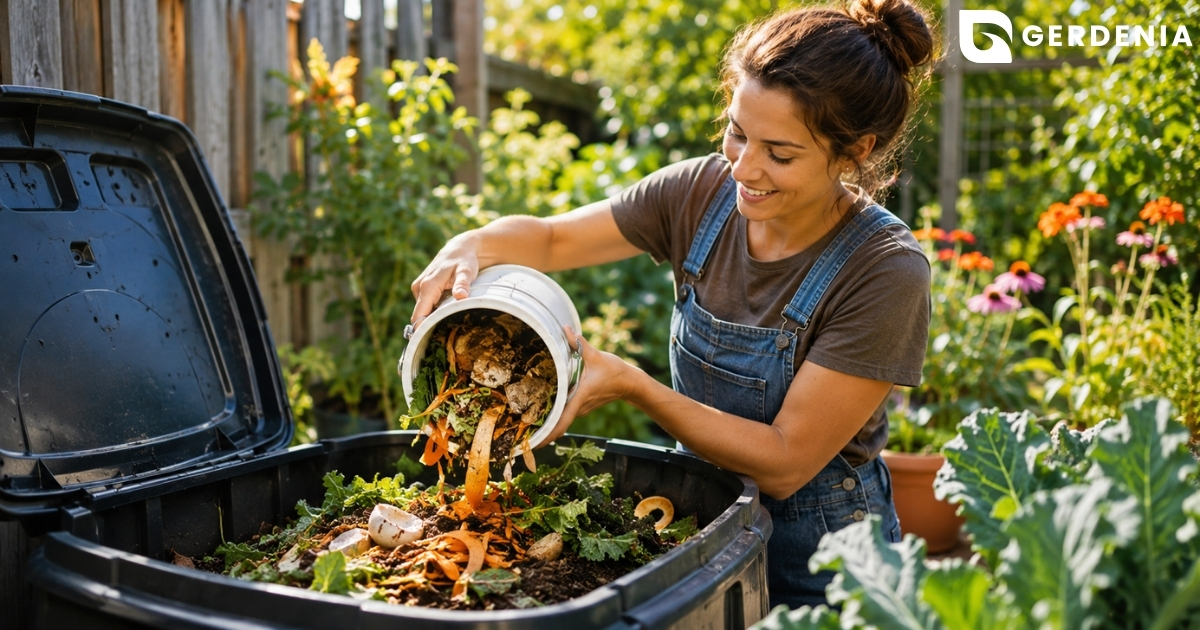
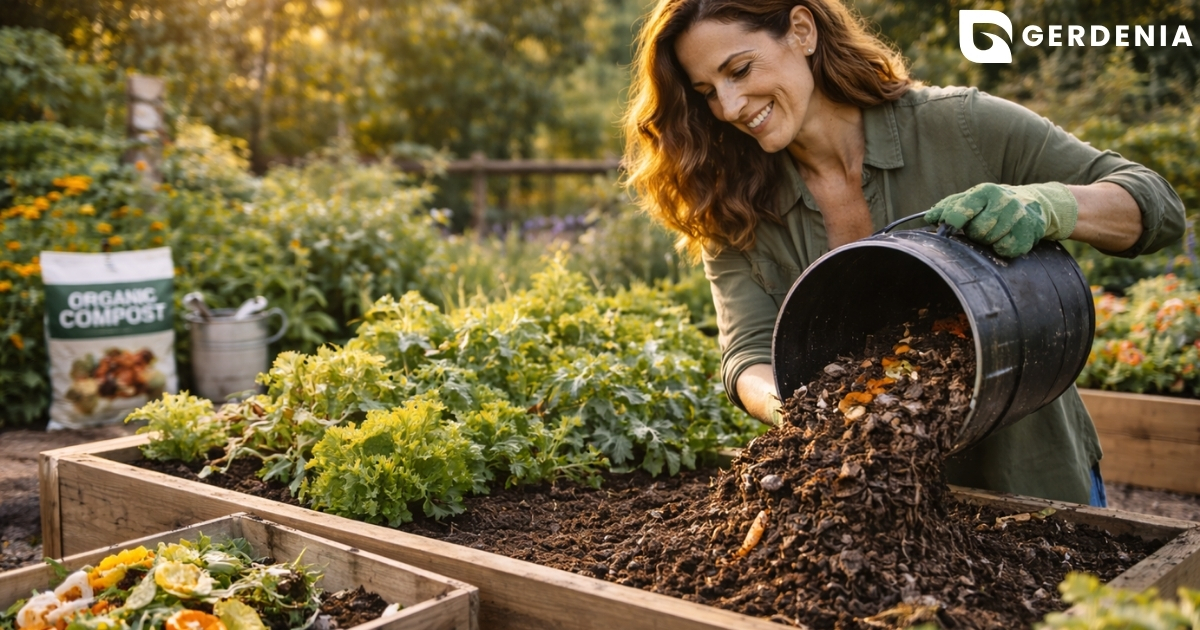
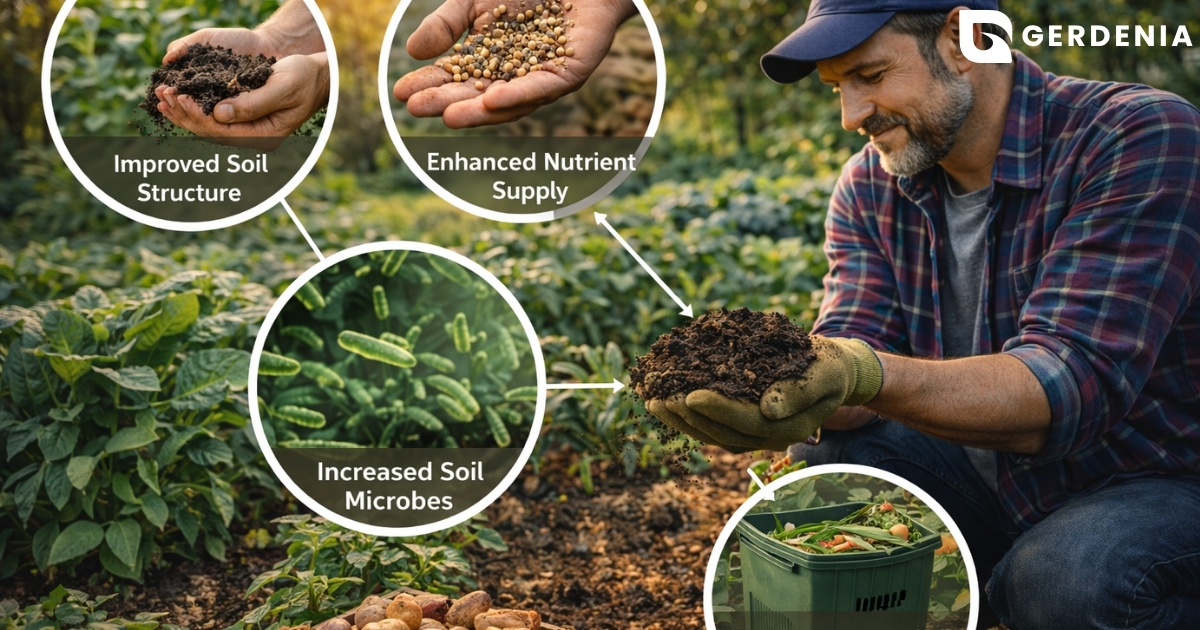
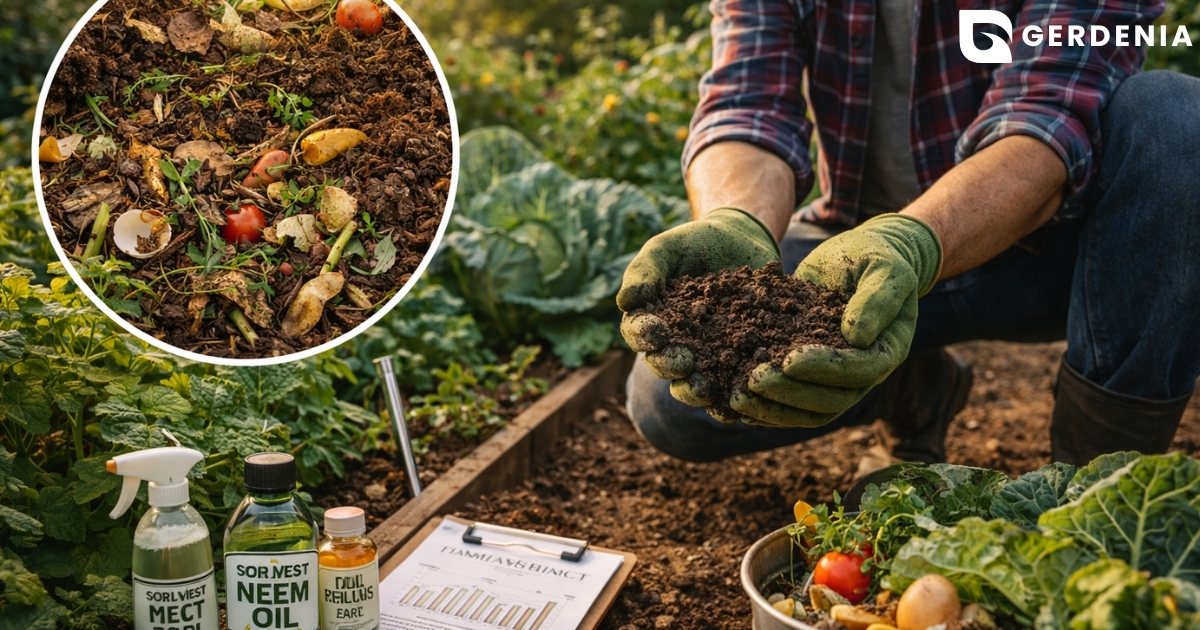
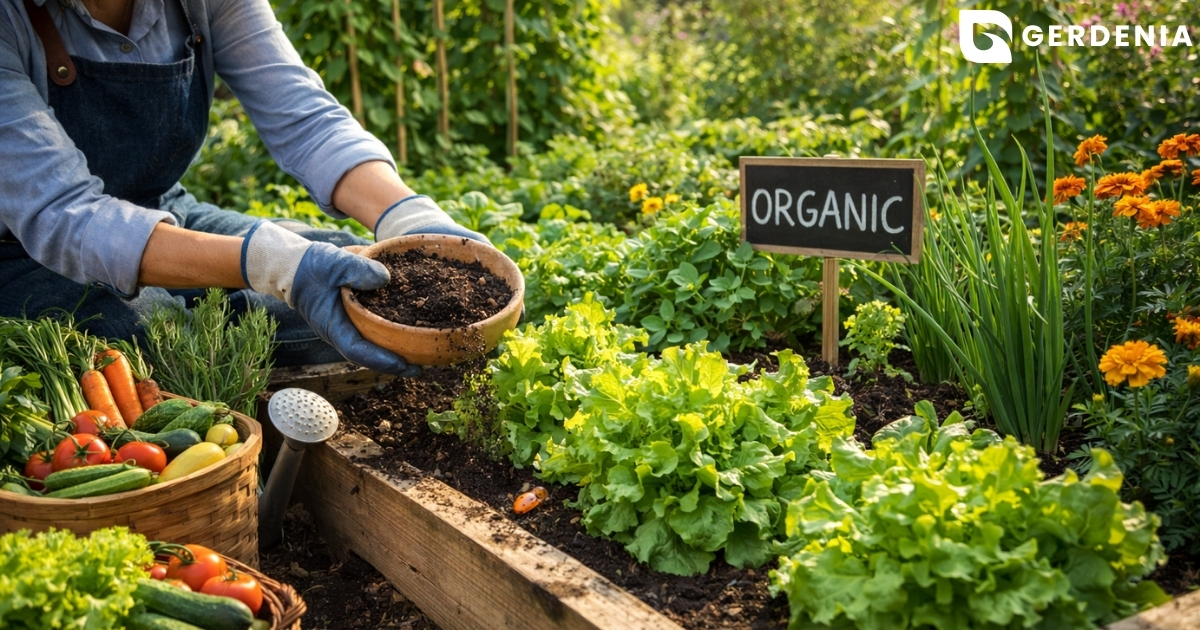
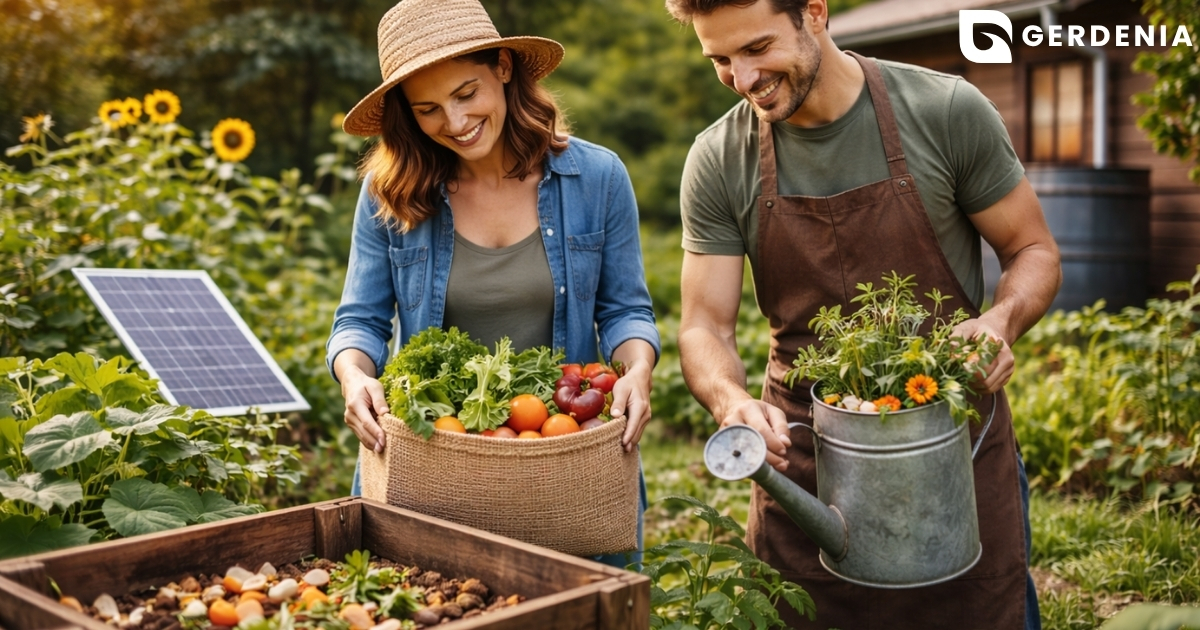
Composting is a fundamental aspect of homesteading, providing rich, organic material to nourish your soil. It’s an excellent way to reduce kitchen waste and improve soil health. By composting, you’re mimicking nature’s process of recycling organic material back into the earth, creating a nutrient-rich amendment for your garden.
Setting Up Your Compost Area
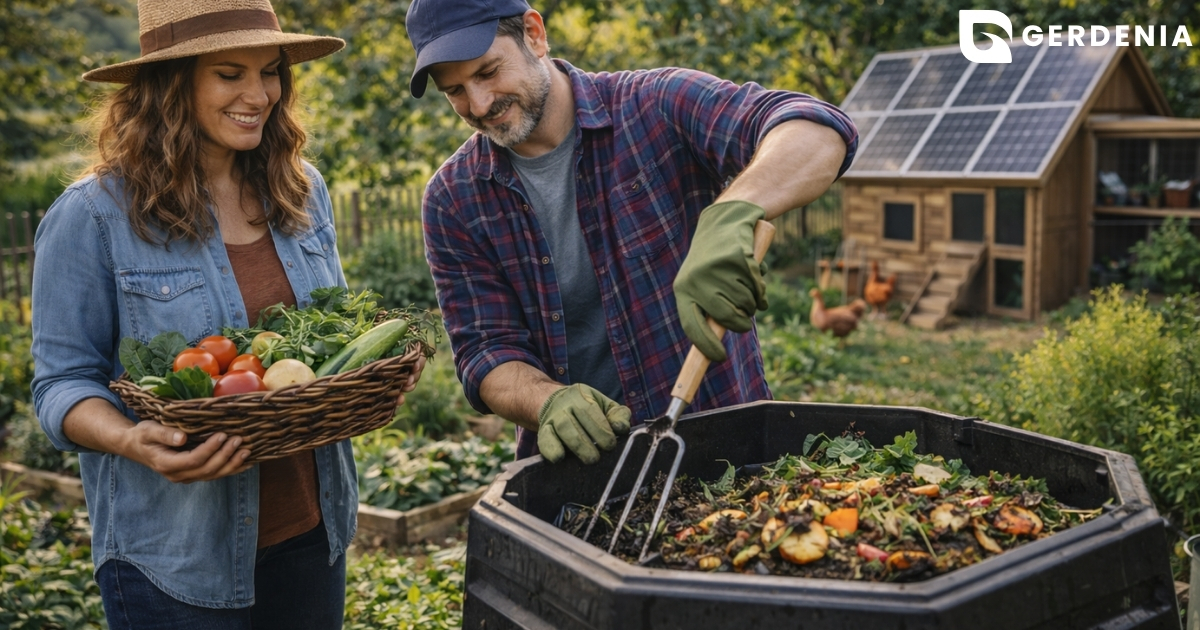
Begin by designating a space in your garden or yard for composting. This area should be easily accessible yet discreet, as the composting process can be a bit messy. Consider a spot that gets some sunlight to help the pile heat up and decompose faster. Choose between open piles or enclosed bins, depending on your space and preference.
Layering and Maintaining Your Compost
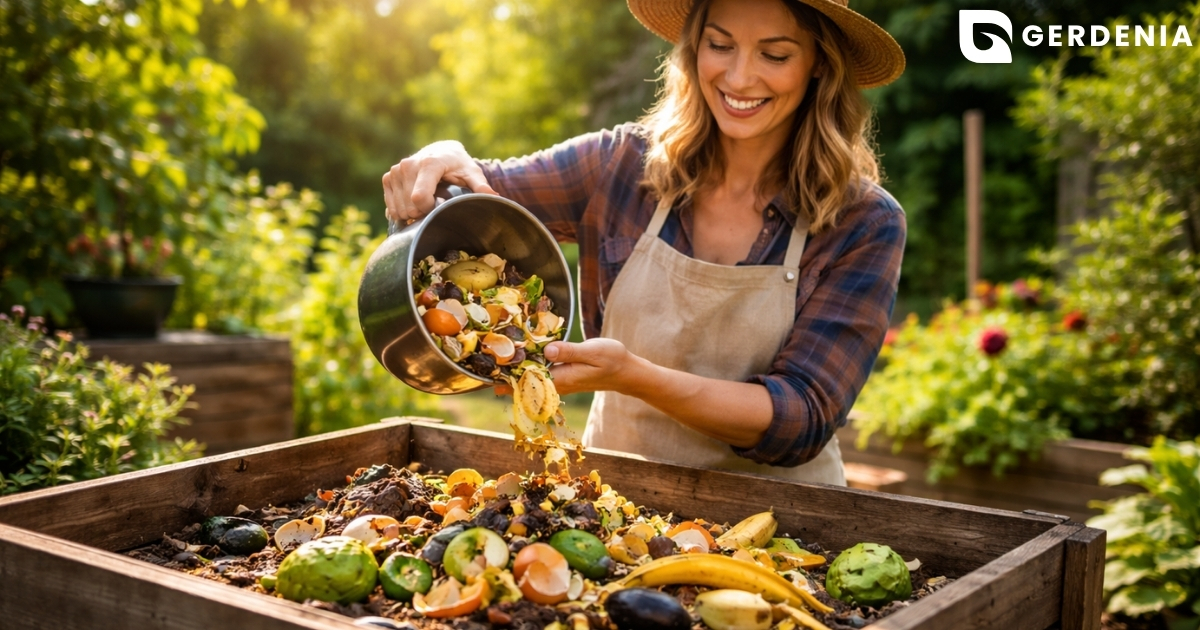
Layer green materials such as vegetable scraps and grass clippings with brown materials like leaves and twigs. The right balance of green and brown materials is crucial for effective composting. Turn the pile regularly to accelerate decomposition, which will help aerate it and mix the materials. Monitor moisture levels; your compost should be as damp as a wrung-out sponge.
Cultivating a Vegetable Garden
Choosing the Right Location
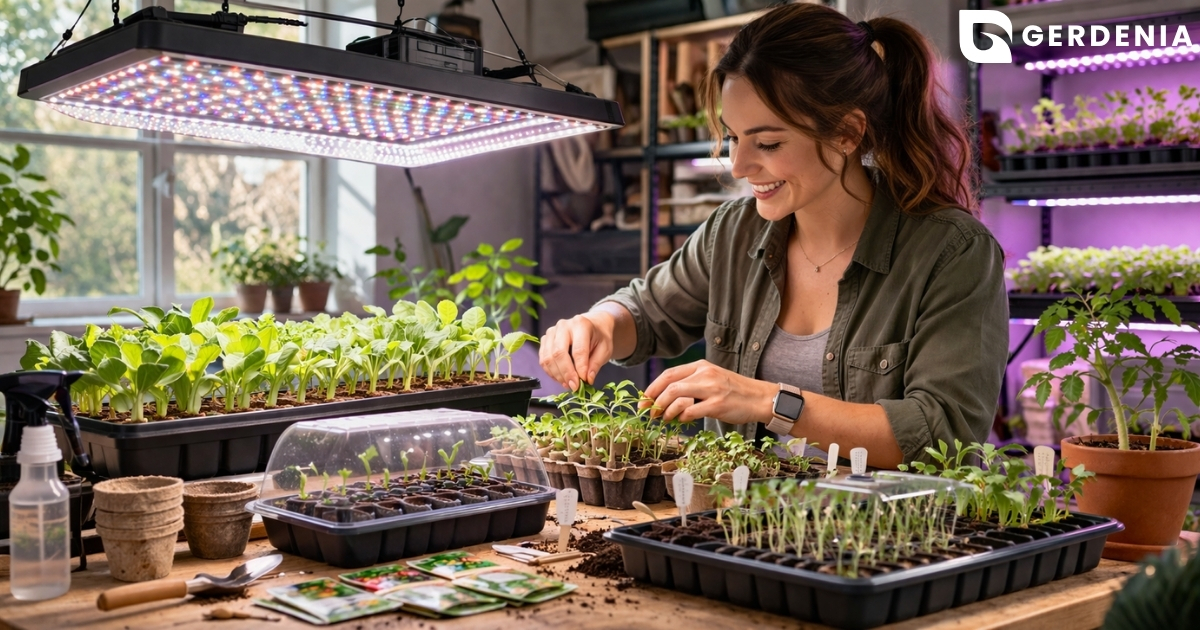
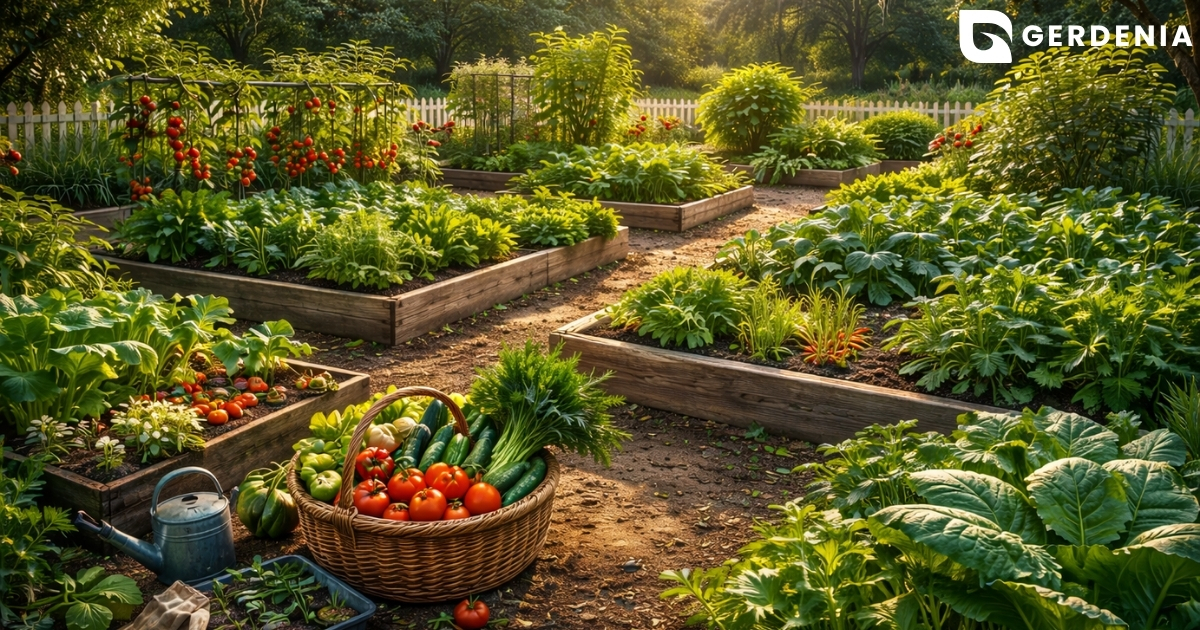
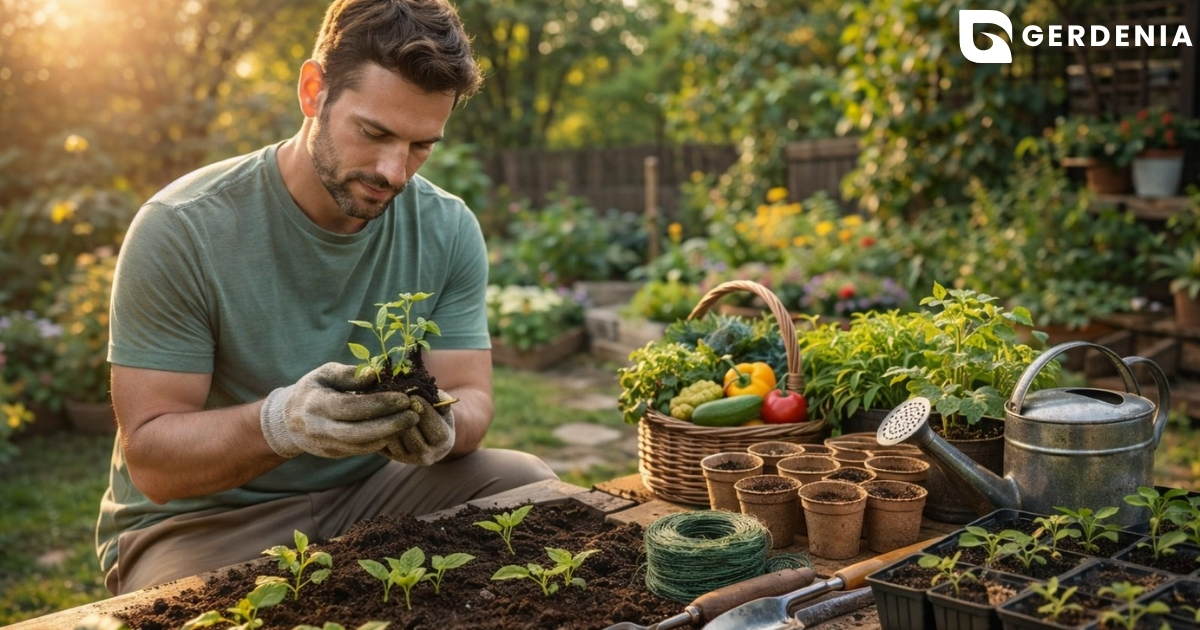
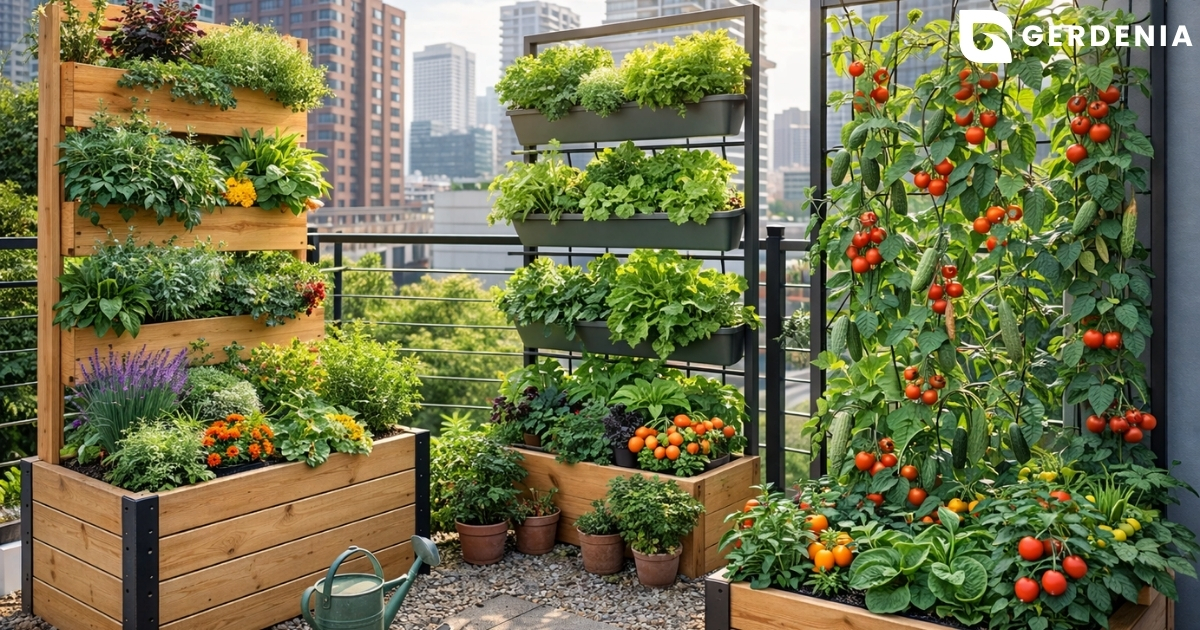
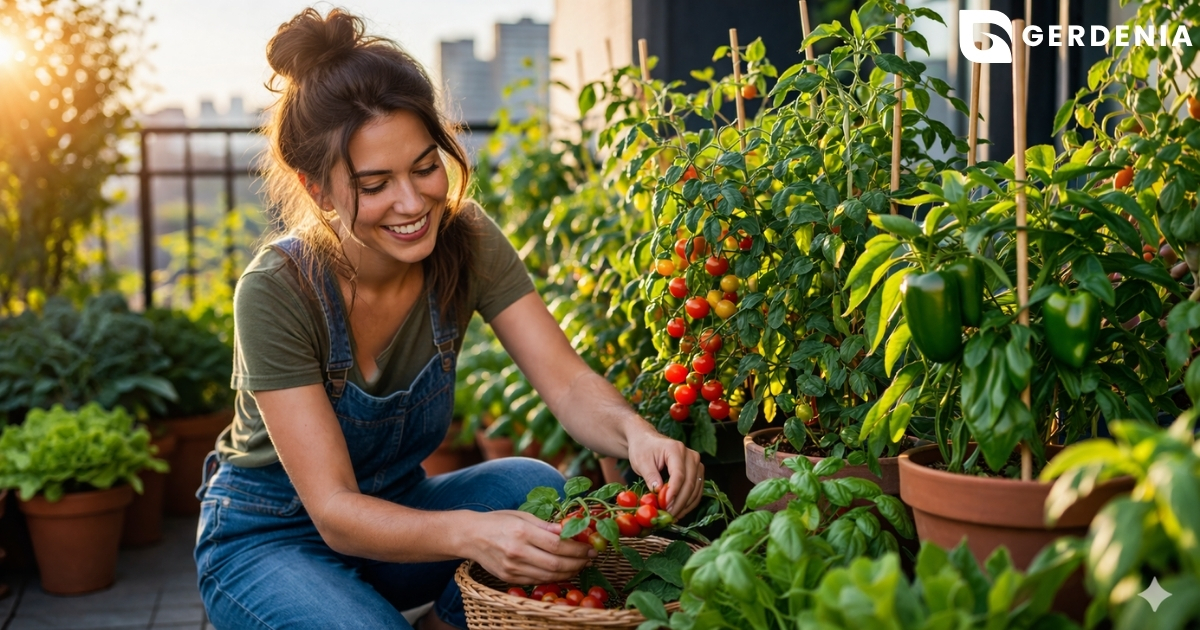
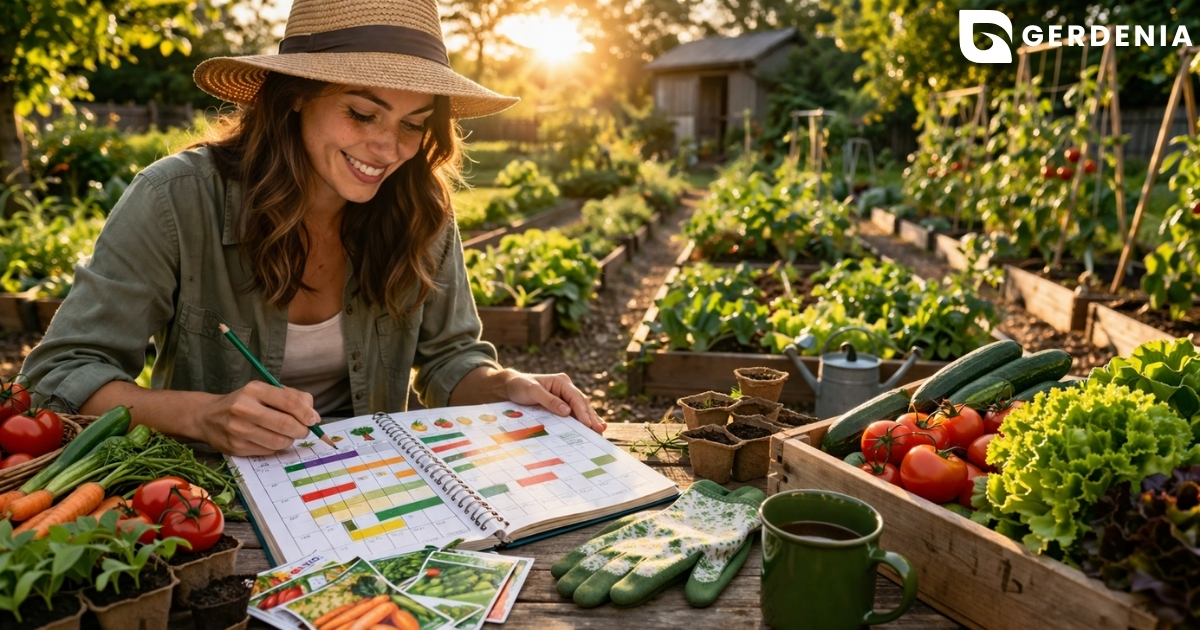
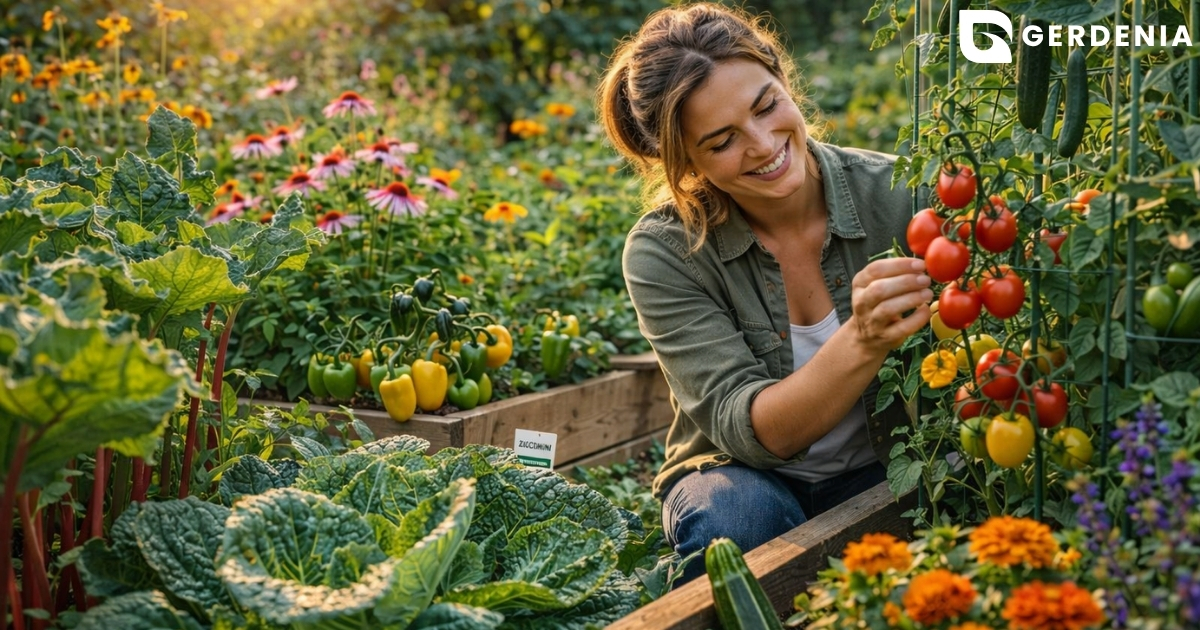
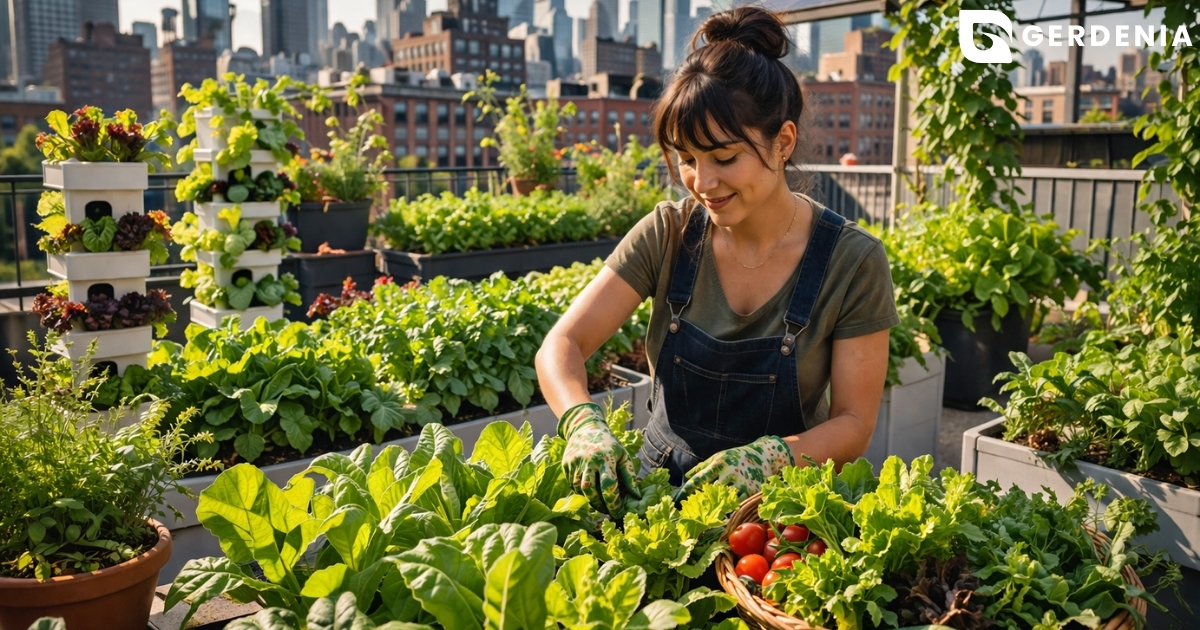
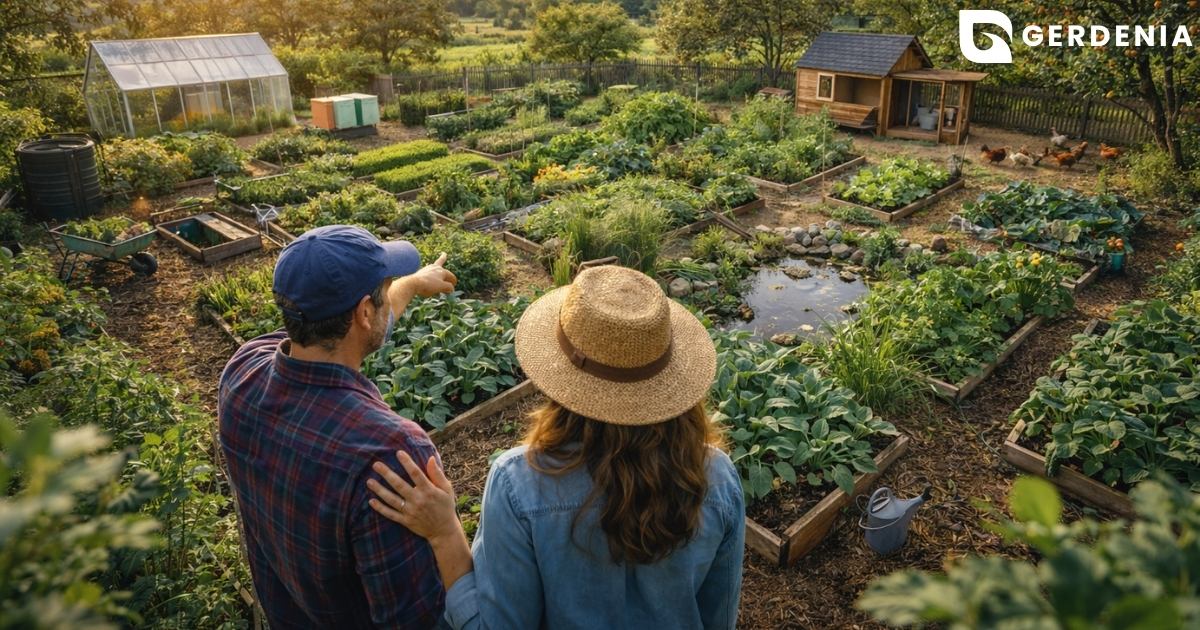
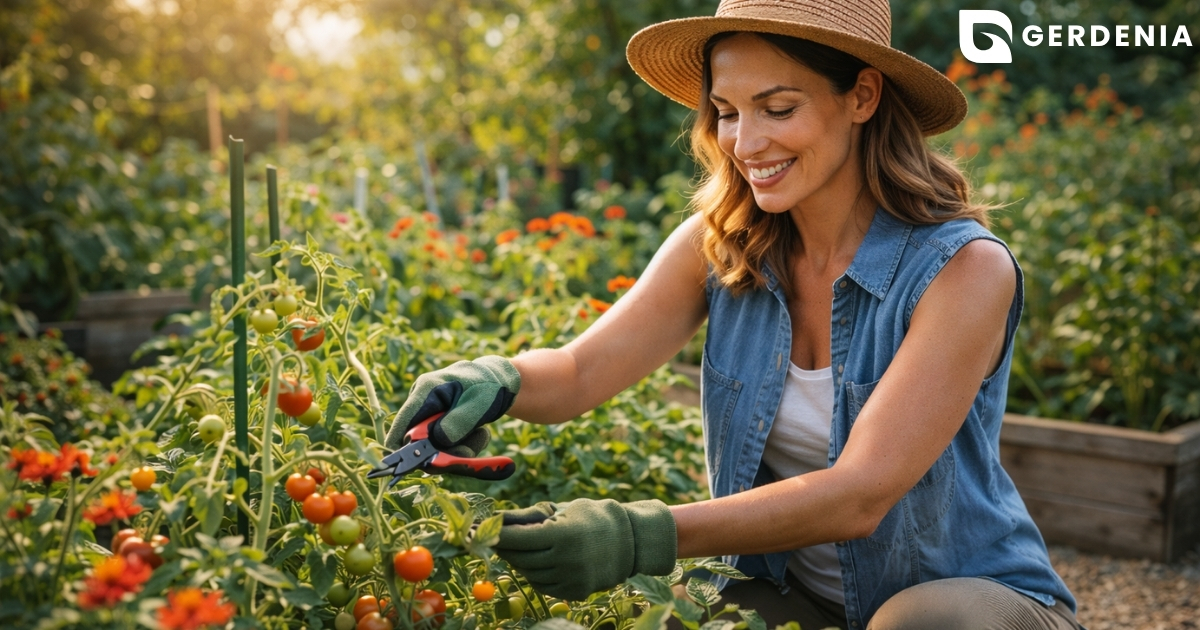
A vegetable garden is a quintessential element of any homestead. For beginners, start small with easy-to-grow crops such as tomatoes, lettuce, and radishes. Select a sunny spot with well-draining soil, as most vegetables require at least 6-8 hours of sunlight a day. Consider proximity to a water source for easy irrigation.
Planning and Designing Your Garden
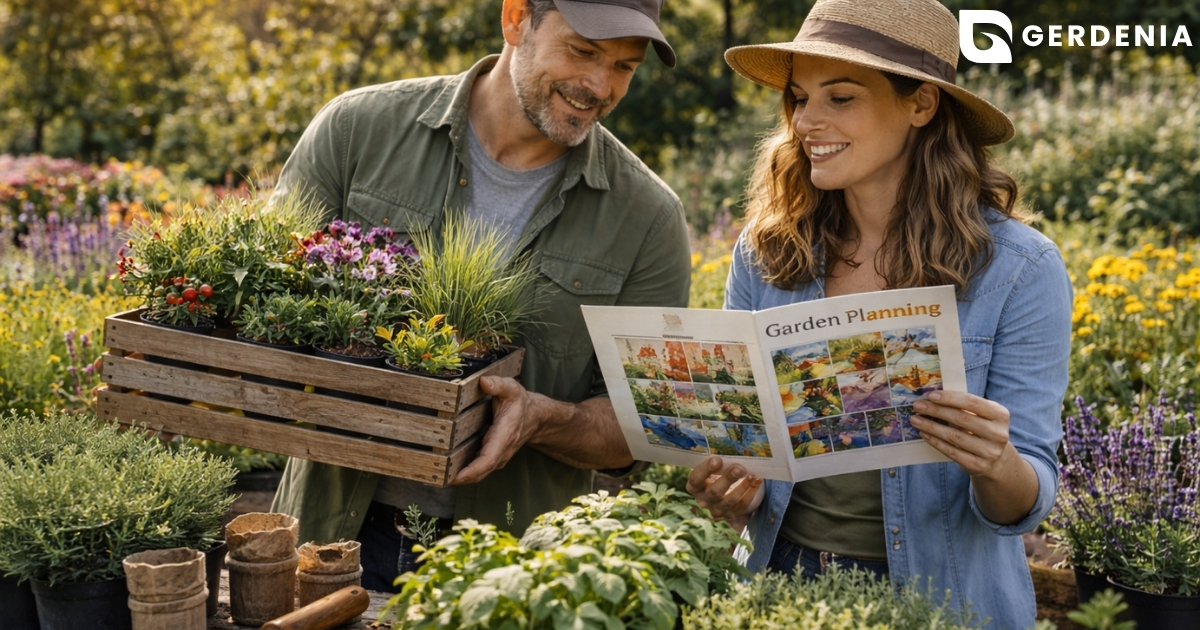
Ensure you research each plant’s spacing and watering needs to maximize growth and yield. Create a garden plan that includes row spacing and the arrangement of different crops. Companion planting can also be beneficial, as some plants can help deter pests or improve growth for their neighbors.
Expanding and Rotating Crops
As your confidence grows, expand your garden to include more challenging crops. Consider seasonal planting and crop rotation to maintain soil health and prevent pest build-up. Experimenting with different varieties can also help you discover what grows best in your climate and soil conditions.
Raising Chickens for Eggs

Researching and Choosing the Right Breed
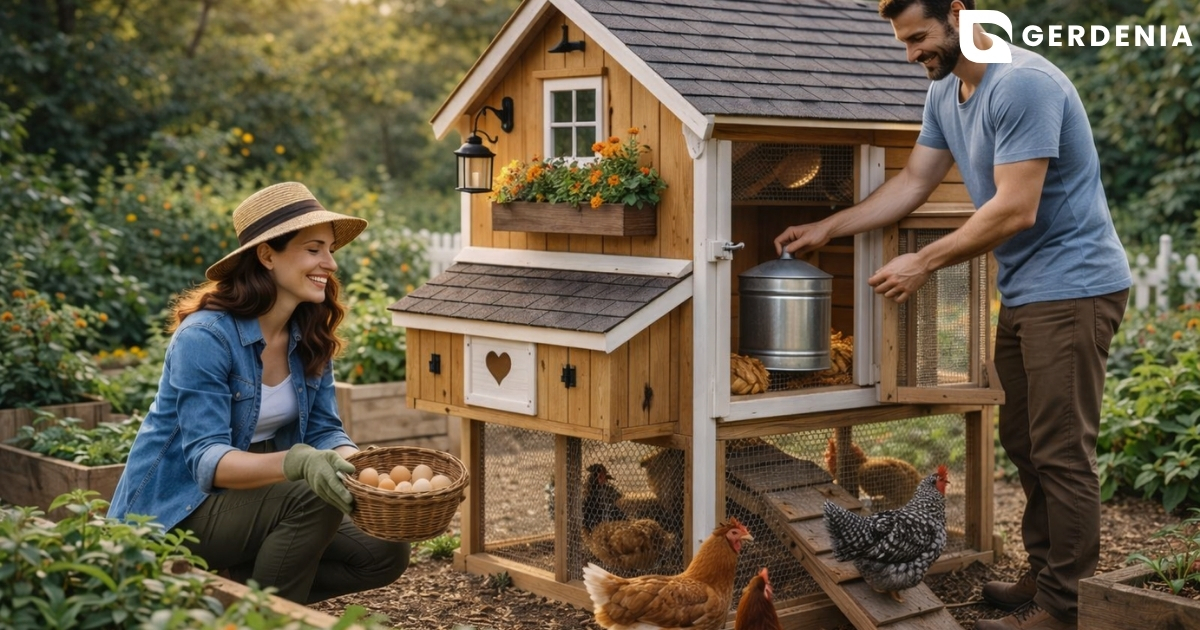
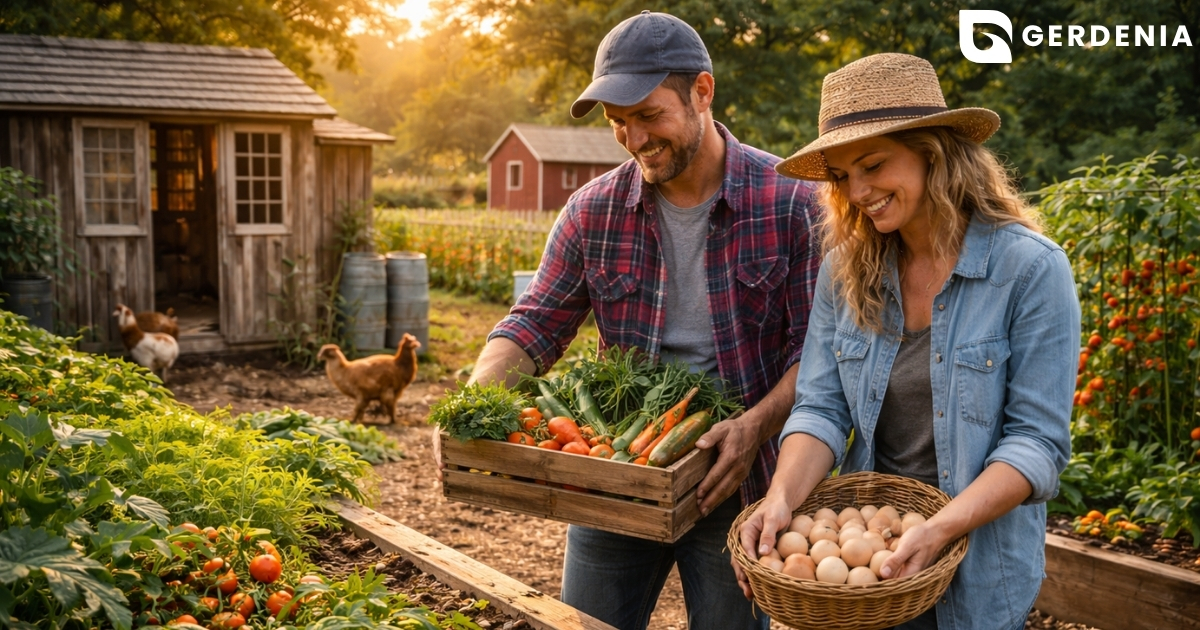
Raising chickens is a fulfilling endeavor that provides fresh eggs and natural pest control. Begin by researching local regulations and selecting a breed suited to your climate and space. Some breeds are better layers, while others are more suited to colder climates or have friendlier dispositions.
Building a Safe and Comfortable Coop
Construct a secure coop with ample space for roosting and nesting. The coop should protect chickens from predators and harsh weather while providing enough ventilation. Include nesting boxes for egg-laying and perches for sleeping.
Daily Care and Maintenance
Chickens require daily care, including feeding, watering, and cleaning their living space. Regularly check for signs of illness or distress, and ensure they have access to fresh water and balanced feed. Cleaning the coop frequently will help prevent disease and keep your flock healthy.
Building a Rainwater Collection System
Understanding the Benefits of Rainwater Harvesting
Harvesting rainwater is an eco-friendly way to conserve water for your homestead. It reduces dependence on municipal water supplies and helps lower water bills. Rainwater is also free of chemicals found in treated water, making it ideal for irrigation.
Setting Up a Basic Collection System
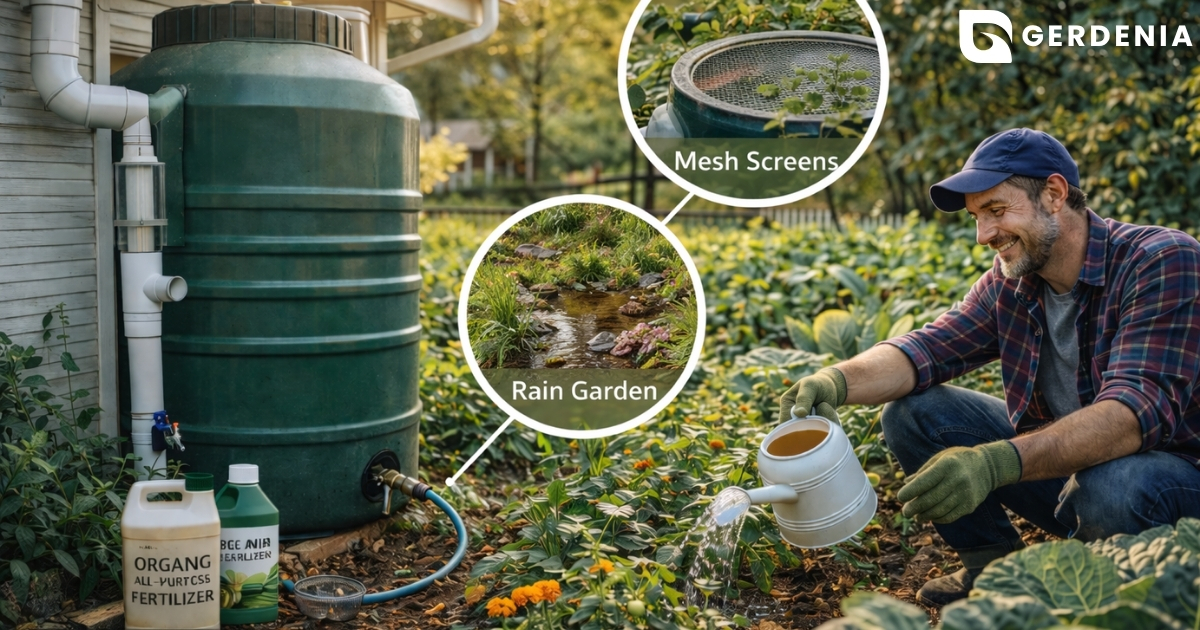
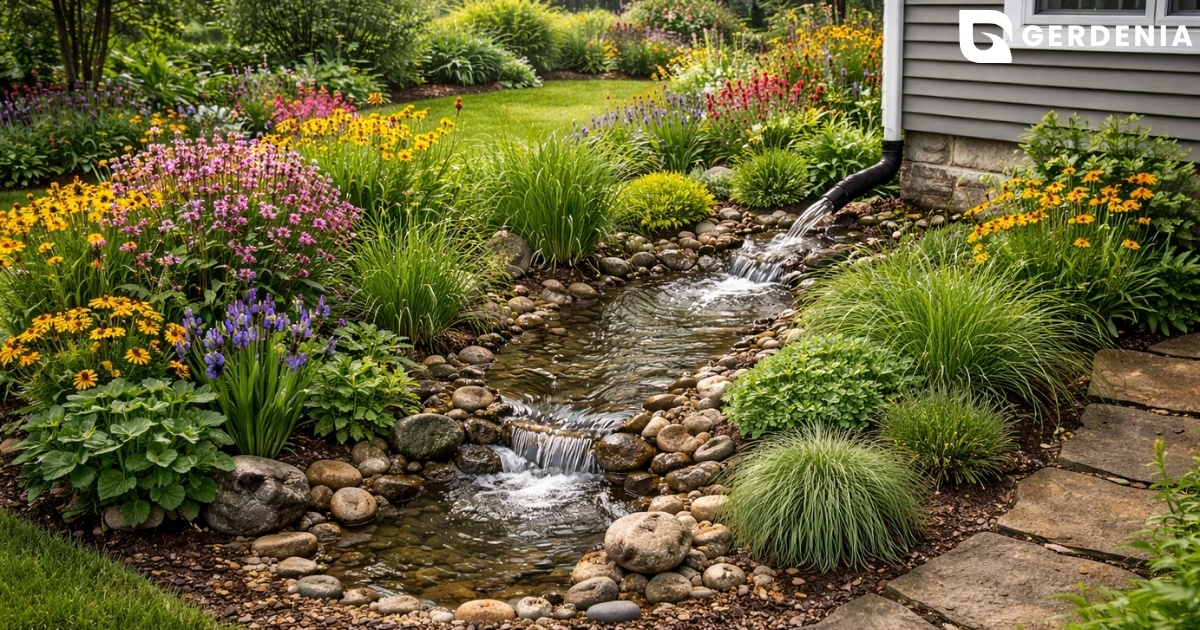
A basic rainwater collection system can be as simple as placing a barrel beneath a downspout. Ensure your collection system is equipped with a fine mesh screen to filter debris and prevent mosquito breeding. Consider the capacity of your storage tank based on the average rainfall in your area.
Using Collected Rainwater Efficiently
Utilize this water for irrigation, livestock, or even household use with proper treatment. Drip irrigation systems can be connected to rain barrels for efficient watering. With additional filtration, rainwater can supplement household water needs, though it should not be used for drinking without proper purification.
Crafting Homemade Soap
Gathering Ingredients and Equipment
Homemade soap is a delightful and practical project for beginners. Start with a simple recipe using readily available ingredients such as coconut oil, olive oil, and lye. Safety equipment, including gloves and goggles, is essential when handling lye, a caustic substance.
Experimenting with Scents and Additives
Experiment with scents by adding essential oils like lavender or eucalyptus. Natural colorants and exfoliants such as oatmeal or poppy seeds can also be incorporated. Customize your soap to suit your preferences or skin needs.
Ensuring Safety and Precision
Soap-making requires precision and safety precautions, so ensure you follow instructions meticulously. Measure ingredients accurately and follow the process step-by-step. Allow your soap to cure for the recommended time to ensure it’s safe for use.
Creating a Herb Spiral
Designing and Constructing the Spiral
A herb spiral is an innovative way to grow a variety of herbs in a compact space. Construct a spiral-shaped mound using stones or bricks, filling it with nutrient-rich soil. The spiral design allows for different microclimates, accommodating herbs with varying water and sunlight needs.
Selecting and Planting Herbs
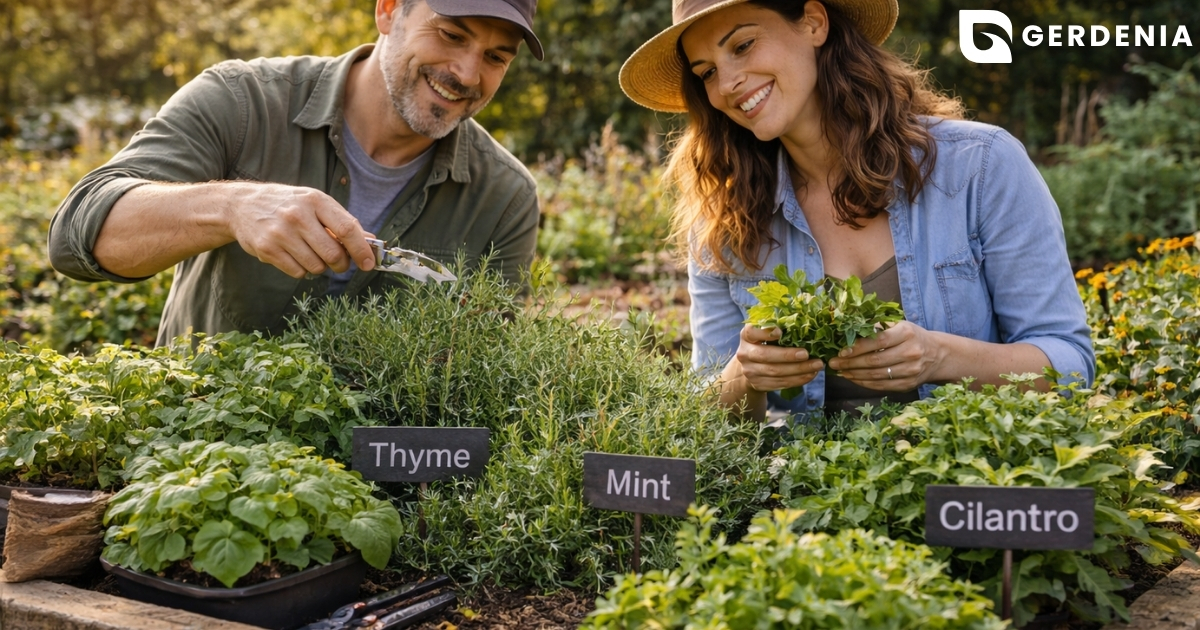
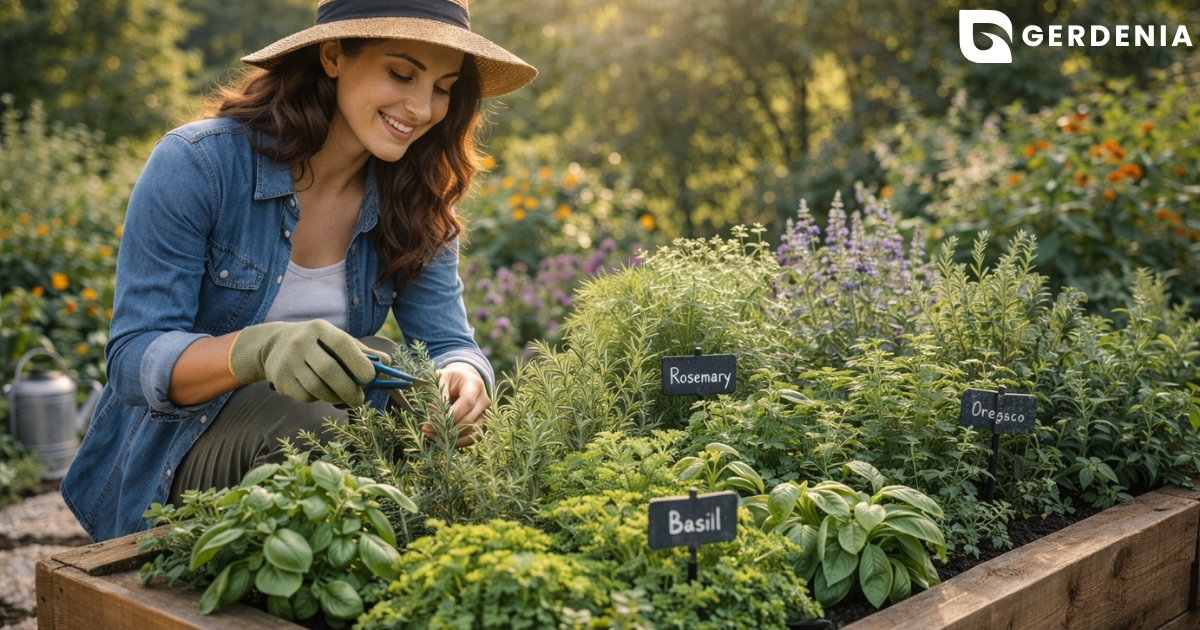
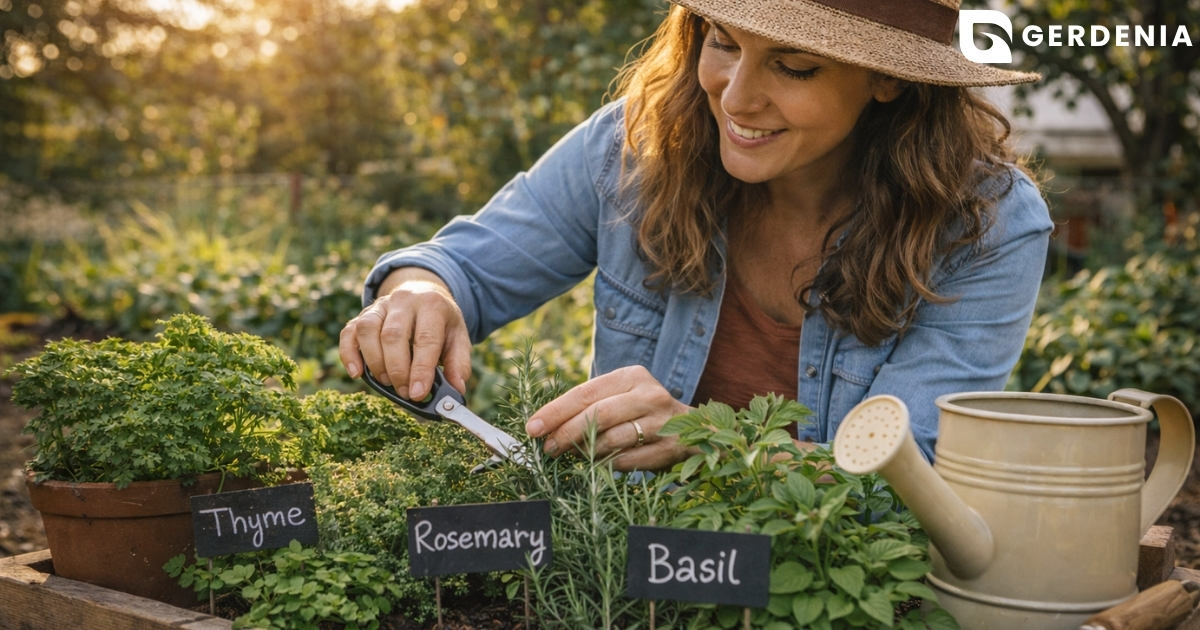
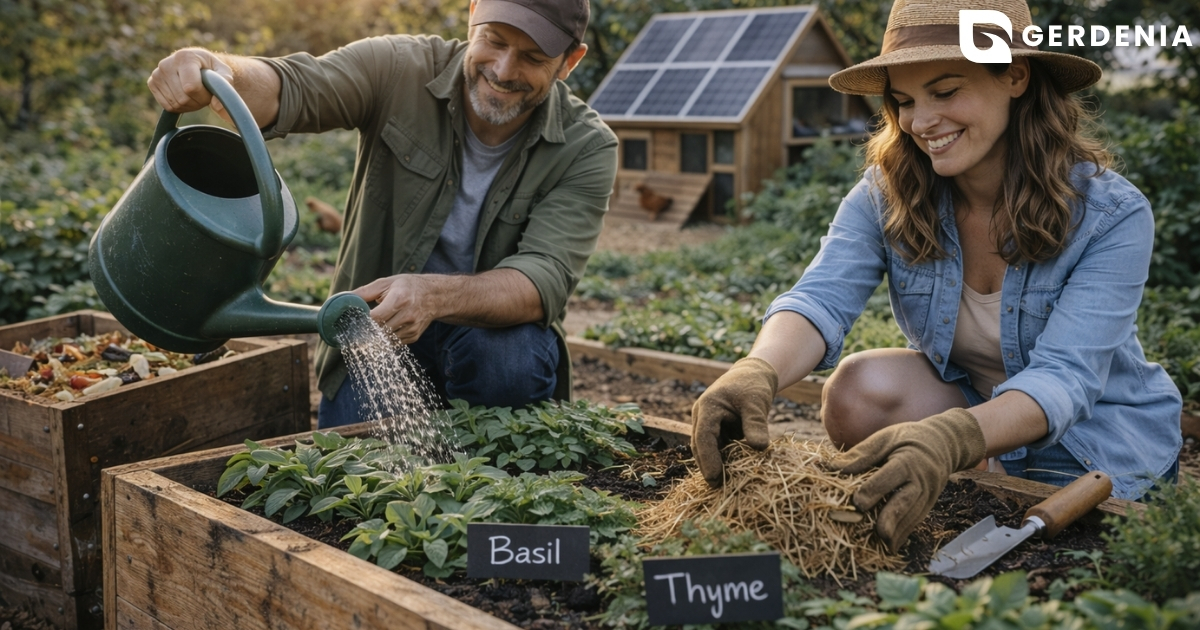
Plant herbs such as basil, mint, and thyme, placing those with similar water needs together. Herbs that prefer drier conditions can be planted at the top, while those requiring more moisture can be placed at the bottom. This project not only optimizes space but also adds aesthetic value to your homestead.
Caring for Your Herb Spiral
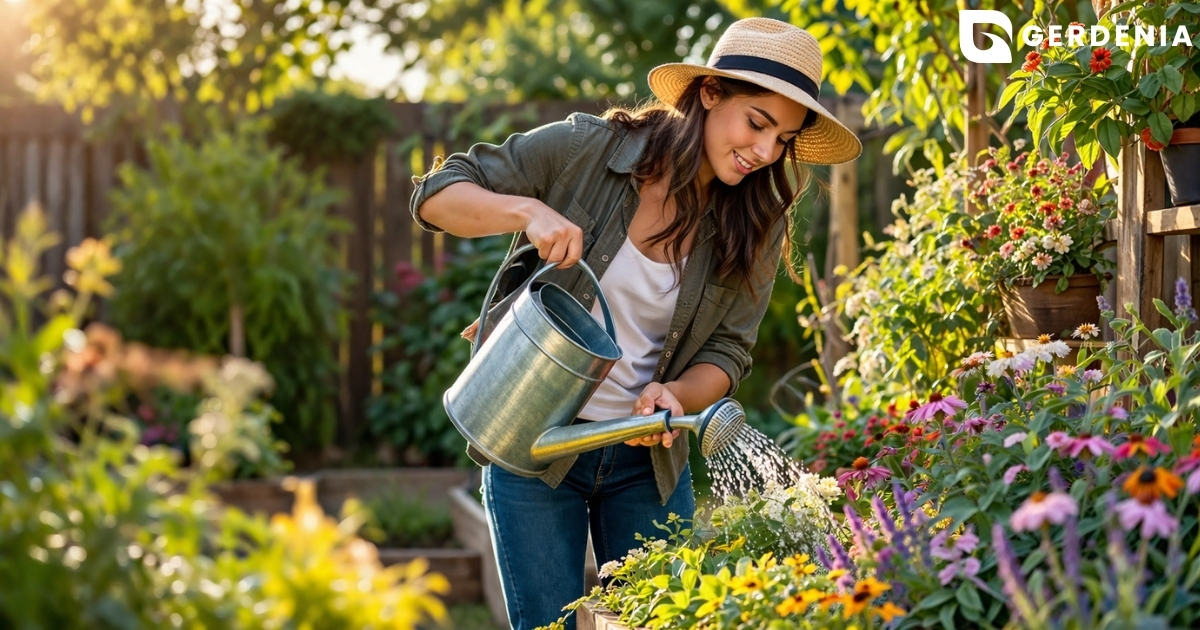
Regular watering and pruning will keep your herbs healthy and productive. Mulching can help retain soil moisture and suppress weeds. Harvest herbs regularly to encourage new growth and prevent them from going to seed.
Constructing Raised Garden Beds

by Isaac Smith (https://unsplash.com/@isaacmsmith)
Understanding the Advantages of Raised Beds
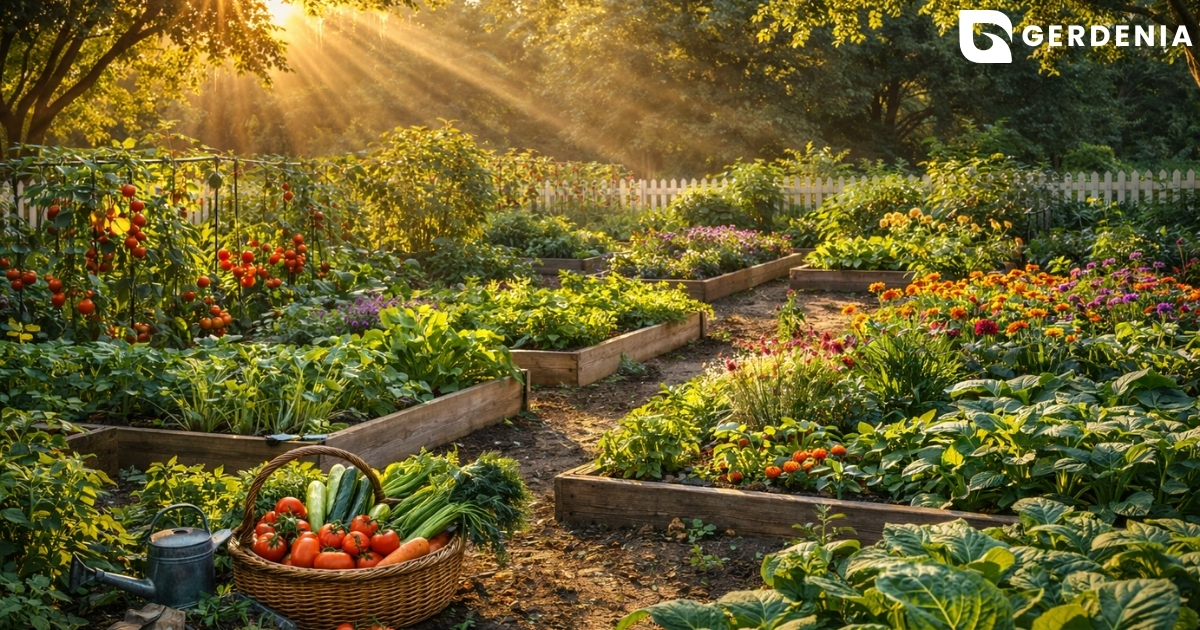
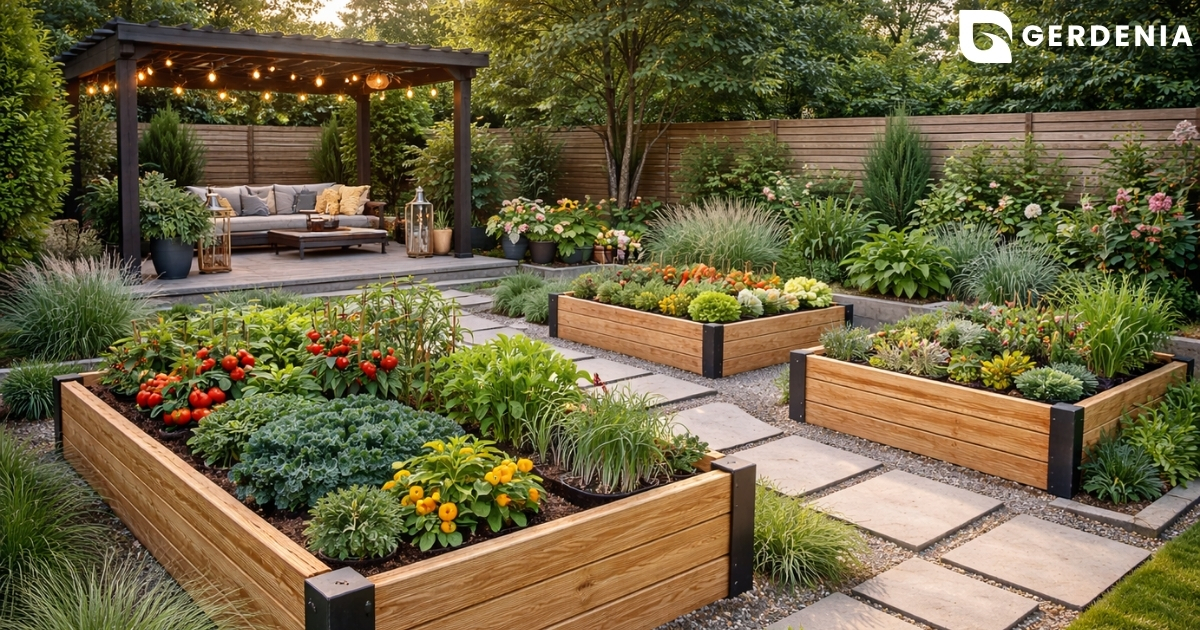
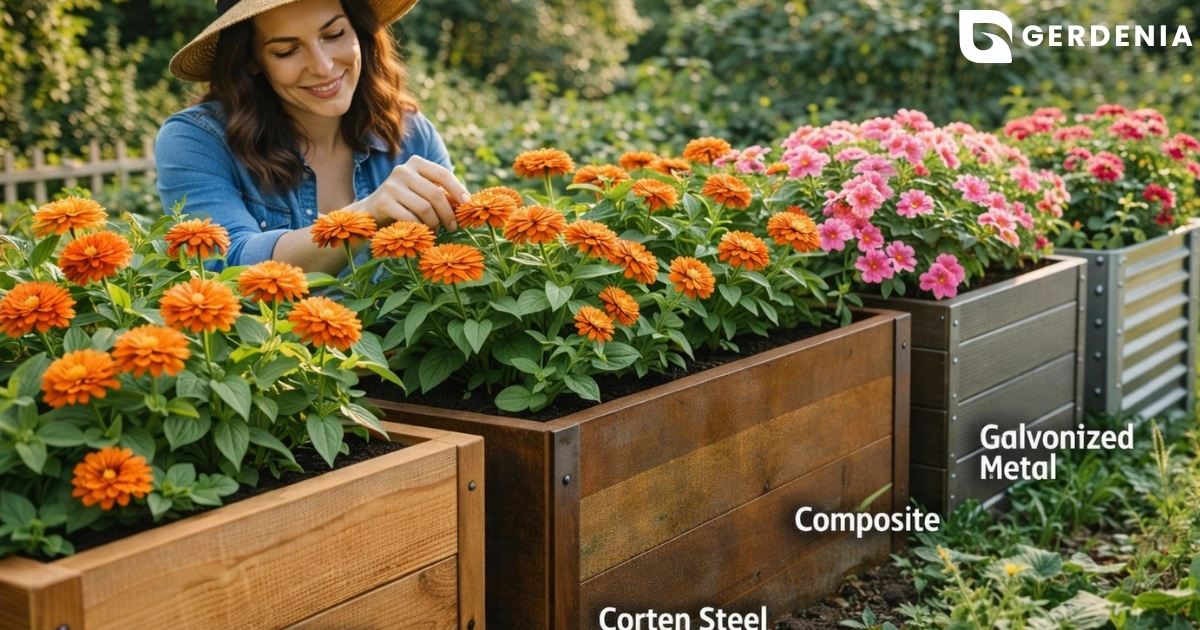
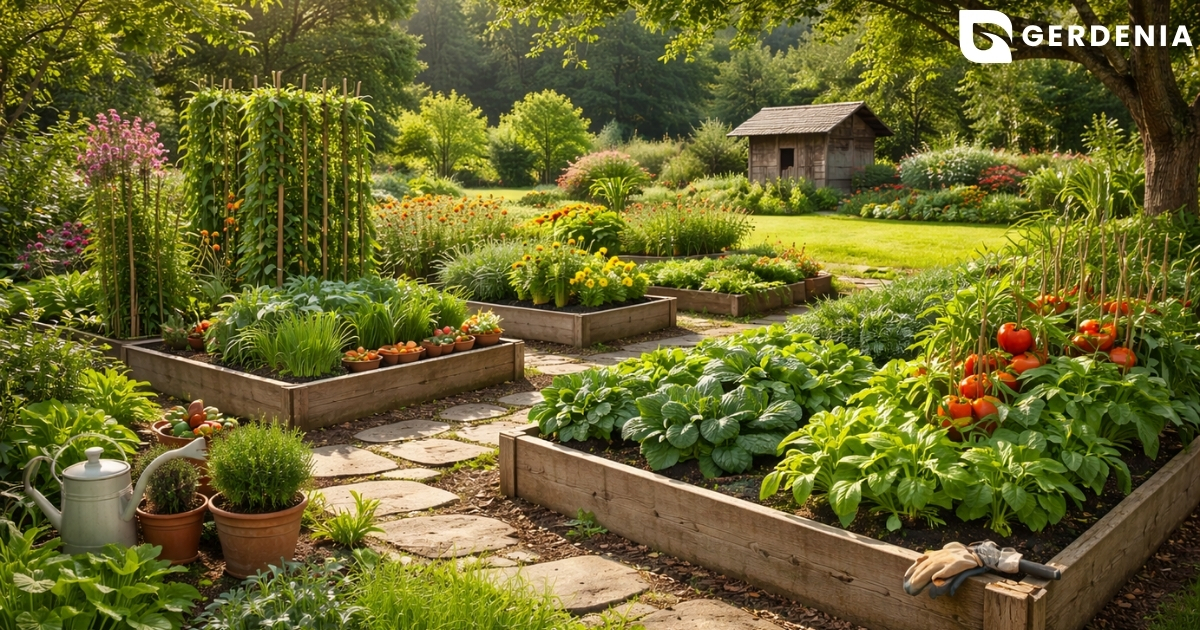
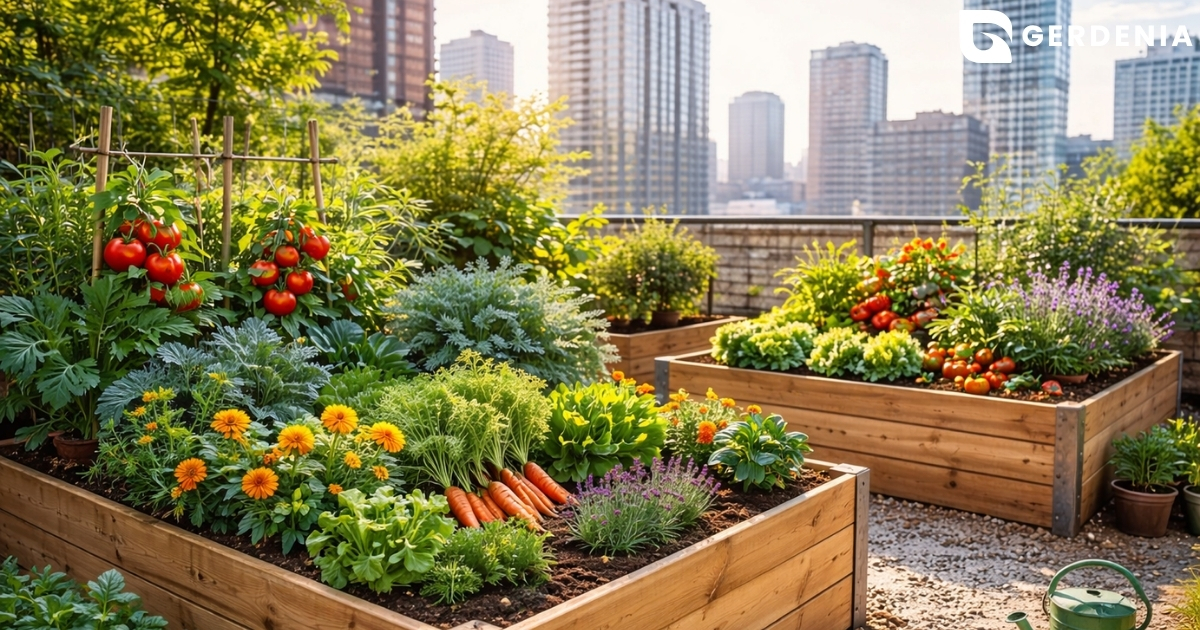
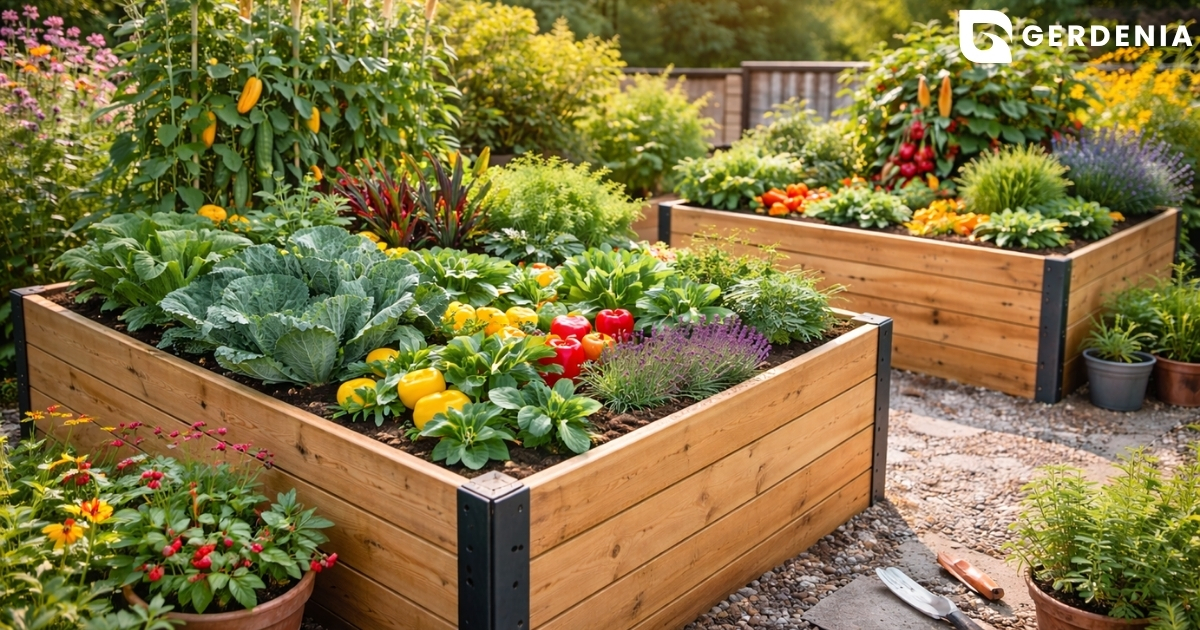
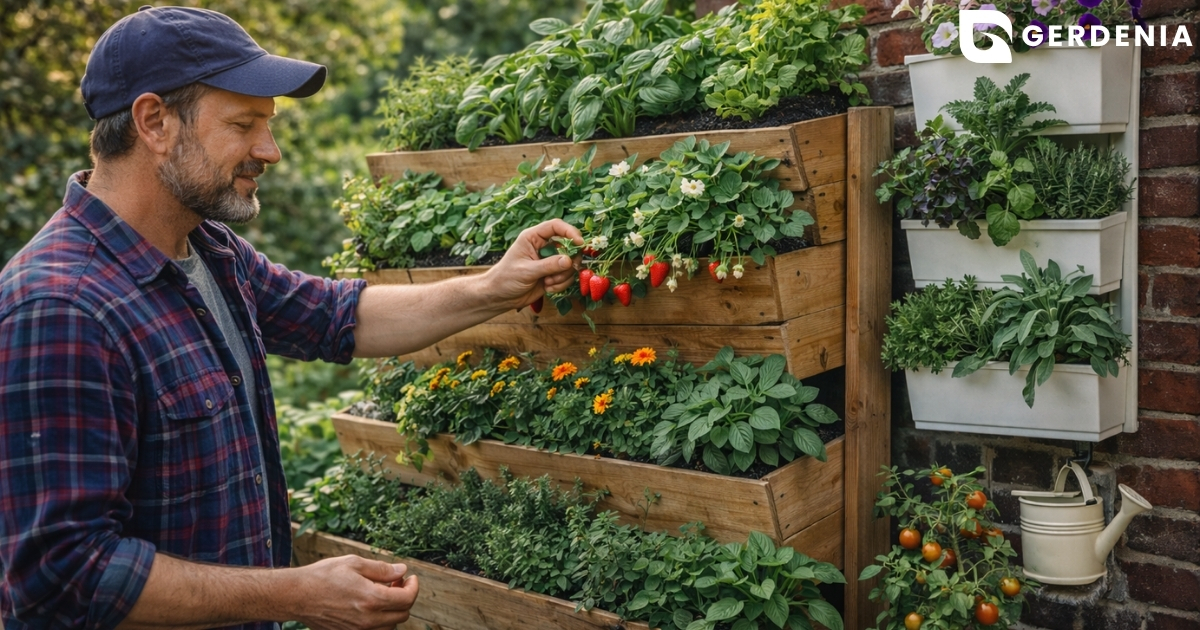
Raised garden beds offer numerous benefits, including improved drainage, reduced soil compaction, and easier access. They are particularly useful in areas with poor soil conditions. Raised beds can also be tailored to your garden’s specific needs.
Building and Filling Your Beds
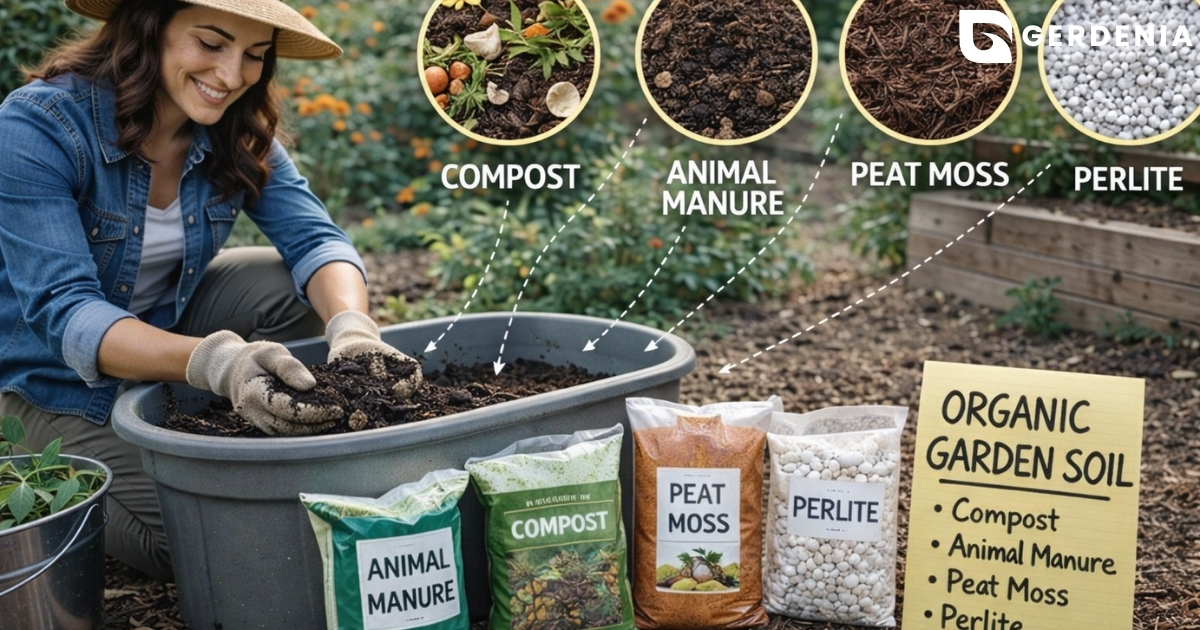
Construct your beds using untreated wood or recycled materials. Ensure the width allows easy access to the center without stepping on the soil. Fill them with a balanced soil mix and start planting your favorite vegetables or flowers.
Maintaining and Enhancing Productivity
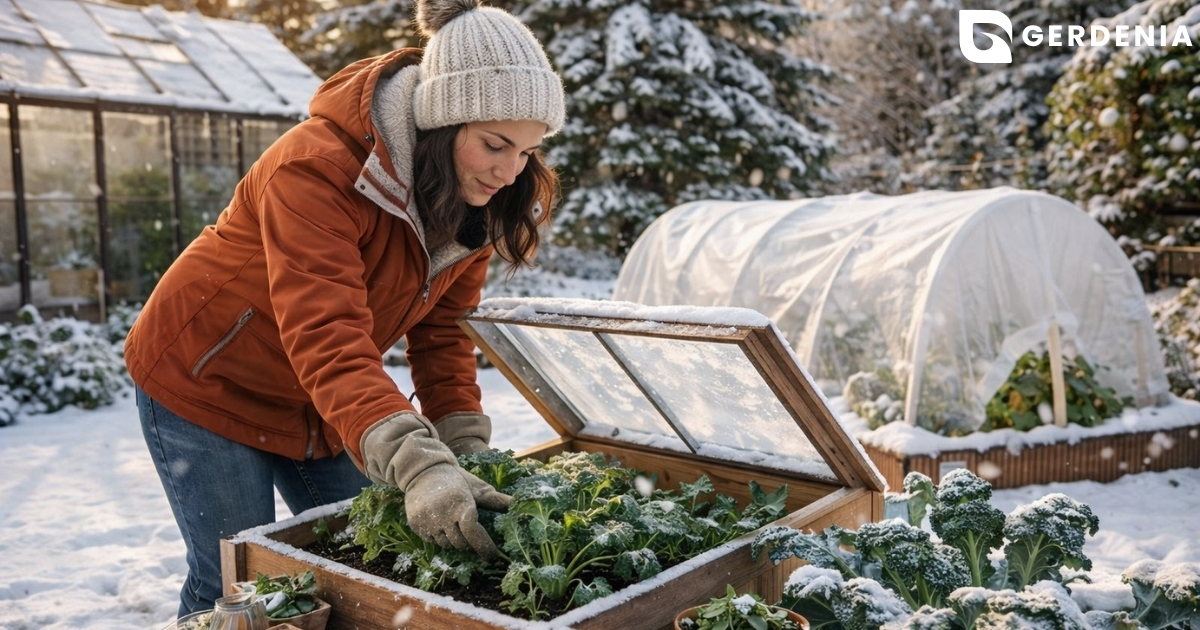
Raised beds also help deter pests and extend the growing season by warming up earlier in the spring. Regularly amend the soil with compost and mulch to maintain fertility. Rotate crops within the beds to keep the soil healthy and productive.
Preserving Food Through Canning
Understanding the Basics of Canning
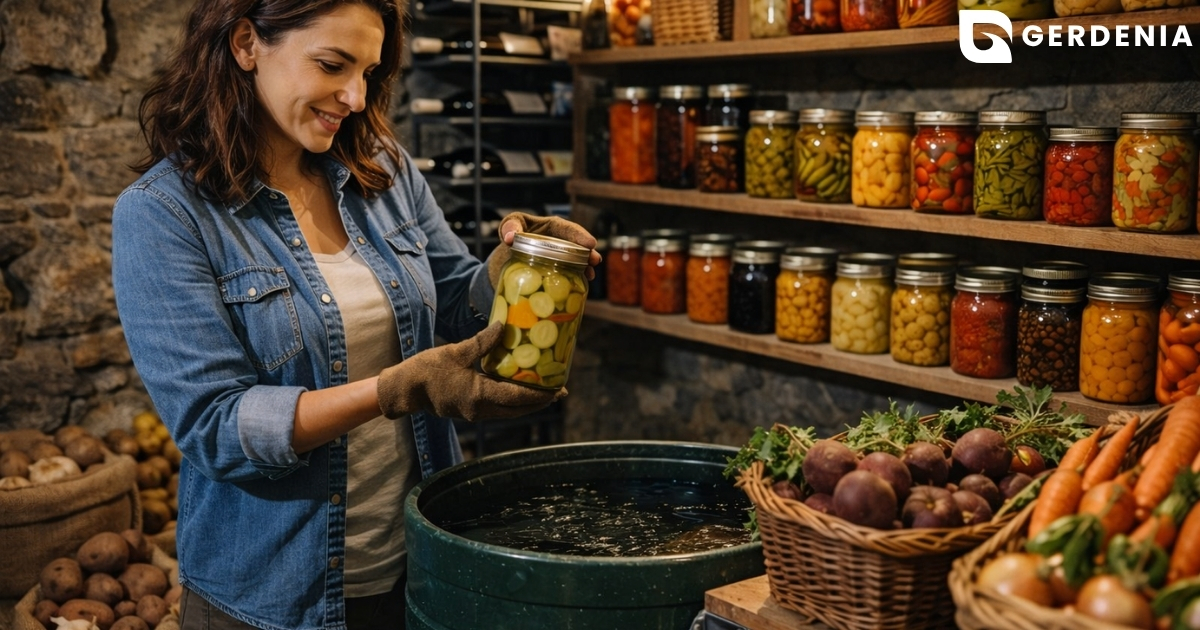
Canning is an essential skill for preserving the harvest and ensuring food security throughout the year. It involves sealing food in jars to prevent spoilage and extend shelf life. Understanding the science behind canning is crucial to ensure food safety.
Starting with High-Acid Foods
Start with high-acid foods such as tomatoes and pickles, which are safer for beginners. These foods require less processing time and can be preserved using a water bath canner. Acidic environments help inhibit bacterial growth, making them ideal for novice canners.
Following Safe Canning Practices
Invest in a canning kit, which includes jars, lids, and a water bath canner. Follow tested recipes and guidelines to ensure safety and quality. Accurate measurements and processing times are vital to prevent spoilage and ensure the safety of your preserved goods.
Making Natural Cleaning Products
Benefits of Homemade Cleaners
Reduce your reliance on commercial cleaning products by crafting natural alternatives. Homemade cleaners are free from harsh chemicals and toxins, making them safer for your family and the environment. They are also cost-effective and customizable.
Creating Basic Cleaning Solutions
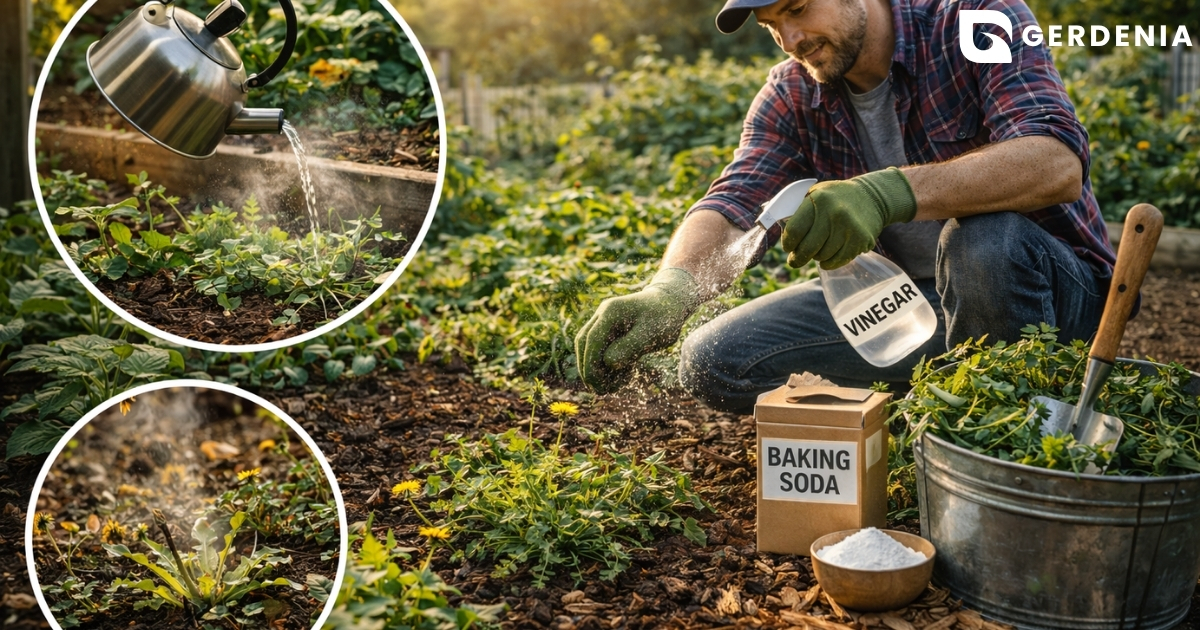
Basic ingredients like vinegar, baking soda, and lemon juice are effective for various cleaning tasks. Vinegar is a natural disinfectant, while baking soda acts as a gentle abrasive. Mix them in different combinations to tackle a range of cleaning challenges.
Enhancing with Essential Oils
Experiment with essential oils for added fragrance and antibacterial properties. Oils like tea tree, lavender, and lemon have natural antimicrobial properties. Adding a few drops to your cleaning solutions can boost their effectiveness and leave a pleasant scent.
Setting Up a Beekeeping Operation
Preparing for Beekeeping
Beekeeping is an advanced project that yields sweet rewards in the form of honey and beeswax. Before beginning, educate yourself on local regulations and necessary equipment. Understanding bee behavior and hive management is crucial for success.
Starting with a Few Hives
Start with a few hives and gradually expand as you gain experience. Choose a suitable location that offers protection from strong winds and direct exposure to harsh weather. Bees need a water source nearby and access to diverse floral resources.
Regular Monitoring and Maintenance
Beekeeping requires regular monitoring and maintenance, but it plays a crucial role in pollination and ecosystem health. Inspect hives for signs of disease or pests and manage the hive population to prevent swarming. Harvest honey sustainably, leaving enough for the bees to thrive.
Conclusion
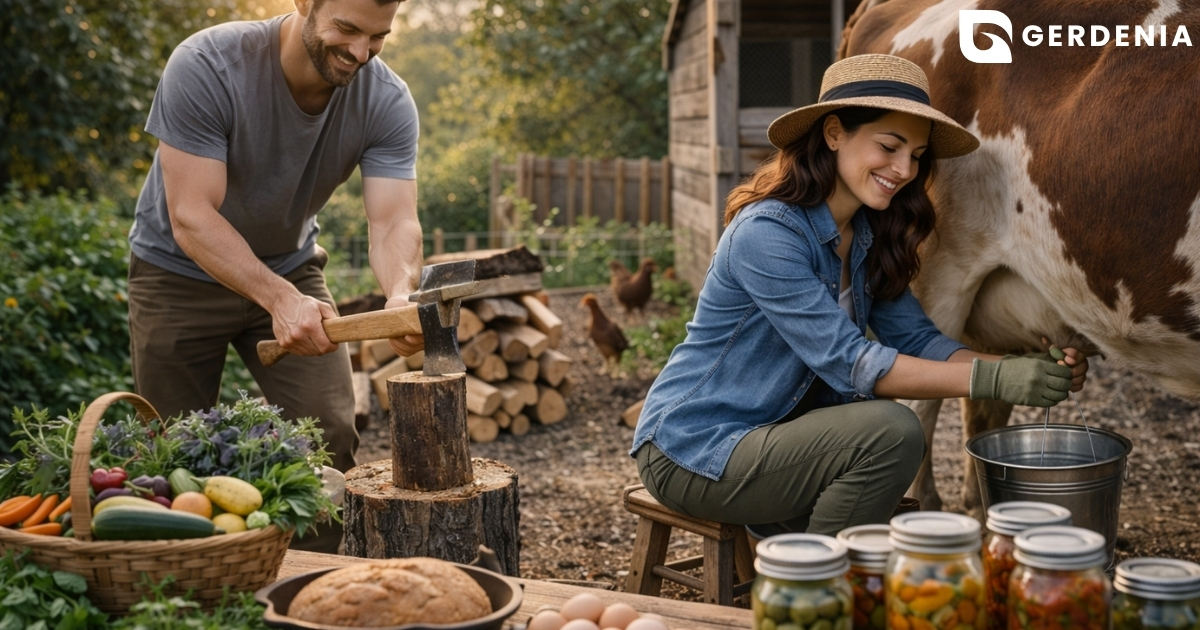
Embarking on these beginner homesteading projects will provide a solid foundation for your journey toward self-sufficiency. By mastering these homestead basics, you’ll gain confidence, develop valuable skills, and create a sustainable lifestyle. Whether you’re interested in how to become a homesteader or seeking homesteading help, these projects serve as a comprehensive homestead guide for beginners.
Remember that the key to successful homesteading lies in continuous learning and adaptation. As you progress, you’ll discover new challenges and opportunities, each contributing to the vibrant tapestry of your homestead. Embrace the journey, and may your homesteading endeavors be fruitful and fulfilling. Keep an open mind, seek out resources, and connect with fellow homesteaders to share experiences and tips. Your homestead will be a reflection of your hard work, creativity, and passion for a self-sufficient lifestyle.