We’ve all been there: you buy beautiful flower boxes and planters, fill them with vibrant petunias, and two weeks later, everything is mysteriously wilted. In practice, most beginners blame a “black thumb” for these heartbreaking losses, completely unaware that the container itself is often the true culprit. Every planter acts as a living home, directly dictating whether delicate roots can properly breathe or if they are silently suffocating.
Selecting durable flower boxes requires looking beyond basic aesthetics to understand long-term material value. According to standard nursery guidance, a cheap plastic tub might easily survive a decade, while expensive but untreated wooden landscape boxes can rot in two seasons. Properly matching materials to your environment ultimately guarantees your plants actually thrive.
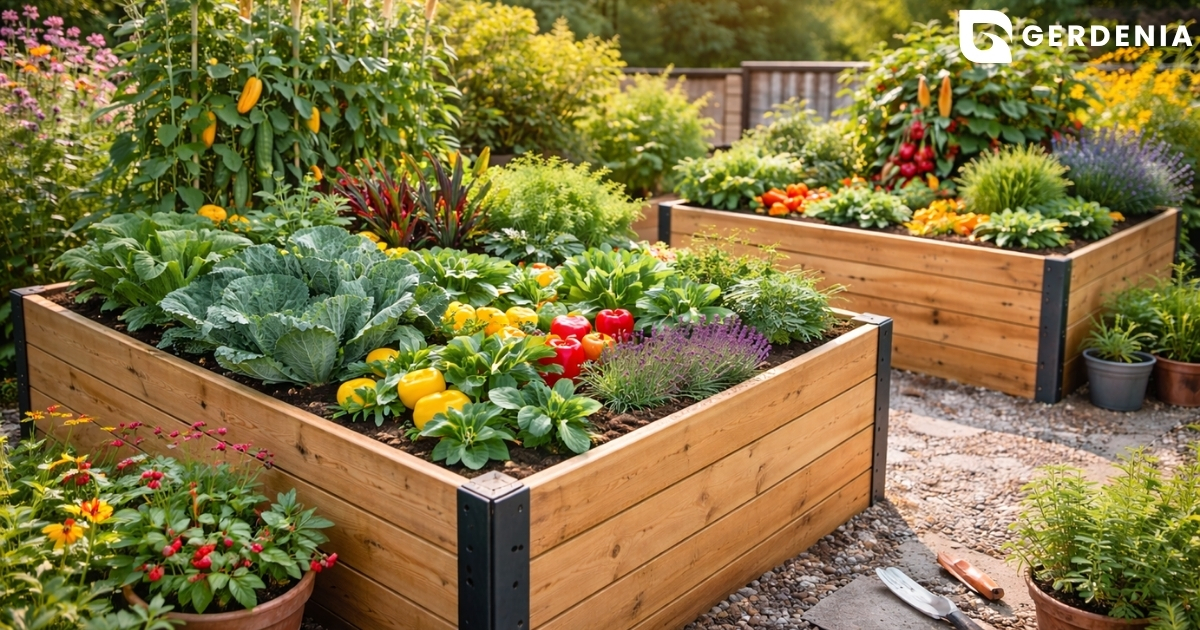
Wooden Flower Boxes: Choosing Cedar to Fight Rot and Keep Roots Breathing
There is a reason wood remains a top choice for a long planter box outdoor. Unlike metal, wood is naturally porous and breathes like a cotton shirt. This breathability provides essential aeration, allowing oxygen to reach the roots so they don’t suffocate in damp soil. Wood also acts as fantastic insulation, keeping delicate roots cool instead of baking in the afternoon sun.
Picking the right timber makes all the difference for survival. If you are researching how to build a cedar window box, you are on the right track. Cedar and redwood contain natural oils called tannins. These oils act as built-in weatherproofing, providing heavy-duty rot-resistance and repelling insects without needing artificial help. When planning your next backyard flower box, keep this comparison in mind:
- Cedar and Redwood: Naturally durable, beautiful, and completely safe for growing edible herbs.
- Pressure-Treated Pine: Cheaper upfront, but packed with harsh chemical preservatives that are risky near food gardens.
While wood offers incredible natural benefits, it will eventually weather over time. If seasonal maintenance sounds too demanding, lightweight plastic and composite boxes provide a durable, set-and-forget alternative.
Why Lightweight Plastic and Composite Boxes Outlast Traditional Containers
Modern materials have transformed container gardening, offering a truly low-maintenance experience. While cheap planter boxes often shatter after one summer, modern weather-resistant composite window box options blend wood fibers with advanced resins to become practically indestructible. Because these synthetics act like a raincoat holding moisture in, they are perfect for thirsty plants that normally wilt on hot afternoons.
Surviving harsh outdoor elements requires specific manufacturing upgrades. Always look for containers with built-in “UV-stabilizers.” These act like sunscreen for the material, preventing the sun from making the plastic brittle. Many premium designs also feature double-walled insulation. Just like your favorite travel mug, this trapped layer of air protects delicate roots by keeping them cool in July heat.
This fantastic moisture retention means you must ensure proper bottom drainage, as water cannot easily evaporate through solid sides. The choice between plastic and terracotta containers for outdoor use comes down to whether your plants prefer staying damp. If your specific flowers need their soil to breathe heavily and shed excess water naturally, earth-based materials might be a safer fit.

Terracotta vs. Concrete: Balancing Soil Moisture Through Natural Porosity
While plastics lock water in, earth-based materials act more like breathable cotton. Terracotta and concrete feature natural “porosity”—tiny holes that allow air in and draw moisture out. This wicking action is a built-in safety net against overwatering. If you tend to be a heavy waterer, a classic terracotta elevated plant pot pulls excess moisture right through its walls, keeping delicate roots healthy rather than waterlogged.
Heavyweight materials are also your best defense on a windy patio. Large outdoor planter boxes made of solid concrete won’t blow over in a storm. Furthermore, their heavy “thermal mass” slowly absorbs daytime sun and releases it gently at night, protecting roots from sudden temperature shocks. Consider these simple pairings:
- Terracotta: Perfect for drought-loving succulents and Mediterranean herbs that hate wet feet.
- Concrete: Ideal for top-heavy shrubs or tall ornamental grasses needing a rock-solid base.
Investing in these earth-based box planters sacrifices easy mobility for incredible natural moisture control. However, not all rigid containers insulate your plants so effectively. If you prefer sleek industrial designs, you must prepare for entirely different weather challenges.
The ‘Hot Slide’ Effect: Managing Heat and Rust in Metal Flower Bins
Sleek metal flower bins offer a modern look, but they bring a hidden danger: thermal conduction. Think of a metal playground slide on a hot afternoon; your plant’s roots feel that exact same heat inside an unlined metal container. Placed in full-day southern sun, a metal large planter box easily bakes the soil, causing fatal root scorching. The secret is insulation. Slipping a standard plastic pot inside the metal shell keeps delicate roots comfortably cool while preserving your stylish aesthetic.
Beyond heat, outdoor moisture brings the threat of patio-ruining rust stains. Always choose a flower box planter protected by galvanization—a special zinc coating—or a durable powder-coated finish to block corrosion. Yet, even with insulated walls and rust-proof exteriors, your container is only as good as its internal setup. Regardless of the exterior material, plants will inevitably drown if excess water cannot escape. Preventing that soggy fate requires looking beneath the surface to master the flow of moisture.

The 1-Inch Rule: Preventing Root Rot with Optimal Drainage and Potting Mix
Protecting plants from a soggy demise starts inside the box. Choosing the right potting mix for container plants is crucial because heavy backyard dirt acts like a dense sponge. It traps a hidden pool of moisture at the bottom of your planter that easily causes fatal water-logging. Instead, use a “fluffy” commercial mix designed for aeration. Water must flow through the soil like coffee through a filter to help prevent root rot in container gardens.
Fluffy soil still needs a reliable exit route. Proper drainage hole placement for optimal plant health means applying the basic “1-hole per 6-inches” rule for all long planter boxes. Follow these steps for checking and adding drainage holes:
- Inspect the inside bottom for pre-drilled holes.
- Drill a half-inch hole every six inches if they are missing.
- Keep these holes unblocked so excess water freely escapes.
What if you occasionally forget to water? The self-watering reservoir benefits for busy gardeners effortlessly solve this problem. These built-in tanks store moisture safely below the roots, pulling it up only when the soil dries out. Mastering these internal mechanics ensures your roots stay healthy, setting a reliable foundation for your container garden.

Your 5-Minute Planter Selection Checklist: Matching Material to Your Home’s Microclimate
You now know how to match your unique microclimate to the perfect outdoor flower box. If you have a windy balcony, heavy concrete is ideal. Planning flower boxes for porch displays in full sun? Breathable cedar naturally protects delicate roots. For the highest success rates, begin your journey with a versatile cedar or high-grade plastic box.
Pairing the right material with your environment creates the ideal home for your plants. Combine your well-chosen planter with proper drainage and a quick seasonal cleaning routine to extend its lifespan and enjoy vibrant, healthy flowers all season long.