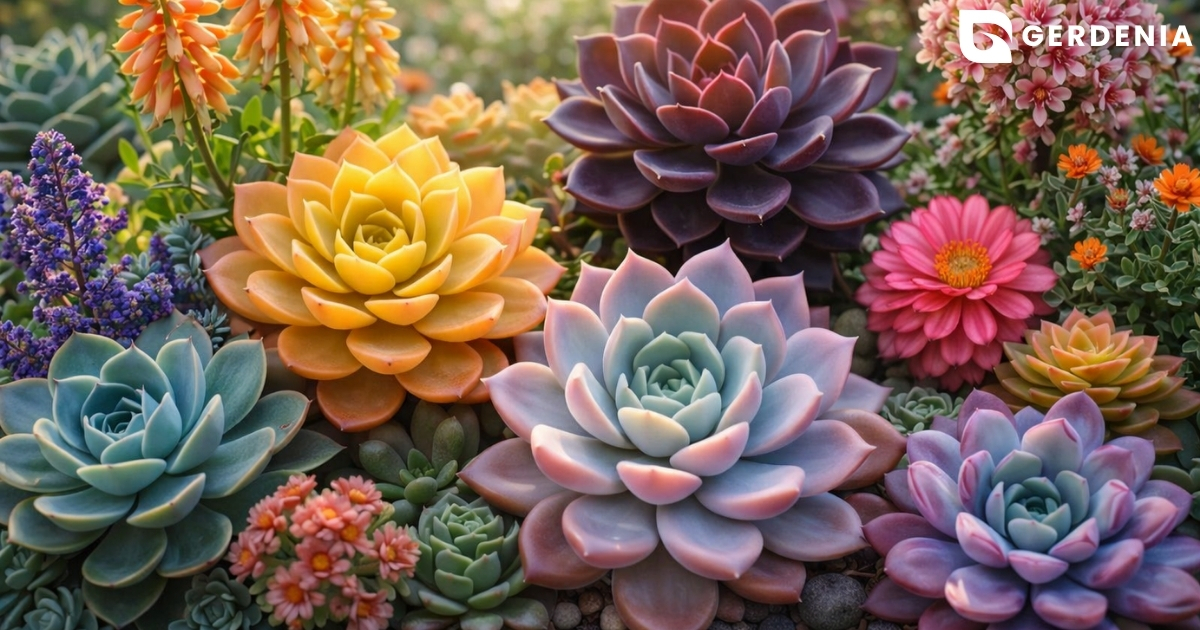
We’ve been told these plants are “unkillable,” yet nursery industry data reveals that most of us have watched a favorite aloe turn into a mushy puddle within weeks. Mastering the care of a succulent rarely involves having a magical green thumb. Instead, it requires realizing that these thick-leaved beauties are wildly different from standard tropical houseplants.
Think of a damp towel left sitting in a windowless bathroom. Normal indoor flora love that constant, mild moisture, but learning how to care for succulent plant varieties means treating their roots like tiny straws that easily drown. According to basic plant science, these rugged survivors evolved to hoard water during rare rainstorms and then endure long stretches of total dryness.
The true secret to keeping them alive is simply unlearning your standard maintenance routines. Your core goal relies on a practical concept called “desert mimicry”—recreating a bright, intensely dry environment right inside your living room. By swapping constant daily attention for calculated neglect, you will finally stop fighting your plant’s natural instincts.
The “Hand-Shadow” Rule for Finding Perfect Indoor Lighting
If your succulent is stretching toward the window like it is reaching for a lifeline, it is trying to tell you something about its environment. Meeting your indoor succulent lighting requirements is the single most important step for keeping these desert natives compact and colorful. We often overestimate how much actual sun reaches our favorite living room tables or bathroom shelves.
To figure out if your spot is bright enough, try the “hand-shadow” test around midday. Hold your hand about a foot above the exact place where your plant sits and look at the shadow it casts on the surface below. If you see a crisp, sharply defined silhouette of your hand, the light is excellent; if the shadow is faint or blurry, the spot is too dark.
Ignoring a blurry shadow leads directly to a condition called etiolation, which is simply the plant’s desperate attempt to grow taller to find more sun. The most obvious signs of succulent etiolation include a pale stem, wide gaps between the leaves, and a heavy top that flops over. Once a plant stretches out, those lower stems will never shrink back down to their original compact shape.
A bright southern or eastern window is usually your best bet to prevent this stretching, though you might consider specific low light succulent varieties for home environments if your space is naturally dim. Once you have solved the lighting puzzle and found that perfect sunny windowsill, your next challenge is mastering the watering routine. This natural cycle explains why your plant prefers a “monsoon” over a “sip” through the drought and deluge method.

Why Your Plant Prefers a “Monsoon” Over a “Sip”: The Drought and Deluge Method
Giving a desert plant a tiny splash of water every day is a guaranteed recipe for mush. When learning how to care for succulent plant collections, you must mimic nature instead. Wild succulents survive long dry spells interrupted by massive rainstorms. To recreate this, use the “Drought and Deluge” method. Wait until the soil is completely dry, then soak the pot until water pours out the bottom. After this “monsoon,” ignore the plant until the drought returns.
How can you tell if the drought has lasted long enough? Instead of guessing on a calendar, gently squeeze a lower leaf. Since succulents store water in their foliage, a hydrated leaf feels plump like a firm grape. If it feels hard, skip the watering. If the leaf feels soft, wrinkled, or bends easily like a deflated balloon, your plant is finally ready for a soak.
A plant’s thirst also shifts dramatically as the year progresses. Adjusting your watering frequency by season prevents rot during dormancy—your plant’s natural winter nap. Use this basic seasonal baseline:
- Summer: Water every 1 to 2 weeks during peak heat and growth.
- Fall and Spring: Water every 2 to 3 weeks as temperatures moderate.
- Winter: Water just once every 4 to 6 weeks while the plant sleeps.
Flooding your pot is only safe if the excess moisture escapes immediately. If roots sit in soggy conditions for days, they simply drown. This is exactly why “fast-drying dirt” and terracotta are essential to save roots from drowning.
Why “Fast-Drying Dirt” and Terracotta Save Roots from Drowning
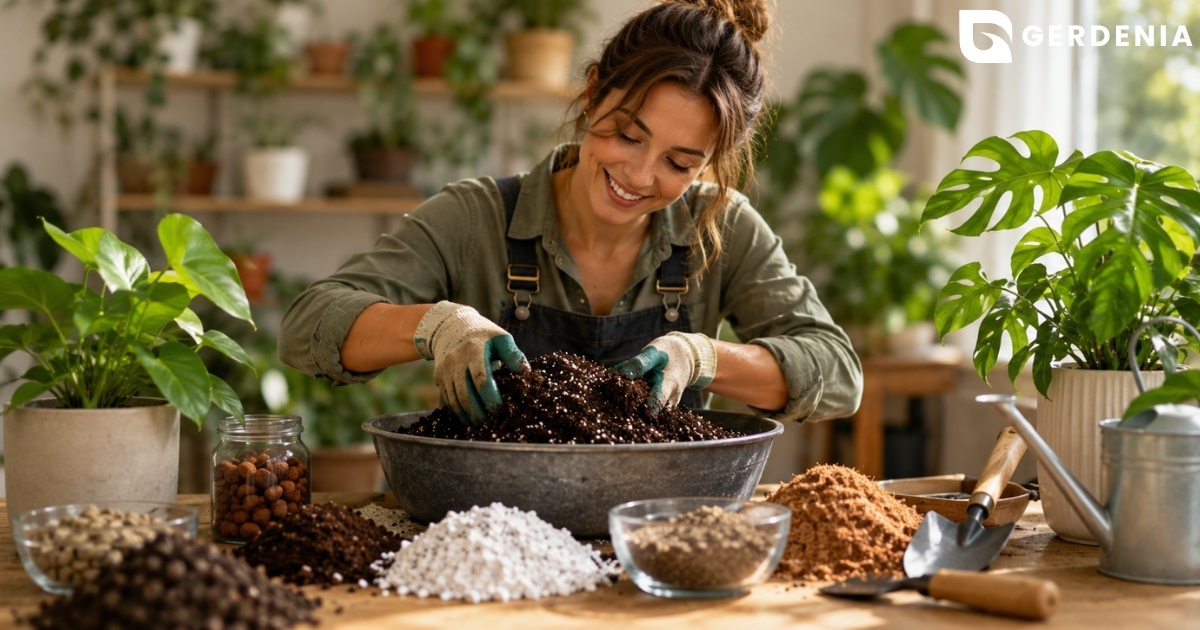
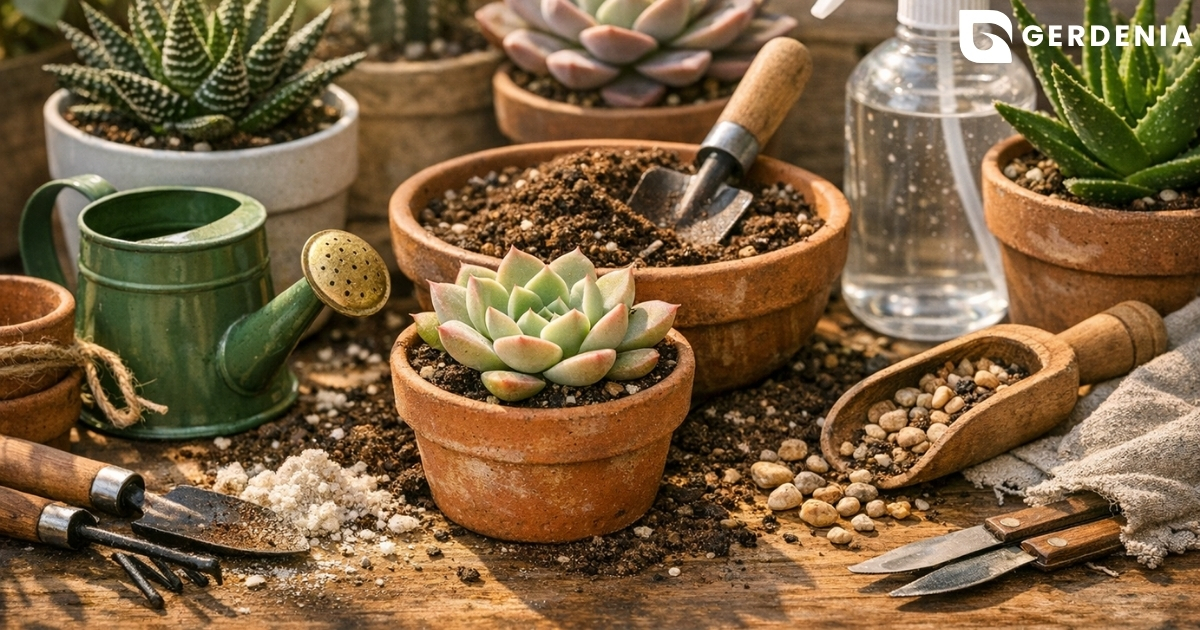
Think of regular potting soil like a dense kitchen sponge. It holds onto every drop of moisture for days. Putting a desert plant in standard dirt is like leaving a wet towel in a windowless bathroom, creating an environment that simply never dries out. Instead, you need the best soil mix for succulents, which is specifically designed to let water rush right through.
Beneath the surface, roots do not just drink; they need to breathe. Creating chunky “air pockets” is the secret to preventing root rot in desert plants. If dirt is tightly packed and soaked, those pockets vanish and the roots literally drown. Mixing standard potting soil with gritty materials like perlite creates a loose environment where excess water drains away instantly.
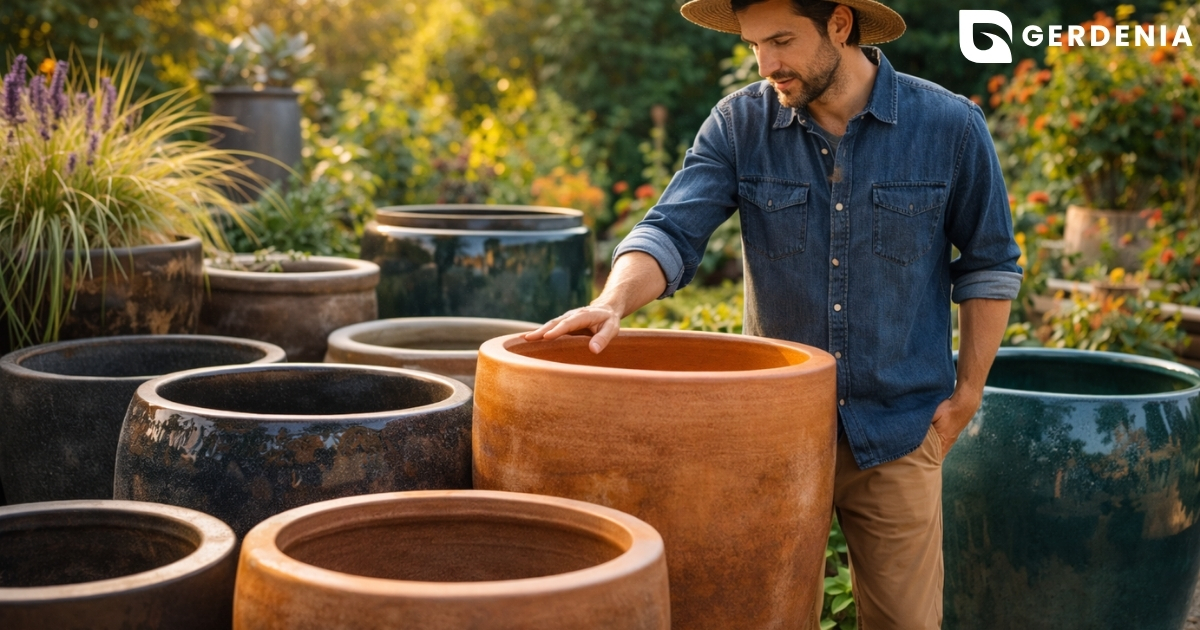
Your container’s material is just as critical for survival. When evaluating terracotta vs plastic pots for drainage, the difference comes down to wicking. Unglazed terracotta breathes, actively pulling moisture out of the dirt and evaporating it into the room. Plastic pots lock that dampness inside, forcing water to escape entirely through the bottom hole.
Combining a breathable clay pot with fast-drying soil creates the ultimate safety net against accidental overwatering. Even with this perfect foundation, mistakes occasionally happen. Translating your plant’s warning signs helps you identify whether your succulent is mushy or crispy before irreversible damage occurs.
Is it Mushy or Crispy? Translating Your Plant’s Warning Signs
Learning how to identify overwatered succulents requires checking the lower leaves. When roots drown, leaves turn yellow, look see-through, and feel squishy. Conversely, a truly thirsty plant has dry, crispy, paper-like edges. Stop watering immediately if you notice mushy, translucent leaves.
Bugs can also cause warping, even with a perfect watering routine. The most common invaders look like tiny, sticky cotton puffs hiding near the stem. Effective mealybug treatment for indoor plants does not require harsh chemicals. Just wipe those fluffy spots away using a cotton swab dipped in standard rubbing alcohol, which removes pests without hurting thick leaves.
Sometimes a struggling plant is simply out of space. If roots circle the container tightly or poke through the drainage hole, your dirt cannot absorb moisture properly. Safely repotting root bound succulents means picking a new pot just one inch wider. Gently loosen the tangled roots with your fingers before adding fresh dirt, giving them room to stretch safely.
Fixing these everyday issues reveals the amazing resilience of desert plants. Even if rot ruins the bottom stem, healthy fallen pieces can sprout entirely new roots. You can easily multiply your collection for free by relying on the magic of leaf propagation.

From One Leaf to Ten: The Magic of Leaf Propagation
Accidentally bumping a Jade plant and knocking off a healthy leaf does not mean it belongs in the trash. That fallen piece holds a blueprint to create an entirely new plant, relying on natural survival instincts rather than expensive equipment.
Successfully propagating succulents from leaf cuttings requires four simple steps:
- Clean Break: Wiggle the leaf side-to-side until it snaps cleanly from the main stem.
- Callousing: Let the piece sit on a dry counter for three days to form a protective “scab” over the wound.
- Dry Bed: Lay the healed leaf flat on top of your fast-drying soil without burying it.
- Sprouting: Once tiny pink roots finally emerge, begin lightly misting the dirt.
It is thrilling to watch these miniature clones grow, but you must resist rushing their progress. Because they extract all necessary nutrients directly from the mother leaf, adding liquid fertilizer for succulent growth will just burn their delicate roots. Eventually, the original leaf shrivels away, leaving an independent baby plant behind. As these tiny survivors mature, they will experience the same seasonal shifts as your larger pots, which requires navigating their winter dormancy.

Navigating the “Winter Nap”: How to Handle Dormancy
As daylight fades in autumn, your plants sense the seasonal shift just as we do. Instead of growing, most varieties enter a “winter nap” called dormancy. This dormancy period for desert flora lets them pause and conserve energy until spring returns. Because they are resting, their daily needs drop dramatically.
Adjusting your watering routine is the most critical step when wintering succulents indoors. Think of how you need less water while sleeping than when exercising; your plant is exactly the same. Giving them regular heavy soakings right now leaves roots drowning in wet dirt. To prevent winter rot, completely ignore the calendar and wait until the leaves actually feel slightly soft before offering a drink.
Household chills pose a hidden threat during these colder months. The best temperature for succulent health stays between 60 and 70 degrees, so you should pull your pots a few inches away from freezing windows and drafty entryways. With this quiet season mastered, you are ready to build a reliable year-round routine.
Your 30-Day Success Plan for a Thriving Succulent
Now that you understand their true environment, learning how to care for succulent plant companions is no longer a guessing game. Spend your first 30 days practicing a simple three-step routine to build your confidence. First, find a bright windowsill where your plant casts a crisp hand-shadow. Next, wait for the soil to dry entirely before giving it a heavy, monsoon-like soaking. Finally, set a monthly health check on your calendar to track the plant’s progress and adjust as needed.
Successfully caring for succulents is about unlearning old houseplant habits and adopting a mindful approach. If you have accidentally lost these resilient plants before, let this new understanding be your fresh start. As you stick to this monitoring schedule, translating visual signals will become second nature. When those vibrant leaves plump up and feel perfectly hydrated, you will know your patient guidance has succeeded.