Hydroponic farming stands as a beacon of innovation in modern agriculture, offering a sustainable and efficient method for cultivating plants without soil. By leveraging nutrient-rich water solutions, hydroponic systems provide an environment where plants can thrive with less water and space than traditional farming methods. This article explores the intricacies of hydroponic farming, detailing its techniques and best practices, and defining the term for those new to the concept.

Hydroponic farming is the practice of growing plants in a water-based, nutrient-rich solution instead of soil. This method allows for precise control over the plant’s nutritional intake and environmental conditions, leading to potentially higher yields and faster growth cycles compared to conventional agriculture. By decoupling plant cultivation from traditional soil requirements, hydroponic farming offers a viable solution for urban environments and areas with poor soil quality.
Defining Hydroponic Farming
At its core, hydroponic farming involves the submersion of plant roots in a nutrient-laden liquid medium. This method allows plants to absorb essential nutrients more directly and efficiently than through soil. The hydroponic system can be set up indoors or outdoors, making it versatile and adaptable to various geographic and climatic conditions.
Nutrient Solution Dynamics
The nutrient solution in hydroponics is carefully balanced to ensure optimal plant growth. This solution contains essential macro and micronutrients like nitrogen, phosphorus, potassium, calcium, and magnesium. The precision in nutrient delivery is unmatched by traditional soil farming, allowing for tailored nutrient profiles depending on the plant species and growth stage.
Environmental Control
Hydroponic systems are designed to offer complete control over the growing environment. Factors such as temperature, humidity, and light exposure are meticulously regulated to create ideal conditions. This level of control reduces the risk of external variables affecting plant health, leading to more consistent and reliable yields.
Urban and Arid Applications
Hydroponic farming shines in urban and arid regions where traditional farming is less feasible. The technology enables agriculture in areas with limited access to arable land or water. Rooftop gardens and indoor farms in cities are becoming increasingly popular, demonstrating hydroponics’ adaptability and potential in non-traditional settings.
Types of Hydroponic Farming Systems
The diversity of hydroponic systems allows for flexibility in application, depending on the crop being grown, available space, and resources. Here are some of the most common types:
Nutrient Film Technique (NFT)

The Nutrient Film Technique involves a shallow stream of nutrient-rich water continuously flowing over the roots of plants housed in channels. This constant flow ensures that plants receive a steady supply of nutrients while allowing oxygen access to the roots, promoting healthy growth.
System Design and Components
The NFT system consists of a series of channels where plants are placed, with a nutrient solution pumped from a reservoir. The thin film of nutrient solution ensures minimal water usage while maintaining nutrient availability. A slight slope in the channels ensures the nutrient solution flows back into the reservoir, creating a closed-loop system.
Suitable Crops
NFT systems are particularly suited for leafy greens and herbs due to their shallow root systems. Crops like lettuce, basil, and spinach thrive in this environment, benefiting from the continuous nutrient supply and optimal oxygen levels.
Maintenance and Monitoring
Regular monitoring of the nutrient solution’s flow rate and nutrient concentration is crucial in NFT systems. Blockages in channels or pumps can lead to nutrient deficiencies, so maintaining the system’s integrity is paramount for successful crop production.
Deep Water Culture (DWC)
In Deep Water Culture systems, plant roots are suspended in a nutrient solution with an air pump supplying oxygen. This method is particularly effective for fast-growing, water-hungry plants like lettuce and herbs. The continuous immersion in nutrient solution promotes rapid growth and robust yields.
System Setup and Aeration
DWC systems involve suspending plant roots in large containers filled with nutrient solution. An air pump and air stone are used to oxygenate the solution, preventing root rot and promoting healthy growth. The simplicity of DWC makes it accessible to beginners, while its effectiveness keeps it popular among experienced growers.
Crop Compatibility
DWC is ideal for a variety of crops, including leafy greens, tomatoes, and peppers. The abundant availability of water and nutrients supports vigorous plant growth, making it a favorite for those seeking high yields in a short time.
Challenges and Solutions
While DWC systems are effective, they require careful management of water temperature and nutrient levels. Too warm a solution can lead to root diseases, while imbalances in nutrients can stunt growth. Regular checks and adjustments ensure optimal conditions are maintained.
Aeroponics
Aeroponics is a sophisticated hydroponic method where plant roots are suspended in air and intermittently misted with a nutrient solution. This system maximizes oxygen exposure to the roots, potentially leading to even more accelerated growth rates than other hydroponic methods.
System Architecture
In an aeroponic setup, plants are anchored above a misting chamber where roots hang freely. A timer regulates the misting system, delivering nutrient solution at regular intervals. This design ensures maximum oxygen exposure while providing essential nutrients.
Advantages Over Other Systems
Aeroponics offers several advantages, including faster growth rates and reduced water usage. The high oxygen availability promotes rapid nutrient uptake, resulting in healthier and more robust plants. The system’s design also minimizes water and nutrient waste.
Potential Drawbacks
Despite its benefits, aeroponics requires precise control and maintenance. The misting system can be prone to blockages, and any interruptions can quickly impact plant health. Nevertheless, the potential for high yields makes it a compelling choice for advanced growers.
Drip System
A drip system delivers nutrient solution to the base of each plant through a network of tubes and emitters. This approach allows for precise nutrient delivery and water conservation, making it a popular choice for commercial hydroponic operations.
System Components and Operation
The drip system consists of a reservoir, pump, and a network of tubes delivering the nutrient solution directly to plant roots. Emitters regulate the flow, ensuring each plant receives the necessary nutrients. This precise control reduces waste and maximizes efficiency.
Versatility and Crop Range
Drip systems are versatile and suitable for a wide range of crops, including fruiting plants like tomatoes and cucumbers. The ability to adjust nutrient delivery makes them ideal for both small-scale and commercial operations.
Maintenance and Efficiency
Regular maintenance of the drip emitters and tubes is essential to prevent clogging and ensure consistent nutrient delivery. The system’s efficiency in water use and nutrient delivery contributes to its popularity among hydroponic farmers.
Advantages of Hydroponic Farming
Hydroponic farming presents numerous benefits over traditional agricultural practices:
Water Efficiency
Hydroponic systems use up to 90% less water than soil-based farming. The closed-loop nature of many hydroponic systems recycles water, minimizing waste and conserving a vital resource.
Recycling and Conservation Techniques
In hydroponics, water recycling is a key feature. The system captures and reuses water, significantly reducing overall consumption. This makes hydroponics particularly advantageous in water-scarce regions, contributing to global water conservation efforts.
Comparison to Traditional Farming
Compared to traditional farming, hydroponics drastically reduces water usage. In soil-based farming, a large portion of water is lost through evaporation and runoff, whereas hydroponics retains and reuses water efficiently.
Impact on Sustainability
The water efficiency of hydroponic systems supports sustainable agriculture by reducing the environmental impact of farming practices. As global water scarcity becomes a pressing issue, hydroponics offers a viable solution to mitigate resource depletion.
Space Optimization
By eliminating the need for soil, hydroponics allows for vertical farming setups that can maximize space utilization. This is particularly advantageous in urban environments where space is at a premium.
Vertical Farming Innovations
Vertical farming in hydroponics involves stacking layers of crops in a controlled environment. This method maximizes yield per square foot and is ideal for urban settings where space is limited. The ability to grow upwards rather than outwards revolutionizes urban agriculture.
Urban Agriculture Applications
In cities, hydroponic systems can be integrated into existing structures, such as rooftops and unused indoor spaces. This integration not only maximizes space but also contributes to urban greening and local food production.
Economic and Environmental Benefits
Space optimization in hydroponics leads to economic benefits by increasing crop yields on smaller plots. Environmentally, it reduces the need for land clearing, preserving natural habitats and promoting biodiversity.
Faster Growth Rates
Plants grown hydroponically can mature up to 25% faster than those grown in soil, due to the direct access to nutrients and optimal growing conditions.
Nutrient Availability and Uptake
The direct nutrient availability in hydroponics eliminates the time plants spend searching for nutrients in soil. This acceleration in nutrient uptake translates to faster growth cycles and quicker harvests, enhancing productivity.
Controlled Environment Advantages
The controlled environment in hydroponics ensures that plants receive optimal light, temperature, and humidity levels. This precision creates ideal conditions for growth, reducing stress on plants and promoting rapid development.
Implications for Food Supply
Faster growth rates in hydroponics have significant implications for food supply, allowing for more frequent harvests and consistent production. This reliability is crucial in meeting the demands of a growing global population.
Reduced Pest and Disease Pressure
Growing plants in a controlled environment reduces exposure to soil-borne pests and diseases, minimizing the need for chemical pesticides and promoting organic farming practices.
Pest Management Strategies
Hydroponic systems inherently reduce pest pressure by eliminating soil, a common habitat for many pests. Integrated Pest Management (IPM) strategies can be employed to address any remaining threats, focusing on prevention and minimal pesticide use.
Disease Prevention and Control
The absence of soil in hydroponics significantly lowers the risk of soil-borne diseases. Regular system cleaning and maintenance further prevent disease outbreaks, supporting healthy plant growth and reducing the need for chemical treatments.
Benefits for Organic Farming
The reduced reliance on pesticides and herbicides in hydroponics aligns with organic farming principles. This approach not only benefits the environment but also caters to the increasing consumer demand for organic produce.
Best Practices for Hydroponic Farming
To maximize the benefits of hydroponic farming, adherence to best practices is essential:
Selecting the Right System
Choose a hydroponic system that suits your crop type, space constraints, and budget. Each system has its strengths and weaknesses, and selecting the right one is crucial for success.
Evaluating System Requirements
When selecting a hydroponic system, consider factors such as the types of crops you wish to grow, available space, and financial investment. Each system, from NFT to aeroponics, offers unique advantages that cater to different farming goals and scales.
Balancing Cost and Efficiency
Weighing the cost against the potential benefits of each system is crucial. While some setups may require a higher initial investment, their efficiency and productivity can lead to greater long-term savings and returns.
Customization and Scalability
Customization options allow hydroponic systems to be tailored to specific needs, whether for small-scale personal use or large commercial operations. Scalability is an important consideration, ensuring that the system can grow alongside your farming ambitions.
Monitoring and Adjusting Nutrient Solutions
Regular monitoring of the nutrient solution’s pH and electrical conductivity (EC) is vital to ensure optimal nutrient uptake by plants. Adjustments should be made as needed to maintain the balance.
Importance of pH and EC Levels
pH and EC levels are critical in determining nutrient availability and plant health. Regular testing ensures that these parameters remain within optimal ranges, facilitating efficient nutrient uptake and preventing deficiencies or toxicities.
Tools and Techniques for Monitoring
Advanced tools and sensors are available to monitor nutrient solution parameters in real-time. These technologies allow for immediate adjustments, ensuring that plants consistently receive the nutrients they need for healthy growth.
Addressing Nutrient Imbalances
Identifying and correcting nutrient imbalances promptly is essential to maintaining plant health. Imbalances can manifest as stunted growth or discolored leaves, and addressing these issues quickly prevents long-term damage to crops.
Ensuring Adequate Light and Temperature
Indoor hydroponic farms require artificial lighting to mimic natural sunlight. LED grow lights are energy-efficient options that provide the necessary light spectrum for plant growth. Additionally, maintaining a stable temperature range is crucial for plant health.
Role of Artificial Lighting
Artificial lighting is a cornerstone of indoor hydroponics, providing the energy plants need for photosynthesis. LED grow lights are favored for their efficiency and ability to deliver the full spectrum of light necessary for different stages of plant growth.
Temperature Regulation Strategies
Temperature control is vital in hydroponic systems to prevent stress on plants. Heating or cooling systems may be required to maintain optimal temperatures, depending on the crop and geographic location, ensuring a consistent growing environment.
Balancing Light and Heat
The relationship between light and heat must be carefully managed to avoid overheating plants, which can lead to wilting or nutrient deficiencies. Proper ventilation and light placement can mitigate these risks and optimize growing conditions.
Managing Plant Diseases

by Ashita Mata (https://unsplash.com/@mataashita)
Although hydroponic systems reduce soil-borne diseases, plants are still susceptible to airborne pathogens. Implementing integrated pest management (IPM) strategies and maintaining hygiene can prevent disease outbreaks.
Early Detection and Prevention
Early detection of plant diseases is crucial in minimizing impact. Regular inspections and monitoring for signs of disease allow for swift intervention, preventing the spread and ensuring the health of the entire crop.
Hygiene Practices in Hydroponics
Maintaining cleanliness in hydroponic systems is vital to prevent disease. Regular sterilization of equipment and monitoring for pathogen presence are necessary to sustain a healthy growing environment and reduce the risk of contamination.
Integrated Pest Management (IPM) Techniques
IPM in hydroponics involves a combination of biological, cultural, and mechanical controls to manage pests. This approach focuses on prevention and minimizing chemical use, supporting sustainable and environmentally friendly farming practices.
Challenges in Hydroponic Farming
Despite its advantages, hydroponic farming is not without challenges:
Initial Setup Costs
The initial investment for hydroponic systems can be high, particularly for sophisticated systems like aeroponics. However, the long-term savings in water and space can offset these costs.
Cost-Benefit Analysis
A thorough cost-benefit analysis helps determine the feasibility of investing in hydroponics. While initial costs can be prohibitive, the potential for high yields and savings on resources like water and pesticides must be considered.
Funding and Support Opportunities
Various funding options and government incentives are available to support hydroponic ventures. Exploring grants, loans, and subsidies can ease the financial burden of setup costs and encourage innovation in sustainable agriculture.
Long-Term Financial Planning
Long-term financial planning is essential in hydroponics to ensure sustainability and profitability. Forecasting operational costs and potential revenue can guide investment decisions and optimize financial outcomes.
Technical Expertise
Successful hydroponic farming requires a certain level of technical knowledge and monitoring. Understanding plant nutrient needs, system maintenance, and troubleshooting are essential skills for hydroponic farmers.
Training and Education
Access to training and educational resources is crucial for aspiring hydroponic farmers. Workshops, online courses, and mentorship programs provide valuable knowledge and skills necessary to master the complexities of hydroponic systems.
Troubleshooting and Problem Solving
Developing problem-solving skills is vital for addressing issues that arise in hydroponic farming. Whether dealing with nutrient imbalances or system malfunctions, the ability to troubleshoot effectively ensures the continued success of the operation.
Community and Knowledge Sharing
Engaging with the hydroponic community fosters knowledge sharing and innovation. Online forums, social media groups, and local meetups provide platforms for exchanging ideas and solutions, enhancing the collective understanding of hydroponic practices.
Energy Consumption
Indoor hydroponic farms can have high energy demands due to artificial lighting and climate control systems. Investing in energy-efficient technologies can mitigate these costs.
Energy Efficiency Strategies
Implementing energy-efficient technologies, such as LED lighting and smart climate control systems, reduces the energy footprint of hydroponic farms. These innovations lower operational costs and contribute to environmental sustainability.
Renewable Energy Integration
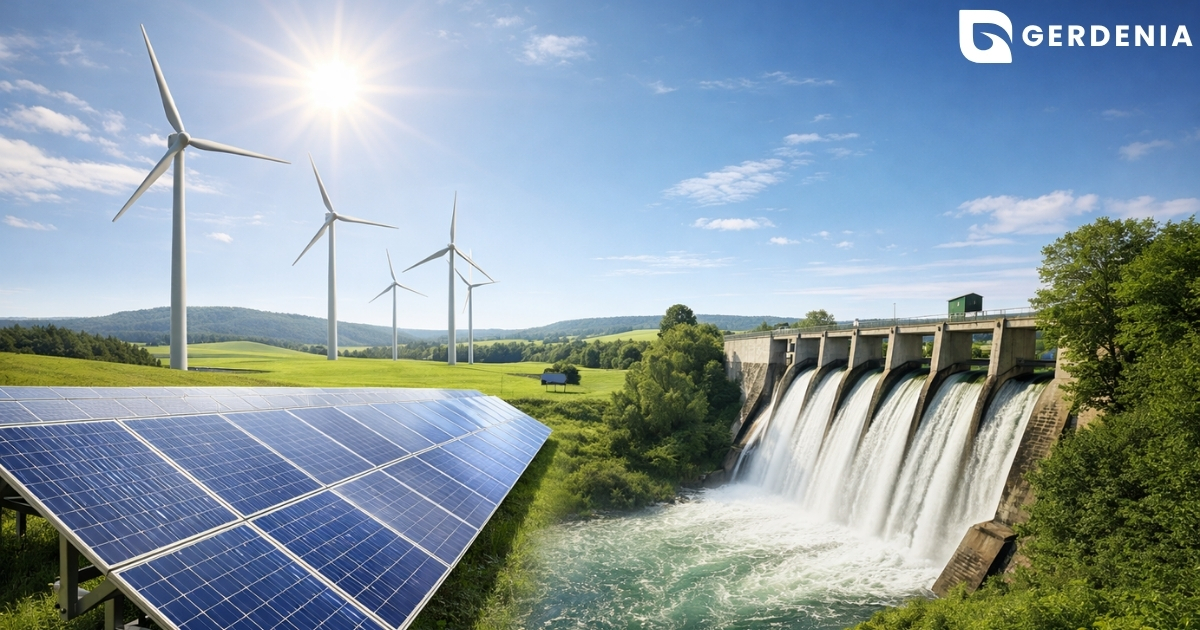
Integrating renewable energy sources, like solar or wind power, further enhances the sustainability of hydroponic systems. This approach offsets energy consumption and aligns with global efforts to reduce carbon emissions.
Balancing Cost and Sustainability
Balancing cost and sustainability is a key consideration in managing energy consumption. While initial investments in energy-efficient technologies can be high, the long-term savings and environmental benefits make them worthwhile.
Conclusion
Hydroponic farming represents a significant advancement in agricultural technology, offering a sustainable solution for food production in the face of growing global challenges. By understanding the techniques and best practices of hydroponic systems, farmers can harness the full potential of this innovative method. Whether for small-scale urban gardens or large commercial operations, hydroponic farming offers a pathway to a more efficient and resilient agricultural future.