We’ve all felt the sting of bringing home a vibrant potted rosemary bush from the grocery store, only to watch it turn into dry sticks a week later. You might assume you were born with a “black thumb,” but plant survival actually has very little to do with luck. Mastering gardening basics for beginners starts with recognizing that watering is simply a mechanical skill waiting to be learned.
According to most nursery experts, the primary reason new growers kill their greenery isn’t neglect—it is “over-loving.” Imagine wearing soaking wet socks all day long. That suffocating feeling is exactly what roots experience in a pot that gets watered too frequently, causing them to ultimately rot. Figuring out how to look after a garden means learning to step back rather than reaching for the pitcher every single day.
Thirsty plants certainly need regular hydration, as water acts like a transit system moving food from dirt into leaves. However, reading gardening how-tos often leaves people confused about exactly how much moisture keeps this system running smoothly. It all comes down to physically checking the environment before adding a single drop.
The “1-inch rule” is a foolproof mechanical trick ensuring your newest greenery gets precisely what it needs. Forget the old fear of failure, because you now have a reliable, step-by-step plan to keep your next plant thriving.
The ‘Finger Test’: How to Tell if Your Plant is Actually Thirsty

Before you grab the watering can, ask yourself: Have I actually touched the soil today? Successful gardening requires recognizing that plants absolutely hate wearing wet socks. Because roots need pockets of air to breathe, soil that stays constantly saturated causes those roots to drown and eventually rot. In fact, drooping, yellow leaves are common signs of overwatering in plants, not just a desperate cry for another drink.
To avoid this trap, you need to bypass the surface and measure the actual moisture level where the roots live. Mastering this quick tactile check is a cornerstone of garden basics:
- Step 1: Push your index finger into the dirt up to your second knuckle (about two inches deep).
- Step 2: Evaluate the texture. If the dirt feels dusty and falls away cleanly, the soil is Dry.
- Step 3: Feel for a cool, slightly sticky texture that clumps without dripping. This is the ideal Moist zone.
- Step 4: Watch out for mud. If water seeps around your finger or the dirt feels squishy like a loaded sponge, the pot is Saturated.
Surface dirt dries out incredibly fast, deceiving you into thinking the whole pot is parched while the deeper root zone is actually drowning. Relying on this two-inch depth test ensures you never accidentally drown a thirsty-looking plant. Once you’ve confirmed the soil is completely dry and ready for a heavy soak, you just need to time your routine correctly to maximize absorption.
Why Morning is the Golden Hour for Your Garden’s Thirst
Grabbing your watering can with your morning coffee gives your plants a massive advantage. The best time of day to water garden beds and containers falls between 6 AM and 10 AM. During these cool hours, soil absorbs moisture effortlessly before the sun triggers heavy evaporation. This early drink arms your tomatoes and marigolds with the hydration they need to easily endure the incoming heat.
Midday watering is a surprisingly common trap in gardening 101 for beginners. Pouring water over hot dirt at noon means a huge percentage simply vanishes into the hot air before it ever reaches the roots. Think of it like splashing a glass of water onto a scorching summer sidewalk. By beating the afternoon sun, you maximize every single drop while saving yourself unnecessary effort.
You might assume evening is just as safe since the sun is down, but nightfall brings a hidden danger. When leaves stay wet in the dark, they create a damp, inviting buffet for fungal diseases to thrive. Crucial garden info dictates that foliage needs plenty of time to dry off before sunset. Imagine trying to sleep in cold, soaking wet clothes; your plants suffer similarly when left damp overnight.
A consistent morning schedule guarantees healthier leaves and far fewer unexplained plant deaths. However, conquering the clock is only half the battle. Knowing exactly when to hydrate won’t help your pots if you only offer a quick splash. Training your roots to survive heat requires a shift from shallow sprinkling to deep soaking.
Deep Soaking vs. Shallow Sprinkling: Training Your Roots to Survive Heat
Many beginners assume that a quick, daily splash of water is the best way to learn gardening basics, but plants actually prefer a different approach. Think of the soil beneath your plant like a pantry. If you only supply water to the very top layer of dirt (shallow sprinkling), the roots are forced to stay near the surface to get a drink. When a hot summer afternoon bakes that top layer, your plant’s pantry is suddenly empty, leaving it incredibly vulnerable to drying out.
To build heat resilience, you need to transition from daily sprinkling to deep soaking just two or three times a week. A reliable benchmark is the 1-inch rule: most crops thrive on about one inch of water per week, delivered slowly so it penetrates deeply into the earth. While figuring out exactly how much sun do vegetables need is crucial for their energy, training their roots to dig deep for this moisture is what actually keeps them alive during a heatwave.
Taking care of a garden requires recognizing the hidden, underground impact of your watering habits. Consider the stark difference between these two methods:
- Shallow Sprinkling: Creates weak, surface-level roots that dry out quickly, panic in the heat, and require constant daily maintenance.
- Deep Soaking: Encourages roots to stretch downward into cooler, protected soil, building a self-sufficient, drought-resistant anchor system.
Before you start this deeper routine, rely on your trusty Finger Test to confirm the soil is actually dry a couple of inches down. However, pouring a heavy volume of water into your containers will only cause disaster if that moisture gets trapped at the bottom. Testing soil drainage before you plant is absolutely essential.
Testing Soil Drainage Before You Plant

Pouring water into your new garden bed is only helpful if the earth can actually process it. Think of your yard like a giant coffee filter: sandy soil lets water rush right through, leaving roots thirsty, while heavy clay acts like a plugged bathtub, drowning them in mud. Gathering reliable garden information about your specific yard is critical before buying plants, and learning how to test soil drainage is the perfect introduction to gardening success.
You don’t need a science kit to figure out your drainage rate—just a shovel, a ruler, and an afternoon.
- Dig: Create a hole roughly 12 inches deep and 12 inches wide.
- Saturate: Fill it to the brim with water and let it drain completely (this pre-wets the dry ground).
- Test: Refill the hole and check the water level after four hours.
If the hole is empty, you have fast-draining, sandy dirt that will need frequent watering. If the water hasn’t dropped much, you are dealing with dense clay; this means you will likely need to build raised beds above the ground to keep roots from suffocating and rotting. While fixing backyard soil takes effort, moving plants to containers introduces an entirely different watering schedule.
The Container Challenge: Why Pots Need a Different Watering Schedule

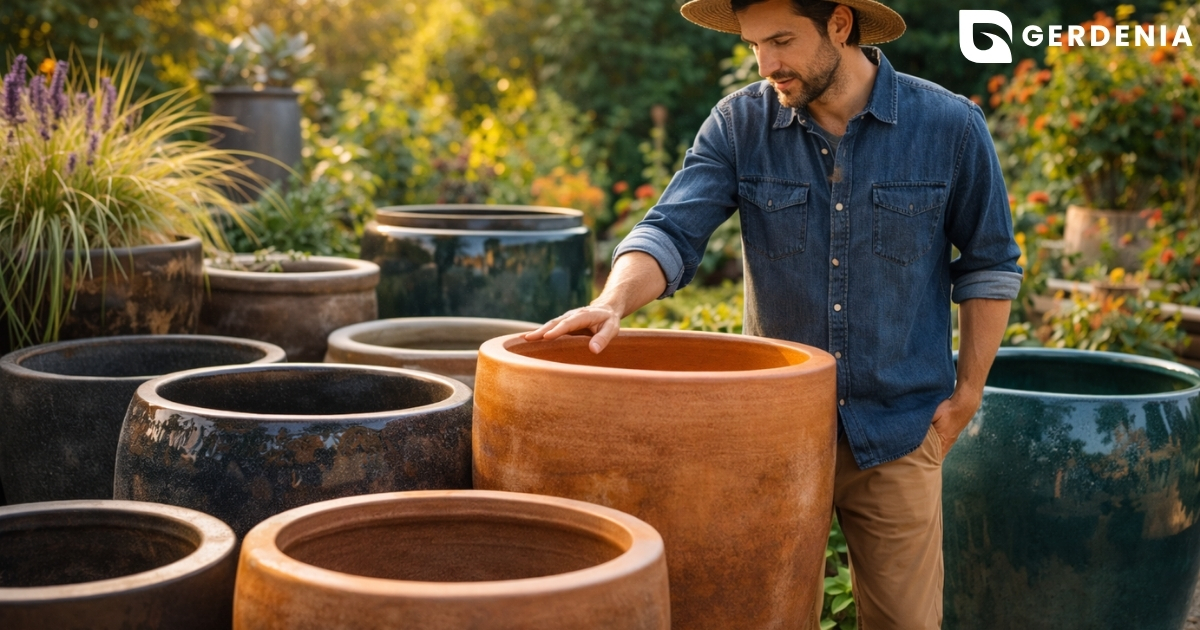
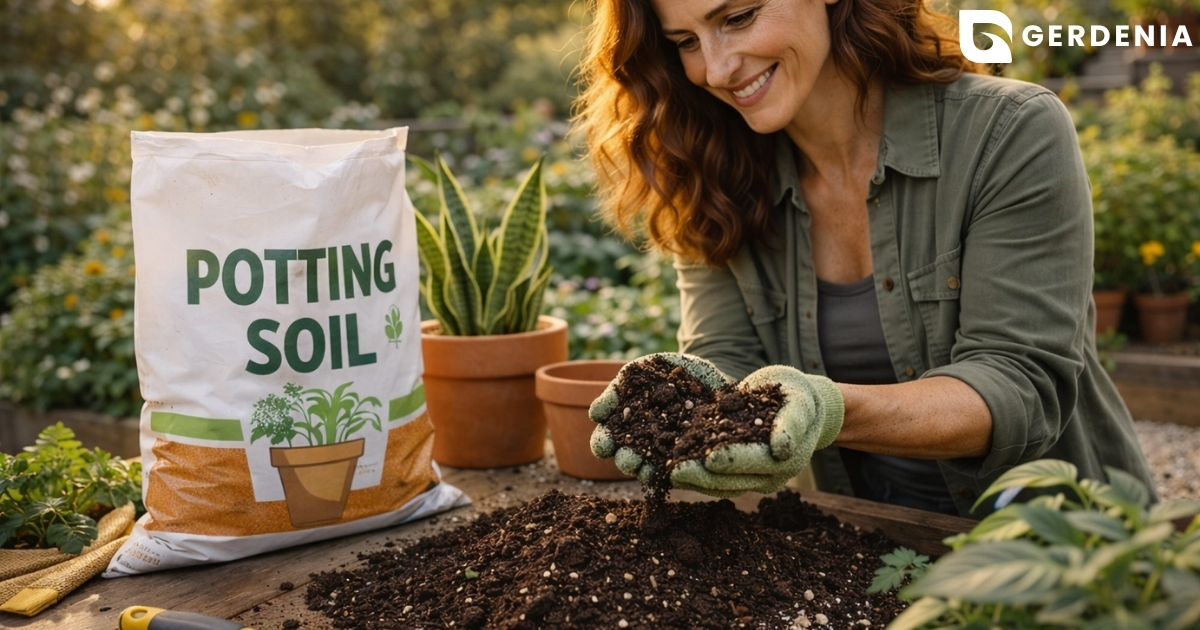
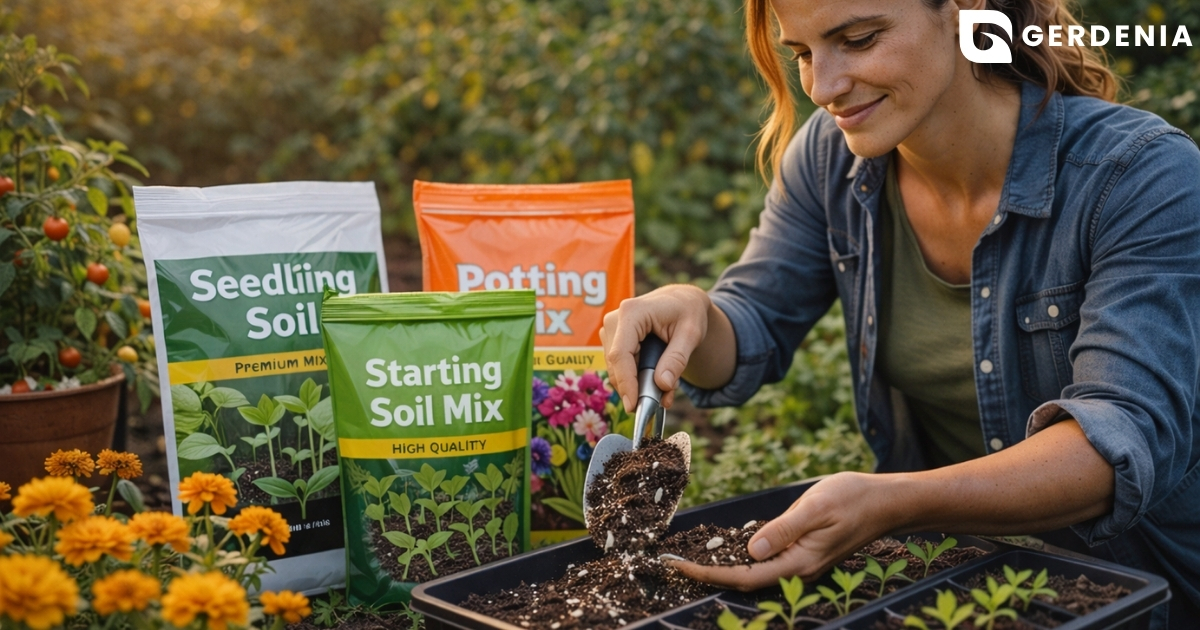
Moving plants to a porch seems like a shortcut, but mastering a watering schedule for container plants requires a different mindset. Unlike the ground, pots are exposed to air on all sides, causing rapid evaporation. Material matters, too; porous terra cotta breathes and dries faster than plastic. Because you use fluffy potting mix vs garden soil, these enclosed roots rely entirely on you for hydration.
You don’t always need to get your hands dirty to check moisture levels. Instead of poking the dirt, try the “Lifting Test.” Gently nudge the bottom of your pot upward. A thirsty plant feels surprisingly light, while a hydrated one feels heavy. Once you learn a pot’s baseline weight, this physical check becomes the best way to prevent dehydration in residential gardening.
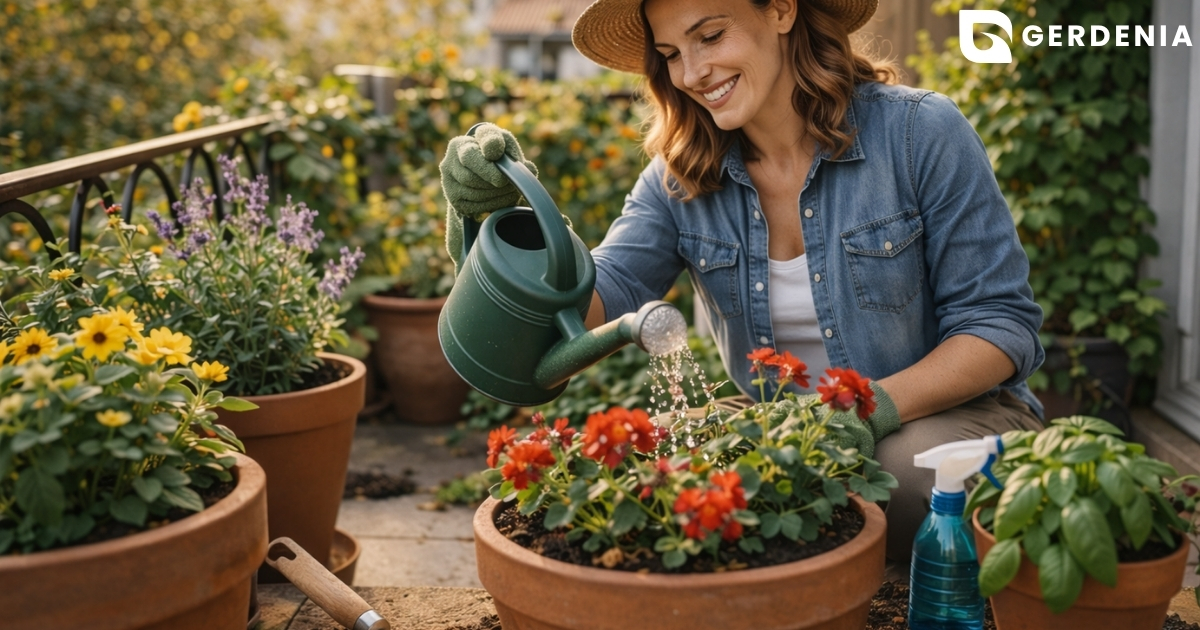
When that container finally feels light, avoid giving it just a tiny sip. Pour water steadily until it actively runs out the bottom holes—a process called leaching that flushes out stale salts and guarantees deep root hydration. Hauling heavy jugs to achieve this soak can tire your arms out, but upgrading to essential watering tools makes the process much more efficient.
Essential Tools That Make Watering Less of a Chore
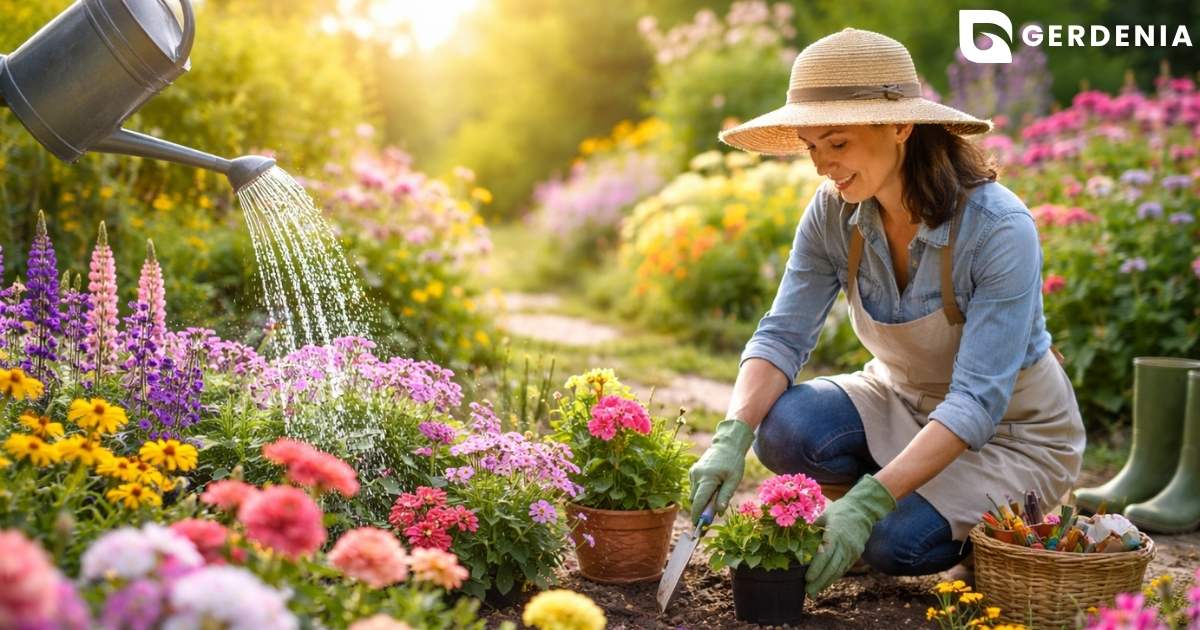
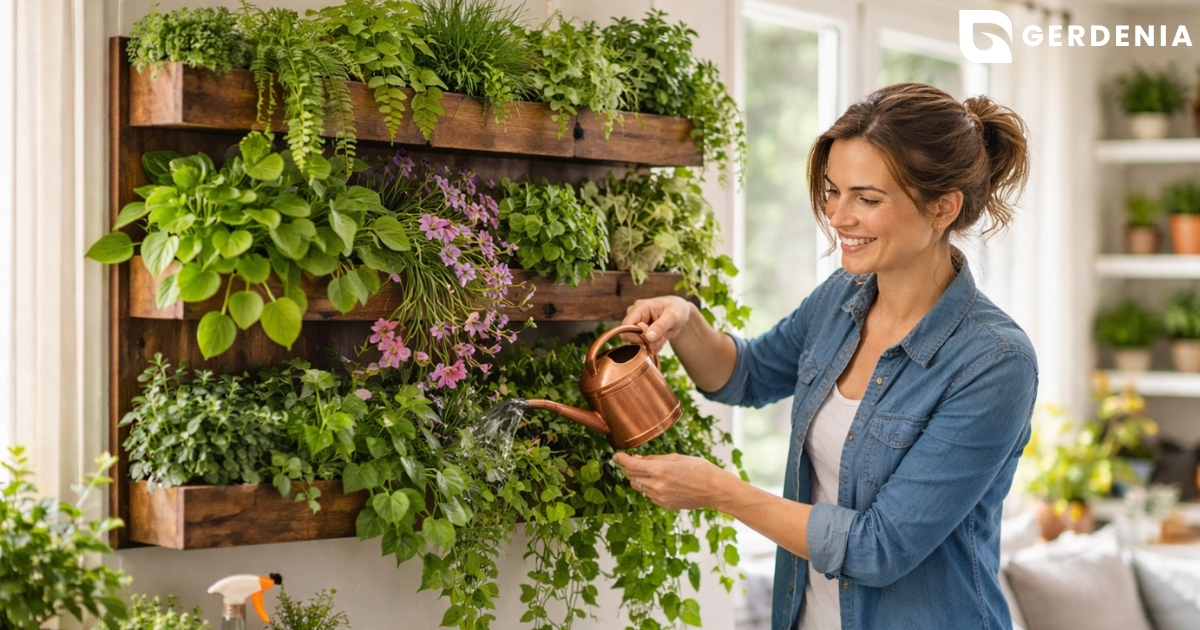
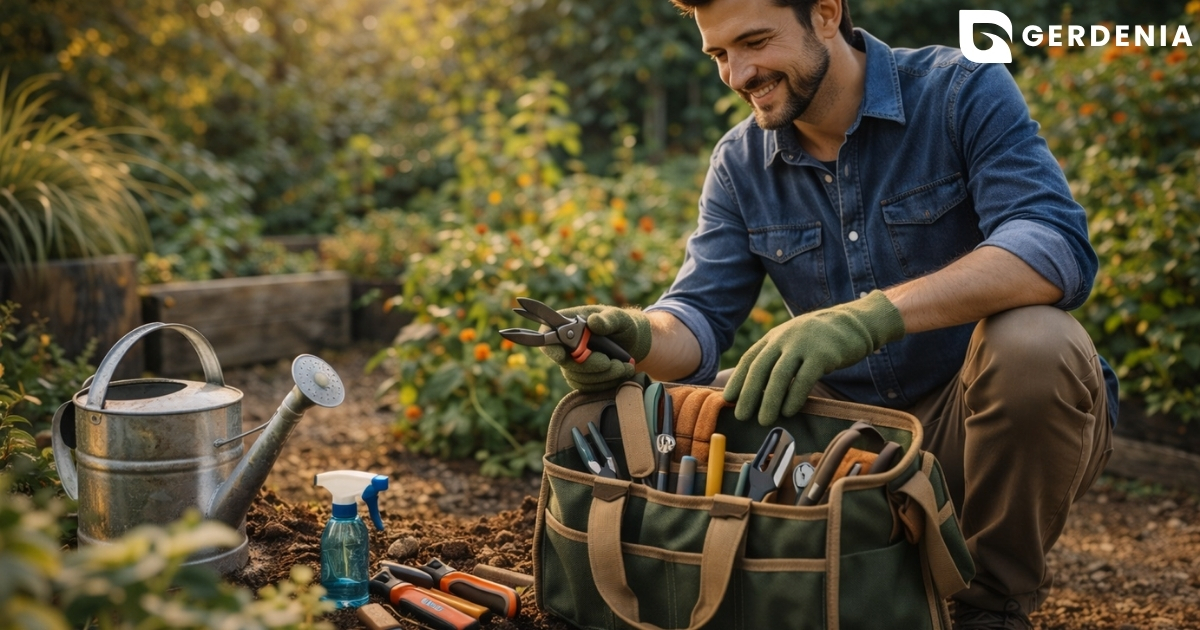
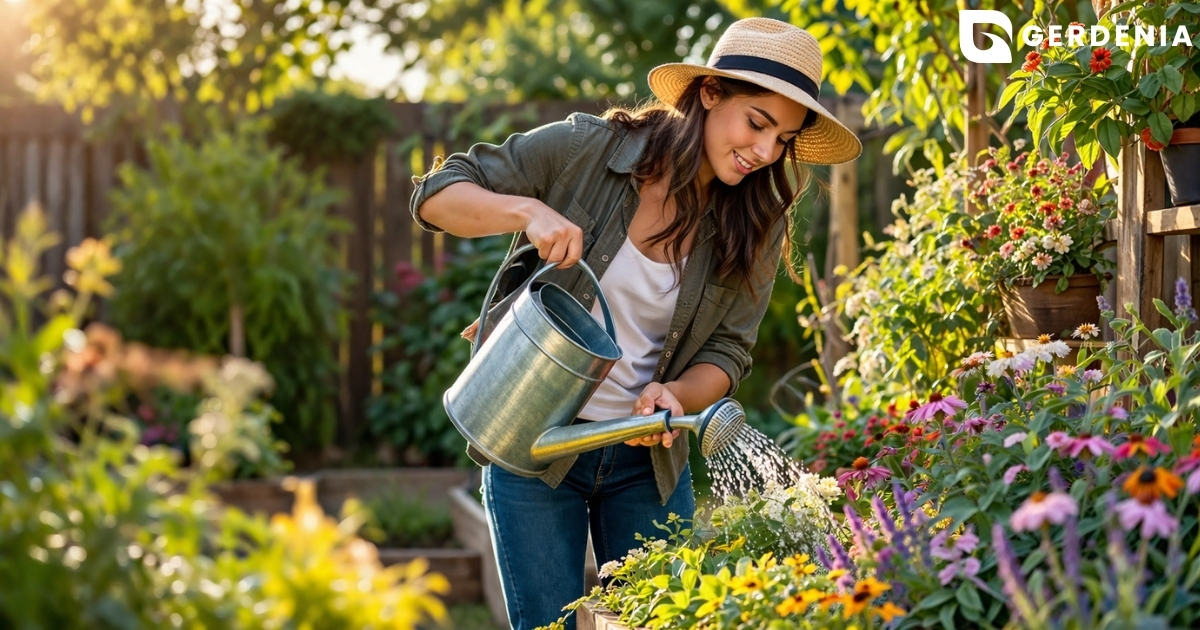
Upgrading from a kitchen cup to proper equipment transforms hydration into a relaxing ritual. Finding the essential gardening tools for novices shouldn’t cost a fortune. For small porches, a standard 2-gallon watering can is perfectly balanced to carry without back strain. If you have a spigot, skip heavy cans and invest in a basic hose wand to extend your reach.
A reliable toolkit handles everything from bare dirt to a full gardening layout. Focus on these three items:
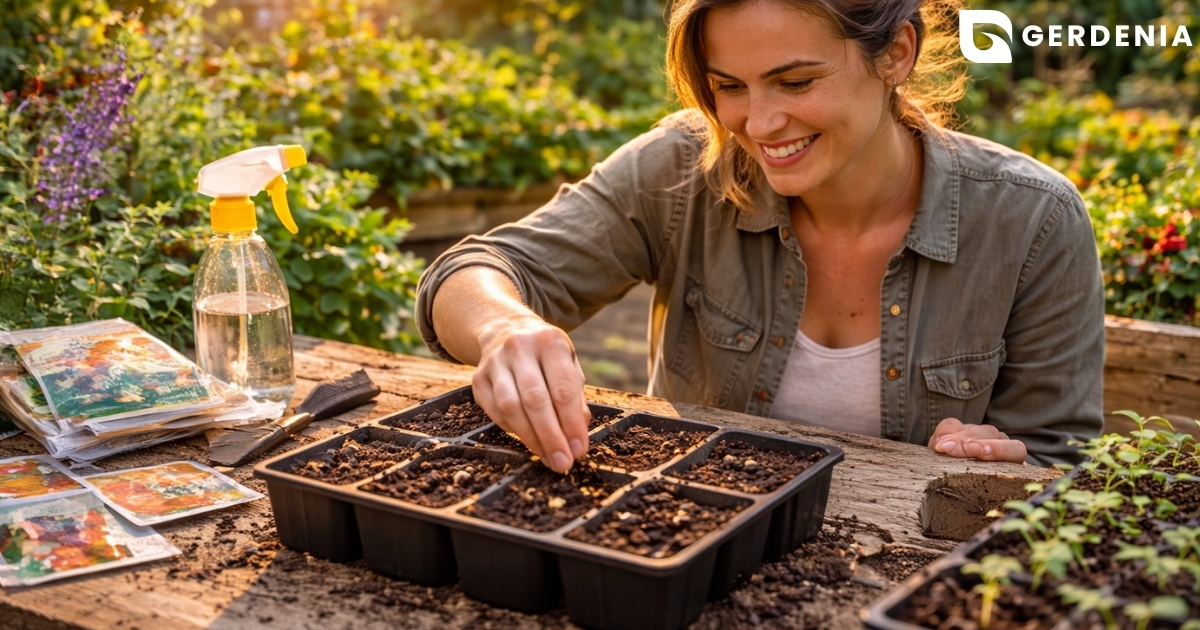
- Watering Can: Use the removable sprinkler head to prevent washing delicate seeds away.
- Hose Wand: The “shower” setting is safest for new sprouts, delivering wide moisture without harsh, plant-damaging water pressure.
- Soaker Hose: A porous tube that slowly sweats water directly into the ground for effortless, hands-off hydration.
Gear is only half the equation as you learn how to garden. Always practice the “base-only” watering technique, pointing your nozzle directly at the dirt. Wet leaves invite fungal diseases, acting just like a damp towel left zipped in a gym bag. Keeping foliage completely dry protects your plant’s foundation, but recognizing early distress signals in the leaves prevents irreversible damage.
Reading the Leaves: Identifying Overwatering vs. Underwatering
When your plant looks sad, the natural instinct is to grab a watering can, but that might be the wrong move. If you notice yellowing leaves and a heavy, drooping posture, but the dirt still feels wet, you are likely suffocating the roots. The classic signs of overwatering in plants include foliage that feels soft and limp, much like overcooked spinach. The rescue plan here is incredibly simple: step away and let the pot dry out completely before adding another drop.
On the other hand, genuinely thirsty plants develop crispy, brown edges that crumble when you pinch them. Effective gardening relies on trusting your own hands rather than a strict weekly calendar. Before deciding a wilting tomato needs a drink, rely on the Finger Test you learned earlier, pushing down into the dirt to feel for actual moisture. Gardening relies on translating these physical clues instead of guessing.
Even perfectly hydrated plants might play tricks on you during a blazing summer afternoon. There is a distinct difference between “heat stress” and “drought stress” that often fools new growers. A plant folding its leaves in midday sun is just sweating—a temporary defense mechanism—and will perk back up by evening. If the soil is moist but the leaves are sagging, hold off on the hose and observe its dusk recovery.
Your 7-Day Watering Success Plan
You’ve crossed the threshold from hoping a plant survives to actually knowing what it needs. Everyone starts somewhere, and the secret to thriving plants isn’t a magical green thumb; it’s simply paying consistent attention.
For your first seven days, establish a morning routine that takes less than ten minutes. Follow this daily checklist:
- Observe: Look closely for those exciting first green shoots.
- Finger Test: Check the soil moisture before assuming your plant is thirsty.
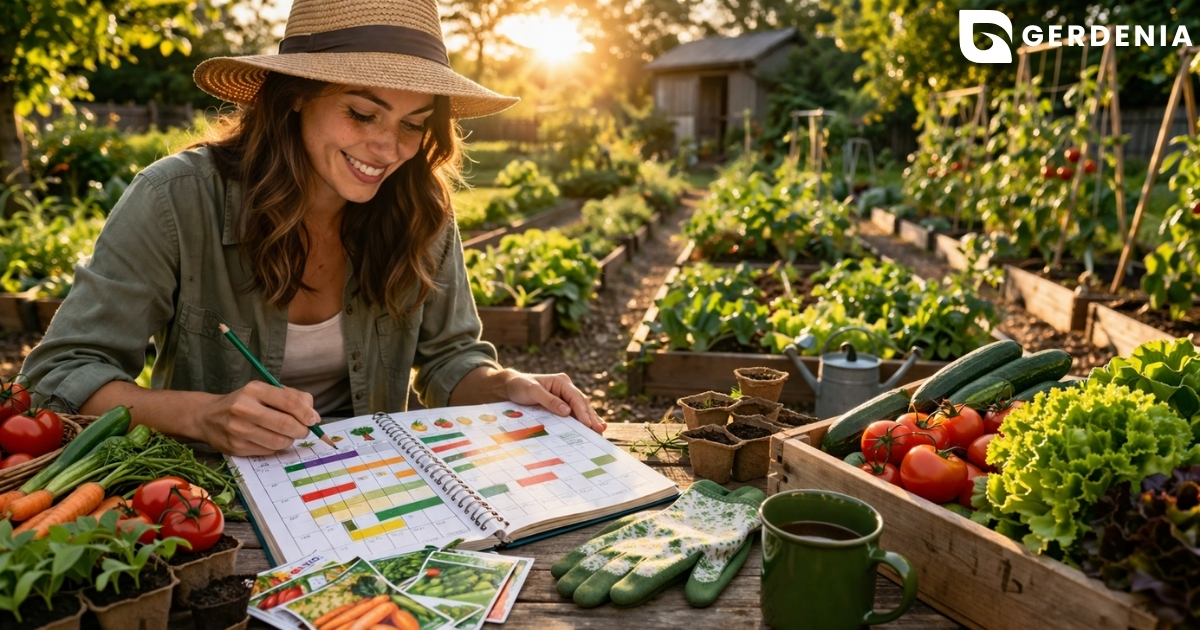
- Water: Hydrate only if the soil is dry, and record it in a simple watering log to track the plant’s responses over time.
As you practice these garden basics, that initial hesitation will quickly fade into real confidence. When you finally see that new growth pushing through the dirt, you’ll realize you aren’t just keeping a grocery store plant alive—you are successfully growing. Grab your first pot, test the soil, and begin your watering routine.