Ever watered a plant, only to watch a puddle sit stubbornly on the dirt? Perhaps you followed directions perfectly, yet your favorite Pothos still turned yellow and mushy. Common knowledge dictates the culprit isn’t your watering can—it’s the mix.
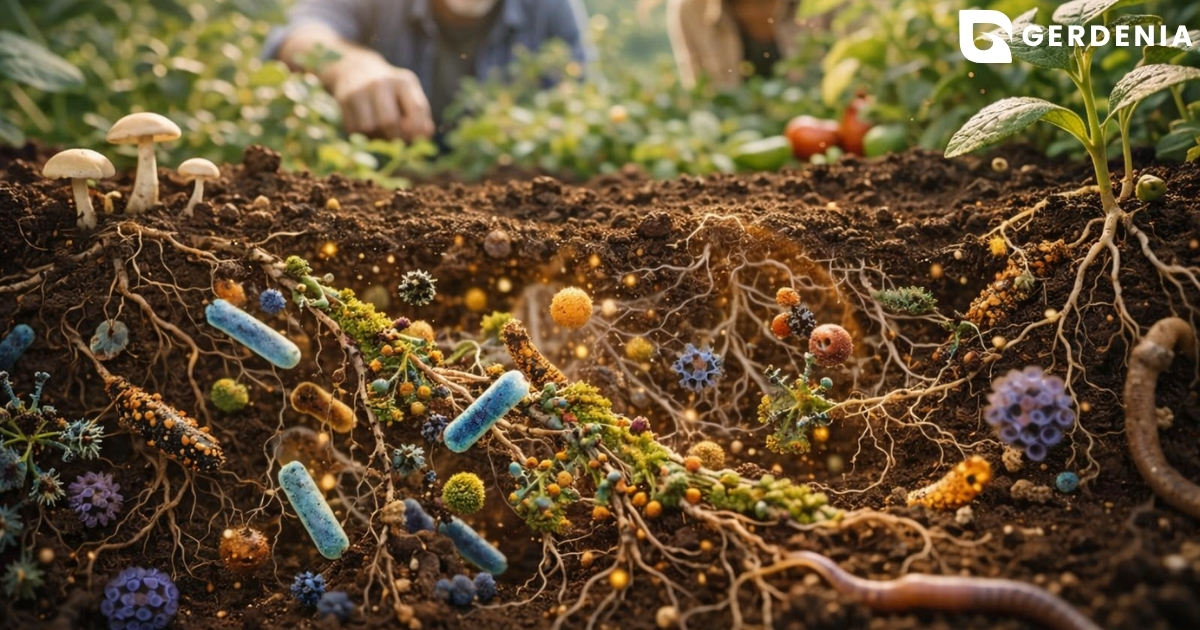
Roots possess a hidden requirement: they must take a deep breath. Below ground, roots absorb oxygen through tiny air pockets, a biological process called root respiration. Waterlogged dirt fills these essential gaps, essentially drowning the plant and causing an immediate drainage crisis.
In practice, aerated soil for root health acts like a wrung-out damp sponge, not a solid brick. A true well draining potting soil holds perfect moisture while shedding excess water, easily preventing root rot in containers.
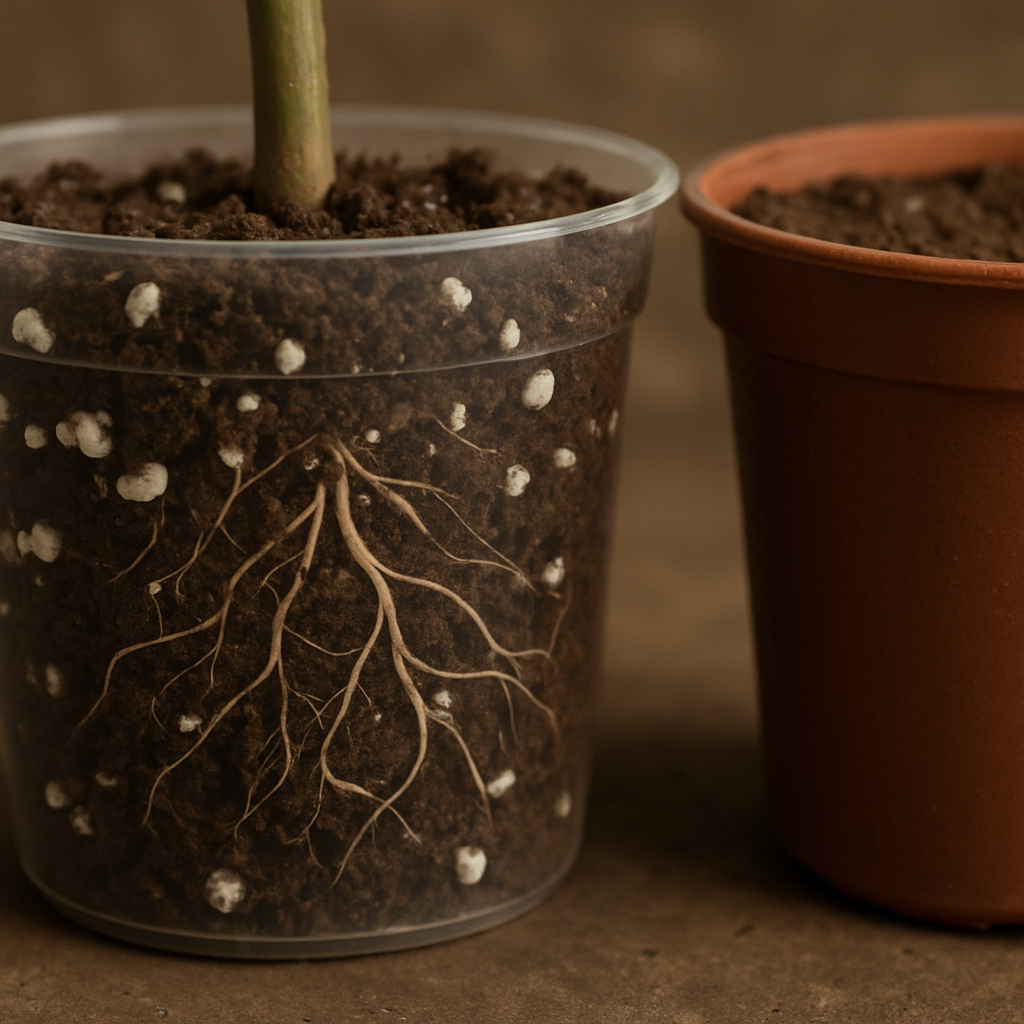
Potting Mix vs. Garden Soil: Why One Thrives in Containers and the Other Fails
Scooping dirt from your yard into a flowerpot often turns it into a solid brick after just a few waterings. Outdoor earth squeezes together tightly in confined spaces, causing severe soil compaction that literally suffocates container roots. This fundamental structural difference is exactly why understanding potting soil vs garden soil matters so much for your plant’s survival.
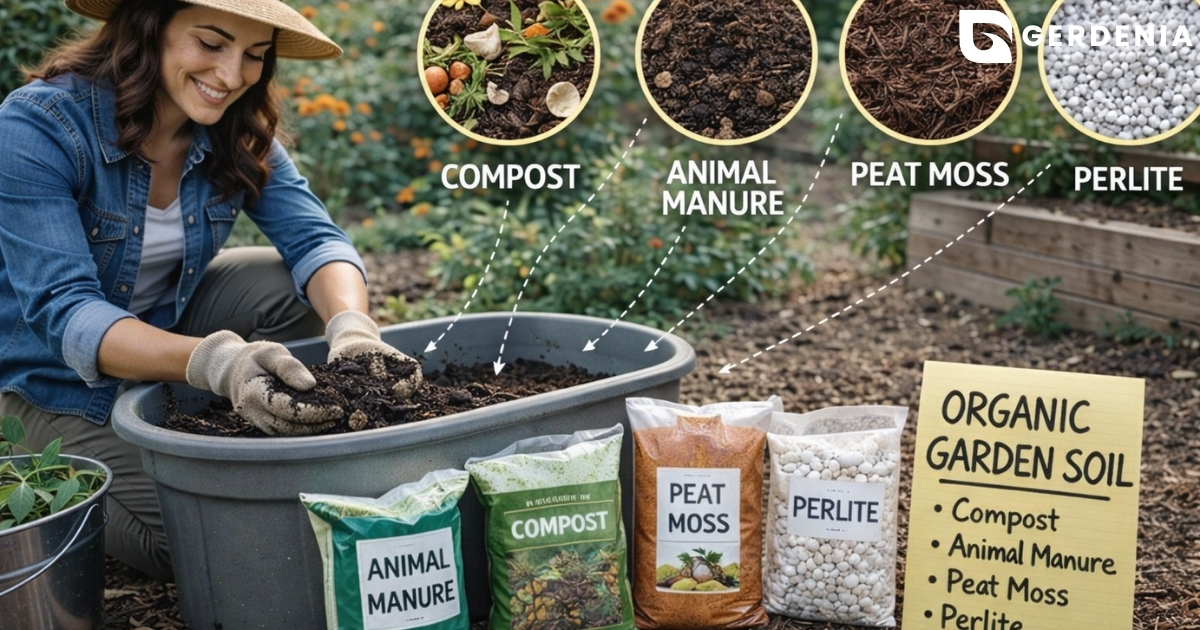
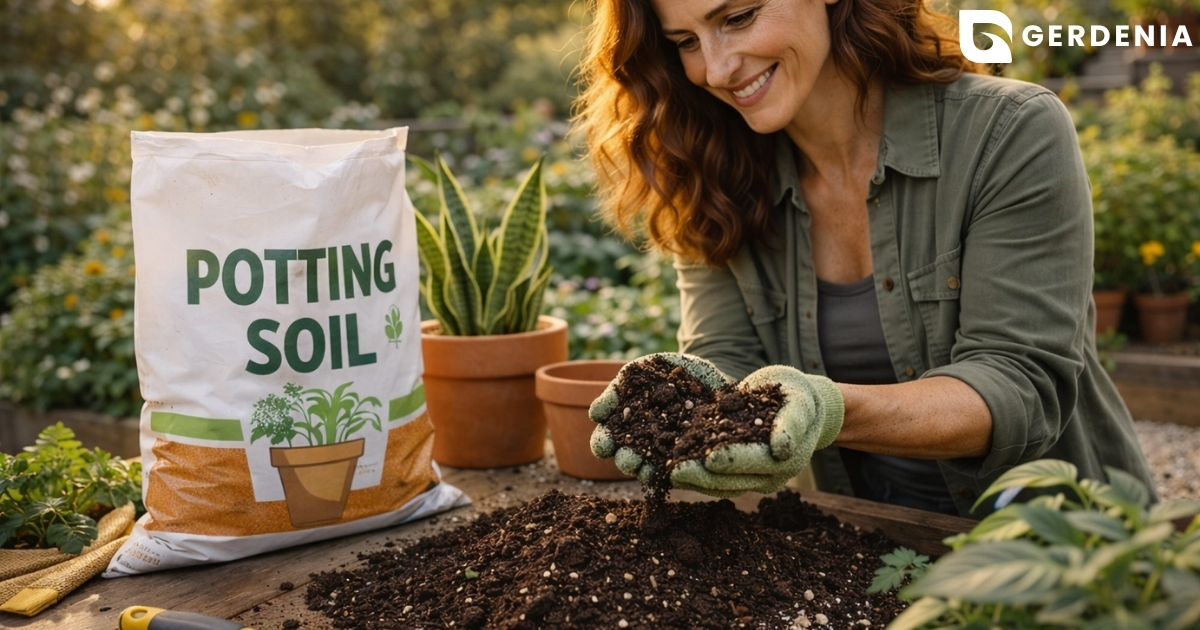
To create essential breathing spaces—a concept known as porosity—your pots need a lightweight organic growing medium rather than dense yard dirt. Quality container mixes use fluffy ingredients like peat moss and bark to act as an open, aerated matrix. These materials keep the internal structure open, which is the core secret behind what makes soil drain well while still retaining necessary moisture.
Even with a great mix, water naturally pools at the very bottom of any container, creating a soggy lower zone called a perched water table. If thick, muddy water slowly leaks from your pot long after watering, your plant’s roots are likely drowning in this stagnant puddle. Fortunately, you can easily check if your current setup is safe by observing how water moves through the pot.
The ‘Water Flow’ Test: How to Tell if Your Soil is Suffocating Your Roots
A layer of green moss growing on top of your potted houseplant is one of the classic signs of poor soil drainage, signaling that your plant’s roots are stuck in a suffocating mud bath. Before grabbing a watering can, you can easily monitor moisture just by lifting the container. If it still feels as heavy as a bowling ball a full week after watering, the dirt is trapping too much liquid.
For an accurate method of testing soil drainage rate, try the 60-second Water Flow Test next time your plant gets thirsty. Here is exactly what to do:
- Wait until the top two inches of dirt feel dry.
- Pour one cup of water evenly over the surface.
- Start a timer to see how quickly it sinks.
- Check the bottom hole to see when water drips.
Ideally, the liquid should disappear beneath the surface within ten seconds. When moisture sits on top like a stagnant puddle for a minute or more, your mix is too dense. Fixing waterlogged soil requires incorporating chunky textures that pry open these vital breathing spaces to allow proper aeration.
Perlite, Bark, and Sand: Decoding the Ingredients That Create Air Pockets
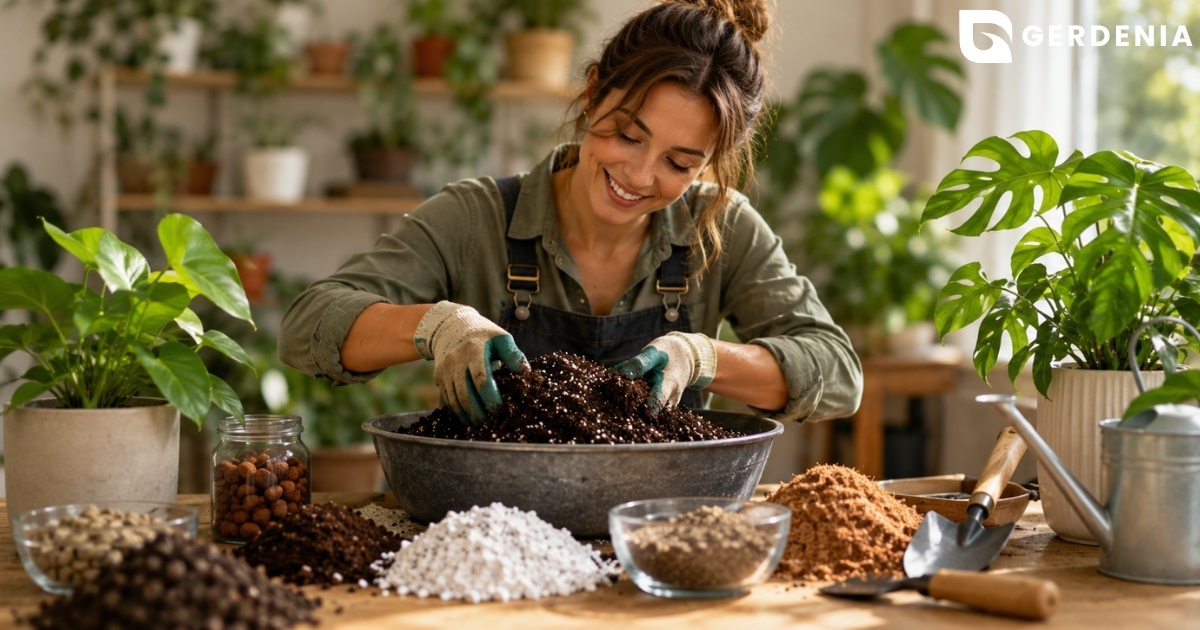
Rescuing a slow-draining pot relies on “aeration agents”—chunky ingredients acting like tiny pillars to hold the dirt apart so roots can take a deep breath. You only need to understand a few specific soil amendments to solve almost any moisture problem:
- Perlite (Air): Creates empty gaps for maximum drainage.
- Vermiculite (Water): Acts like a sponge to hold moisture.
- Grit (Weight): Anchors roots while water flows past.
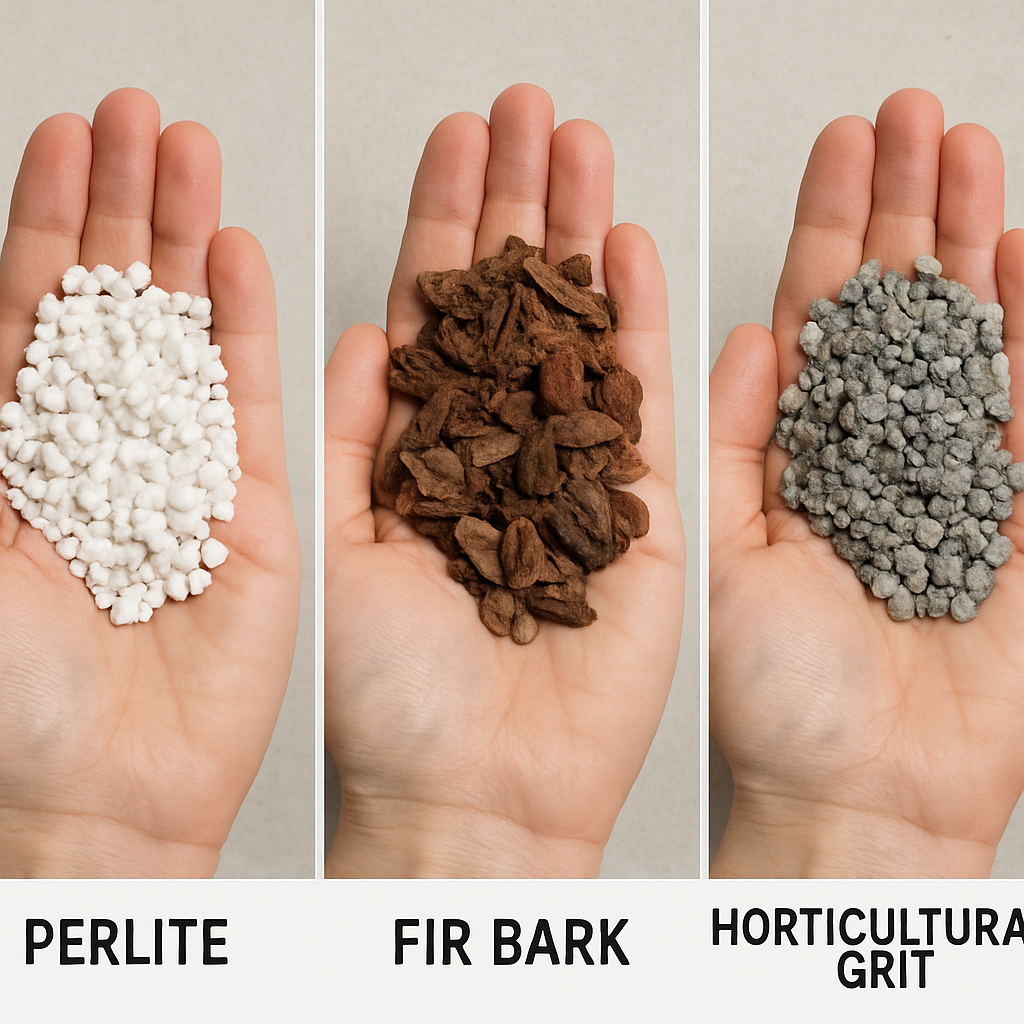
When reaching for sand, always choose coarse sand for plant aeration rather than fine playground sand. Tiny sand grains simply fill up existing air gaps, accidentally turning your potting mix into a suffocating concrete brick.
Matching this texture to your greenery is the secret to healthy roots. When debating perlite vs vermiculite for drainage, remember that white perlite sheds water while golden vermiculite hoards it. Meanwhile, the benefits of horticultural grit shine when you need rapid moisture flow for succulents without the lightweight particles floating away. By mastering the unique properties of these ingredients, you can easily upgrade generic dirt into a premium growing medium.
The DIY Rescue: How to Turn a Heavy Bag of ‘Dirt’ into a Pro-Grade Mix
Tossing a layer of gravel at the bottom of a waterlogged pot might sound logical, but it actually backfires. Water refuses to easily cross from fine dirt into chunky gravel, meaning those rocks just move the soggy puddle higher up, leaving your plant with wet toes. Instead of layering the bottom, the secret to improving soil porosity is mixing air directly into the dirt.
Upgrading a cheap bag is incredibly simple once you learn how to make DIY potting mix. For a reliable, everyday base—which easily becomes the best potting mix for succulents by simply tossing in extra perlite—use the ‘1-1-1’ Golden Ratio:
- 1 Part Base Soil: Your generic, store-bought dirt.
- 1 Part Aeration: Perlite or bark to create essential breathing room.
- 1 Part Moisture Manager: A sponge-like material to hold water without drowning roots.
For that moisture-holding ingredient, skip the dense, heavy peat moss. Using coconut coir for moisture control is a massive upgrade because these fluffy natural husks absorb water beautifully while resisting compaction. Blending these three elements creates a light, airy environment perfectly suited for robust root growth.
From Soggy to Successful: Your 3-Step Action Plan for Better Drainage
You no longer have to cross your fingers on watering day. By understanding how a well draining potting mix breathes, you can confidently rescue struggling houseplants. On your next garden center trip, mentally check off three essentials: a fluffy peat or coir base, gritty perlite for improving soil porosity, and pots with functional drainage holes.
The real secret to preventing root rot in containers is your new routine. Commit to a “finger first” moisture check before adding water. Soon, you will discover the ultimate reward beneath the surface: firm, bright white roots replacing brown mush, proving your plants are finally breathing easily.