If you want to bake a great cake, you don’t stare at the oven; you focus on the ingredients in the mixing bowl. Your garden works exactly the same way. According to soil scientists, true organic garden soil isn’t just dead dirt holding roots in place—it is a bustling living home.
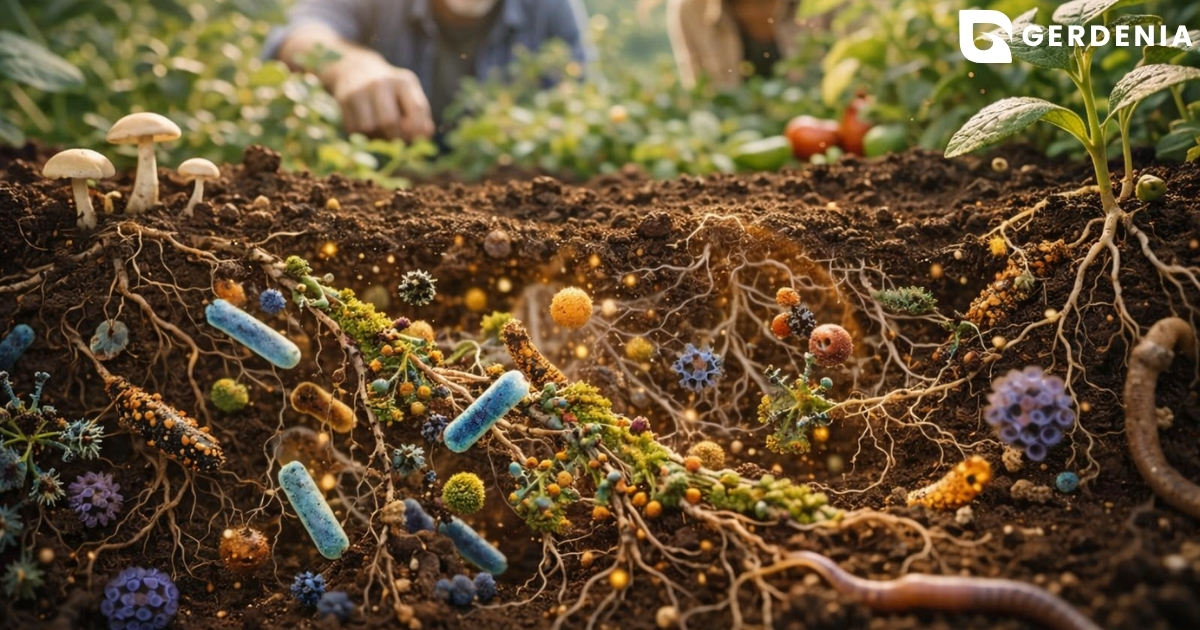
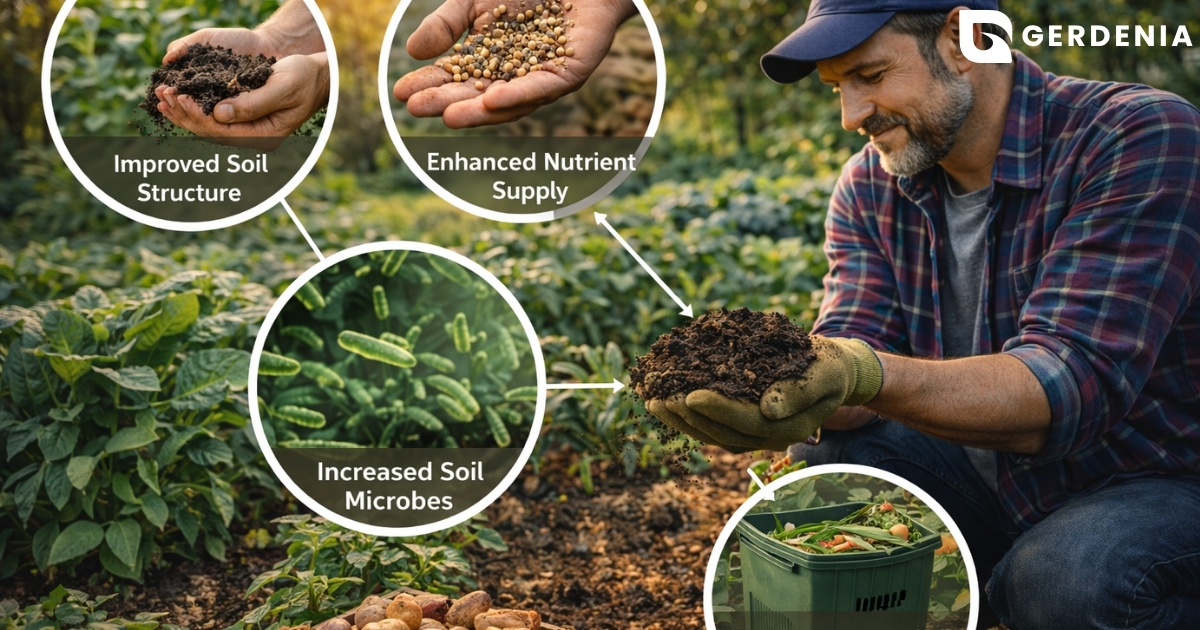
Underneath your boots lies an invisible underground city where the living soil ecosystem and microbiology do the heavy lifting. Tiny bacteria act as tireless workers, while fungi form microscopic highways transporting nutrients directly to your plants. By simply adding compost, you feed this workforce. This natural efficiency creates a self-sustaining cycle, giving you a beautiful, low-maintenance yard without relying on constant fertilizing.

Finding the Perfect Texture: The Sponge vs. The Brick
Since your soil is a living home, those underground residents need room to breathe. Think of your soil’s physical texture like building blocks. Sand acts like a pile of basketballs; water drains right through the large gaps, starving your plants of a drink. Clay resembles tightly stacked sheets of paper, choking roots by preventing aeration (the natural flow of oxygen). Ultimately, improving soil structure for vegetables means rearranging these basic blocks so your garden acts like a receptive sponge instead of a solid brick.
Wondering what you are working with right now? You don’t need a laboratory to find out; just grab a damp handful from your garden and try this quick hand test:
- Squeeze: Compress the damp dirt firmly into a ball in your palm.
- Open: Flatten your hand. If the ball crumbles and falls apart instantly, you have sand.
- Poke: If it holds its shape, give it a nudge. Breaking easily means great structure, but a sticky, stubborn lump means you have heavy clay.
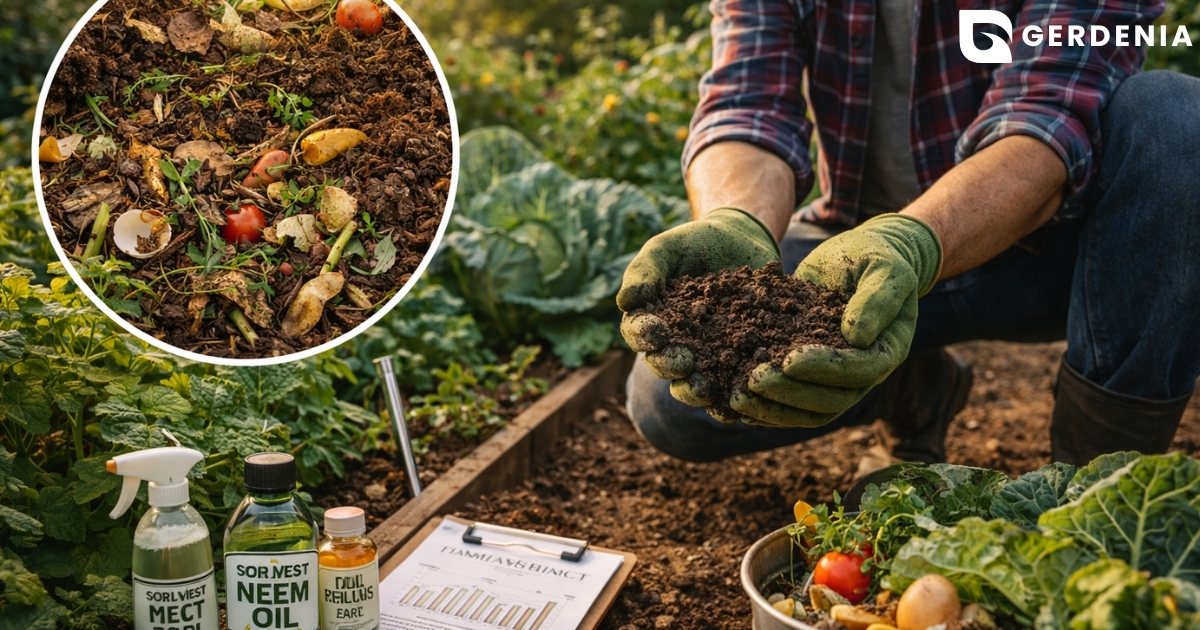
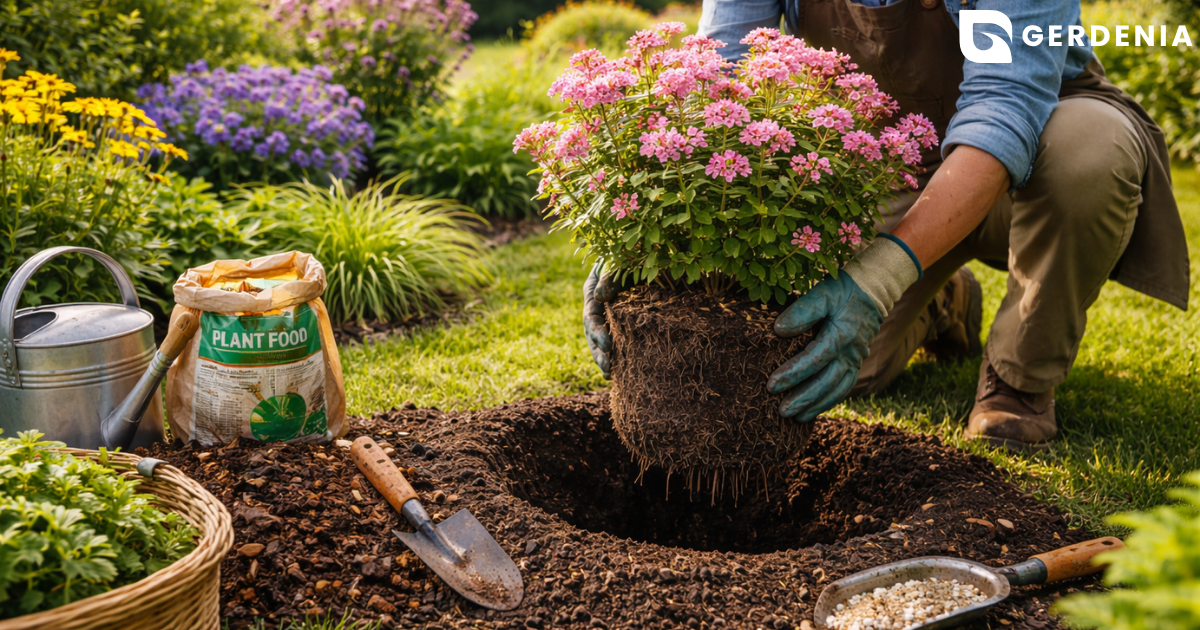
The secret to fixing both extremes is organic matter. It serves as one of the most effective aeration techniques for compacted dirt by wedging dense particles apart. Likewise, amending clay soil with compost creates a spongy bridge that catches water before it escapes through leaky sand. Once your garden breathes easily, it’s time to provide the right nutrients to sustain it.
The Vitamin Boost: Why Compost and Earthworm Castings Outperform Chemicals
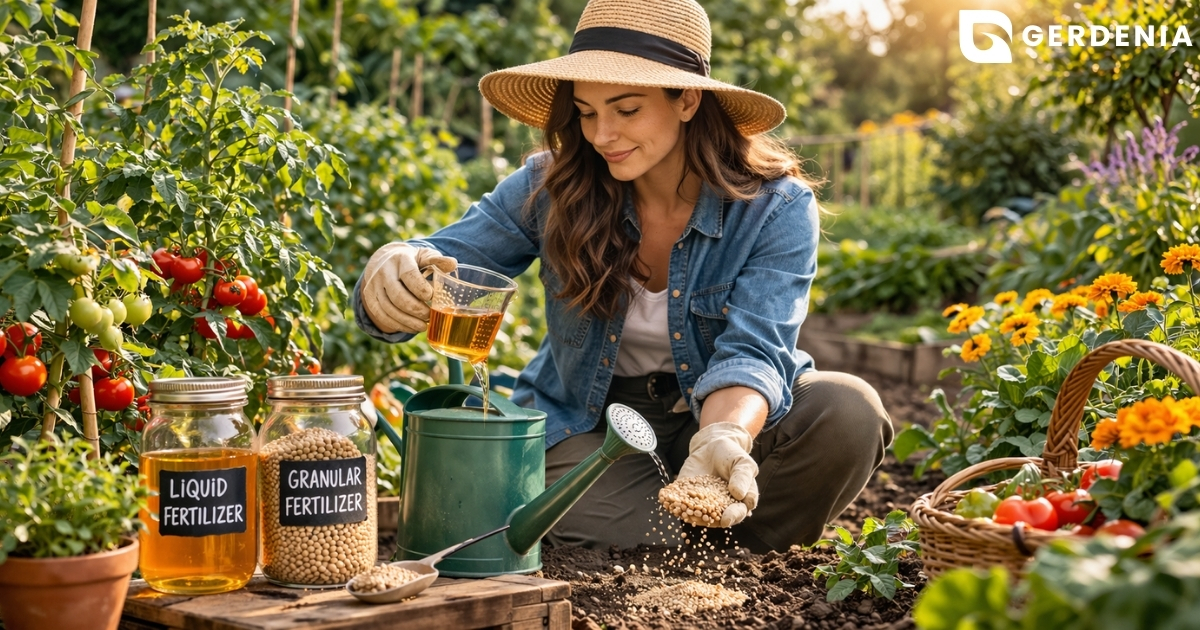
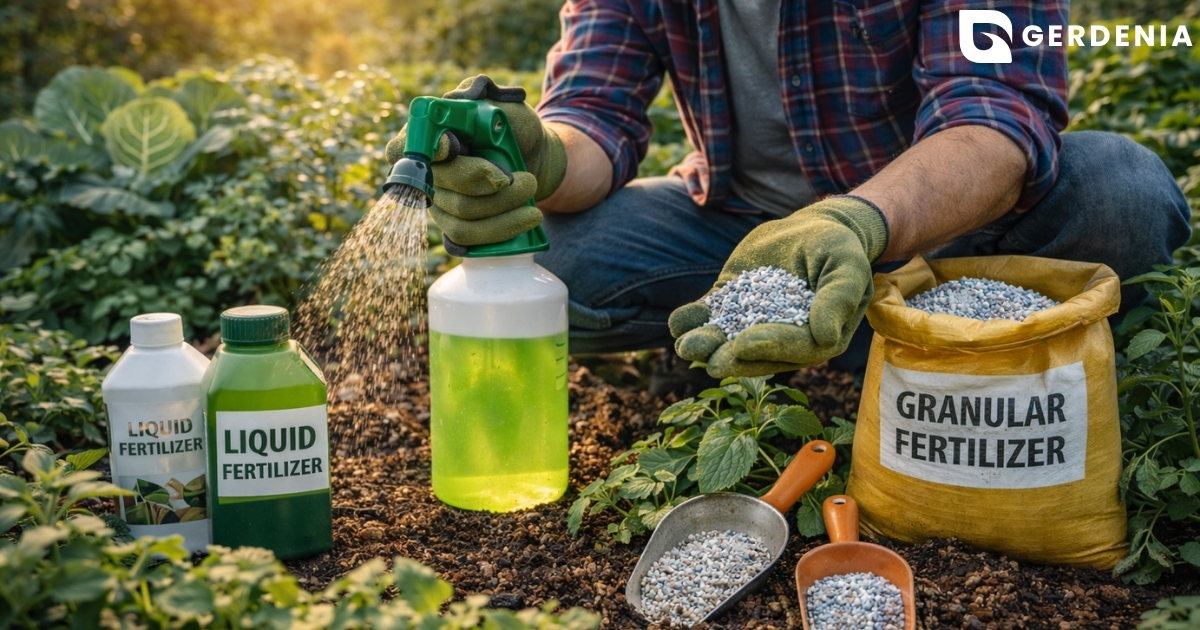
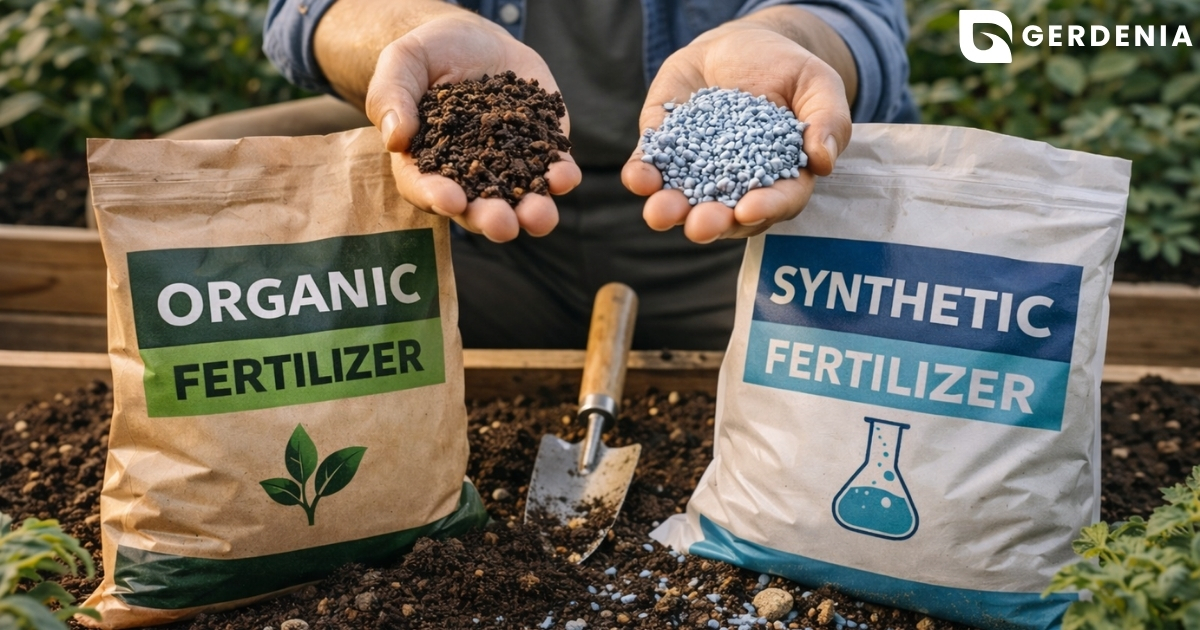
Have you ever experienced an energy crash after eating a sugary snack? Your plants react similarly to synthetic fertilizers. Chemical jugs boast massive numbers for Nitrogen (for leaf growth), Phosphorus (for strong roots), and Potassium (for overall health). However, this is fast-acting junk food that quickly washes away. By contrast, understanding the NPK ratio for natural fertilizers means realizing that lower, balanced numbers provide a steady, slow-release diet rather than a temporary, stressful spike.
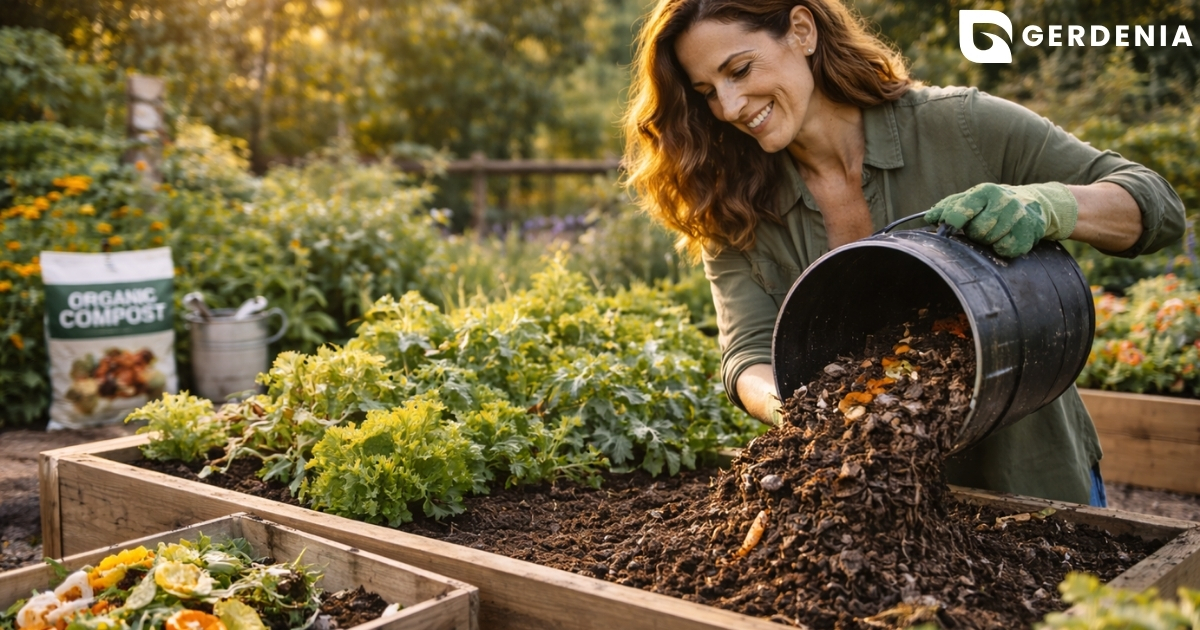
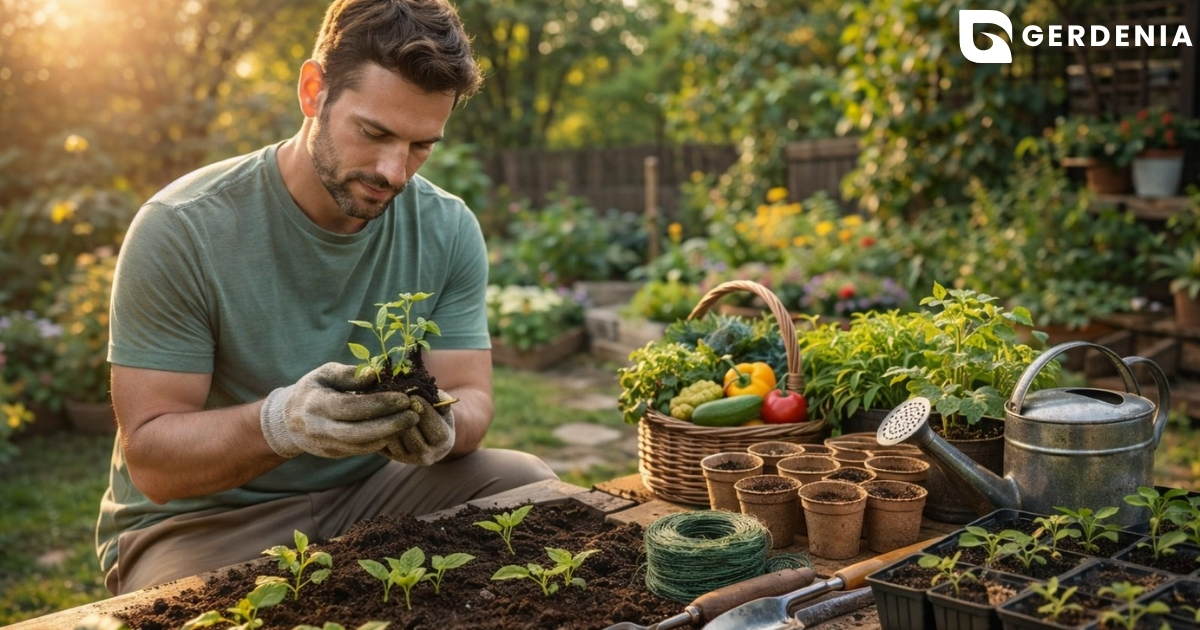
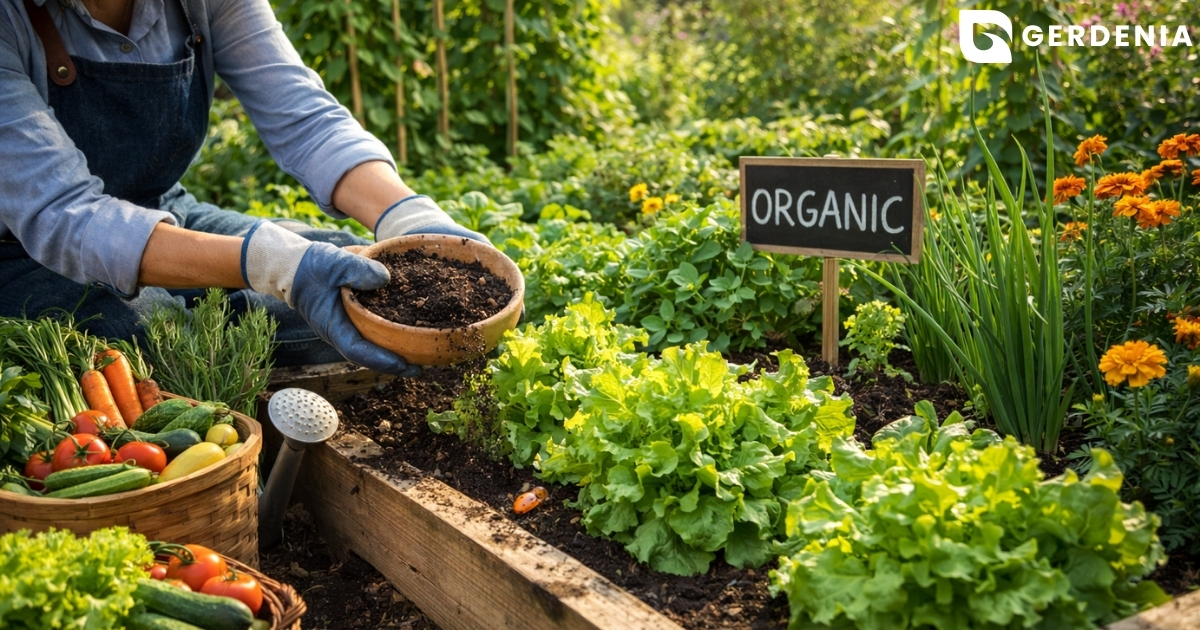
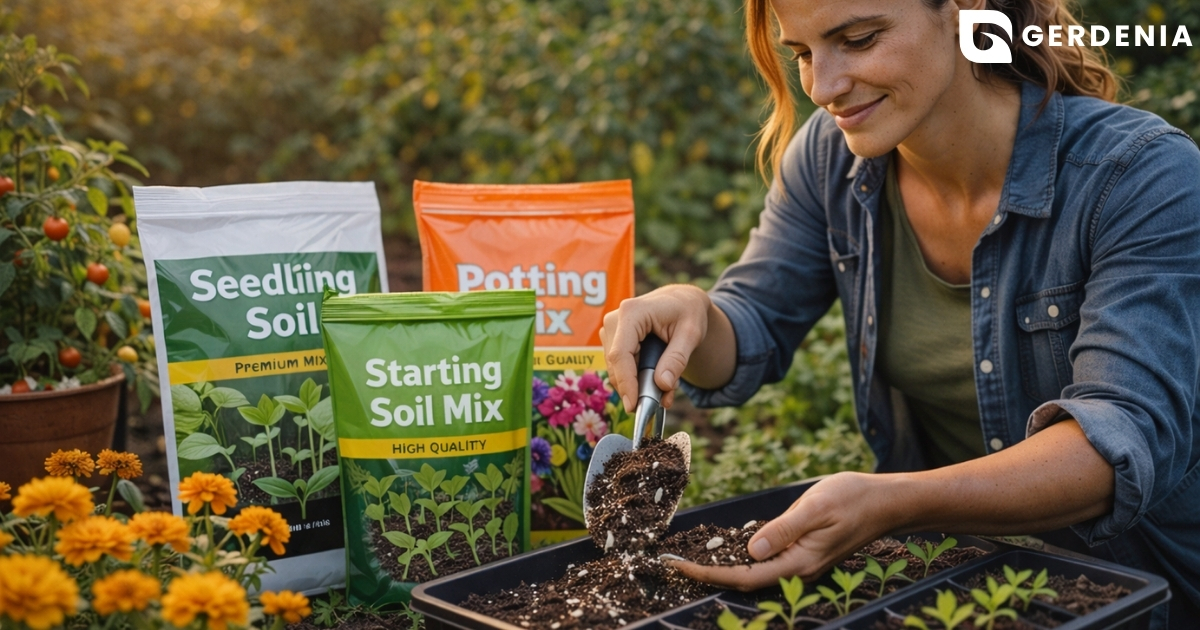
Instead of forcing nutrients directly into plant roots, utilizing compost for gardens feeds the soil’s invisible workers. Beneficial microbes consume this decaying matter, breaking it down into bite-sized meals your vegetables can easily absorb. When beginners wonder what are the best natural soil amendments to support this bustling underground city, the answer points straight to the humble worm.
Known affectionately as “black gold,” the role of earthworm castings in plant growth is unmatched. These nutrient-packed droppings contain unique enzymes that trigger explosive root expansion. Before mixing these powerful multivitamins into your beds, you must verify the soil environment those new roots are entering.
DIY Diagnostics: How to Test Your Soil pH and Drainage at Home
Even with premium compost, plants might still develop yellow leaves. This happens because soil pH acts like a security gate. If the environment is too acidic or alkaline, that gate locks shut, preventing roots from absorbing the feast you provided.
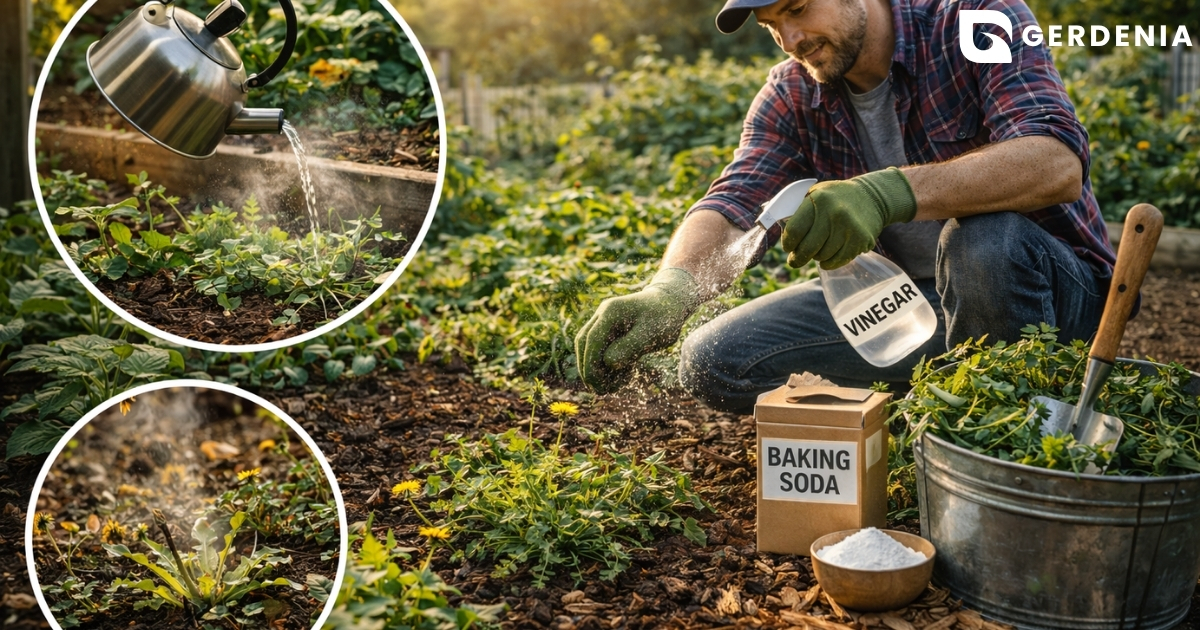
Learning how to test soil pH at home doesn’t require expensive gadgets. Try this zero-cost “Pantry Test” using two small mud samples:
- Pour vinegar into the first. If it fizzes, your soil is alkaline.
- Stir baking soda into the second. Bubbling indicates acidity.

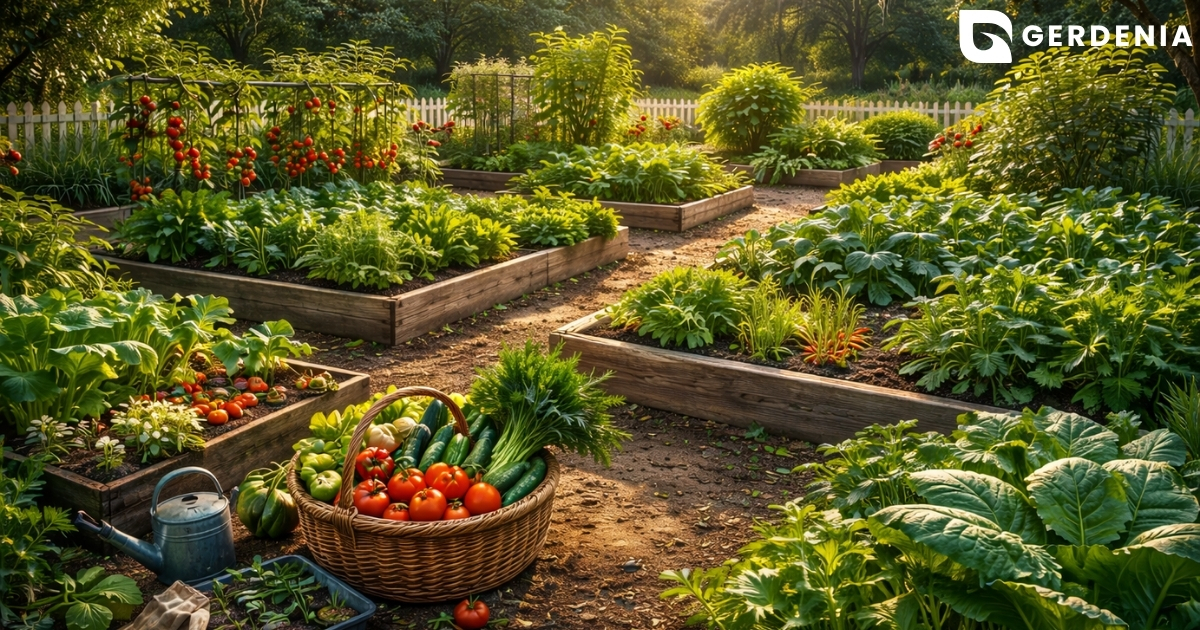
Roots also need to breathe, so water must move freely. Dig a foot-deep hole, fill it with water, and watch. Ideal percolation drops 1-3 inches per hour. If water sits stubbornly, prioritizing drainage correction is essential alongside increasing soil fertility. Building a targeted raised bed mix offers an ideal solution.
Building the Ultimate Raised Bed Mix with Coconut Coir and Mycorrhizae
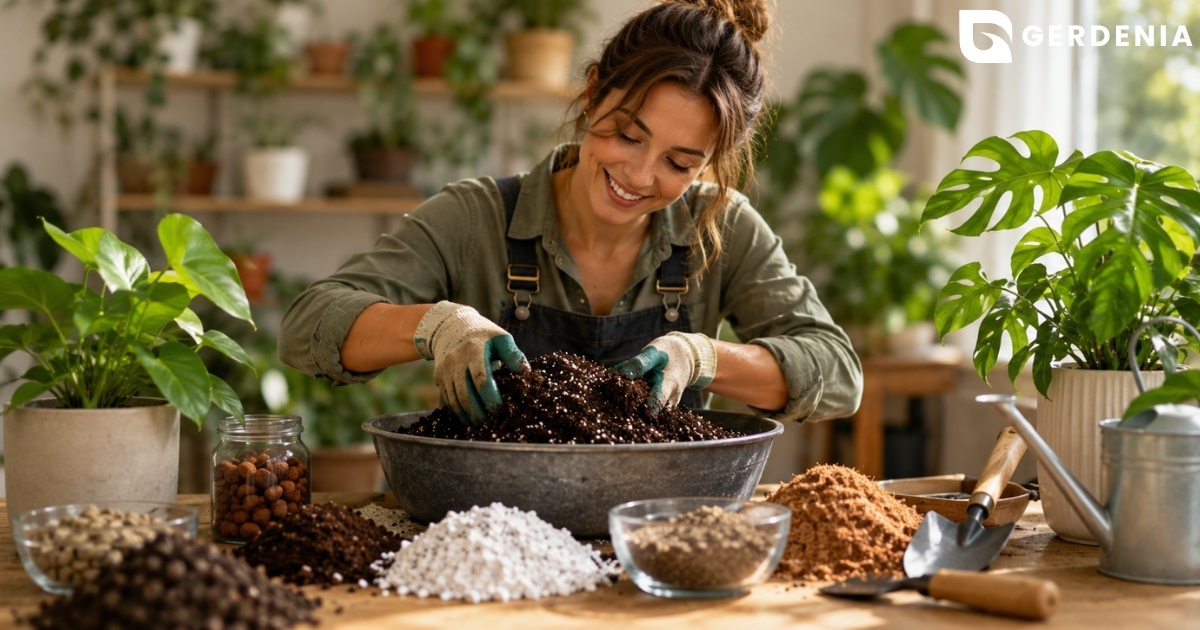
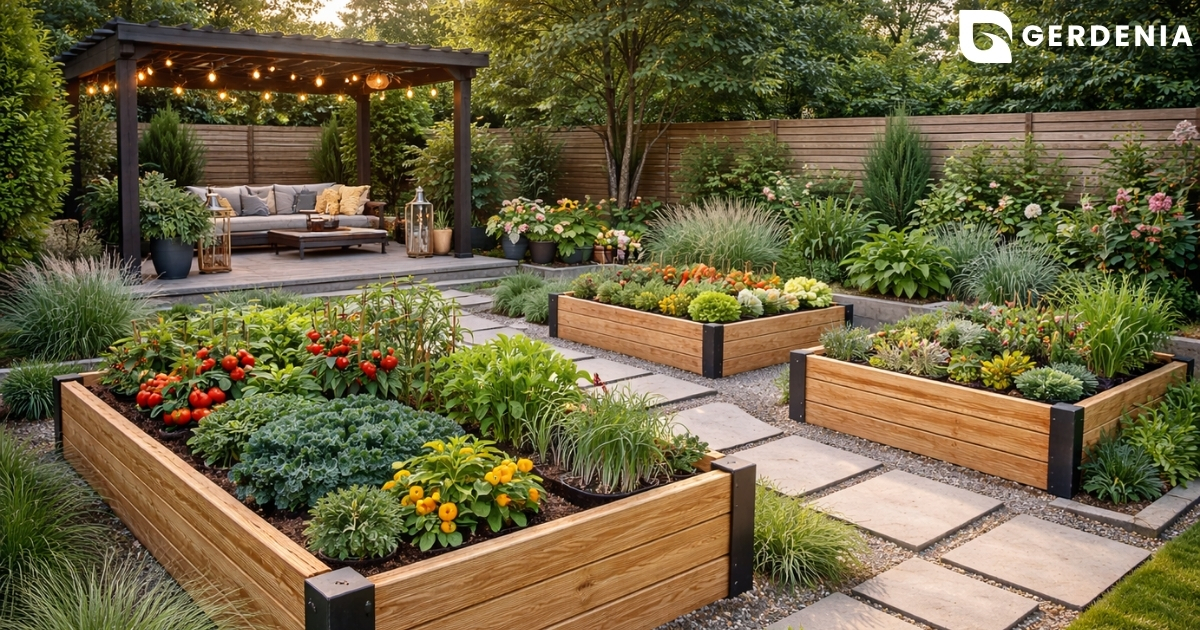
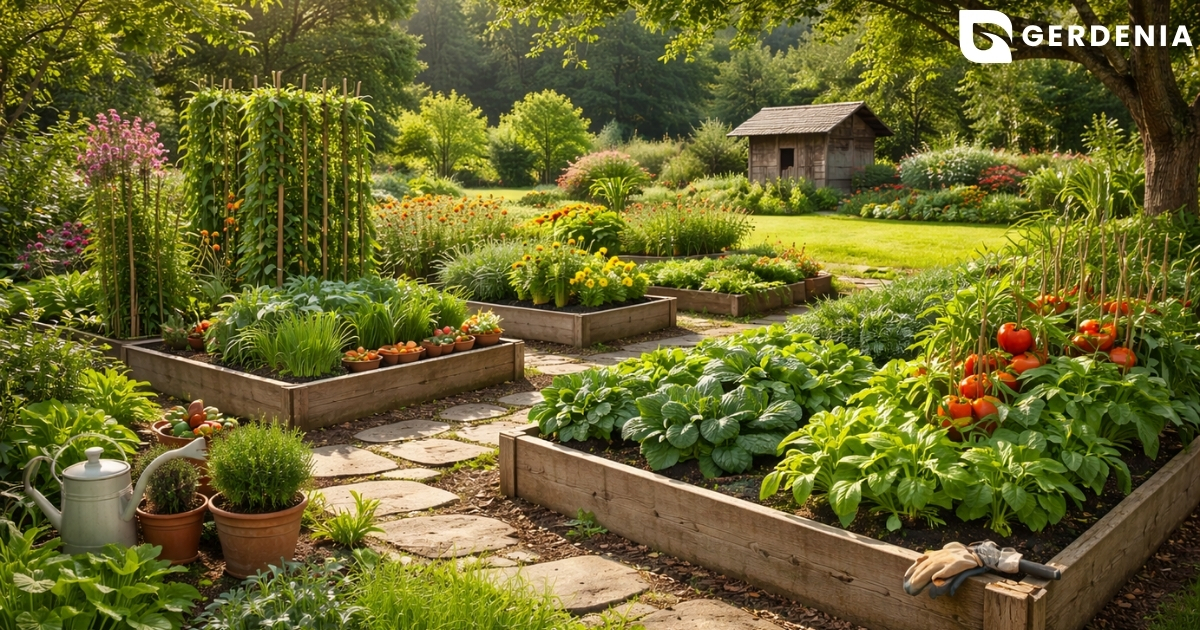
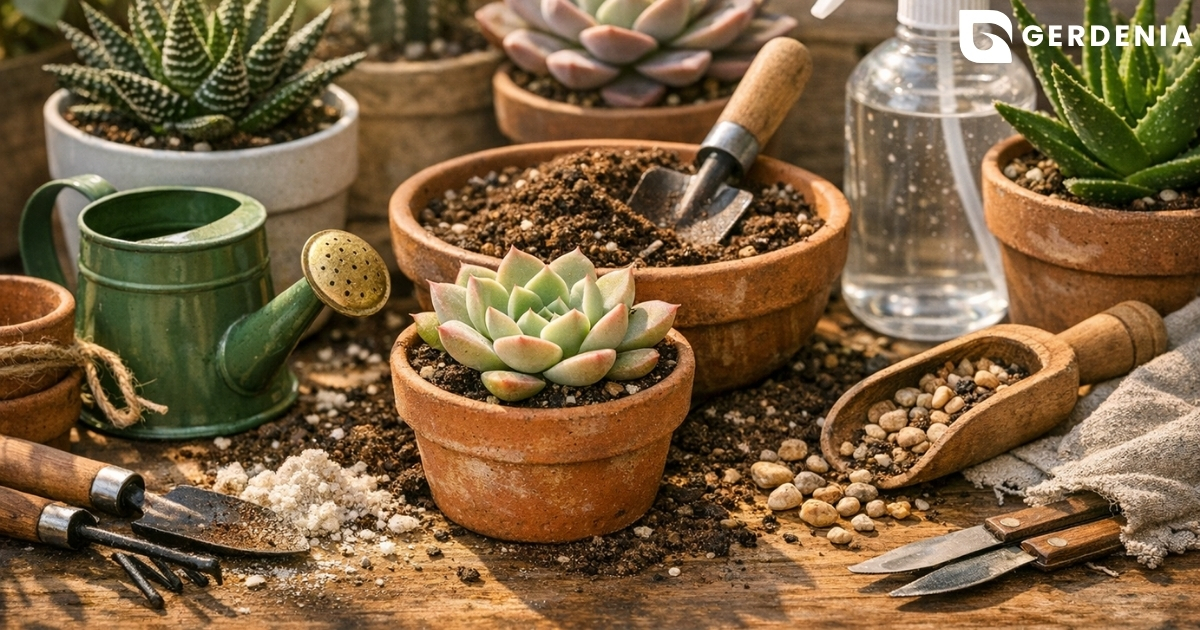
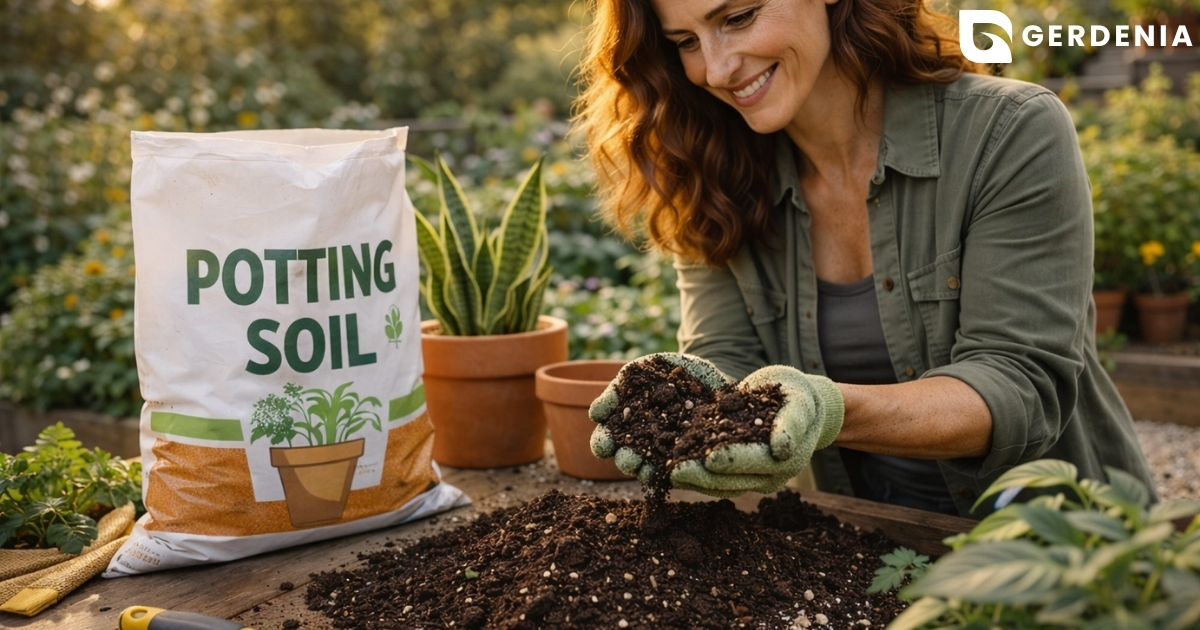
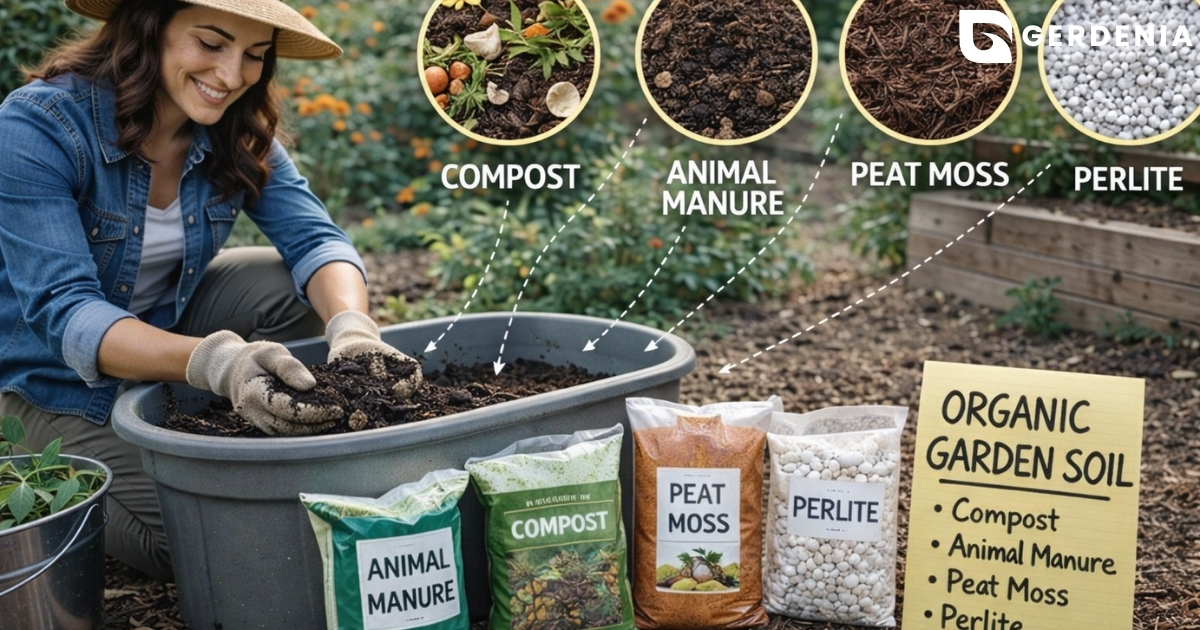
When comparing standard potting mix versus topsoil, neither works perfectly alone for planters. Instead, creating fluffy, organic raised bed garden soil requires blending specific ingredients. For building a raised bed growing mix that drains beautifully while retaining nutrients, use the classic 1-1-1 perfect recipe:
- 1/3 Compost (the nutrient multivitamin)
- 1/3 Coconut Coir (the moisture sponge)
- 1/3 Perlite or pumice (for crucial aeration)
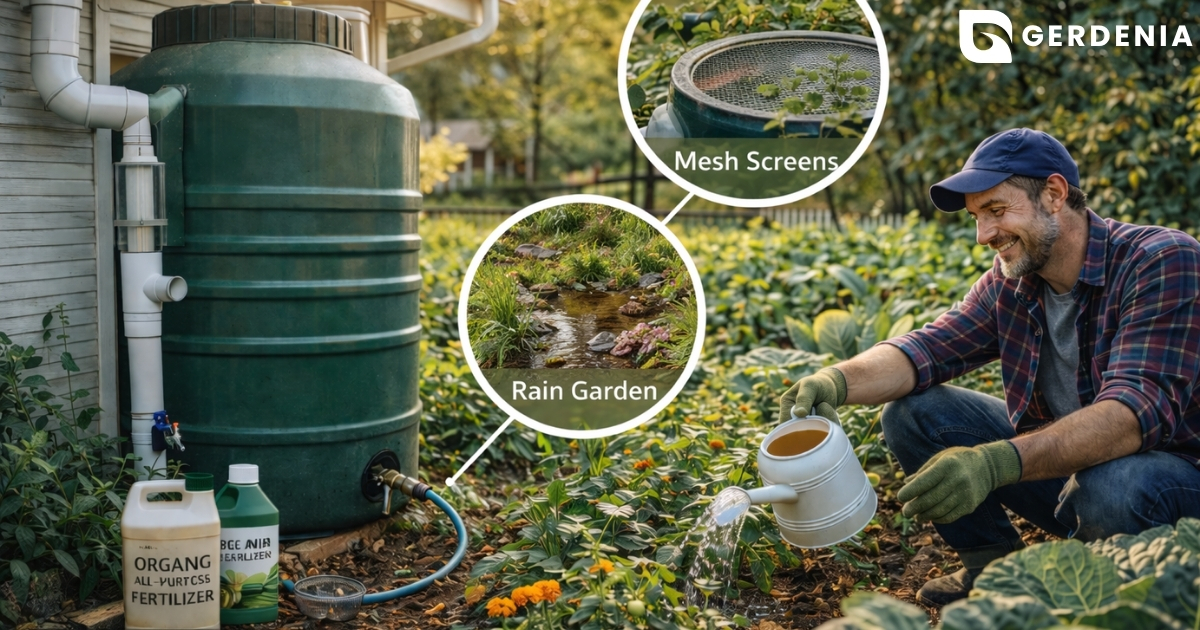
Dry earth sometimes repels water like a brick, which is exactly where a sponge ingredient becomes necessary. Weighing options like peat moss versus coconut coir matters. Coconut coir, made from recycled coconut husks, is a highly sustainable alternative to mined peat that holds up to ten times its weight in water to keep roots perfectly hydrated.
Beyond holding moisture, this mix needs biological helpers called mycorrhizal fungi. Think of these as an “underground highway” system that attaches to roots, fetching distant water and nutrients during dry spells. Unlocking the incredible benefits of mycorrhizal fungi turns a simple box of dirt into a living web, setting the stage for an actionable approach to healthier harvests.
Your Weekend Action Plan for Healthier Harvests
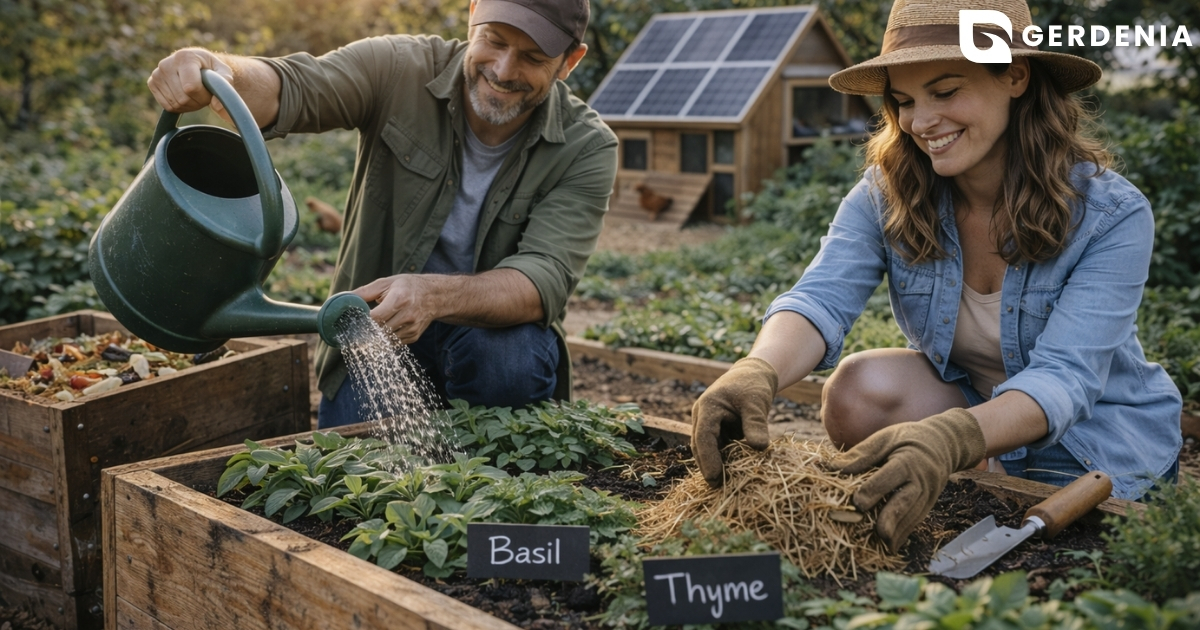
You now see your garden not as mere dirt, but as a bustling underground city. To keep this ecosystem thriving, mimic the forest floor—nature never tills, so why should we? Adopting a “No-Dig” rule protects your fragile fungal highways. Instead of turning the earth, simply cover it. Mulch acts as a protective blanket for your tiny helpers, locking in moisture and defending against extreme heat.
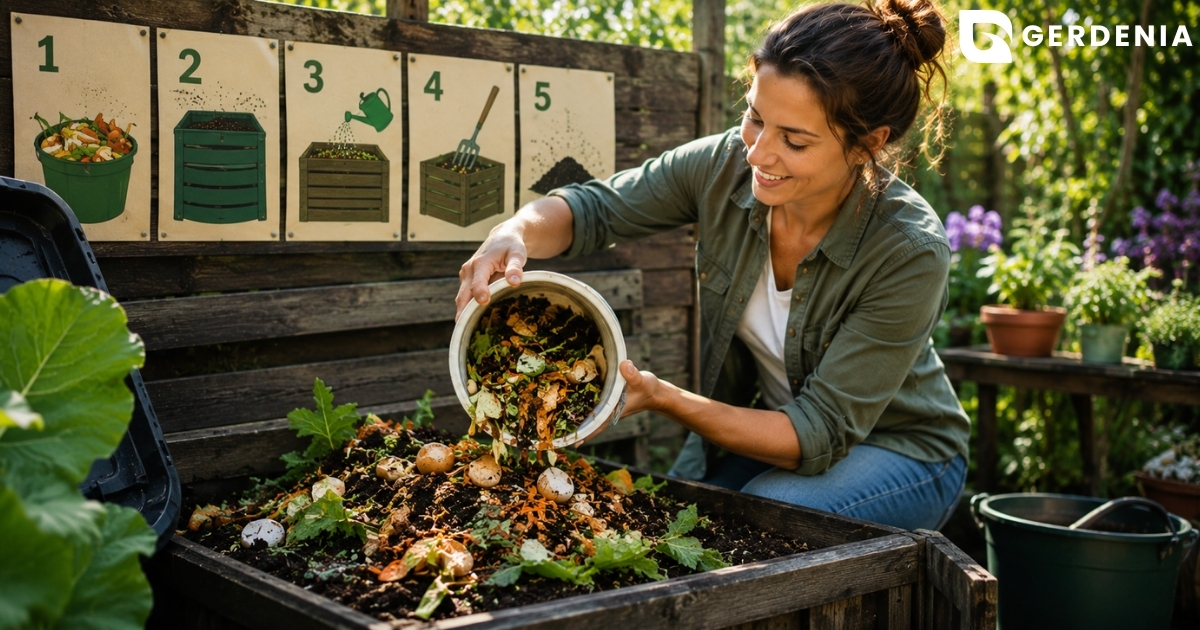
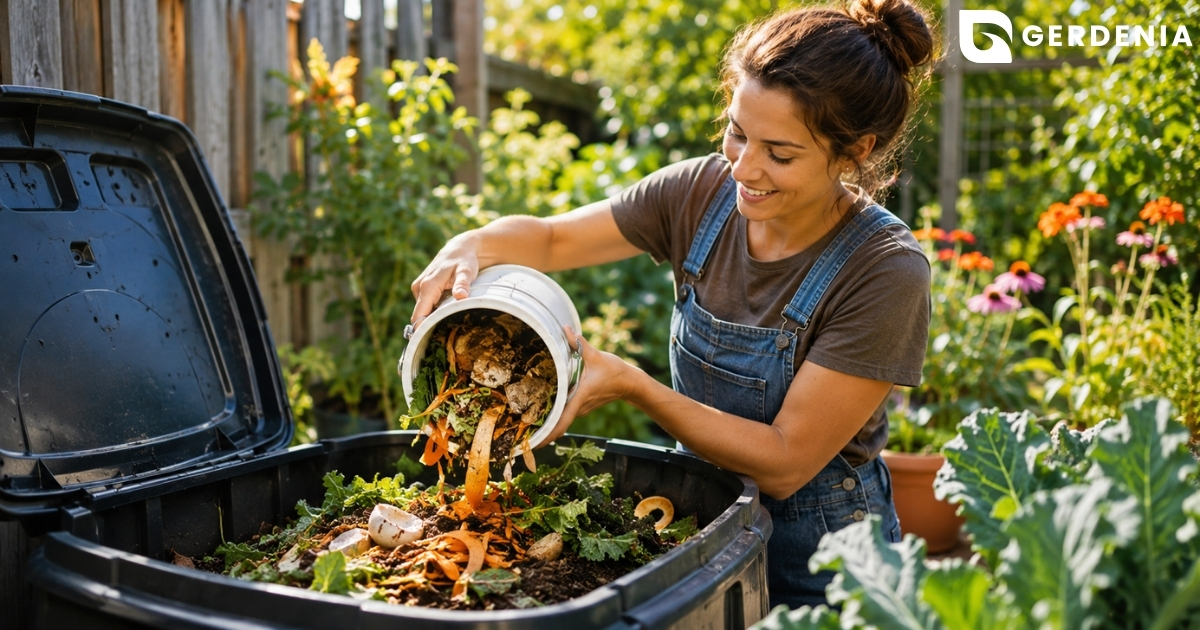
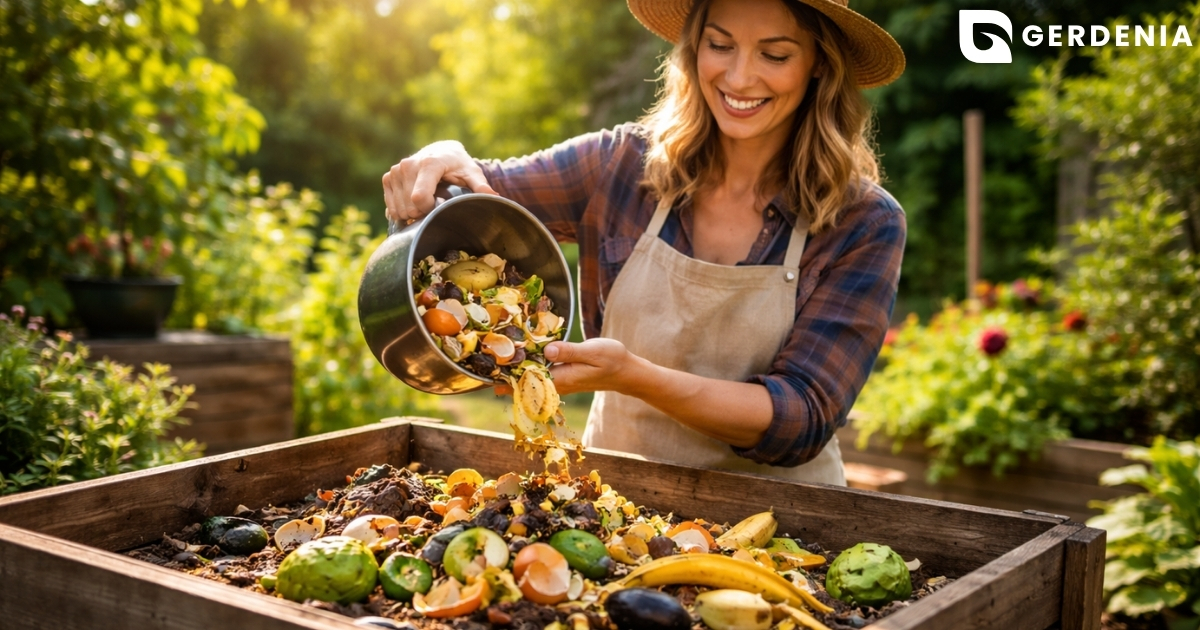
The best next step for exploring sustainable ways to increase soil fertility is starting a simple compost pile today. Once that organic matter breaks down, learning how to make compost tea for gardens creates a powerful liquid multivitamin that delivers an immediate boost directly to your plants’ roots. As you stop disturbing the earth and focus on feeding its microscopic residents, your newly balanced soil will take over the heavy lifting, rewarding you with vibrant harvests and much easier gardening.