You’ve given your favourite houseplant the perfect sunny spot and an ideal watering schedule, yet it still looks tired. According to common gardening wisdom, plant leaves turning yellow aren’t always a sign of thirst—your leafy friend might actually be hungry. While sunshine and water provide basic energy, plants eventually drain their soil’s existing reserves.

Think of plant fertiliser as an essential multivitamin filling those crucial nutritional gaps. Instead of feeling overwhelmed by chemical jargon, rely on simple, natural ways to boost soil fertility. By mastering the easy “Up, Down, All-Around” framework of plant nutrition, you’ll immediately know exactly what your garden needs for vibrant, resilient growth.
Cracking the N-P-K Code: Using the ‘Up, Down, All-Around’ Rule for Better Blooms
Walking down the garden center aisle can be overwhelming when you are just seeking a simple plant fertiliser. Dozens of bottles stare back at you with cryptic numbers like 10-10-10. These digits represent the NPK ratio explained simply: the exact percentage of three major macronutrients—Nitrogen, Phosphorus, and Potassium—packed inside the bag.
Instead of memorizing chemistry to figure out what your garden needs, just use the classic “Up, Down, All-Around” rule:
- Nitrogen (N) is for ‘Up’ (leaves): Fuels lush, vibrant green growth above the ground.
- Phosphorus (P) is for ‘Down’ (roots/flowers): Encourages strong root systems and pushes beautiful blooms.
- Potassium (K) is for ‘All-Around’ (overall health): Acts like a protective multivitamin for general plant resilience.
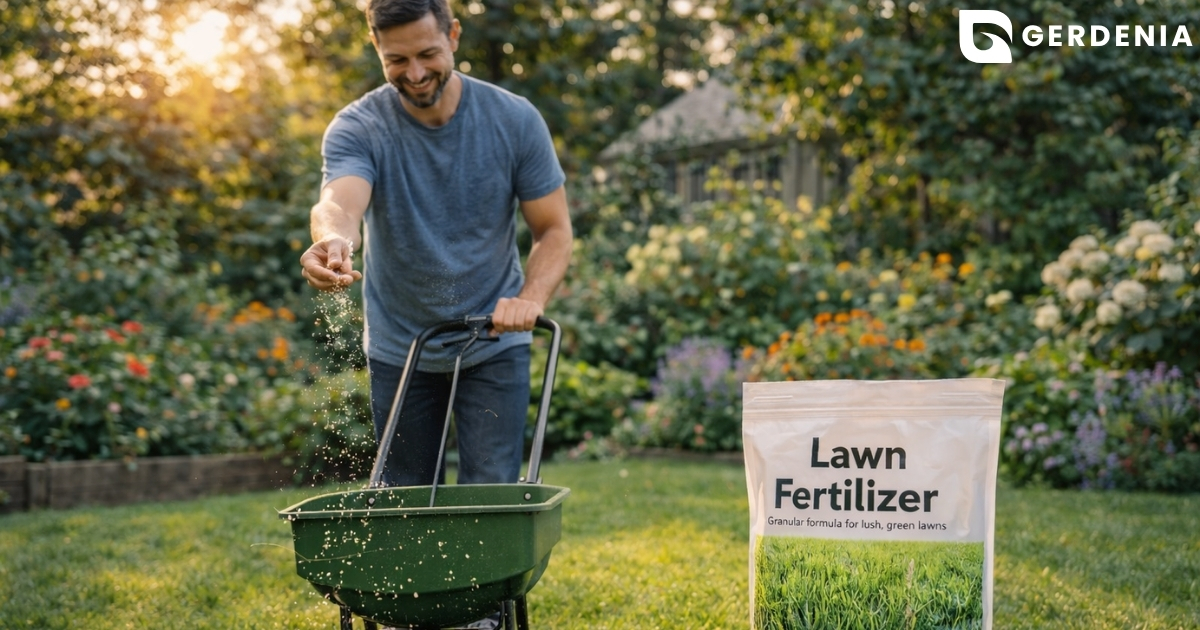
With this trick, you can practice targeted feeding. A “balanced” 10-10-10 mix offers equal parts of all three, perfect for everyday maintenance alongside minor micronutrients for healthy foliage. Conversely, pouring high-nitrogen lawn food on your tomatoes will give you massive leaves but zero fruit. Knowing exactly what your plant craves helps you determine whether to serve a quick energy boost or focus on building long-term soil health.
Organic vs. Synthetic Supplements: Choosing Between a Quick Energy Boost and Long-Term Soil Health
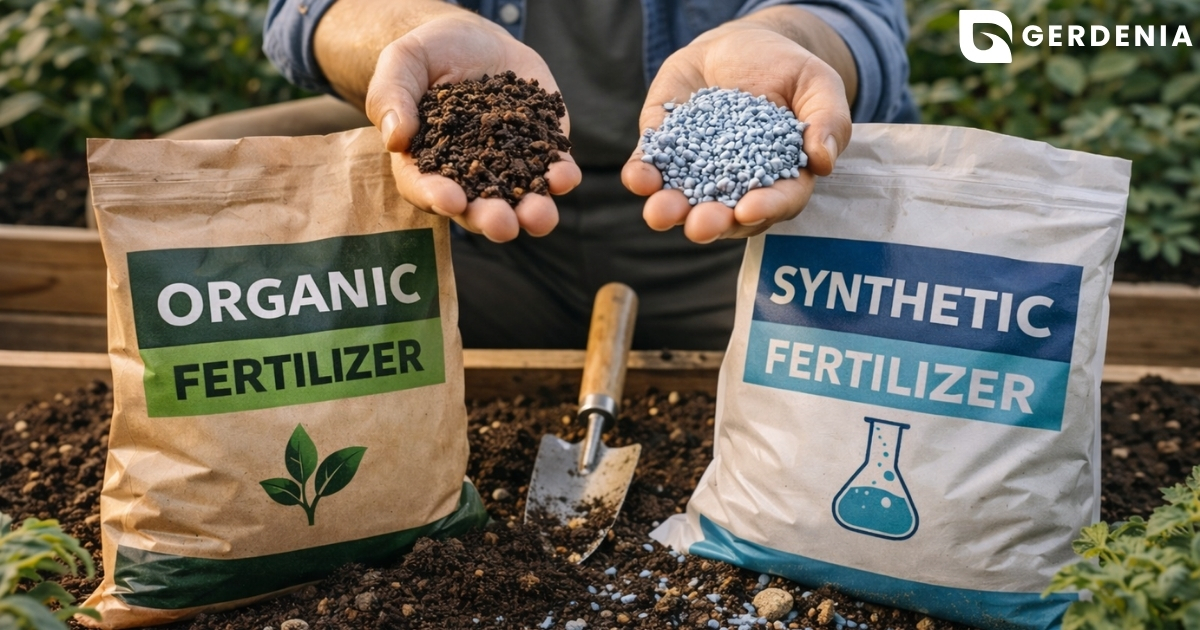
Have you ever wondered why some plant foods yield overnight results while others take weeks? The secret is choosing between organic vs synthetic gardening supplements, which is exactly like comparing fast food to a home-cooked meal.
Choosing synthetics means feeding the plant directly for an instant energy spike. These formulas deliver nutrients immediately, but they contain harsh synthetic salts. If overused, these salts build up in your pot and “burn” sensitive roots, leaving your plant with crispy, brown leaves.
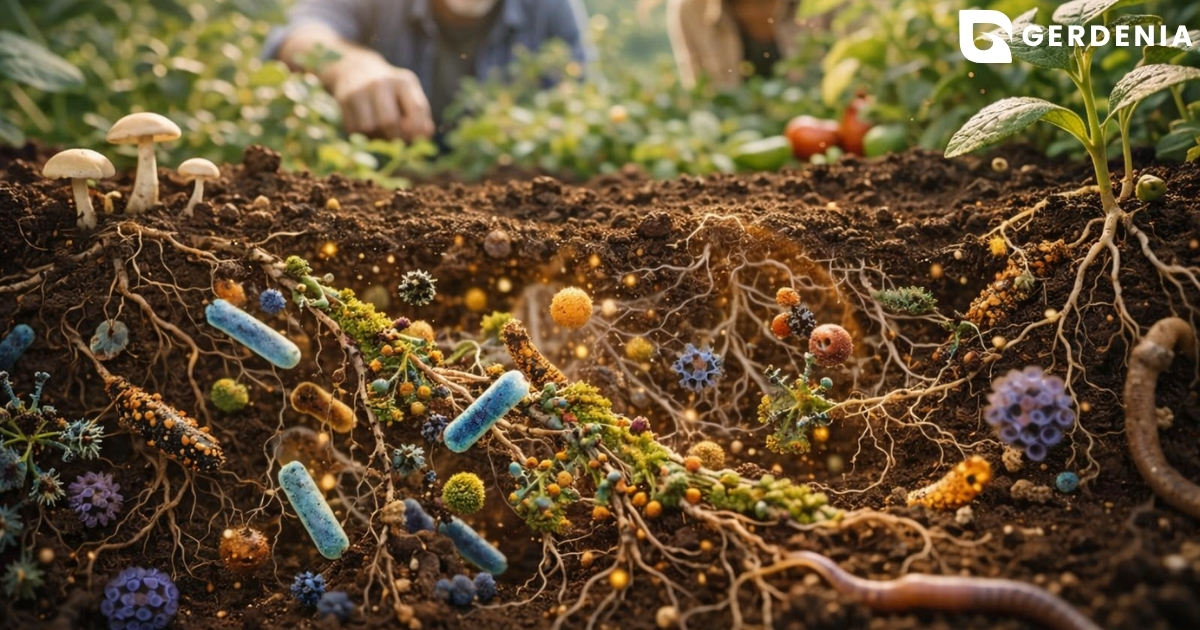
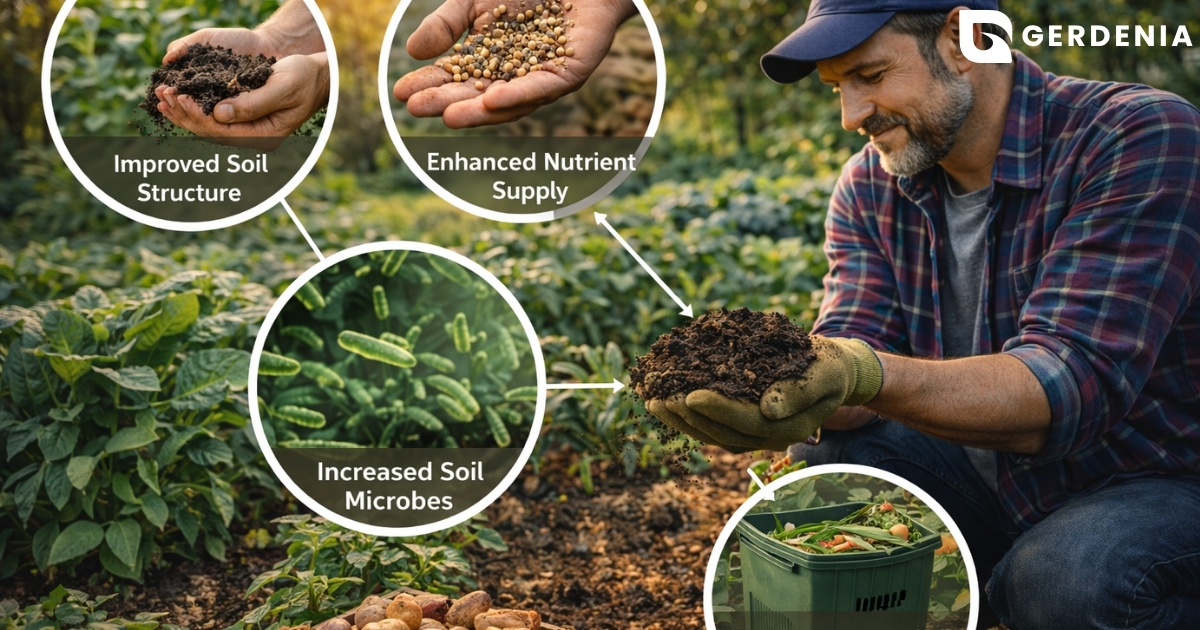
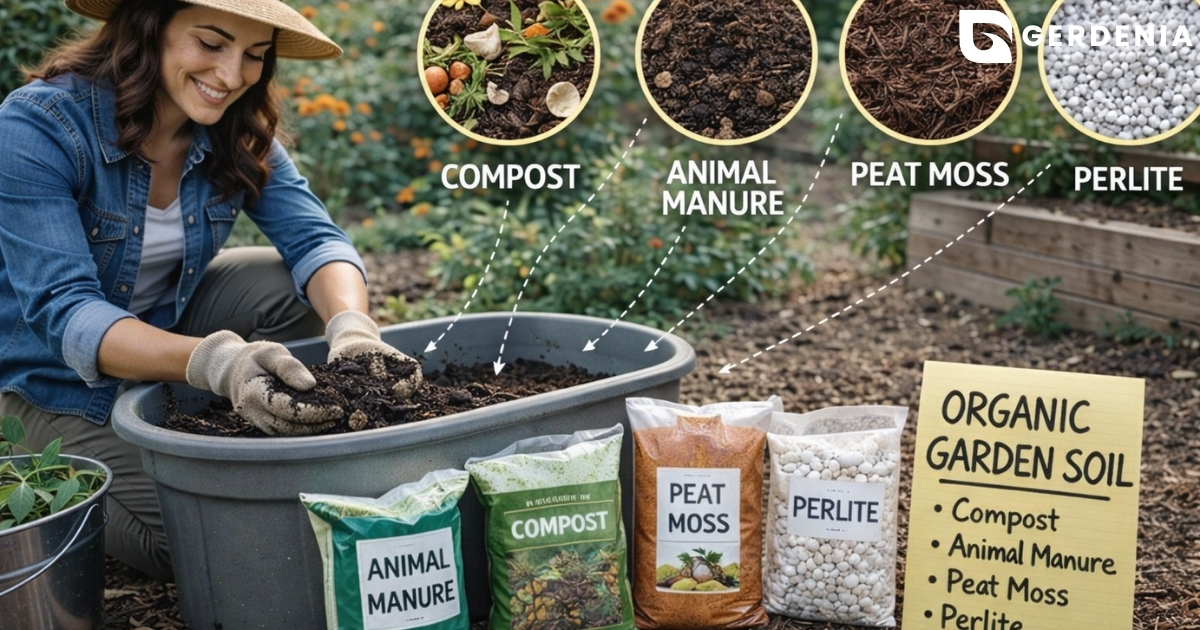
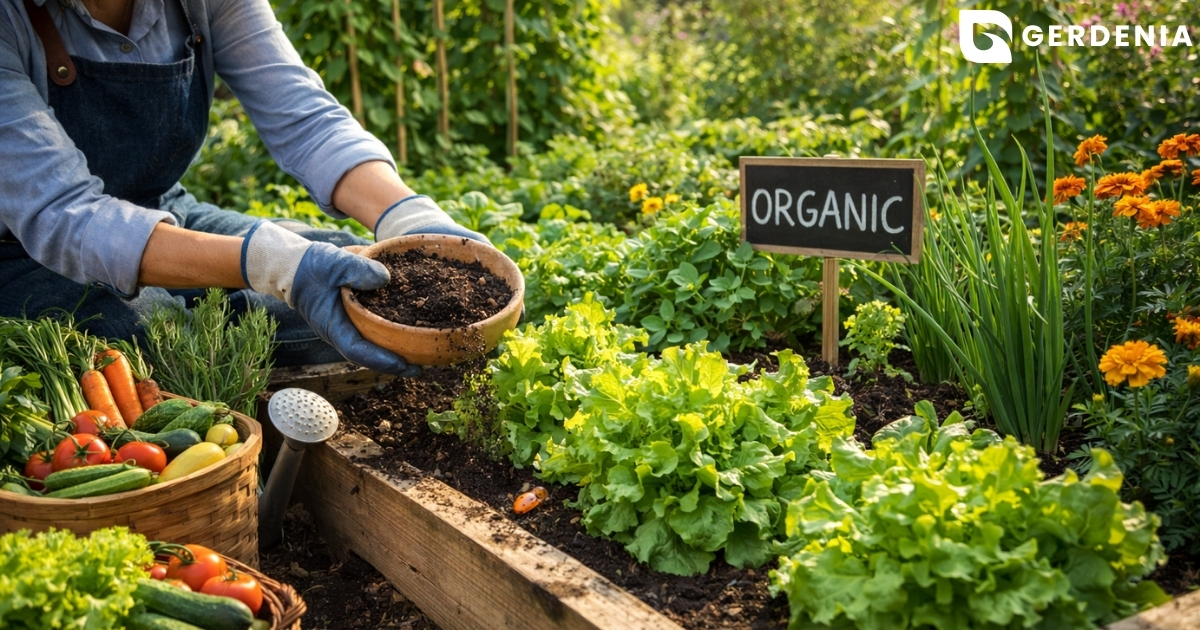
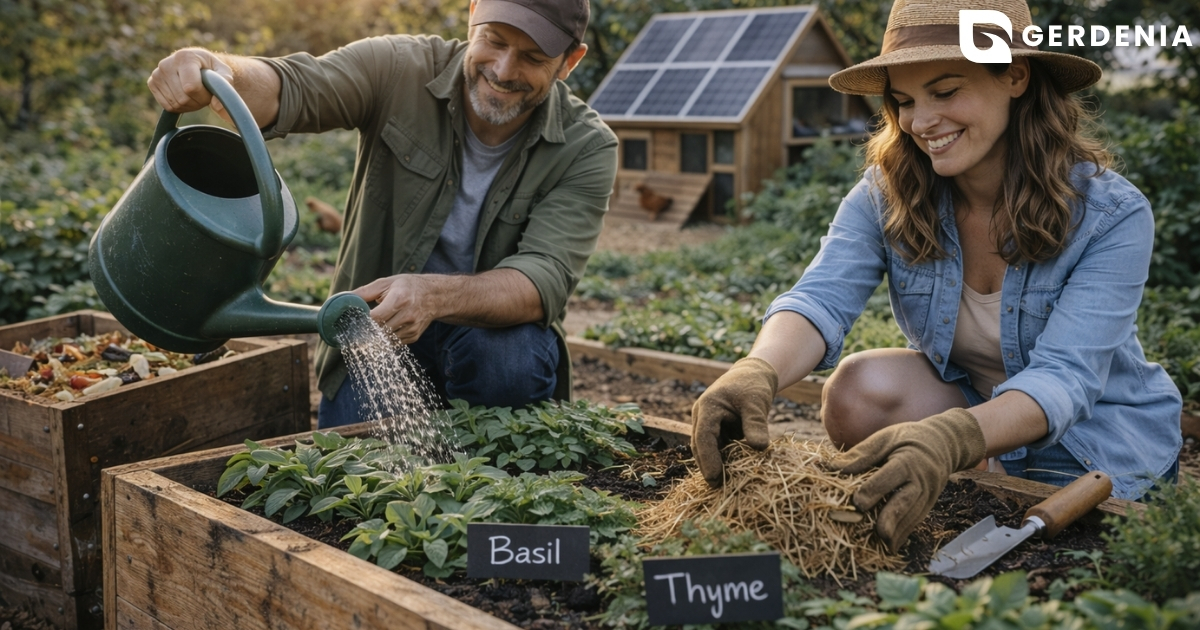
Going the natural route means feeding the dirt instead. To raise a healthy organic fertiliser plant, you must rely on the soil microbiome—millions of tiny, helpful microbes—to digest the ingredients before roots can absorb them. Consider how these natural swaps compare:
- Synthetic Powders: Deliver a quick chemical fix, but leave the soil completely lifeless.
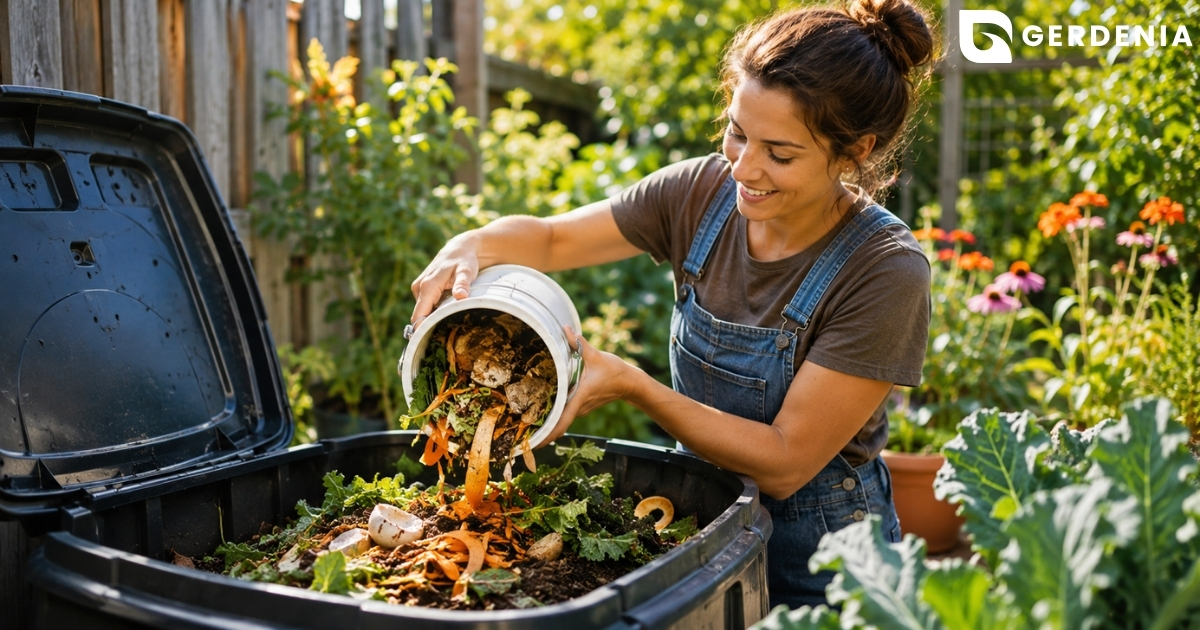
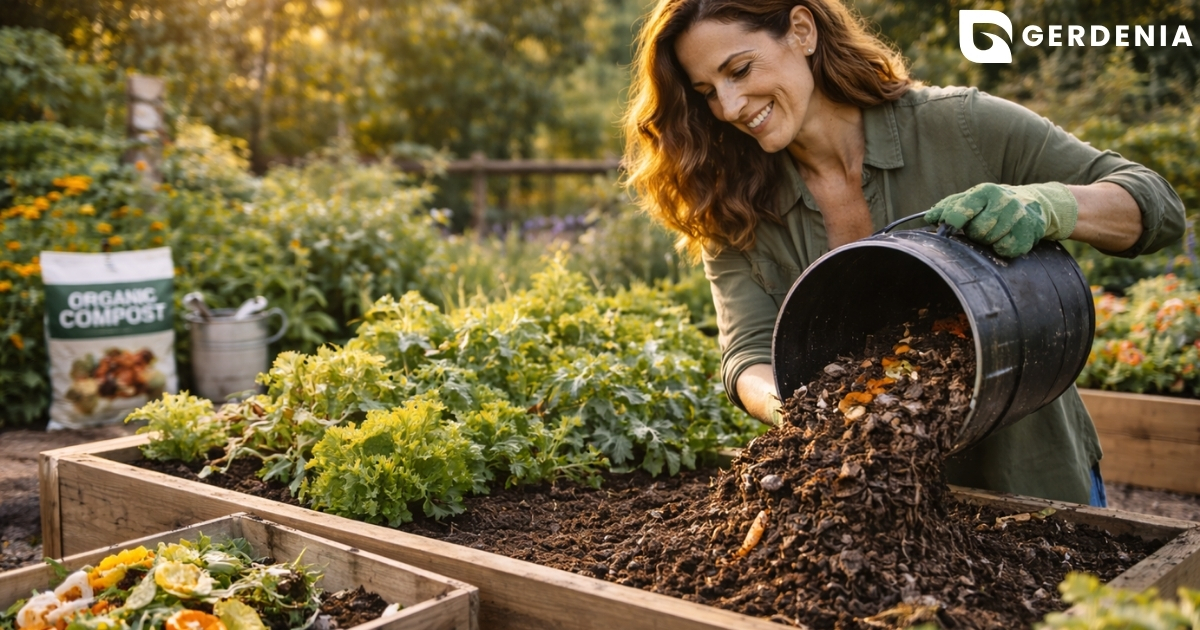
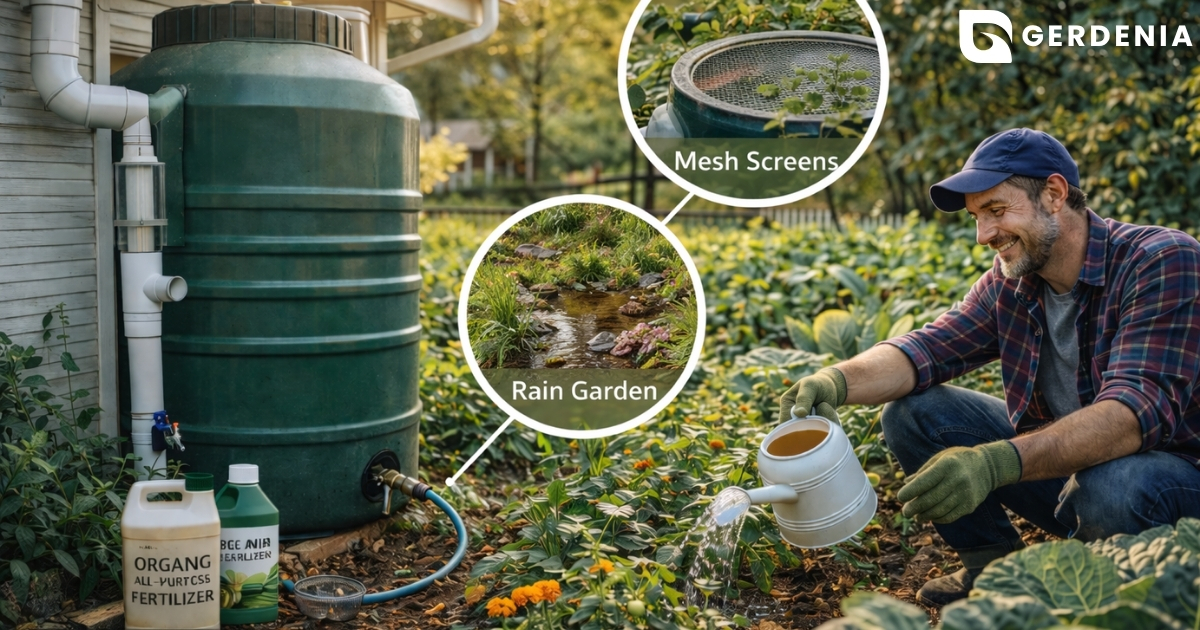
- Applying Compost Tea: A gentle, natural fertilizer that waters roots while boosting friendly soil bacteria.
- Blood and Bone Meal: This classic mixture slowly releases targeted nutrients for robust, long-term growth.
- Worm Castings: An odor-free superfood that enriches the earth with zero risk of root burn.
Liquid Gold or Slow-Release Pellets? Matching Fertiliser Speed to Your Plant’s Needs
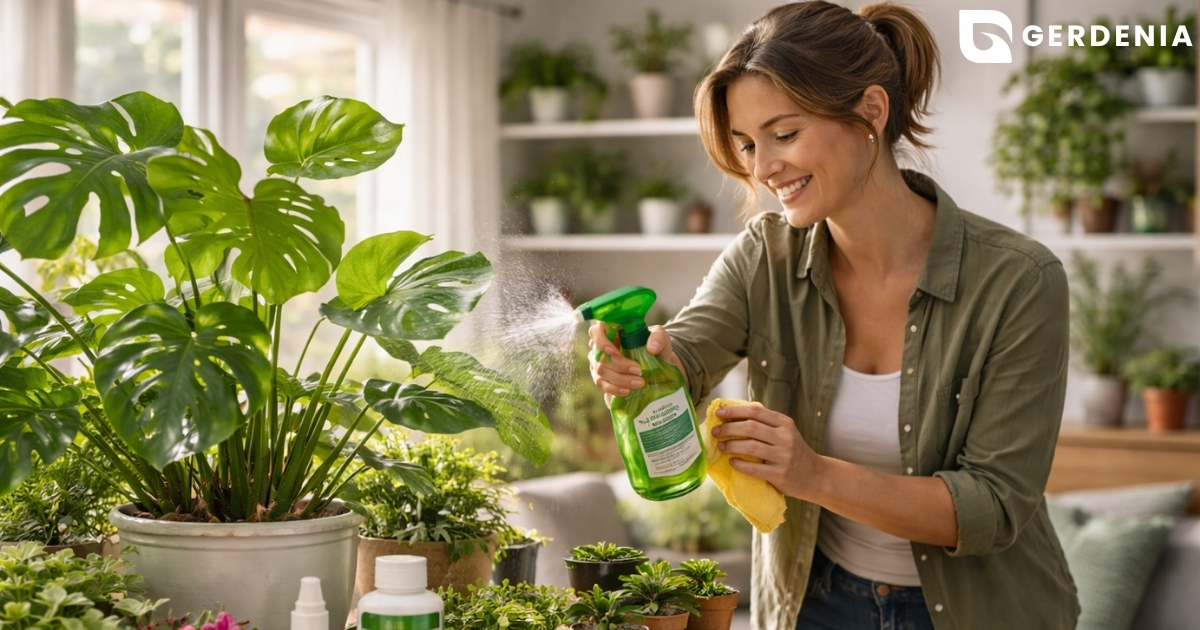
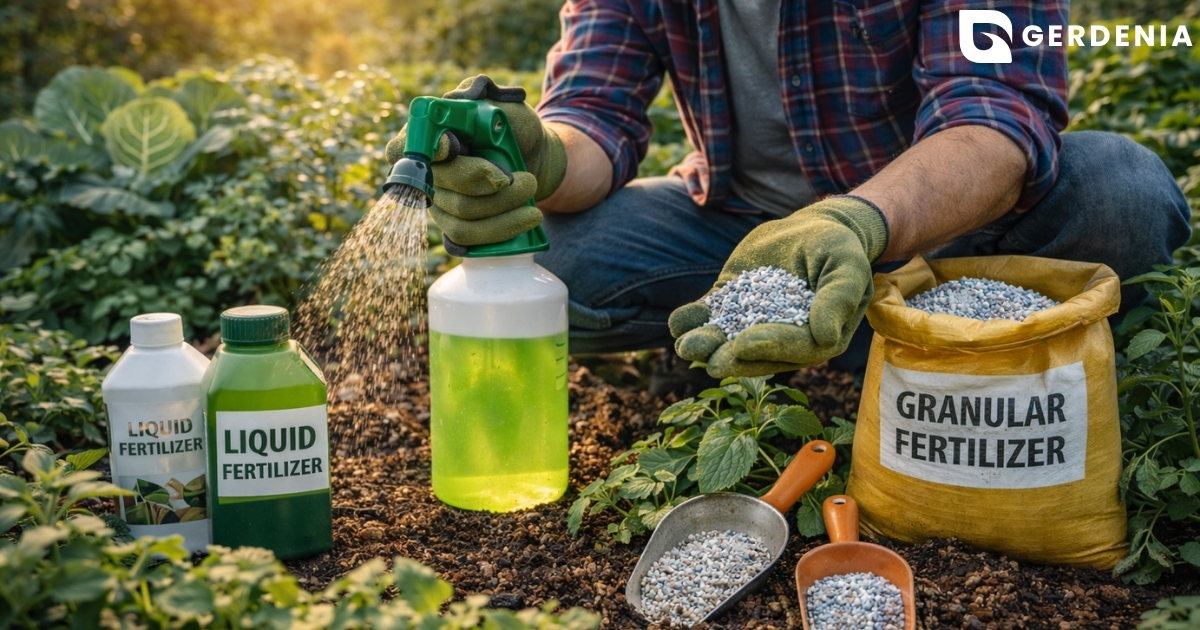
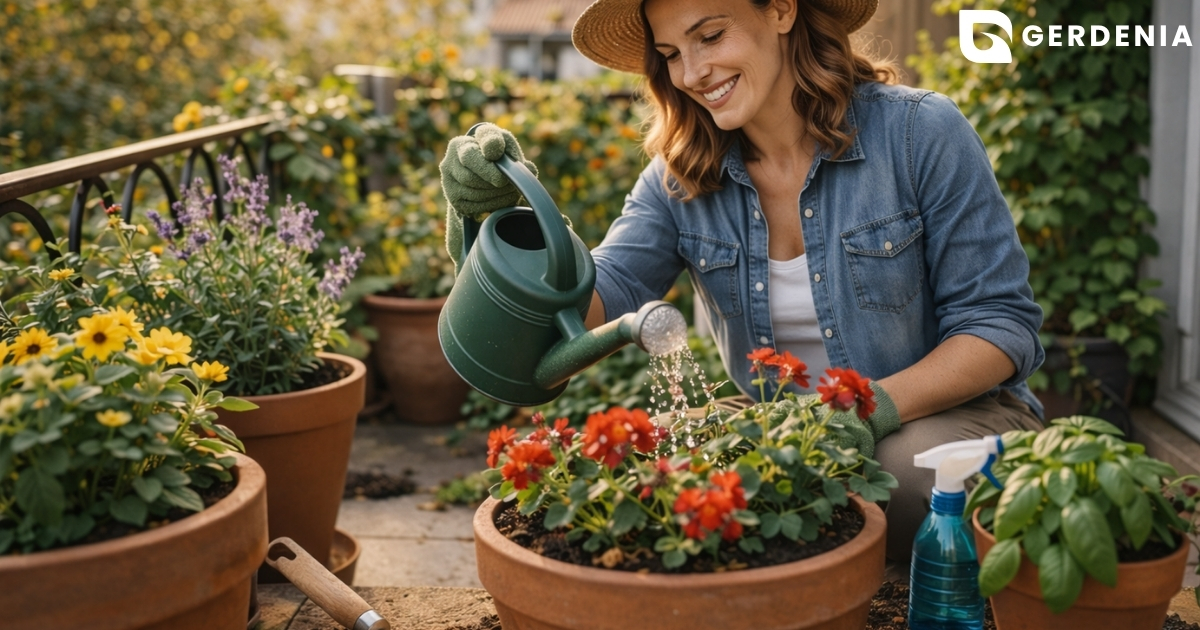
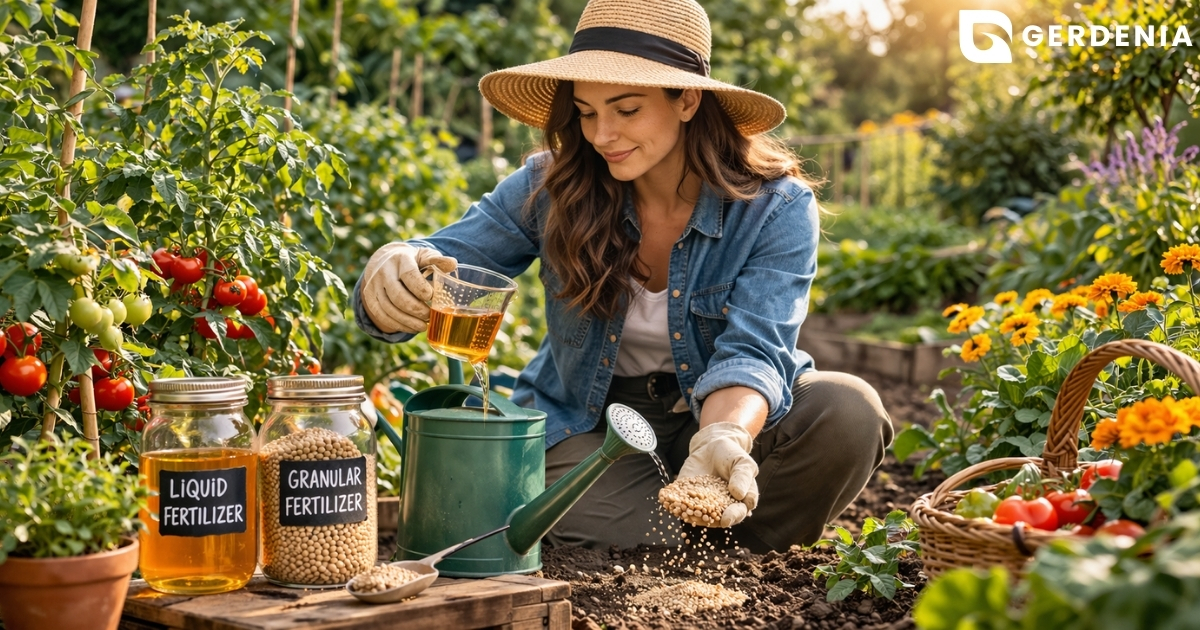
Choosing between slow-release vs liquid plant food depends heavily on where your plants live. For potted houseplants, liquid is usually best. Every time you water containers, valuable nutrients wash out the drainage holes—a sneaky process called leaching. Liquid feeds replace these lost vitamins instantly, making them the perfect choice when deciding when to feed indoor plants during their active spring growth.
Garden beds require a completely different strategy.
Granules use clever slow-release technology, dissolving little by little over several months to provide a steady, reliable meal that won’t simply wash away in the rain. This long-lasting approach is ideal for establishing a simple, low-maintenance feeding schedule for vegetable gardens and backyard borders.
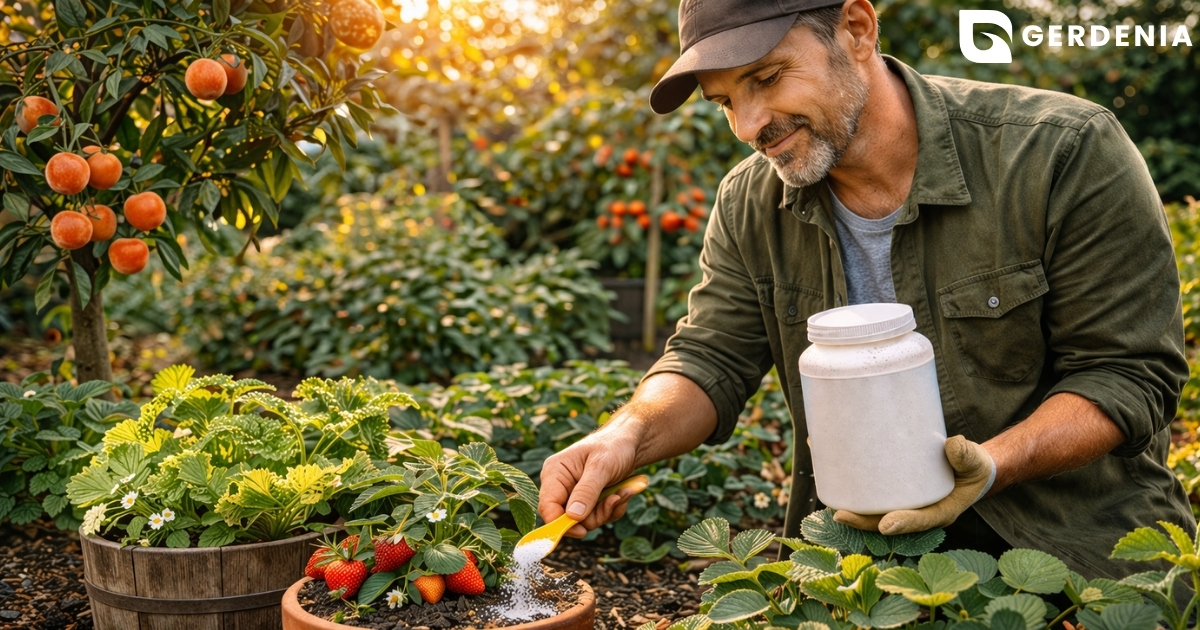
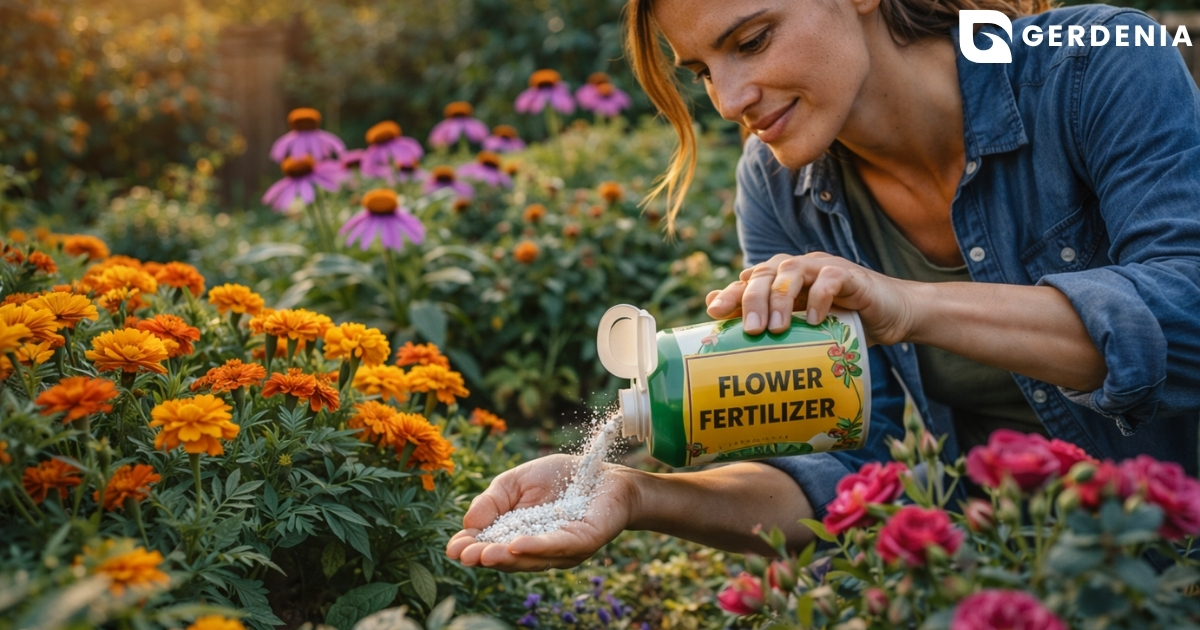
Whenever using these dry options, you must always water the soil deeply immediately after application. This essential “water-in” rule pushes the nutrients safely down into the earth, preventing concentrated dry ingredients from causing “root burn”—those dreaded crispy, brown leaf edges. Even with a perfect application routine, you must monitor your plant’s ongoing response to ensure the feeding is actually working.

Reading Your Plant’s Signals: How to Fix Yellow Leaves and Stunted Stems Before It’s Too Late
A struggling plant is constantly trying to communicate its needs. Learning how to identify nutrient deficiency in plants ends the frustrating guessing games. Use this simple diagnostic guide to translate their signals:
- Yellow bottom leaves: The most common answer to “why are my plant leaves turning yellow”—your plant needs Nitrogen.
- Purple-tinted foliage: Your plant is craving Phosphorus.
- Crispy, burnt leaf tips: Classic signs of over-fertilization.
Spotting those crispy edges means you need to stop feeding immediately. Giving your garden too much food creates a toxic salt buildup in the soil that actually dehydrates the roots. To rescue an overfed potted plant, use the “flush” method by running plain water heavily through the drainage holes for a few minutes to wash away the excess minerals.
Even with a perfect feeding routine, incorrect soil acidity can still starve your garden. Think of pH as a locked door; if it is too high or low, it causes “pH lockout,” preventing roots from absorbing their meals. Testing soil pH for nutrient uptake ensures the door to those vitamins stays wide open. Decoding these visual cues makes it incredibly simple to build a sustainable, long-term care strategy.
Your 3-Step Feeding Blueprint: Building a Sustainable Schedule for Year-Round Vitality
You no longer have to guess what those numbers on the bottle mean. Implement this 3-step checklist for your next trip to the garden center:
- Test soil: See exactly what your plants are missing.
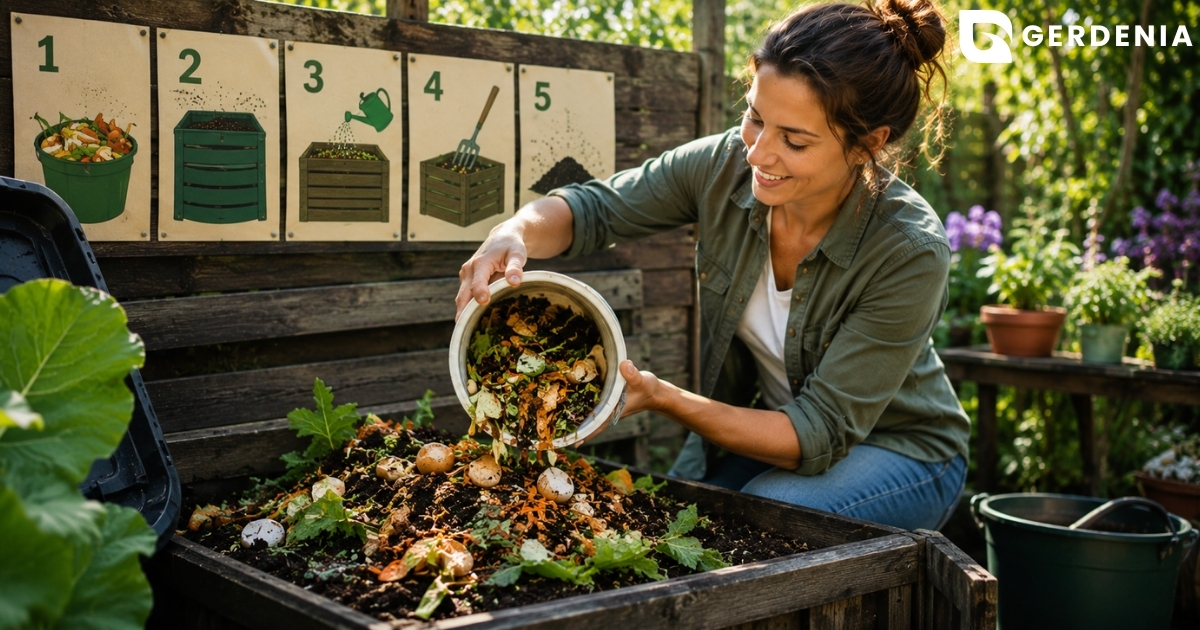
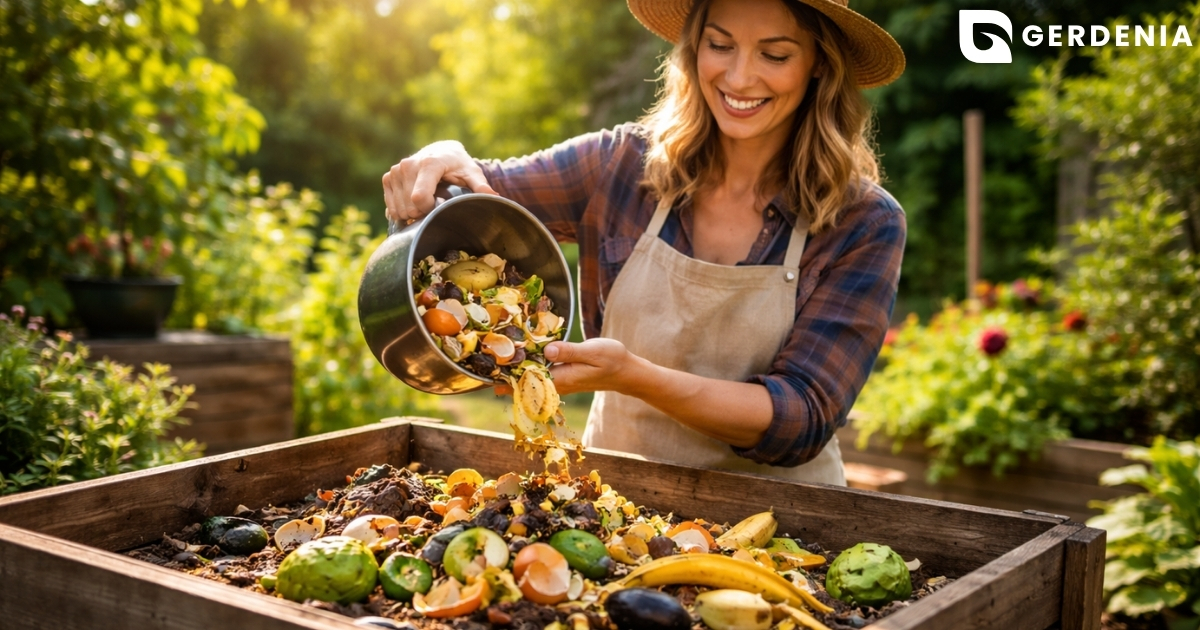
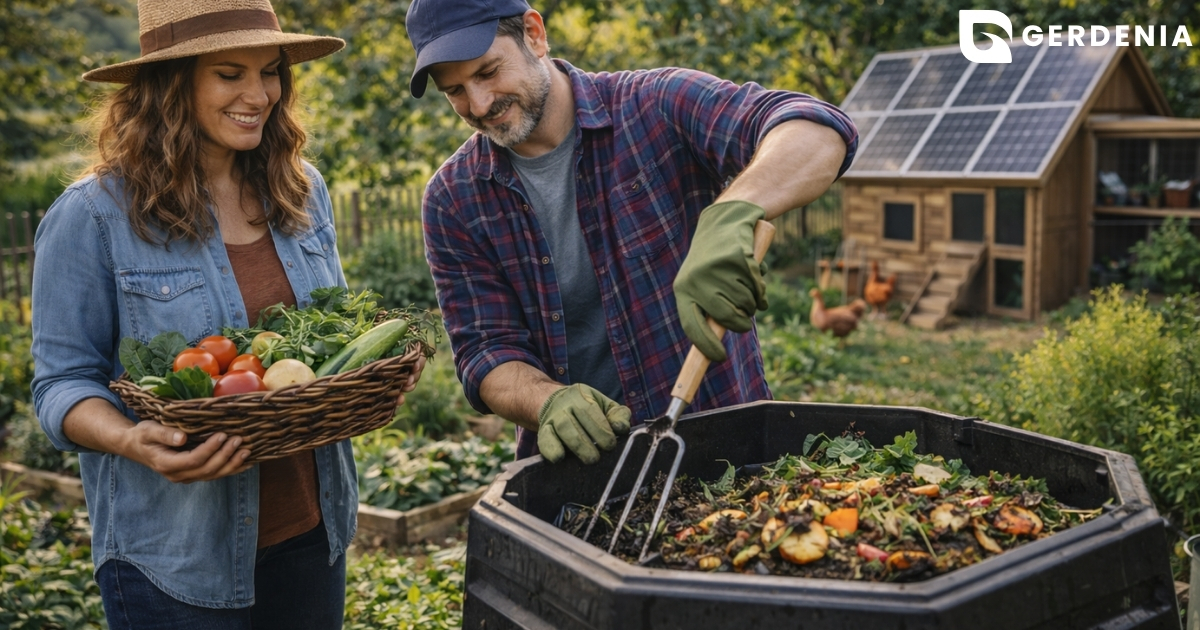
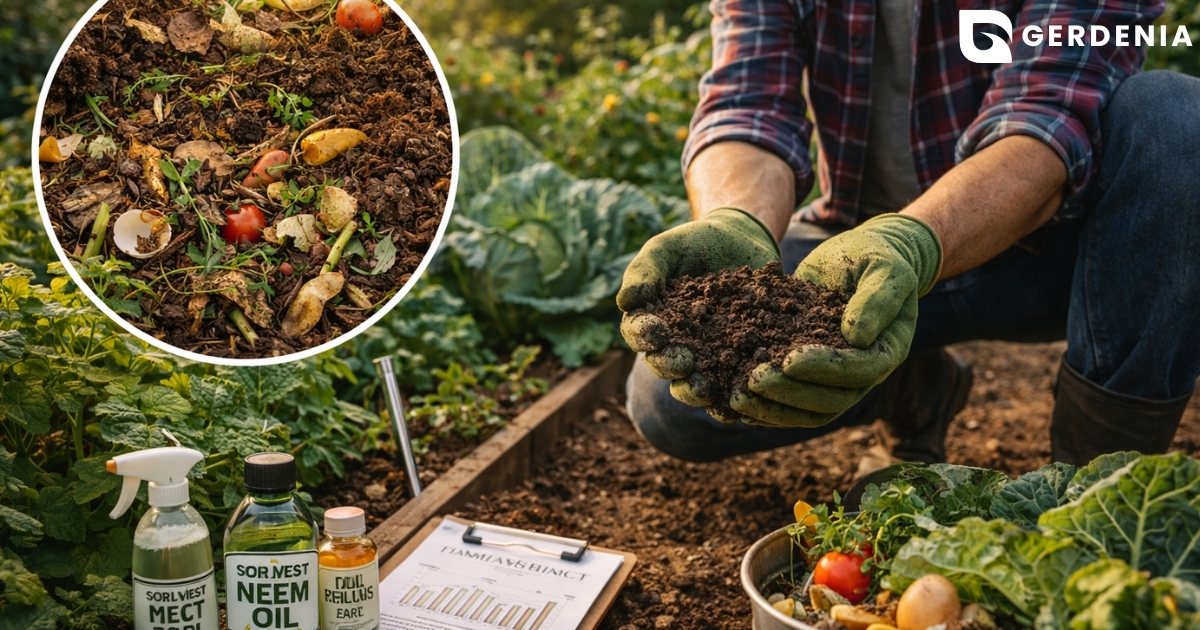
- Choose type: Explore natural ways to boost soil fertility, like sustainable home composting methods or simple organic liquids.
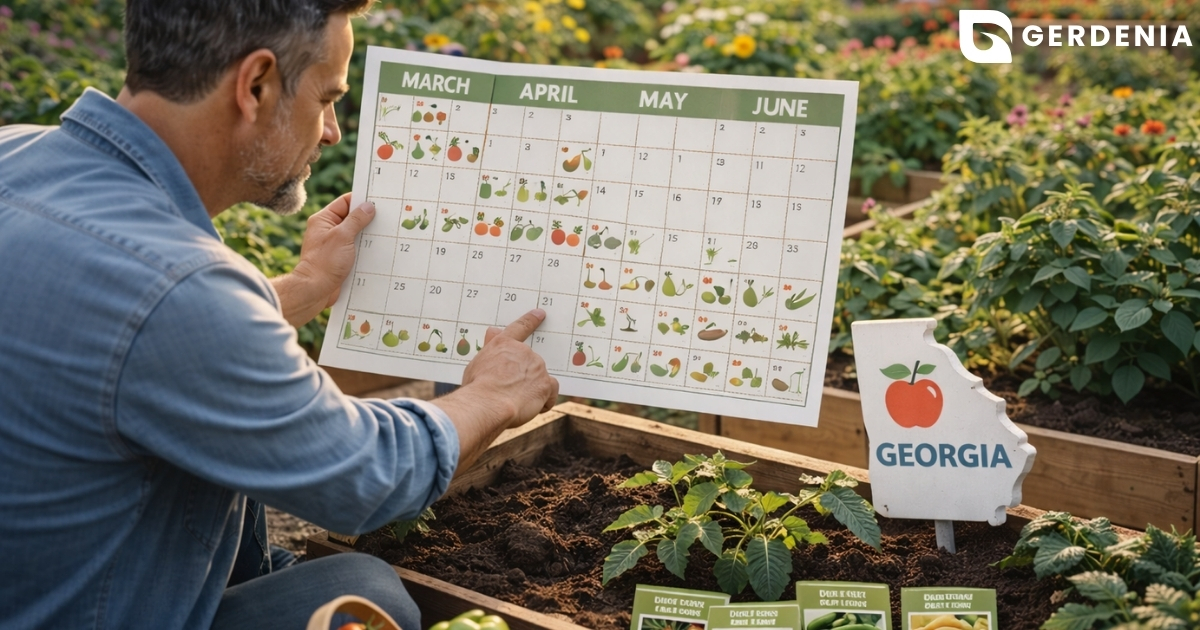
- Set seasonal calendar: Map a clear feeding schedule for vegetable gardens and houseplants.
Establish a Spring to Autumn feeding routine, but remember the golden rule: feed when growing, rest when sleeping. Mastering the art of “winter resting” prevents stressing dormant plants. Start with this simple checklist to establish robust plant health, and soon you’ll be sharing your own green-thumb secrets over the fence!