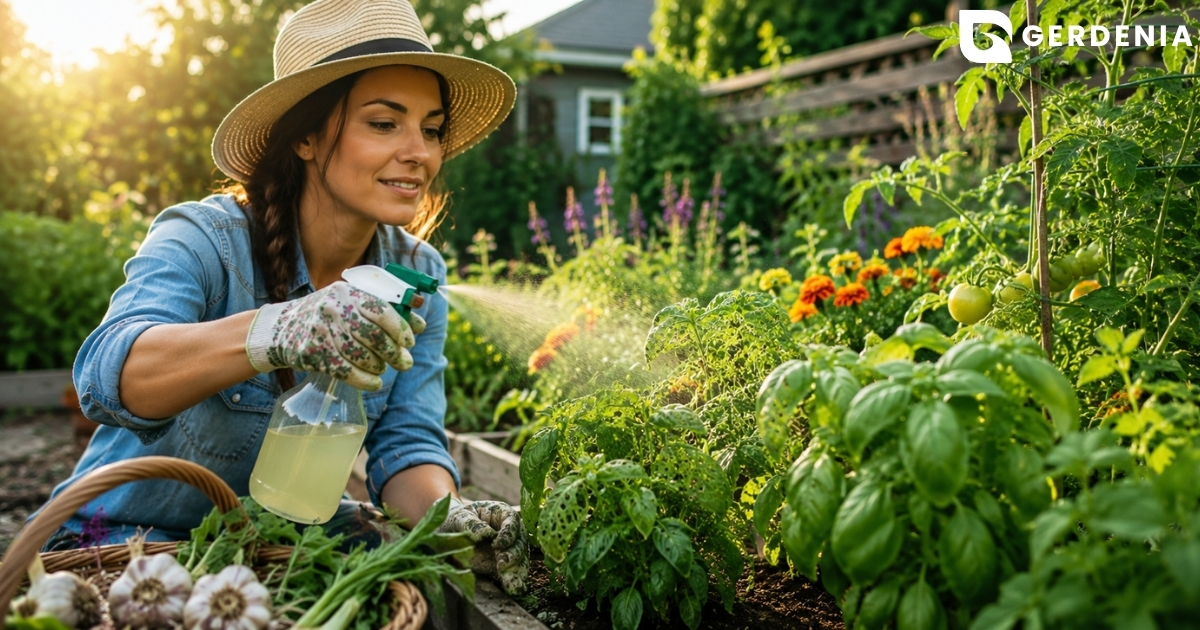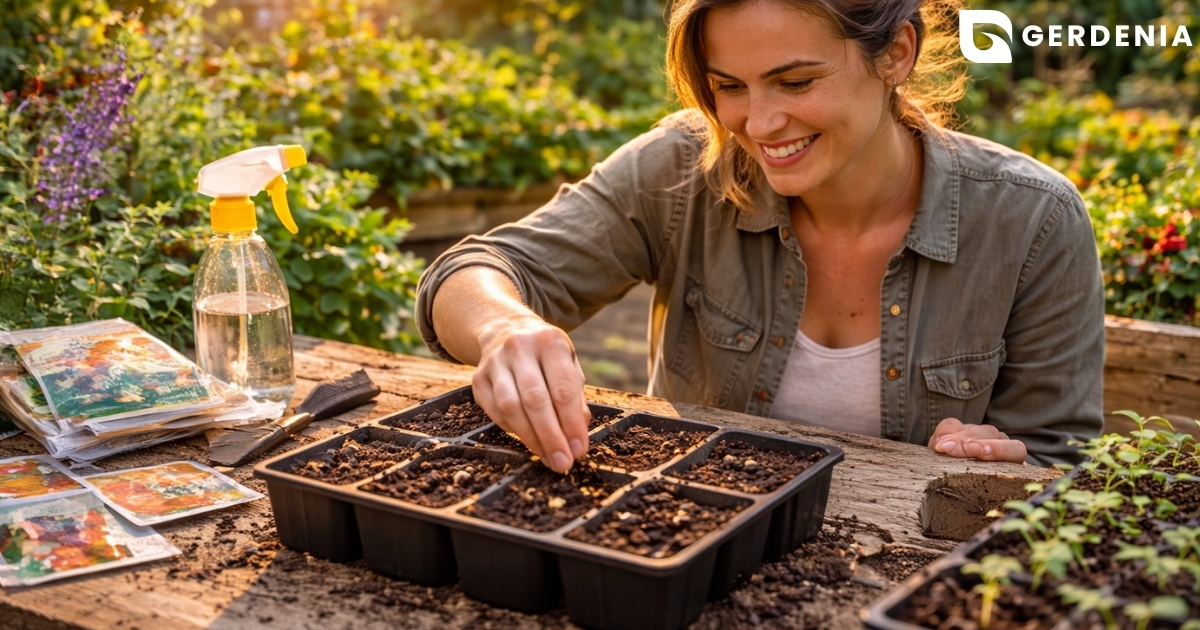
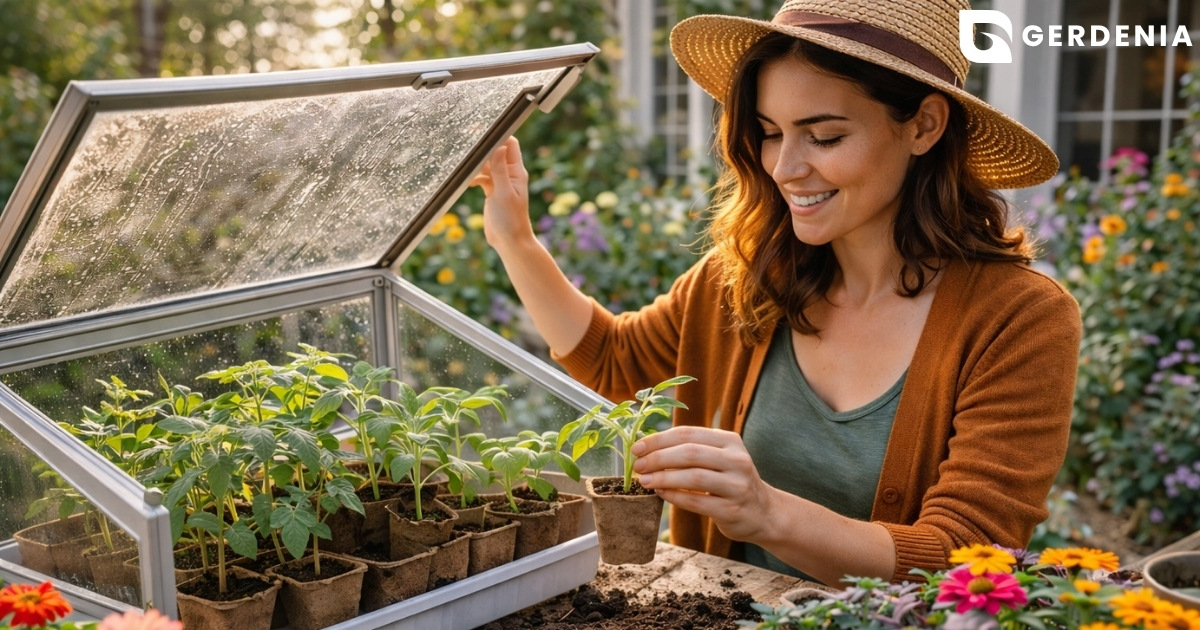
Imagine spending six months indoors, then teleporting to a sunny beach without sunscreen. Your tender seedlings experience that exact trauma when moved directly outside. According to basic botanical science, window glass filters out almost all UV rays, leaving pampered indoor tomatoes with “soft” leaves completely unequipped for harsh direct sunlight.

Exactly what does harden off plants mean for your garden? It is a slow graduation process that gently introduces indoor crops to real-world elements. Experienced growers know skipping this crucial transition guarantees transplant shock, a completely preventable failure where vibrant greens wilt overnight. Figuring out how to harden off plants successfully just requires a little patience and a shaded patio.
Why Indoors is a ‘Spa’ and Outdoors is a ‘Bootcamp’ for Plants
Window glass filters intense rays, meaning indoor plants never develop their natural armor: a waxy leaf layer called a cuticle. Gradual trips outside force leaves to grow this necessary coating, defending them against direct ultraviolet light exposure.
Beyond the sunshine, the outdoor world is constantly moving. A gentle backyard breeze acts like a gym workout for your fragile green babies. As wind pushes them around, the stems respond by building plant cell wall strength. This invisible thickening transforms floppy indoor stems into sturdy trunks capable of surviving spring gusts without snapping.
Successfully hardening off tomatoes and other favorites ensures they actually survive this challenging transition. Before rushing them into the elements, however, you must verify they are mature enough for outdoor bootcamp.
The ‘True Leaf’ Rule: Knowing Exactly When Your Seedlings Are Ready
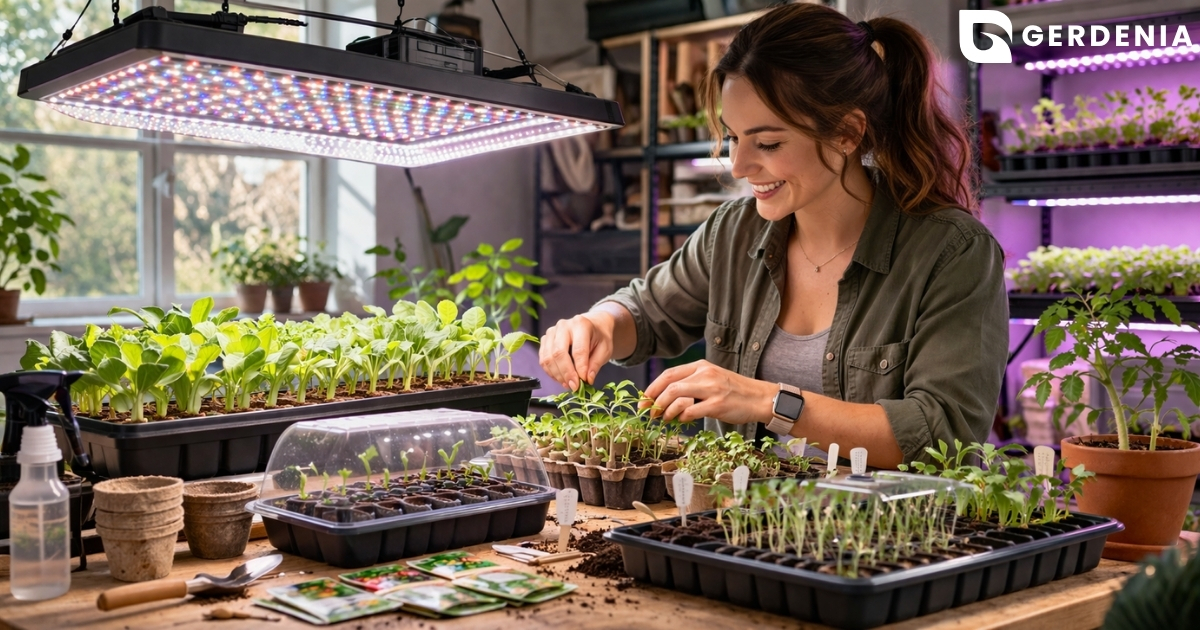
Knowing exactly when to start hardening off seedlings requires checking both your calendar and your plants. First, do a quick last spring frost date calculation by searching your local zip code online; aim to begin ten days before this predicted date. However, your plant must also be physically ready to face the elements. If your seedlings grew tall, pale, and “leggy” while stretching for weak indoor light, they are incredibly fragile and will need extra gentleness before making the move outside.
Preparing your daily routine starts by verifying three distinct visual milestones before planning their first outdoor trip:
- Two to three sets of mature “true leaves” have grown, replacing the initial tiny starter leaves.
- The main stems are relatively sturdy, rather than easily flopping over.
- Healthy white roots are just reaching the bottom of the starter pot.
Once your green babies check these boxes, they are fully prepped for the transition schedule.
A Fail-Proof 7-Day Hardening Off Schedule for Healthy Transitions
Think of acclimating indoor seedlings to outdoor conditions as a graduation process. Just as a runner wouldn’t tackle a marathon without training, your tomatoes and peppers need to slowly build endurance. This gradual hardening off plants schedule eases them into the harsh realities of unfiltered sunlight and stiff breezes without causing fatal transplant shock.
Here is your fail-proof 7-day hardening off schedule:
- Days 1-2: 2 to 3 hours in full shade (like a covered porch), completely protected from wind.
- Days 3-4: 4 to 5 hours total, introducing gentle morning sun but avoiding the intense afternoon rays.
- Days 5-6: 6 to 8 hours, increasing direct sunlight exposure while keeping a close eye on soil moisture.
- Day 7: Leave them outside for a full 24 hours, including their first overnight stay.

Mother Nature rarely reads our calendars, so flexibility is your best tool during this transition. If a sudden spring storm rolls in or your local forecast predicts high winds, it is perfectly fine to pause the timeline and keep your starter trays sheltered for an extra day.
Monitoring overnight temperatures becomes crucial as you near the end of the week. While day seven calls for leaving them out under the stars, only do this if evening temperatures stay reliably above 50°F; otherwise, bring them back inside to prevent chilling injury.
Even with a careful routine, plants can still experience stress if pushed too fast. Paying close attention to their leaves and stems during these daily field trips is essential to catch any signs of stress early.
How to Spot Sun Scald and Wind Damage Before It’s Too Late
A bright afternoon can quickly scorch sensitive seedlings. If you see papery, bleached patches, these are classic symptoms of sun scald on leaves. Unlike a nutrient deficiency that slowly turns foliage yellow, this damage happens rapidly, mimicking a human sunburn. Immediately move affected trays into deep shade to rescue wilting stems. Beginners often ask, can you harden off plants in the shade entirely? You can certainly start there, but they must eventually face direct light to build true UV resistance.
Wind poses another threat, easily snapping fragile stems before they develop structural muscle. If unexpected gusts hit your patio, using row covers for wind protection acts as a perfect safety net, filtering harsh breezes while letting plants experience the outdoors. Once your vegetables survive a sun-drenched, breezy afternoon without wilting, their outdoor training is complete. With their newfound resilience, they are finally ready for transplanting.
Your Moving Day Checklist: Successfully Transplanting Into the Garden
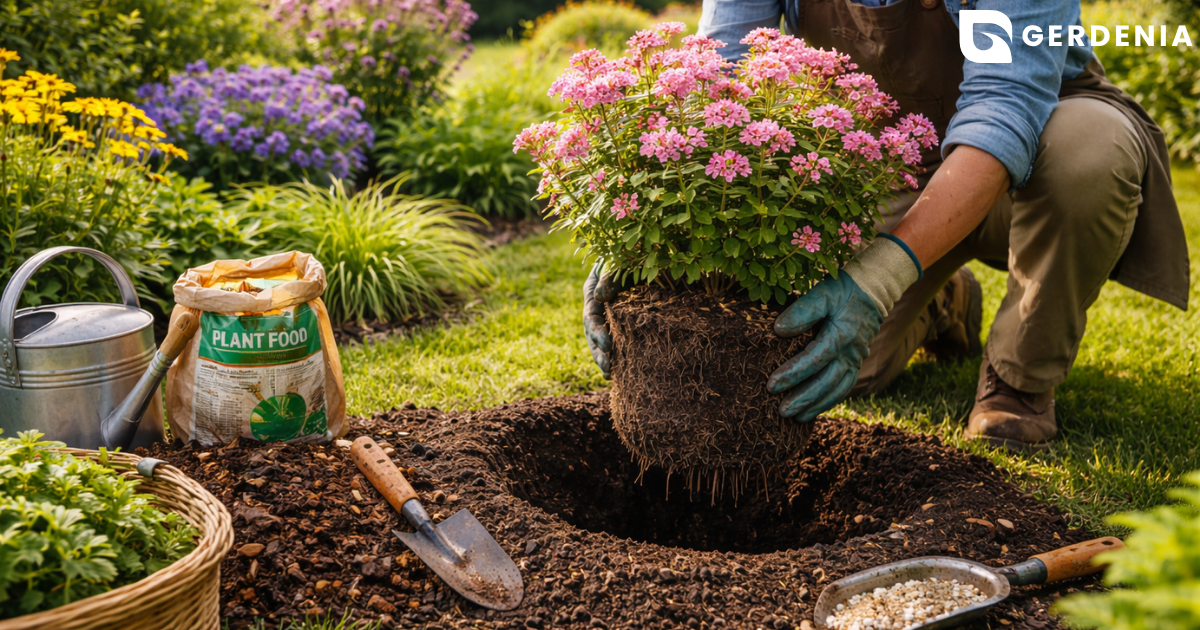
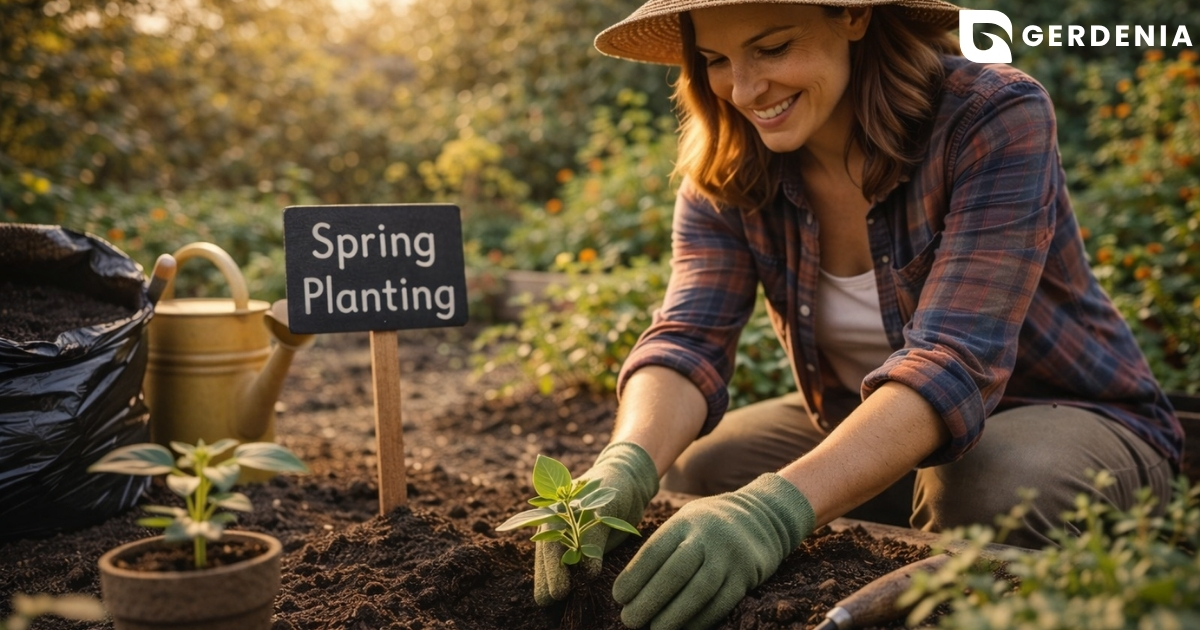
You’ve invested weeks nurturing these seedlings, and taking time to harden off before transplanting ensures that effort isn’t wasted. Today is graduation day! For preventing transplant shock in young plants, environmental timing is just as crucial as the physical transition. Ensure maximum root hydration by thoroughly soaking your pots, then follow this final moving day checklist:
- Cloud cover
- Late afternoon timing
- Pre-moistened soil
- Mulch application
Moving seedlings outside for the first time is no longer a gamble. You now understand how to transform fragile indoor sprouts into sturdy outdoor survivors. Watch your garden investments settle in safely and thrive as they transition to their permanent outdoor home.